Cybergoth Aesthetic
Matte black, UV neon, and industrial rave darkness—discover the cybergoth aesthetic, its roots, traits, and how to create it.
Instantly rendered in Cybergoth Aesthetic — or transform a photo
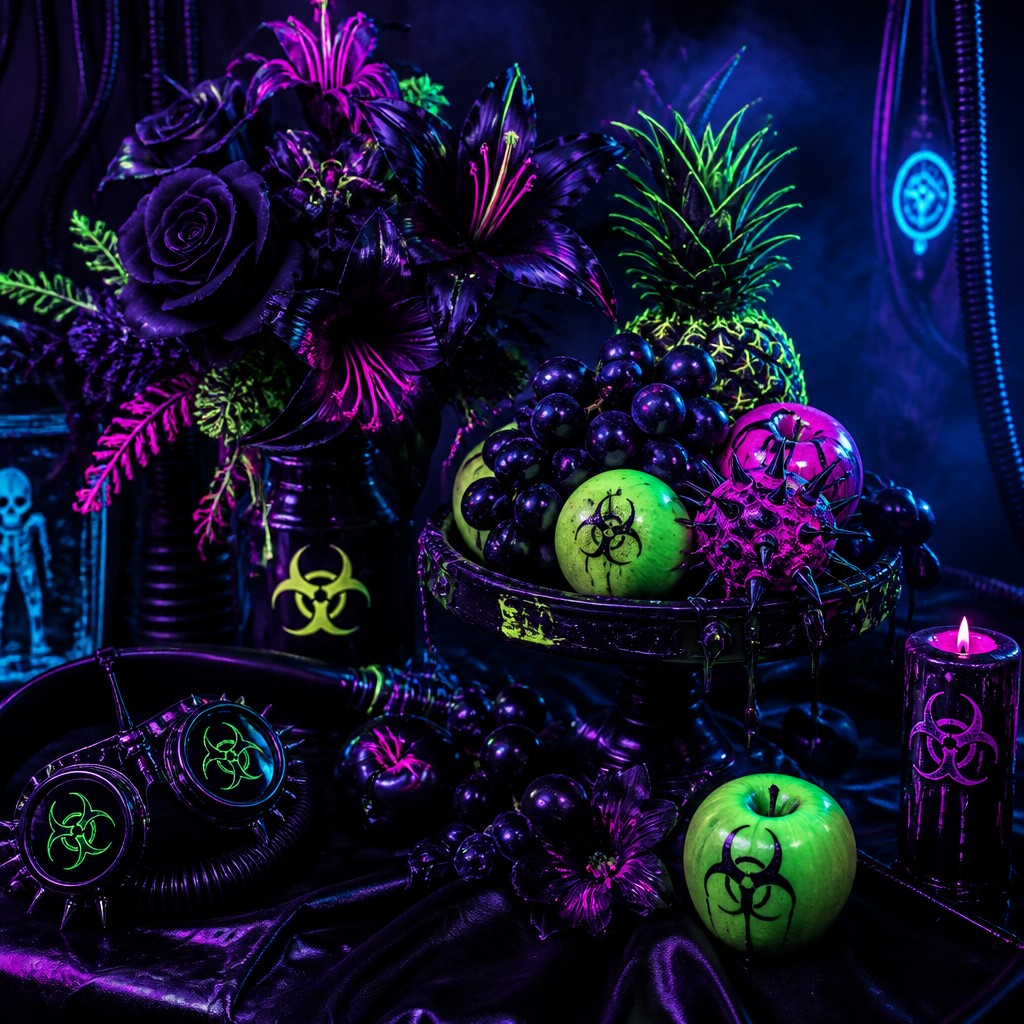
Cybergoth Aesthetic Gallery
Tap any artwork to explore it

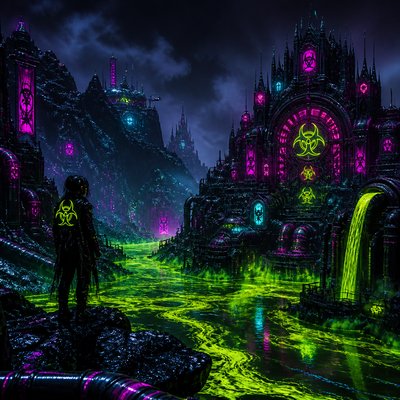

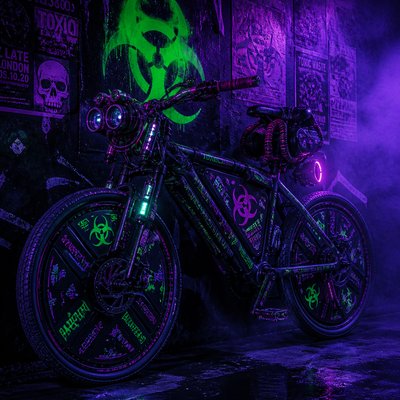
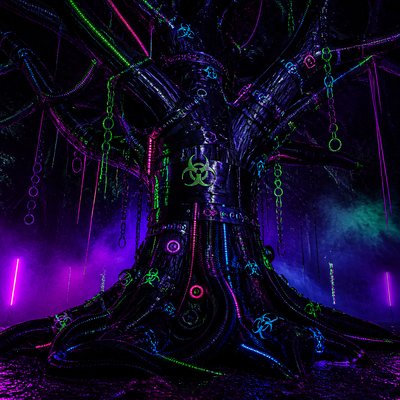
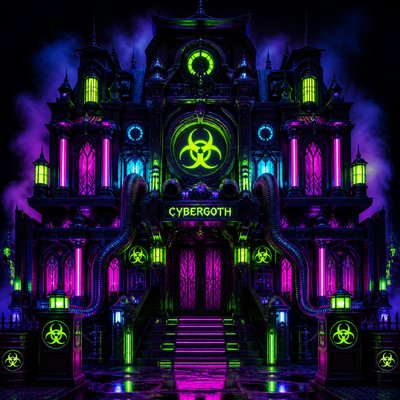
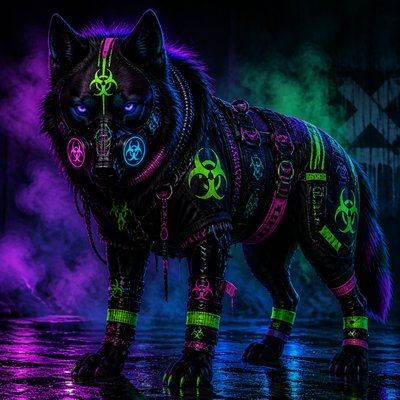
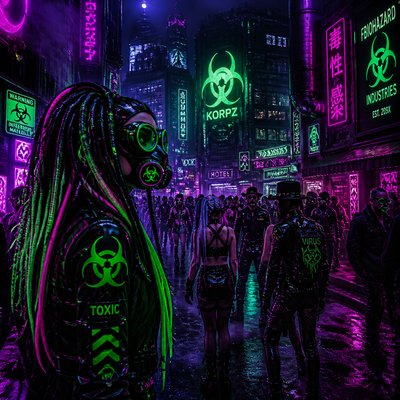
What is Cybergoth Aesthetic?
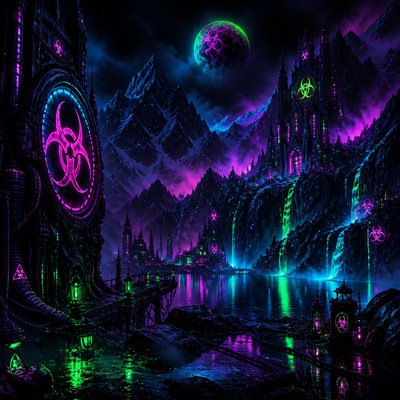
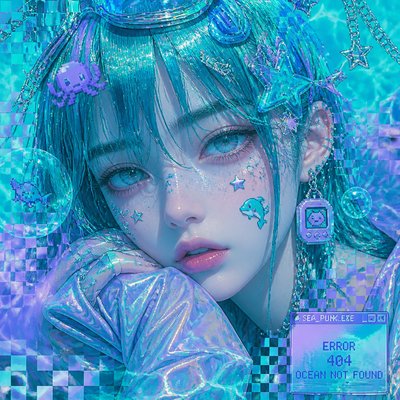
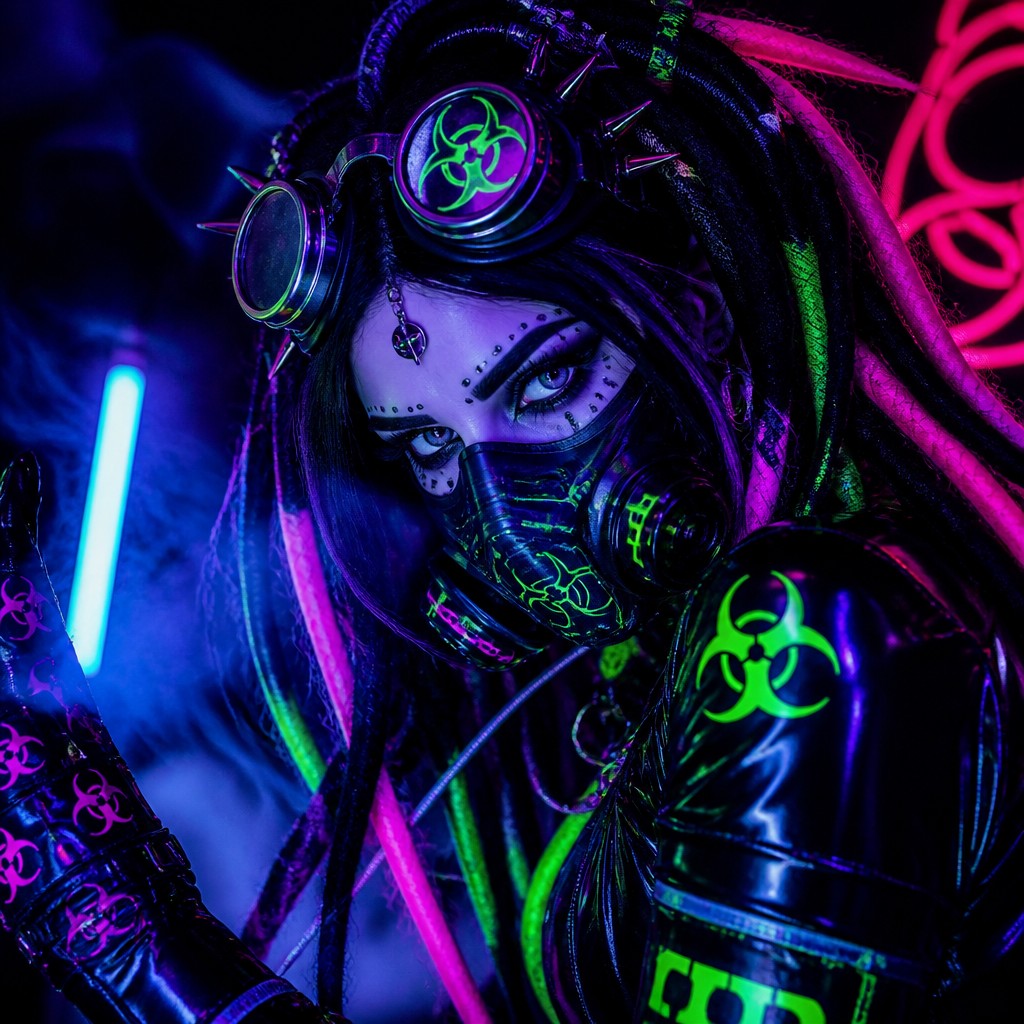
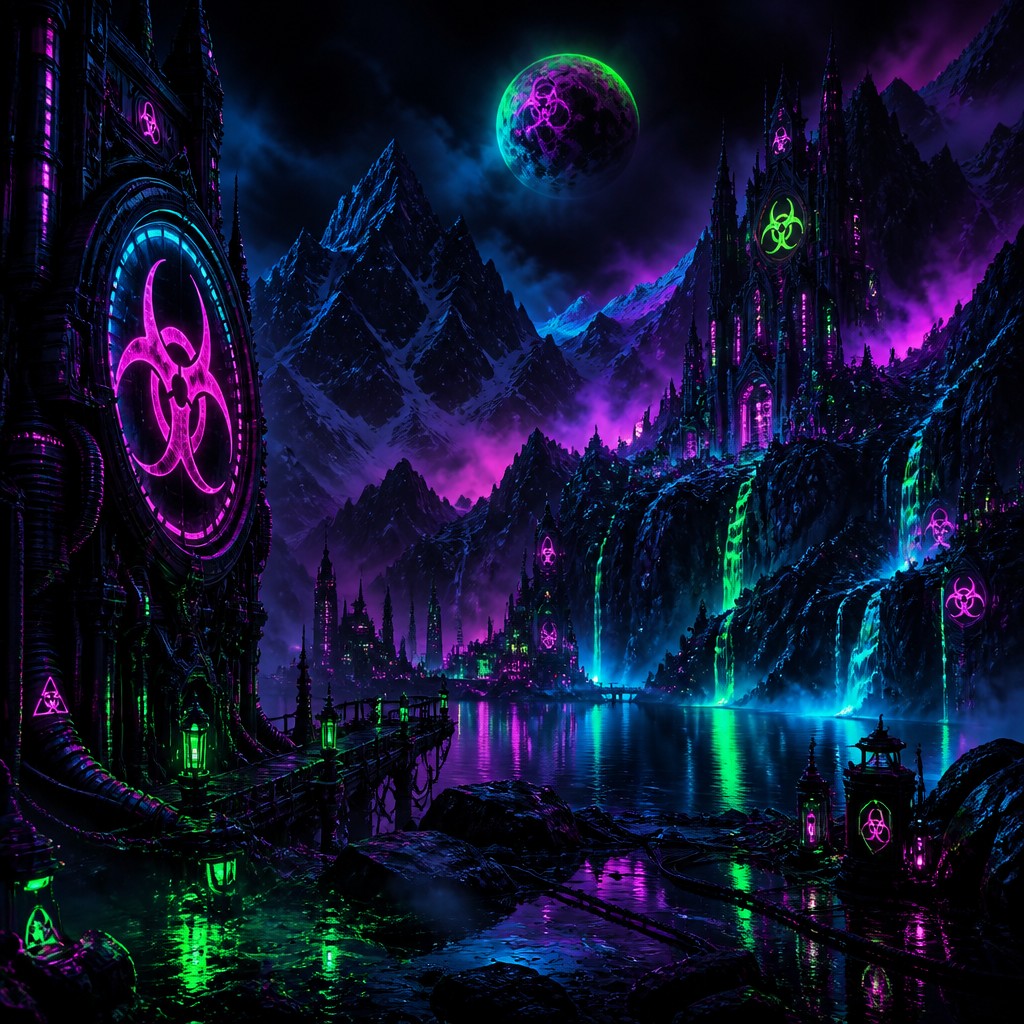
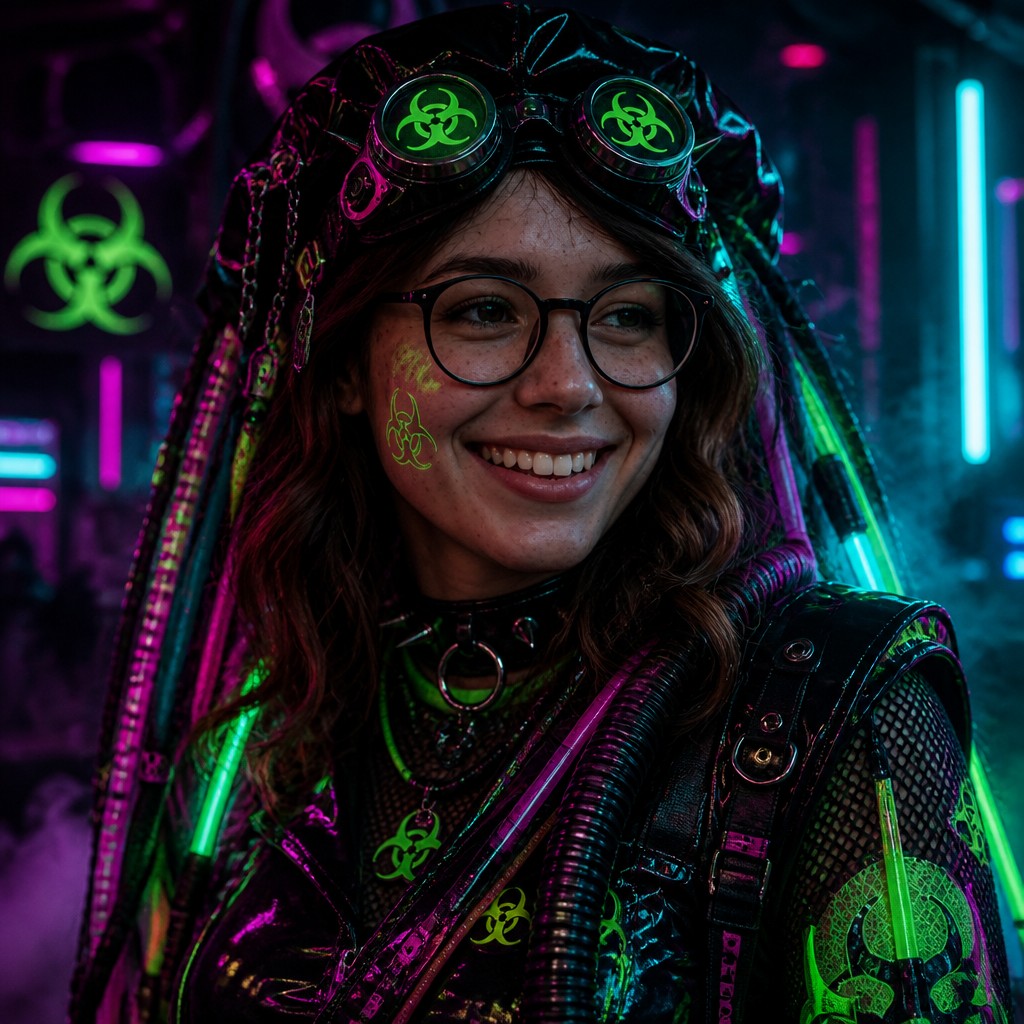
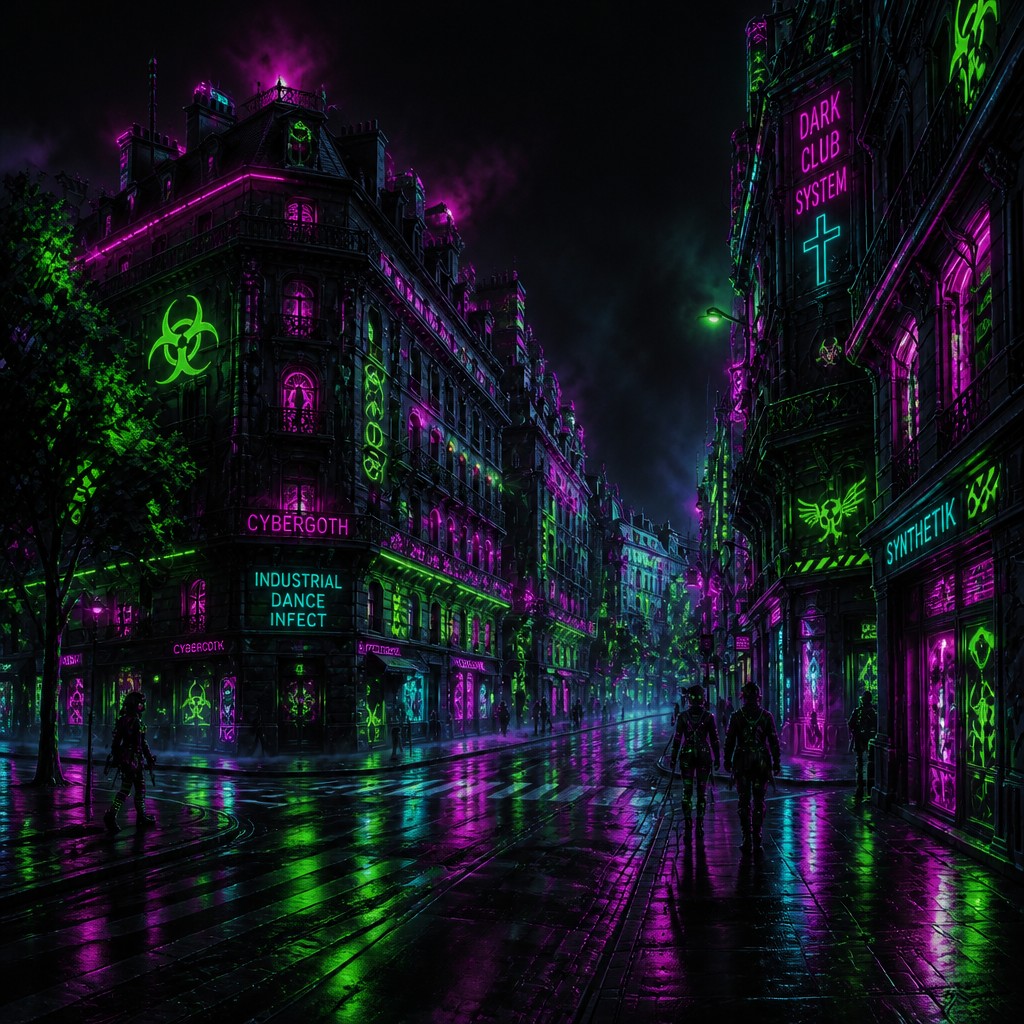
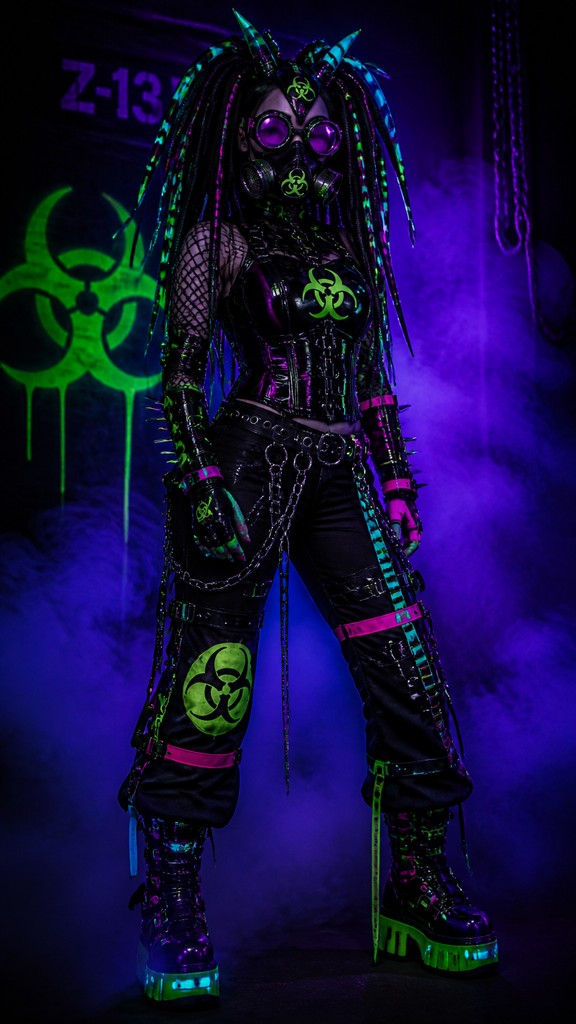
Cybergoth is a subcultural aesthetic built from a stark contrast: matte black clothing and gear set against intense ultraviolet neon accents. Its visual identity combines gothic darkness with club-rave futurism, using synthetic materials, heavy accessories, industrial hardware, and blacklight-reactive color to create an aggressive nocturnal look. The result is less about historical gothic revival than about a constructed, machine-age version of nocturnal excess.
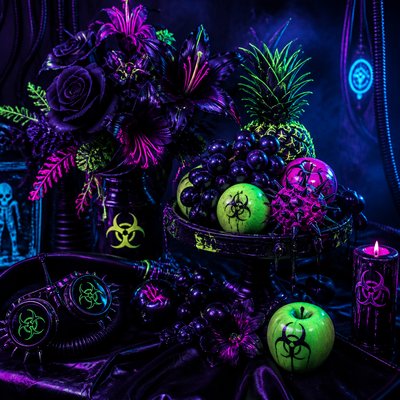
The style is immediately recognizable through PVC, ribbed rubber, mesh, synthetic fibers, respirators, goggle-like eyewear, tubes, straps, and graphic motifs that recall hazard signage and industrial equipment. The visual effect depends on strong lighting contrasts, especially deep shadows and UV glow, which make the neon colors appear electrically charged. Cybergoth looks the way it does because it merges two powerful visual languages: the emotional darkness and theatricality of goth culture, and the kinetic, synthetic energy of electronic dance and industrial club scenes.
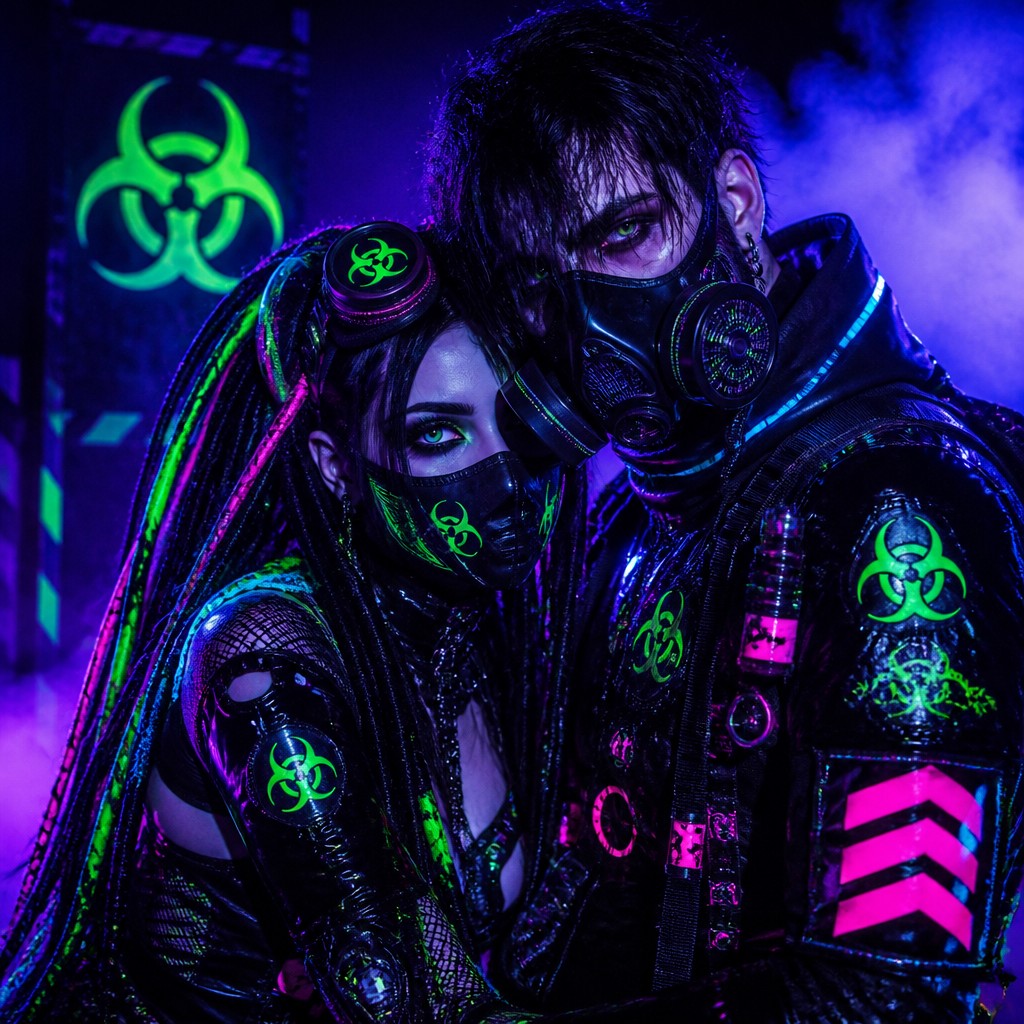
Try It On Your Photos
Upload any photo and convert it into Cybergoth Aesthetic — drag the sliders to compare before and after.


What Defines Cybergoth Aesthetic
The signature details, up close
Matte black foundation
Black dominates the palette, usually in matte fabrics that absorb light and make neon accents appear brighter. This creates the style’s signature contrast between void-like surfaces and luminous highlights.
UV neon accents
Ultraviolet green, hot pink, cyan, and electric purple are used sparingly but decisively. These colors are often chosen for blacklight response, so they seem to glow under club lighting.
Synthetic textures
PVC, vinyl, rubber, mesh, and technical fabrics are central because they reflect the style’s synthetic, manufactured feeling. The surfaces often look slick, ribbed, or industrial rather than soft or natural.
Industrial hardware
Belts, buckles, straps, rivets, tubing, and mechanical-looking attachments give the style a constructed, utilitarian edge. These details evoke machinery, protective gear, and modified bodywear.
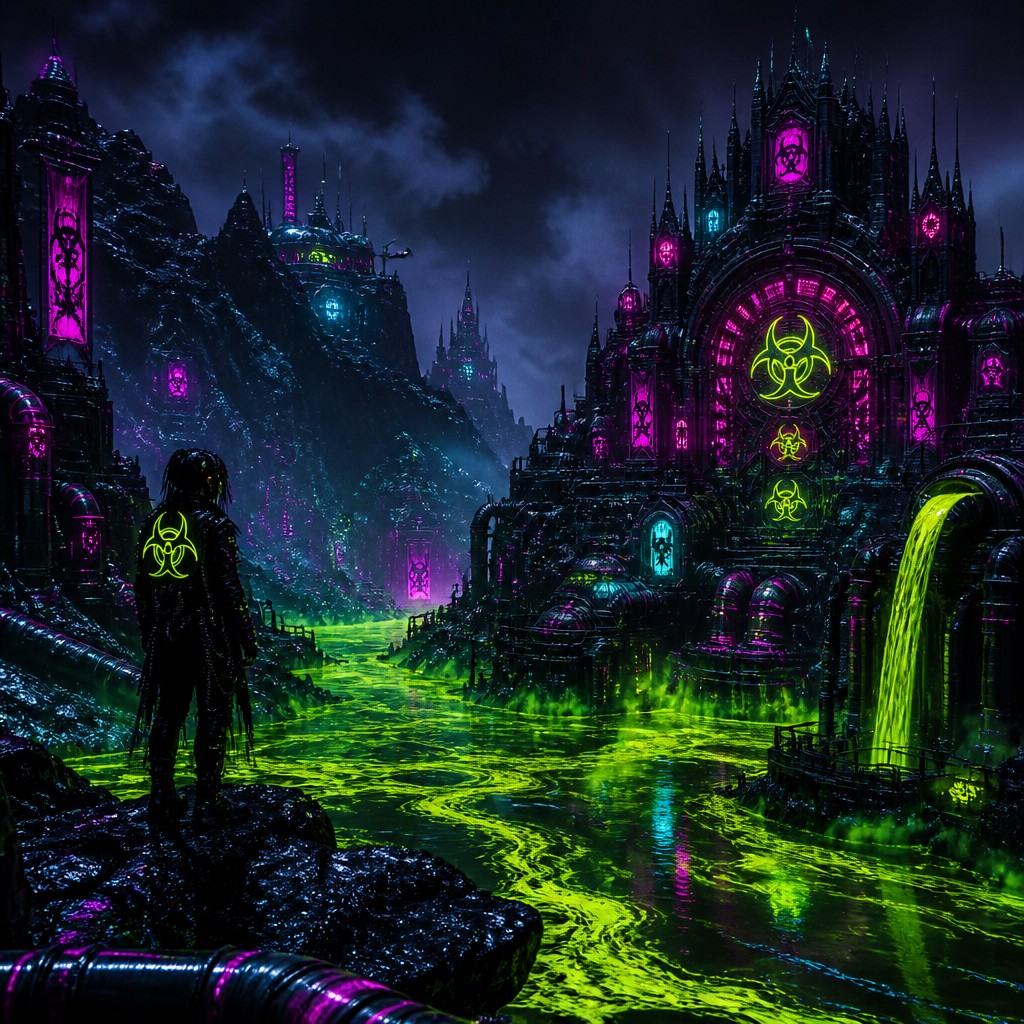
Goggles and face gear
Industrial goggles, respirators, masks, and visor-like accessories are common motifs. They reinforce the cybernetic and post-apocalyptic undertones while adding anonymity and visual density.
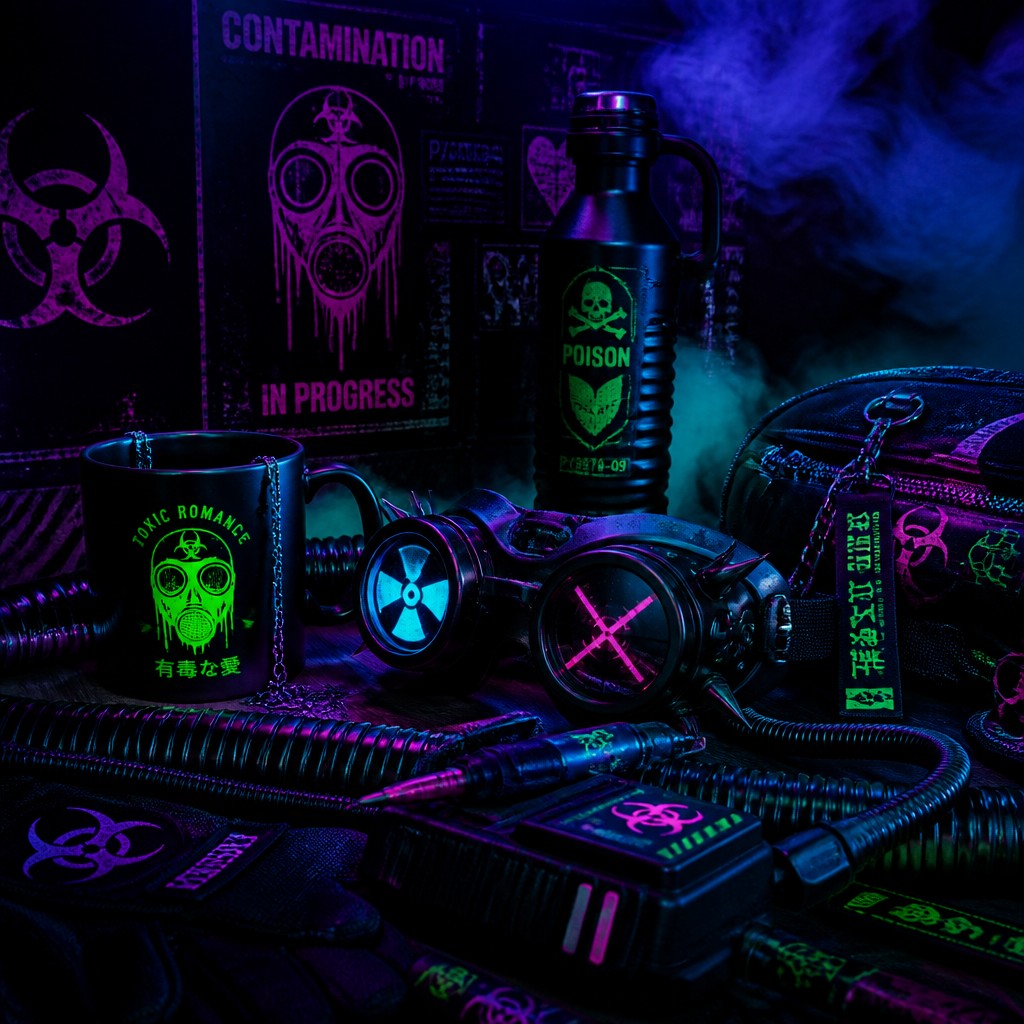
Club-fog atmosphere
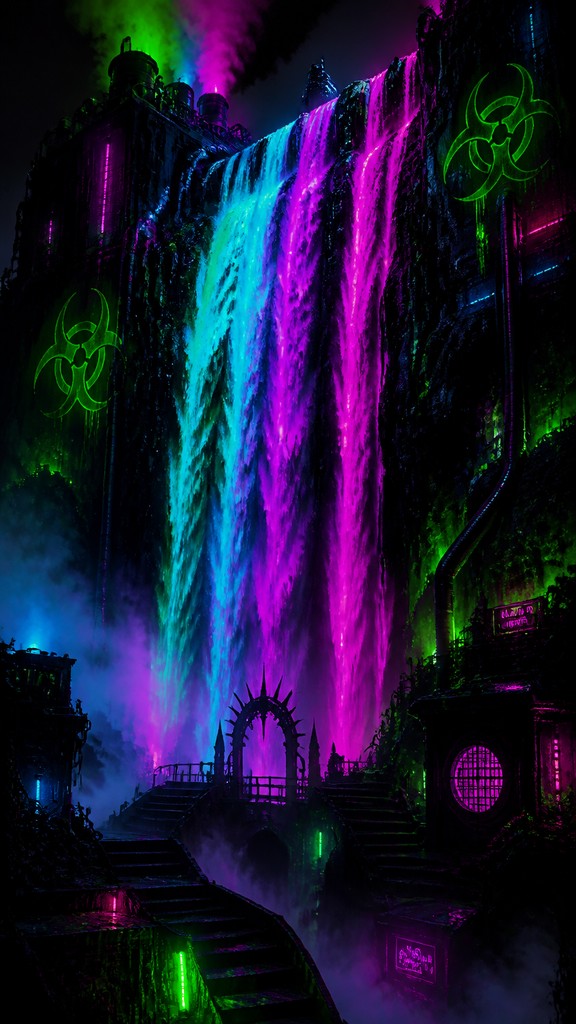
Smoke, haze, and blacklight are integral to the look, not just incidental effects. They soften edges, amplify neon, and turn the whole image into a nocturnal environment rather than a simple outfit.
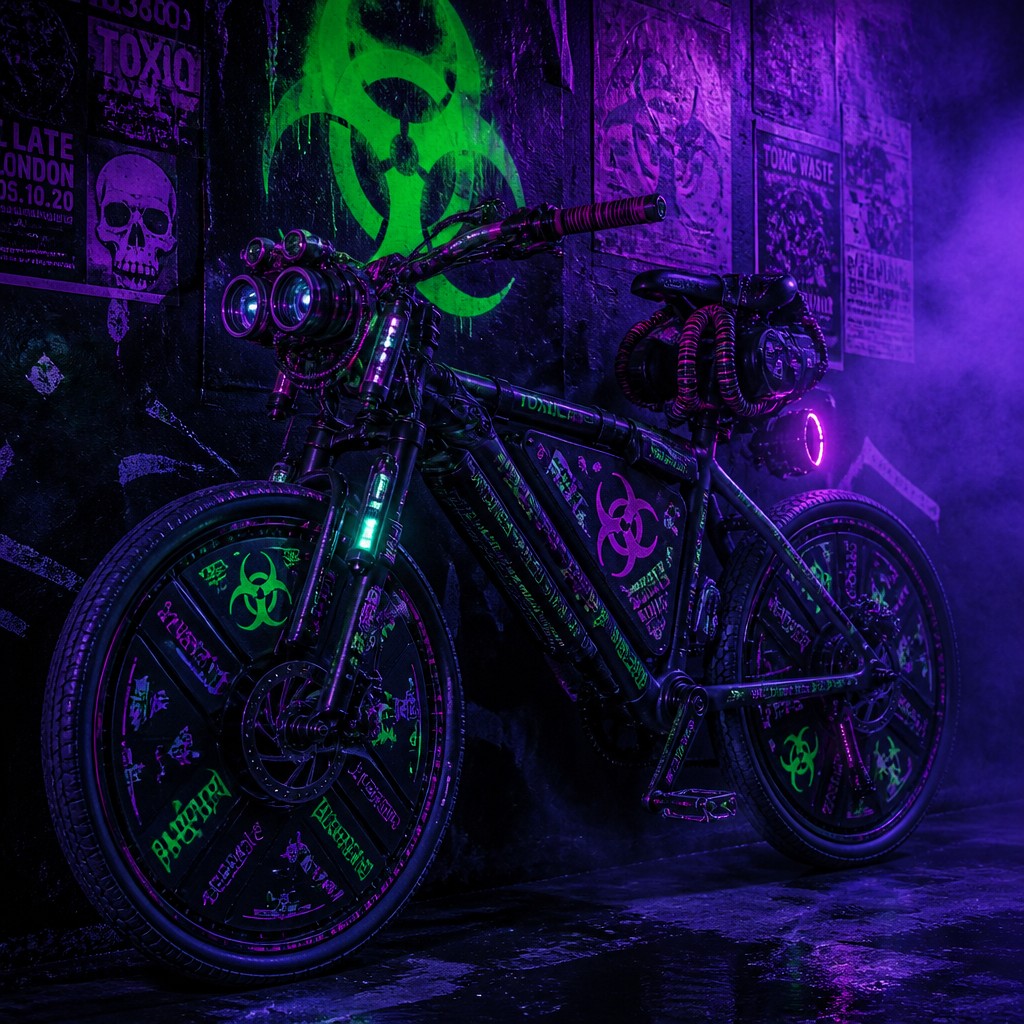
Gothic-rave fusion
The style balances gothic drama with rave energy: solemn silhouettes meet fast, synthetic color and movement. This tension is what makes cybergoth feel both ceremonial and electronic.
Try It
Create Videos in Cybergoth Aesthetic
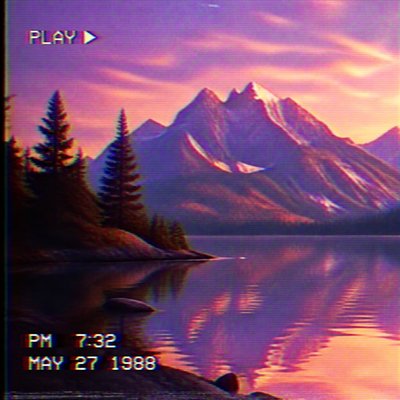
Styles aren't just for stills — describe a scene or animate an image and get a short video rendered in Cybergoth Aesthetic. Press play to see this pond come to life.
Make a VideoCybergoth Aesthetic Prompt Ideas
Start from an idea — each one opens the generator with the style ready to go. See all 40 Cybergoth Aesthetic prompts →
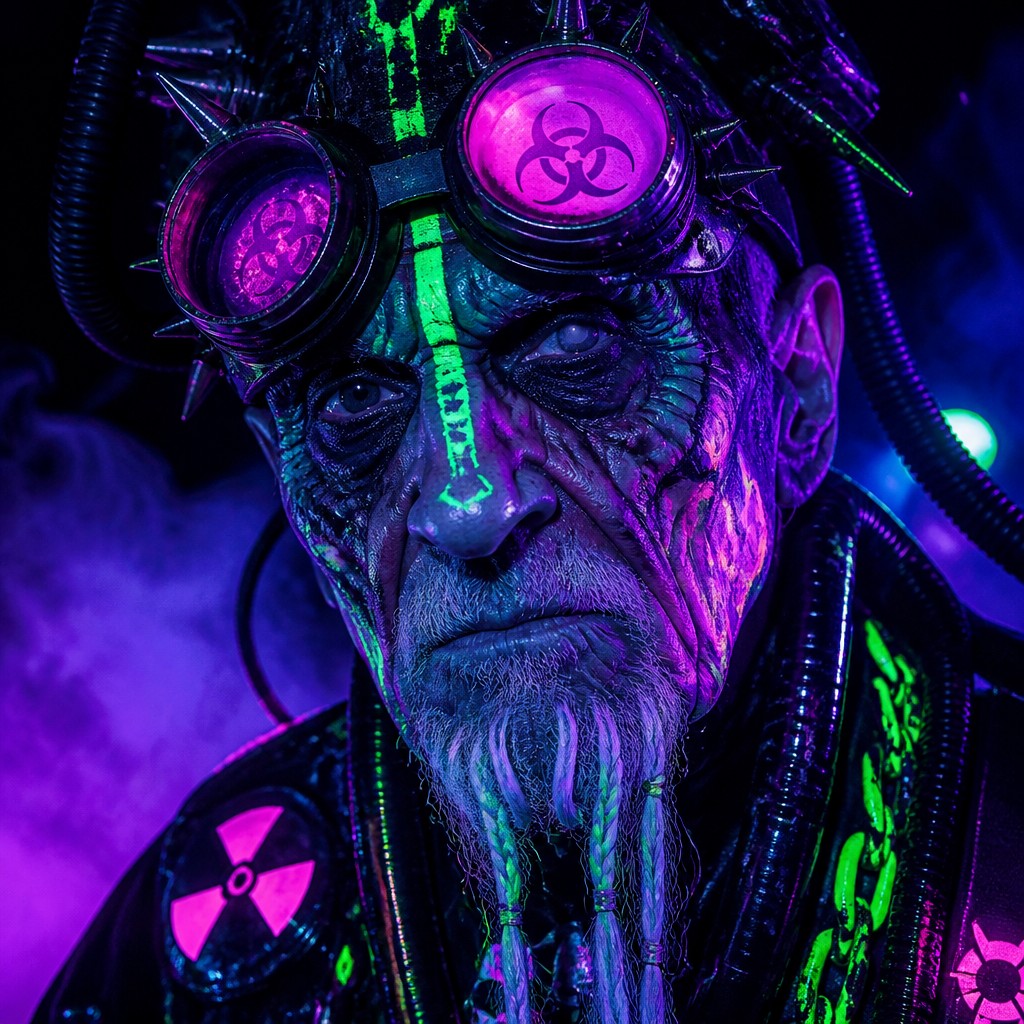
“close-up portrait of an elderly person with expressive weathered features”
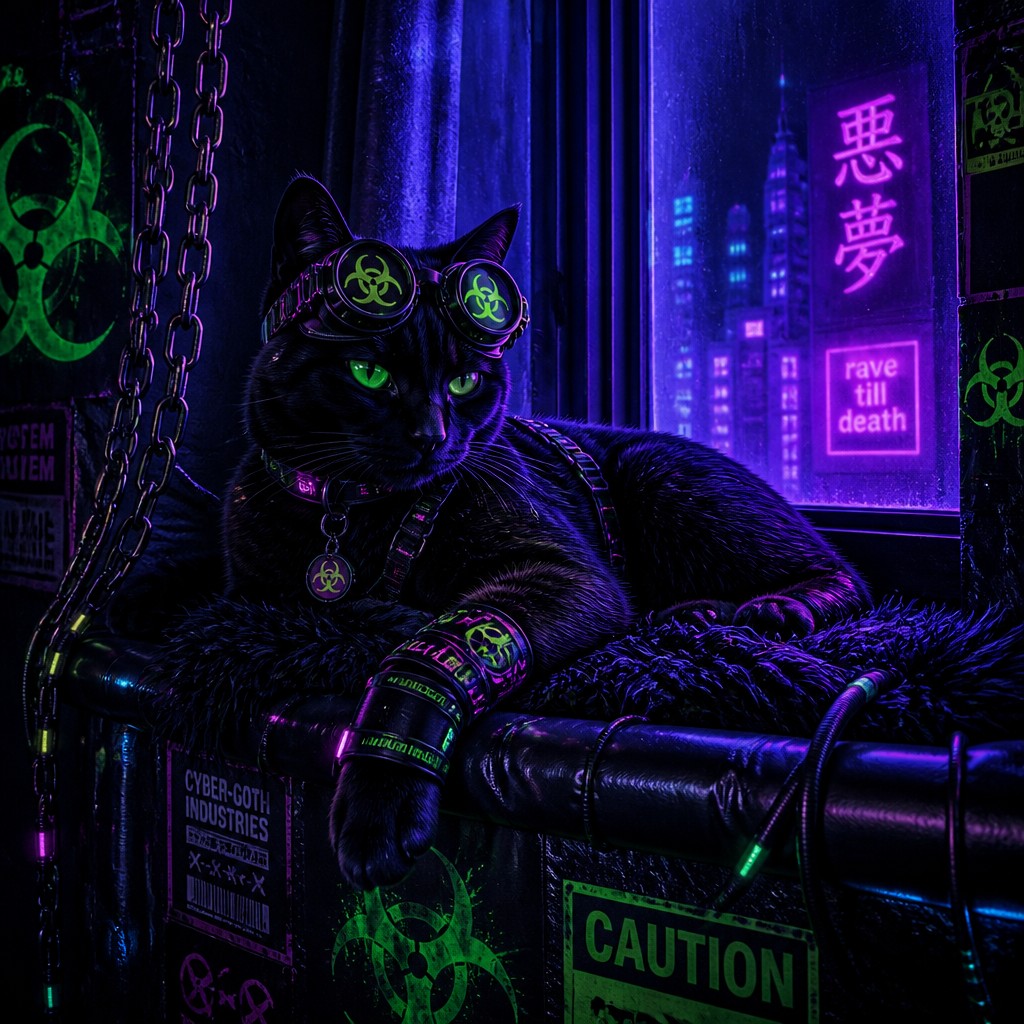
“a cat lounging in a sunlit window”
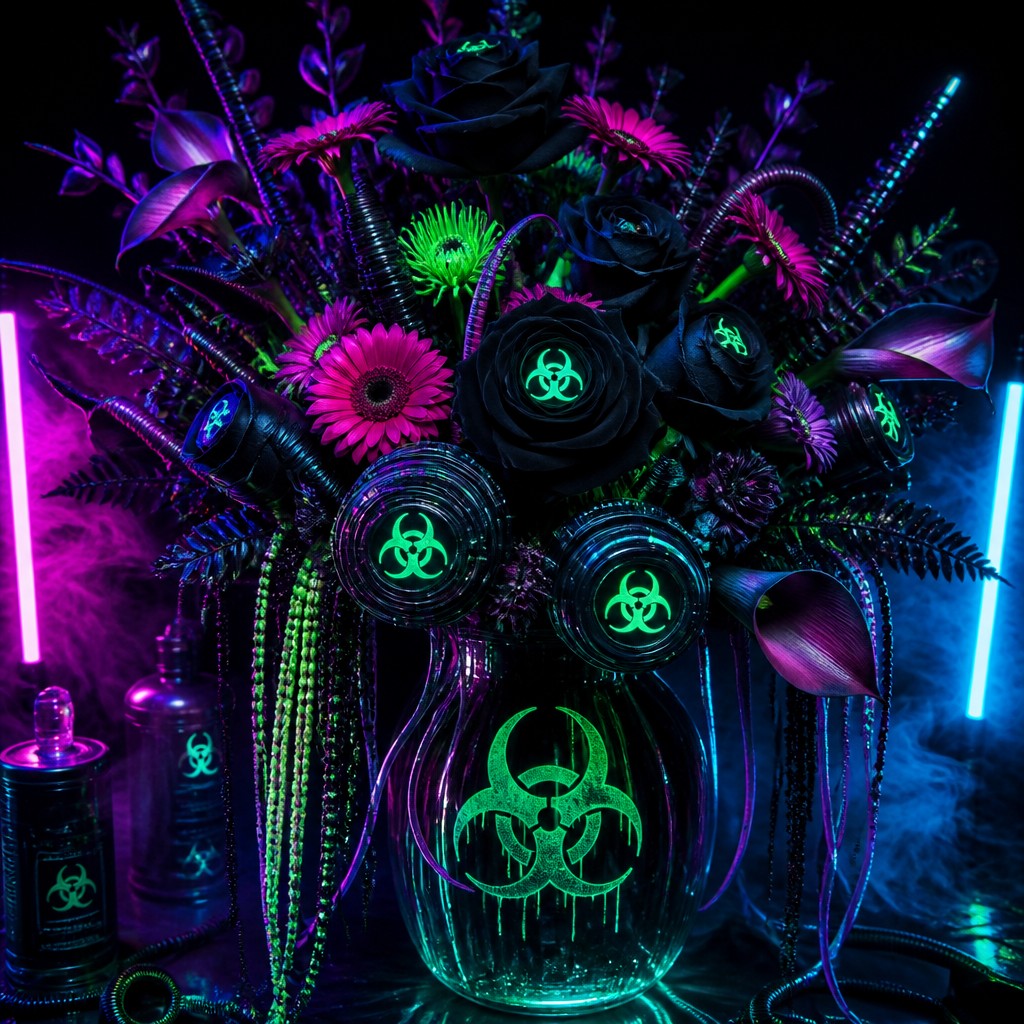
“bouquet of flowers in a glass vase”

“sailing ship on a stormy sea”
How to Create Cybergoth Aesthetic Art
Master the craft step by step — or skip straight to creating. Read the full guide →
- 1
Build from a black base
Start with a nearly all-black composition or outfit, then add only a few high-saturation accents so the color contrast stays severe. In painting or illustration, keep midtones narrow and use dark value masses to let the neon read as emitted light.
- 2
Use synthetic material cues
Render surfaces with gloss, ribbing, mesh patterns, and crisp seams to suggest PVC, rubber, and technical textiles. Even in simplified drawings, include hard edges, straps, and layered forms to signal engineered clothing.
- 3
Treat neon as lighting, not decoration
Make UV colors feel like they are powered by the environment or clothing edges rather than applied randomly. A blacklight effect works best when neon spills onto nearby surfaces, fog, or skin highlights.
- 4
Add industrial and protective details
Include goggles, masks, tubes, buckles, and hazard-inspired graphics to anchor the look in techno-industrial imagery. These elements should feel functional or semi-functional, even when stylized.
- 5
Control the atmosphere
Use smoke, low-key lighting, and deep shadow to create the underground club mood that defines the aesthetic. In digital work, bloom, glow, and rim light are useful; in traditional media, reserve highlights for the strongest luminous points.
- 6
Write prompts around setting and materials
For generation, describe the scene in terms of texture, lighting, and accessories rather than just the subject. Phrases like blacklight glow, industrial club fog, glossy rubber, neon green tubing, and goggle detailing help the model capture the style reliably.
The Story
History & Origins of Cybergoth Aesthetic
Cybergoth emerged in the late 1990s and early 2000s as a fashion and nightlife subculture, especially in urban club environments where goth, industrial, EBM, and rave aesthetics overlapped. It did not arise as a formal art movement with a manifesto, but as a lived style shaped by music scenes, costume practices, and DIY customization. Its look drew from club fashion, post-industrial imagery, cyberpunk fiction, and the broader gothic tradition of dramatic black dress and alienated romanticism.
Its lineage includes the industrial music and rave cultures of the 1980s and 1990s, the cyberpunk visual imagination of science fiction, and the fetish for synthetic materials common to late-20th-century subcultural dress. Blacklight posters, UV-reactive accessories, goggles, gas-mask imagery, and day-glo accents all fed into the vocabulary. Over time, the style became especially associated with photographed nightlife fashion, online subculture documentation, and image-driven reinterpretations of alternative dress.
Influences: Cybergoth draws from goth and industrial subcultures, rave fashion, cyberpunk imagery, and late-20th-century fetish and clubwear design. Its visual logic also overlaps with science-fiction illustration and the theatricality of performers and photographers who documented underground nightlife. Related historical references include the romantic darkness of Gothic revival culture and the high-contrast spectacle of industrial design imagery, though the style itself is a modern subcultural fusion rather than a canonical art movement.
Frequently Asked Questions
What defines the cybergoth aesthetic?
Cybergoth is defined by a black-heavy palette, UV neon accents, synthetic fabrics, and industrial accessories such as goggles, straps, and masks. Its identity comes from the contrast between gothic darkness and rave-era fluorescent energy. The look is usually theatrical, nocturnal, and intentionally artificial.
Is cybergoth the same as cyberpunk?
No. Cyberpunk is primarily a science-fiction genre focused on high-tech, low-life futures, while cybergoth is a fashion and visual subculture. Cybergoth borrows cyberpunk’s industrial and futuristic cues, but filters them through goth and club fashion rather than narrative sci-fi.
How is cybergoth different from regular goth?
Traditional goth tends to emphasize romantic, Victorian, or post-punk references, often in black with lace, velvet, and somber elegance. Cybergoth keeps the dark palette but adds neon, synthetic materials, and industrial hardware, making it more club-focused and futuristic. The result is harsher and more machine-like.
What colors work best in cybergoth art?
Black is the foundation, and the strongest accent colors are usually ultraviolet green, hot pink, cyan, and occasionally electric purple. These hues work especially well when they appear to glow under blacklight. Too many colors can weaken the style’s stark contrast, so restraint matters.
Where is cybergoth commonly used?
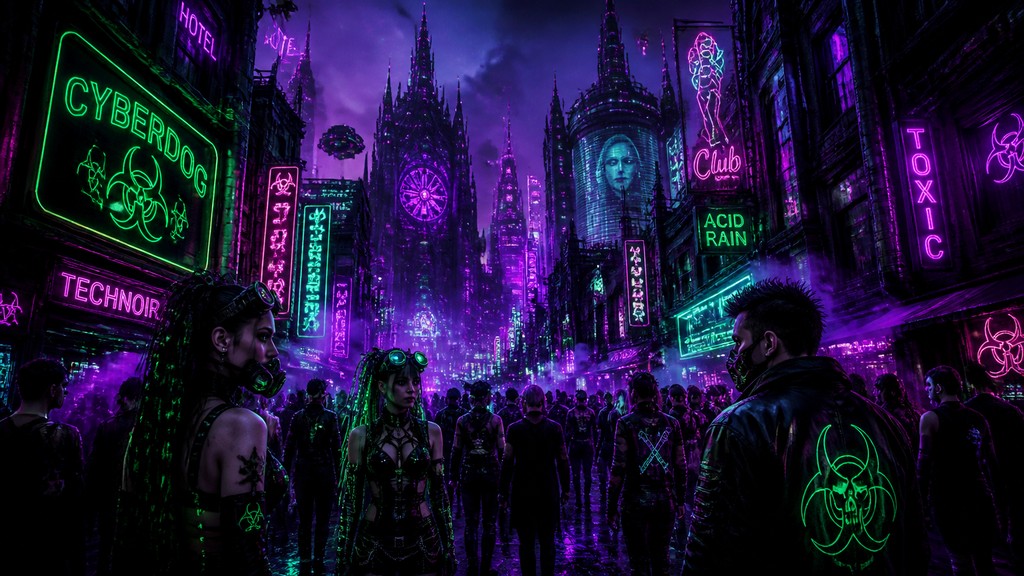
It appears in alternative fashion photography, nightlife portraits, rave flyers, music visuals, cosplay-inspired styling, and digital character art. It is also common in editorial images that want a dark futuristic mood. The aesthetic is especially effective in scenes with smoke, stage lighting, or urban nighttime settings.
How can I make a cybergoth image look authentic?
Focus on materials, lighting, and silhouette as much as on color. Use matte black masses, glossy synthetic highlights, industrial accessories, and blacklight atmosphere together. A convincing image usually feels like it belongs to a club, warehouse, or nocturnal street scene rather than a generic sci-fi future.
Create your first Cybergoth Aesthetic artwork
Describe anything — or upload a photo — and see it in Cybergoth Aesthetic in seconds.
Make Something with Cybergoth Aesthetic
Related Styles
Discover similar art styles