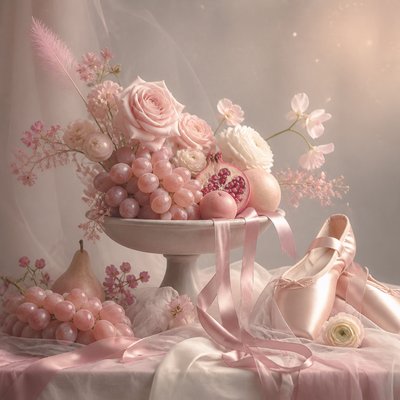
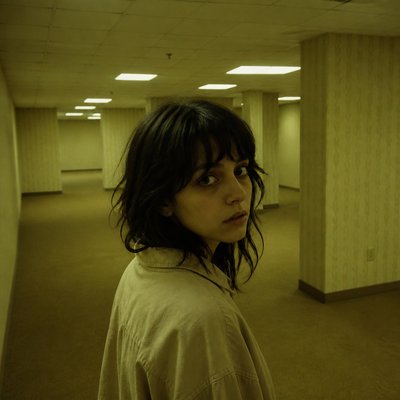
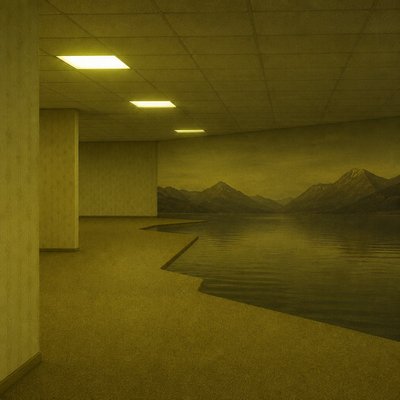
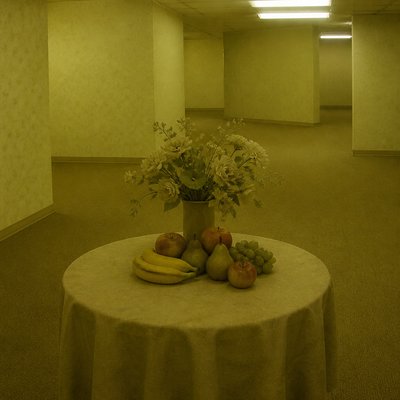
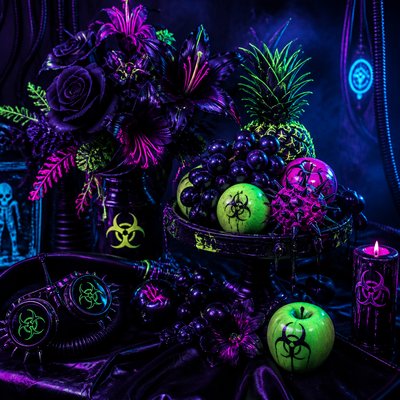
Witchcore Aesthetic
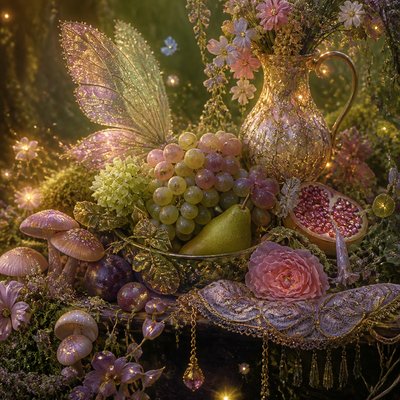
Candlelit folk magic aesthetic with moss, plum and bone tones, smoke, herbs, shadow, and earthy occult atmosphere.
Instantly rendered in Witchcore Aesthetic — or transform a photo
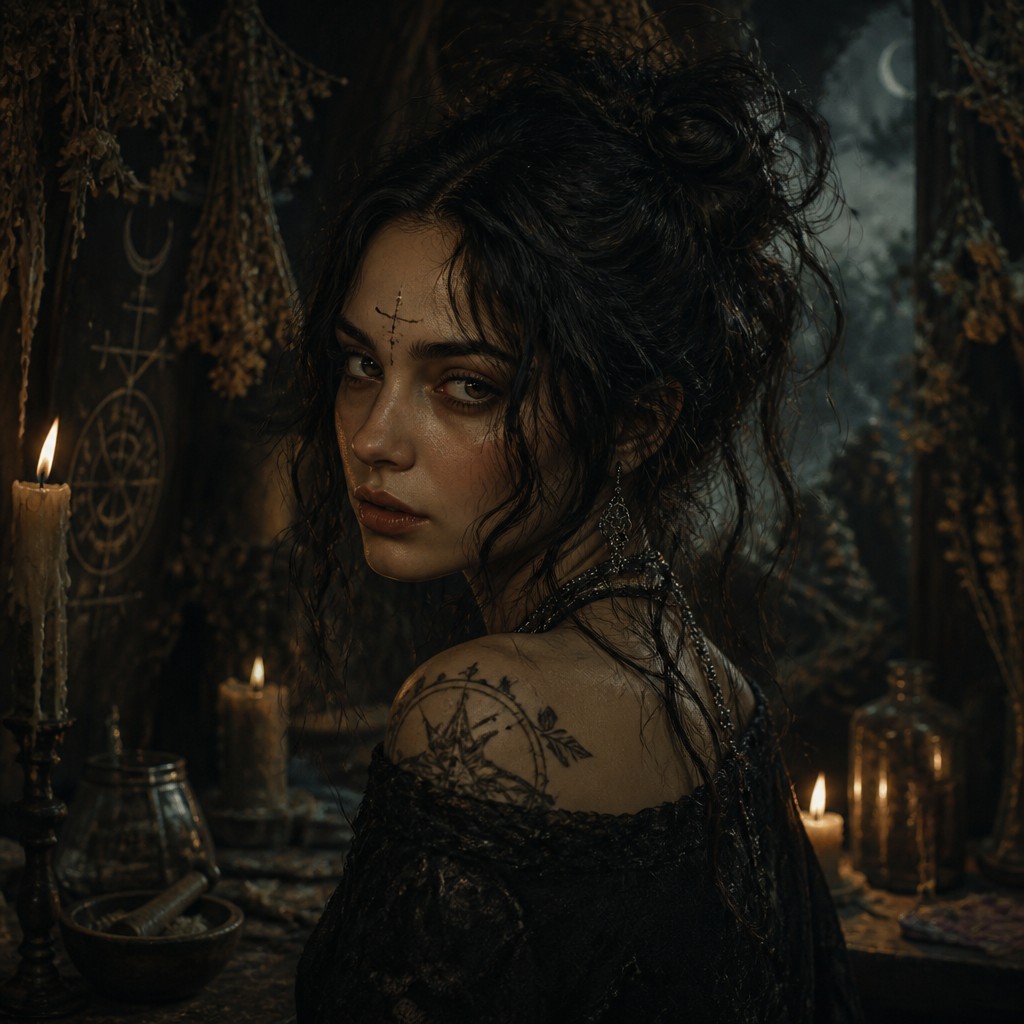
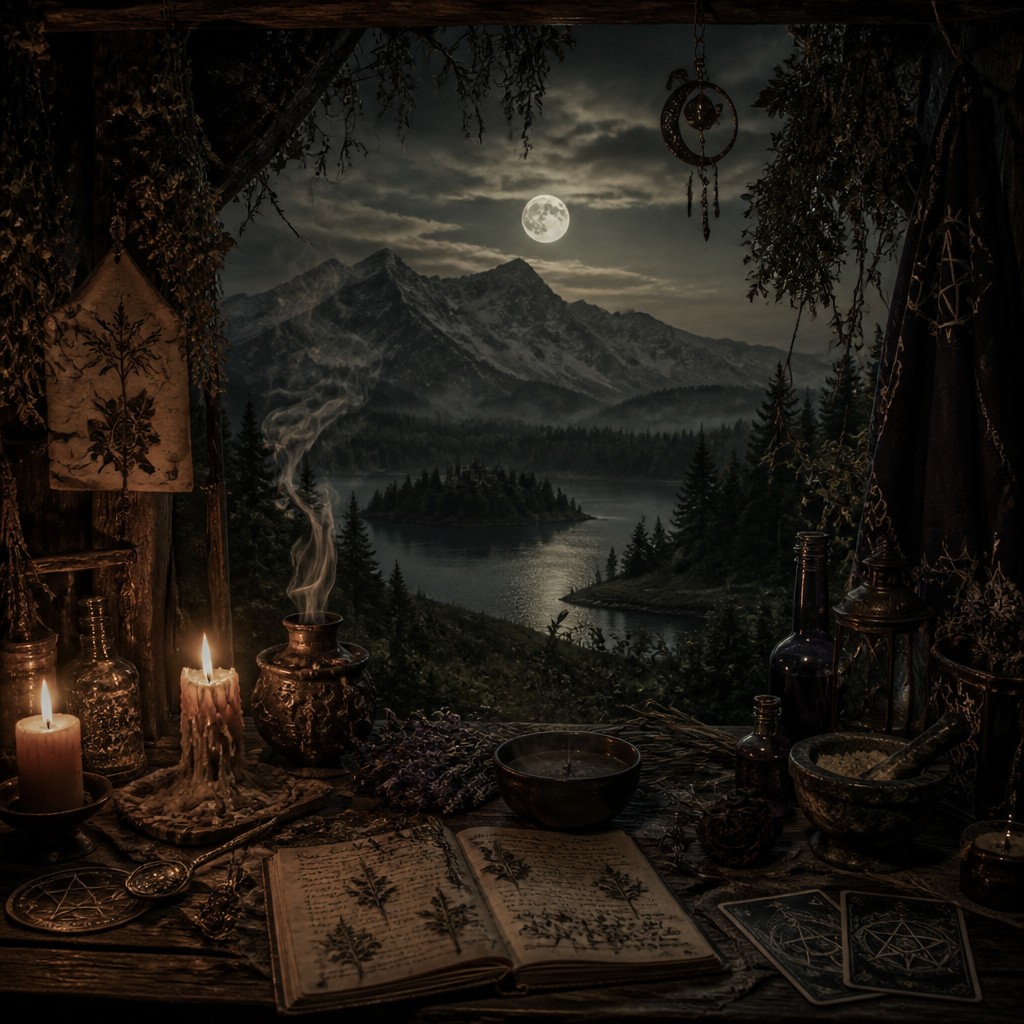
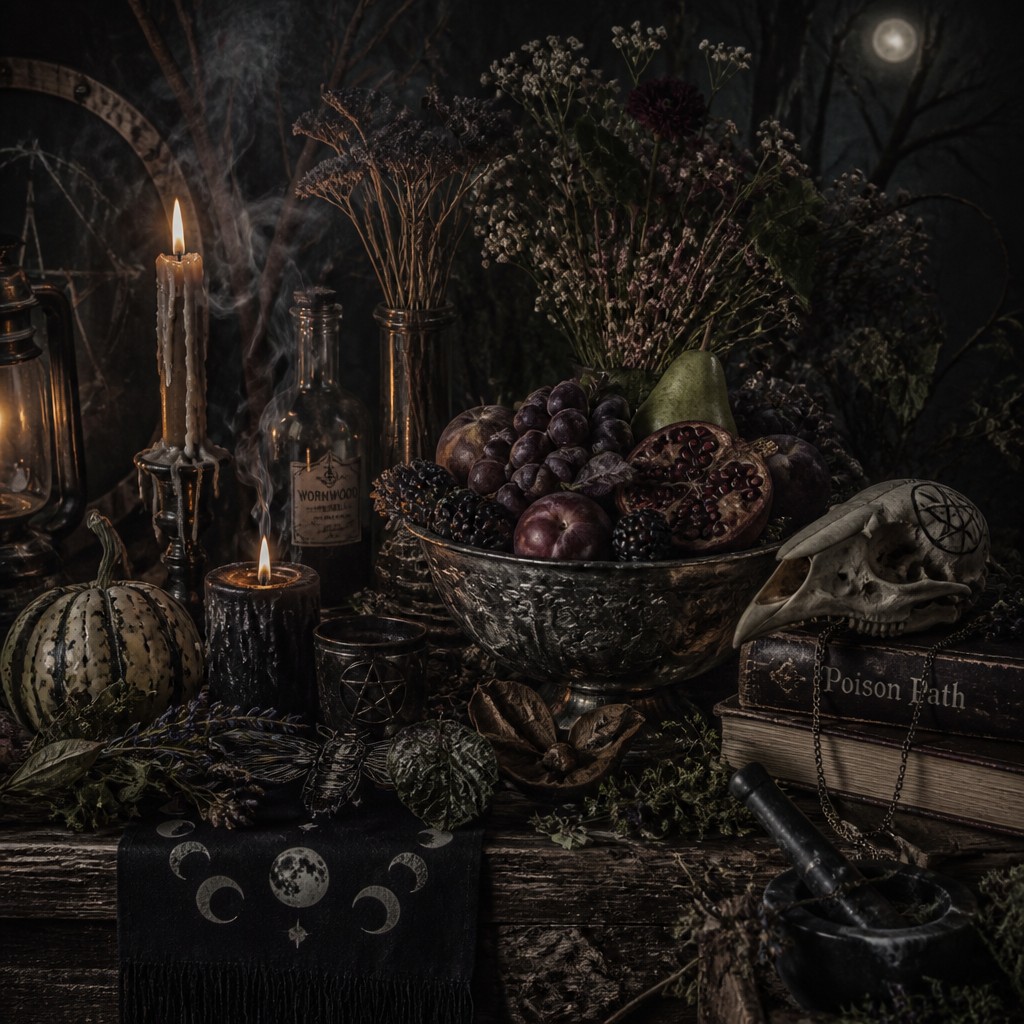
Witchcore Aesthetic Gallery
Tap any artwork to explore it
What is Witchcore Aesthetic?
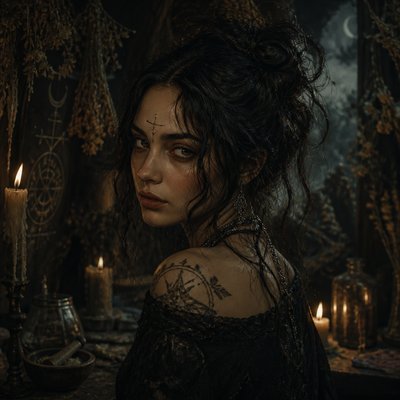
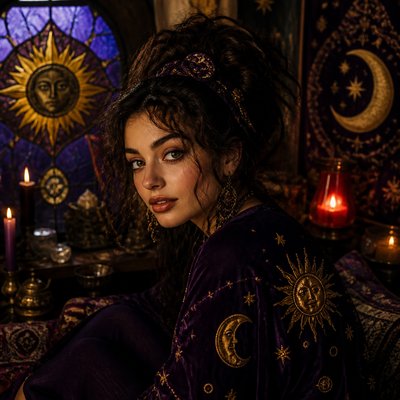
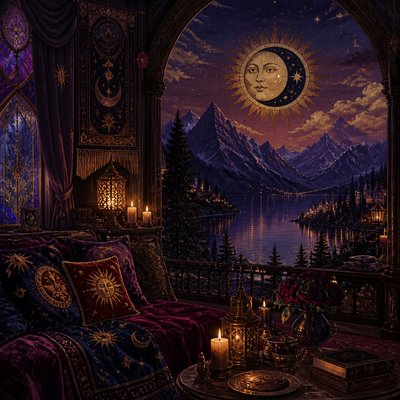
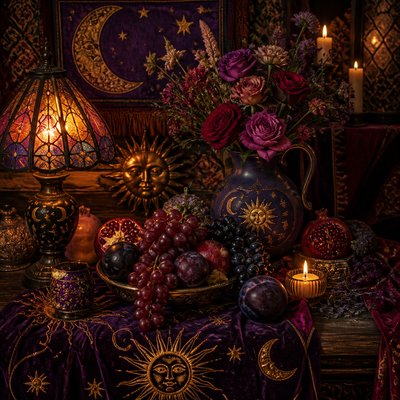
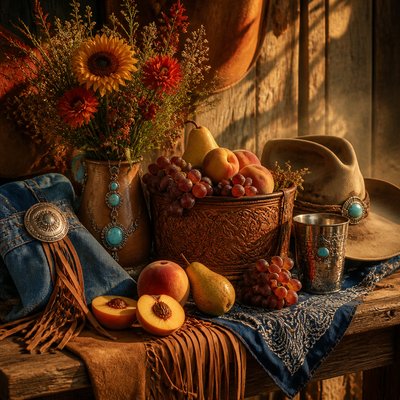
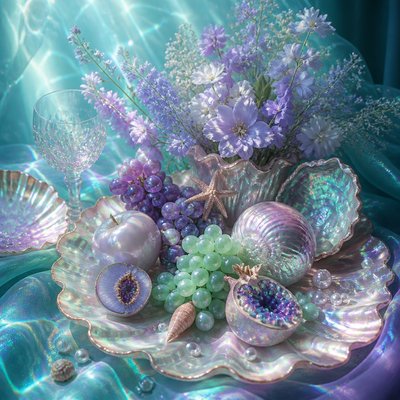
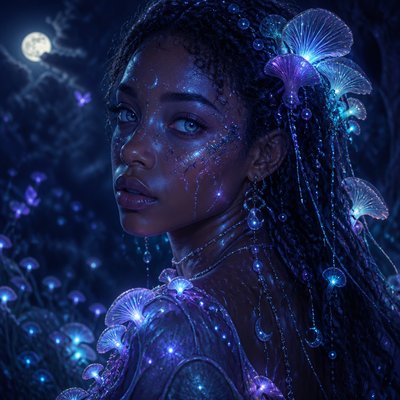
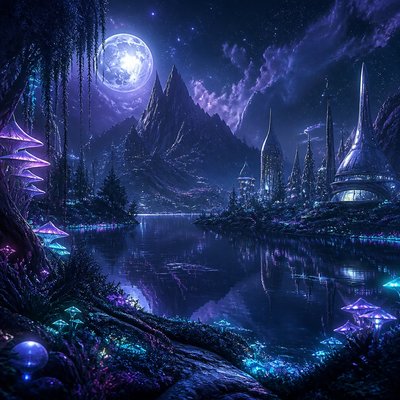
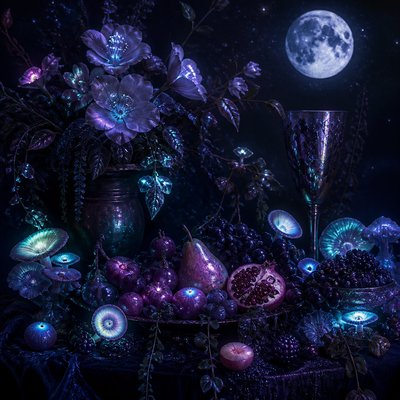
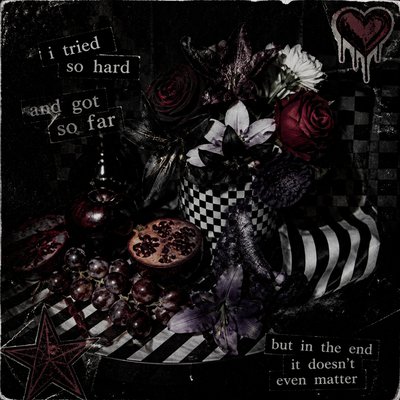
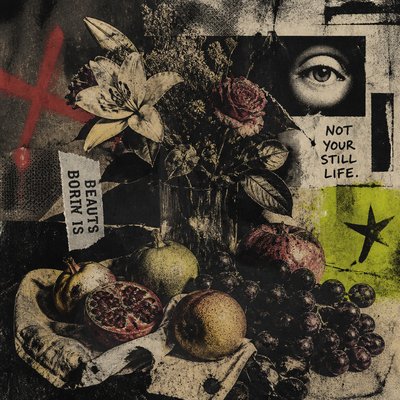
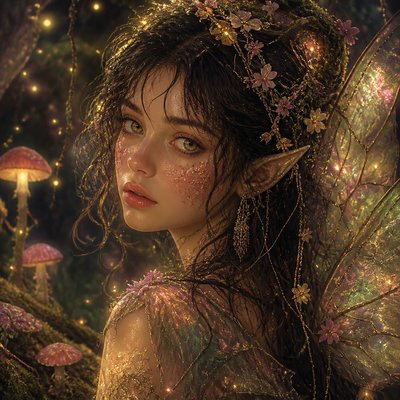
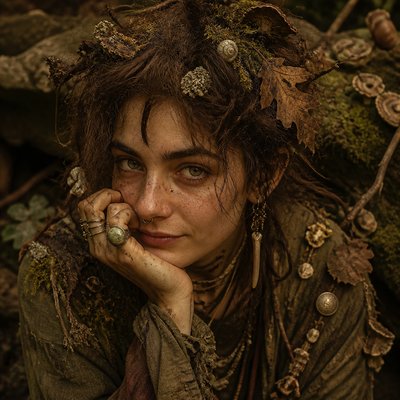
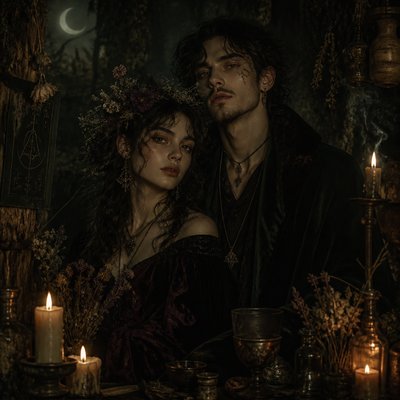
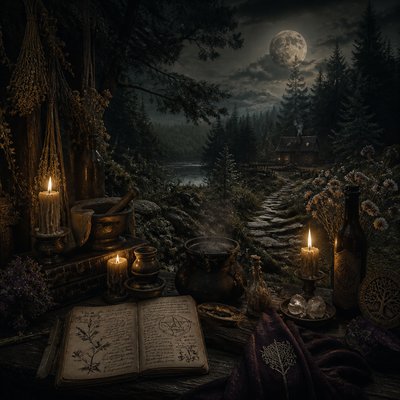
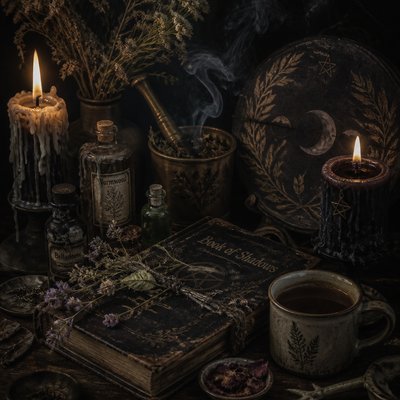
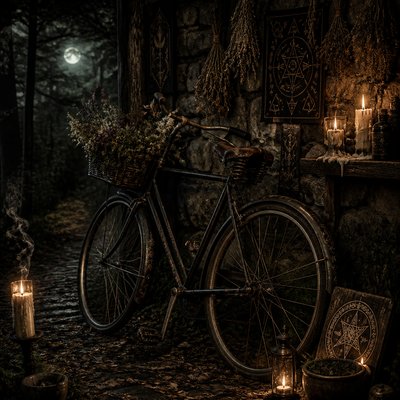
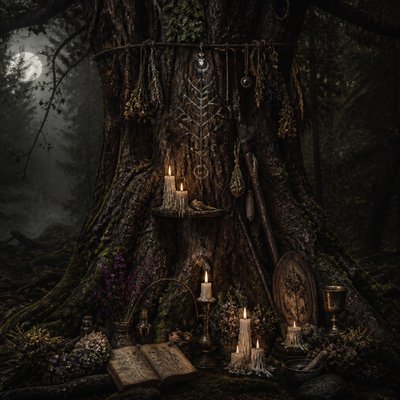
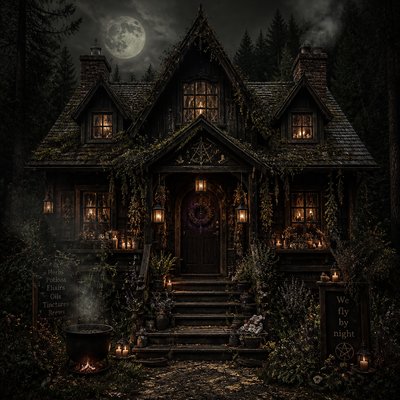
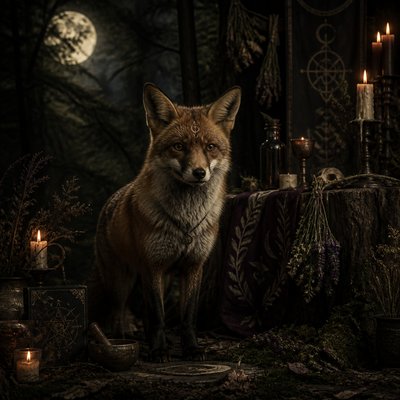
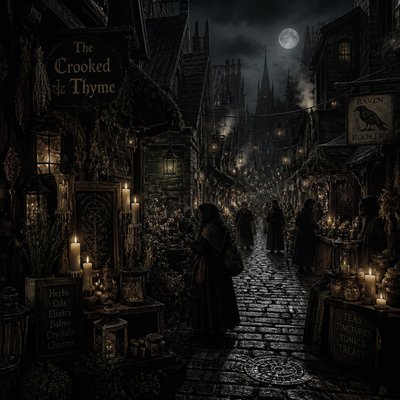
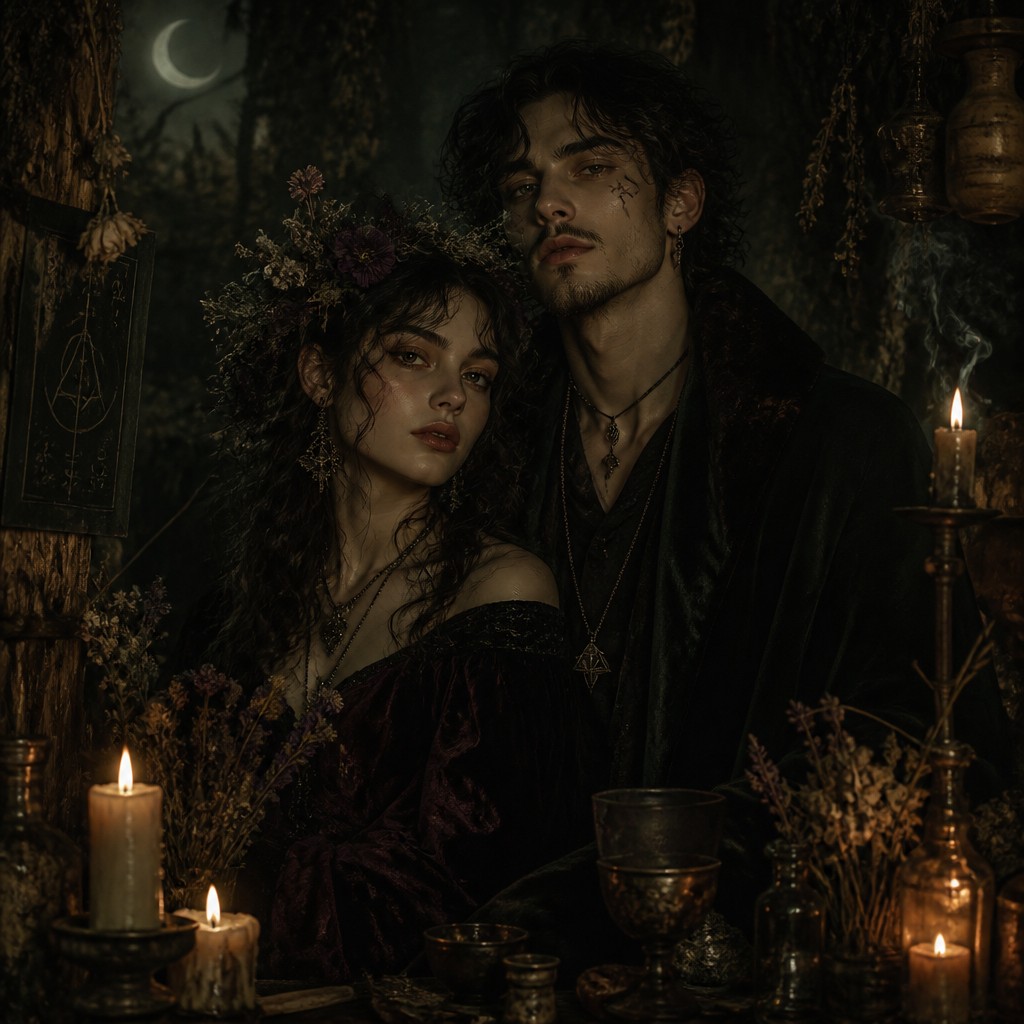
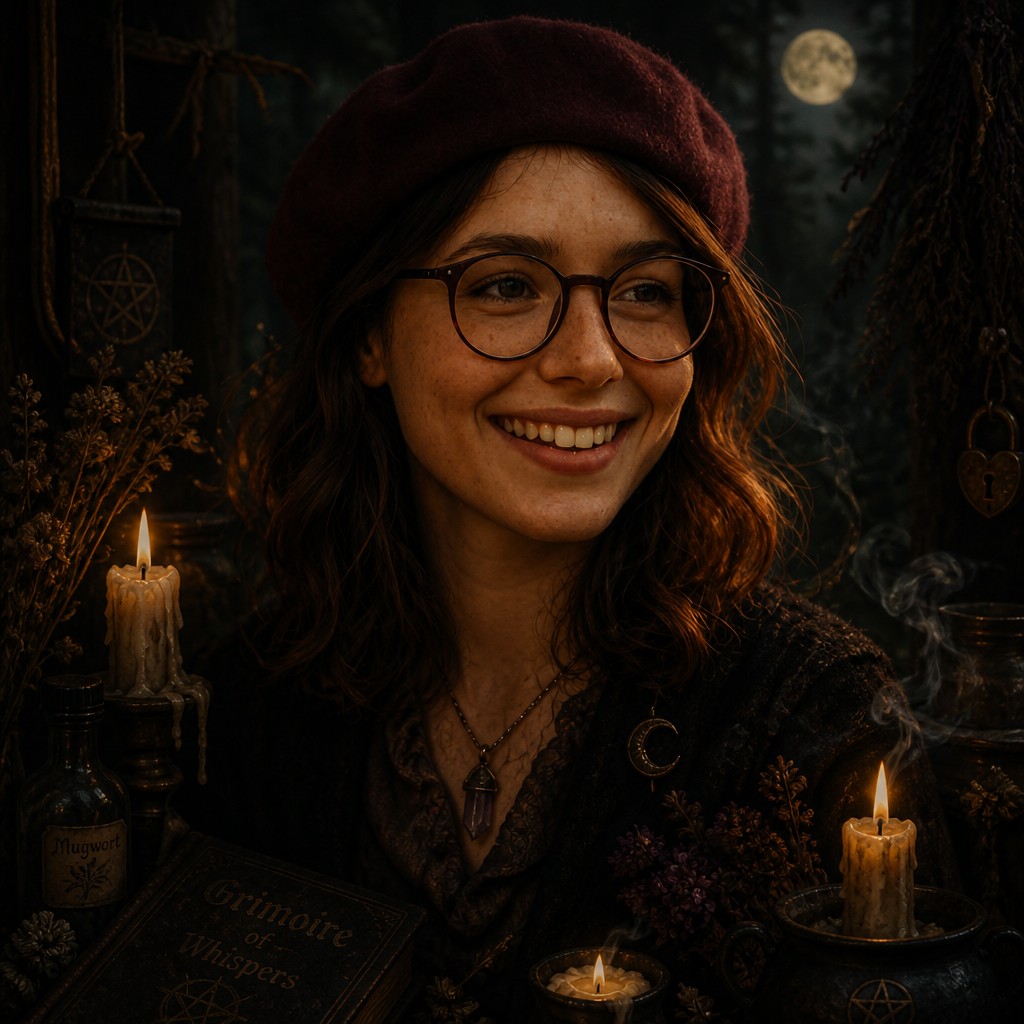
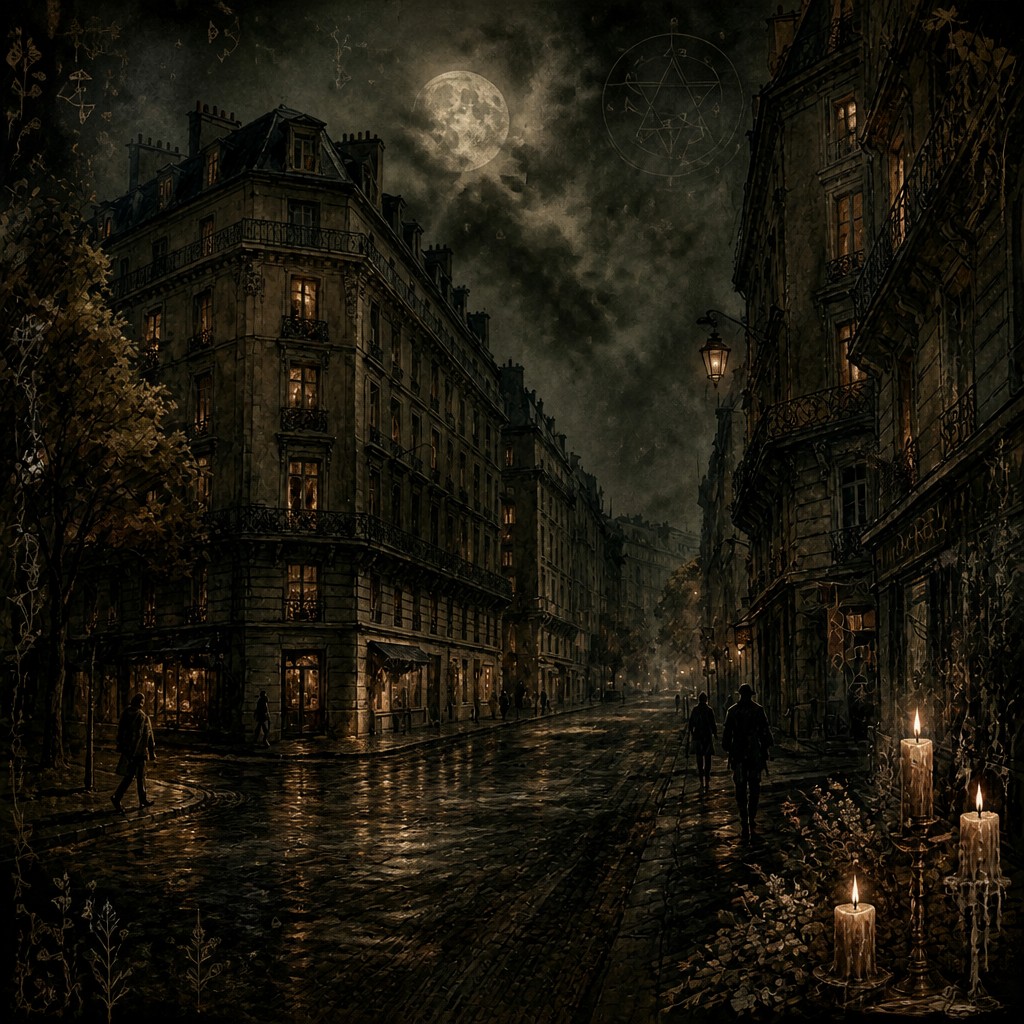
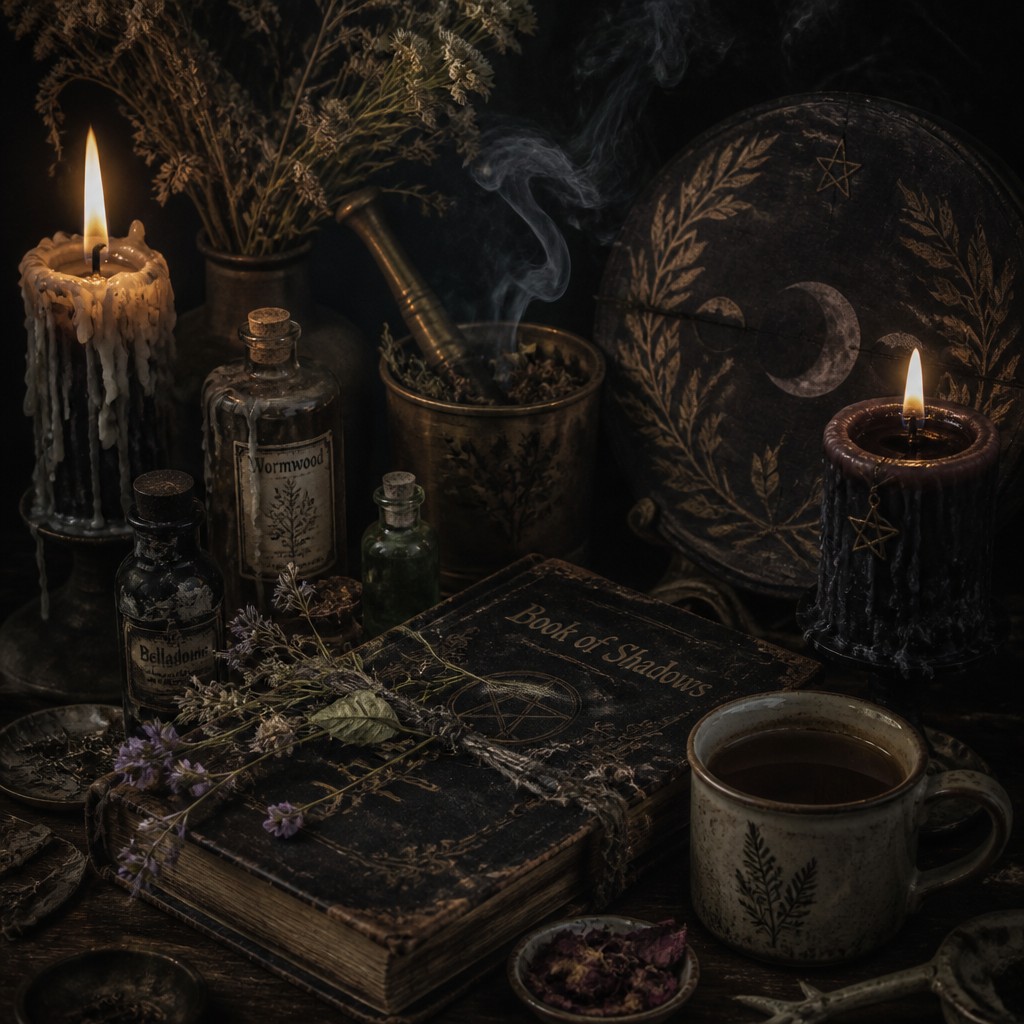
Witchcore aesthetic is a contemporary visual style built around folk magic, nocturnal atmosphere, and a tactile sense of ritual. It favors dim candlelight, deep forest shadow, and a restrained palette of black, moss green, plum, bone white, and burnt umber, often accented by smoke, dried herbs, wax drips, tarnished metal, and rough wood.
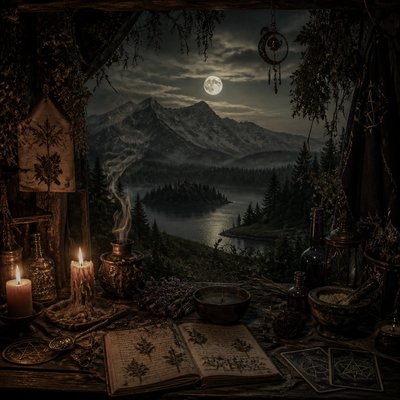
Its visual identity comes from combining domestic craft materials with symbols of the occult and the natural world. Rather than polished fantasy spectacle, witchcore tends to feel quiet, intimate, and lived-in: a herb bundle on a wooden table, a candle guttering beside a spellbook, moon haze through branches, or an altar assembled from found objects. The style works because it relies on texture, contrast, and suggestion, using darkness and small points of light to create a mood of secrecy, reverence, and grounded mysticism.
Try It On Your Photos
Upload any photo and convert it into Witchcore Aesthetic — drag the sliders to compare before and after.


What Defines Witchcore Aesthetic
The signature details, up close
Candlelit Low Light
Lighting is typically warm, localized, and dim, with candles or ember-like glows defining the scene. Shadows are deep and soft-edged, producing a hushed, intimate mood.
Earthy Occult Palette
The color range leans toward black, moss green, plum, bone white, and burnt umber. Saturation is usually controlled, giving the image a muted, weathered feeling rather than bright fantasy color.
Herbs, Smoke, and Ritual Objects
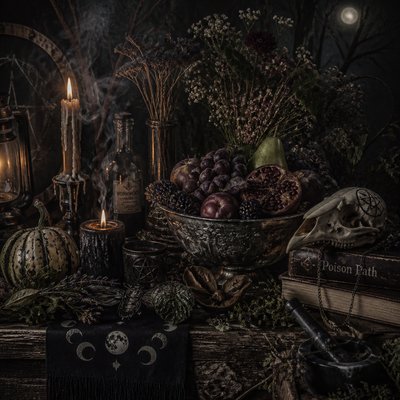
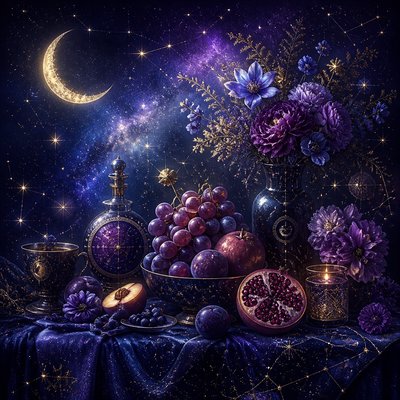
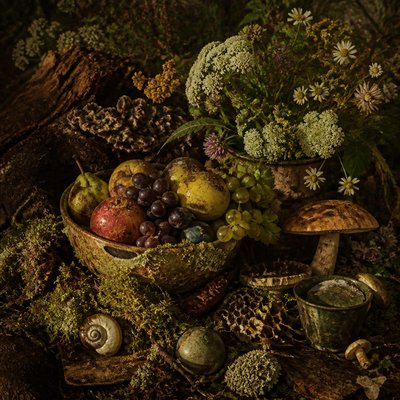
Bundles of dried herbs, incense smoke, jars, mortar and pestle, crystals, candles, and talismans frequently appear. These elements signal folk magic and domestic ritual without requiring overt supernatural spectacle.
Aged and Tactile Textures
Wax, paper, wood grain, tarnished metal, linen, stone, and moss are important surface cues. The style is strongest when objects look handled, worn, and materially grounded.
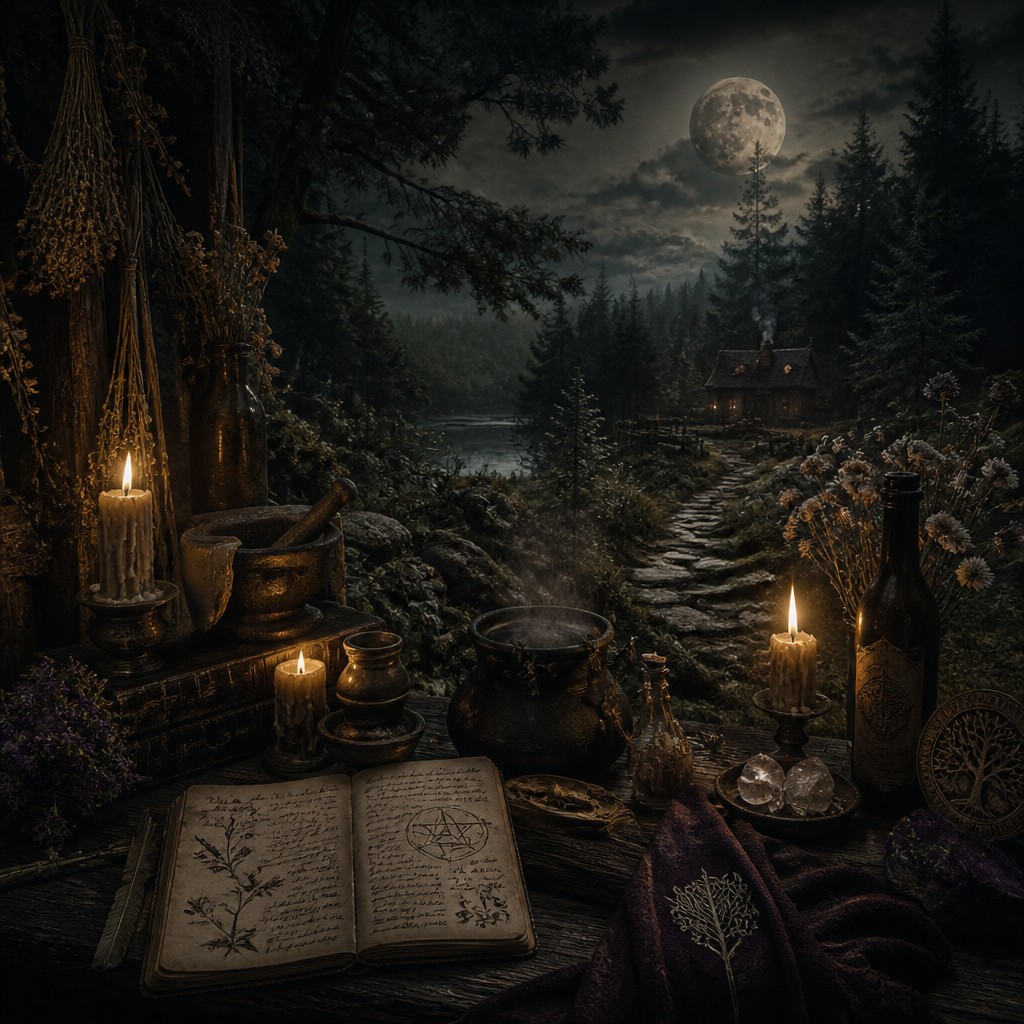
Forest and Moon Imagery
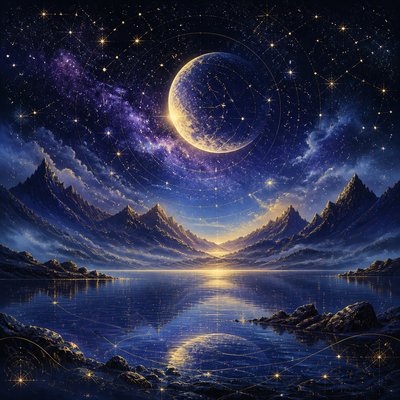
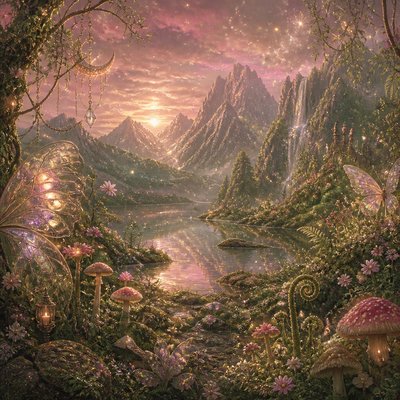
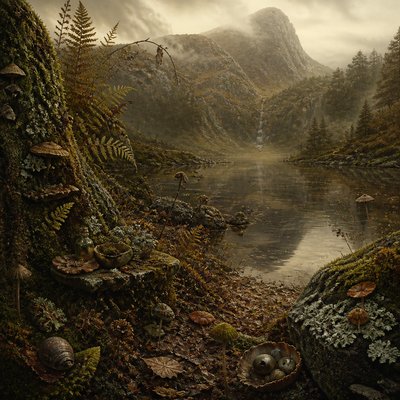
Natural motifs such as mushrooms, branches, ferns, roots, ravens, deer skulls, and moonlight extend the atmosphere into the landscape. Even indoor scenes often feel like extensions of a shadowed woodland world.
Quiet Symbolic Detail
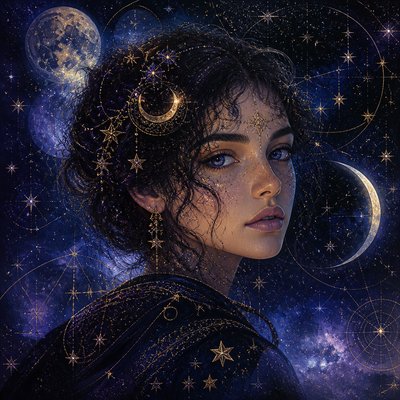
Occult signs are usually subtle rather than theatrical: runes, sigils, stars, crescent moons, or astrological diagrams. The symbolism should feel embedded in the setting, not pasted on as decoration.
Try It
Create Videos in Witchcore Aesthetic
Styles aren't just for stills — describe a scene or animate an image and get a short video rendered in Witchcore Aesthetic. Press play to see this pond come to life.
Make a VideoWitchcore Aesthetic Prompt Ideas
Start from an idea — each one opens the generator with the style ready to go. See all 40 Witchcore Aesthetic prompts →
How to Create Witchcore Aesthetic Art
Master the craft step by step — or skip straight to creating. Read the full guide →
- 1
Use a Narrow, Muted Palette
Build the image from black, moss green, plum, bone white, and warm brown, then reserve brighter tones for tiny highlights like candle flames. In traditional media, layer thin glazes or muted pigments; in digital work, reduce saturation and emphasize value contrast.
- 2
Prioritize Texture Over Gloss
Choose materials and brushwork that suggest wax, dried leaves, rough wood, aged paper, and tarnished metal. Avoid sleek surfaces unless they are intentionally contrasted with natural, weathered objects.
- 3
Design a Small-Scale Light Source
A single candle, lantern, or moonlit window can organize the composition and create the witchcore mood. Keep the light localized so shadows remain dominant and the scene feels secretive and enclosed.
- 4
Combine Domestic and Esoteric Motifs
Place ritual objects in ordinary settings: a kitchen table, windowsill, shelf, or forest floor. The style reads best when magical elements feel practical, handmade, and part of daily life.
- 5
Control the Composition with Negative Space
Let darkness, haze, or empty woodland space frame the focal objects so they feel discovered rather than displayed. For prompt-based generation, specify atmospheric details like drifting smoke, moonlit haze, and subtle occult accents.
- 6
Keep the Mood Quiet and Potent
Whether painting, photographing, or generating an image, avoid exaggerated fantasy action and focus on stillness, ritual preparation, and contemplative presence. Prompts work best when they describe subject, lighting, materials, and atmosphere in simple terms.
The Story
History & Origins of Witchcore Aesthetic
Witchcore is not a historical art movement in the formal sense; it is an internet-era aesthetic that emerged from broader interest in cottagecore, dark academia, goth imagery, neo-pagan symbolism, and occult-adjacent folk traditions. Its look draws on visual memories of domestic magical practice, seasonal ritual, herbalism, apothecary displays, and forest-based folklore rather than on a single named school of art.
The aesthetic developed through social media moodboards, fashion, interior design, photography, and illustration, where artists and users combined rustic materials with symbolic references such as moons, candles, bones, mushrooms, tarot, and sigils. As it evolved, witchcore became less about literal depiction of witchcraft and more about atmosphere: the visual language of hidden knowledge, handmade objects, and enchanted natural spaces.
Influences: Witchcore draws from several older visual traditions without belonging to any one of them: Gothic and dark romantic imagery for its shadowy mood, folk art and rural domestic craft for its handmade textures, and neo-pagan or occult iconography for moons, herbs, talismans, and ritual arrangement. It also overlaps with cottagecore in its emphasis on nature and domesticity, while contrasting with polished fantasy illustration by favoring intimacy, restraint, and lived-in material detail.
Frequently Asked Questions
What defines witchcore aesthetic?
Witchcore is defined by candlelit darkness, earthy colors, herbs, smoke, and occult or folk-magic symbolism. The key is not just witch imagery, but a specific mood of quiet ritual and handmade material culture.
How is witchcore different from goth or dark academia?
Goth often emphasizes theatrical darkness, black clothing, and romantic decay, while dark academia centers on books, study, and scholarly interiors. Witchcore is more rooted in herbalism, natural materials, domestic ritual, and the idea of practical folk magic.
What colors work best in witchcore art?
The most common colors are black, moss green, plum, bone white, and burnt umber. Small warm highlights from candlelight or amber glass help the palette feel alive without losing its muted character.
What subjects are most typical in witchcore images?
Common subjects include candles, spellbooks, herbs, mushrooms, moons, ravens, crystals, jars, altars, and forest interiors. Everyday objects like mugs, shelves, and tables also fit well when they are arranged as part of a ritual scene.
Can witchcore be used in photography and illustration?
Yes. In photography, it often appears through staged still lifes, moody portraits, and forest scenes with natural light or candlelight. In illustration, it works well with textured linework, muted palettes, and careful use of shadow.
Is witchcore based on real historical witchcraft?
Not directly. It borrows visual cues from folk magic, herbal practice, occult symbolism, and rural domestic traditions, but it is primarily a modern aesthetic rather than a historical reconstruction.
Create your first Witchcore Aesthetic artwork
Describe anything — or upload a photo — and see it in Witchcore Aesthetic in seconds.
Related Styles
Discover similar art styles