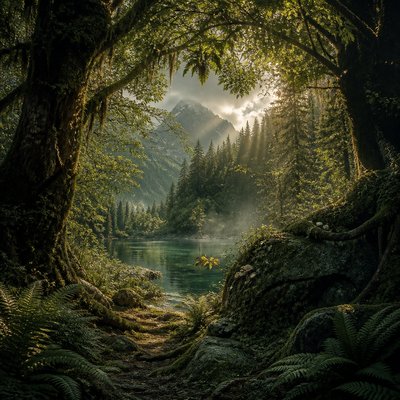
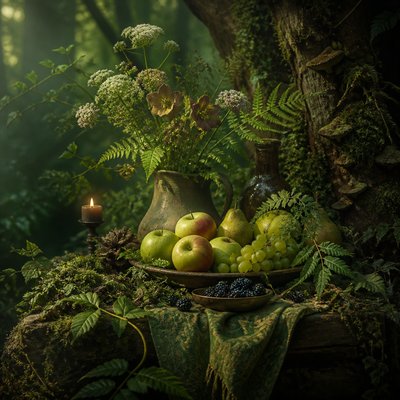
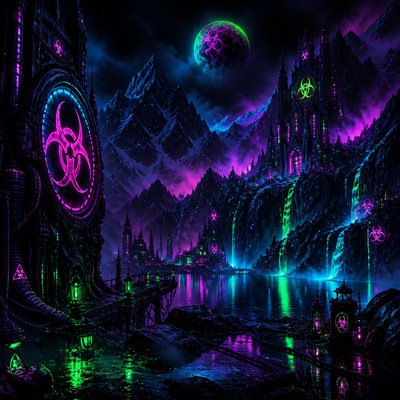
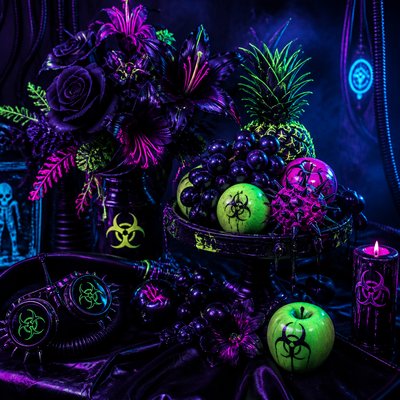
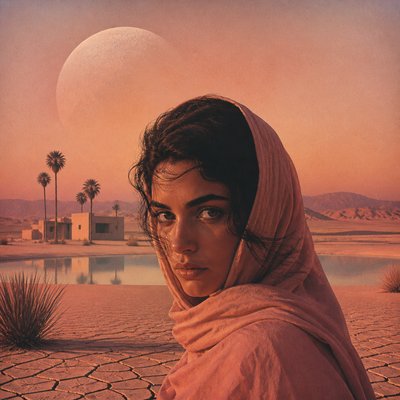
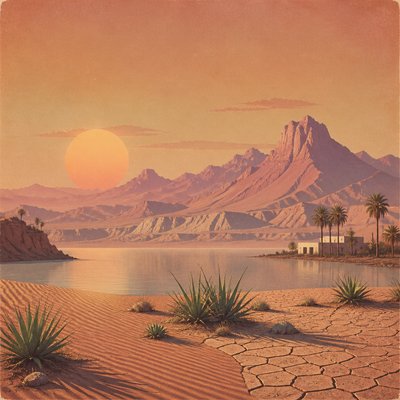
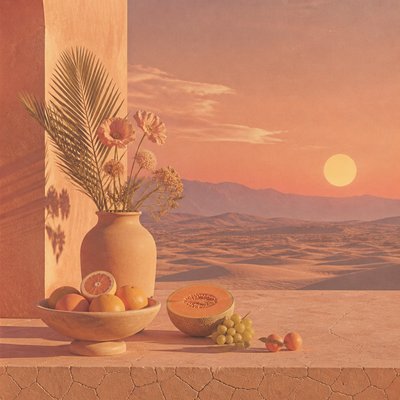
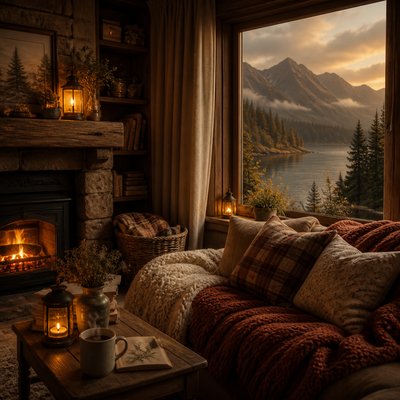
Oceancore Aesthetic
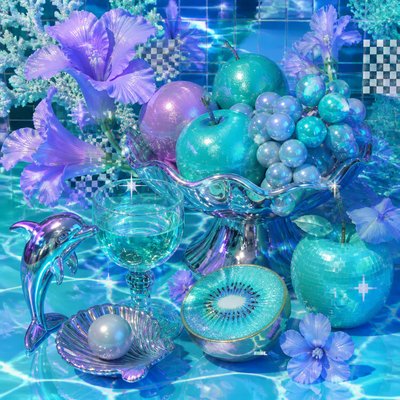
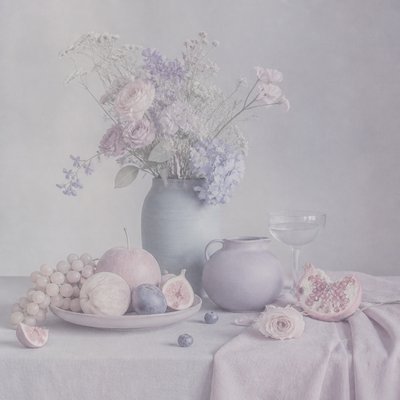
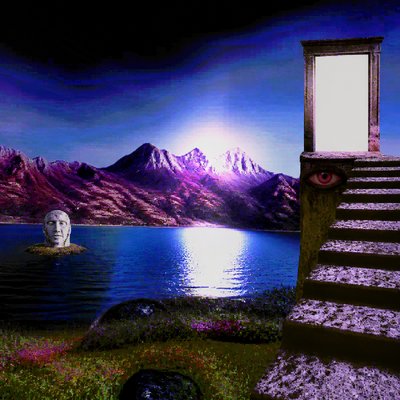
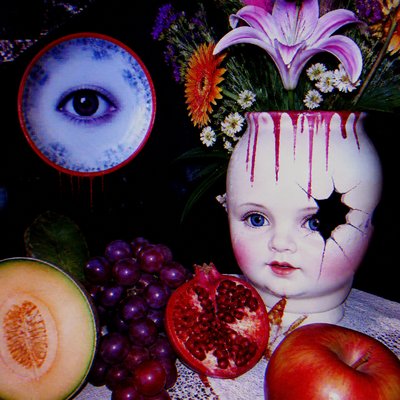
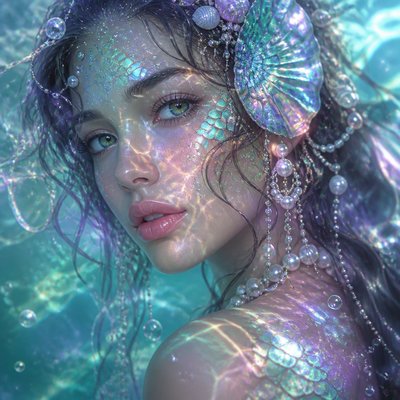
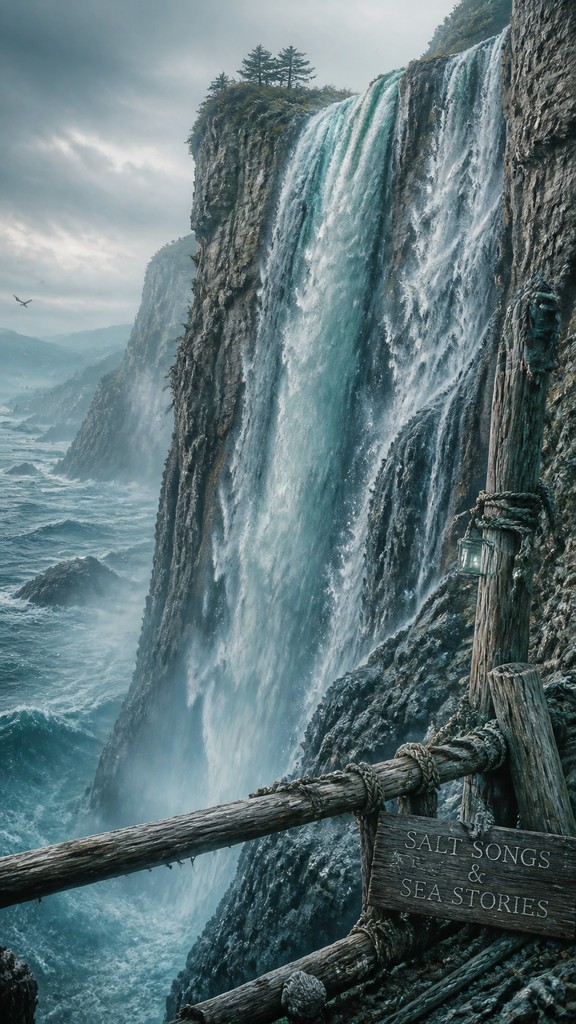
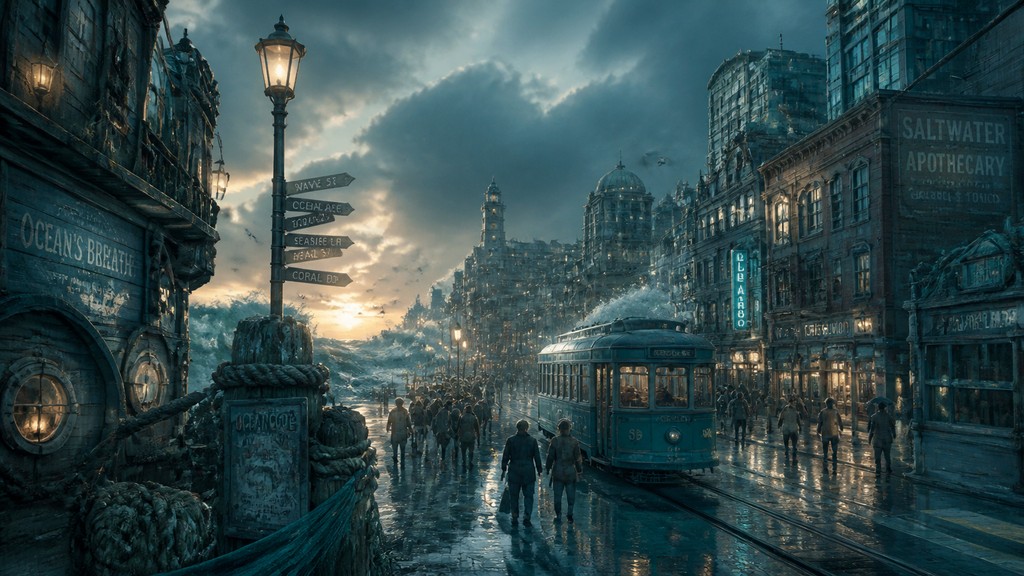
Moody sea-inspired aesthetic of deep blues, driftwood textures, salt spray, mist, and wind-worn coastal atmosphere.
Instantly rendered in Oceancore Aesthetic — or transform a photo
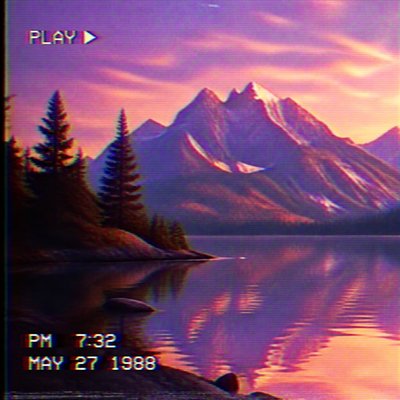
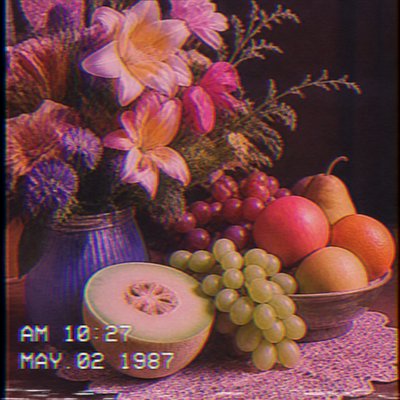
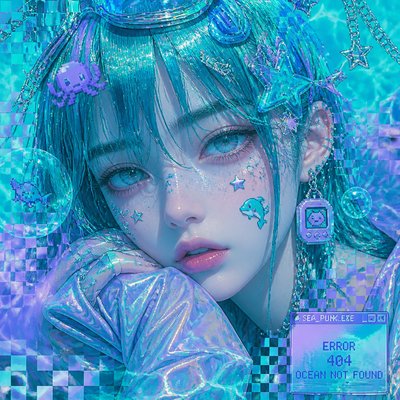
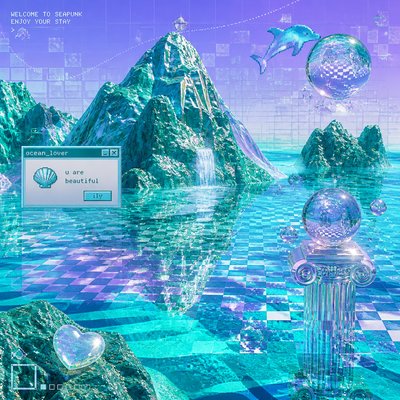
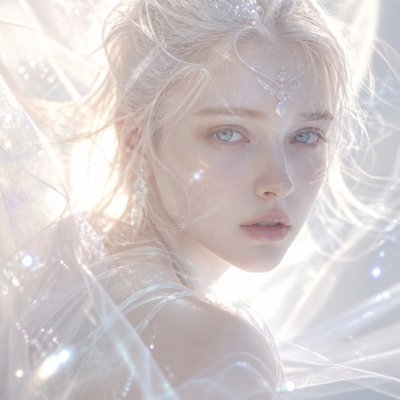
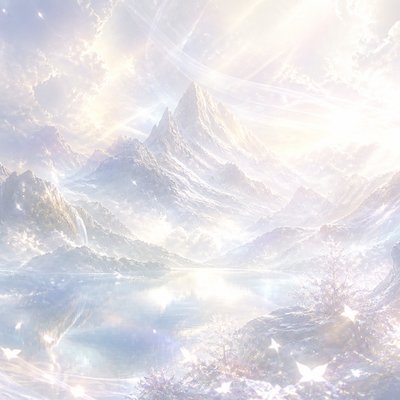
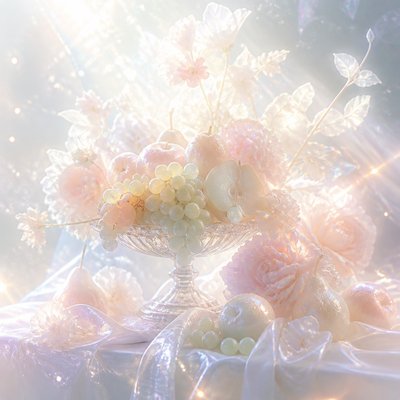
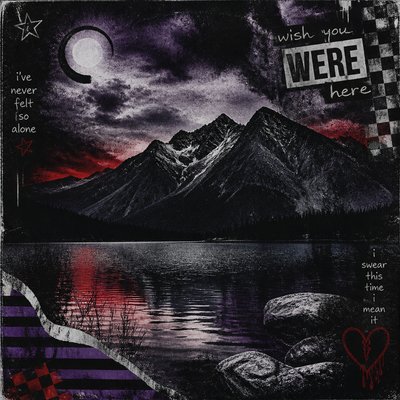
Oceancore Aesthetic Gallery
Tap any artwork to explore it
What is Oceancore Aesthetic?
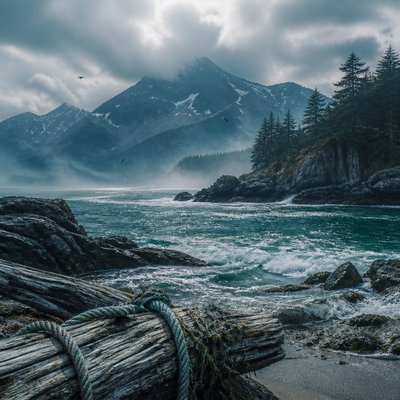
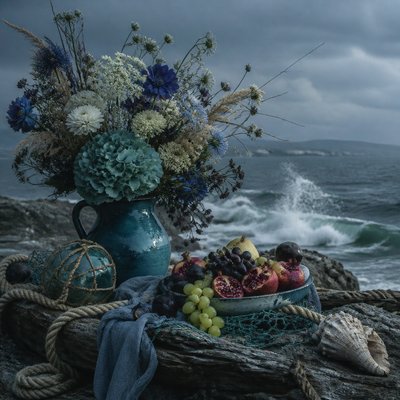
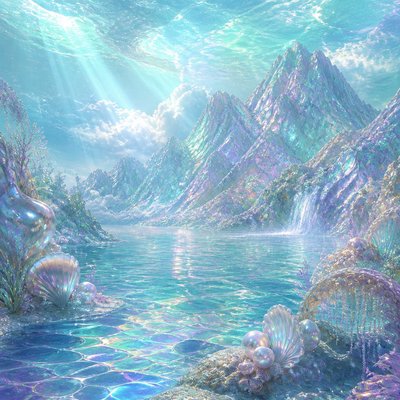
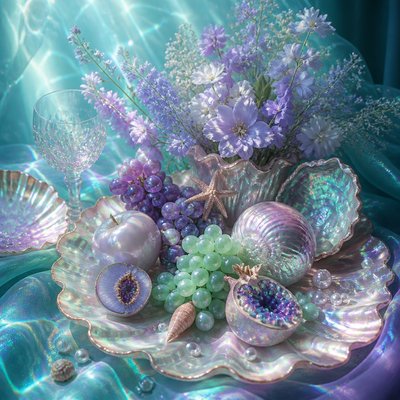
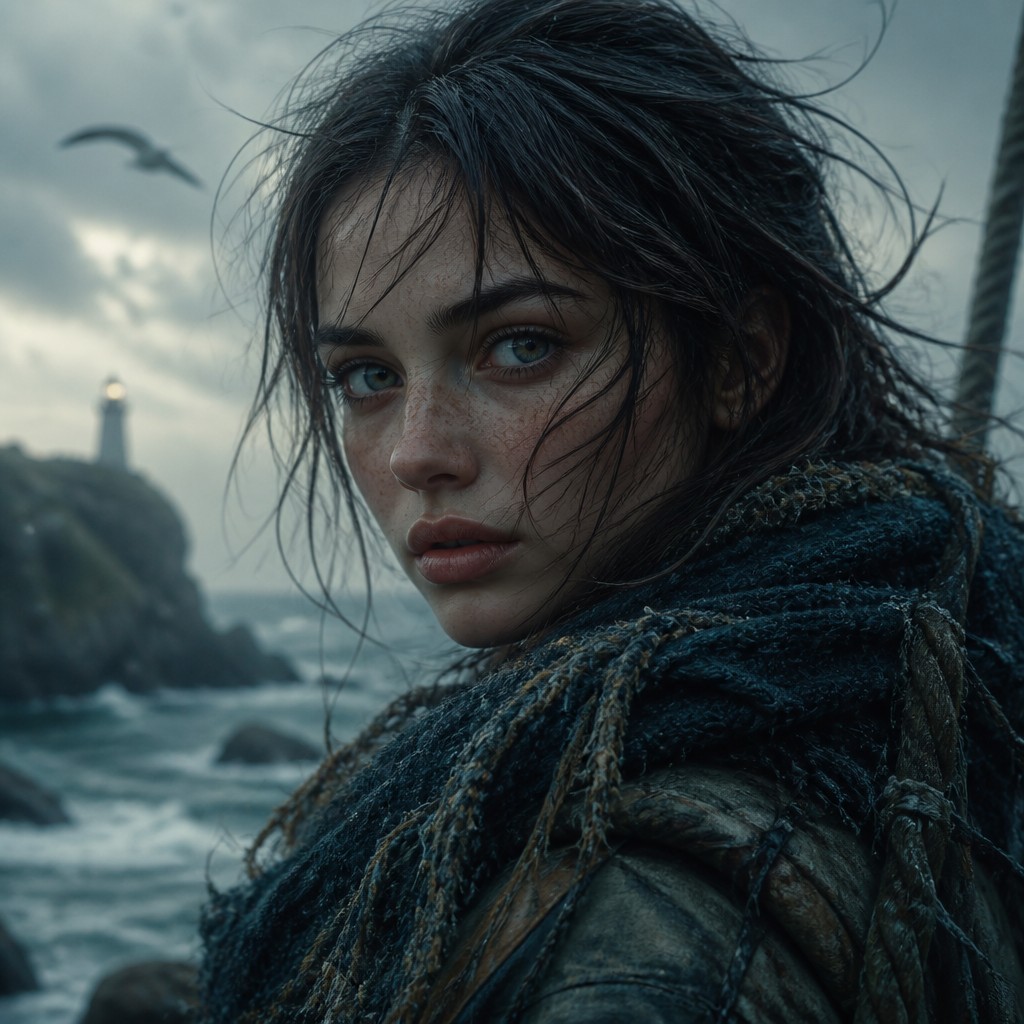
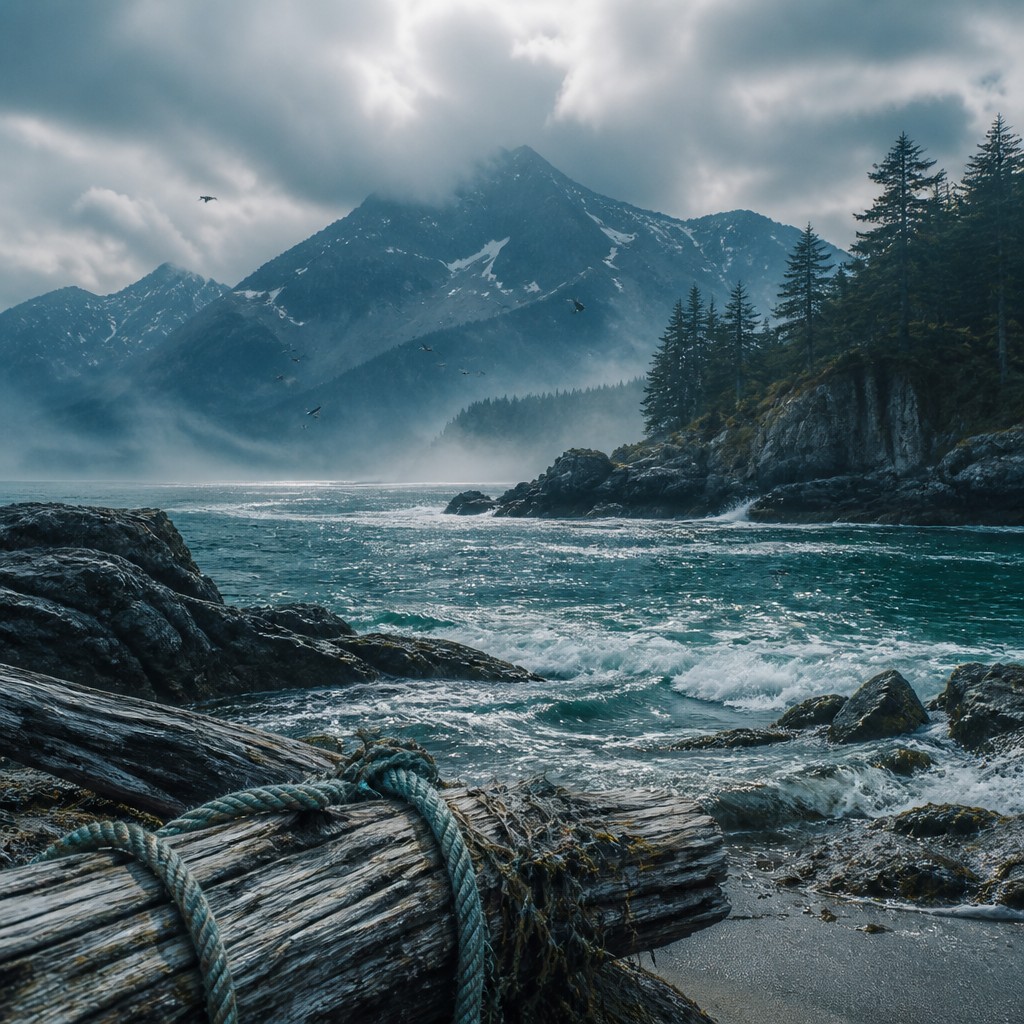
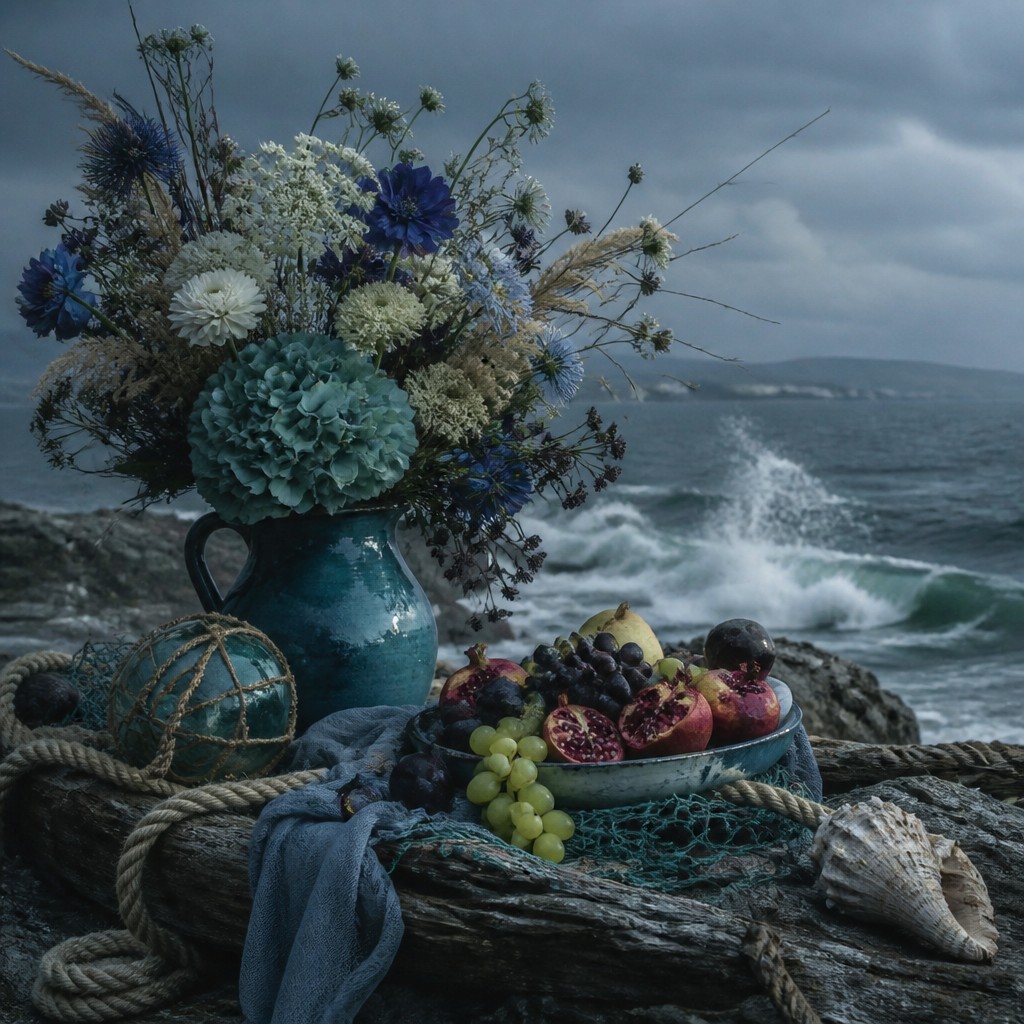
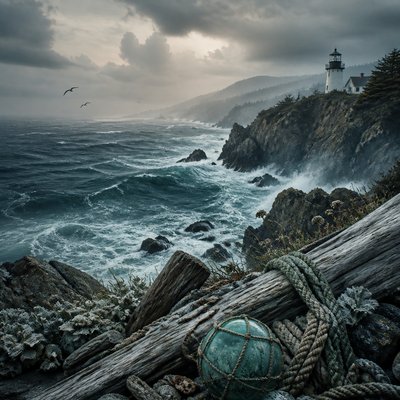
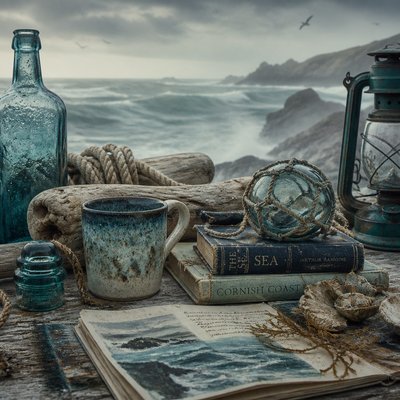
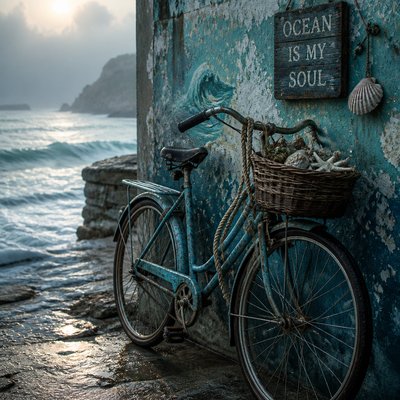
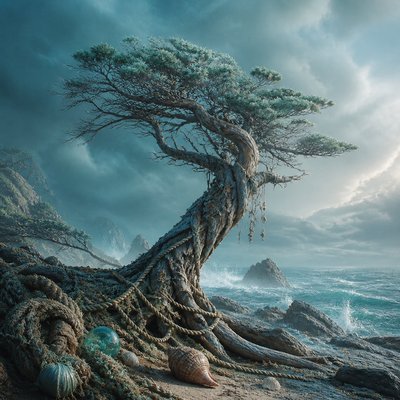
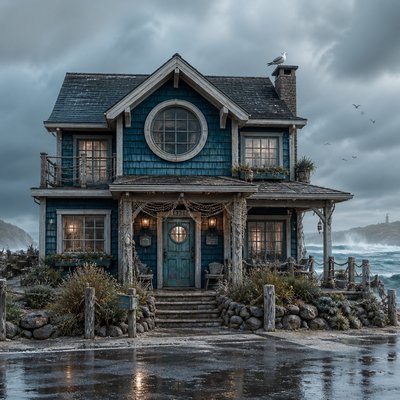
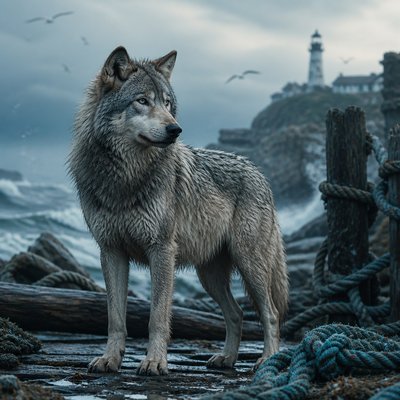
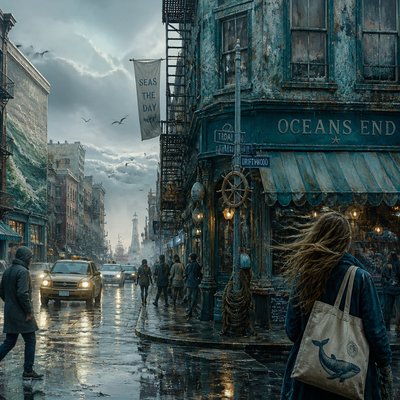
Oceancore aesthetic is a contemporary visual style built around the mood, texture, and atmosphere of the open sea. It favors deep marine blues, teal, seafoam, storm grey, sandy neutrals, and the weathered surfaces associated with coastal life: driftwood, rope, shells, salt-crusted wood, fog, spray, and wind-shaped shorelines.
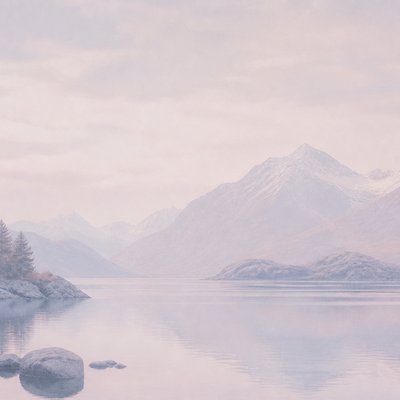
Rather than depicting the ocean as calm or idyllic, oceancore emphasizes distance, motion, and elemental weather. Its imagery often feels hushed and expansive, with soft coastal light, rolling haze, and a romantic sense of isolation. The style looks the way it does because it draws on maritime material culture and the visual conditions of the coast: damp air diffuses light, salt abrades surfaces, and water reflects color in layered, shifting tones.
Try It On Your Photos
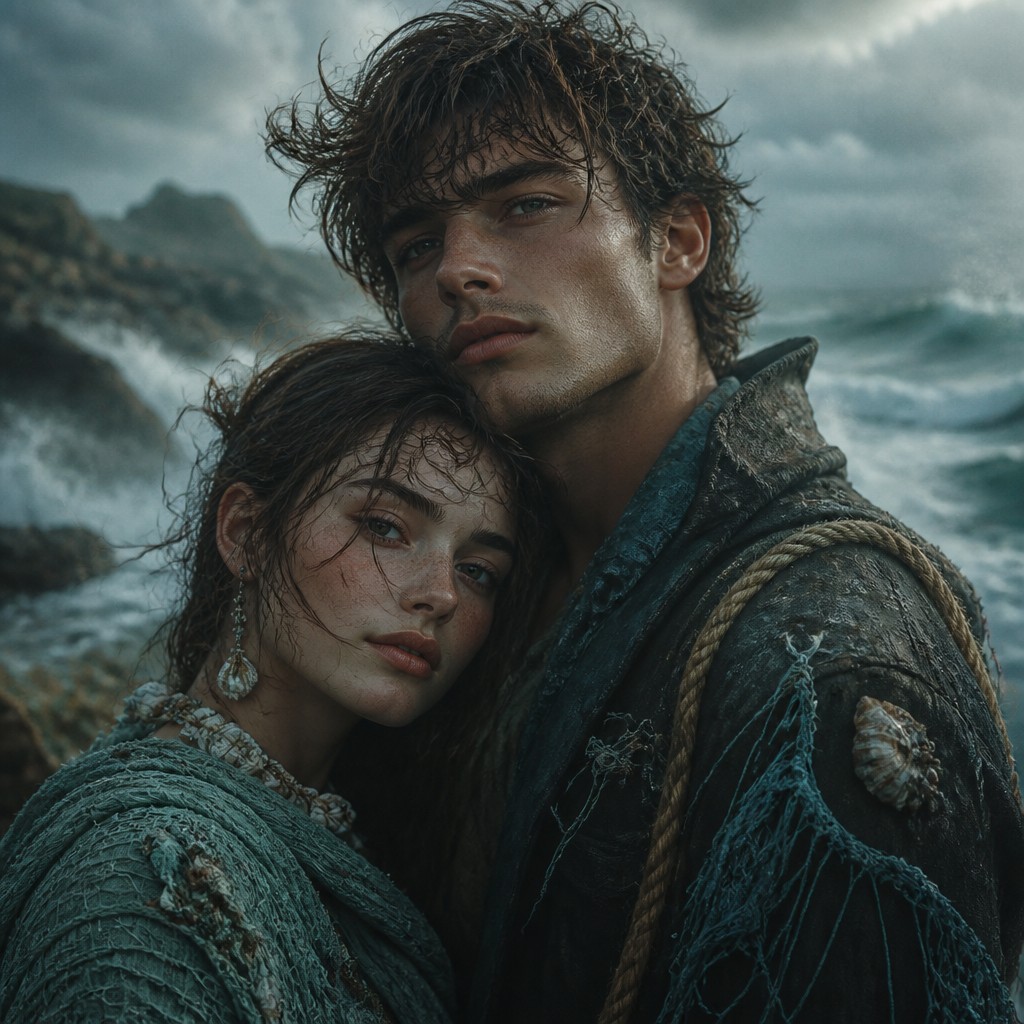
Upload any photo and convert it into Oceancore Aesthetic — drag the sliders to compare before and after.

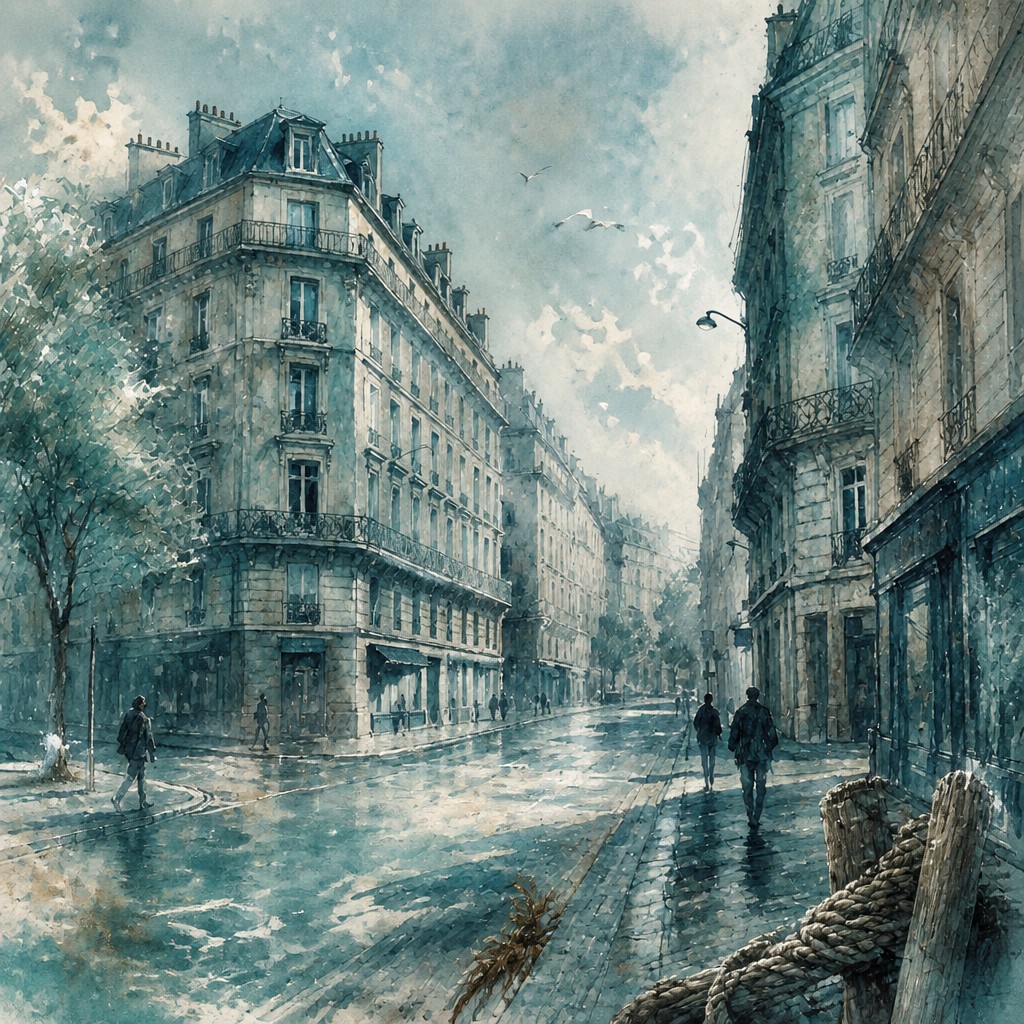

What Defines Oceancore Aesthetic
The signature details, up close
Deep marine color palette
The core palette centers on navy, indigo, teal, seafoam, slate, and muted sand tones. These colors suggest depth, cold water, and overcast coastal light rather than bright tropical clarity.
Salt-worn textures
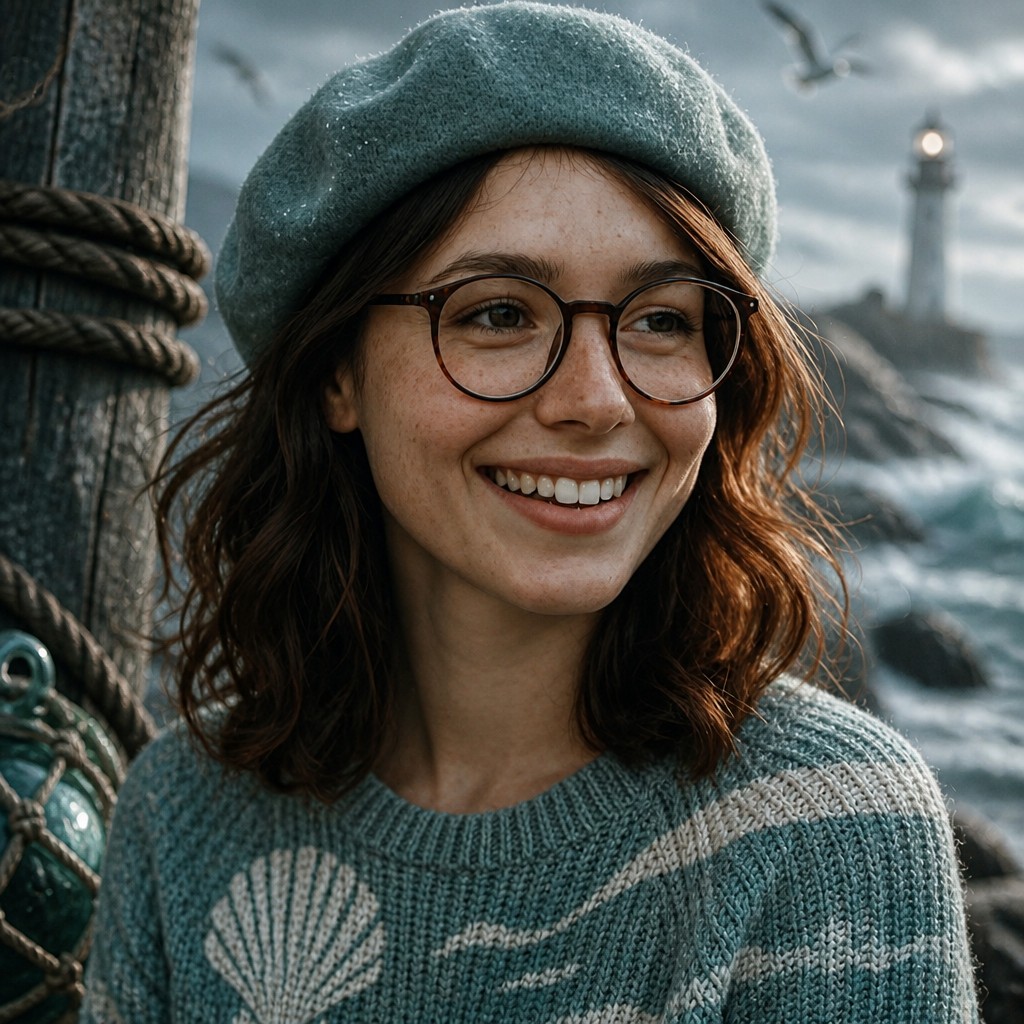
Surfaces often appear weathered by spray, abrasion, and time: bleached driftwood, frayed rope, rough stone, oxidized metal, and crusted marine residue. Texture is essential because it conveys a lived-in shoreline rather than a pristine beach.
Misty, diffused atmosphere
Light is usually softened by fog, haze, or marine overcast. This reduces hard contrast and creates the sensation of distance, moisture, and open air.
Elemental movement
Water, wind, and rolling cloud forms are frequent motifs. Even when the subject is still, the style implies motion through ripples, spray, and drifting forms.
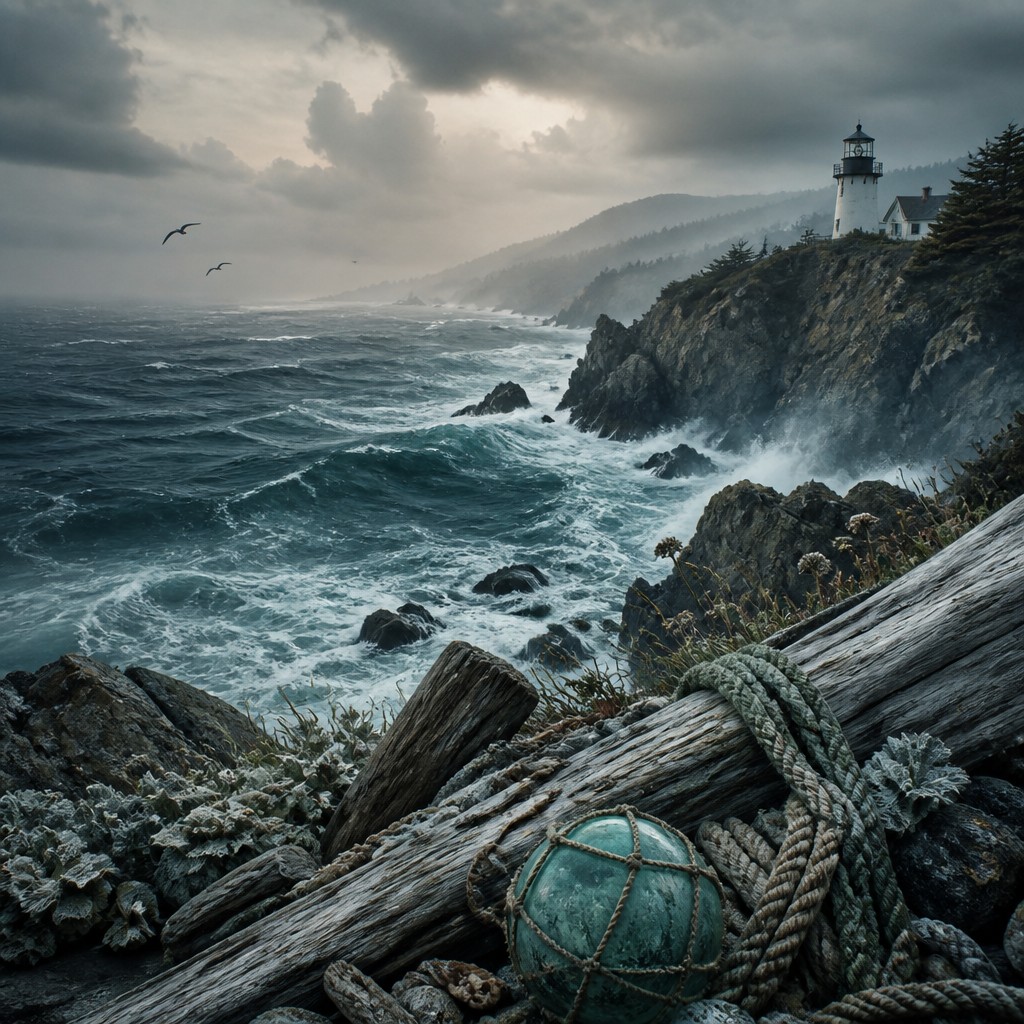
Coastal romanticism
The mood is contemplative and slightly melancholy, emphasizing solitude, horizon, and the vastness of nature. It often feels cinematic without becoming theatrical.
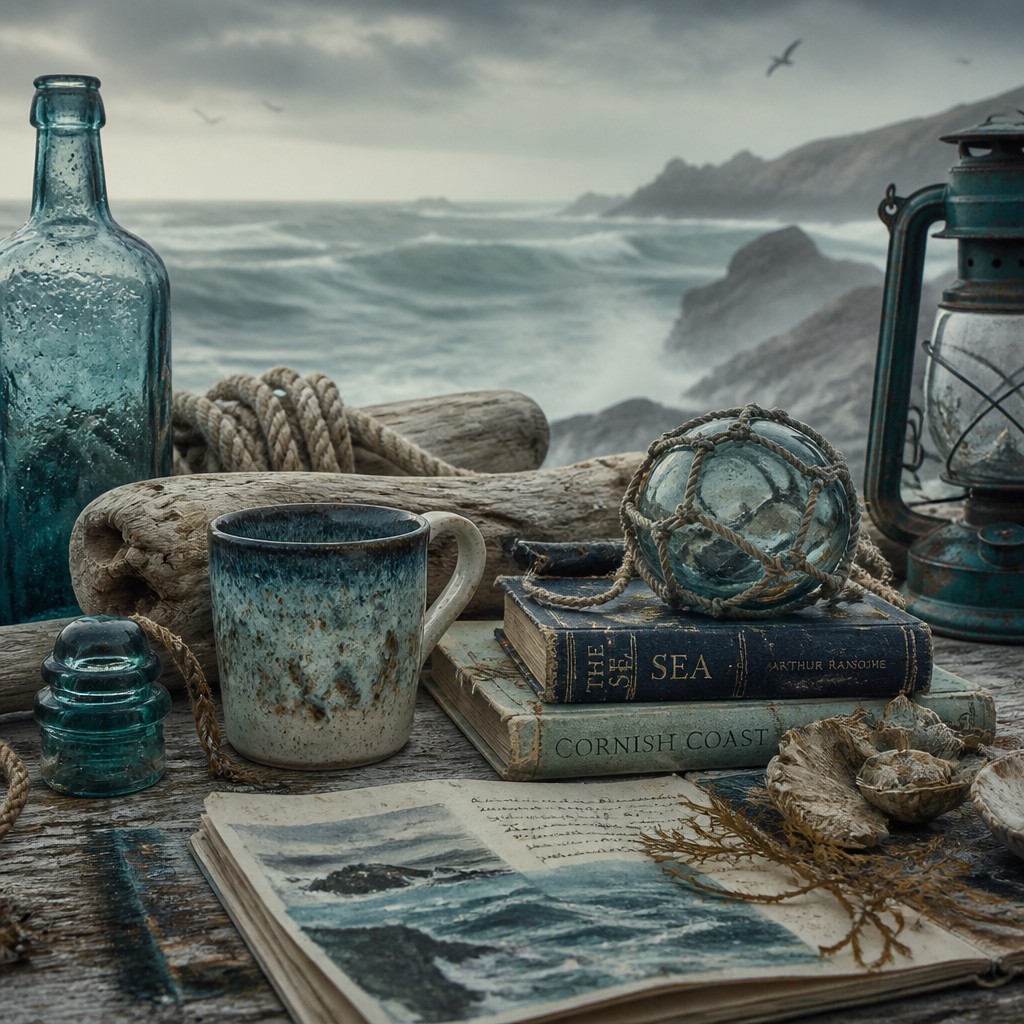
Maritime materials and objects
Nets, anchors, buoys, shells, boats, oars, maps, and weathered timbers help anchor the aesthetic in seafaring life. These objects provide cultural context and reinforce the tactile identity of the style.
Try It
Create Videos in Oceancore Aesthetic
Styles aren't just for stills — describe a scene or animate an image and get a short video rendered in Oceancore Aesthetic. Press play to see this pond come to life.
Make a VideoOceancore Aesthetic Prompt Ideas
Start from an idea — each one opens the generator with the style ready to go. See all 40 Oceancore Aesthetic prompts →
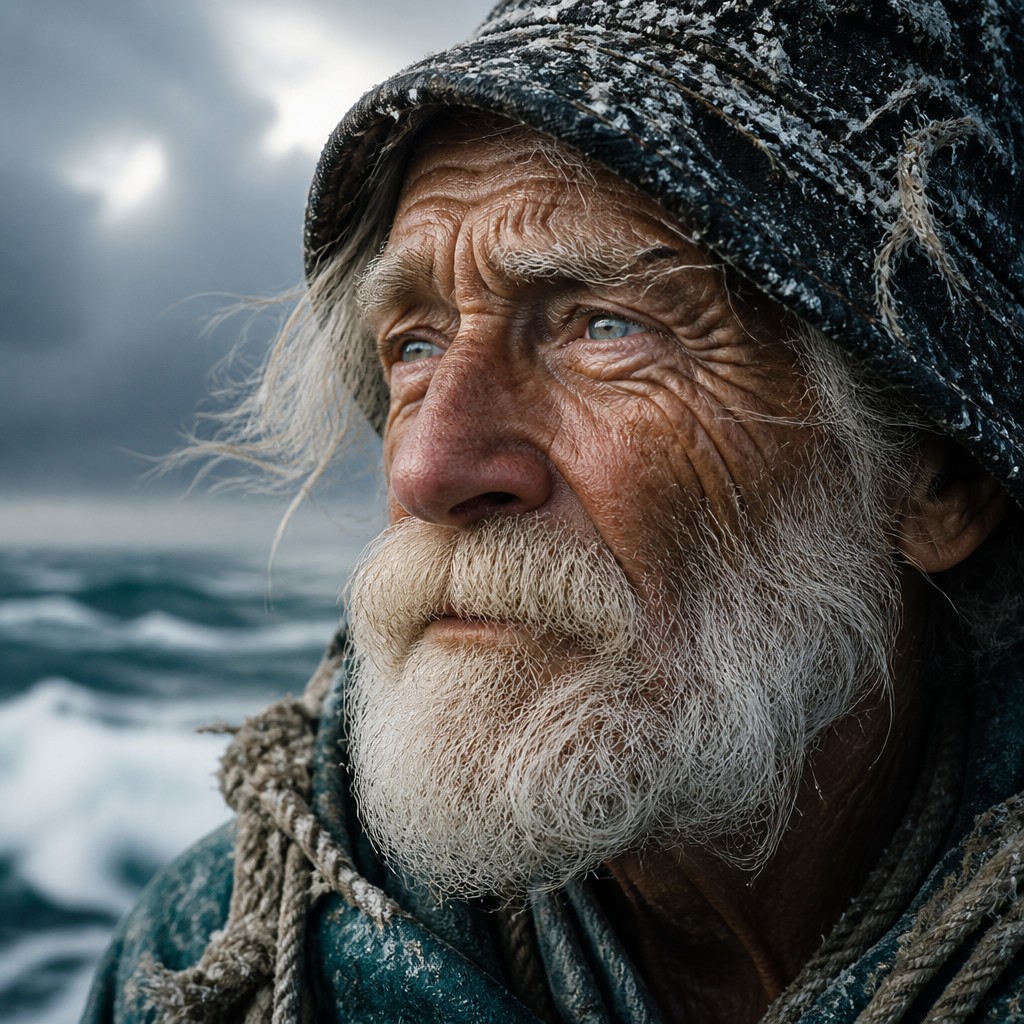
“close-up portrait of an elderly person with expressive weathered features”
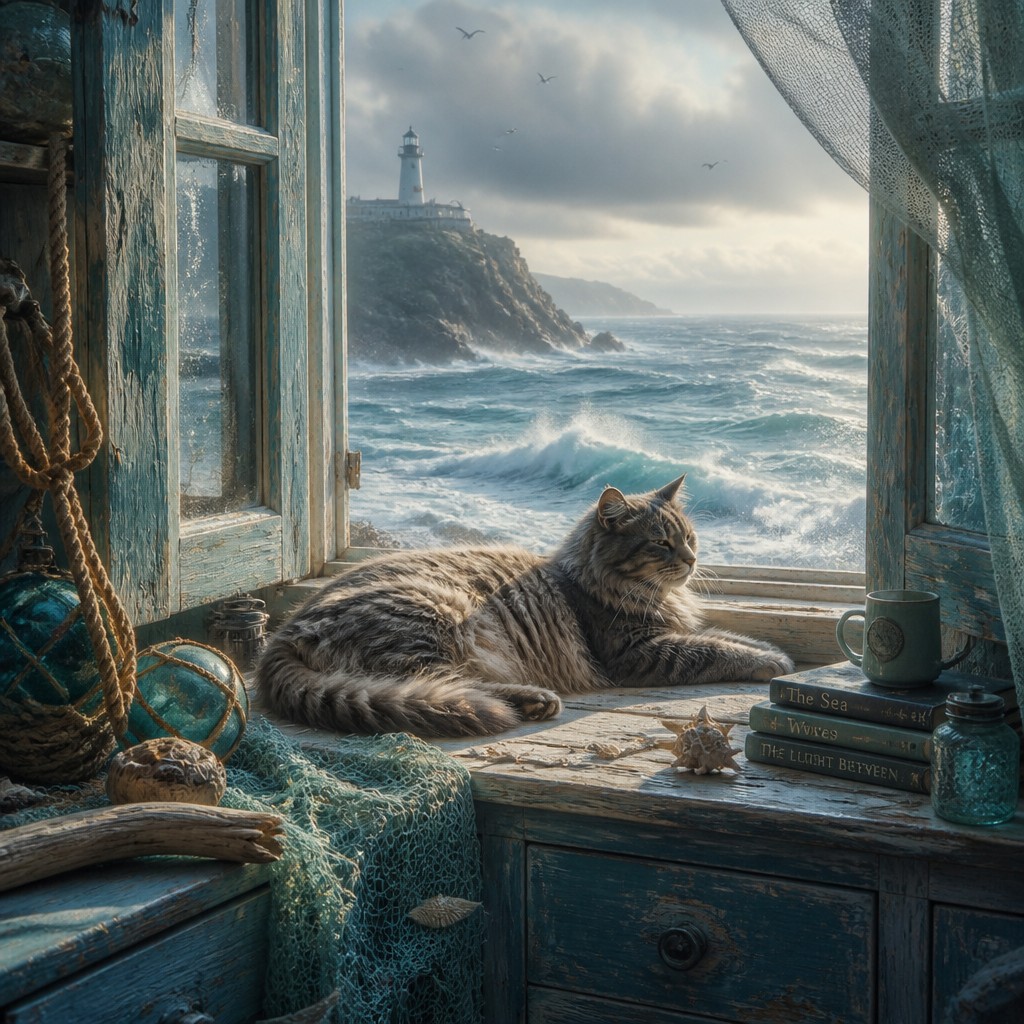
“a cat lounging in a sunlit window”
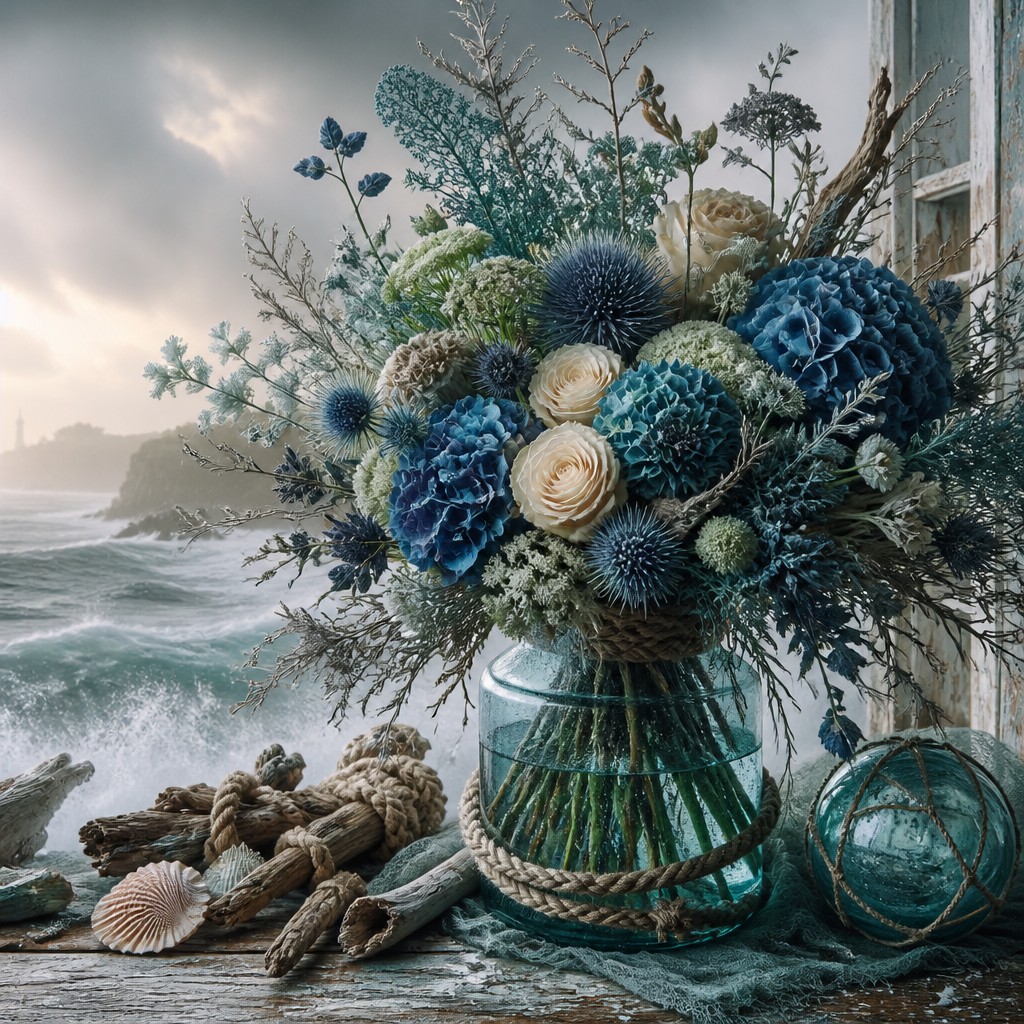
“bouquet of flowers in a glass vase”
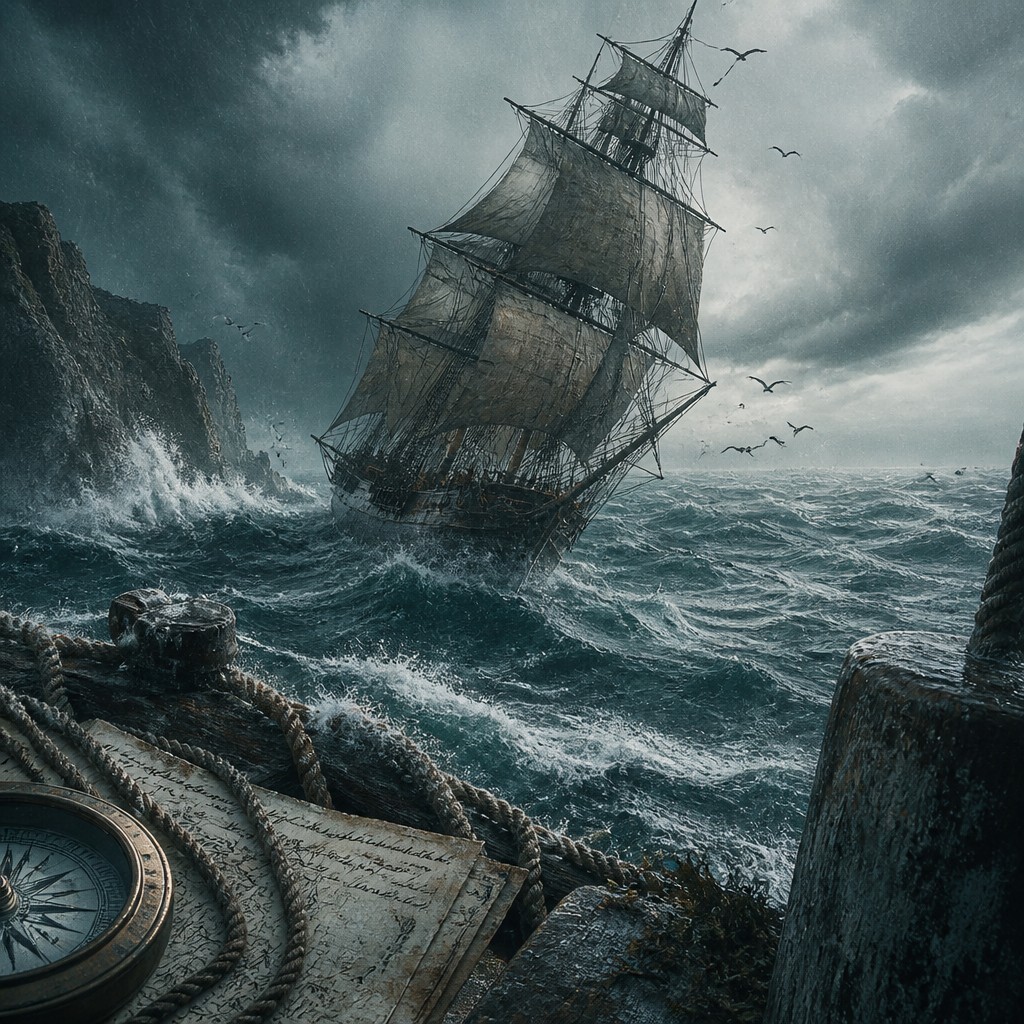
“sailing ship on a stormy sea”
How to Create Oceancore Aesthetic Art
Master the craft step by step — or skip straight to creating. Read the full guide →
- 1
Build the palette first
Start with a restrained range of marine blues, teal, seafoam, slate grey, and sand. Keep saturation controlled so the image feels moist, overcast, and cohesive rather than bright or tropical.
- 2
Use soft coastal light
In painting or photography, aim for diffused daylight, mist, or backlit spray. Avoid harsh shadows; the style depends on atmosphere and layered visibility more than crisp contour.
- 3
Prioritize tactile surfaces
Add driftwood grain, salt bloom, rope fibers, worn paint, wet stone, and pebbled sand. These textures give the image its maritime specificity and prevent it from reading as generic blue décor.
- 4
Compose with space and horizon
Leave room for air, water, and distance. Wide compositions, low horizons, and open negative space help create the expansive, solitary feeling associated with the style.
- 5
Balance realism with mood
Whether working traditionally or digitally, render objects believably but soften the overall scene with haze, motion blur, or painterly blending. For prompt-based creation, specify material details, weather conditions, and a restrained palette rather than only naming the theme.
The Story
History & Origins of Oceancore Aesthetic
Oceancore is an internet-born aesthetic rather than a historical art movement. It developed from the broader family of contemporary “-core” aesthetics, which organize visual taste around immersive mood worlds and thematic environments. Its imagery overlaps with coastal photography, maritime design, seascape painting, and nature-based lifestyle visuals, but it is defined less by a single medium than by a recurring set of sensory associations with the sea.
Its lineage can be traced to long-standing artistic interest in marine subjects, especially Romantic seascapes, tonal coastal painting, and modern editorial photography of shorelines and maritime objects. In digital culture, oceancore became legible as a distinct aesthetic through mood boards, social media imagery, and collectible visual prompts that emphasize atmosphere over narrative. It is not tied to one canonical school; instead, it synthesizes seafaring material traditions with contemporary image-making conventions.
Influences: Oceancore draws loosely from Romantic seascape traditions, especially the atmospheric and sublime qualities seen in the work of J. M. W. Turner and Caspar David Friedrich, as well as later coastal painting and maritime illustration. It also shares visual DNA with coastal documentary photography, nautical design, and the broader internet aesthetic culture of mood boards and environment-based “core” styles. Unlike historical movements, it is defined by a curated atmosphere rather than a shared manifesto or formal program.
Frequently Asked Questions
What defines oceancore aesthetic?
It is defined by a cool, marine-heavy palette, salt-worn textures, misty light, and imagery associated with the open sea and coast. The style usually emphasizes weather, distance, and material traces of maritime life rather than bright beach leisure.
How is oceancore different from coastal or beach aesthetic?
Beach aesthetics often feel sunny, relaxed, and lifestyle-oriented, while oceancore is moodier and more elemental. It favors storm light, haze, driftwood, ropes, and the physical roughness of shorelines over clean, vacation-like imagery.
Is oceancore a historical art movement?
No. It is a contemporary aesthetic category that emerged online, though it borrows from older visual traditions such as seascape painting, maritime design, and coastal photography. Its identity comes from a recurring look and mood rather than a formal artistic program.
What subjects work best in this style?
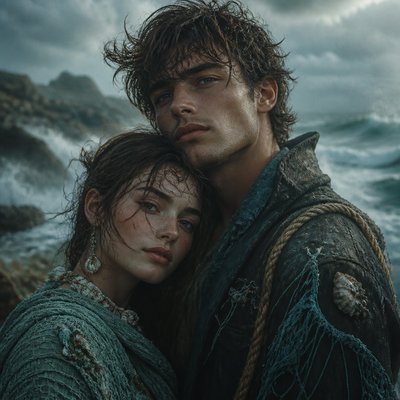
Seascapes, harbors, boats, lighthouses, stormy shores, driftwood, ropes, shells, and foggy coastlines all fit naturally. Portraits and interiors can also work if they include maritime materials, subdued colors, and a wind-swept atmosphere.
How can I make an oceancore image feel authentic?
Use a restricted sea-inspired palette, diffuse the lighting, and include weathered textures that show exposure to salt and wind. The strongest images usually imply lived-in coastal conditions rather than idealized tropical scenery.
Where is oceancore commonly used?
It appears in mood boards, photography, editorial graphics, album art, stationery, branding, and fantasy imagery associated with the sea. It is especially effective wherever a calm but dramatic coastal mood is needed.
Create your first Oceancore Aesthetic artwork
Describe anything — or upload a photo — and see it in Oceancore Aesthetic in seconds.
Make Something with Oceancore Aesthetic
Related Styles
Discover similar art styles