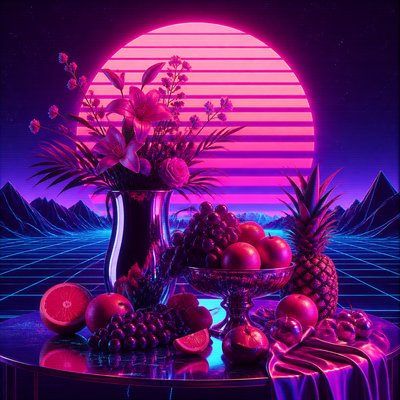
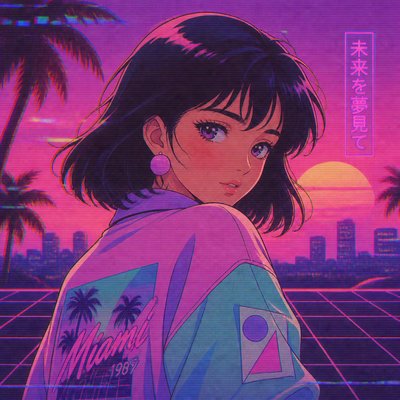
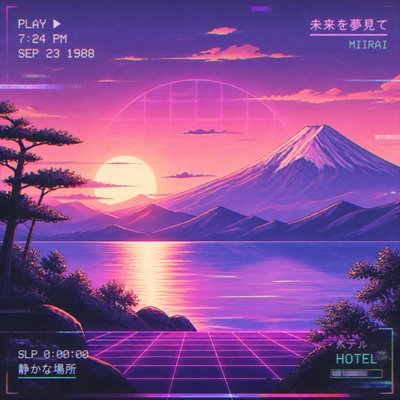
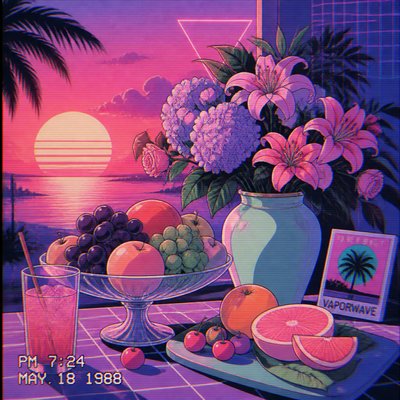
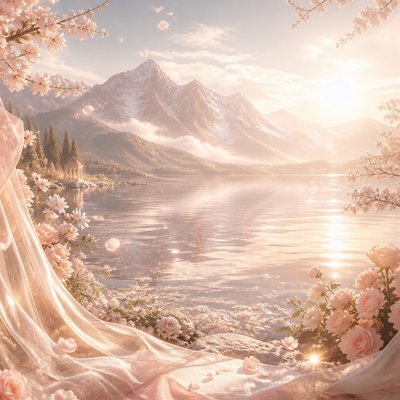
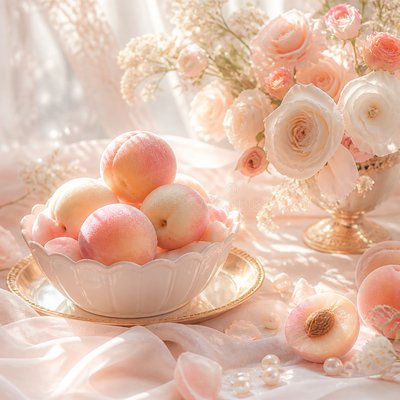
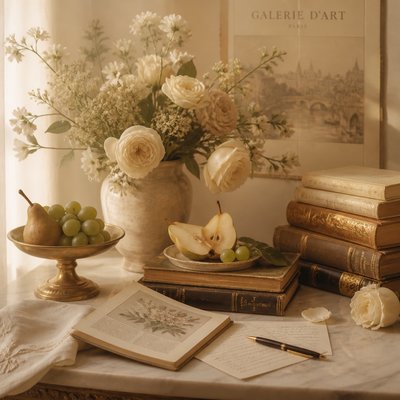
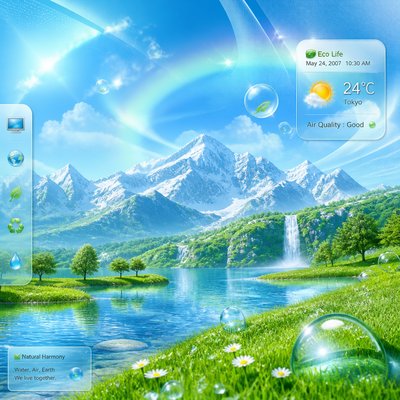
VHS Aesthetic
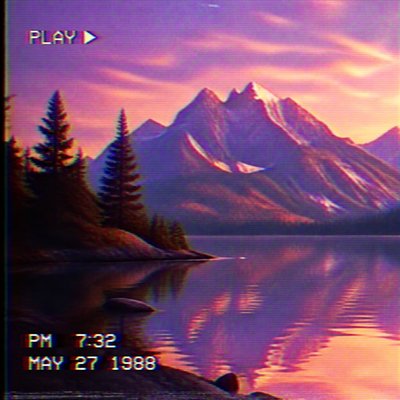
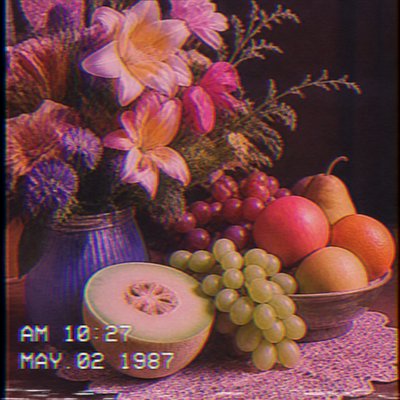
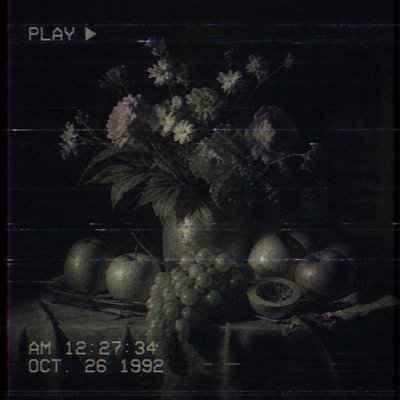
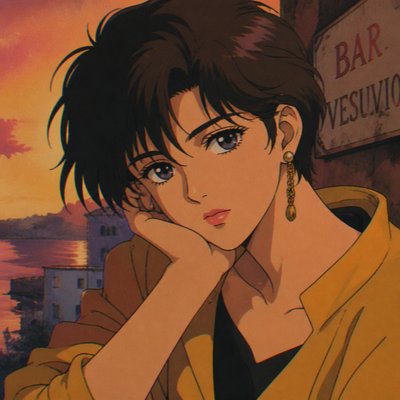
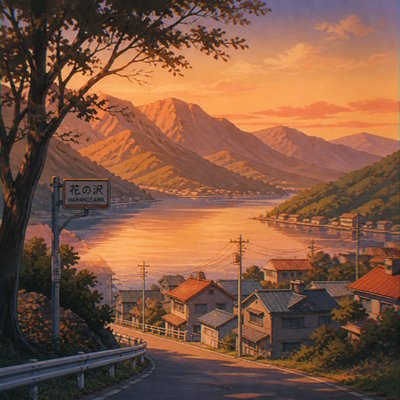
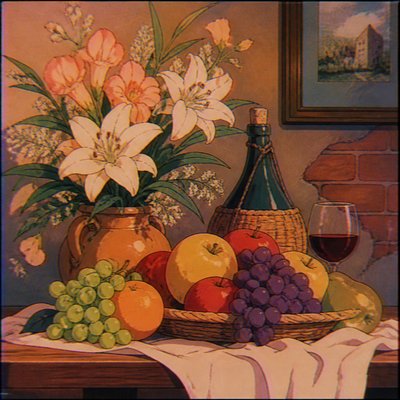
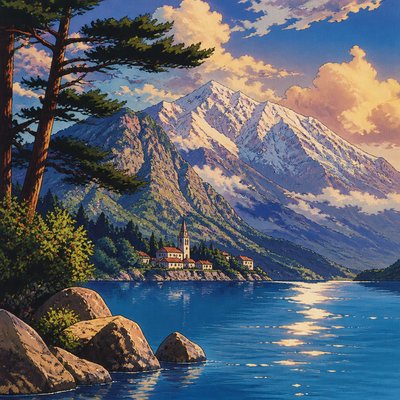
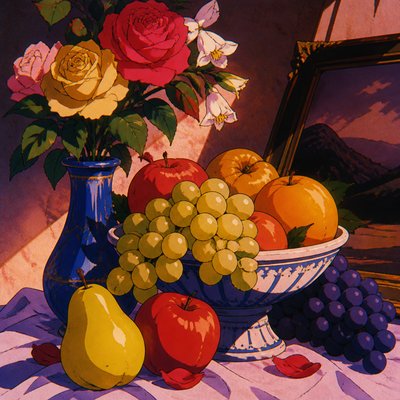
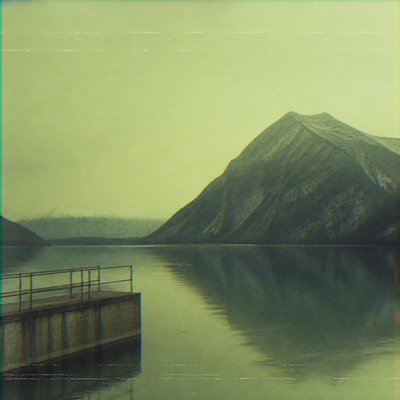
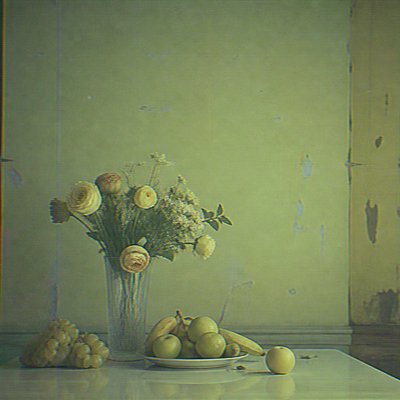
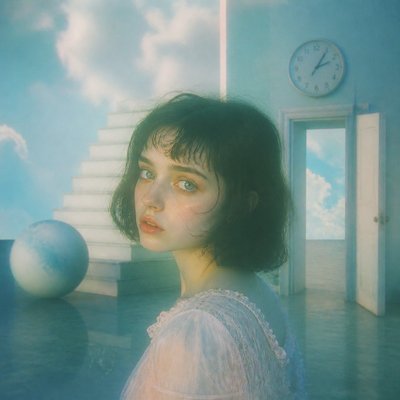
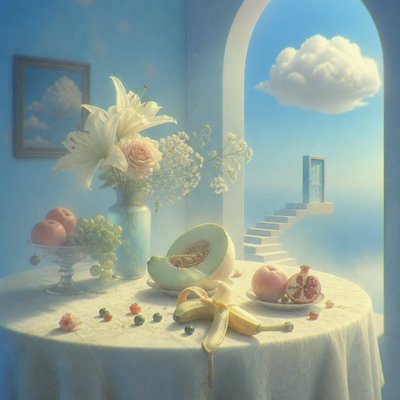
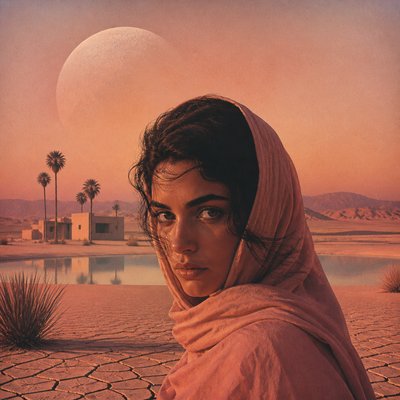
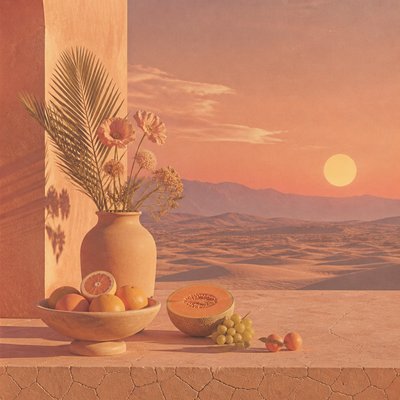
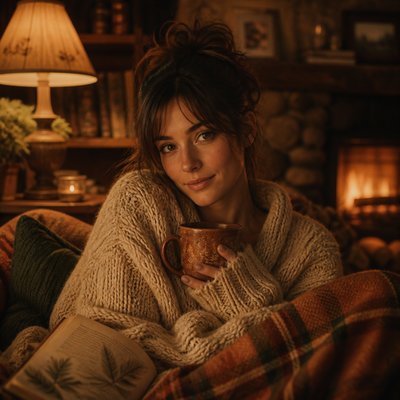
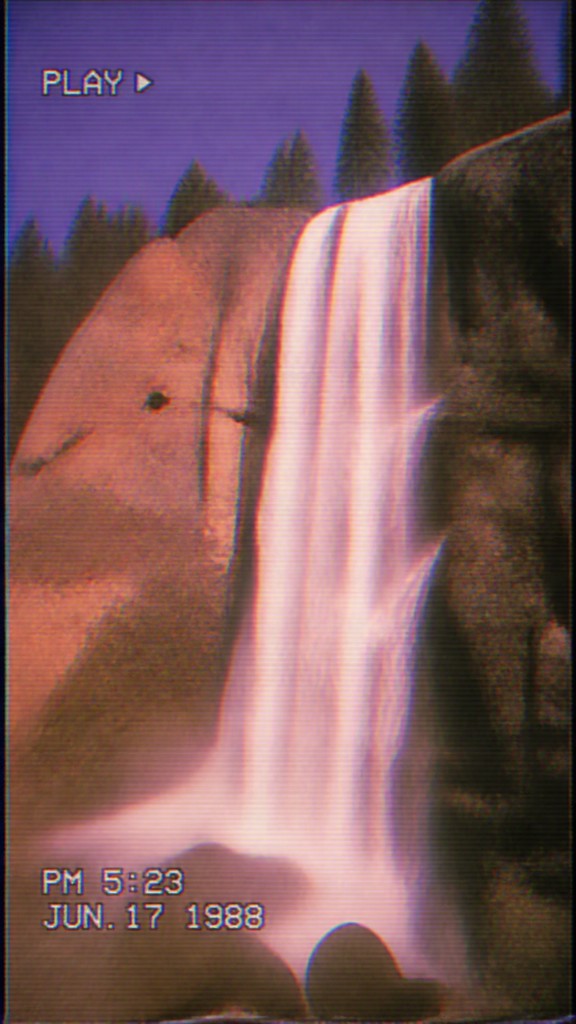
Warm late-80s home-video look with scanlines, tape grain, tracking wobble, chromatic fringing, and fuzzy color bleed.
Instantly rendered in VHS Aesthetic — or transform a photo

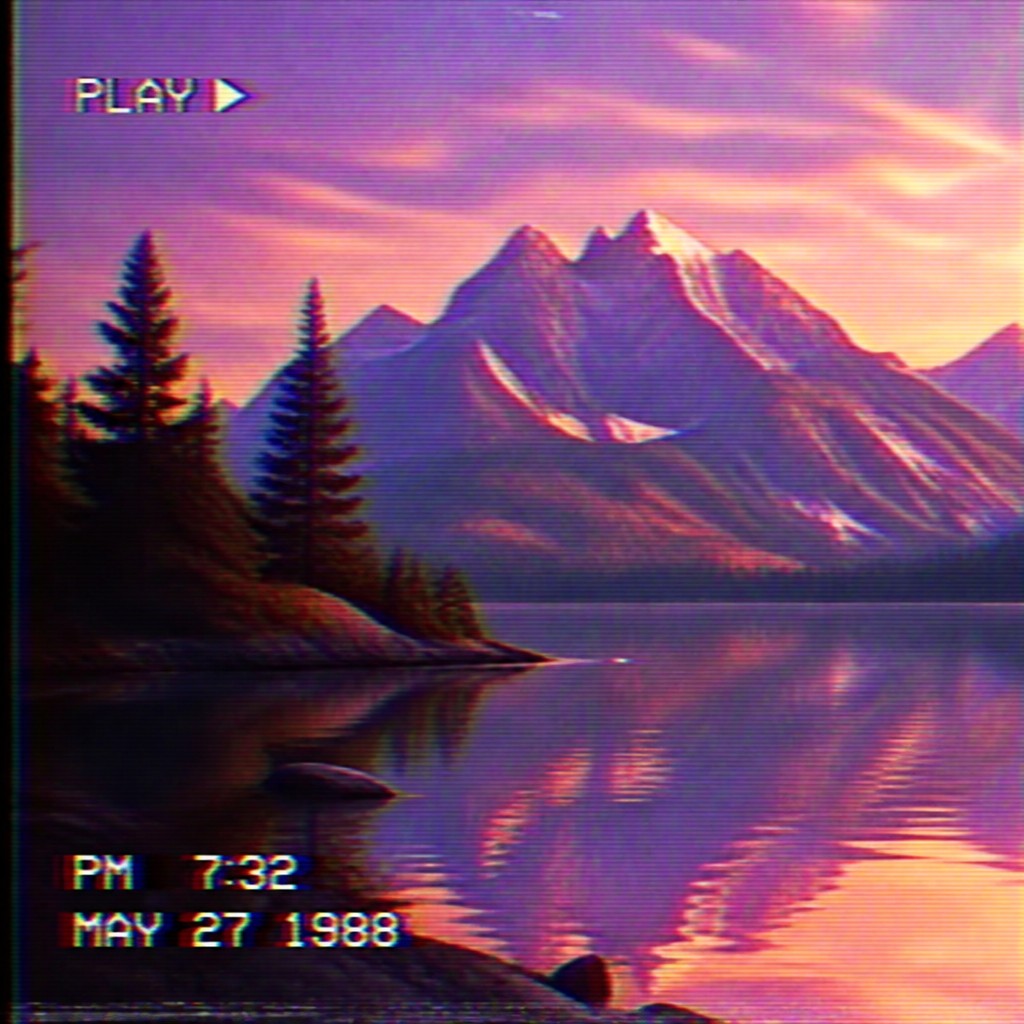
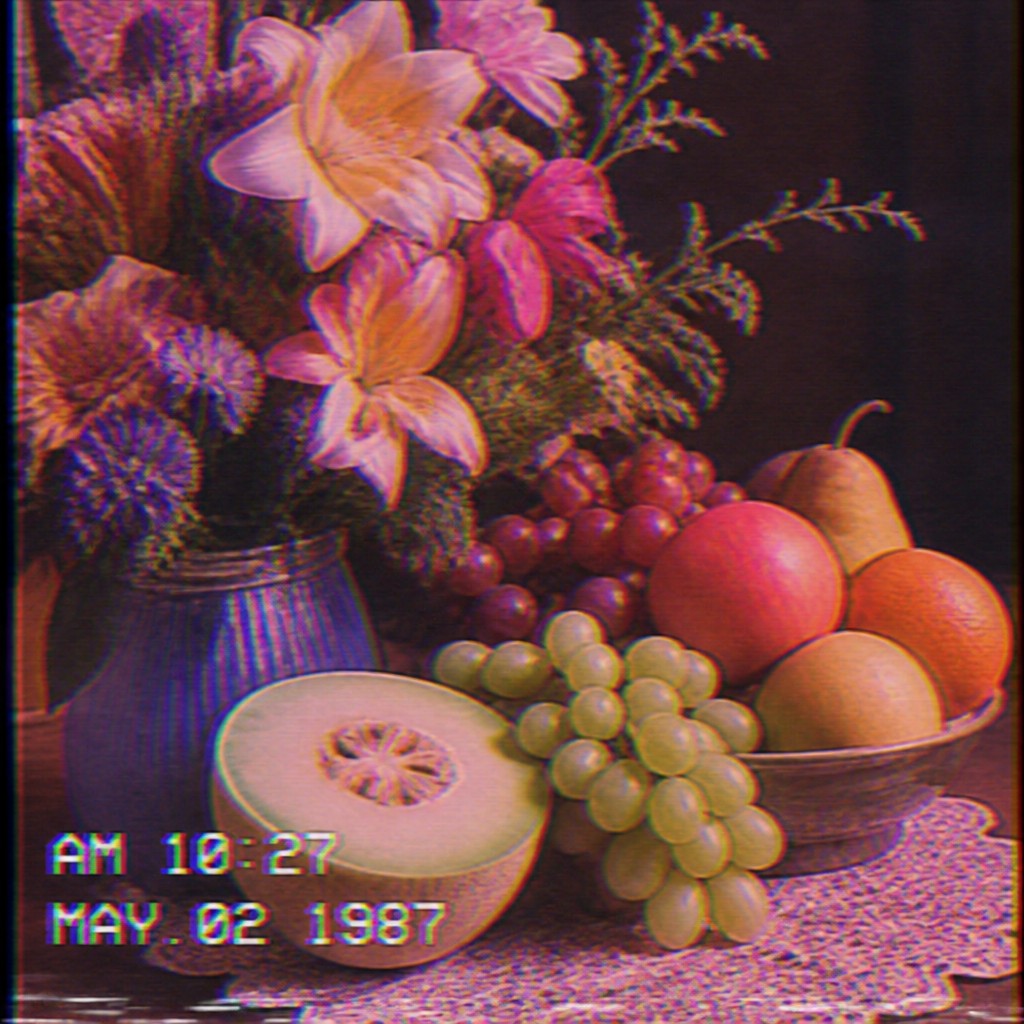
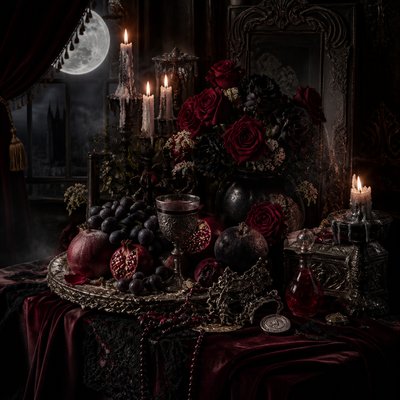
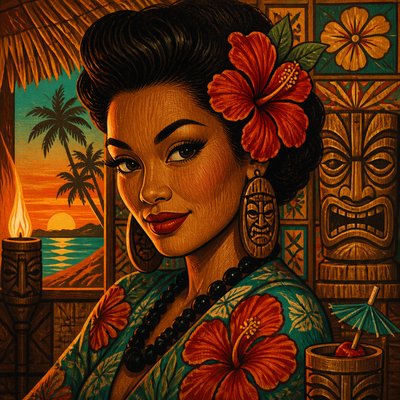
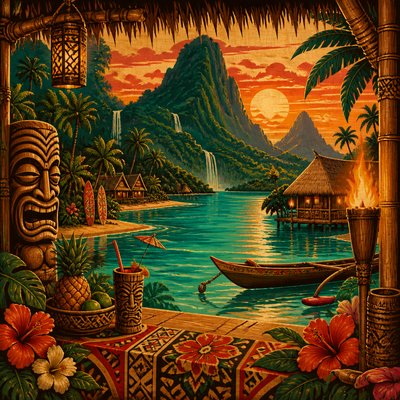
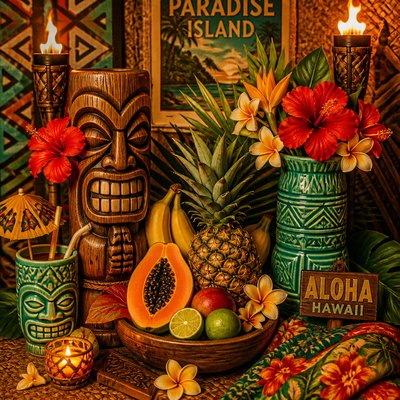
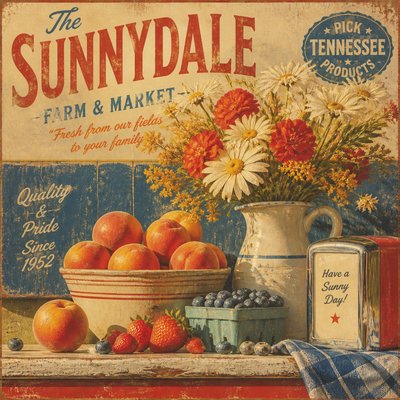
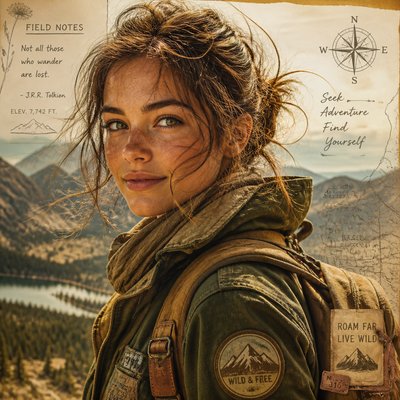
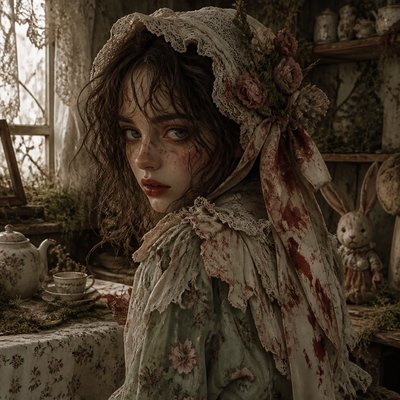
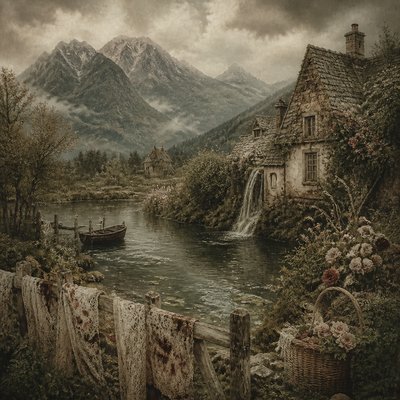
VHS Aesthetic Gallery
Tap any artwork to explore it
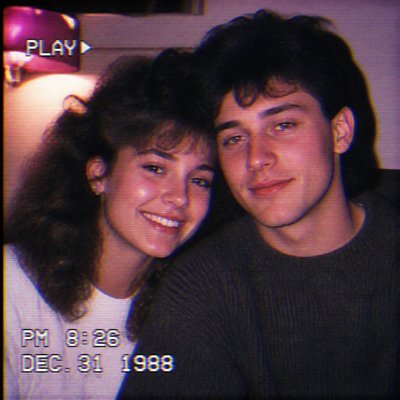
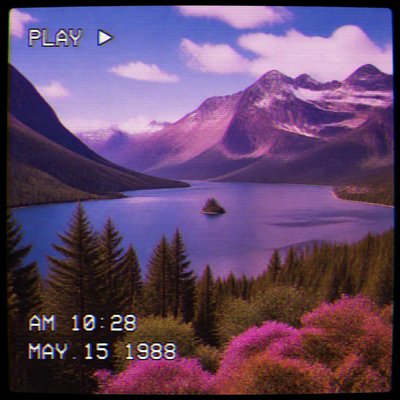
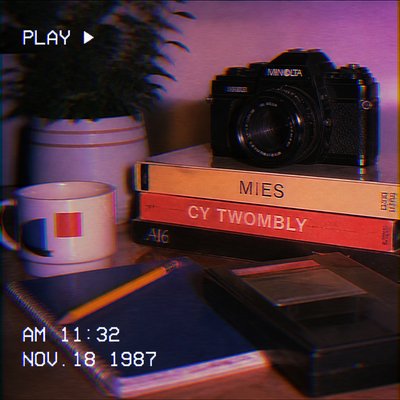
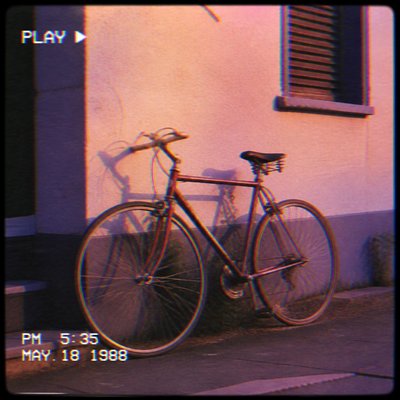
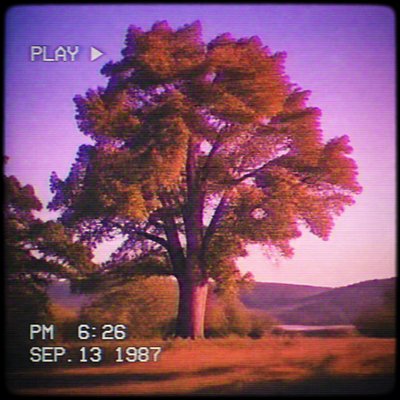
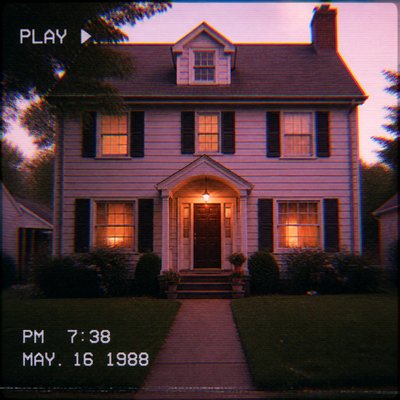
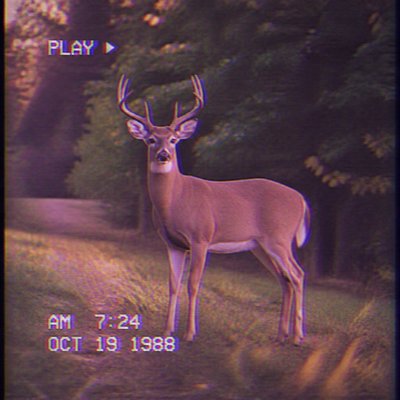
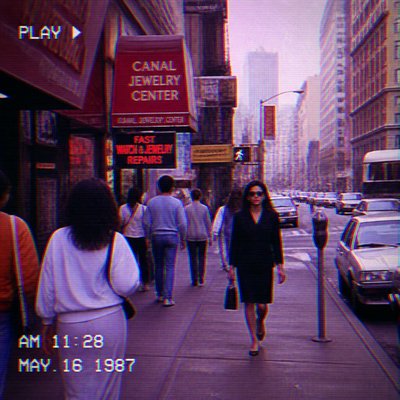
What is VHS Aesthetic?
VHS aesthetic is a modern visual style that imitates the look of consumer videotape from the late 1980s and early 1990s. It is defined by soft analog blur, scanlines, tracking distortion, color bleed, ghosting, and a warm, slightly degraded palette that recalls home recordings, camcorder footage, and rented tapes.
The style looks the way it does because it borrows from the technical limits of analog video: interlaced scanning, tape wear, magnetic noise, imperfect color separation, and unstable playback. Those flaws become the style’s signature features, turning everyday footage into something nostalgic, intimate, and faintly eerie.
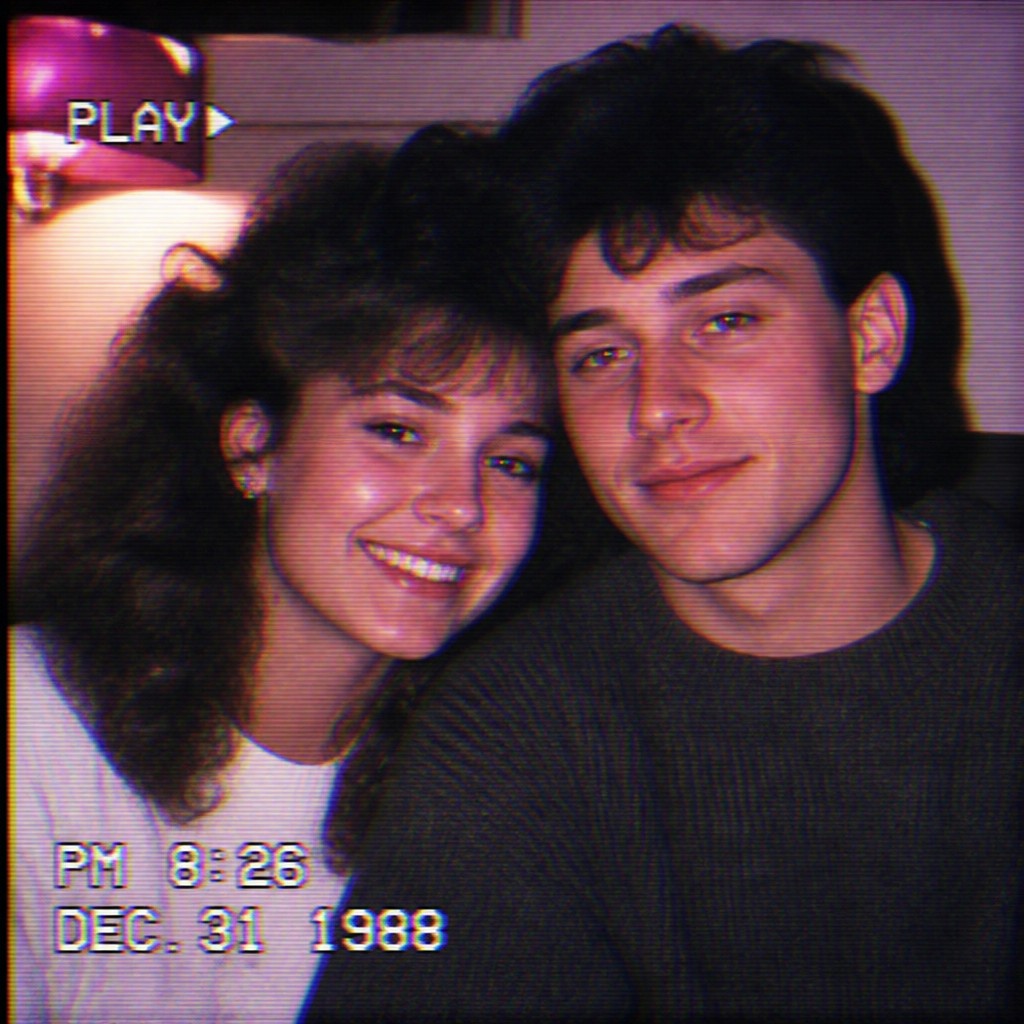
Try It On Your Photos
Upload any photo and convert it into VHS Aesthetic — drag the sliders to compare before and after.
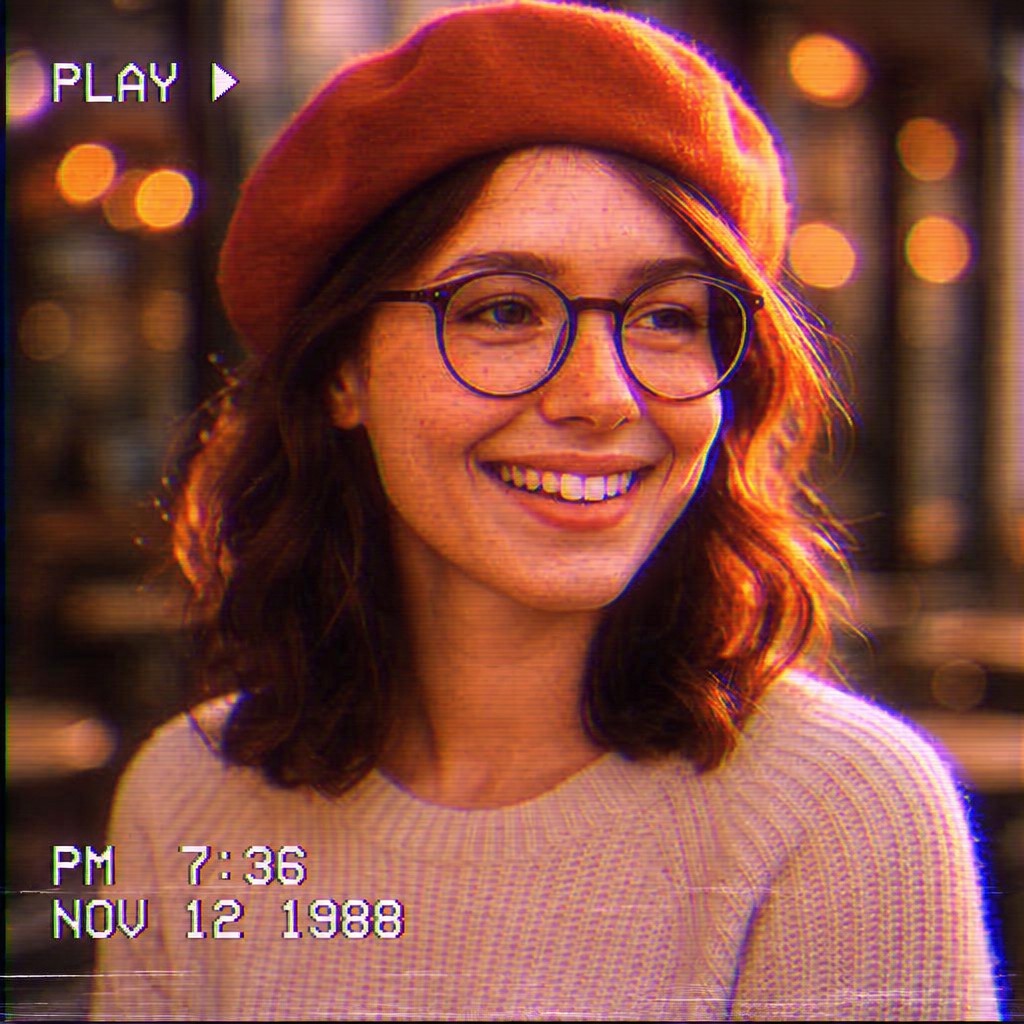

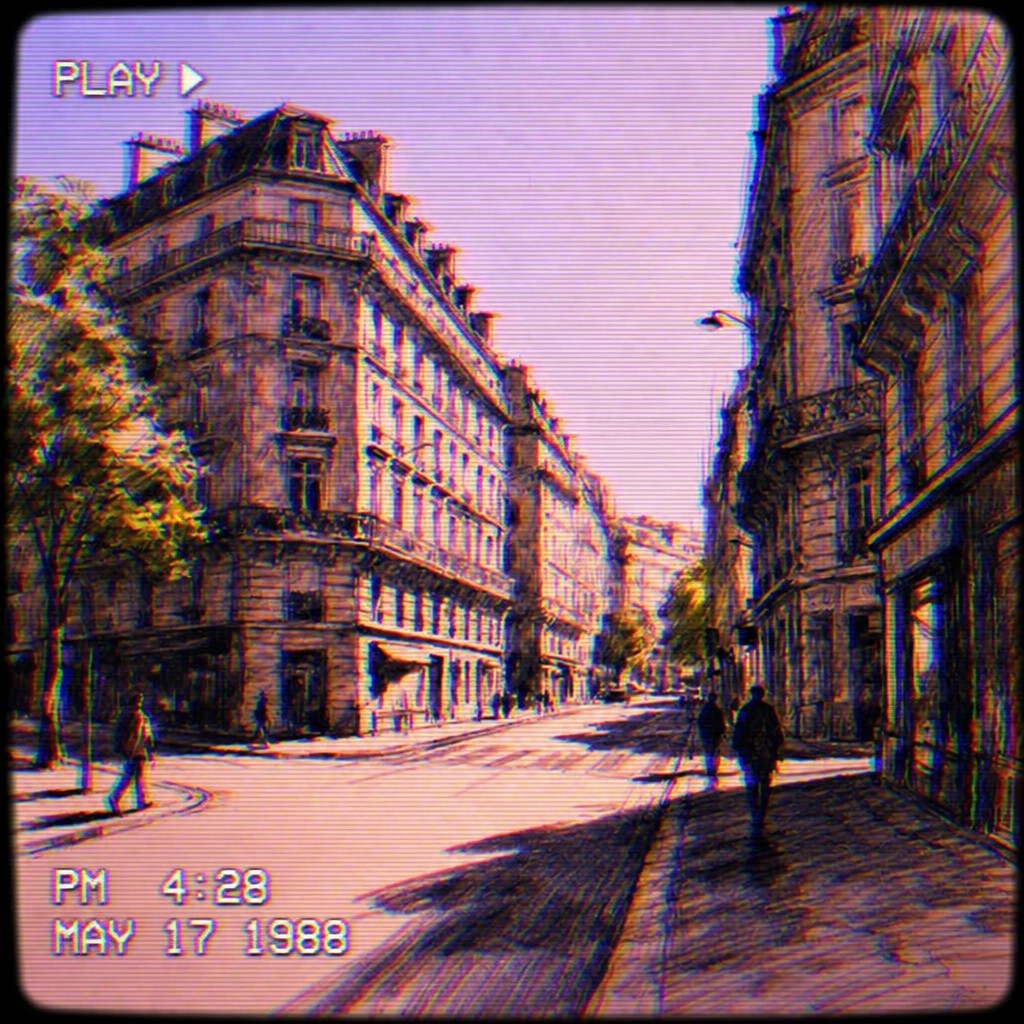

What Defines VHS Aesthetic
The signature details, up close
Scanlines and interlacing
Horizontal line structure suggests analog television or tape playback. The image often feels split into alternating fields, with a faint combed texture during motion.
Tracking wobble
Subtle horizontal misalignment, jitter, and ripple effects mimic a tape not fully locked to the deck. This gives the frame a restless, unstable quality.
Tape grain and noise
Fine electronic speckling, static, and magnetic noise roughen the image surface. Unlike film grain, this noise tends to feel flatter, harsher, and more video-like.
Chromatic fringing and color bleed
Edges may separate into magenta, cyan, or green halos, and saturated colors often spill into nearby shapes. Skin tones and bright objects commonly appear softened or overglowed.
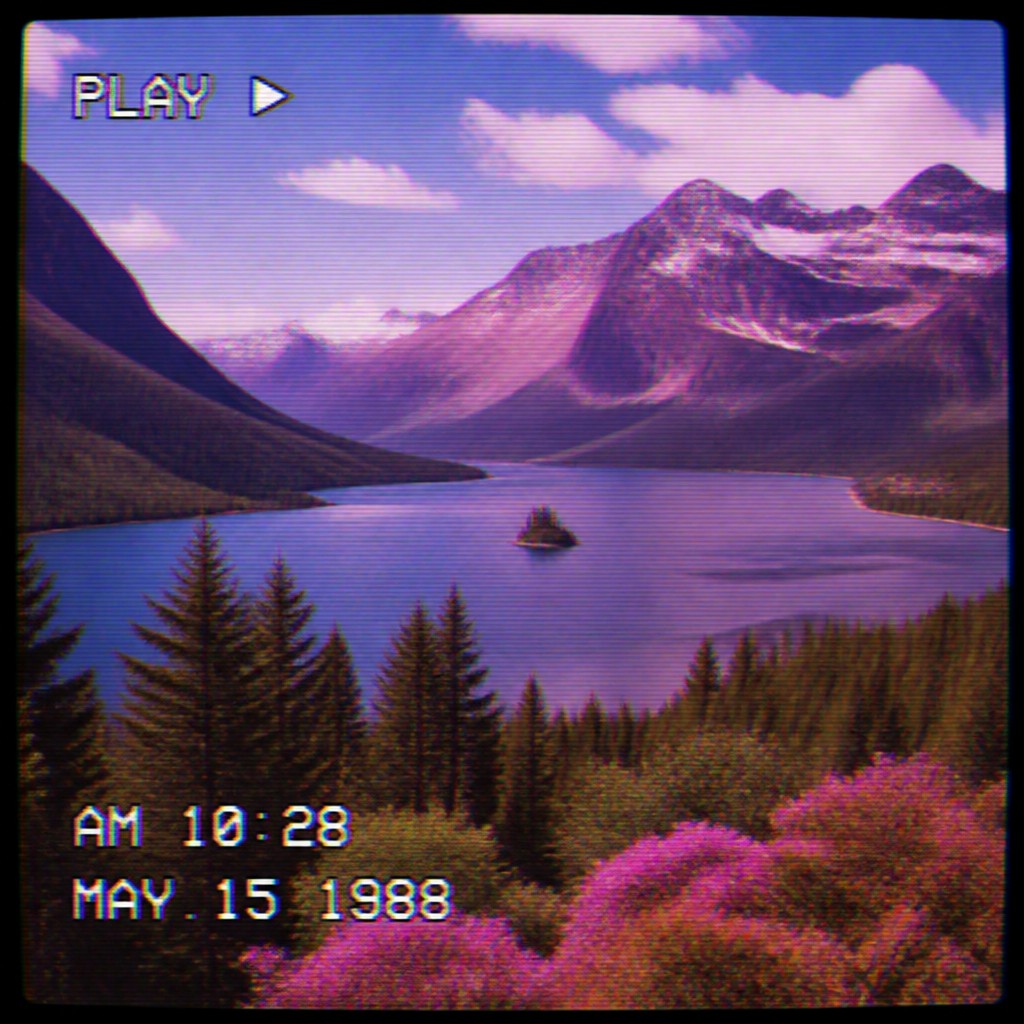
Warm, crushed palette
Blacks are often compressed, contrast is uneven, and highlights bloom softly. The overall color balance tends toward warm, slightly magenta or orange-tinted tones.
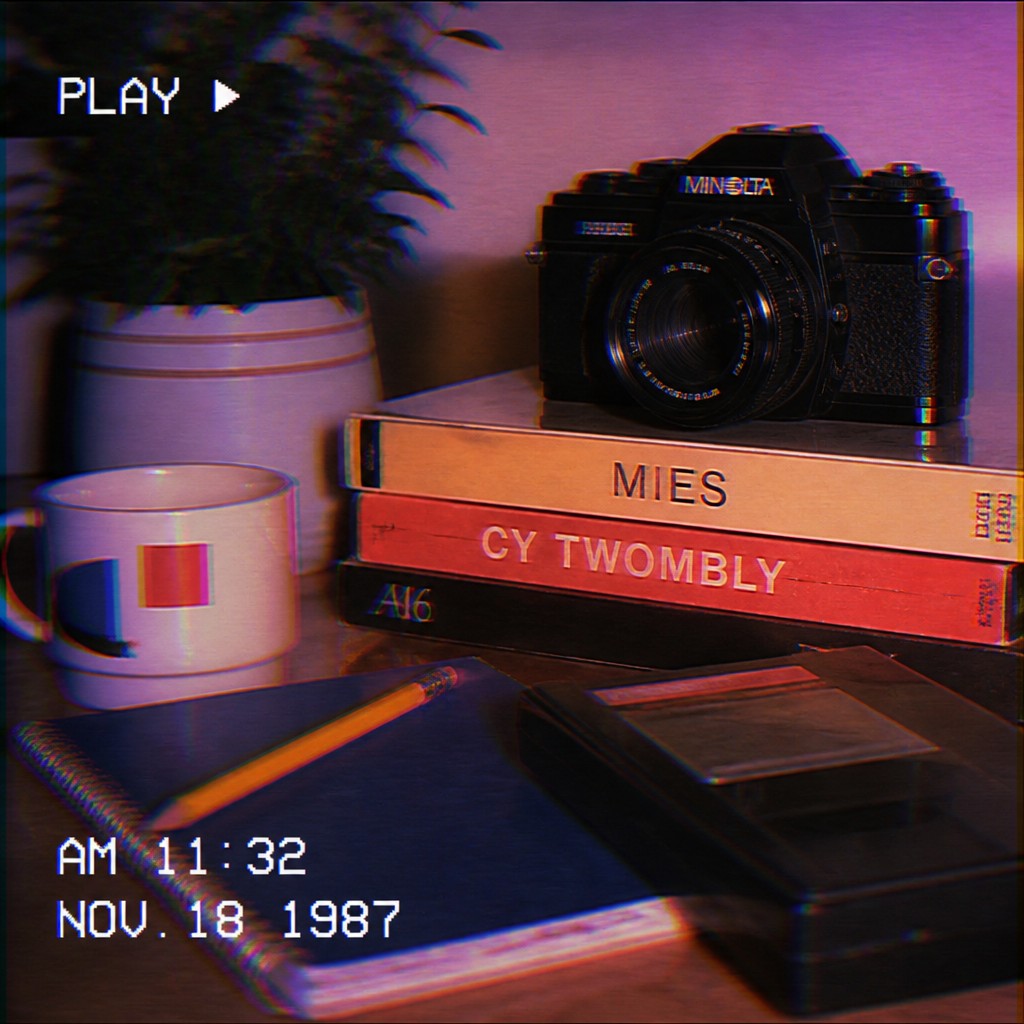
Ghosting and motion smear
Moving forms can leave faint double images or blurred trails from imperfect signal capture. This contributes to the ghostly, memory-like quality associated with the style.
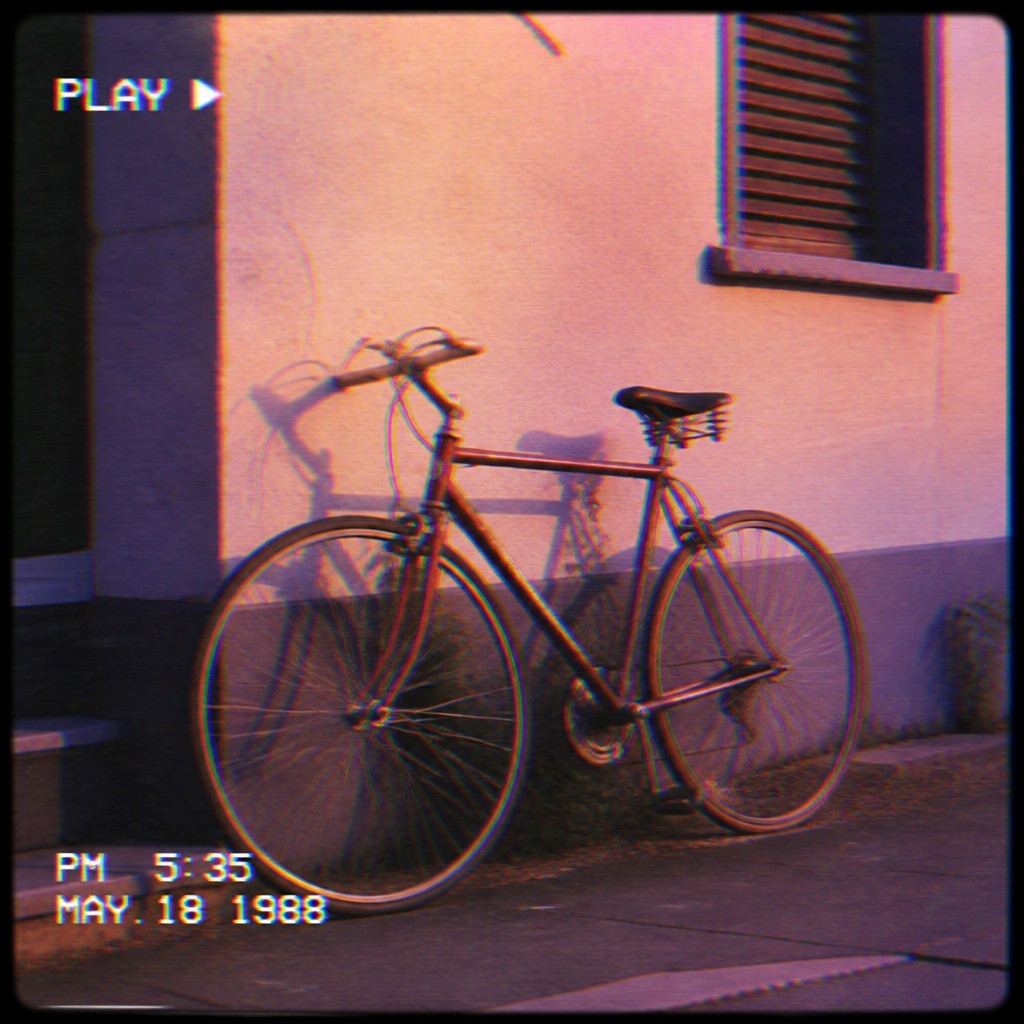
Camcorder framing and timestamp feel
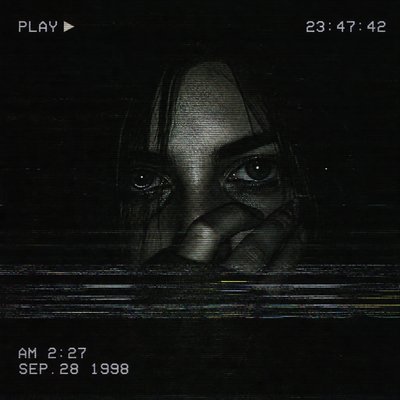
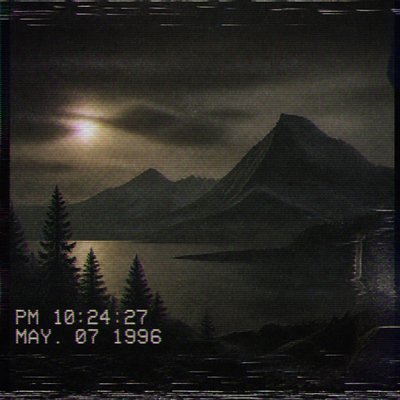
The composition often resembles handheld domestic footage, with casual framing, low-light softness, and an archival or dated atmosphere. A timestamp or on-screen display can strengthen the recorded-home-video impression.
Try It
Create Videos in VHS Aesthetic
Styles aren't just for stills — describe a scene or animate an image and get a short video rendered in VHS Aesthetic. Press play to see this pond come to life.
Make a VideoVHS Aesthetic Prompt Ideas
Start from an idea — each one opens the generator with the style ready to go. See all 40 VHS Aesthetic prompts →
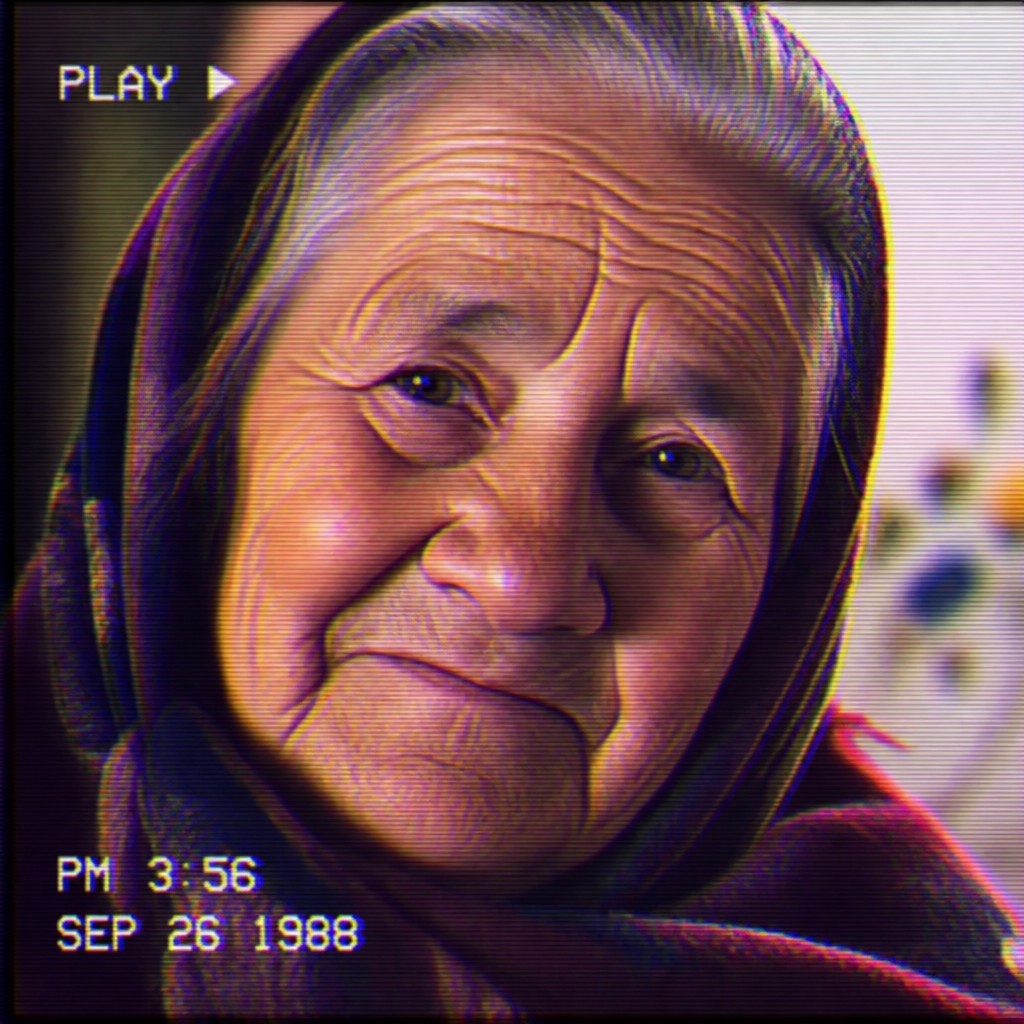
“close-up portrait of an elderly person with expressive weathered features”
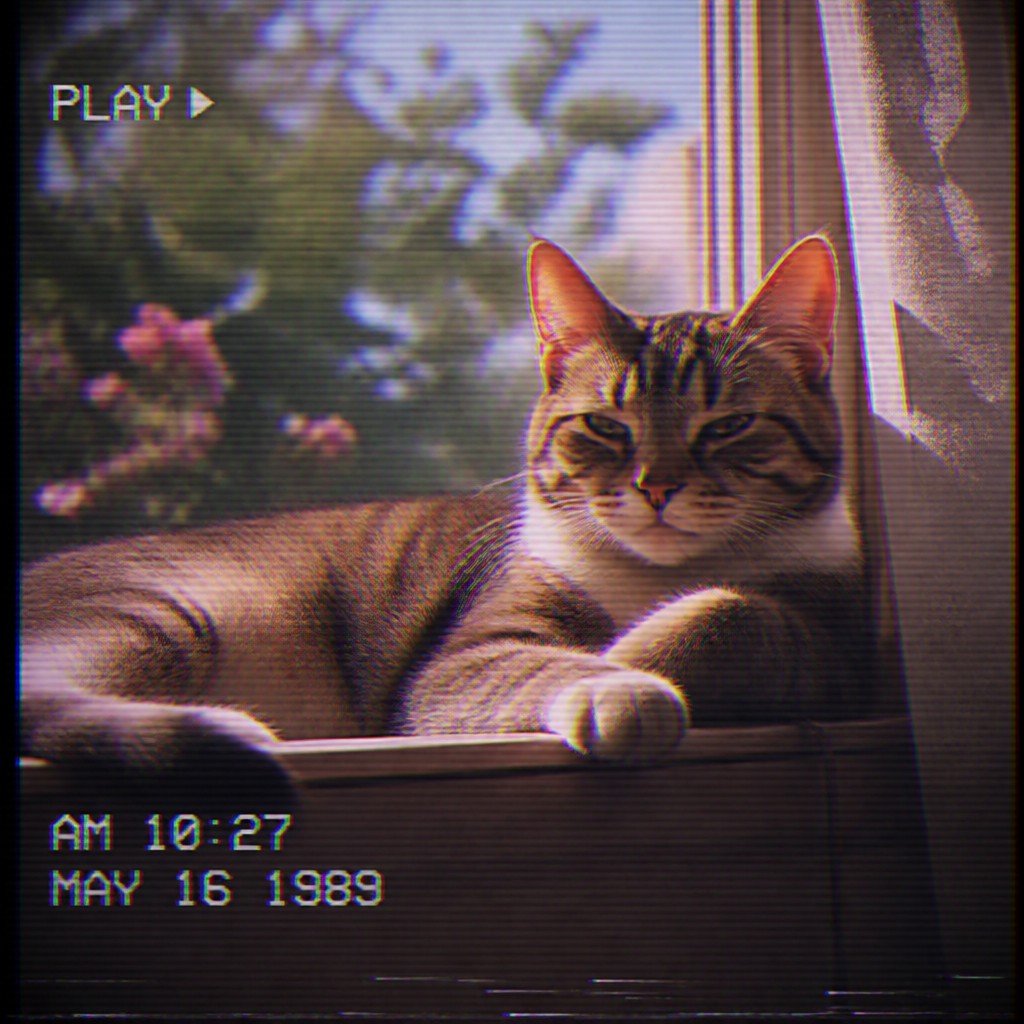
“a cat lounging in a sunlit window”
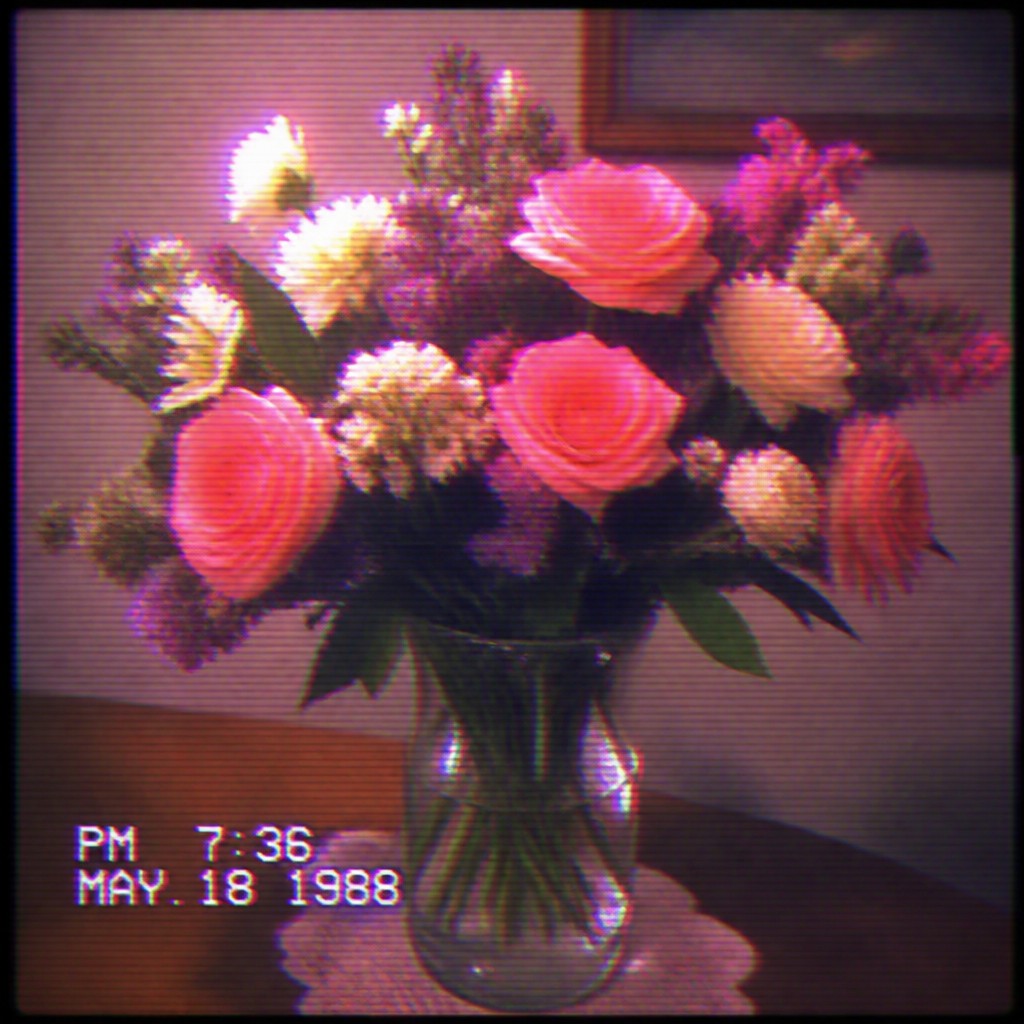
“bouquet of flowers in a glass vase”
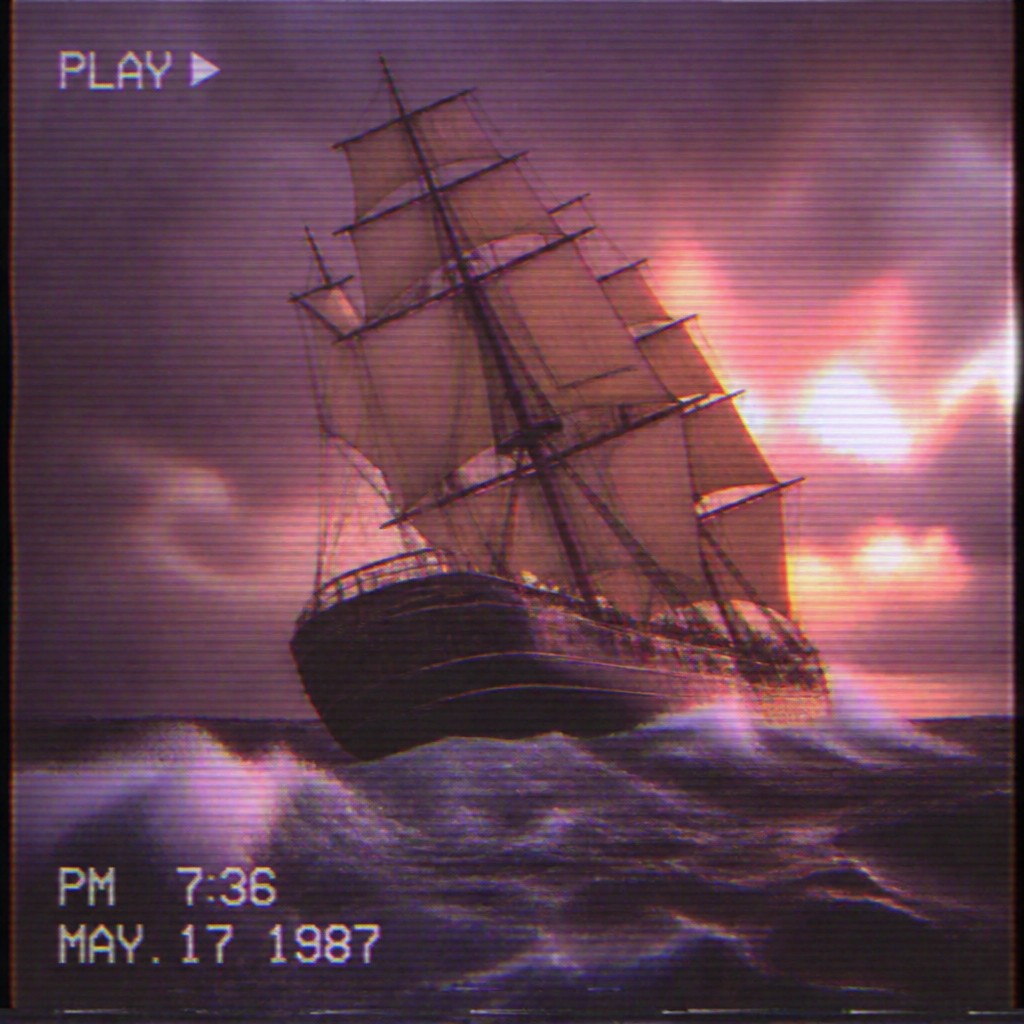
“sailing ship on a stormy sea”
How to Create VHS Aesthetic Art
Master the craft step by step — or skip straight to creating. Read the full guide →
- 1
Start with a low-resolution video mindset
Compose images as if they were captured by a consumer camcorder: simpler lighting, tighter color separation, and slightly imperfect framing. In photo editing or drawing, soften edges and avoid overly crisp detail so the image feels limited by old recording hardware.
- 2
Add analog video artifacts carefully
Layer scanlines, subtle horizontal jitter, chromatic offset, tracking noise, and occasional dropouts. The goal is not random distortion everywhere, but the believable flaws of worn magnetic tape or unstable playback.
- 3
Use a warm, degraded palette
Shift blacks downward, let highlights bloom, and bias color toward warm magenta-orange tones with occasional oversaturated reds and cyans. Keep saturation uneven so some areas appear washed out while others bleed strongly.
- 4
Emphasize ghosting and blur in motion
For moving subjects, introduce mild motion smear or duplicate edges rather than sharp freeze-frame clarity. Traditional artists can simulate this with soft blending and layered contours; digital artists can use frame blending, blur, and compositing.
- 5
Reference camcorder-era storytelling cues
Casual home-video compositions, birthday-party lighting, suburban interiors, street footage, and recorded TV screens all reinforce the aesthetic. In prompt-based generation, describe the subject first, then specify tape grain, scanlines, tracking wobble, and timestamp-era framing.

The Story
History & Origins of VHS Aesthetic
VHS aesthetic does not come from a single art movement; it is an image style built from the visual language of consumer video technology. Its lineage comes from VHS home recording, camcorder footage, television broadcast artifacts, and the broader low-fi media culture of the 1980s and 1990s. What began as a technical compromise—soft resolution, noise, and color instability—later became desirable as a nostalgic look.
Its rise as an aesthetic was reinforced by retro culture, found-footage filmmaking, music videos, horror imagery, and internet nostalgia for obsolete media. Today it is widely used to evoke memory, domesticity, occult broadcast imagery, lost media, and the atmosphere of a period when video itself felt tactile and fragile.
Influences: VHS aesthetic draws from analog television, consumer camcorder imagery, and low-fidelity video playback rather than from a fine-art school. It is closely related to retro-futurist and internet nostalgia imagery, found footage, lo-fi horror, and adjacent digital artifacts such as CRT glow, datamosh aesthetics, and tape-deck degradation. In historical art terms, it can be loosely connected to the broader interest in mechanical reproduction and mediated images, but its direct visual ancestry is media technology rather than canonical painters.
Frequently Asked Questions
What defines VHS aesthetic?
The style is defined by the look of analog videotape: scanlines, tracking wobble, soft blur, color bleed, tape grain, and a warm degraded palette. It usually feels like footage recorded on a home camcorder or copied many times.
Is VHS aesthetic the same as retro or 80s style?
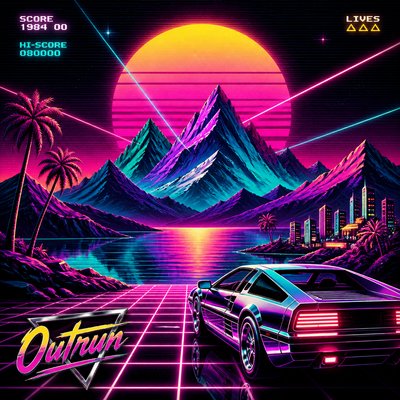
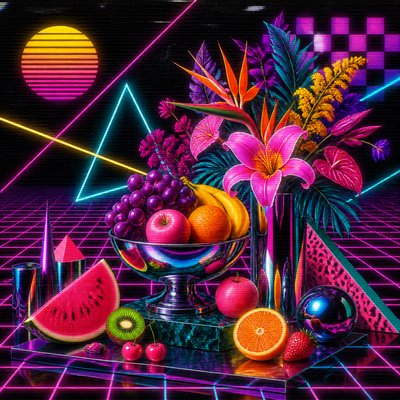
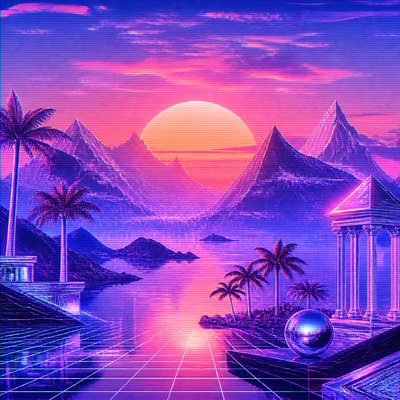
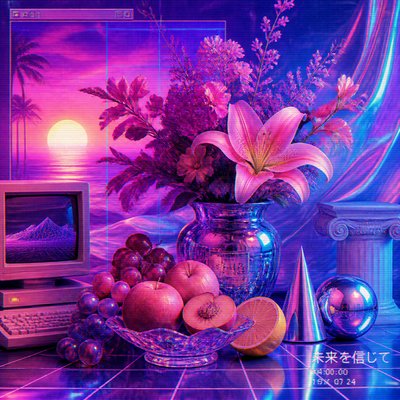
Not exactly. Retro 80s style can include fashion, typography, neon lighting, or synthwave color, while VHS aesthetic is specifically about the visual artifacts of videotape and analog playback. An image can be 1980s-themed without looking like VHS, and vice versa.
Why does VHS footage look fuzzy and warped?
VHS was an analog magnetic format with limited resolution and imperfect signal stability. Tape wear, interlaced scanning, low bandwidth, and playback errors produced blur, noise, color shifting, and tracking distortion.
What kinds of images work best in this style?
Portraits, bedrooms, suburban exteriors, party scenes, road footage, television screens, and eerie night shots all work well because they resemble personal recordings. Subjects with strong color contrast or simple silhouettes also show the tape artifacts clearly.
How do I make a photo look more VHS-like?
Reduce sharpness, add scanlines and noise, lower contrast in the shadows, and introduce chromatic fringing or slight horizontal misalignment. A timestamp overlay or camcorder frame treatment can help, but the strongest cue is usually the overall degraded video texture.
Where is VHS aesthetic commonly used?
It appears in horror, music visuals, album art, fashion editorials, nostalgic branding, and internet art that wants a found-footage or memory-driven mood. It is especially effective when the goal is to make a scene feel recorded, archived, or half-remembered.

Create your first VHS Aesthetic artwork
Describe anything — or upload a photo — and see it in VHS Aesthetic in seconds.
Make Something with VHS Aesthetic
Related Styles
Discover similar art styles