Barbiecore Aesthetic
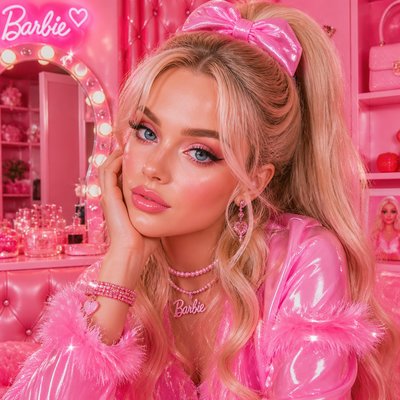
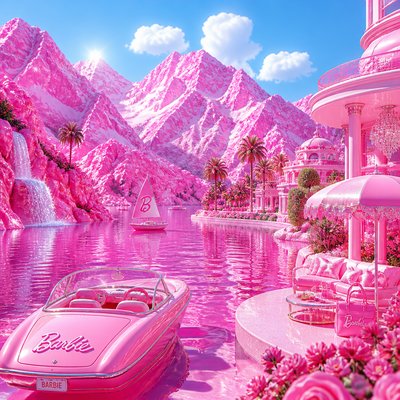
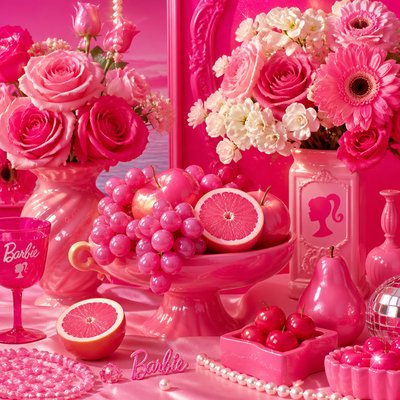
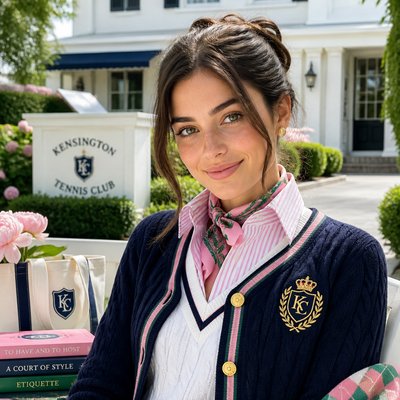
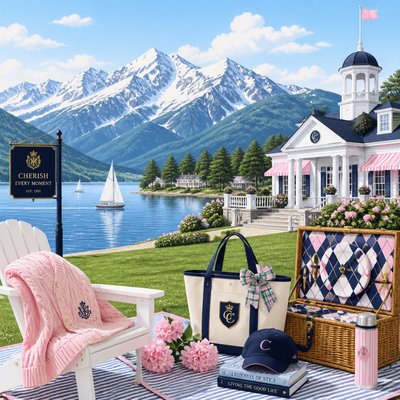
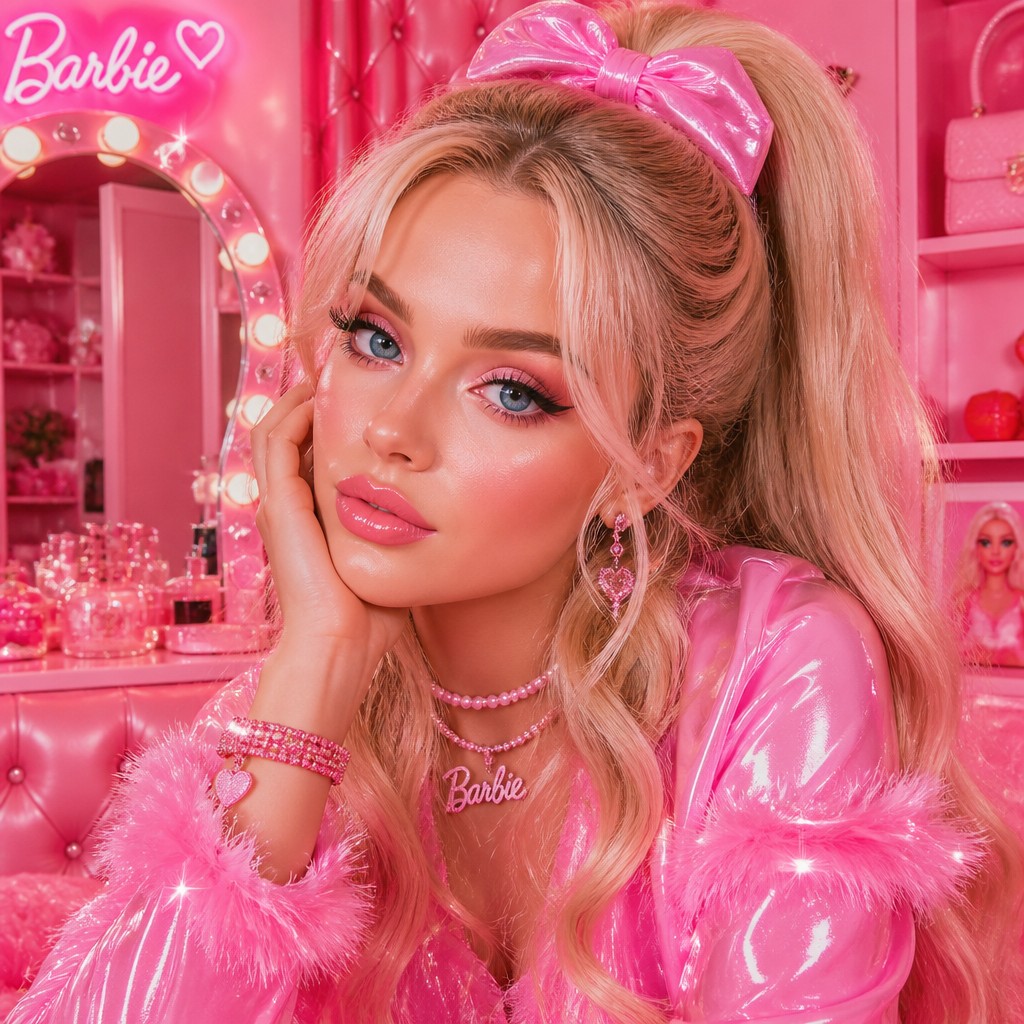
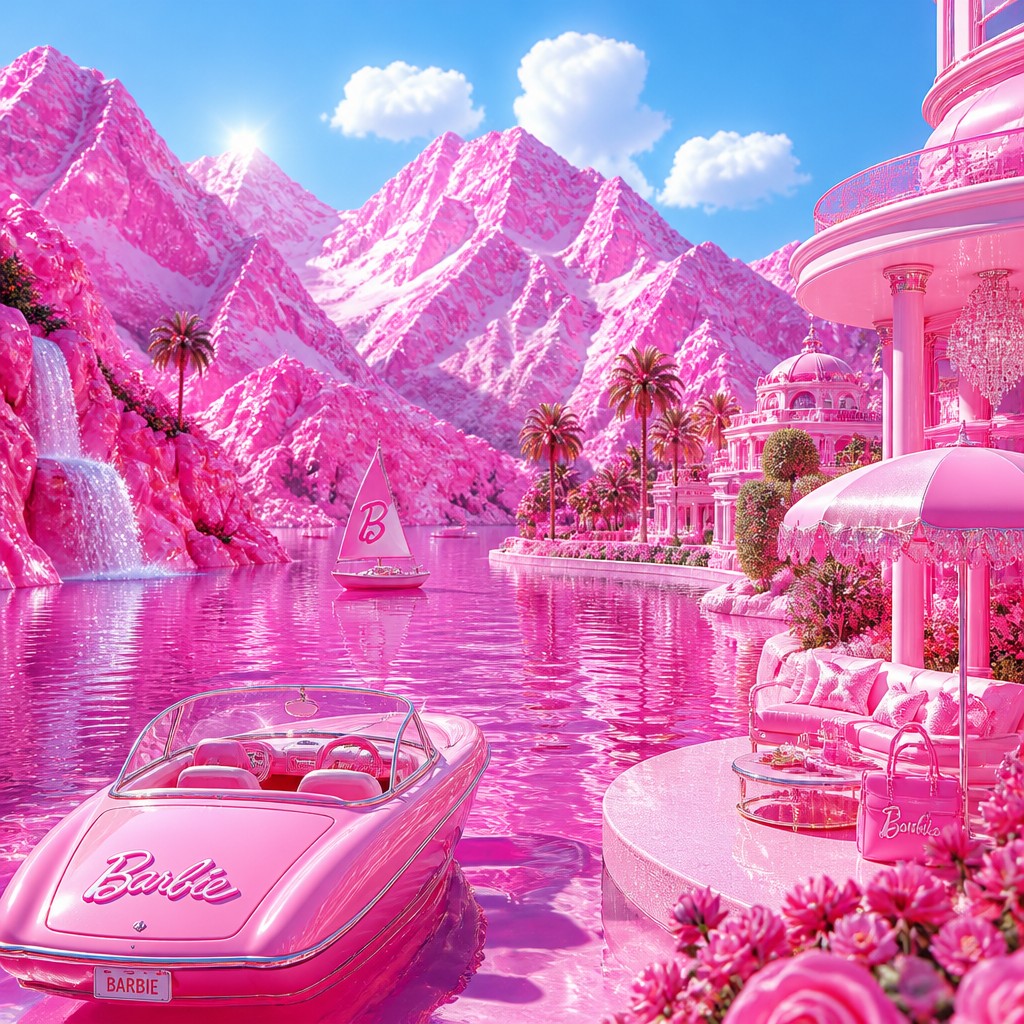
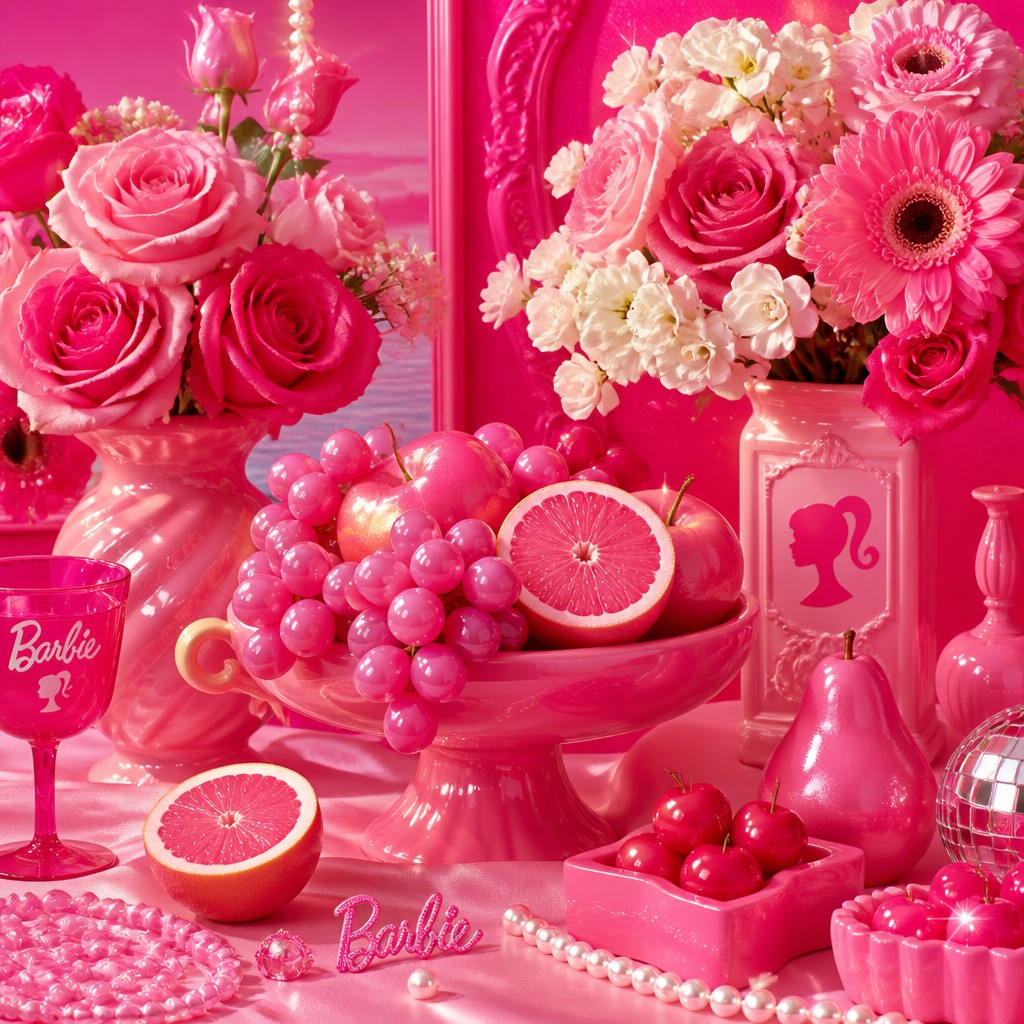
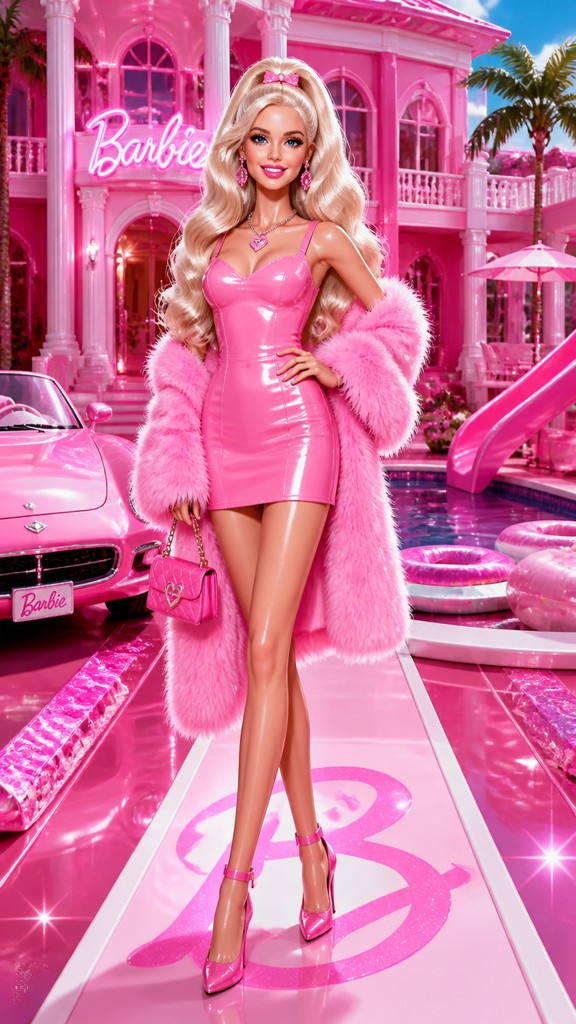
Barbiecore is a pink-forward aesthetic of glossy plastic shine, doll-like polish, and playful glamour.
Instantly rendered in Barbiecore Aesthetic — or transform a photo
Barbiecore Aesthetic Gallery
Tap any artwork to explore it
What is Barbiecore Aesthetic?
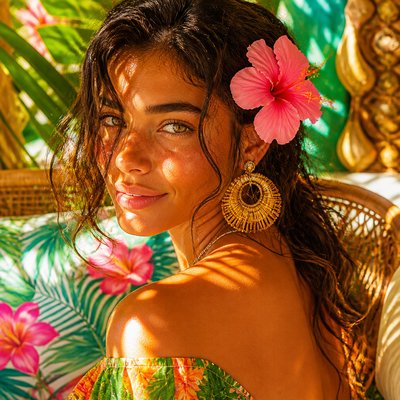
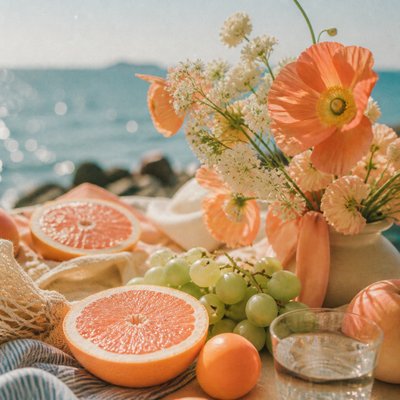
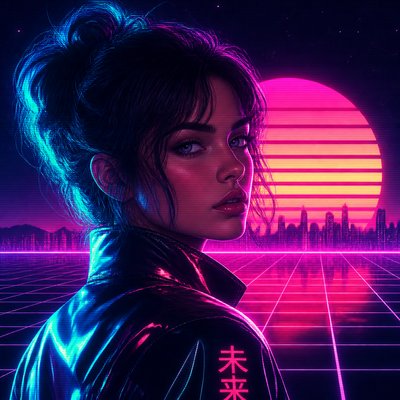
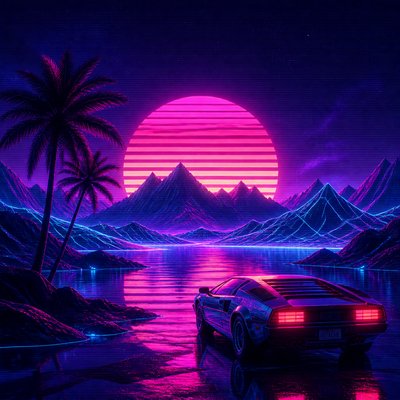
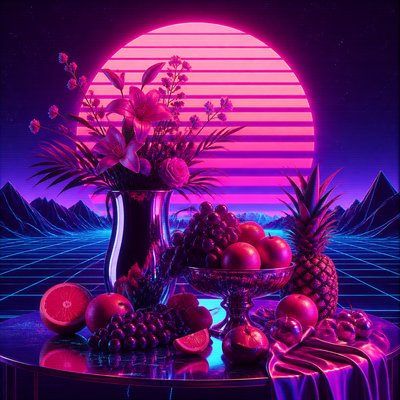
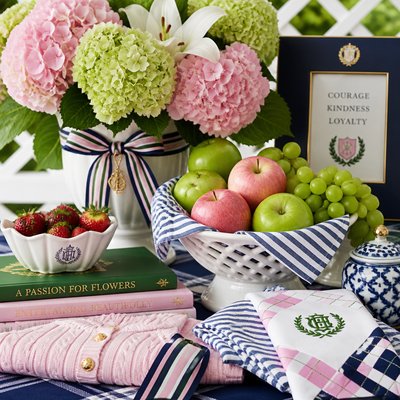
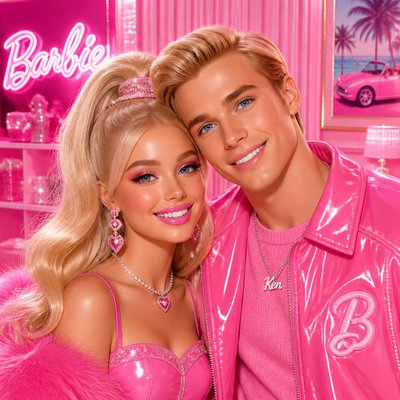
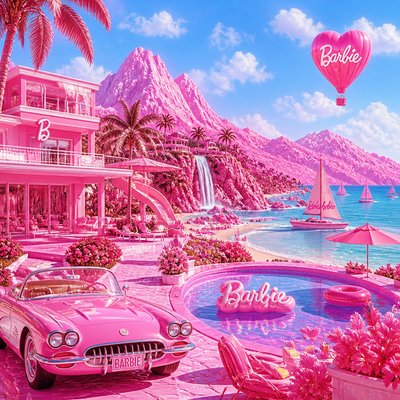
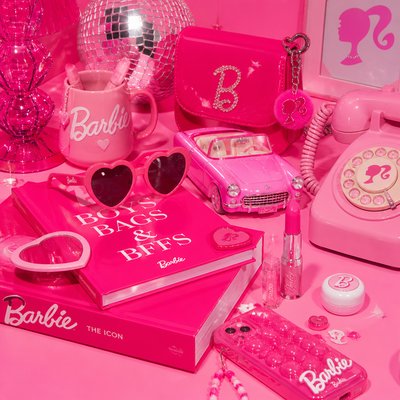
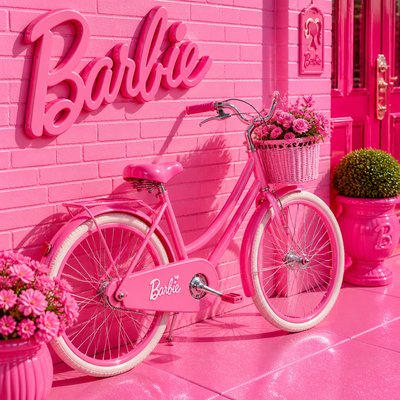
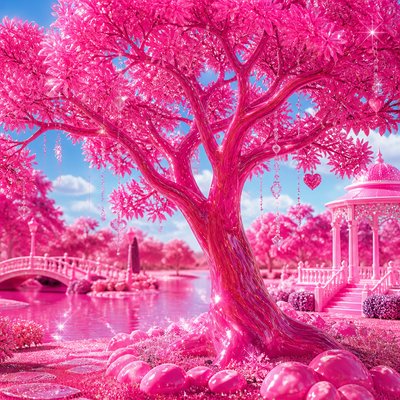
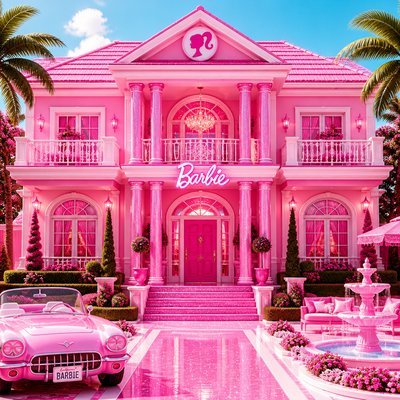
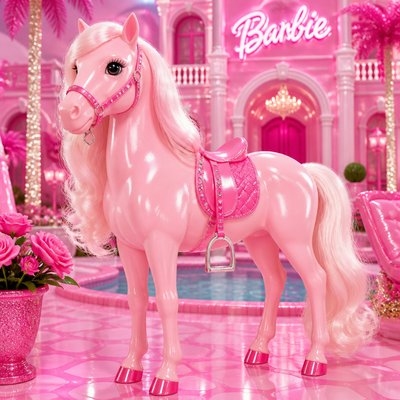
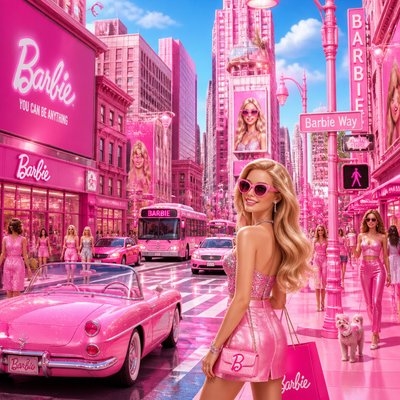
Barbiecore aesthetic is a contemporary visual style built around unapologetic pink, glossy surfaces, and a highly polished sense of play. It centers on saturated hot pinks and candy tones such as magenta, bubblegum, pearl white, and occasional gold accents, often combined with smooth textures, inflated forms, and a deliberately manufactured look. The result is a world that feels glamorous, youthful, and unmistakably artificial in a self-aware way.
Its visual identity comes from the cultural afterlife of fashion dolls, pop spectacle, beauty advertising, and the long-standing appeal of hyper-feminine design. Barbiecore uses bright even lighting, reflective highlights, and maximal color harmony to create an image that appears cheerful and pristine rather than naturalistic. It looks the way it does because it leans into plastic perfection: surfaces are glossy, edges are clean, compositions are staged, and everything is arranged to emphasize fantasy, display, and decorative excess.
Try It On Your Photos
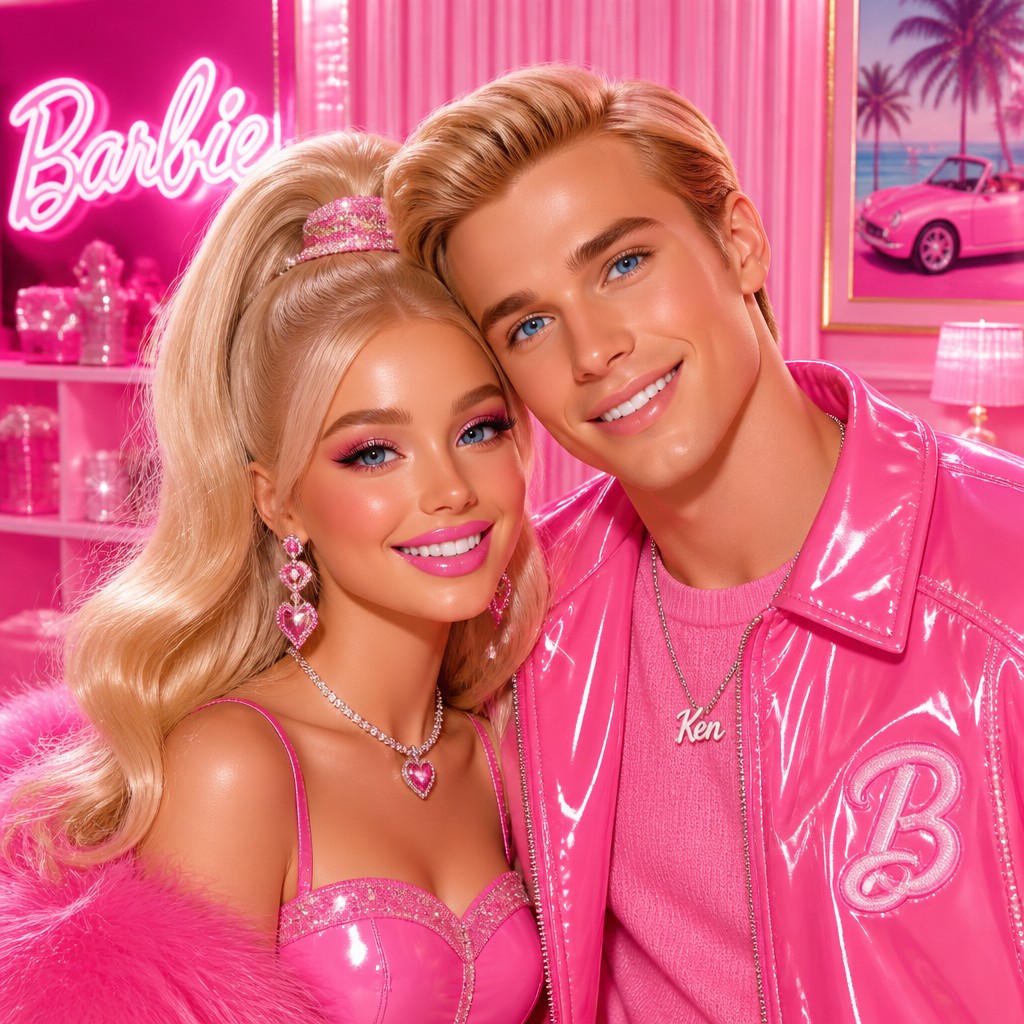
Upload any photo and convert it into Barbiecore Aesthetic — drag the sliders to compare before and after.

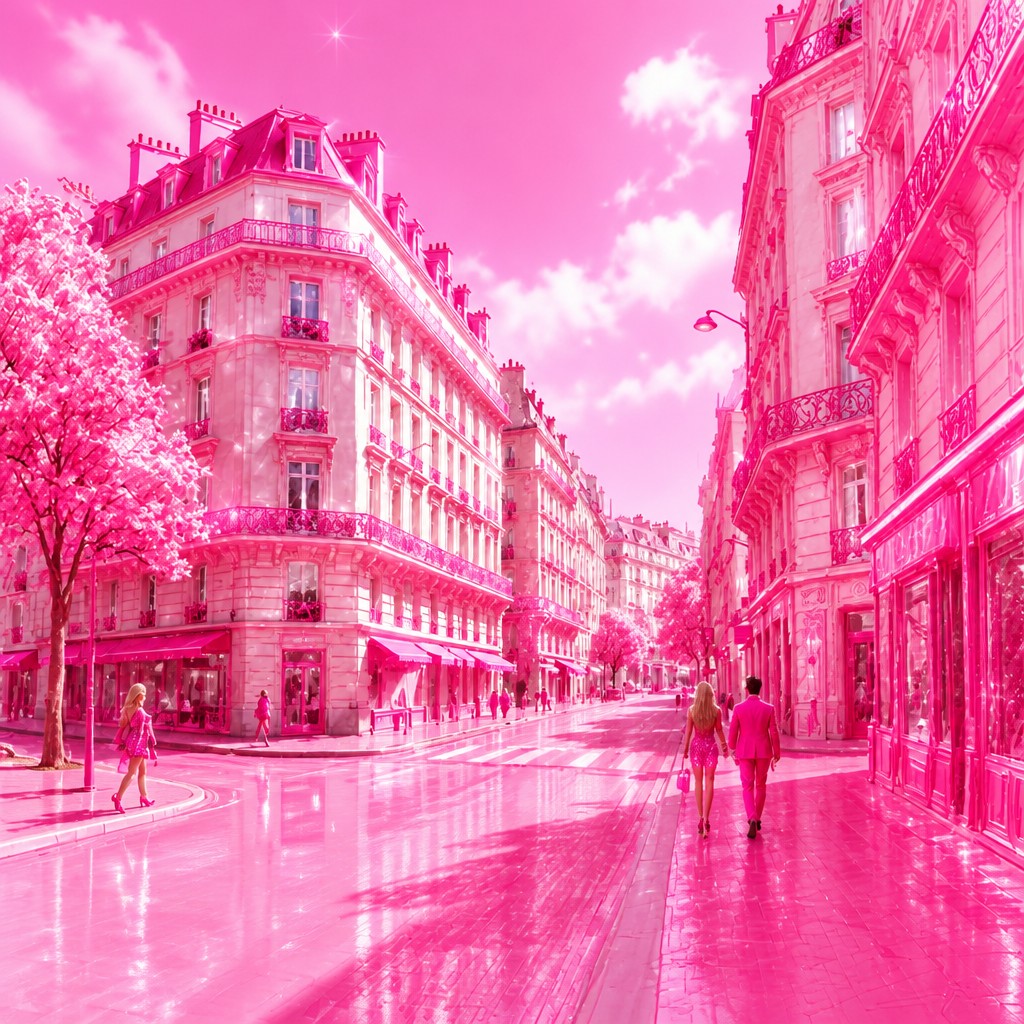

What Defines Barbiecore Aesthetic
The signature details, up close
Dominant pink palette
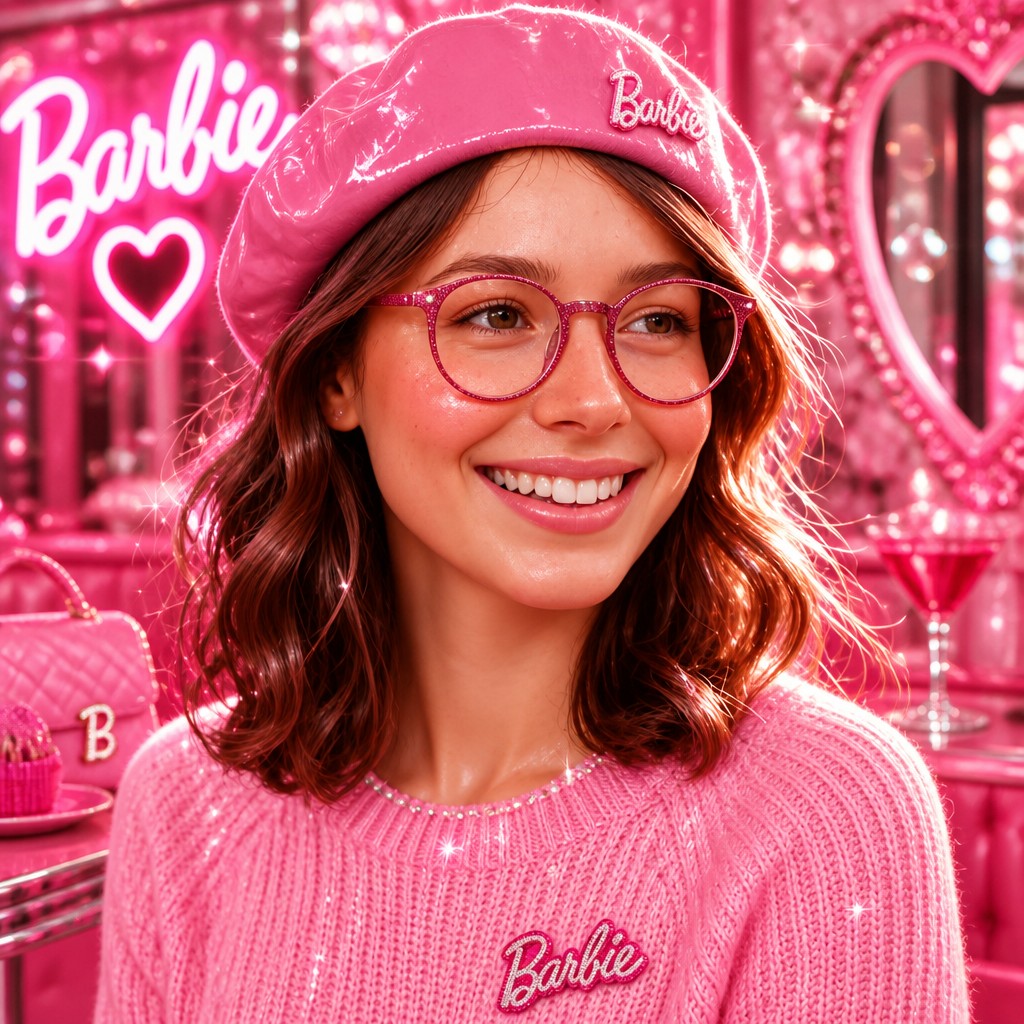
Hot pink is the anchor color, usually supported by magenta, bubblegum pink, pearl white, and occasional metallic accents. The palette is typically high-chroma and coordinated rather than varied.
Glossy plastic surfaces
Materials often look lacquered, vinyl-like, or molded from plastic. This sheen signals artificiality and gives objects a toy-like, collectible quality.
Doll-like polish
Faces, objects, and environments are presented with smooth contours and minimal visible wear. Imperfections are softened or removed to preserve a pristine, manufactured feel.
Playful glamour
The style mixes luxury cues with toy-world innocence: bows, sparkle, sequins, heels, hearts, and decorative props. The mood is glamorous but deliberately lighthearted.
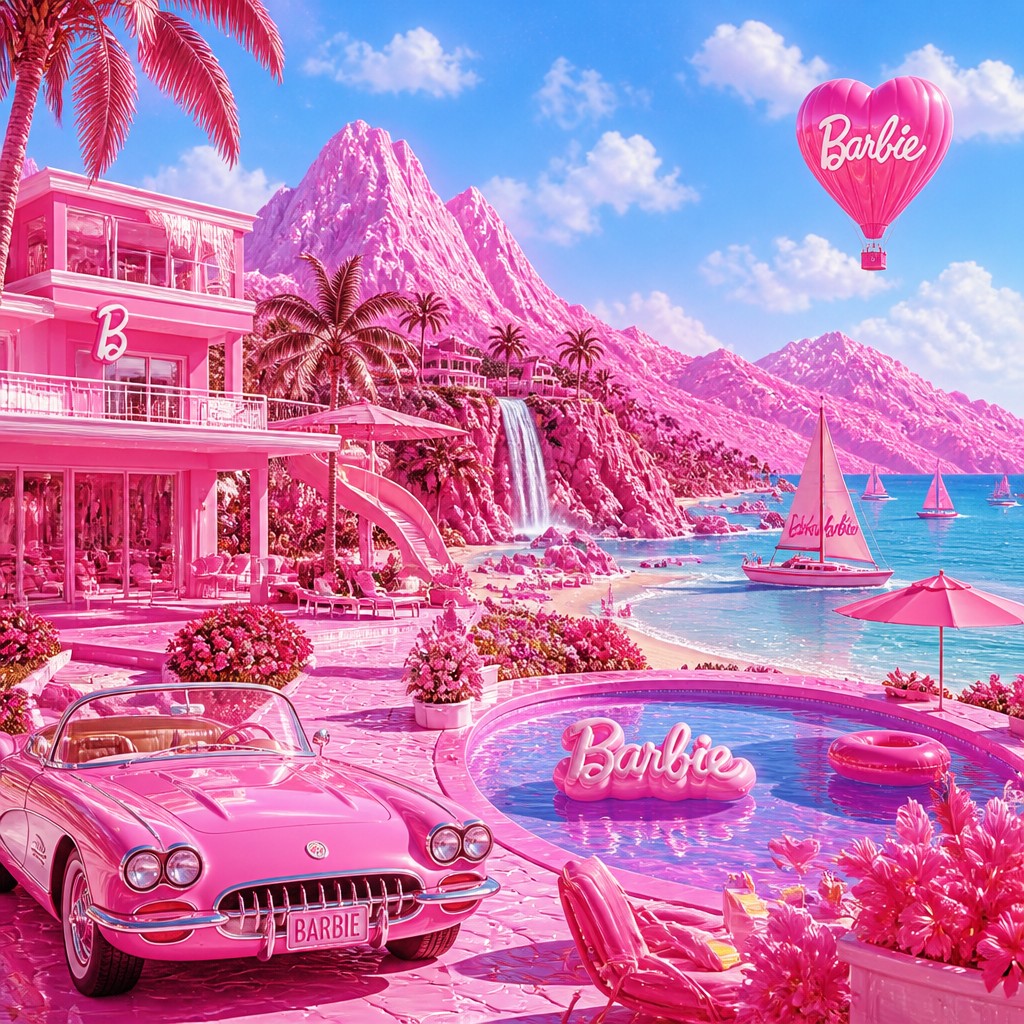
Bright even lighting
Lighting is often frontal or studio-like, with clean highlights and few heavy shadows. This keeps colors saturated and surfaces readable, like a product photograph.
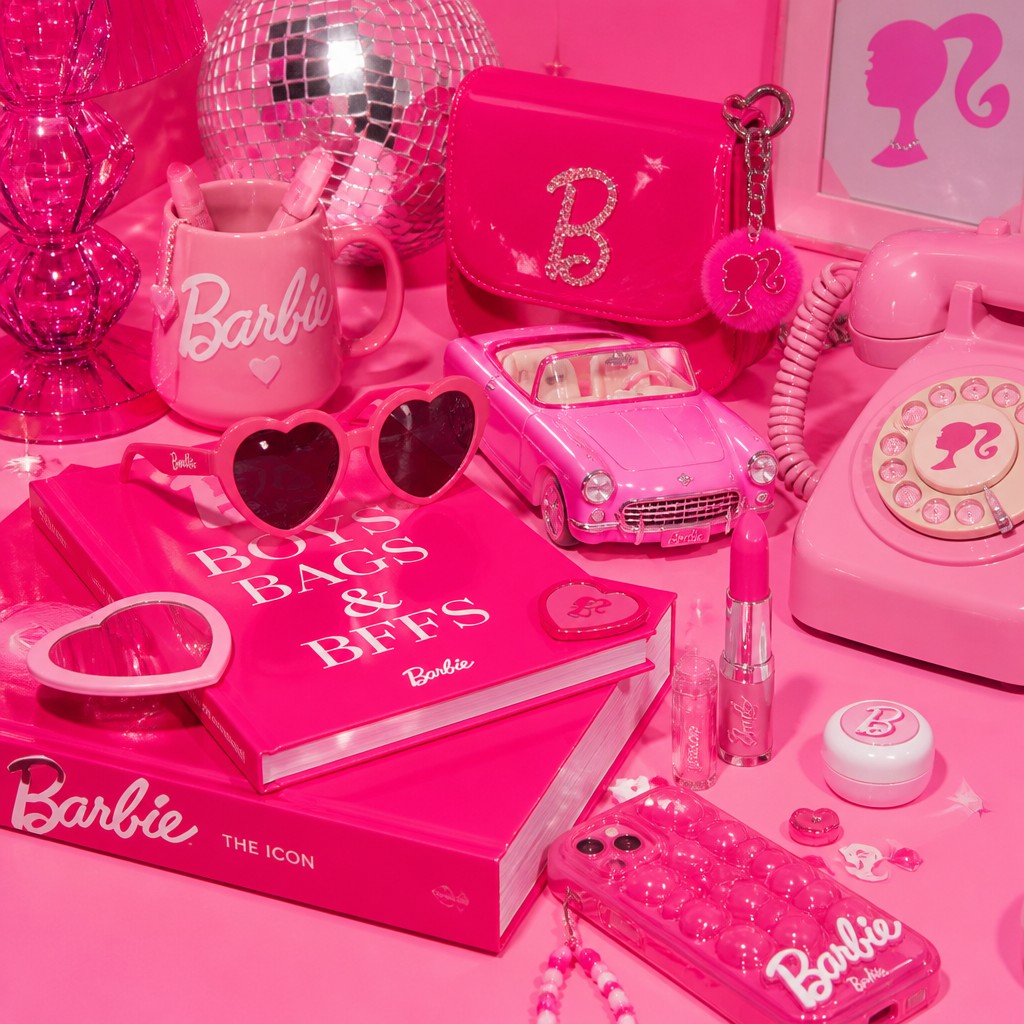
Maximal pink staging
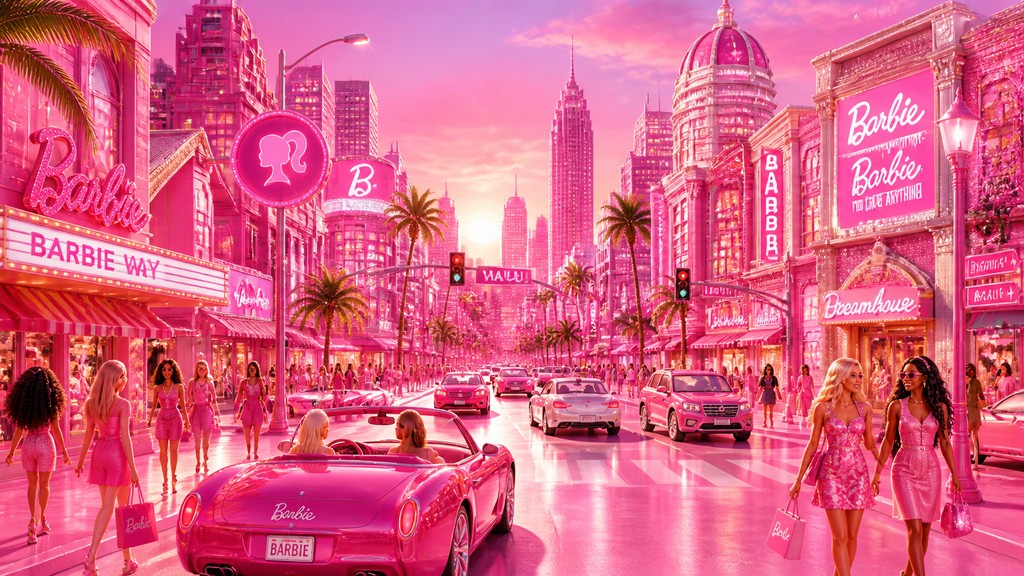
Sets are often densely coordinated, with pink backdrops, props, and accessories arranged for visual impact. Repetition and color harmony create a heightened fantasy space.
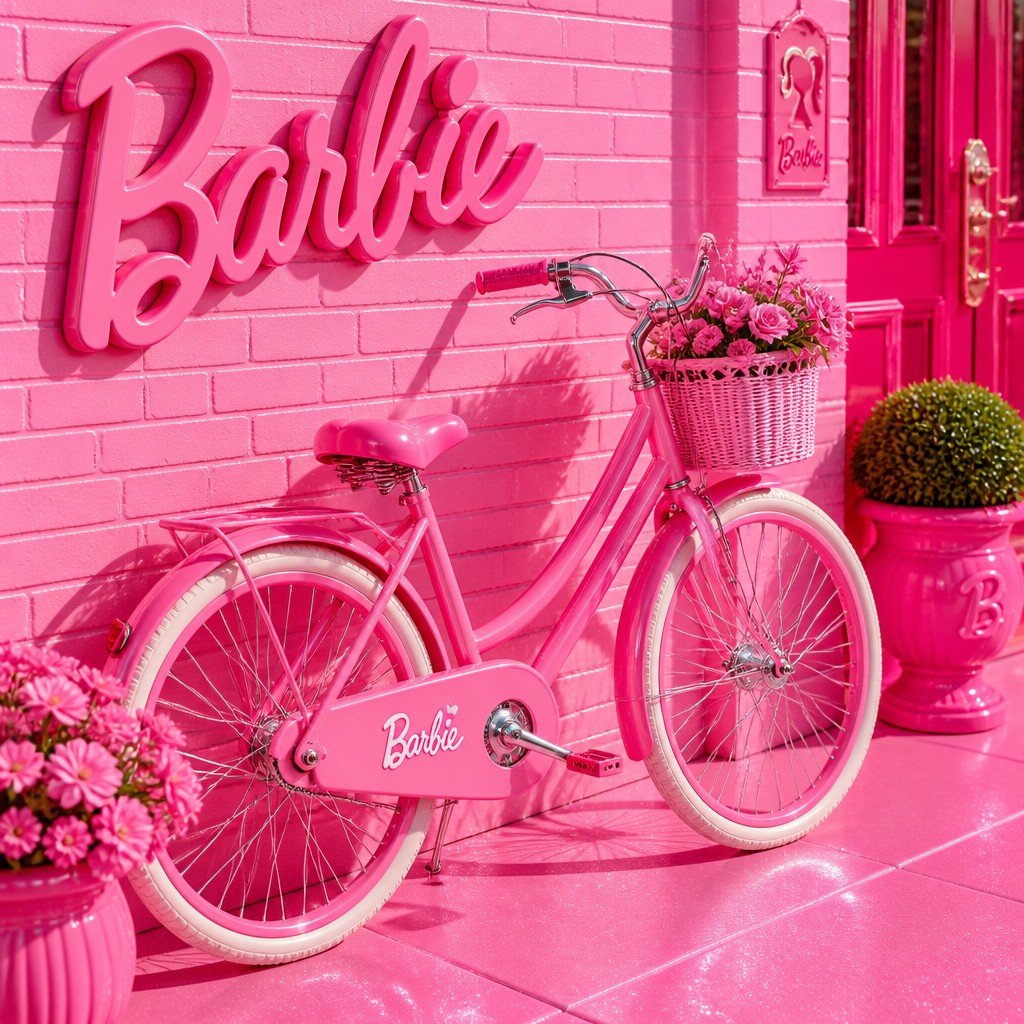
Retro-pop associations
The aesthetic often includes references to dolls, runway styling, 2000s gloss culture, and branded femininity. These cues help situate the look within a familiar pop-culture lineage.
Try It
Create Videos in Barbiecore Aesthetic
Styles aren't just for stills — describe a scene or animate an image and get a short video rendered in Barbiecore Aesthetic. Press play to see this pond come to life.
Make a VideoBarbiecore Aesthetic Prompt Ideas
Start from an idea — each one opens the generator with the style ready to go. See all 40 Barbiecore Aesthetic prompts →
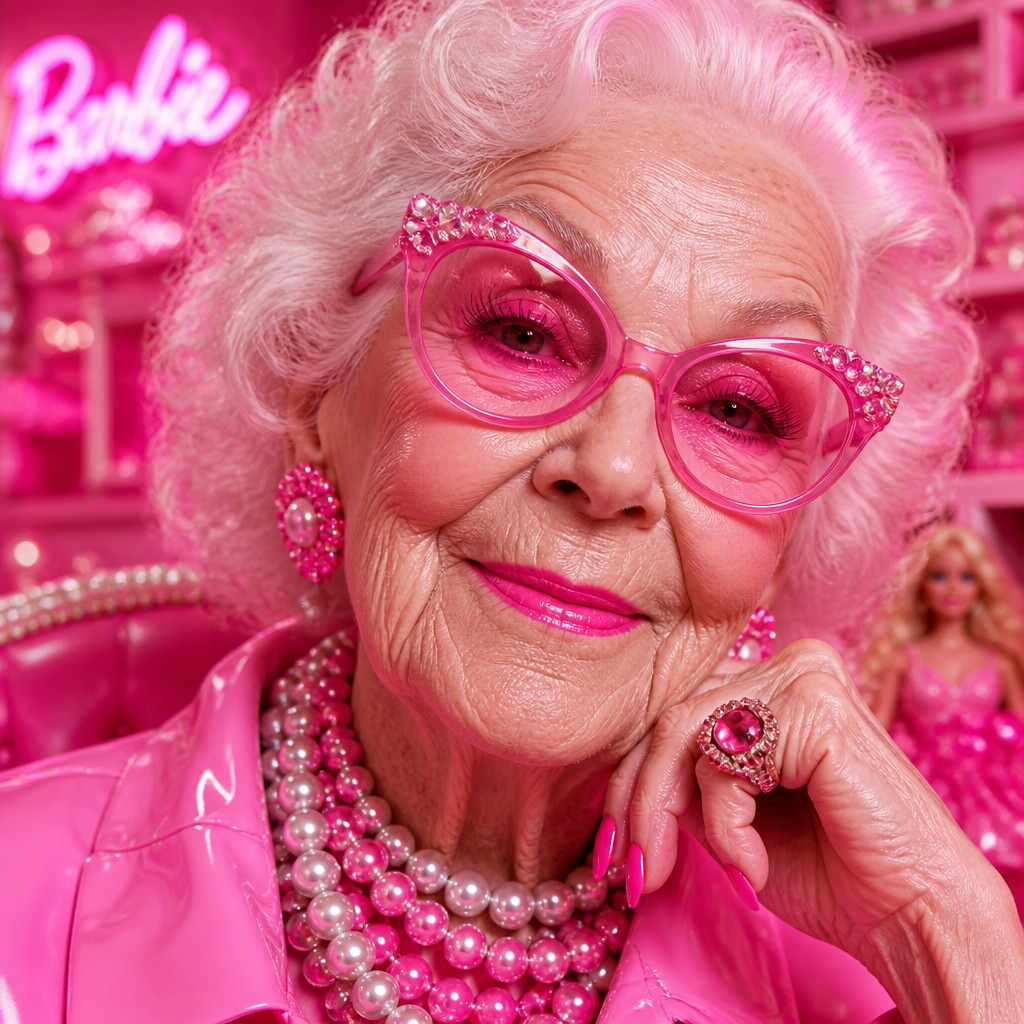
“close-up portrait of an elderly person with expressive weathered features”
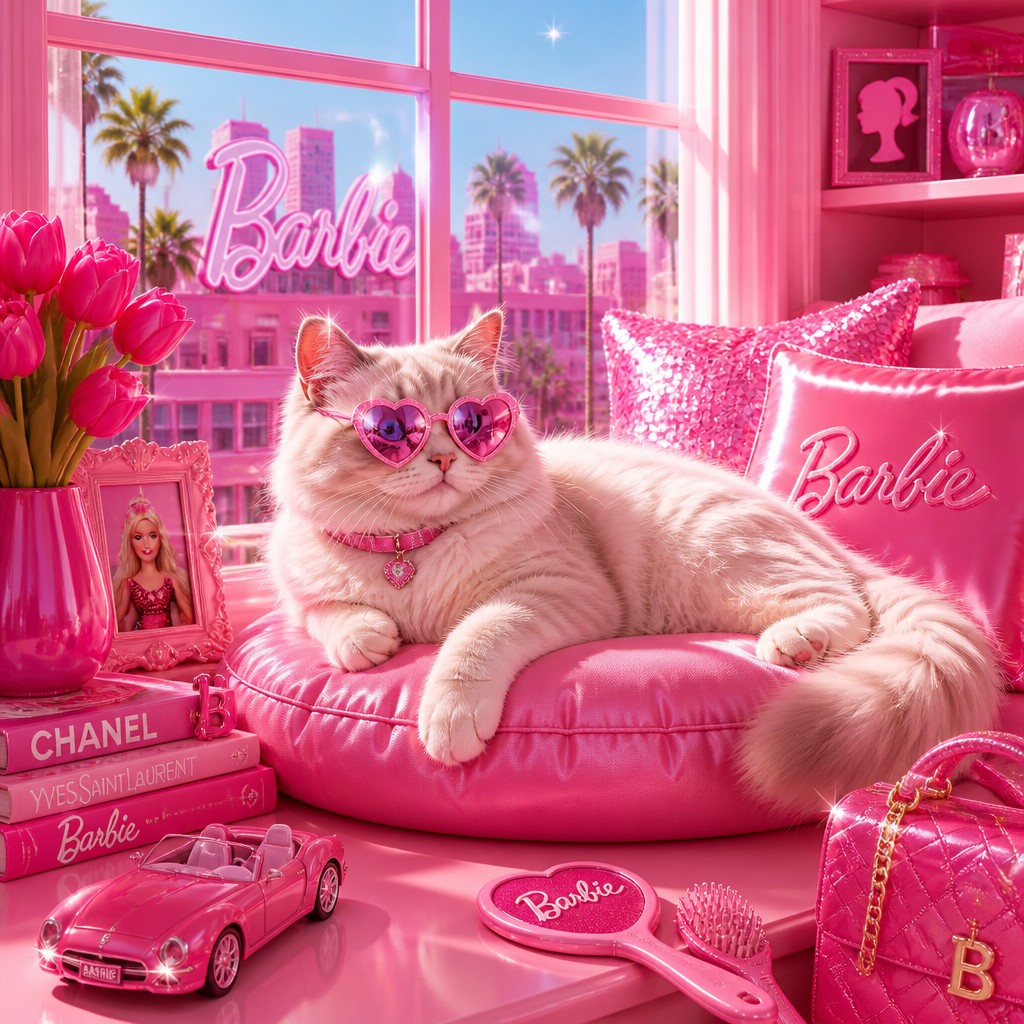
“a cat lounging in a sunlit window”
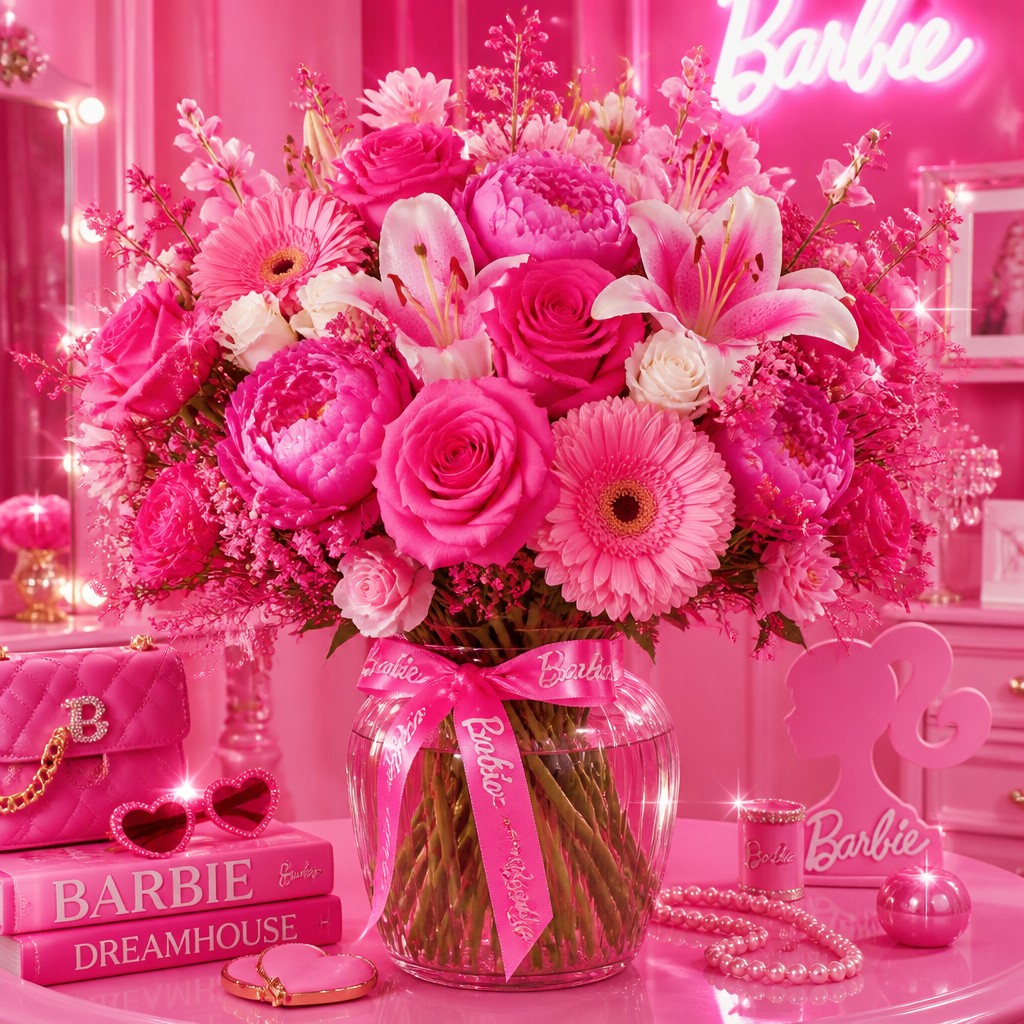
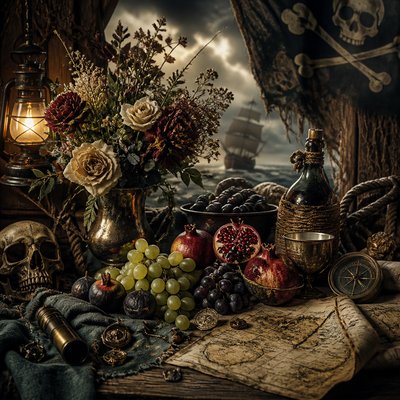
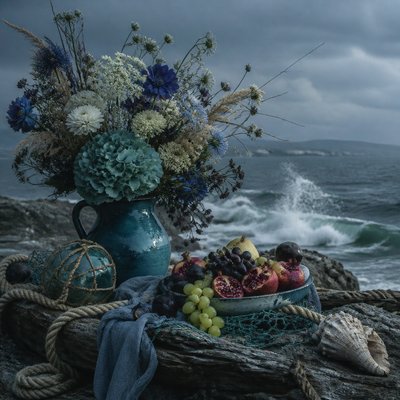
“bouquet of flowers in a glass vase”
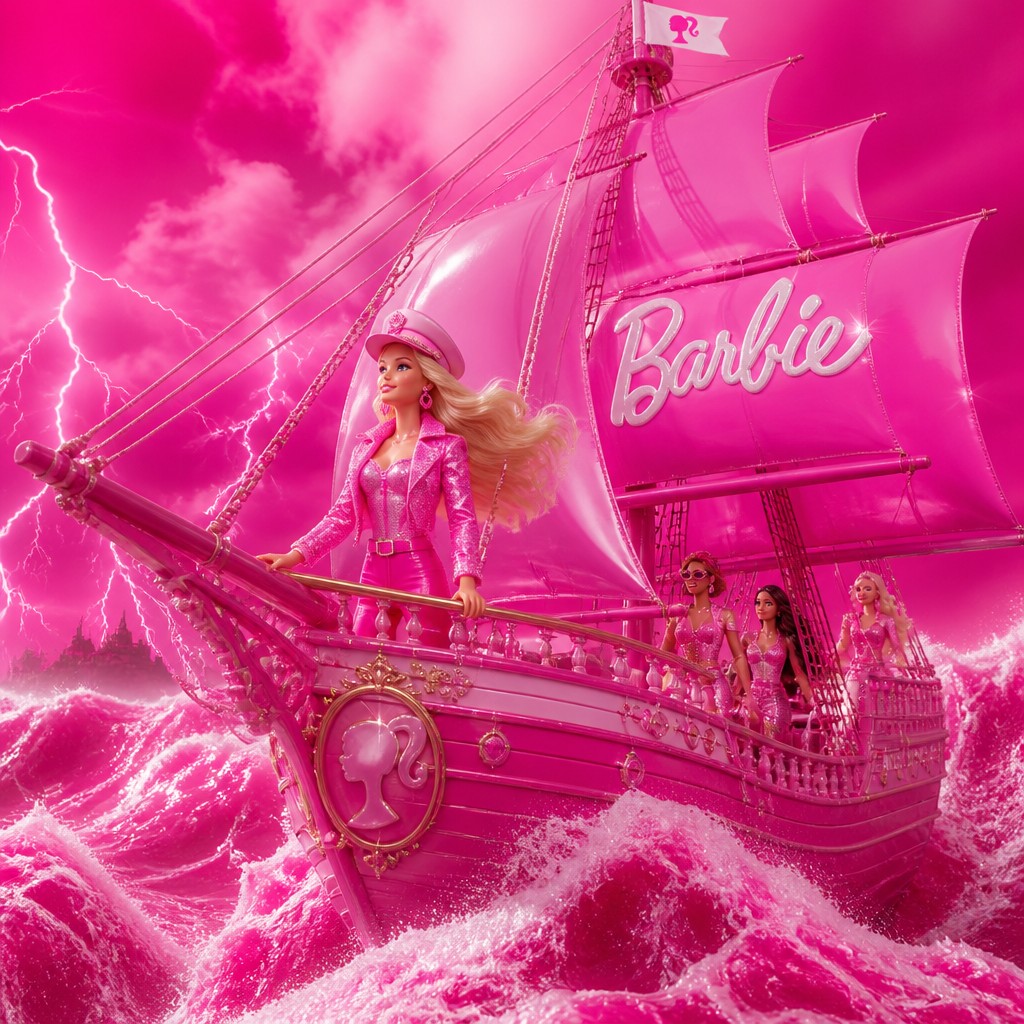
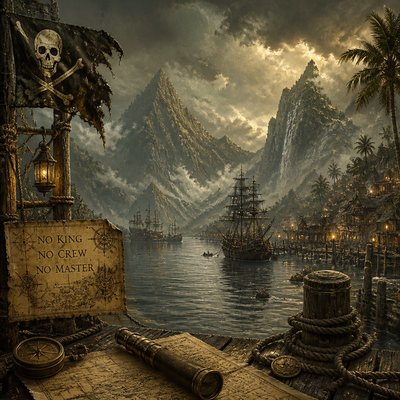
“sailing ship on a stormy sea”
How to Create Barbiecore Aesthetic Art
Master the craft step by step — or skip straight to creating. Read the full guide →
- 1
Build from a pink-first palette
Start with hot pink as the primary color and limit the palette to a few candy tones so the image stays cohesive. Use white, blush, and small metallic accents to prevent the composition from becoming visually muddy.
- 2
Use glossy, reflective materials
Whether painting digitally or photographing a set, prioritize smooth surfaces that catch light cleanly: vinyl, lacquer, plastic, satin, and polished metal. Strong specular highlights are key to the toy-like finish.
- 3
Keep lighting bright and even
Avoid dramatic chiaroscuro or heavy atmospheric effects; Barbiecore reads best in studio-like conditions with clear visibility. Soft shadows and bright frontal light help preserve the polished, commercial look.
- 4
Stage the scene like a display
Compose with symmetry, decorative props, and a sense of curated excess. In traditional media, simplify forms and exaggerate clean edges; in digital work, add surface sheen, sparkle, and smooth gradients.
- 5
Prompt for manufactured perfection
When generating images, specify saturated pinks, glossy plastic sheen, doll-like polish, bright even lighting, and maximalist pink perfection. Include the subject first, then add the surface and lighting cues to keep the result legible.
- 6
Balance glam with playfulness
The style should feel fashionable without becoming severe or luxurious in a cold way. Add whimsical details such as bows, hearts, sparkles, or toy-inspired shapes to keep the image rooted in Barbiecore rather than generic pink luxury.
The Story
History & Origins of Barbiecore Aesthetic
Barbiecore is not a historical art movement in the classical sense; it is an internet-era aesthetic that crystallized in the 2010s and became especially prominent in the early 2020s. Its name and visual logic are tied to Barbie, the fashion doll introduced by Mattel in 1959, but the style extends beyond the toy itself into broader pink-coded imagery from pop culture, fashion editorials, retail displays, and celebrity branding.
Its lineage draws from several real visual traditions: the artificial polish of advertising and commercial photography, the candy-colored exuberance of pop art, the theatrical femininity of fashion imagery, and the staged worlds of dollhouse and toy design. It also overlaps with Y2K visual culture, where glossy finishes, metallic accents, and playful futurism were common. In digital form, Barbiecore has become a recognizable shorthand for hyper-feminine glamour, pop fantasy, and deliberately manufactured perfection.
Influences: Barbiecore draws most directly from Barbie and doll imagery, but its broader visual language borrows from pop art, commercial fashion photography, and the synthetic finish of advertising design. It also overlaps with Y2K aesthetics, which emphasized shiny materials, playful futurism, and highly stylized femininity. In historical terms, the closest aesthetic relatives are the color-saturated spectacle of pop culture imagery rather than a single fine-art movement; artists such as Andy Warhol and Richard Hamilton are relevant as precursors to the way consumer culture and mass-produced glamour became subjects of visual fascination, though Barbiecore itself is a later internet-native style rather than one they defined.

Frequently Asked Questions
What defines Barbiecore aesthetic?
Barbiecore is defined by a strong pink palette, glossy plastic-like surfaces, and a doll-house sense of polished glamour. It usually combines toy-like perfection with fashion imagery, sparkle, and decorative excess. The overall effect is playful, staged, and intentionally artificial.
Is Barbiecore the same as Y2K style?
Not exactly, though they overlap. Y2K tends to emphasize chrome, futurism, low-rise fashion, and early-2000s technology aesthetics, while Barbiecore is more narrowly focused on pink femininity, glossy polish, and doll-inspired glamour. A piece can combine both, but Barbiecore is usually warmer, softer, and more pink-dominant.
What colors work best in Barbiecore art?
Hot pink is the core color, supported by magenta, bubblegum pink, pearl white, blush, and occasional gold or chrome accents. Too many unrelated hues can weaken the effect. The palette works best when it feels curated and candy-like.
How do I make a photo look Barbiecore?
Use pink props or backgrounds, add bright even lighting, and favor glossy or satin textures. In editing, increase saturation slightly, clean up shadows, and emphasize highlights so the image feels polished and manufactured rather than naturalistic.
What subjects look good in Barbiecore?
Fashion portraits, dollhouse interiors, beauty products, cars, handbags, accessories, and party scenes all fit the style well. Subjects that can be staged or embellished tend to work best because the aesthetic depends on visual control and decorative presentation.
Where is Barbiecore commonly used?
It appears in fashion campaigns, social media imagery, beauty branding, interior styling, product photography, and pop-culture fan art. It is especially common wherever a bold feminine identity or playful luxury needs to be communicated quickly through color and finish.
Create your first Barbiecore Aesthetic artwork
Describe anything — or upload a photo — and see it in Barbiecore Aesthetic in seconds.
Make Something with Barbiecore Aesthetic
Related Styles
Discover similar art styles