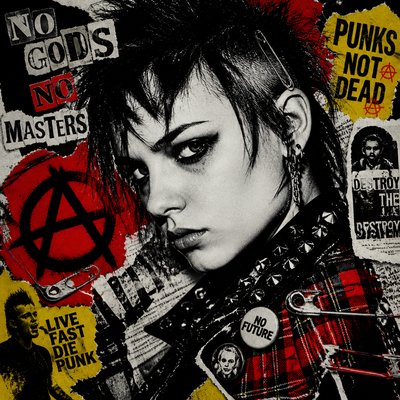
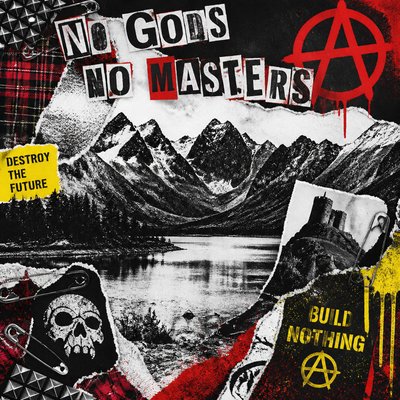
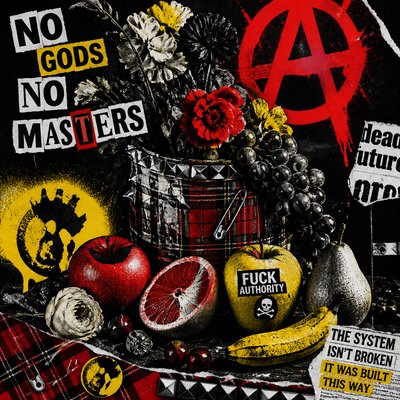
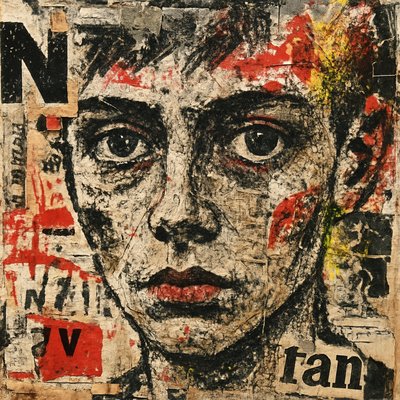
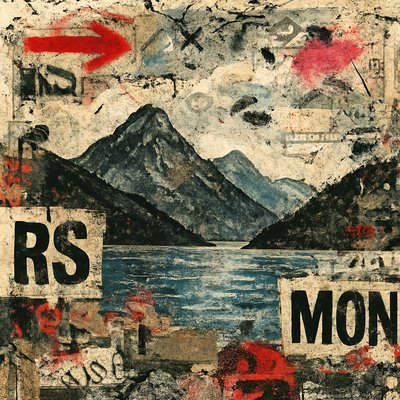
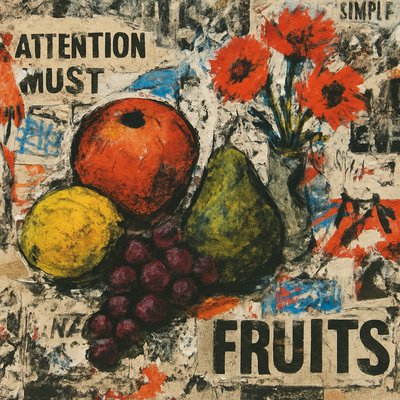
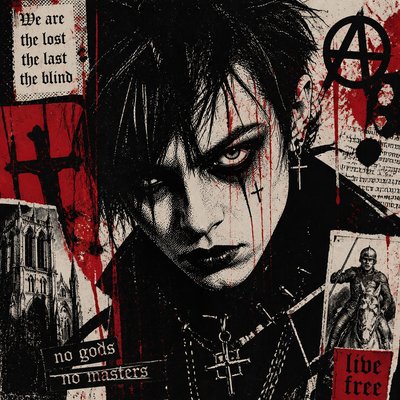
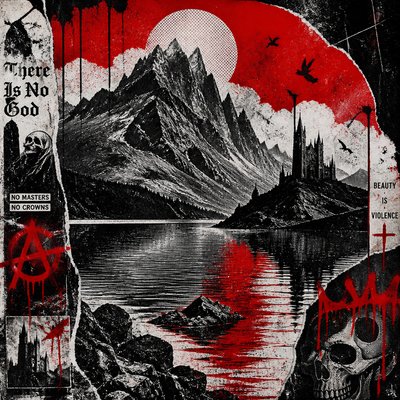
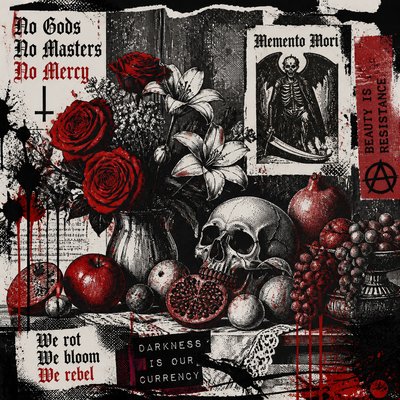
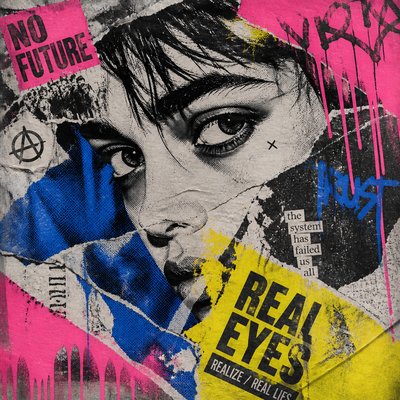
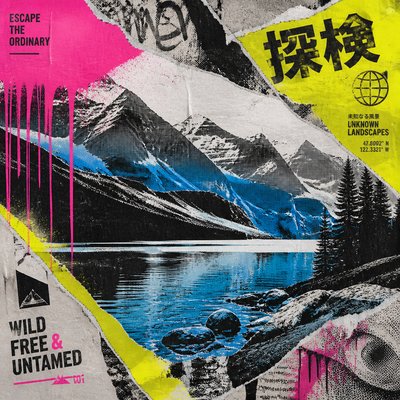
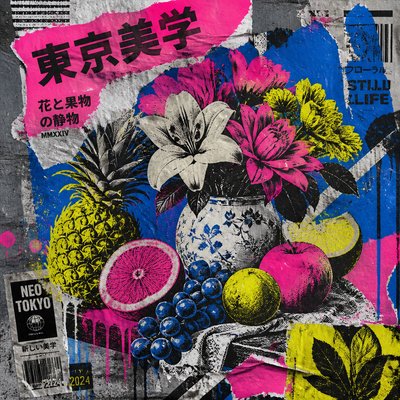
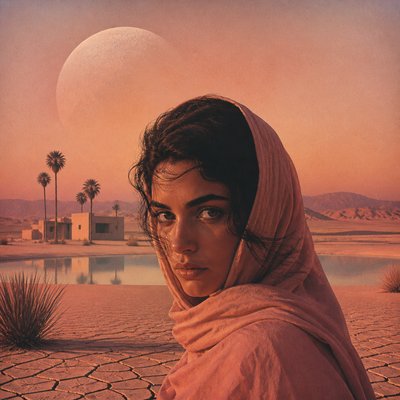
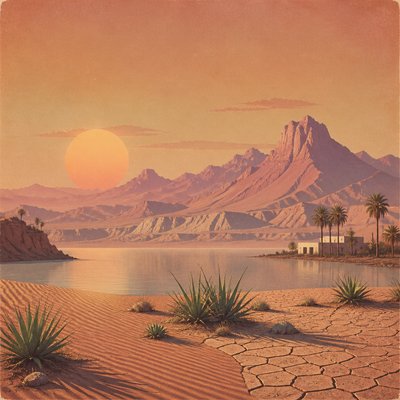
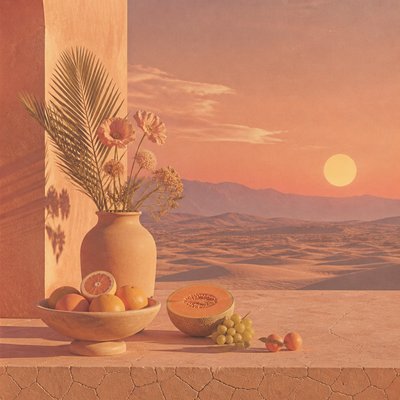
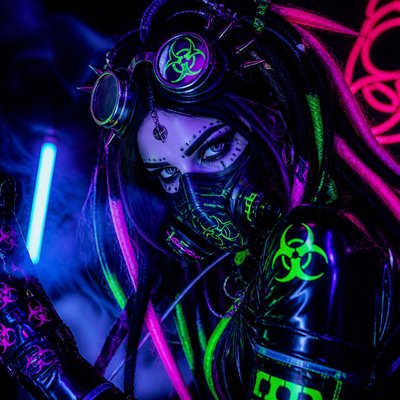
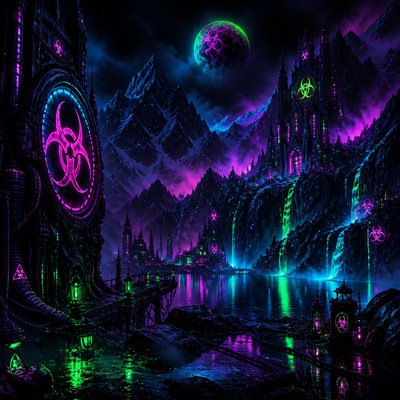
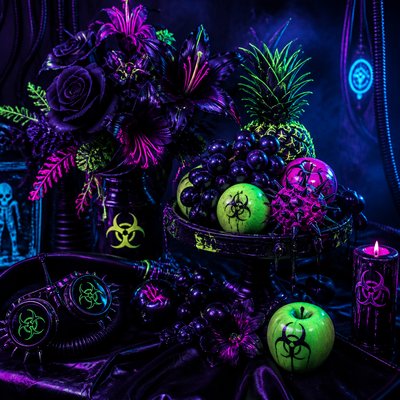
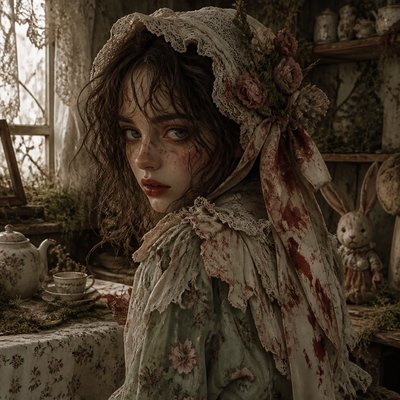
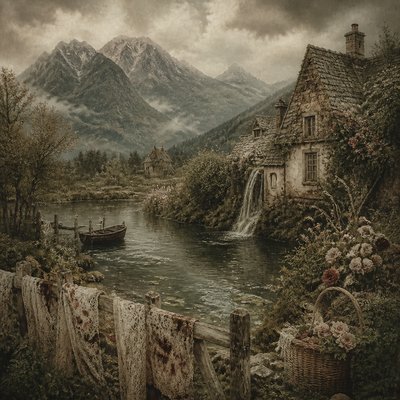
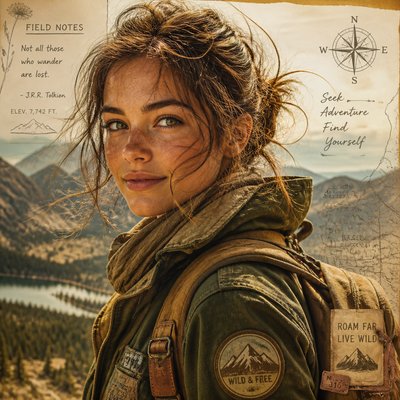
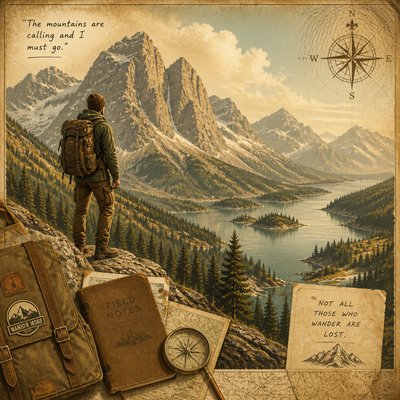
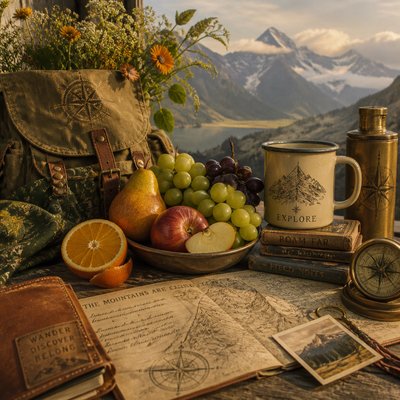
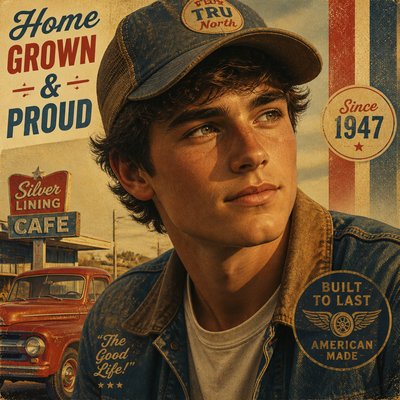
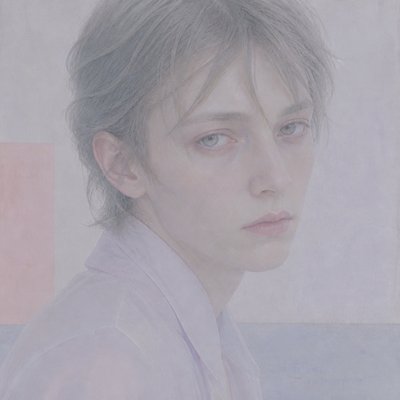
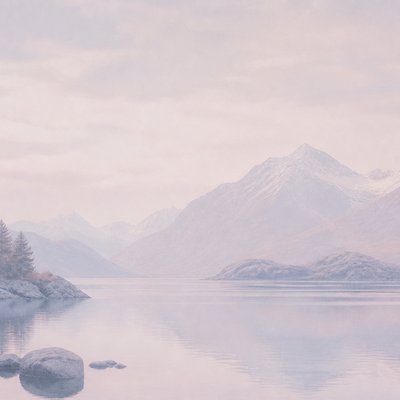
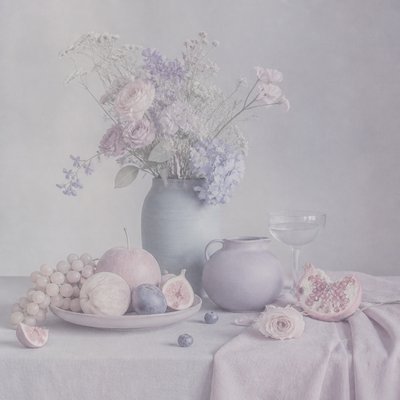
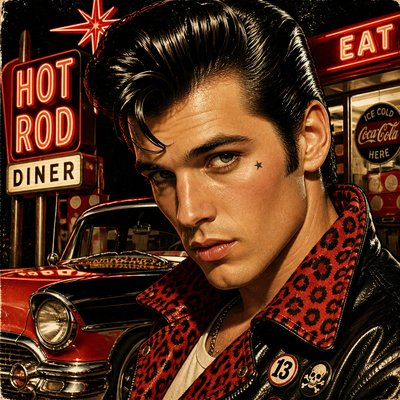
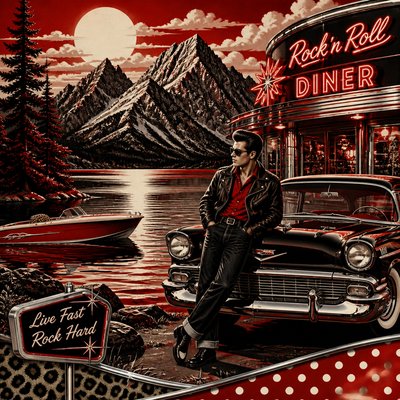
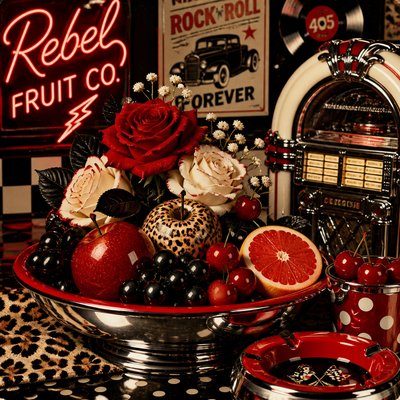
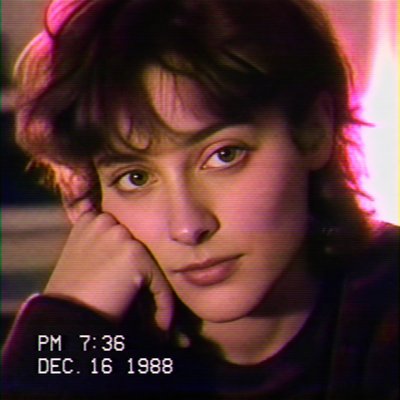
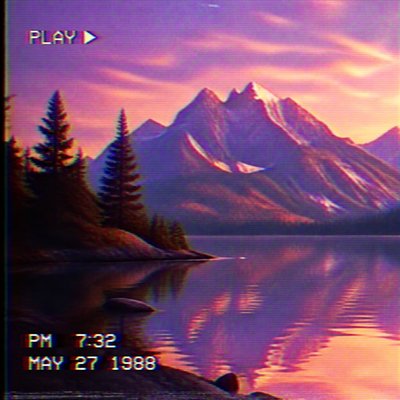
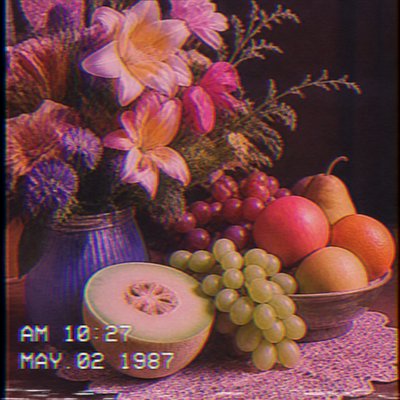
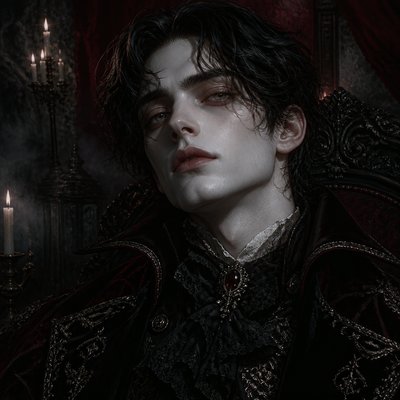
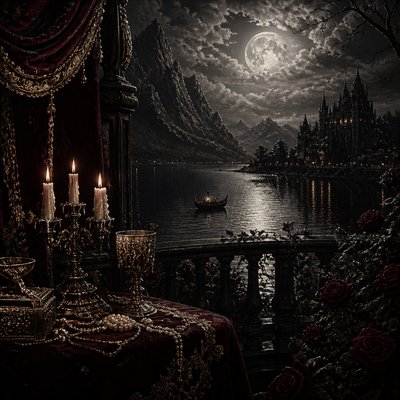
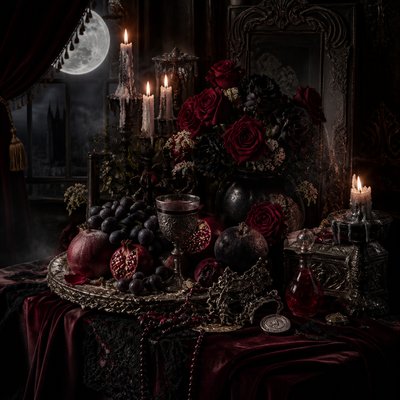
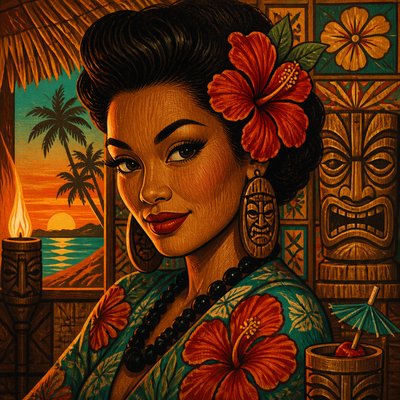
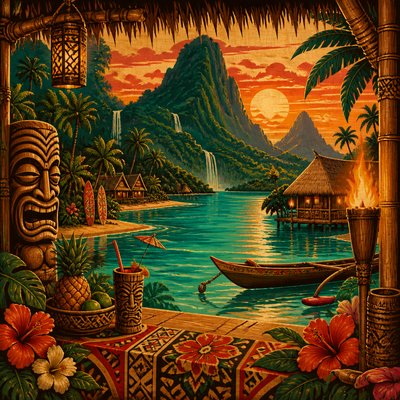
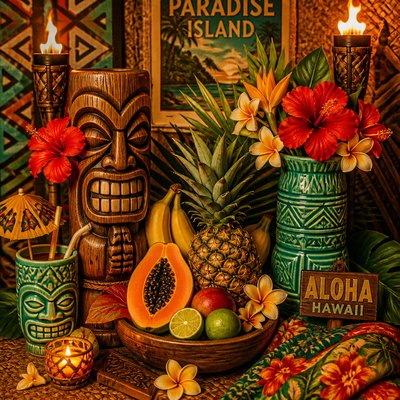
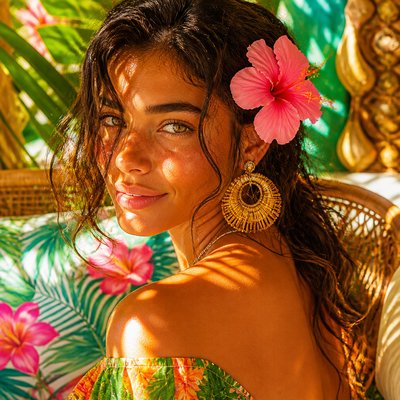
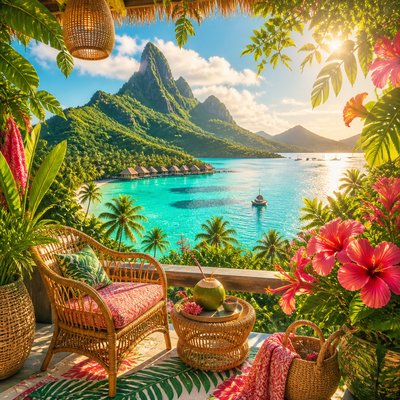
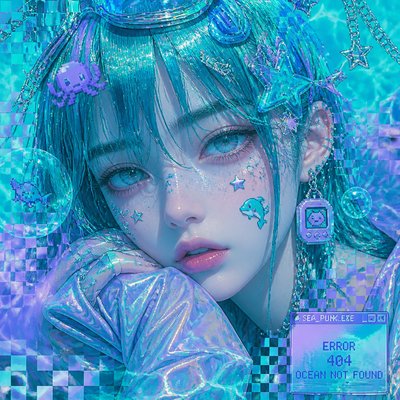
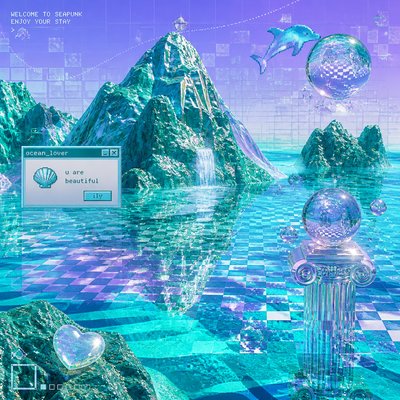
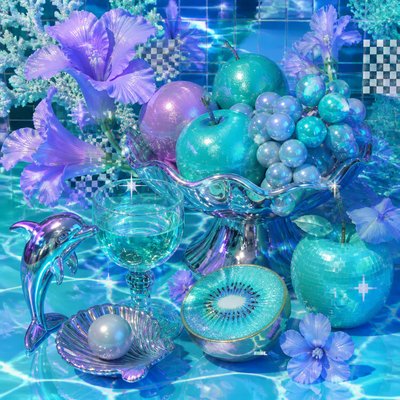
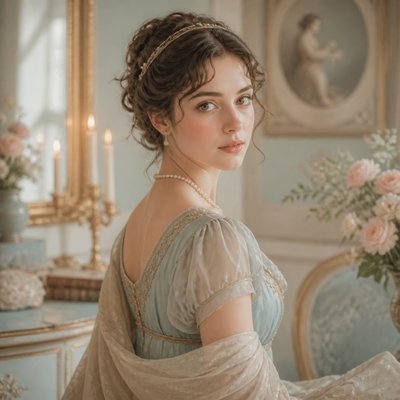
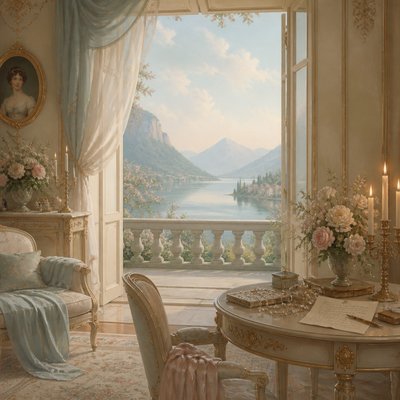
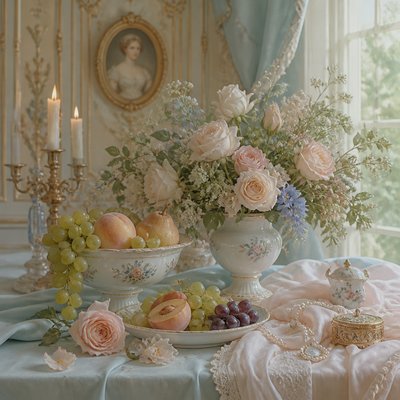
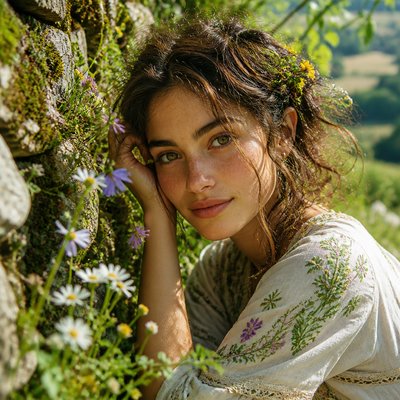
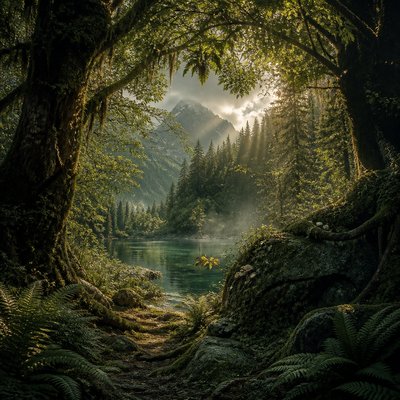
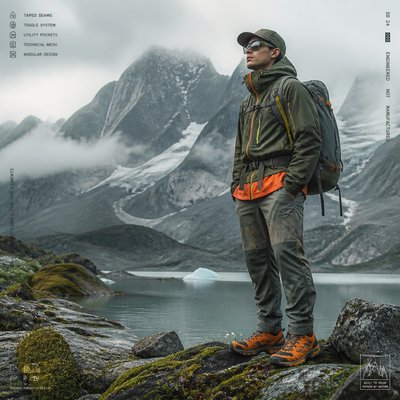
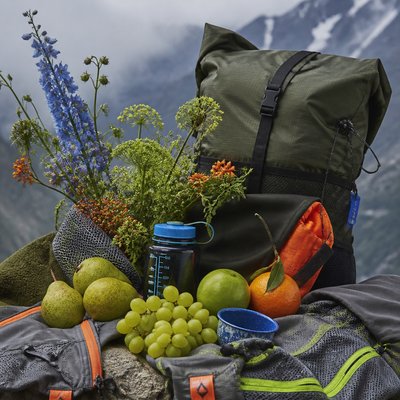
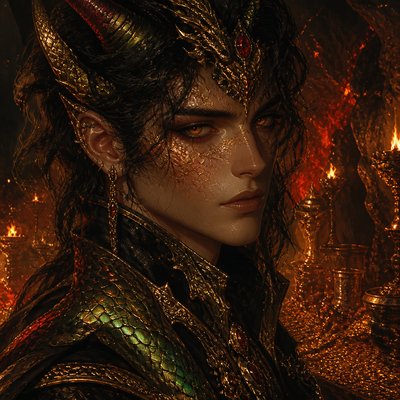
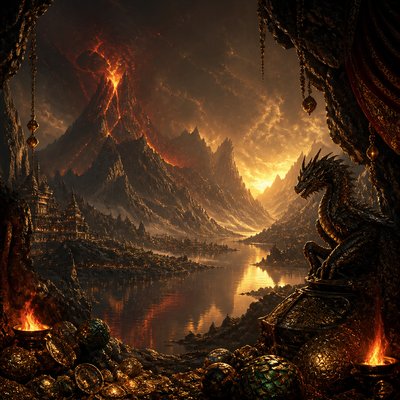
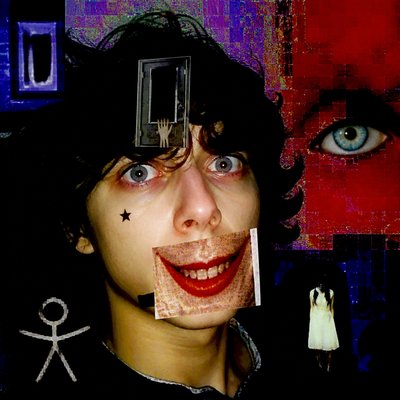
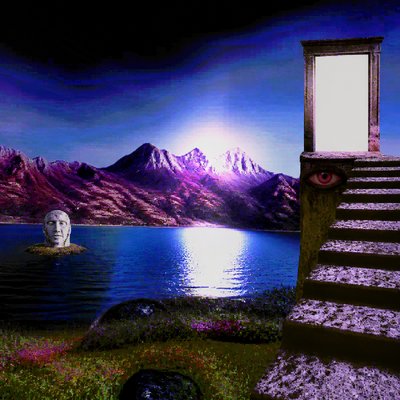
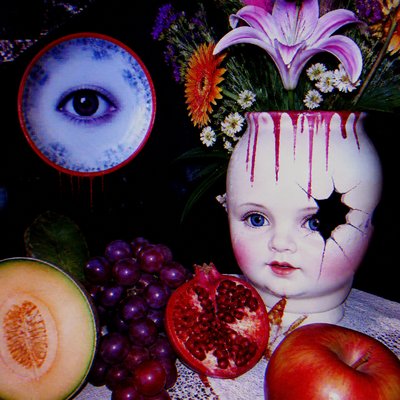
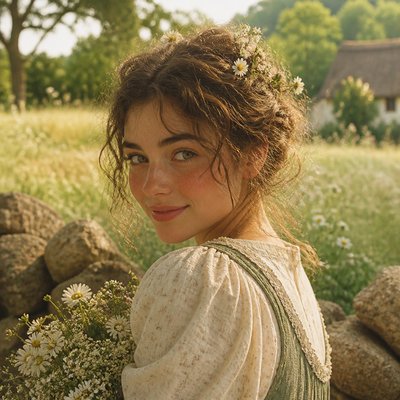
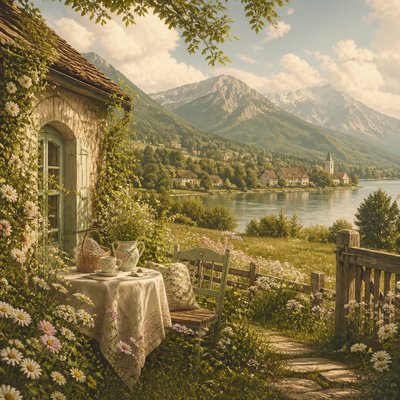
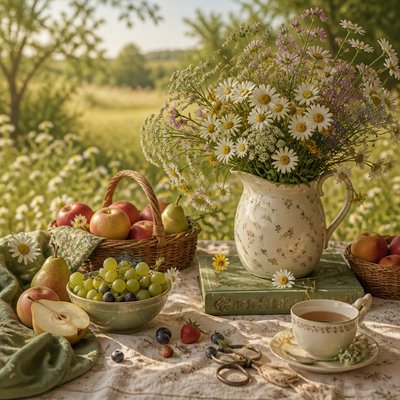
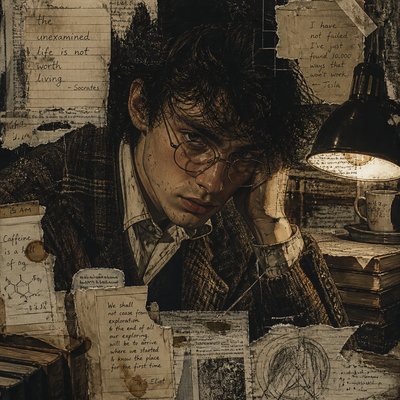
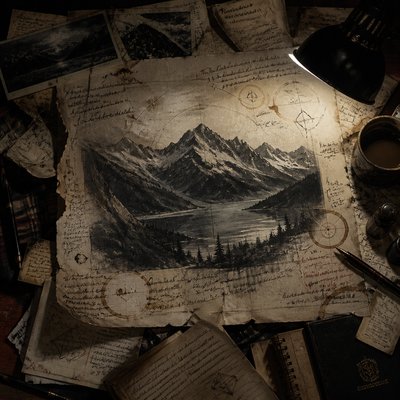
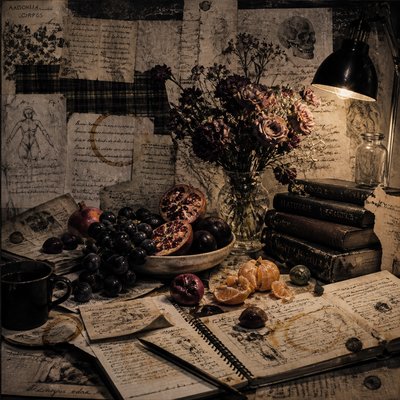
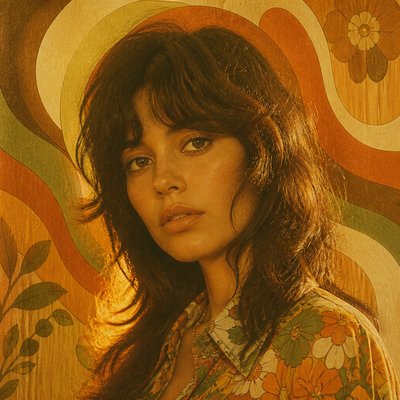
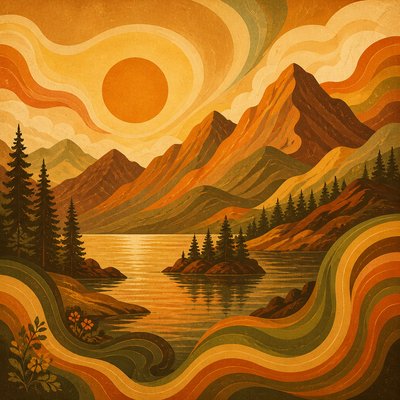
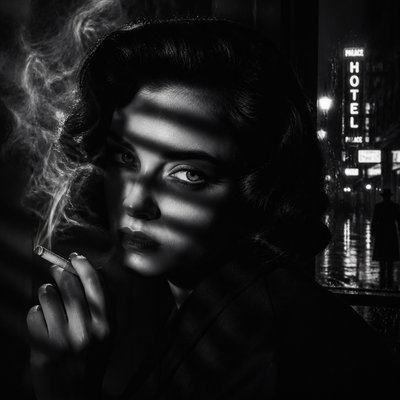
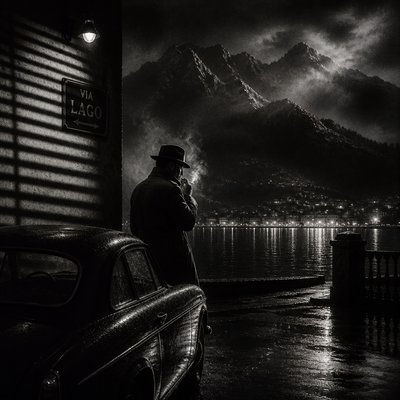
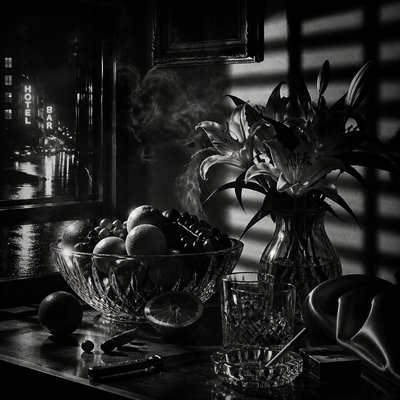
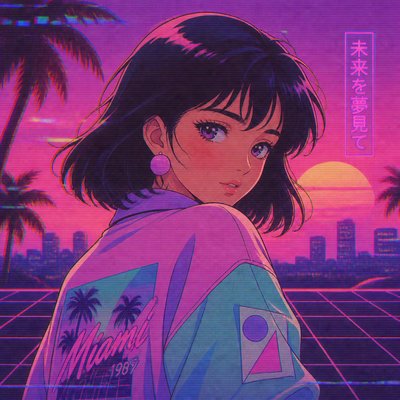
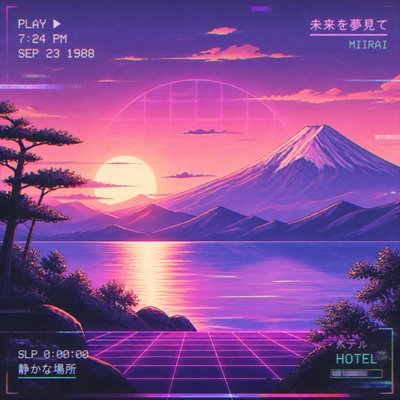
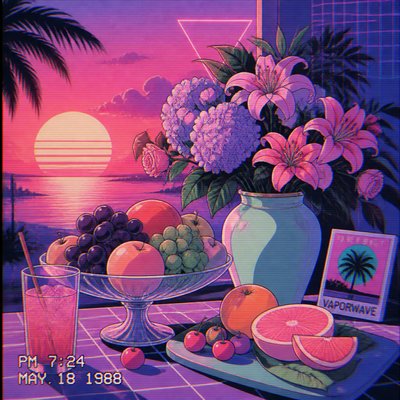
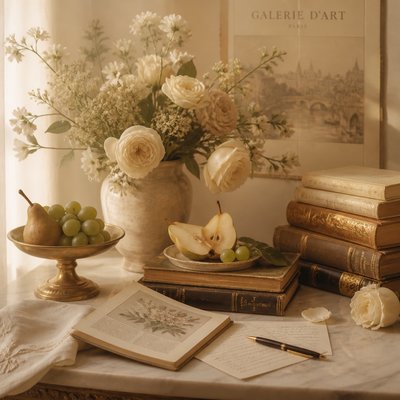
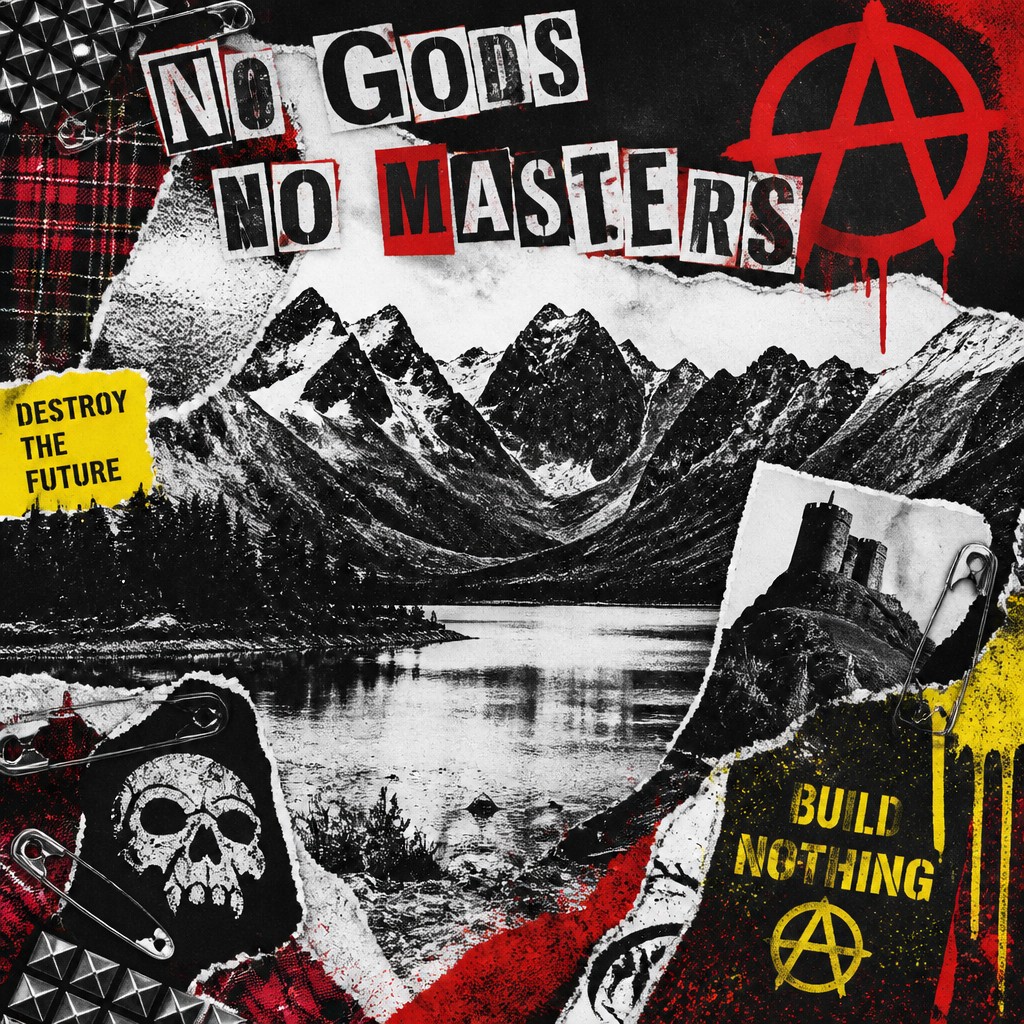
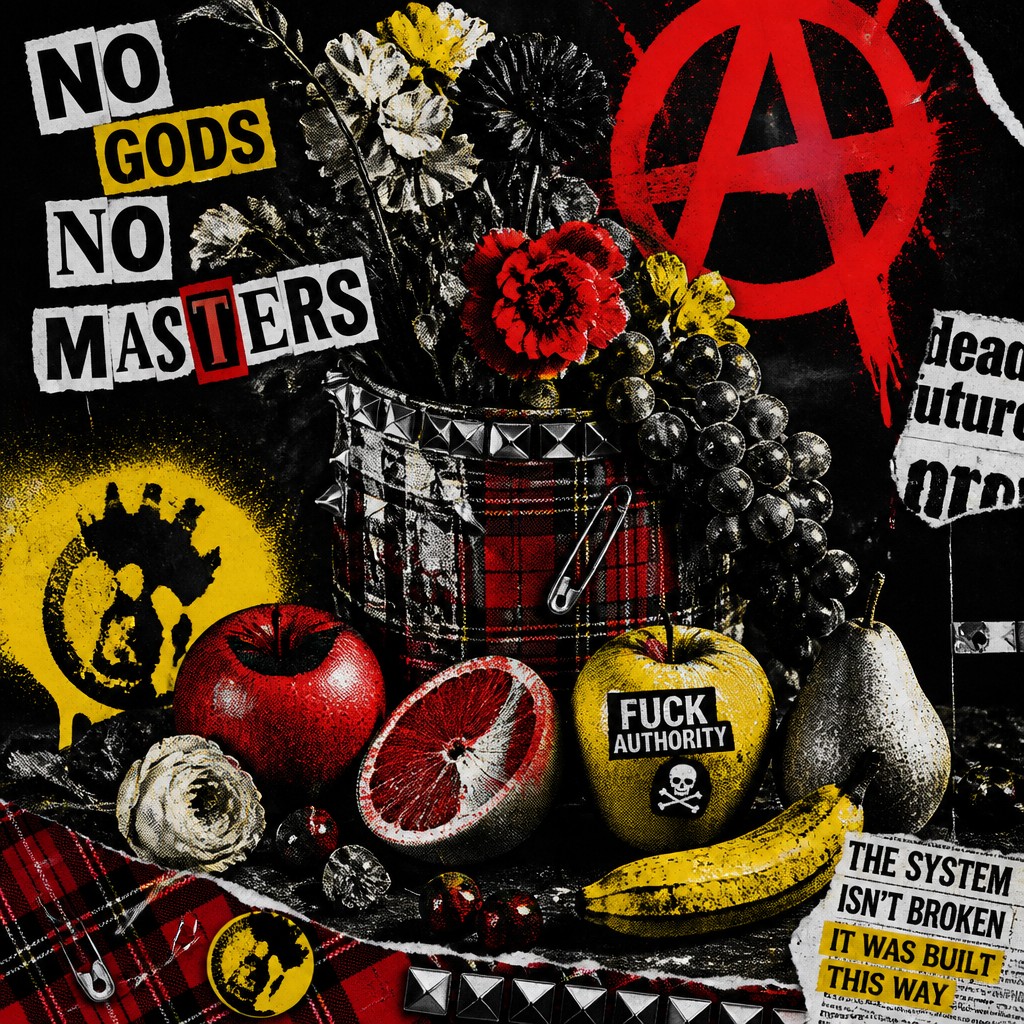
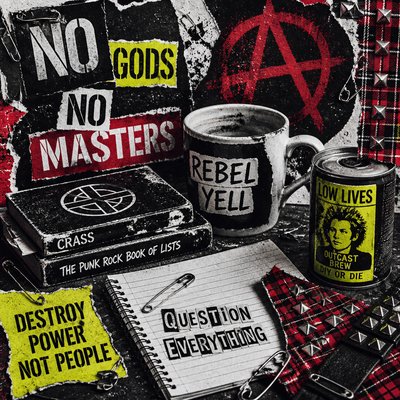
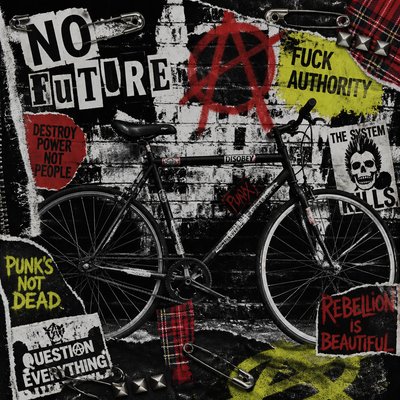
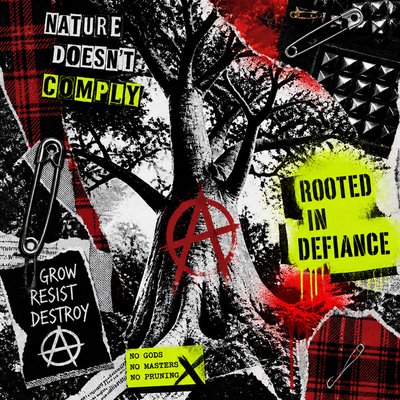
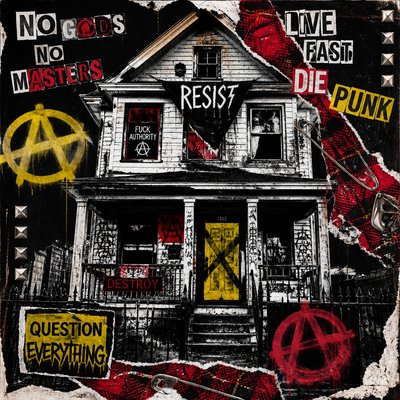
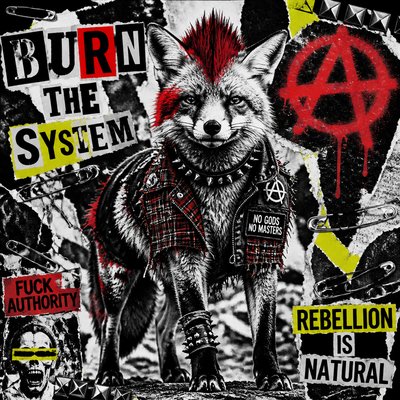
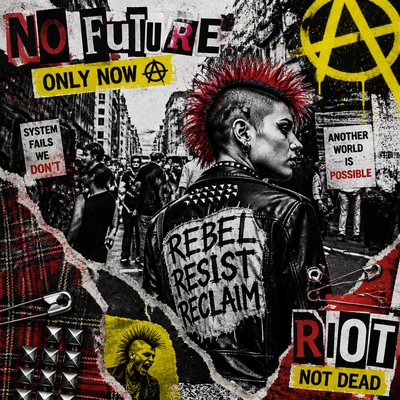
Raw collage, safety pins, xerox grain, and stencil marks define punk aesthetic: a defiant DIY visual language.
Instantly rendered in Punk Aesthetic — or transform a photo
Punk Aesthetic Gallery
Tap any artwork to explore it
What is Punk Aesthetic?
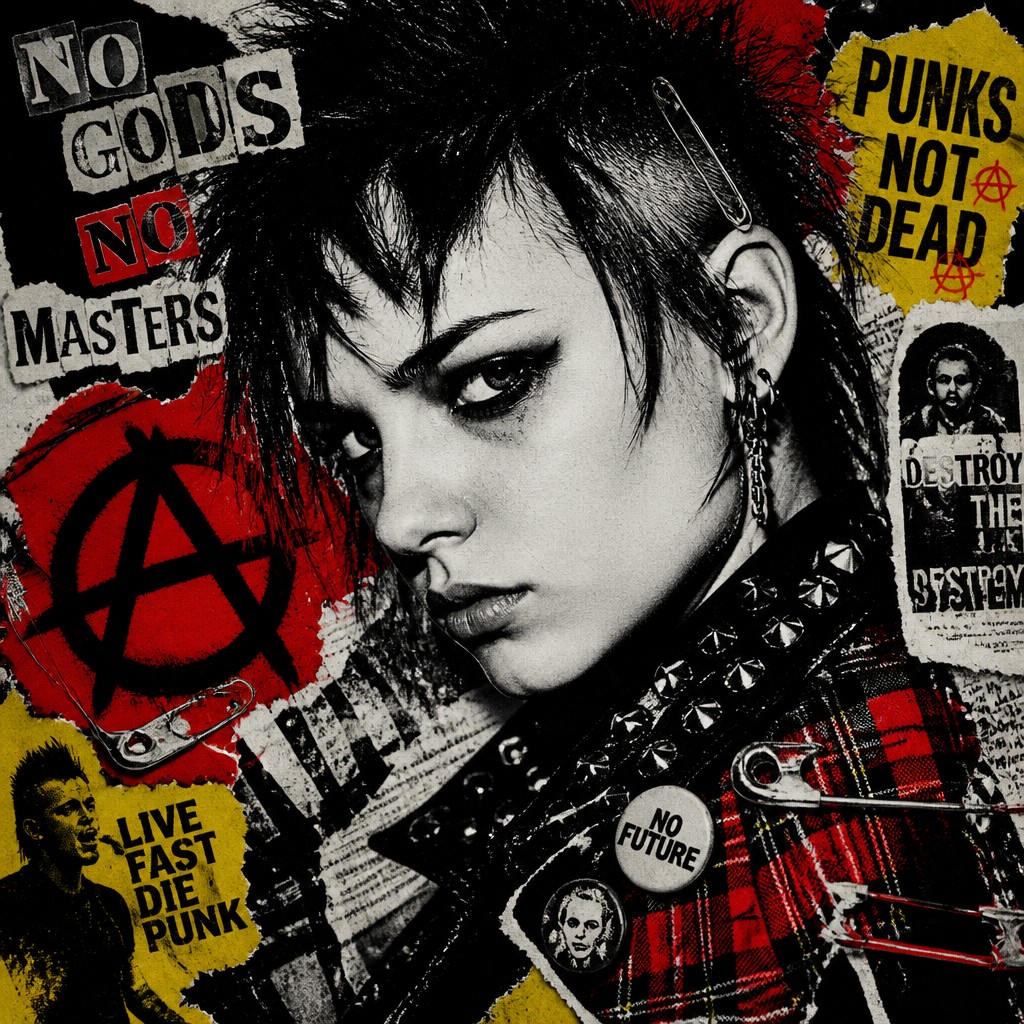
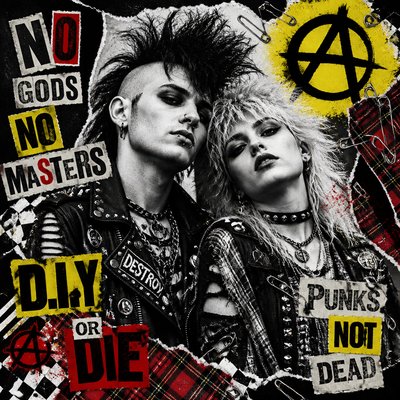
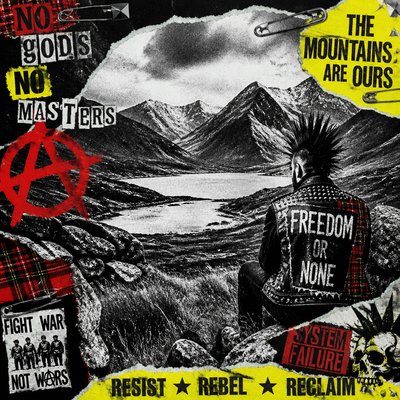
Punk aesthetic is a visual language of abrasion, immediacy, and anti-polish. It is built from torn-paper collage, ransom-note lettering, photocopier grain, spray stencils, ripped fabric, tartan, studded hardware, and harsh black-and-white contrast cut with aggressive accents of red or yellow. The result feels improvised, loud, and confrontational, as if assembled quickly from whatever materials were available.
Its look comes from the same social energy that shaped punk music and subcultural dress: a rejection of mainstream refinement, a celebration of DIY making, and a preference for damage, reuse, and distortion over finish. In images, that translates into layered textures, fractured composition, hand-made typography, and a deliberately unstable surface that suggests protest flyers, zines, posters, album art, and street interventions.
Try It On Your Photos
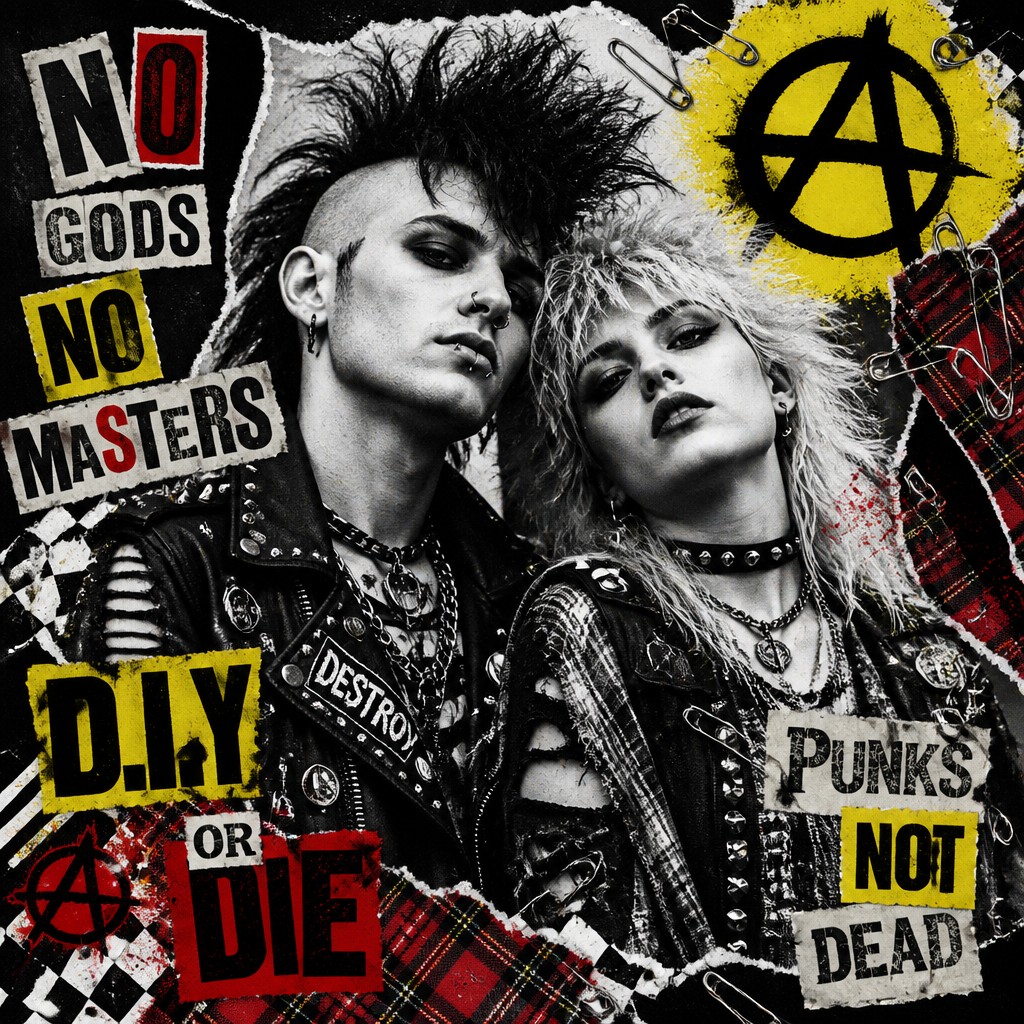
Upload any photo and convert it into Punk Aesthetic — drag the sliders to compare before and after.


What Defines Punk Aesthetic
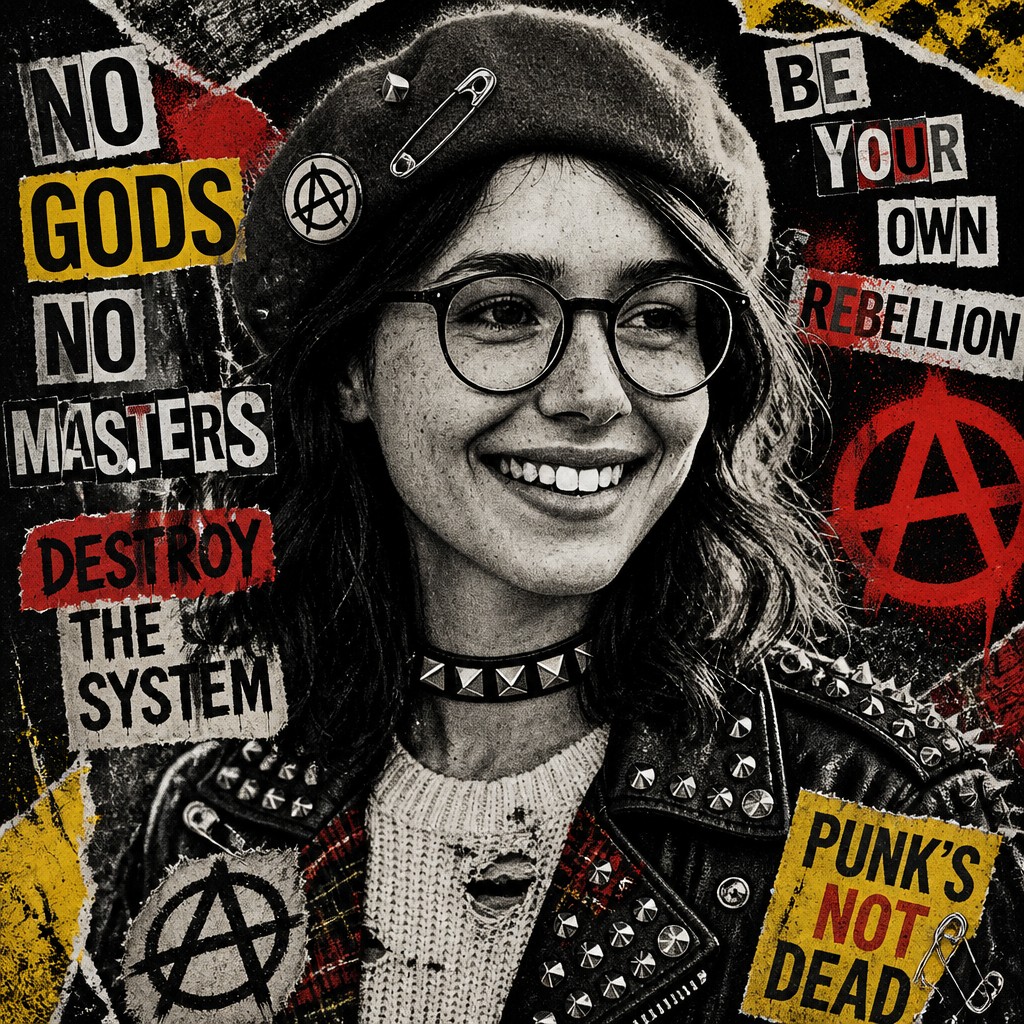
The signature details, up close
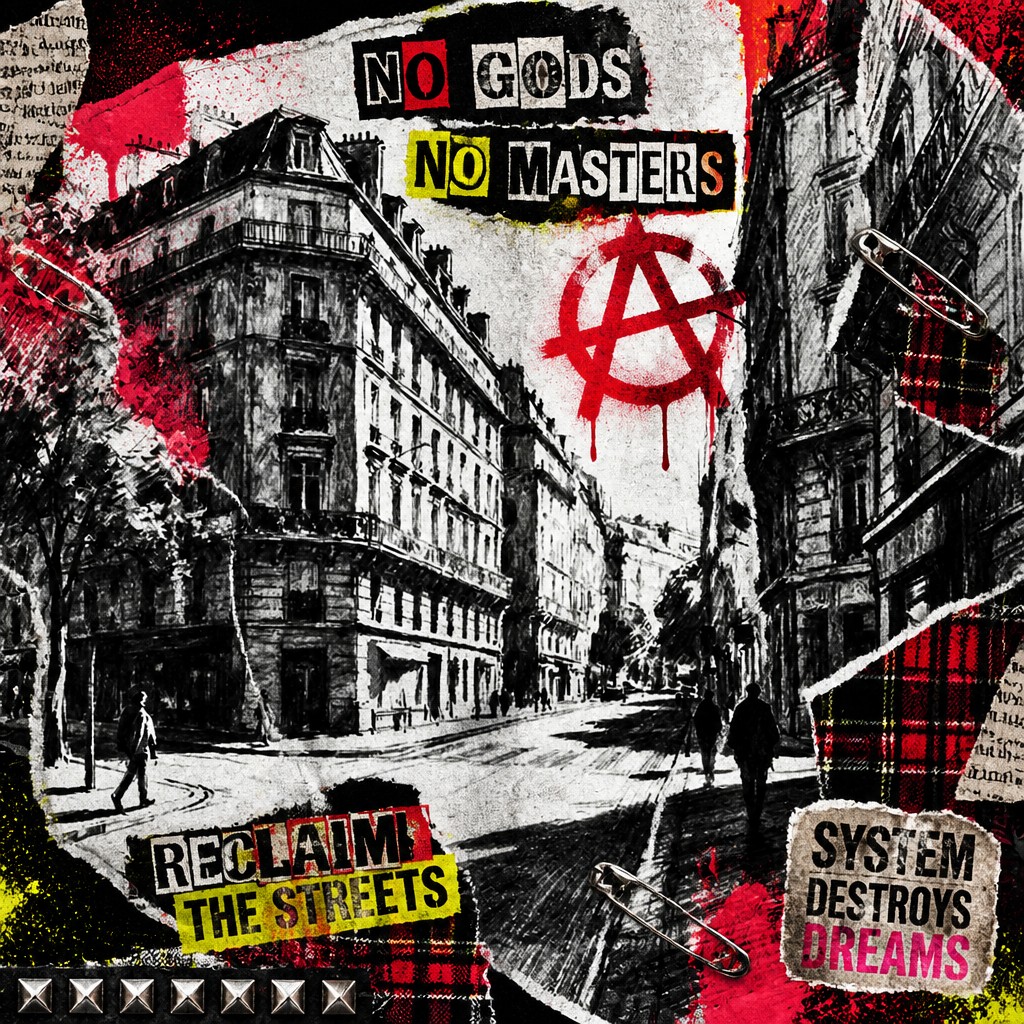
High-contrast monochrome with sharp color hits
Black and white usually form the base, with sudden flashes of red, acid yellow, or blood orange used as warning signals. The limited palette helps the composition feel urgent and graphic.
Torn collage and paste-up layering
Edges are ragged, overlapping, and visibly assembled, as if cut from flyers, magazines, and photocopied scraps. This layered construction creates a sense of haste and rebellion.
Xerox grain and distressed reproduction
Photocopy noise, blur, streaking, and crushed blacks are part of the look rather than defects. These imperfections recall cheap duplication and underground distribution.
Ransom-note and protest typography
Letterforms may look mismatched, cut out, stamped, or stenciled, often with uneven spacing and rough alignment. Typography behaves like a visual shout rather than a polished design system.
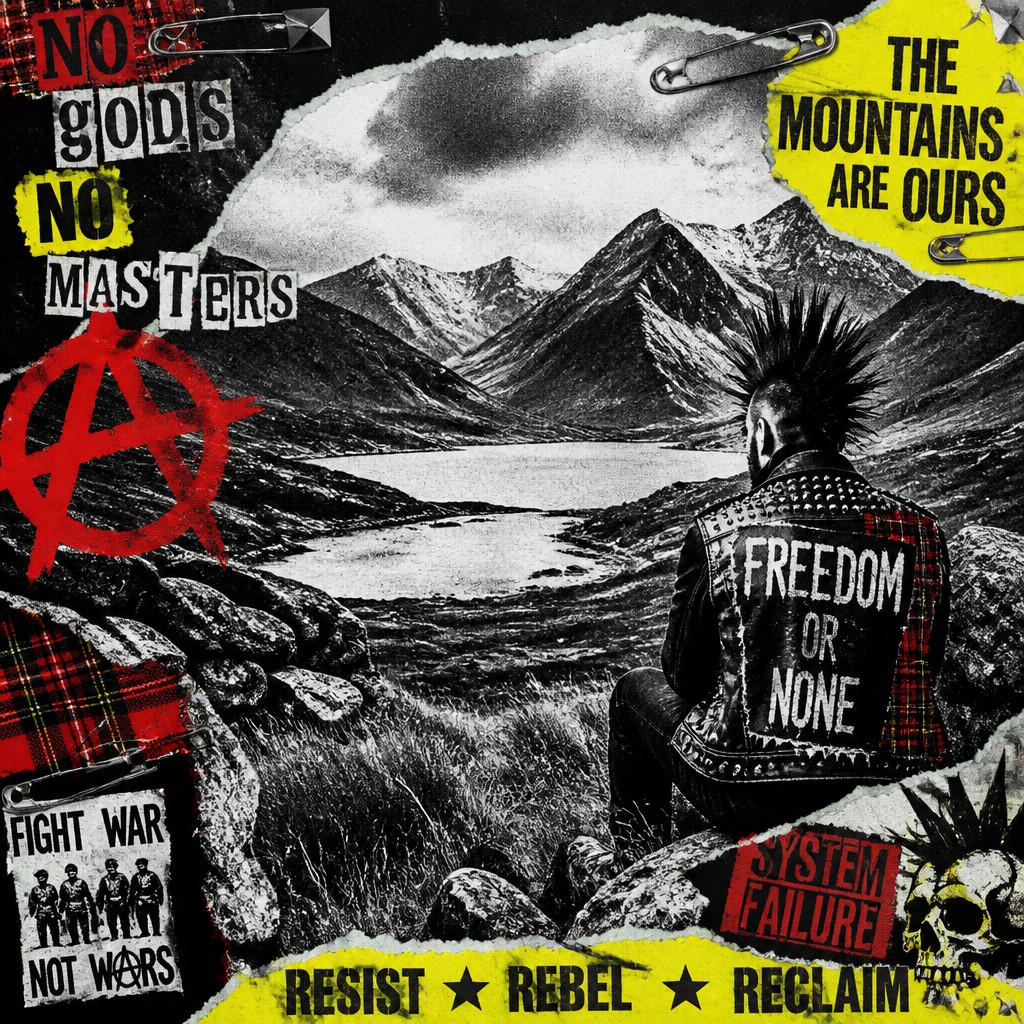
Safety pins, studs, and hardware details
Accessories such as pins, spikes, rivets, and chain fragments add a tactile sense of improvised toughness. They often appear as visual motifs even when the subject is not clothing.
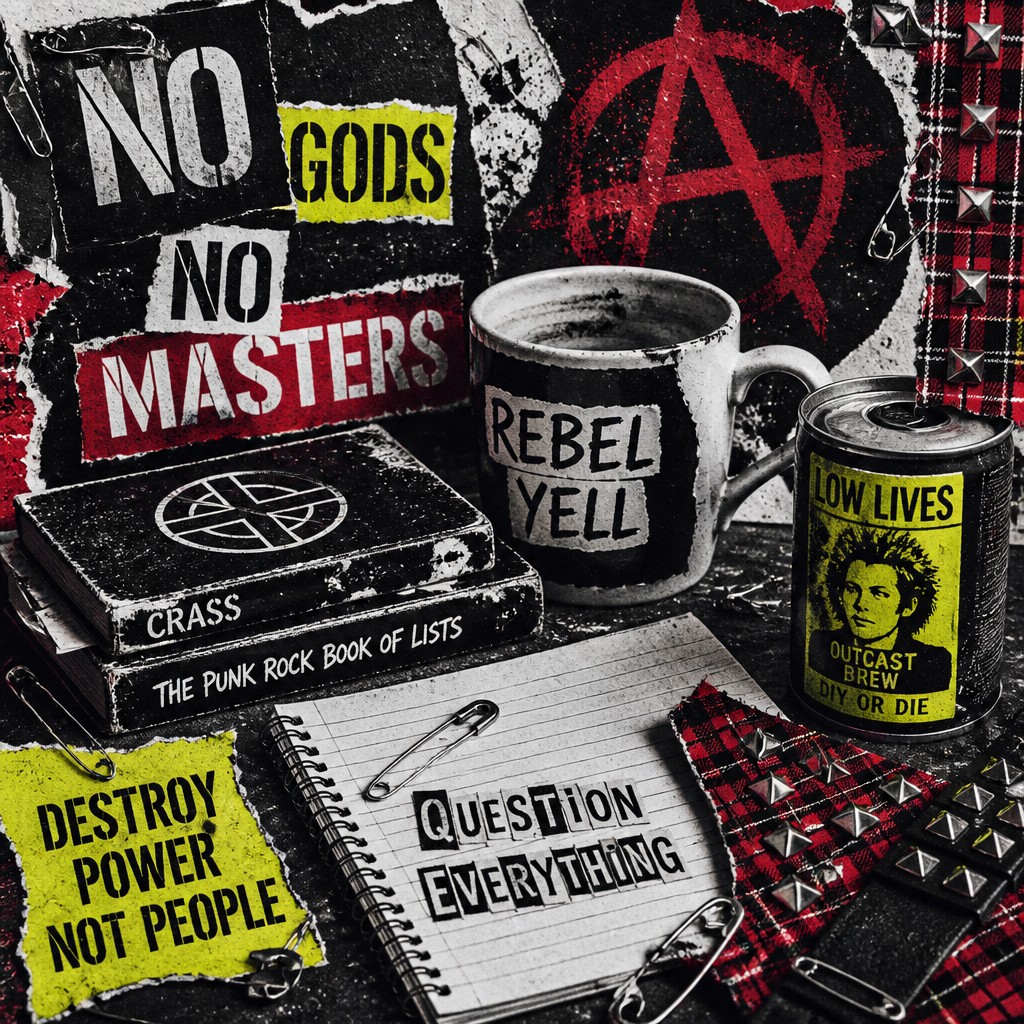
Tartan, ripped fabric, and worn textiles
Plaid, frayed seams, tears, and patchwork refer to punk fashion and its reuse of working-class or school-uniform materials. These details make the image feel physically worn and socially coded.
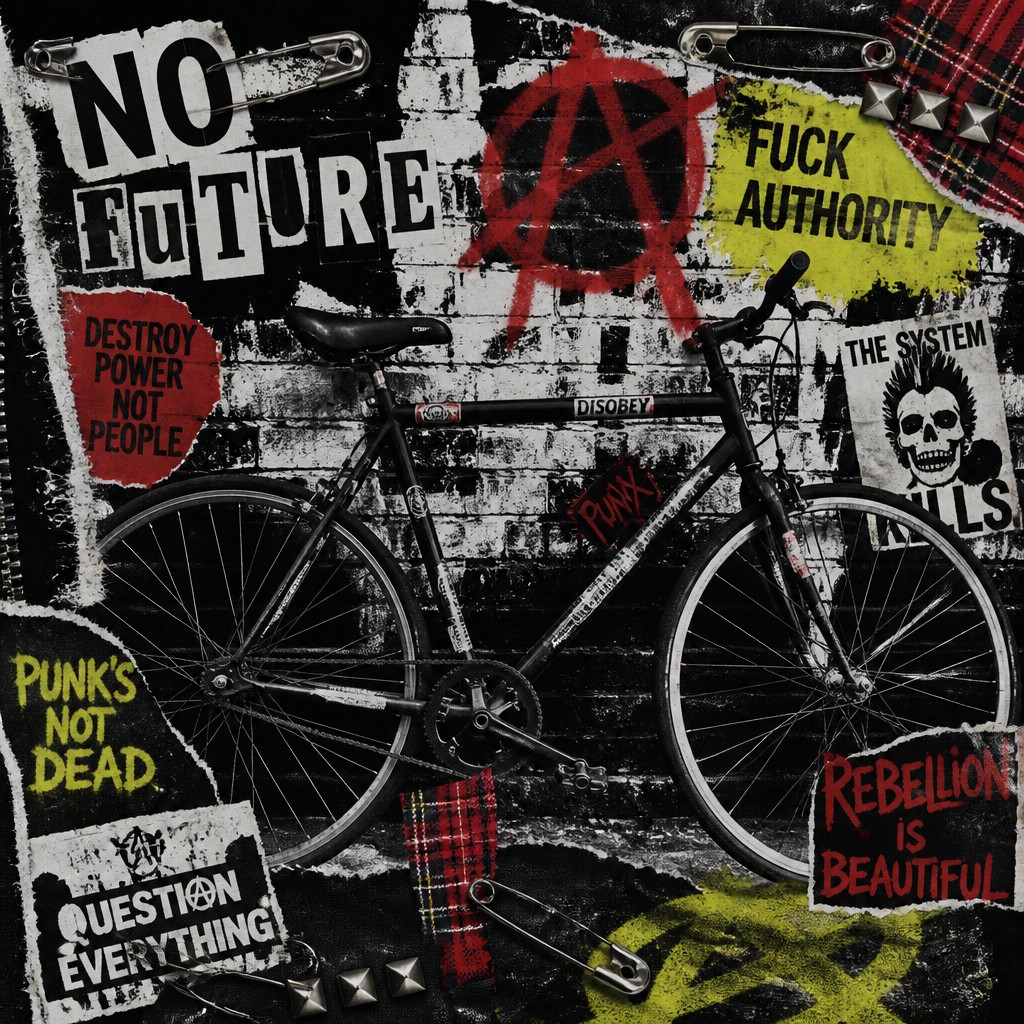
Stencil marks and spray-paint smears
Hard-edged stencil shapes, overspray, and rough paint drips suggest street action and quick execution. The marks often read like slogans, warnings, or political signage.
Try It
Create Videos in Punk Aesthetic
Styles aren't just for stills — describe a scene or animate an image and get a short video rendered in Punk Aesthetic. Press play to see this pond come to life.
Make a VideoPunk Aesthetic Prompt Ideas
Start from an idea — each one opens the generator with the style ready to go. See all 40 Punk Aesthetic prompts →
How to Create Punk Aesthetic Art
Master the craft step by step — or skip straight to creating. Read the full guide →
- 1
Build from rough source materials
Start with newspaper clippings, photocopied textures, torn paper, and handwritten or cut-out lettering. In traditional work, collage and mixed media are essential; in digital work, scan or photograph physical scraps to preserve the authentic roughness.
- 2
Use a narrow, aggressive palette
Anchor the image in black and white, then introduce one or two harsh accent colors for impact. Too many colors soften the aesthetic, while limited contrast keeps it confrontational and graphic.
- 3
Prioritize damage over smoothness
Let edges fray, overlap, and misregister, and avoid perfect symmetry or clean gradients. Distortion, smears, scratches, and photocopy artifacts help the image feel assembled in a hurry.
- 4
Make typography feel handmade
Use cut-and-paste lettering, stamped type, or stencil-style fonts with irregular spacing and uneven baselines. Even in digital compositions, breaking the text grid makes the result closer to authentic punk graphics.
- 5
Reference subcultural textures thoughtfully
Include tartan, safety pins, studs, leather, mesh, or ripped denim when they support the subject. These motifs should read as visual shorthand for DIY rebellion, not as decorative add-ons.
- 6
For prompt-based generation, specify material and process
Describe the subject plus the visual treatment: xerox grain, torn-paper collage, stencil marks, harsh lighting, ransom-note text, and limited color accents. The most successful prompts name both the mood and the fabrication method.
The Story
History & Origins of Punk Aesthetic
Punk aesthetic emerged in the mid-1970s alongside punk music scenes in London, New York, and other urban centers. Its visual identity was shaped by low-cost reproduction methods such as photocopying, paste-up layout, screen printing, and hand-cut collage, as well as by fashion practices associated with Vivienne Westwood and Malcolm McLaren’s boutiques, the Sex Pistols, and the broader zine culture that surrounded the scene. The style absorbed influences from Dada, Situationist graphics, and underground comics, but made them more abrasive, direct, and populist.
Over time, punk visuals spread beyond music posters and fan-made ephemera into graphic design, fashion, street art, and later digital art. The core language remained consistent even as tools changed: ripped edges, distressed type, cut-and-paste composition, stencil marks, and photocopy degradation continued to signal dissent, youth culture, and anti-authoritarian attitude. Contemporary uses often reference the original subcultural look while adding polished digital textures or photo manipulation, but the style is still defined by its handmade, oppositional character.
Influences: Punk aesthetic draws on Dada’s anti-art collage and typographic disruption, Situationist détournement, and the visual economy of underground zines, protest graphics, and street ephemera. It also overlaps with British punk fashion and design associated with Vivienne Westwood, as well as with the cut-up, photocopied look of DIY music culture. In broader art history, its reliance on fragmentation and found material echoes photomontage traditions and the work of artists such as Hannah Höch and John Heartfield, though punk repurposes those strategies into a more raw, subcultural register.
Frequently Asked Questions
What defines punk aesthetic?
Punk aesthetic is defined by roughness, defiance, and DIY construction. Visually, it relies on torn collage, photocopy texture, stencil marks, hard contrast, and rebellious typography. The style is less about cleanliness than about making the process visible.
Is punk aesthetic the same as grunge?
No. Punk is generally sharper, more confrontational, and more explicitly tied to anti-establishment graphics and subculture. Grunge often feels looser, darker, and more nostalgic, with softer distress and more ambiguous mood.
What colors are most associated with punk visuals?
Black and white are the core of the style, often punctuated by red, yellow, or occasionally neon tones. Those accents function like visual alarms against the rough monochrome base.
How do you make punk-style art without it looking generic?
Use the visual logic of protest flyers, zines, and pasted-up street graphics rather than just adding studs or torn edges. Strong composition, purposeful text fragments, and believable photocopy damage make the result feel authentic.
Where is punk aesthetic commonly used?
It is common in album art, gig posters, zines, streetwear graphics, editorial layouts, and social protest imagery. It also appears in digital design when a project needs a raw, rebellious, or underground tone.
Can punk aesthetic work in portrait or fashion imagery?
Yes. Portraits and fashion images are among the most recognizable uses of the style, especially when they include harsh lighting, distressed clothing, pasted typography, and collage treatments. The key is to keep the image feeling constructed and slightly unruly.
Create your first Punk Aesthetic artwork
Describe anything — or upload a photo — and see it in Punk Aesthetic in seconds.
Related Styles
Discover similar art styles