Dreamcore Aesthetic
Hazy nostalgia, empty liminal spaces, and soft surreal glow—explore Dreamcore Aesthetic, a strange, dreamlike visual style.
Instantly rendered in Dreamcore Aesthetic — or transform a photo
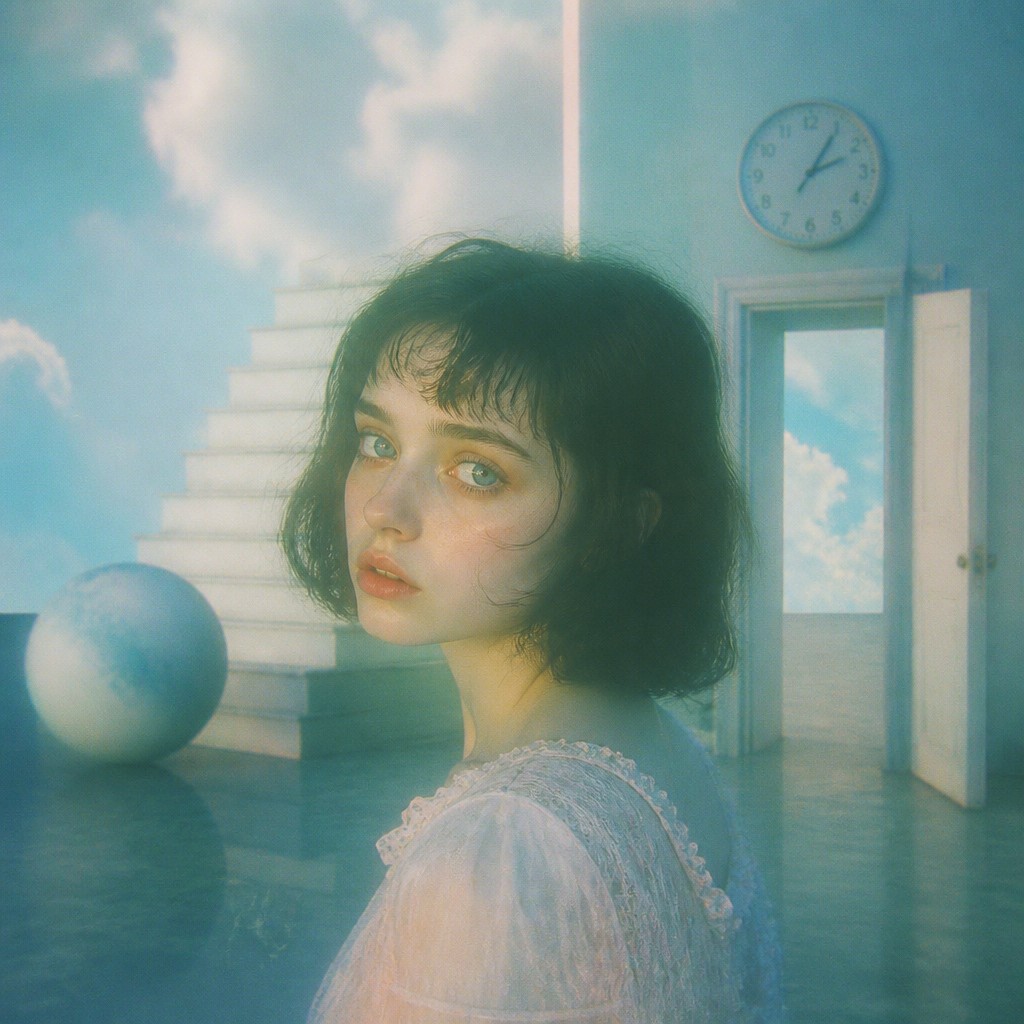
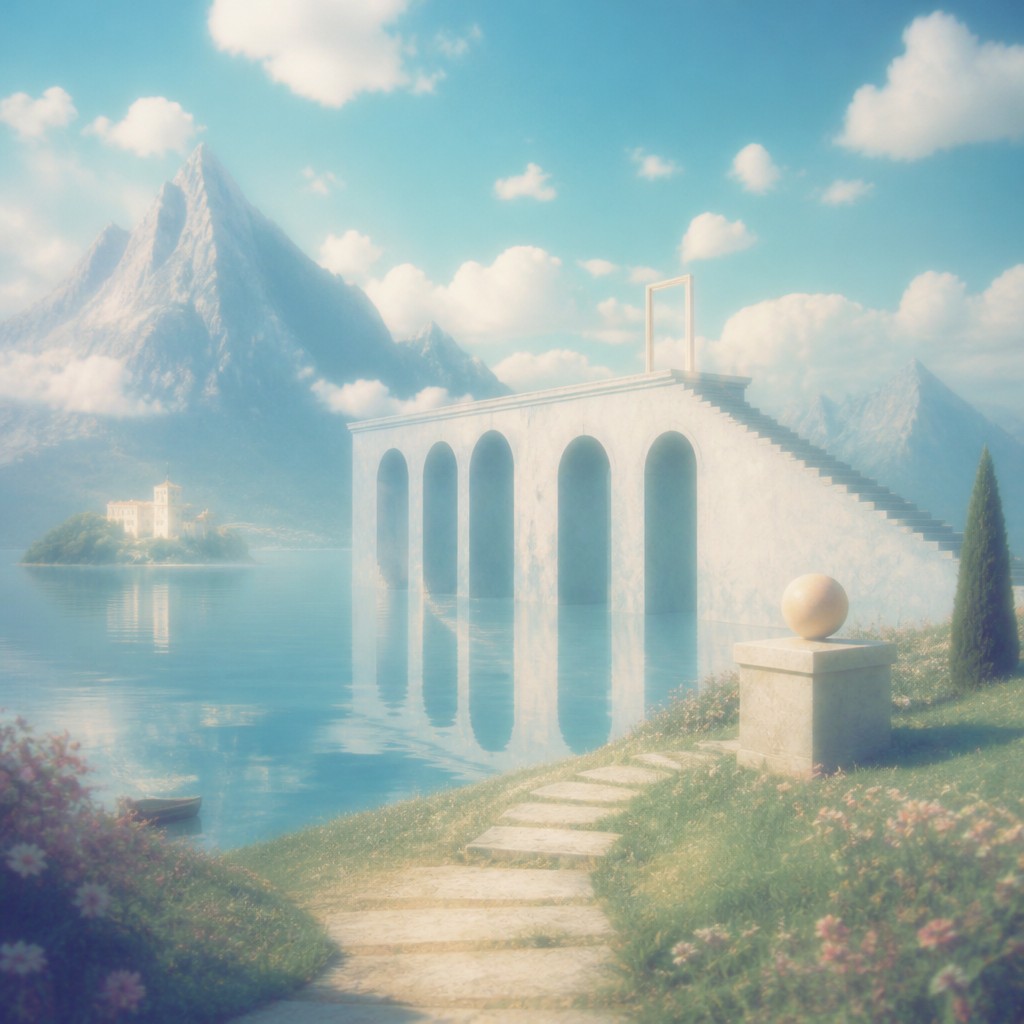
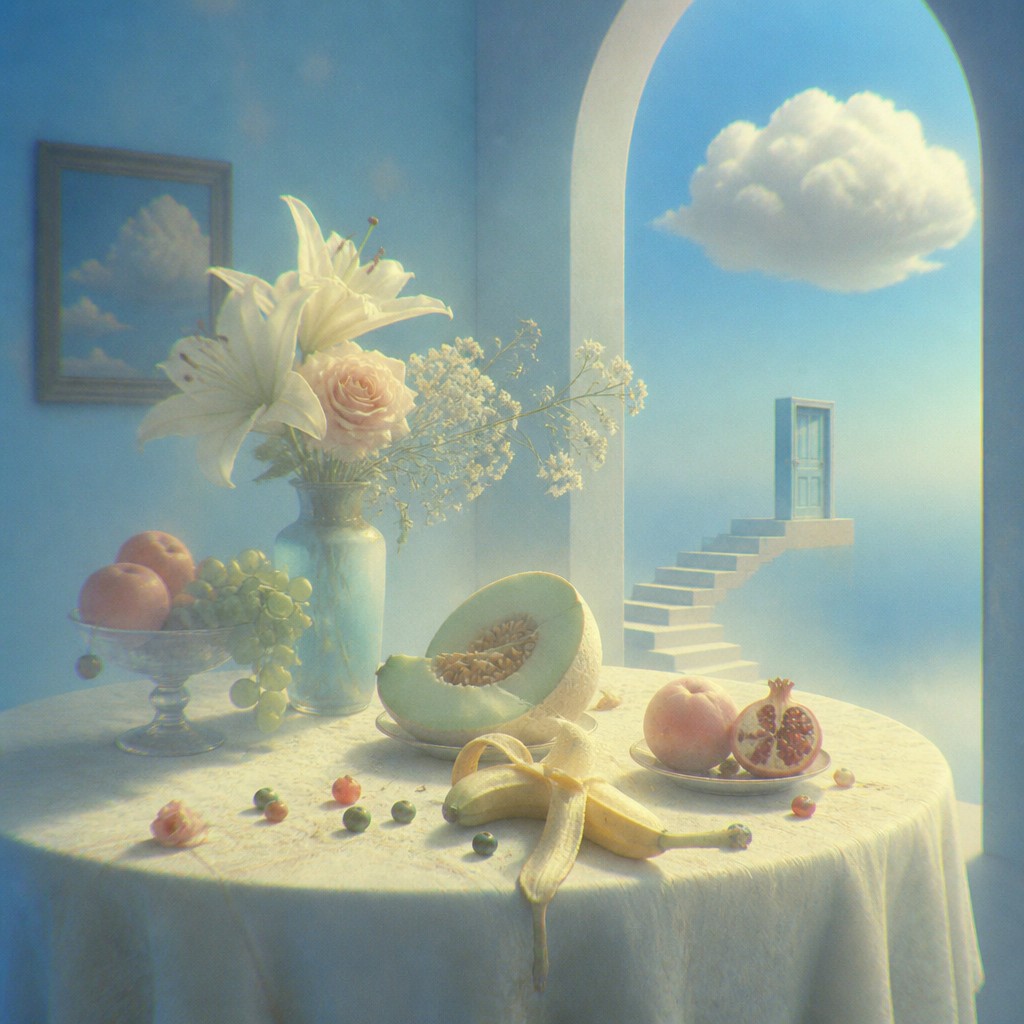
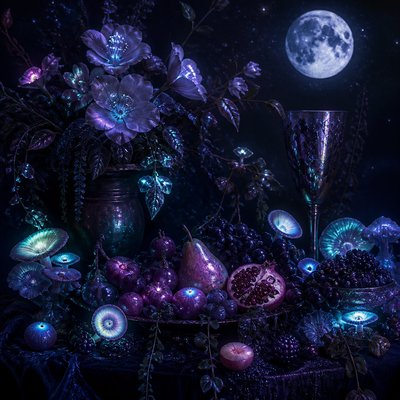
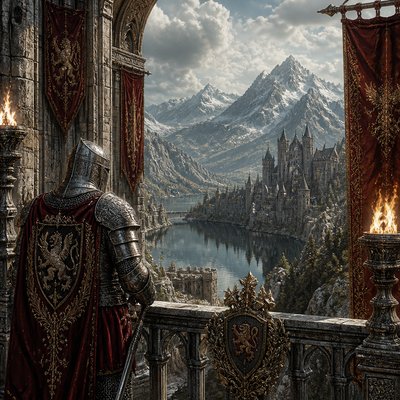
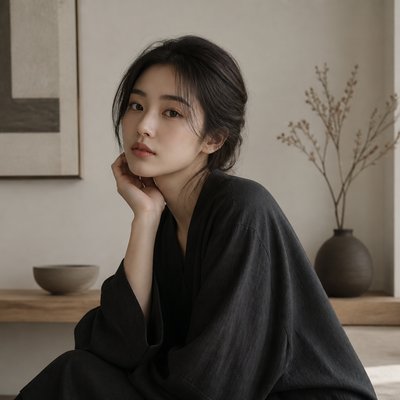
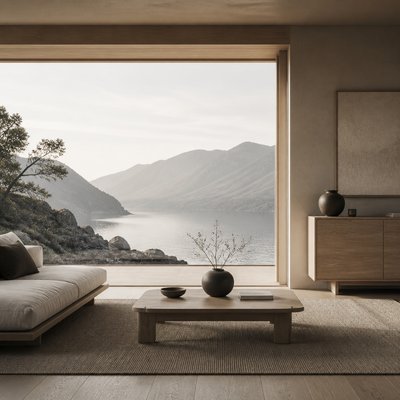
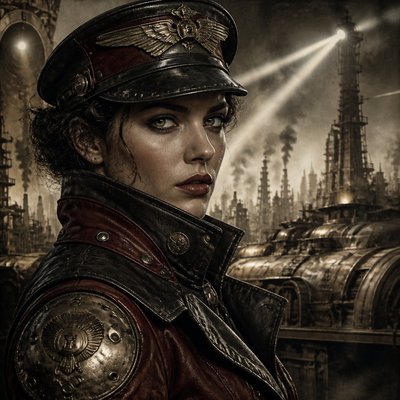
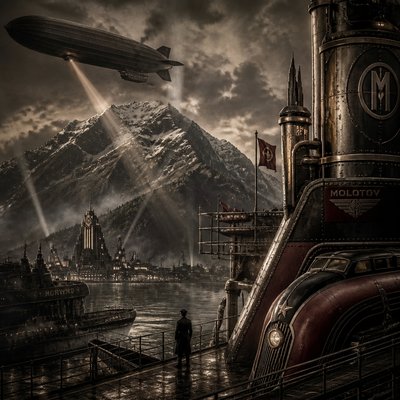
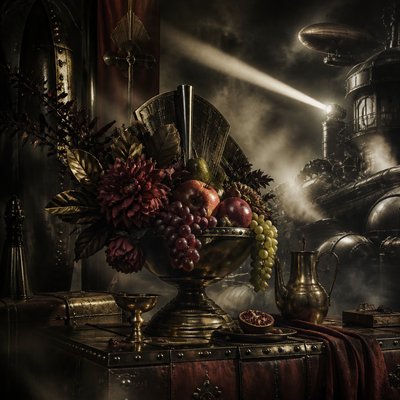
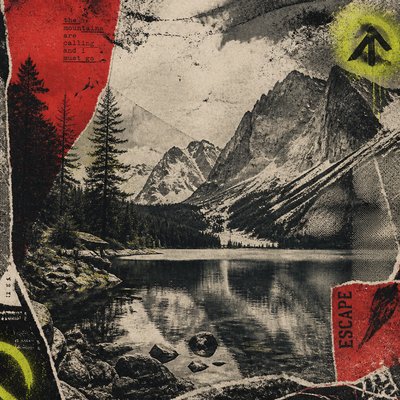
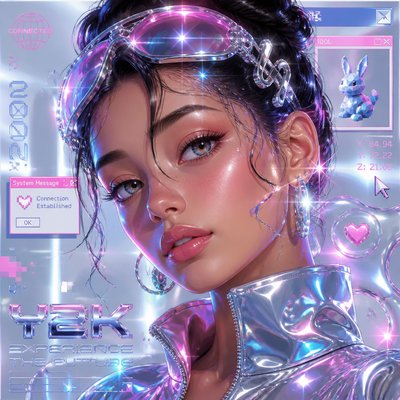
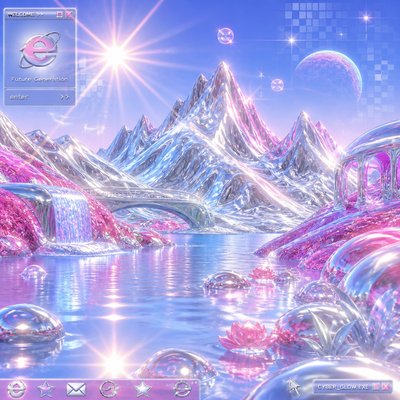
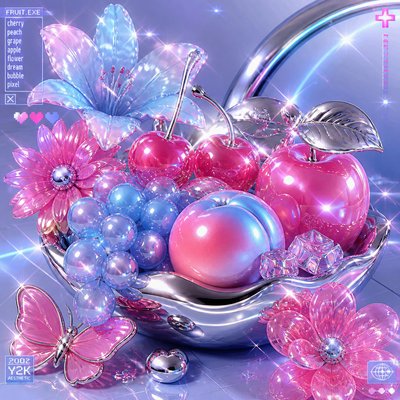
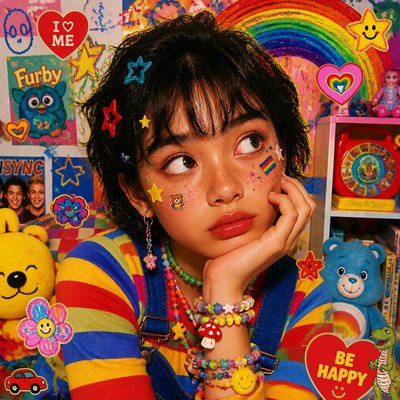
Dreamcore Aesthetic Gallery
Tap any artwork to explore it
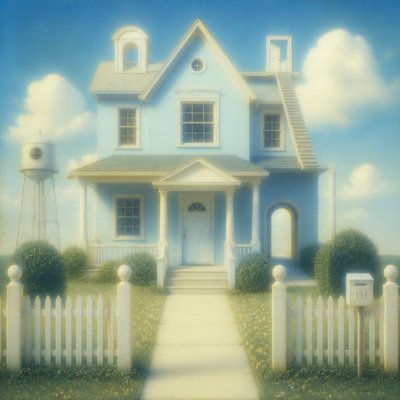
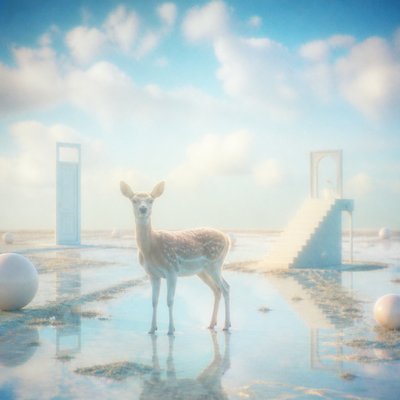
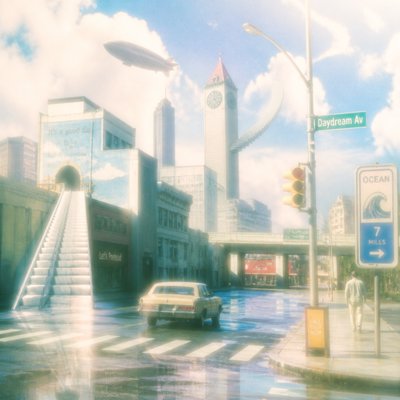
What is Dreamcore Aesthetic?
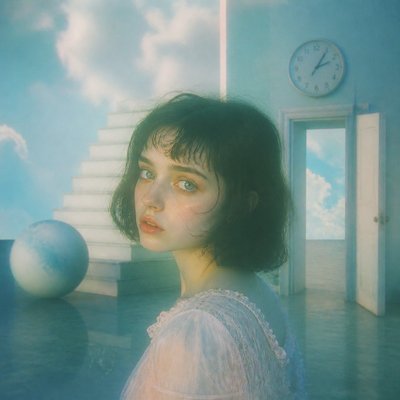
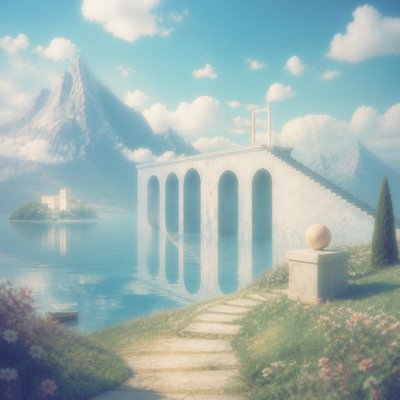
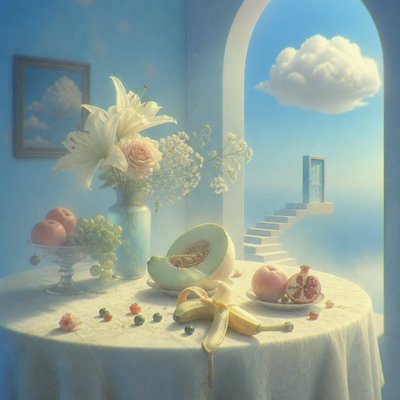
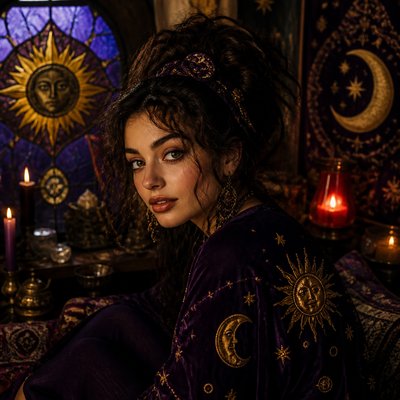
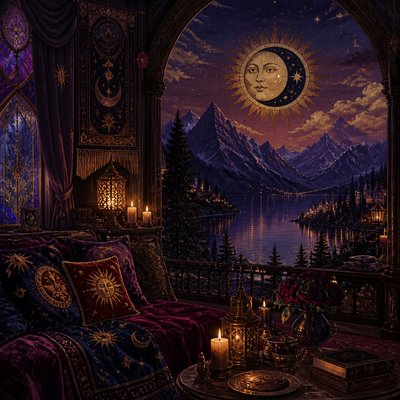
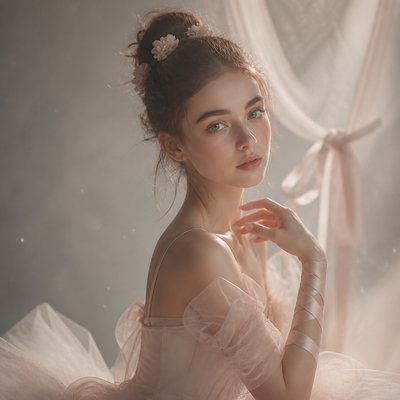
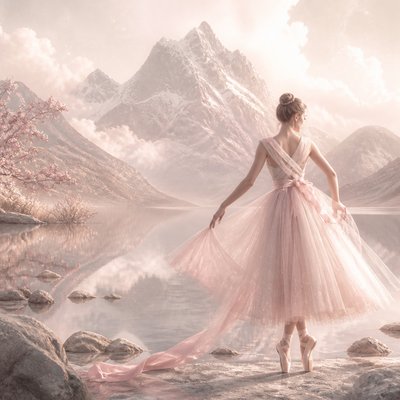
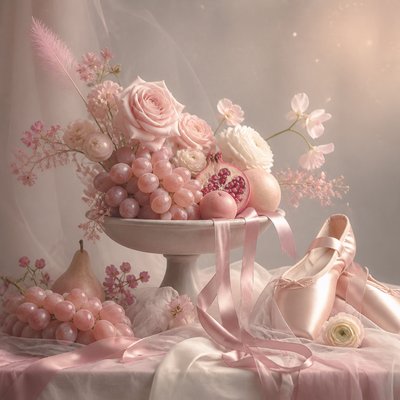
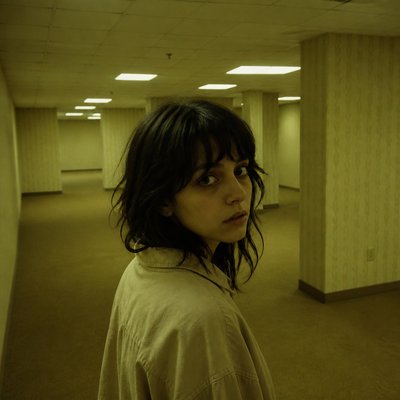
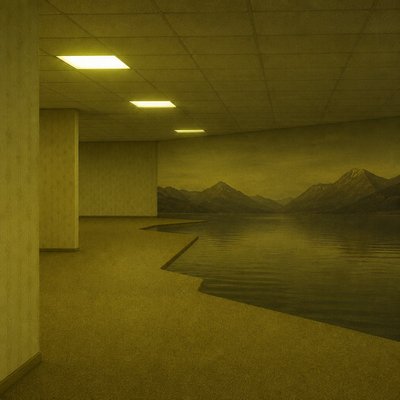
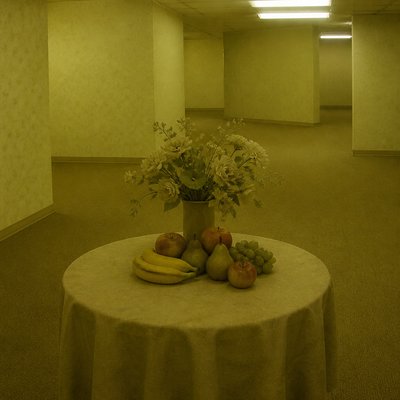
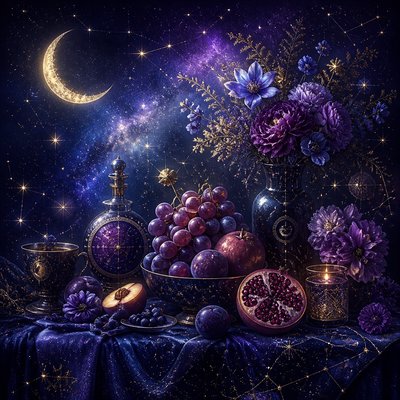
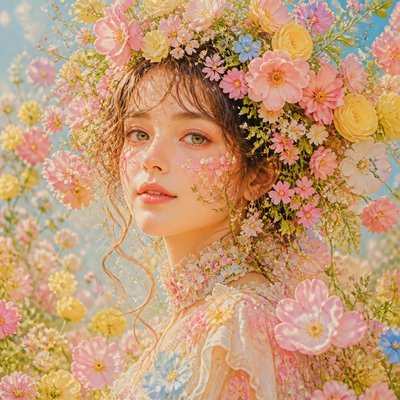
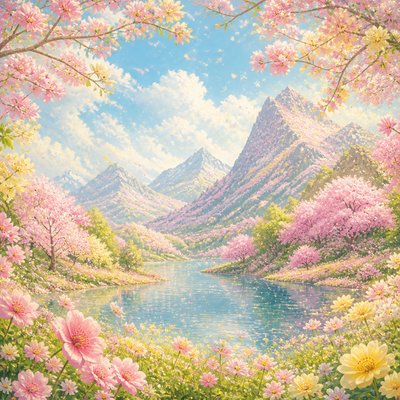
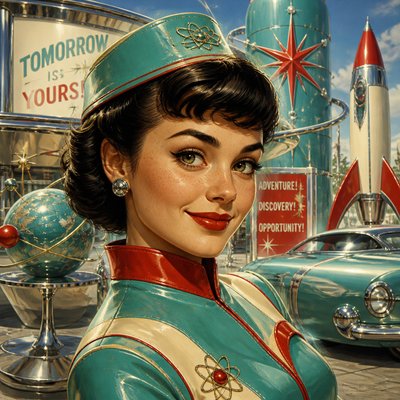
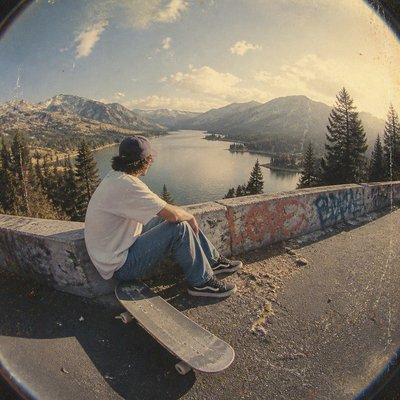
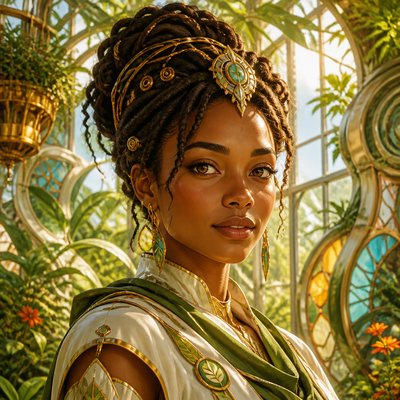
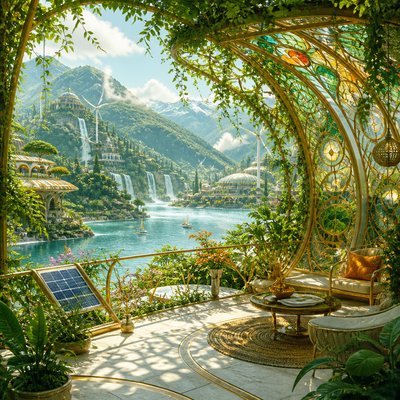
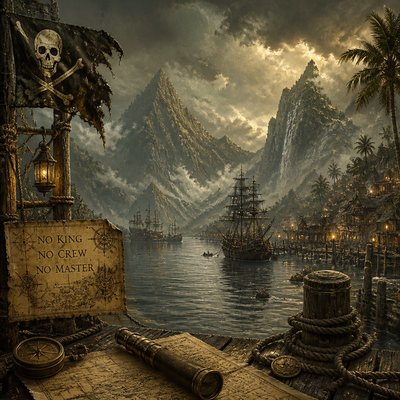
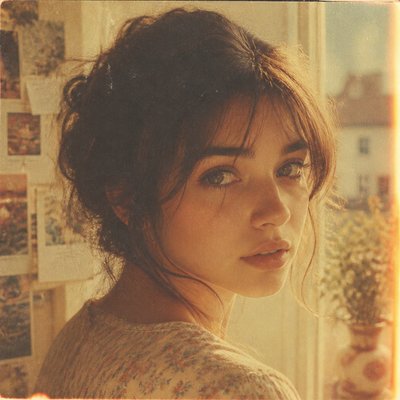
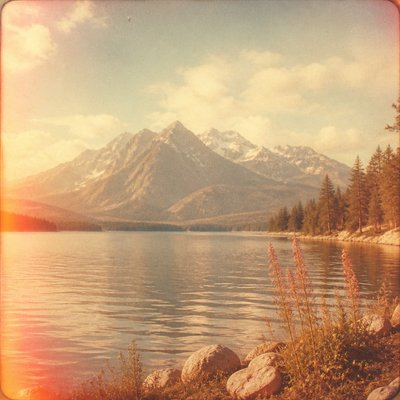
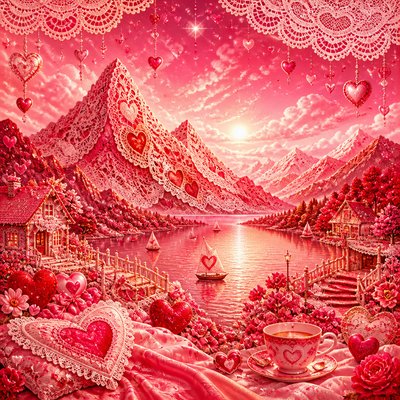
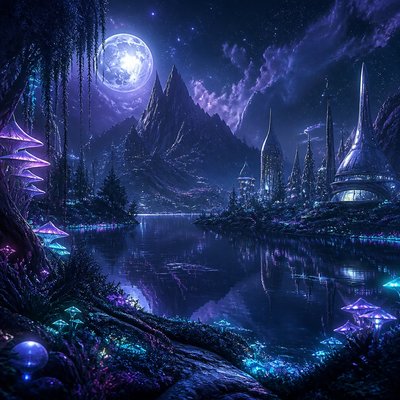
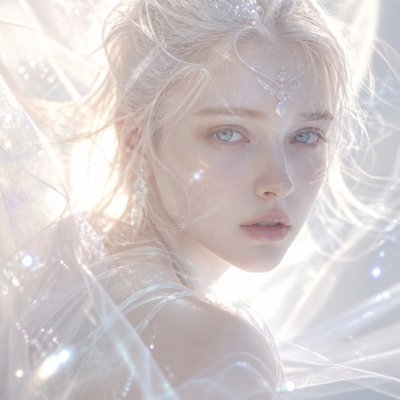
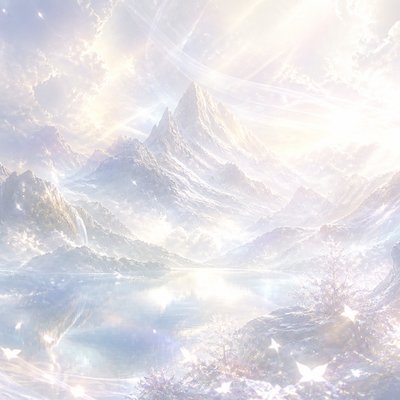
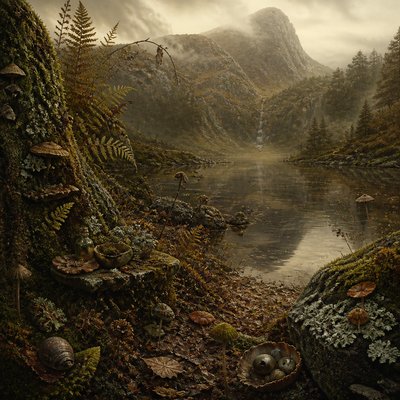
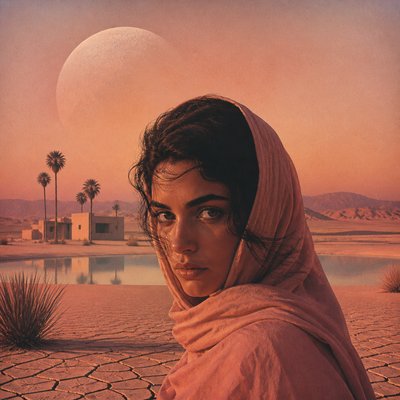
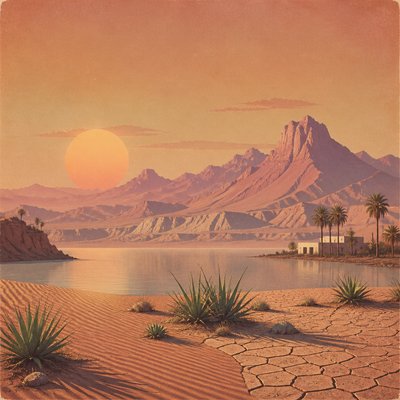
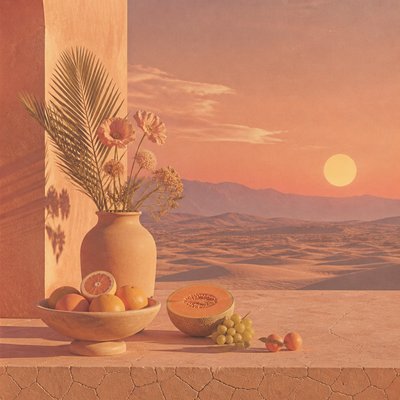
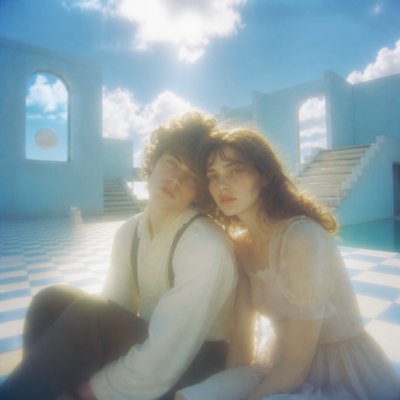
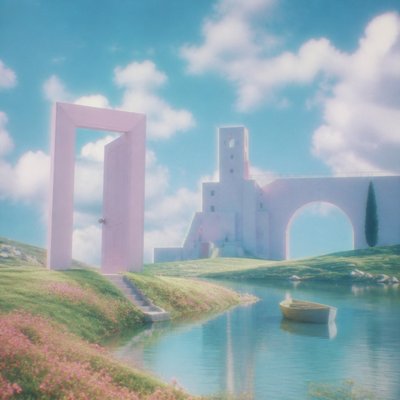
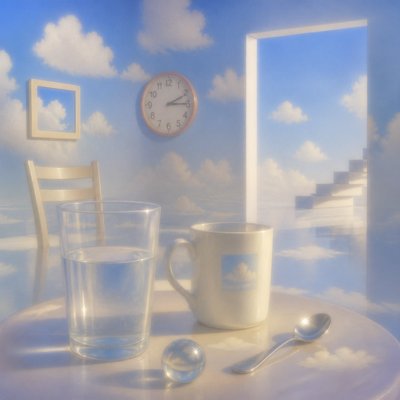
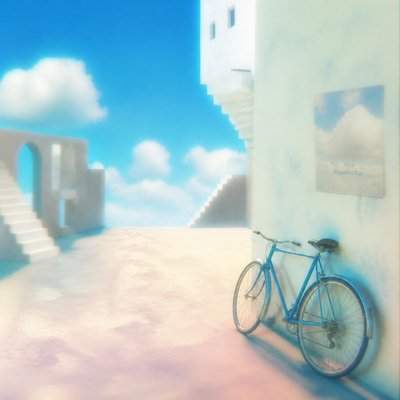
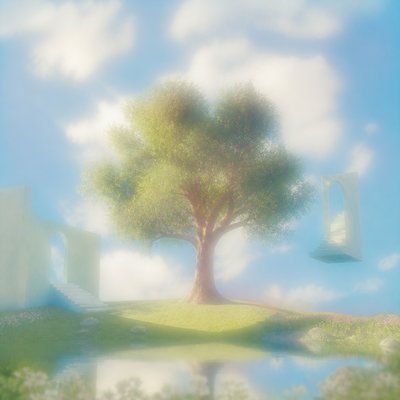
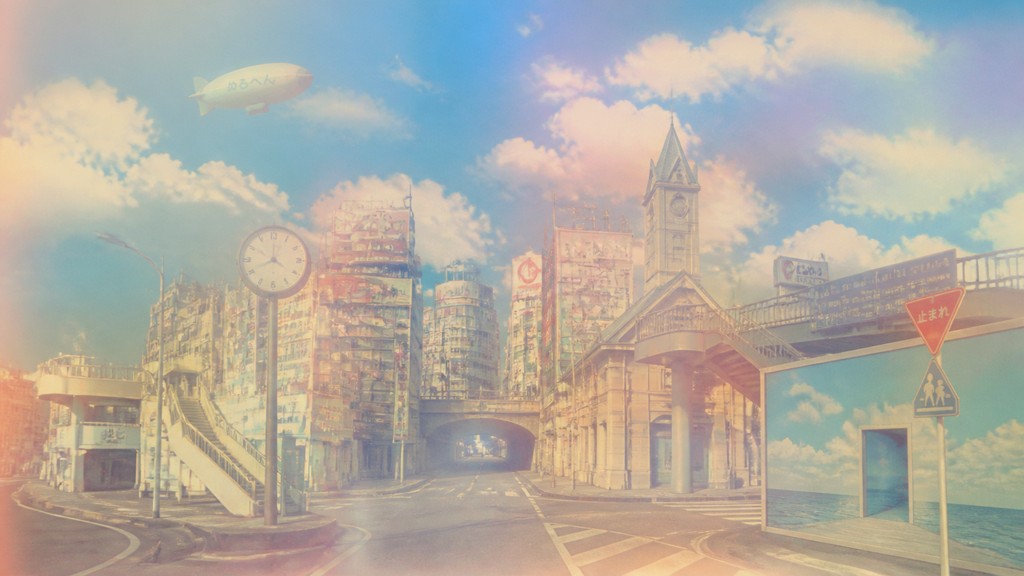
Dreamcore Aesthetic is a contemporary visual style built around the feeling of a half-remembered dream: familiar places rendered strange, quiet, and slightly unreal. It typically uses hazy lighting, washed-out pastels, soft bloom, and unsettlingly empty spaces to create an atmosphere of nostalgia drifting into the surreal.
Its imagery often centers on liminal environments such as vacant hallways, playgrounds, swimming pools, suburban streets, stairwells, waiting rooms, and endless interiors. What makes the style distinctive is not just its subject matter, but the sense that the scene is almost ordinary while quietly breaking the rules of perspective, scale, or logic. The result feels emotionally ambiguous—comforting, eerie, and detached at once.
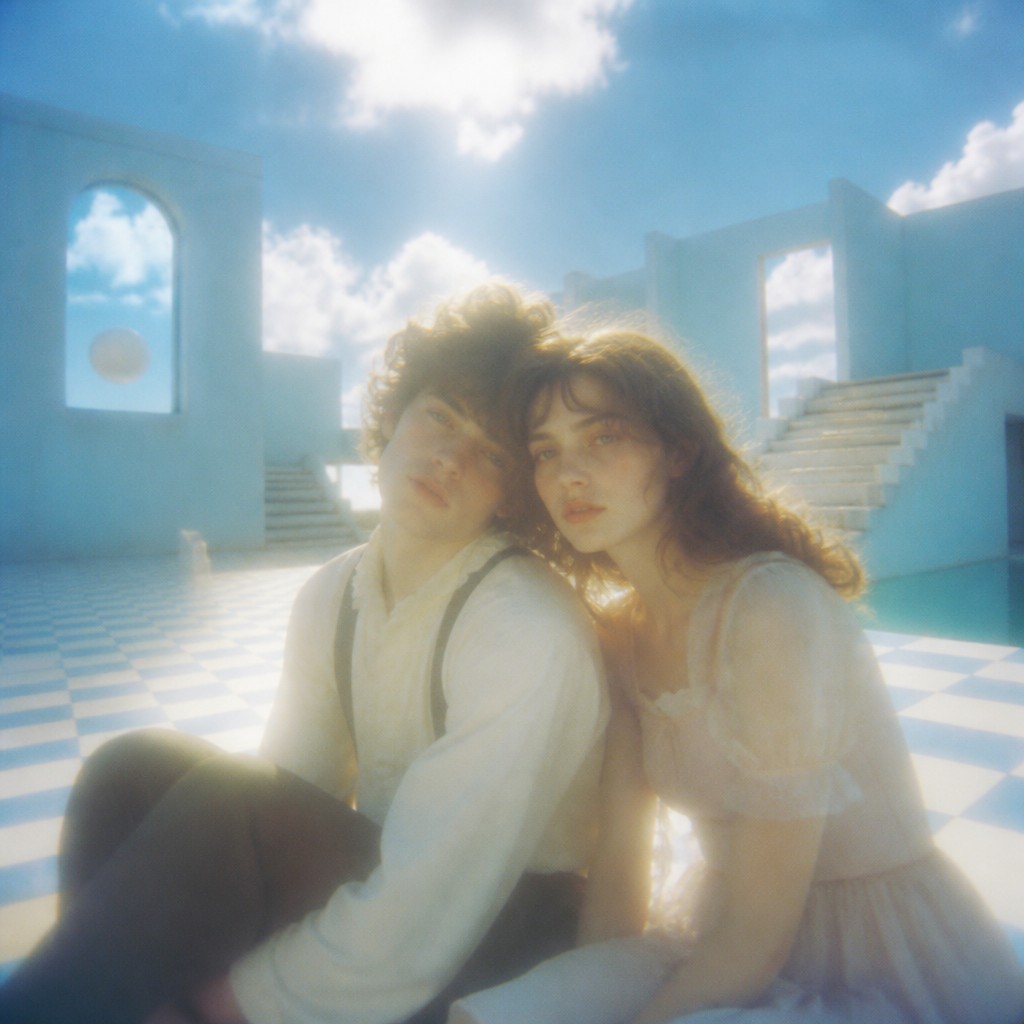
Try It On Your Photos
Upload any photo and convert it into Dreamcore Aesthetic — drag the sliders to compare before and after.
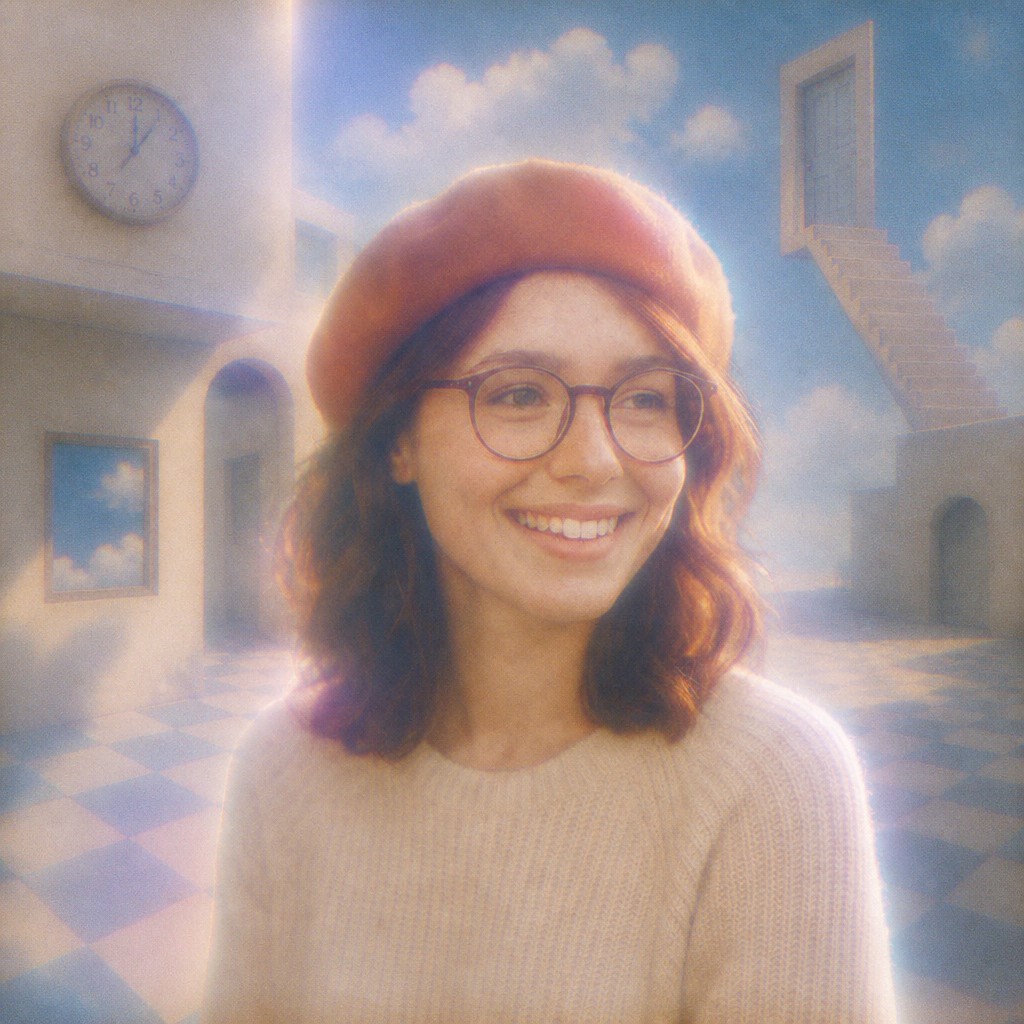

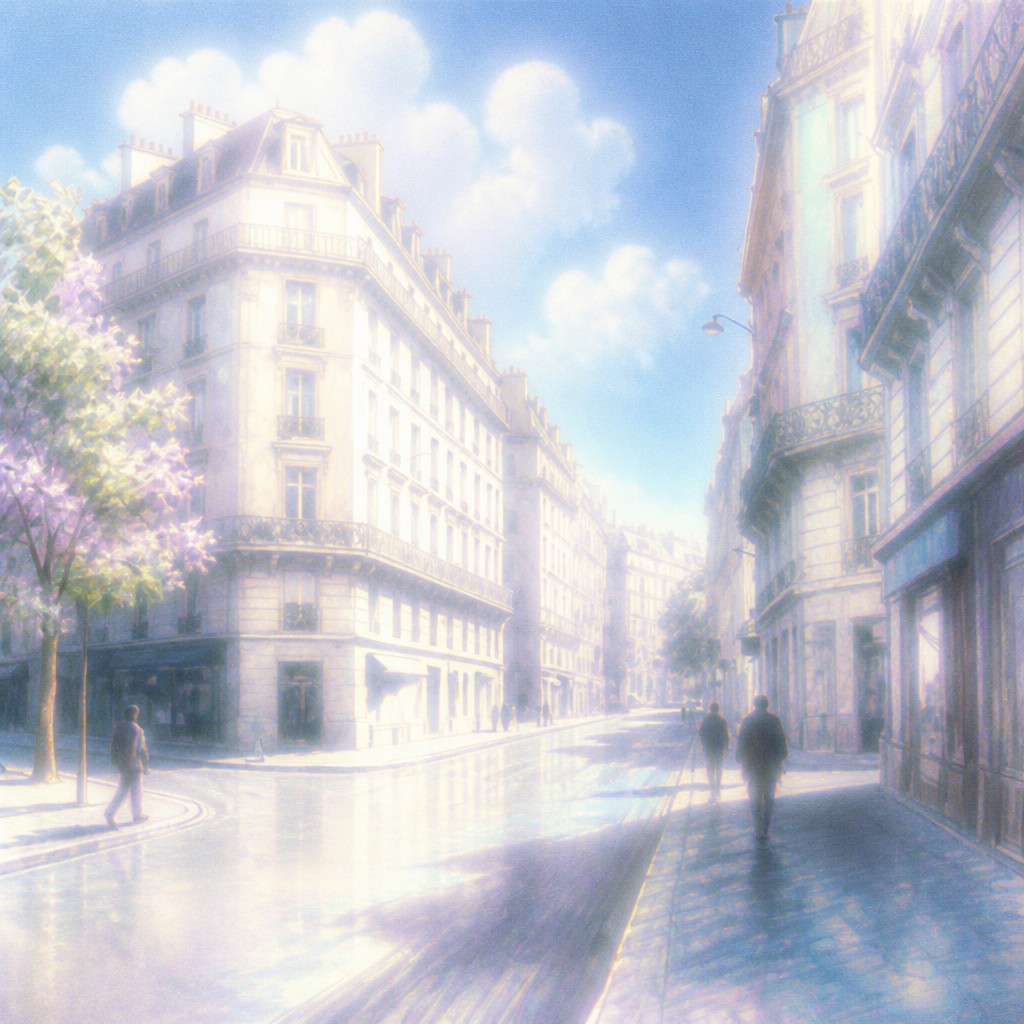

What Defines Dreamcore Aesthetic
The signature details, up close
Liminal settings
Dreamcore often depicts in-between places such as hallways, staircases, school corridors, empty malls, parking lots, and deserted pools. These spaces feel transitional rather than inhabited, which is central to the style’s uncanny mood.
Hazy glow and soft bloom
Highlights are usually diffused, with a gentle glow that makes edges feel blurred or overexposed. This softening effect contributes to the sensation of remembering rather than directly witnessing the scene.
Washed-out pastel palette
Common colors include cloud white, sky blue, faded pink, pale lavender, mint, and desaturated beige. The palette usually appears sun-faded, misty, or artificially bright in a way that feels emotionally detached.
Uncanny emptiness
Figures, when present, are often absent or secondary to the environment. The emptiness heightens the feeling that something has just happened or is about to happen, without revealing what it is.
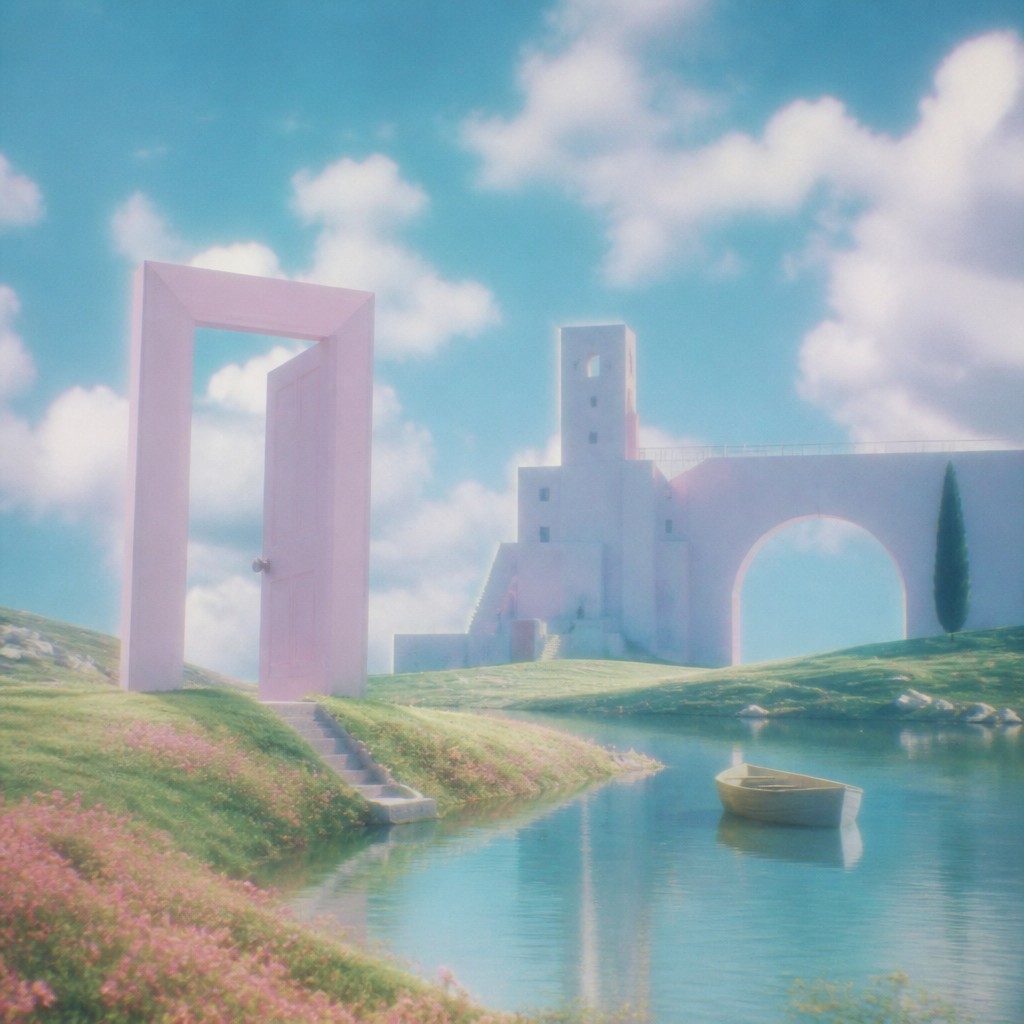
Slightly impossible geometry
Perspective may feel subtly off, with oversized rooms, elongated corridors, repeated structures, or spaces that do not quite make architectural sense. The distortion is usually restrained rather than overtly fantastical.
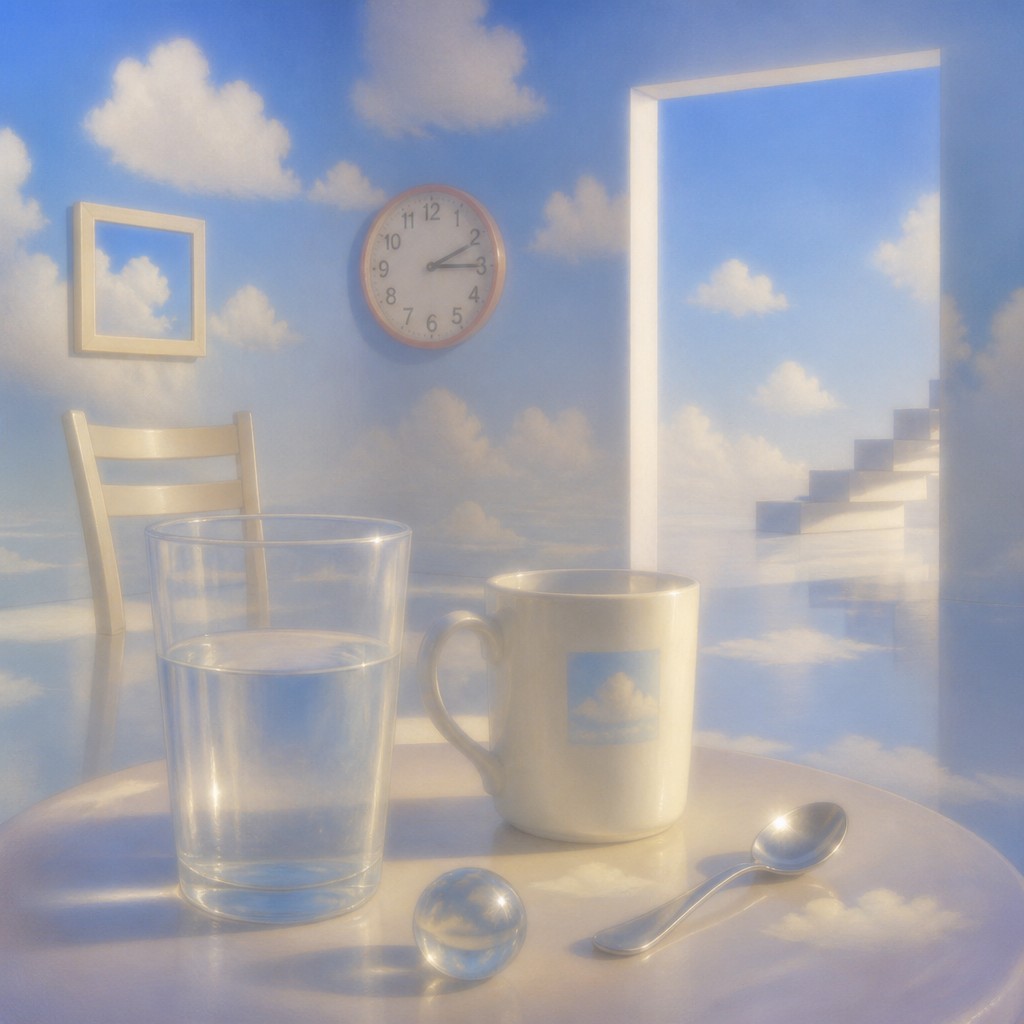
Nostalgic everyday objects
Children’s furniture, plastic toys, public signage, tiled floors, motel interiors, and school equipment are common motifs. Their familiarity creates an emotional contrast with the scene’s dreamlike instability.
Try It
Create Videos in Dreamcore Aesthetic
Styles aren't just for stills — describe a scene or animate an image and get a short video rendered in Dreamcore Aesthetic. Press play to see this pond come to life.
Make a VideoDreamcore Aesthetic Prompt Ideas
Start from an idea — each one opens the generator with the style ready to go. See all 40 Dreamcore Aesthetic prompts →
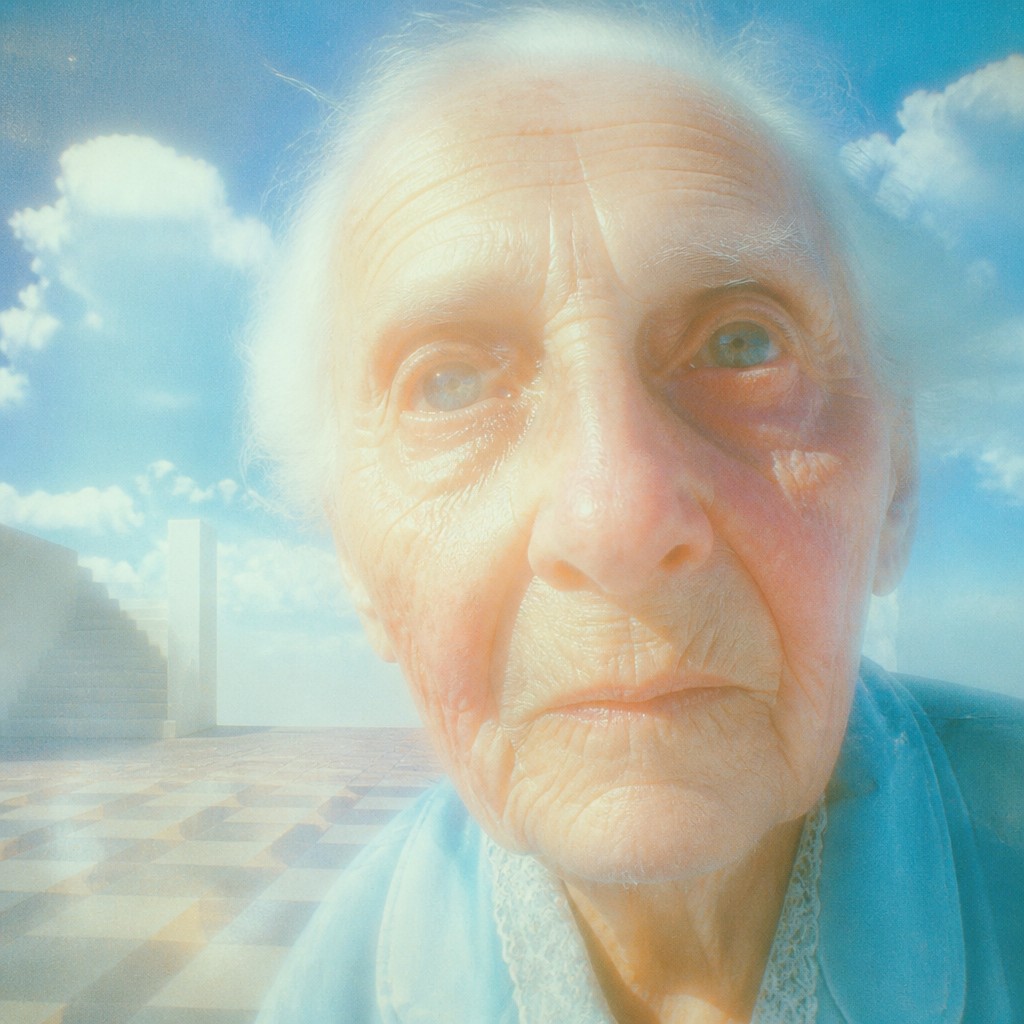
“close-up portrait of an elderly person with expressive weathered features”
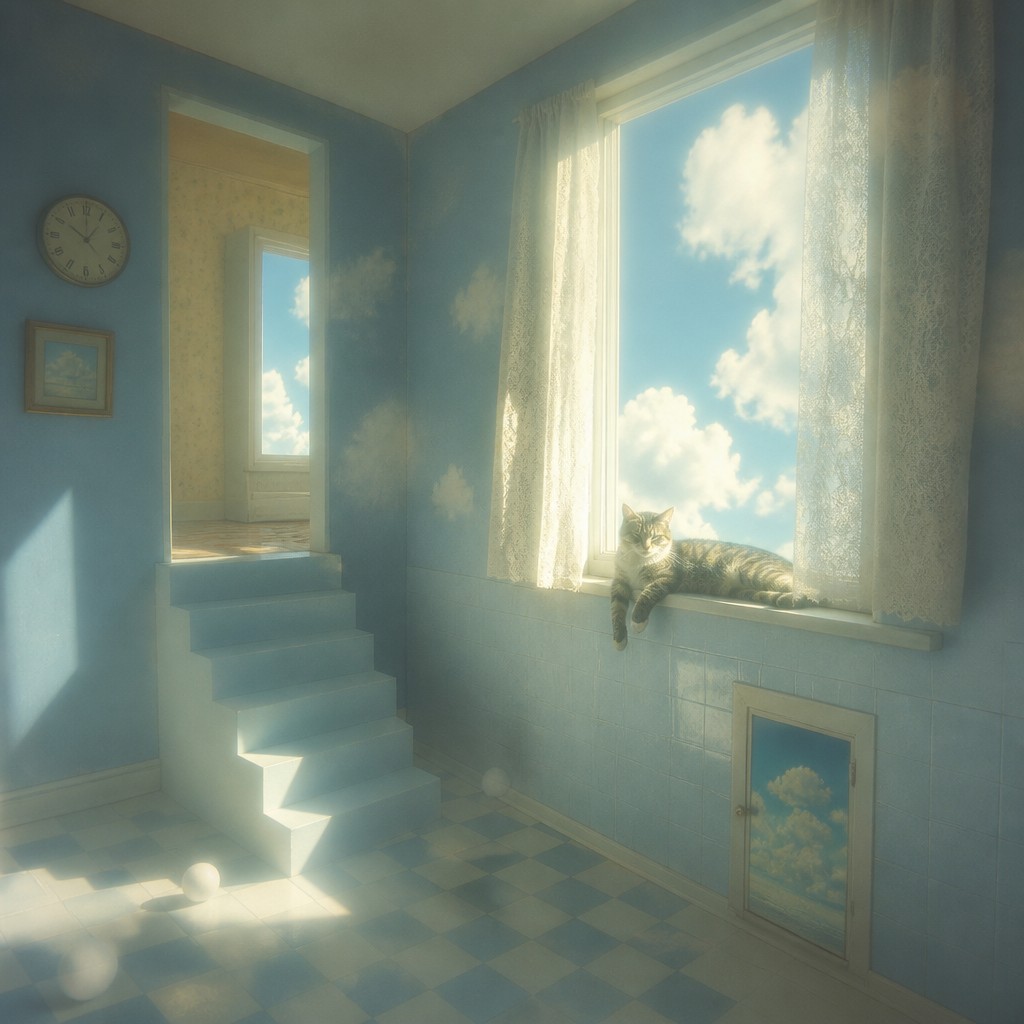
“a cat lounging in a sunlit window”
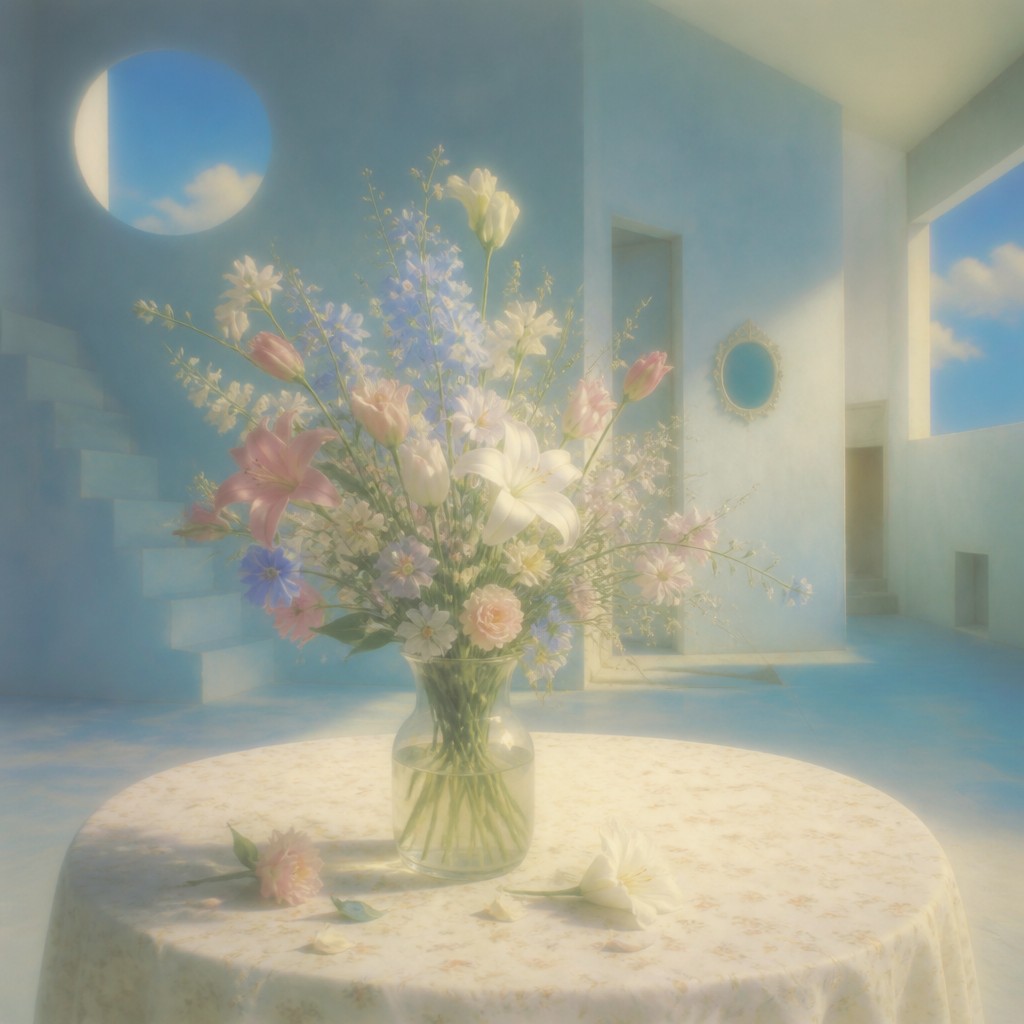
“bouquet of flowers in a glass vase”

“sailing ship on a stormy sea”
How to Create Dreamcore Aesthetic Art
Master the craft step by step — or skip straight to creating. Read the full guide →
- 1
Start with a familiar location
Choose an ordinary space that carries memory or transition, such as a bedroom, pool, corridor, bus stop, or playground. The dreamcore effect comes from making the recognizably mundane feel displaced rather than inventing an entirely alien world.
- 2
Soften the image and lift the highlights
Use mist, bloom, glow, or slight overexposure to reduce crisp realism. In painting or digital work, avoid hard contrast; in photo-based work, let edges blur and brighten the light sources so the scene feels filtered through memory.
- 3
Control the palette
Work with pale pastels, cool blues, cloud whites, and faded warm tones. Even when color is saturated, it should feel somewhat bleached, as if the image has been left in sun or preserved in recollection.
- 4
Introduce subtle visual uncertainty
Alter scale, spacing, or perspective just enough to feel wrong without becoming overt fantasy. Small inconsistencies—too-long hallways, repetitive tiles, doors that lead nowhere—are often more effective than dramatic surrealism.
- 5
Use negative space and stillness
Leave parts of the composition empty and avoid busy narrative action. The style depends on silence, suspension, and the suggestion that the scene exists outside normal time.
- 6
For prompt-based generation, describe mood before detail
Lead with atmospheric cues such as hazy light, liminal room, empty hallway, faded pastel palette, soft bloom, and uncanny nostalgia. Add a subject and one or two spatial oddities so the result stays specific but dreamlike.

The Story
History & Origins of Dreamcore Aesthetic
Dreamcore is not a historical art movement in the strict sense, but a web-born aesthetic that emerged from internet culture in the 2010s and 2020s. It developed alongside related online trends such as liminal space photography, weirdcore, vaporwave, and nostalgic horror imagery, all of which explore memory, absence, and the uncanny qualities of everyday environments.
Its visual language draws from several older traditions: surrealism’s dream logic, the atmosphere of cinematic dream sequences, color and lighting practices from soft-focus photography, and the emotional charge of abandoned or transitional spaces. Unlike a single movement with a formal manifesto, dreamcore is best understood as an evolving aesthetic lineage shaped by social media, found photography, digital manipulation, and the collective visual memory of childhood spaces.
Influences: Dreamcore sits closest to surrealism, especially the dream logic associated with artists such as Salvador Dalí and René Magritte, though it is far less symbolically structured than either. It also overlaps with liminal space photography, vaporwave’s nostalgic color atmosphere, and the soft-focus aesthetics of 1990s and 2000s visual media, including television stills, family photos, and low-saturation digital imagery.
Frequently Asked Questions
What defines Dreamcore Aesthetic?
Dreamcore is defined by familiar places made subtly unreal through haze, softness, emptiness, and nostalgic unease. It often feels like a memory of a place rather than a direct depiction of it. The key is the tension between recognition and dislocation.
How is dreamcore different from weirdcore?
Dreamcore is usually softer, more atmospheric, and more focused on memory, liminal spaces, and emotional ambiguity. Weirdcore tends to be more overtly bizarre, with fragmented text, surreal symbols, and stronger visual absurdity. Dreamcore is generally quieter and less ironic.
Is dreamcore a real art movement?
Not in the historical sense of a formal movement with a manifesto or single origin. It is a contemporary internet aesthetic that grew from online image culture and borrows from several established artistic traditions. Its coherence comes from shared mood and recurring visual patterns rather than institutional history.
What kinds of subjects work best in dreamcore images?
Spaces that feel transitional or memory-laden tend to work best: hallways, pools, bedrooms, waiting rooms, staircases, schoolyards, and empty suburban exteriors. Everyday objects can also be effective when isolated or slightly misplaced. The more familiar the setting, the stronger the uncanny effect.
How do I make a photo look dreamcore?
Use soft focus, lifted highlights, gentle bloom, and a pastel or faded color grade. Reduce visual clutter, crop toward empty areas, and consider adding fog, reflective surfaces, or slight perspective distortion. The goal is to make the photo feel remembered, not merely edited.
Where is dreamcore commonly used?
It appears widely in social media imagery, album covers, mood boards, zines, digital collages, and atmospheric photography. It is also common in fantasy and horror-adjacent visuals where emotional disorientation matters more than literal storytelling. Because it is mood-driven, it adapts easily to both still images and moving image work.
Create your first Dreamcore Aesthetic artwork
Describe anything — or upload a photo — and see it in Dreamcore Aesthetic in seconds.
Related Styles
Discover similar art styles