Balletcore Aesthetic
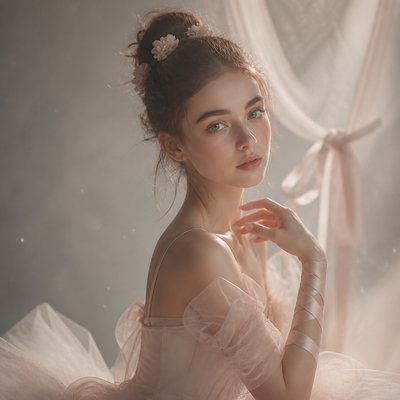
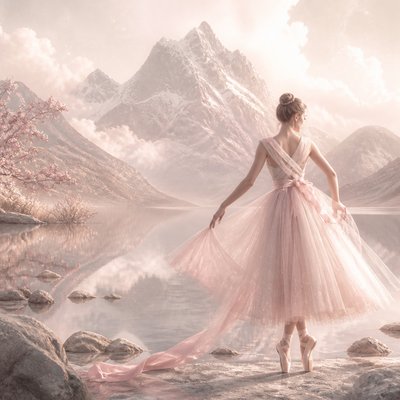
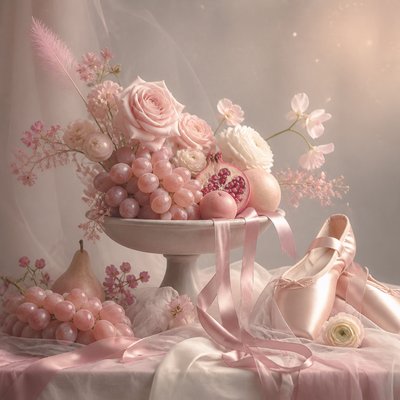
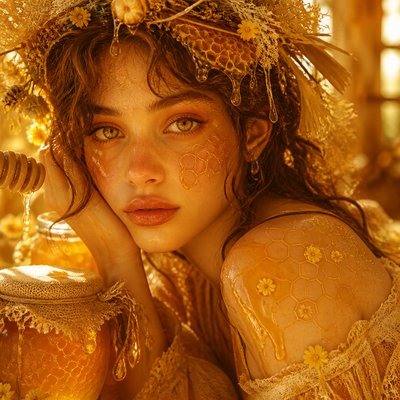
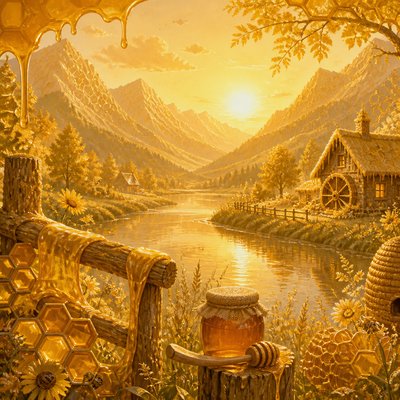
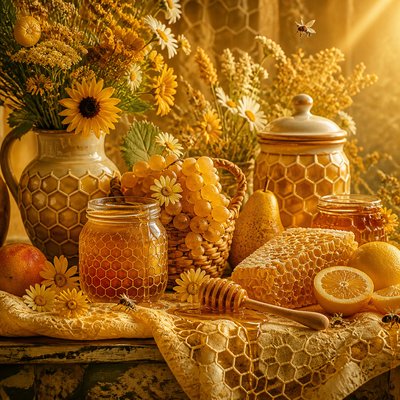
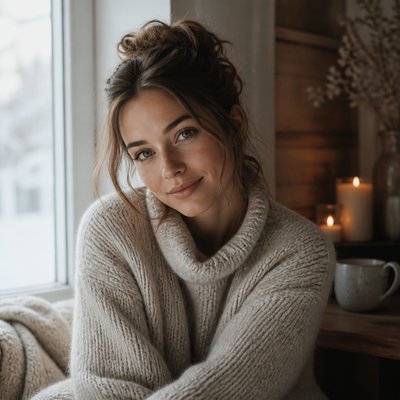
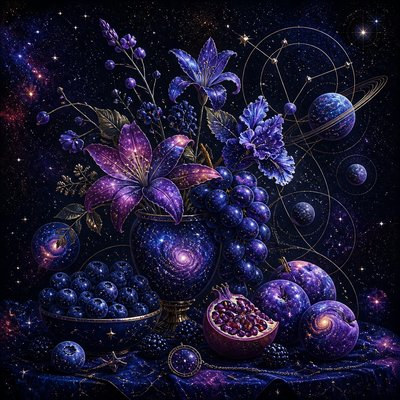
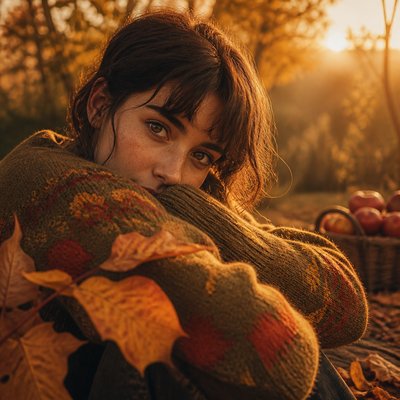
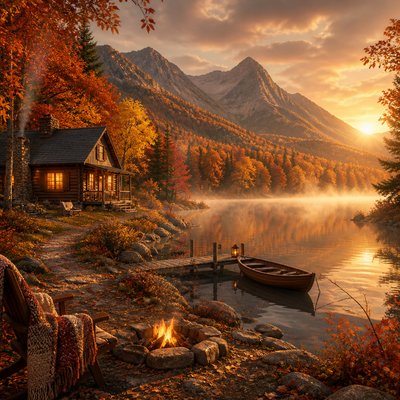
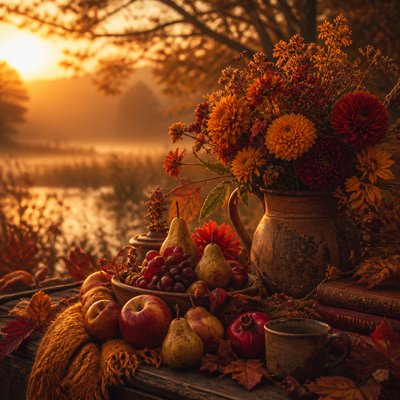
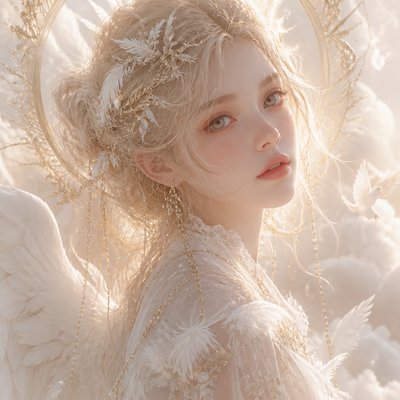
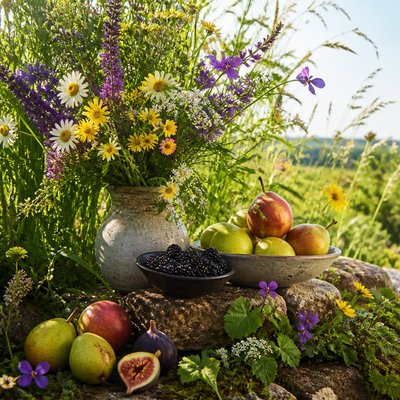
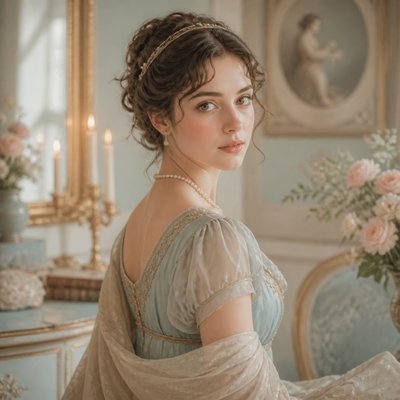
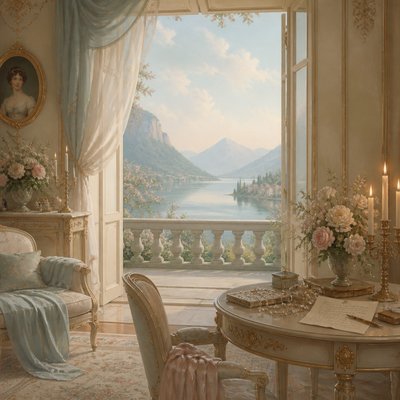
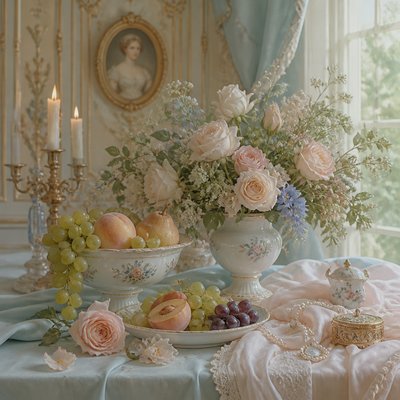
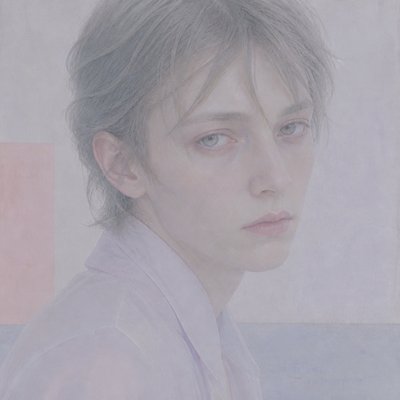
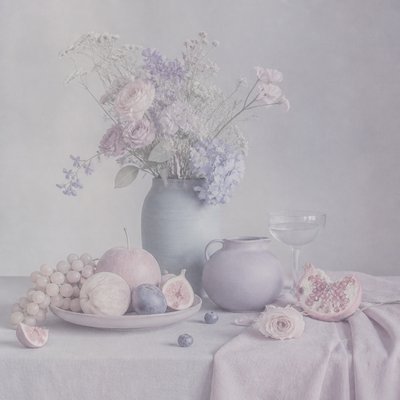
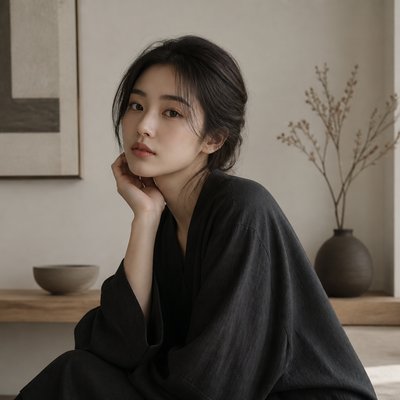
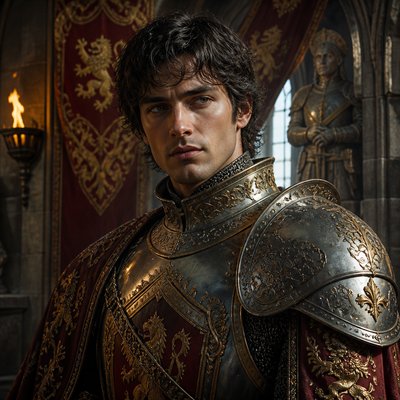
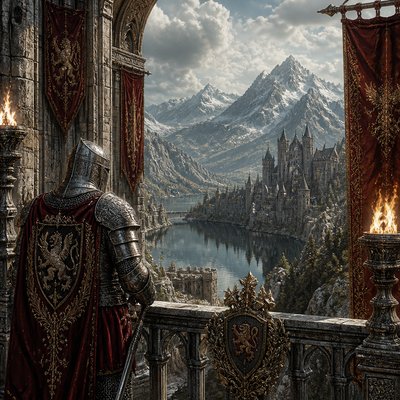
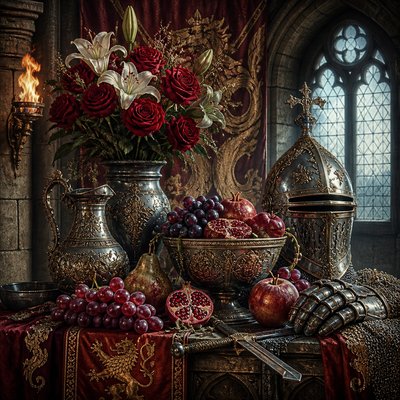
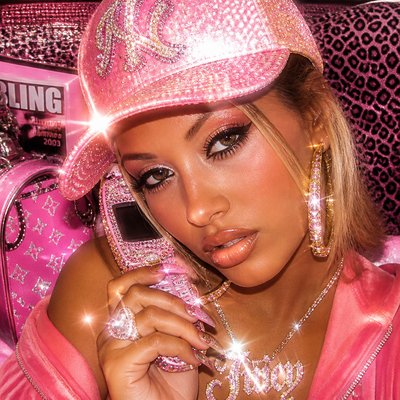
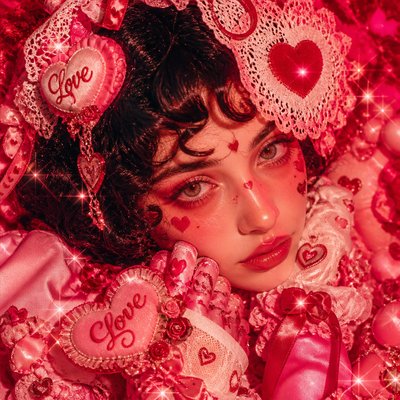
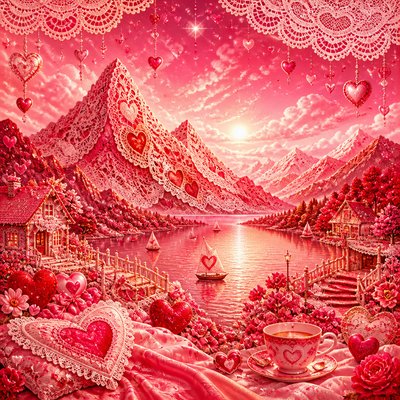
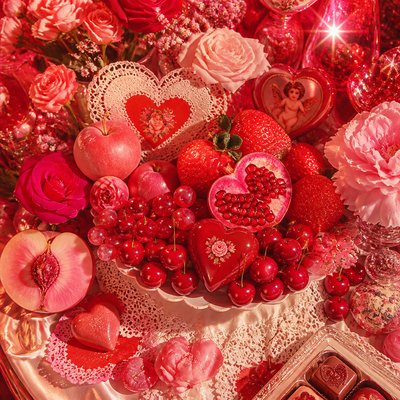
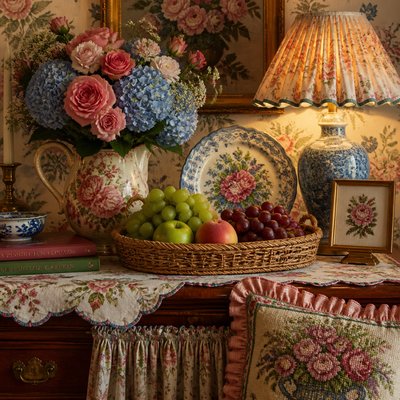
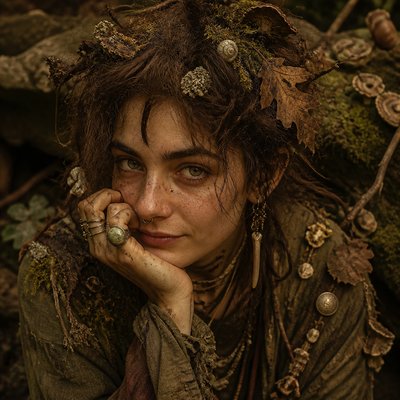
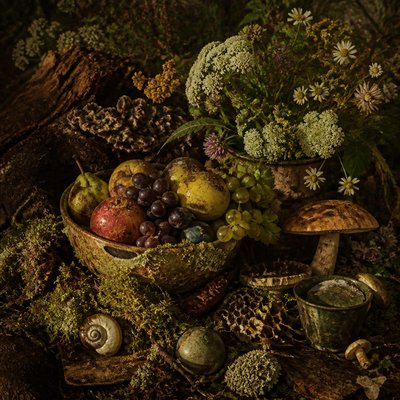
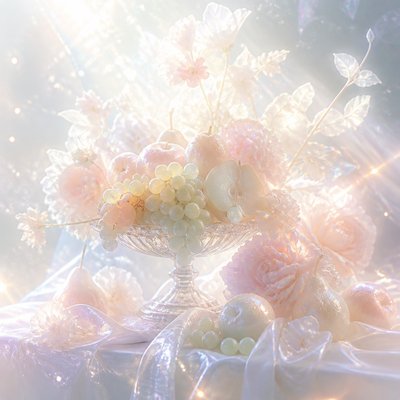
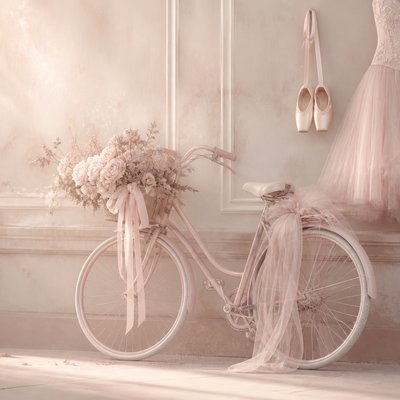
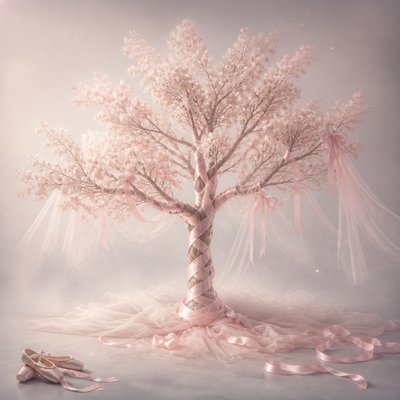
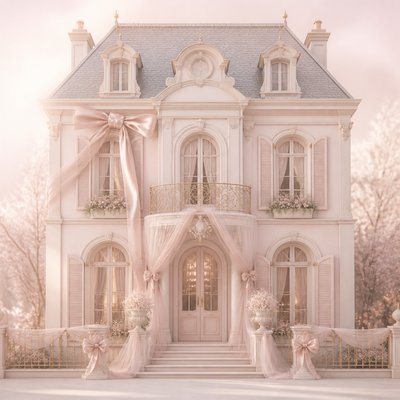
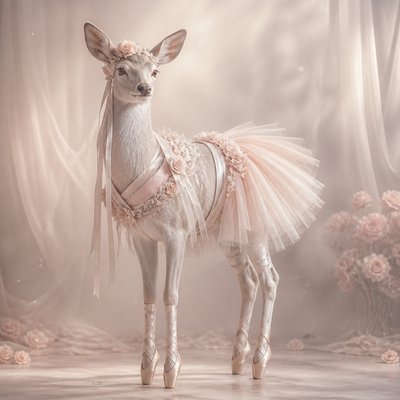
Blush satin, tulle, ribbons, and warm rehearsal light define this graceful, softly luminous aesthetic.
Instantly rendered in Balletcore Aesthetic — or transform a photo
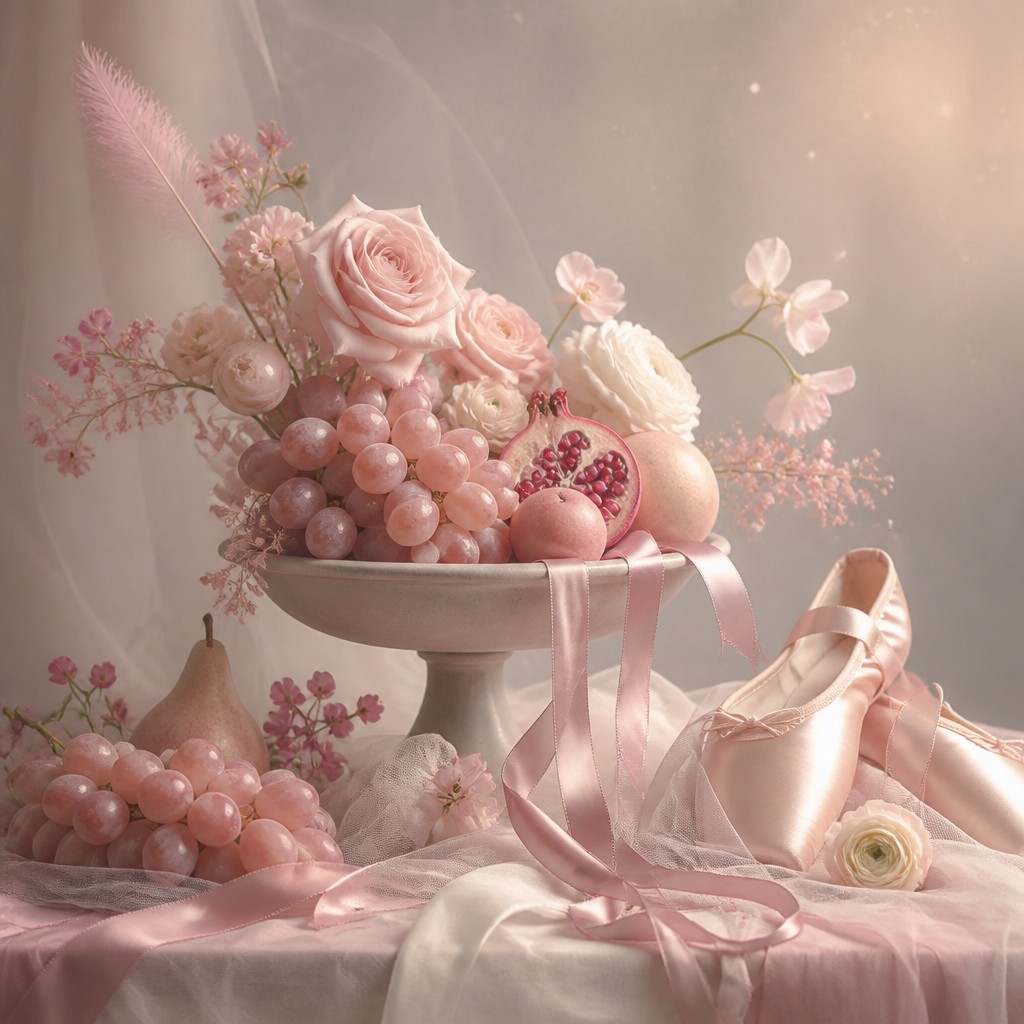
Balletcore Aesthetic Gallery
Tap any artwork to explore it
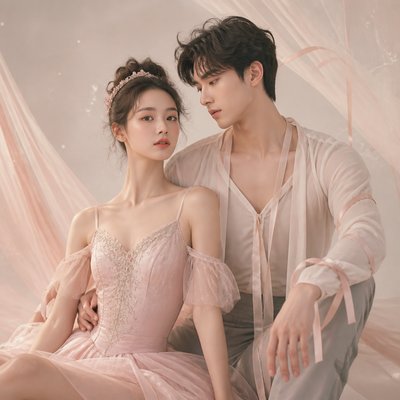
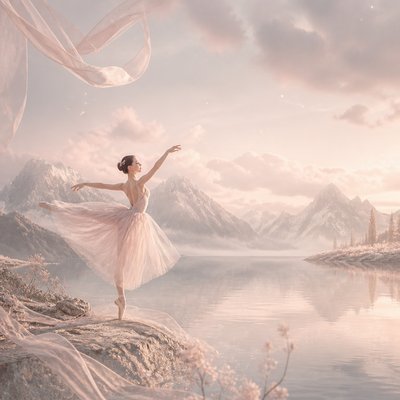
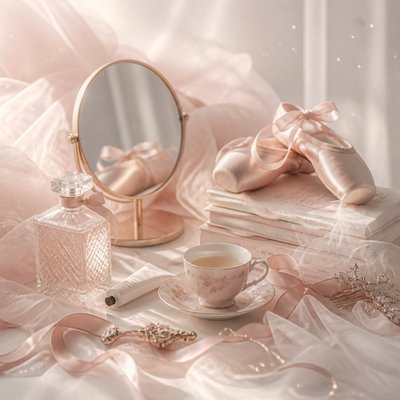
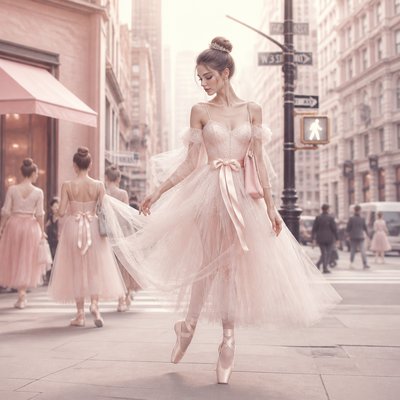
What is Balletcore Aesthetic?
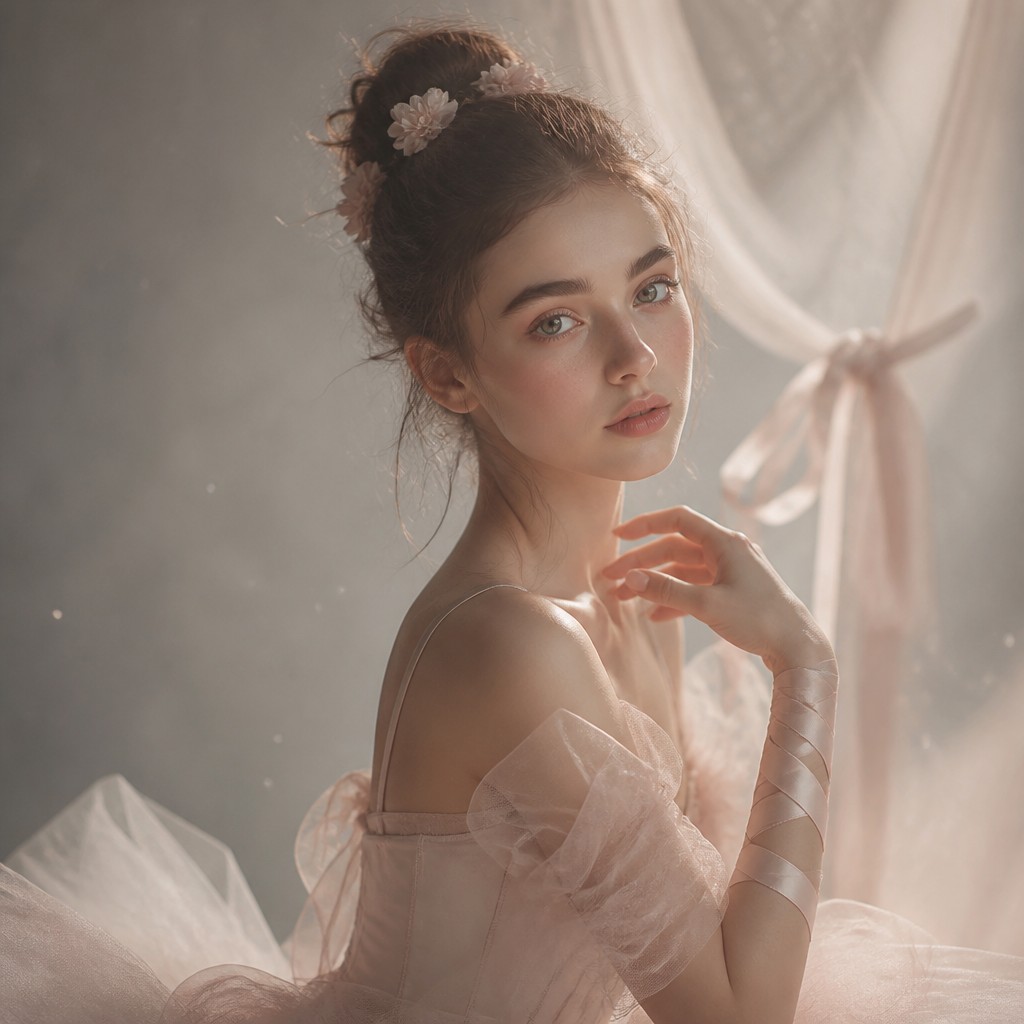
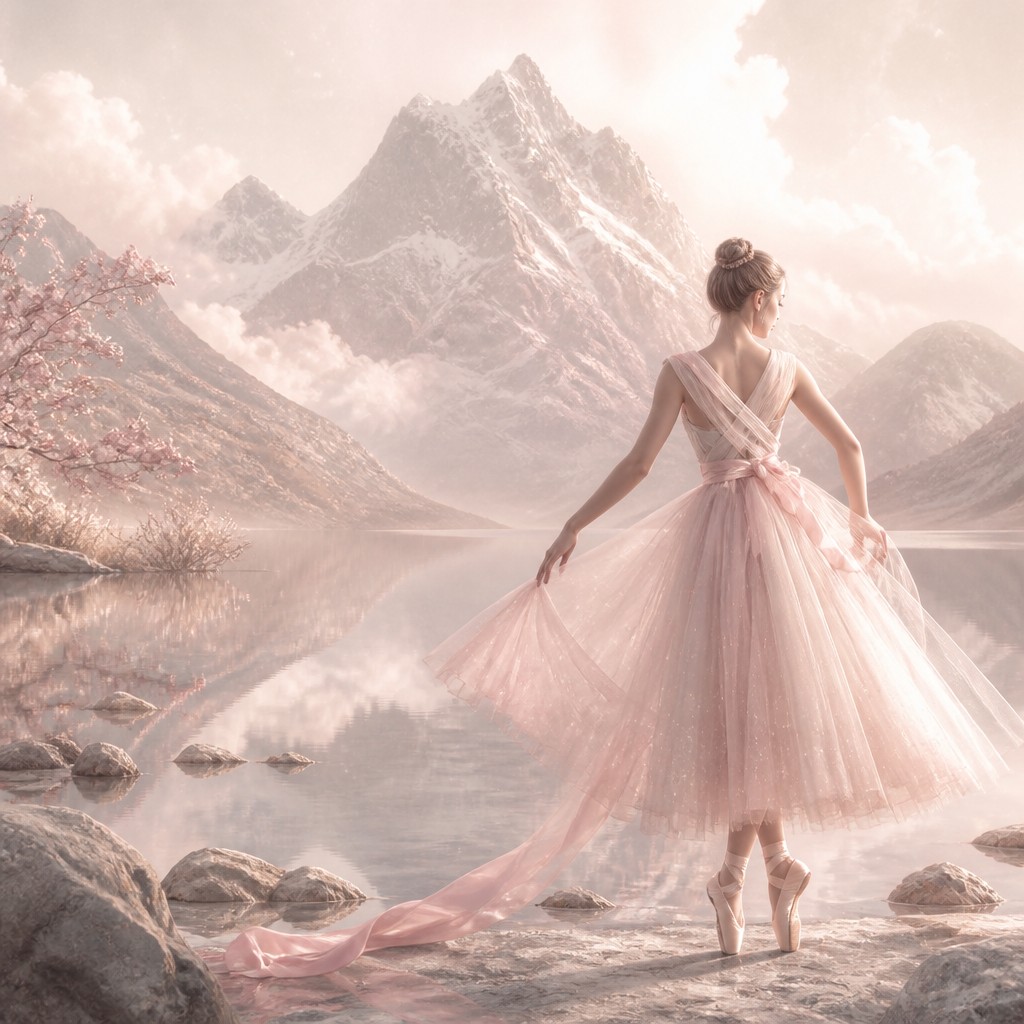
Balletcore Aesthetic is a fashion-and-image style built around the visual language of ballet: blush-toned satin, layered tulle, ribbon ties, wrapped silhouettes, and a sense of disciplined softness. It is less about depicting ballet performance itself than about borrowing its materials, atmosphere, and bodily poise—especially the quiet tension between delicacy and control.
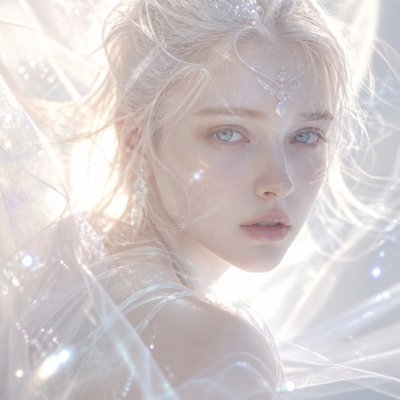
Its look is shaped by warm studio light, pale neutrals, and airy composition. Images in this style often feel weightless and intimate, with gentle haze, subtle sparkle, and a focus on texture: the sheen of satin, the translucency of tulle, the matte softness of skin and fabric, and the neat architecture of bows, slippers, and tied layers.
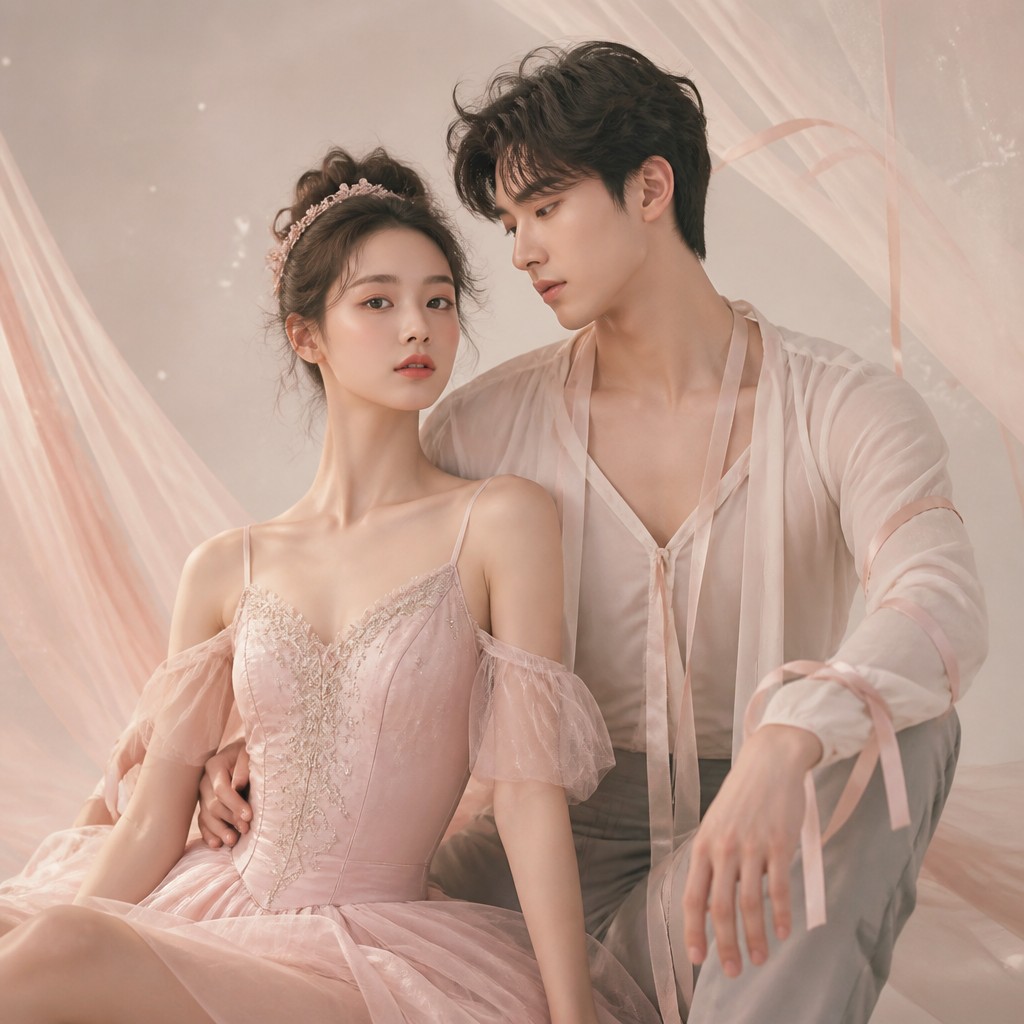
Try It On Your Photos
Upload any photo and convert it into Balletcore Aesthetic — drag the sliders to compare before and after.
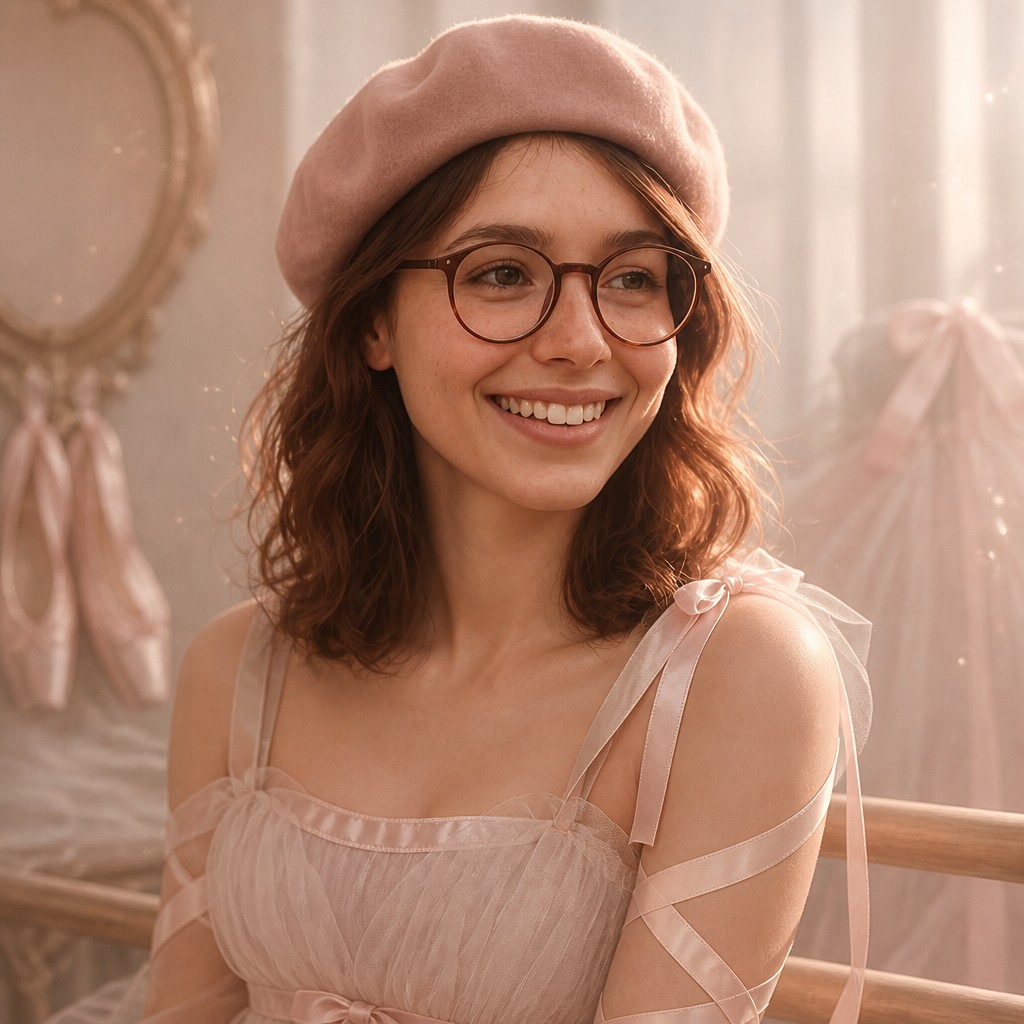

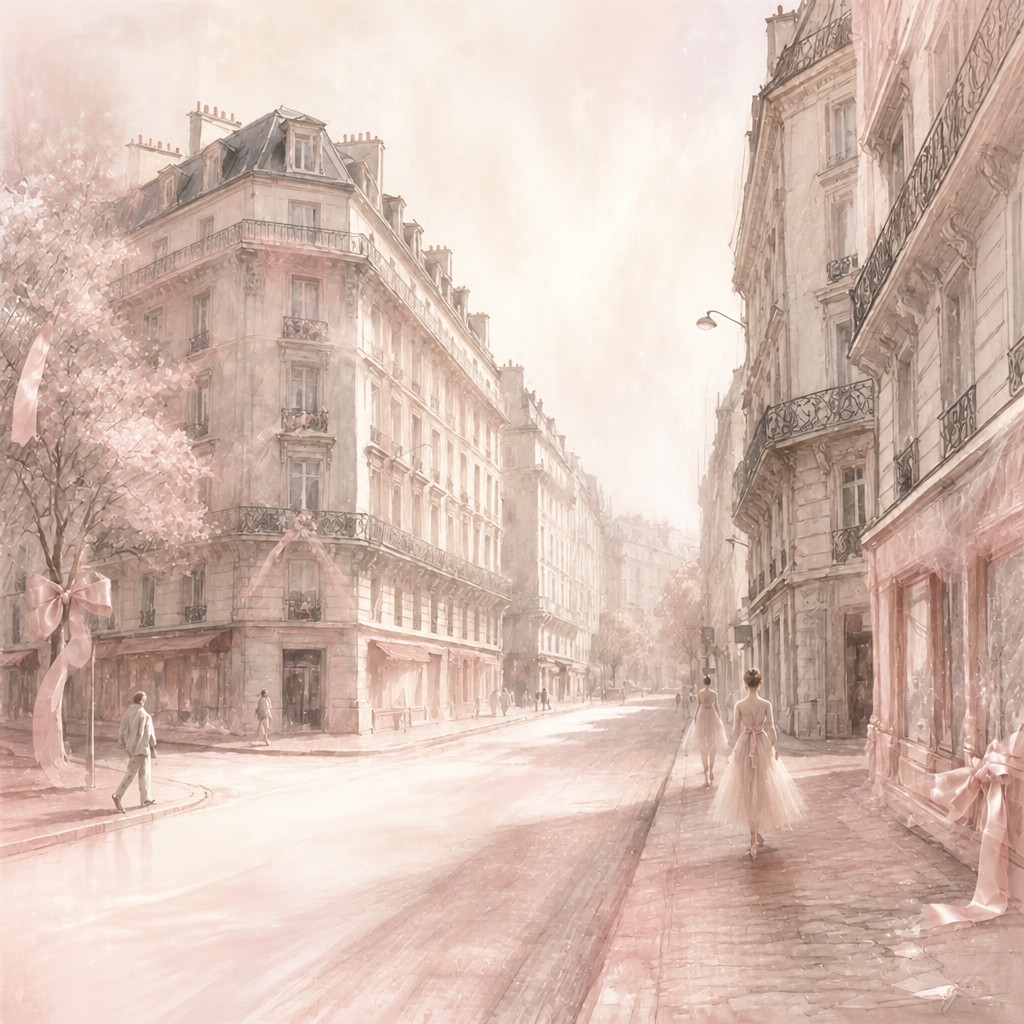

What Defines Balletcore Aesthetic
The signature details, up close
Blush and ivory palette
The color scheme usually centers on powder pink, cream, ivory, dove grey, and soft beige. These muted tones create a calm, intimate atmosphere rather than a high-contrast fashion look.
Satin and tulle textures
Shiny satin and translucent tulle are the core materials of the style. Their contrast—gloss against haze, structure against airiness—gives balletcore much of its visual identity.
Ribbon and wrap details
Bows, tied ribbons, crossed straps, and wrap silhouettes suggest ballet shoes, pointe ribbons, and rehearsal garments. These details add a sense of ritual and precision.
Poised, disciplined composition
Poses and layouts often feel controlled, elegant, and balanced. Negative space is important, helping the subject appear light and composed rather than crowded.
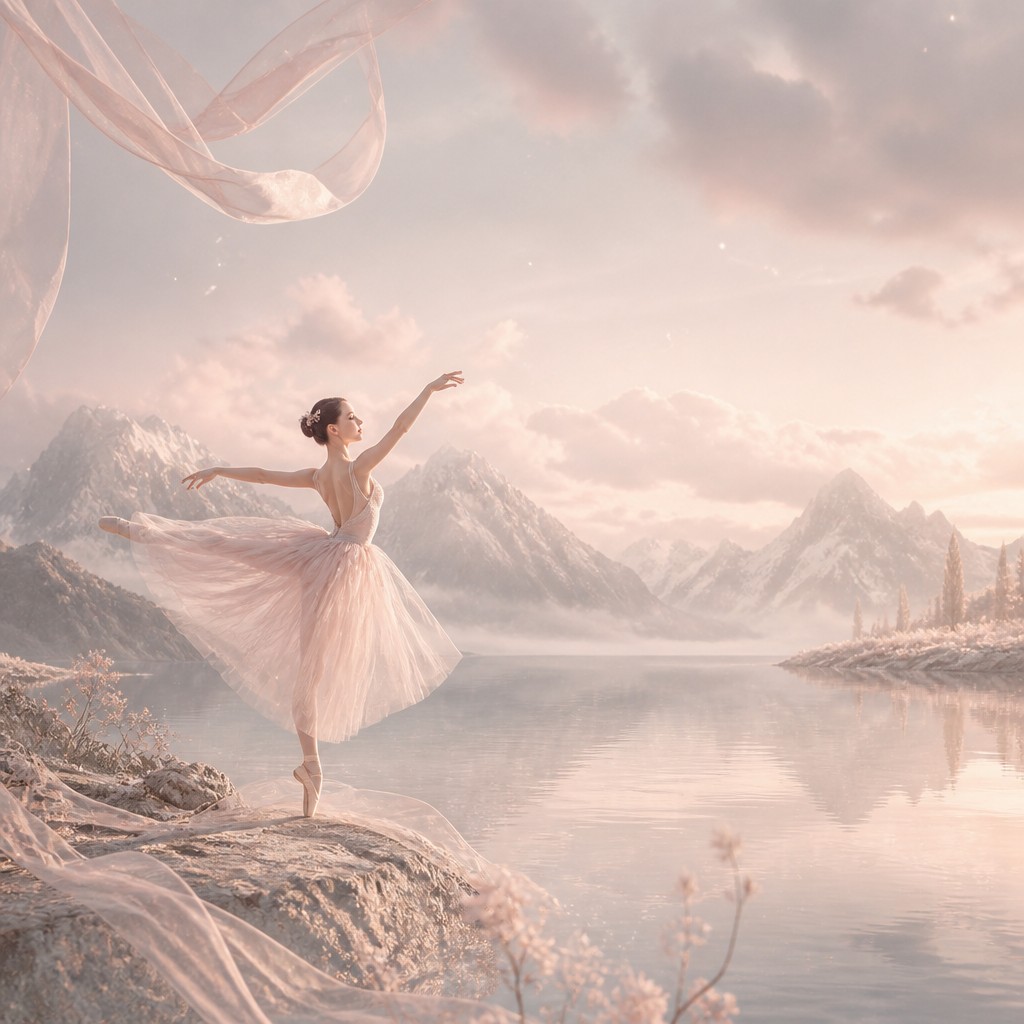
Warm rehearsal lighting
Soft diffused light, often with a slight golden cast, evokes dance studios and backstage spaces. The lighting emphasizes gentle shadows and a quiet, lived-in warmth.
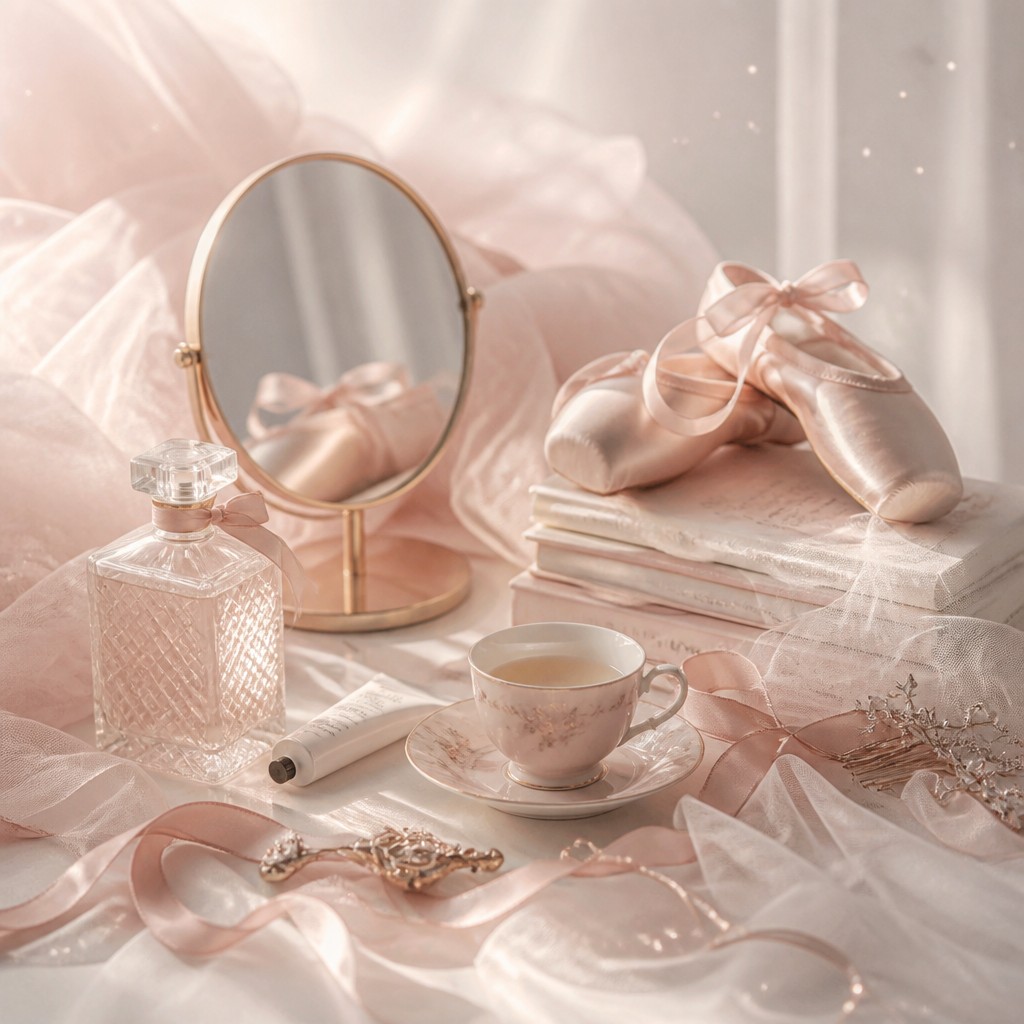
Stage-dust sparkle
A faint glitter, haze, or dust-like shimmer can appear in fabrics, air, or highlights. This gives the image a subtle theatrical finish without becoming overtly flashy.
Try It
Create Videos in Balletcore Aesthetic
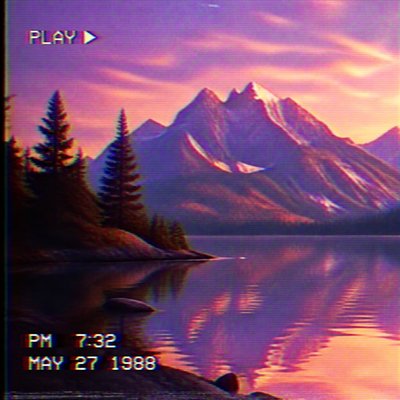
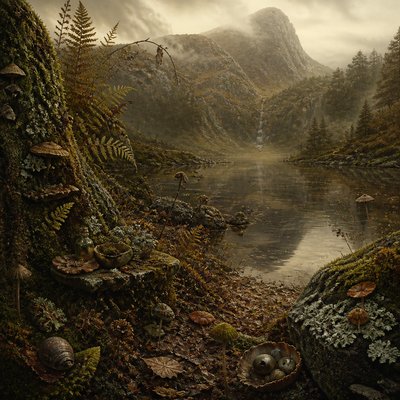
Styles aren't just for stills — describe a scene or animate an image and get a short video rendered in Balletcore Aesthetic. Press play to see this pond come to life.
Make a VideoBalletcore Aesthetic Prompt Ideas
Start from an idea — each one opens the generator with the style ready to go. See all 40 Balletcore Aesthetic prompts →
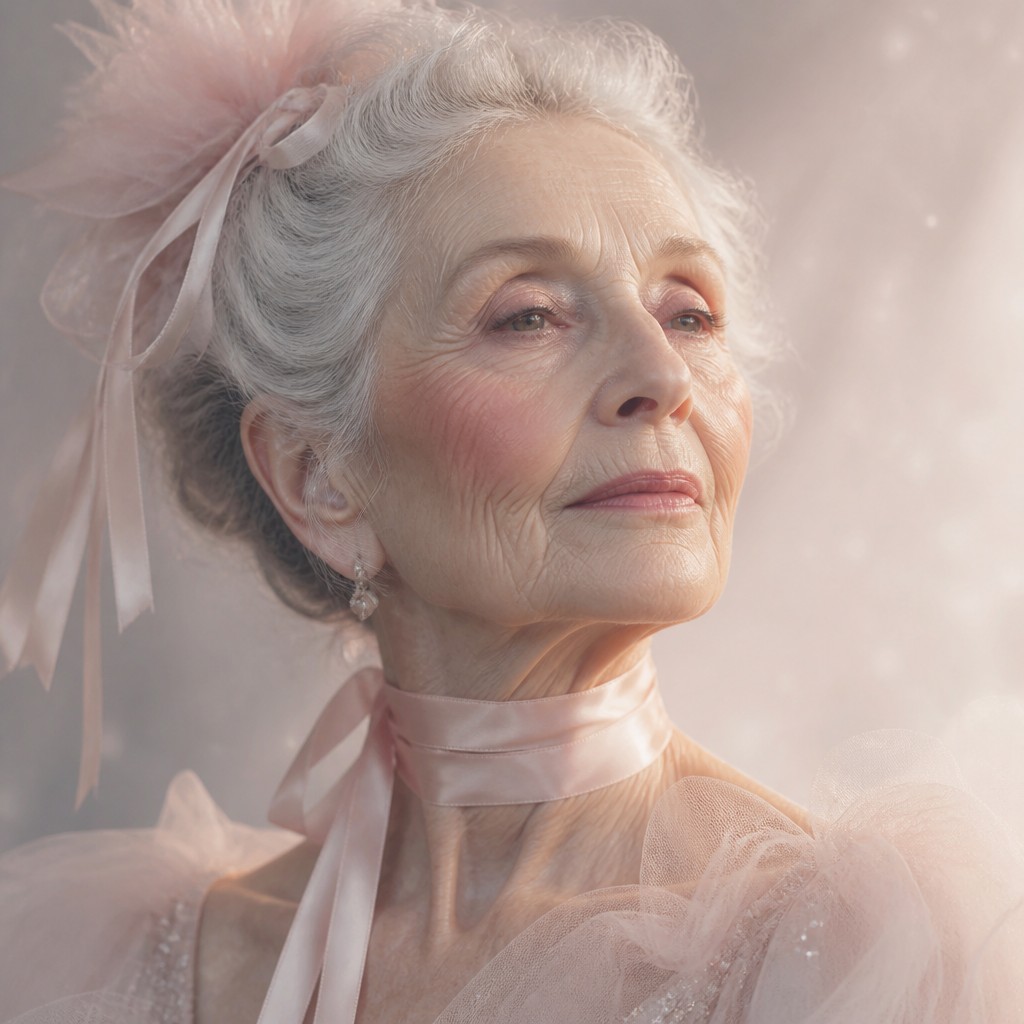
“close-up portrait of an elderly person with expressive weathered features”
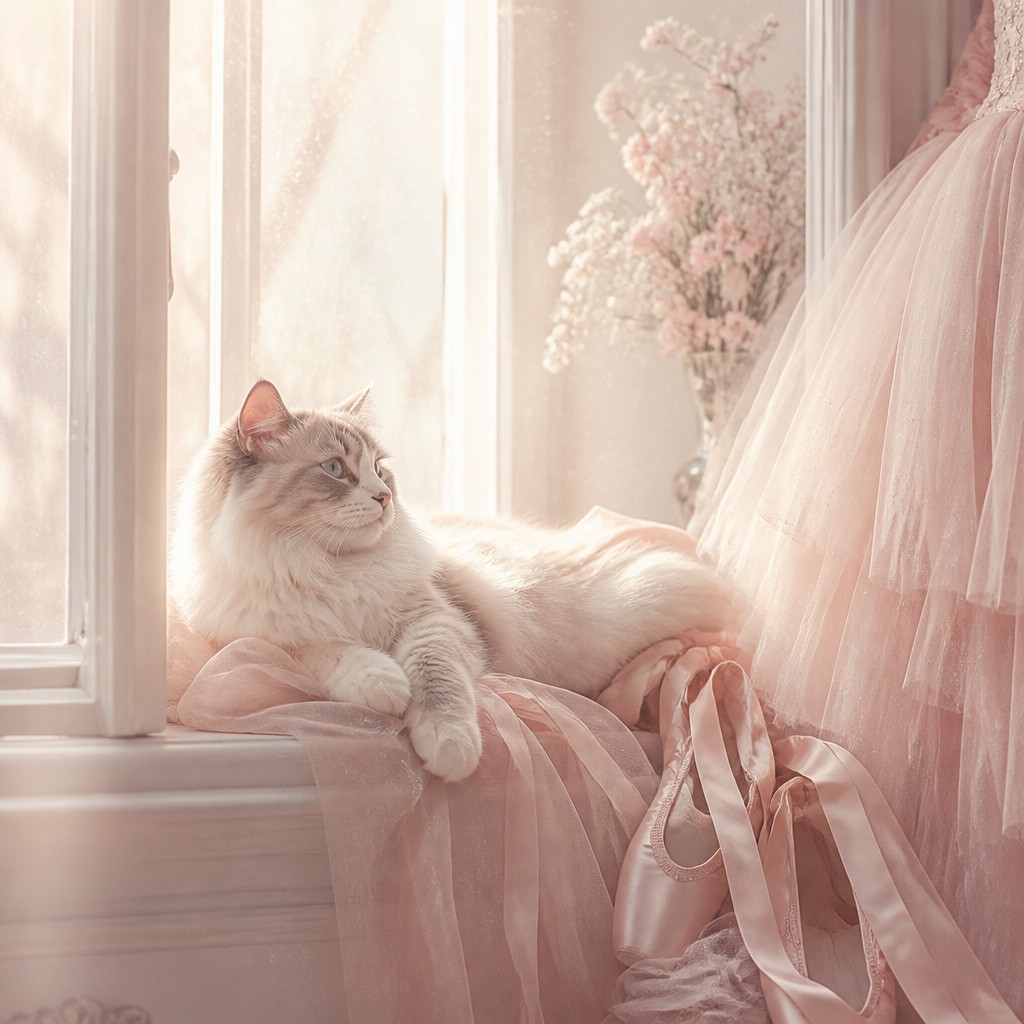
“a cat lounging in a sunlit window”
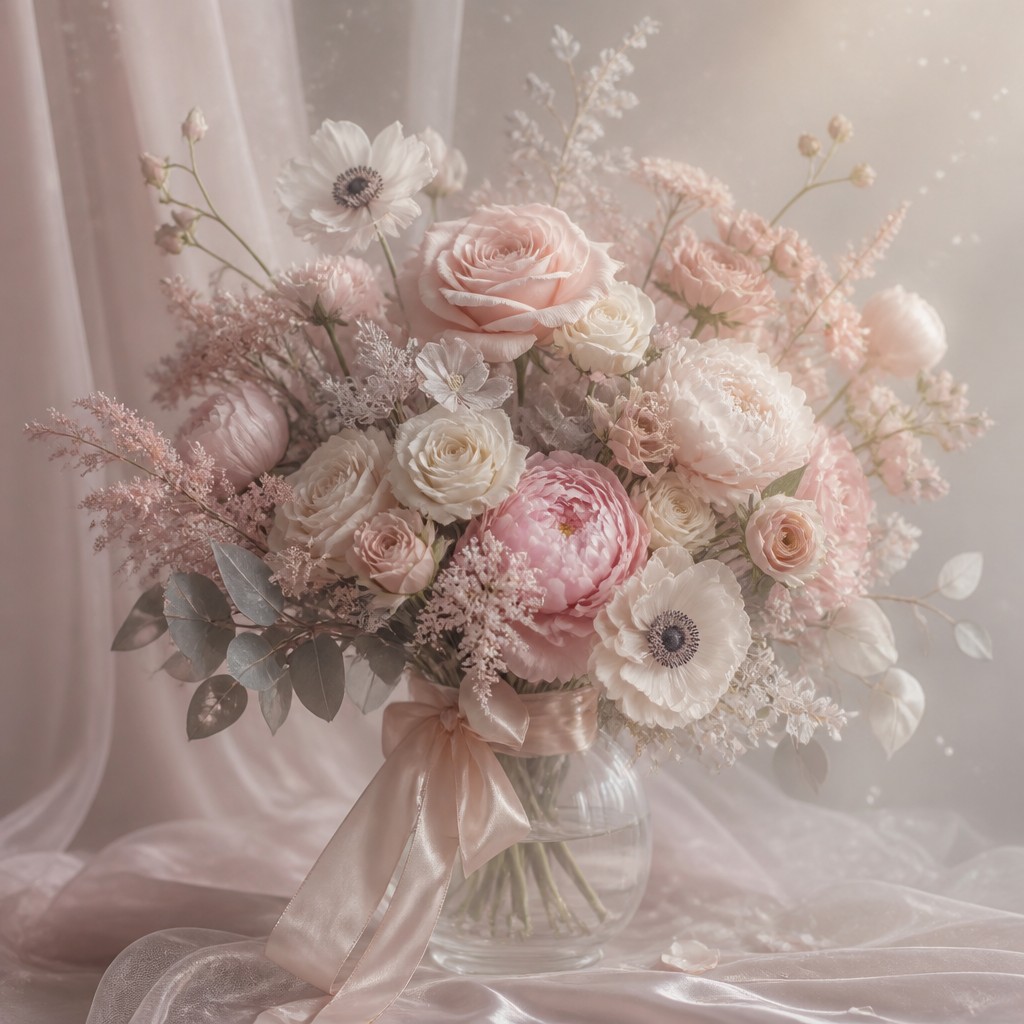
“bouquet of flowers in a glass vase”
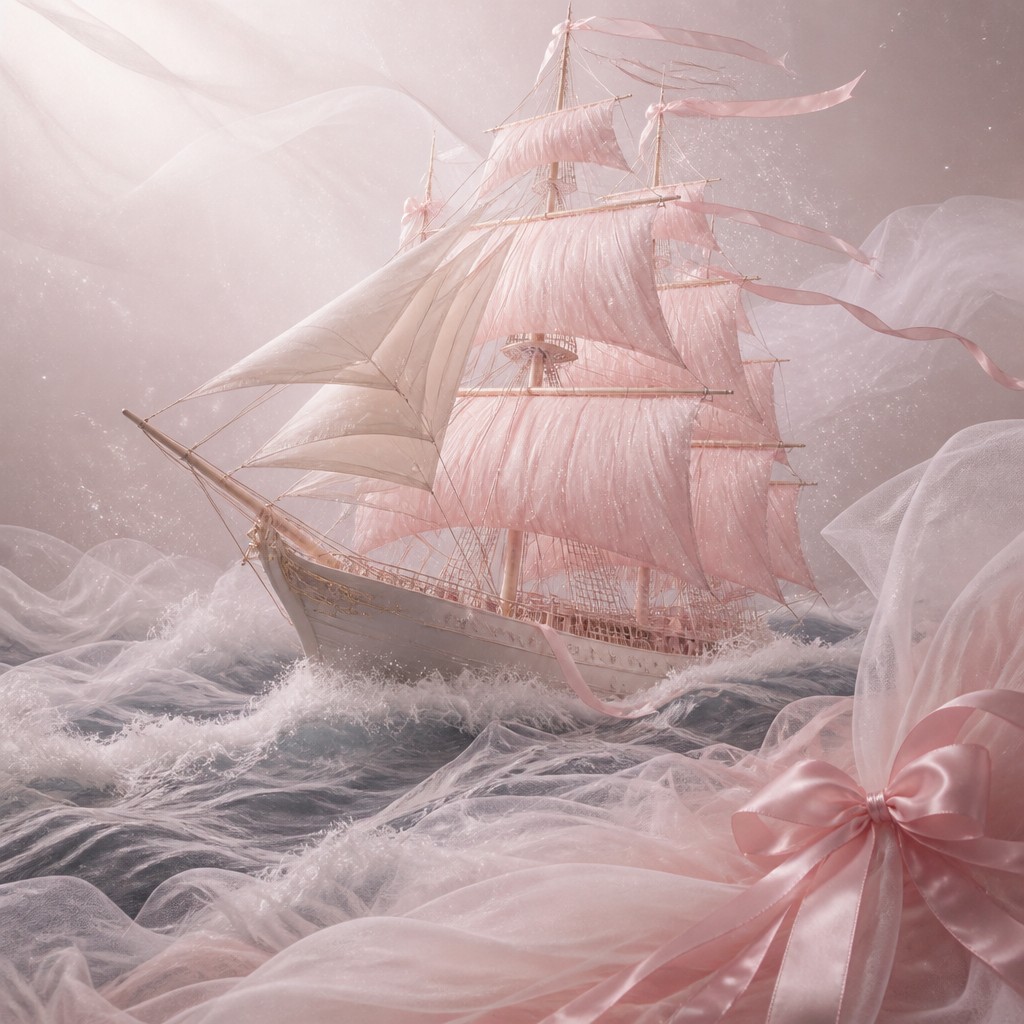
“sailing ship on a stormy sea”
How to Create Balletcore Aesthetic Art
Master the craft step by step — or skip straight to creating. Read the full guide →
- 1
Build the palette first
Use a restrained range of blush pink, ivory, soft grey, and pale nude tones. If working traditionally, choose matte pastels and translucent layering; in digital work, keep saturation low and highlights soft.
- 2
Prioritize fabric texture
Show satin sheen, tulle transparency, and ribbon edges clearly, because the style depends on tactile surfaces. Close attention to folds, gathers, and layered hems makes the image feel authentic.
- 3
Use elegant, restrained posing
Whether drawing a figure or staging a photo, aim for upright posture, turned-out lines, and balanced hand placement. Avoid overly dramatic gestures; balletcore reads best when the body looks disciplined and quiet.
- 4
Light it like a studio rehearsal
Diffuse the light so shadows stay soft and the scene feels warm and intimate. Backlighting, haze, and mild bloom can help create the airy, reflective mood associated with dance studios and backstage dressing rooms.
- 5
Compose with negative space
Leave room around the subject so the silhouette feels graceful and unburdened. In prompt-based generation, specify airy composition, warm diffused studio light, and delicate poised framing for a clearer result.
- 6
Reference ballet elements sparingly
Use slippers, wrap cardigans, ribbons, rosettes, barre-adjacent props, or rehearsal mirrors as accents rather than clutter. Too many literal ballet props can make the image feel costume-like instead of aesthetic.

The Story
History & Origins of Balletcore Aesthetic
Balletcore does not come from a single historical art movement; it is a contemporary aesthetic that draws from ballet culture, dancewear, and the broader fashion tendency to translate performance costume into everyday style. Its visual roots lie in the long history of stage costume design, rehearsal photography, and the romanticized public image of ballet that developed in the 19th and 20th centuries.
As an online aesthetic, balletcore emerged from social media fashion and image-making, where references to ballet slippers, wrap sweaters, leotards, tulle skirts, and pale pink palettes were combined into a coherent mood. It also overlaps with cottagecore, coquette, and soft feminine fashion trends, but remains distinct through its emphasis on studio discipline, poised bodily lines, and the material vocabulary of dance.
Influences: Balletcore draws from classical ballet costume and rehearsal culture, as well as fashion traditions that romanticize softness and femininity. It shares visual territory with Rococo-inspired pastels, contemporary coquette aesthetics, and the gentle domestic mood of cottagecore, but its emphasis on posture, wrapped garments, and studio light links it most directly to dance imagery and stagecraft rather than to historical painting alone.

Frequently Asked Questions
What defines Balletcore Aesthetic?
Balletcore is defined by ballet-inspired materials, colors, and shapes: blush tones, satin, tulle, ribbon ties, and clean, poised composition. The overall effect is soft and romantic, but also disciplined, as if it were shaped by rehearsal rather than fantasy.
Is balletcore the same as coquette or coquettecore?
Not exactly. Coquette styles usually emphasize flirtation, bows, lace, and playful femininity, while balletcore is more rooted in dancewear, studio atmosphere, and bodily discipline. They can overlap in color and mood, but balletcore is more minimal, airy, and performance-based.
What colors work best in this style?
The most typical palette includes blush pink, ivory, cream, dove grey, and pale nude tones. Small accents of soft gold, pearl, or silver can work, but the style usually depends on low saturation and a luminous, restrained finish.
How do I make a photo look balletcore?
Use soft warm lighting, pale fabrics, ribbon details, and a clean background with plenty of space around the subject. Pose the figure with gentle alignment and subtle elegance, then soften contrast and highlight fabric texture in post-processing.
What subjects are common in balletcore images?
Common subjects include dancers, studio interiors, pointe shoes, wrapped garments, mirrors, chairs, and still lifes of fabric and ribbon. Fashion portraits and quiet bedroom scenes also fit well if they keep the same delicate palette and poised mood.
Where is balletcore used?
It appears in fashion photography, editorial styling, social media imagery, interiors, branding, and romantic portraiture. It is especially effective anywhere a soft, polished, feminine atmosphere is desired without becoming ornate or heavily decorative.

Create your first Balletcore Aesthetic artwork
Describe anything — or upload a photo — and see it in Balletcore Aesthetic in seconds.
Make Something with Balletcore Aesthetic
Related Styles
Discover similar art styles