Americana Aesthetic
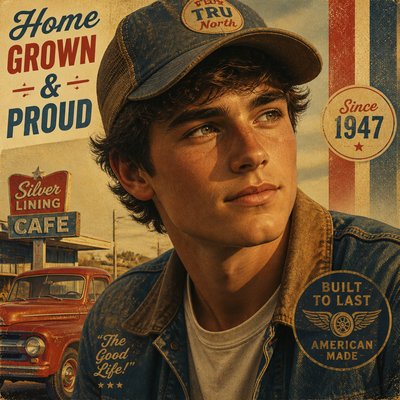
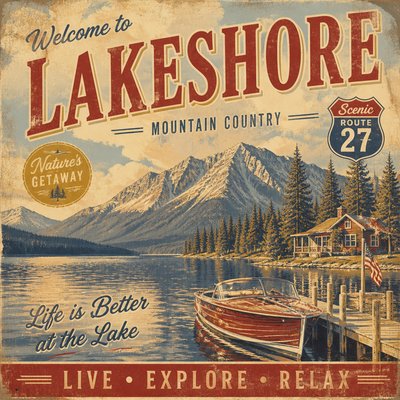
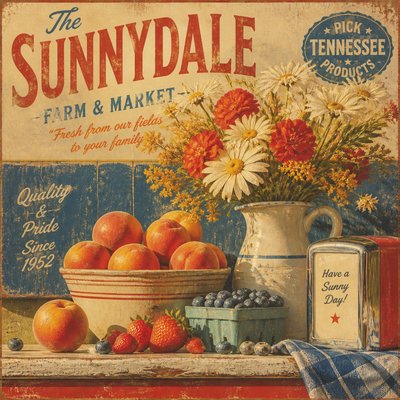
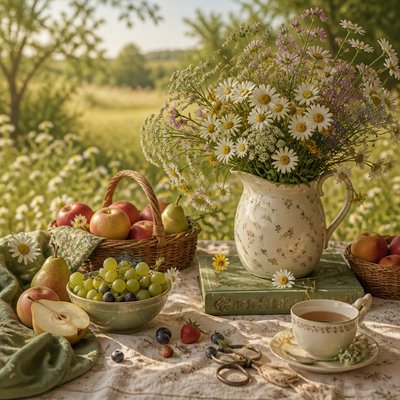
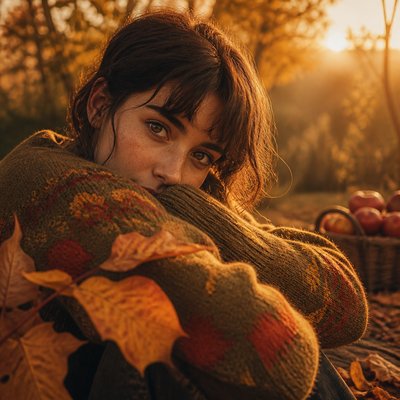
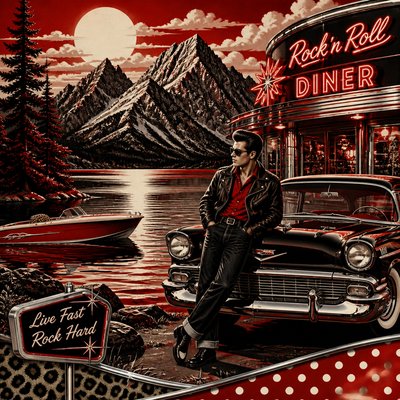
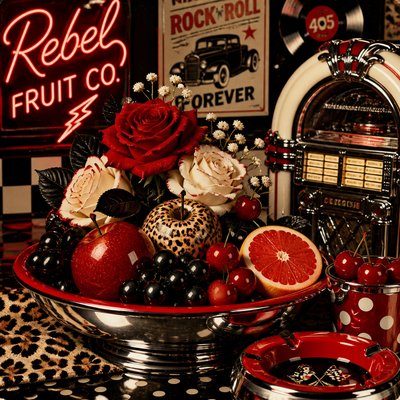
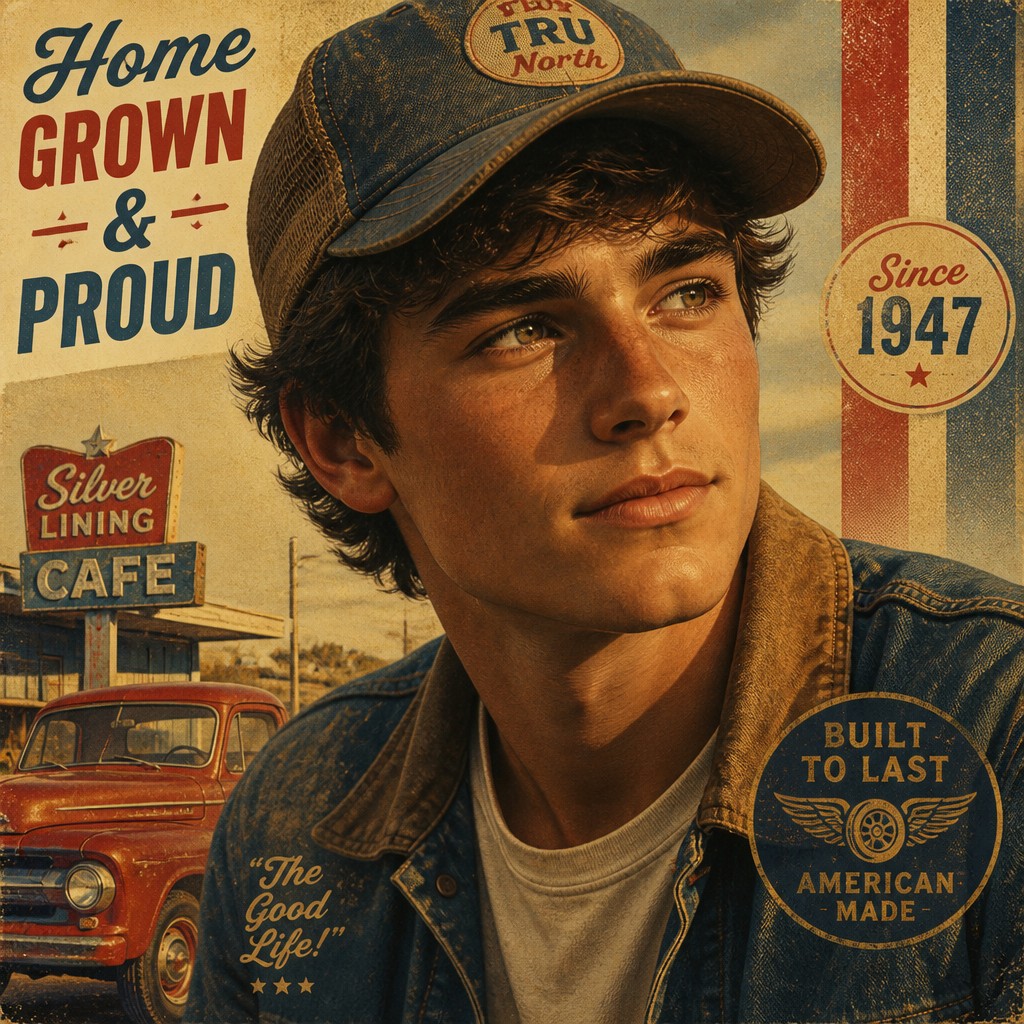
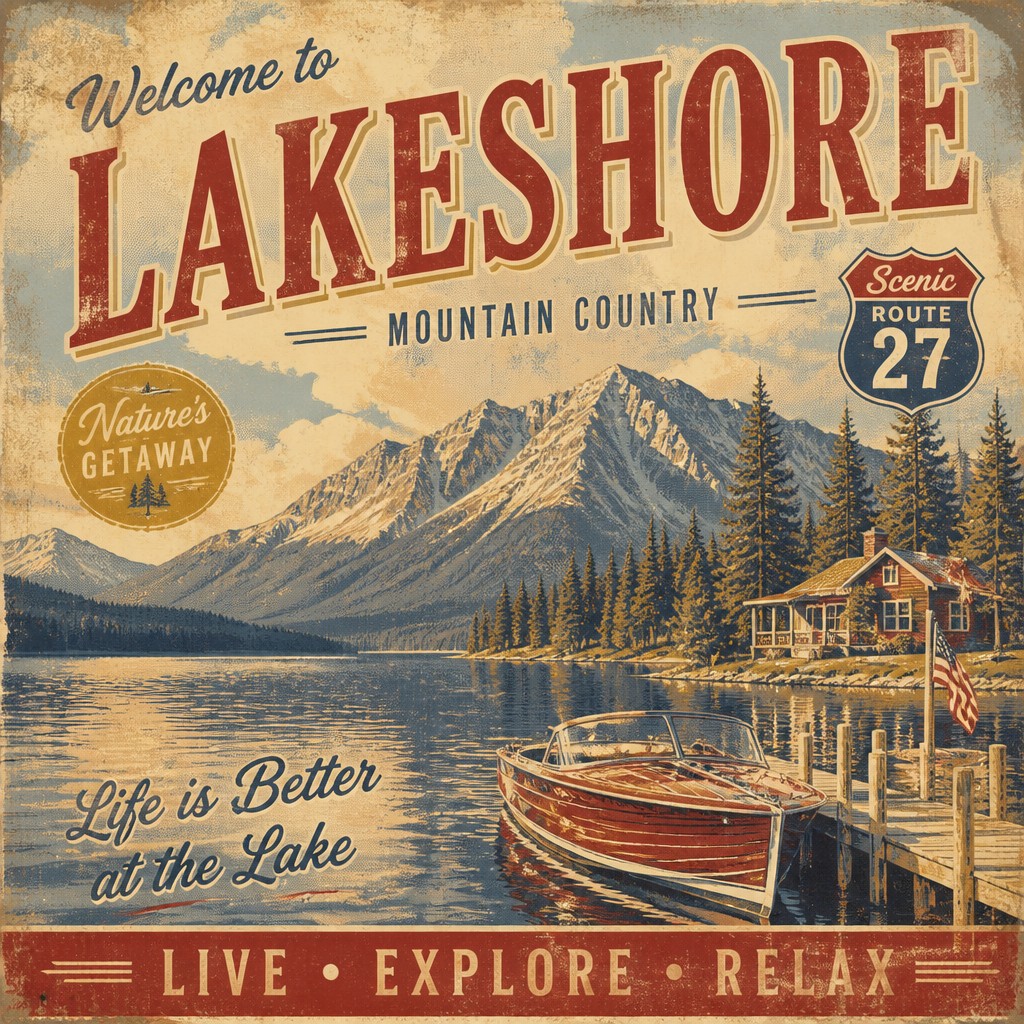
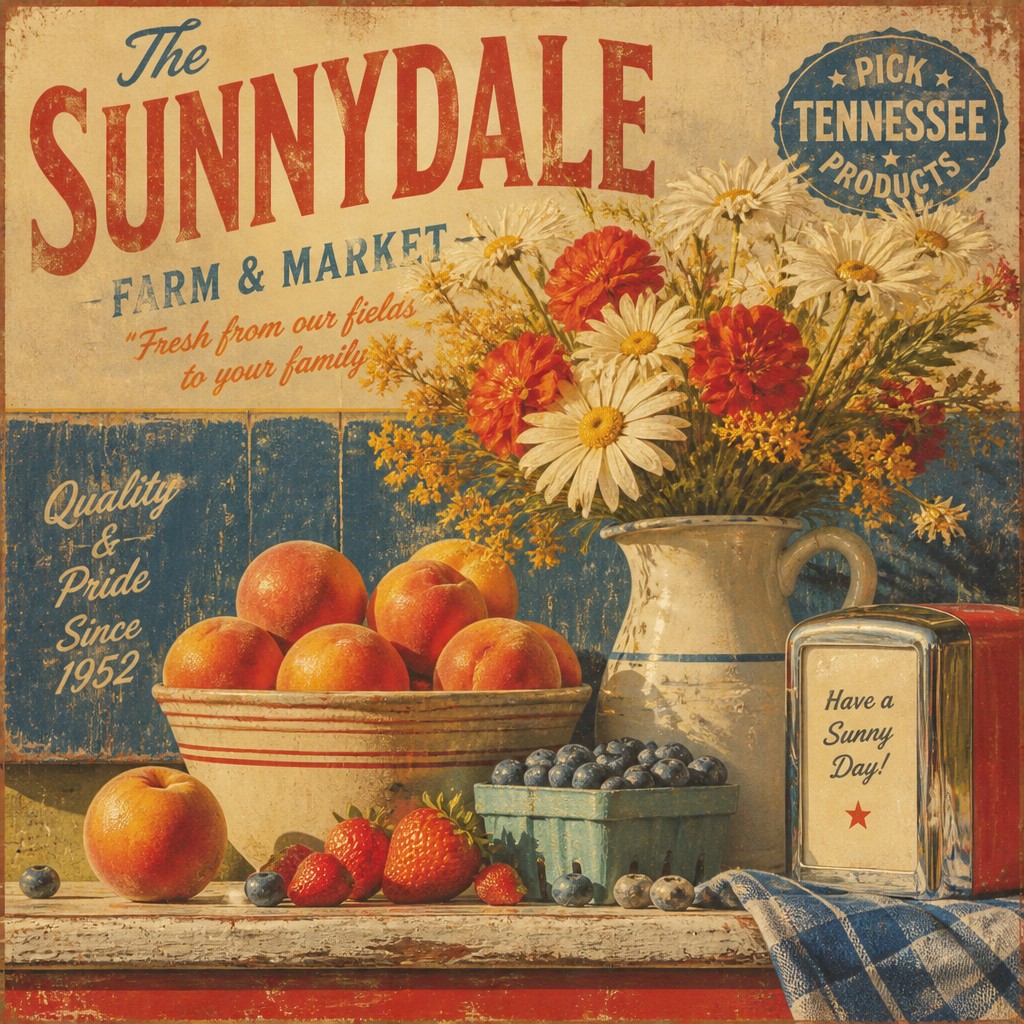
Faded red, white and blue nostalgia with diner chrome, denim textures, warm sunlight, and small-town Americana imagery.
Instantly rendered in Americana Aesthetic — or transform a photo
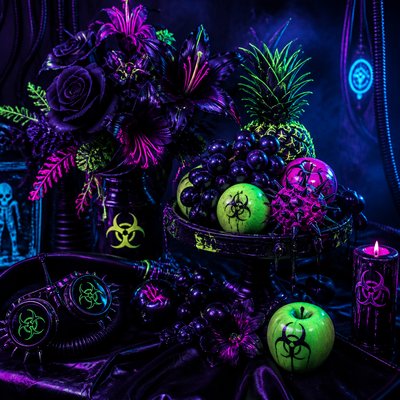
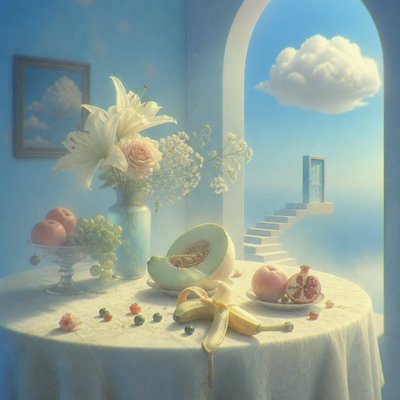
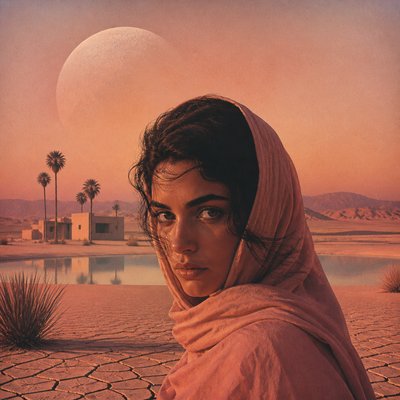
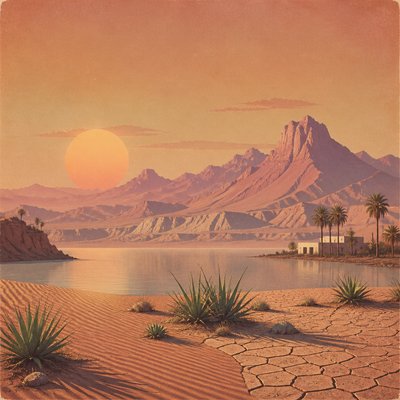
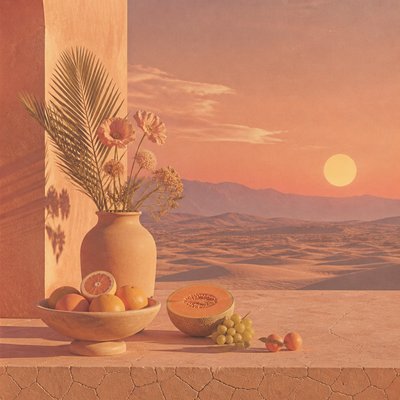
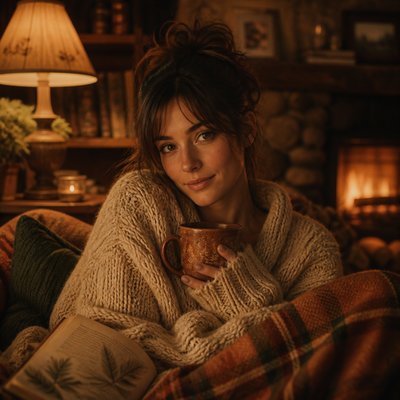
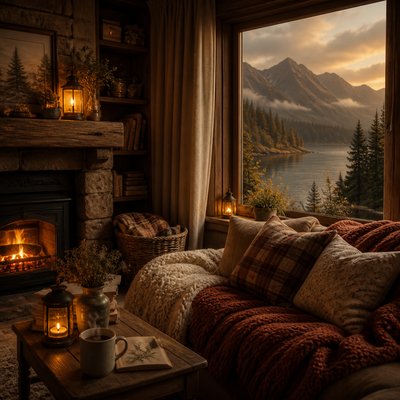
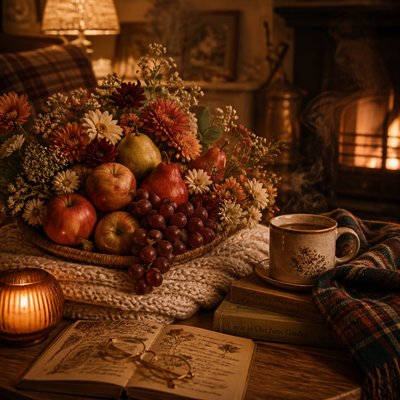
Americana Aesthetic Gallery
Tap any artwork to explore it
What is Americana Aesthetic?
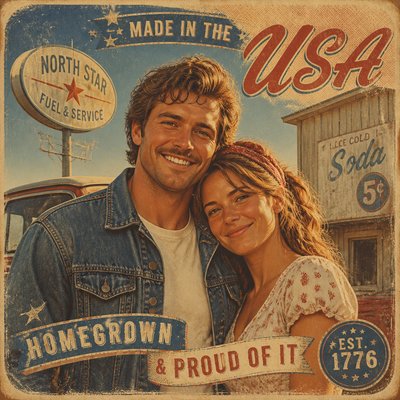
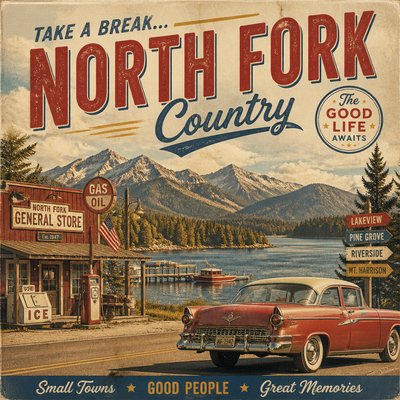
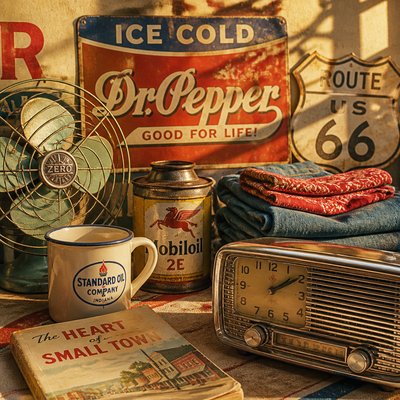
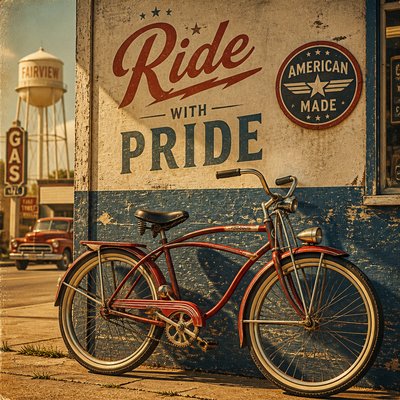
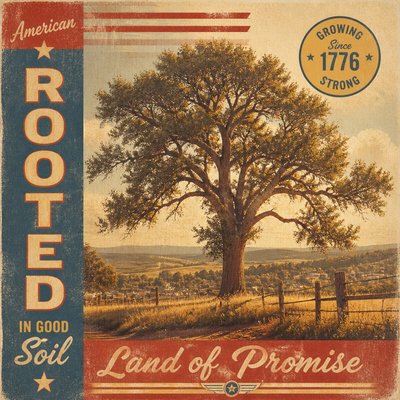
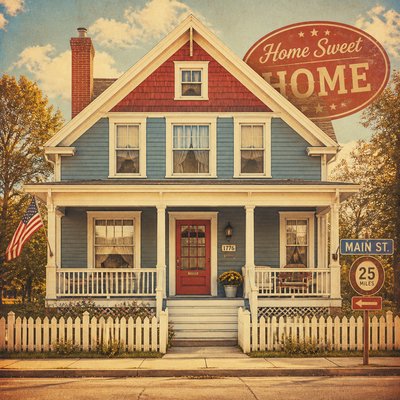
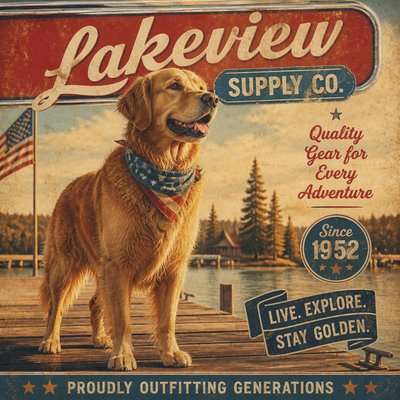
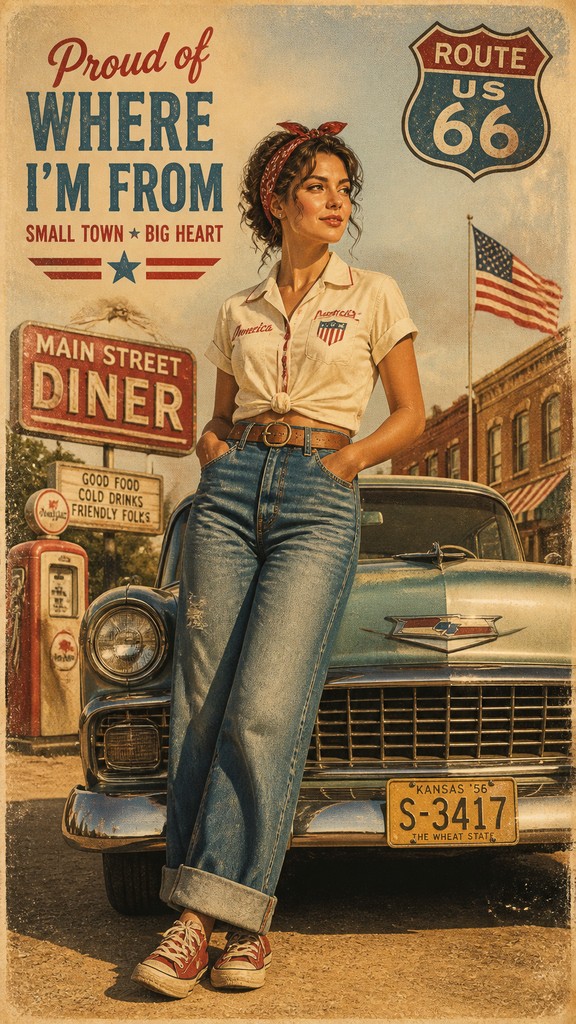
Americana Aesthetic is a nostalgic visual style built from the imagery of mid-century roadside America, small-town summer life, and patriotic color symbolism. Its palette usually centers on faded red, cream white, and denim blue, often softened by mustard, chrome silver, and sun-bleached neutrals. The look feels familiar rather than exact: weathered paint, worn cotton, printed halftone, and film-grain haze give it the impression of a remembered postcard or a vintage advertisement preserved in warm afternoon light.
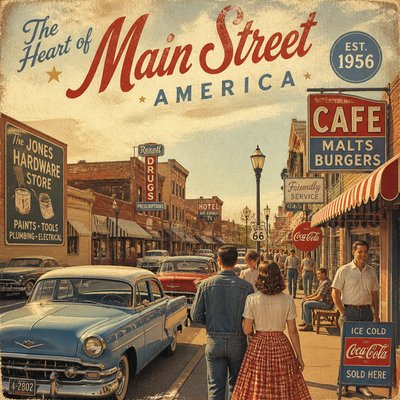
The style’s identity comes from the everyday visual culture of diners, gas stations, farm towns, county fairs, pickup trucks, motel signage, and classic workwear. Rather than depicting a specific historical period, it gathers motifs associated with postwar American optimism, roadside design, and domestic rural pride. As a result, Americana Aesthetic often reads as wholesome, sentimental, and lightly faded by time, balancing patriotism with ordinary texture and lived-in warmth.
Try It On Your Photos
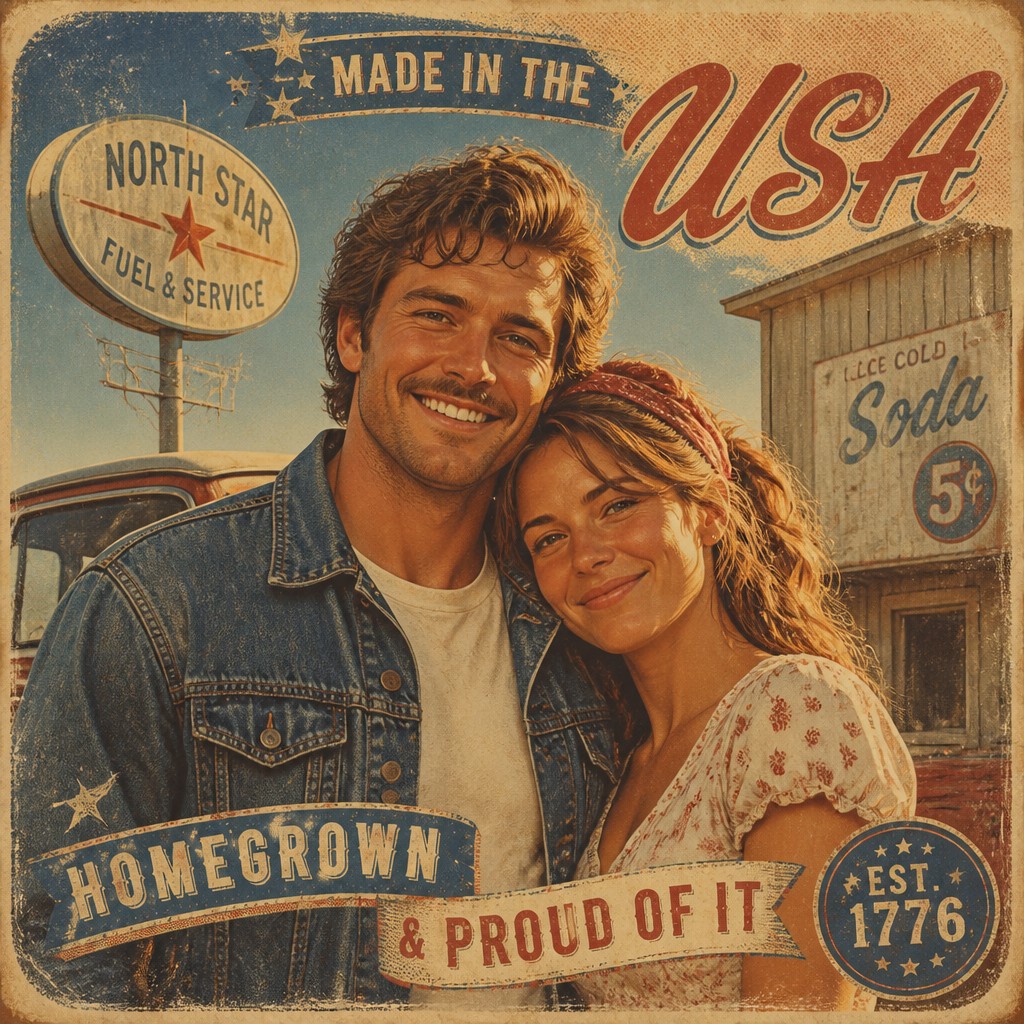
Upload any photo and convert it into Americana Aesthetic — drag the sliders to compare before and after.


What Defines Americana Aesthetic
The signature details, up close
Faded patriotic palette
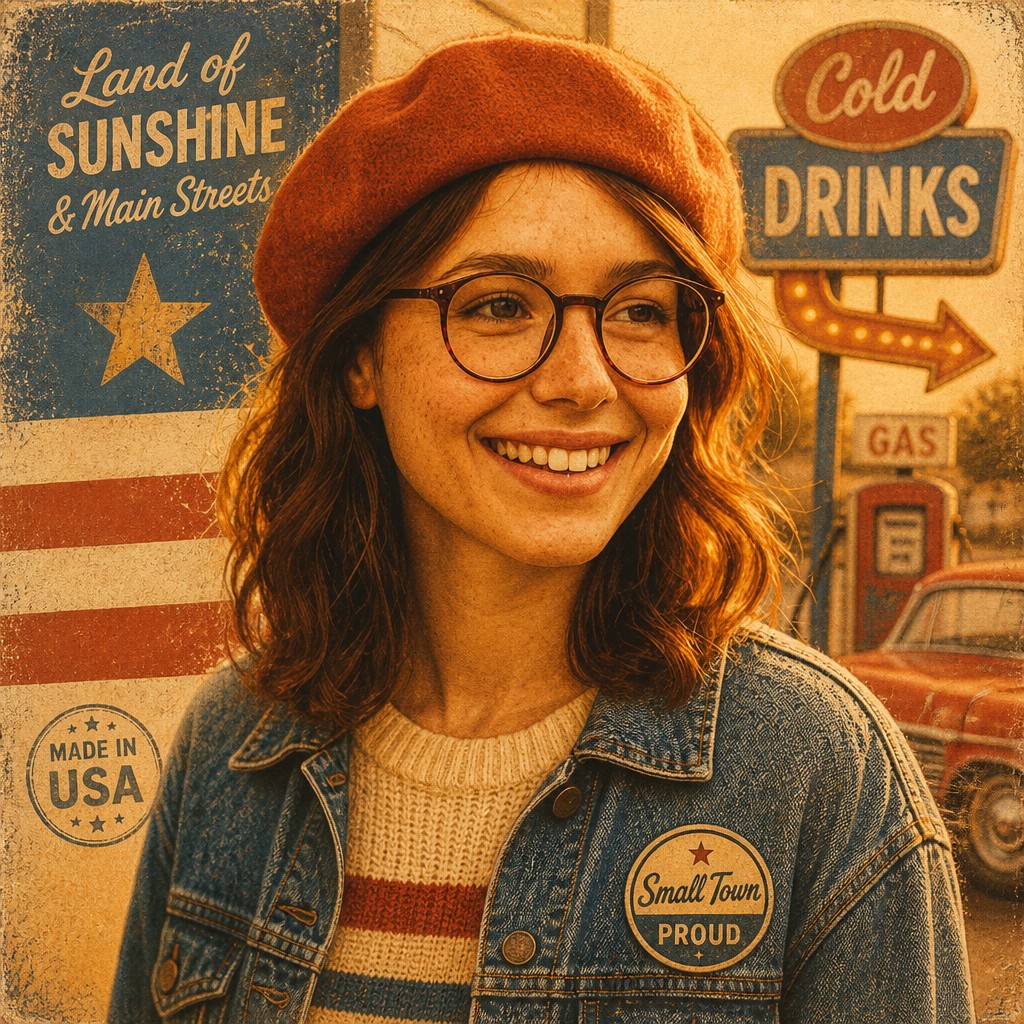
The most recognizable colors are washed red, cream white, and denim blue, often supported by muted mustard or chrome silver. The tones are rarely saturated; they look sun-aged, printed on aged paper, or softened by repeated use.
Small-town and roadside motifs
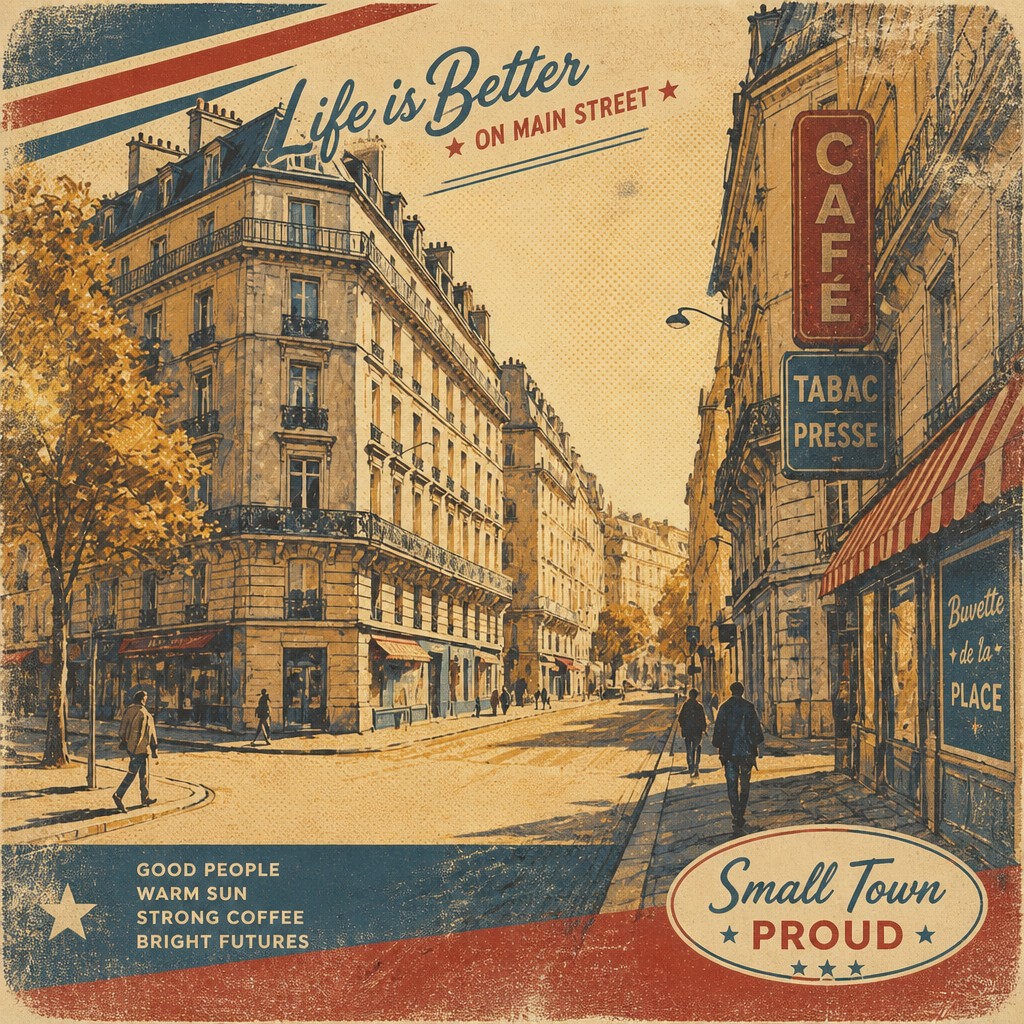
Classic subjects include diners, motels, pickup trucks, barns, general stores, flag bunting, and roadside signage. These elements signal ordinary American life rather than grand national iconography.
Weathered material textures
Surfaces often look worn, cracked, brushed, or faded, with paint chips, scuffed metal, and soft fabric grain. Cotton, denim, enamel, and chrome are especially common material cues.
Mid-century graphic language
Bold signage, block lettering, badges, stripes, stars, and simple pictorial symbols give the style a poster-like clarity. Halftone print effects and vintage ad composition are frequently used to reinforce the period feel.
Golden-hour nostalgia
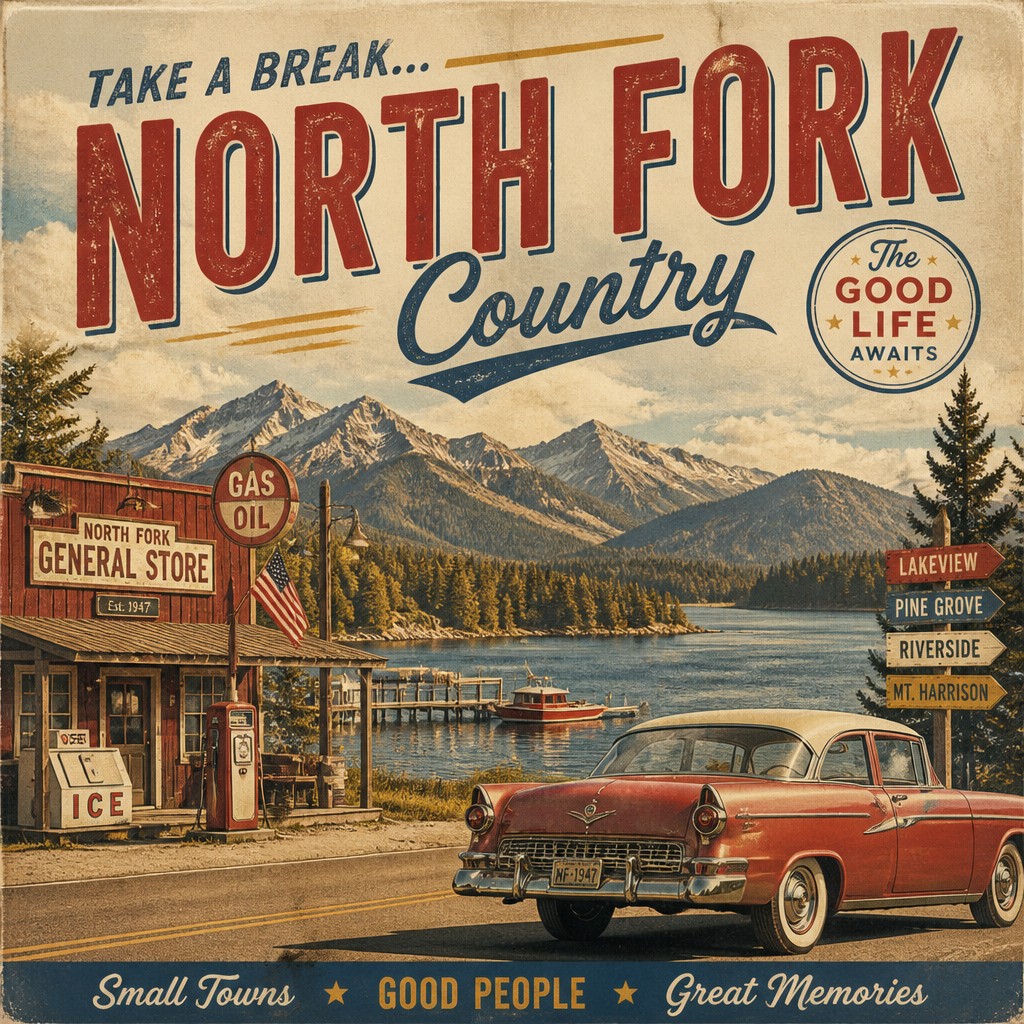
Lighting is usually warm and low, as if seen in late afternoon or early evening. This glow softens edges and helps the scene feel reflective, humane, and remembered.
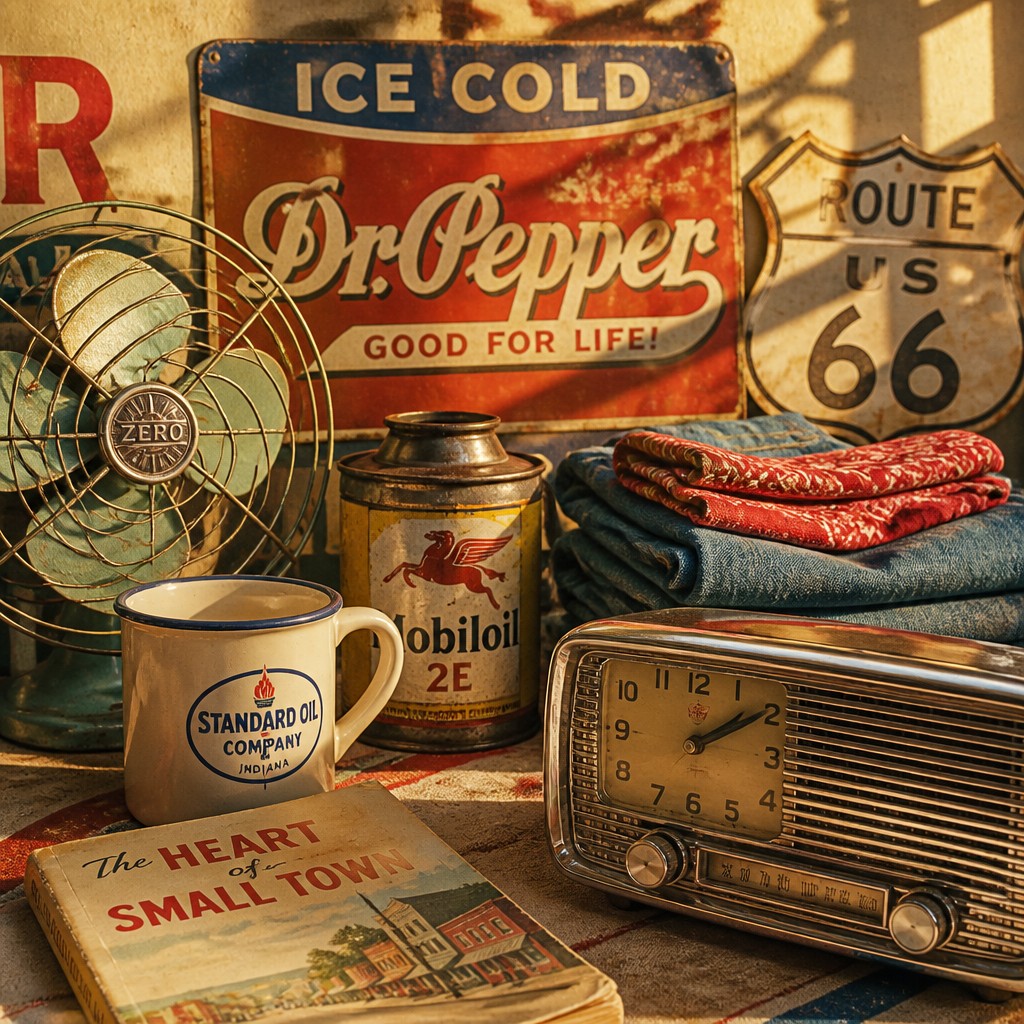
Wholesome everyday symbolism
The style favors ordinary pride: family cars, lemonade stands, farming, diner meals, and porch scenes. It presents American life as communal, practical, and sentimental rather than glamorous.
Try It
Create Videos in Americana Aesthetic
Styles aren't just for stills — describe a scene or animate an image and get a short video rendered in Americana Aesthetic. Press play to see this pond come to life.
Make a VideoAmericana Aesthetic Prompt Ideas
Start from an idea — each one opens the generator with the style ready to go. See all 40 Americana Aesthetic prompts →
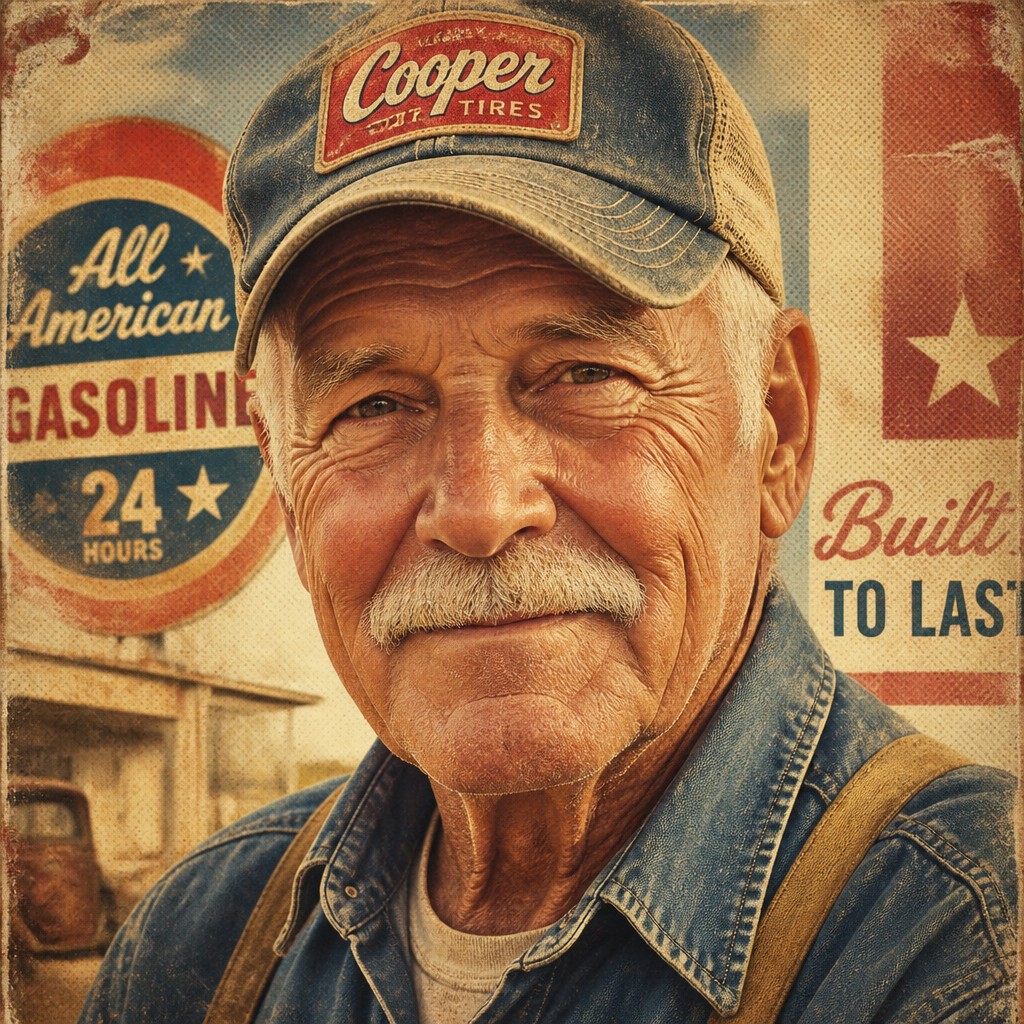
“close-up portrait of an elderly person with expressive weathered features”
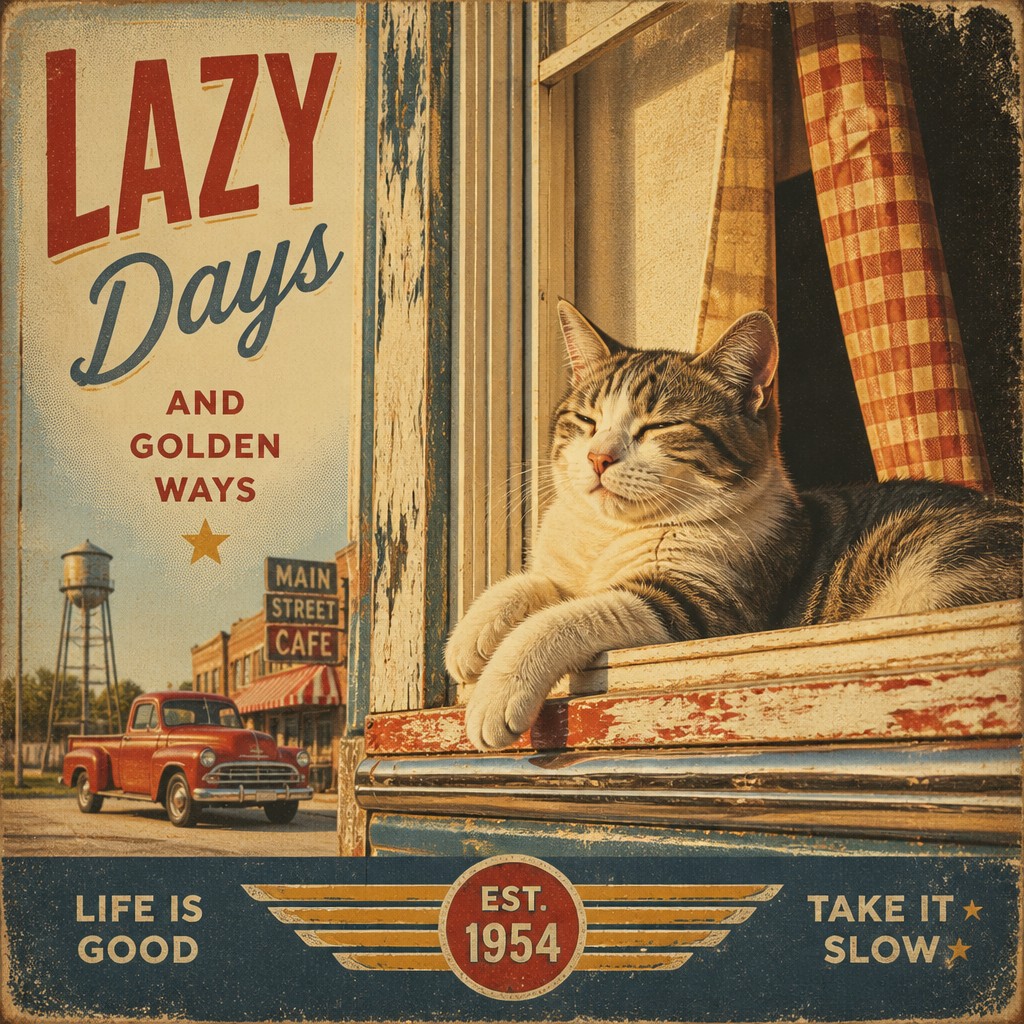
“a cat lounging in a sunlit window”
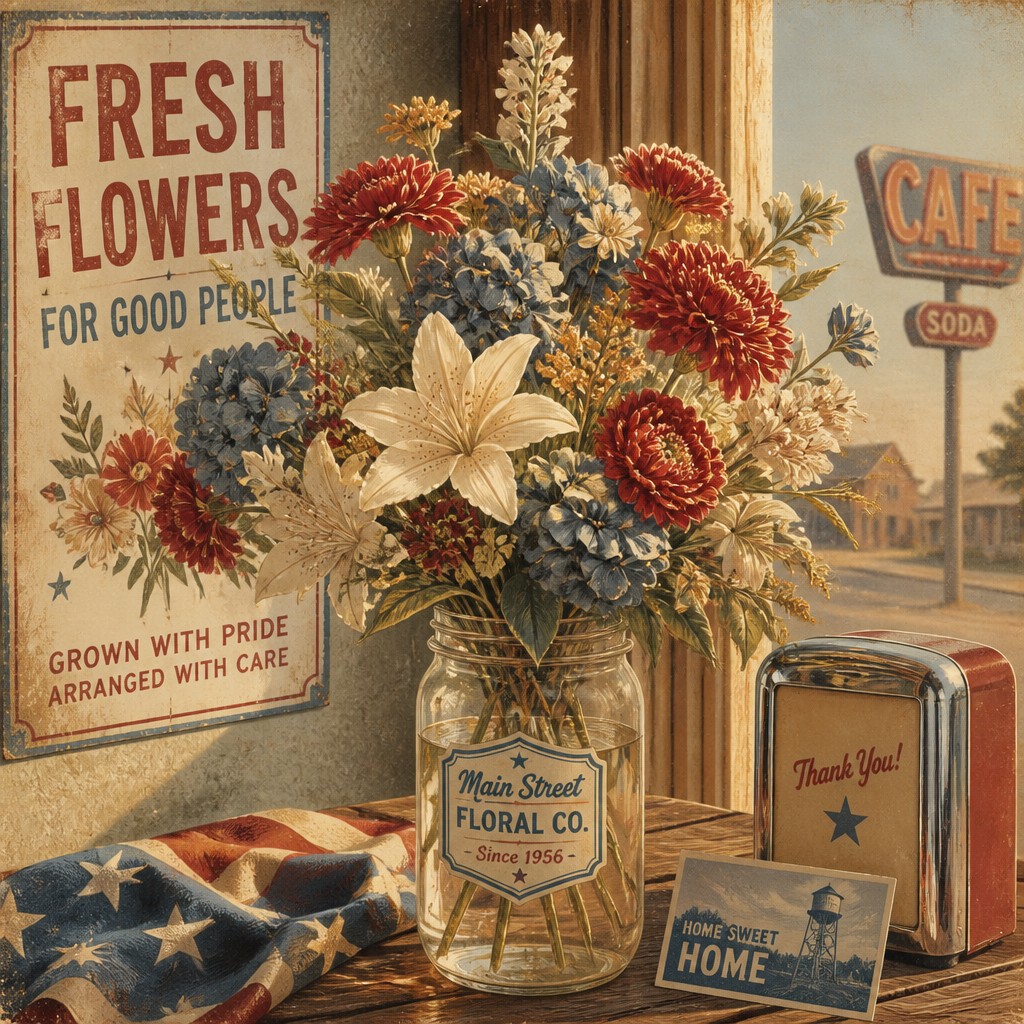
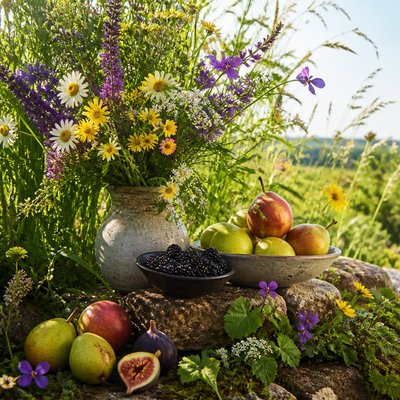
“bouquet of flowers in a glass vase”
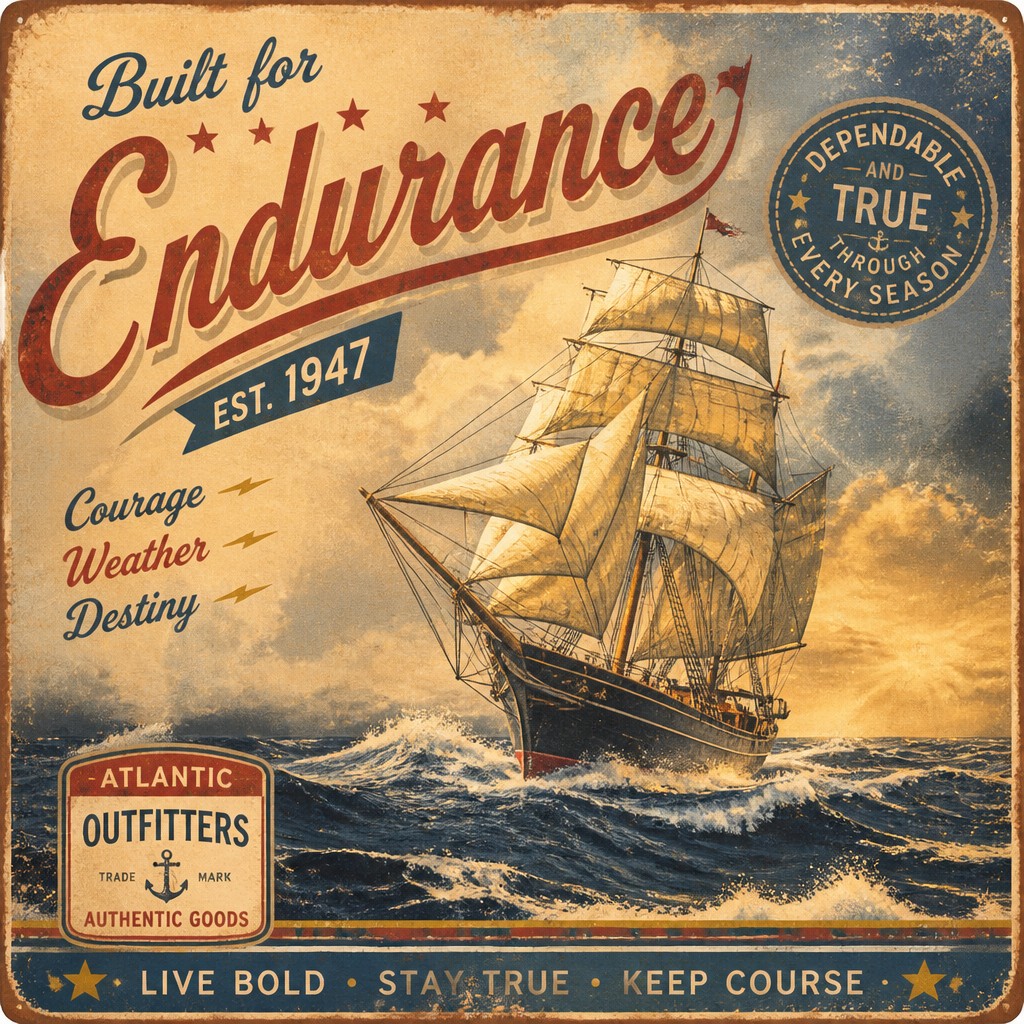
“sailing ship on a stormy sea”
How to Create Americana Aesthetic Art
Master the craft step by step — or skip straight to creating. Read the full guide →
- 1
Choose a restrained, faded palette
Build the image around muted red, off-white, denim blue, and a small amount of mustard or chrome. Avoid bright primary colors unless they are intentionally dulled or sun-faded.
- 2
Use worn, tactile surfaces
In traditional media, simulate weathered paint, screenprint texture, and fabric grain with dry brushing, layering, and distressed edges. In digital work, add subtle grain, paper texture, halftone dots, and soft film haze.
- 3
Anchor the scene in familiar Americana subjects
Select objects and settings that belong to roadside and small-town life, such as diners, barns, trucks, flags, soda fountains, or motel signs. The style depends as much on subject matter as on color treatment.
- 4
Compose like vintage signage or editorial illustration
Keep forms clear and readable, with strong silhouettes and simple hierarchy. A poster-like composition, centered motif, or emblem shape often works better than a densely detailed scene.
- 5
Warm the light and soften the finish
Use late-afternoon lighting, gentle contrast, and slight desaturation to create the sense of memory. If generating from text or transforming a photo, ask for faded print texture, nostalgic film grain, and sun-bleached color.
The Story
History & Origins of Americana Aesthetic
Americana Aesthetic is not a single historical art movement but a contemporary style assembled from several older visual traditions. Its lineage includes mid-century American advertising, roadside vernacular design, denim and workwear culture, agricultural and small-town imagery, and the graphic language of old signage, packaging, and print ephemera. It also draws from the visual memory of postwar suburban and highway America, where chrome finishes, bold block lettering, and practical materials became symbols of everyday modern life.
In digital culture, the style has become a shorthand for nostalgic national imagery rendered with softness rather than realism. It overlaps with retro illustration, vintage poster design, and editorial imagery that invokes the 1940s through the 1970s without strict historical reconstruction. The result is less a documented period style than an aesthetic composite: a selectively faded version of American vernacular visual culture shaped by memory, media, and sentimental storytelling.
Influences: Americana Aesthetic draws from mid-century American advertising, roadside vernacular design, vintage packaging, and editorial illustration, as well as documentary and nostalgic photography of small-town life. Its visual vocabulary also echoes the color and material culture of denim workwear, diner interiors, and hand-painted signage. In broader art-historical terms, it relates more to graphic design, popular illustration, and vernacular visual culture than to a single fine-art movement; its sentimentality and simplified symbolism can also recall the clarity of WPA-era public graphics and the poster traditions of the twentieth century.
Frequently Asked Questions
What defines Americana Aesthetic?
It is defined by faded patriotic colors, roadside and small-town imagery, and a nostalgic, weathered finish. The style combines diner chrome, denim textures, vintage signage, and warm late-day light to suggest remembered American life.
Is Americana Aesthetic a historical art movement?
No. It is a contemporary aesthetic built from older American visual traditions rather than a formal historical movement. Its look comes from the overlap of mid-century advertising, vernacular design, workwear culture, and nostalgic photography.
How is it different from retro vintage or country style?
Retro vintage can refer to many decades and design languages, while Americana Aesthetic is specifically tied to American roadside, small-town, and patriotic imagery. Compared with generic country style, it is more graphic, more sign-like, and more closely associated with diner and highway culture.
What subjects work best in this style?
Diners, pickup trucks, barns, flags, porches, general stores, highway signs, and county fair scenes are especially effective. Everyday domestic or rural subjects usually feel more authentic than glamorous or futuristic ones.
How do I make a photo look like this style?
Lower the saturation slightly, warm the highlights, and add film grain, paper texture, or halftone effects. Cropping around a clear sign, vehicle, porch, or storefront will also help the image read as Americana rather than simply sepia-toned.
Where is this style commonly used?
It appears in branding, poster design, packaging, editorial illustration, apparel graphics, and social media imagery. It is especially common when a project wants to evoke nostalgia, regional pride, or a wholesome small-town atmosphere.

Create your first Americana Aesthetic artwork
Describe anything — or upload a photo — and see it in Americana Aesthetic in seconds.
Make Something with Americana Aesthetic
Related Styles
Discover similar art styles