Naturecore Aesthetic
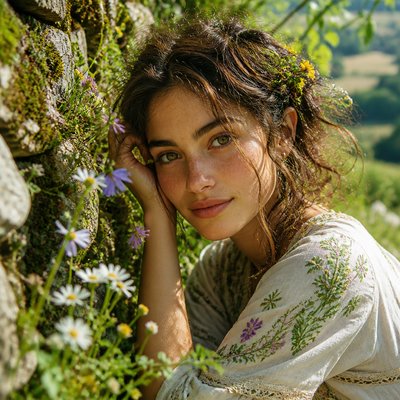
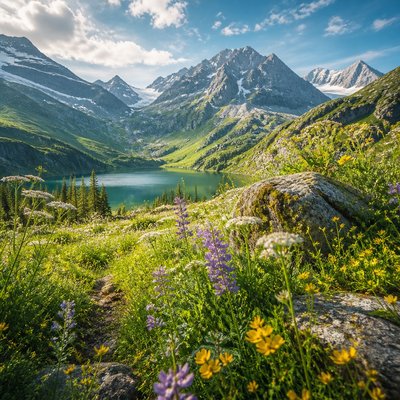
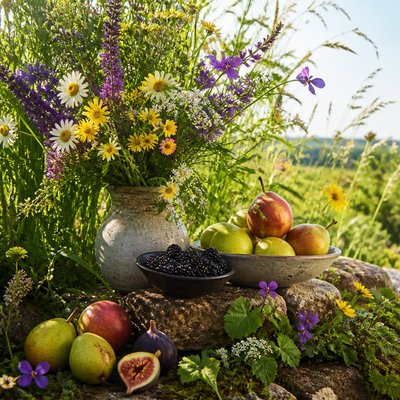
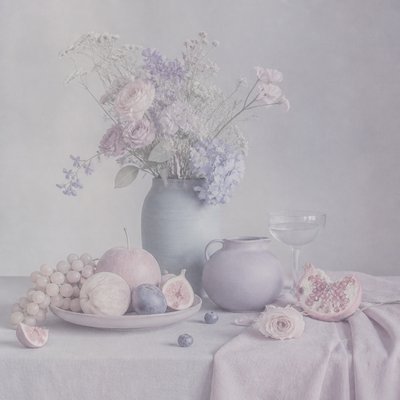
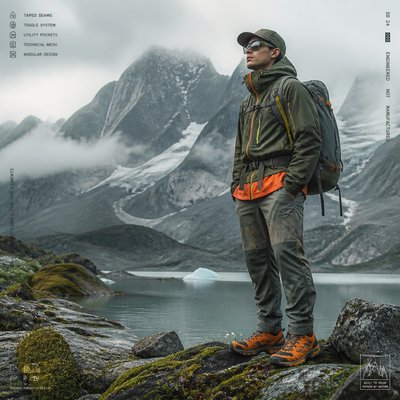
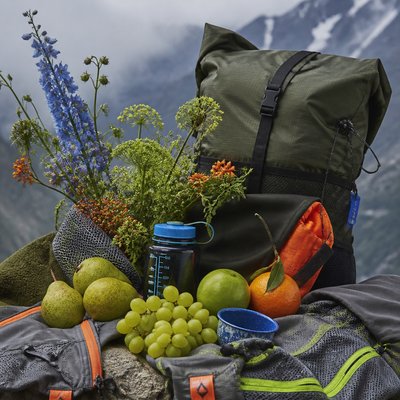
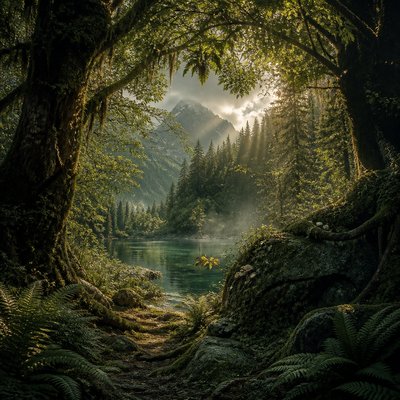
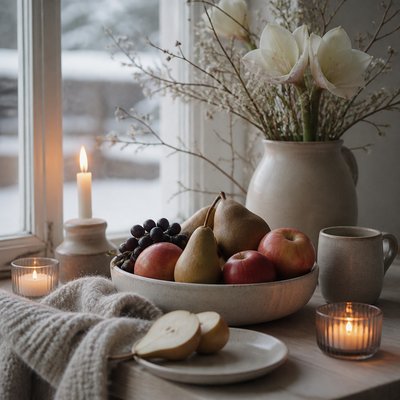
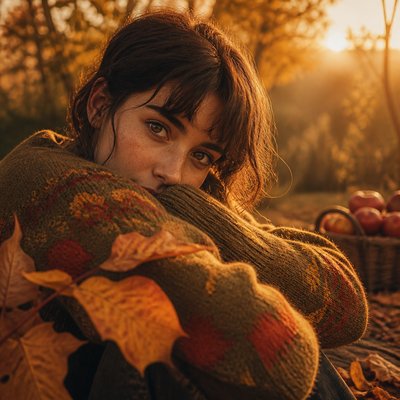
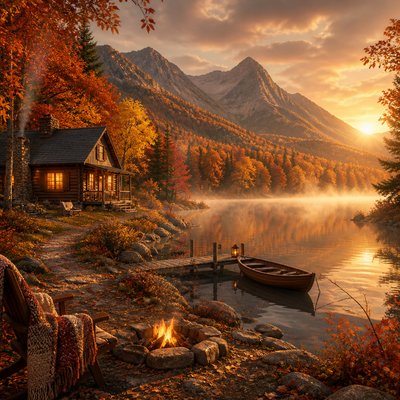
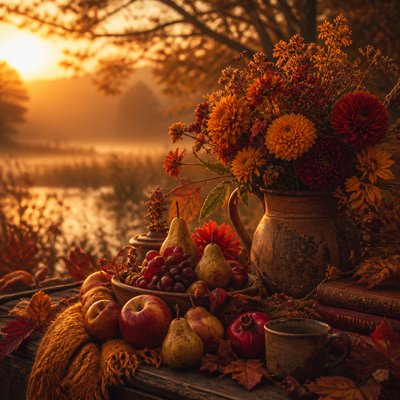
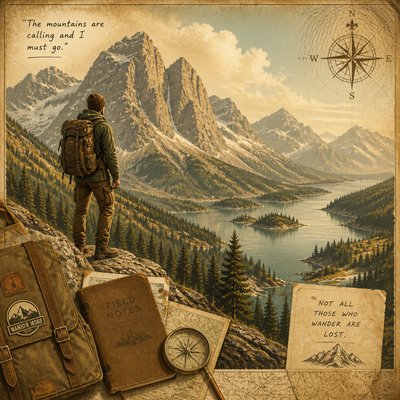
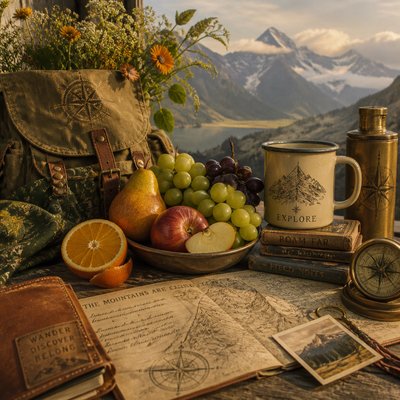
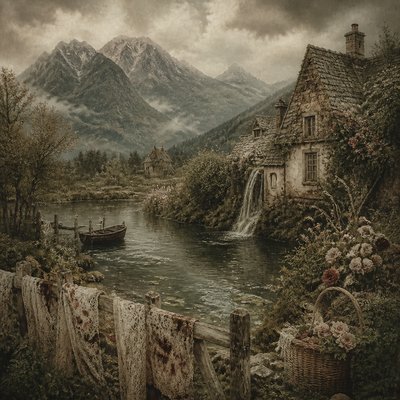
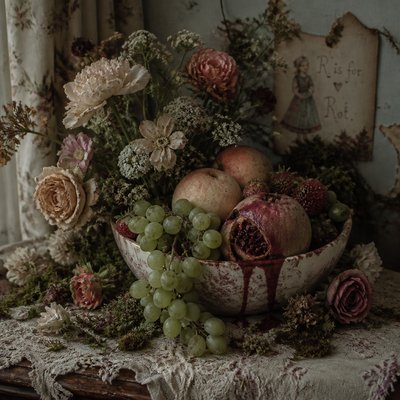
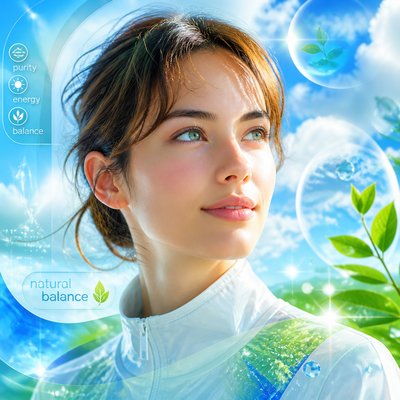
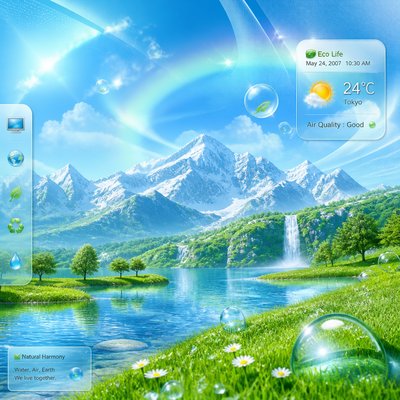
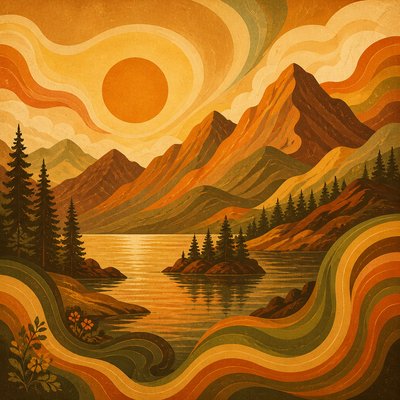
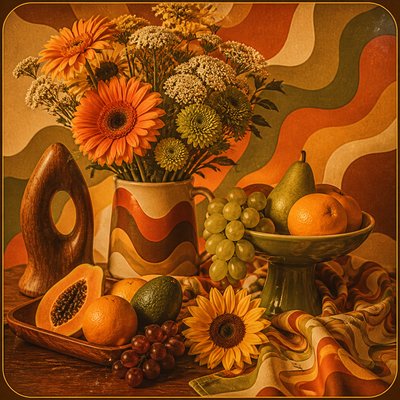
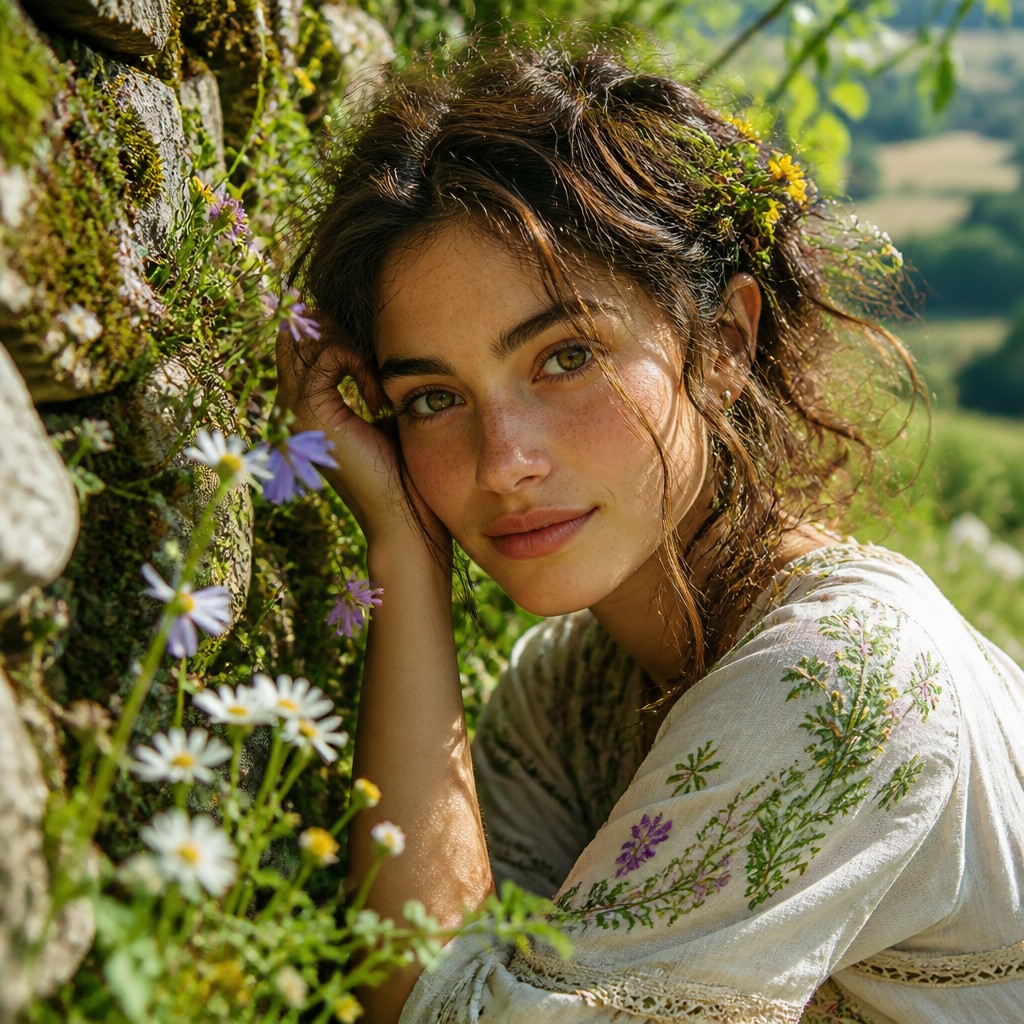
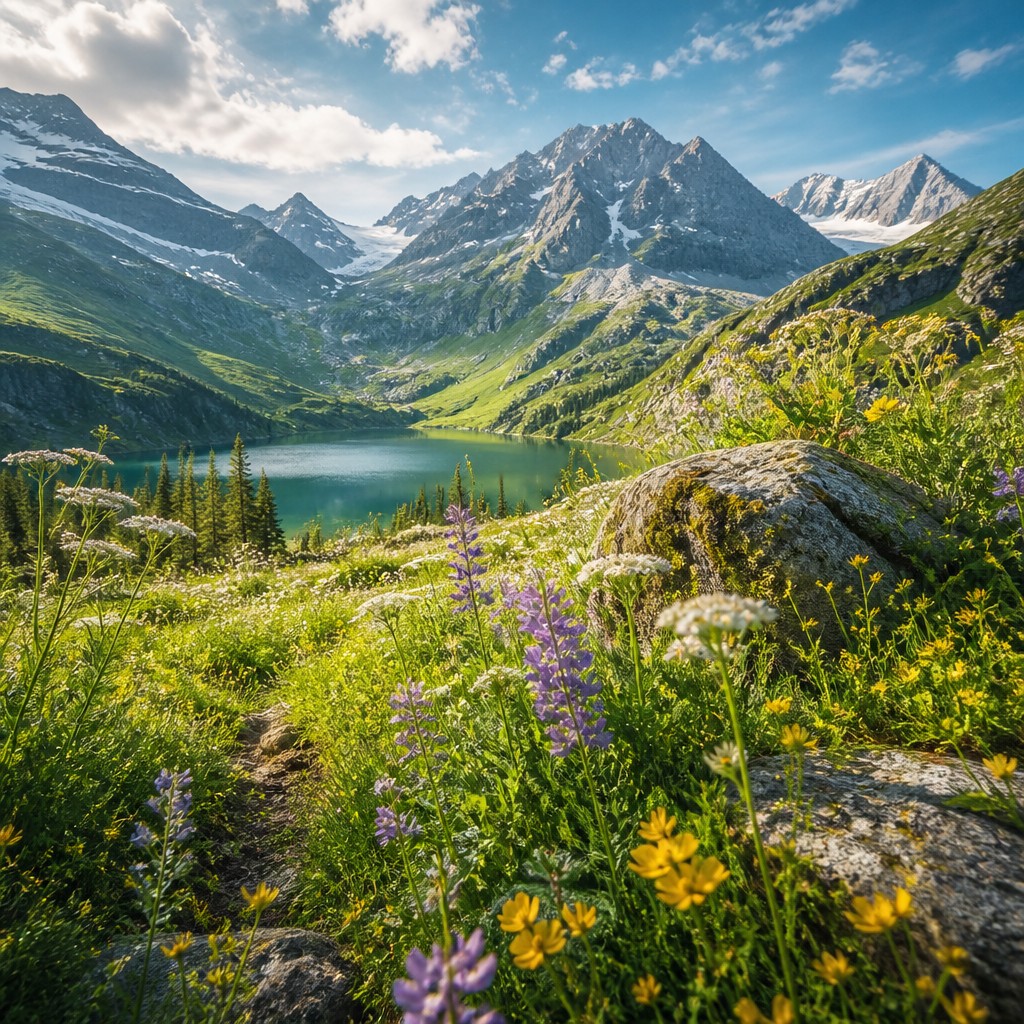
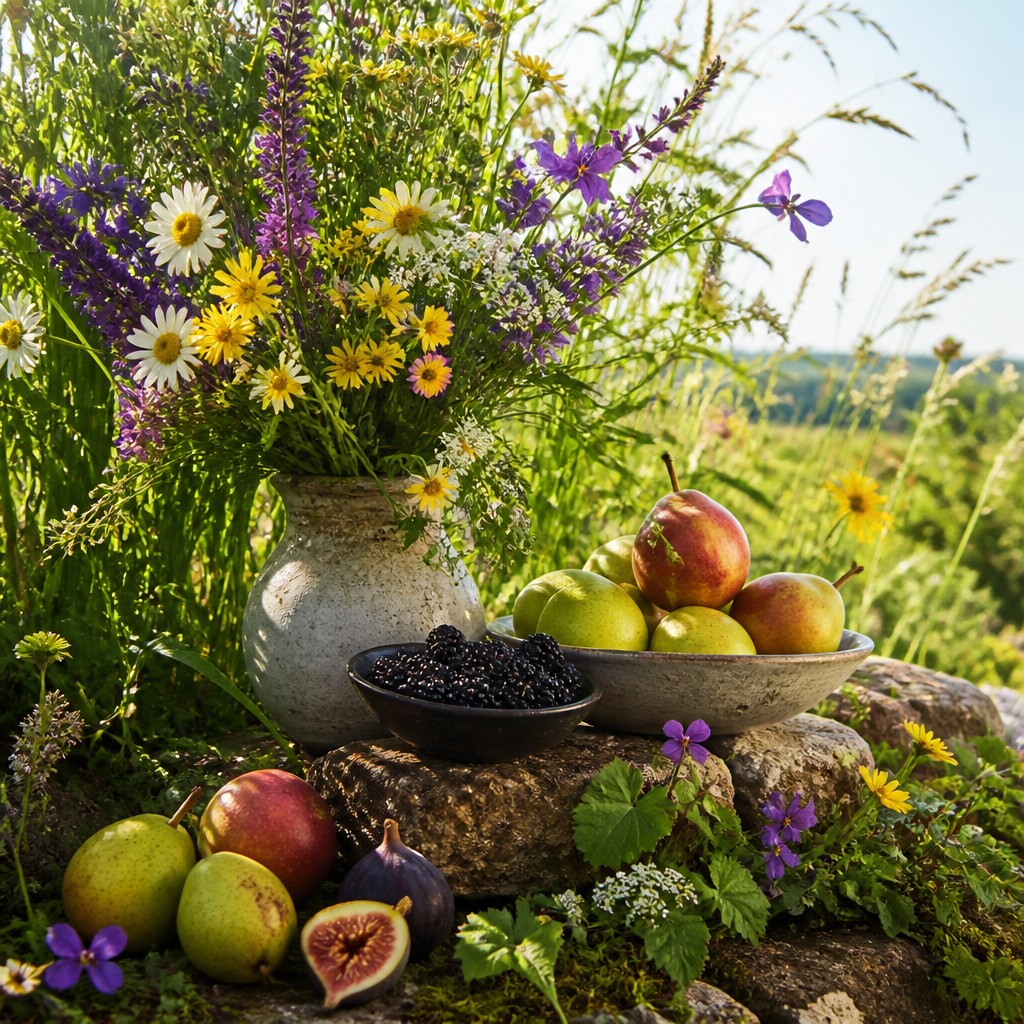
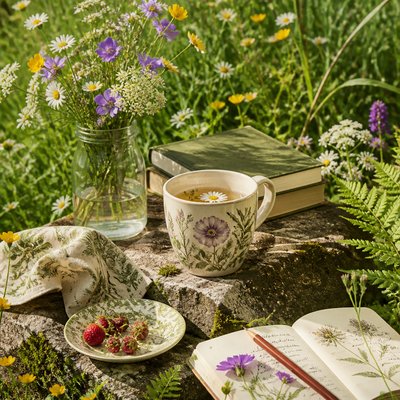
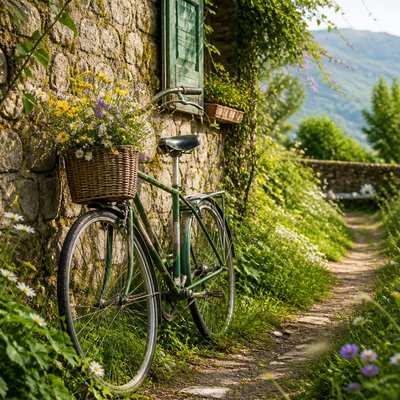
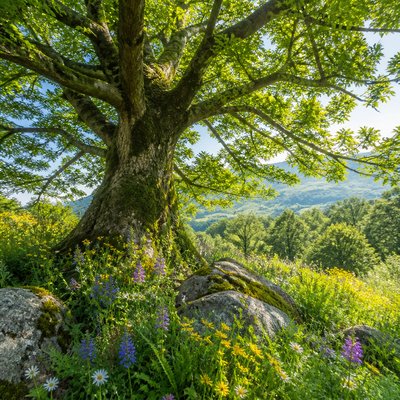
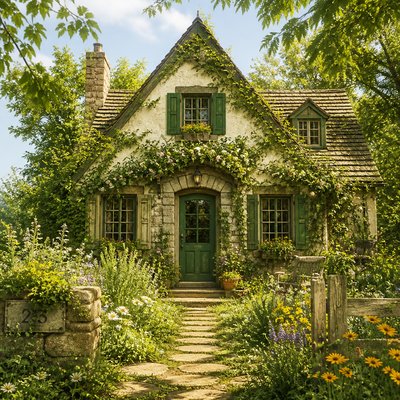
Fresh greens, wildflowers, and open sunlight define this earthy, flourishing aesthetic of abundant outdoor life.
Instantly rendered in Naturecore Aesthetic — or transform a photo
Naturecore Aesthetic Gallery
Tap any artwork to explore it
What is Naturecore Aesthetic?
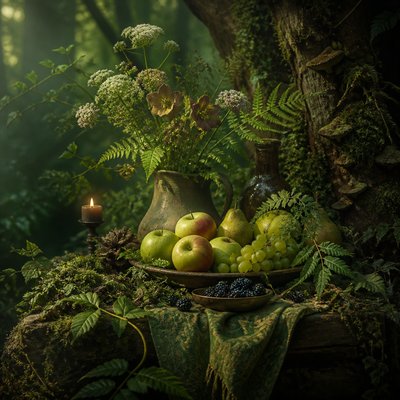
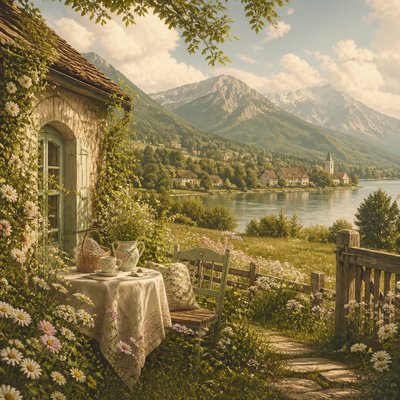
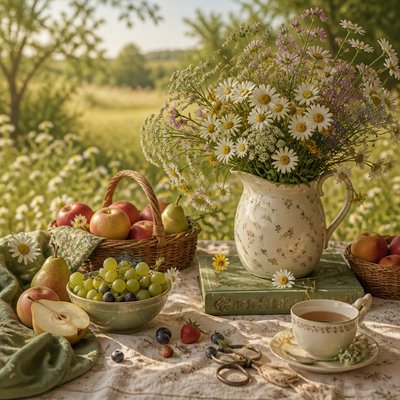
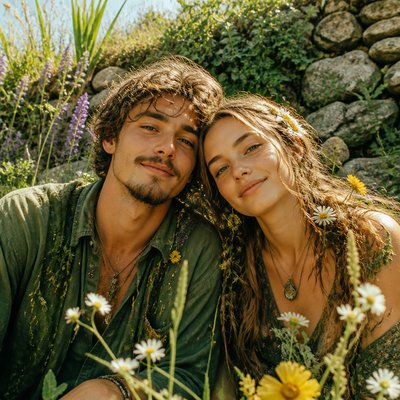
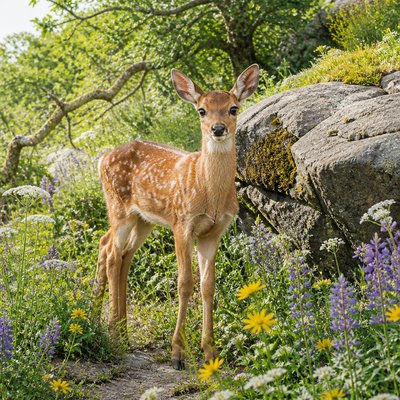
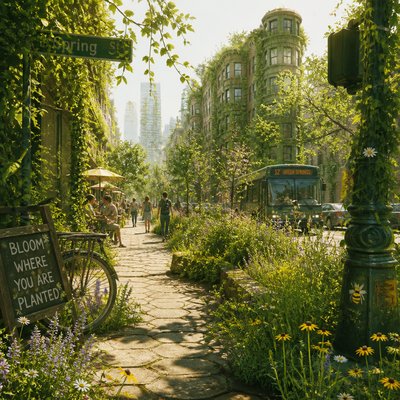
Naturecore aesthetic is a contemporary visual style centered on the lush, restorative imagery of the living outdoors: fresh greens, wildflowers, sunlit clearings, moss, soil, dew, and weathered stone. It favors scenes that feel breathable and lightly overgrown, with a sense of organic abundance rather than formal garden perfection.
Its visual identity comes from combining pastoral, botanical, and rustic nature imagery into a coherent mood of wholesome vitality. The look often feels softly textured and gently luminous, with open daylight, breeze-moved plants, and small natural details such as petals, blades of grass, seed heads, and water droplets creating a tactile, lived-in atmosphere.
Try It On Your Photos
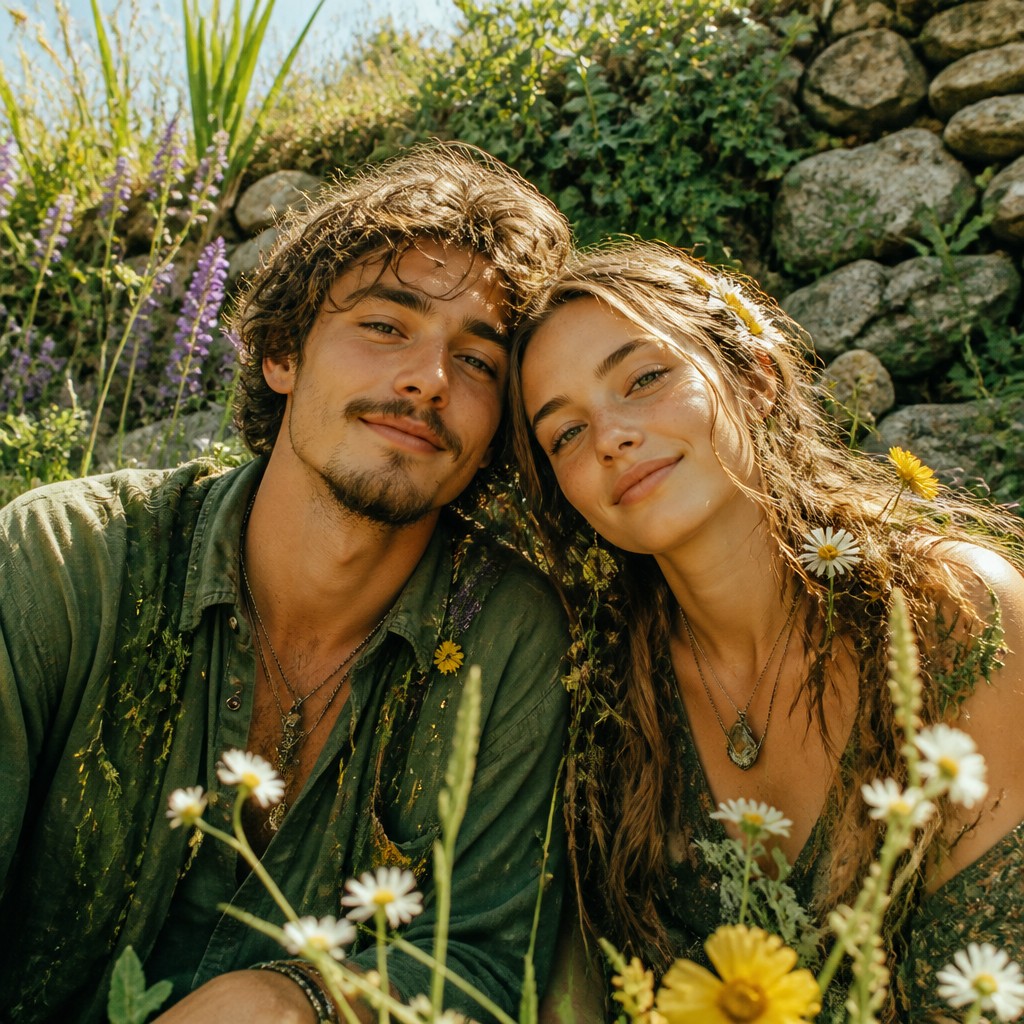
Upload any photo and convert it into Naturecore Aesthetic — drag the sliders to compare before and after.



What Defines Naturecore Aesthetic
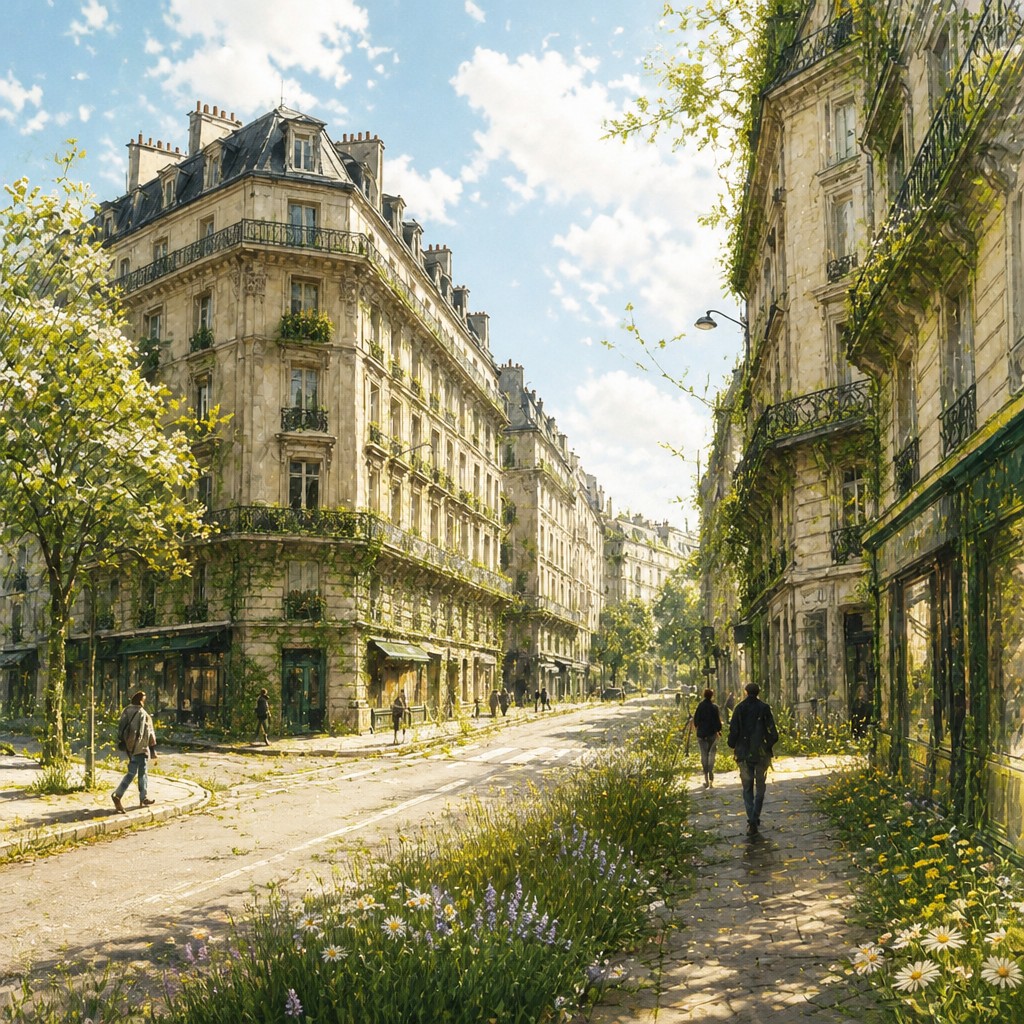
The signature details, up close
Fresh green palette
Green is the dominant color, ranging from tender spring leaves to deep meadow tones. Accent colors usually come from wildflowers—yellow, violet, pink, and white—rather than from artificial or neon hues.
Wild, untamed plant life
Plants look abundant but not manicured, with grasses, vines, ferns, weeds, and blossoms sharing the frame. The composition usually celebrates natural irregularity instead of symmetrical landscaping.
Open sunlight and airy space
Light is bright, warm, and unobstructed, often suggesting a late morning or golden afternoon outdoors. Shadows are soft enough to keep the scene feeling breathable and welcoming.
Tactile natural texture
The style emphasizes surfaces such as petals, damp soil, bark, stone, and leaf veins. These textures help the image feel physically present, as if the viewer could almost feel the moisture and roughness.
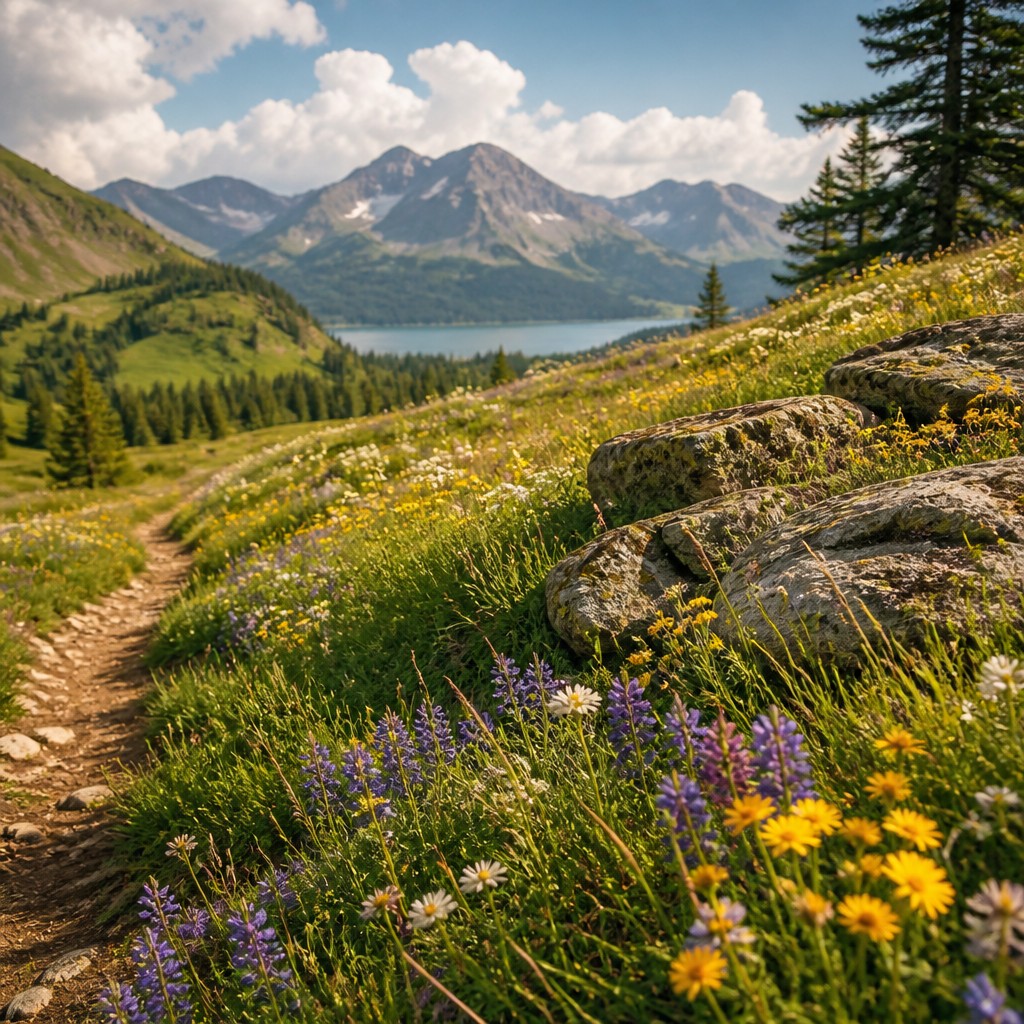
Dewy, flourishing atmosphere
A sense of freshness is central, often conveyed through dew, mist, rain-washed leaves, or recently blooming plants. The overall impression is of life at its most receptive and fertile.
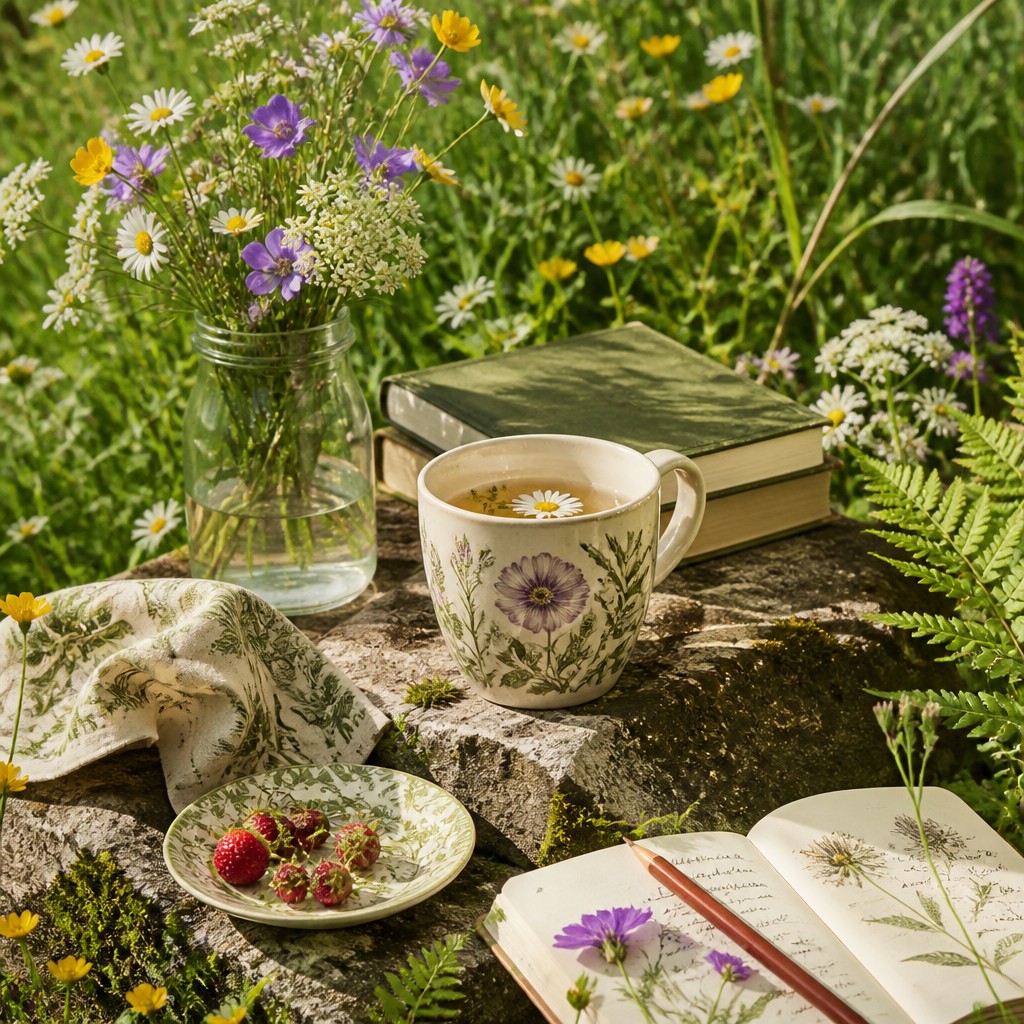
Soft grain and gentle realism
Images often benefit from subtle grain, low-contrast softness, or naturalistic detail rather than hard-edged polish. This gives the style a grounded, organic look that feels closer to a lived environment than to a studio setup.
Try It
Create Videos in Naturecore Aesthetic
Styles aren't just for stills — describe a scene or animate an image and get a short video rendered in Naturecore Aesthetic. Press play to see this pond come to life.
Make a VideoNaturecore Aesthetic Prompt Ideas
Start from an idea — each one opens the generator with the style ready to go. See all 40 Naturecore Aesthetic prompts →
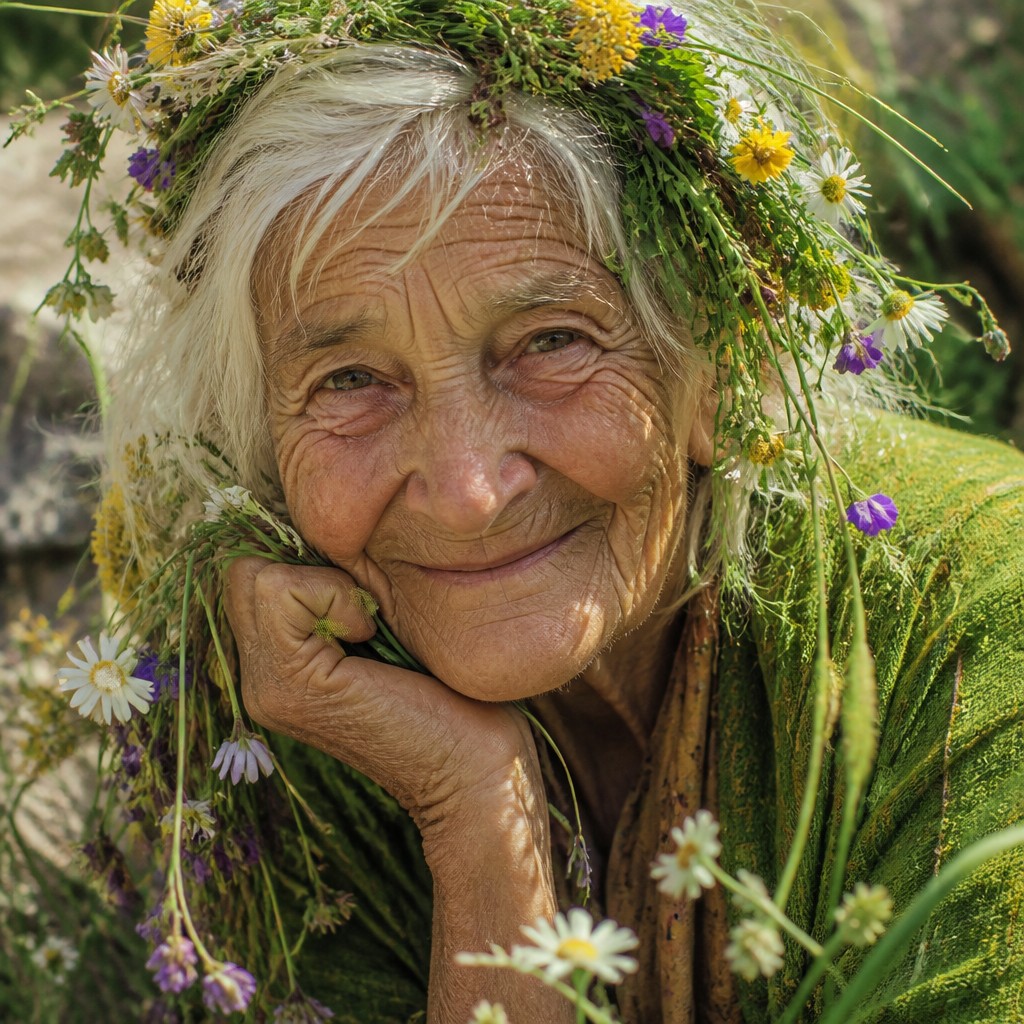
“close-up portrait of an elderly person with expressive weathered features”
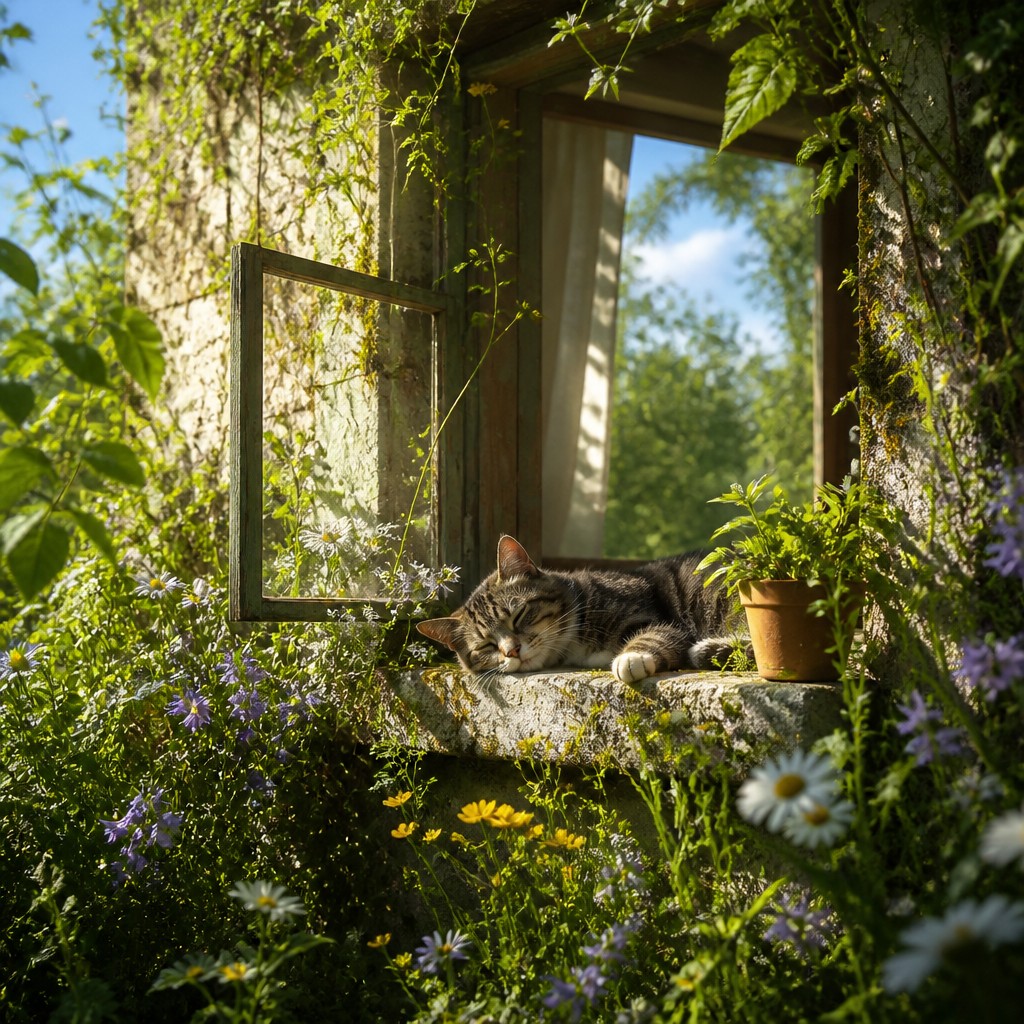
“a cat lounging in a sunlit window”
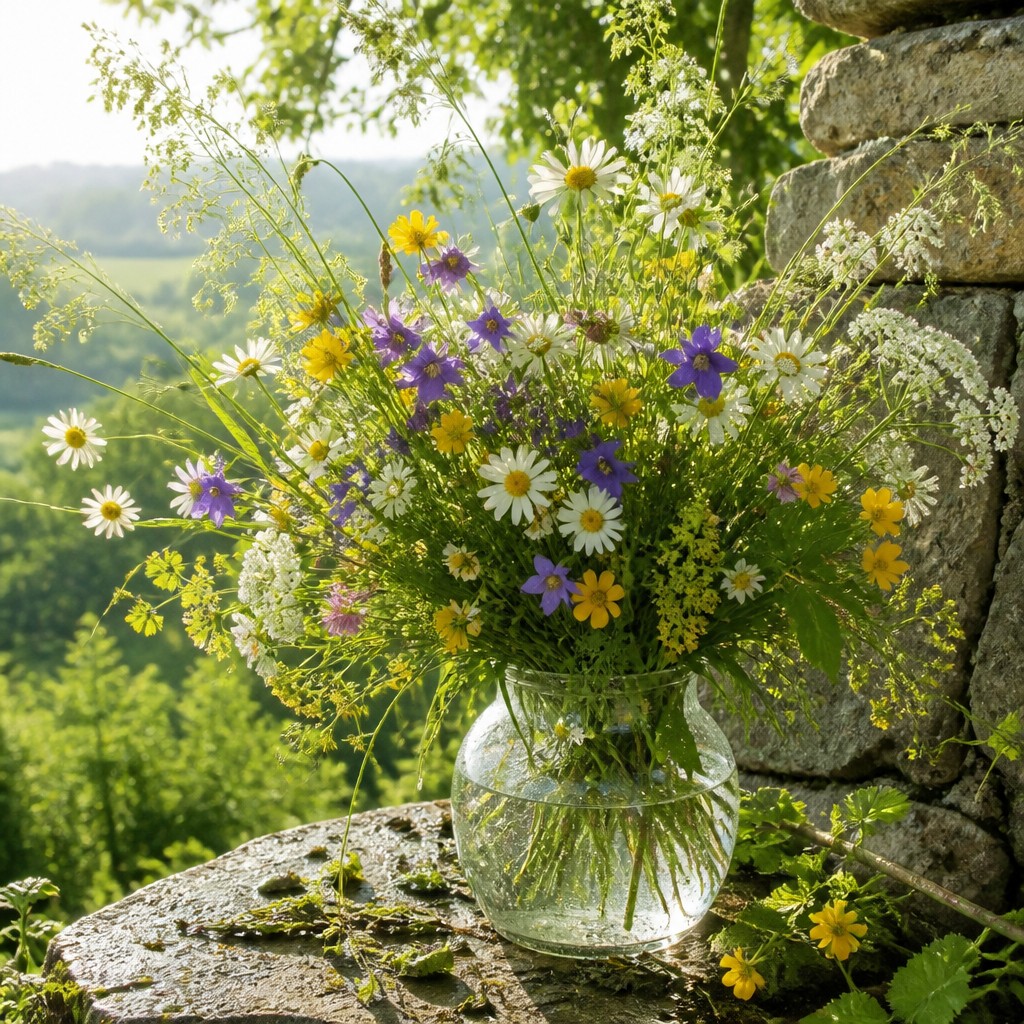
“bouquet of flowers in a glass vase”
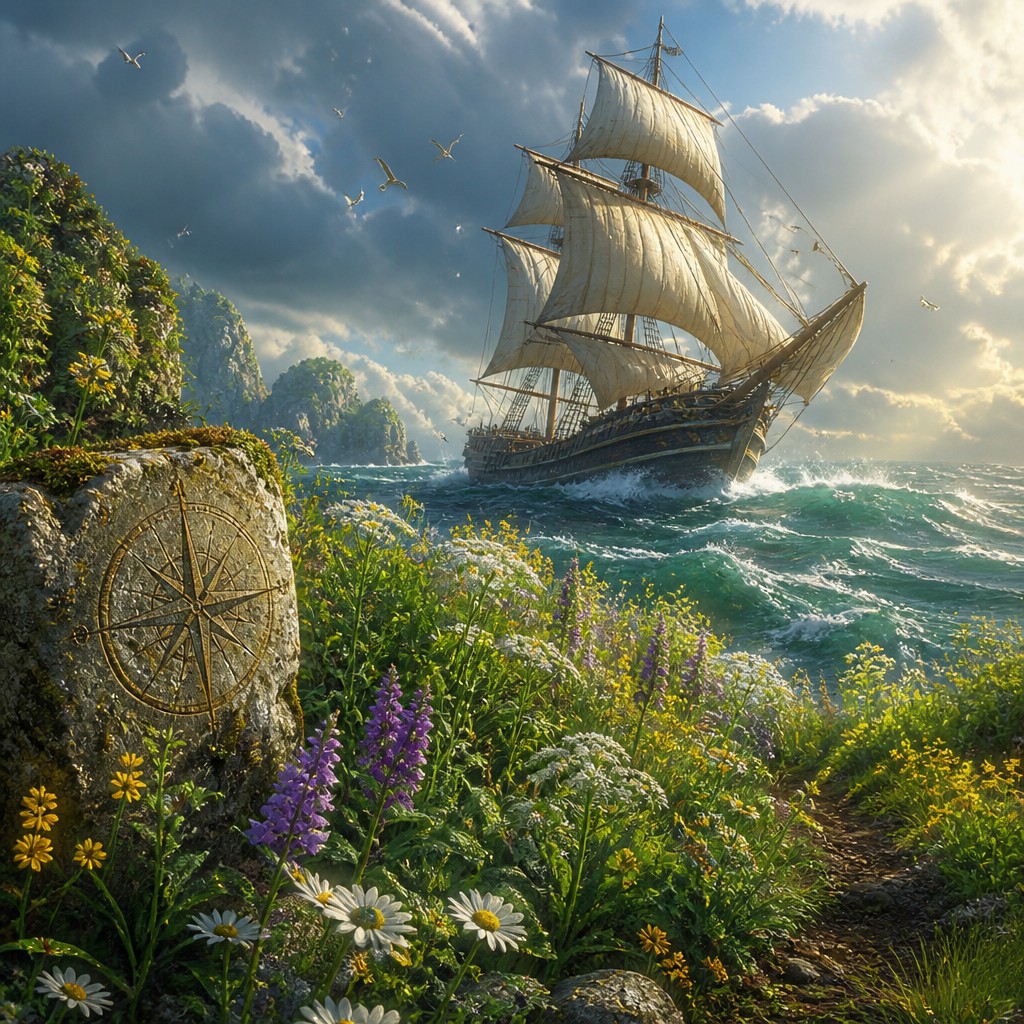
“sailing ship on a stormy sea”
How to Create Naturecore Aesthetic Art
Master the craft step by step — or skip straight to creating. Read the full guide →
- 1
Build a plant-first composition
Start by making vegetation the main subject or the main framing device. In traditional media, layer greens, flower accents, and ground textures; in digital work, use varied leaf shapes and overlapping plant masses to avoid a flat, decorative look.
- 2
Use natural light as the organizing force
Let sunlight, haze, or open shade define the mood more than dramatic contrast. When generating images, include cues like bright open sunlight, soft breeze, and dewy detail to push the image toward a fresh outdoor feeling.
- 3
Balance realism with softness
The style works best when textures are convincing but edges are slightly relaxed. If painting or editing, keep small details in the foreground and allow the background to fall into airy simplification.
- 4
Choose earthy materials and weathered surfaces
Include soil, stone, bark, wicker, linen, or rough paper textures to ground the scene. These materials help the image feel rustic and natural instead of purely floral or decorative.
- 5
Prompt for abundance without clutter
For text-to-image creation, describe a scene that is full of living detail but still readable: mention fresh greens, wildflowers, open sunlight, and organic textures, while avoiding overly ornate or urban elements. For photo transformation, preserve the original subject but surround it with natural light, plant life, and soft grain.

The Story
History & Origins of Naturecore Aesthetic
Naturecore is not a historical art movement in the strict sense, but a contemporary aesthetic that developed from long-standing traditions of landscape painting, botanical illustration, pastoral imagery, and the nature-focused branches of modern photography and design. Its sensibility also overlaps with environmental and cottage-adjacent visual cultures that emphasize simple outdoor living, seasonal abundance, and close observation of plants and weather.
In digital culture, naturecore became especially legible as an internet aesthetic through mood boards, social media imagery, and stylized editorial visuals that framed nature as a source of calm, authenticity, and sensory richness. Its lineage is broad rather than tied to one school: it borrows the atmospheric openness of landscape painting, the attention to plant detail of botanical art, and the candid realism of outdoor photography.
Influences: Naturecore draws from landscape painting, botanical illustration, pastoral art, and outdoor photography, while also sharing affinities with cottagecore and other rustic domestic aesthetics. Its visual language can echo the observational naturalism of John Constable, the color harmony of Claude Monet’s garden and landscape paintings, and the precise plant study associated with botanical illustration, though the style itself is a modern fusion rather than a single historical school.
Frequently Asked Questions
What defines the naturecore aesthetic?
Naturecore is defined by lush plant life, fresh green color, wildflowers, open sunlight, and a sense of unforced natural abundance. It aims for an earthy, flourishing mood rather than a polished or highly styled look. The scene should feel outdoorsy, breathable, and gently alive.
Is naturecore the same as cottagecore?
They overlap, but they are not identical. Cottagecore centers rural domestic life, cozy interiors, and handmade simplicity, while naturecore puts more emphasis on the outdoor landscape itself. Naturecore is typically more botanical and meadow-focused, with less emphasis on houses, kitchens, and domestic nostalgia.
What colors work best in this style?
Fresh greens are the foundation, supported by wildflower accents such as yellow, violet, white, and soft pink. Earth tones like brown, moss, stone gray, and clay also help anchor the image. Highly saturated neon colors usually break the natural mood.
How do I make my photo look naturecore?
Use soft daylight, add surrounding greenery or floral elements, and keep the texture feeling natural rather than heavily filtered. A gentle grain, warm highlights, and dewy or breeze-moved details can help transform an ordinary image into something more naturecore. The goal is freshness and organic abundance, not dramatic special effects.
What subjects are most common in naturecore images?
Meadows, forests, gardens, field flowers, herbs, leafy paths, and rustic natural still lifes are all common. People may appear, but they are usually integrated into the environment rather than posed as the sole focus. Animals, stones, water, and weather often play supporting roles.
Where is this style used?
Naturecore appears often in editorial imagery, seasonal branding, lifestyle graphics, concept art, social media mood boards, and decorative prints. It is especially useful when a project wants to communicate calm, freshness, growth, or environmental closeness. Its visual clarity makes it adaptable to both photography-based and illustrated work.
Create your first Naturecore Aesthetic artwork
Describe anything — or upload a photo — and see it in Naturecore Aesthetic in seconds.
Make Something with Naturecore Aesthetic
Related Styles
Discover similar art styles