Hygge Aesthetic
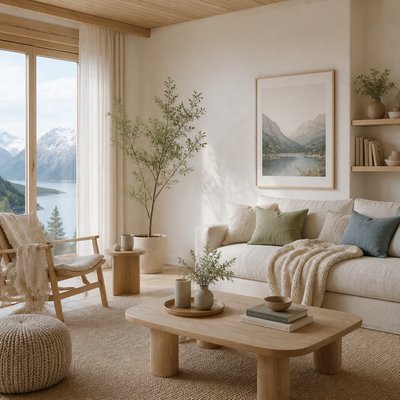
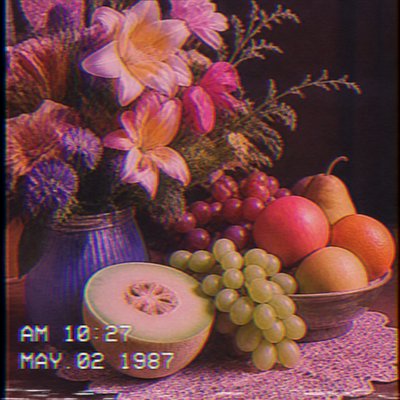
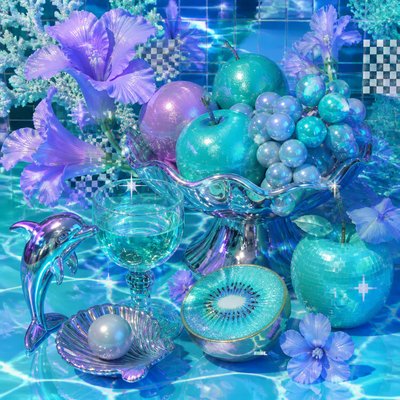
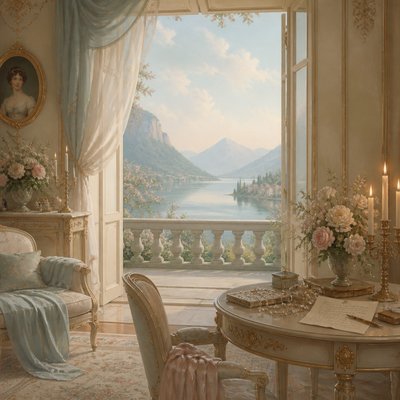
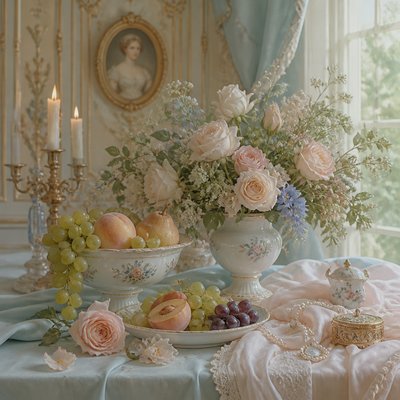
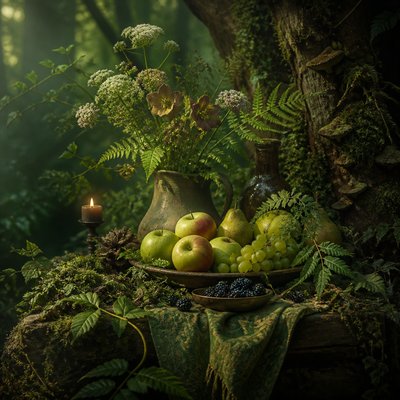
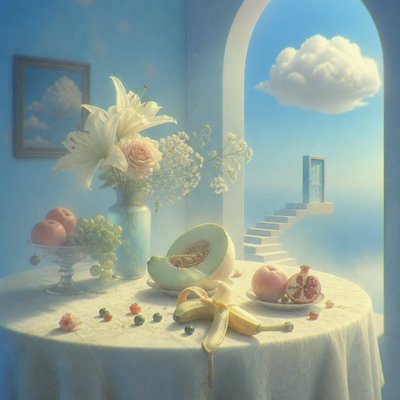
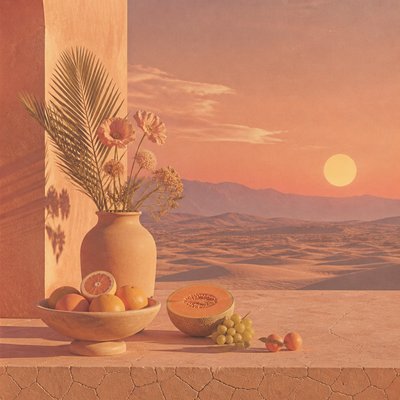
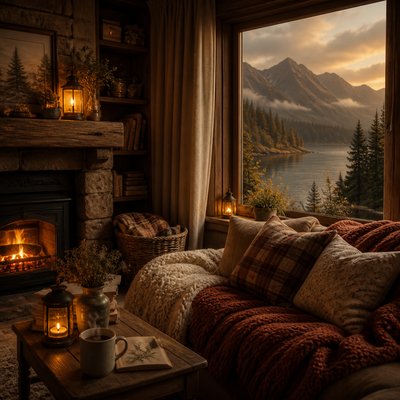
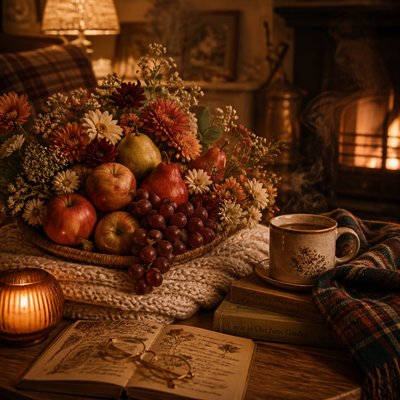
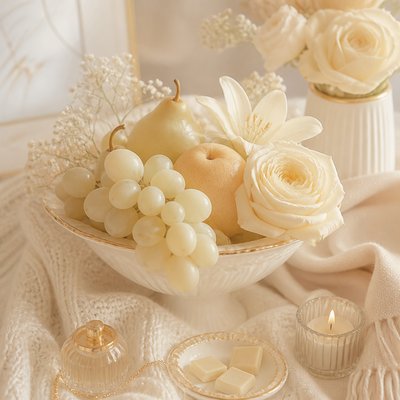
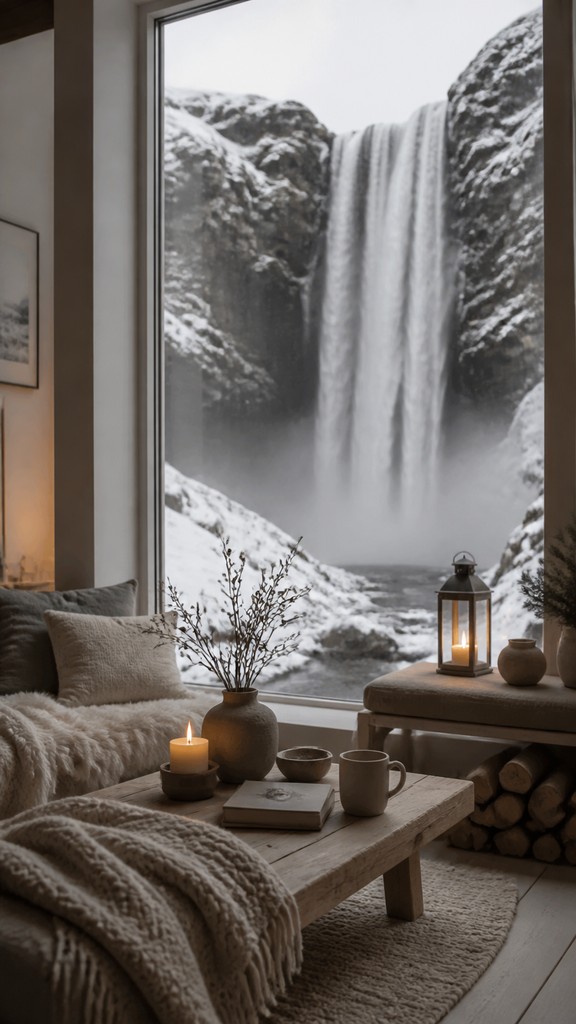
Soft candlelit Danish interiors with wool, birch, and muted winter light—an intimate aesthetic of calm, warmth, and simplicity.
Instantly rendered in Hygge Aesthetic — or transform a photo

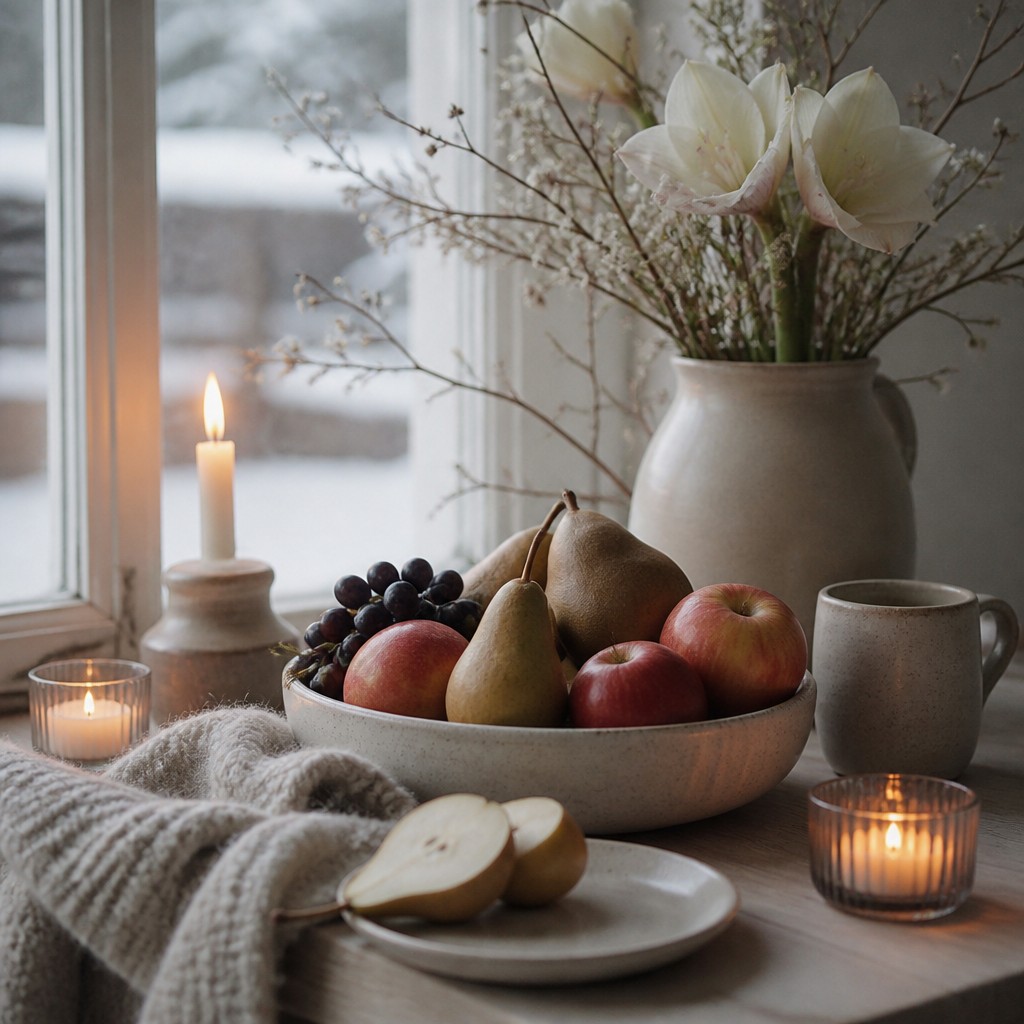
Hygge Aesthetic Gallery
Tap any artwork to explore it

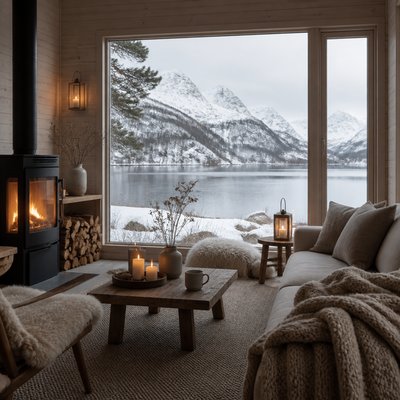
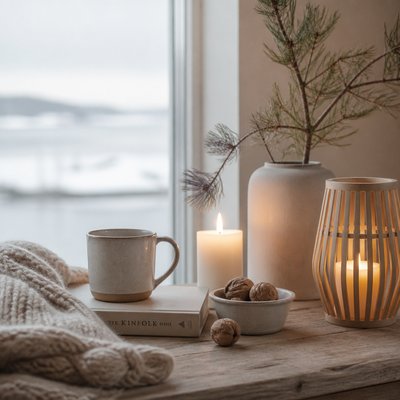
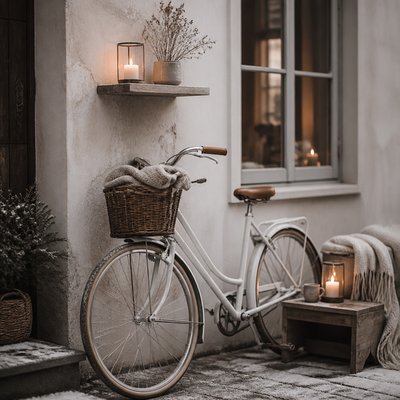
What is Hygge Aesthetic?
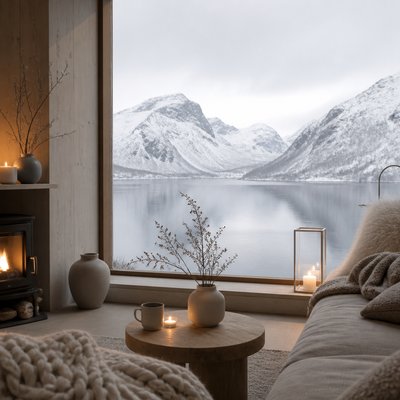
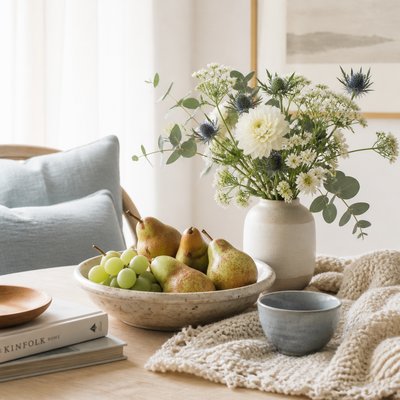
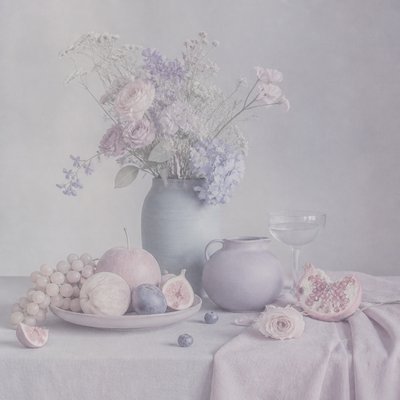
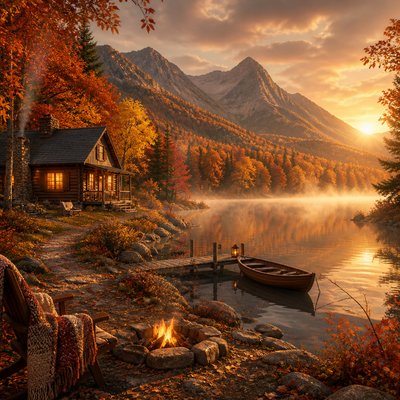
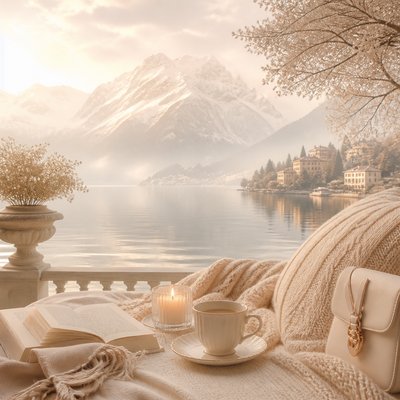
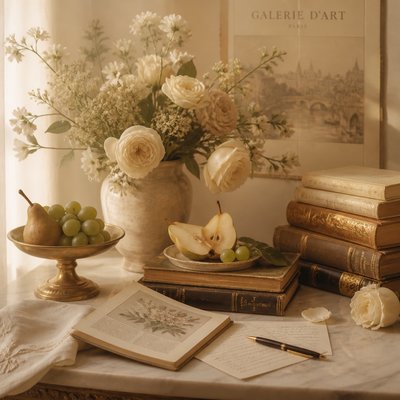
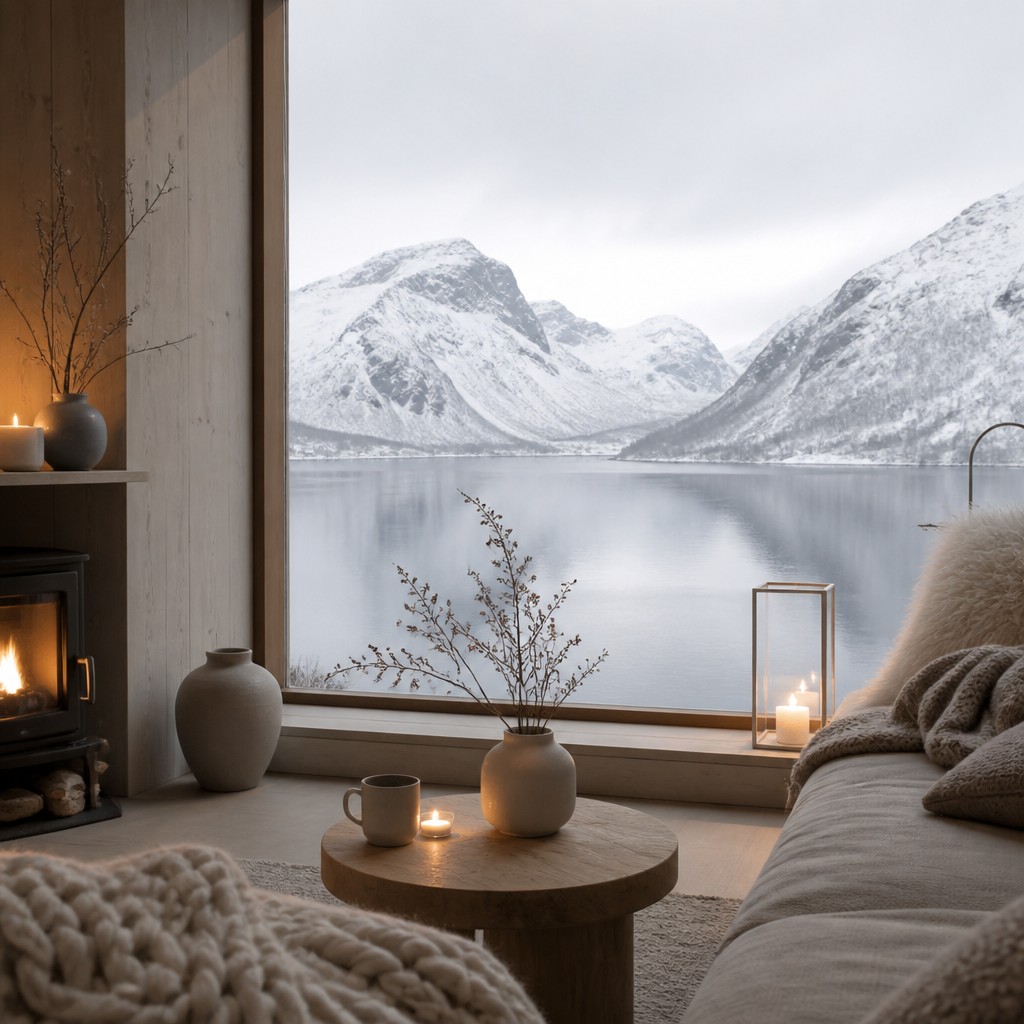
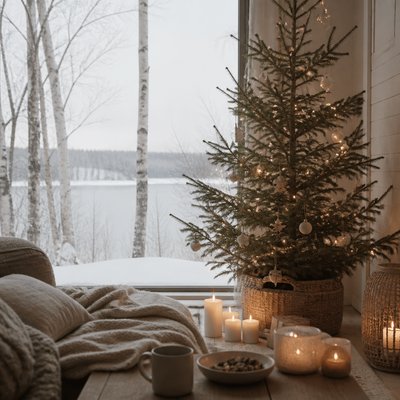
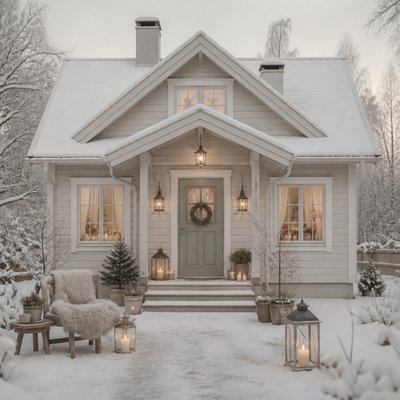
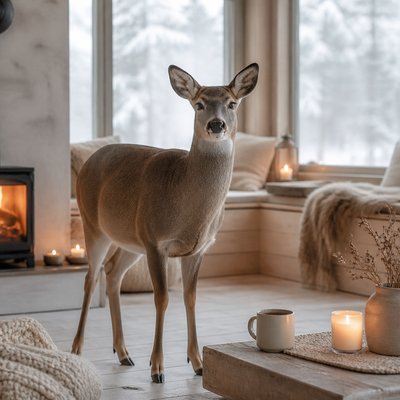
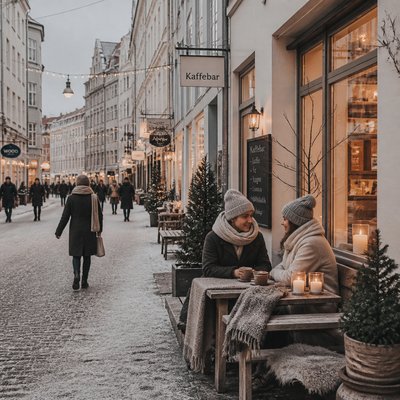
Hygge aesthetic is a visual style built around comfort, warmth, and quiet domestic intimacy. It favors soft candlelight, muted winter daylight, pale natural materials, and uncluttered compositions that feel lived-in rather than staged. The palette is typically restrained: white, warm gray, oat, cream, pale birch, and the occasional deeper accent from wood, wool, or flame.
Its look comes from a Scandinavian design sensibility that values simplicity, function, and natural texture. Rather than decorative excess, hygge emphasizes the sensory qualities of space: the grain of raw wood, the matte surface of ceramic, the weight of knitted textiles, and the gentle contrast between a warm interior and cold Nordic weather outside. The result is an atmosphere of calm togetherness, especially associated with winter evenings, shared meals, books, candles, and small, deliberate comforts.
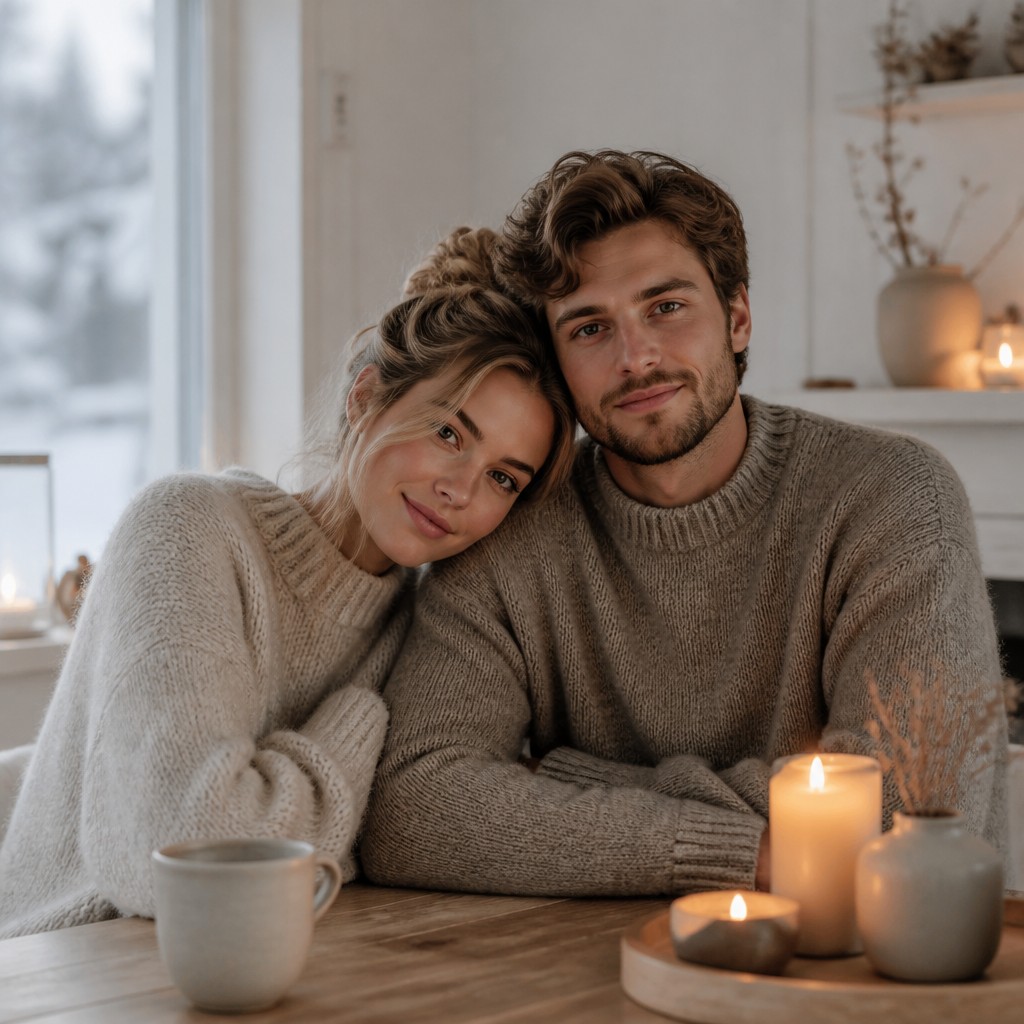
Try It On Your Photos
Upload any photo and convert it into Hygge Aesthetic — drag the sliders to compare before and after.


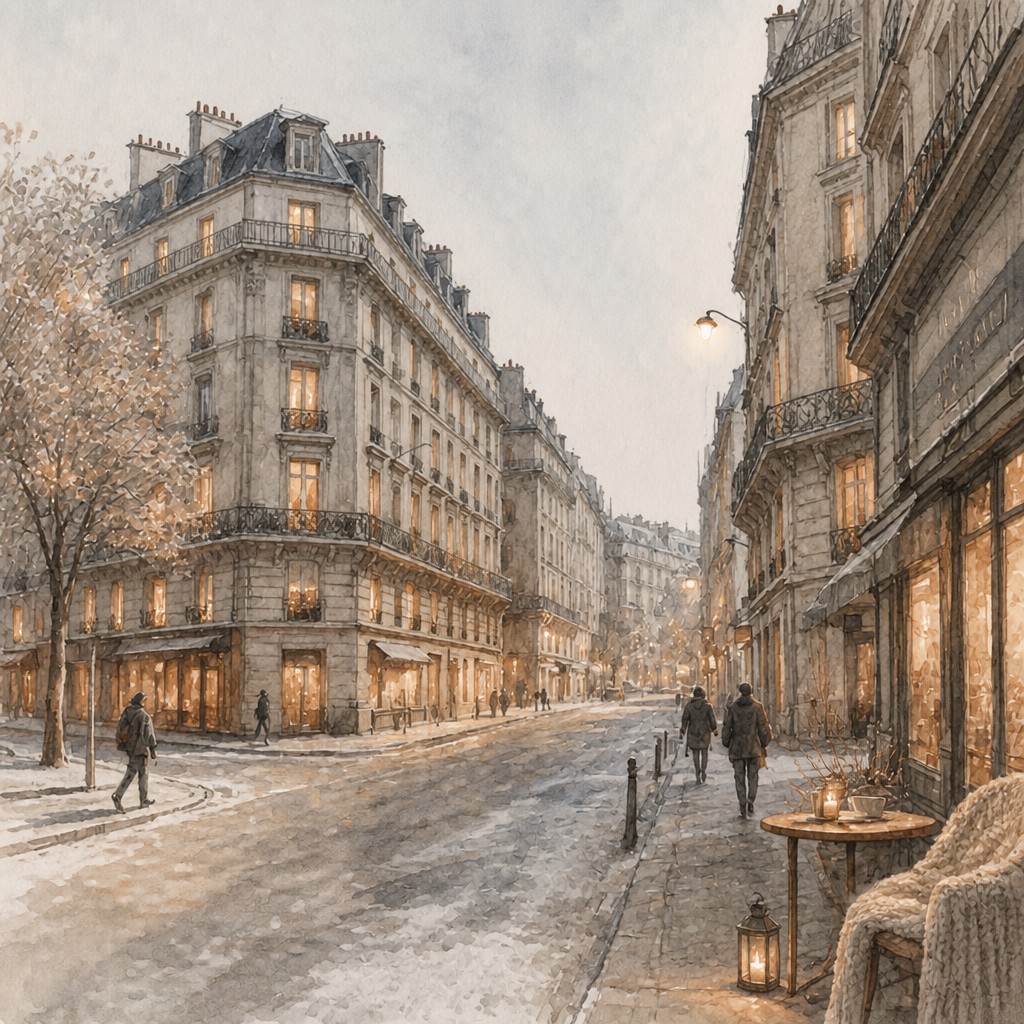

What Defines Hygge Aesthetic
The signature details, up close
Candlelit warmth
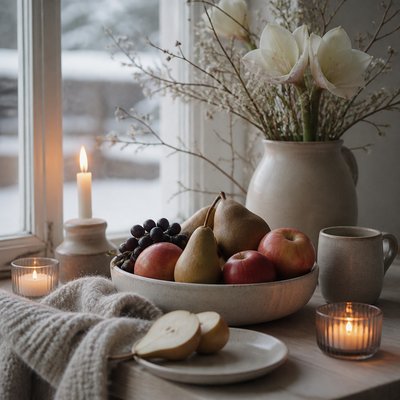
Soft, localized light is central to the style, often from candles, small lamps, or a fireplace. It creates a gentle glow that counters the coolness of winter daylight and gives scenes an intimate mood.
Muted Nordic palette
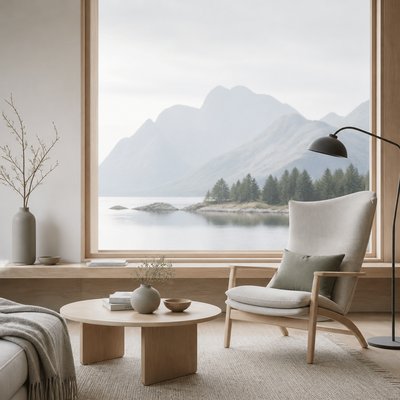
Colors stay subdued and natural: white, off-white, oat, stone, warm gray, birch, and soft brown. Saturation is low, and contrast is usually gentle rather than dramatic.
Natural, honest materials
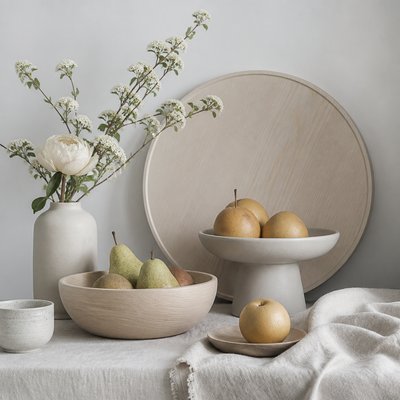
Wool, raw wood, linen, ceramic, paper, and glass are common visual cues. Surfaces tend to look tactile and unpolished, with visible grain, weave, or matte finishes.
Uncluttered composition
Spaces are calm and orderly, with enough negative space to feel restful. Objects are chosen carefully, and the arrangement favors balance, breathing room, and quiet utility.
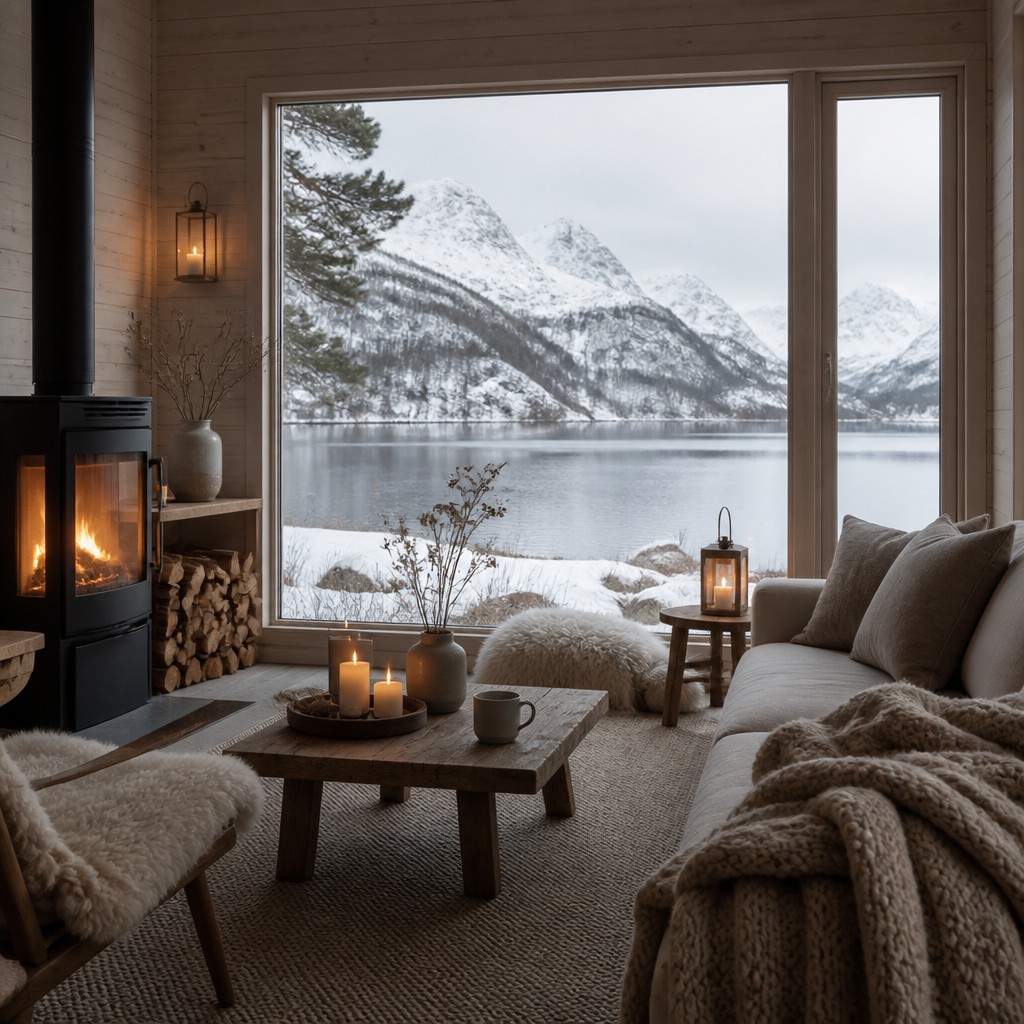
Domestic intimacy
The style often depicts ordinary moments: reading by a window, tea on a table, blankets on a sofa, or a small gathering at home. The emotional tone is private, warm, and unhurried.
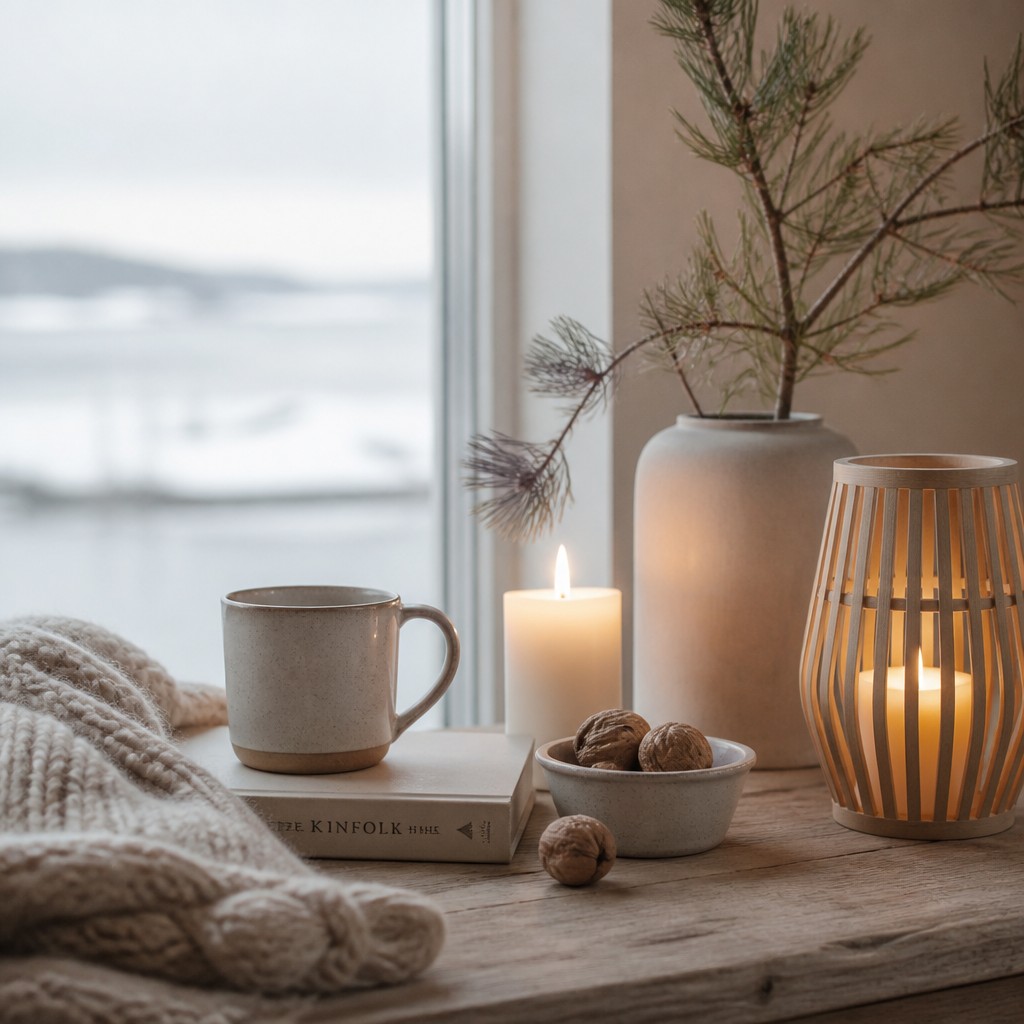
Winter contrast
A key part of the look is the relationship between cozy interior warmth and the cool light of the outside world. Frosted windows, snow, and pale daylight help define the atmosphere.
Try It
Create Videos in Hygge Aesthetic
Styles aren't just for stills — describe a scene or animate an image and get a short video rendered in Hygge Aesthetic. Press play to see this pond come to life.
Make a VideoHygge Aesthetic Prompt Ideas
Start from an idea — each one opens the generator with the style ready to go. See all 40 Hygge Aesthetic prompts →
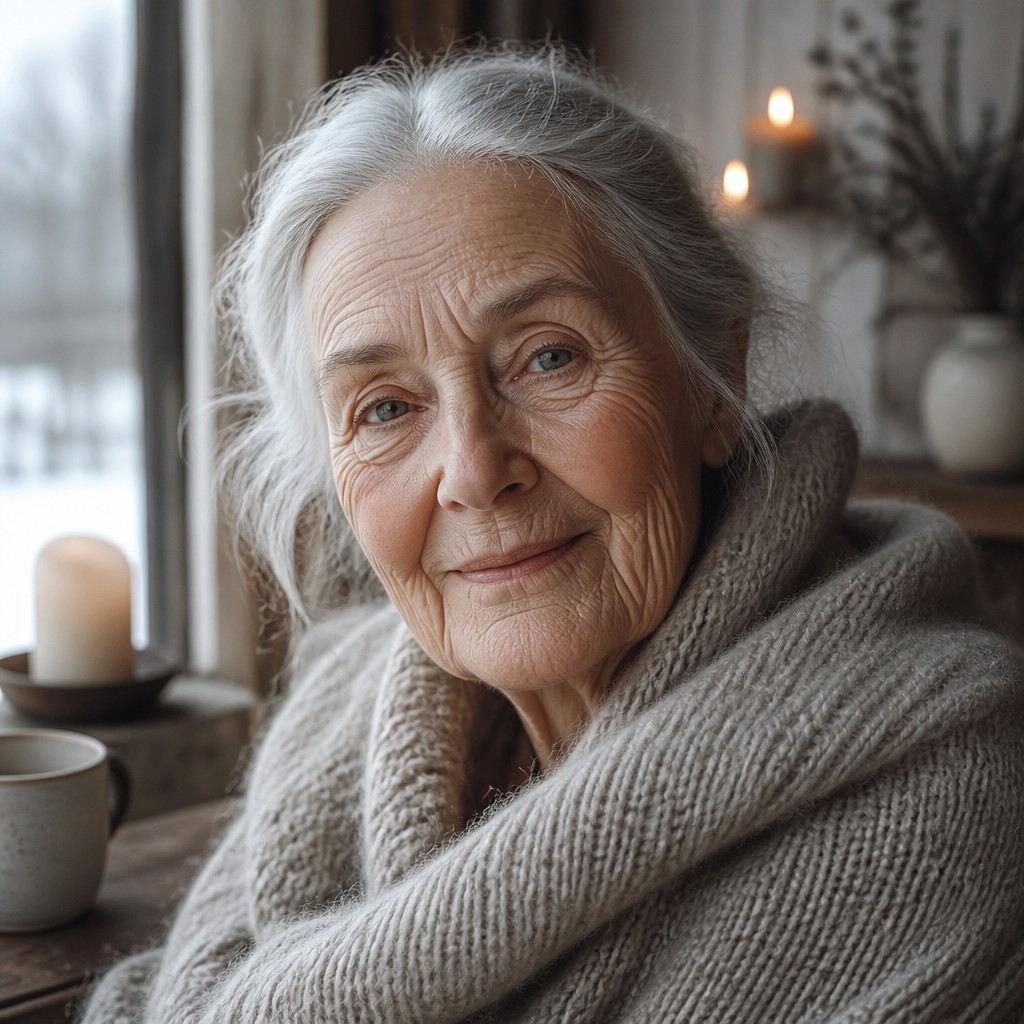
“close-up portrait of an elderly person with expressive weathered features”
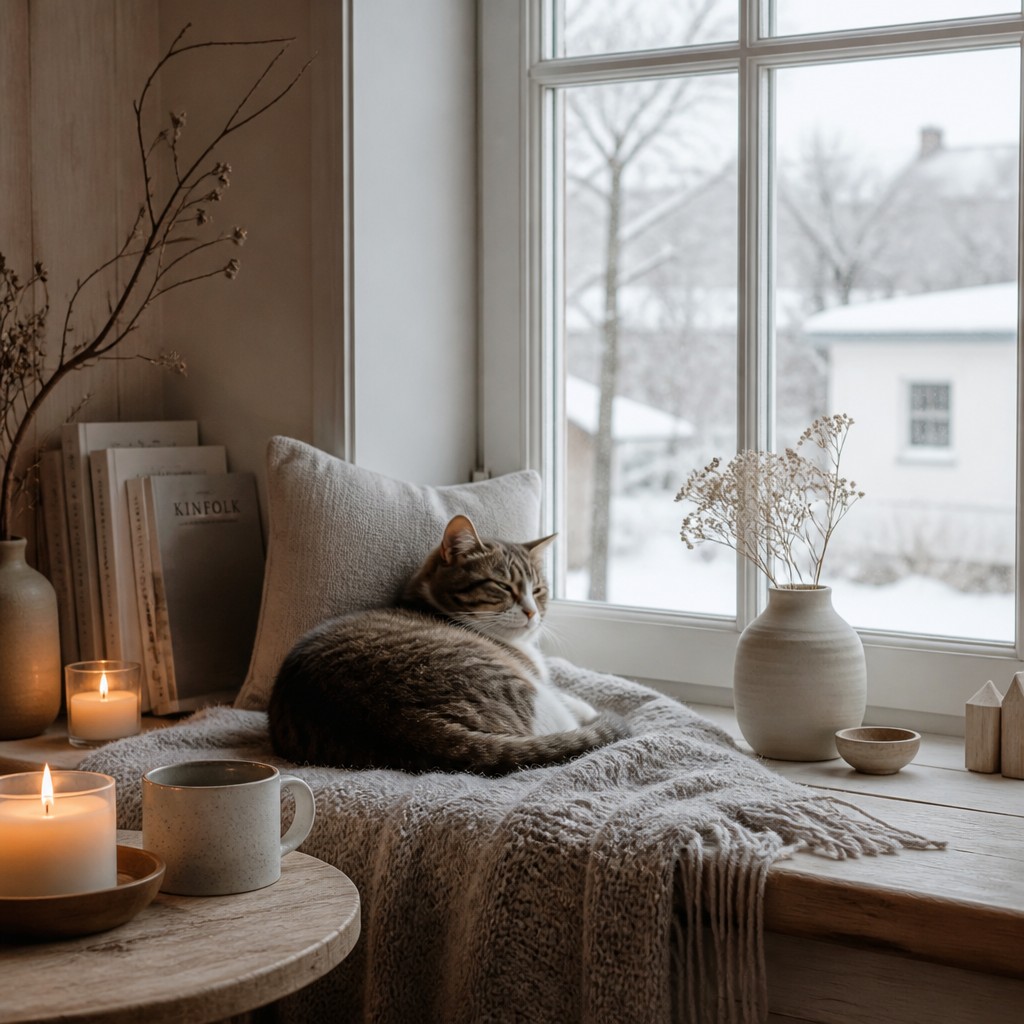
“a cat lounging in a sunlit window”
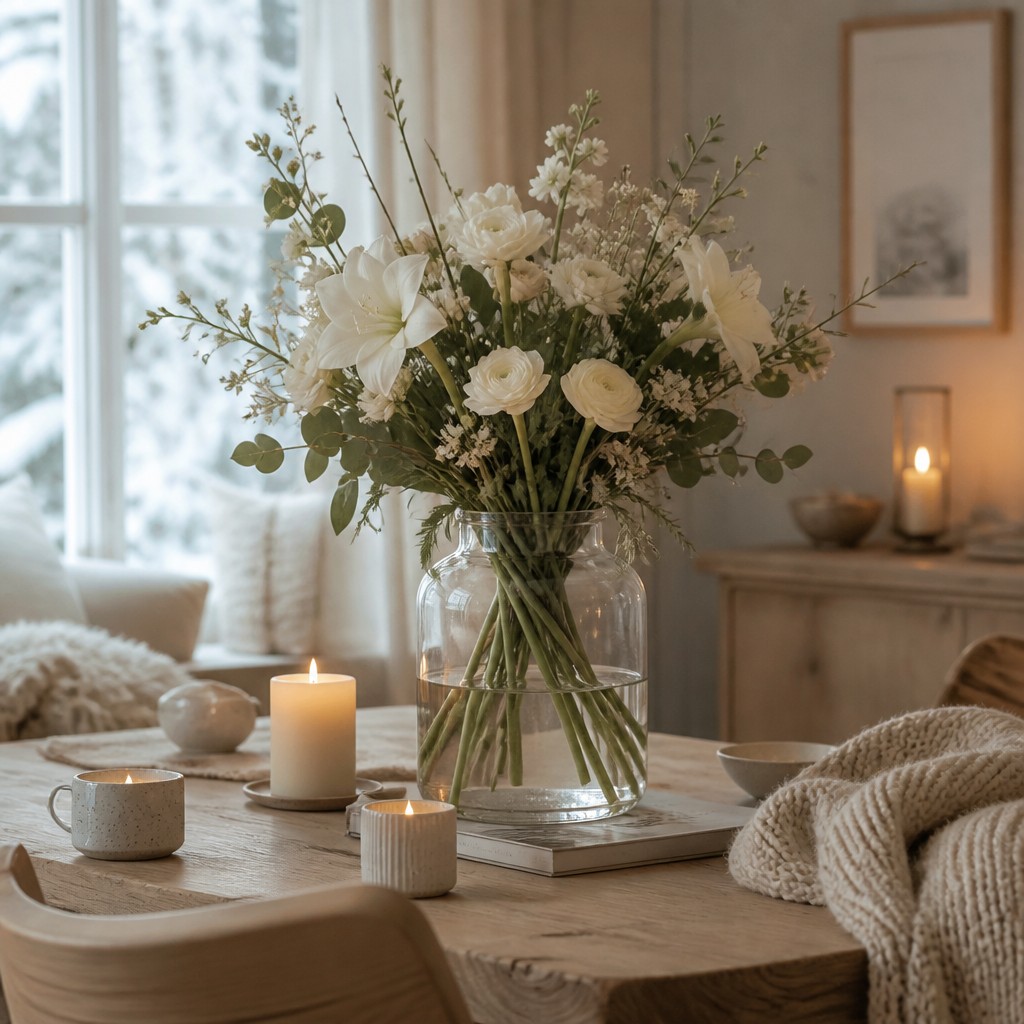
“bouquet of flowers in a glass vase”
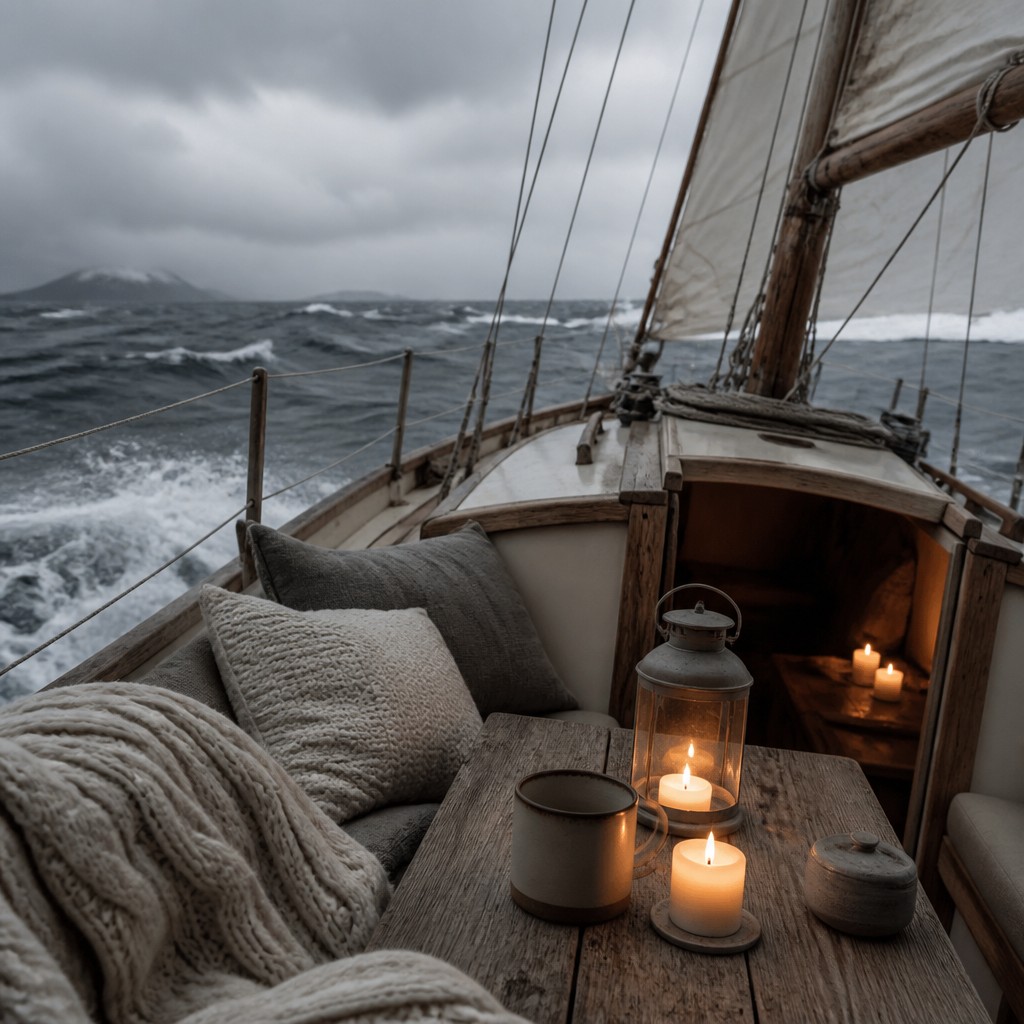
“sailing ship on a stormy sea”
How to Create Hygge Aesthetic Art
Master the craft step by step — or skip straight to creating. Read the full guide →
- 1
Build the palette first
Start with a restricted range of off-whites, grays, oat tones, and pale wood colors, then add one warm light source such as candle flame or a small lamp. In digital work or prompt-based generation, specify muted tones, low saturation, and warm-cool contrast.
- 2
Prioritize texture over decoration
Use visible weave, grain, and matte surfaces to suggest wool, birch, linen, and ceramic. Avoid glossy materials and busy patterns unless they are subtle and integrated into the room.
- 3
Keep lighting soft and directional
Choose diffused daylight, window glow, and localized warm highlights rather than hard studio light. Shadows should be gentle, and the overall exposure should feel calm and slightly dim.
- 4
Compose for stillness
Leave space around objects and avoid visual noise. A mug, book, blanket, chair, and candle can be more effective than a crowded scene because hygge relies on quiet restraint.
- 5
Show lived-in comfort in small details
Add signs of use: folded throws, stacked books, a steaming drink, or a simple meal. These details make the scene feel human and inhabited without disrupting the minimal composition.
- 6
Describe atmosphere clearly in prompts
When generating images, combine subject matter with environmental cues such as winter window light, candlelit room, Scandinavian interior, and natural materials. The style depends as much on mood and lighting as on subject.

The Story
History & Origins of Hygge Aesthetic
Hygge is not a formal historical art movement but a Danish cultural and aesthetic idea that has become widely recognized internationally. The word hygge refers to a sense of coziness, well-being, and conviviality, and its visual language developed from everyday Scandinavian domestic life, especially in climates where long winters encouraged warm interiors, soft lighting, and practical, durable materials.
Its broader aesthetic lineage overlaps with Danish and Nordic design traditions of the 20th century: functionalism, modern Scandinavian interiors, and the work of designers such as Arne Jacobsen, Hans Wegner, and Alvar Aalto, whose emphasis on clarity, natural materials, and human scale shaped the region's visual culture. In contemporary image-making, hygge is often used to describe scenes and objects that express this atmosphere of understated warmth rather than a single historical style with fixed rules.
Influences: The hygge aesthetic draws from Scandinavian and especially Danish design traditions, including modernist functionalism and the broader Nordic emphasis on simplicity, usability, and natural materials. It is visually related to Danish modern interiors and to designers such as Arne Jacobsen and Hans Wegner, as well as to Nordic modernism associated with Alvar Aalto, though hygge itself is more an atmosphere than a formal design school. It also overlaps with contemporary minimalist interior photography and slow-living visual culture.
Frequently Asked Questions
What defines the hygge aesthetic?
Hygge is defined by warmth, softness, and quiet domestic comfort. Visually, that means muted colors, candlelight or other soft light sources, natural materials, and uncluttered, lived-in scenes.
Is hygge the same as Scandinavian minimalism?
They are related, but not identical. Scandinavian minimalism emphasizes simplicity and function, while hygge adds emotional warmth, texture, and a sense of intimate coziness.
What colors work best in hygge-style art?
Soft neutrals work best: white, cream, warm gray, oat, beige, pale wood tones, and small accents of brown or candle gold. Strong saturated colors usually weaken the effect unless used very sparingly.
What subjects are common in hygge imagery?
Common subjects include candles, blankets, books, tea, coffee, wool socks, wooden furniture, winter windows, and quiet home interiors. The style is less about dramatic action and more about atmosphere.
How can I make a photo look hygge?
Use soft warm lighting, reduce saturation, simplify the background, and emphasize tactile materials like wool, wood, ceramic, and linen. Cropping tighter around cozy details can also help create the feeling.
Where is hygge commonly used?
It is common in interior design, lifestyle photography, editorial illustration, seasonal branding, and home decor imagery. It is especially associated with winter campaigns, cafés, and home-centered visual storytelling.

Create your first Hygge Aesthetic artwork
Describe anything — or upload a photo — and see it in Hygge Aesthetic in seconds.
Make Something with Hygge Aesthetic
Related Styles
Discover similar art styles