Angelcore Aesthetic
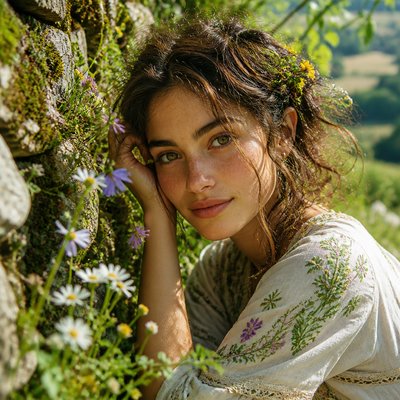
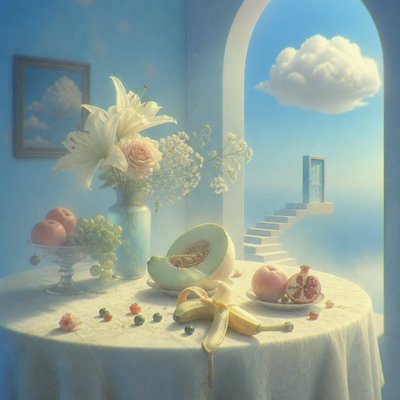
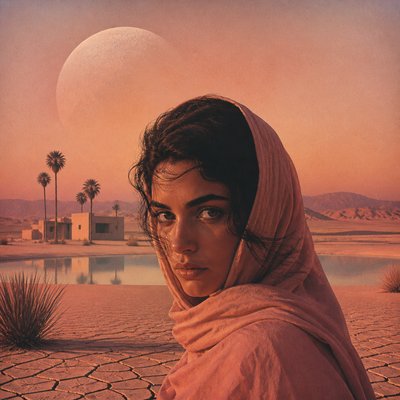
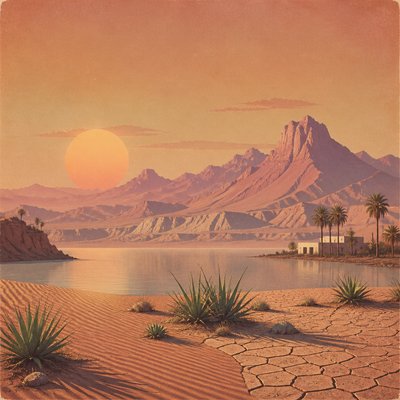
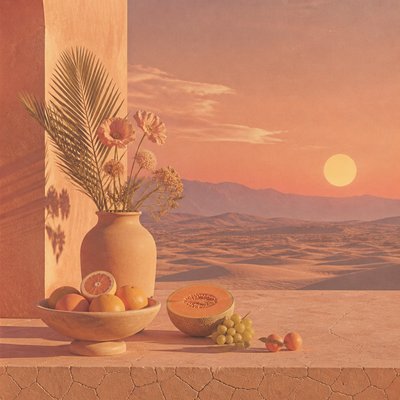
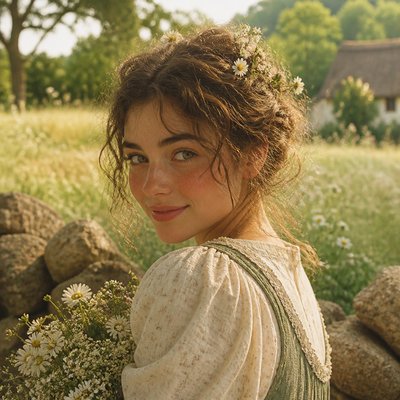
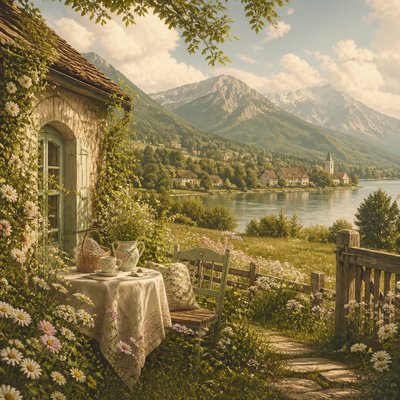
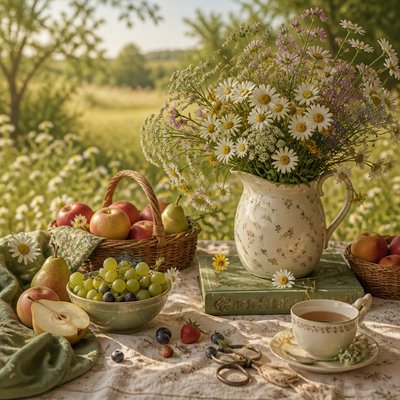
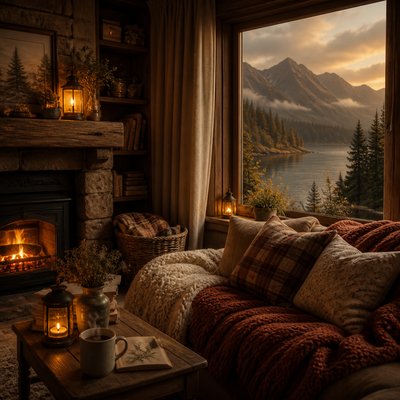
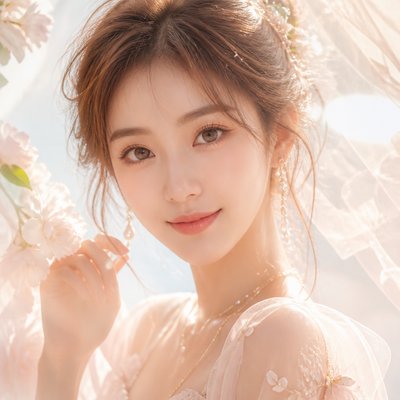
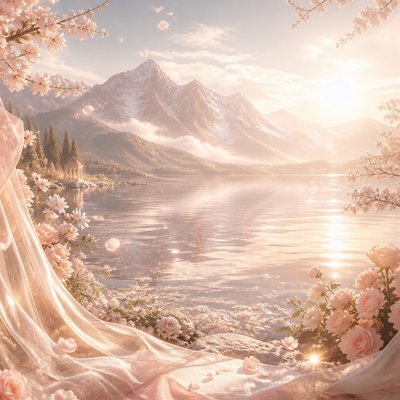
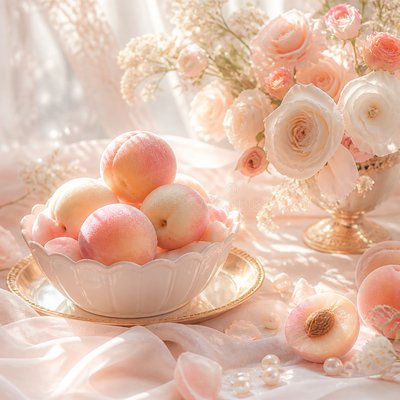
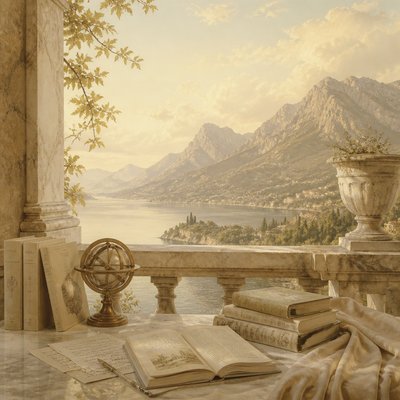
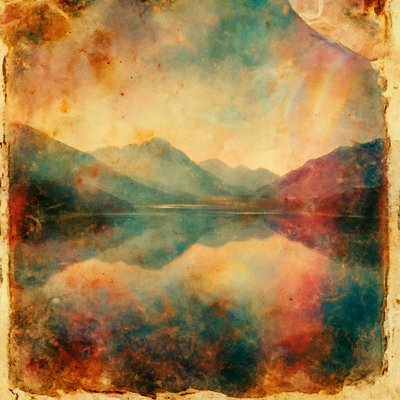
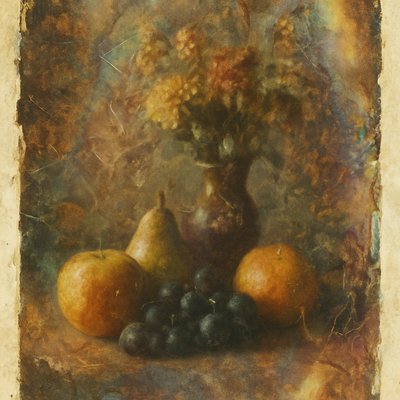
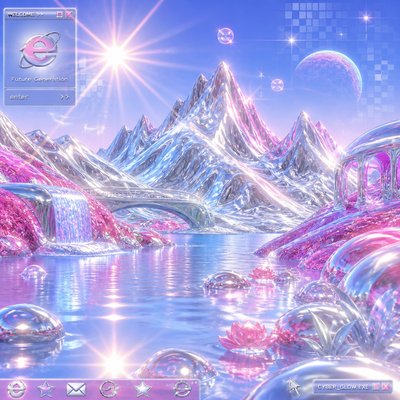
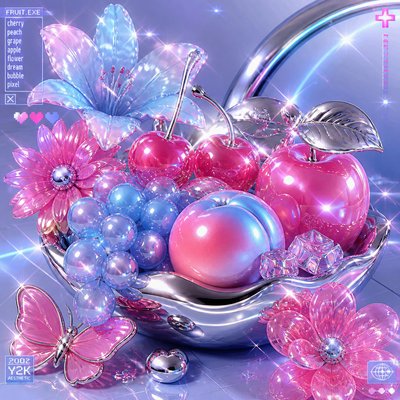
Angelcore aesthetic: luminous whites, gold halos, clouds, cherubs, and serene heavenly softness in art and photography.
Instantly rendered in Angelcore Aesthetic — or transform a photo
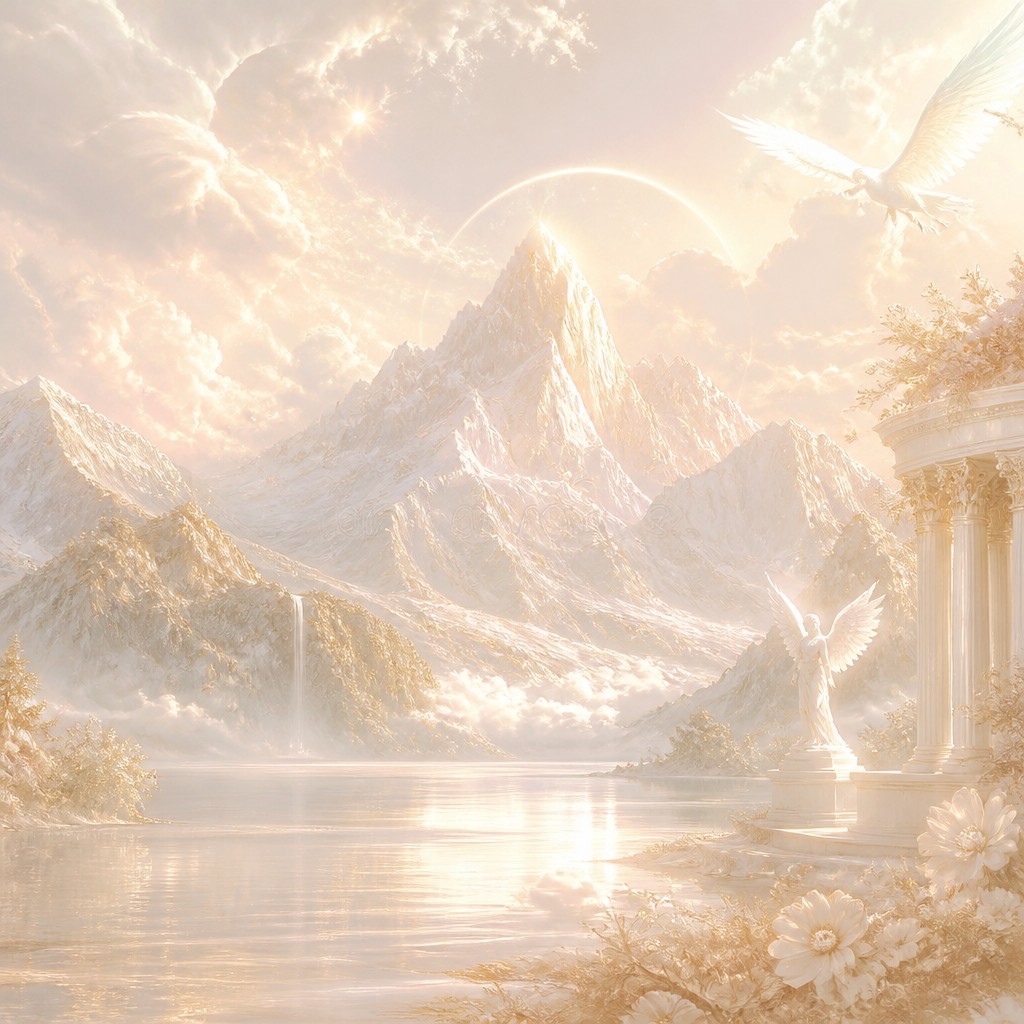
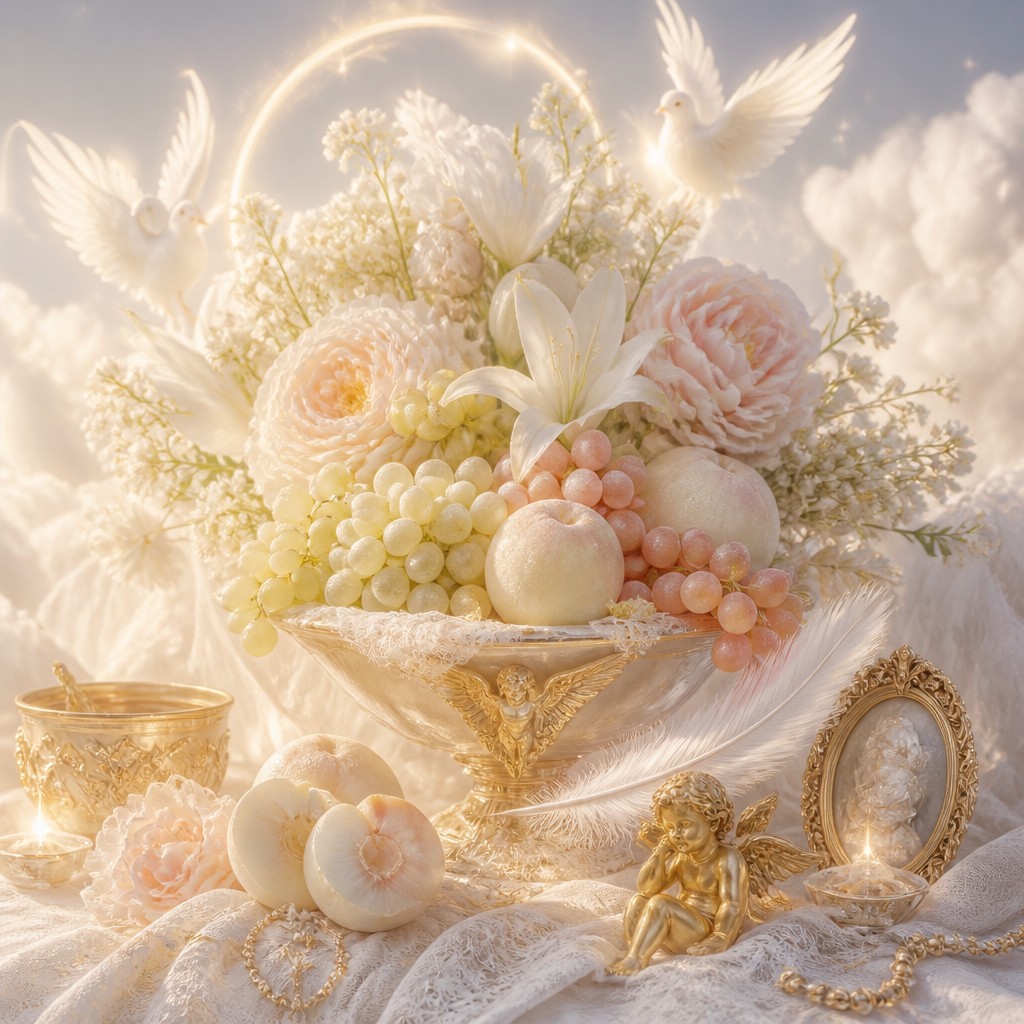
Angelcore Aesthetic Gallery
Tap any artwork to explore it
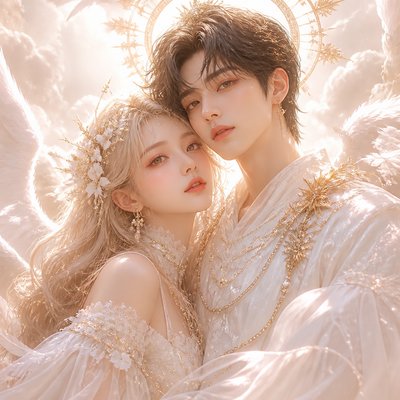
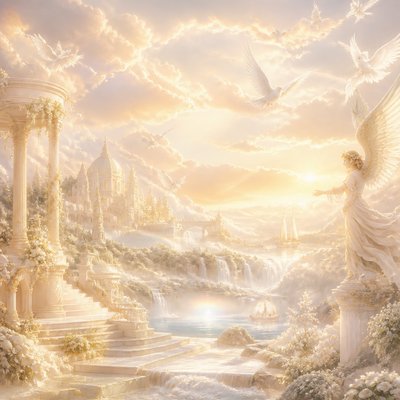
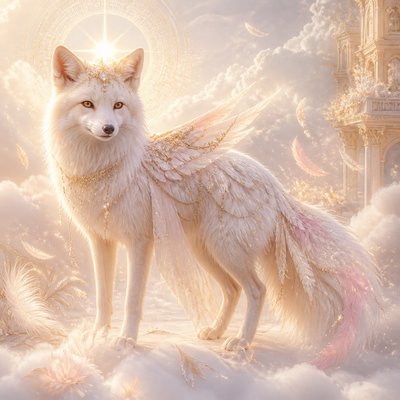
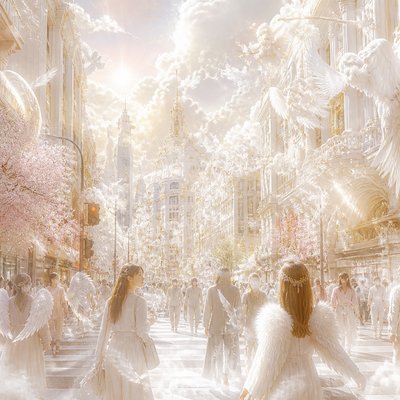
What is Angelcore Aesthetic?
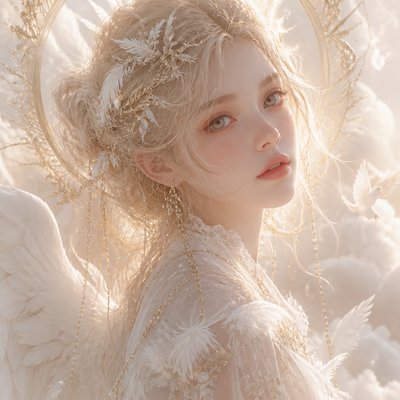
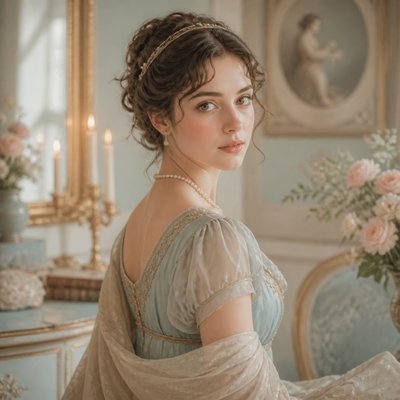
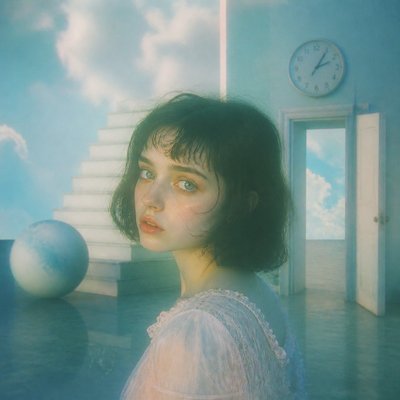
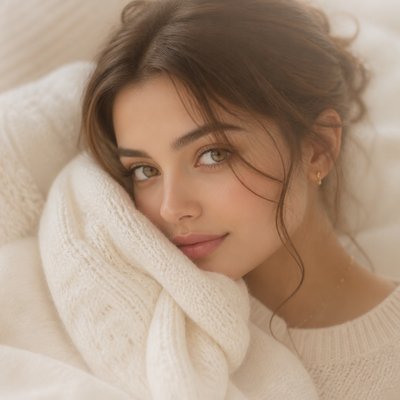
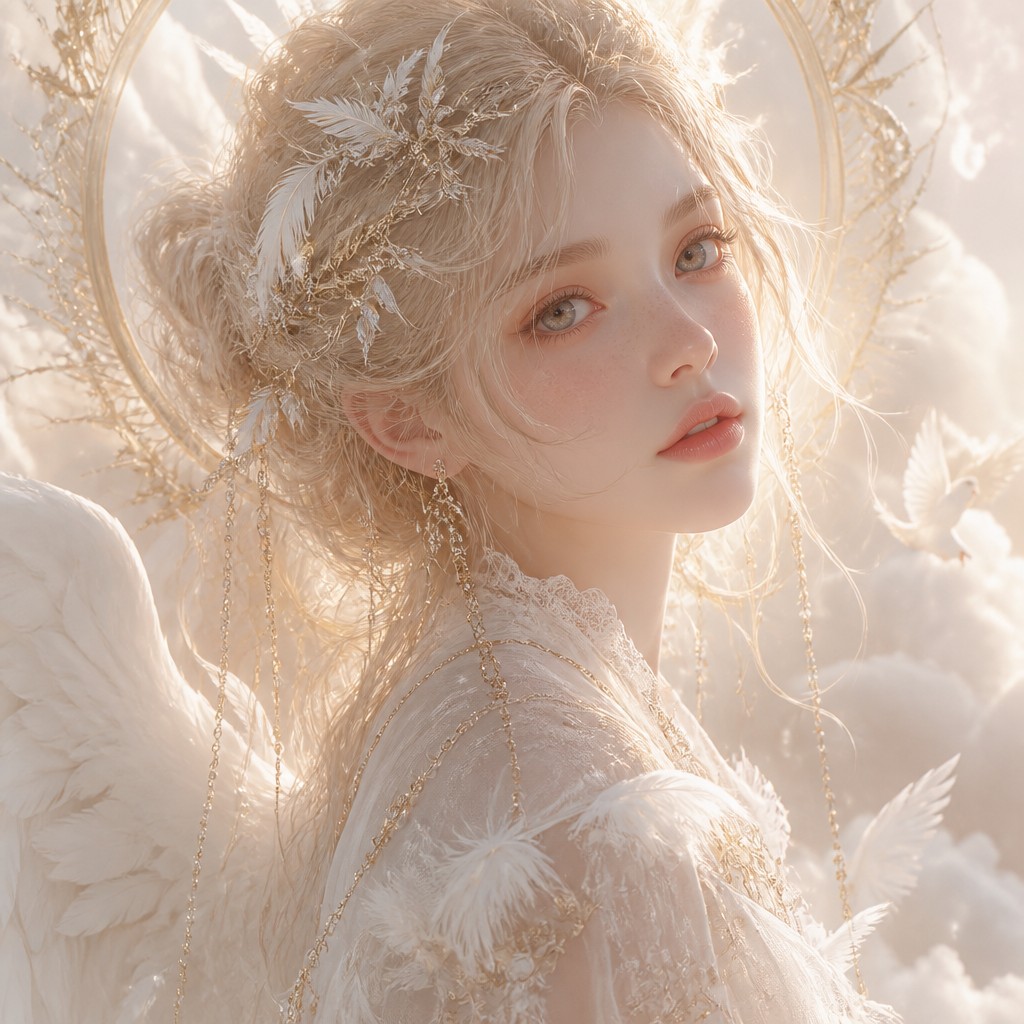
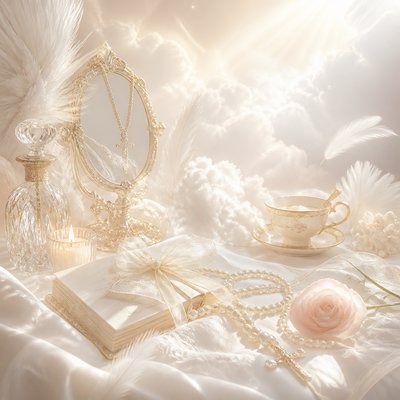
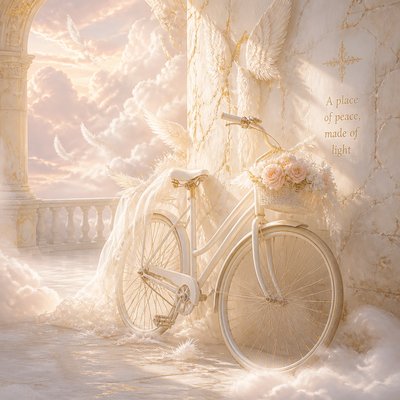
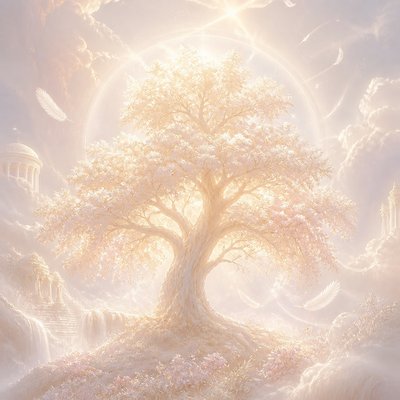
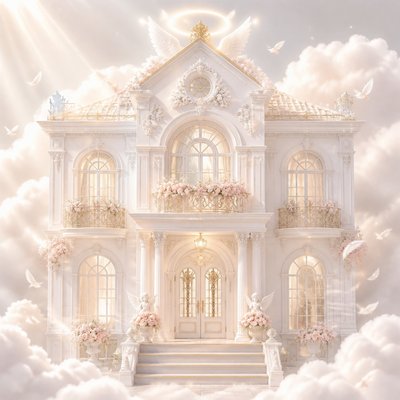
Angelcore is a contemporary aesthetic built around the visual language of heaven, innocence, and luminous softness. Its core imagery includes cherubs, halos, clouds, wings, glowing white fabric, pearls, and pale gold light, often balanced with faint blush pink or cream tones. The result is an airy, devotional mood that feels quiet, tender, and suspended between portraiture, fantasy, and dream imagery.
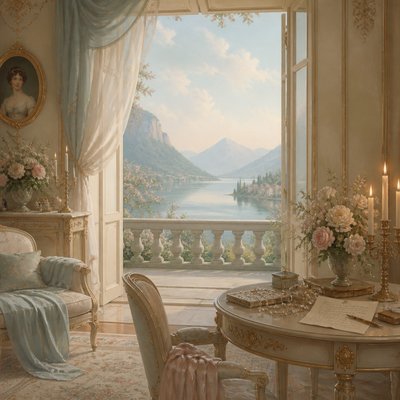
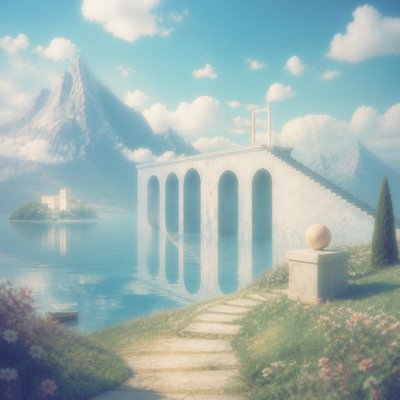
The style looks the way it does because it borrows from multiple sources: religious iconography, Rococo softness, Victorian sentimentality, and modern internet aesthetics that favor pastel palettes and ethereal textures. Rather than aiming for historical realism, angelcore uses gentle lighting, blurred edges, feathered detail, and cloudlike backgrounds to create a sense of purity and elevation. It is less about literal angels than about evoking the atmosphere associated with them.
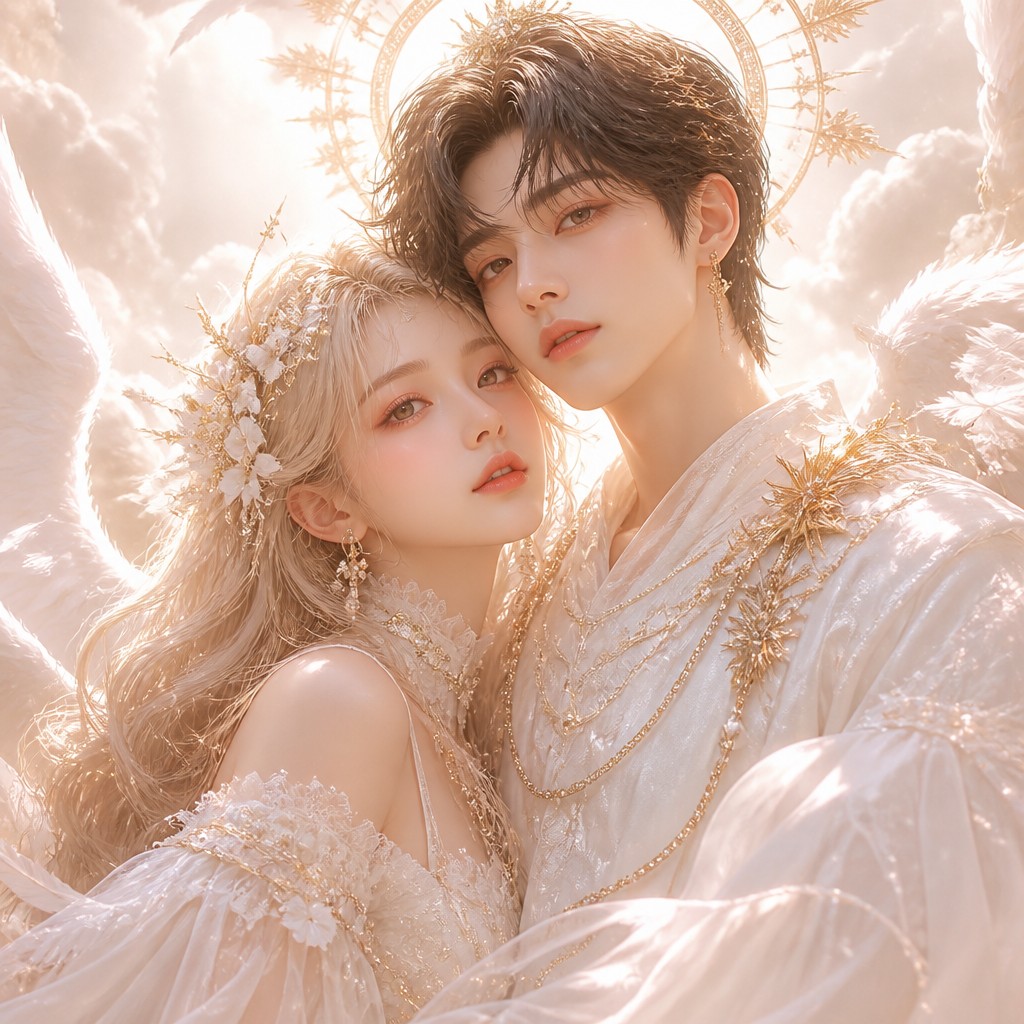
Try It On Your Photos
Upload any photo and convert it into Angelcore Aesthetic — drag the sliders to compare before and after.
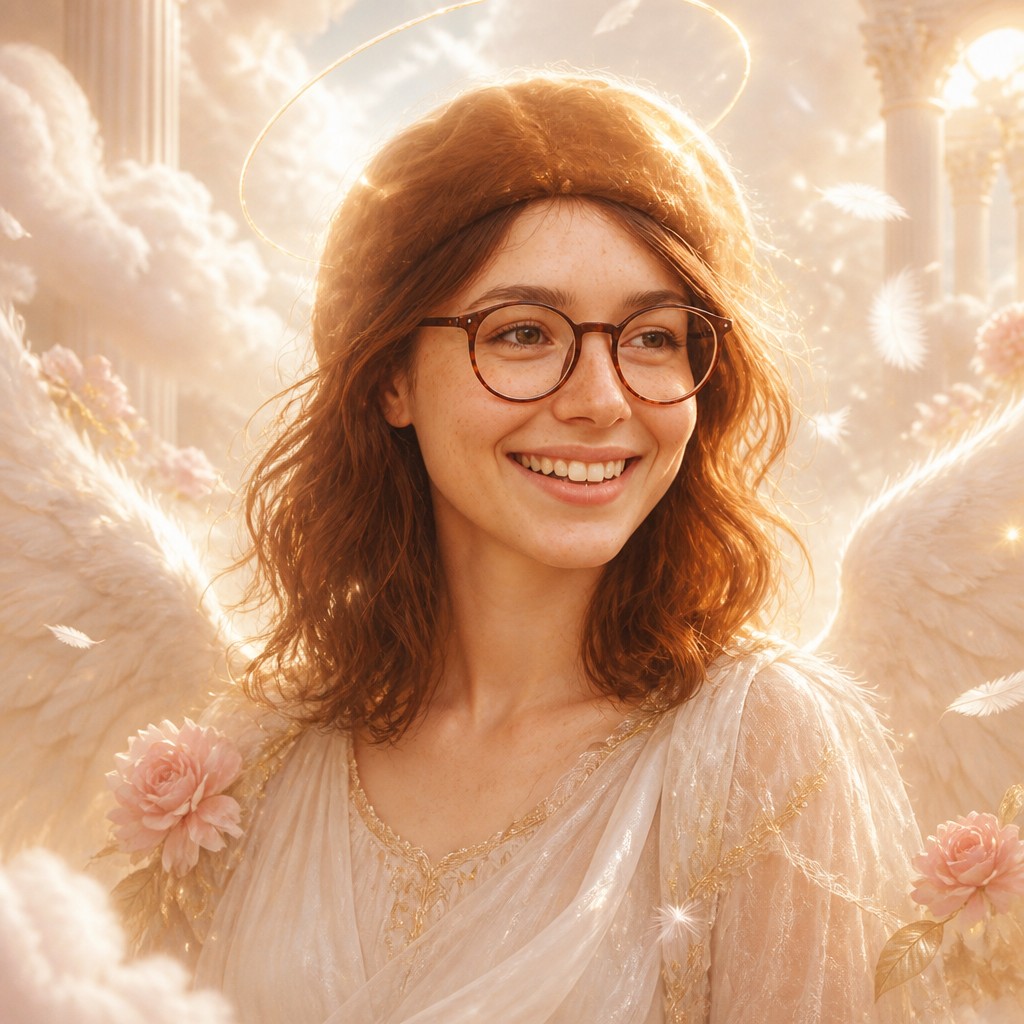

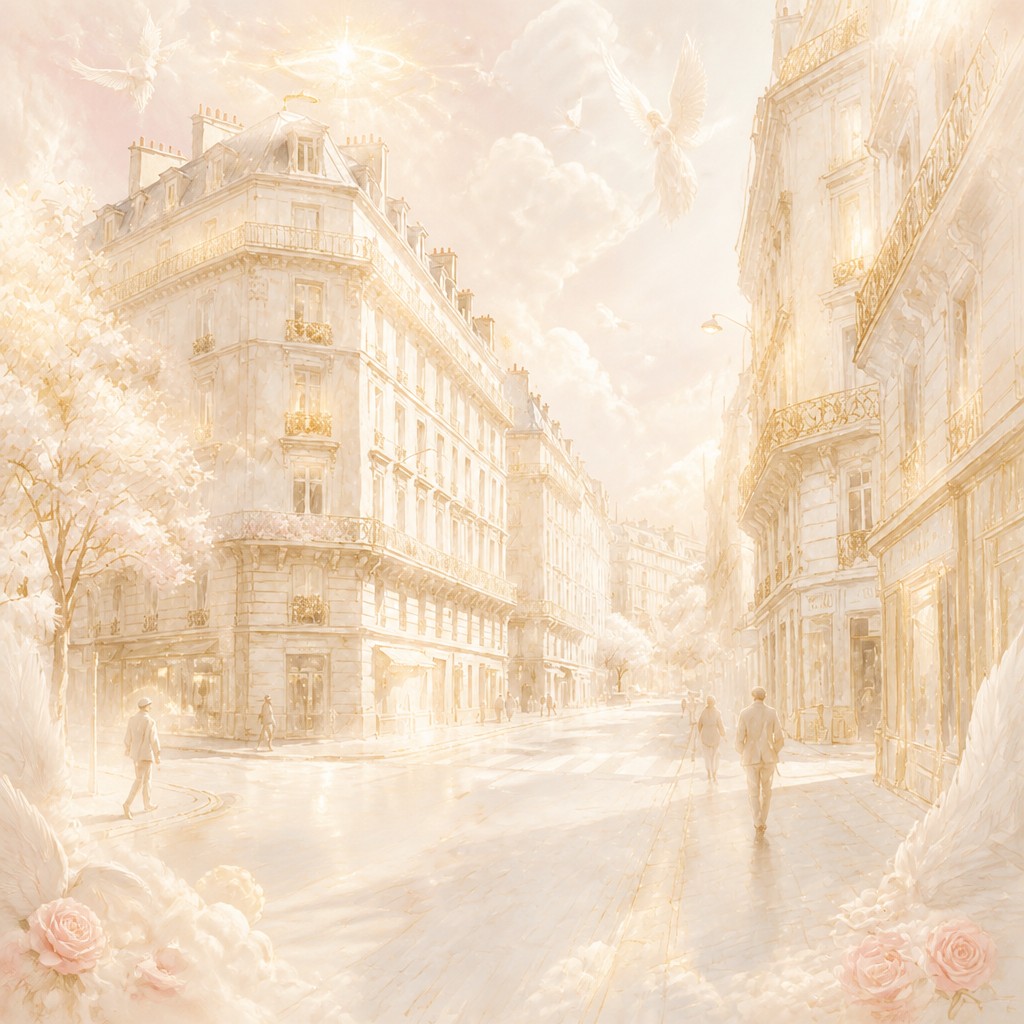

What Defines Angelcore Aesthetic
The signature details, up close
Luminous pale palette
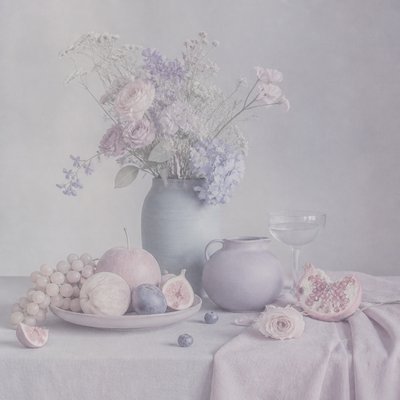
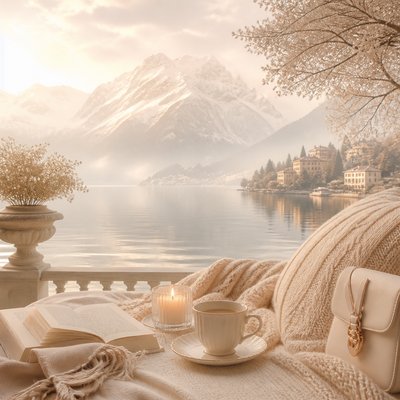
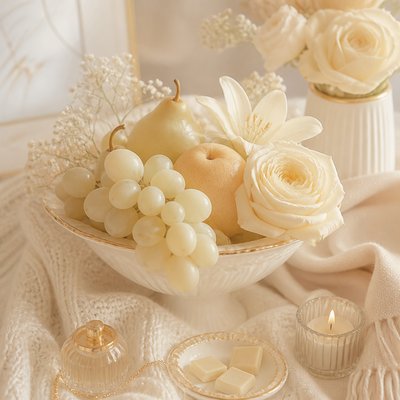
Angelcore usually relies on white, ivory, cream, pale gold, and faint pink. These colors create an impression of cleanliness, warmth, and spiritual light rather than strong contrast.
Haloed and backlit lighting
A soft glow around heads, shoulders, or objects is central to the look. This halo effect often comes from diffused backlighting, bloom, or carefully painted luminous edges.
Clouds and atmosphere
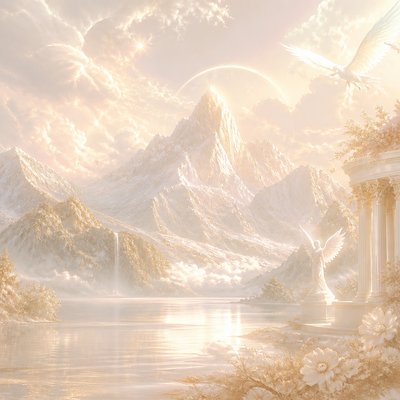
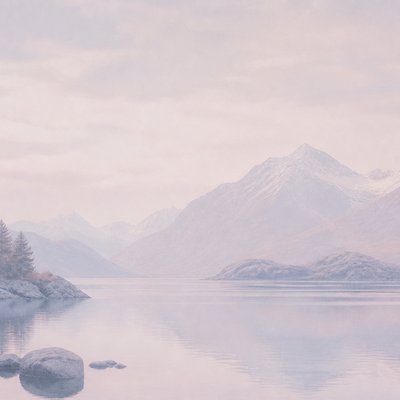
Cloud banks, mist, and hazy gradients are common compositional tools. They dissolve hard edges and make the image feel suspended, weightless, and celestial.
Feathered and gauzy textures
Wings, veils, tulle, satin, lace, and feather details reinforce the angelic theme. These materials add softness and visual delicacy, even in simple compositions.
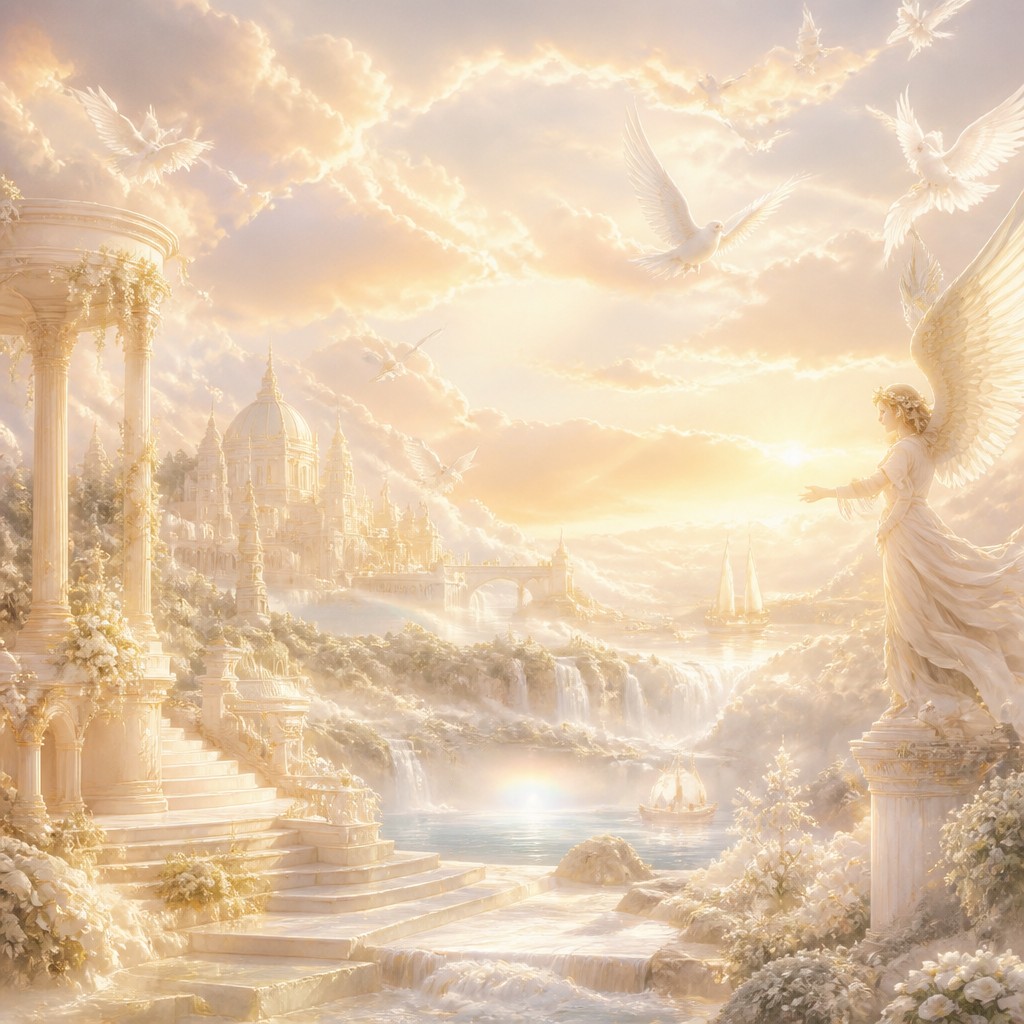
Serene facial expression and pose
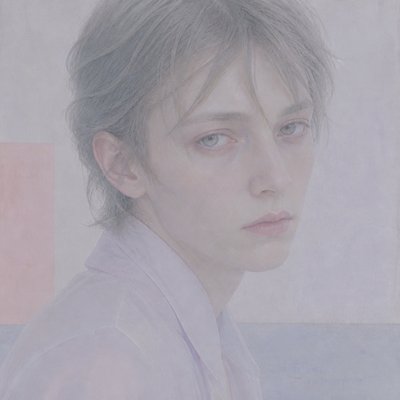
Figures are often shown in calm, contemplative poses with gentle expressions. The mood tends to be tender and withdrawn rather than dramatic or theatrical.
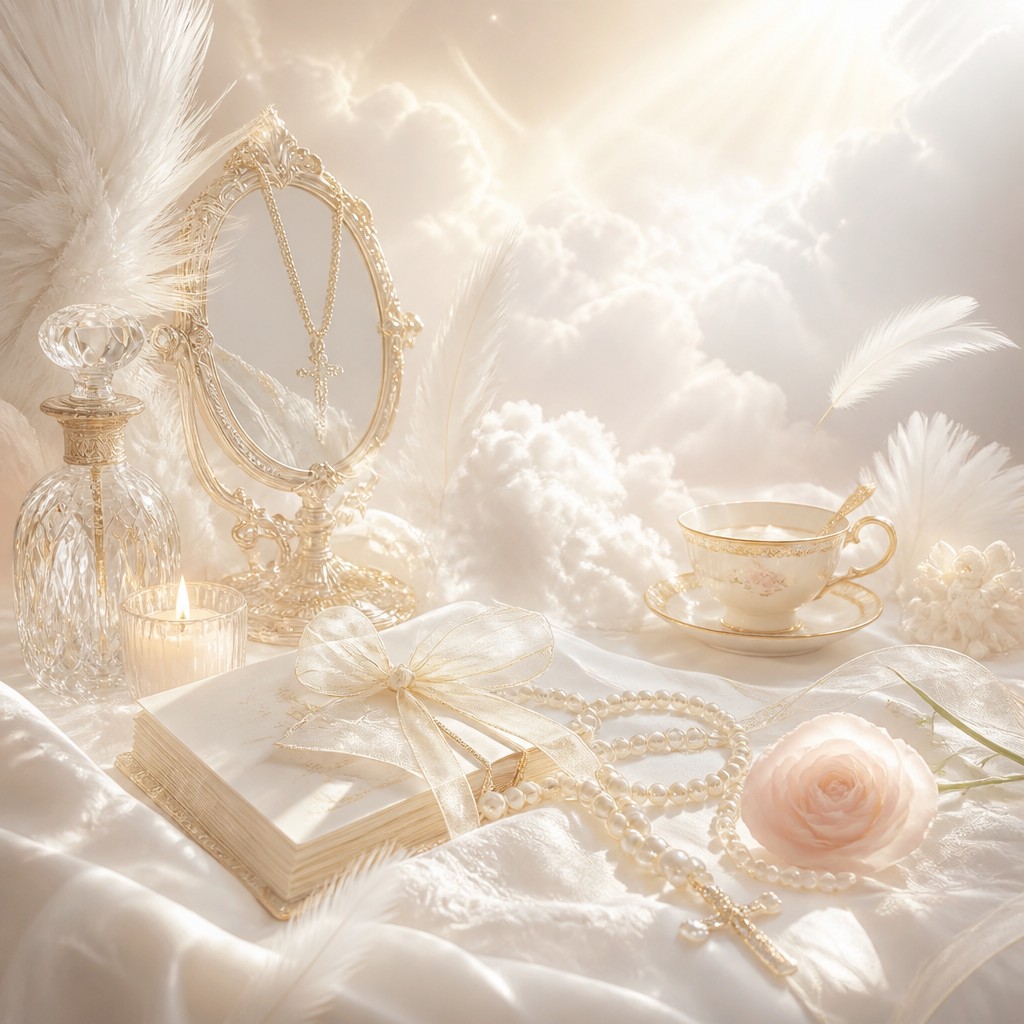
Sacred and ornamental symbols
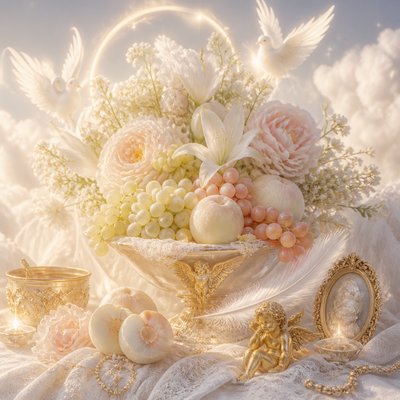
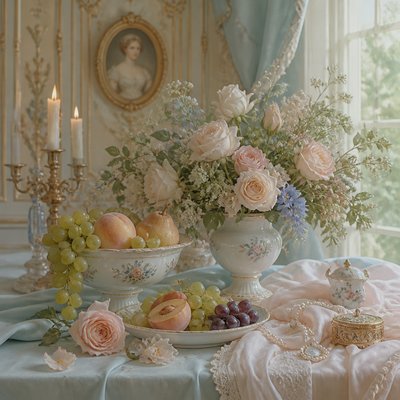
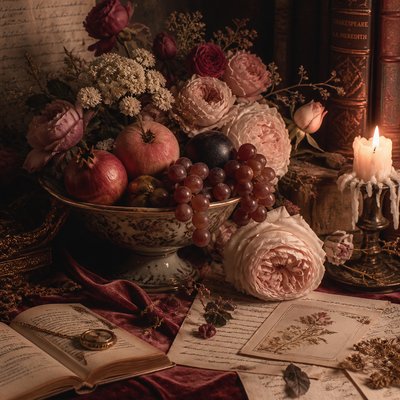
Halos, cherubs, candles, stars, pearls, roses, and classical drapery frequently appear. These motifs connect the style to religious art, devotional imagery, and decorative traditions.
Try It
Create Videos in Angelcore Aesthetic
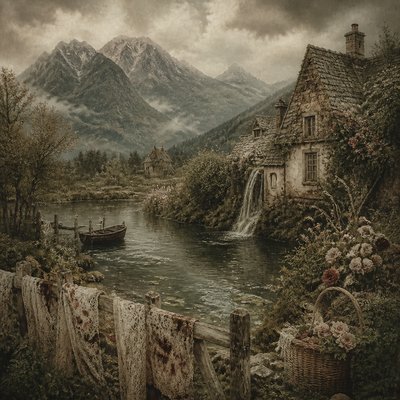
Styles aren't just for stills — describe a scene or animate an image and get a short video rendered in Angelcore Aesthetic. Press play to see this pond come to life.
Make a VideoAngelcore Aesthetic Prompt Ideas
Start from an idea — each one opens the generator with the style ready to go. See all 40 Angelcore Aesthetic prompts →
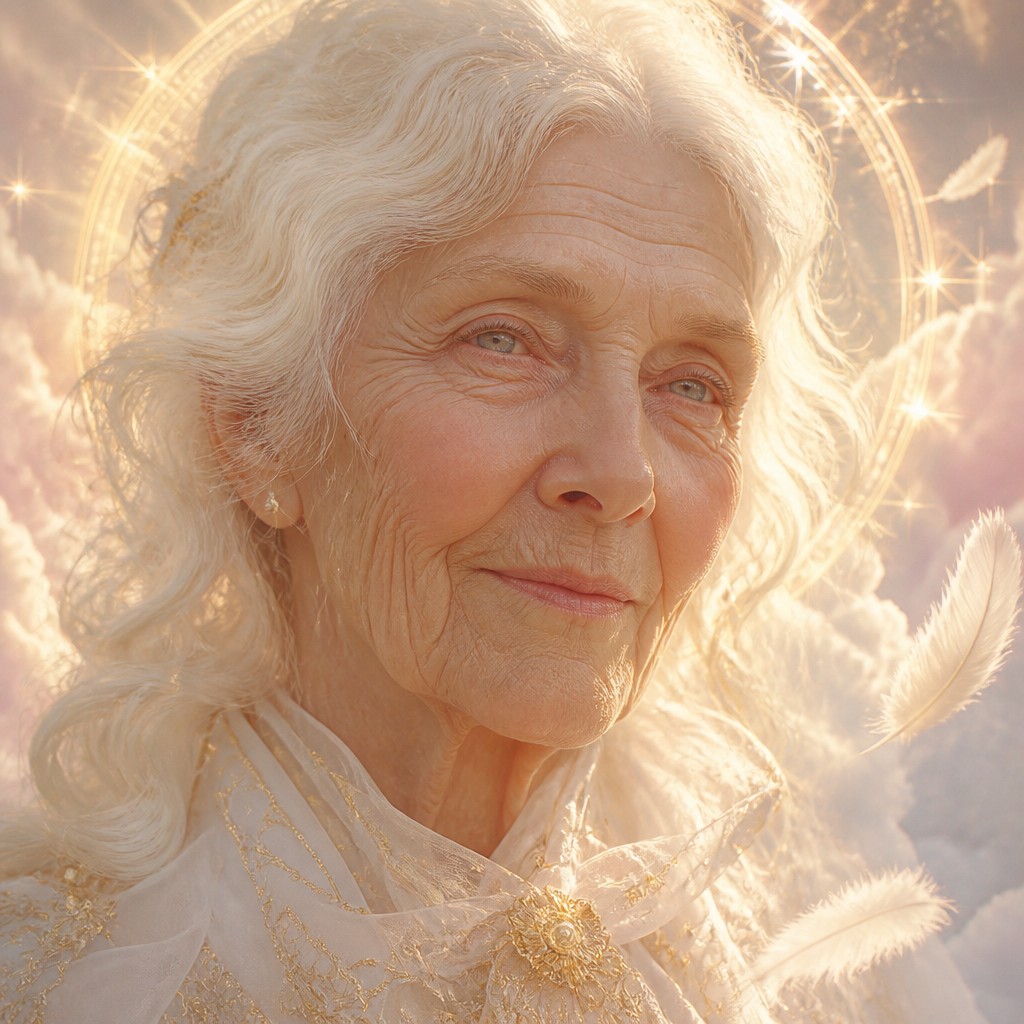
“close-up portrait of an elderly person with expressive weathered features”
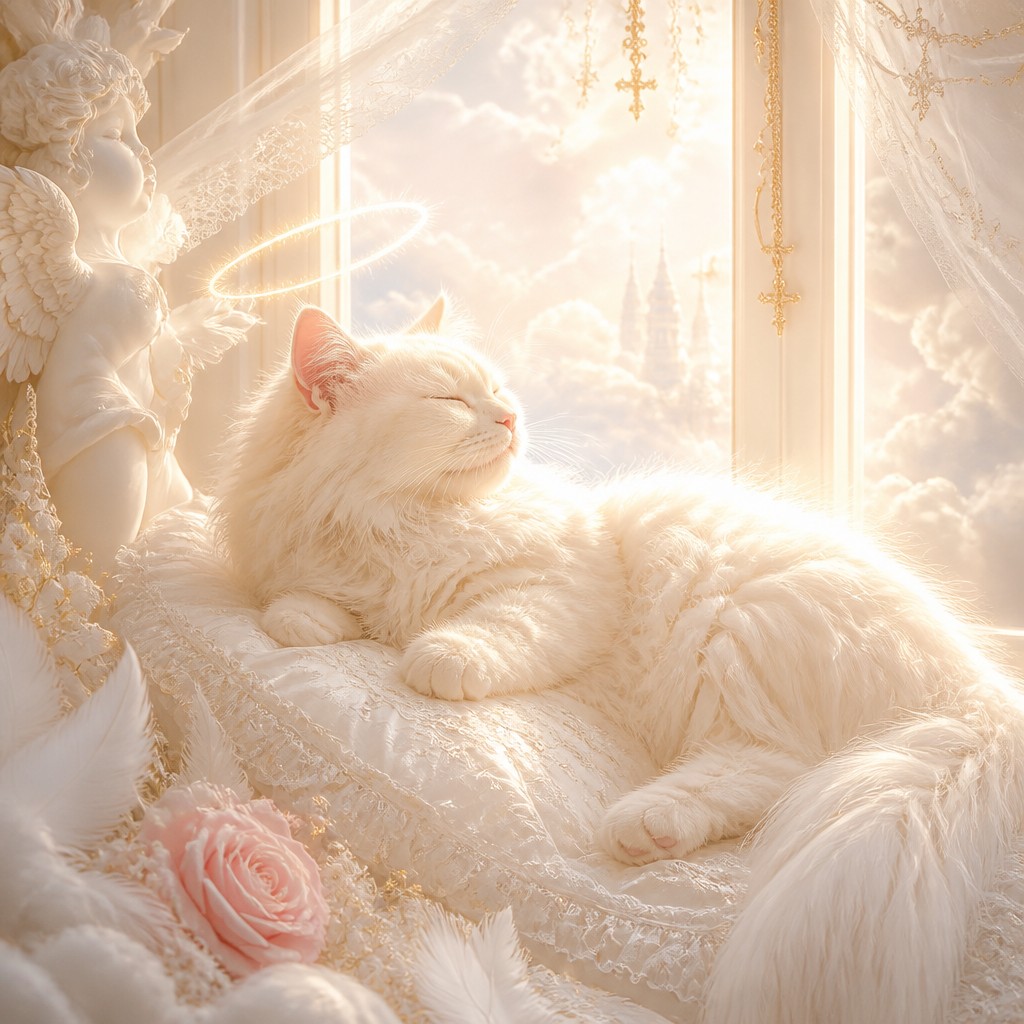
“a cat lounging in a sunlit window”
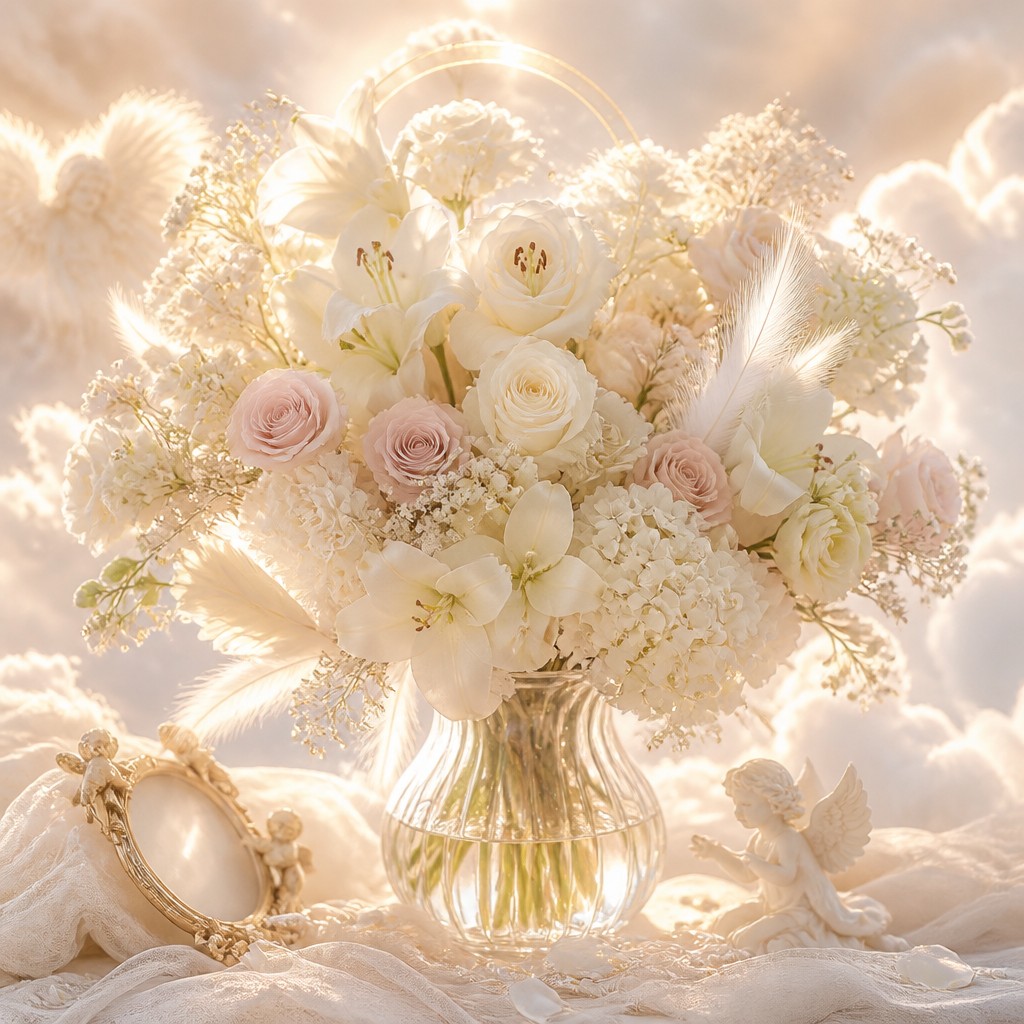
“bouquet of flowers in a glass vase”
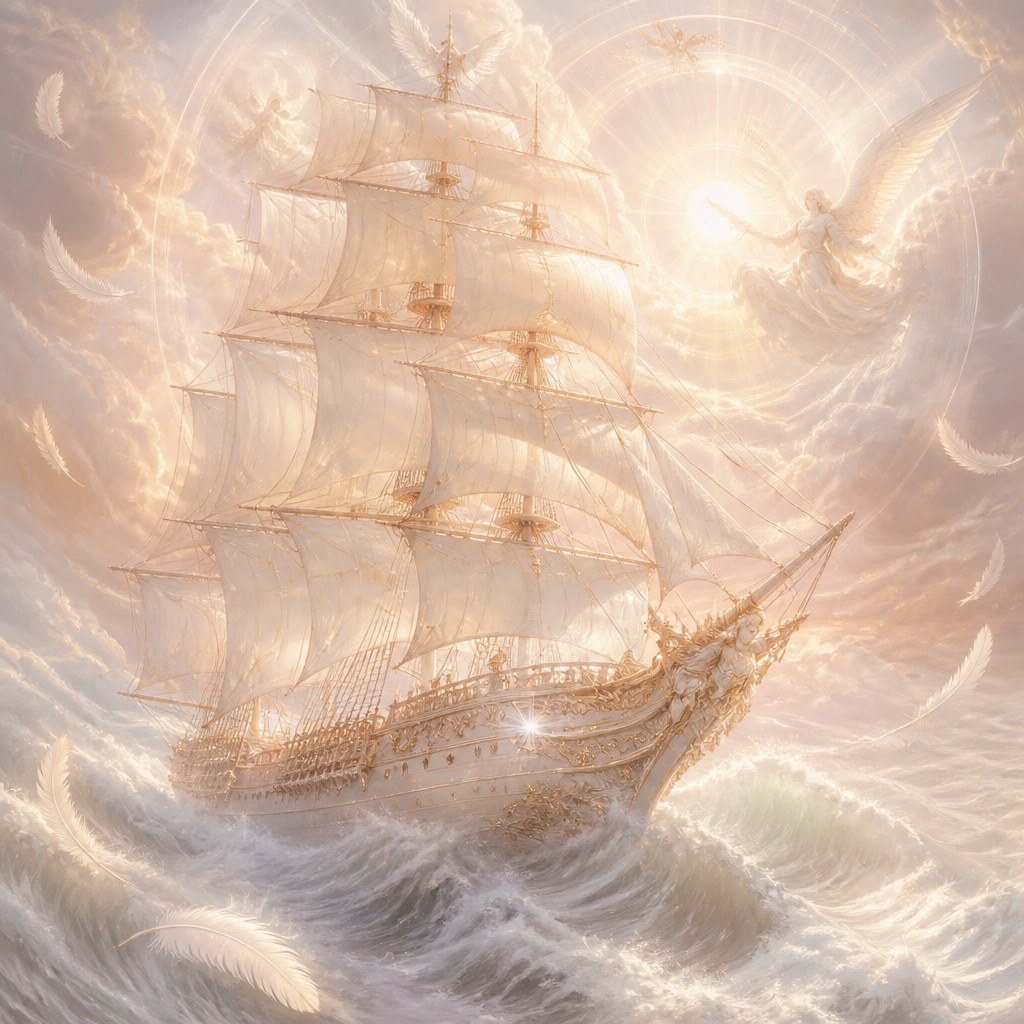
“sailing ship on a stormy sea”
How to Create Angelcore Aesthetic Art
Master the craft step by step — or skip straight to creating. Read the full guide →
- 1
Build a pale, luminous palette
Start with off-white, ivory, cream, and soft gold, then add very small accents of blush or pearl pink. Keep saturation low so the image feels illuminated rather than colorful.
- 2
Use diffused light and soft edges
In traditional media, glaze or blend transitions gently to avoid harsh contrast. In digital work, use bloom, airbrush-like shading, or subtle blur to create a haloed, atmospheric finish.
- 3
Choose angelic or devotional motifs
Include clouds, wings, halos, cherubs, candles, lilies, lace, or flowing drapery to establish the iconography. Even a single symbolic element can shift an otherwise ordinary image into the style.
- 4
Favor airy compositions and negative space
Keep the scene open and uncluttered so the subject appears to float within light. Backgrounds can be simplified into mist, sky, or diffuse gradients to preserve the serene mood.
- 5
Add tactile softness to surfaces
Render feathers, tulle, satin, and cloud textures with fine, feathery marks or layered digital brushes. The more the surfaces seem gentle and touchable, the stronger the angelcore effect.
- 6
When generating, specify mood and material qualities
Describe the subject clearly, then add terms such as ivory palette, soft heavenly glow, drifting clouds, feathered detail, halo light, and serene celestial softness. If transforming a photo, ask for the same qualities while preserving the original pose or composition.

The Story
History & Origins of Angelcore Aesthetic
Angelcore is not a historical art movement in the formal sense; it is a late-20th- and early-21st-century internet aesthetic. Its visual language developed from online mood boards and subcultural image-sharing, where celestial symbolism, pastel color schemes, and devotional imagery were recombined into a distinct look centered on softness, innocence, and transcendence.
Its lineage can be traced to several older traditions: Christian angel imagery in Western religious art, Rococo ornament and pastel elegance, and 19th-century sentimental illustration and portraiture. In contemporary use, angelcore also overlaps with fashion, photography, and digital illustration, where gauzy fabrics, backlit faces, and cloud textures are used to produce a floating, heavenly effect.
Influences: Angelcore draws from Western Christian angel iconography, especially the visual traditions of Renaissance and Baroque sacred art, as well as Rococo ornament, Victorian sentimentality, and contemporary pastel internet aesthetics. Its emotional softness also recalls devotional illustration and ethereal portrait photography, where light and pose are used to suggest purity, quiet reverence, and transcendence.

Frequently Asked Questions
What defines the angelcore aesthetic?
Angelcore is defined by heavenly imagery, pale luminous colors, and a soft, reverent mood. Common features include halos, clouds, wings, cherubs, ivory fabrics, and gentle glowing light. The style aims for serenity and celestial softness rather than realism or drama.
Is angelcore a historical art movement?
No. Angelcore is a modern internet aesthetic rather than a formal historical movement. Its imagery is assembled from older religious art traditions, decorative styles, and contemporary pastel visual culture.
How is angelcore different from fairycore or heavenly goth?
Angelcore is usually paler, quieter, and more devotional in tone than fairycore, which often feels more botanical and playful. Compared with heavenly goth, angelcore avoids dark contrast and gothic ornament, favoring ivory light, softness, and innocence.
What subjects work best in angelcore art?
Portraits, cherubs, angels, children, classical figures, flowers, candles, and cloudscapes are all common choices. The style also works well for fashion imagery, still life, and dreamlike interior scenes. Subjects should feel calm and luminous.
How can I make a photo look angelcore?
Use soft lighting, pale color grading, and airy overlays such as clouds, haze, or glow. Add white or gold accents, reduce harsh shadows, and choose clothing or props with lace, tulle, pearls, or satin. Keeping the composition simple helps the image feel ethereal.
Where is angelcore commonly used?
It appears in fashion photography, social media mood boards, album art, illustration, and fantasy-themed design. It is also popular for portraits and decorative graphics because the style reads quickly and evokes a clear emotional atmosphere.

Create your first Angelcore Aesthetic artwork
Describe anything — or upload a photo — and see it in Angelcore Aesthetic in seconds.
Make Something with Angelcore Aesthetic
Related Styles
Discover similar art styles