Spacecore Aesthetic
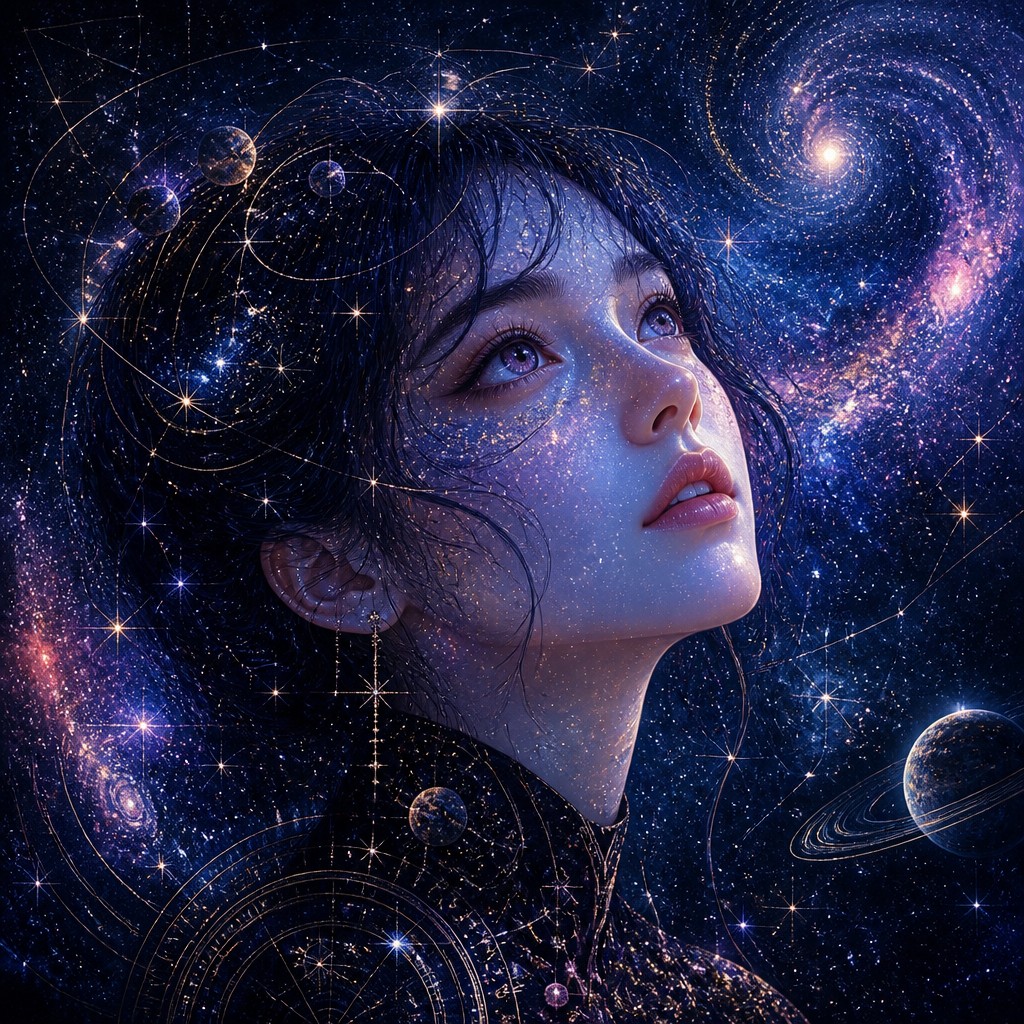
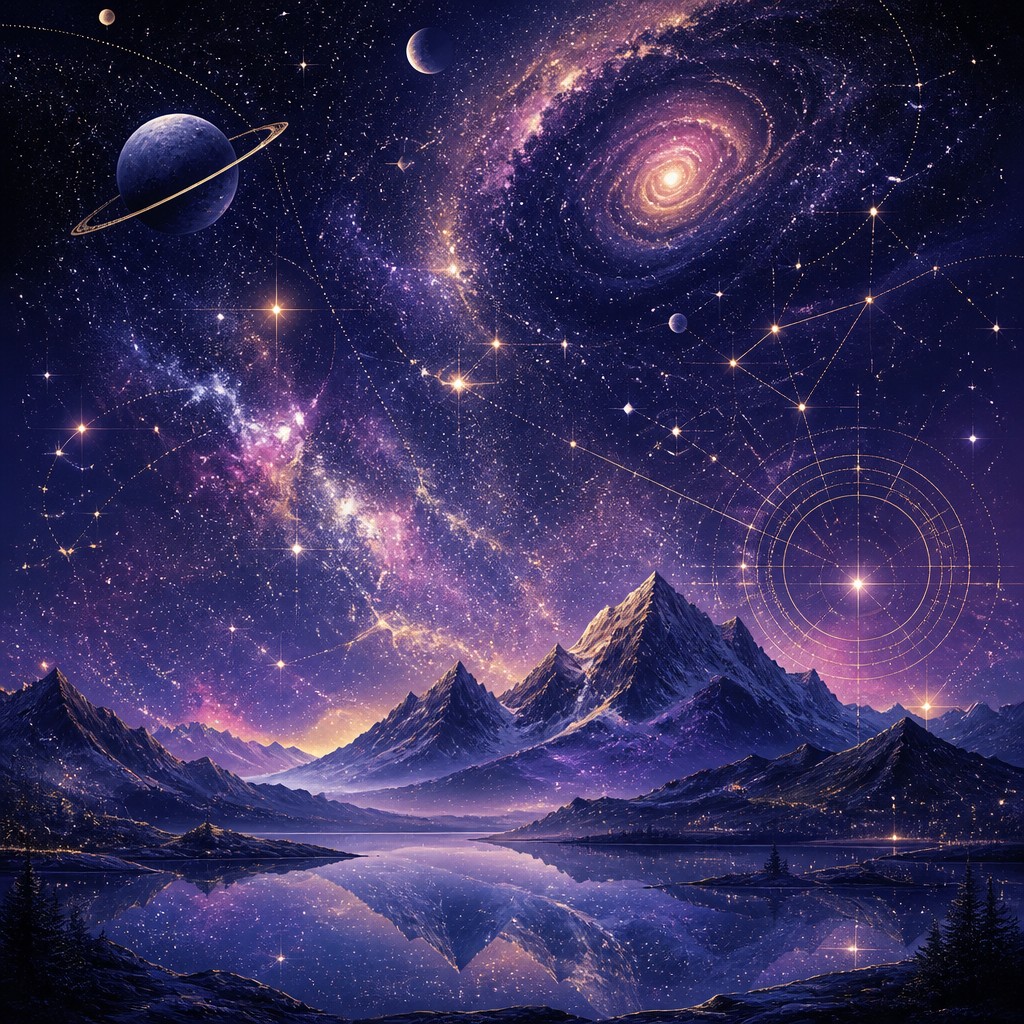
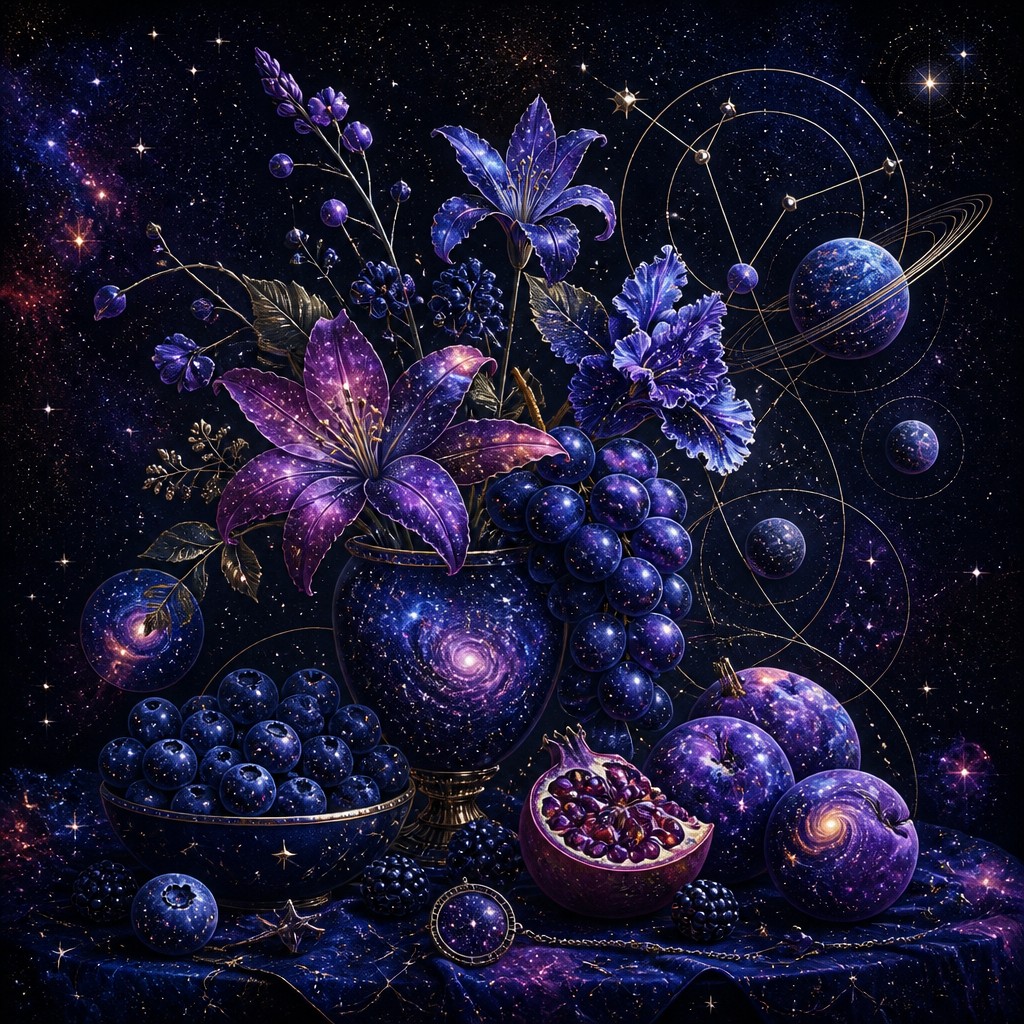
Spacecore aesthetic: cosmic color, starfields, nebula glow, and luminous darkness for dreamy space-inspired imagery.
Instantly rendered in Spacecore Aesthetic — or transform a photo
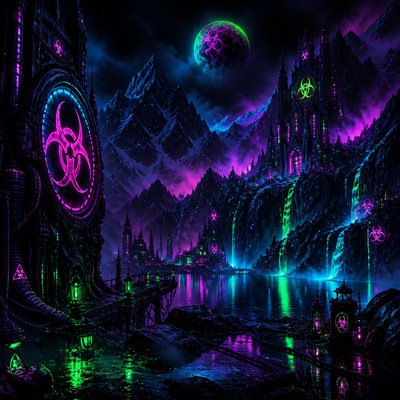
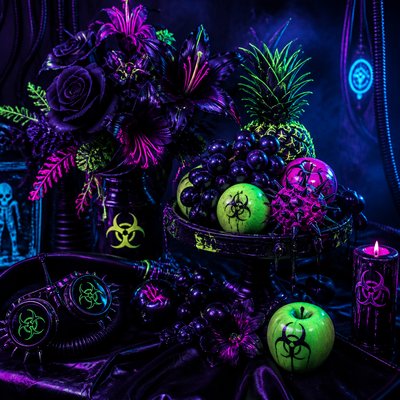
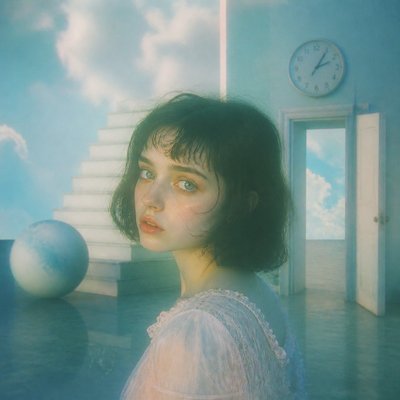
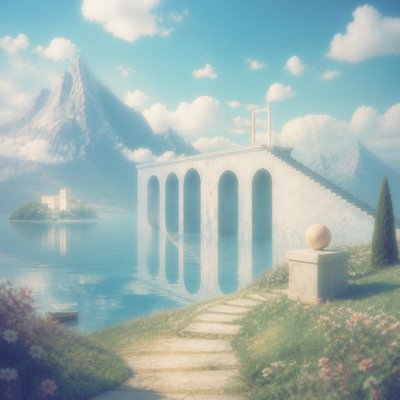
Spacecore Aesthetic Gallery
Tap any artwork to explore it
What is Spacecore Aesthetic?
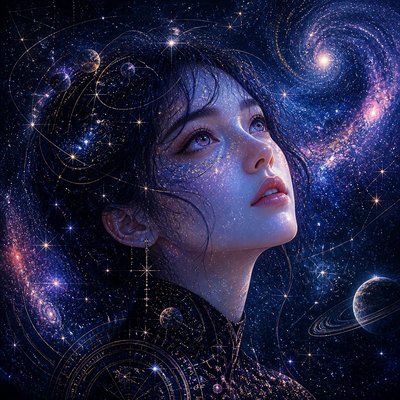
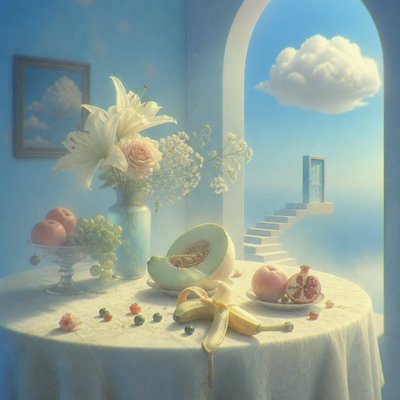
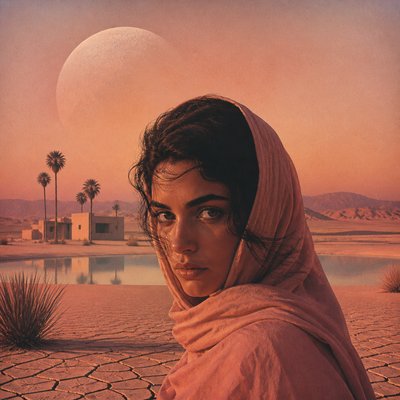
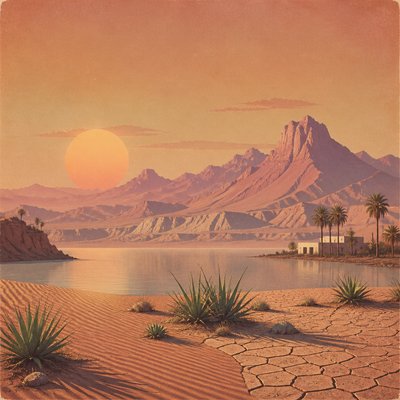
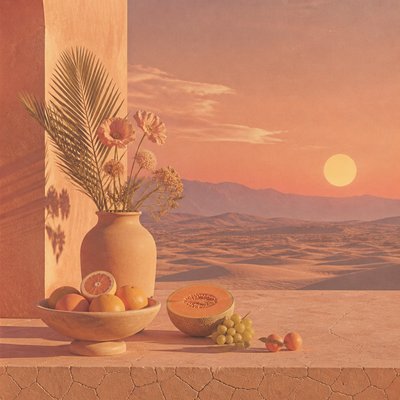
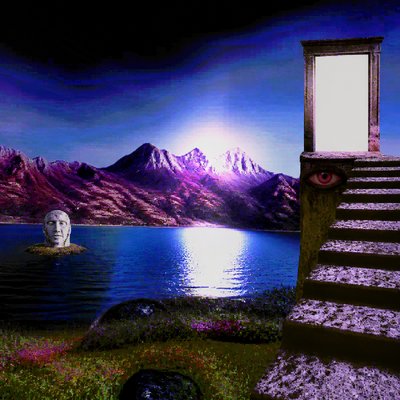
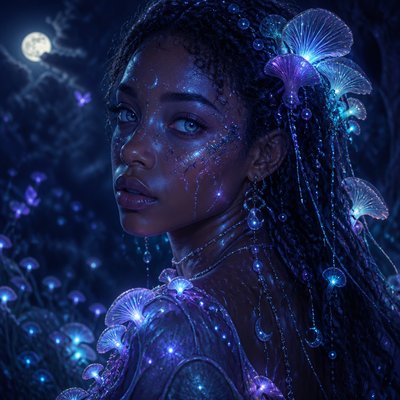
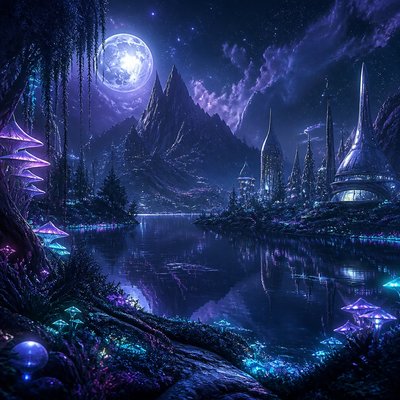
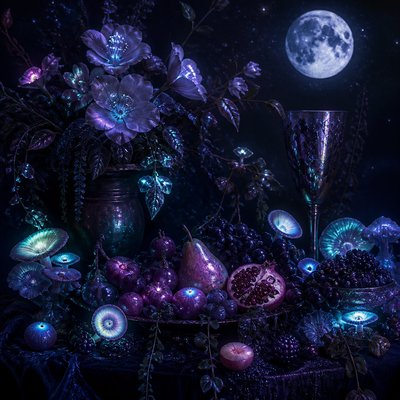
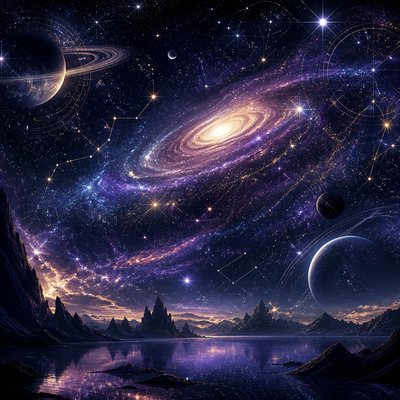
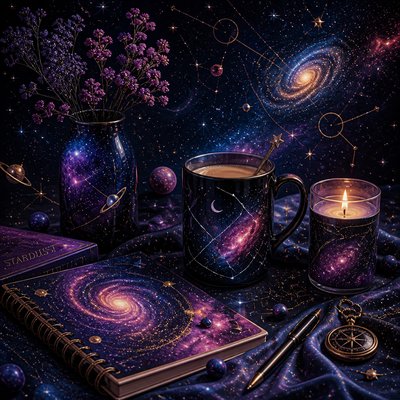
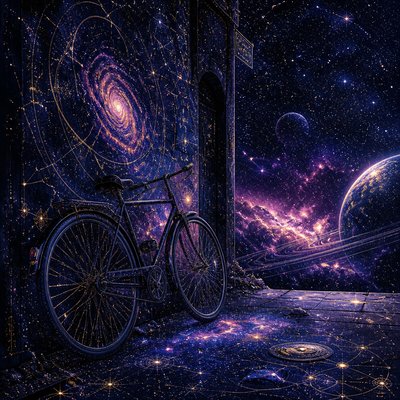
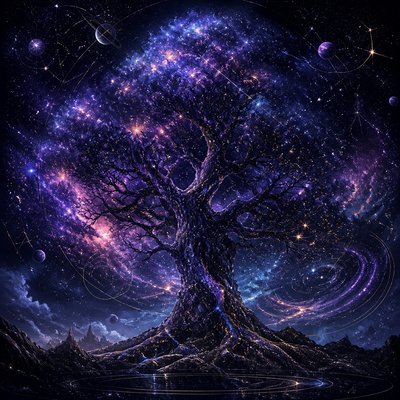
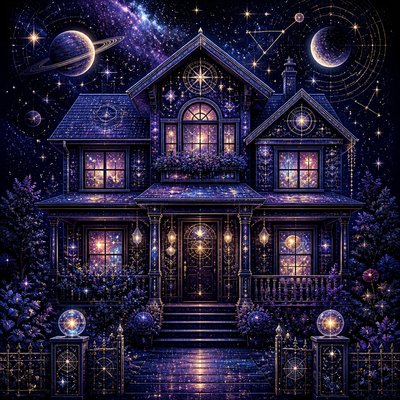
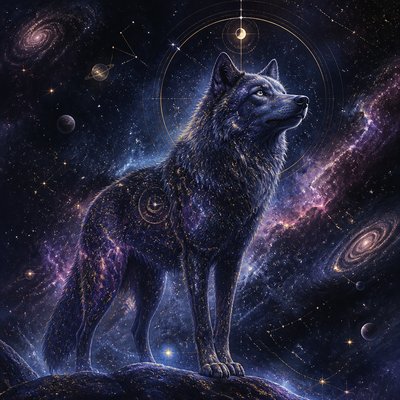
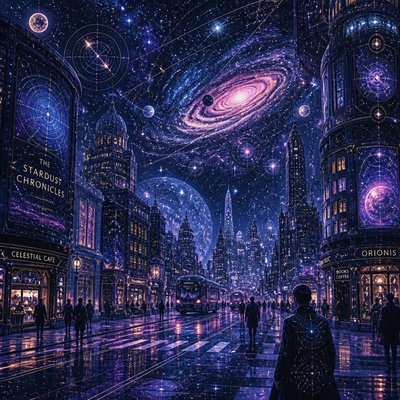
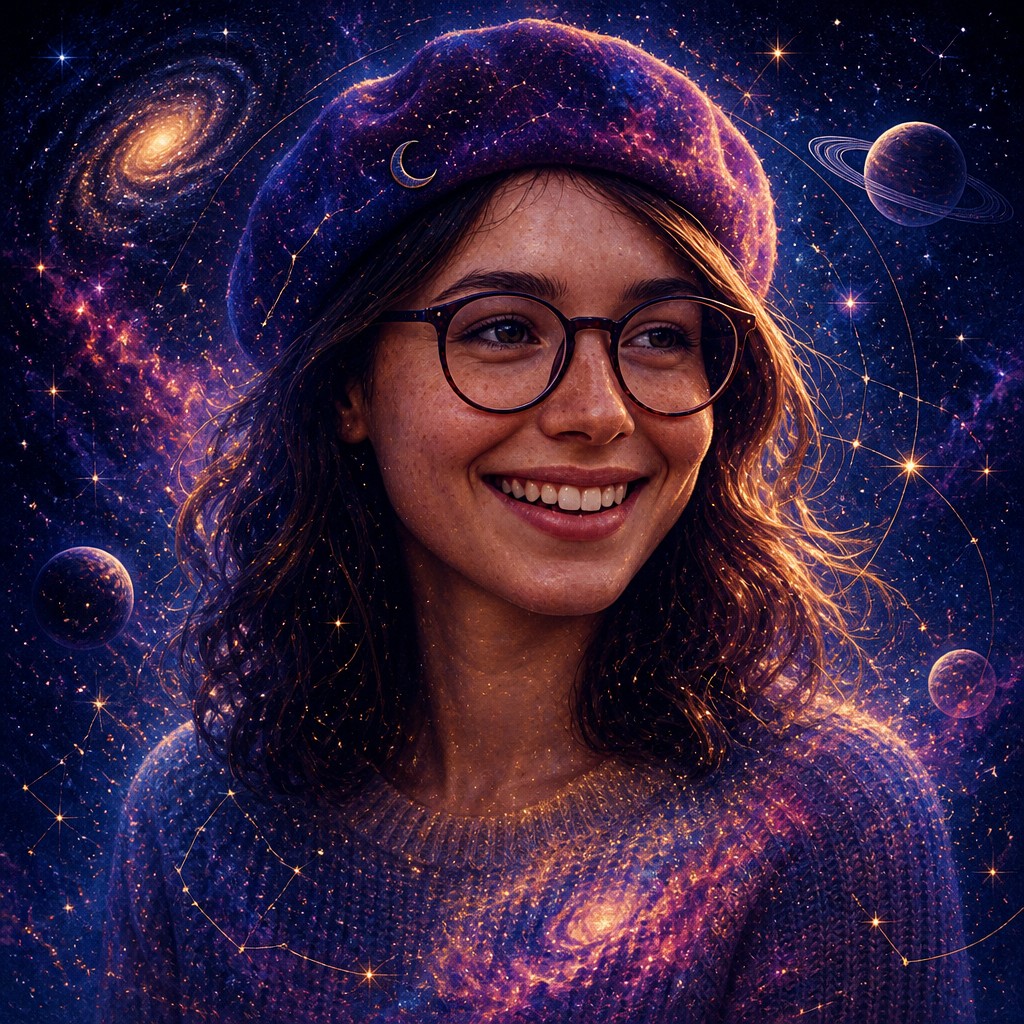
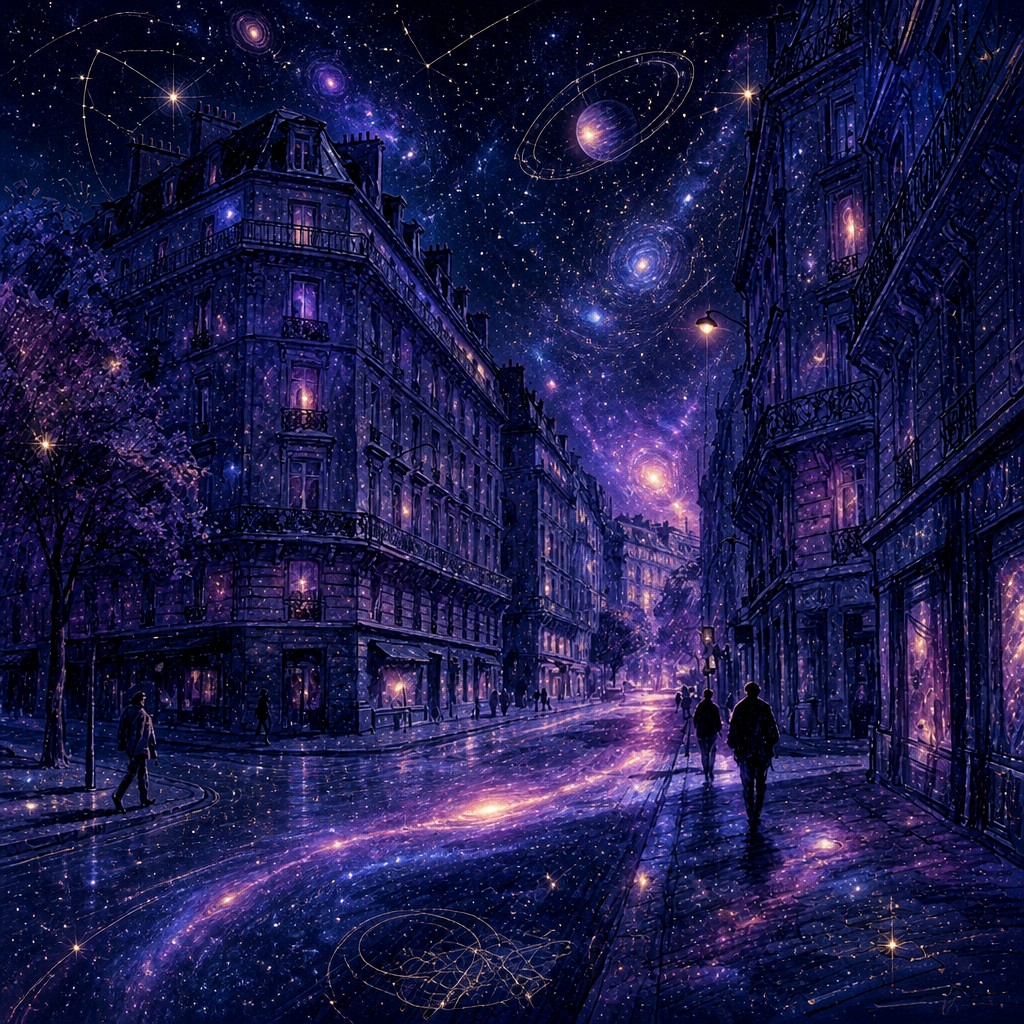
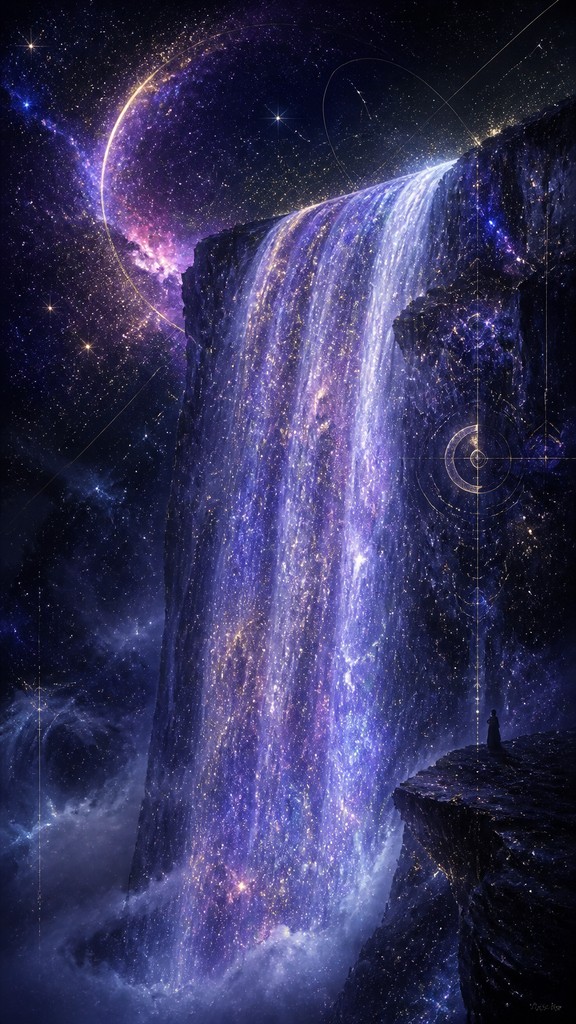
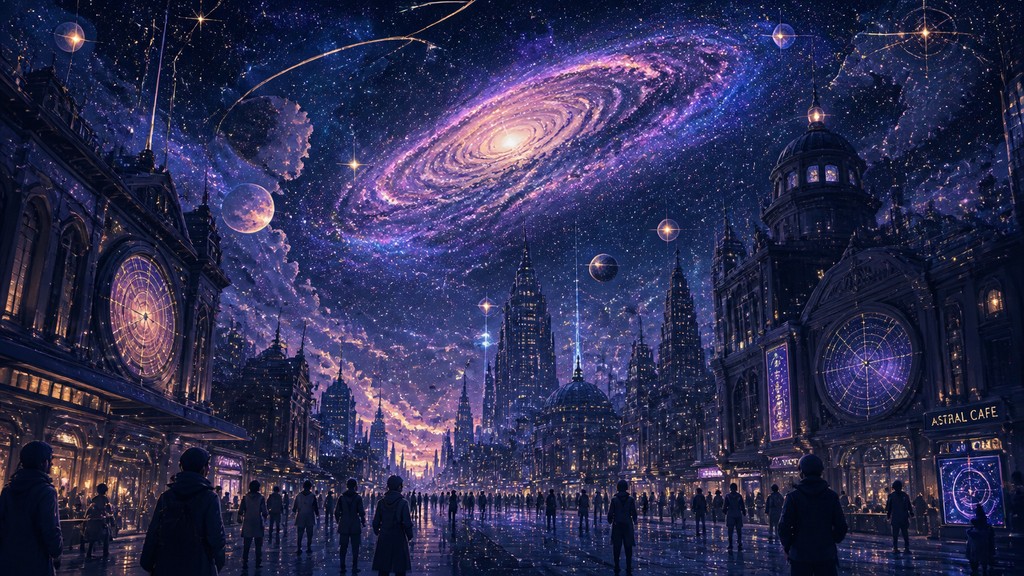
Spacecore aesthetic is a visual style built around the emotional and optical language of outer space: deep midnight blues, violets, black voids, star-white points of light, and iridescent nebula clouds. It is less a historical art movement than a contemporary aesthetic that treats the cosmos as a design vocabulary for wonder, solitude, and scale.
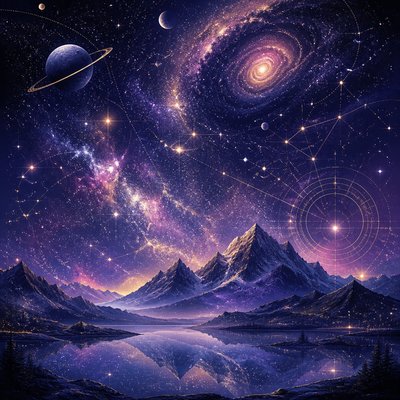
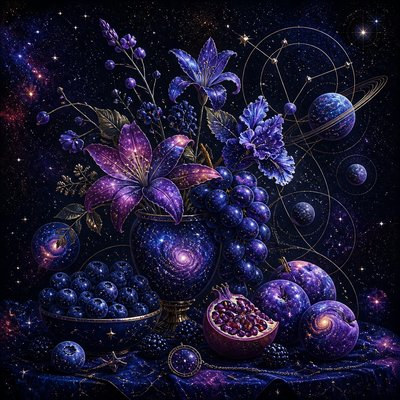
Its imagery often combines realistic astronomy cues with stylized decoration: glittering starfields, galaxy swirls, planetary rings, constellation lines, and glowing edges that suggest diffuse light in a vacuum. The result is a look that feels vast and dreamlike, balancing scientific imagery with an atmospheric sense of silence, distance, and awe.
Try It On Your Photos
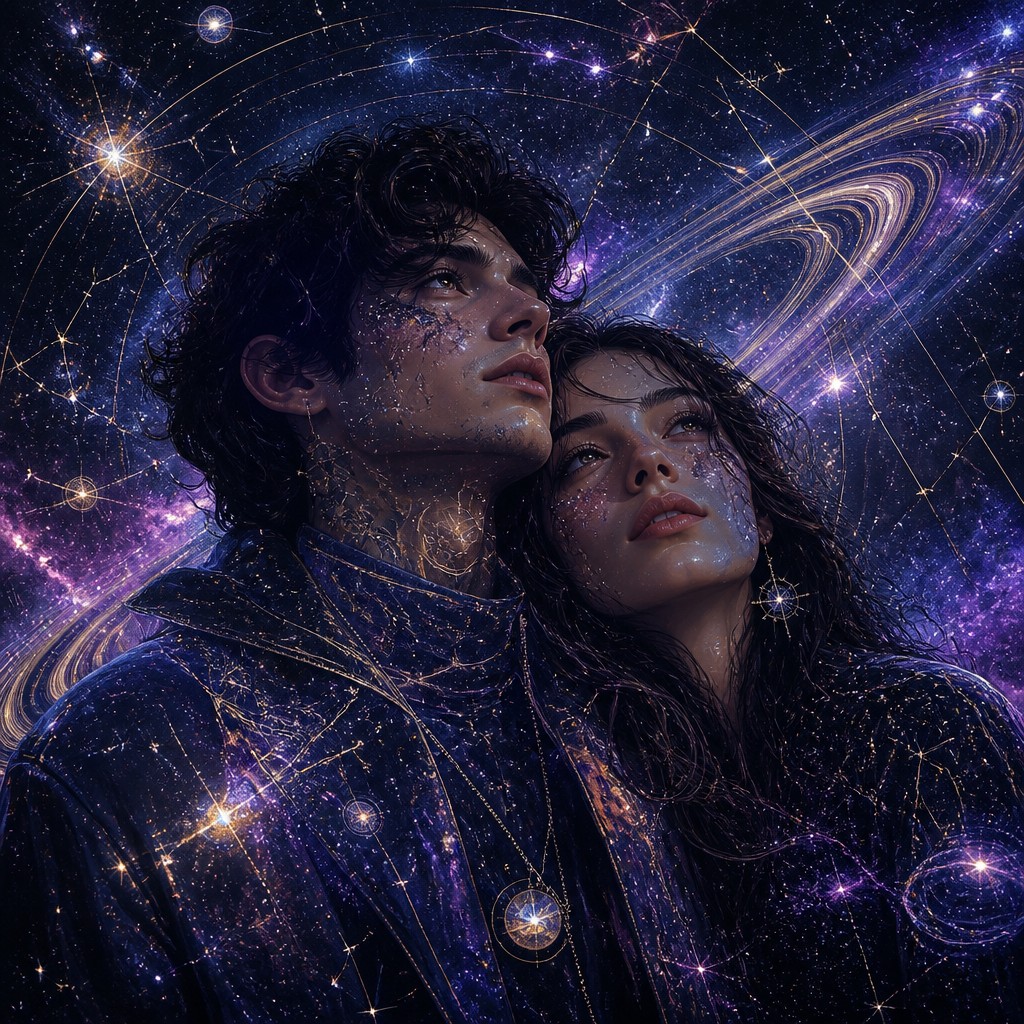
Upload any photo and convert it into Spacecore Aesthetic — drag the sliders to compare before and after.


What Defines Spacecore Aesthetic
The signature details, up close
Deep cosmic palette
The style relies on midnight blue, black-violet, and indigo grounds, often accented by star white, magenta, and gold. These colors create the feeling of immense depth and make the brighter elements appear suspended in darkness.
Glowing celestial light
Edges, nebula forms, and distant stars often appear softly radiant rather than sharply outlined. This glow simulates the optical bloom of light in a dark field and gives the image a dreamlike atmosphere.
Starfields and galaxy textures
Dense constellations of tiny points, dust-like speckles, and swirling cloud forms are common. These textures produce the sense of scale and motion associated with looking into deep space.
Decorative astronomy motifs
Planetary rings, constellations, orbit paths, and moonlike disks often function as linework or graphic accents. They anchor the composition in recognizable celestial imagery without making it purely scientific.
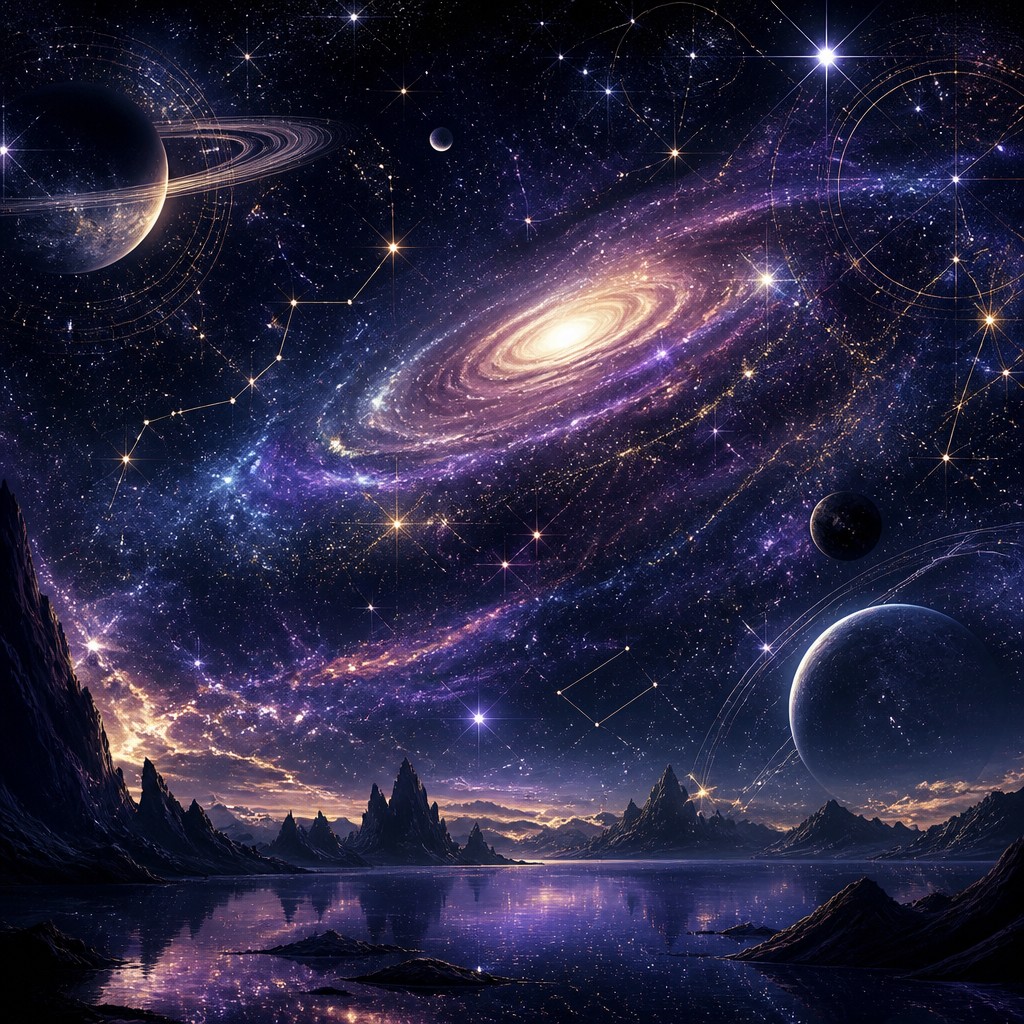
Vast negative space
Large areas of velvety darkness are essential to the style. The emptiness is not incidental; it is what gives the luminous elements their emotional weight and spatial drama.
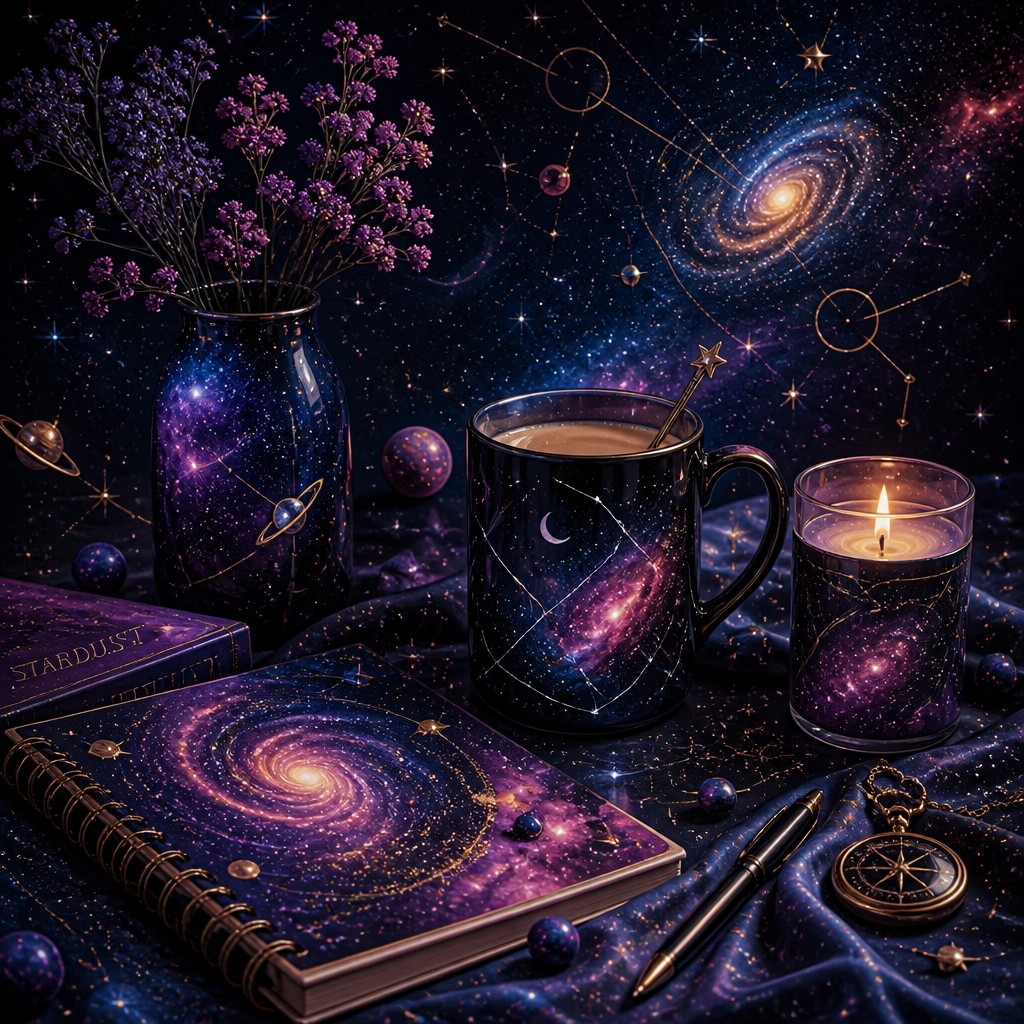
Awe and quietness
Spacecore often emphasizes stillness, weightlessness, and contemplative mood rather than action. Even when the image is highly detailed, it typically feels hushed and expansive.
Try It
Create Videos in Spacecore Aesthetic
Styles aren't just for stills — describe a scene or animate an image and get a short video rendered in Spacecore Aesthetic. Press play to see this pond come to life.
Make a VideoSpacecore Aesthetic Prompt Ideas
Start from an idea — each one opens the generator with the style ready to go. See all 40 Spacecore Aesthetic prompts →
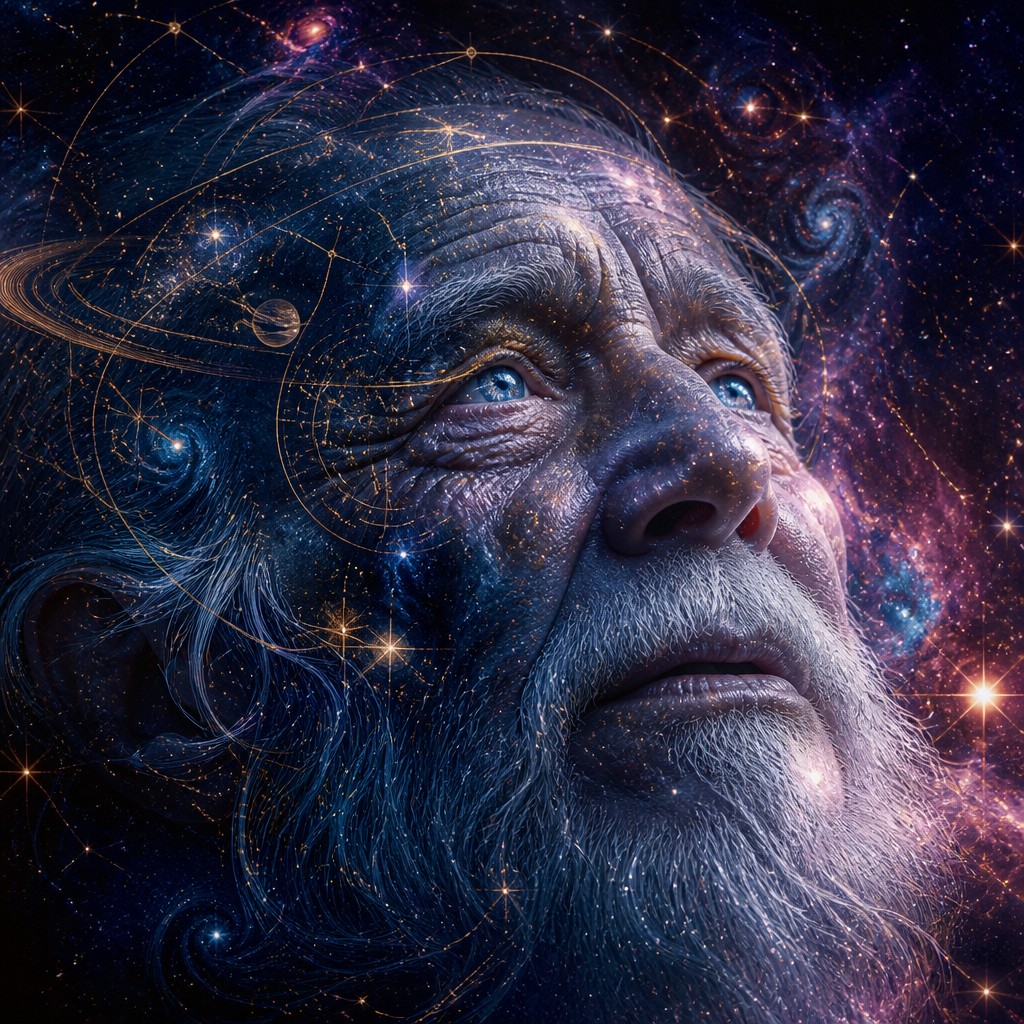
“close-up portrait of an elderly person with expressive weathered features”
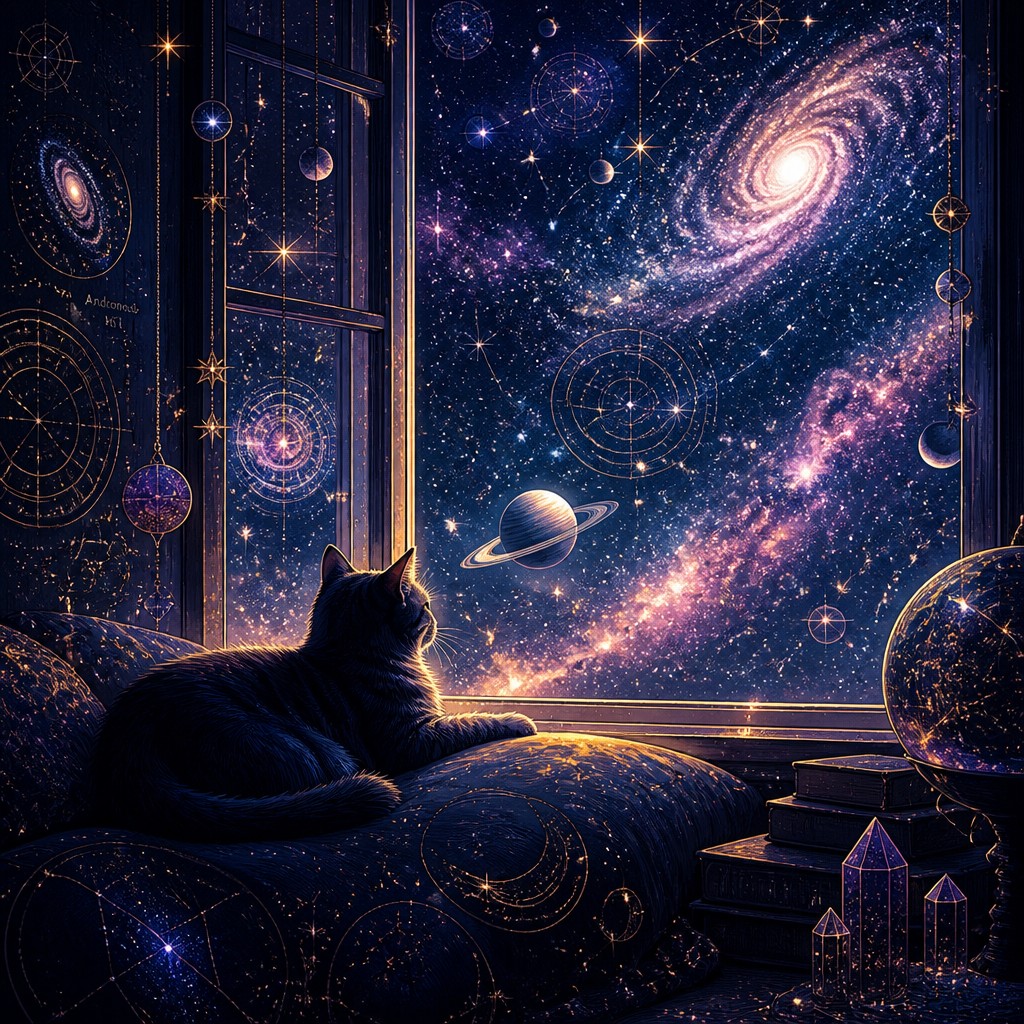
“a cat lounging in a sunlit window”
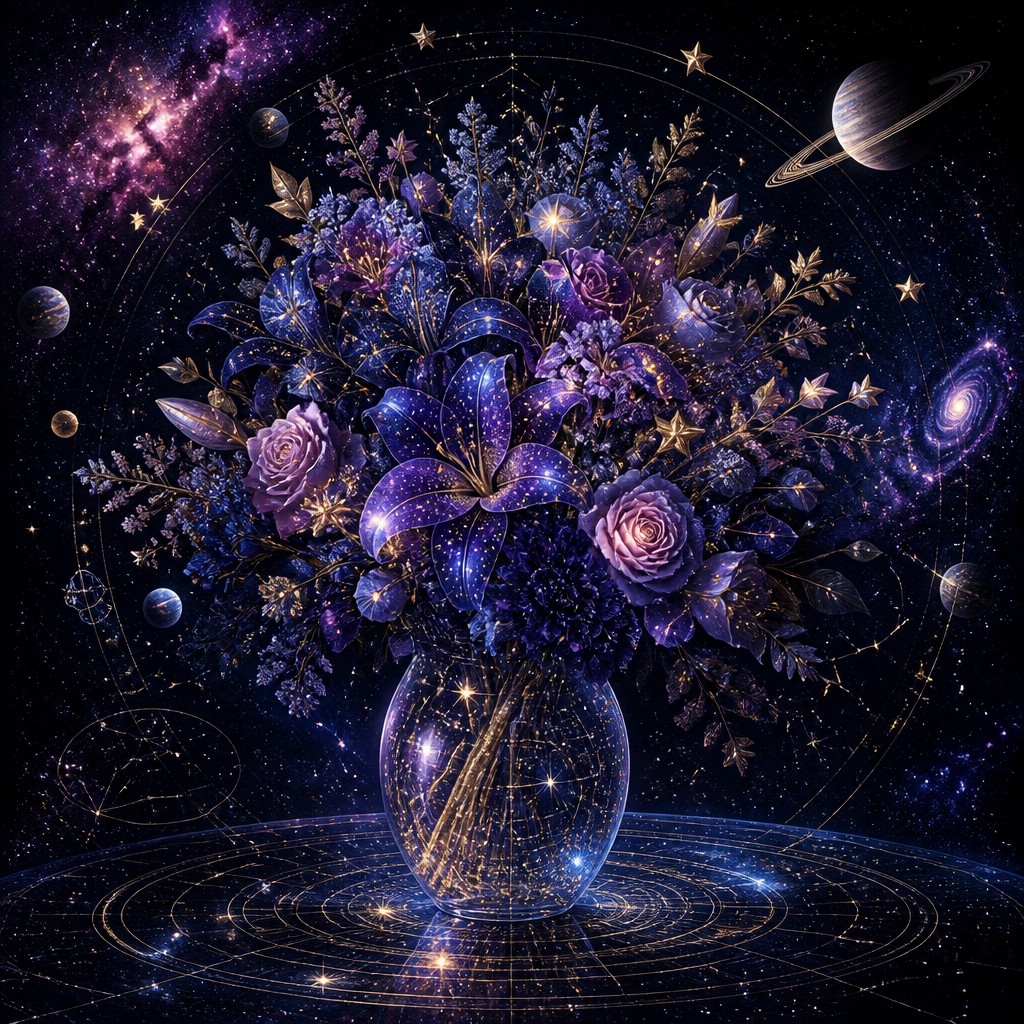
“bouquet of flowers in a glass vase”
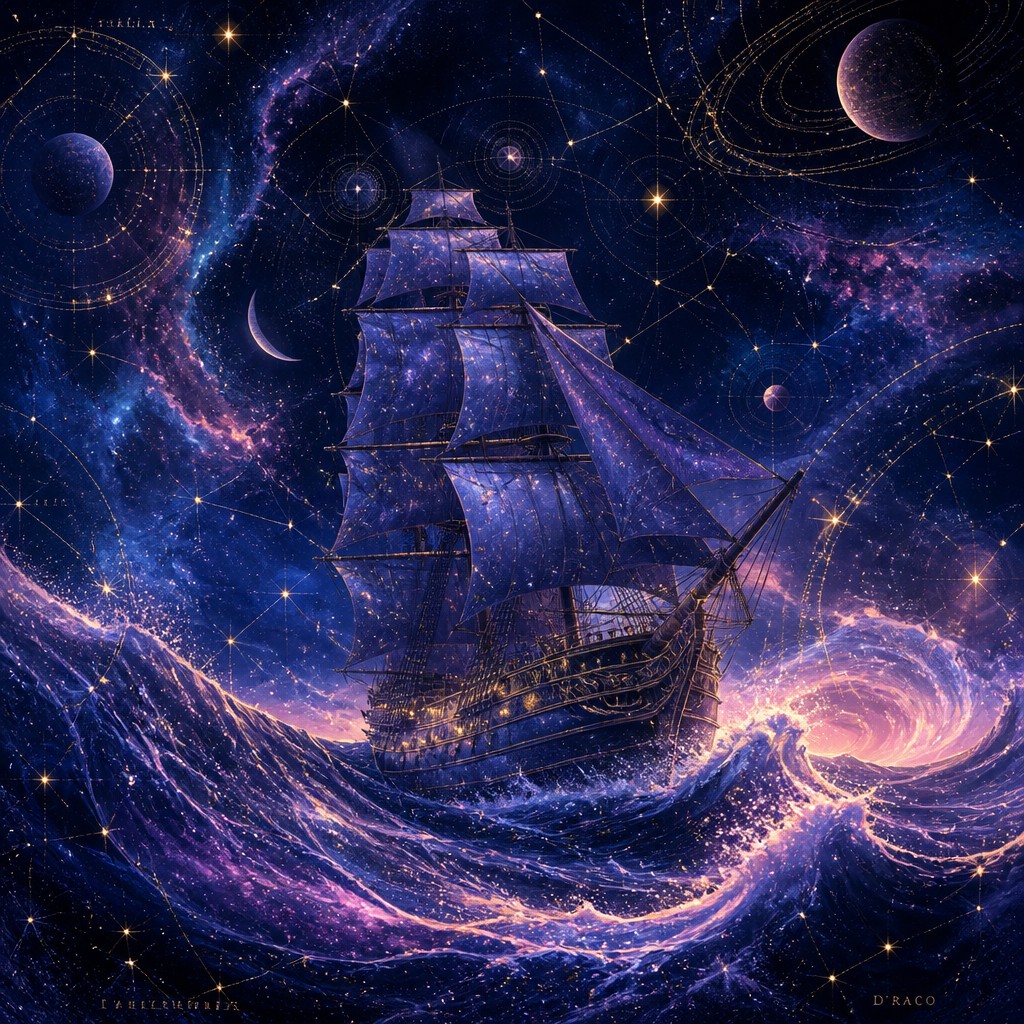
“sailing ship on a stormy sea”
How to Create Spacecore Aesthetic Art
Master the craft step by step — or skip straight to creating. Read the full guide →
- 1
Build a dark luminous base
Start with a very dark background in deep blue, purple, or near-black tones, then layer brighter forms sparingly so they feel suspended in space. In traditional media, glazing and white or metallic accents can mimic this effect; in digital work, use soft brush blooms and subtle noise for depth.
- 2
Use layered transparency
Nebula clouds and dust fields should look semi-transparent, with overlapping color transitions rather than opaque shapes. Blend cool hues with small warm highlights to suggest distant energy and light scattering.
- 3
Keep forms weightless and sparse
Avoid crowding the composition; the empty space is part of the style’s identity. Whether painting or composing digitally, distribute stars, rings, and cloud arcs so the image feels vast rather than busy.
- 4
Add fine astronomical linework
Introduce delicate constellations, orbital curves, or ring fragments as restrained decorative elements. These details work best when they are thin, pale, and secondary to the atmospheric field.
- 5
Control glow and contrast
High contrast is important, but it should come from luminous accents against darkness rather than harsh outlines. In prompt-based generation, specify phrases like deep cosmic palette, luminous celestial glow, glittering starfield, and velvety darkness to reinforce the look.
- 6
Describe mood as well as subject
Spacecore depends on atmosphere, so include emotional cues such as awe, silence, vastness, and dreamlike wonder. When generating images, a subject alone is not enough; the prompt should also state the cosmic lighting, color palette, and sense of scale.

The Story
History & Origins of Spacecore Aesthetic
Spacecore does not come from a single period or school; it develops from several overlapping visual traditions. Its roots include astronomical illustration, science fiction art, celestial symbolism in decorative arts, and the broader digital aesthetic culture that favors immersive, mood-driven environments. The style became especially visible in internet culture as space imagery spread through wallpapers, album art, fashion graphics, and fantasy illustration.
Its lineage also draws from earlier art that used the night sky as a symbol of transcendence, such as Romantic landscape painting and Symbolist celestial imagery, but spacecore transforms those traditions through contemporary color grading, luminous effects, and a polished digital finish. In practice, it is an aesthetic synthesis rather than a canonized movement: it borrows the visual authority of astronomy and the emotional register of fantasy.
Influences: Spacecore is closely related to astronomical illustration, science fiction concept art, and digital fantasy imagery, while also borrowing from Romantic uses of sublime landscape and Symbolist celestial motifs. Its polished glow and color-saturated atmosphere recall the visual language of contemporary album art, poster design, and internet aesthetics more than any single historical school. The style can also intersect with surreal conceptual art when cosmic imagery is used to evoke memory, solitude, or transcendence rather than literal space travel.
Frequently Asked Questions
What defines the spacecore aesthetic?
Spacecore is defined by cosmic imagery, especially starfields, nebula colors, and luminous effects set against dark backgrounds. It usually combines a sense of vast scale with decorative astronomical details such as rings, constellations, and glowing dust. The mood is quiet, dreamlike, and expansive.
Is spacecore a real art movement?
No, spacecore is better understood as a contemporary aesthetic than a historical movement. It does not have a single origin point, manifesto, or canonical group of artists. Instead, it draws from astronomy, science fiction art, and digital visual culture.
How is spacecore different from galaxcore or cosmiccore?
These terms are often used interchangeably, but spacecore usually emphasizes a cleaner balance of darkness, glow, and atmospheric emptiness. Galaxic or cosmic variations may lean more heavily into literal galaxy imagery, glitter, or maximal decoration. In practice, the differences are subtle and overlap heavily.
What subjects work well in this style?
Anything that can be placed in a cosmic setting works well: portraits, animals, landscapes, celestial objects, and surreal scenes. The subject often becomes more symbolic than literal when surrounded by nebula color, star fields, and vast negative space. Small figures can be especially effective because they heighten the sense of scale.
How do I make an image look more like spacecore?
Use a dark base, then layer luminous blue, violet, pink, and gold accents with plenty of soft glow. Add stars, fine dust, and subtle orbital or constellation lines, but keep the composition airy. The key is to make the image feel vast and glowing rather than busy or neon-heavy.
Where is spacecore commonly used?
It is common in digital wallpapers, social media graphics, fashion prints, album art, book covers, and fantasy illustration. It also appears in photo edits and mixed-media designs that want a dreamy, celestial atmosphere. The style is especially popular when the goal is to signal wonder, mystery, or escapism.
Create your first Spacecore Aesthetic artwork
Describe anything — or upload a photo — and see it in Spacecore Aesthetic in seconds.
Make Something with Spacecore Aesthetic
Related Styles
Discover similar art styles