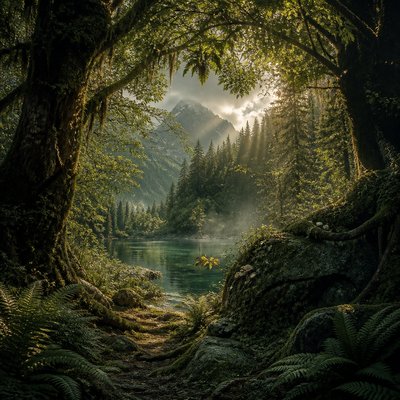
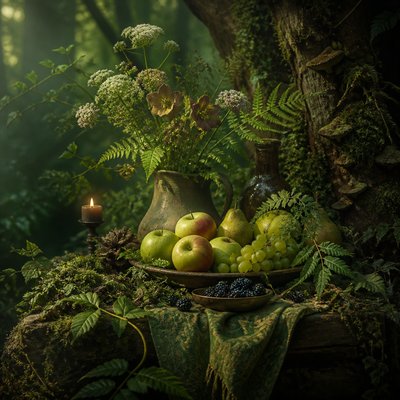
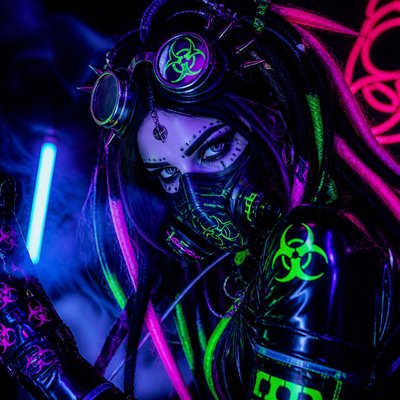
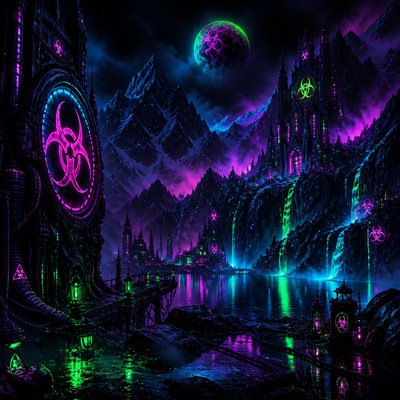
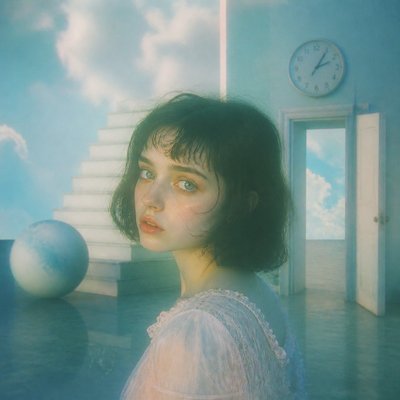
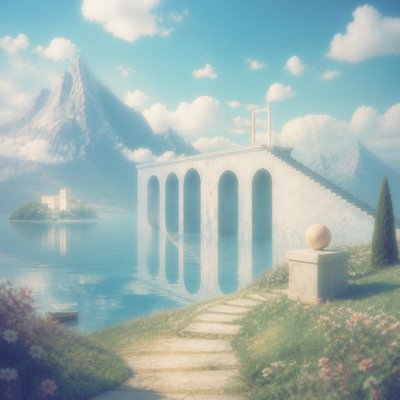
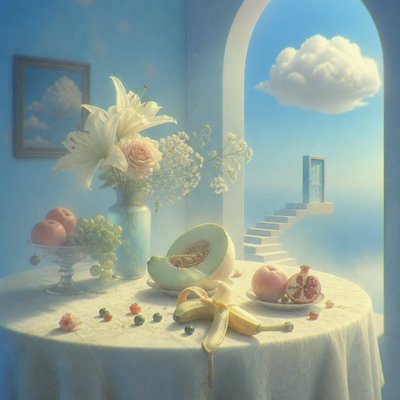
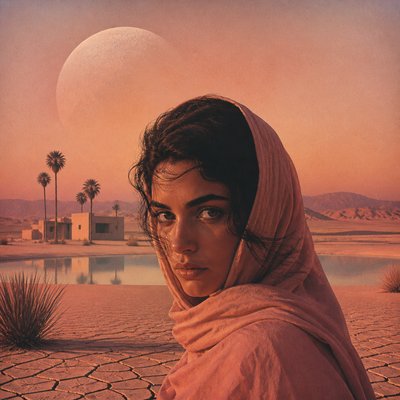
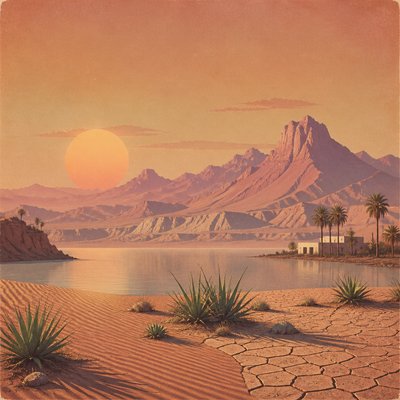
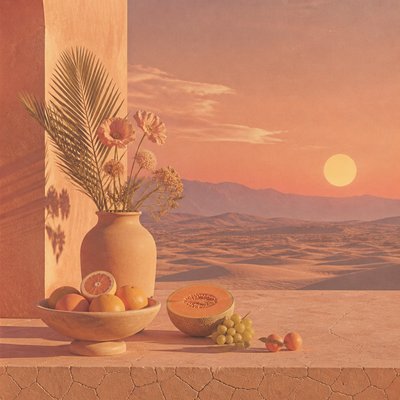
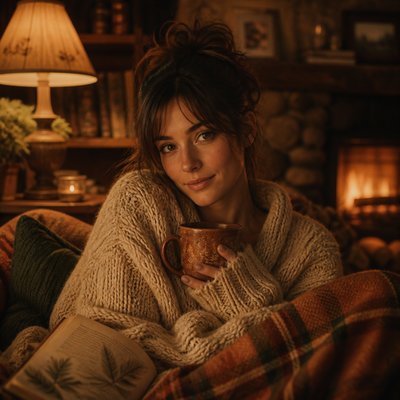
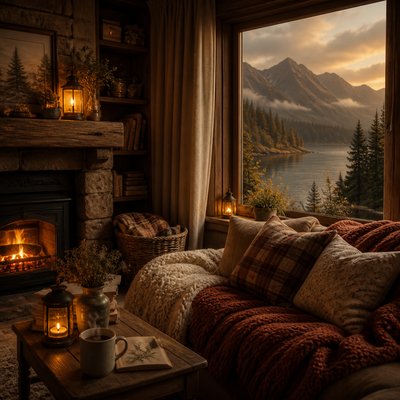
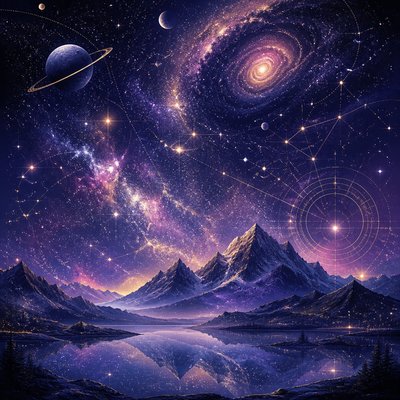
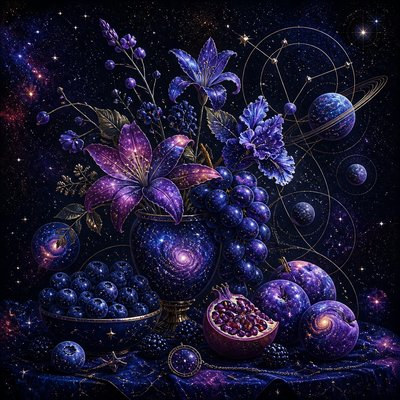
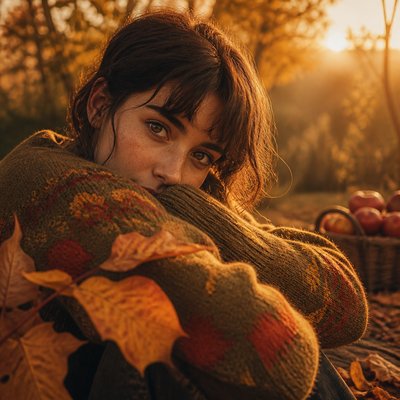
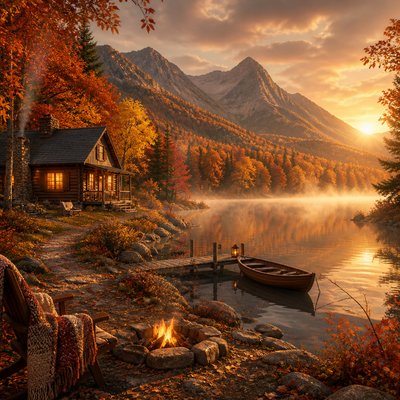
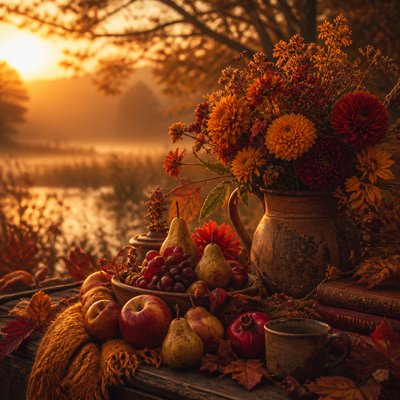
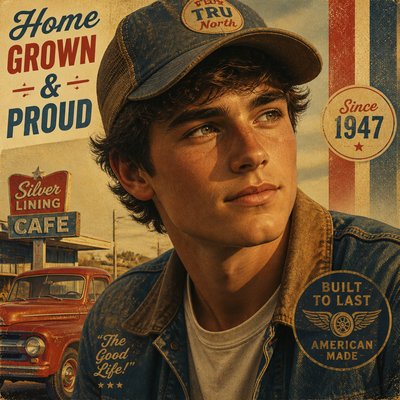
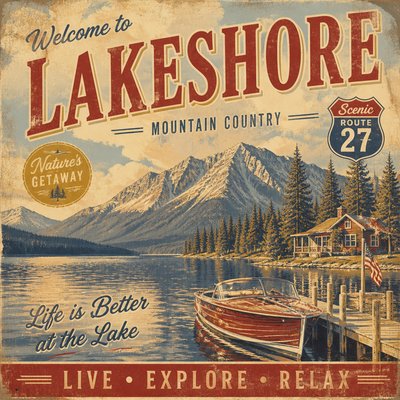
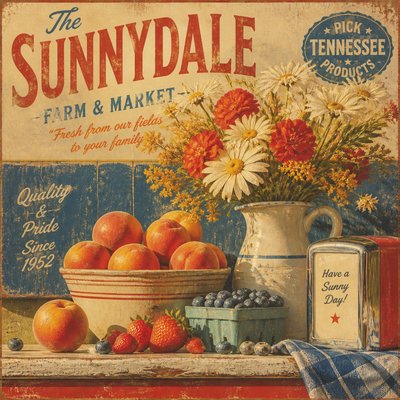
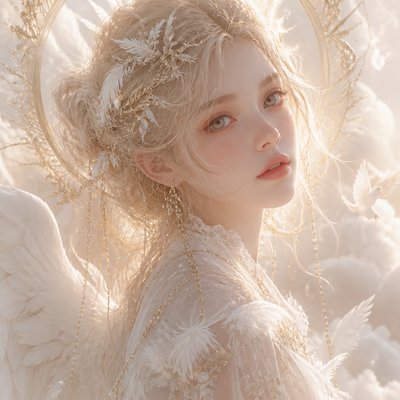
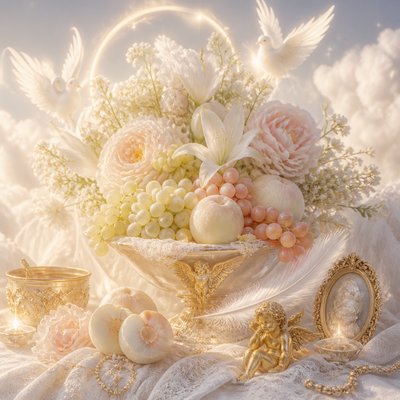
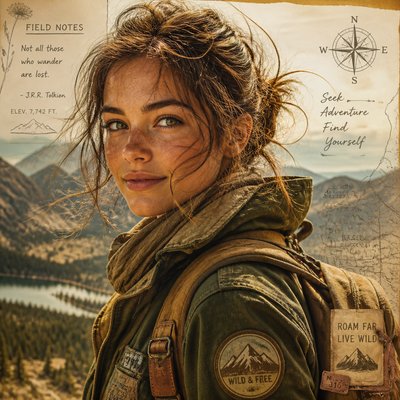
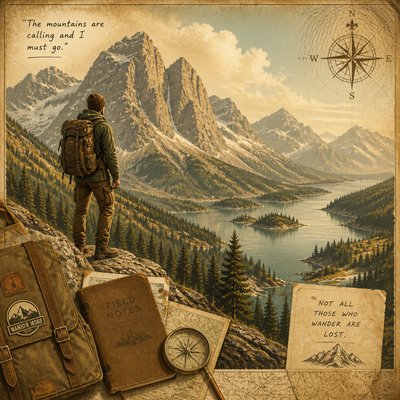
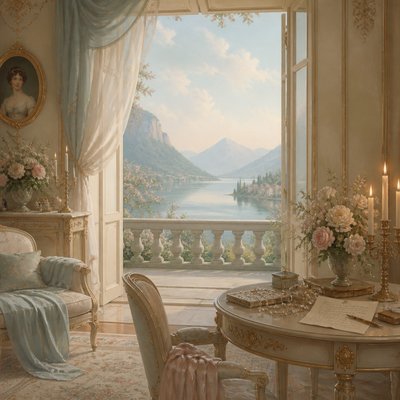
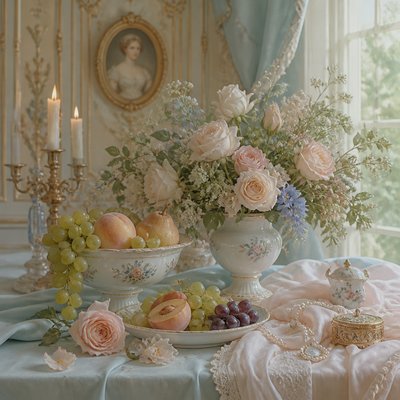
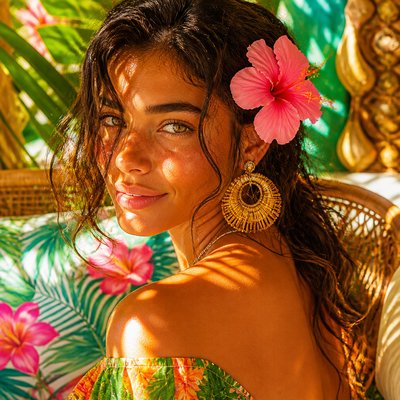
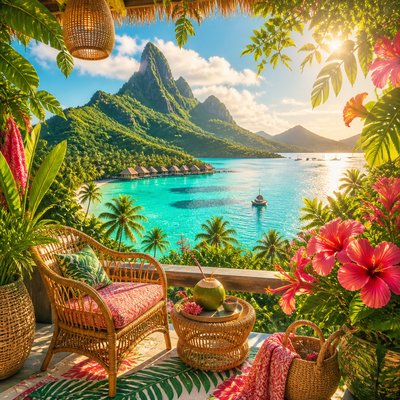
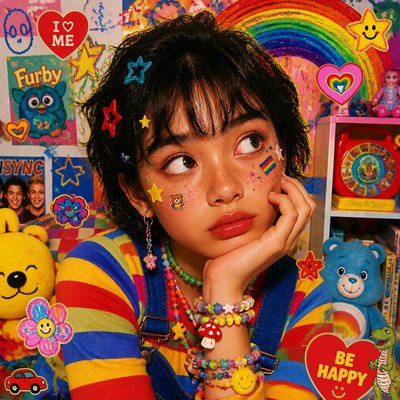
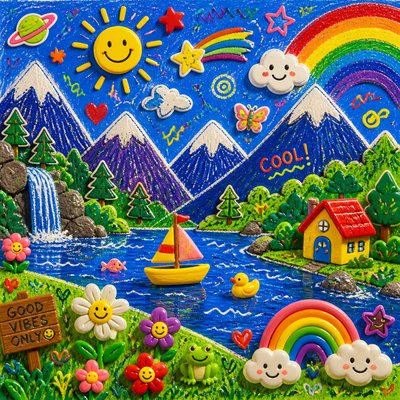
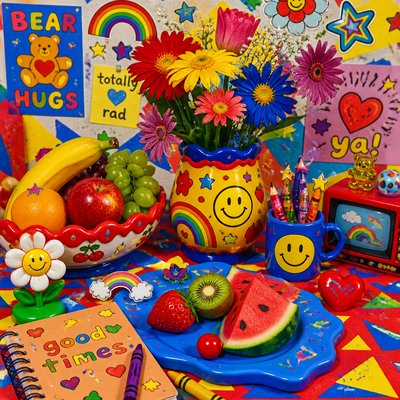
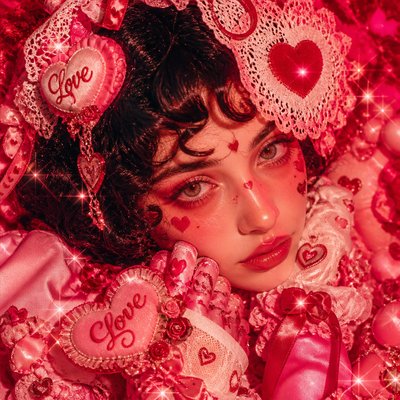
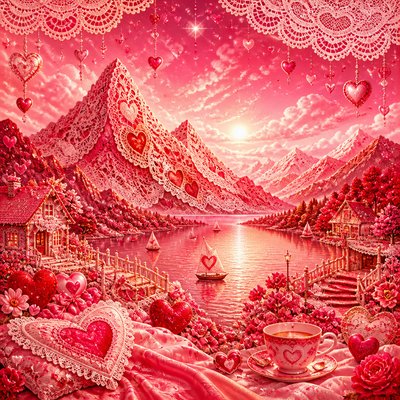
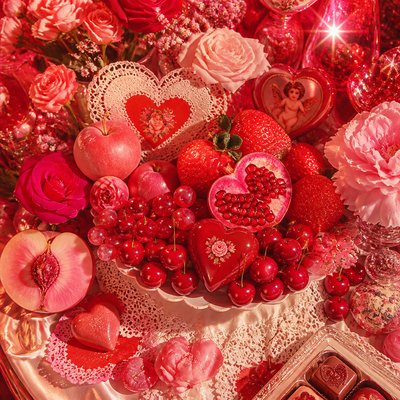
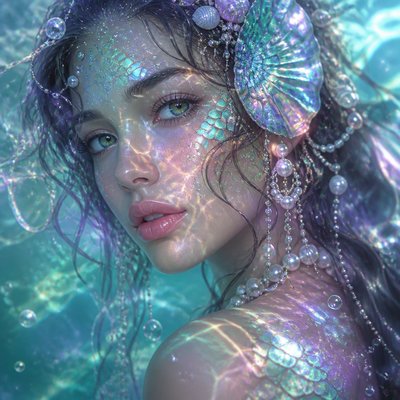
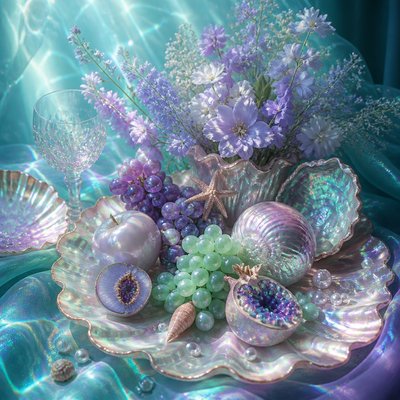
Mod Aesthetic
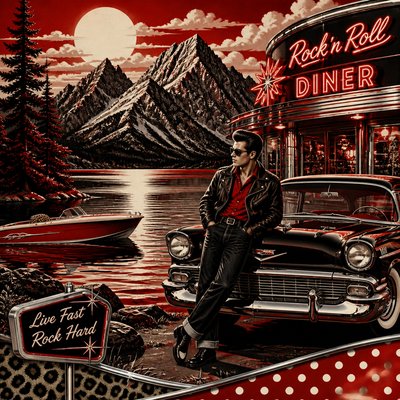
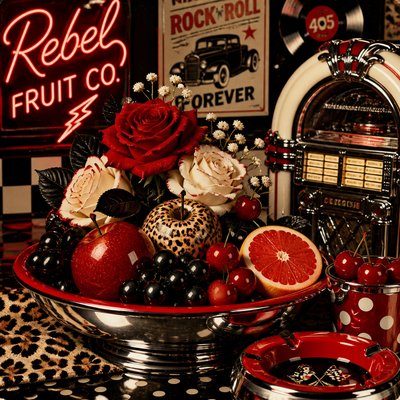
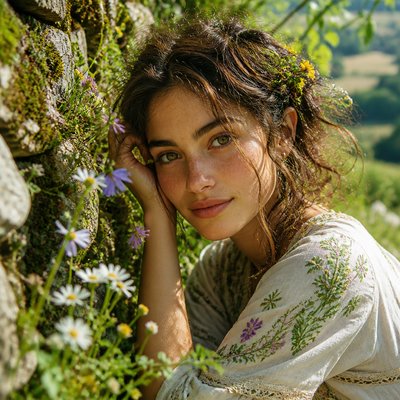
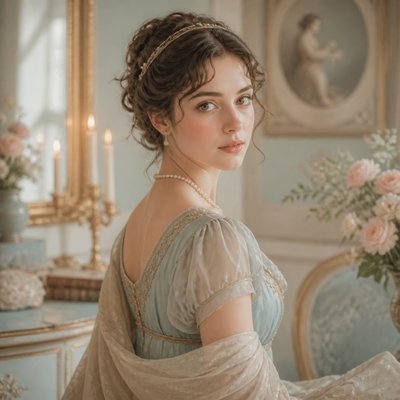
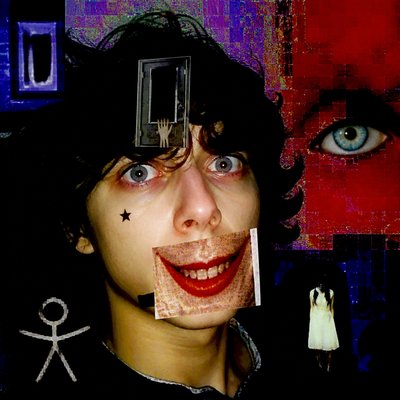
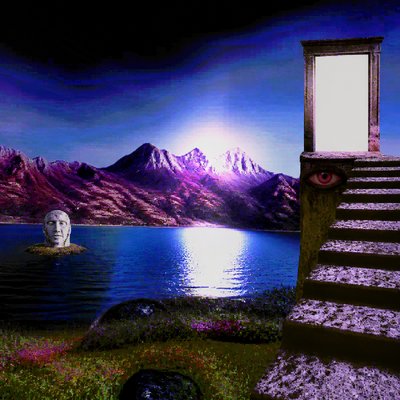
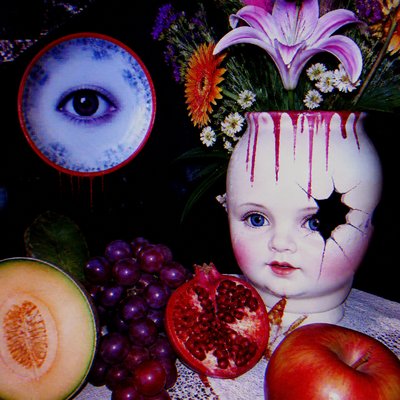
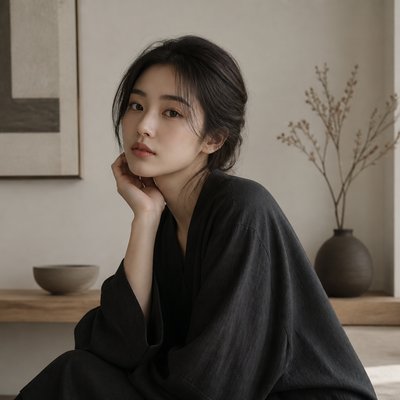
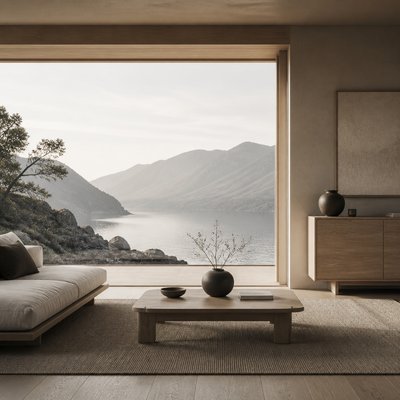
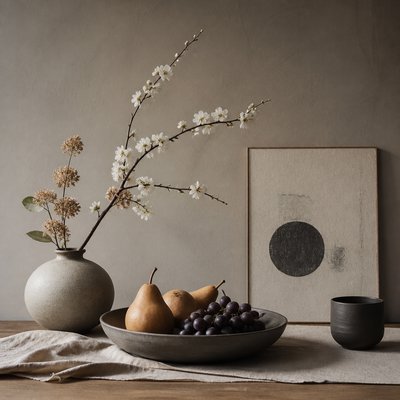
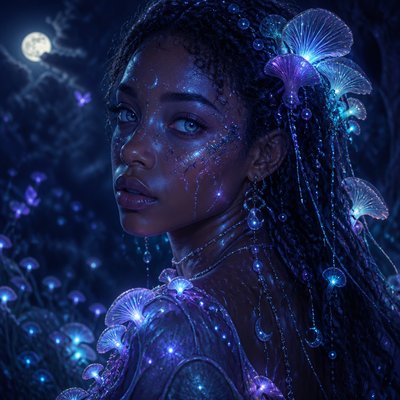
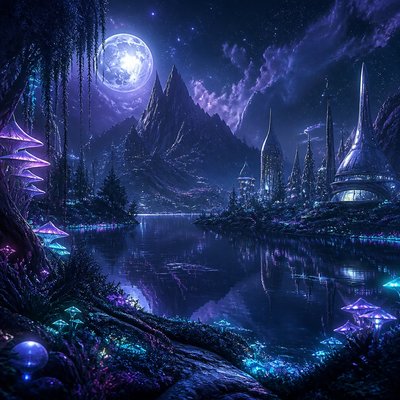
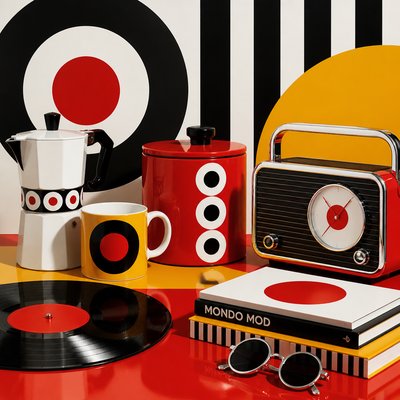
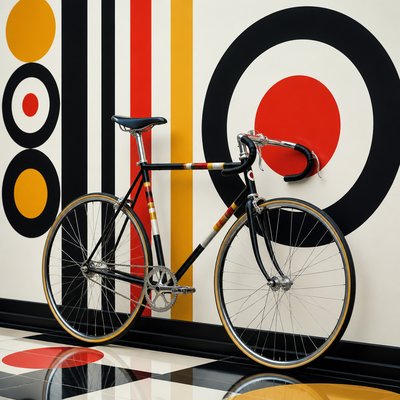
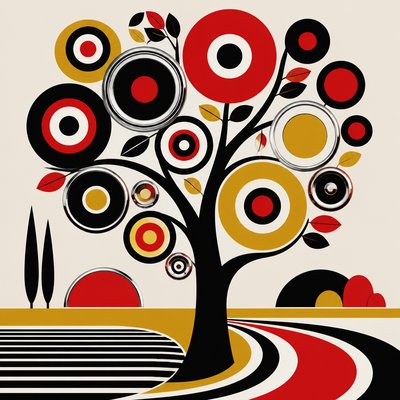
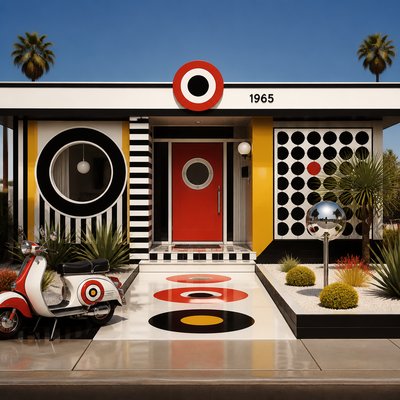
Swinging-sixties graphic style with op-art circles, target motifs, and a crisp black-white-red palette.
Instantly rendered in Mod Aesthetic — or transform a photo
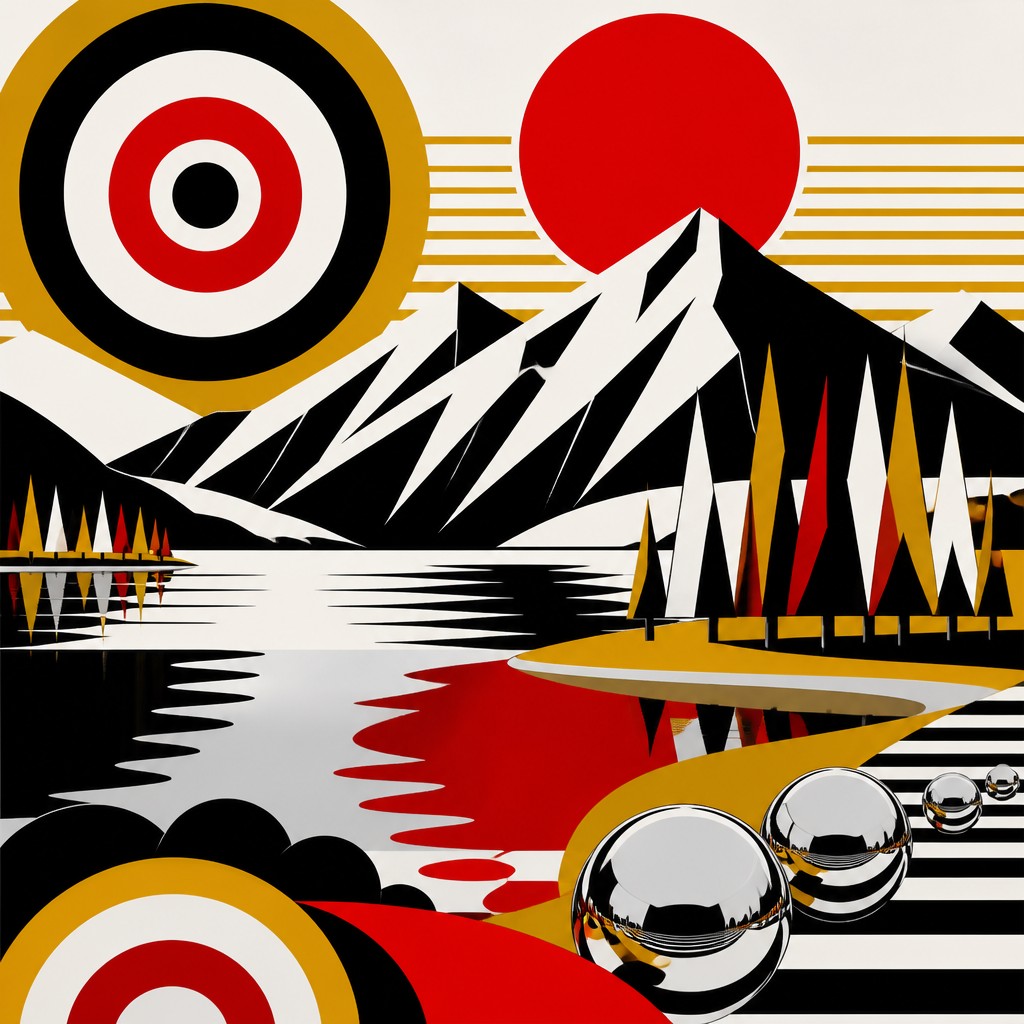
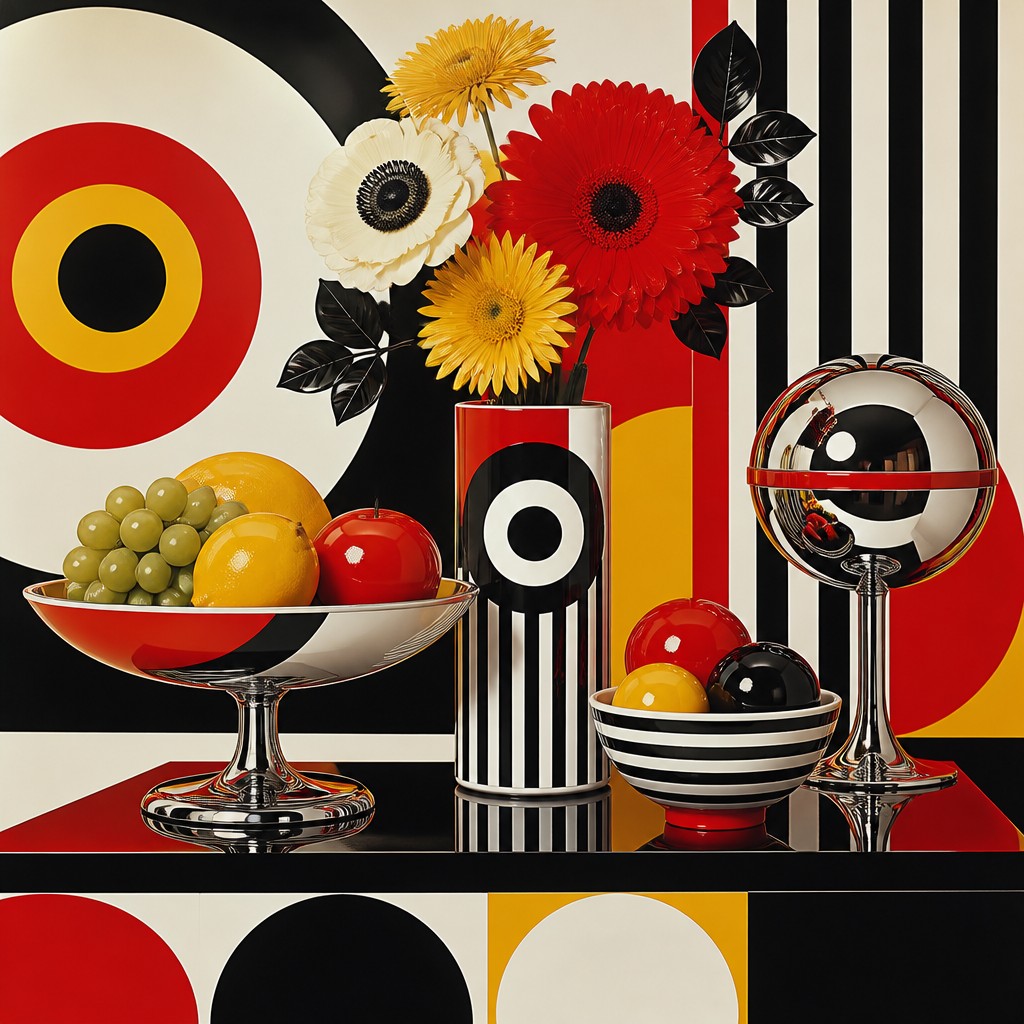
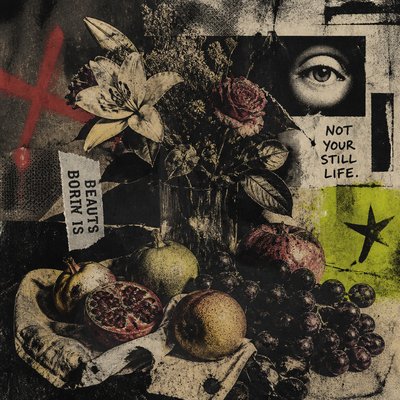
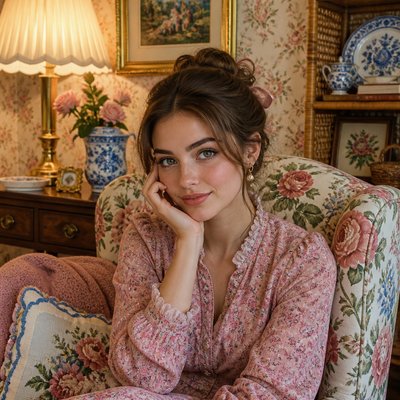
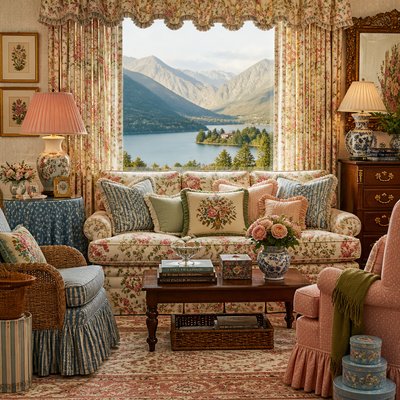
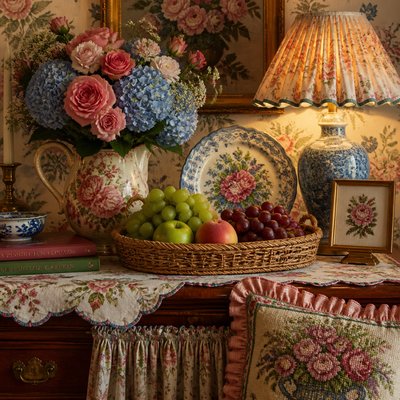
Mod Aesthetic Gallery
Tap any artwork to explore it
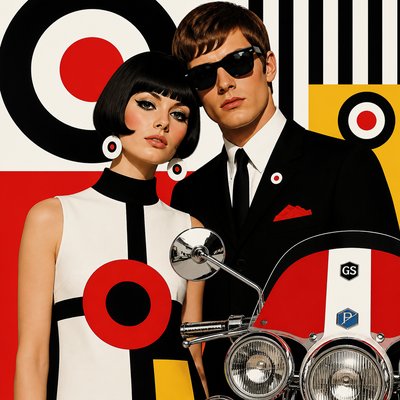
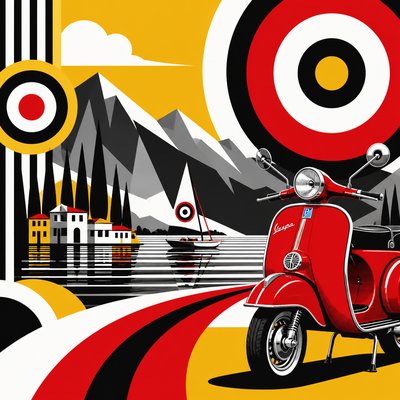
What is Mod Aesthetic?
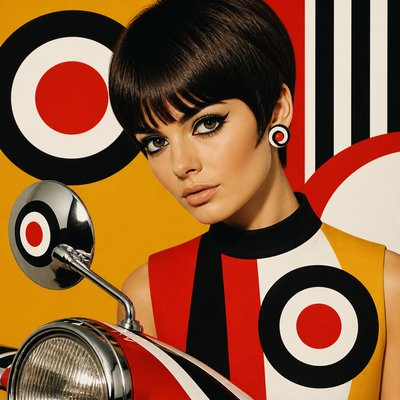
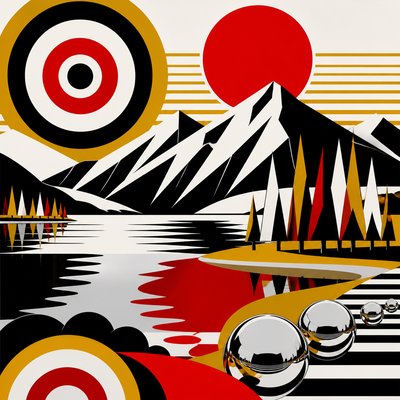
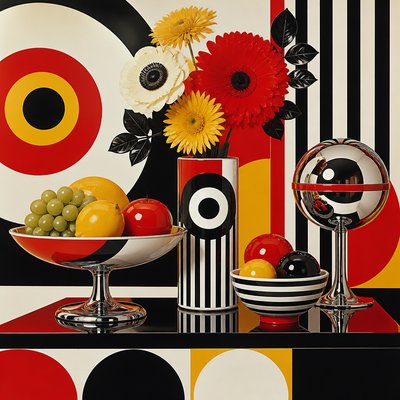
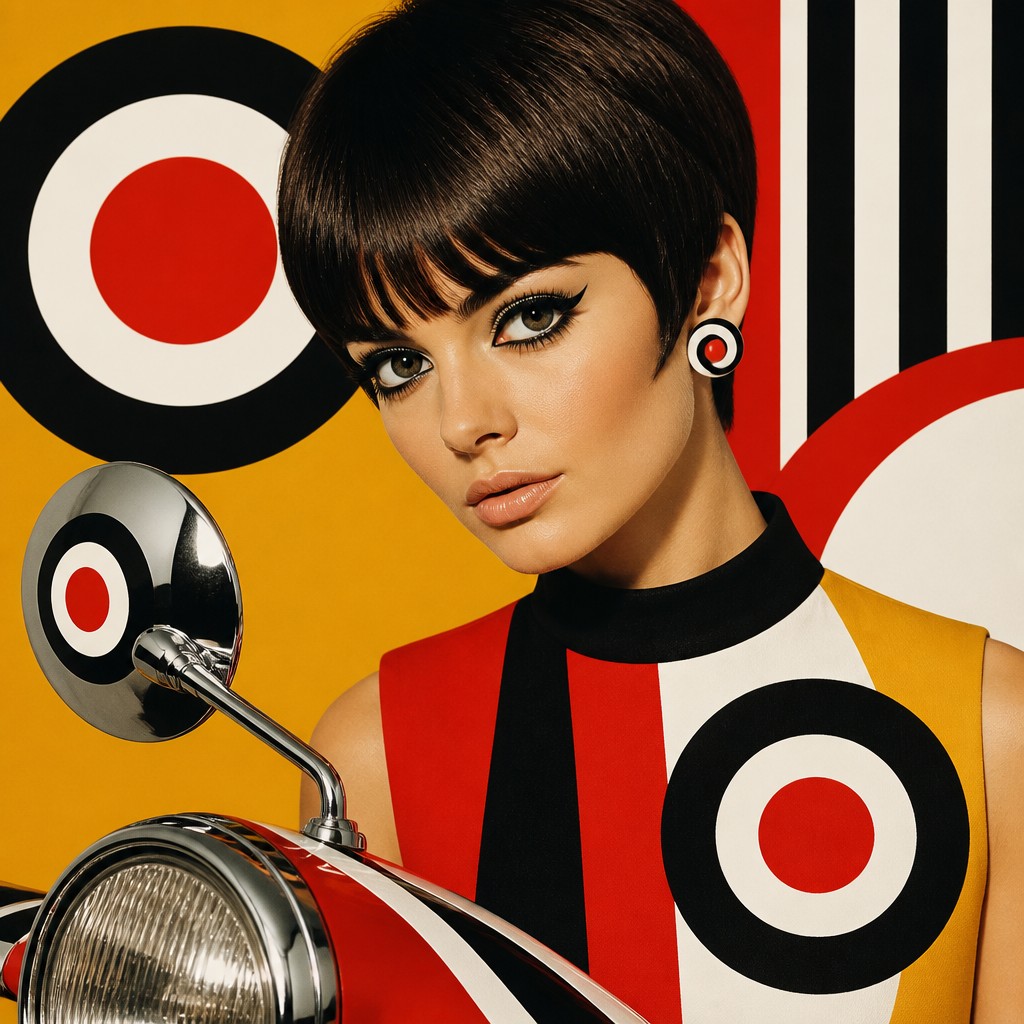
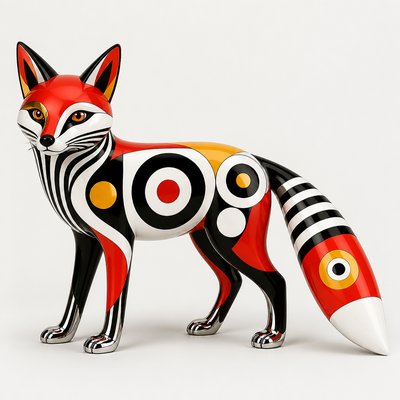
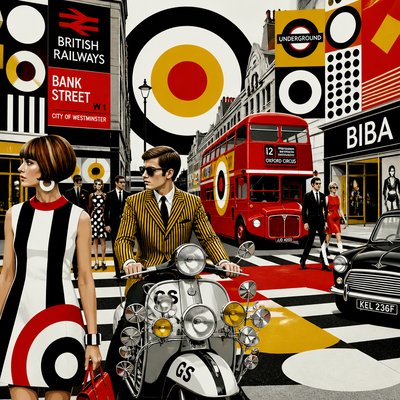
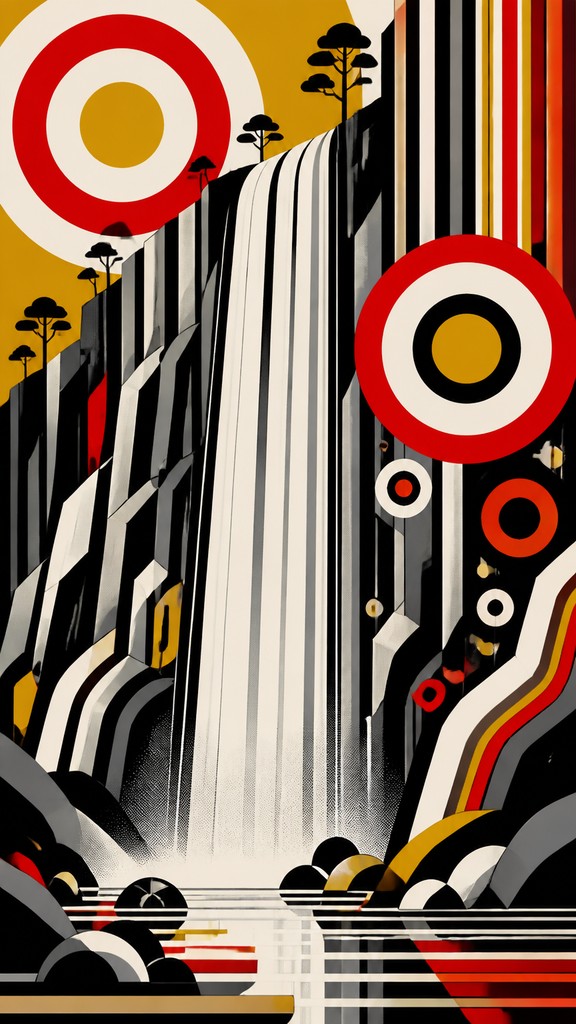
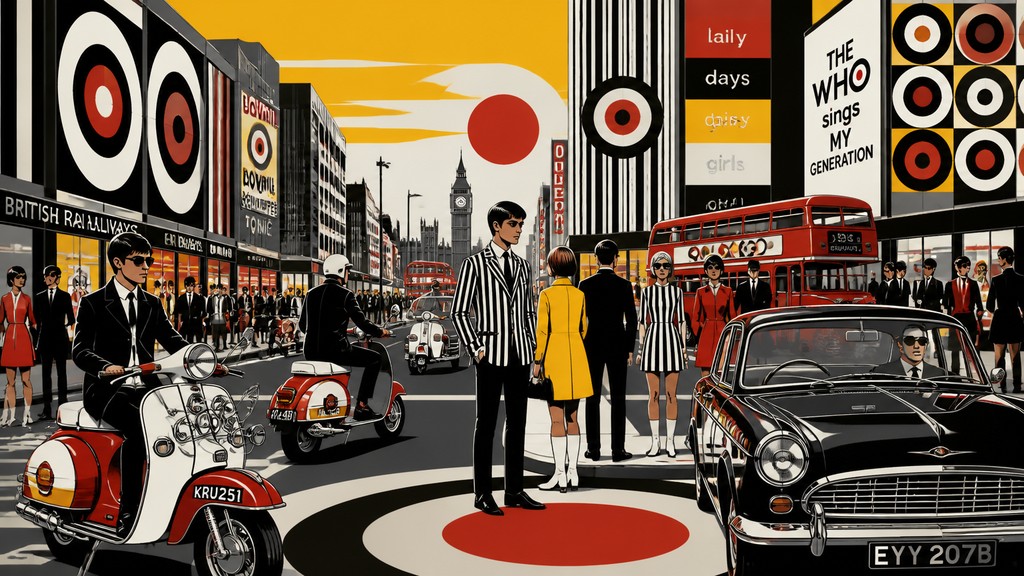
Mod Aesthetic is a sharply designed, Swinging-Sixties visual language built from geometric clarity, bold contrast, and a fashionably modern attitude. It is defined by op-art circles and stripes, target motifs, high-contrast black and white, and compact hits of scooter red and mustard that give the composition a sleek, energetic pulse.
The style looks the way it does because it draws on mid-1960s graphic design, youth culture, and the era’s fascination with speed, technology, and polished modern life. Flat color, razor-clean edges, and symmetrical layouts create an image that feels crisp and controlled, while glossy vinyl and chrome-like surfaces add a sense of nightclub polish and consumer-era glamour.
Try It On Your Photos
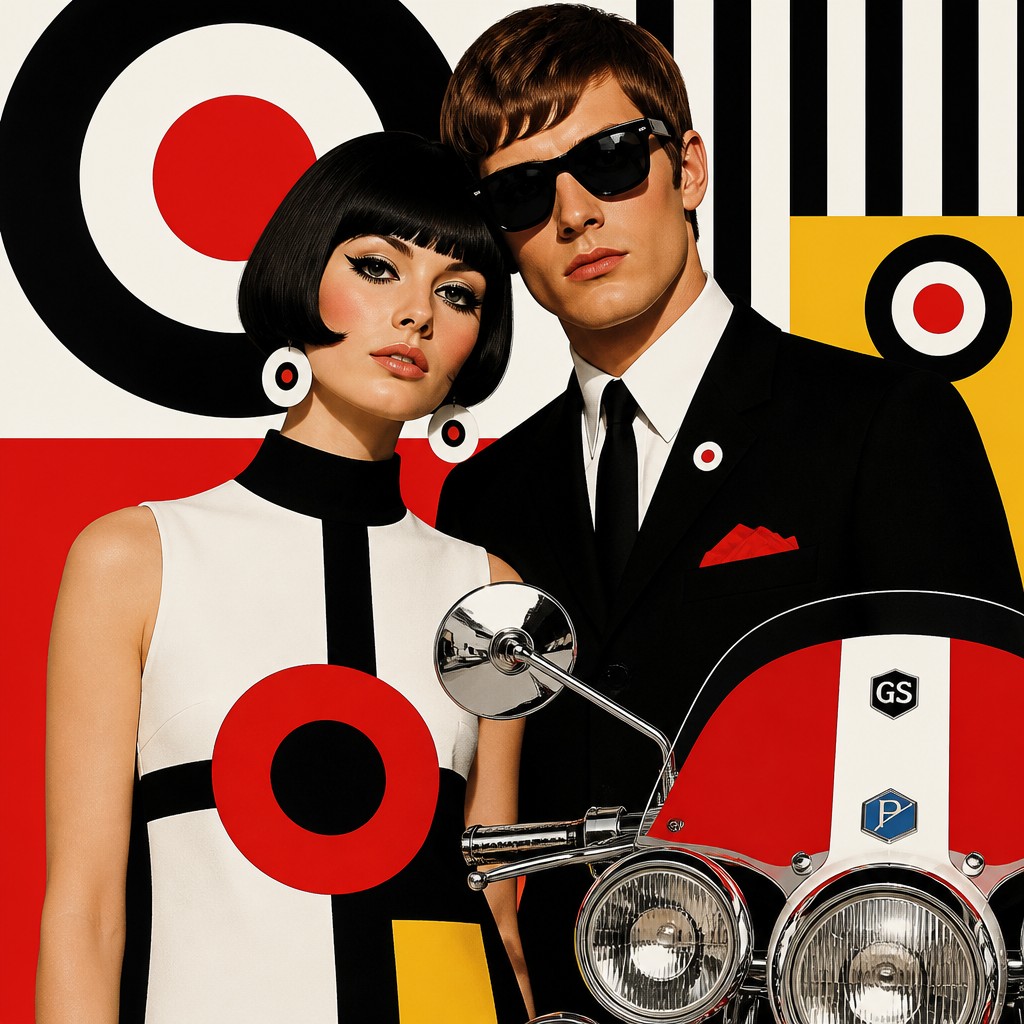
Upload any photo and convert it into Mod Aesthetic — drag the sliders to compare before and after.

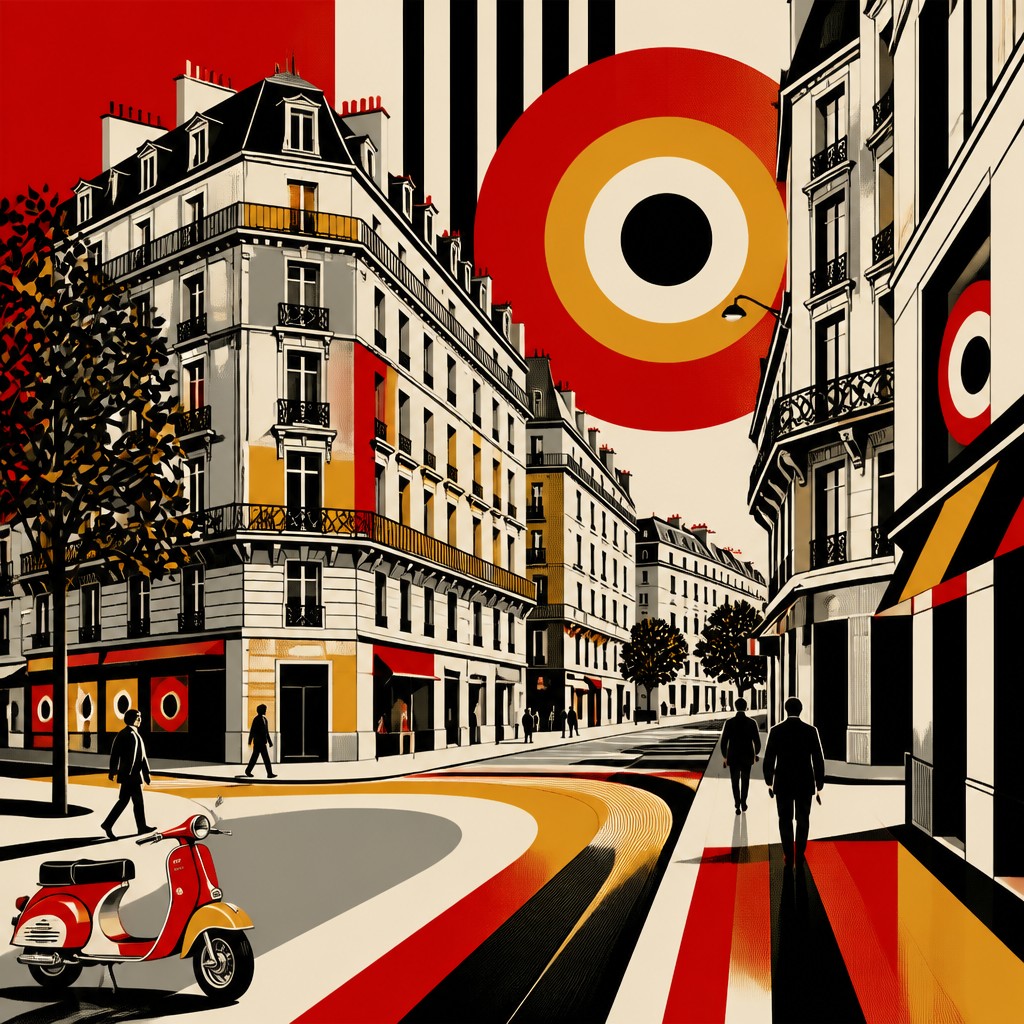

What Defines Mod Aesthetic
The signature details, up close
High-contrast palette
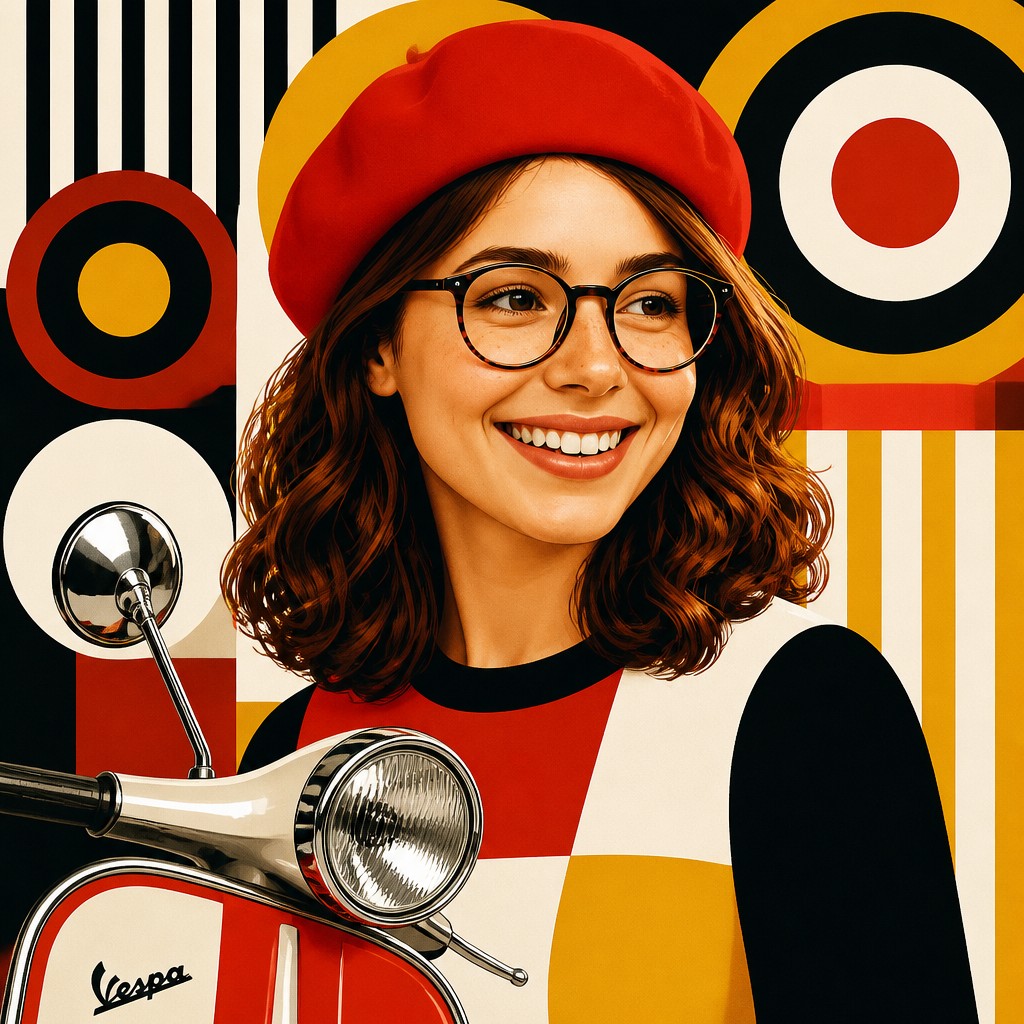
Black and white form the core of the style, usually accented by scooter red and mustard. The limited palette keeps the image graphic and immediately legible.
Op-art geometry
Circles, concentric targets, stripes, and optical patterns create the style’s strongest visual signature. These shapes produce rhythm and movement without relying on shading or painterly texture.
Crisp flat color
Surfaces are rendered in clean blocks of color with little tonal blending. This gives the work a print-like clarity associated with posters, packaging, and magazine design.
Razor-sharp edges
Lines are precise, deliberate, and usually hard-edged rather than soft or expressive. The precision reinforces the style’s controlled, modernist feel.
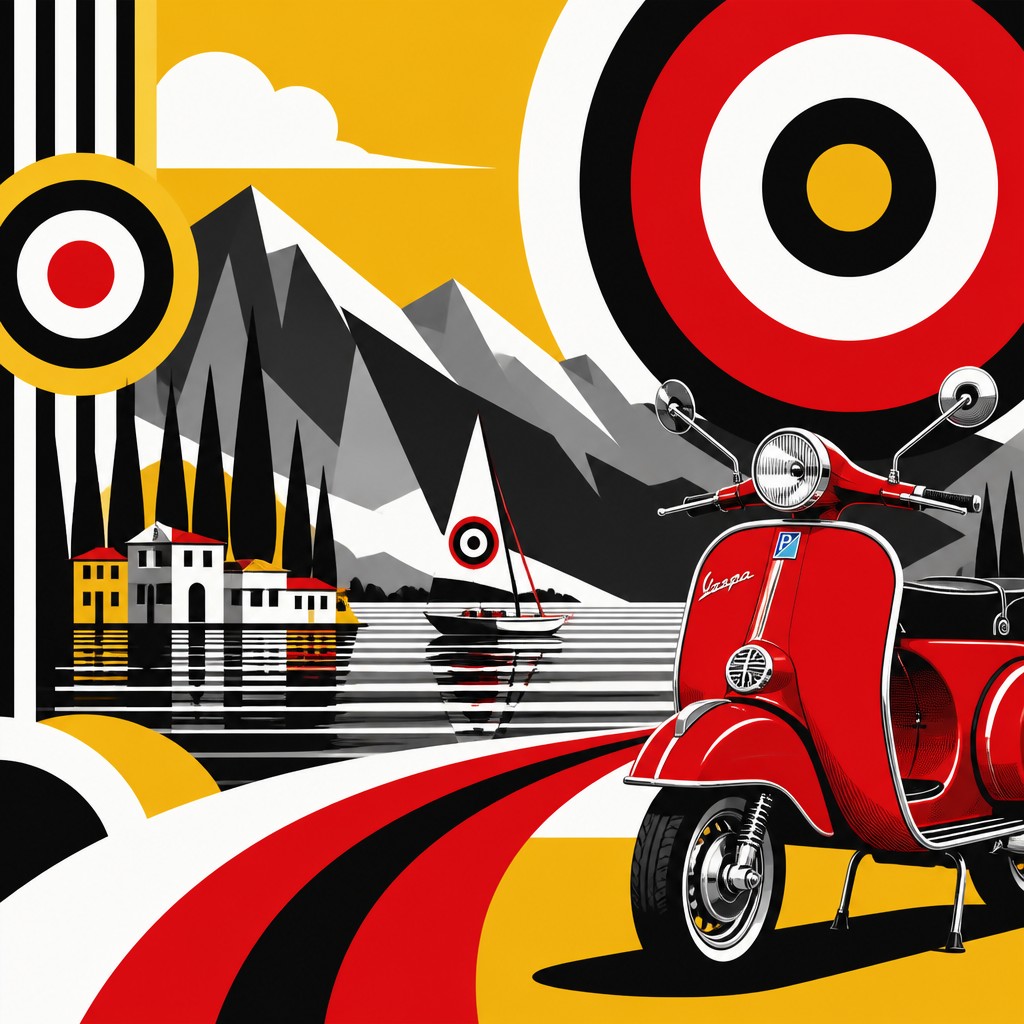
Glossy material cues
Vinyl, lacquer, and chrome finishes are often suggested with compact highlights and reflective accents. These details add the polished, nightlife-friendly sheen associated with 1960s modernity.
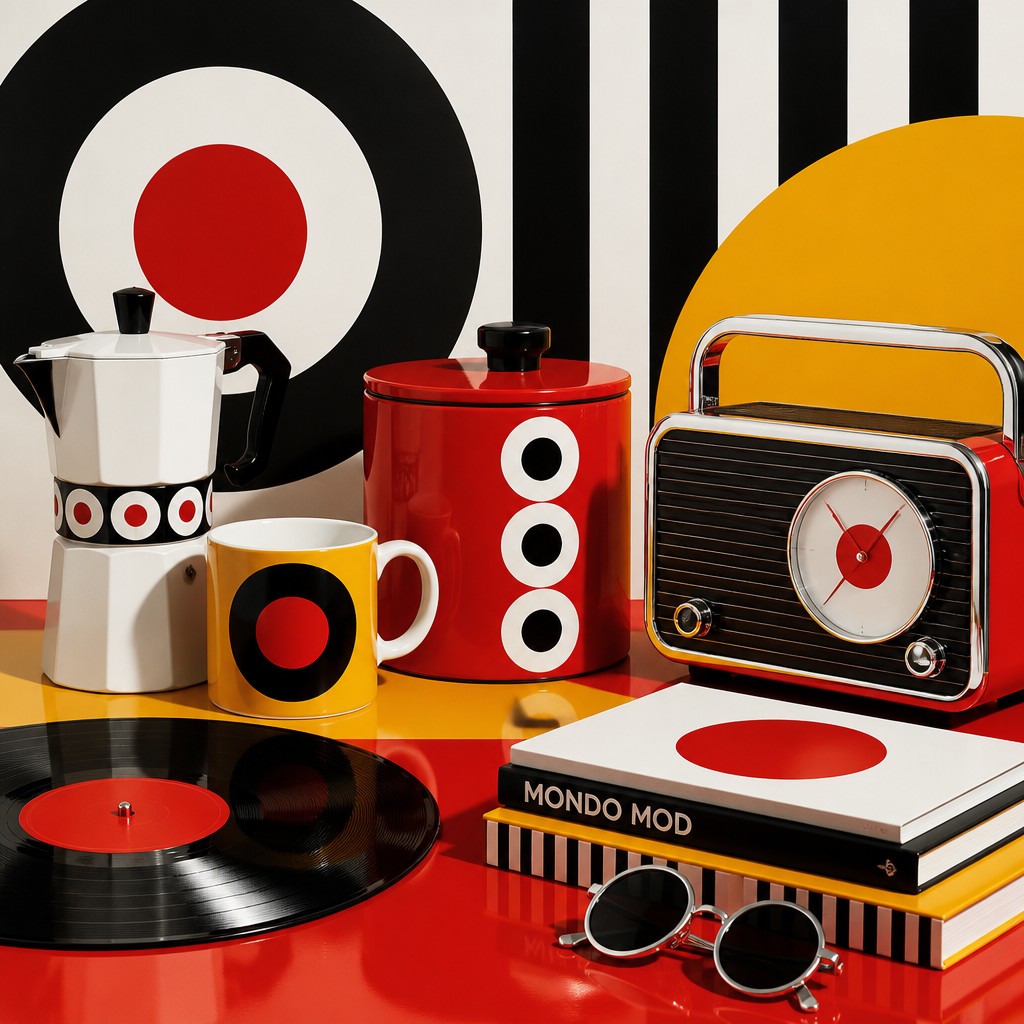
Youthful swing-era cool
Figures, objects, and layouts often feel sleek, compact, and fashion-conscious. The mood is energetic but disciplined, balancing playfulness with design exactness.
Try It
Create Videos in Mod Aesthetic
Styles aren't just for stills — describe a scene or animate an image and get a short video rendered in Mod Aesthetic. Press play to see this pond come to life.
Make a VideoMod Aesthetic Prompt Ideas
Start from an idea — each one opens the generator with the style ready to go. See all 40 Mod Aesthetic prompts →
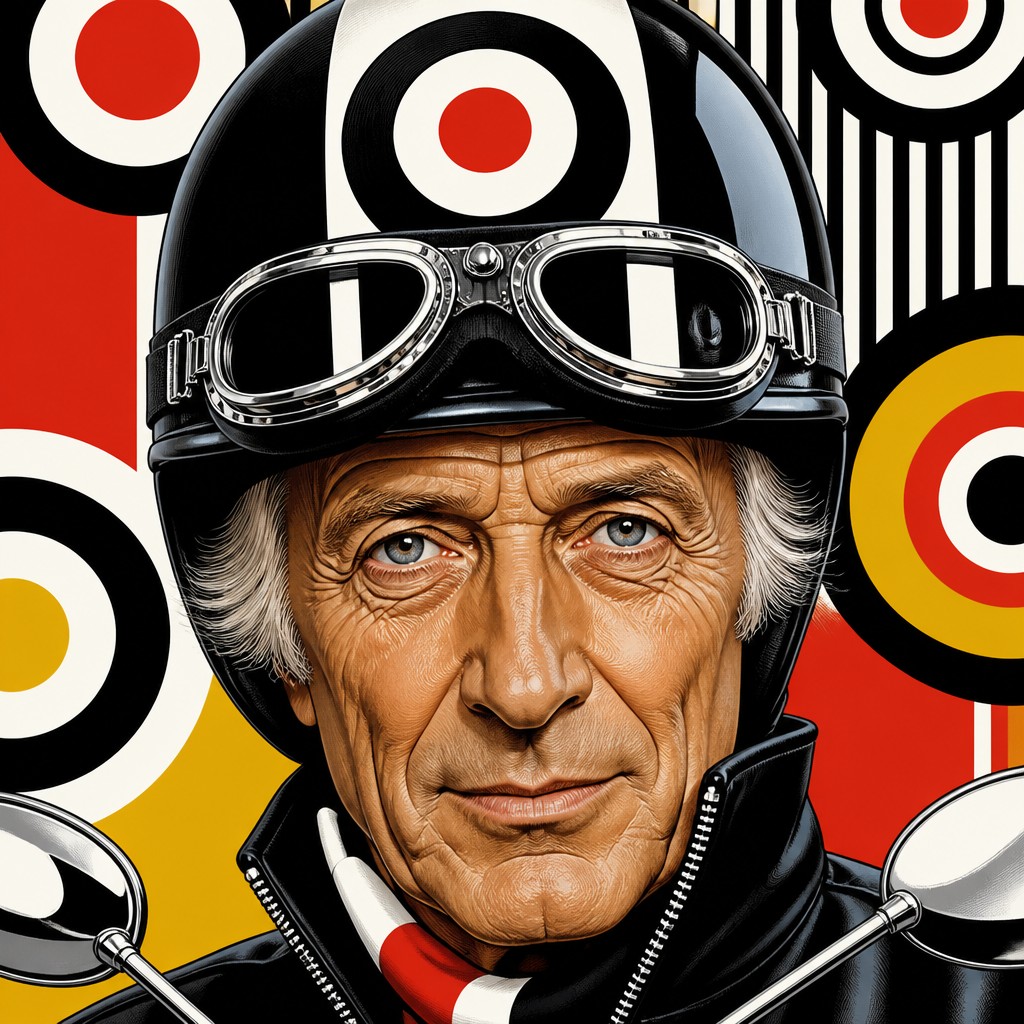
“close-up portrait of an elderly person with expressive weathered features”
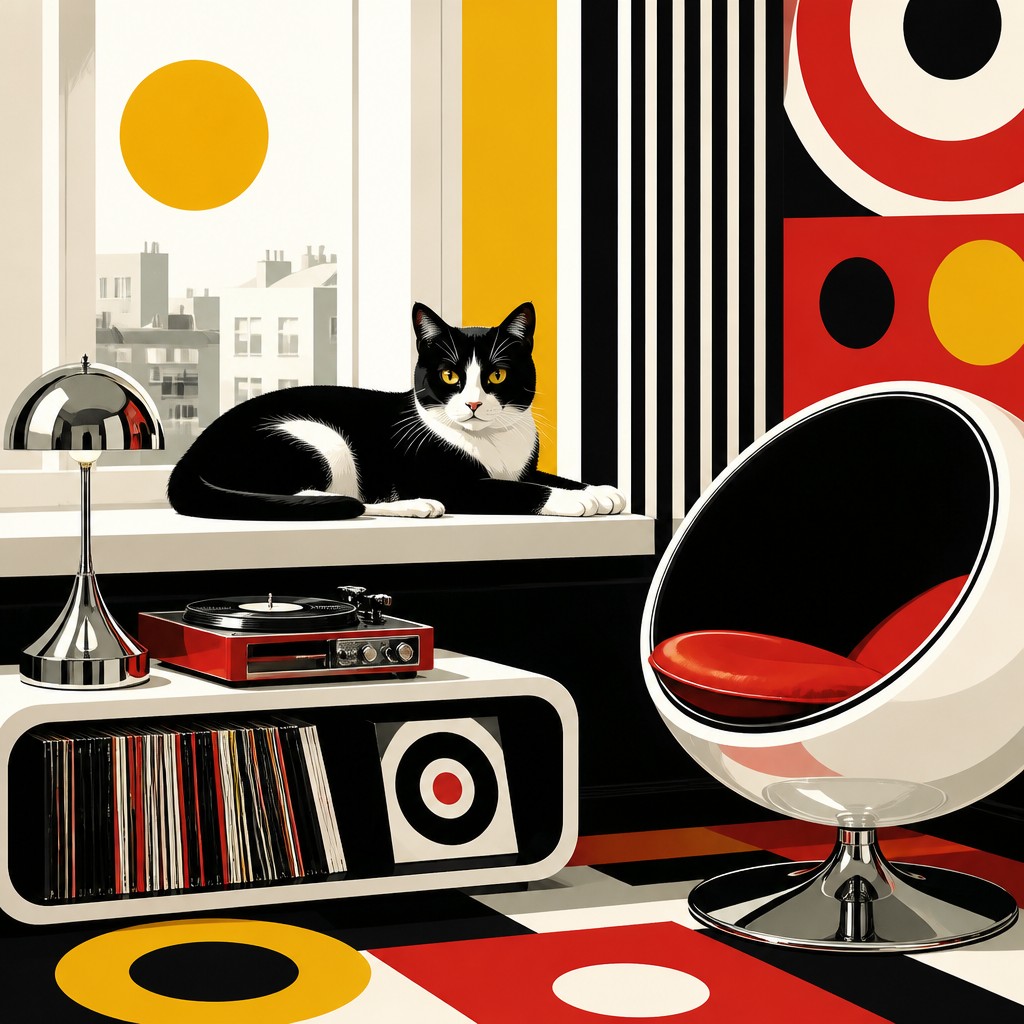
“a cat lounging in a sunlit window”
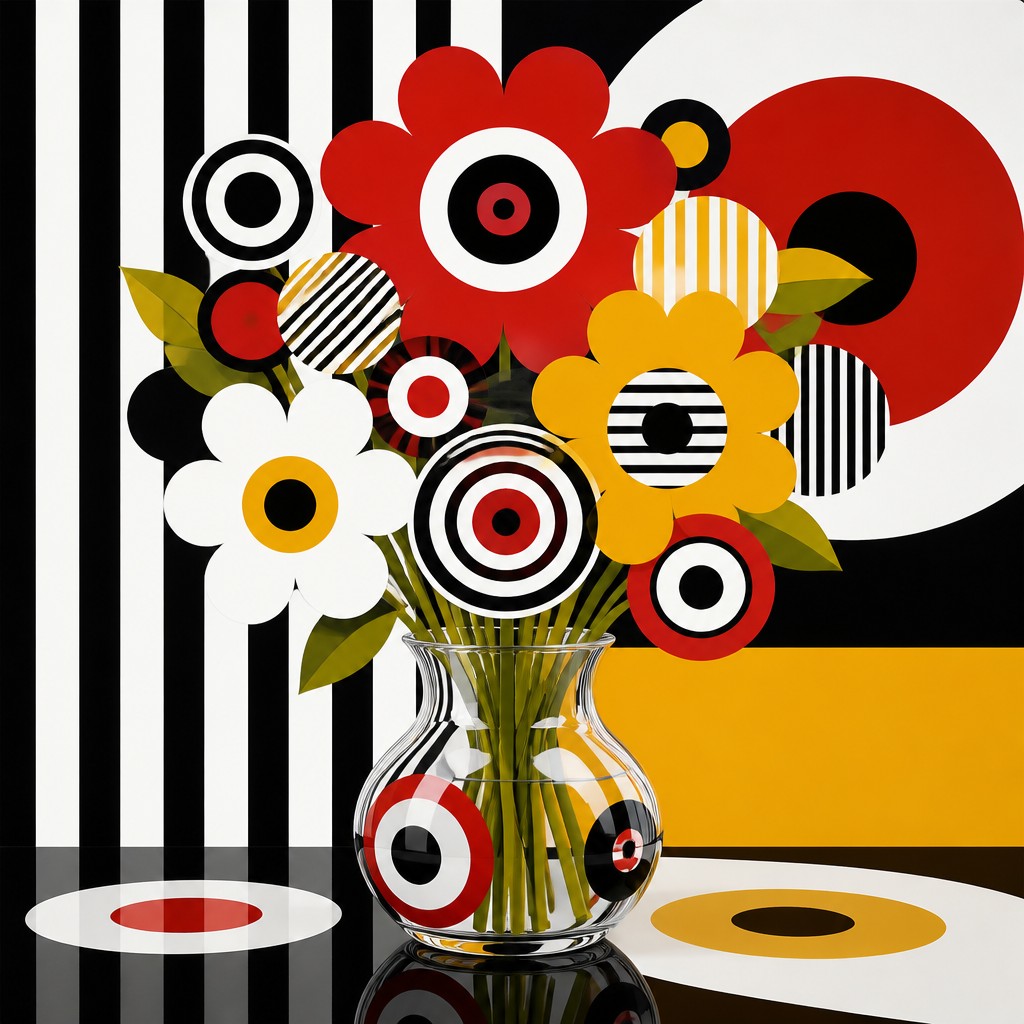
“bouquet of flowers in a glass vase”
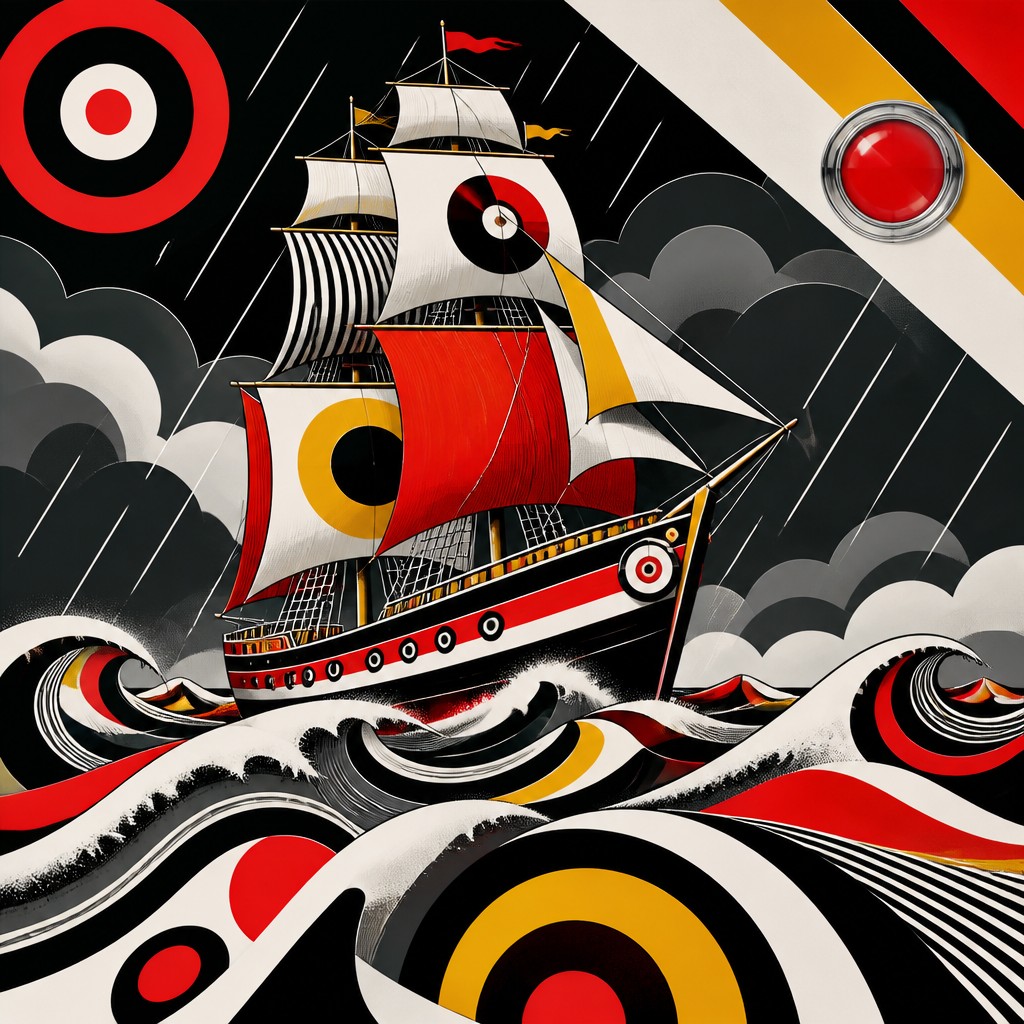
“sailing ship on a stormy sea”
How to Create Mod Aesthetic Art
Master the craft step by step — or skip straight to creating. Read the full guide →
- 1
Build from simple geometry
Start with circles, bands, targets, grids, and streamlined silhouettes. In traditional media, use masking, rulers, and stencils; in digital work, construct the composition with vector shapes or clean shape layers.
- 2
Restrict the palette
Limit color to black, white, red, and one warm accent such as mustard. Keeping the palette tight is essential to the style’s graphic force.
- 3
Keep surfaces flat and clean
Use uniform fills and avoid painterly blending, heavy texture, or atmospheric haze. If you want depth, suggest it through overlapping shapes or reflected highlights rather than soft shading.
- 4
Emphasize precision over gesture
Edges should be crisp, spacing deliberate, and symmetry carefully controlled. When generating images from text, specify hard-edged graphics, flat color, and exact geometric layout.
- 5
Add polished finish selectively
Introduce small chrome-like highlights, vinyl sheen, or lacquer reflections to evoke period materials. These accents should stay restrained so they support the graphic design rather than dominate it.
- 6
Compose for poster impact
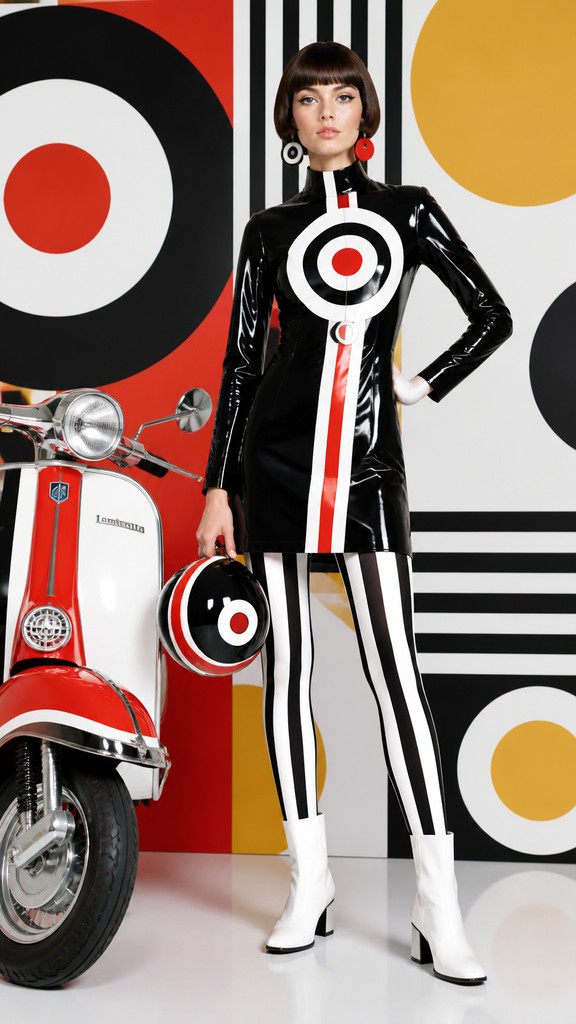
Use centered emblems, bold framing, and strong figure-ground contrast. For prompt-based generation, describe subjects as rendered with op-art circles, target motifs, and crisp 1960s graphic boldness.
The Story
History & Origins of Mod Aesthetic
Mod Aesthetic is not a single historical movement so much as a modern shorthand for a cluster of visual ideas associated with British mod culture and mid-1960s design. Its lineage runs through Swinging London, where boutique fashion, album covers, poster design, and magazine graphics favored bold geometry, strong contrast, and a youthful, urban cool. It also borrows heavily from Op Art, whose optical patterns and visual vibration became popular in the same period.
The look is closely related to the broader visual culture of the 1960s: pop graphics, streamlined industrial design, Space Age styling, and the high-impact language of advertising. While it echoes the work of designers and artists active in that era, it is best understood as an aesthetic synthesis rather than a fixed historical school.
Influences: This style draws most directly from British mod culture, Swinging London graphics, and Op Art, alongside the broader visual traditions of Pop Art, advertising, and mid-century modern design. Its geometric clarity recalls the work of artists such as Victor Vasarely and Bridget Riley in optical abstraction, while its pop-cultural edge is related to the graphic sensibility seen in 1960s design and image-making associated with figures like Peter Blake and Eduardo Paolozzi. It also reflects the era’s fascination with youth fashion, scooters, nightlife, and the polished futurism of Space Age interiors.
Frequently Asked Questions
What defines Mod Aesthetic visually?
Its core traits are geometric precision, strong black-and-white contrast, and red or mustard accents. Circles, targets, and stripes are especially important, along with a clean, poster-like finish.
Is this the same as Op Art?
Not exactly. Op Art is mainly about optical illusion and visual vibration, while Mod Aesthetic borrows some of those patterns and combines them with 1960s fashion, graphics, and youth-culture styling. Think of it as a broader retro design look with Op Art as one major ingredient.
What subjects work best in this style?
Fashion portraits, scooters, record players, interiors, signage, and abstract posters are especially effective because they fit the era’s design language. Simple subjects often work better than complex ones because the style depends on clarity and shape.
How do I make it look authentic?
Use a limited palette, hard edges, and strong geometric structure. Avoid painterly brushwork, distressed textures, and overly realistic lighting unless you are deliberately blending styles.
Where is Mod Aesthetic commonly used?
It appears in poster design, album art, fashion graphics, editorial illustration, branding, and retro-themed decor. It is also popular for themed portraits and abstract compositions because it reads instantly at a glance.
How is it different from 1970s retro or psychedelic art?
Mod Aesthetic is cleaner, cooler, and more structured, with a disciplined palette and geometric order. Psychedelic art tends to be more fluid, hallucinatory, and color-saturated, while mod design stays sharp and controlled.
Create your first Mod Aesthetic artwork
Describe anything — or upload a photo — and see it in Mod Aesthetic in seconds.
Make Something with Mod Aesthetic
Related Styles
Discover similar art styles