Goblincore Aesthetic
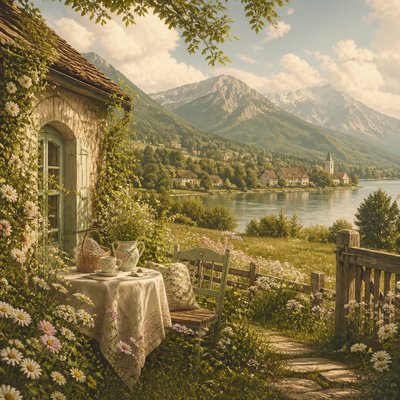
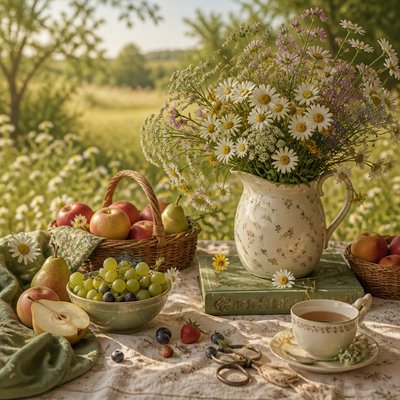
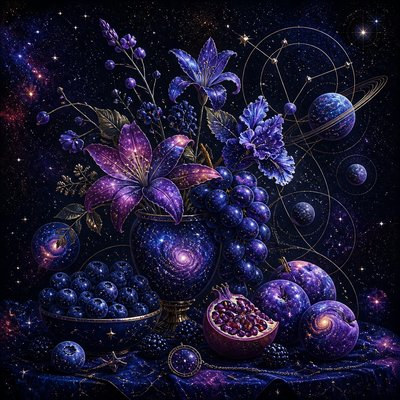
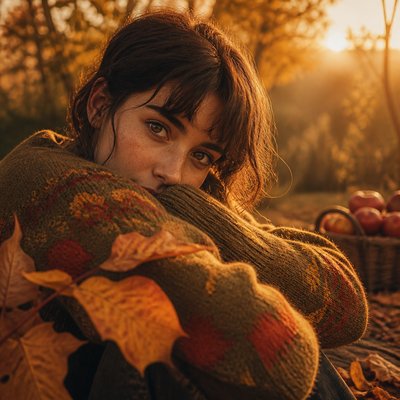
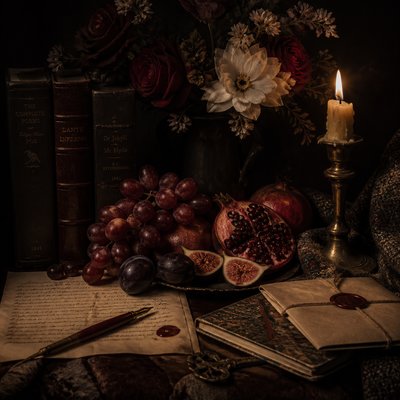
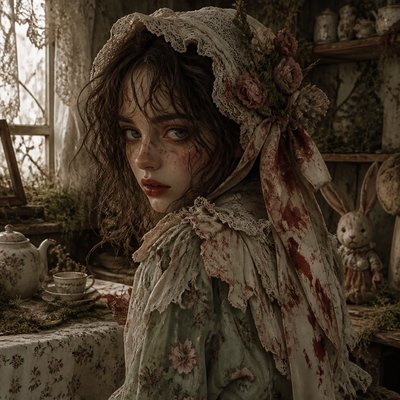
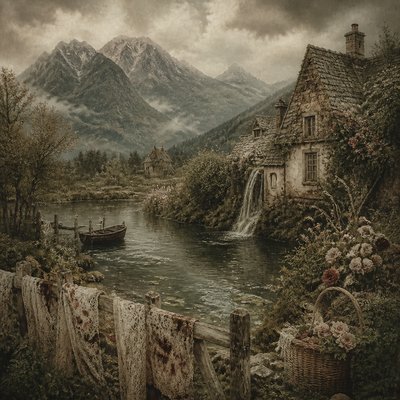
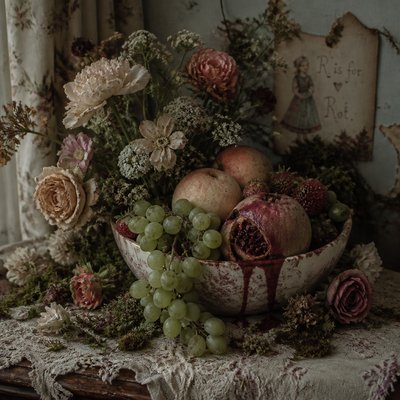
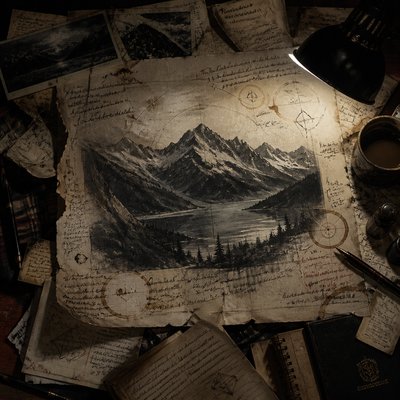
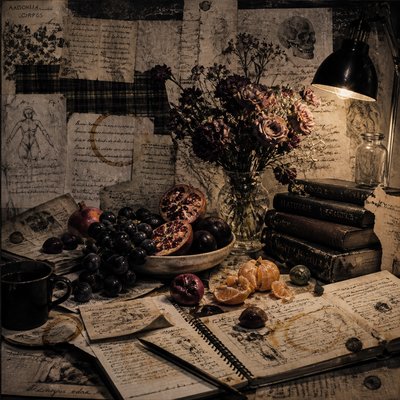
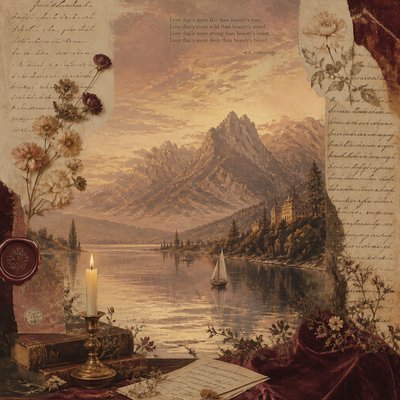
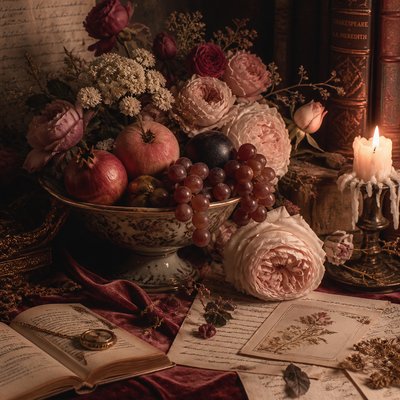
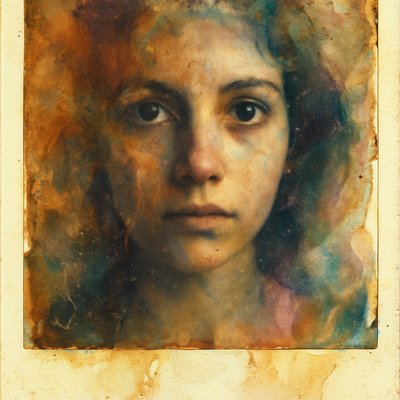
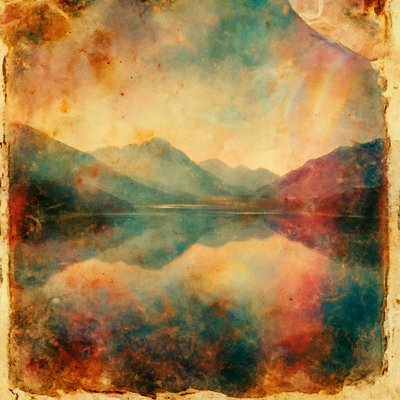
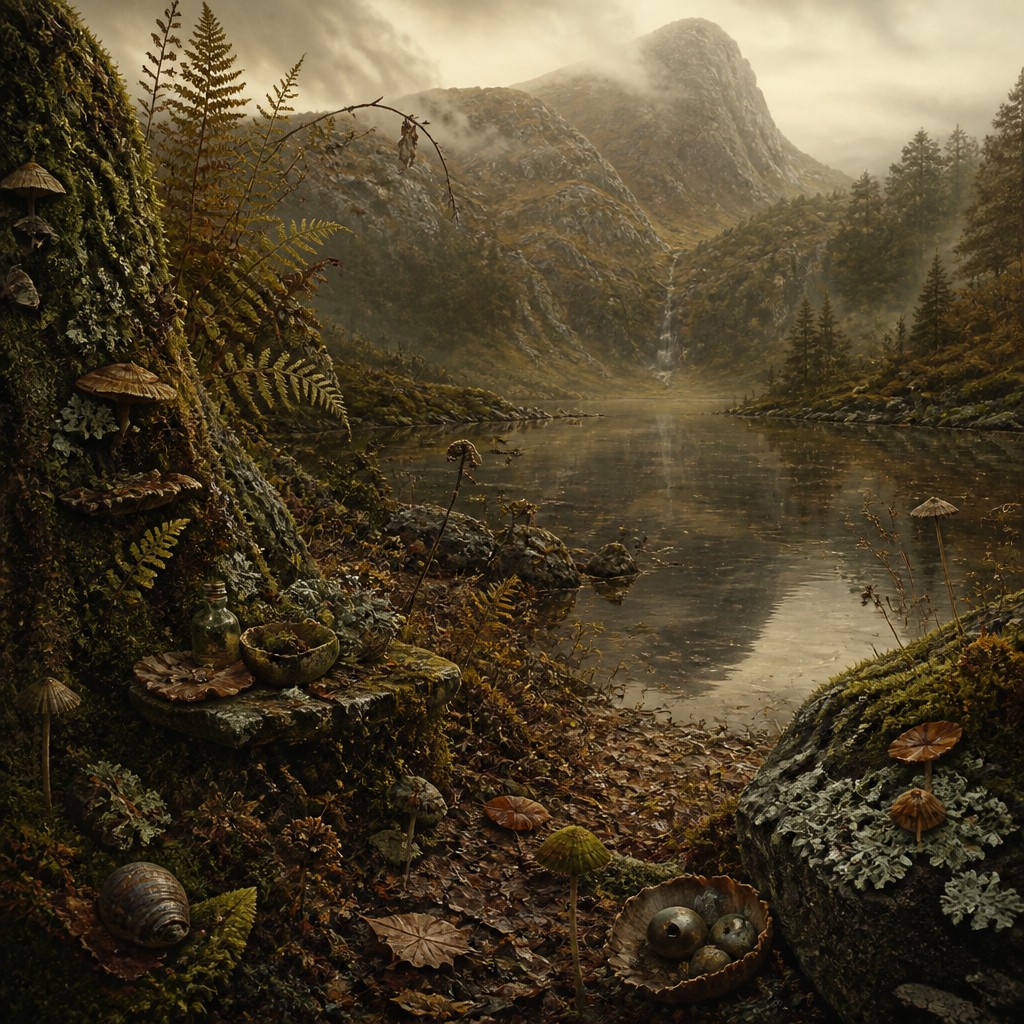
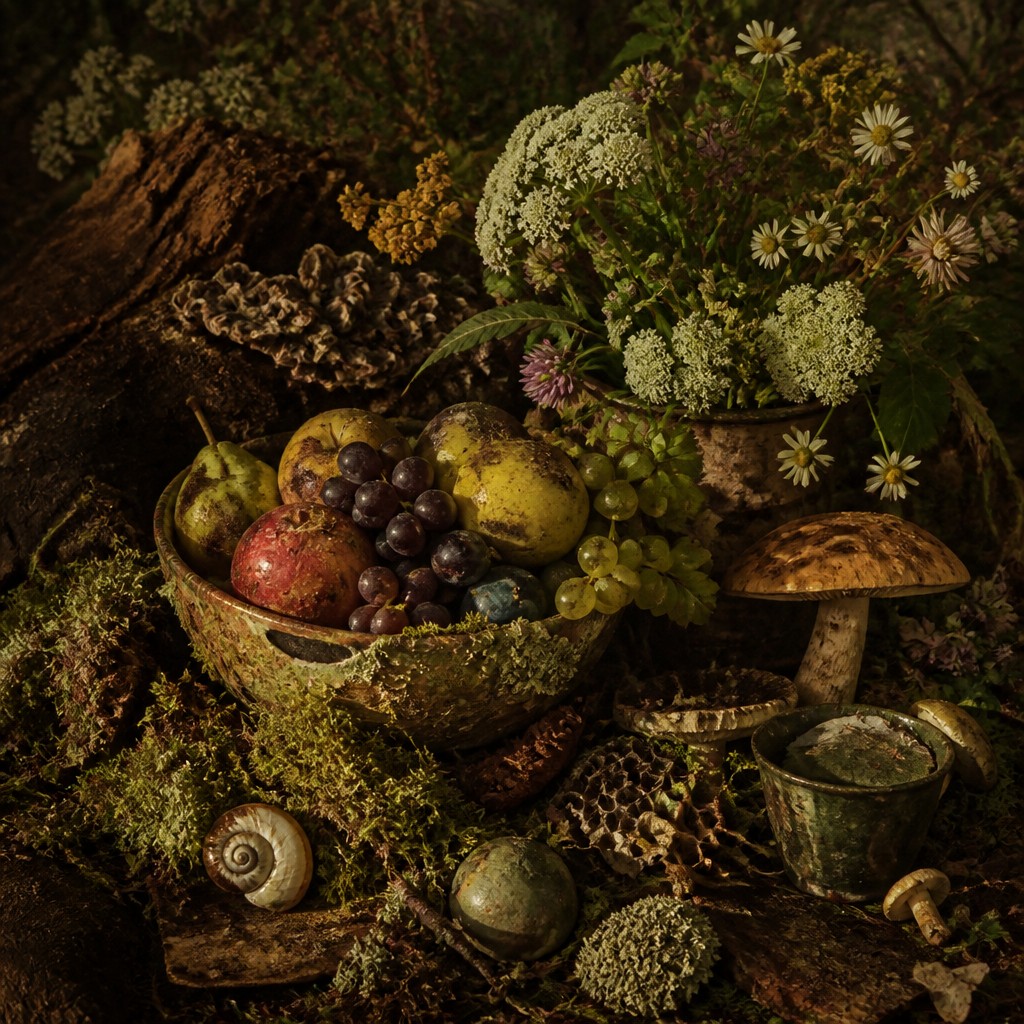
Goblincore aesthetic: mud, moss, mushrooms, and treasured trinkets in a cozy, scruffy forest-floor style.
Instantly rendered in Goblincore Aesthetic — or transform a photo

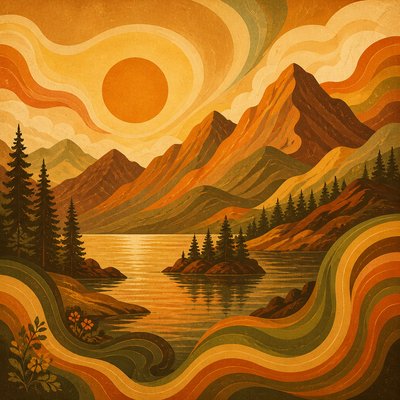
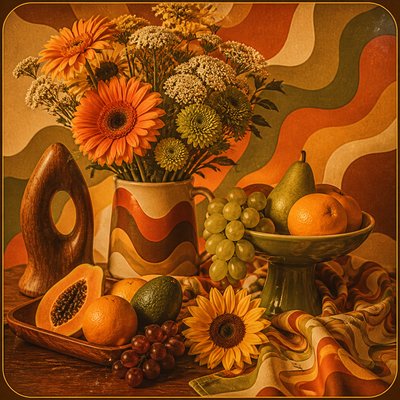
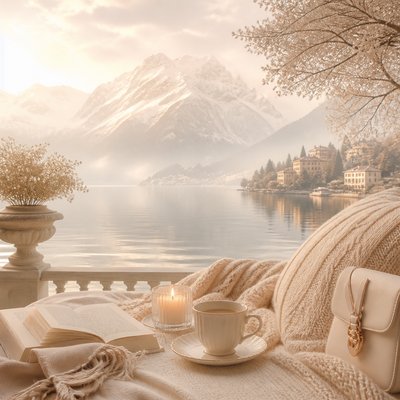
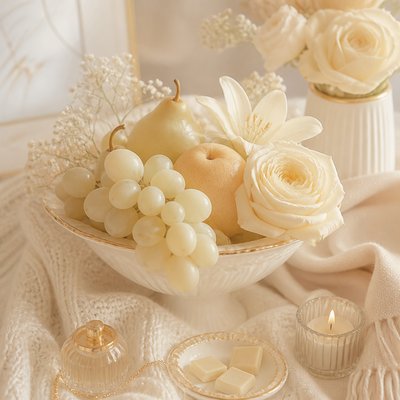
Goblincore Aesthetic Gallery
Tap any artwork to explore it
What is Goblincore Aesthetic?
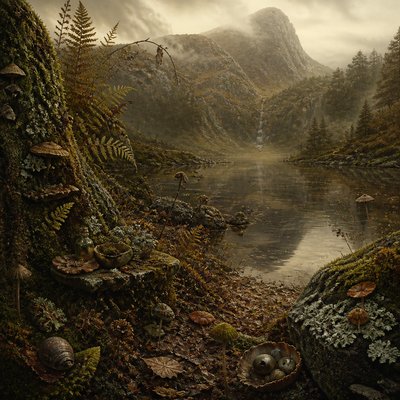
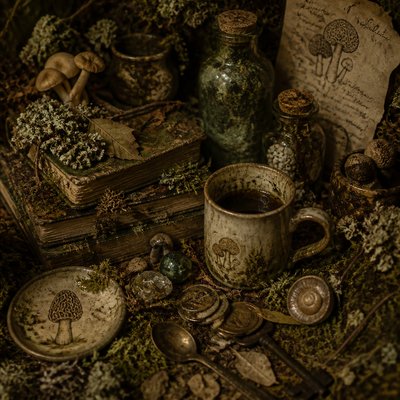
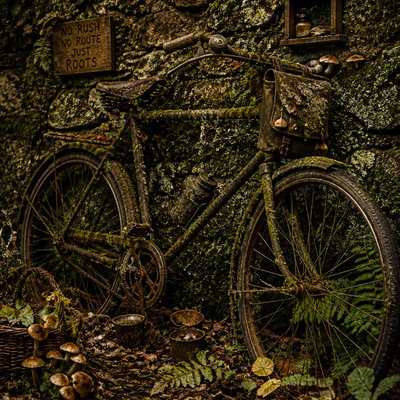
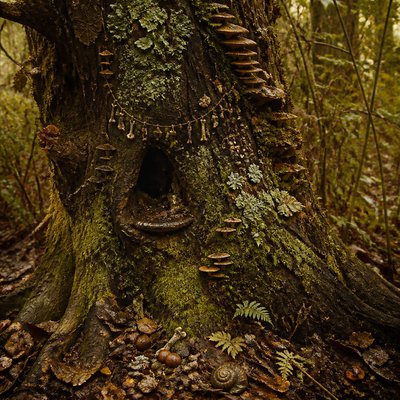
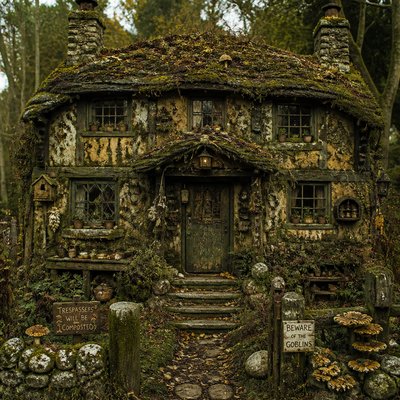
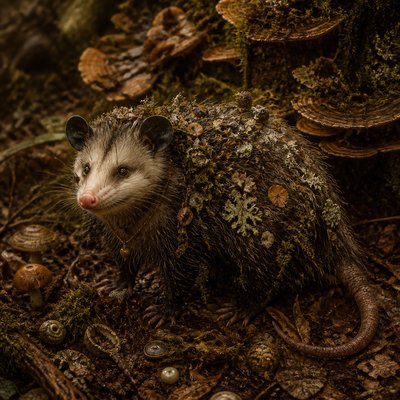
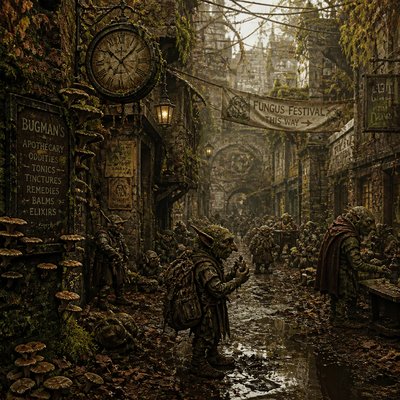
Goblincore aesthetic is a visual style built around the overlooked richness of the forest floor: damp earth, moss, fungi, leaf litter, stones, sticks, bones, beads, keys, jars, and other small found objects. It treats messiness as charm rather than flaw, favoring an untidy but affectionate view of nature that is tactile, seasonal, and deeply material. The mood is often whimsical, tucked-away, and a little feral, as if the scene belongs to a creature that collects useful scraps and treasures.
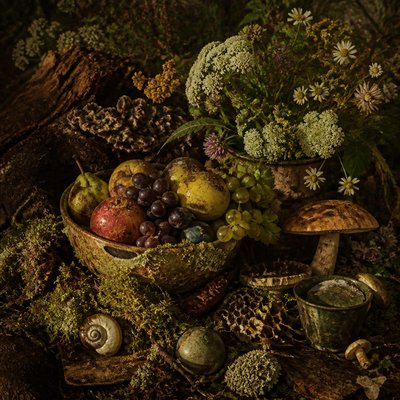
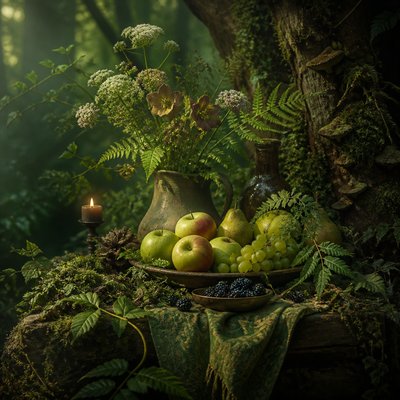
Its visual identity comes from a love of organic texture and low, warm light. Surfaces appear soft with moss or rough with bark and mud; colors lean toward fungal ochres, olive greens, charcoal, clay brown, and the muted glint of metal or glass. Rather than polished beauty, goblincore values abundance, clutter, and irregularity, which gives it a cozy, lived-in feeling. The style looks the way it does because it is rooted in attention to humble natural materials and the imaginative transformation of debris into treasure.
Try It On Your Photos
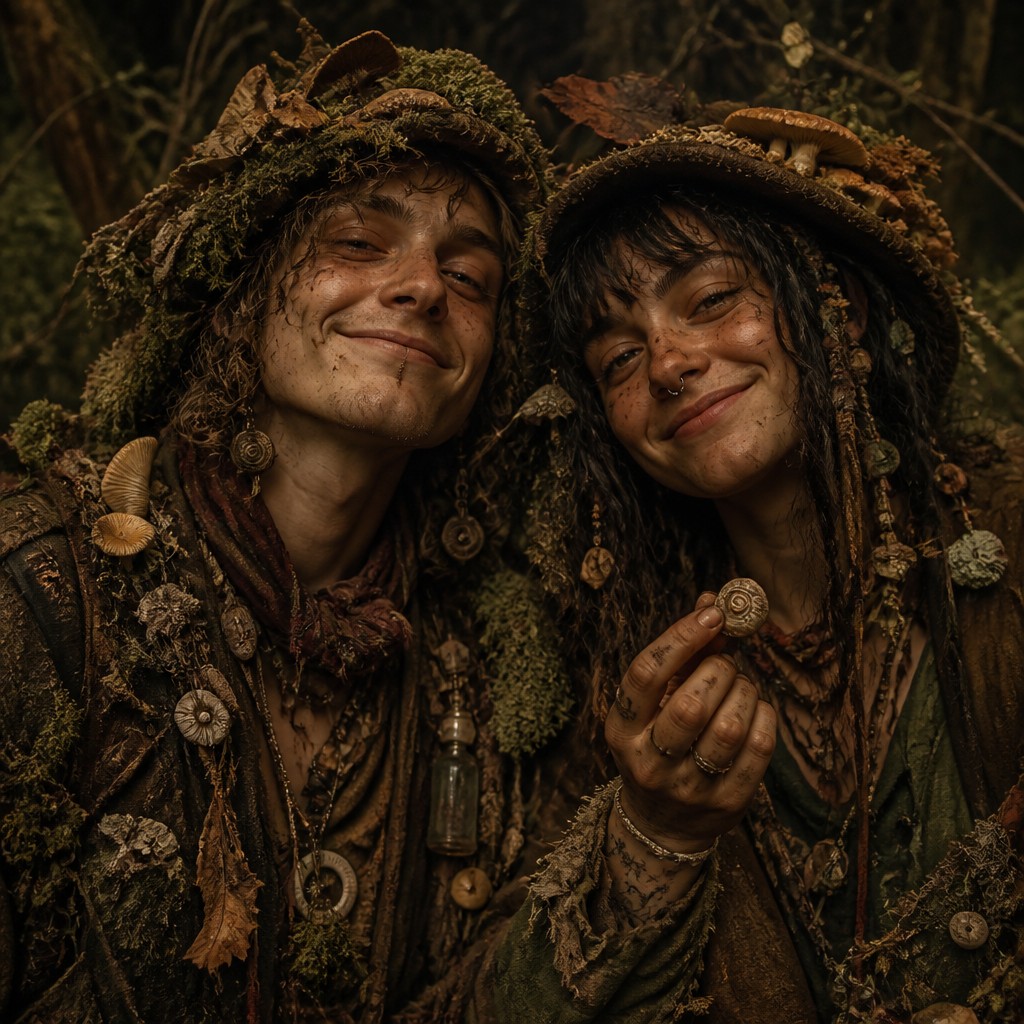
Upload any photo and convert it into Goblincore Aesthetic — drag the sliders to compare before and after.



What Defines Goblincore Aesthetic
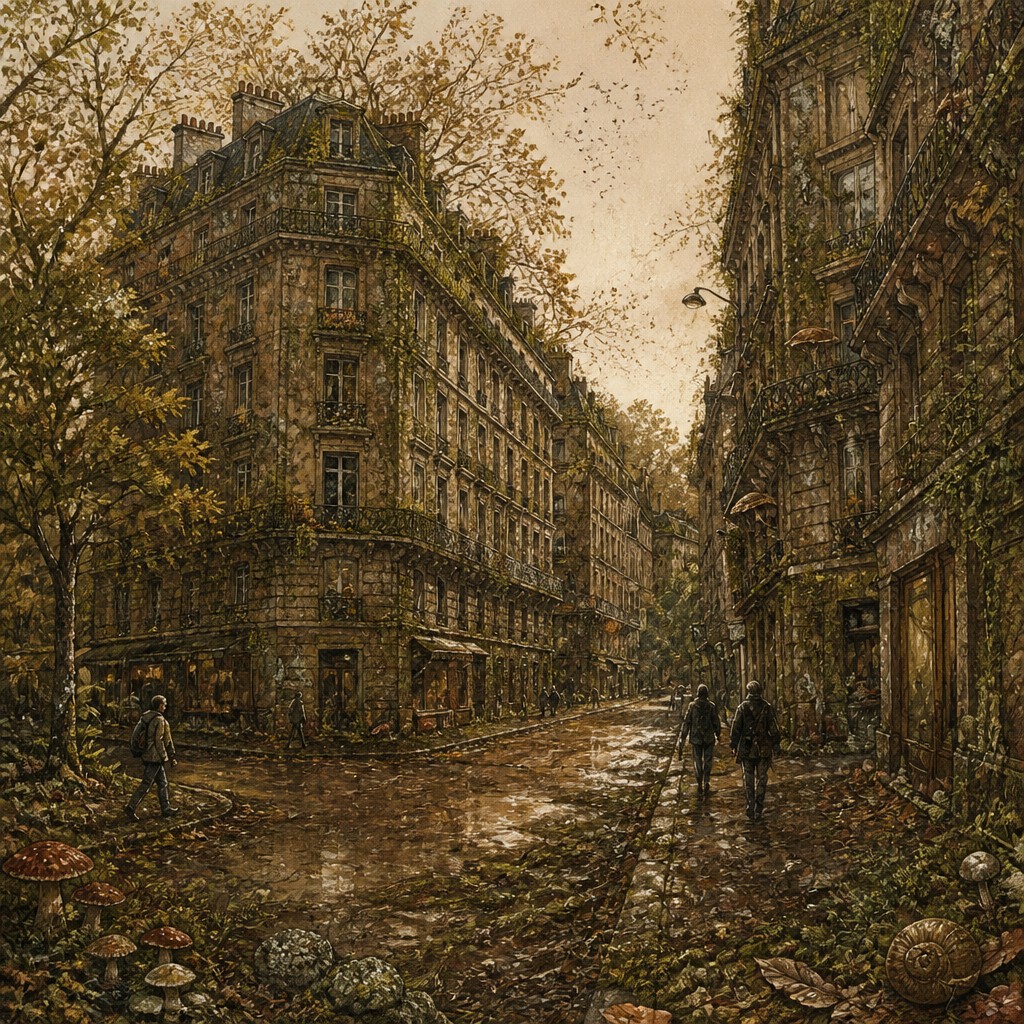
The signature details, up close
Earthy, low-saturation color palette
The style relies on moss green, mud brown, fungal ochre, bark gray, and damp black. Small accents of rust, copper, or glassy highlights may appear, but bright colors are usually subdued.
Dense natural texture
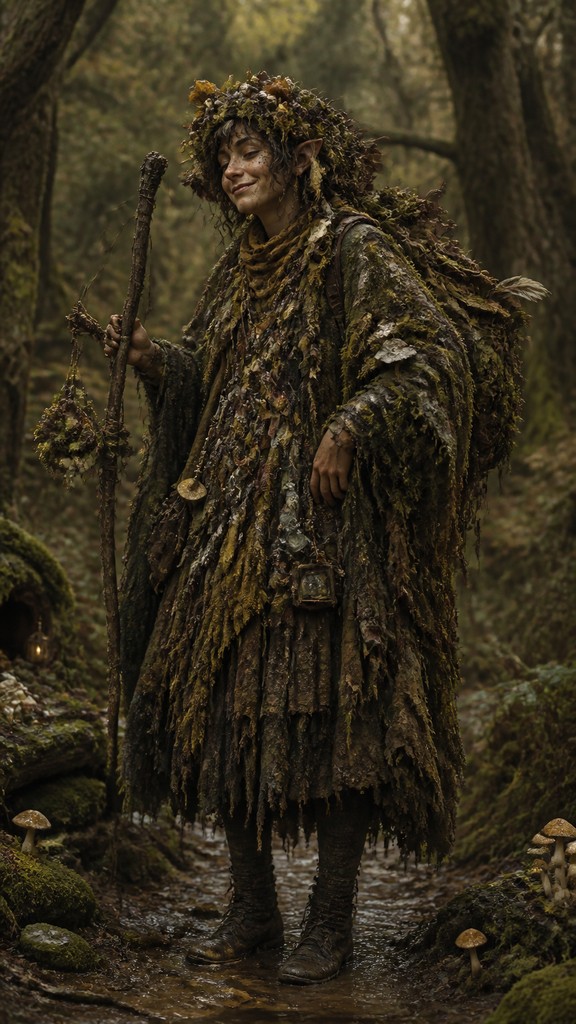
Moss, lichen, bark, wet soil, feathers, leaf litter, and rough fabric are depicted with visible texture. The image often feels almost touchable, as if it were made from layered materials rather than clean flat shapes.
Treasured clutter
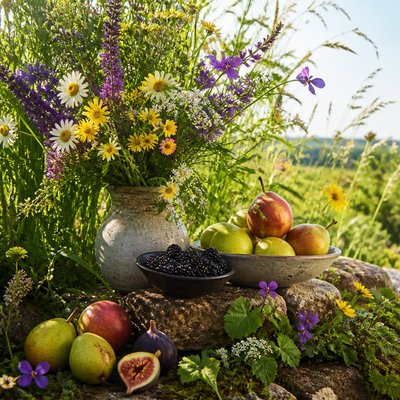
Found objects such as buttons, coins, keys, shells, mushrooms, jars, ribbons, and odd little trinkets are central motifs. They are arranged as collections, nests, or hoards rather than presented in tidy composition.
Feral domesticity
Scenes often suggest a creaturely, improvised way of life: burrows, dens, hollow logs, and tucked-away corners. The aesthetic combines wilderness with a sense of personal possession and care.
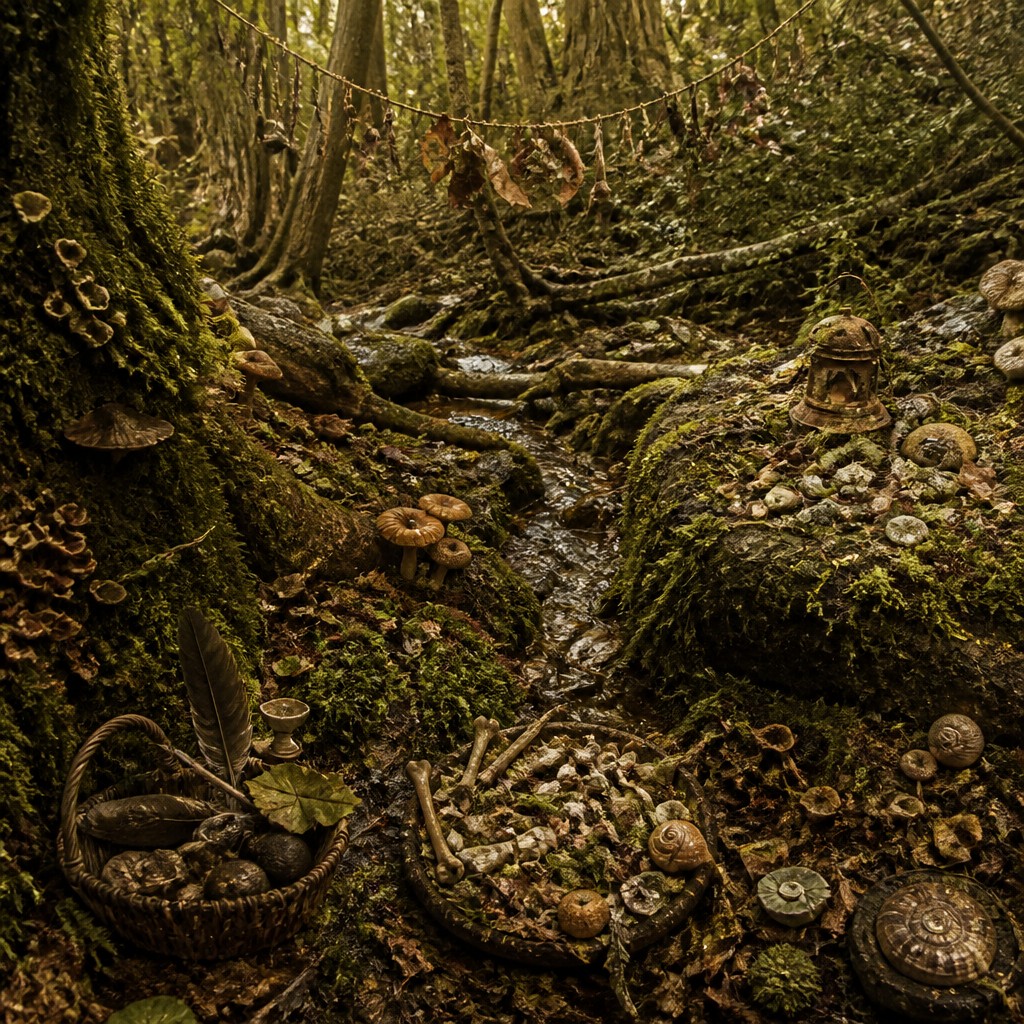
Shadows and woodland dimness
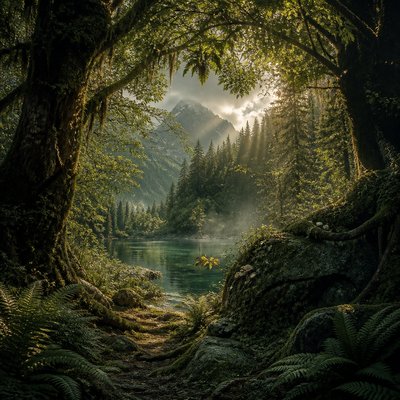
Lighting tends to be warm, muted, and low, like late afternoon under trees or candlelight in a den. This soft darkness helps the textures stand out and creates a cozy, secretive mood.
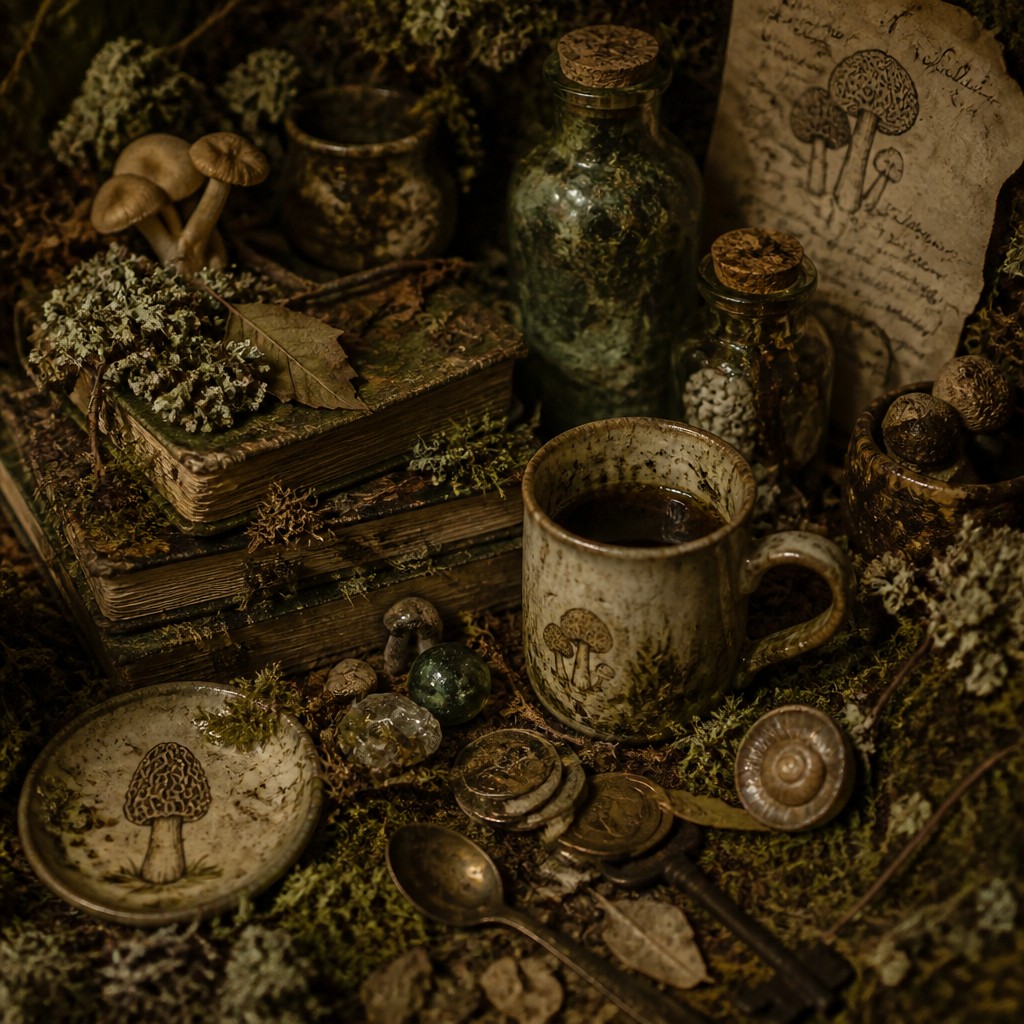
Celebration of the overlooked
The style finds beauty in dirt, rot, decay, and the small ecosystems built from them. Rather than sanitizing nature, it emphasizes fungi, moisture, decomposing leaves, and the life hidden in them.
Try It
Create Videos in Goblincore Aesthetic
Styles aren't just for stills — describe a scene or animate an image and get a short video rendered in Goblincore Aesthetic. Press play to see this pond come to life.
Make a VideoGoblincore Aesthetic Prompt Ideas
Start from an idea — each one opens the generator with the style ready to go. See all 40 Goblincore Aesthetic prompts →
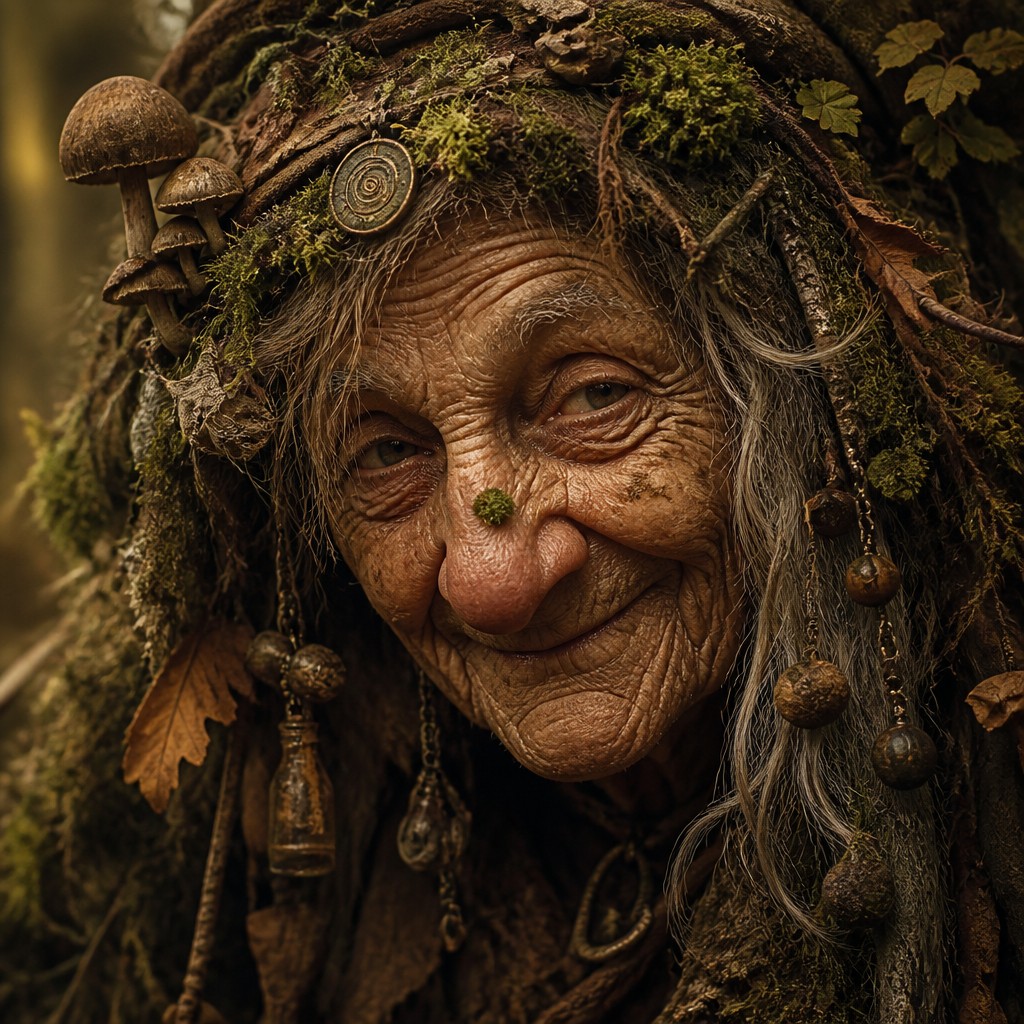
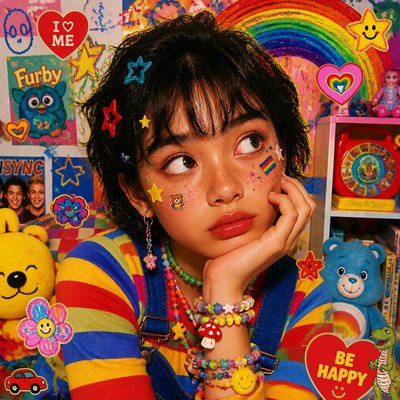
“close-up portrait of an elderly person with expressive weathered features”
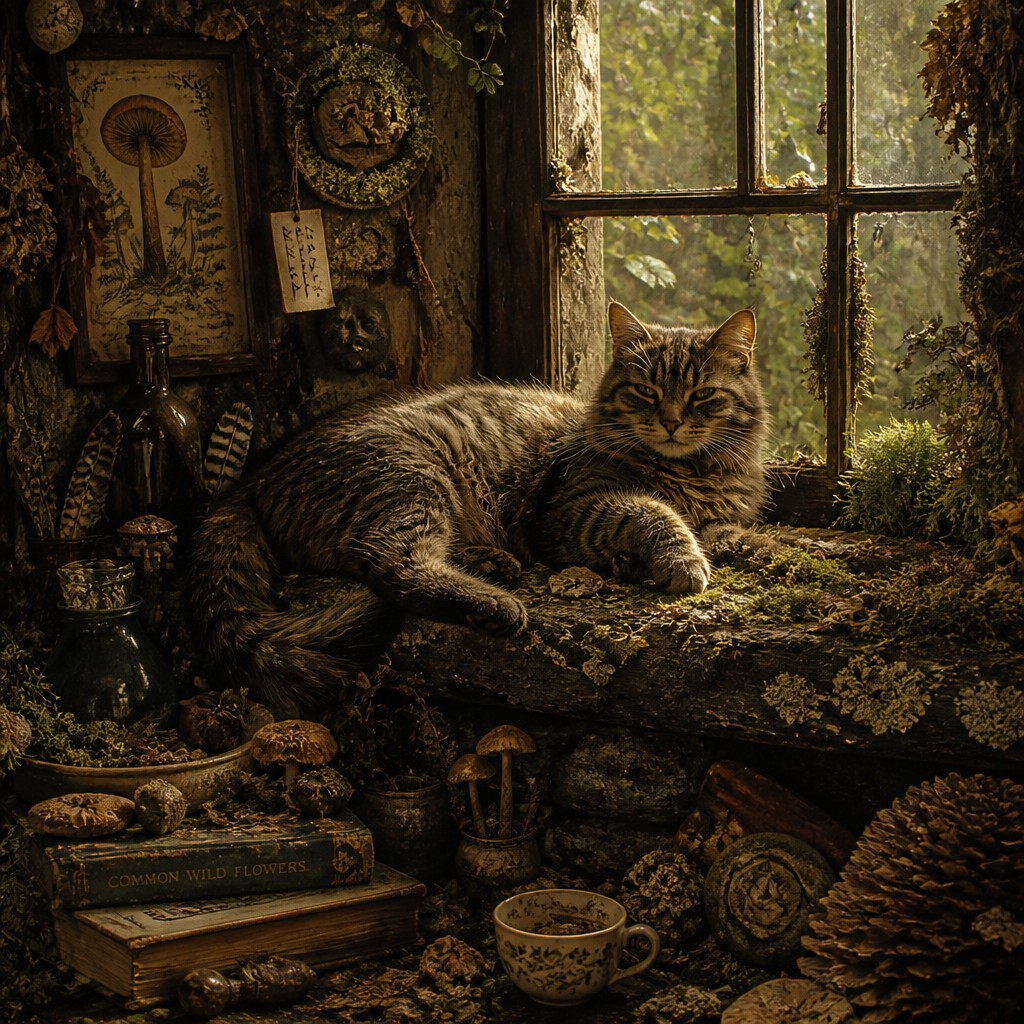
“a cat lounging in a sunlit window”
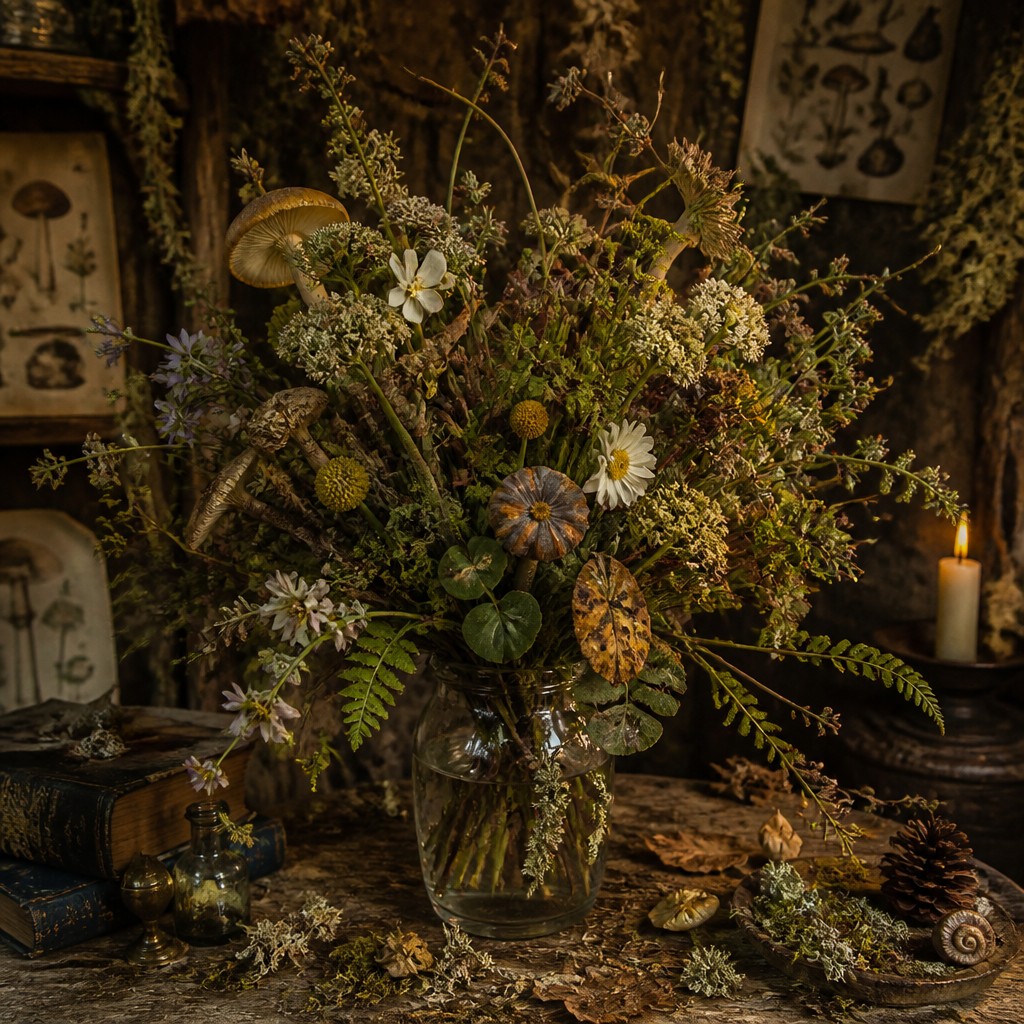
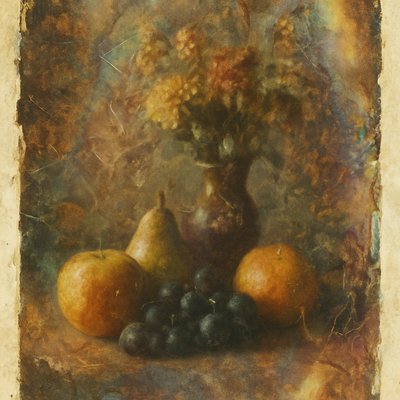
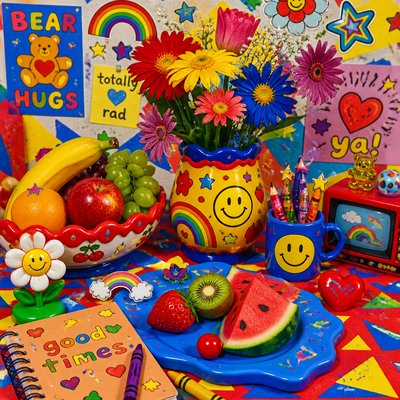
“bouquet of flowers in a glass vase”

“sailing ship on a stormy sea”
How to Create Goblincore Aesthetic Art
Master the craft step by step — or skip straight to creating. Read the full guide →
- 1
Build the image from the ground up
Start with a forest-floor base: mud, roots, stones, leaf litter, and moss. In traditional media, layer textures with dry brush, stippling, collage, or mixed media to suggest dampness and clutter.
- 2
Keep the palette restrained
Use muted greens, browns, ochres, and charcoal, then add a few small highlights of brass, amber, or glass. In digital work, avoid over-saturation and preserve soft contrast so the scene stays earthy rather than glossy.
- 3
Include collected objects
Add a few objects that feel scavenged or treasured: keys, pins, shells, mushrooms, scraps of thread, or tiny jars. Arrange them as if they were being stored by a curious woodland dweller.
- 4
Use texture to replace polish
Let irregular edges, rough brushwork, and layered detail carry the image. Whether painting or drawing, the goal is not cleanliness but a convincing sense of tactile abundance.
- 5
Design for mood as much as subject
Prompt-based generations work best when you specify dim woodland light, damp organic texture, and a cozy scruffy atmosphere. Include material cues like leaf litter, fungal growth, and trinkets so the model emphasizes the aesthetic rather than simply a generic forest scene.
The Story
History & Origins of Goblincore Aesthetic
Goblincore is a contemporary internet-born aesthetic rather than a historical art movement. It developed in online subcultures that celebrate the weird, earthy, and unkempt side of nature, often in contrast to cleaner, idealized pastoral imagery. Its visual language draws from fantasy folklore, cottagecore, and nature journaling, while shifting the emphasis from neat domestic rusticity to muddy ground, foraged objects, and creaturely curiosity.
As a named aesthetic, goblincore gained visibility through social media and image-sharing communities in the late 2010s and early 2020s. It does not have canonical artists in the way a historic movement does, but it inherits from older traditions of natural history illustration, fantasy art, and handcrafted folk imagery. Its appeal is partly cultural: it reframes common castoffs and untidy habitats as sources of delight, making it especially resonant in contemporary environmental and anti-perfectionist aesthetics.
Influences: Goblincore draws loosely from cottagecore, forest fantasy, and folk-material traditions, but it replaces pastoral neatness with mud, decay, and scavenged abundance. It also echoes natural history illustration in its attention to fungi, plants, and specimens, while borrowing the tactile intimacy of handmade craft and found-object assemblage. Unlike academic historic styles such as Pre-Raphaelitism or Romantic landscape painting, it is not defined by a single school or canon, but by a contemporary visual attitude shaped by online culture and environmental sensibility.

Frequently Asked Questions
What defines goblincore aesthetic?
Goblincore is defined by a love of the messy, damp, and overlooked side of nature. Its signature elements are moss, mud, mushrooms, leaf litter, and collections of odd little trinkets. The style values texture, clutter, and a cozy feral mood.
How is goblincore different from cottagecore?
Cottagecore tends to emphasize neat rustic comfort, domestic sweetness, and pastoral order. Goblincore is more feral, earthy, and cluttered, with a stronger focus on fungi, rot, scavenging, and forest-floor abundance. Both love nature, but goblincore embraces the untidy and strange.
Is goblincore a historical art movement?
No. Goblincore is a modern internet aesthetic rather than a formal historical movement with a defined school, manifesto, or canon of artists. Its lineage comes from fantasy art, nature observation, folk craft, and online subcultures.
What colors are used in goblincore art?
The palette is usually earthy and subdued: moss green, mud brown, fungal ochre, bark gray, charcoal, and muted rust. Small metallic or glassy highlights may appear, but bright, clean colors are generally minimized.
What subjects work best in this style?
Small woodland scenes, mushrooms, foraged objects, creature dens, snails, roots, bones, jars, and handmade treasures are especially effective. Anything that feels collected, damp, or slightly secret fits the style well.
How can I make a digital image look goblincore?
Use low-saturation earthy colors, heavy texture, and a dim woodland light source. Add layered details such as moss, leaf litter, fungi, and scattered objects, and avoid overly smooth surfaces or bright modern finishes.
Create your first Goblincore Aesthetic artwork
Describe anything — or upload a photo — and see it in Goblincore Aesthetic in seconds.
Make Something with Goblincore Aesthetic
Related Styles
Discover similar art styles