Honeycore Aesthetic
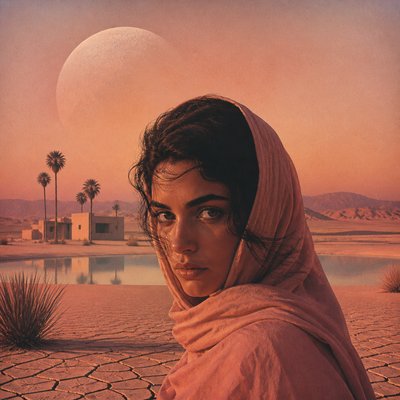
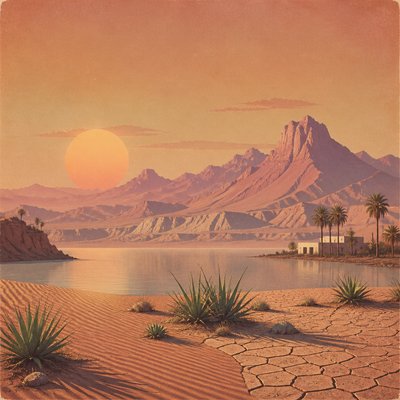
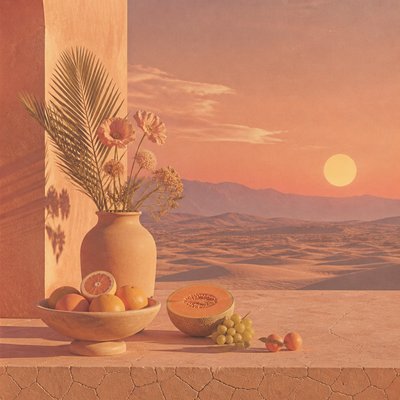
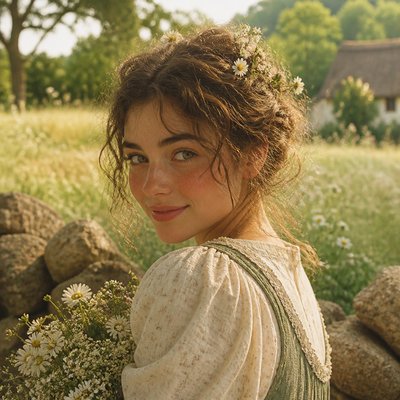
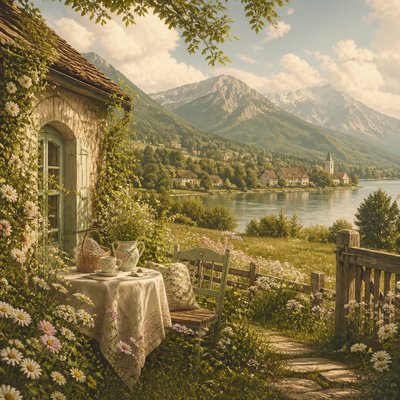
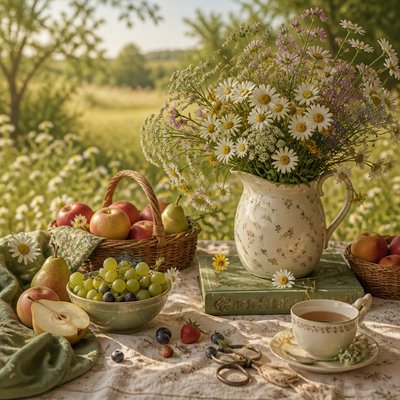
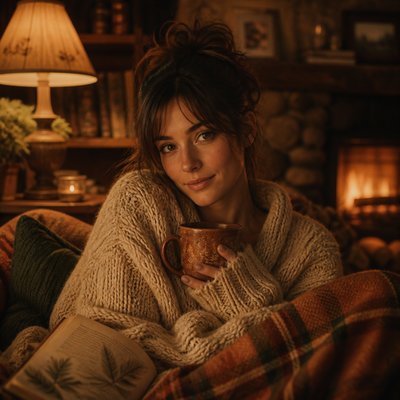
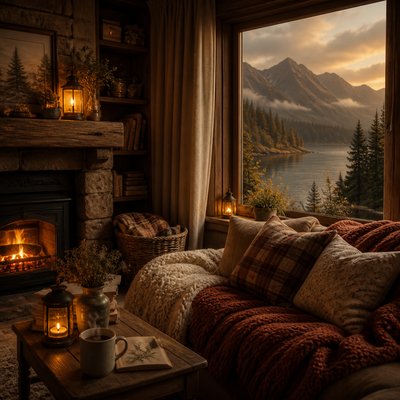
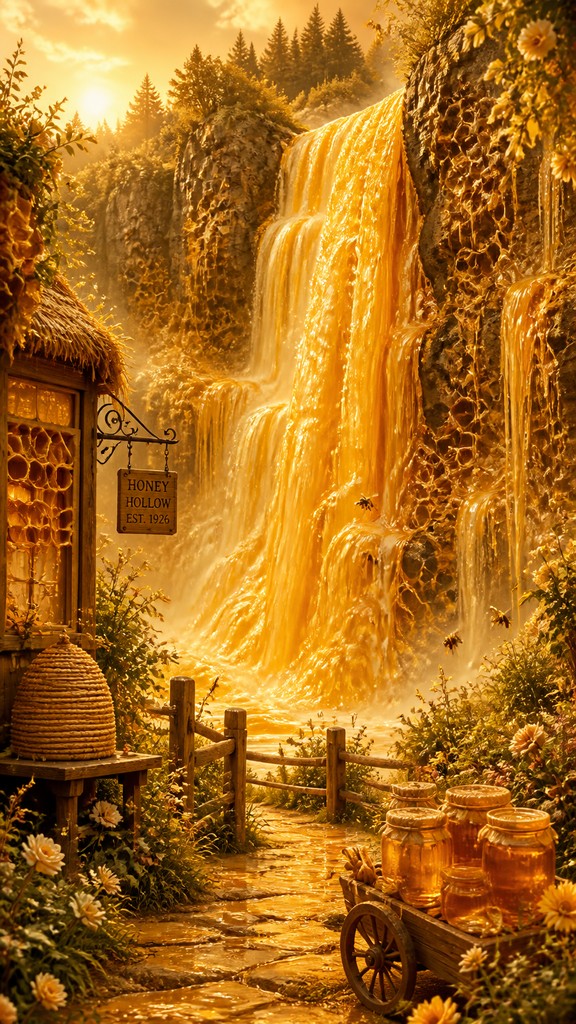
Golden amber warmth, honey-drip textures, and sunlit countryside sweetness in a cozy, syrupy visual aesthetic.
Instantly rendered in Honeycore Aesthetic — or transform a photo
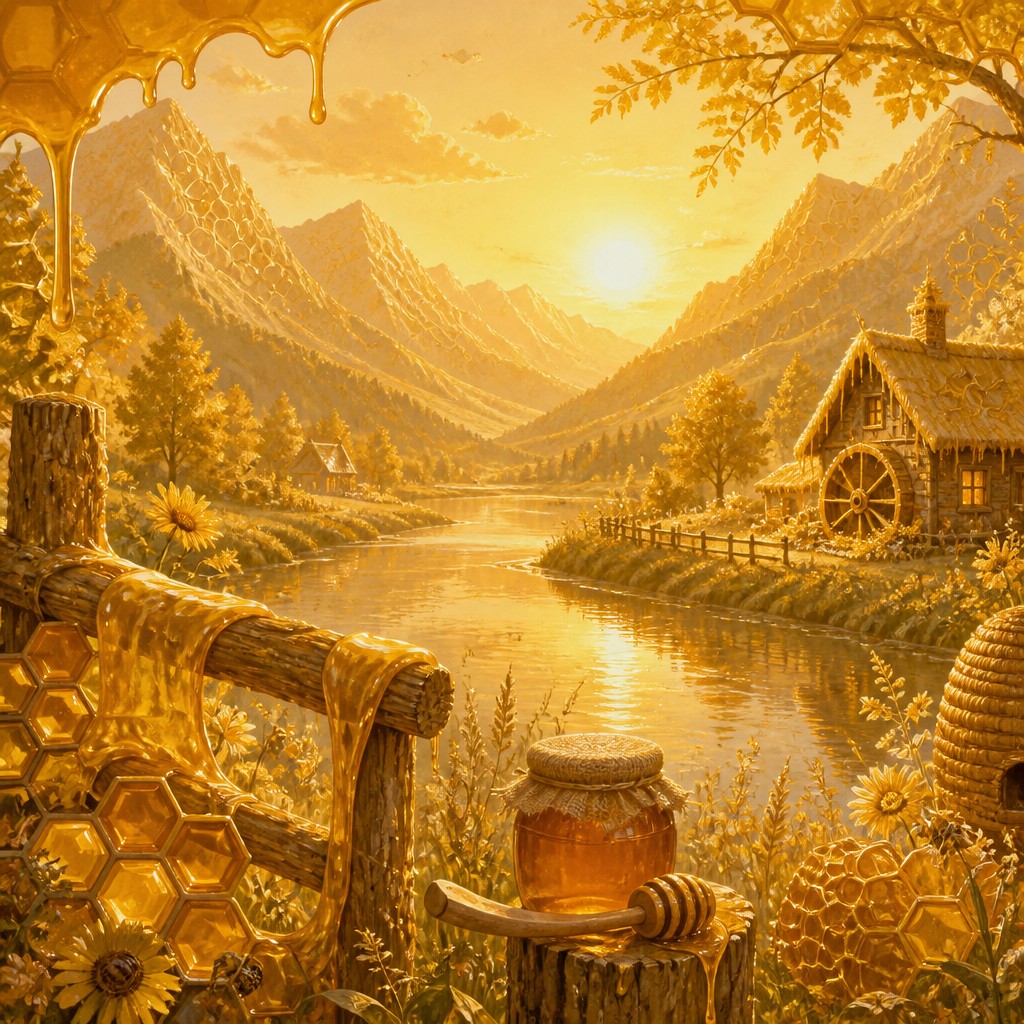
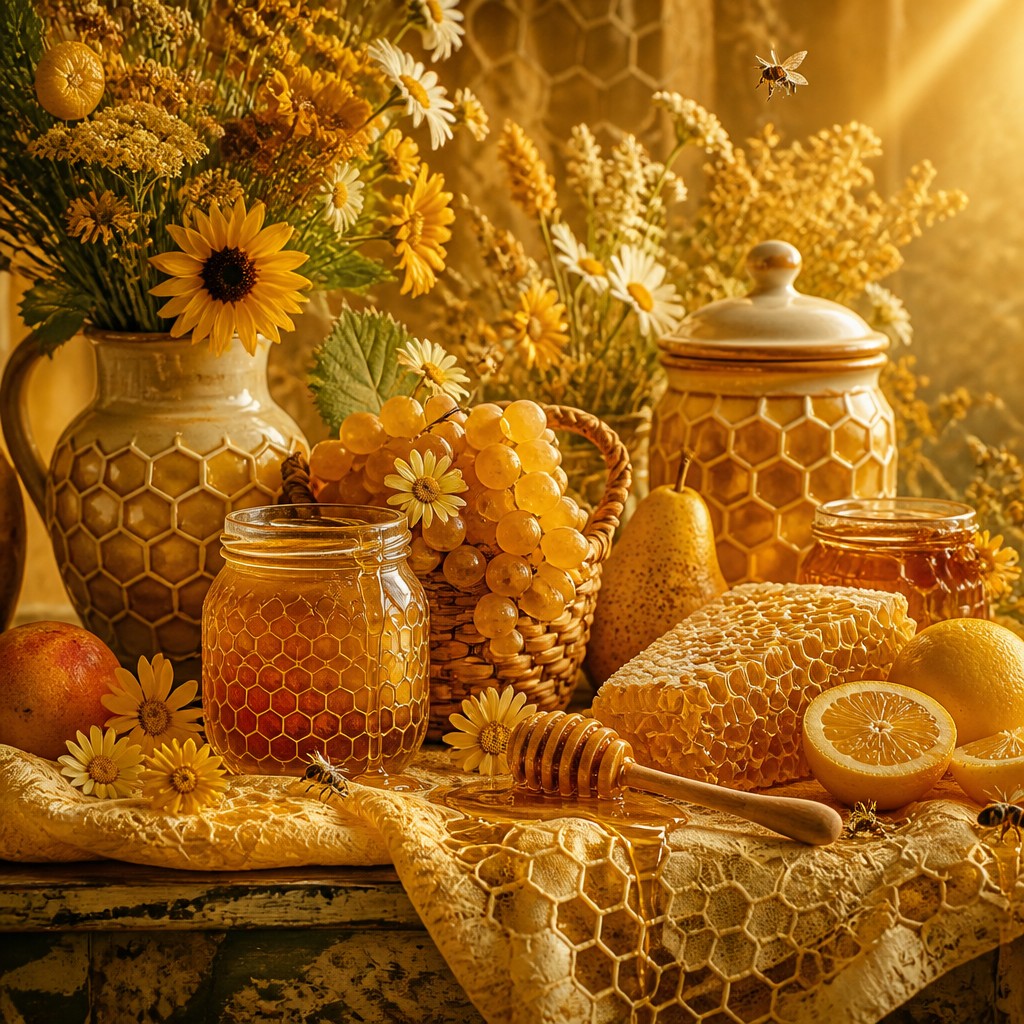
Honeycore Aesthetic Gallery
Tap any artwork to explore it
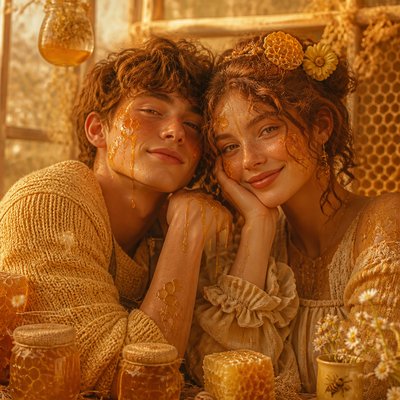
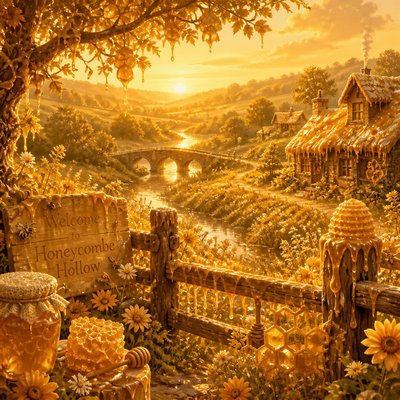
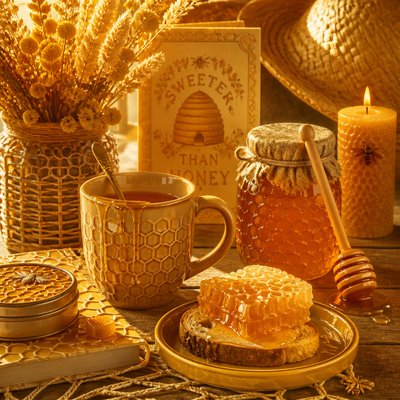
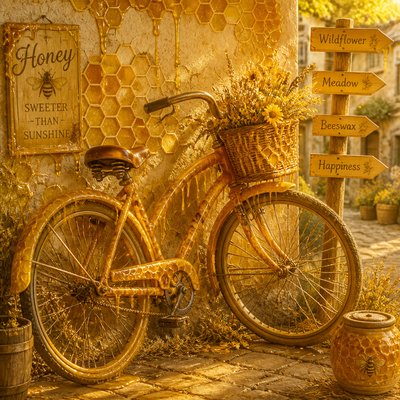
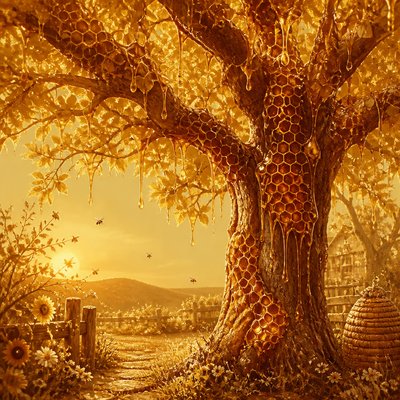
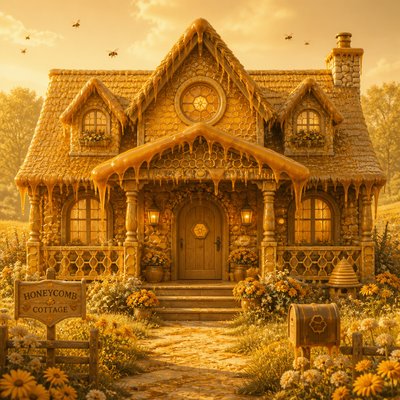
What is Honeycore Aesthetic?
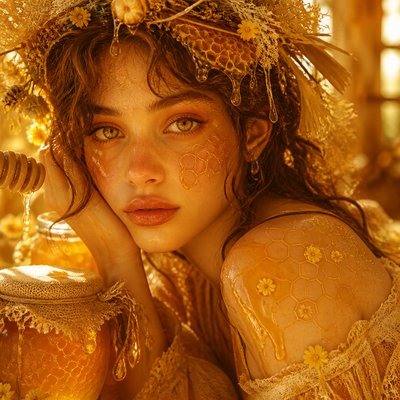
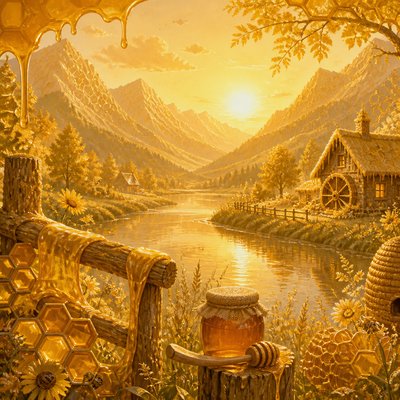
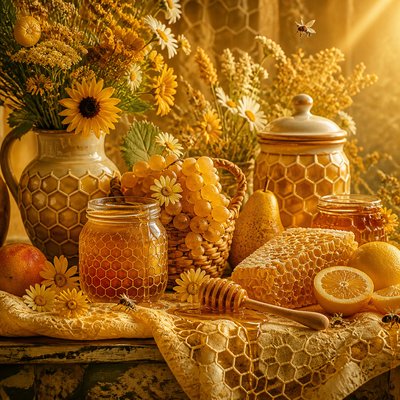
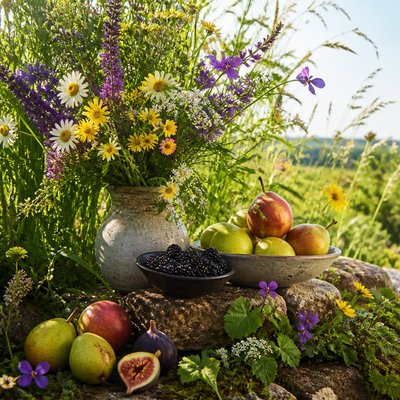
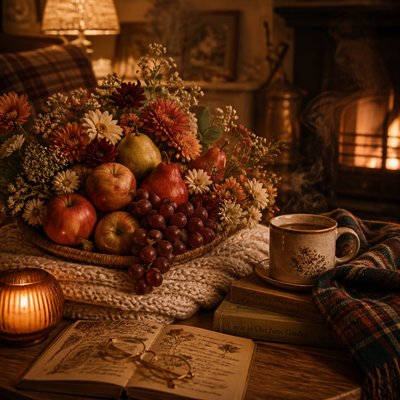
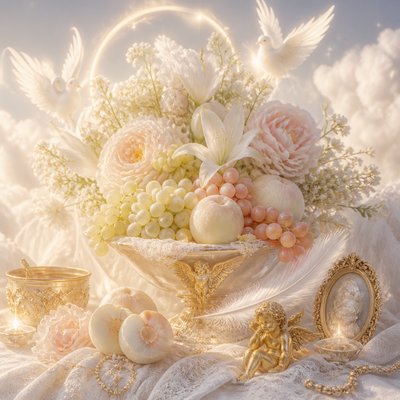
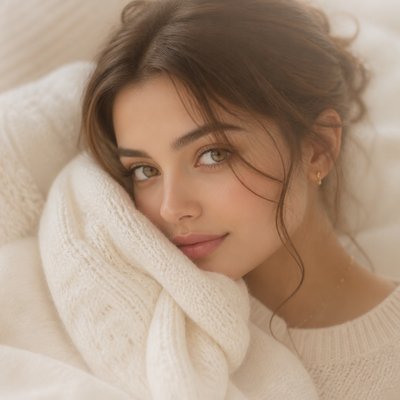
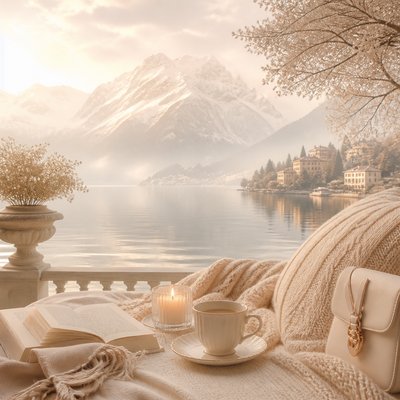
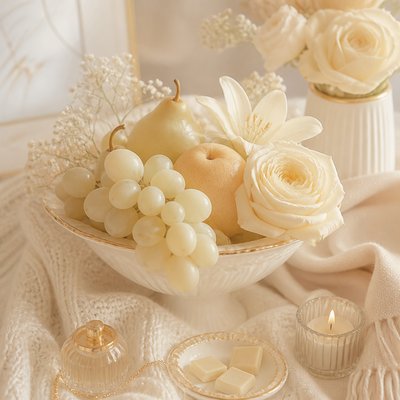
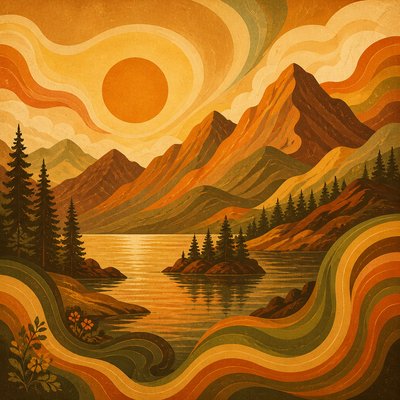
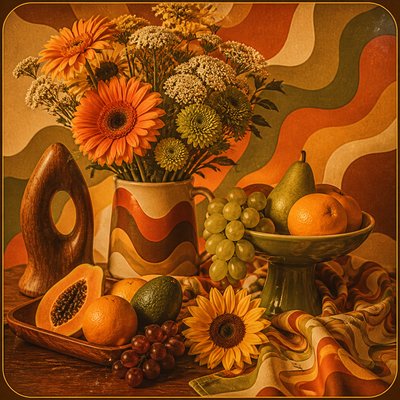
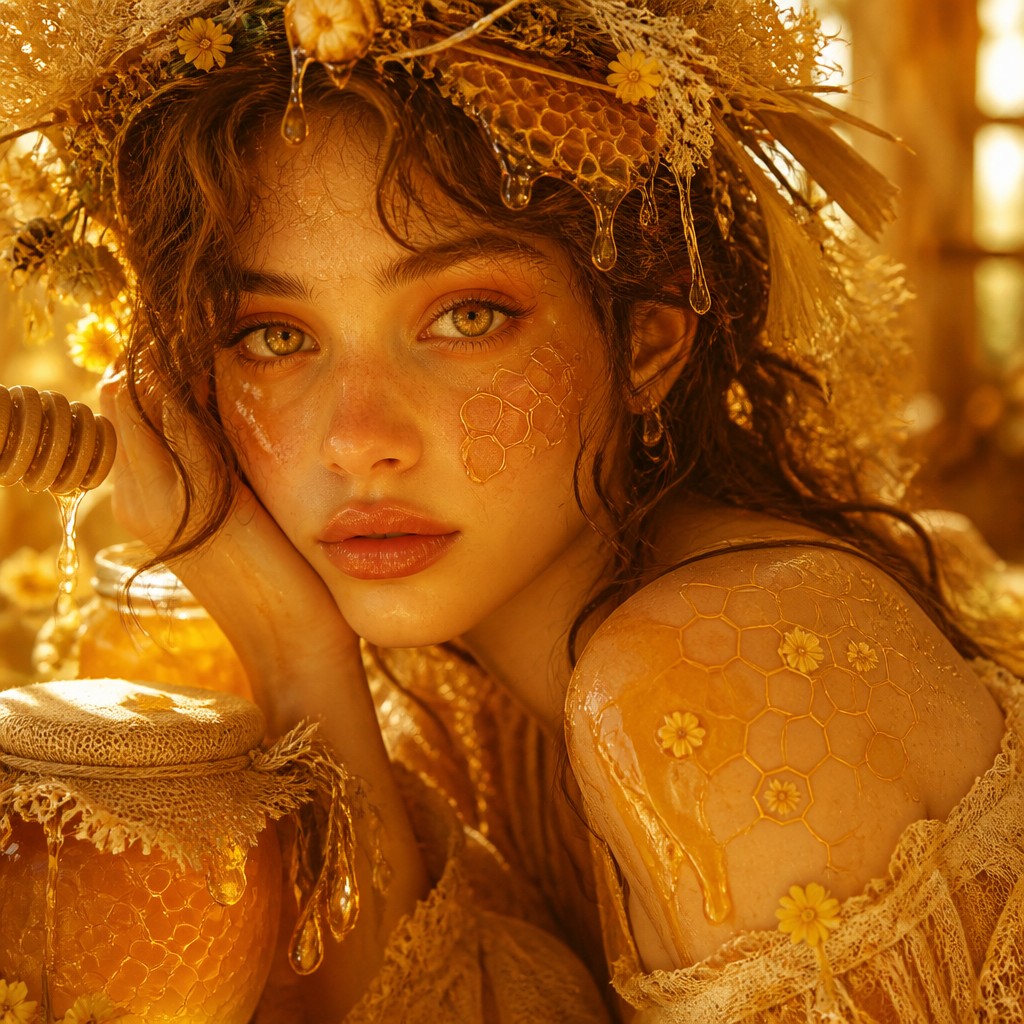
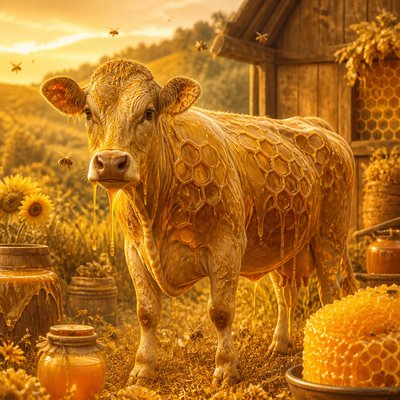
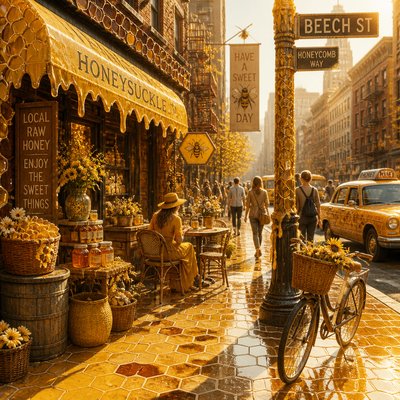
Honeycore aesthetic is a warm, nostalgic visual style built around the colors, textures, and associations of honey, beeswax, and late-summer countryside light. Its palette typically centers on amber, butter yellow, warm wheat, caramel brown, and cream, often paired with glossy highlights, soft haze, and hexagonal comb motifs. The result is a look that feels viscous, luminous, and comfortingly rural.
The style is defined less by a specific historical art movement than by a mood: sweetness, abundance, softness, and pastoral calm. Objects in honeycore imagery often appear coated in a syrup-like sheen or surrounded by golden light, which gives everyday scenes a tactile warmth. Its visual language draws on nature imagery, rustic craft materials, and the visual pleasure of translucent substances and repeating hive patterns.
Try It On Your Photos
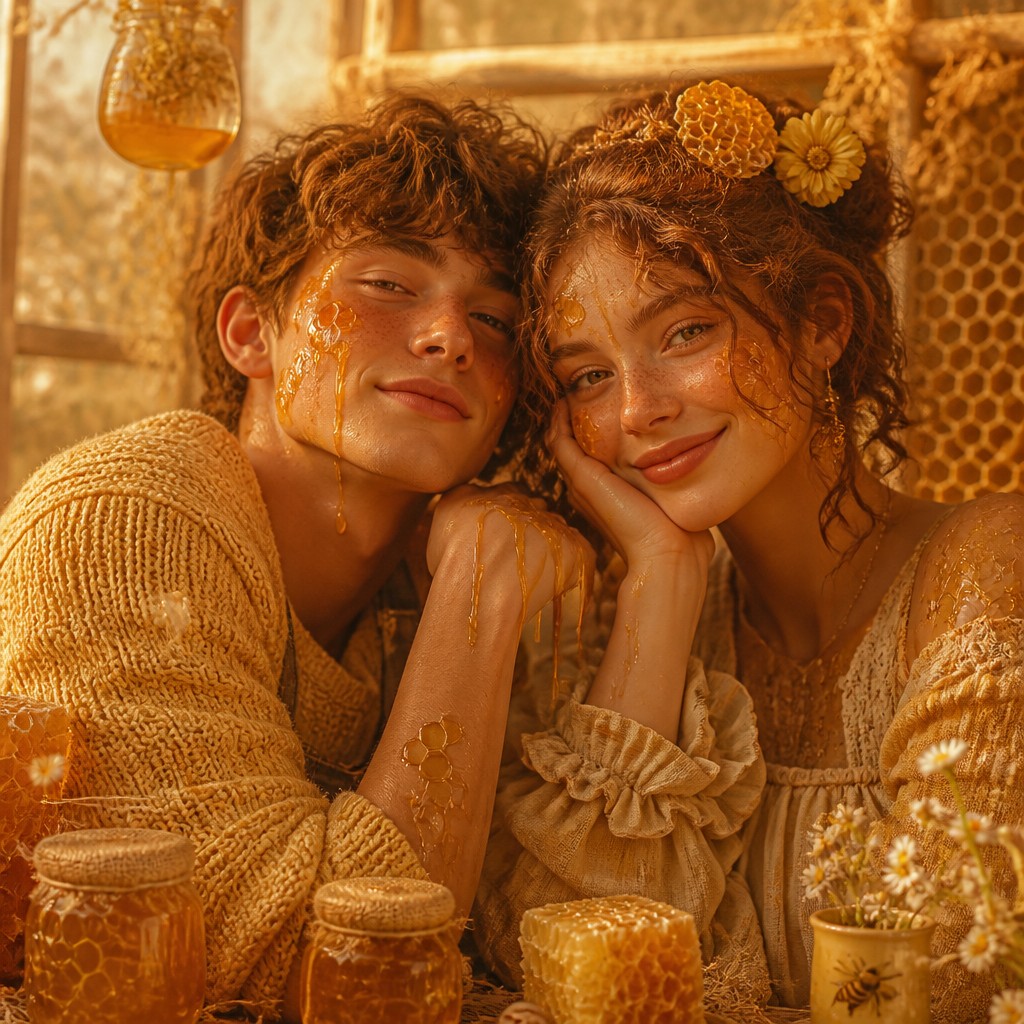
Upload any photo and convert it into Honeycore Aesthetic — drag the sliders to compare before and after.

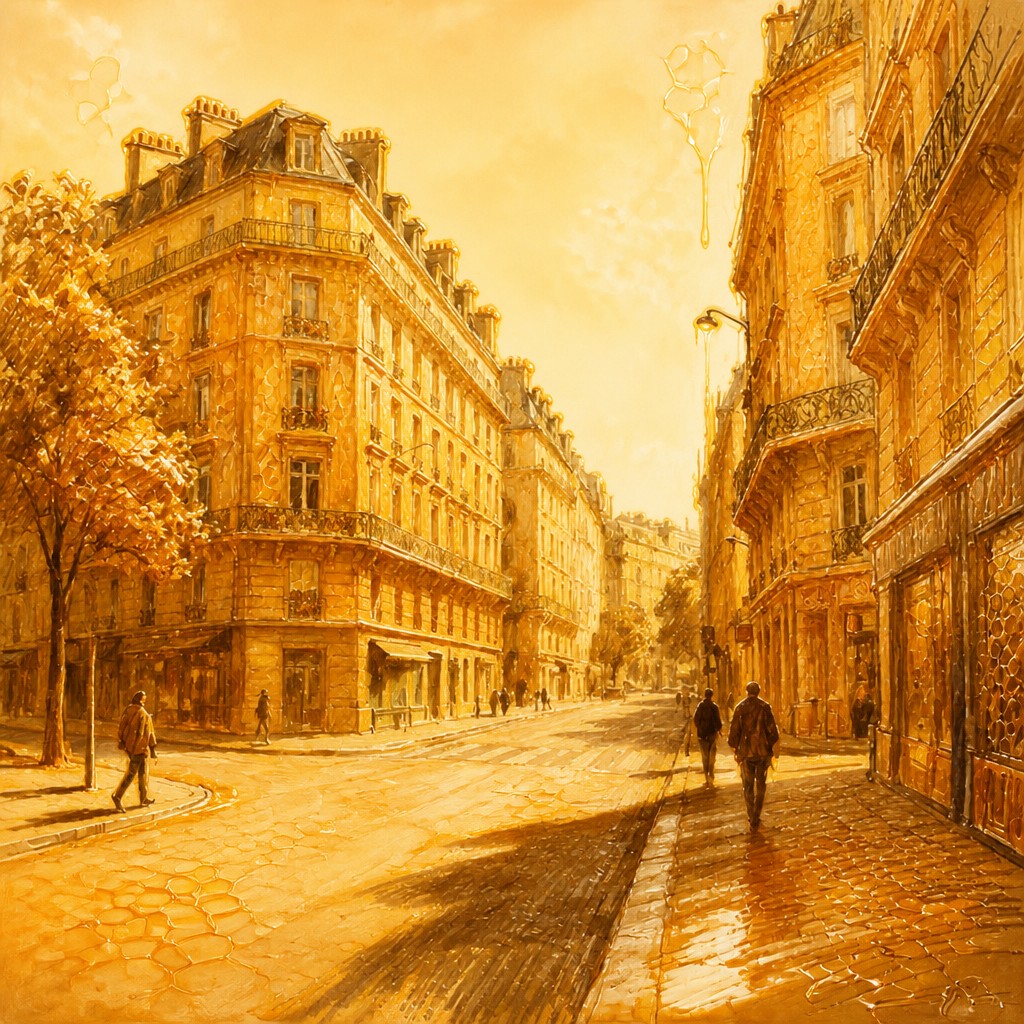

What Defines Honeycore Aesthetic
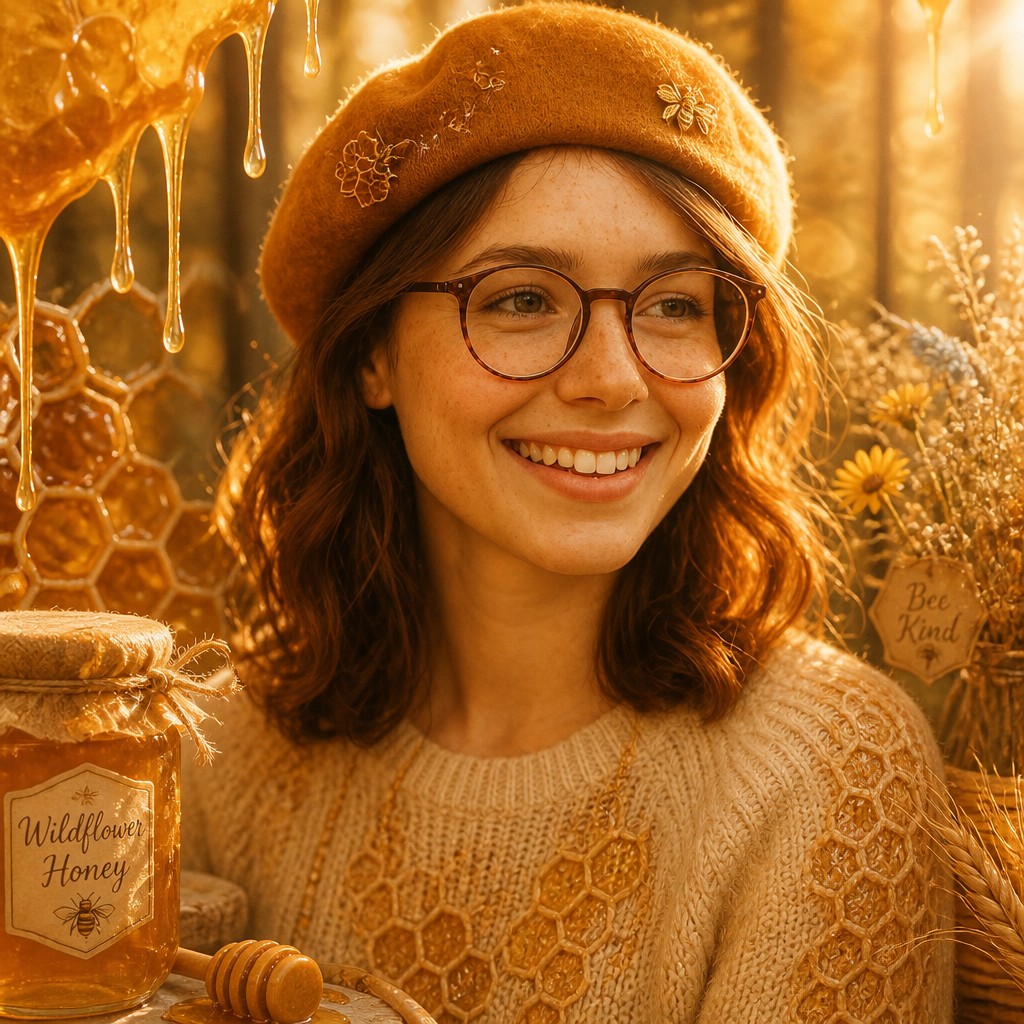
The signature details, up close
Amber-dominant palette
The core colors are honey gold, butter yellow, wheat, cream, and soft brown. These tones create a warm, edible feeling and make the image read as sunlit and mellow rather than bright or saturated.
Glossy syrup-like surfaces
Forms often seem coated in a sticky sheen, as if touched by liquid honey. Highlights are smooth and rounded, giving objects a viscous, tactile appearance.
Hexagonal comb motifs
Honeycomb patterns are a recurring decorative device in borders, backgrounds, textiles, and texture overlays. They signal the bee/honey reference immediately and add structured geometry to an otherwise soft style.
Late-afternoon glow
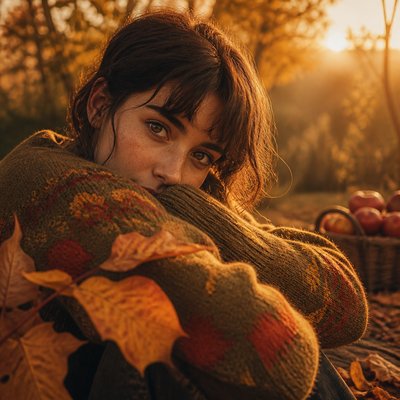
Lighting usually resembles golden hour or a sun-drenched harvest afternoon. Shadows are gentle, edges are softened by haze, and the overall effect is warm and atmospheric.
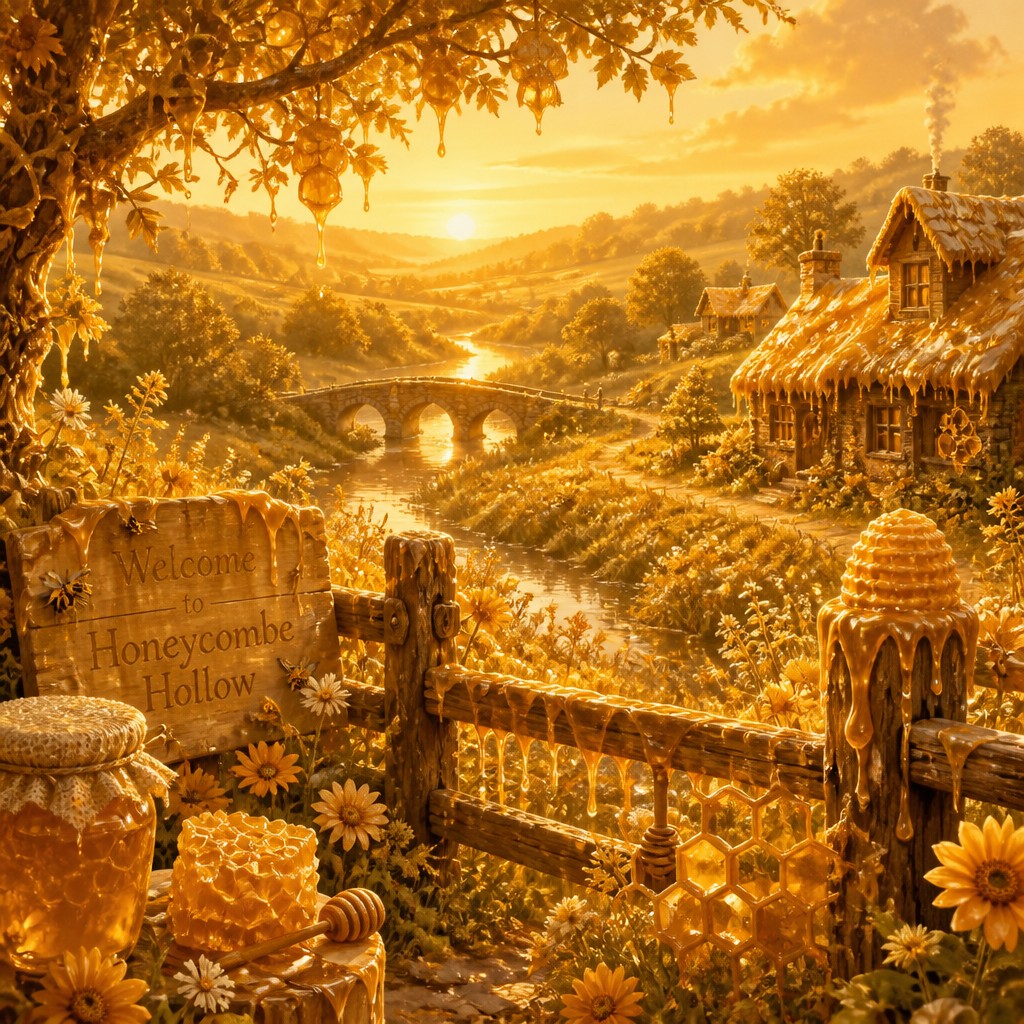
Rustic natural textures
Beeswax, straw, wood, linen, and field grasses are common supporting materials. These textures anchor the style in countryside and handmade associations rather than industrial polish.
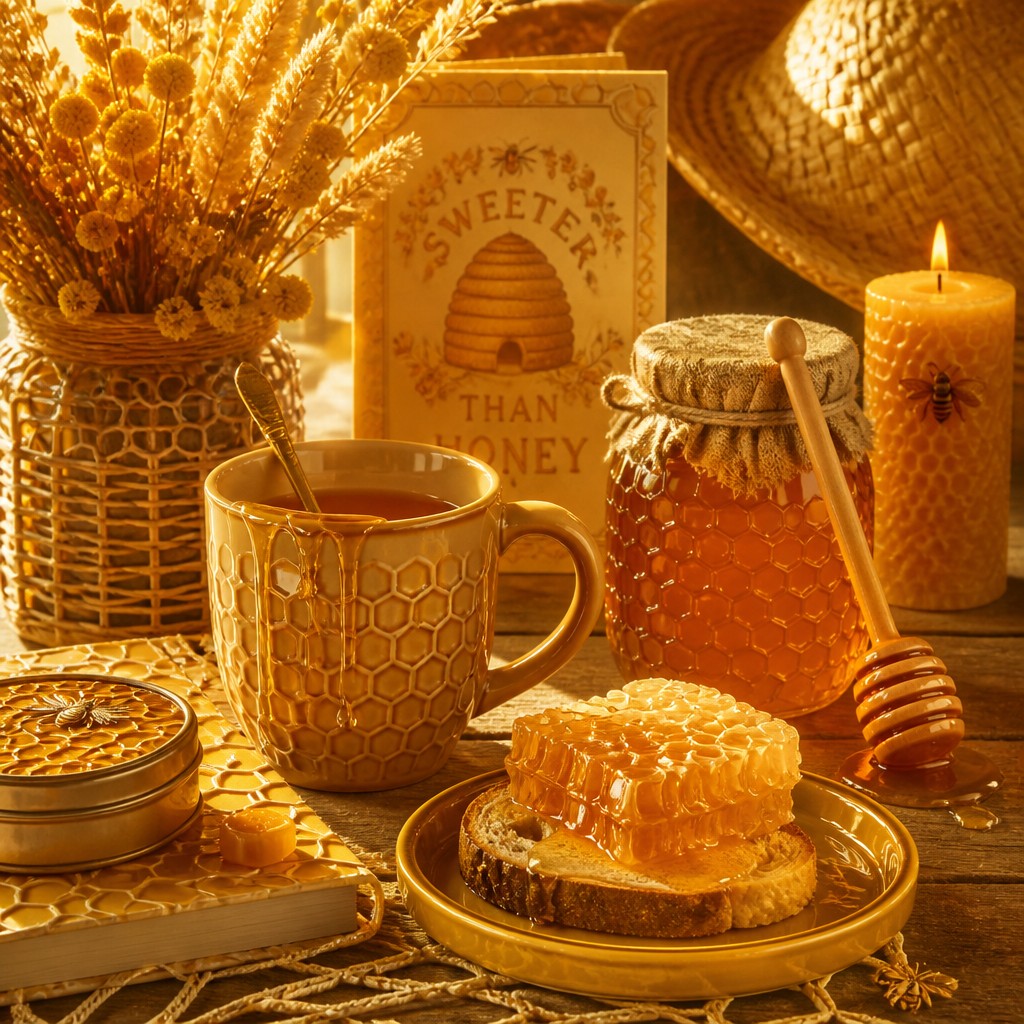
Comforting pastoral mood
Scenes tend to feel slow, quiet, and abundant, with a domestic or rural sweetness. Even when the subject is contemporary, the treatment gives it a nostalgic, homey character.
Try It
Create Videos in Honeycore Aesthetic
Styles aren't just for stills — describe a scene or animate an image and get a short video rendered in Honeycore Aesthetic. Press play to see this pond come to life.
Make a VideoHoneycore Aesthetic Prompt Ideas
Start from an idea — each one opens the generator with the style ready to go. See all 40 Honeycore Aesthetic prompts →
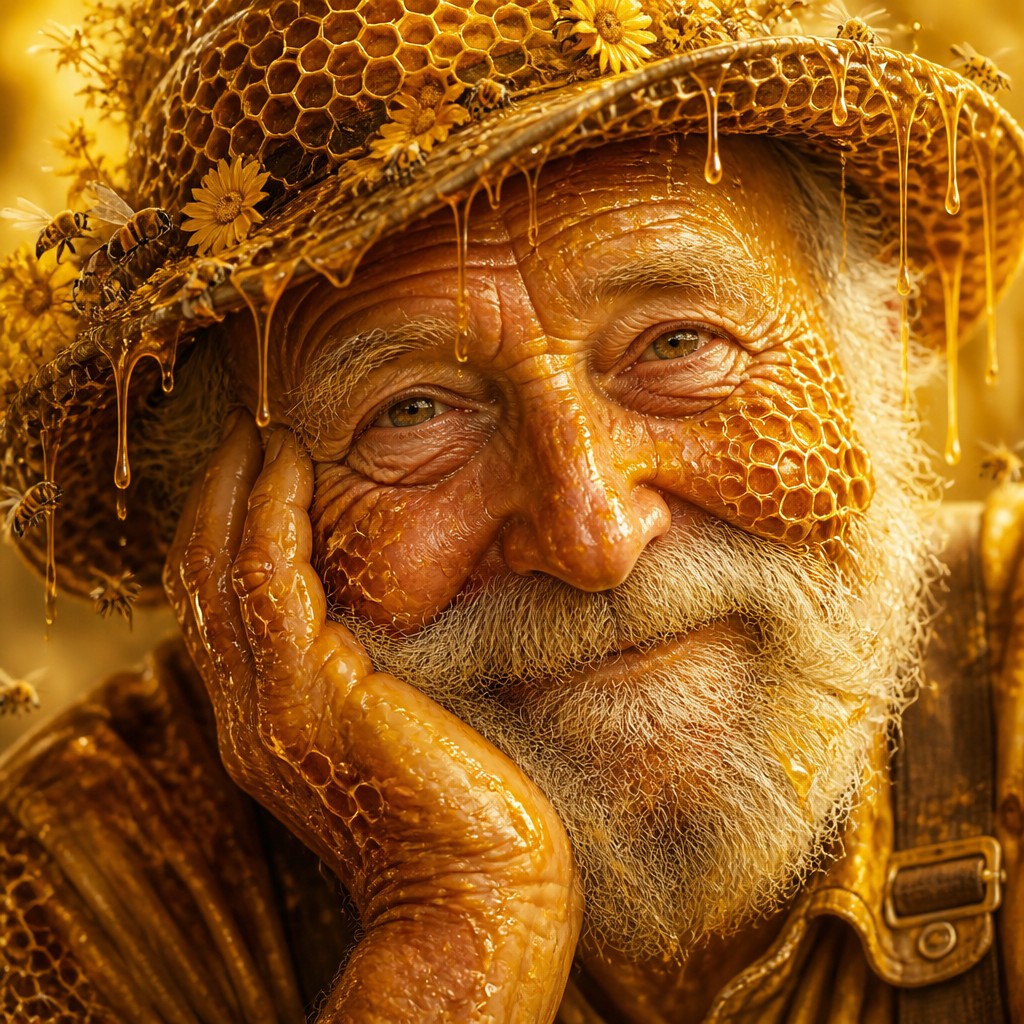
“close-up portrait of an elderly person with expressive weathered features”
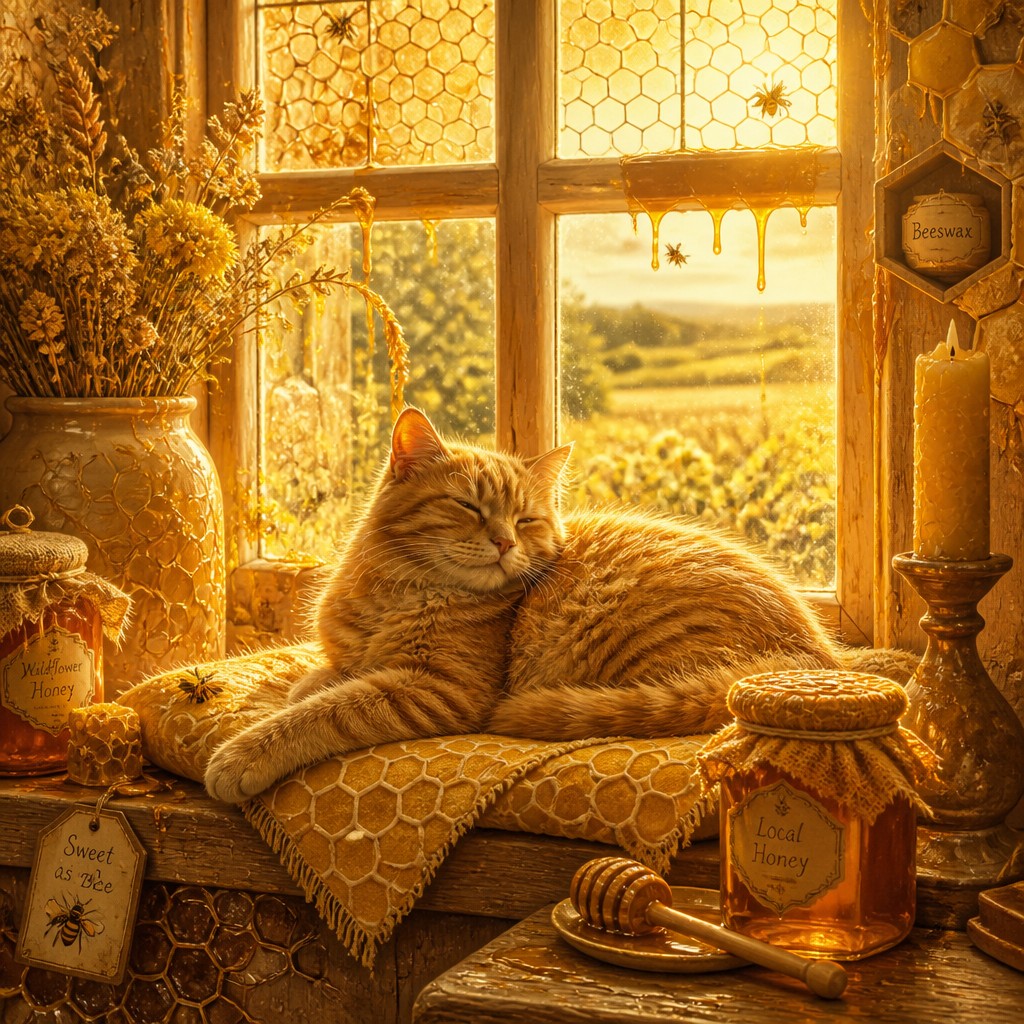
“a cat lounging in a sunlit window”
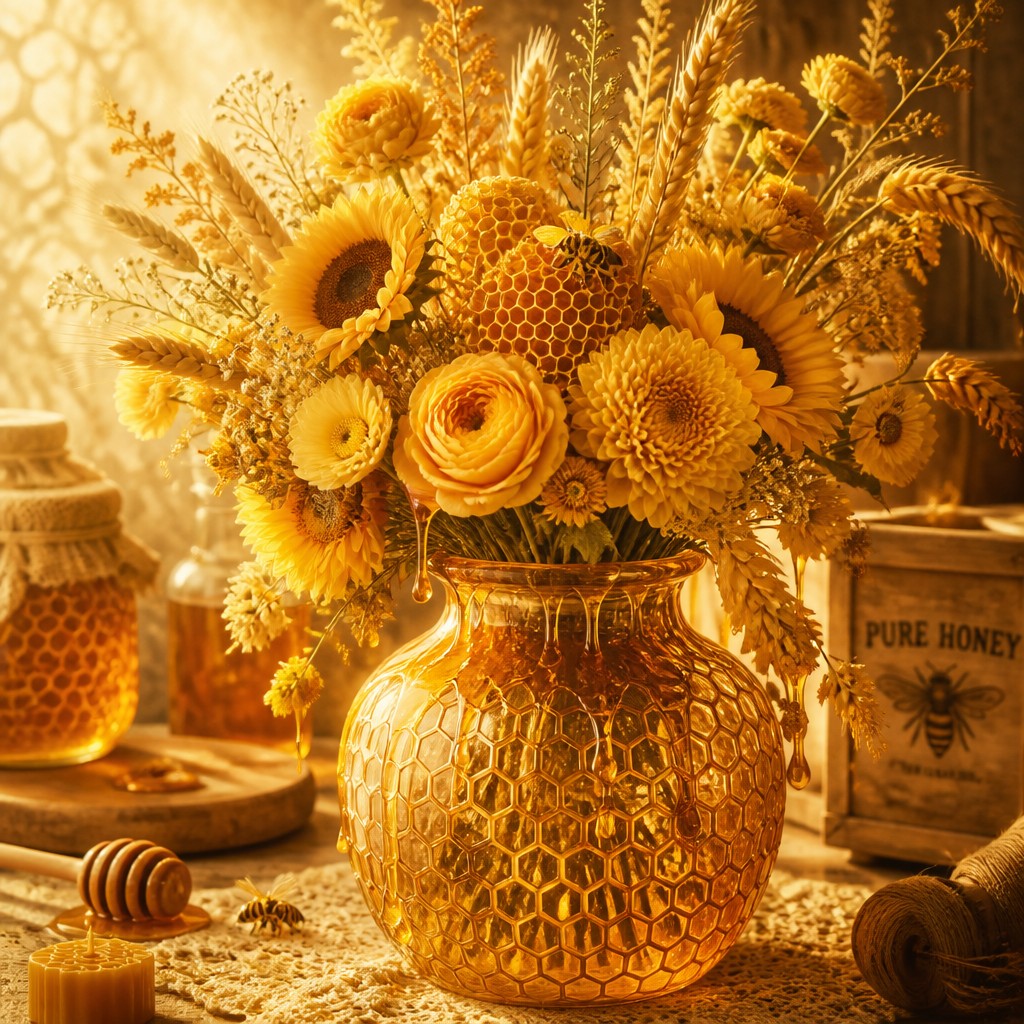
“bouquet of flowers in a glass vase”
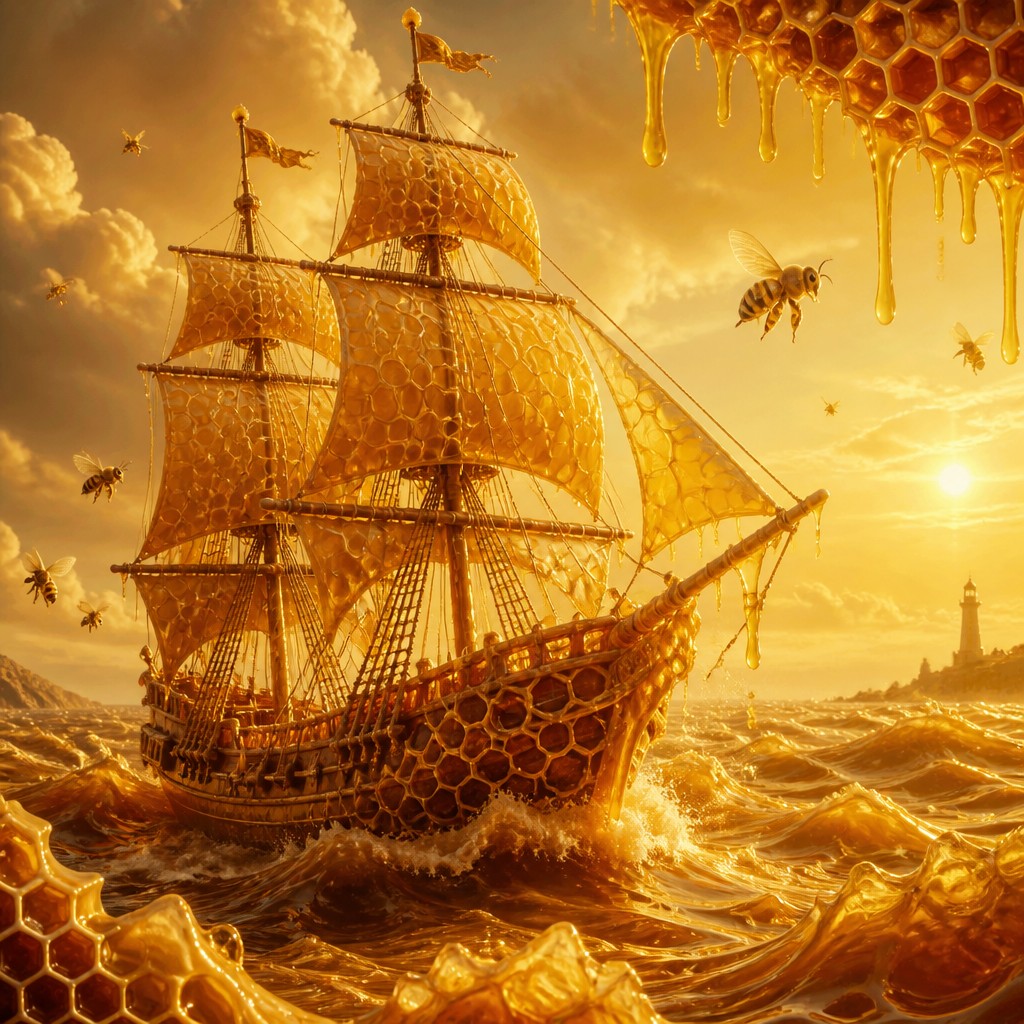
“sailing ship on a stormy sea”
How to Create Honeycore Aesthetic Art
Master the craft step by step — or skip straight to creating. Read the full guide →
- 1
Build the palette first
Start with a limited set of warm hues: amber, gold, butter yellow, oat, cream, and brown. Avoid cool blues or harsh blacks unless used sparingly for contrast.
- 2
Use glow and soft focus deliberately
In painting or digital work, layer translucent glazes, airbrushed highlights, or gentle blur to mimic honey’s softness. Keep edges rounded and avoid overly crisp shading unless you want a graphic contrast.
- 3
Add comb and natural-material textures
Introduce hexagonal patterning, beeswax sheen, straw fibers, or wooden grain as secondary texture. These details make the style recognizable without overwhelming the subject.
- 4
Favor warm light and shallow contrast
Compose scenes as if lit by late-afternoon sun through dust or gauze. In photography or image editing, use warm color grading, lifted highlights, and subdued shadows for a syrupy atmosphere.
- 5
Translate the mood into prompts
For text-to-image generation, describe both subject and finish: warm amber palette, honey gloss, comb patterning, rural sunlight, soft haze, rustic textures. Specific materials and lighting cues help the image land in the style.
- 6
Use layered styling for photo transformation
For image-to-image edits, preserve the original subject’s silhouette while shifting color, texture, and lighting toward honeyed warmth. Emphasize golden grading, smooth luminous surfaces, and a gentle pastoral atmosphere.
The Story
History & Origins of Honeycore Aesthetic
Honeycore is an internet-born aesthetic rather than a historical art movement, so it does not have a fixed period, school, or canon of artists. It emerged from broader online interest in “core” aesthetics that organize visual identity around a theme, atmosphere, or lifestyle, and it blends elements from cottage imagery, seasonal rural imagery, and food-based color symbolism.
Its lineage can be traced to several real visual traditions: pastoral painting’s love of sunlight and rural abundance, decorative patterning associated with folk craft and natural motifs, and contemporary digital illustration’s fondness for soft gradients, glow effects, and textured overlays. The honey motif also connects it to sensory design trends that emphasize warmth, coziness, and material richness rather than sharp contrast or minimal form.
Influences: Honeycore draws from pastoral landscape painting, folk and craft traditions, rustic domestic imagery, and contemporary mood-based internet aesthetics. Its warmth recalls the golden light and rural abundance seen in works by artists such as Jean-François Millet and Pierre-Auguste Renoir, though honeycore is not a historical movement with direct canonical authors. It also overlaps with cottagecore, rustic still life, and soft-focus digital illustration, while adding a distinctly food-like surface quality and bee/hive symbolism.
Frequently Asked Questions
What defines the honeycore aesthetic?
Honeycore is defined by a warm amber palette, glossy honey-like textures, and a countryside softness that feels calm and sweet. Hexagonal comb motifs, beeswax tones, and late-afternoon lighting are among its most recognizable visual cues.
Is honeycore a real historical art movement?
No. It is an internet aesthetic rather than a formal historical movement, so it does not have a fixed origin date, manifesto, or canon of artists. Its visual language is assembled from older traditions such as pastoral imagery, folk texture, and warm still-life design.
How is honeycore different from cottagecore?
Cottagecore broadly emphasizes rural domestic life, handmade simplicity, and pastoral nostalgia. Honeycore is narrower and more sensory, centering specifically on honeyed colors, syrupy sheen, bees, and comb patterns, which make it feel warmer and more viscous.
What colors work best in this style?
Amber, golden yellow, cream, wheat, caramel, tan, and soft brown are the core colors. Small accents of muted green or pale white can help suggest flowers, leaves, or highlights without breaking the warm atmosphere.
How do I make a photo look honeycore?
Use warm color grading, soften contrast, and add golden highlights as though the scene were lit by late afternoon sun. Subtle overlays of honey sheen, comb texture, or rustic materials like wood and linen help complete the effect.
Where is honeycore commonly used?
It is common in mood boards, lifestyle imagery, packaging concepts, digital illustrations, themed branding, and cozy social media visuals. The aesthetic works especially well for food, home, nature, and seasonal content.

Create your first Honeycore Aesthetic artwork
Describe anything — or upload a photo — and see it in Honeycore Aesthetic in seconds.
Make Something with Honeycore Aesthetic
Related Styles
Discover similar art styles