Desertwave Aesthetic
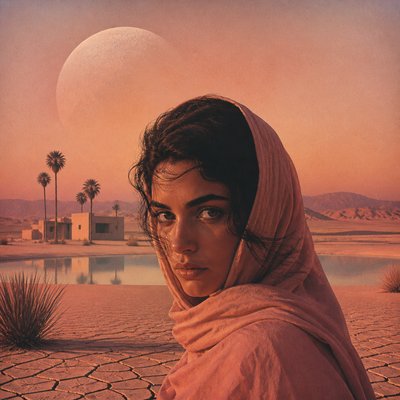
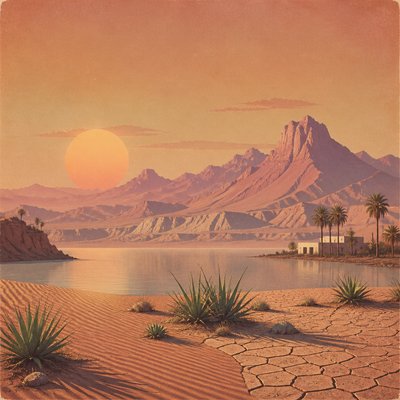
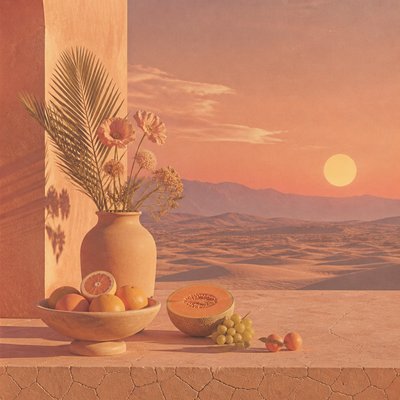
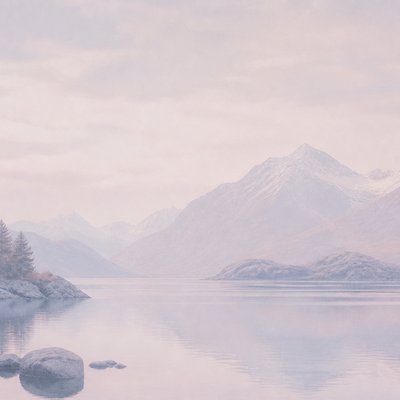
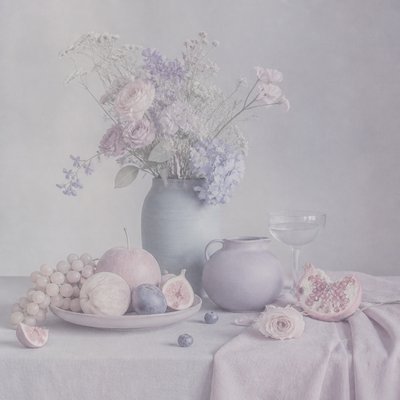
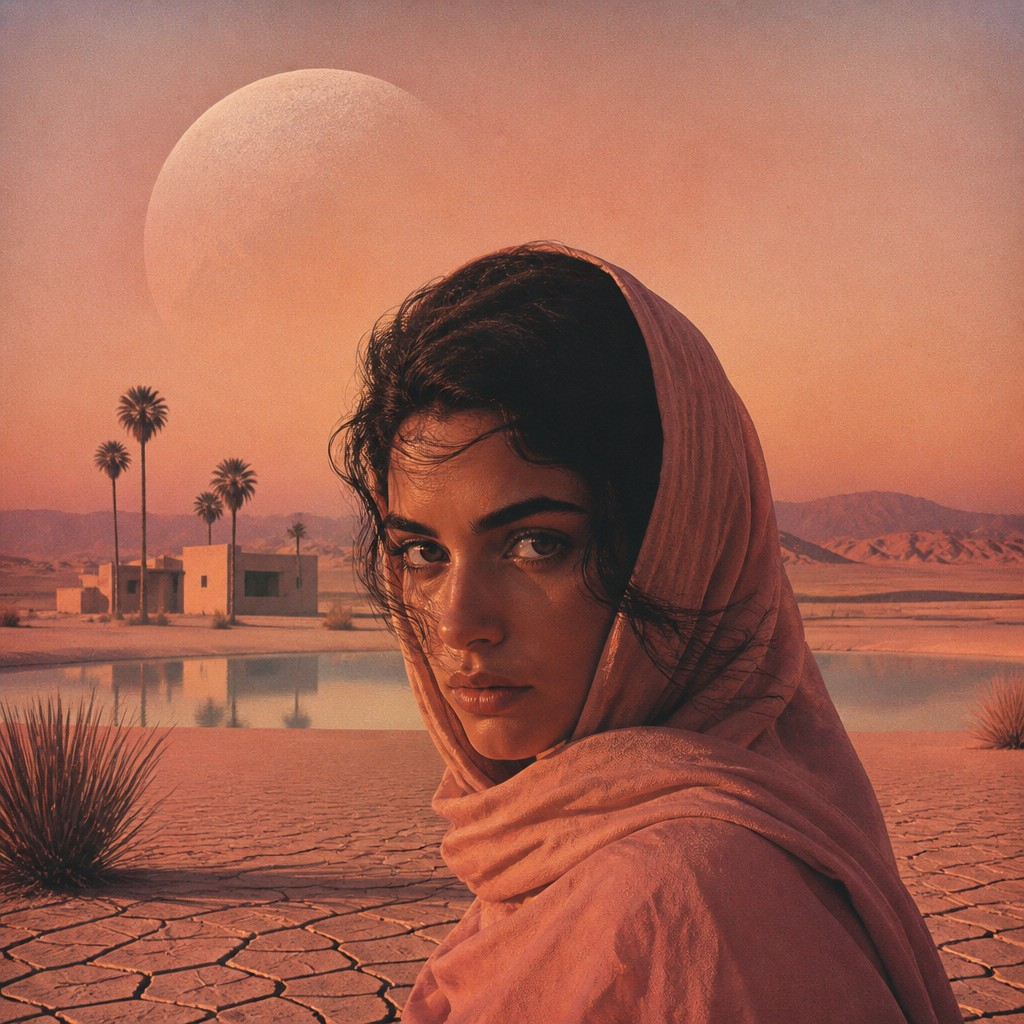
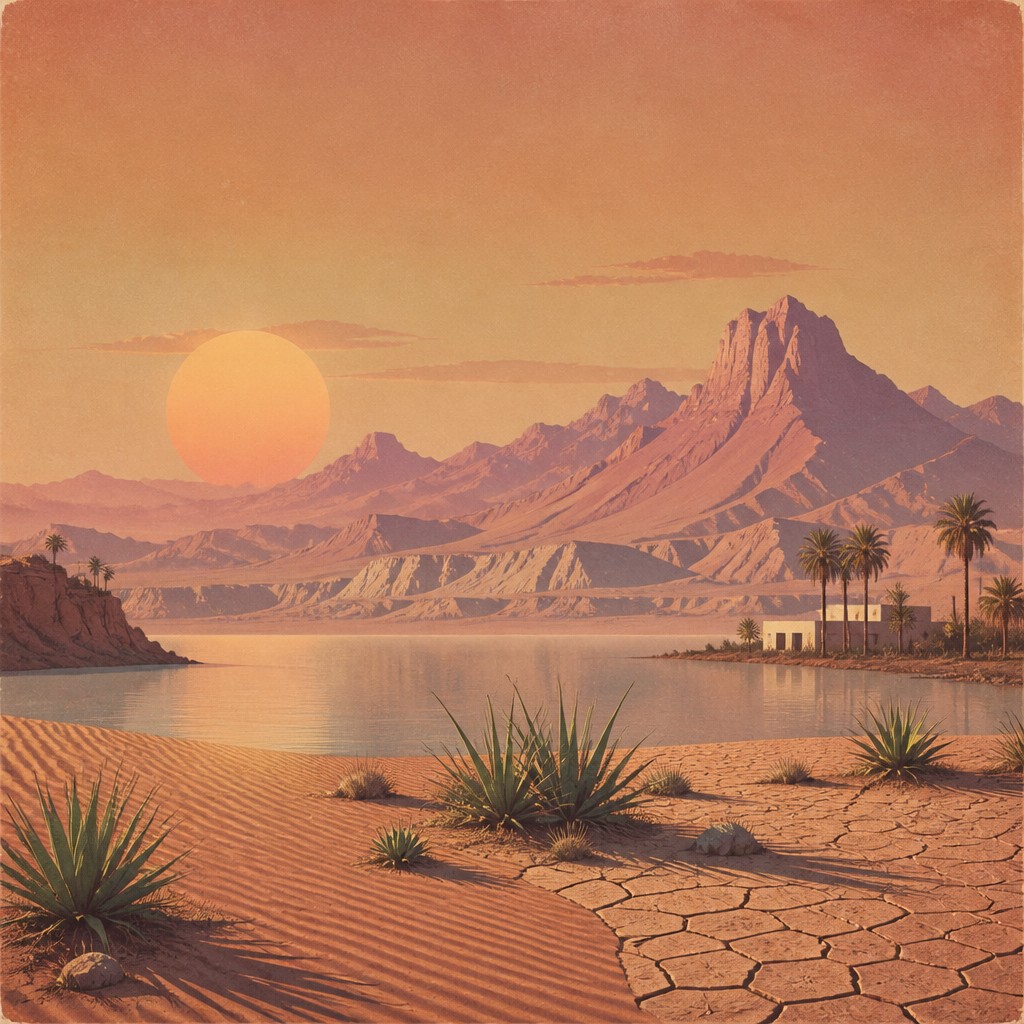
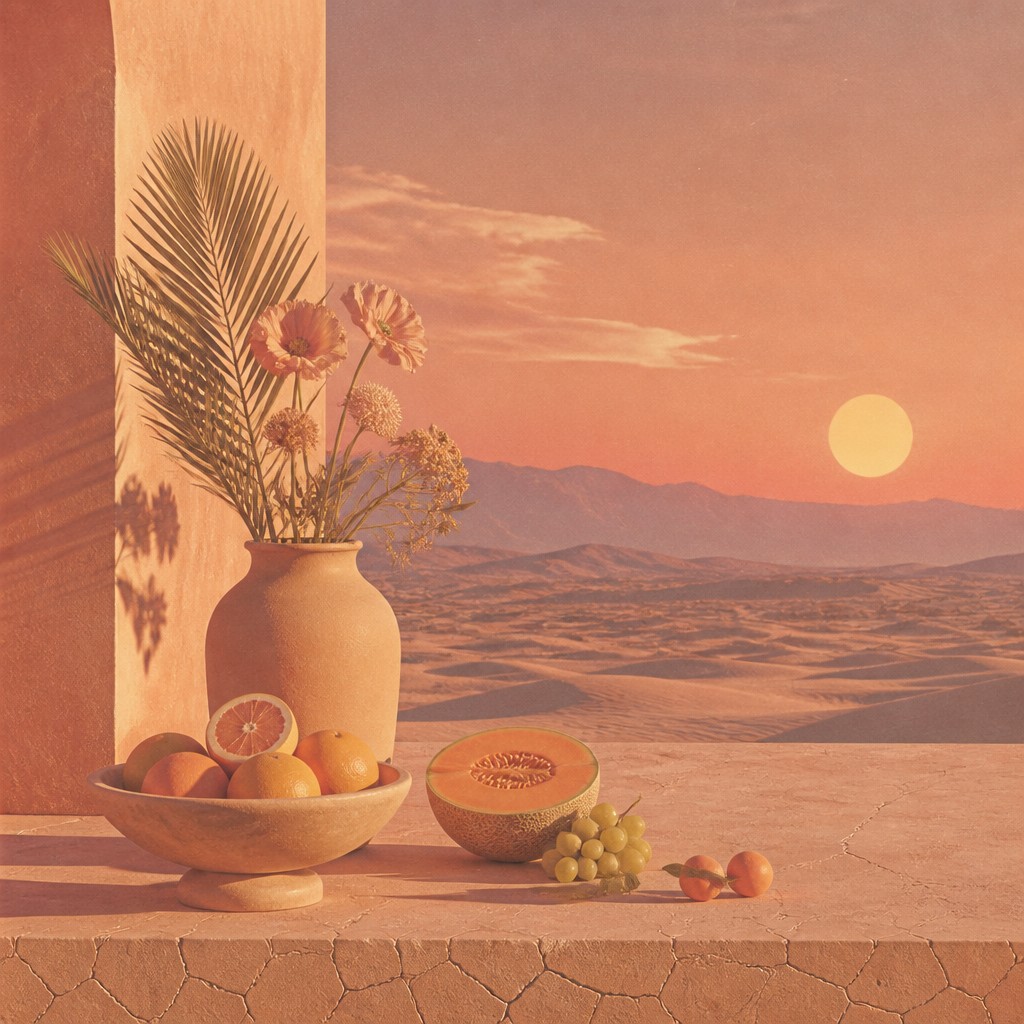
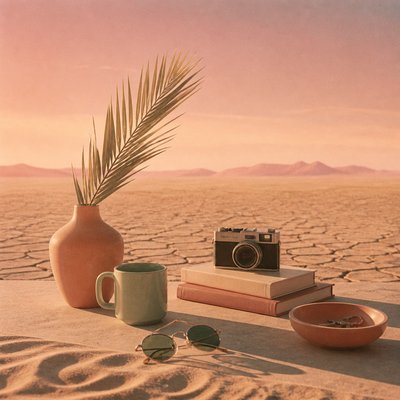
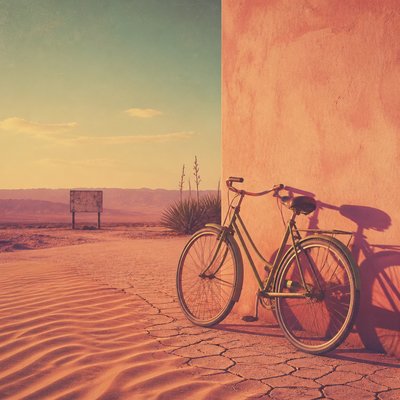
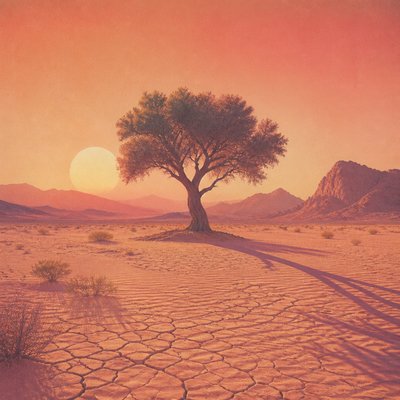
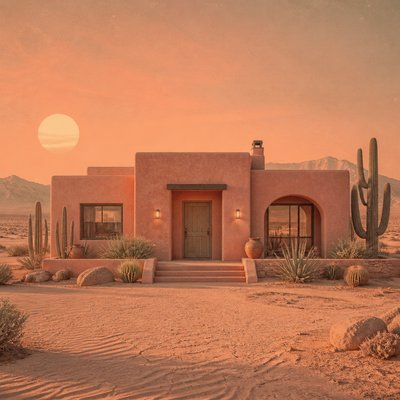
Desertwave aesthetic blends terracotta, dusty rose, heat haze, and long violet shadows into serene, sun-bleached desert imagery.
Instantly rendered in Desertwave Aesthetic — or transform a photo
Desertwave Aesthetic Gallery
Tap any artwork to explore it
What is Desertwave Aesthetic?
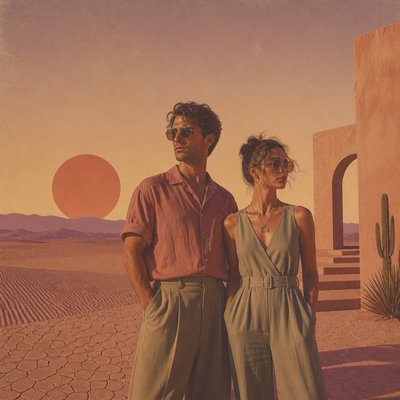
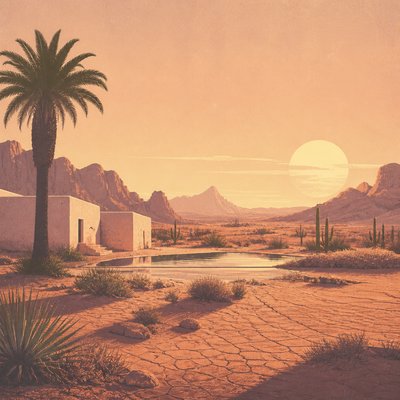
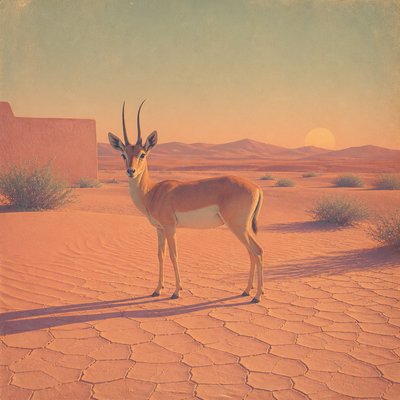
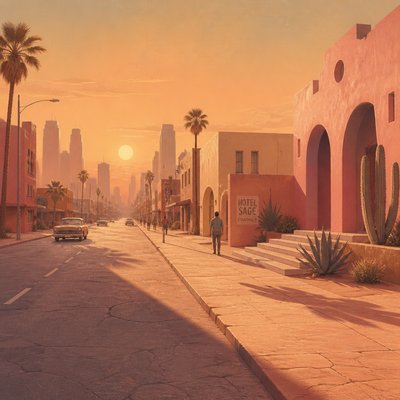
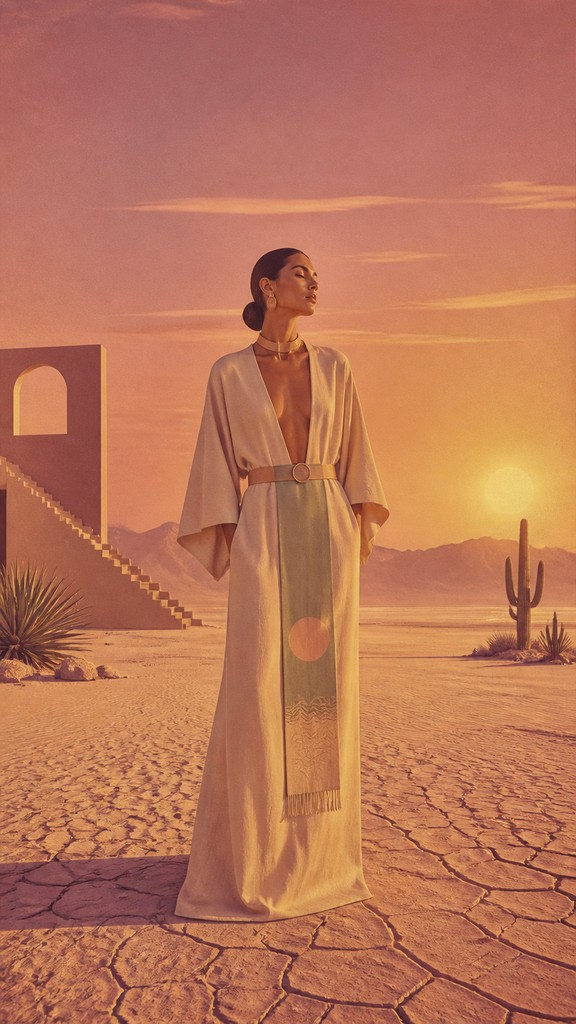
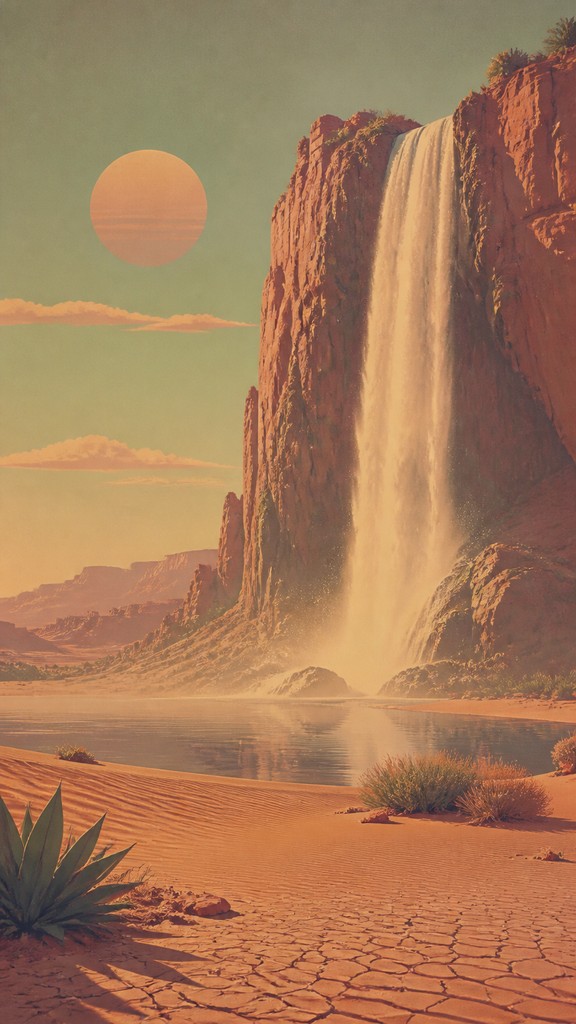
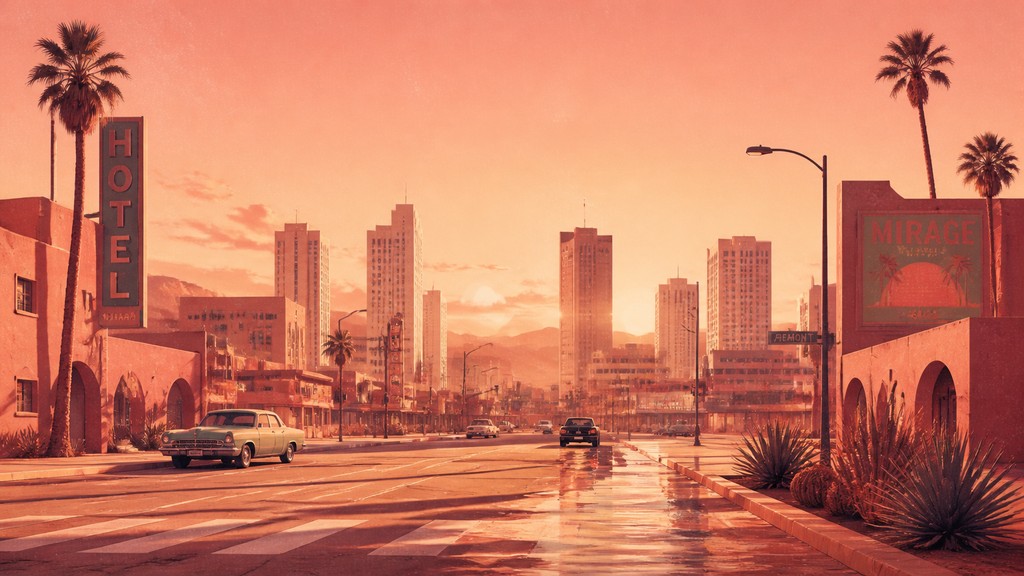
Desertwave aesthetic is a contemporary visual style built around the feeling of a sun-bleached desert at dusk: terracotta, dusty rose, sage, sandstone gold, and violet shadow. It favors open space, softened edges, matte surfaces, and a quiet mirage-like atmosphere that makes scenes feel warm, distant, and slightly dreamlike.
Its look comes from combining desert color palettes with retro warmth, minimal composition, and atmospheric effects such as heat haze, dust, and long evening shadows. Rather than emphasizing sharp detail or high contrast, Desertwave relies on tonal harmony and texture, creating images that feel calm, weathered, and suspended in late-day light.
Try It On Your Photos
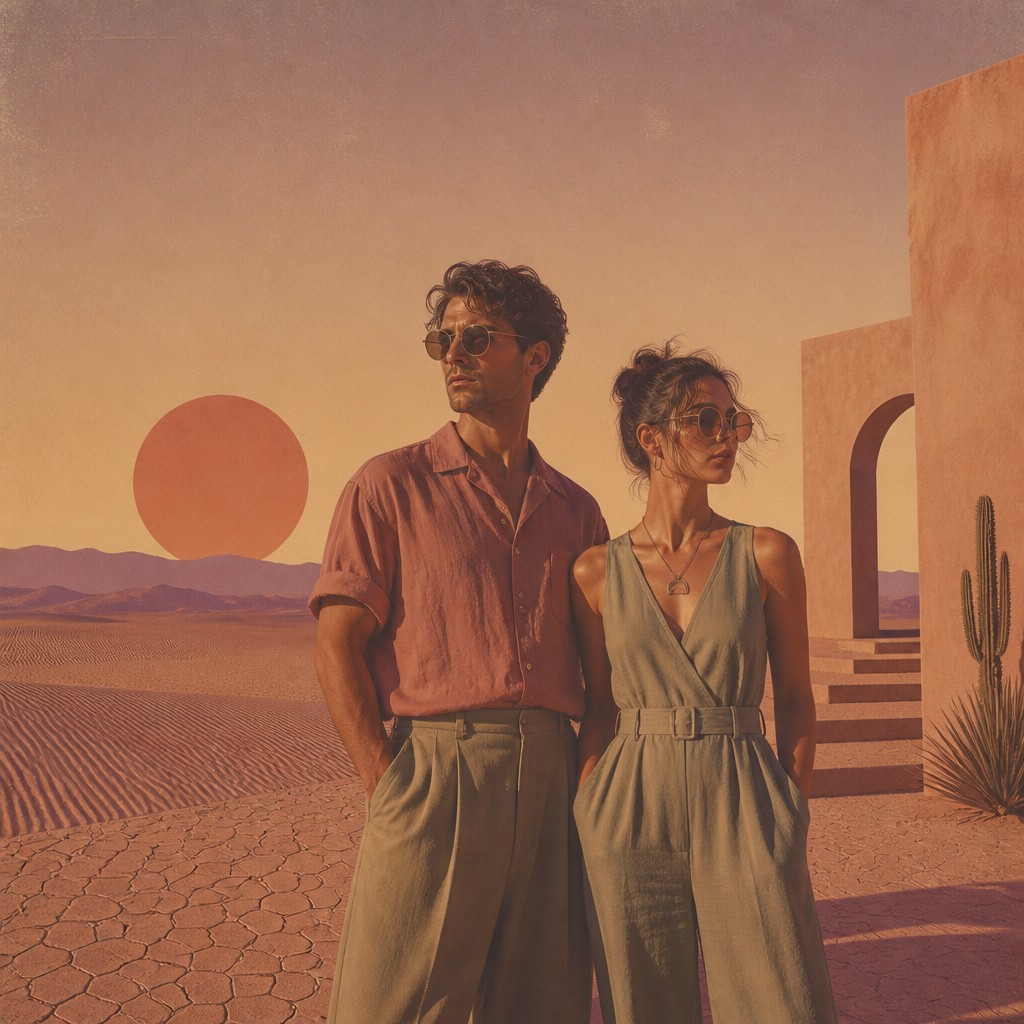
Upload any photo and convert it into Desertwave Aesthetic — drag the sliders to compare before and after.

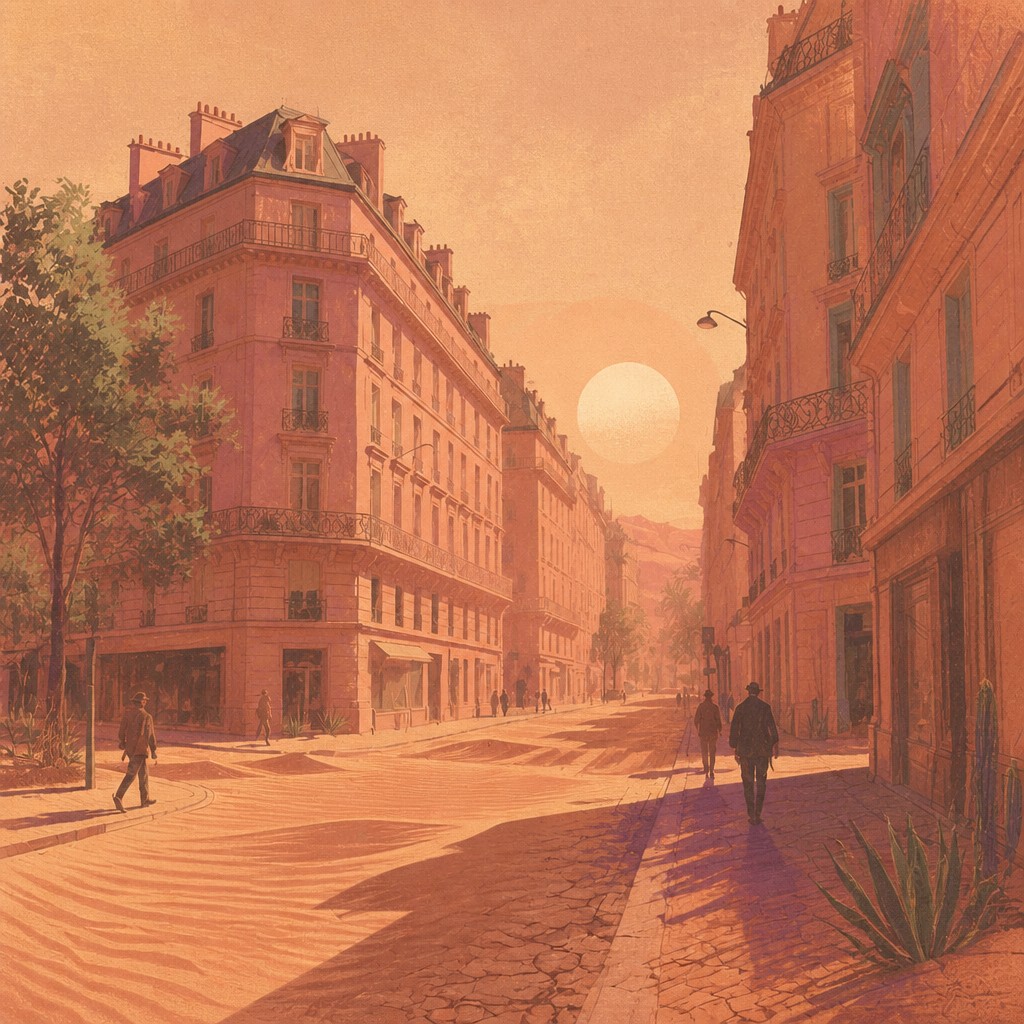

What Defines Desertwave Aesthetic
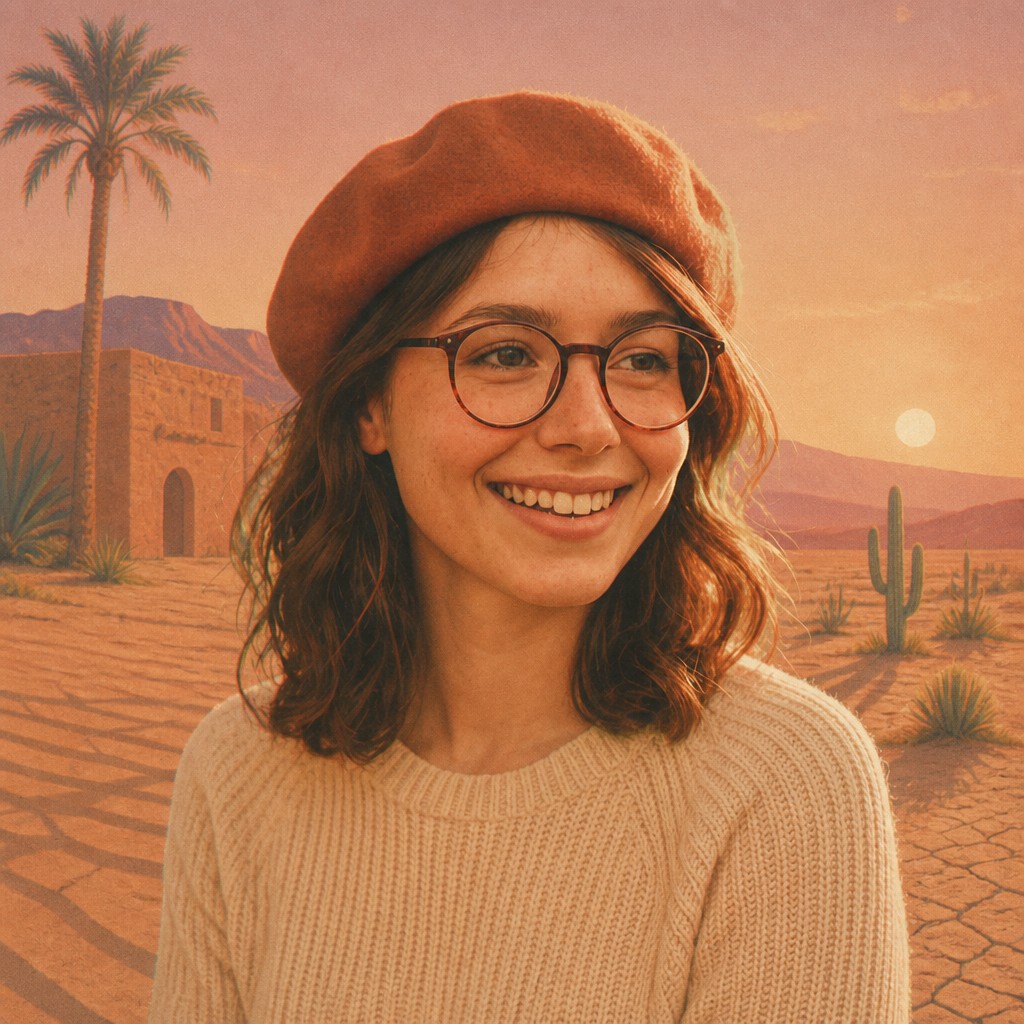
The signature details, up close
Sun-bleached palette
The core colors are terracotta, dusty rose, sandstone, sage, and faded gold, with an overall desaturated, dust-softened quality. Highlights tend to feel dry and pale rather than glossy or saturated.
Long violet shadows
Shadows often stretch across the scene in cool violet or muted lavender, especially at dusk. This contrast between warm surfaces and cool shadow helps create the style's signature twilight mood.
Heat haze and atmospheric softness
Distant objects may shimmer, blur, or soften as if seen through hot air. The result is a mirage-like atmosphere that reduces hard edges and increases visual calm.
Wind-rippled and cracked textures
Sand ripples, cracked earth, chalky ground, and weathered plaster surfaces are common texture cues. These details suggest dryness, erosion, and time passing without creating visual clutter.
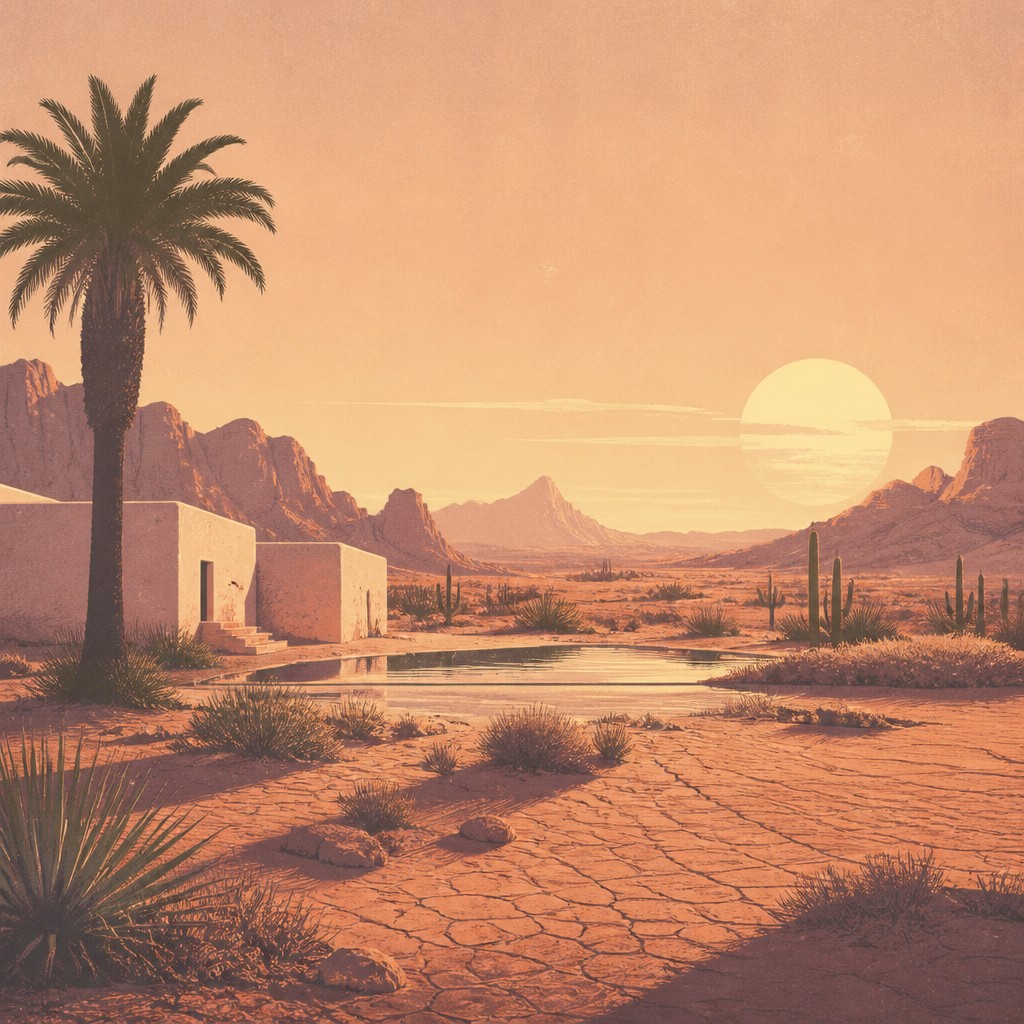
Adobe-smooth matte surfaces
Built forms often resemble adobe, stucco, clay, or matte ceramic materials. Surfaces are usually flat, absorbent, and low-glare, reinforcing the sun-baked feeling.
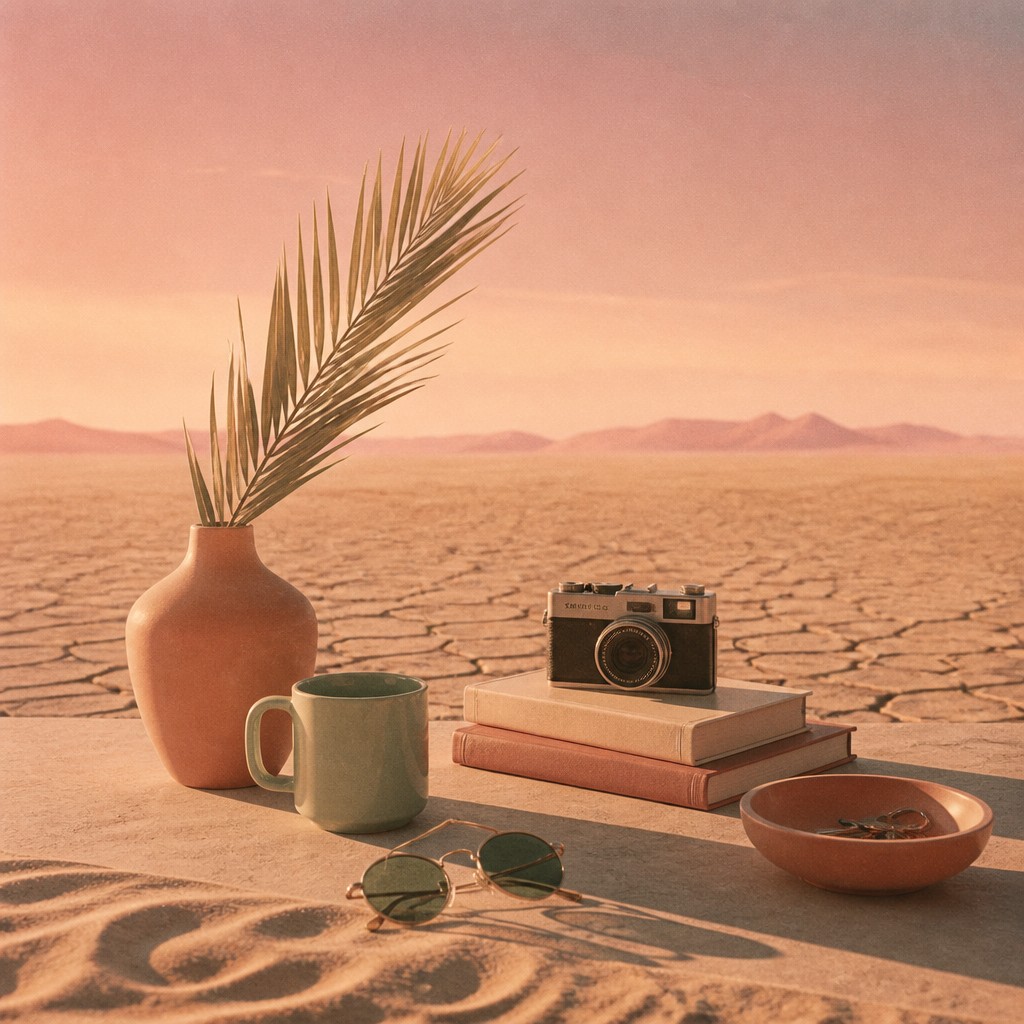
Minimalist wide-open composition
Scenes leave generous negative space and avoid dense arrangements. Horizon lines, isolated structures, and sparse objects are used to emphasize scale and silence.
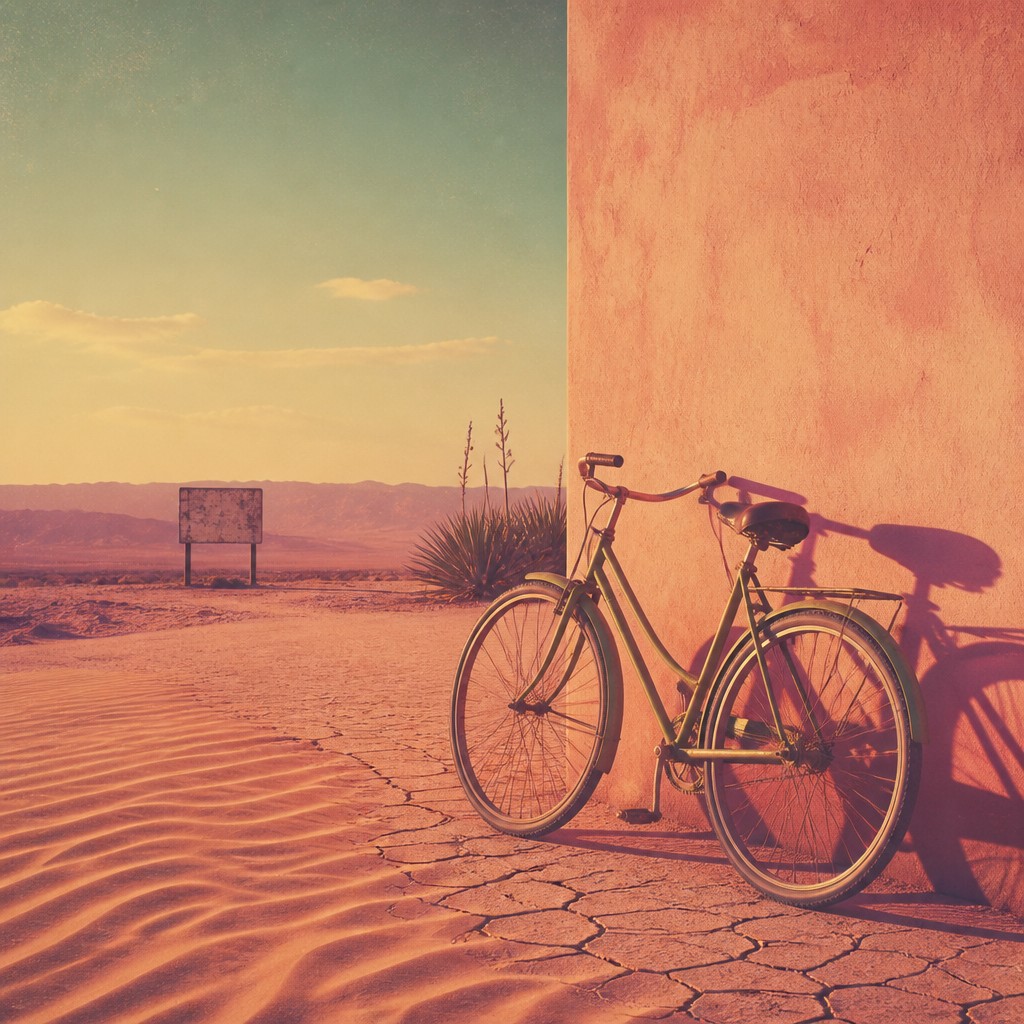
Warm cinematic grain
A fine film-like grain or texture gives the image a nostalgic, analog character. It helps unify the palette and keeps the scene from feeling digitally sterile.
Try It
Create Videos in Desertwave Aesthetic
Styles aren't just for stills — describe a scene or animate an image and get a short video rendered in Desertwave Aesthetic. Press play to see this pond come to life.
Make a VideoDesertwave Aesthetic Prompt Ideas
Start from an idea — each one opens the generator with the style ready to go. See all 40 Desertwave Aesthetic prompts →
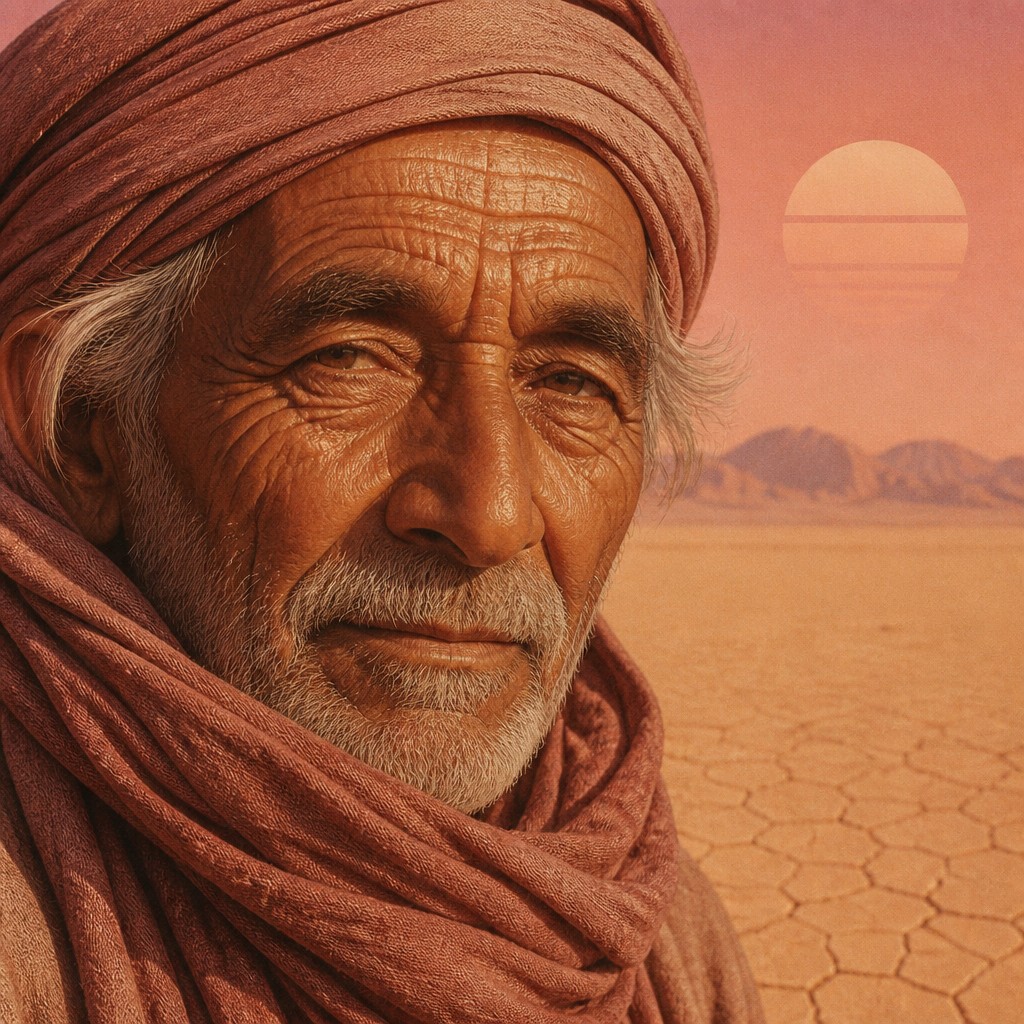
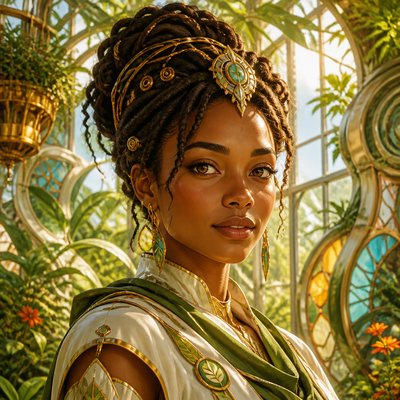
“close-up portrait of an elderly person with expressive weathered features”
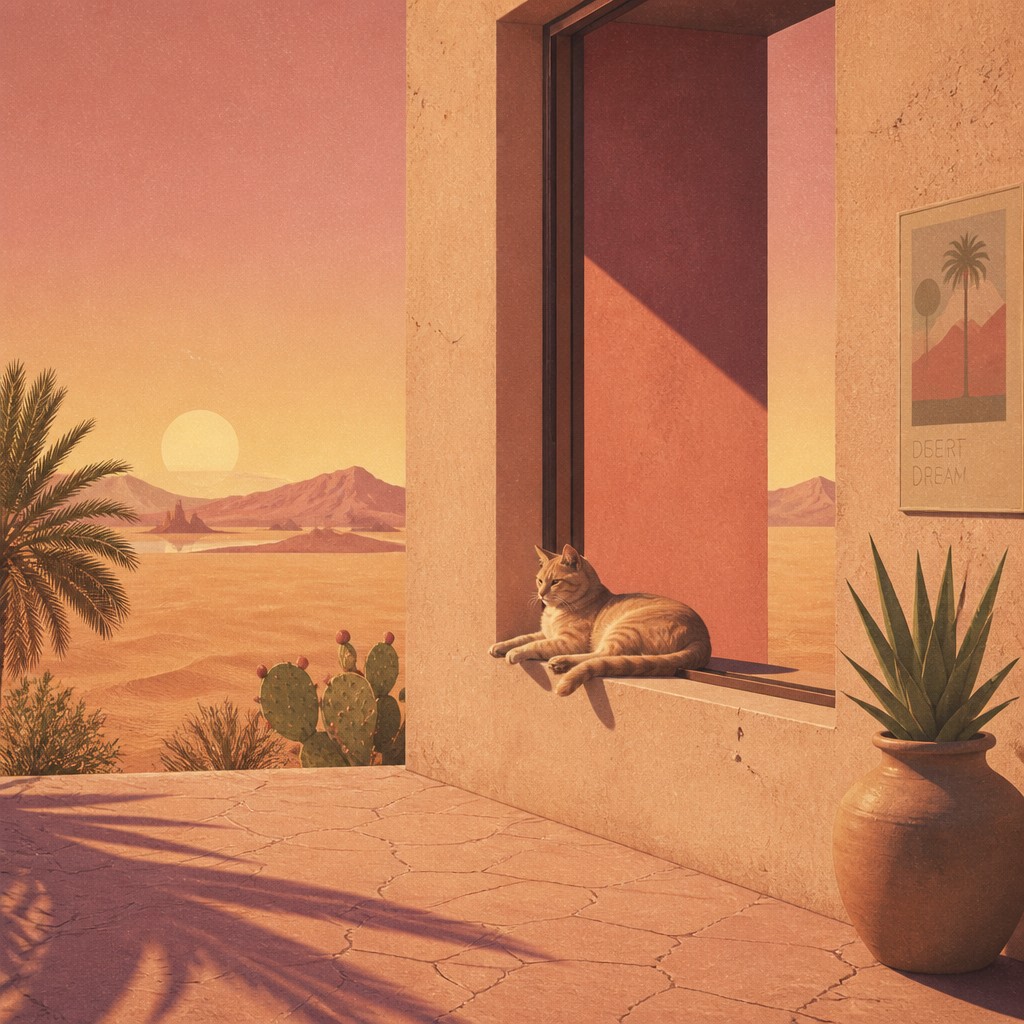
“a cat lounging in a sunlit window”
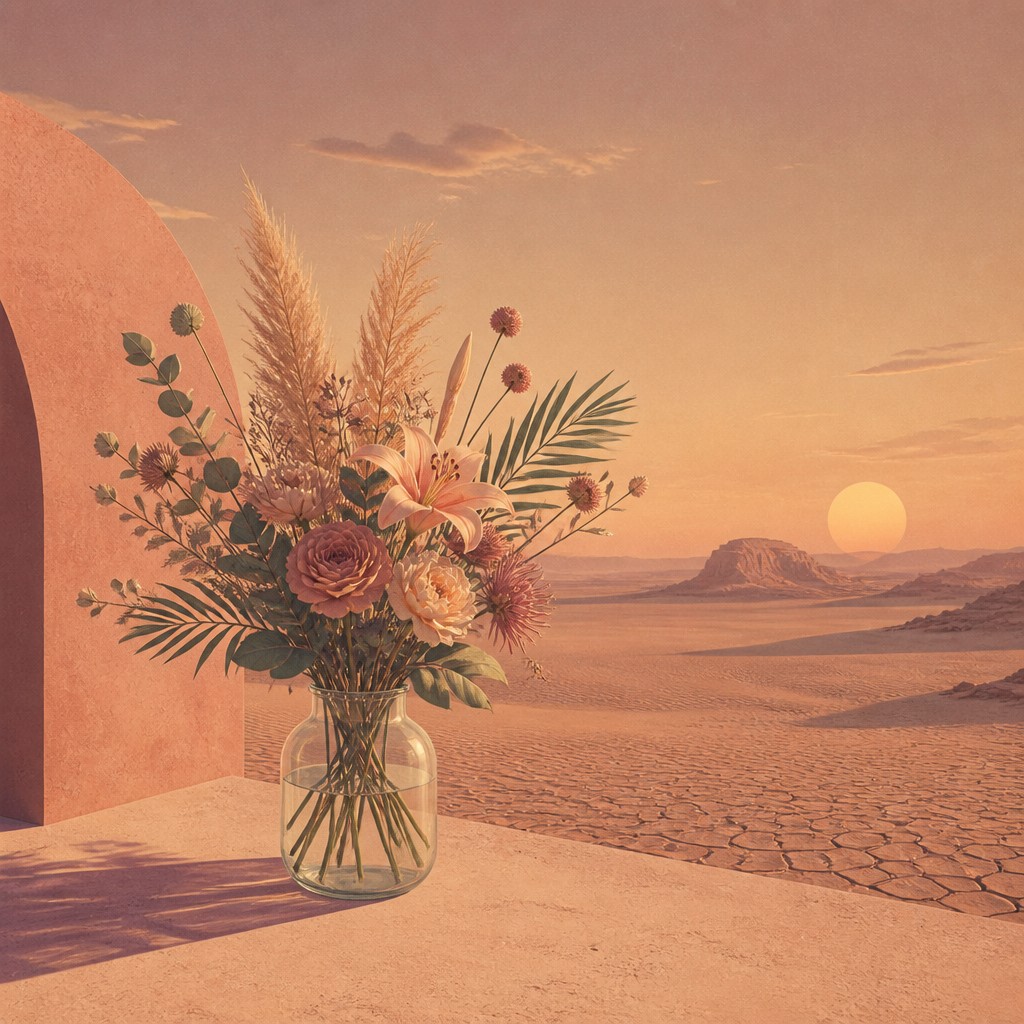
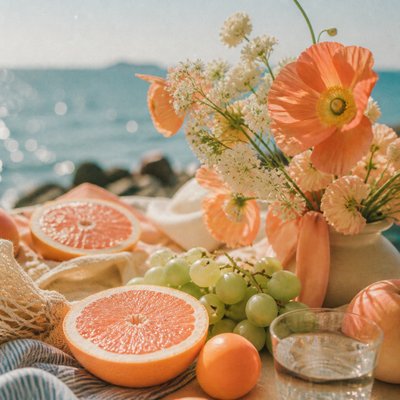
“bouquet of flowers in a glass vase”
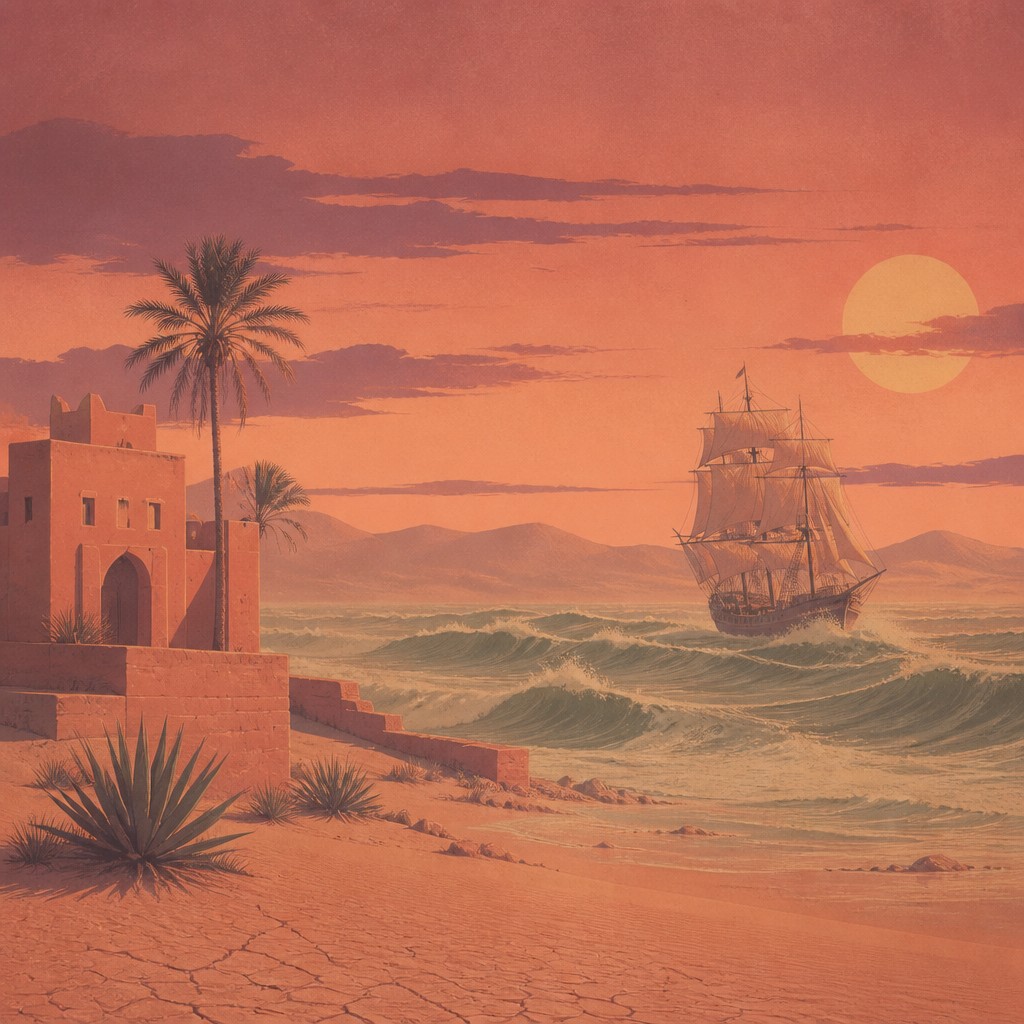
“sailing ship on a stormy sea”
How to Create Desertwave Aesthetic Art
Master the craft step by step — or skip straight to creating. Read the full guide →
- 1
Build the palette first
Start with muted warm earth tones and let cool violet shadows provide contrast. In painting or digital work, avoid pure black and highly saturated primaries; instead, mix in dust, beige, pink clay, and faded olive to preserve the subdued desert mood.
- 2
Use light as atmosphere
Place the scene in late afternoon or dusk so that the light stretches shadows and softens forms. In photography or digital rendering, a low sun angle plus a slight haze effect will do much of the stylistic work.
- 3
Simplify the composition
Keep the subject isolated in a wide field of space and resist filling every area with detail. Strong negative space, low visual noise, and a restrained horizon line are key to the style's quiet presence.
- 4
Choose matte, weathered materials
When drawing or styling objects, favor clay, adobe, stucco, stone, sand, and dry textile textures over reflective metals or glossy plastics. Surface irregularity should read as sun-worn, not polished.
- 5
Add controlled texture and grain
A subtle grain overlay, paper texture, or soft diffusion can help achieve the faded retro warmth associated with the style. For prompt-based generation, include terms like heat haze, dust-softened light, matte surfaces, and cinematic grain.
- 6
For generation prompts, specify mood and lighting
Describe both the subject and the environment, then anchor them in desert light, dusk shadows, and muted earth tones. For example: 'a lone gas station at dusk, terracotta and dusty rose palette, long violet shadows, warm cinematic grain, wide negative space.'
The Story
History & Origins of Desertwave Aesthetic
Desertwave is an invented contemporary aesthetic rather than a historical art movement, so its history is best understood as an aesthetic lineage. It draws from desert photography, atmospheric landscape painting, faded mid-century modern color sensibilities, and the simplified forms of minimalist design, while also echoing cinematic color grading used to evoke heat, distance, and nostalgia.
Its visual language also overlaps with current digital and social-image trends that favor muted palettes, grain, and environment-driven mood over narrative density. The style is essentially a synthesis of real-world desert observation and retro-toned image design: a modern shorthand for stillness, warmth, and arid spaciousness.
Influences: Desertwave sits at the intersection of desert landscape photography, atmospheric painting, minimalist modernism, and mid-century-inspired color restraint. It also shares traits with cinematic desert imagery and the softened tonal palettes seen in contemporary editorial design. In the broader historical background, it can be related to artists who explored light, atmosphere, and landforms such as Georgia O'Keeffe, though Desertwave itself is a modern synthetic aesthetic rather than a direct continuation of any single movement.
Frequently Asked Questions
What defines the Desertwave aesthetic?
It is defined by sun-bleached earth tones, long violet shadows, heat haze, and a sparse, open composition. The style aims for calm rather than drama, using dust-softened light and matte textures to evoke arid stillness.
Is Desertwave a historical art movement?
No. Desertwave is a contemporary invented aesthetic, not a documented historical movement. Its look is assembled from real visual traditions such as desert photography, minimalist design, atmospheric landscape painting, and retro color grading.
How is it different from desertcore or Southwestern style?
Desertwave is usually quieter, more minimal, and more atmospheric than many desertcore looks. It emphasizes dusk lighting, mirage-like softness, and faded tonal harmony rather than decorative regional motifs or a strongly literal Western aesthetic.
What subjects work best in this style?
Simple, spacious subjects work best: adobe buildings, dunes, cacti, roadside structures, still life objects, and solitary figures. Anything that can sit inside a large field of warm light and shadow will fit the style well.
How do I make a photo look like Desertwave?
Lower contrast slightly, shift the palette toward terracotta and dusty rose, and add warm haze with soft violet shadows. Reduce sharpness a bit, keep textures matte, and crop for open space so the image feels airy and quiet.
Where is Desertwave commonly used?
It is popular in editorial imagery, album art, moodboards, branding, interior concepts, and social visuals that want a calm, arid, nostalgic feeling. It also works well for landscape scenes and minimalist product presentations.
Create your first Desertwave Aesthetic artwork
Describe anything — or upload a photo — and see it in Desertwave Aesthetic in seconds.
Make Something with Desertwave Aesthetic
Related Styles
Discover similar art styles