Scene Aesthetic
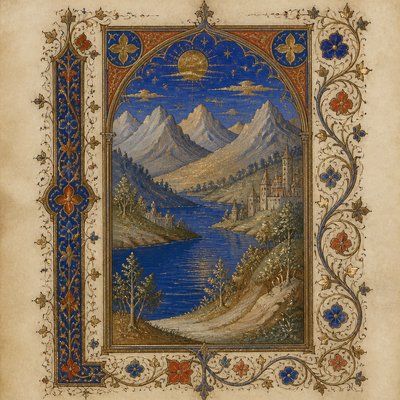
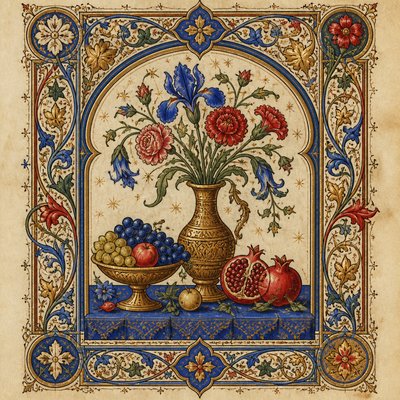
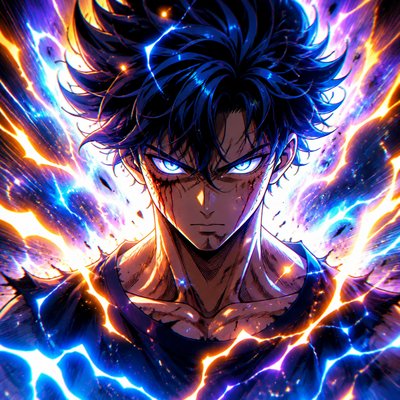
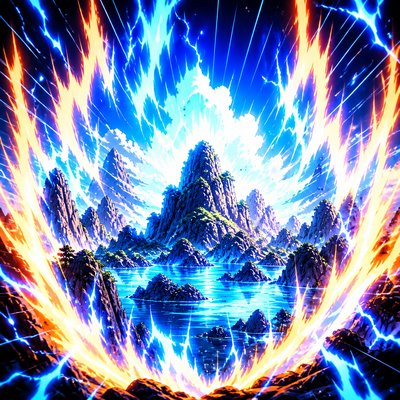
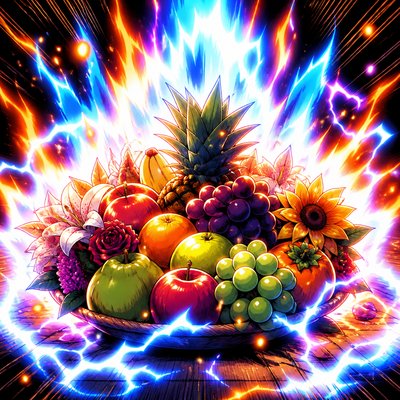
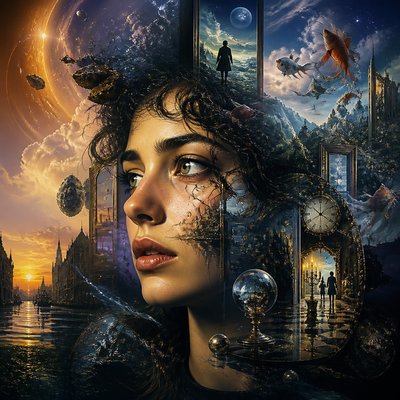
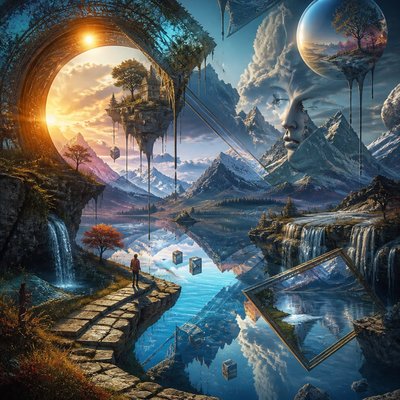
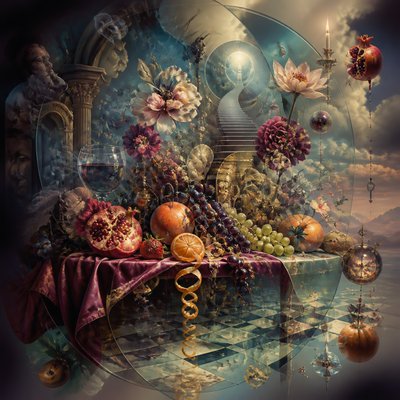
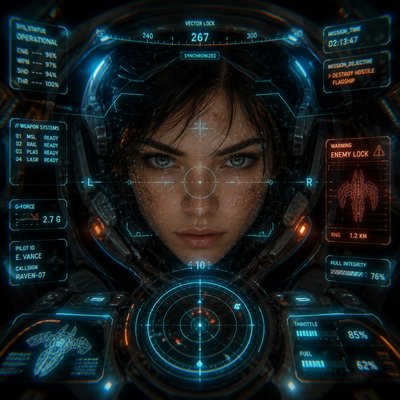
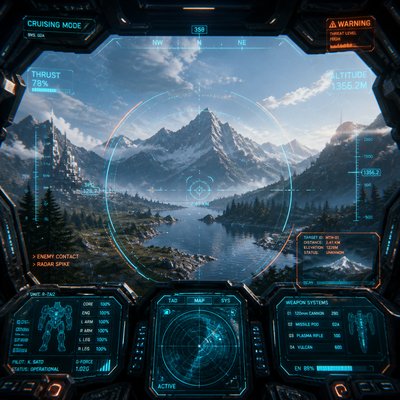
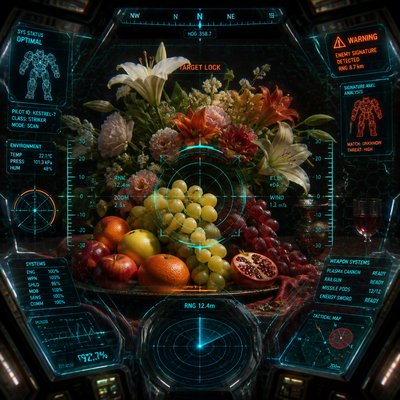
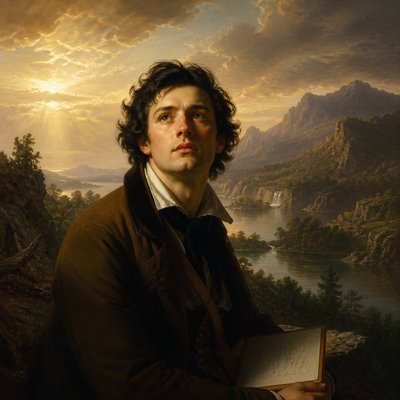
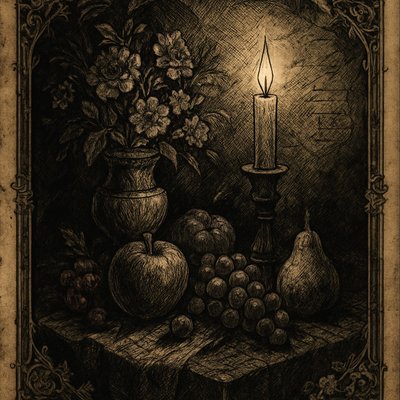
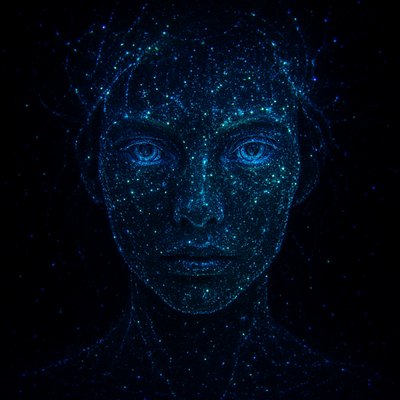
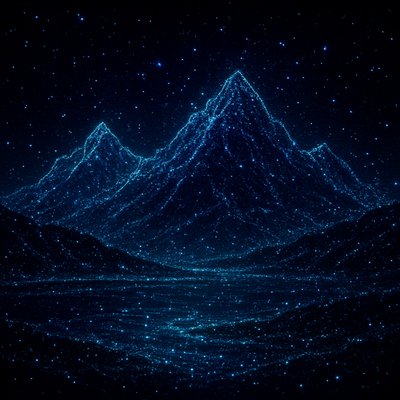
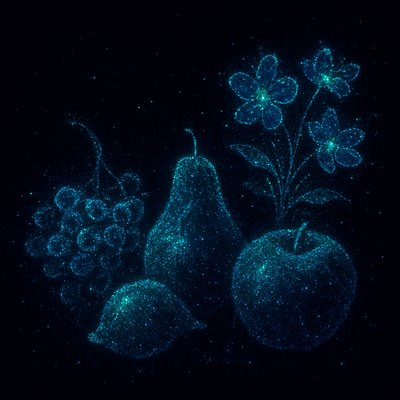
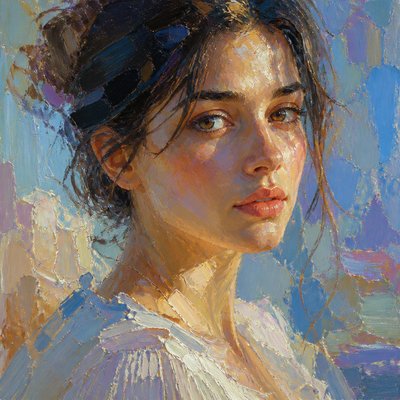
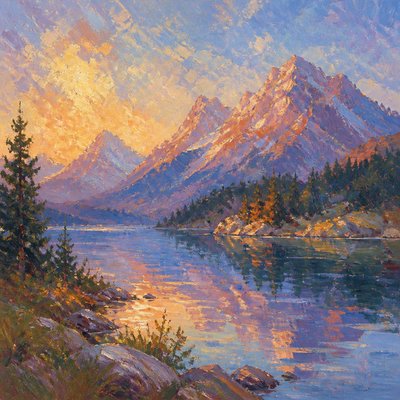
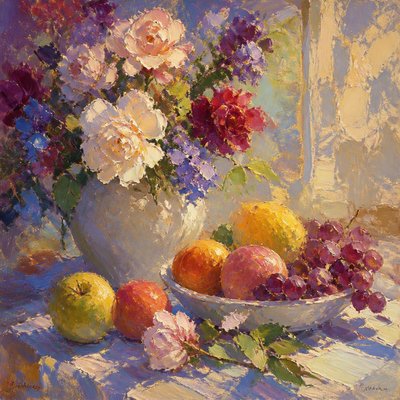
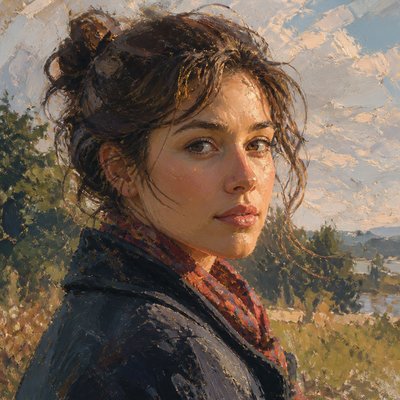
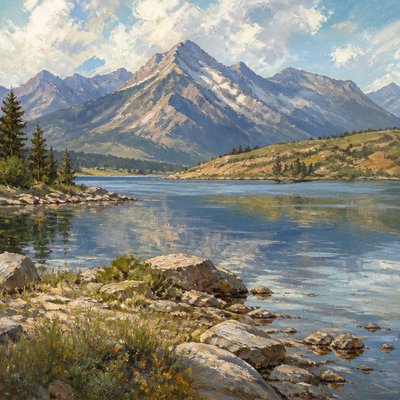
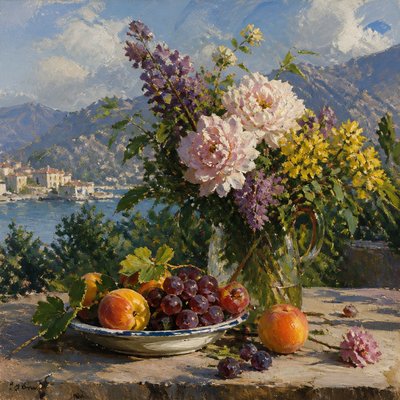
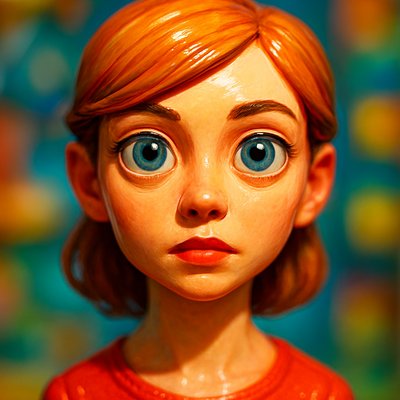
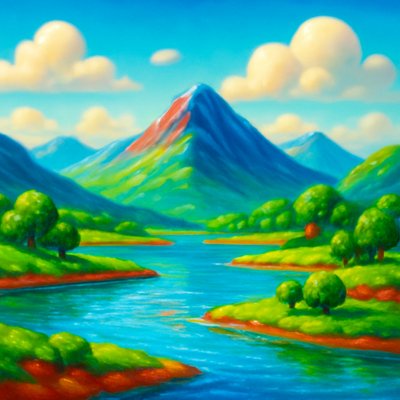
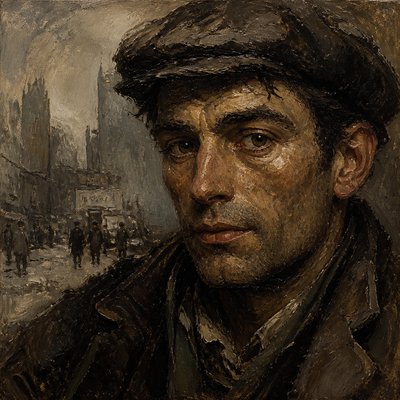
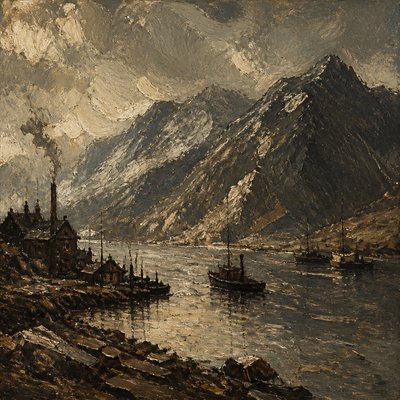
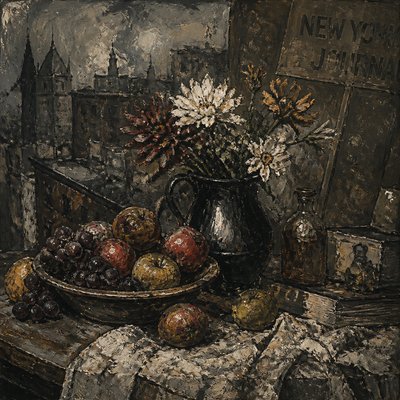
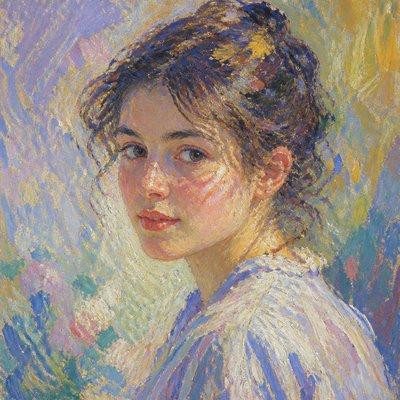
Late-2000s scene-kid aesthetics: neon streaks, jet black backgrounds, glitter, sticker chaos, flash photography, and pixel grain.
Instantly rendered in Scene Aesthetic — or transform a photo
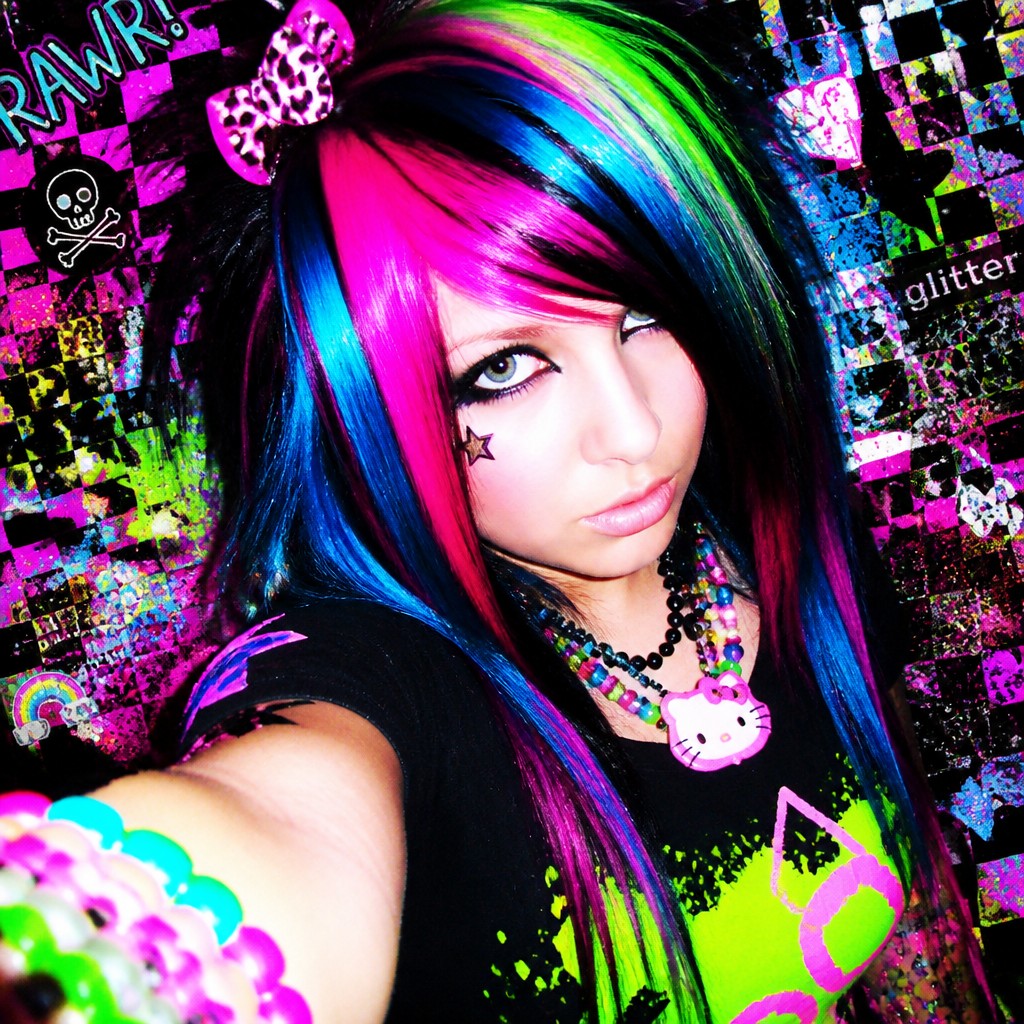
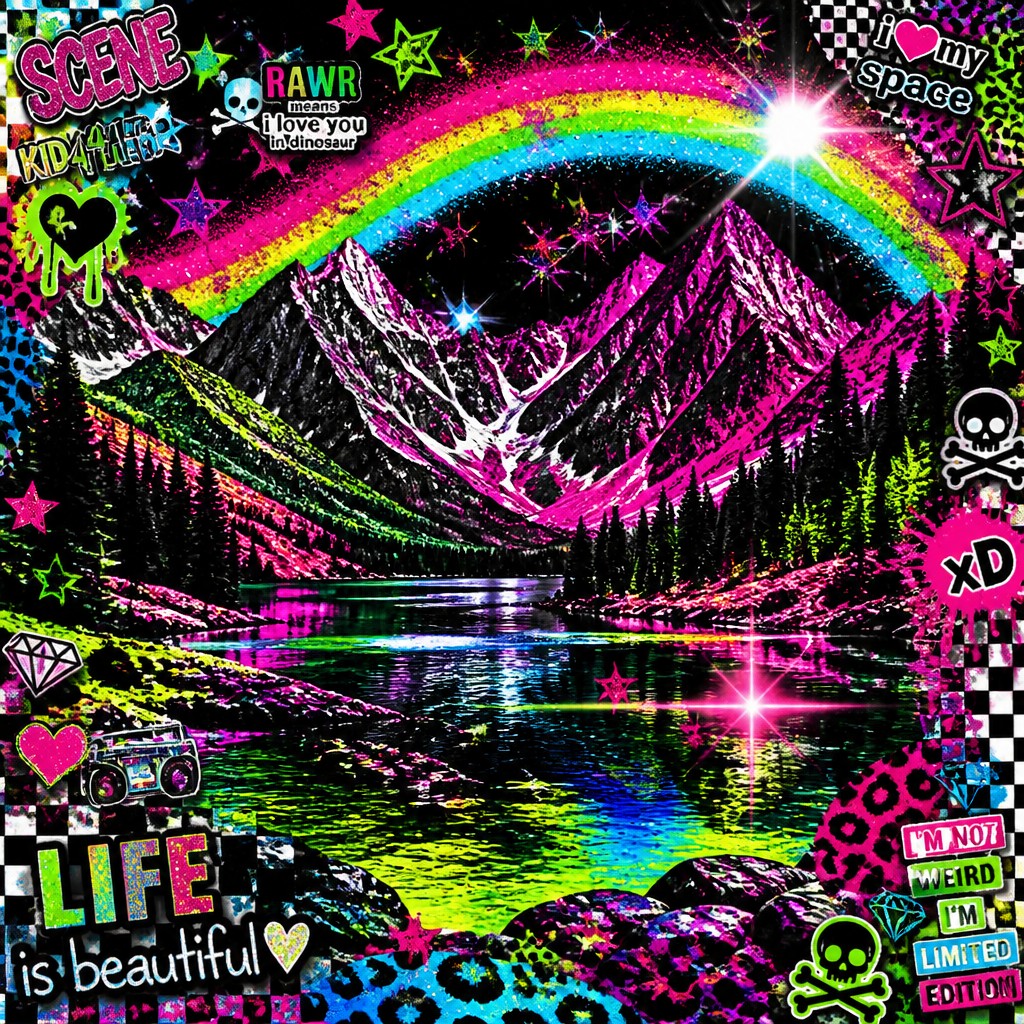
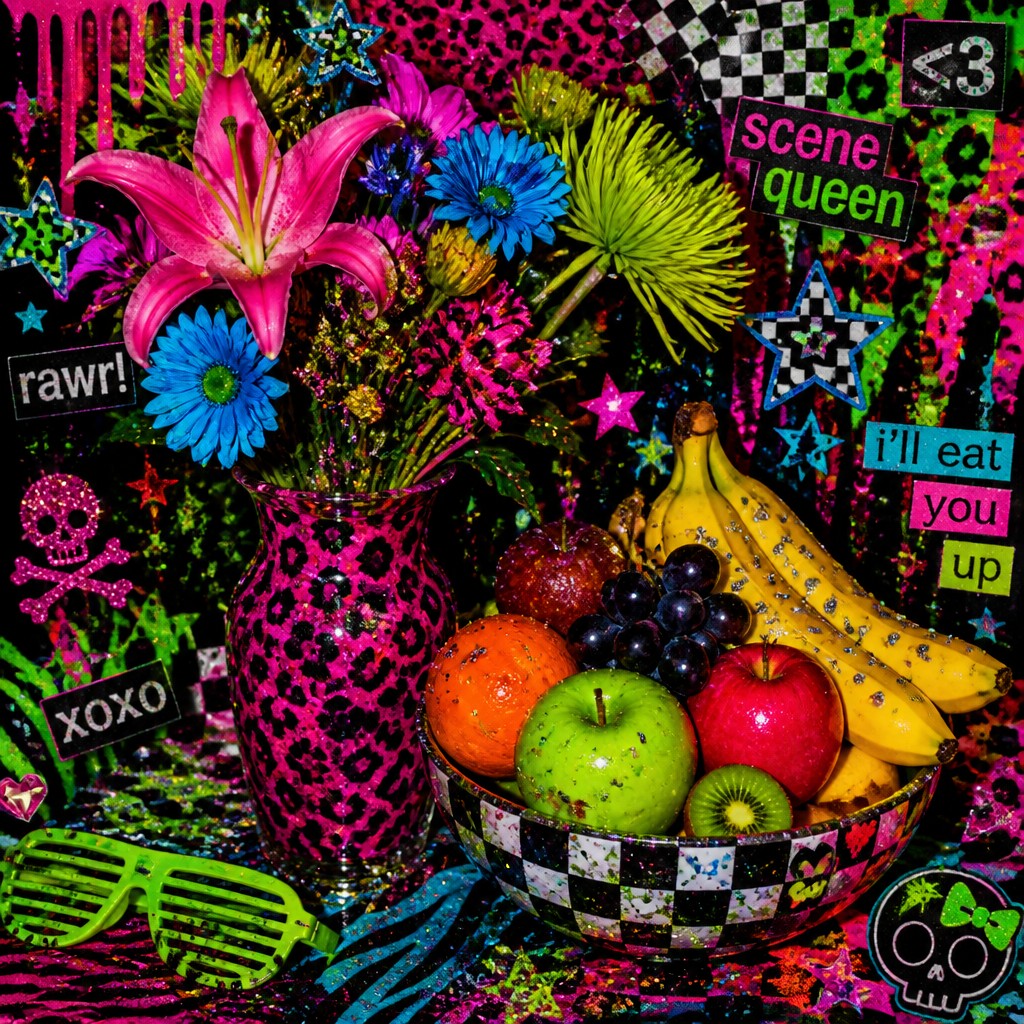
Scene Aesthetic Gallery
Tap any artwork to explore it
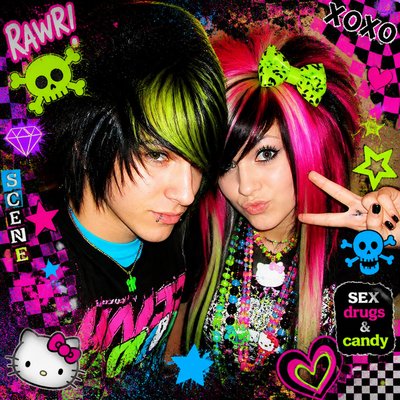
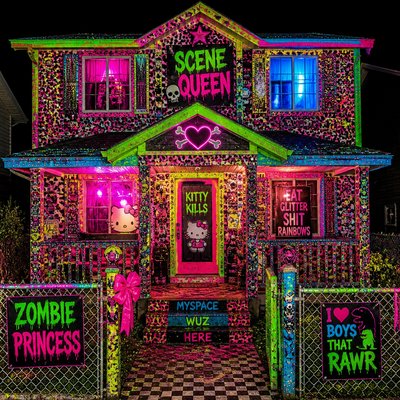
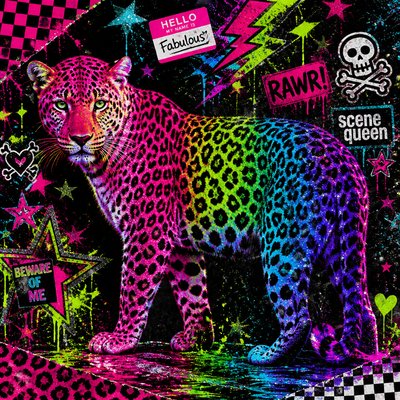
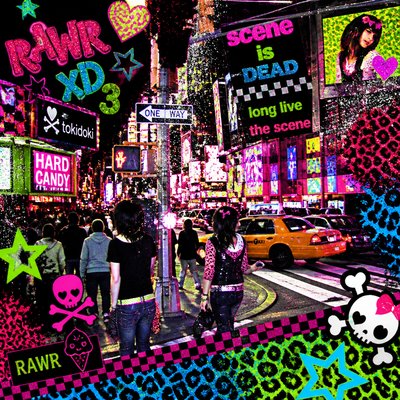
What is Scene Aesthetic?
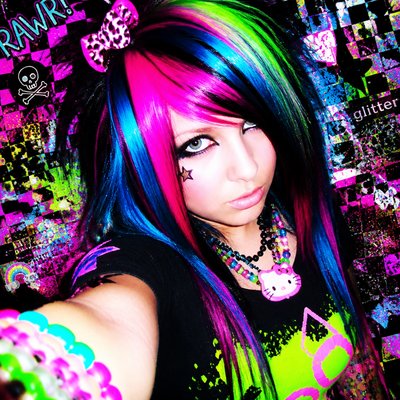
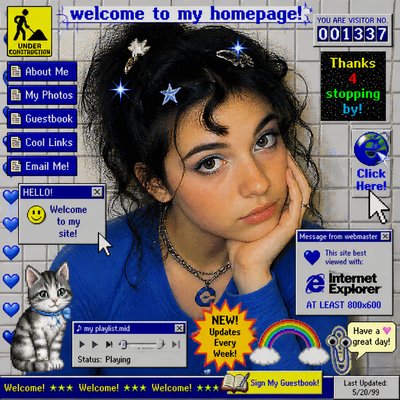
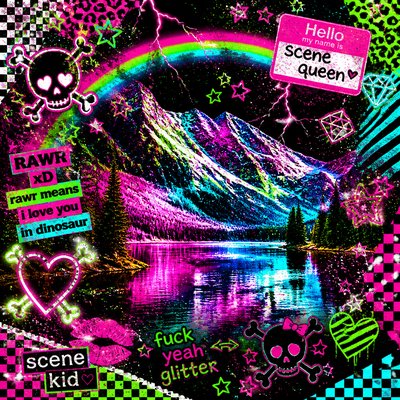
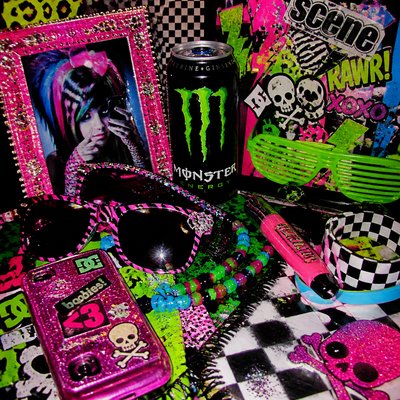
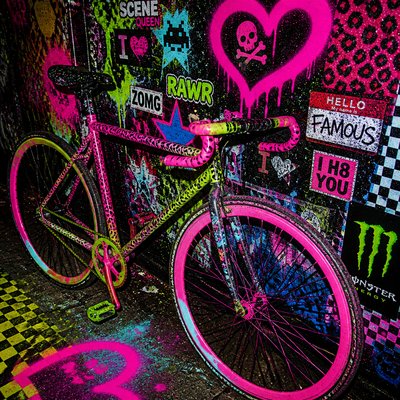
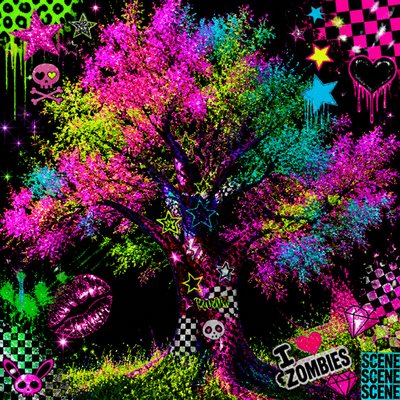
Scene Aesthetic is a late-2000s internet-born visual style built from neon color, black backgrounds, glitter effects, and an aggressively layered sense of clutter. It is closely associated with scene-kid fashion and online profile culture, where hair dye, stickers, checker patterns, leopard print, and flashy digital-camera snapshots formed a shared visual language.
The style’s look comes from the collision of several sources: MySpace-era self-presentation, pop-punk and emo graphics, rave and club lighting, Y2K-era digital effects, and the compressed, flash-heavy look of consumer photography. In practice, Scene Aesthetic feels loud, playful, and intentionally overworked, with saturated pinks, greens, and cyans cutting across jet black spaces and textures that resemble glitter, sticker bombing, and screen-captured grain.
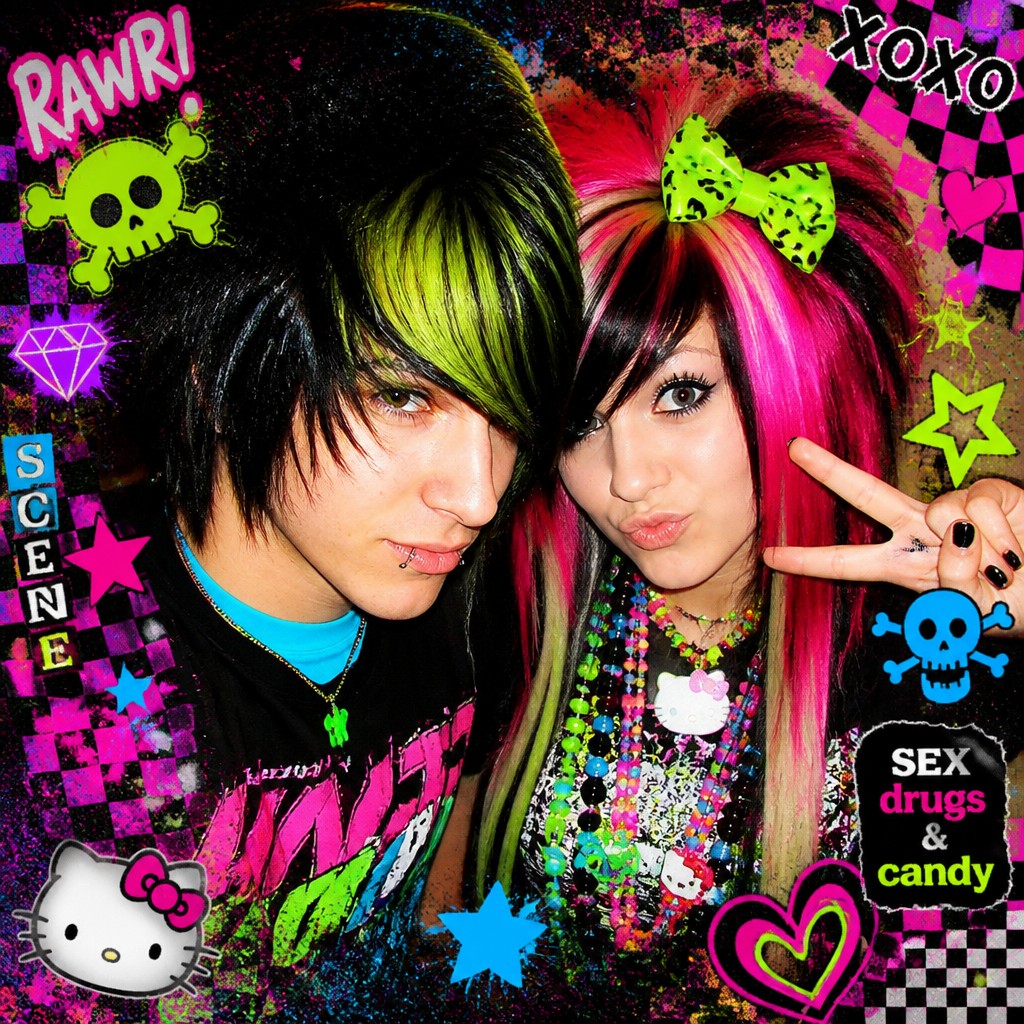
Try It On Your Photos
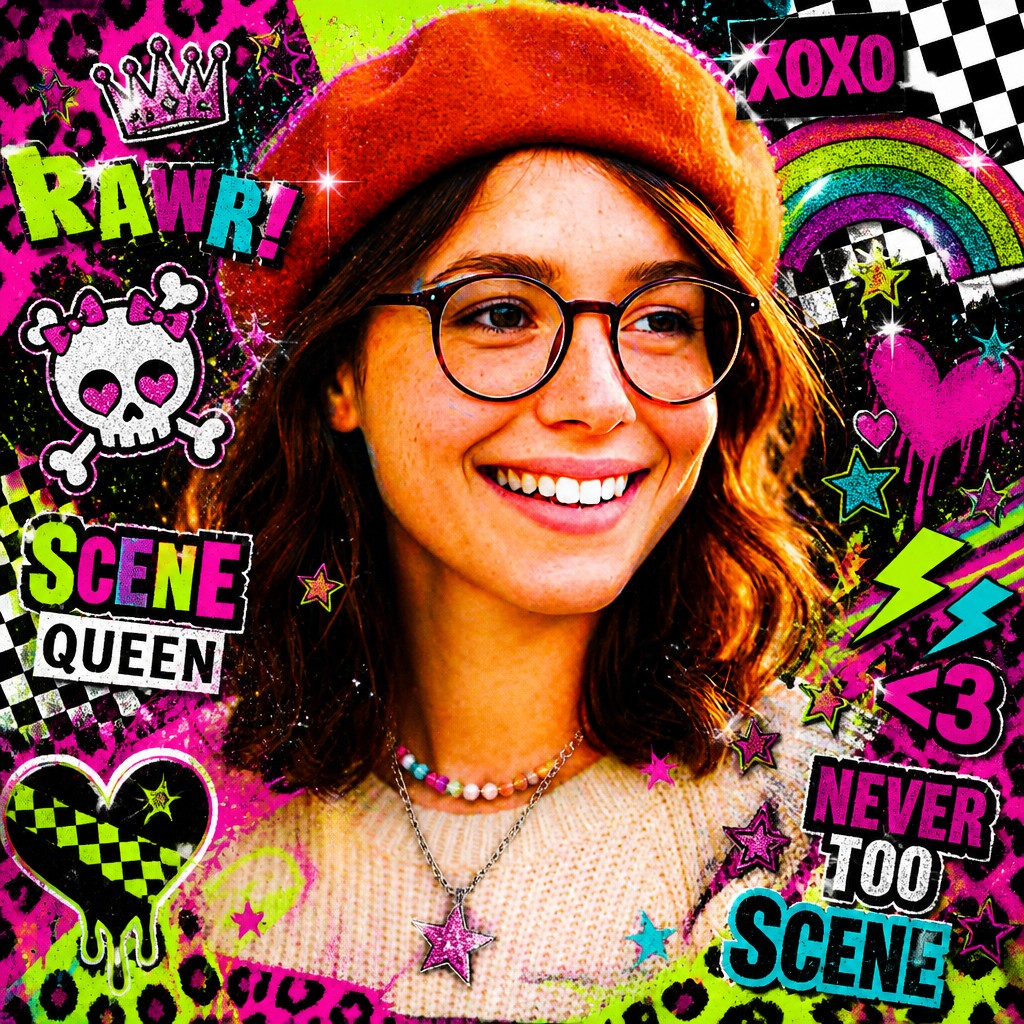
Upload any photo and convert it into Scene Aesthetic — drag the sliders to compare before and after.


What Defines Scene Aesthetic
The signature details, up close
Neon-on-black contrast
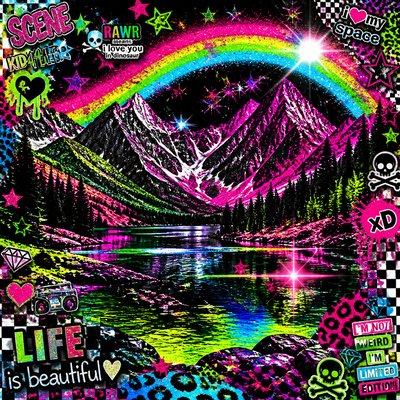
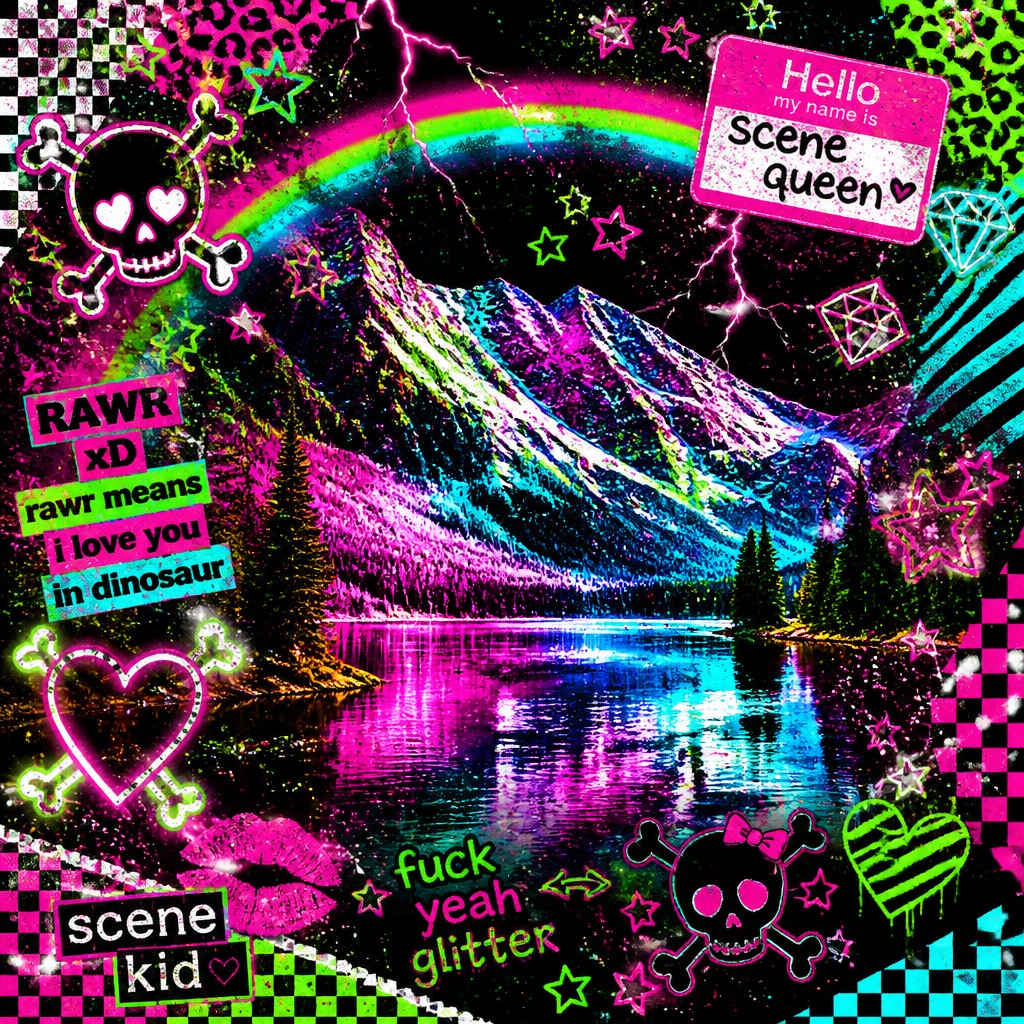
Hot pink, lime green, cyan, and purple are usually set against deep black to maximize visual punch. The darkness makes the colors feel electric and artificial, like a glow effect pushed to excess.
Glitter and sparkle texture
Fine glitter, shimmer overlays, and star-like twinkles are common surface treatments. They add a synthetic sheen that reads as playful, flashy, and deliberately overdecorated.
Sticker-bomb clutter
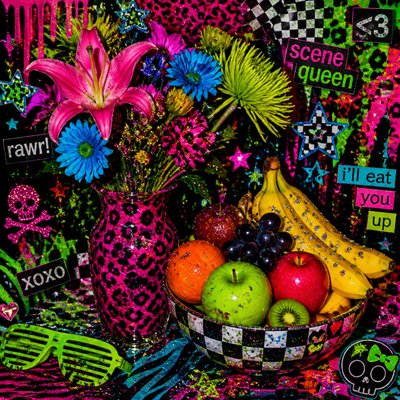
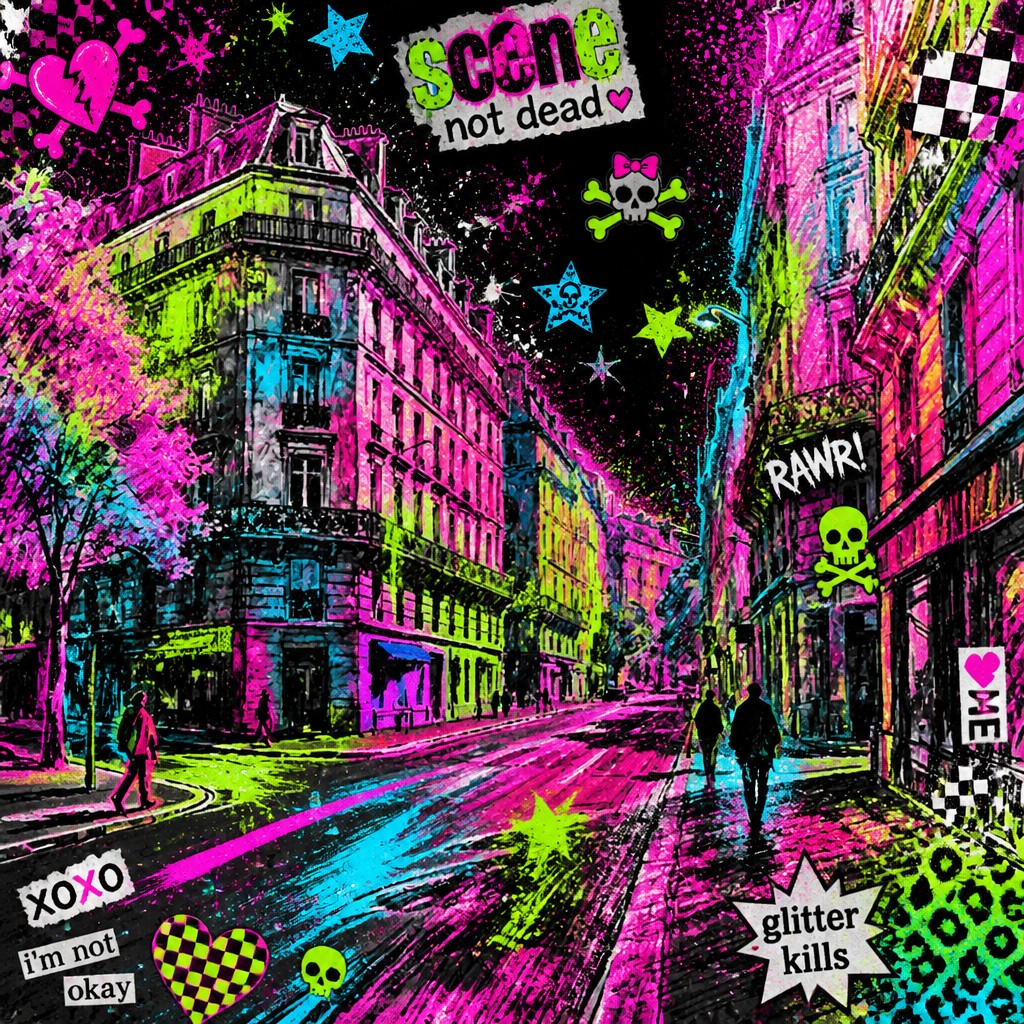
The composition often includes layered decals, icons, scribbles, and decorative add-ons. Instead of clean negative space, the image tends to feel packed, with elements overlapping and competing for attention.
Pattern accents
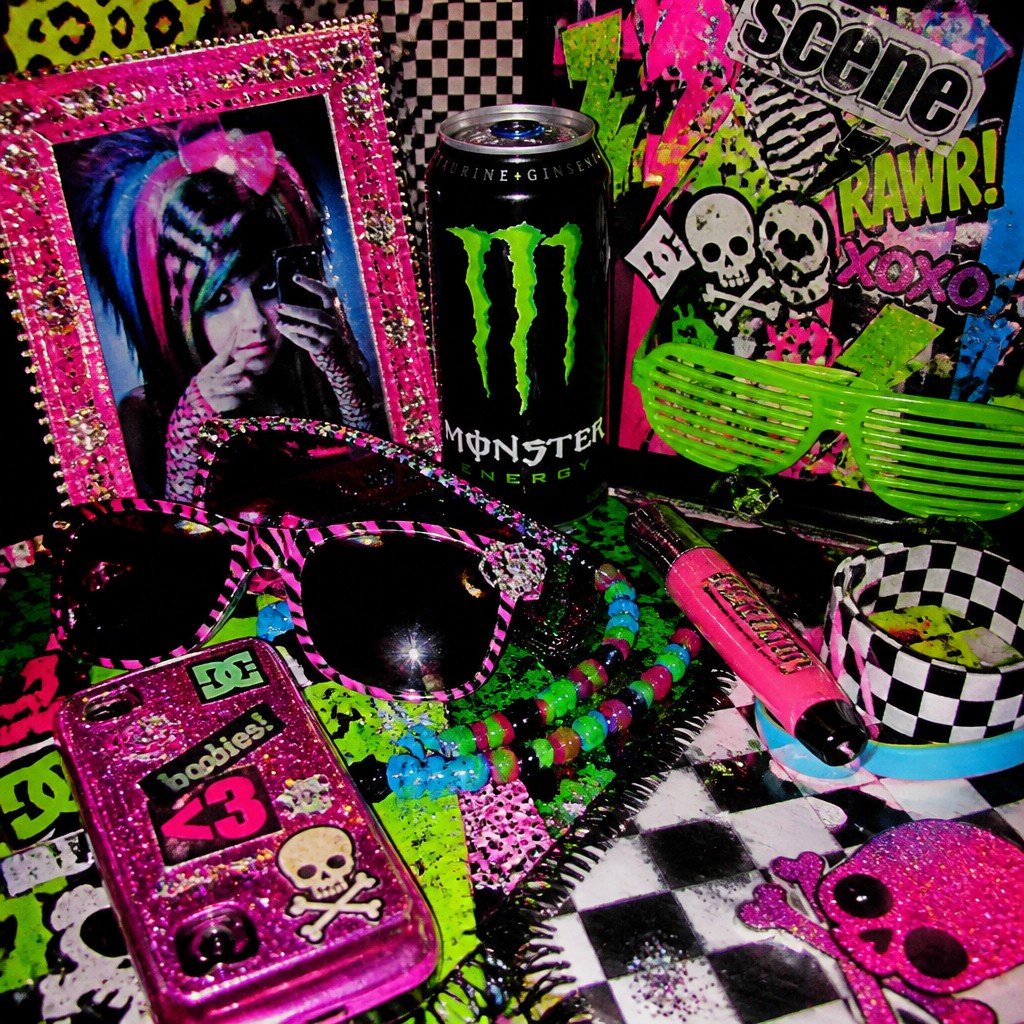
Leopard print, checkerboards, stripes, and other high-contrast patterns are frequent accents. These motifs reinforce the fashion-driven, DIY, and slightly chaotic personality of the style.
Harsh digital flash
Faces and objects are often lit with direct on-camera flash that flattens shadows and exaggerates highlights. The effect gives the image a candid, too-close, party-photo quality.
Slight pixel grain
Compression artifacts, grain, and low-resolution softness are part of the look rather than flaws to avoid. They evoke old web uploads, phone cameras, and reposted images from the late 2000s.
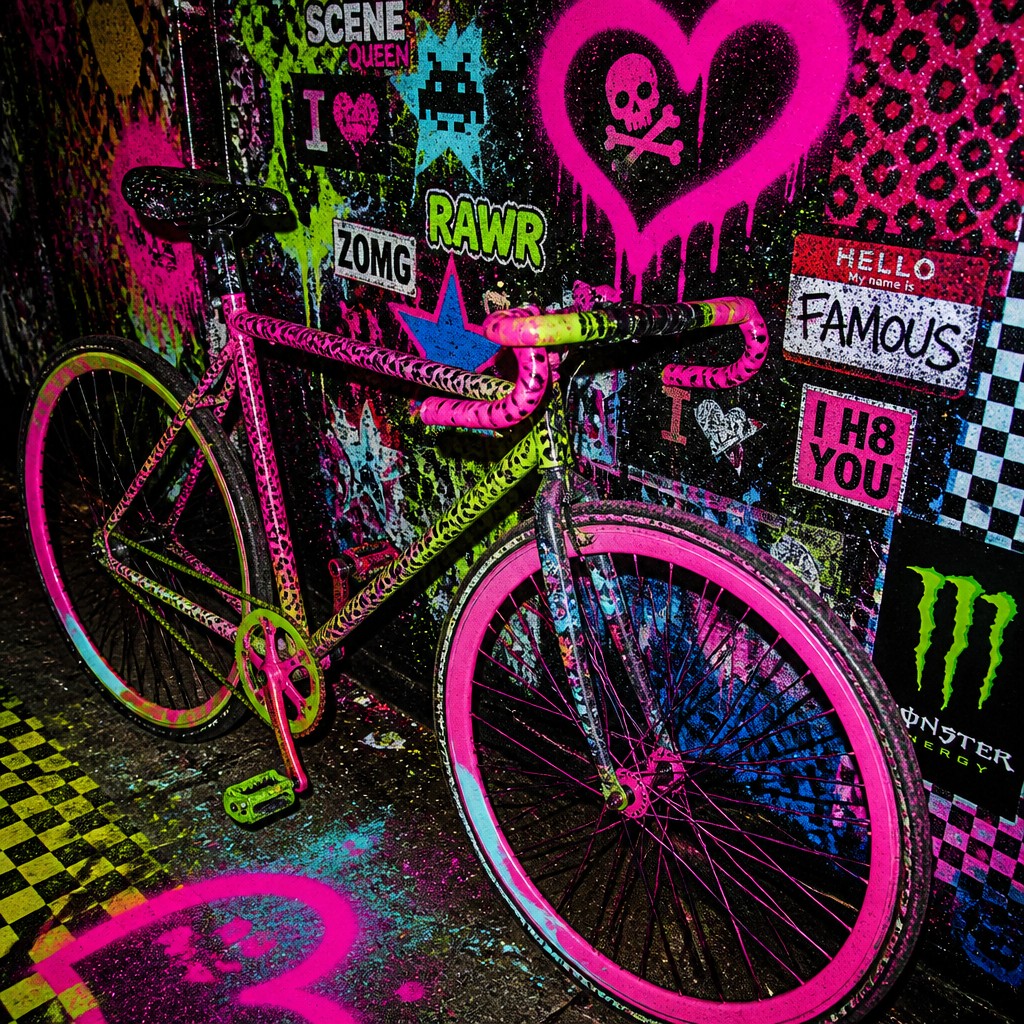
Maximalist teen-energy composition
The style favors exuberance over restraint, with layered textures, bright accents, and a restless layout. The overall feeling is fun, messy, and highly personal.
Try It
Create Videos in Scene Aesthetic
Styles aren't just for stills — describe a scene or animate an image and get a short video rendered in Scene Aesthetic. Press play to see this pond come to life.
Make a VideoScene Aesthetic Prompt Ideas
Start from an idea — each one opens the generator with the style ready to go. See all 40 Scene Aesthetic prompts →
How to Create Scene Aesthetic Art
Master the craft step by step — or skip straight to creating. Read the full guide →
- 1
Start with a black base and loud accent colors
Build the composition on a jet black or nearly black background, then add neon pink, lime, cyan, and purple in streaks, borders, or highlights. In traditional work, use opaque acrylic, markers, or digital brushes with hard edges; in digital work, keep saturation high and avoid muted palettes.
- 2
Layer textures instead of keeping surfaces clean
Add glitter effects, sparkles, sticker shapes, and patterned inserts so the image feels dense and handmade. For photo edits, overlay translucent textures and keep some elements slightly misregistered to mimic reposted web graphics.
- 3
Use flash-lit reference photos
When transforming photos, choose subjects shot close up with direct flash or recreate that look with harsh front lighting. Emphasize bright skin highlights, dark surrounding space, and a candid party-photo mood.
- 4
Mix fashion-coded motifs into the composition
Include checkerboard panels, leopard print, hair streaks, eyeliner-heavy portrait cues, and sticker-like typography if the image allows it. These details anchor the style in its late-2000s scene-kid roots.
- 5
Push the digital finish slightly too far
Let the image carry a small amount of pixel grain, compression, or glow bloom so it feels like a relic of early web culture. In prompt-based generation, specify oversaturated color, flash photography, glitter overlay, sticker clutter, and slight grain for a more accurate result.
The Story
History & Origins of Scene Aesthetic
Scene Aesthetic does not come from a formal art movement; it emerged from late-2000s youth internet culture, especially the visual identity built on MySpace, early social media, and DIY fan graphics. It was shaped by scene-kid fashion, punk-influenced personalization, and the rapid spread of image-editing tools that made neon overlays, sparkle brushes, and high-contrast flash effects easy to reproduce.
Its lineage overlaps with several older traditions rather than descending from one single source. It borrows from punk zine collage, club flyers, rave graphics, Y2K digital design, and the oversaturated look of compact digital cameras. Over time, the style became a recognizable nostalgia aesthetic, revived in contemporary edits, moodboards, and photo transformations that imitate its chaotic, glittered, high-flash energy.
Influences: Scene Aesthetic draws from MySpace-era self-portraiture, emo and pop-punk visual culture, rave and club graphics, and Y2K digital design. It also echoes punk zine collage, sticker art, leopard-print fashion, and the flash-heavy look of early consumer digital cameras. In spirit, it overlaps with the playful excess of Lisa Frank-like color sensibilities and the layered do-it-yourself energy of early internet graphics, though it is not a formal historical movement.
Frequently Asked Questions
What defines Scene Aesthetic?
It is defined by neon color on dark backgrounds, glittery overlays, sticker-like clutter, and a flash-lit, low-resolution internet look. The style feels maximalist, youthful, and intentionally chaotic rather than polished or minimal.
Is Scene Aesthetic the same as emo or Y2K?
No. It shares some visual DNA with both, but scene aesthetics are brighter, more playful, and more cluttered than most emo imagery. Compared with Y2K, it is less sleek and futuristic and more collage-like, noisy, and personality-driven.
What colors work best in this style?
Hot pink, lime green, cyan, purple, and white are the most characteristic accents, usually against black. The key is high contrast and oversaturation, so the colors should look electric rather than pastel or muted.
How do I make a photo look like Scene Aesthetic?
Use direct flash, boost saturation, add grain, and place the subject against a dark or highly contrasted background. Then layer in glitter, stickers, and patterned accents to recreate the crowded web-era look.
Where is Scene Aesthetic used today?
It appears in nostalgia edits, moodboards, fashion graphics, album art, social media portraits, and internet-themed illustration. It is especially common when creators want a late-2000s teen-web or party-photo feeling.
What should I avoid if I want it to feel authentic?
Avoid minimal layouts, muted colors, soft editorial lighting, and clean corporate design. The style depends on visible excess, cheap-digital texture, and a deliberately overdecorated, DIY internet attitude.
Create your first Scene Aesthetic artwork
Describe anything — or upload a photo — and see it in Scene Aesthetic in seconds.
Related Styles
Discover similar art styles