Webcore Aesthetic
Old-internet nostalgia with pixel edges, dithered gradients, web-safe colors, CRT glow, and playful dial-up-era clutter.
Instantly rendered in Webcore Aesthetic — or transform a photo
Webcore Aesthetic Gallery
Tap any artwork to explore it
What is Webcore Aesthetic?
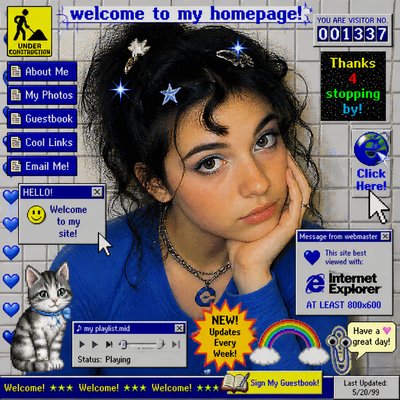
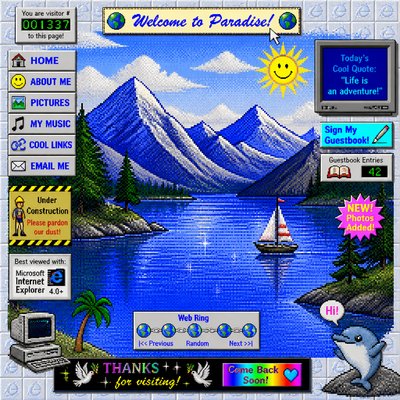
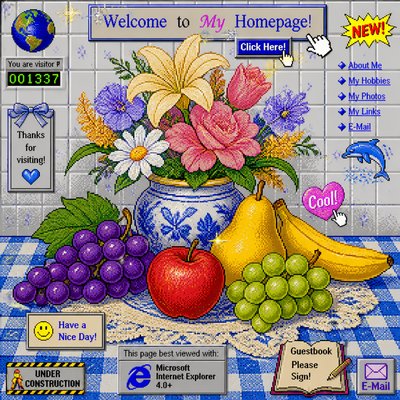
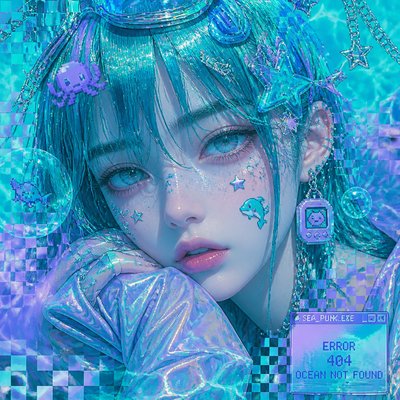
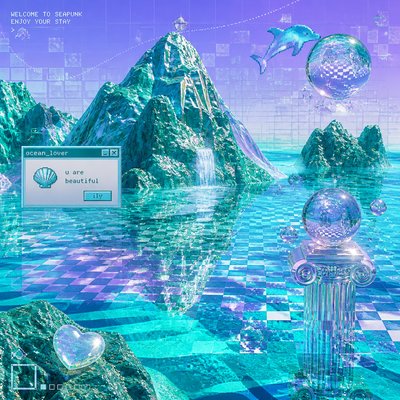
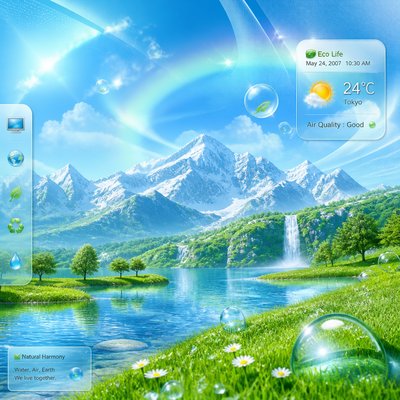
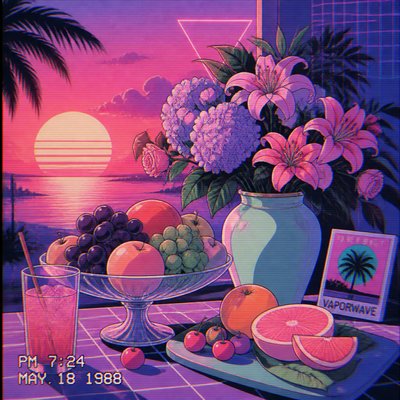
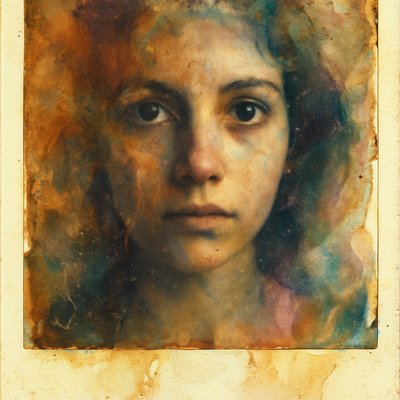
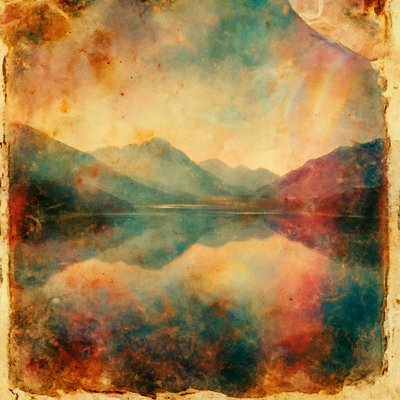
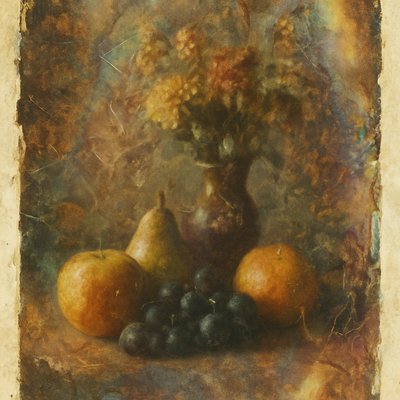
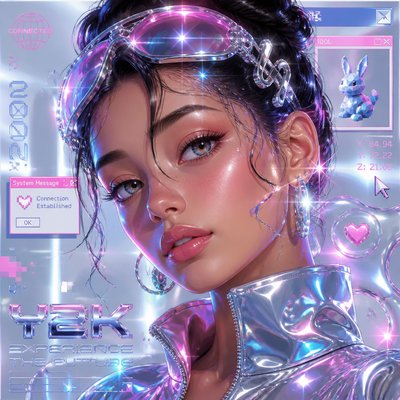
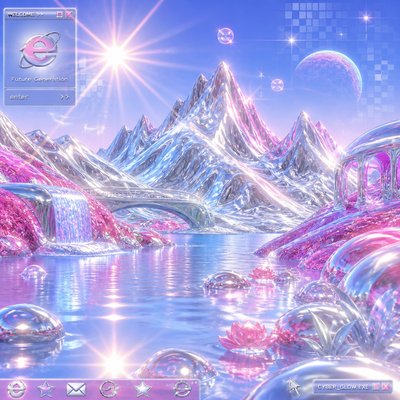
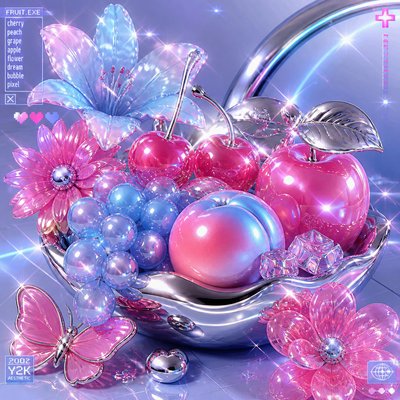
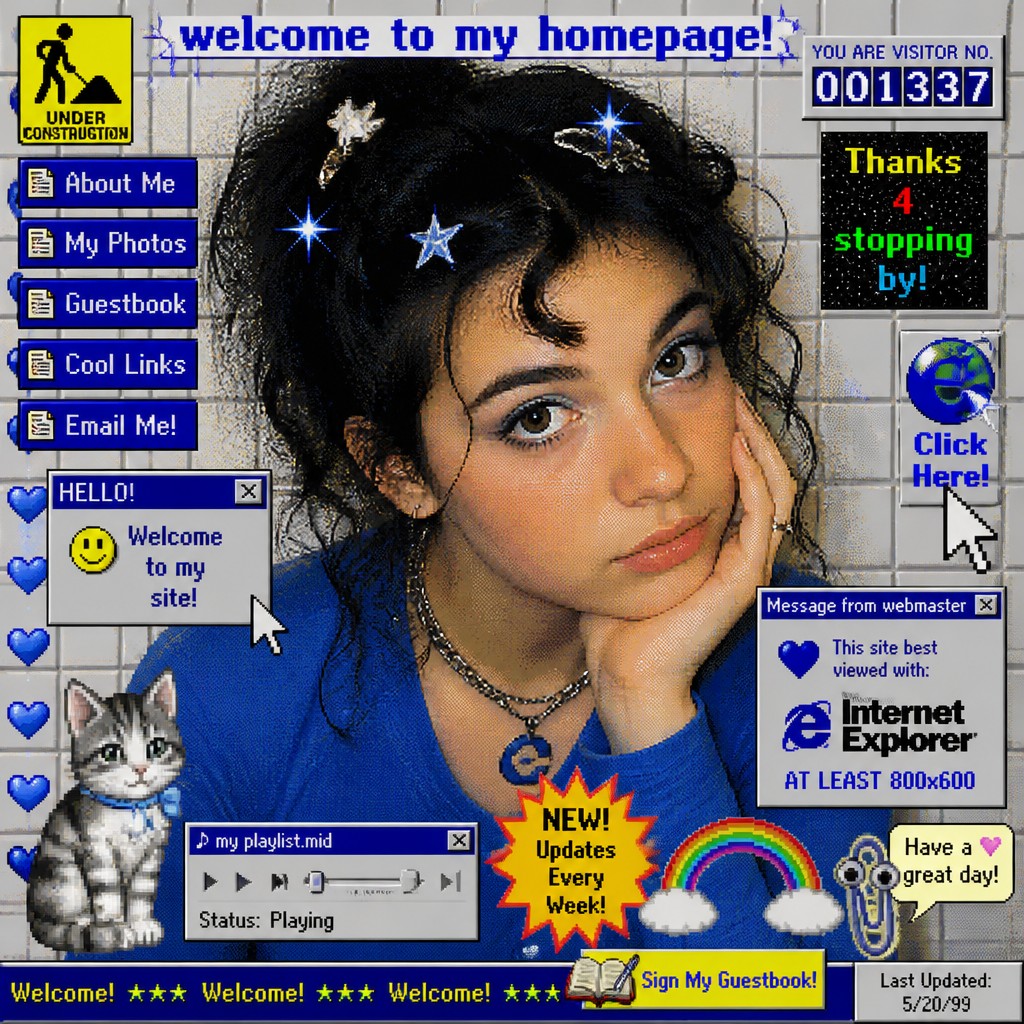
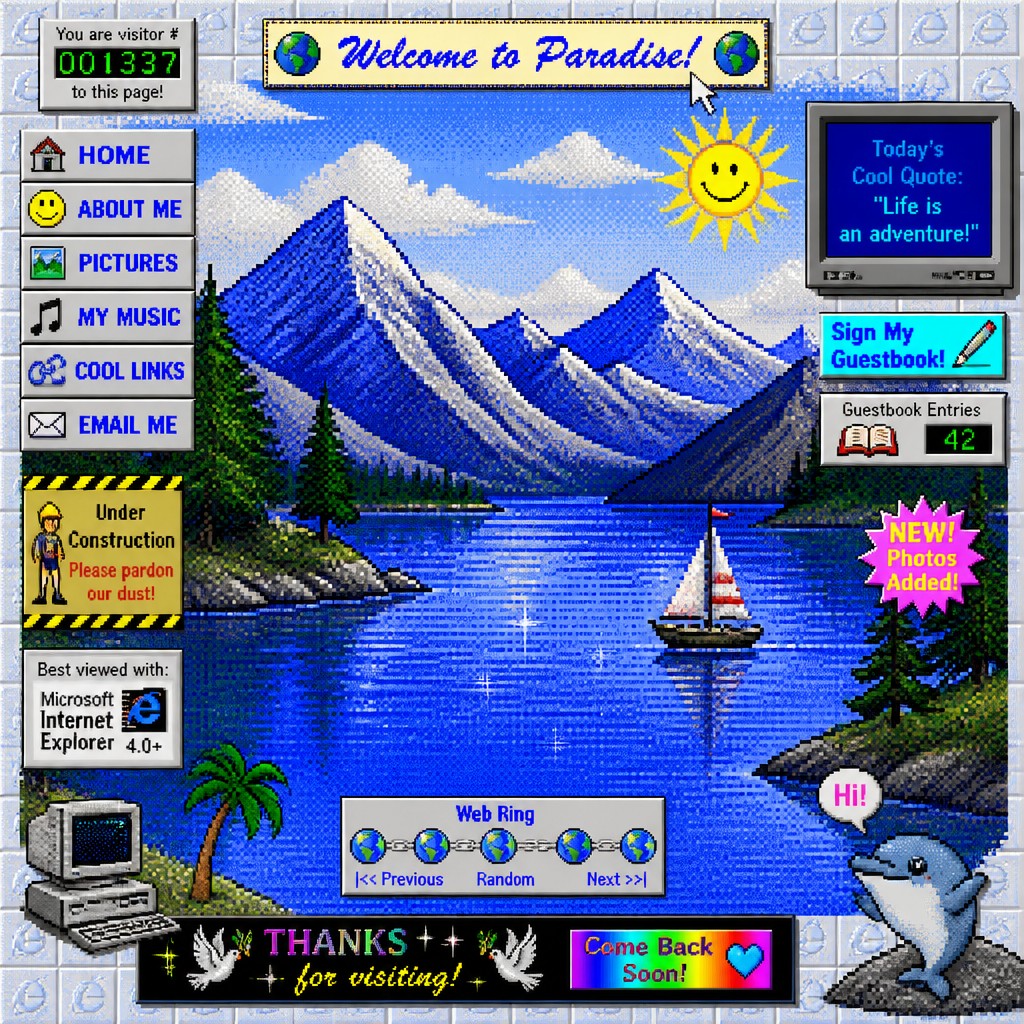
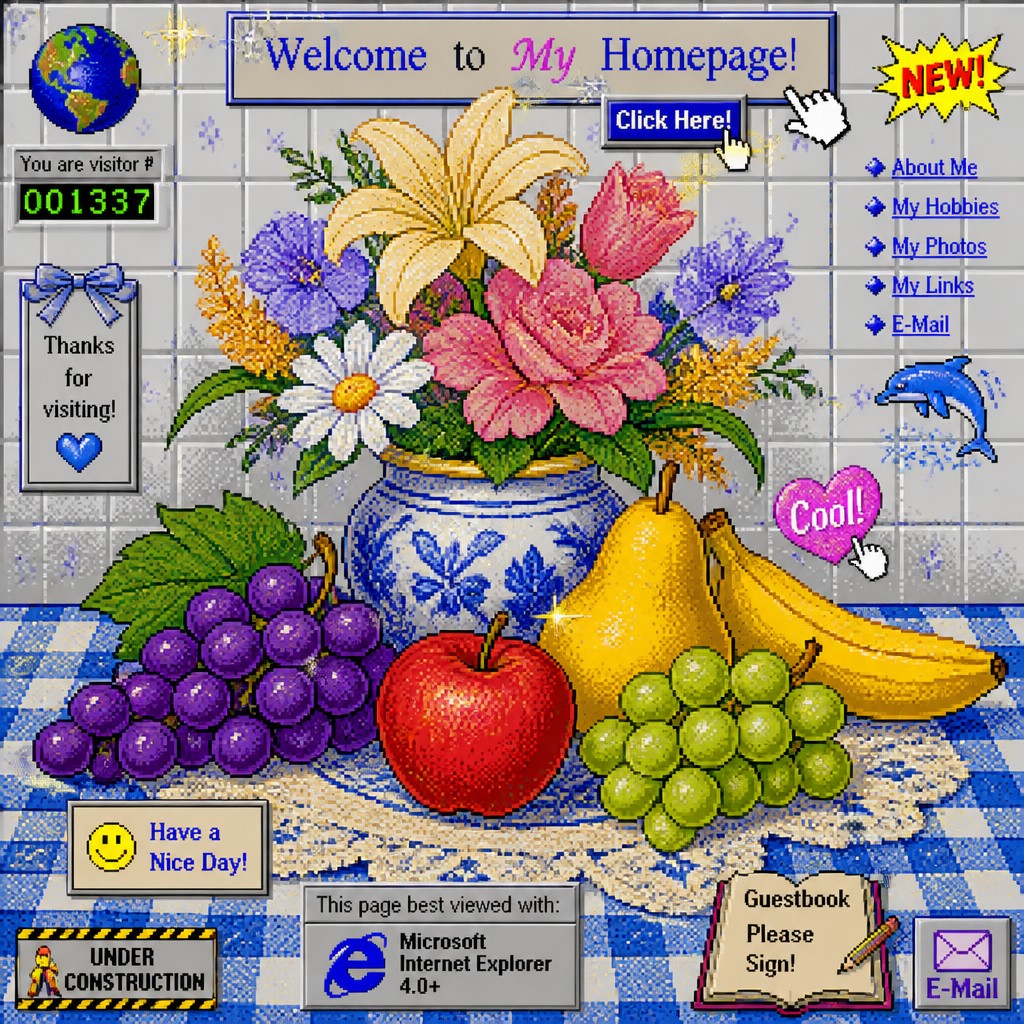
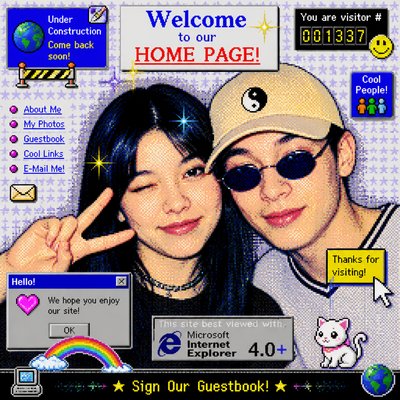
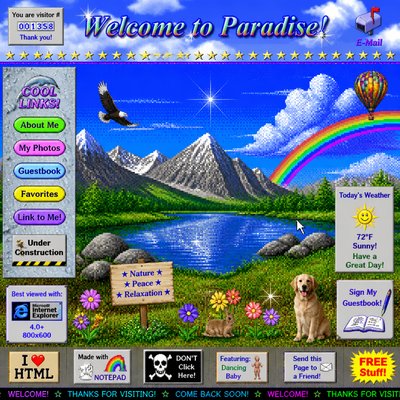
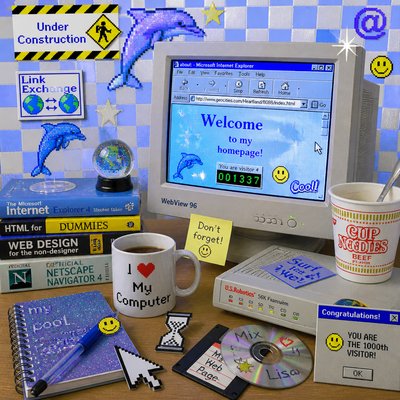
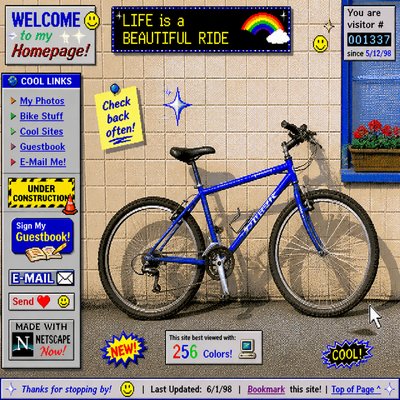
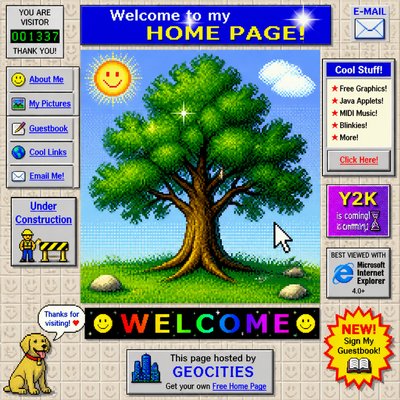
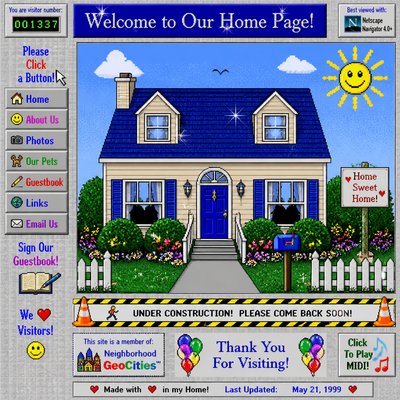
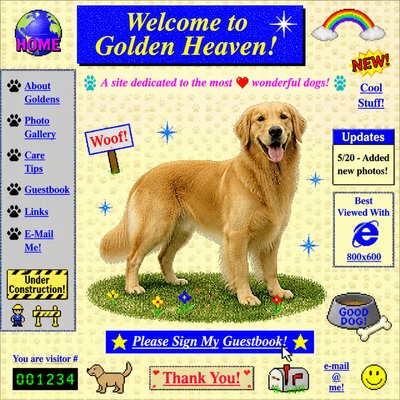
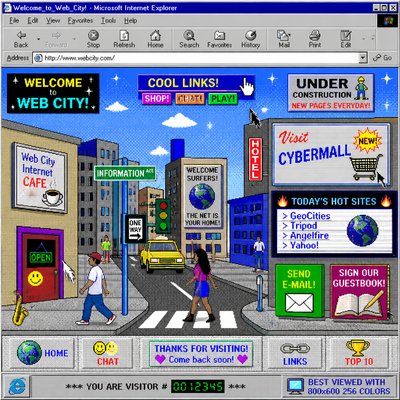
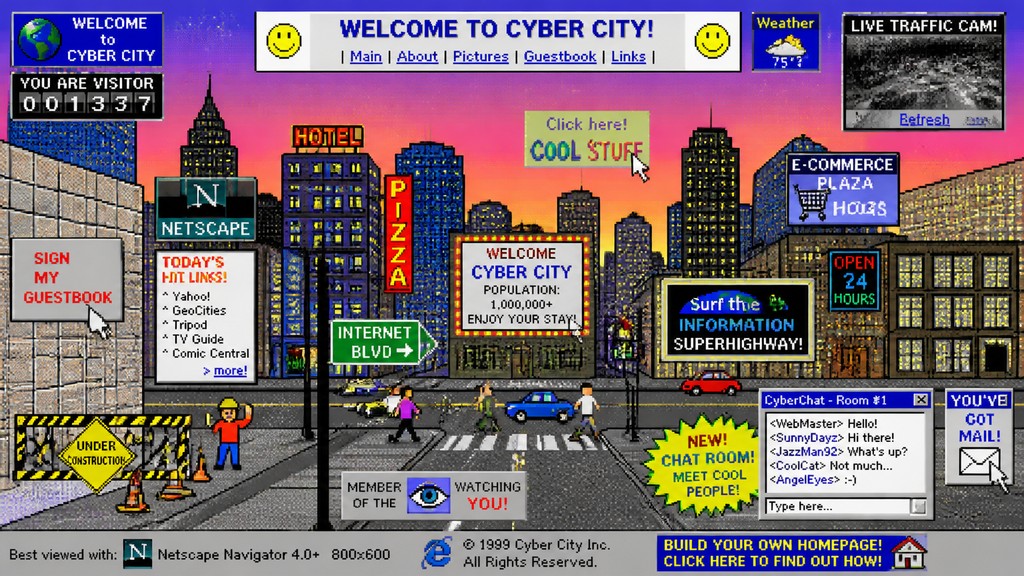
Webcore aesthetic is a nostalgic digital style built from the look and feel of early personal-web culture: low-resolution graphics, pixelated edges, dithered shading, glossy CRT glow, and a deliberately clashing palette of web-safe brights, grays, and beige. It often includes tiled backgrounds, beveled buttons, banner ads, cursors, sparkles, clip-art icons, and other familiar fragments of the late-1990s and early-2000s internet.
Its appeal comes from recreating the visual language of dial-up-era web design rather than polished contemporary interfaces. Webcore feels homemade, busy, cheerful, and slightly chaotic because it echoes the technical limits and design habits of early web publishing, when small file sizes, 256-color palettes, and animated GIFs shaped the look of online spaces. The style turns those constraints into an aesthetic of warmth, irony, and nostalgia.
Try It On Your Photos
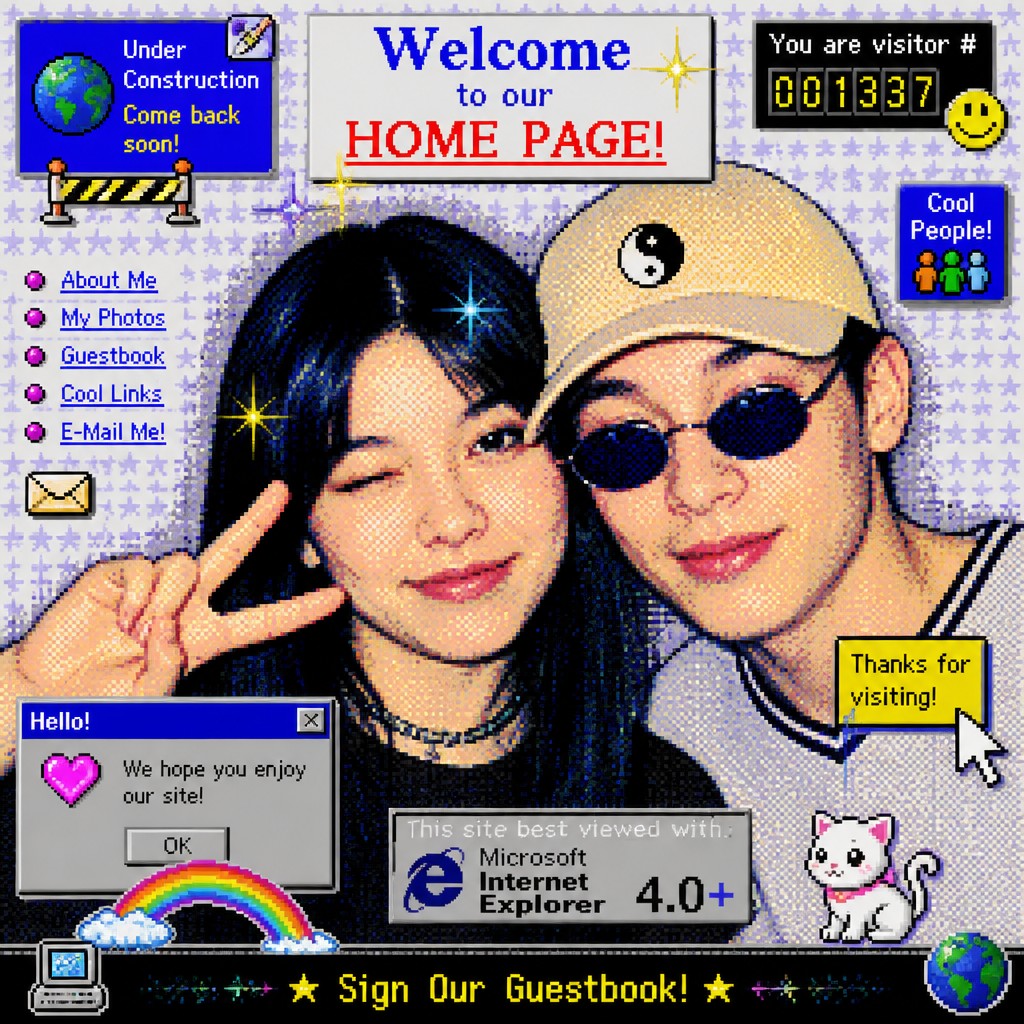
Upload any photo and convert it into Webcore Aesthetic — drag the sliders to compare before and after.

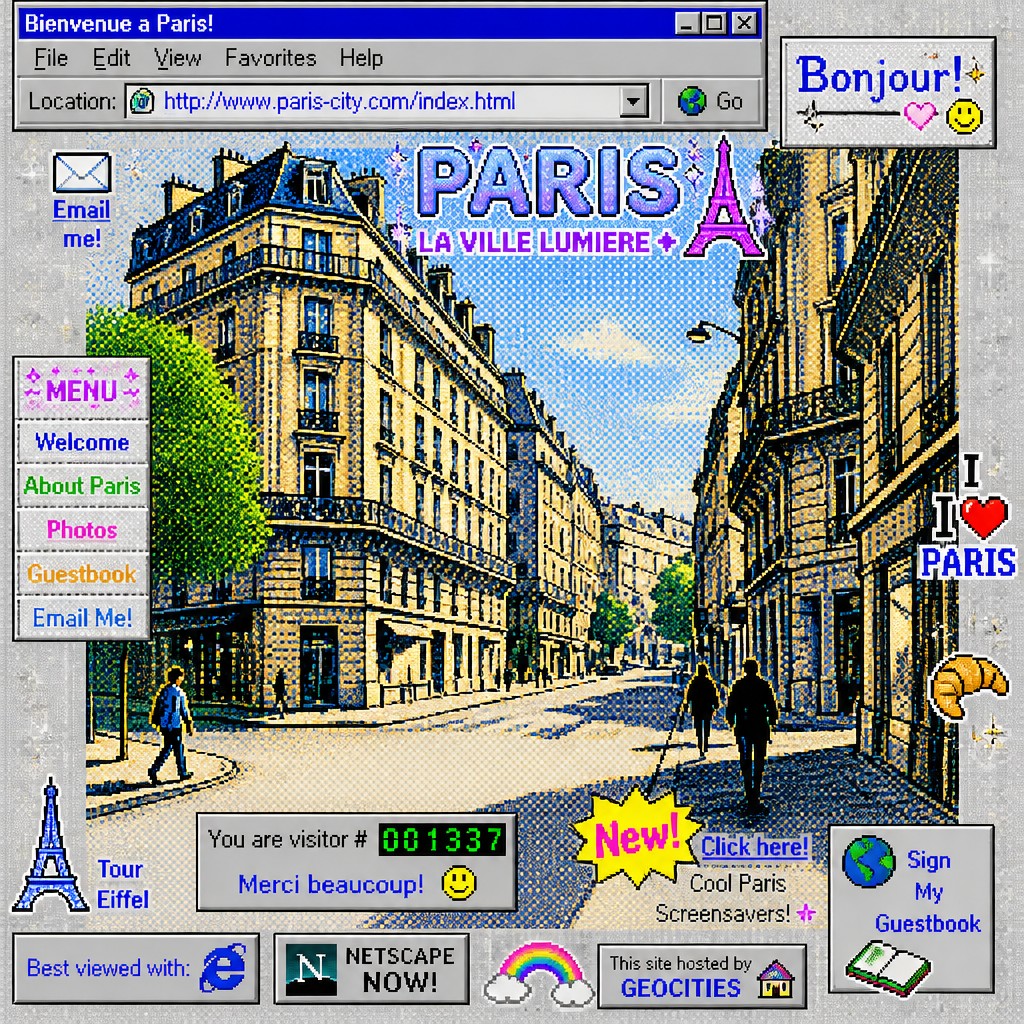

What Defines Webcore Aesthetic
The signature details, up close
Pixelated, low-resolution edges
Forms often look as if they were enlarged from a small screen capture or built from coarse raster assets. This produces blocky contours, visible compression, and an intentionally dated digital crispness.
Dithered gradients and lo-fi shading
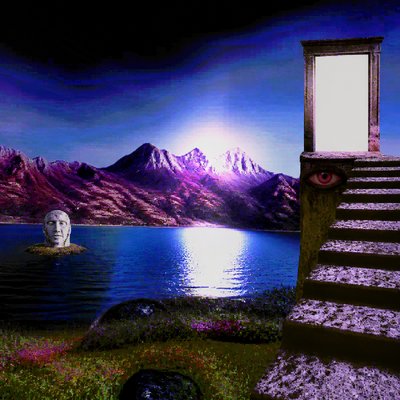
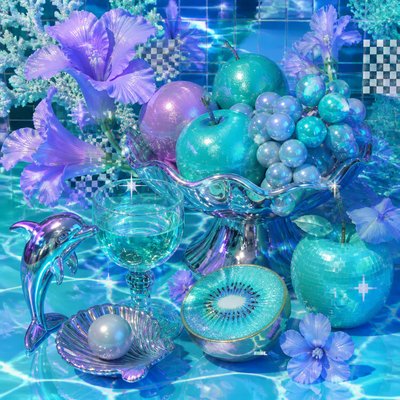
Color transitions are often broken into stippled dots, checker patterns, or banded gradients. This recalls early digital rendering, when smooth shading was difficult or visually undesirable.
Web-safe, clashing color palette
Expect hyperlink blue, interface gray, beige, teal, magenta, lime, and other saturated brights. The palette usually feels slightly mismatched, echoing the visual freedom and inconsistency of early personal websites.
CRT glow and screen sheen
Highlights may bloom softly, as if viewed through an old monitor. Subtle glow, scanline effects, and luminous contrast help the image feel like it belongs on a vintage display.
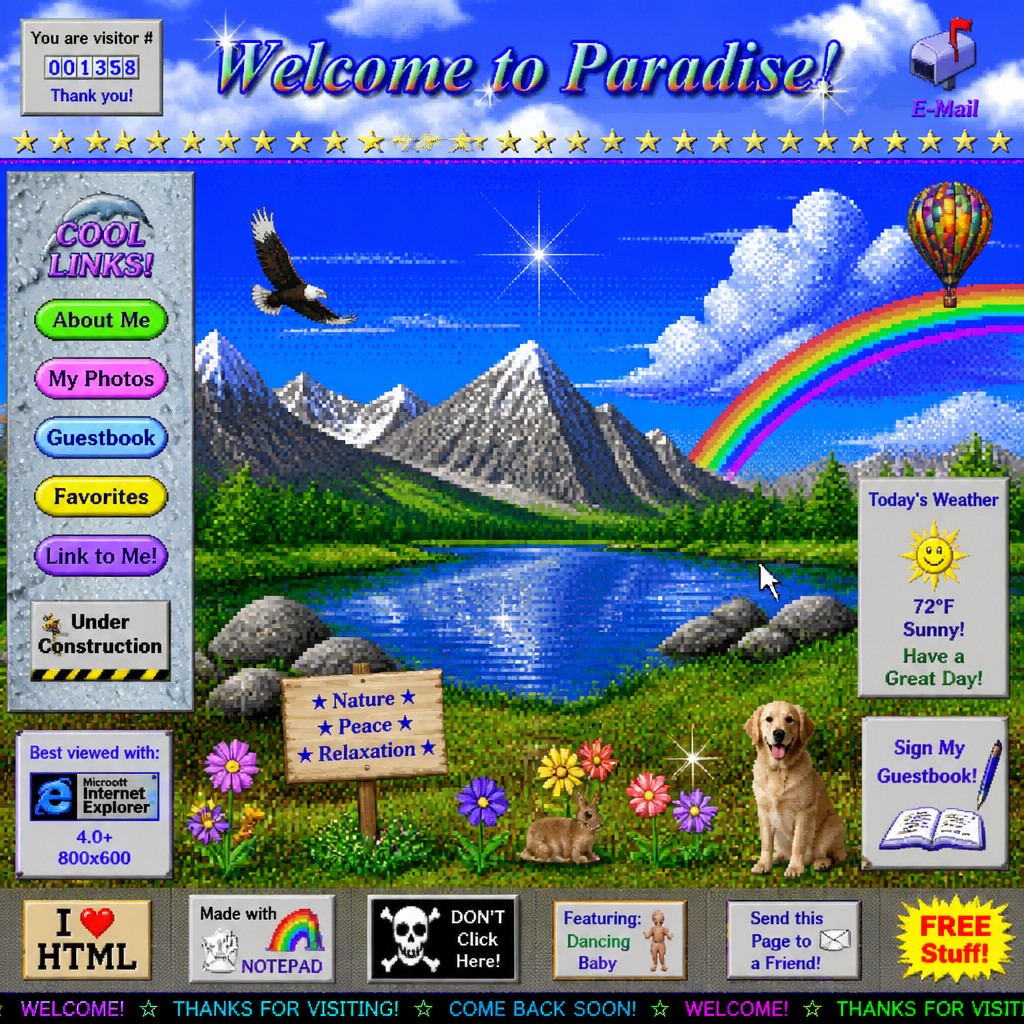
Tiled backgrounds and interface clutter
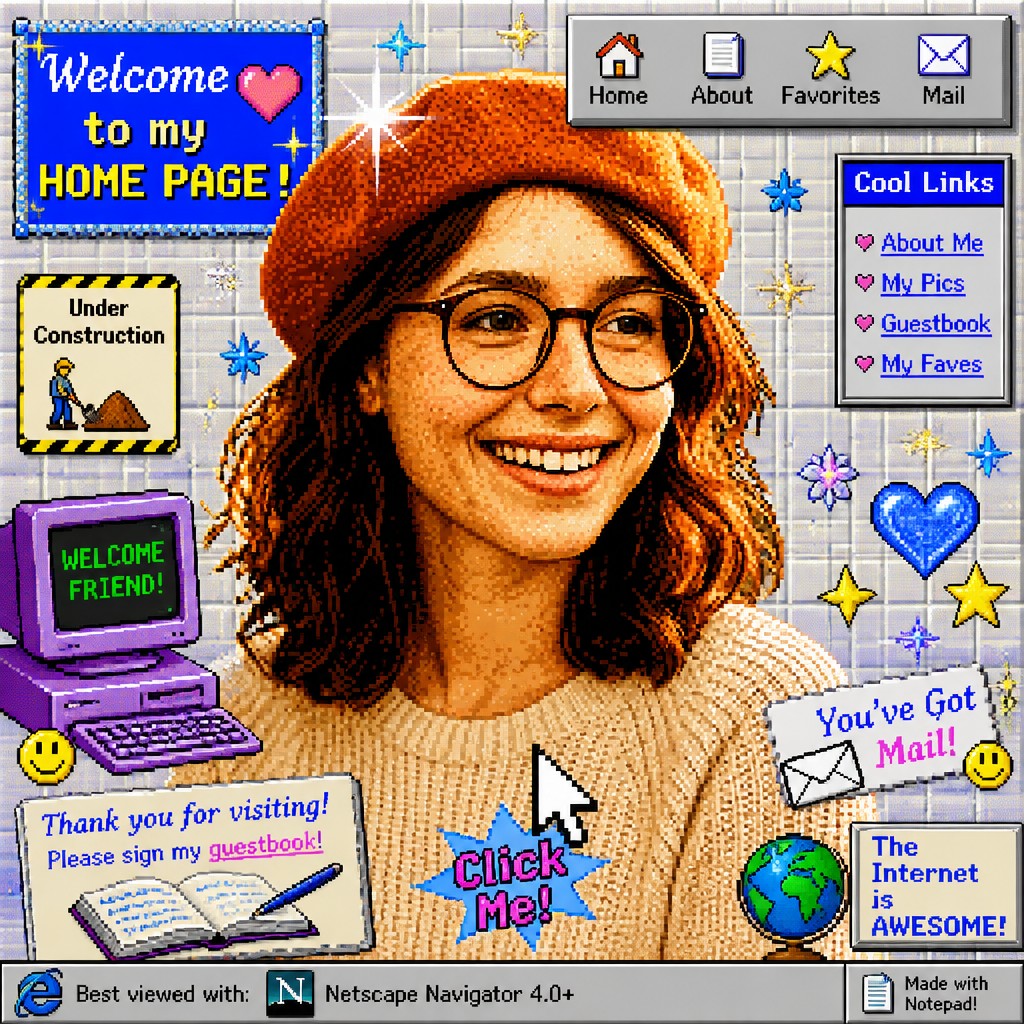
Repeated patterns, button strips, banners, starbursts, and small decorative widgets are common. The composition often mimics a page full of clickable objects rather than a single centered image.
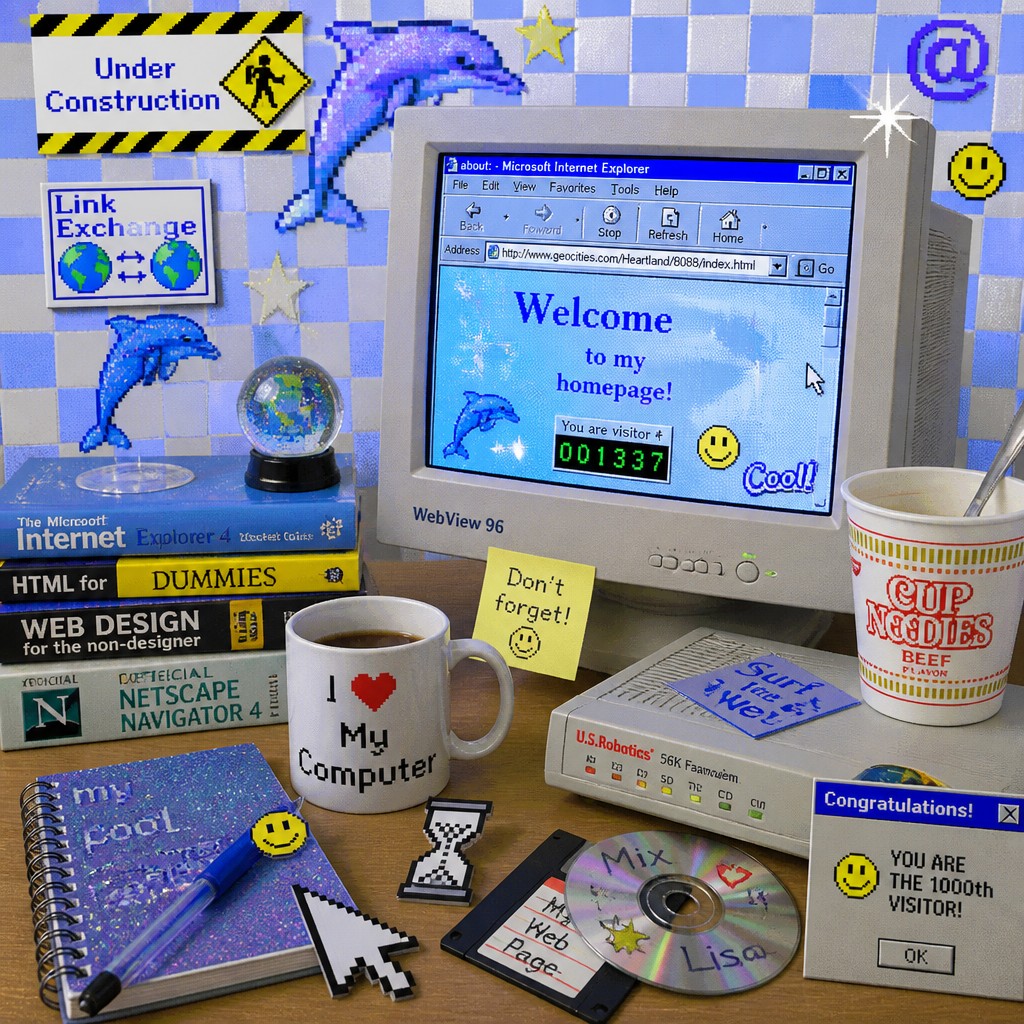
Clip-art simplicity and homemade charm
Objects are frequently simplified into approachable, almost childlike silhouettes, with a handcrafted web-page feel. The result can look playful, amateur, and warmly nostalgic rather than sleek.
Try It
Create Videos in Webcore Aesthetic
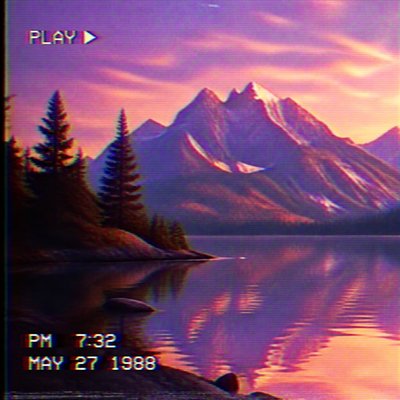
Styles aren't just for stills — describe a scene or animate an image and get a short video rendered in Webcore Aesthetic. Press play to see this pond come to life.
Make a VideoWebcore Aesthetic Prompt Ideas
Start from an idea — each one opens the generator with the style ready to go. See all 40 Webcore Aesthetic prompts →
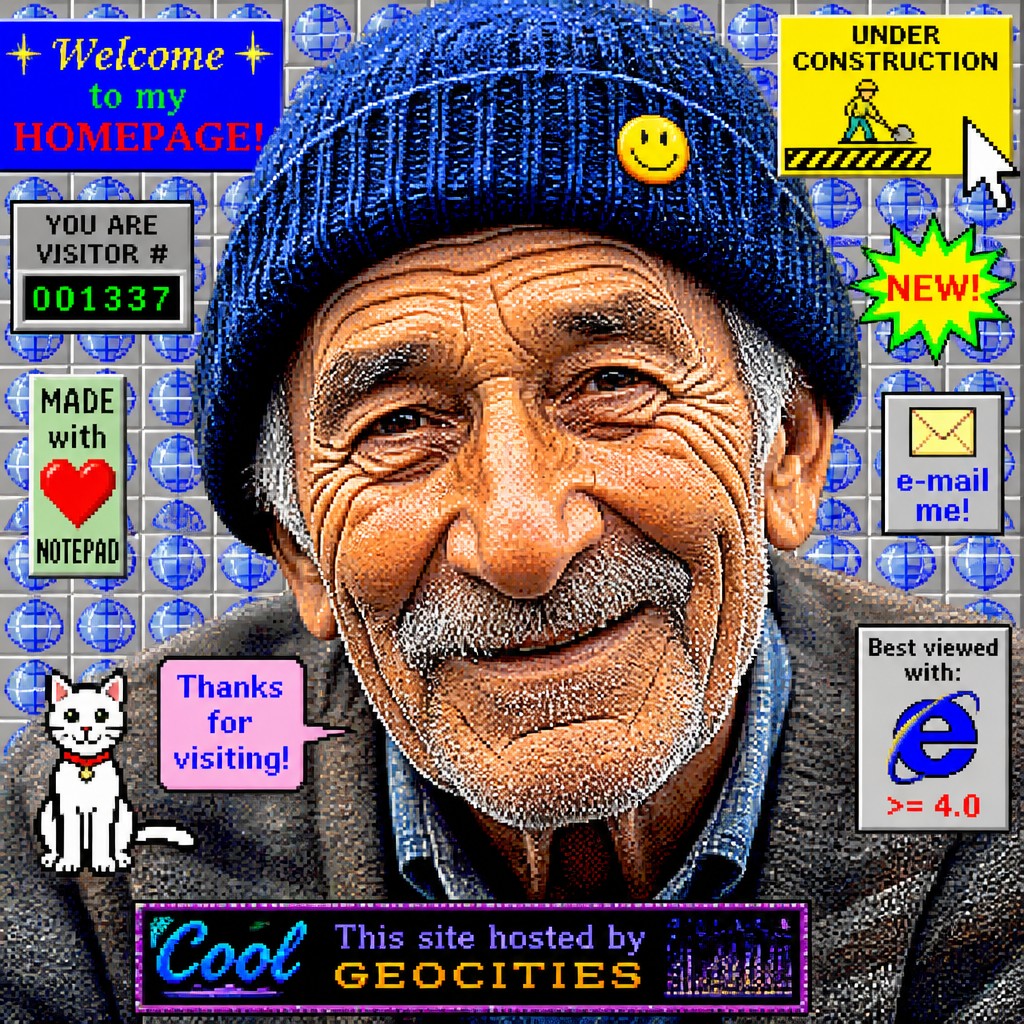
“close-up portrait of an elderly person with expressive weathered features”
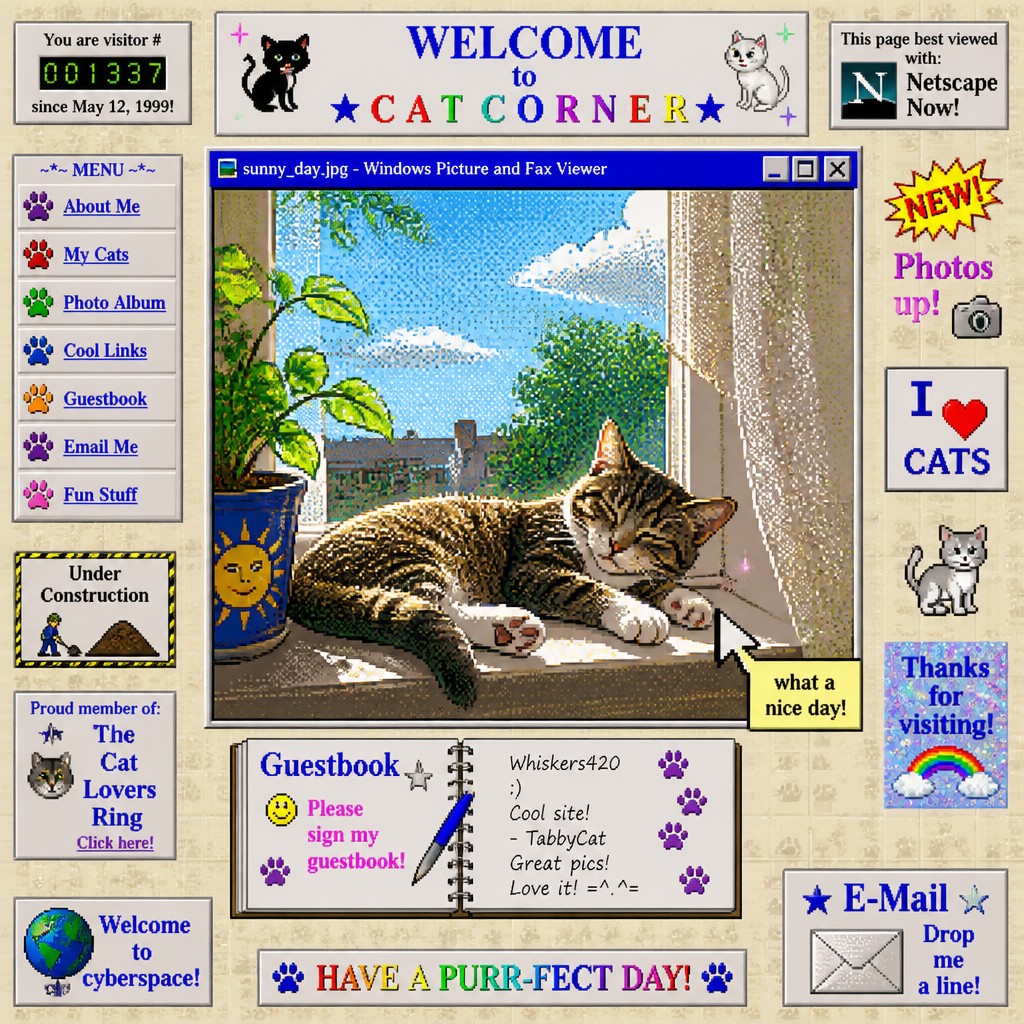
“a cat lounging in a sunlit window”
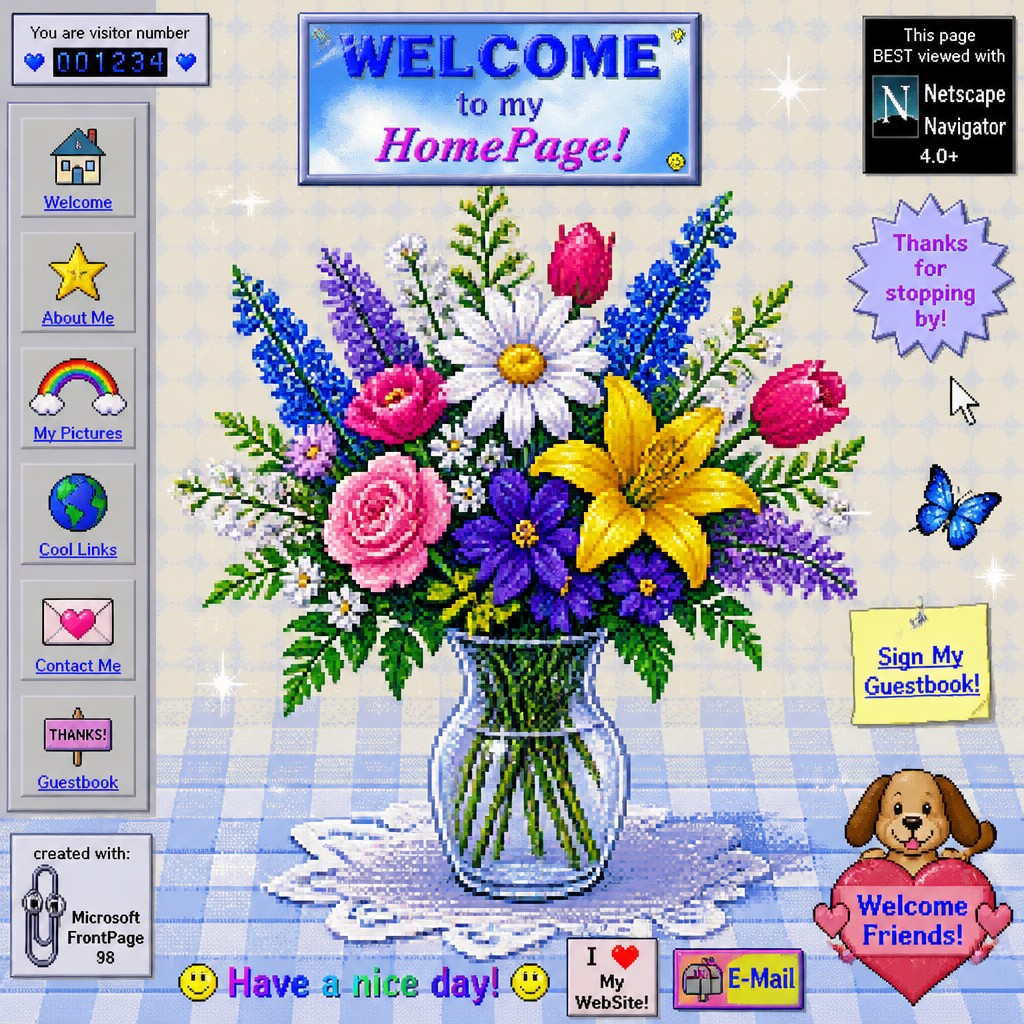
“bouquet of flowers in a glass vase”
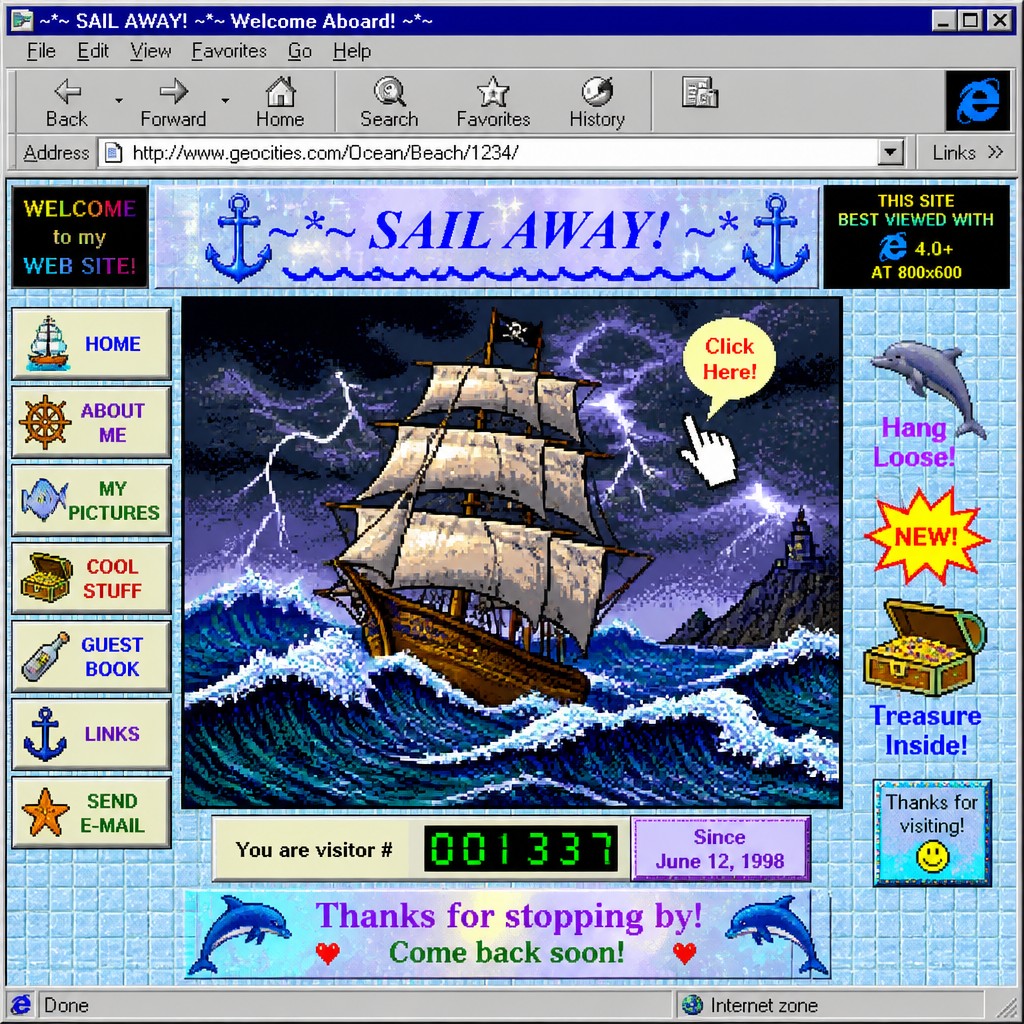
“sailing ship on a stormy sea”
How to Create Webcore Aesthetic Art
Master the craft step by step — or skip straight to creating. Read the full guide →
- 1
Use early-web visual primitives
Build the image from simple icons, banners, buttons, sparkles, cursors, and tiled patterns. If working digitally, keep the composition busy and page-like; if drawing traditionally, simplify shapes so they resemble scanned clip art or old interface graphics.
- 2
Limit the color logic
Choose a palette of web-safe brights plus interface neutrals such as gray, beige, and off-white. Let colors clash slightly and avoid modern smooth blending unless you break it up with dithering or visible pixel steps.
- 3
Introduce screen artifacts
Add pixelation, compression noise, low-res halos, scanlines, and CRT bloom. In a photo transformation workflow, these effects help convert ordinary subjects into something that looks captured from an old monitor or archived webpage.
- 4
Favor decorative composition over realism
Arrange elements as if they were parts of a personal homepage rather than a single realistic scene. A subject can be surrounded by banners, tiny icons, UI panels, and repeated motifs that create the cluttered, cheerful web-page atmosphere.
- 5
Write prompts with period-specific cues
Mention early internet textures, tiled backgrounds, animated GIF energy, dial-up-era charm, web-safe colors, and CRT glow. For text-to-image generation, pair a clear subject with these cues so the scene remains legible while still feeling like old web culture.

The Story
History & Origins of Webcore Aesthetic
Webcore is not a single historical movement so much as a contemporary nostalgia aesthetic that draws on the visual culture of the early World Wide Web. Its lineage comes from the design conditions of the 1990s and early 2000s: limited screen resolutions, slow connections, web-safe color palettes, tiled page backgrounds, animated GIFs, visitor counters, and the handmade look of GeoCities-era personal sites, forums, and fan pages. The style also inherits from older digital imaging habits such as pixel art, low-color graphics, and CRT display artifacts.
As a named aesthetic, webcore emerged much later through internet subcultures that revalued obsolete interface language and domestic web clutter as a cohesive mood. It developed alongside broader retro-digital trends that revisit Y2K design, vaporwave, and early GUI aesthetics, but webcore is distinct in its emphasis on the actual textures of old web pages: not only the colors and icons, but also the busy composition, optimistic amateurism, and screen-based glow of the era.
Influences: Webcore draws from late-1990s and early-2000s web design, pixel art, low-resolution computer graphics, and the interface language of early GUI systems. It also overlaps with the nostalgic reuse of digital ephemera found in vaporwave and Y2K revival, though it is more directly tied to the amateur web than to polished pop-cultural futurism. Unlike historical painting or photography styles, its references are primarily media and interface traditions rather than a school of named artists.
Frequently Asked Questions
What defines webcore aesthetic?
Webcore is defined by the look of the early internet: pixelated imagery, dithered gradients, web-safe colors, CRT-like glow, tiled patterns, and cluttered interface elements. It usually feels homemade, playful, and slightly chaotic, like an old personal website or fan page.
How is webcore different from Y2K style?
Y2K style often emphasizes shiny futurism, chrome, translucent plastics, and polished early-2000s tech optimism. Webcore is more specifically about the rougher, more homemade visual language of the early web, with more pixelation, banner clutter, and nostalgic webpage textures.
Is webcore the same as vaporwave?
They overlap in nostalgia and retro-digital mood, but they are not the same. Vaporwave usually leans toward stylized consumer culture, surreal emptiness, and polished digital decay, while webcore focuses on the busy, cheerful, amateur look of old websites and dial-up-era online spaces.
What kinds of subjects work well in this style?
Anything that can be made to feel like a webpage, screenshot, or old desktop artifact works well: portraits, pets, bedrooms, cityscapes, toys, icons, and fantasy objects. The style is especially effective when the subject is surrounded by interface clutter or rendered as if it were a small graphic on a homepage.
How do I make webcore art digitally?
Use a limited palette, pixel edges, simple shapes, and visible screen artifacts such as dithering and glow. If using a generator or editing software, ask for old-internet textures, banner-style composition, and low-resolution graphics rather than sleek modern rendering.
Where is webcore commonly used?
It appears in internet culture, editorial graphics, album art, posters, social media imagery, and nostalgic branding. It is often used when creators want to evoke childhood internet memories, homemade web design, or the playful visual chaos of the early online era.
Create your first Webcore Aesthetic artwork
Describe anything — or upload a photo — and see it in Webcore Aesthetic in seconds.
Make Something with Webcore Aesthetic
Related Styles
Discover similar art styles