Adventurecore Aesthetic
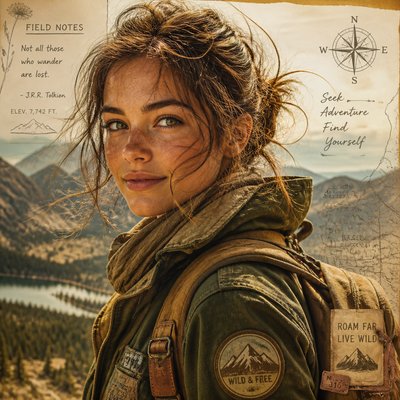
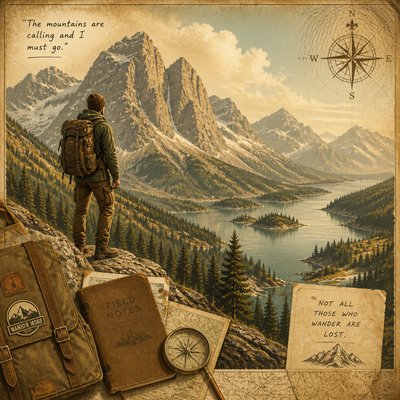
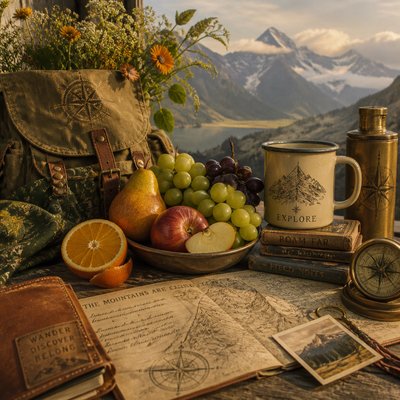
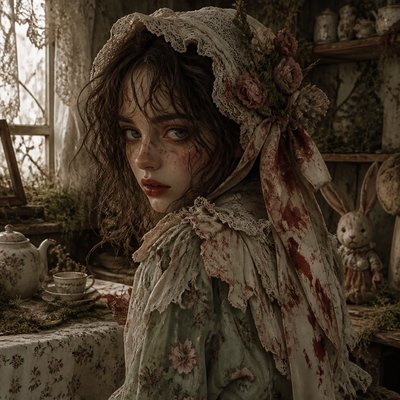
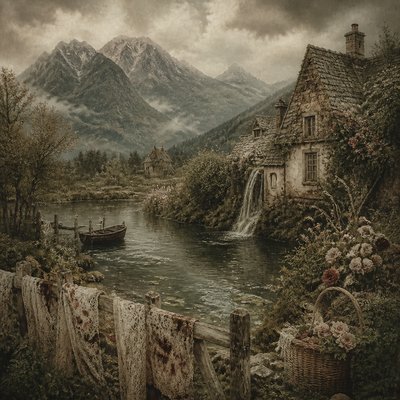
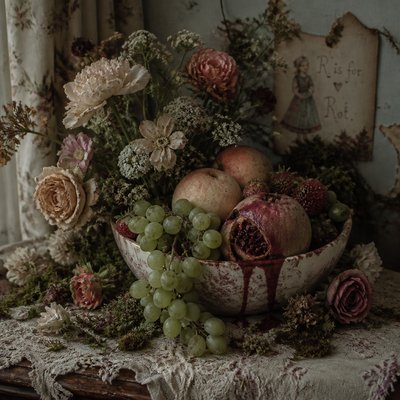
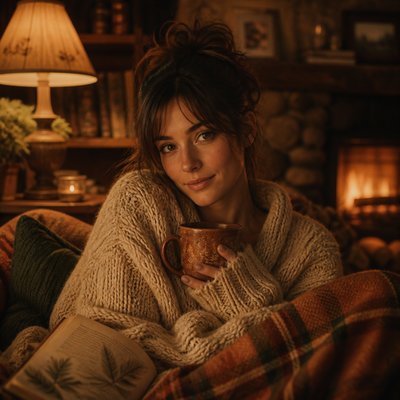
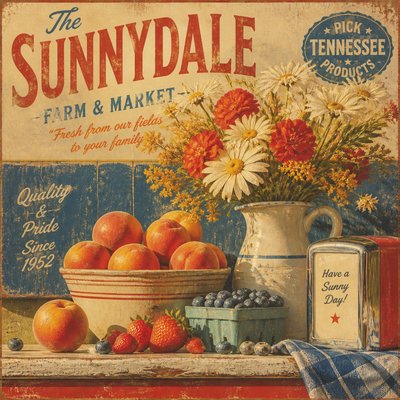
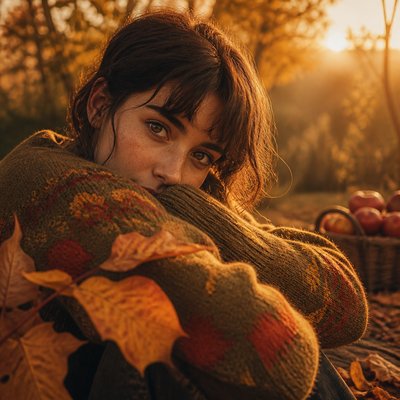
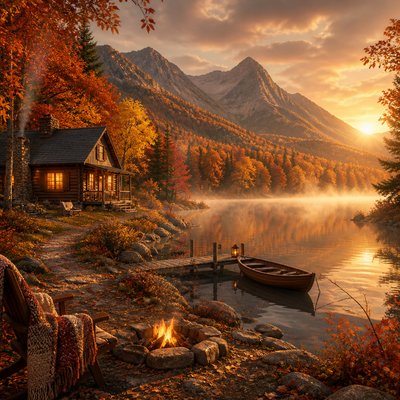
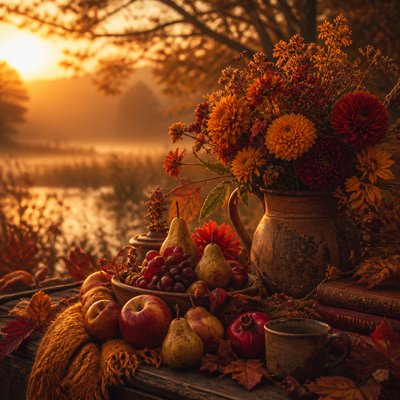
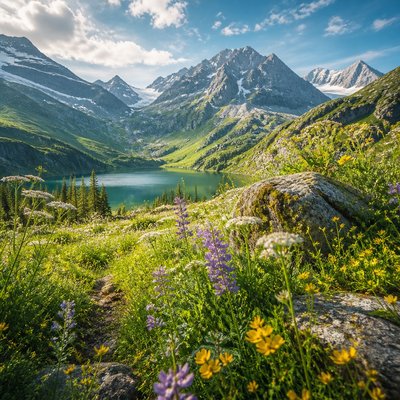
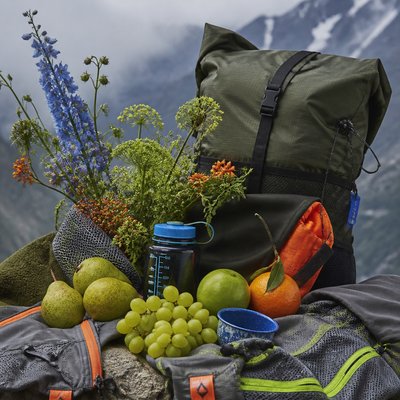
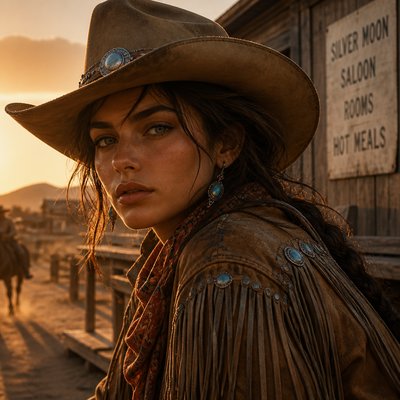
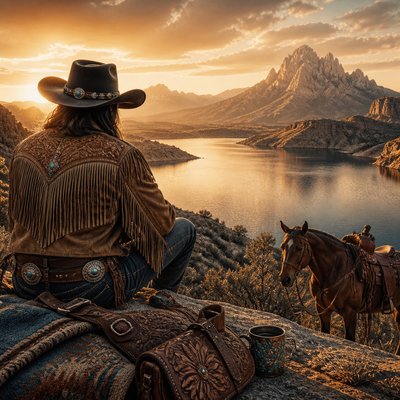
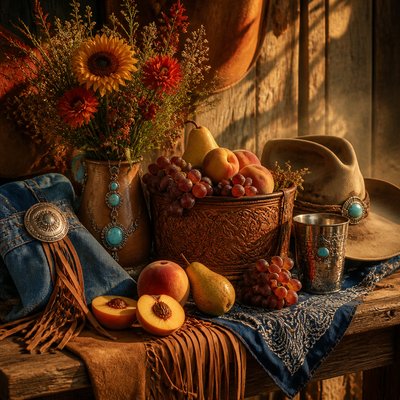
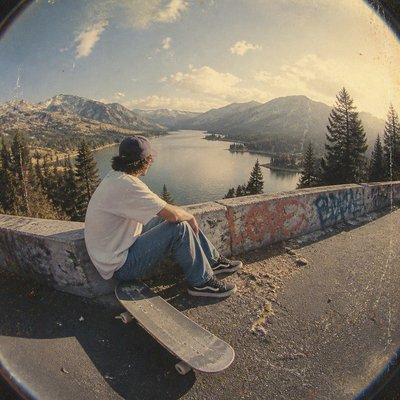
Windswept expedition aesthetics with khaki, waxed canvas, map linework, weathered leather, and warm golden light.
Instantly rendered in Adventurecore Aesthetic — or transform a photo
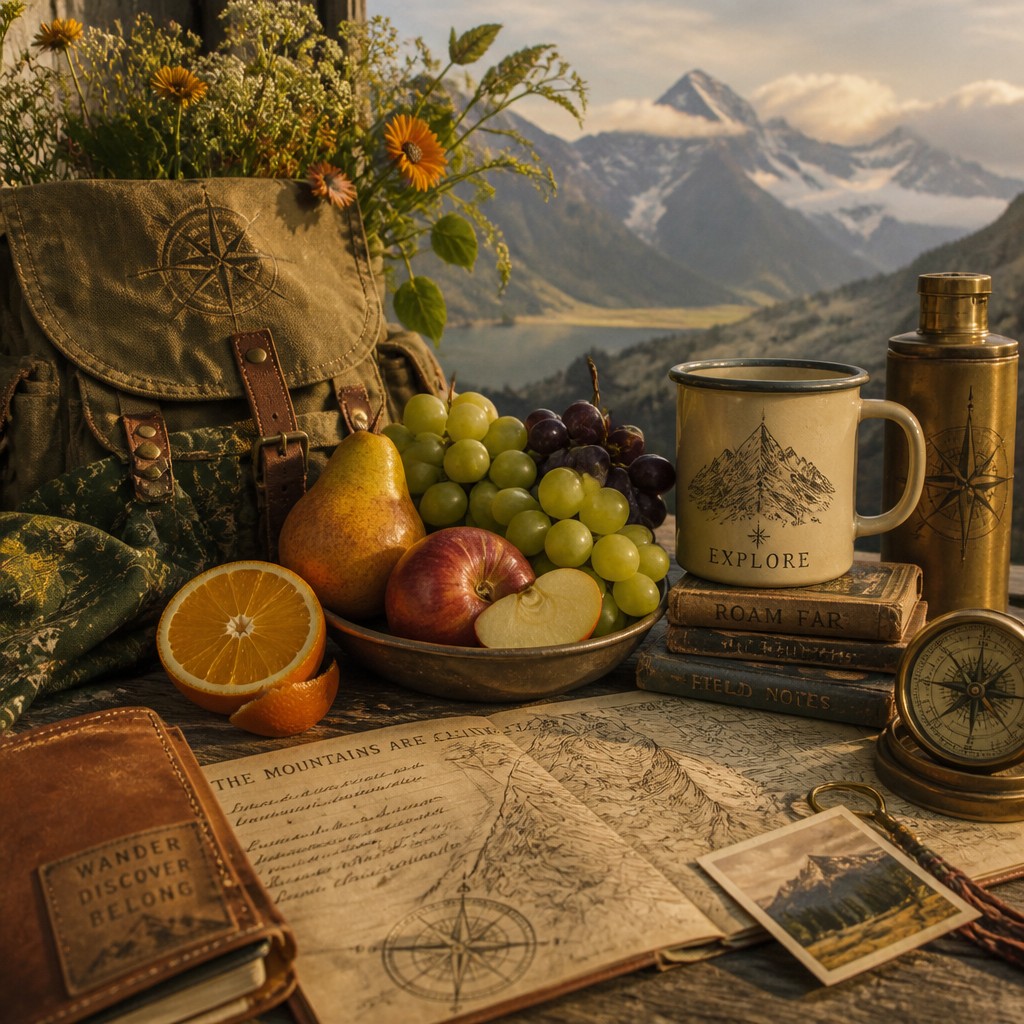
Adventurecore Aesthetic Gallery
Tap any artwork to explore it
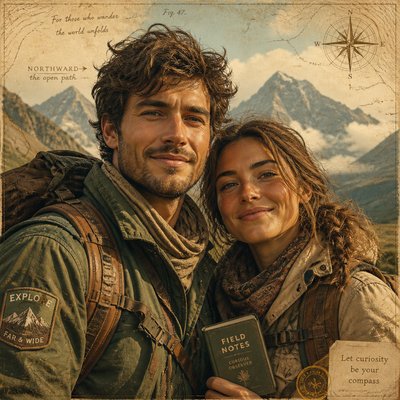
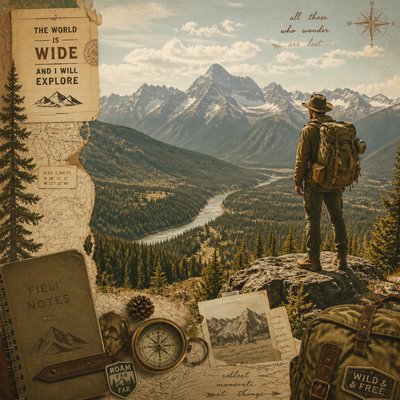
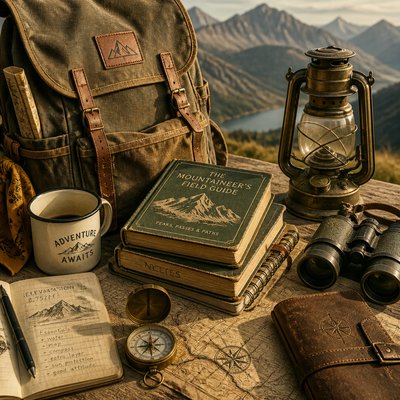
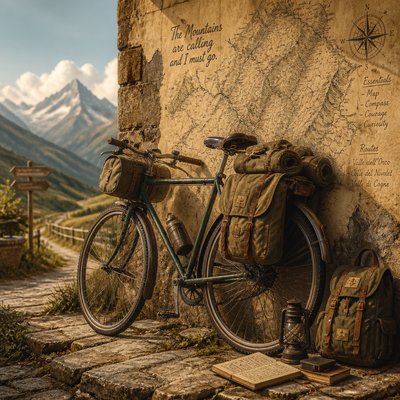
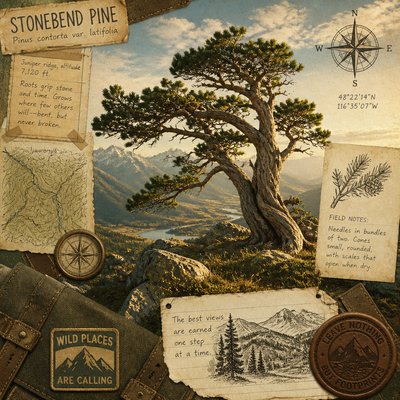
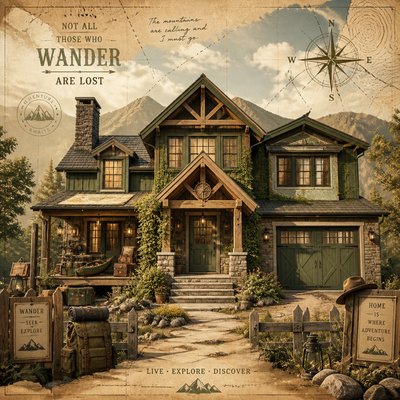
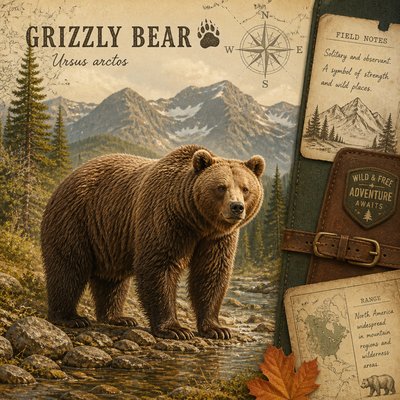
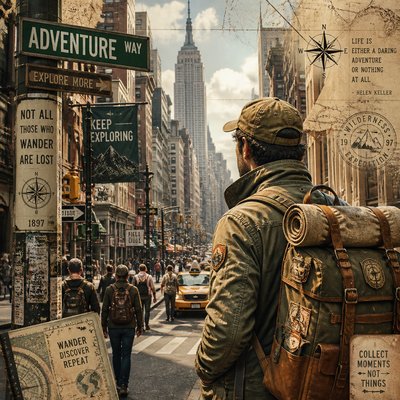
What is Adventurecore Aesthetic?
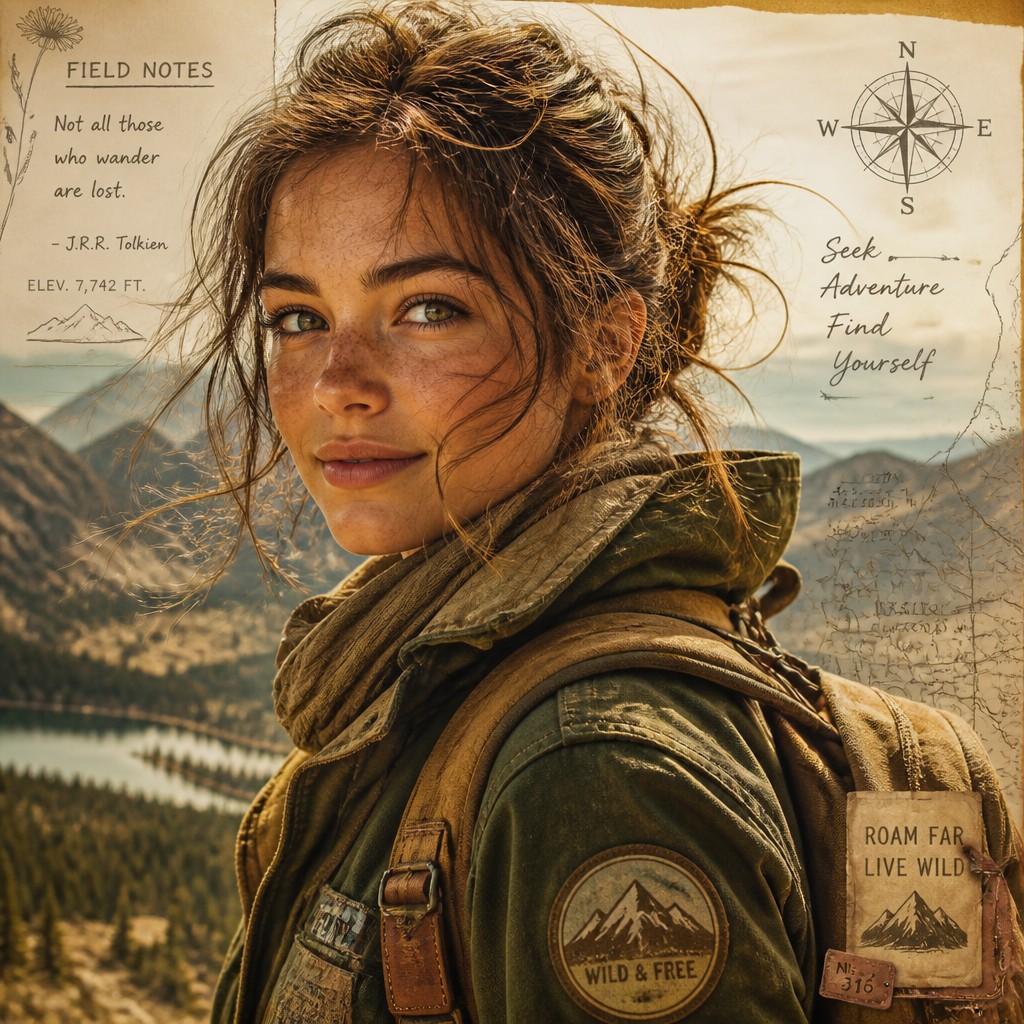
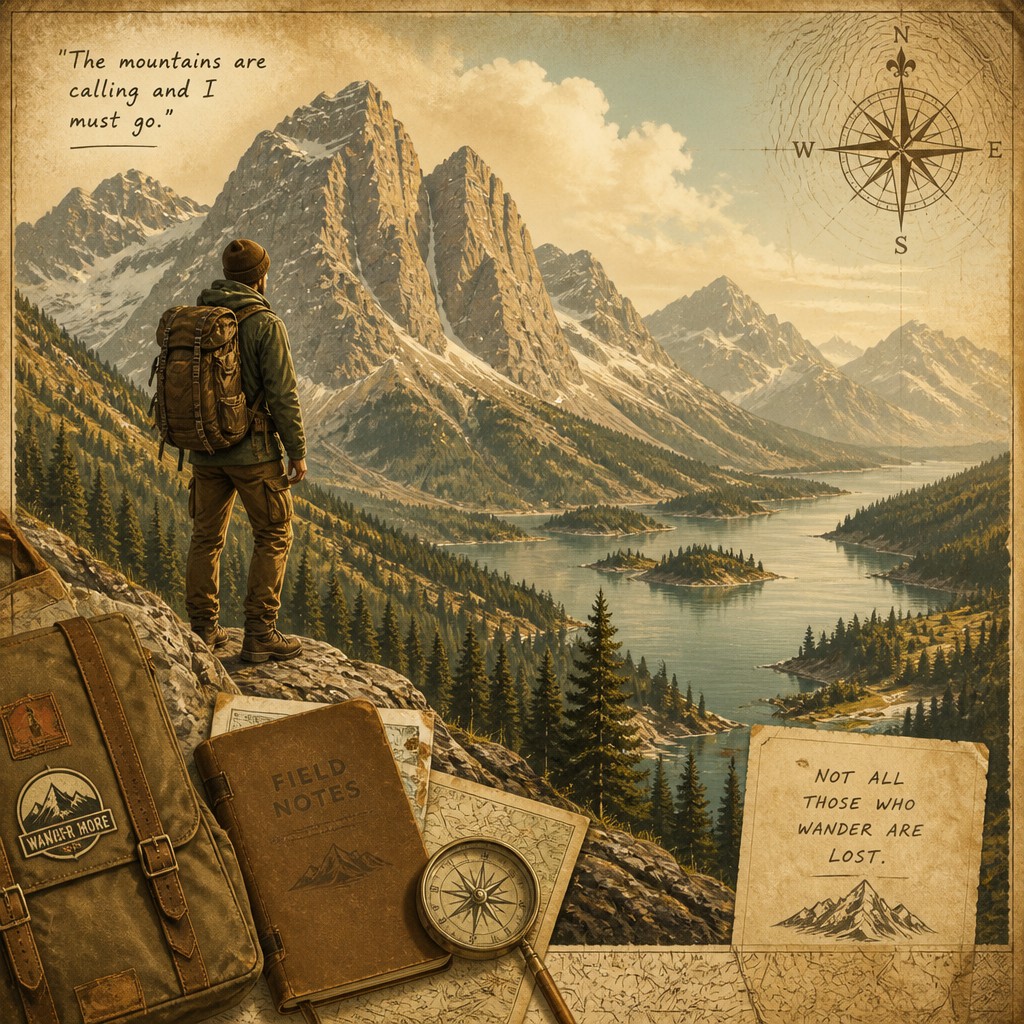
Adventurecore aesthetic is a visual style built around the romance of expedition life: hardy clothing, field gear, paper maps, weathered leather, and the sense of being out in open country under long golden light. It combines practical outdoor imagery with a nostalgic, storybook version of exploration, favoring khaki, forest green, canvas tan, ochre, brass, and sun-warmed neutrals.
The style looks the way it does because it borrows from several real visual traditions: historical expedition gear, vintage travel illustration, mapmaking, field-guide design, and outdoor adventure photography. Its atmosphere is usually optimistic rather than harsh; even when the scene suggests travel, distance, or risk, the mood is resourceful, steady, and romantic, as if every object has been carried through weather and terrain.
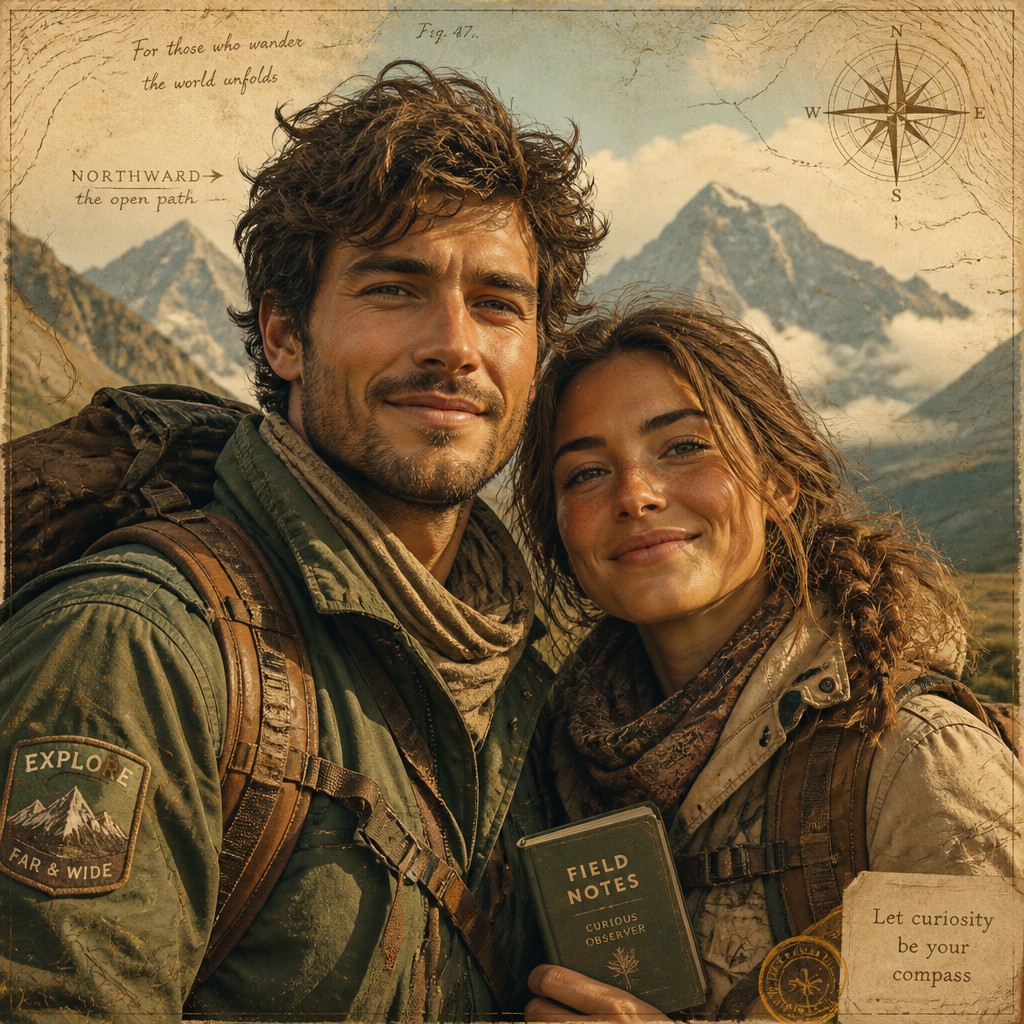
Try It On Your Photos
Upload any photo and convert it into Adventurecore Aesthetic — drag the sliders to compare before and after.
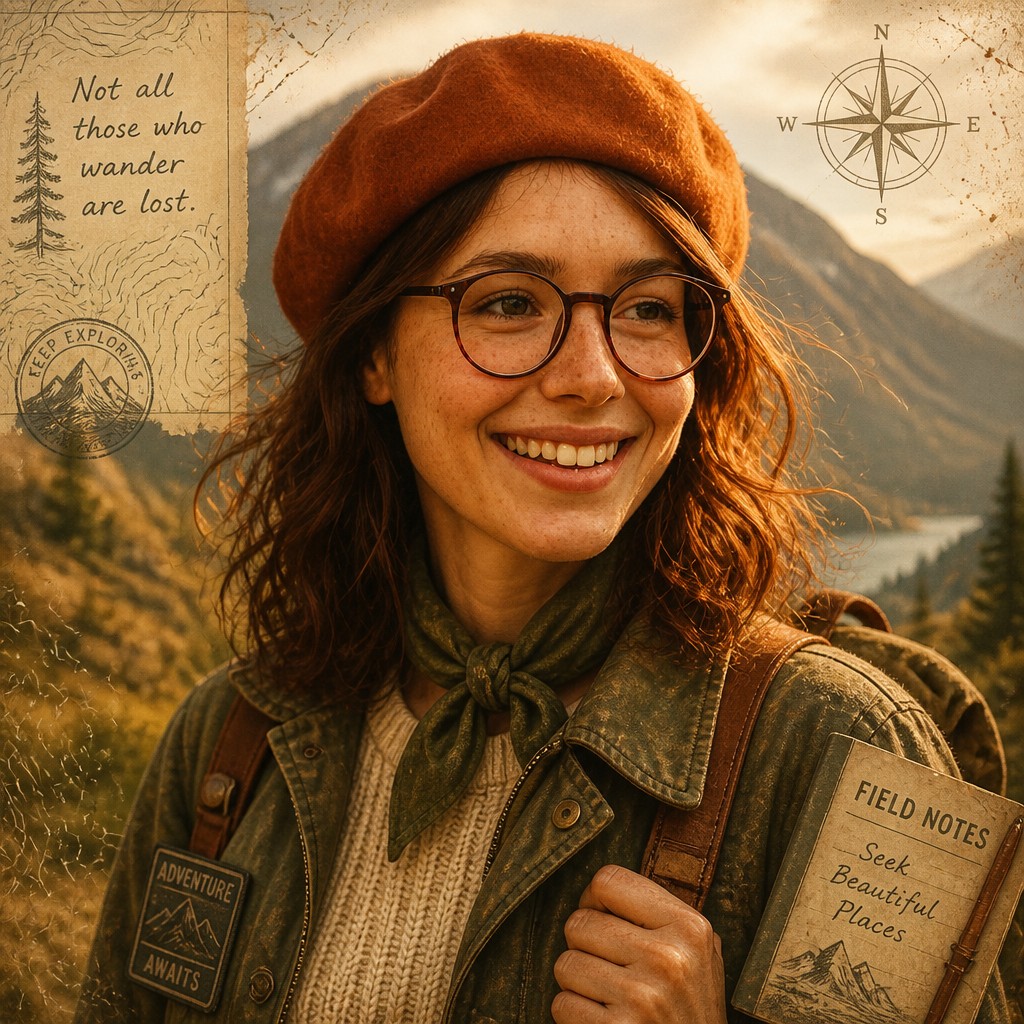

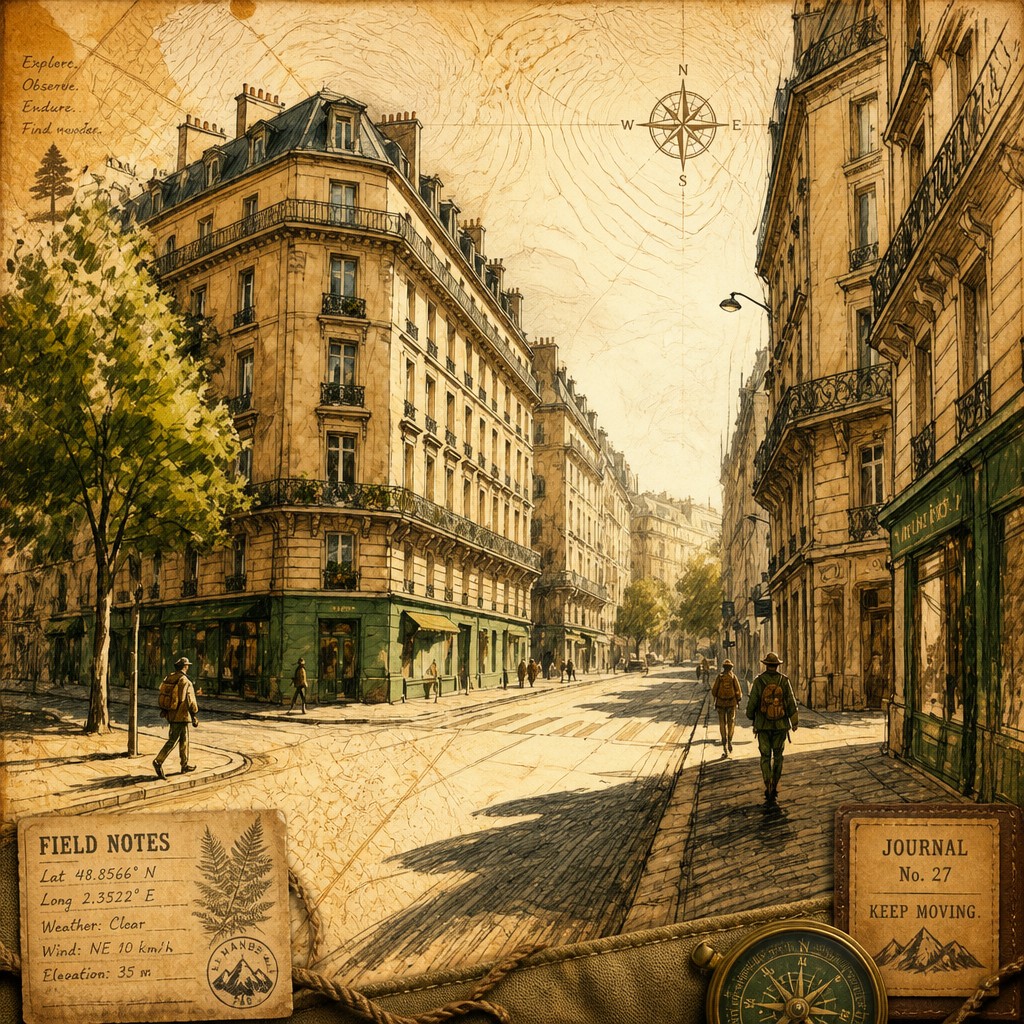

What Defines Adventurecore Aesthetic
The signature details, up close
Expedition palette
The style uses khaki, olive, forest green, canvas tan, tobacco brown, brass, and map ochre. These colors suggest field equipment, dried earth, and aged paper rather than bright modern outdoor gear.
Weathered materials
Waxed canvas, leather straps, wool layers, stitched seams, and metal hardware are central textures. Surfaces often look lived-in, practical, and slightly worn, as if they have accompanied a long journey.
Map and navigation motifs
Hand-drawn route lines, compass roses, elevation marks, grid references, and topographic contours frequently appear as decorative elements. These details anchor the style in wayfinding and geographic exploration.
Open-air lighting
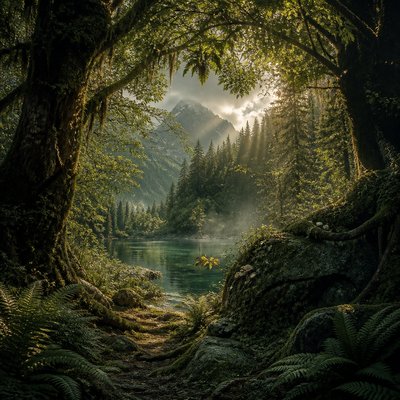
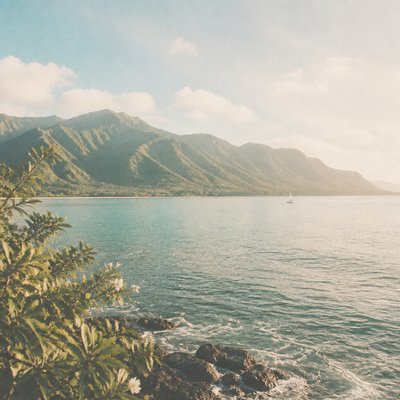
Scenes are often lit with crisp sunlight, amber dusk, or diffuse haze over distant hills. The light should feel expansive and atmospheric, emphasizing air, distance, and weather.
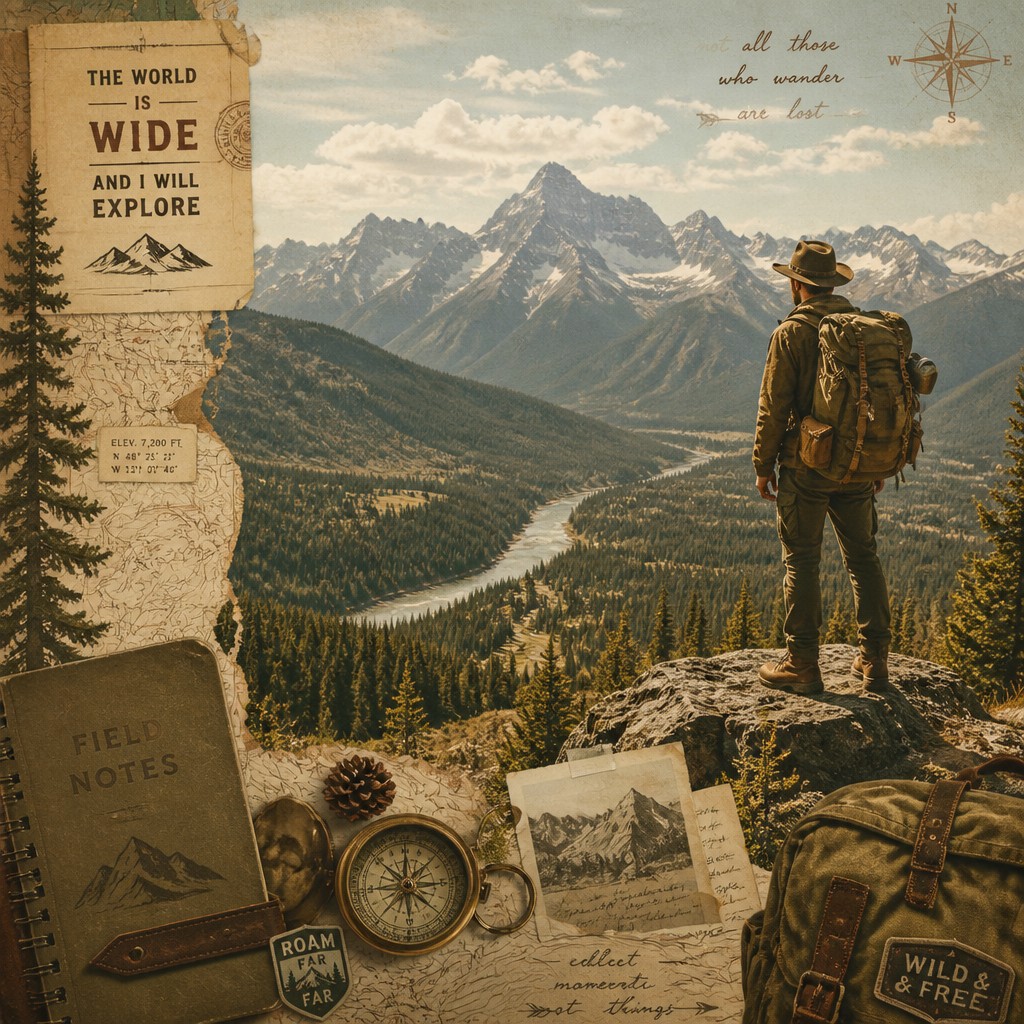
Explorer silhouette
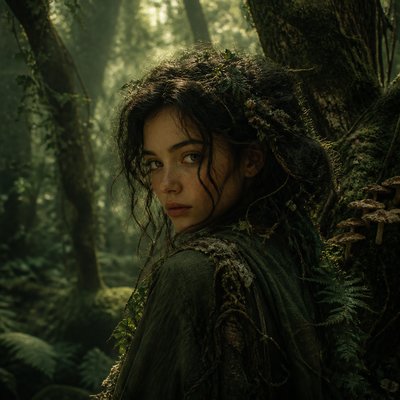
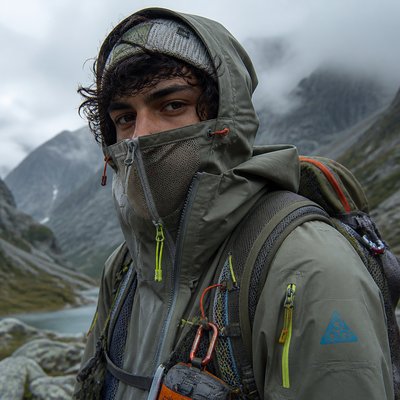
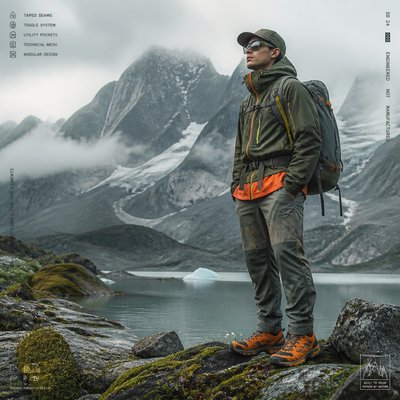
Figures are commonly shown in layered field clothing, boots, rolled sleeves, scarves, hats, satchels, and packs. The overall effect is practical, mobile, and prepared for changing terrain.
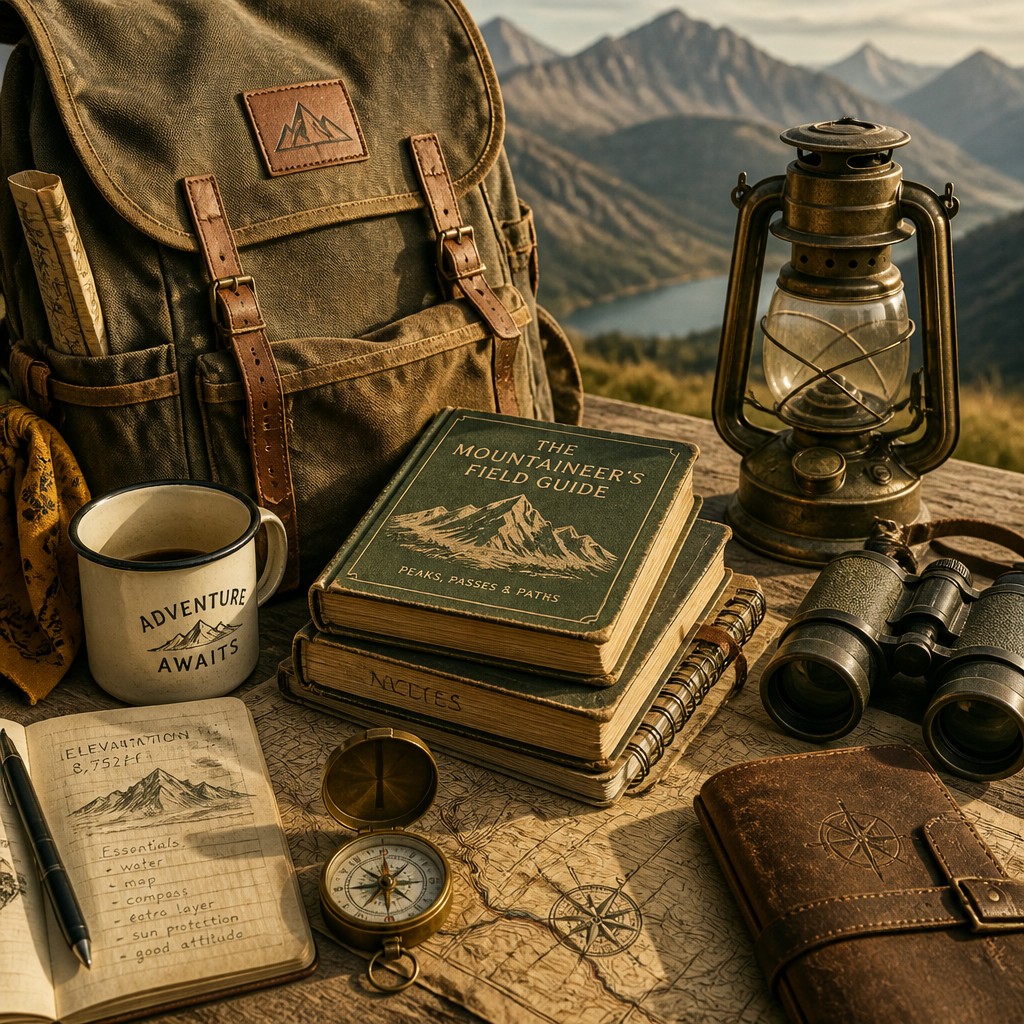
Field-guide charm
Composition and ornament often feel borrowed from vintage manuals, scout handbooks, or naturalist notebooks. Even when stylized, the imagery retains a readable, organized, and observational quality.
Try It
Create Videos in Adventurecore Aesthetic
Styles aren't just for stills — describe a scene or animate an image and get a short video rendered in Adventurecore Aesthetic. Press play to see this pond come to life.
Make a VideoAdventurecore Aesthetic Prompt Ideas
Start from an idea — each one opens the generator with the style ready to go. See all 40 Adventurecore Aesthetic prompts →
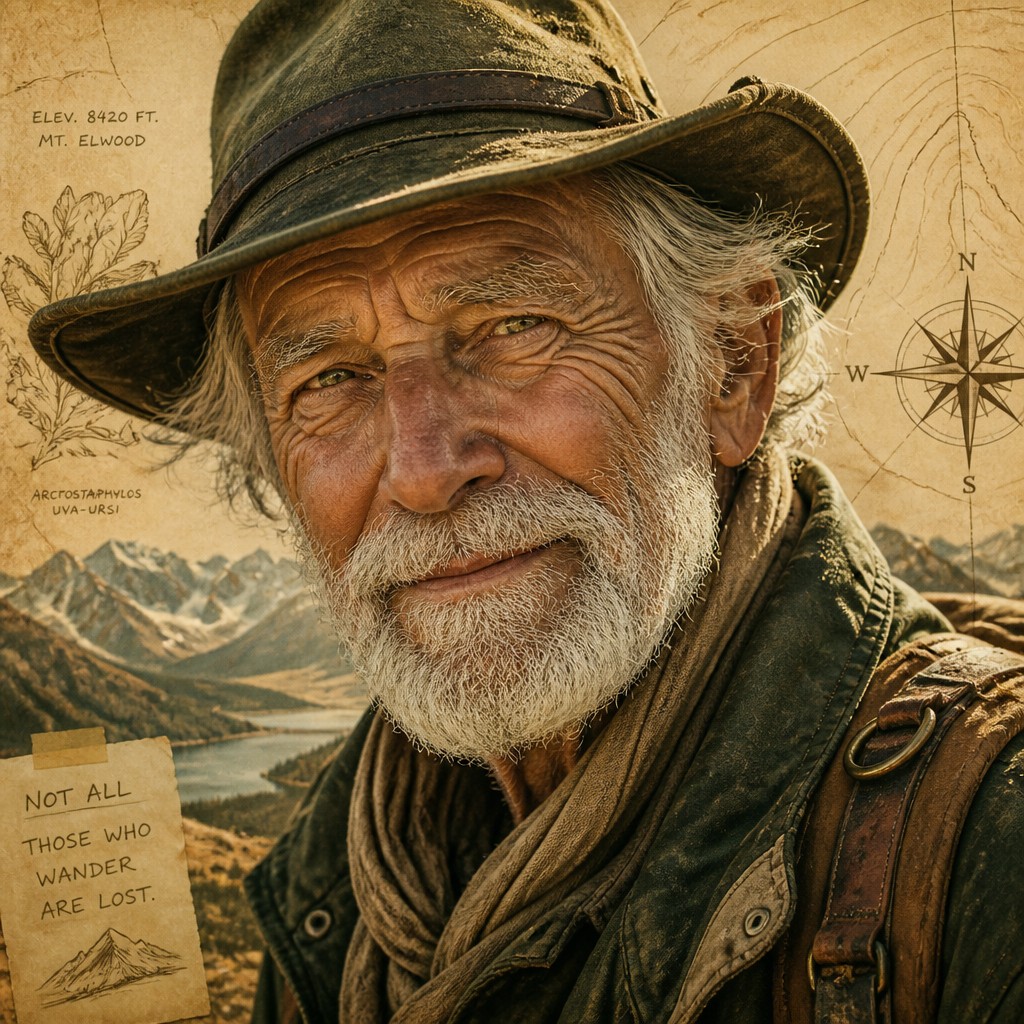
“close-up portrait of an elderly person with expressive weathered features”
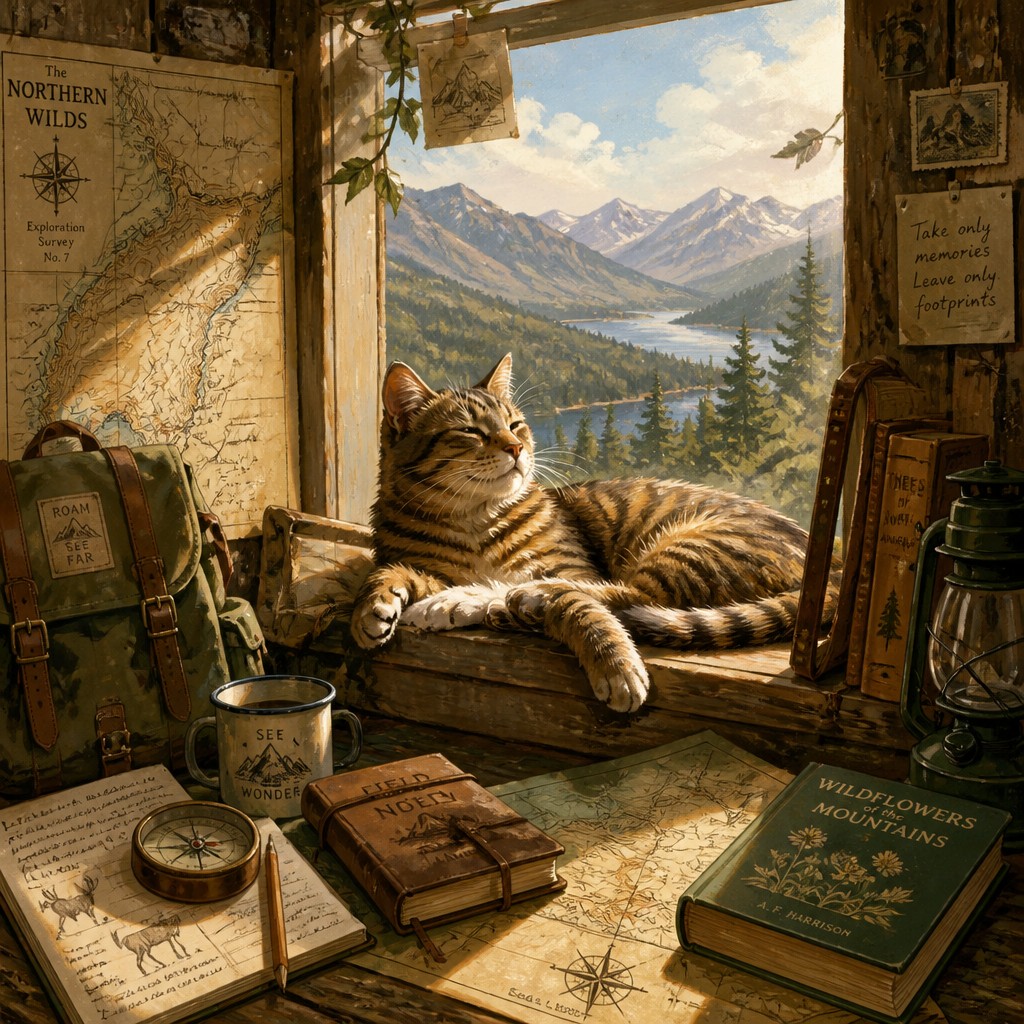
“a cat lounging in a sunlit window”
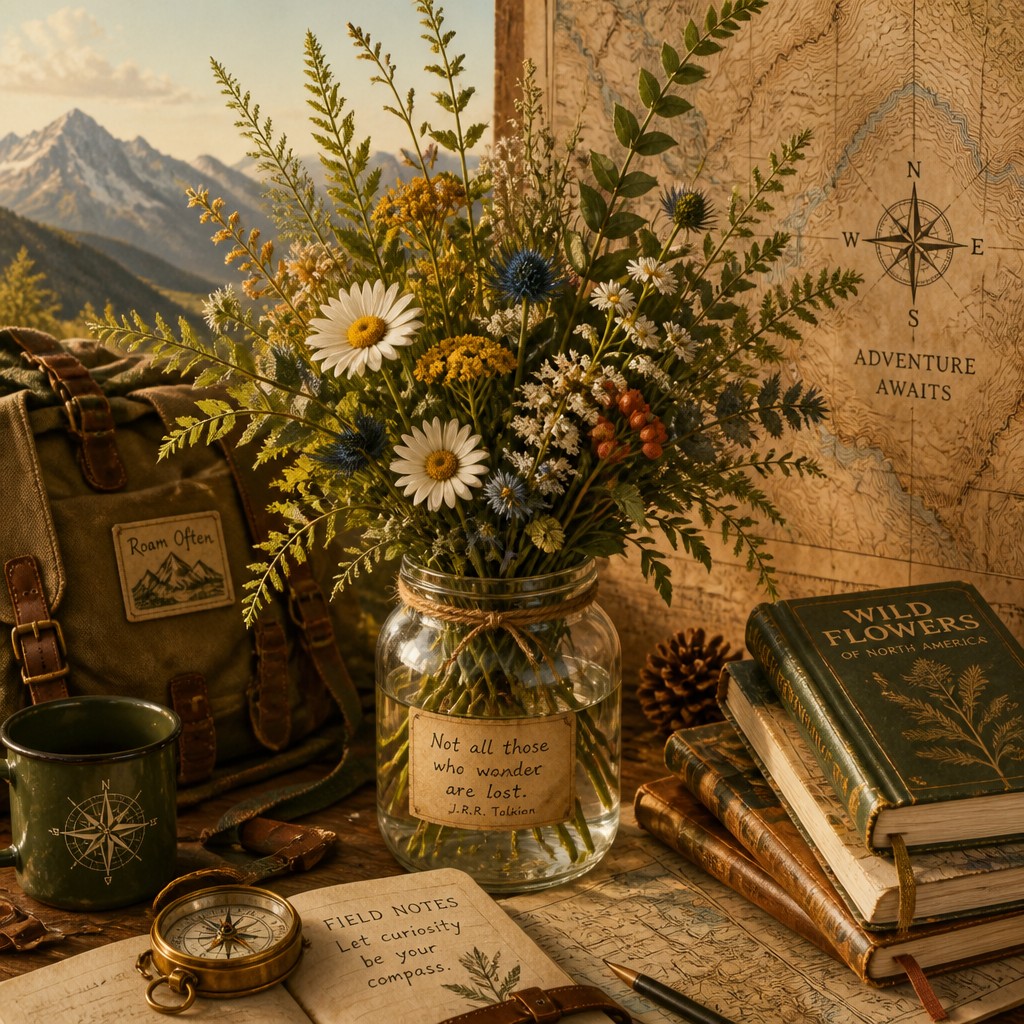
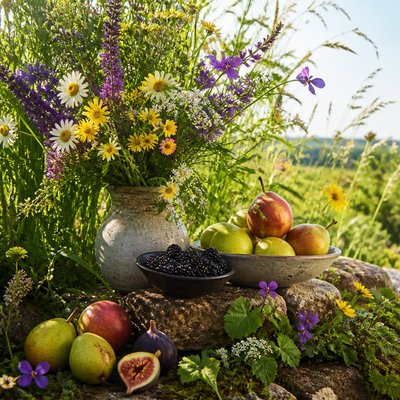
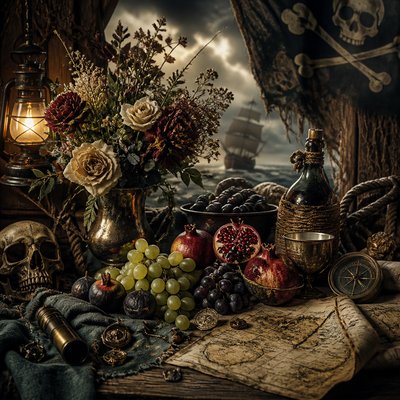
“bouquet of flowers in a glass vase”
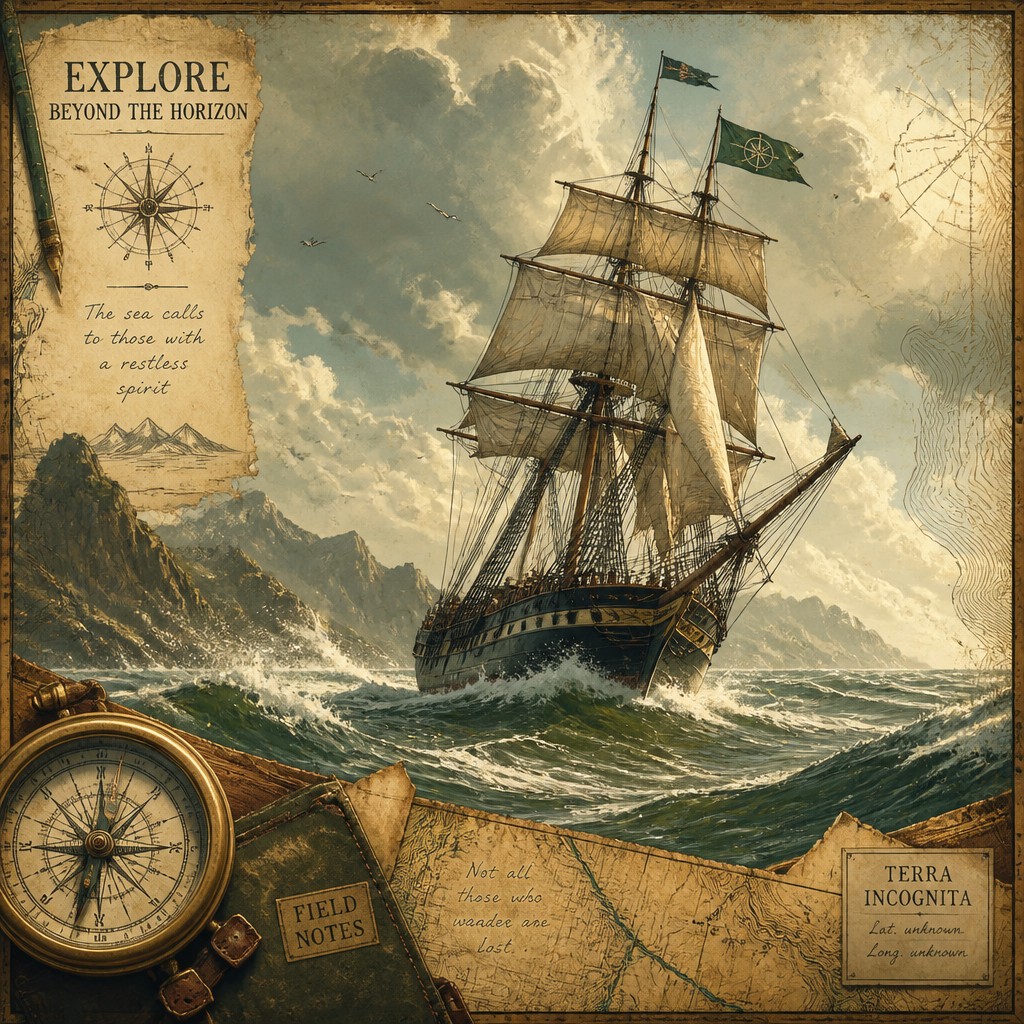
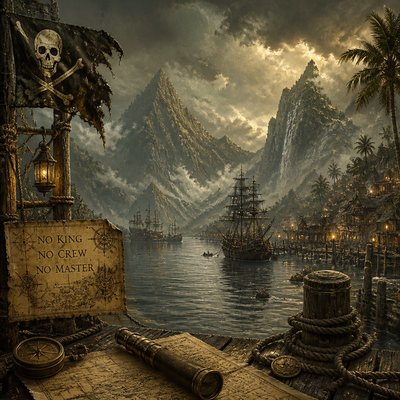
“sailing ship on a stormy sea”
How to Create Adventurecore Aesthetic Art
Master the craft step by step — or skip straight to creating. Read the full guide →
- 1
Build the wardrobe and gear first
For traditional work, start with expedition clothing and equipment: boots, utility belts, canvas packs, gloves, binoculars, and rolled maps. Keep the forms sturdy and functional so the style reads as travel-ready rather than costume fantasy.
- 2
Use a restrained outdoor palette
Limit the palette to earth tones, muted greens, tan, ochre, and warm brown, then add small accents of brass, red wax seal, or faded navy. Avoid overly saturated colors unless you want a more playful, stylized version.
- 3
Add map-based graphic detail
Integrate contour lines, route traces, coordinates, compass motifs, labels, or stamped annotations into backgrounds, clothing trim, or framing devices. These elements can be hand-drawn in ink or layered digitally as texture and structure.
- 4
Shape the light and atmosphere
Use low-angle golden light, soft haze, and a sense of open distance to evoke wandering and discovery. In digital art or photography, side-lighting and warm color grading help create the mood without overcrowding the scene.
- 5
Balance realism with illustration
The style works best when practical objects are believable but slightly romanticized. In prompt-based generation, specify weathered materials, vintage field-guide charm, and atmospheric haze to keep the result coherent and recognizable.
- 6
Reference travel, not fantasy excess
If you want the style to stay grounded, emphasize expedition, hiking, surveying, natural history, or mapmaking rather than magic or steampunk ornament. The core feeling should be resourceful curiosity and open-air movement.

The Story
History & Origins of Adventurecore Aesthetic
Adventurecore is not a historical art movement in the strict sense. It is an internet-born aesthetic that developed from the broader cottagecore, coastal, and dark academia-era interest in mood-based visual identities, but with a stronger emphasis on exploration, utilitarian clothing, and old-world travel imagery. Its visual language draws from 19th- and early 20th-century expedition culture, illustrated field manuals, Boy Scout ephemera, maritime and survey maps, and the iconography of wilderness travel.
Its lineage is also tied to illustration and design traditions that made practical knowledge look inviting: natural history plates, guidebook diagrams, antique cartography, and the graphic shorthand of compasses, route lines, tents, packs, and topographic contours. In contemporary usage, adventurecore often appears in editorial illustration, concept art, costume design, and mood imagery that wants to evoke mobility, endurance, and discovery without losing warmth or charm.
Influences: Adventurecore draws from expedition photography, vintage travel illustration, scouting culture, field-guide design, and historical cartography. It also overlaps with the practical material culture of early mountaineering and exploration, as well as the graphic language of natural history plates and guidebook diagrams. In fine-art terms, its atmosphere can echo the observational clarity of John James Audubon’s natural-history illustration or the tonal travel scenes associated with 19th-century landscape painting, though the style itself is a modern aesthetic rather than a direct continuation of those movements.
Frequently Asked Questions
What defines adventurecore aesthetic?
Adventurecore is defined by exploration imagery: expedition clothing, map motifs, weathered materials, and warm open-air lighting. It usually combines practicality with nostalgia, creating a look that feels ready for travel, discovery, and fieldwork. The mood is adventurous but steady rather than chaotic.
How is adventurecore different from cottagecore or dark academia?
Cottagecore centers rural domestic life, while dark academia emphasizes scholarly interiors, old books, and moody formality. Adventurecore shifts the focus outdoors to travel, navigation, and expedition gear. It is generally brighter and more mobile than both.
What colors work best in this style?
The most characteristic colors are khaki, olive, forest green, tan, ochre, brown, and brass. Warm sunlight and paper-like neutrals help the palette feel cohesive. Small accents of faded blue, red, or orange can work if they remain subdued.
What subjects are common in adventurecore art?
Common subjects include hikers, explorers, naturalists, surveyors, campsites, maps, compasses, mountain paths, and travel journals. Landscapes often show ridges, forests, coastlines, and open sky. Objects tied to navigation and field study are especially on-brand.
Can adventurecore be used in photography and digital art?
Yes. In photography, it can be created through location choice, wardrobe, props, and warm outdoor color grading. In digital art, the look comes from layered textures, map-inspired graphics, weathered material rendering, and hazy sunlight.
Where is adventurecore commonly used?
It appears in mood boards, editorial illustration, character design, fantasy-worldbuilding, travel branding, and outdoor lifestyle imagery. It is also popular for posters, journal covers, and profiles that want a rugged but optimistic expedition feel.

Create your first Adventurecore Aesthetic artwork
Describe anything — or upload a photo — and see it in Adventurecore Aesthetic in seconds.
Related Styles
Discover similar art styles