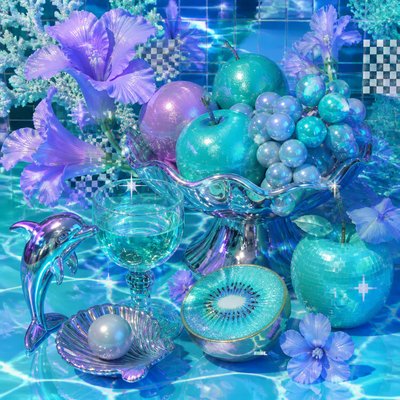
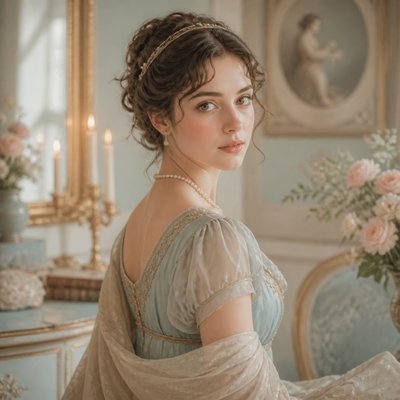
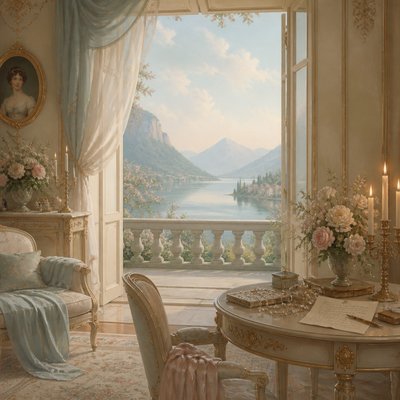
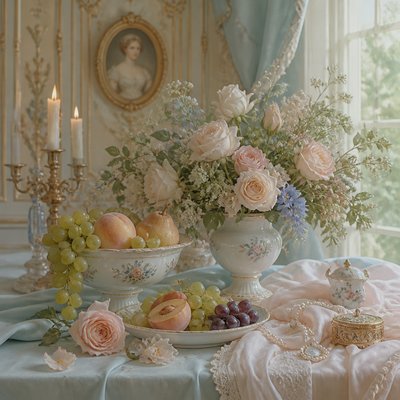
Cowboycore Aesthetic
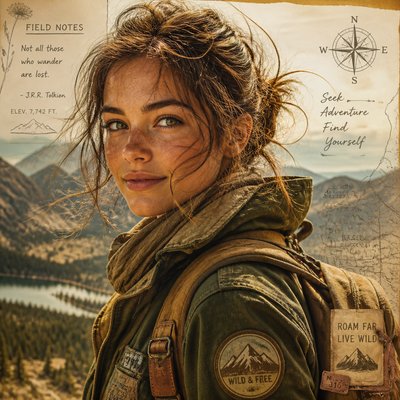
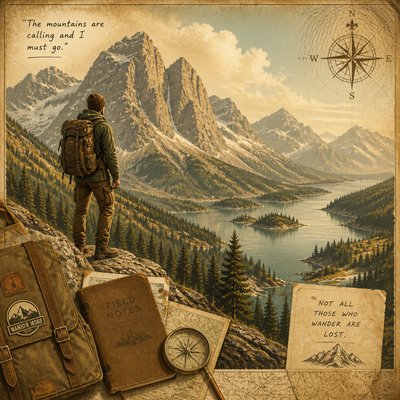
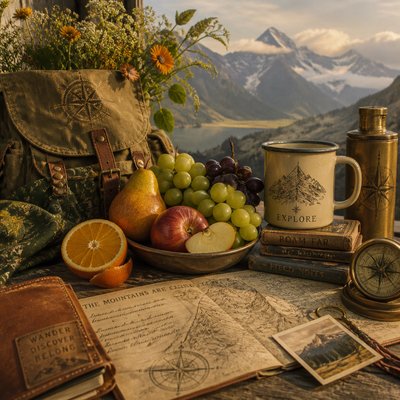
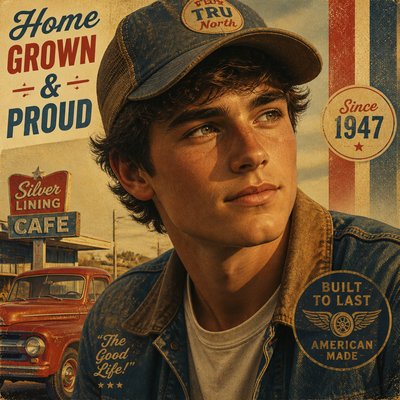
Worn denim, leather, sunset gold and frontier grit define this nostalgic western style of rustic warmth and open-range romance.
Instantly rendered in Cowboycore Aesthetic — or transform a photo
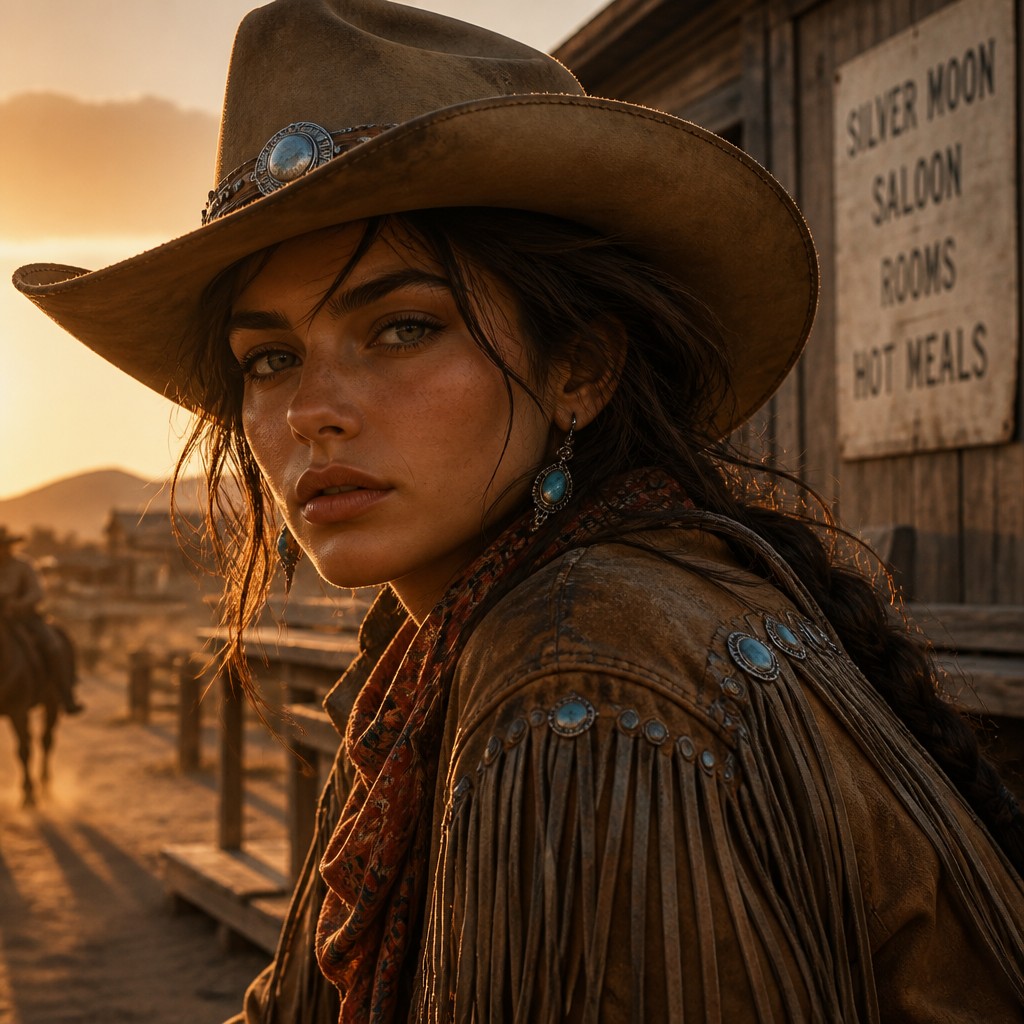
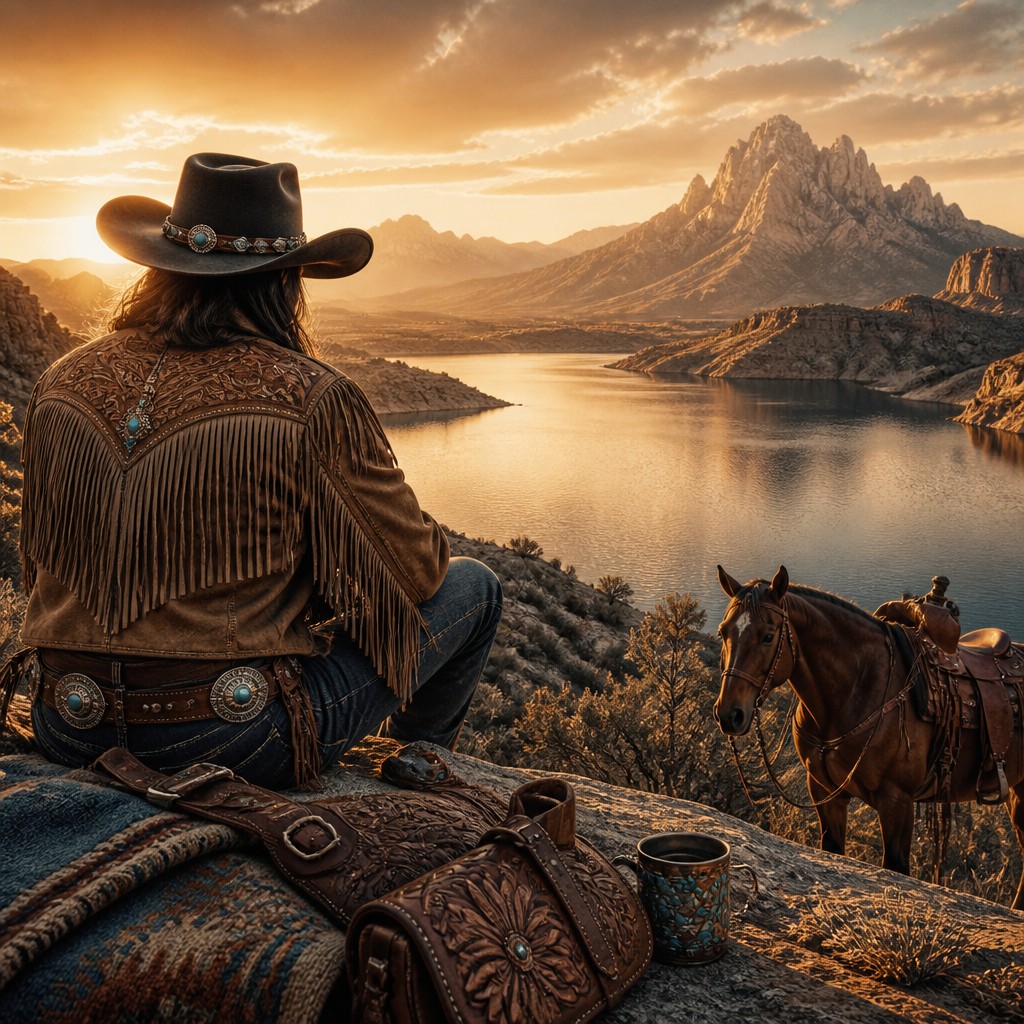
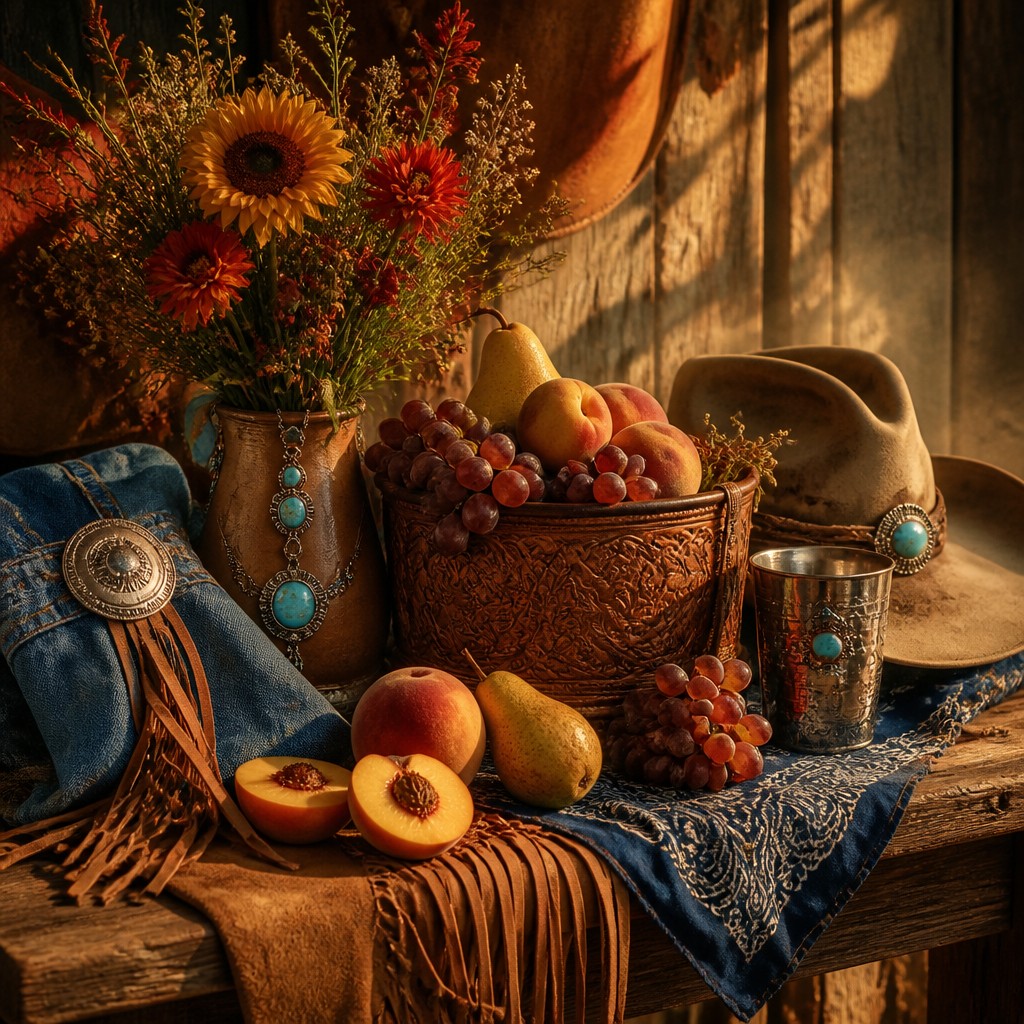
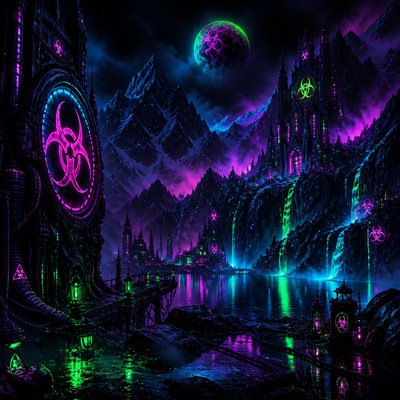
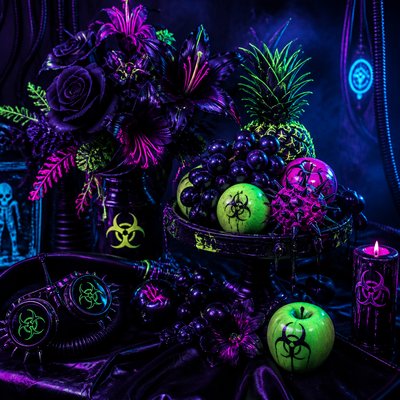
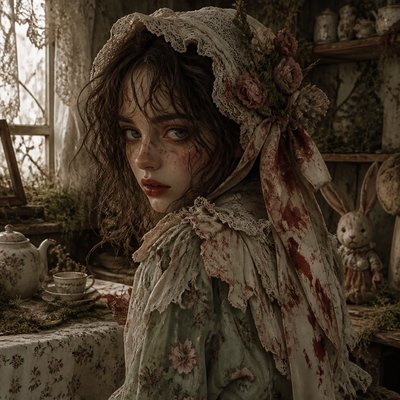
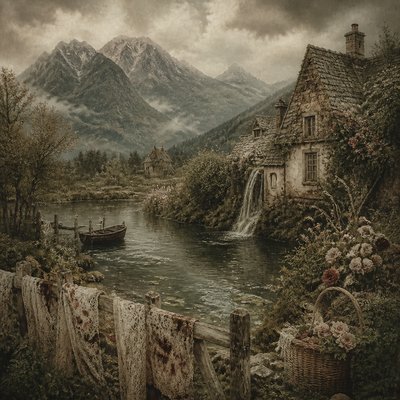
Cowboycore Aesthetic Gallery
Tap any artwork to explore it
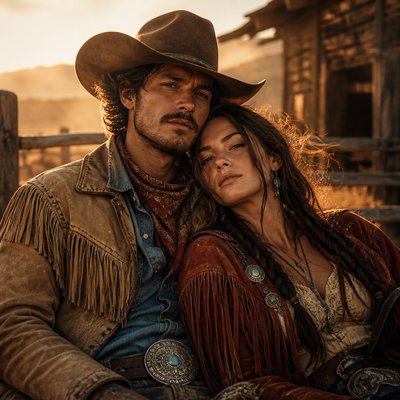
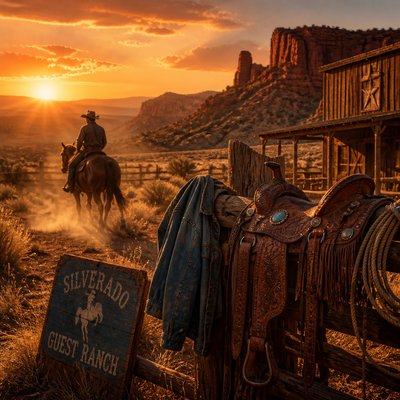
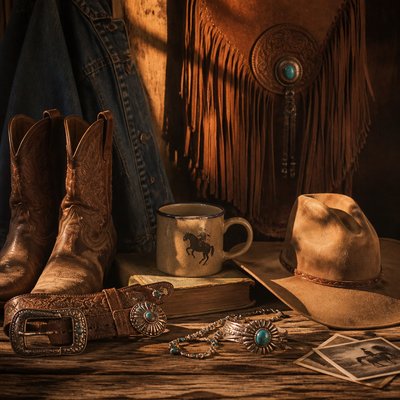
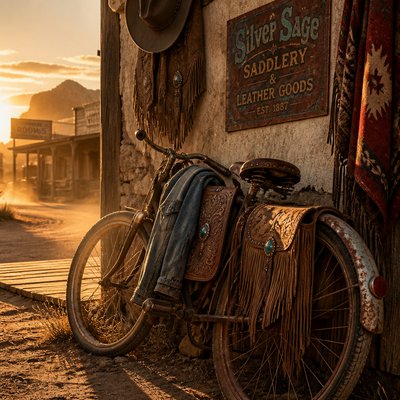
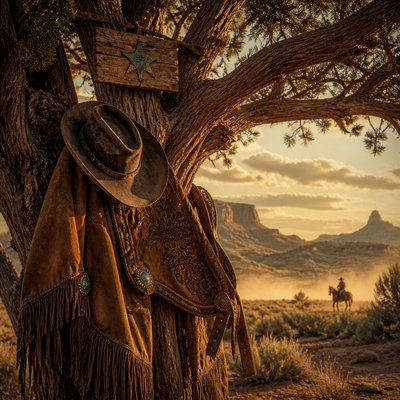
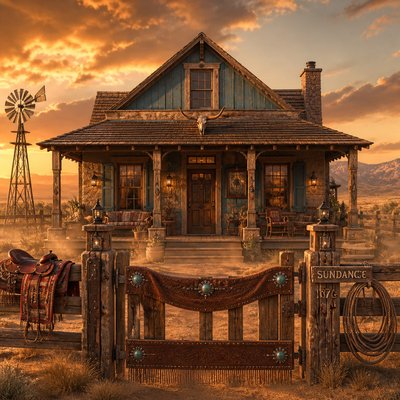
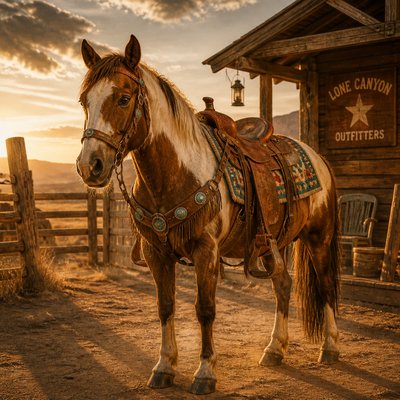
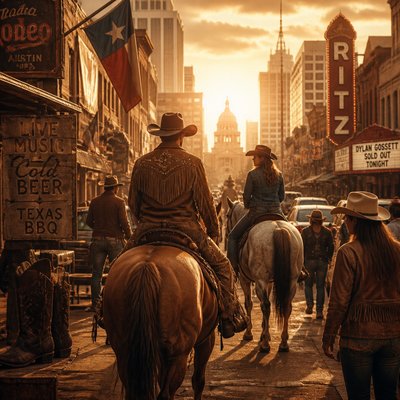
What is Cowboycore Aesthetic?
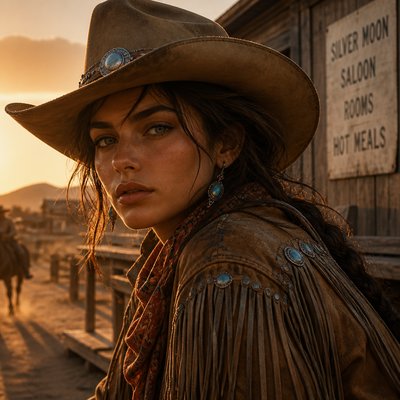
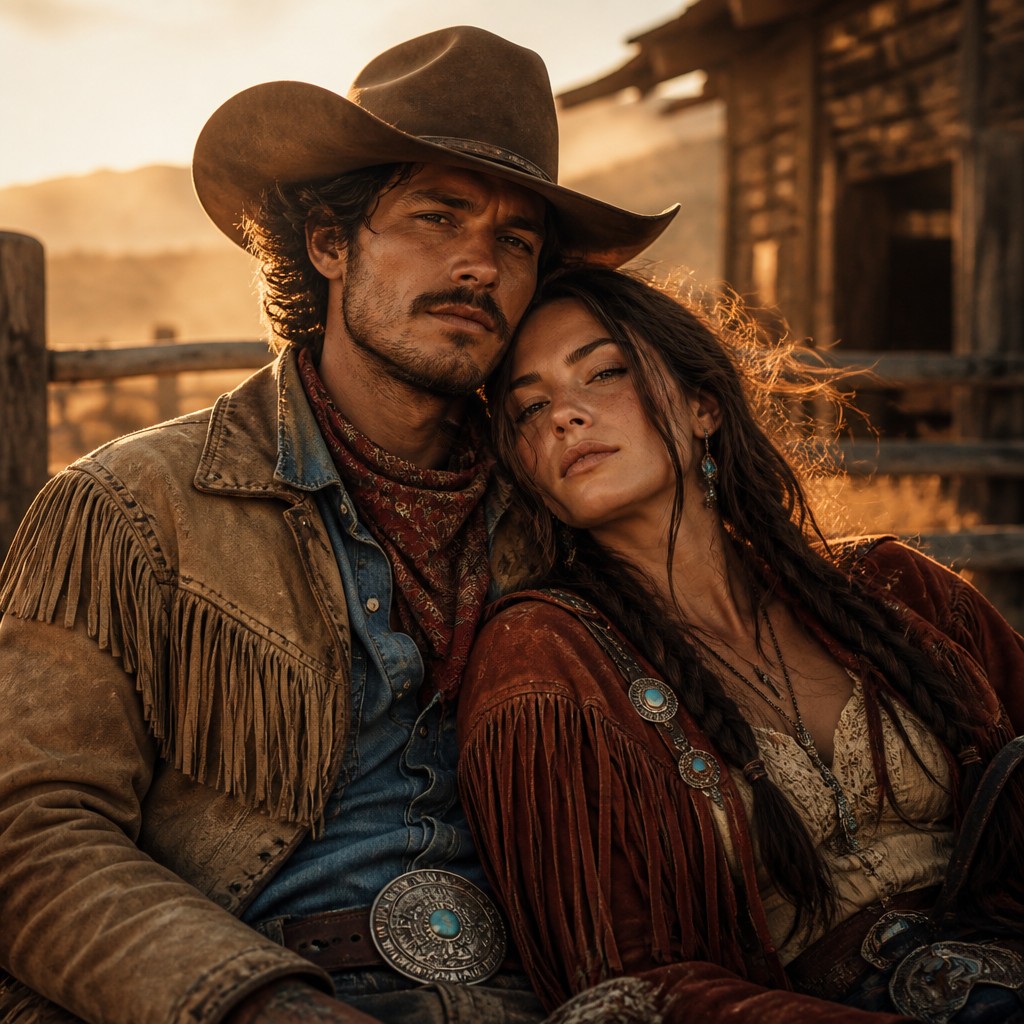
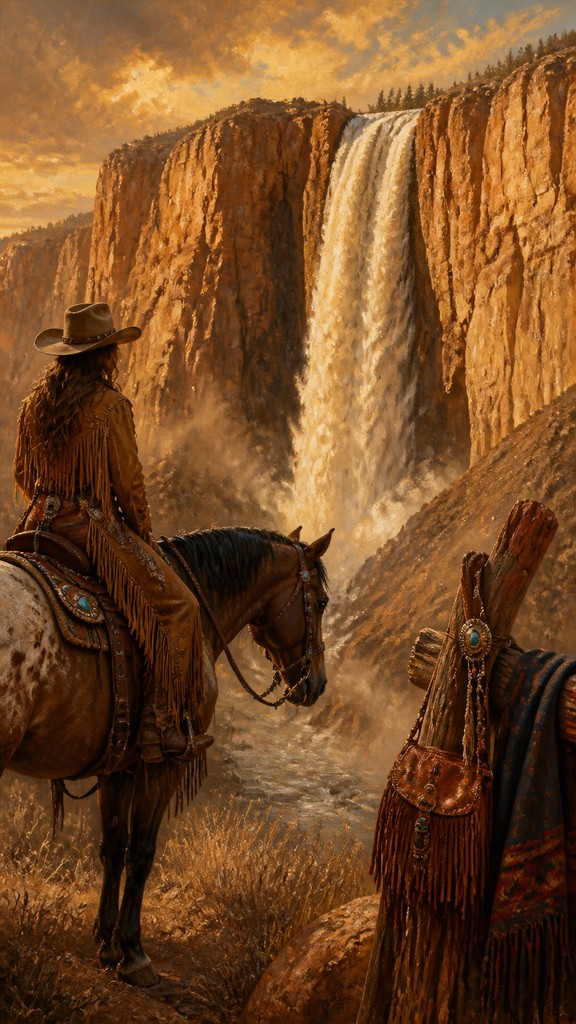
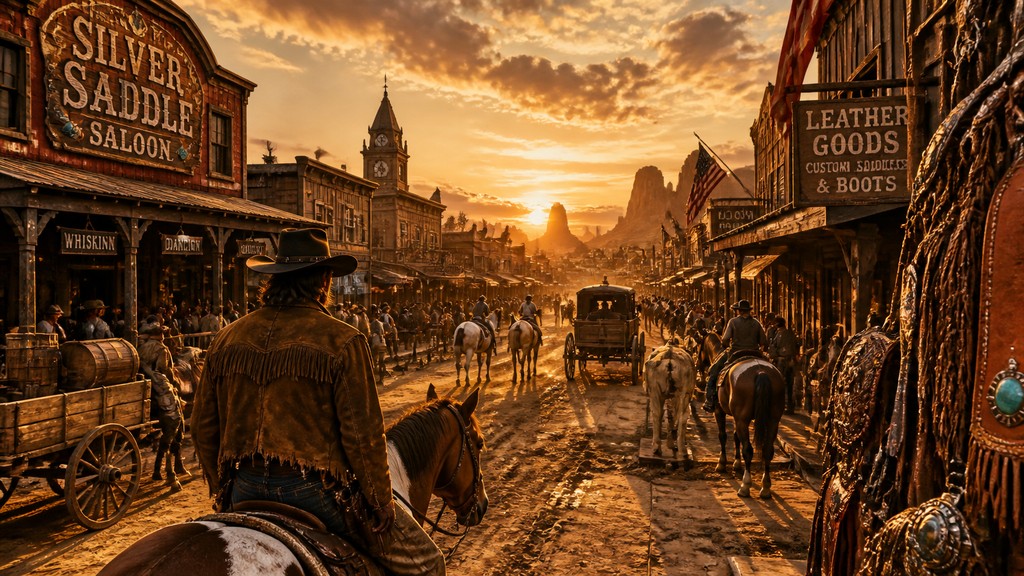
Cowboycore is a contemporary aesthetic built from the visual language of the American West: worn leather, denim, suede, fringe, dust, wood grain, and sun-baked earth tones. It combines practical workwear cues with a romanticized frontier mood, often pairing rugged materials with warm golden light, turquoise accents, and traces of silver hardware.
The style looks the way it does because it draws from ranch clothing, rodeo culture, western film imagery, and souvenir craft objects associated with the American frontier mythos. Its appeal lies in the tension between toughness and nostalgia: surfaces are weathered, edges are softened by dust and time, and the overall palette suggests long afternoons, dry heat, and the glow of a low desert sunset.
Try It On Your Photos
Upload any photo and convert it into Cowboycore Aesthetic — drag the sliders to compare before and after.
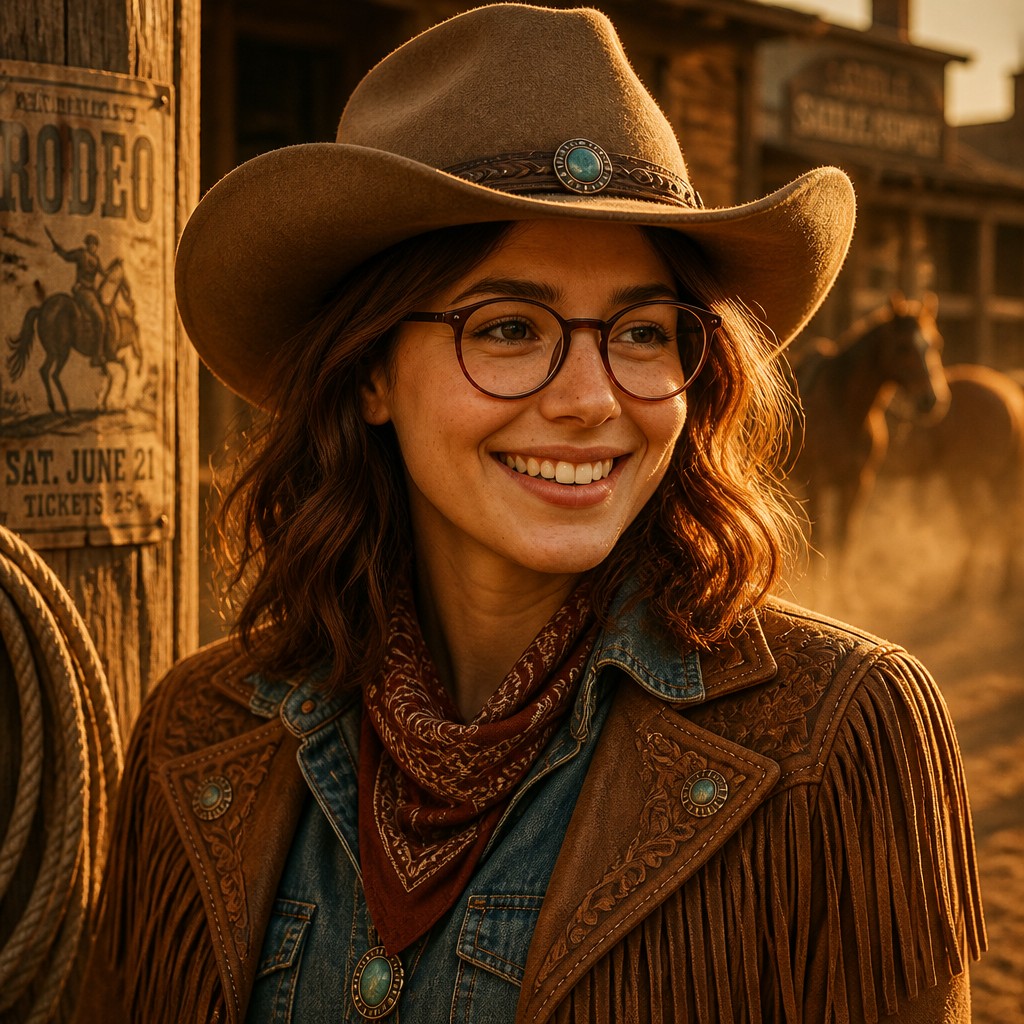

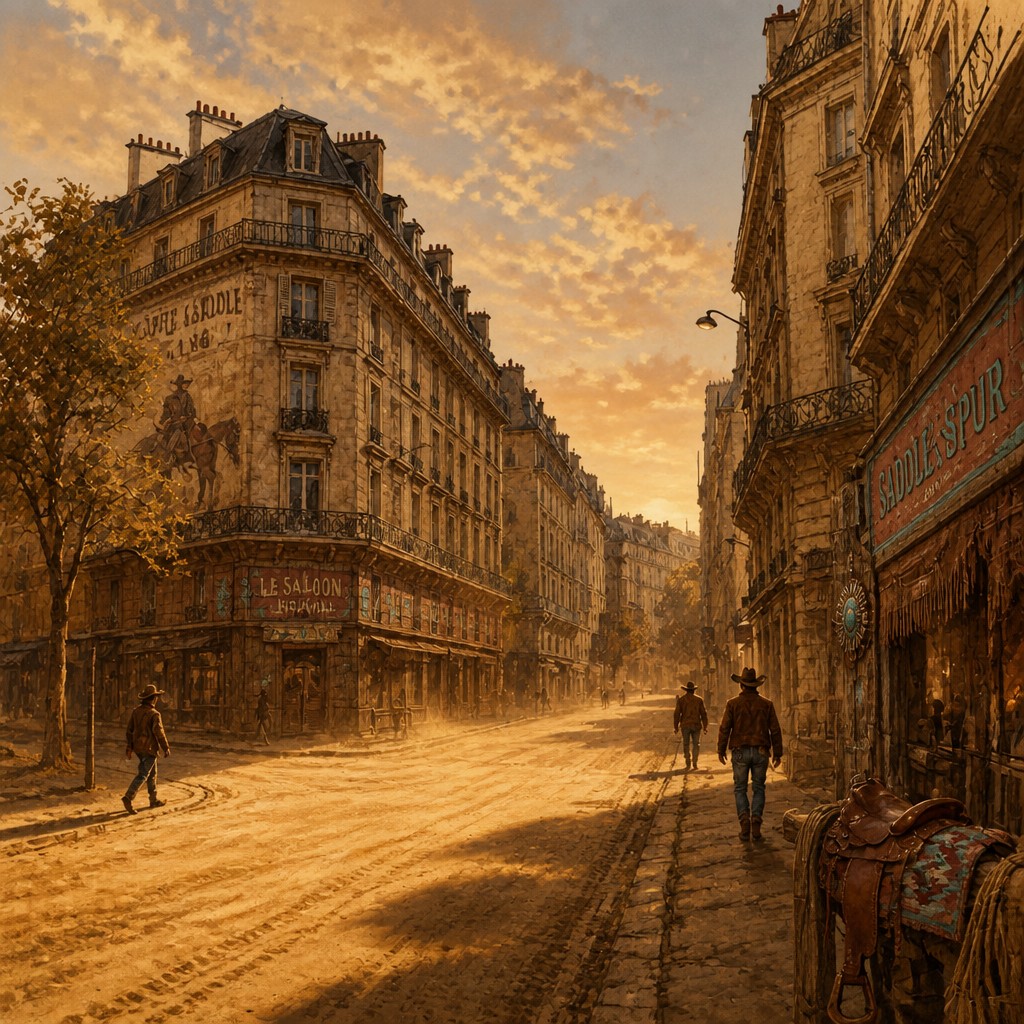

What Defines Cowboycore Aesthetic
The signature details, up close
Earth-toned palette
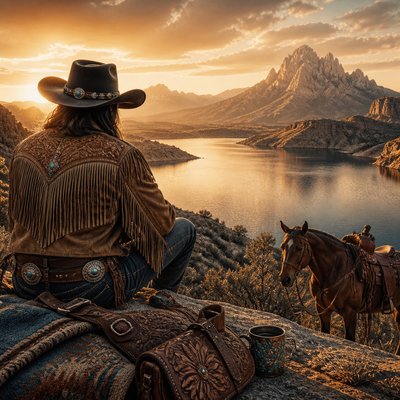
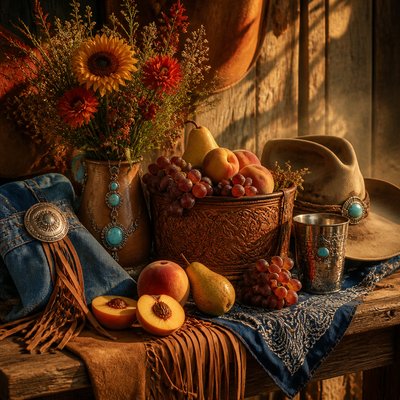
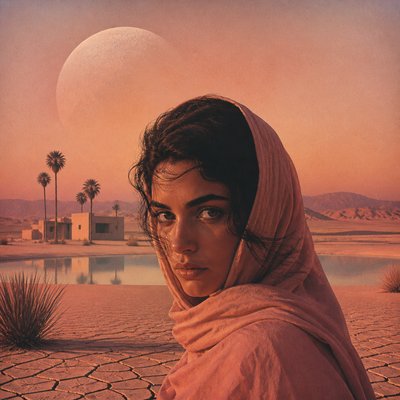
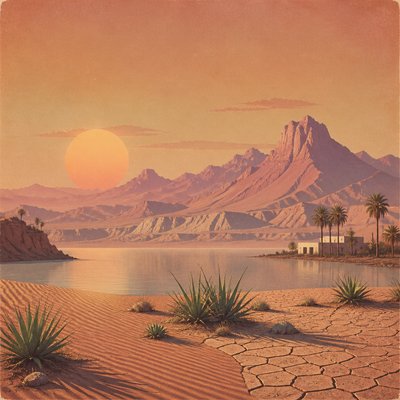
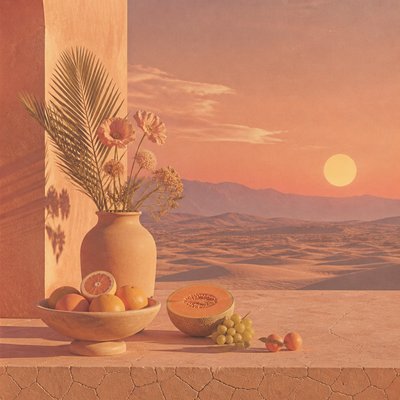
The dominant colors are dusty tan, ochre, rust red, denim blue, saddle brown, and sunset gold. These tones create the heat-hazed atmosphere associated with open land, dry air, and late-day light.
Leather and suede textures
Tooled leather, worn boots, belts, saddles, and suede jackets are central markers. The materials usually appear scuffed, creased, and softened by use rather than polished or pristine.
Denim and workwear silhouettes
Jeans, western shirts, vests, overalls, and sturdy outerwear anchor the style. The forms are practical and familiar, often fitted with yokes, snaps, seams, and visible stitching.
Fringe, embroidery, and hardware
Fringe, contrast stitching, brass studs, turquoise stones, and hammered silver details add ornamental contrast. These accents keep the style from feeling purely utilitarian and connect it to western decorative craft.
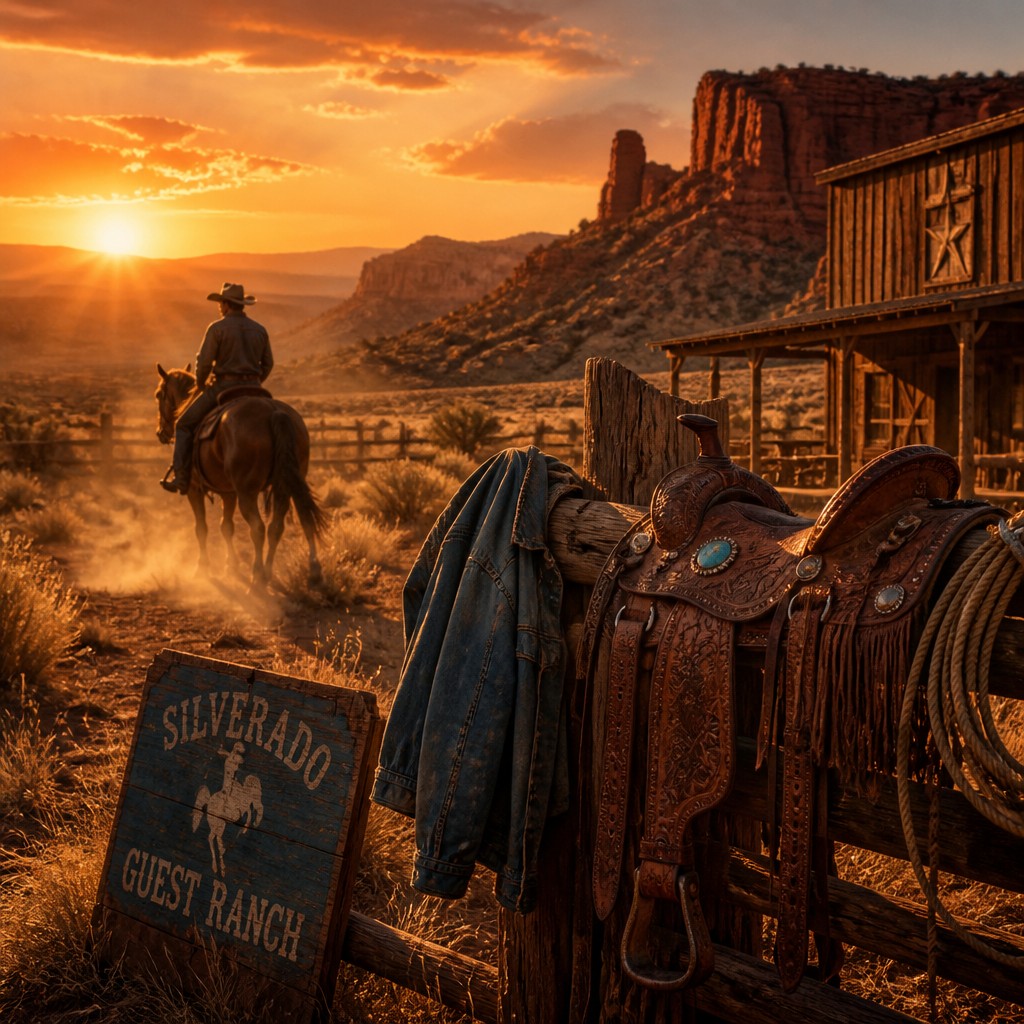
Dust, haze, and sunset lighting
Images often use low-angle warm light, long shadows, and a slight atmospheric haze. This lighting gives the composition a cinematic, nostalgic quality and reinforces the feeling of heat and distance.
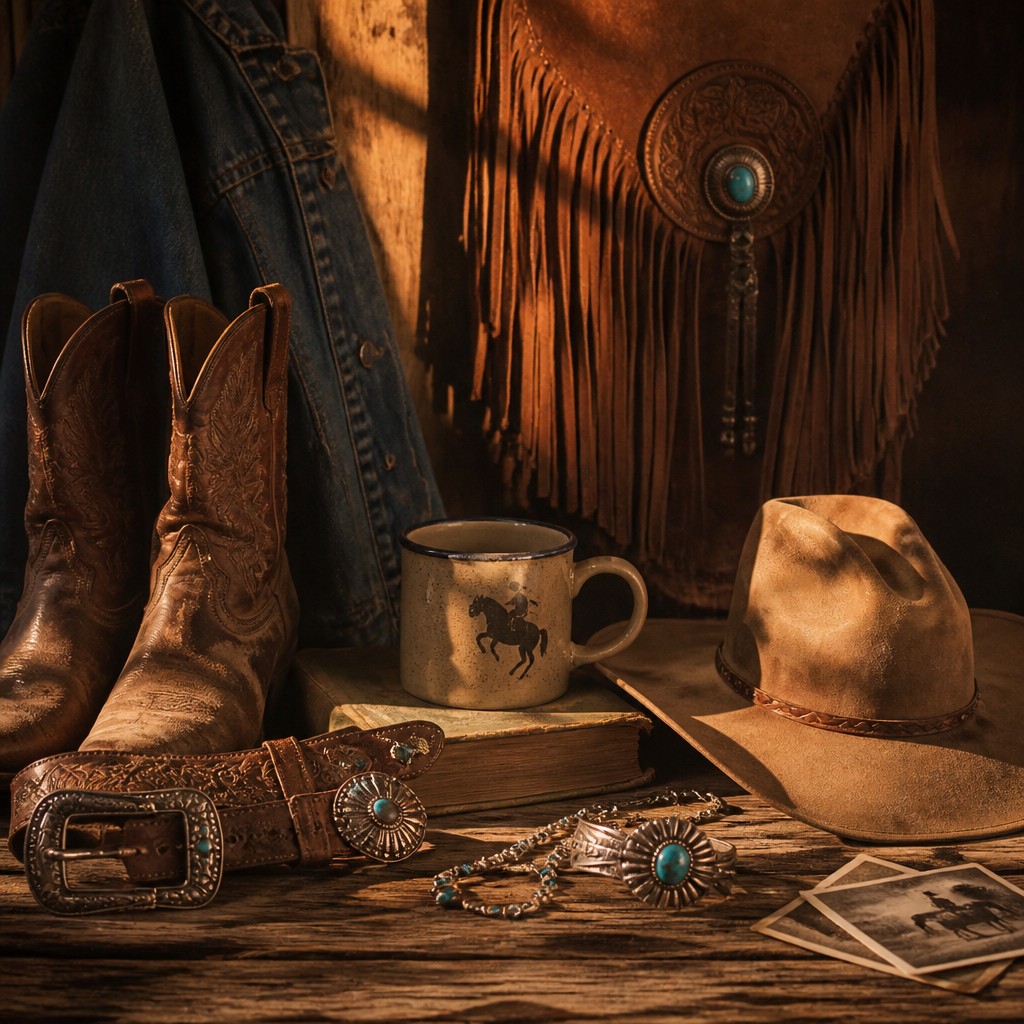
Rugged romance
The emotional tone mixes self-reliance with sentiment. Common subjects feel independent and weathered, but also poetic, heroic, and tied to landscape.
Try It
Create Videos in Cowboycore Aesthetic
Styles aren't just for stills — describe a scene or animate an image and get a short video rendered in Cowboycore Aesthetic. Press play to see this pond come to life.
Make a VideoCowboycore Aesthetic Prompt Ideas
Start from an idea — each one opens the generator with the style ready to go. See all 40 Cowboycore Aesthetic prompts →
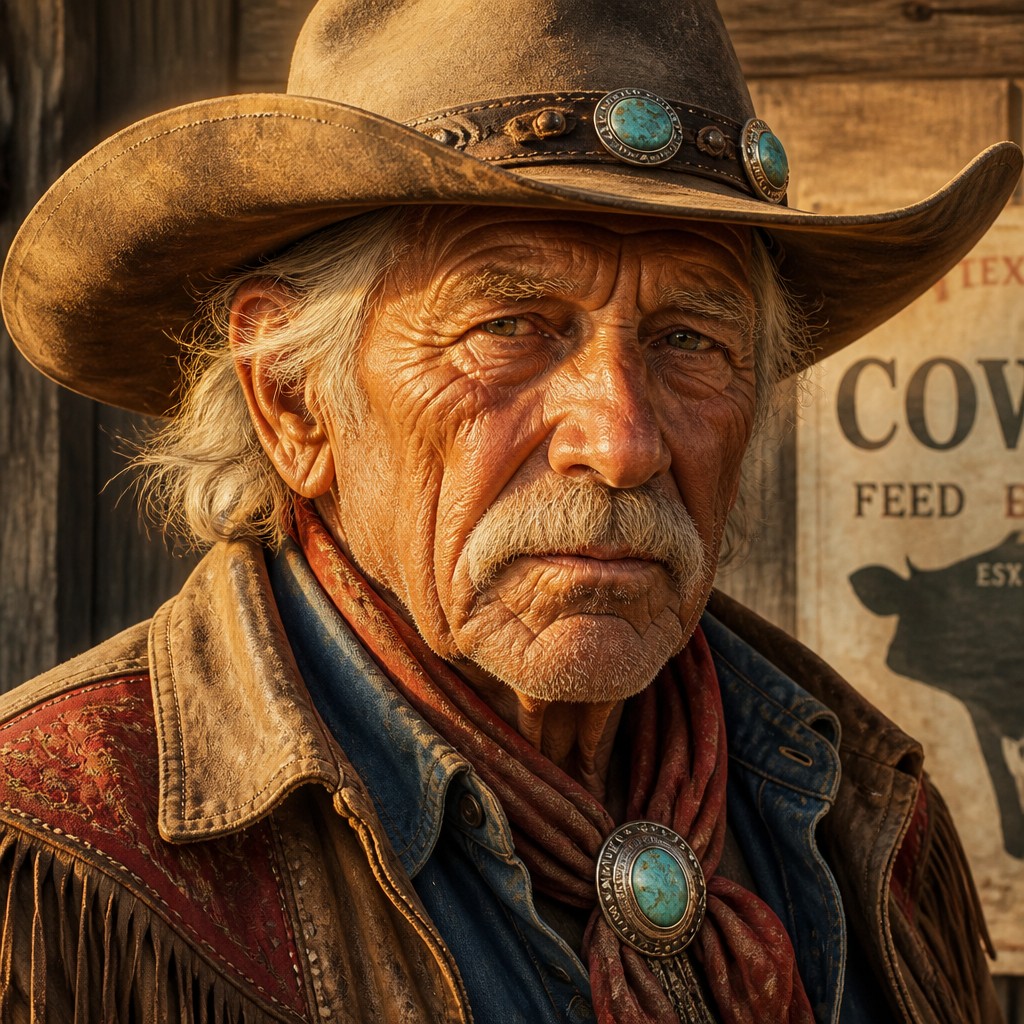
“close-up portrait of an elderly person with expressive weathered features”
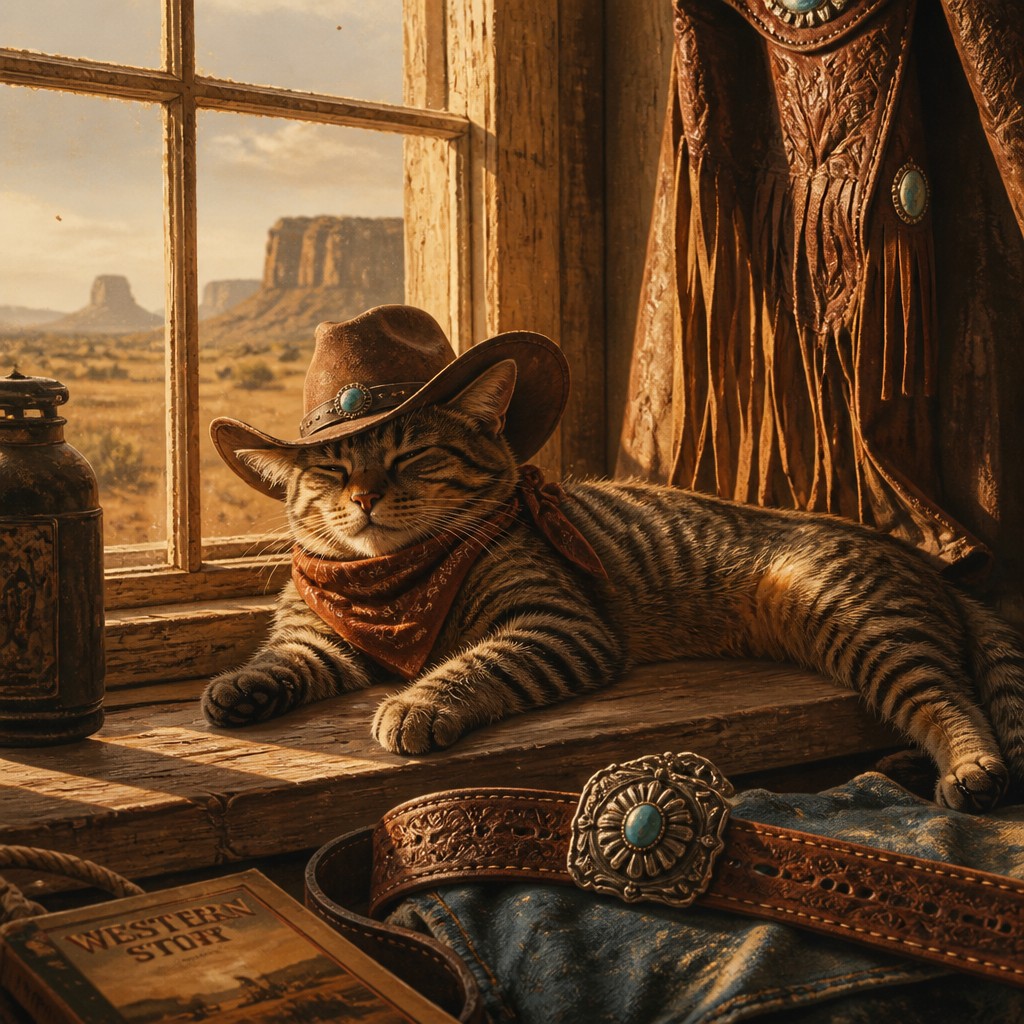
“a cat lounging in a sunlit window”
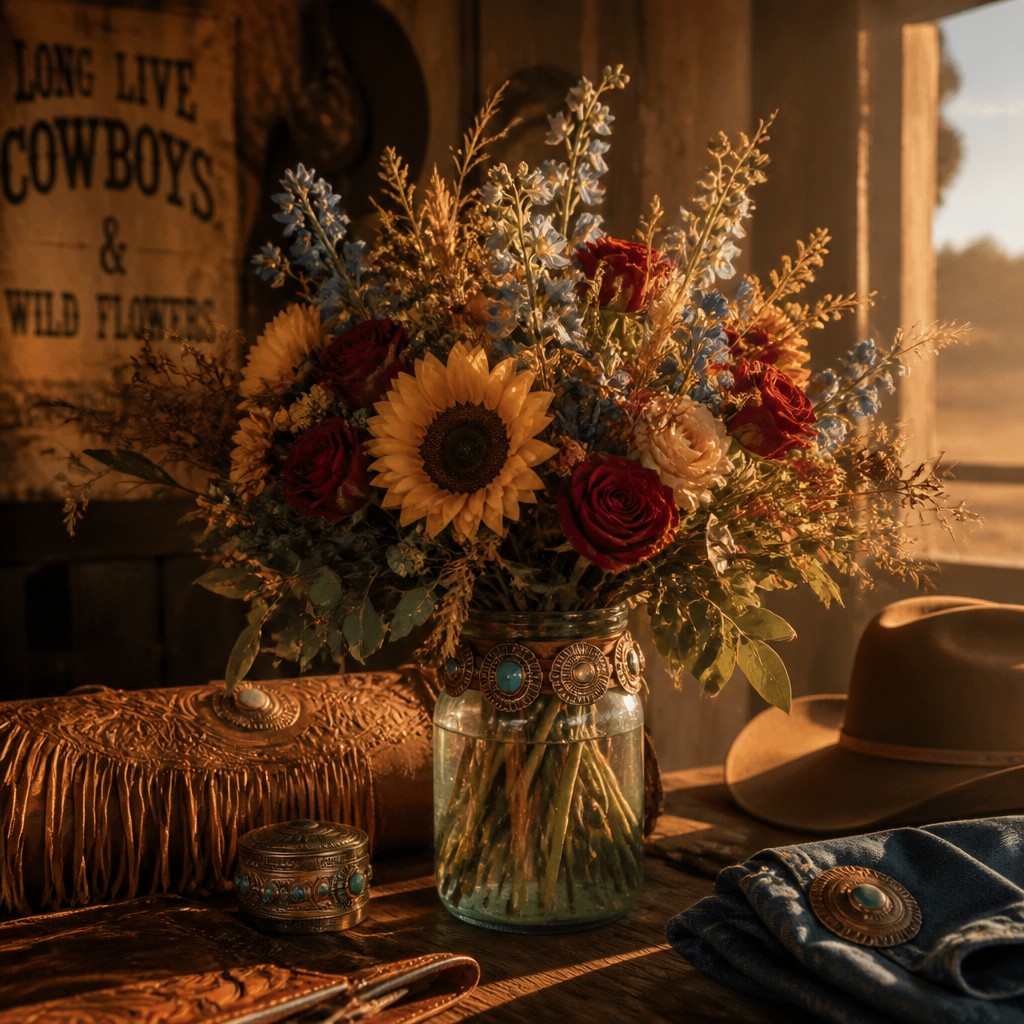
“bouquet of flowers in a glass vase”
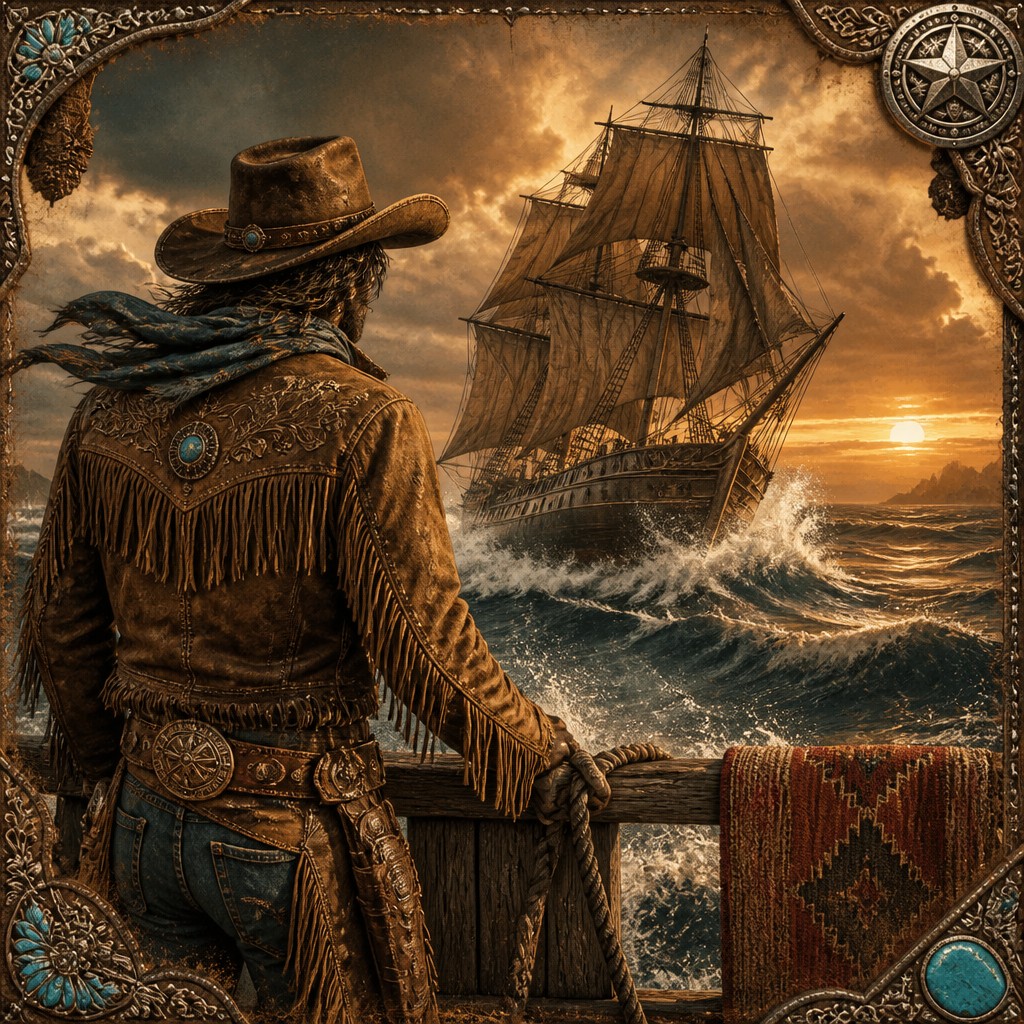
“sailing ship on a stormy sea”
How to Create Cowboycore Aesthetic Art
Master the craft step by step — or skip straight to creating. Read the full guide →
- 1
Use a frontier palette
Start with ochre, tan, rust, brown, cream, and faded blue, then add a small amount of turquoise or silver for emphasis. Keep saturation controlled so the image feels sun-faded rather than neon-bright.
- 2
Prioritize tactile surfaces
In traditional media, emphasize grain, crosshatching, dry-brush texture, or layered washes to suggest leather, denim, dust, and wood. In digital work, use texture overlays, rough brush edges, and subtle wear marks to avoid an overly glossy finish.
- 3
Shape the light around sunset
Place the main light low and warm, with long shadows stretching across the scene. This instantly shifts the image toward a western mood and helps unify objects, clothing, and background.
- 4
Anchor the subject in believable western details
Include boots, belts, hats, saddles, fences, ranch tools, or western jewelry when appropriate. Even a modern portrait can read in this style if a few specific material cues are present.
- 5
Balance grit with romantic atmosphere
Avoid making every surface uniformly dirty; instead, contrast weathered materials with glowing light, open space, or graceful posing. The style works best when practical wear and cinematic nostalgia coexist.
- 6
For prompt-based generation, specify material and mood
Describe the subject, then add concrete terms for fabric, surface, light, and color such as 'worn leather,' 'dusty tan,' 'warm sunset light,' and 'turquoise accents.' If using image-to-image, preserve the original composition while shifting clothing, palette, and textures into a western register.

The Story
History & Origins of Cowboycore Aesthetic
Cowboycore is not a historical art movement in the formal sense; it is a modern aesthetic lineage assembled from several older visual traditions. Its core references come from the clothing and material culture of American cattle ranching and the broader iconography of the Old West, as filtered through 20th-century western films, rodeo imagery, country music fashion, and decorative craft traditions such as tooled leather and silver saddle ornament.
In visual culture, it also overlaps with the long afterlife of western romance in photography, editorial styling, and contemporary fashion. Its recent popularity reflects a renewed interest in Americana, rural identity, and tactile, analog-looking textures, as well as a broader revival of vintage workwear and heritage materials in design and image-making.
Influences: Cowboycore draws from the material culture of the American West, western film iconography, ranch and rodeo dress, and heritage workwear. It also shares visual DNA with Americana design, country-western fashion, and craft traditions such as tooled leatherwork and turquoise jewelry. In a broader art-historical sense, it overlaps with the romantic landscape tradition and with photographic depictions of rural labor, though it is not tied to a single canonical movement or artist.
Frequently Asked Questions
What defines cowboycore aesthetic?
Cowboycore is defined by western workwear, rugged natural materials, and a warm, dusty palette. Leather, denim, boots, fringe, and sunset lighting are the most recognizable visual cues. The mood is nostalgic and frontier-inspired rather than strictly historical.
Is cowboycore the same as western style?
They are closely related, but cowboycore is more of a contemporary aesthetic label. 'Western style' can refer to historical clothing, decor, or film imagery, while cowboycore bundles those references into a stylized, mood-driven visual language. Cowboycore often feels more curated and image-conscious.
What colors are most associated with this style?
Dusty tan, ochre, rust red, saddle brown, cream, faded denim blue, and sunset gold are the core colors. Small accents of turquoise and hammered silver are also common. The overall effect should feel sun-worn rather than bright or polished.
What materials or textures should I include?
Leather, suede, denim, wood, canvas, wool, fringe, and metal hardware are the most useful textures. Weathering matters as much as the material itself, so creases, scuffs, grain, and dust help establish the style. Smooth, glossy finishes usually weaken the effect.
How do I make a photo look more cowboycore?
Shift the palette warmer, add low-angle light, and introduce western-coded garments or props such as boots, hats, belts, or ranch settings. Texture is important: a little dust, grain, or wear will make the image feel more authentic. Keep the composition simple and cinematic.
Where is cowboycore commonly used?
It appears in fashion editorials, album art, social media portraits, home decor, branding, and mood-driven illustration. It is especially common when creators want to suggest freedom, rural nostalgia, or a western romantic narrative. The style works for both people and objects because its identity comes from material cues and atmosphere.
Create your first Cowboycore Aesthetic artwork
Describe anything — or upload a photo — and see it in Cowboycore Aesthetic in seconds.
Related Styles
Discover similar art styles