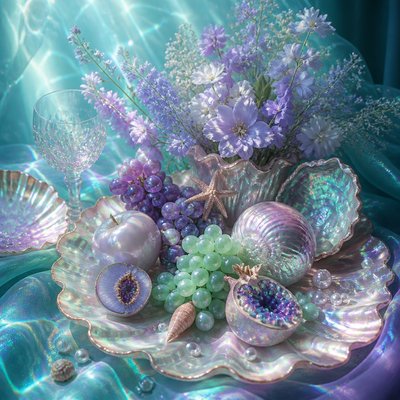
Celestial Aesthetic
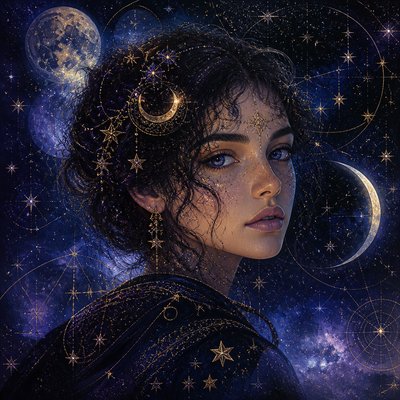
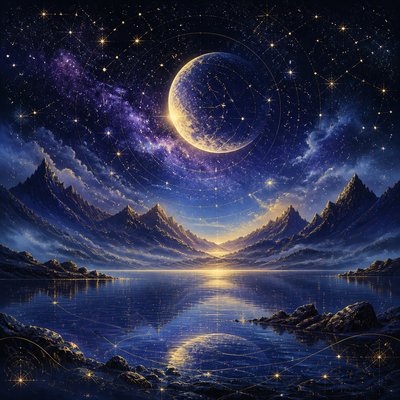
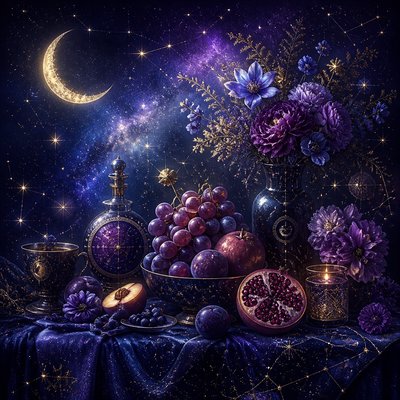
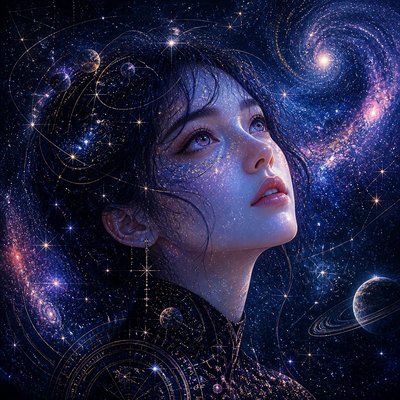
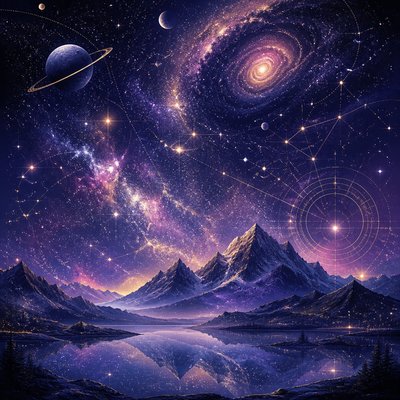
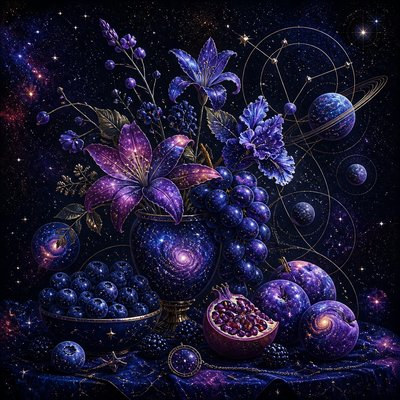
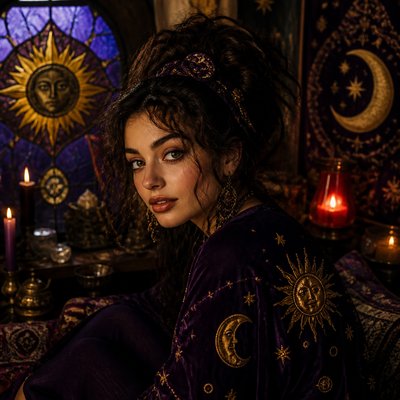
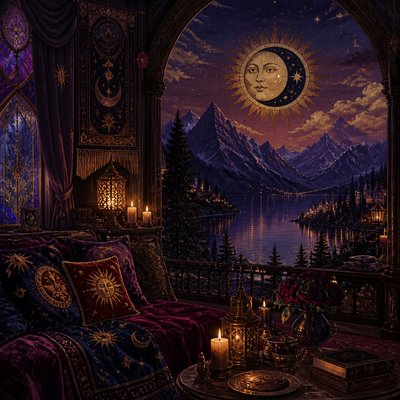
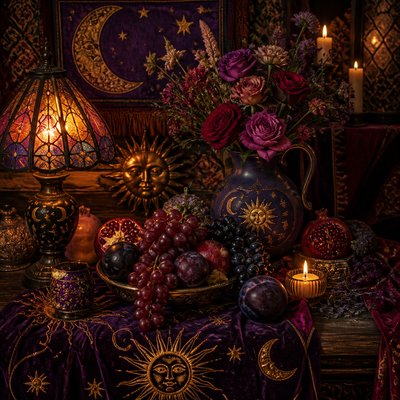
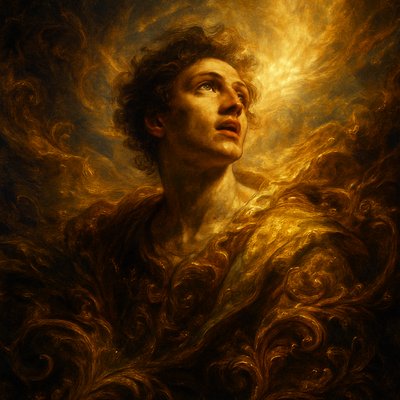
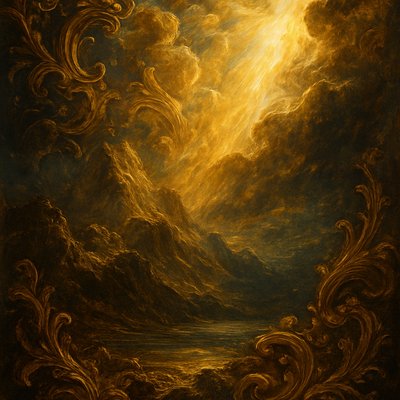
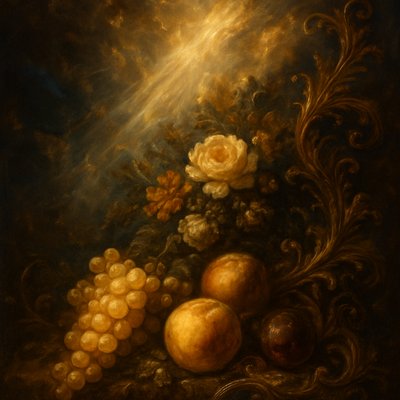
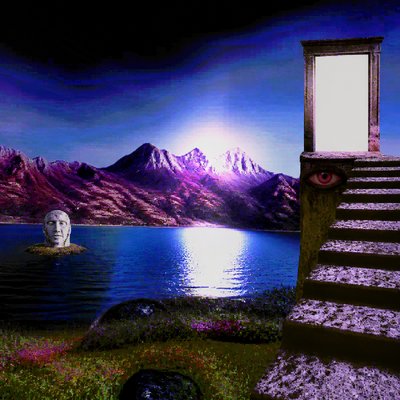
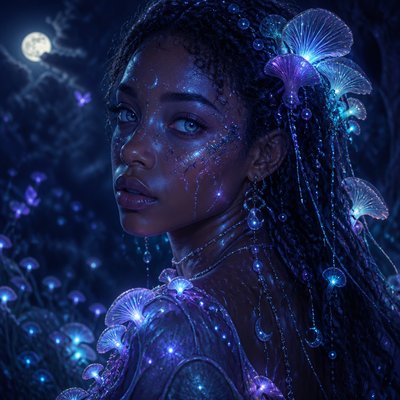
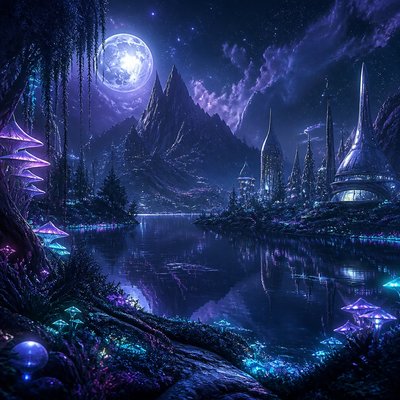
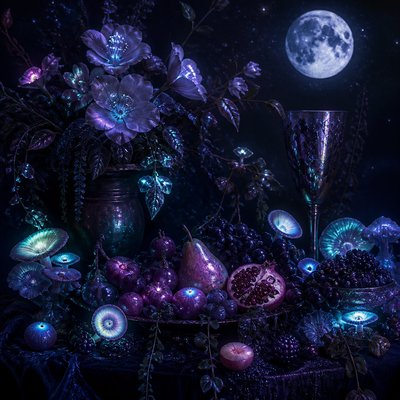
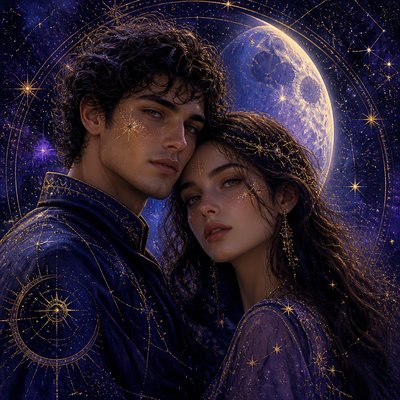
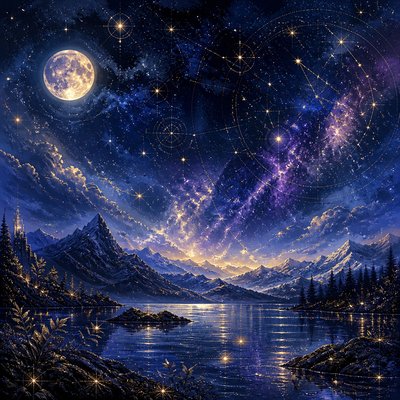
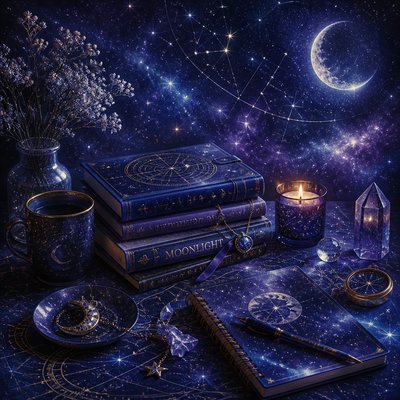
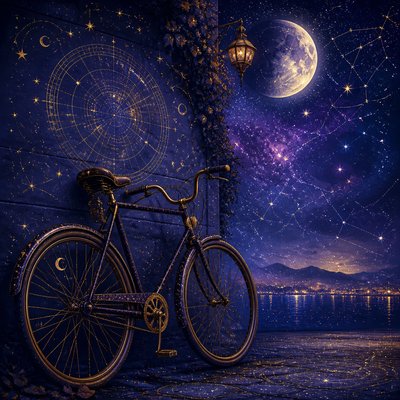
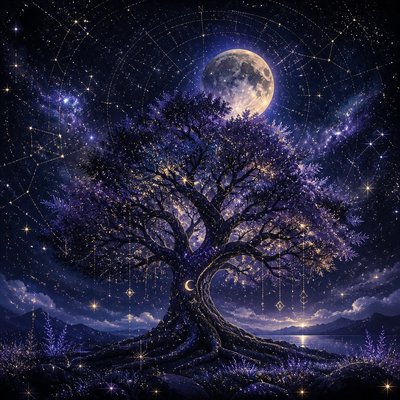
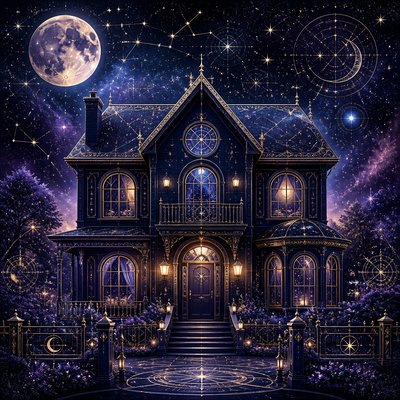
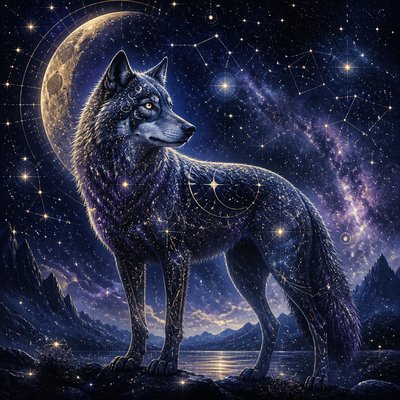
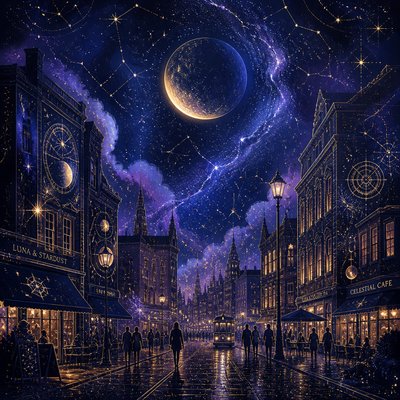
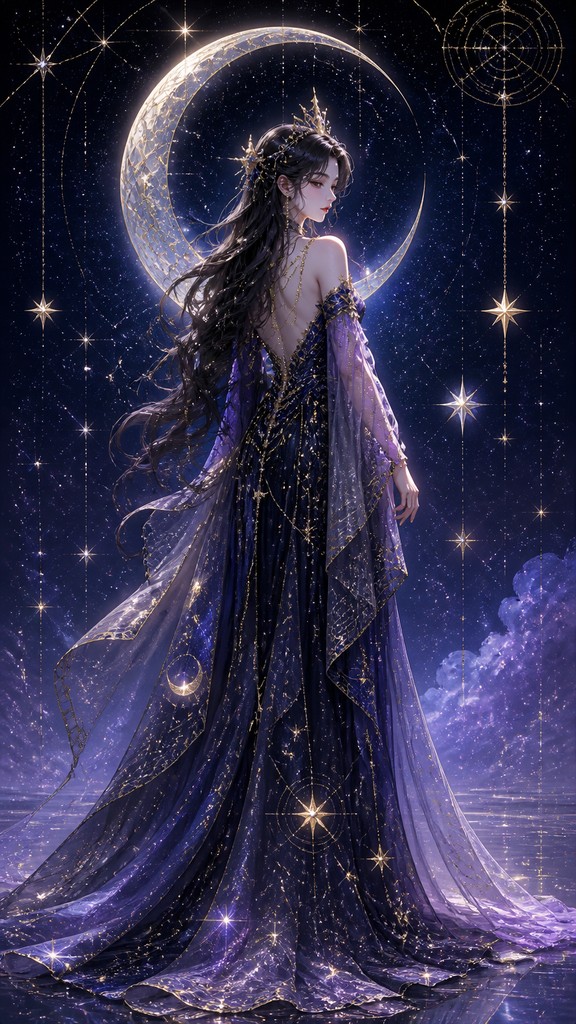
Celestial Aesthetic blends midnight blues, violet haze, starlight, gold accents, and moonlit serenity into a cosmic night-sky mood.
Instantly rendered in Celestial Aesthetic — or transform a photo
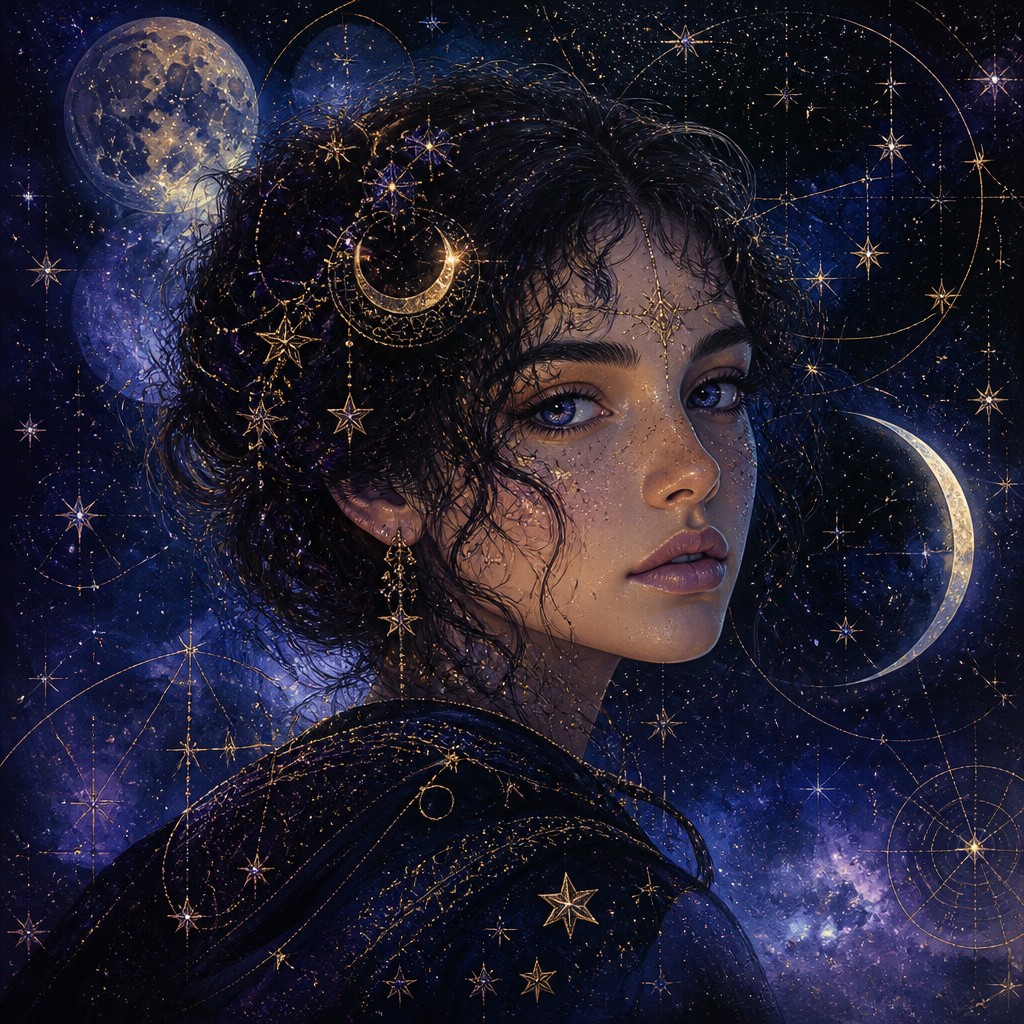
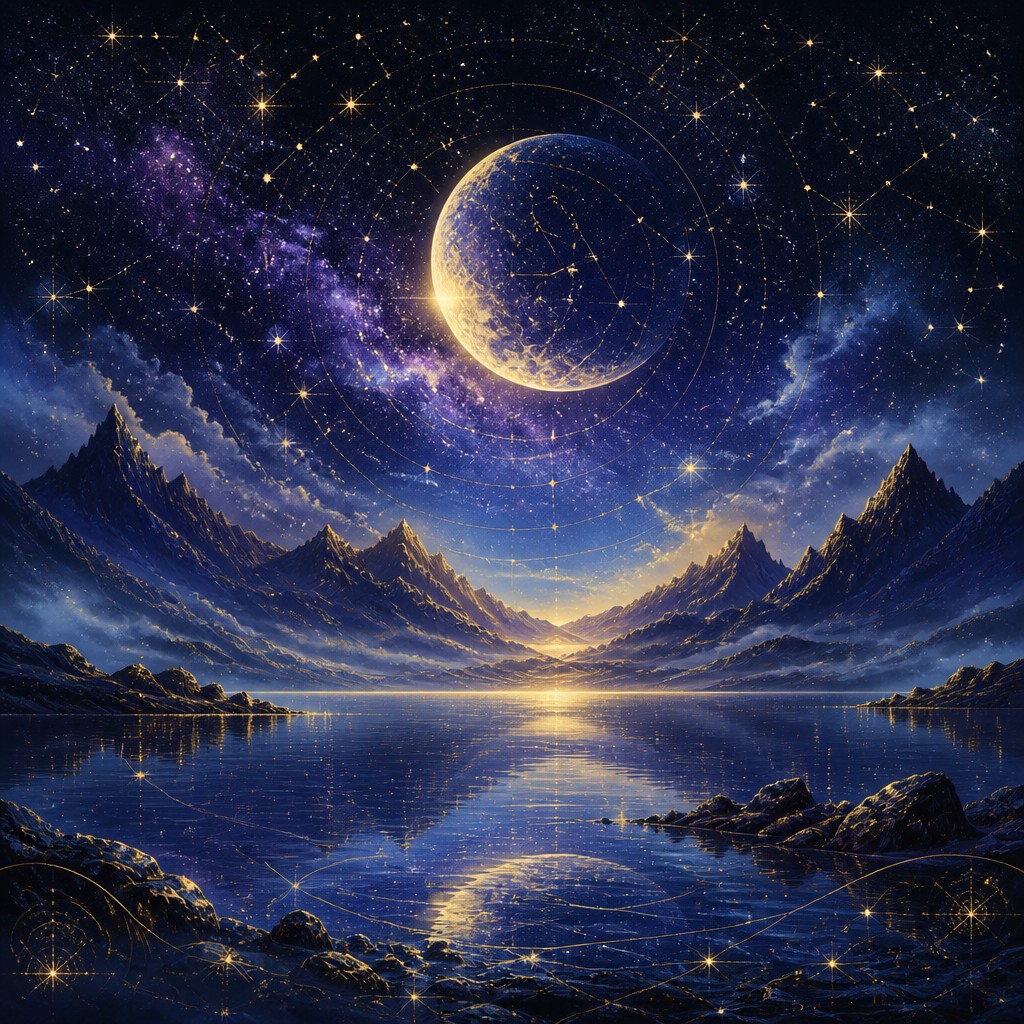
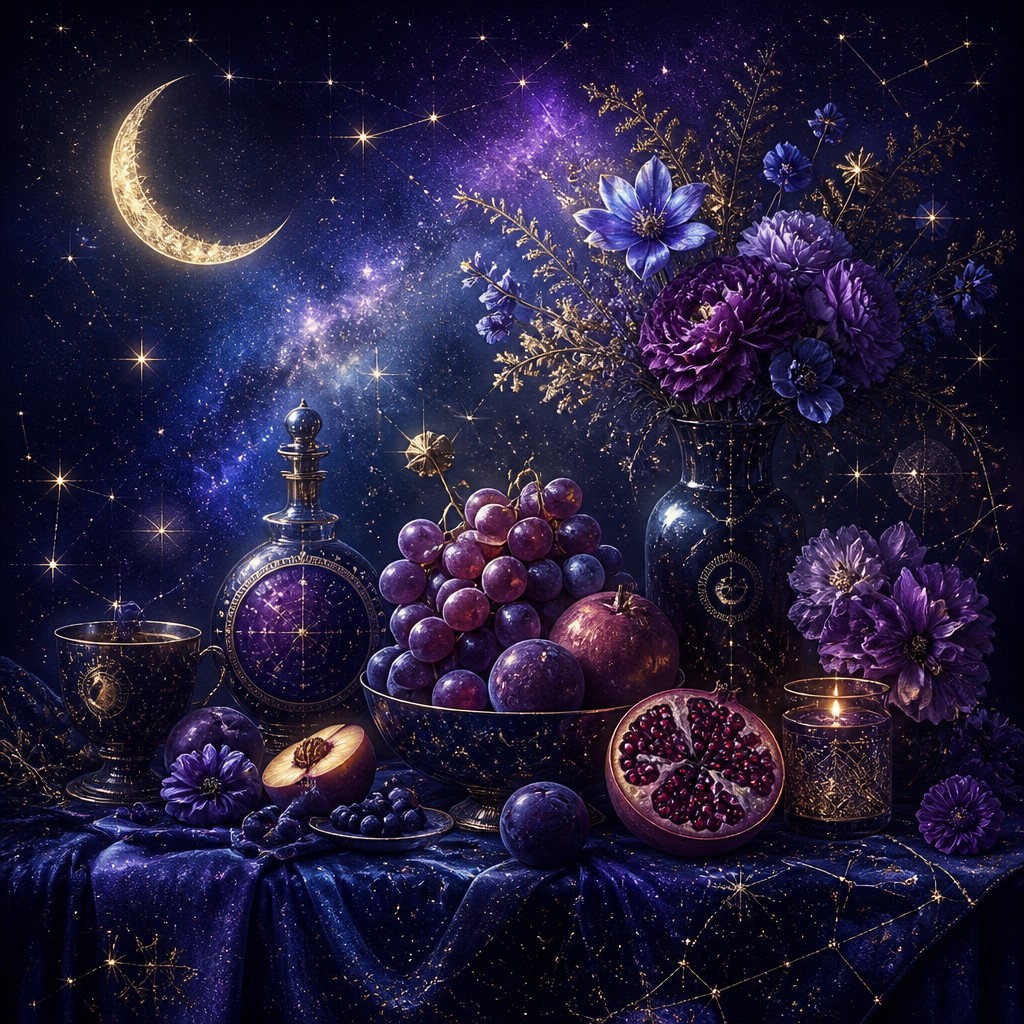
Celestial Aesthetic Gallery
Tap any artwork to explore it
What is Celestial Aesthetic?
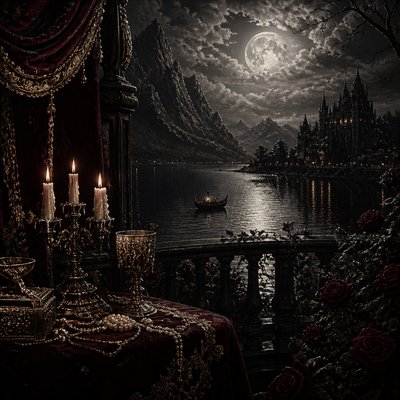
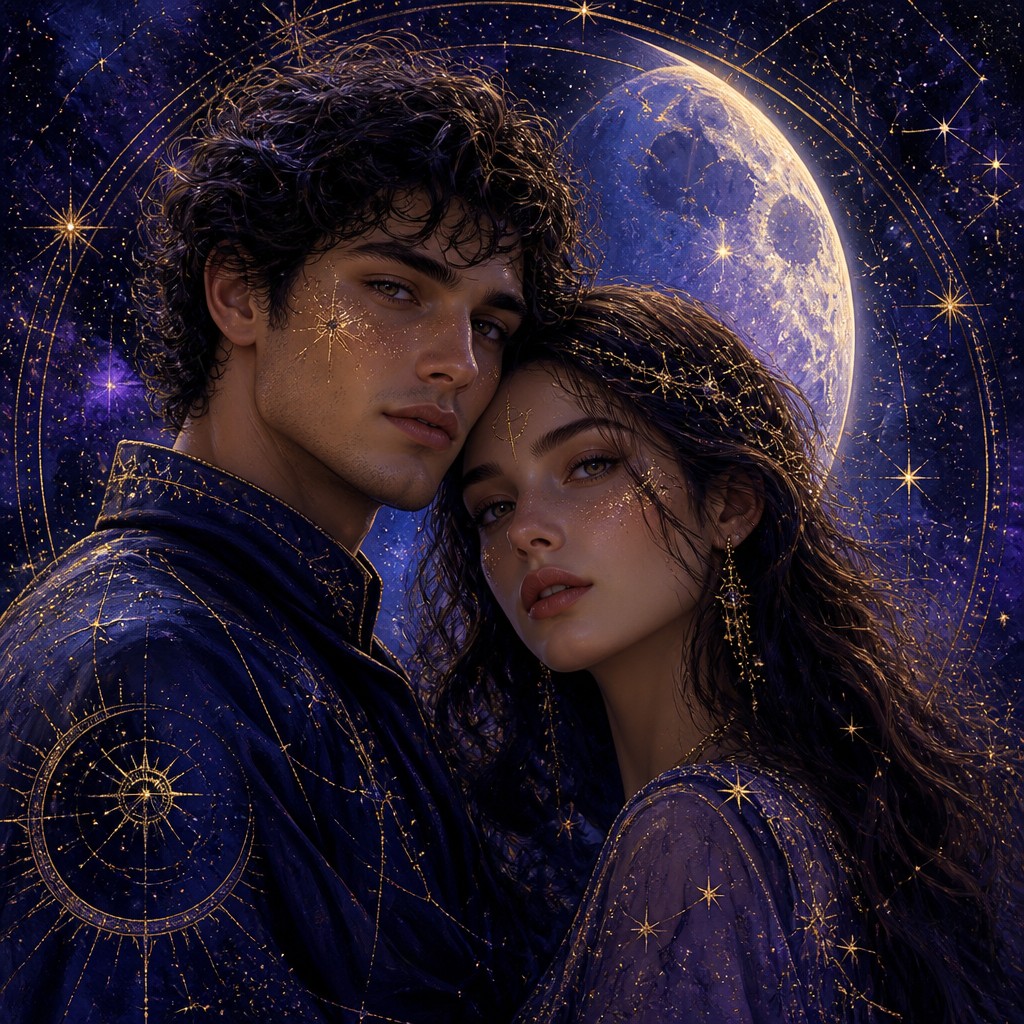
Celestial Aesthetic is a night-sky-inspired visual style built from deep midnight blues, violet gradients, luminous moon-glow, and scattered points of starlight. It often combines velvet-black depth with shimmering gold or silver accents, creating the impression of looking into a calm, enchanted cosmos. The result is serene rather than dramatic: a reverie of space, constellations, and atmospheric glow.
Its visual identity comes from layering familiar celestial imagery into a cohesive mood language. Nebular haze, star-map motifs, cosmic-dust texture, and soft radiant highlights produce a sense of vastness and quiet wonder. The style works especially well when artists want to evoke mysticism, dreaming, elegance, or transcendence without losing visual clarity.
Try It On Your Photos
Upload any photo and convert it into Celestial Aesthetic — drag the sliders to compare before and after.



What Defines Celestial Aesthetic
The signature details, up close
Midnight palette
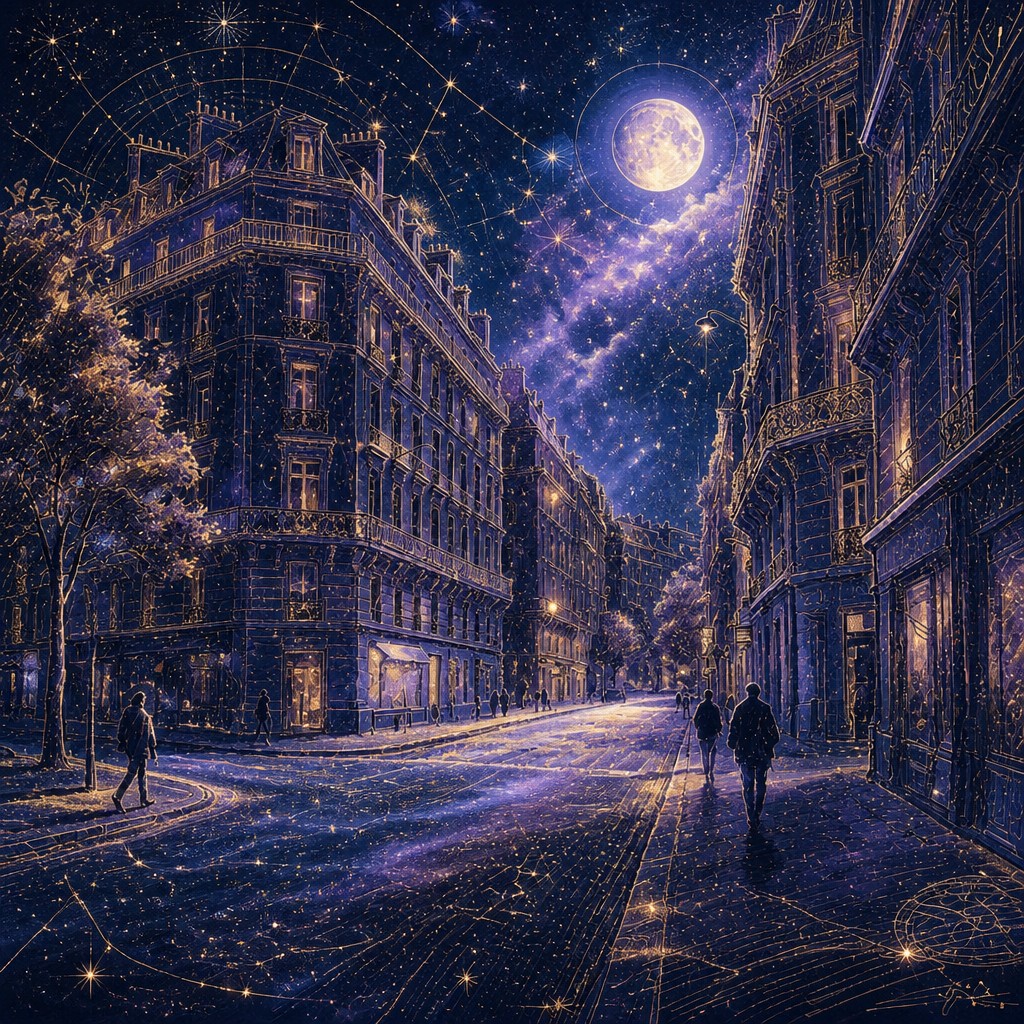
The core colors are deep indigo, midnight blue, violet, and velvet black. These hues create a nocturnal foundation that makes any light source feel especially luminous.
Luminous accents
Gold, silver, pearl-white, and pale blue highlights suggest starlight, moonbeams, or celestial metalwork. The contrast between dark fields and tiny bright details is central to the style.
Nebular haze
Soft atmospheric bloom, mist, and diffuse glow give the image a dreamlike softness. This haze helps the scene feel cosmic rather than simply dark.
Constellation motifs
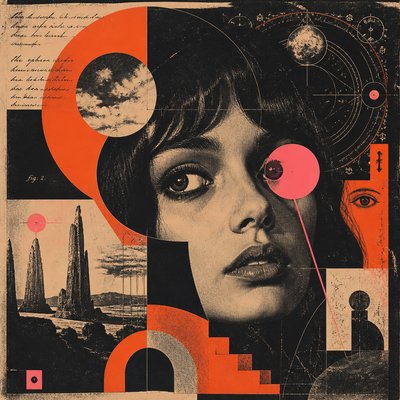
Star maps, zodiac-like diagrams, dotted lines, and delicate celestial patterns often appear as decorative elements. These motifs turn the sky into both a subject and a design structure.
Cosmic texture
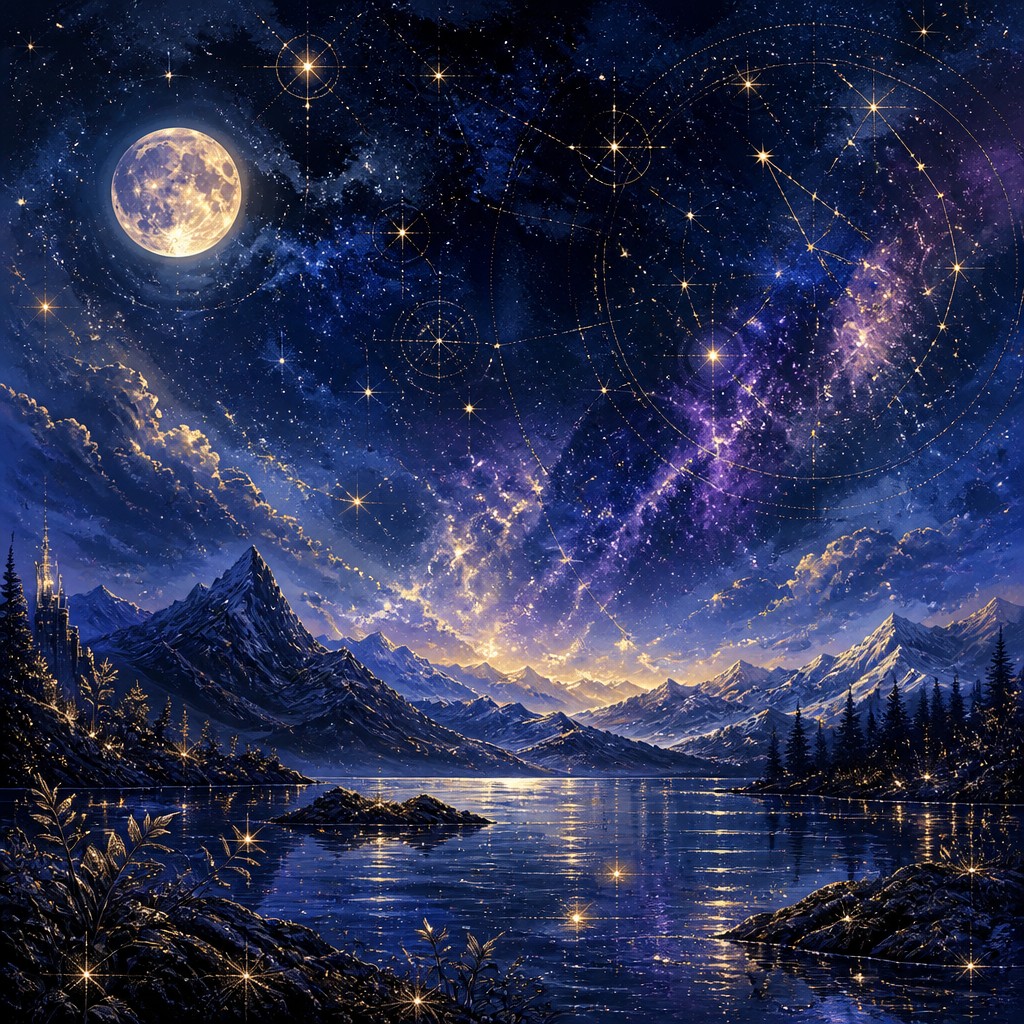
Fine speckling, shimmer, and grain-like dust evoke distant stars and interstellar matter. The texture usually remains subtle so the image preserves a calm, refined surface.
Serene vastness
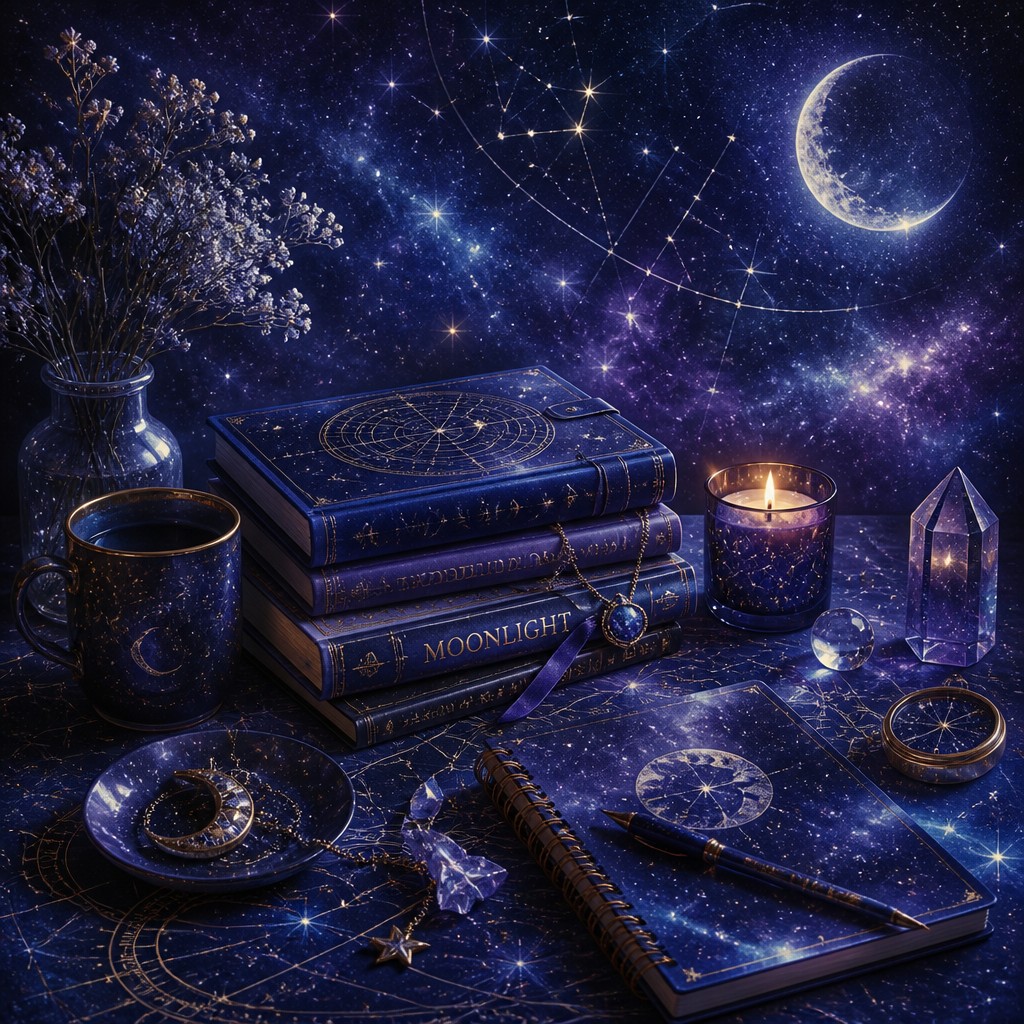
Composition typically emphasizes open space, depth, and quiet balance. Even when the subject is elaborate, the overall mood stays tranquil and contemplative.
Try It
Create Videos in Celestial Aesthetic
Styles aren't just for stills — describe a scene or animate an image and get a short video rendered in Celestial Aesthetic. Press play to see this pond come to life.
Make a VideoCelestial Aesthetic Prompt Ideas
Start from an idea — each one opens the generator with the style ready to go. See all 40 Celestial Aesthetic prompts →
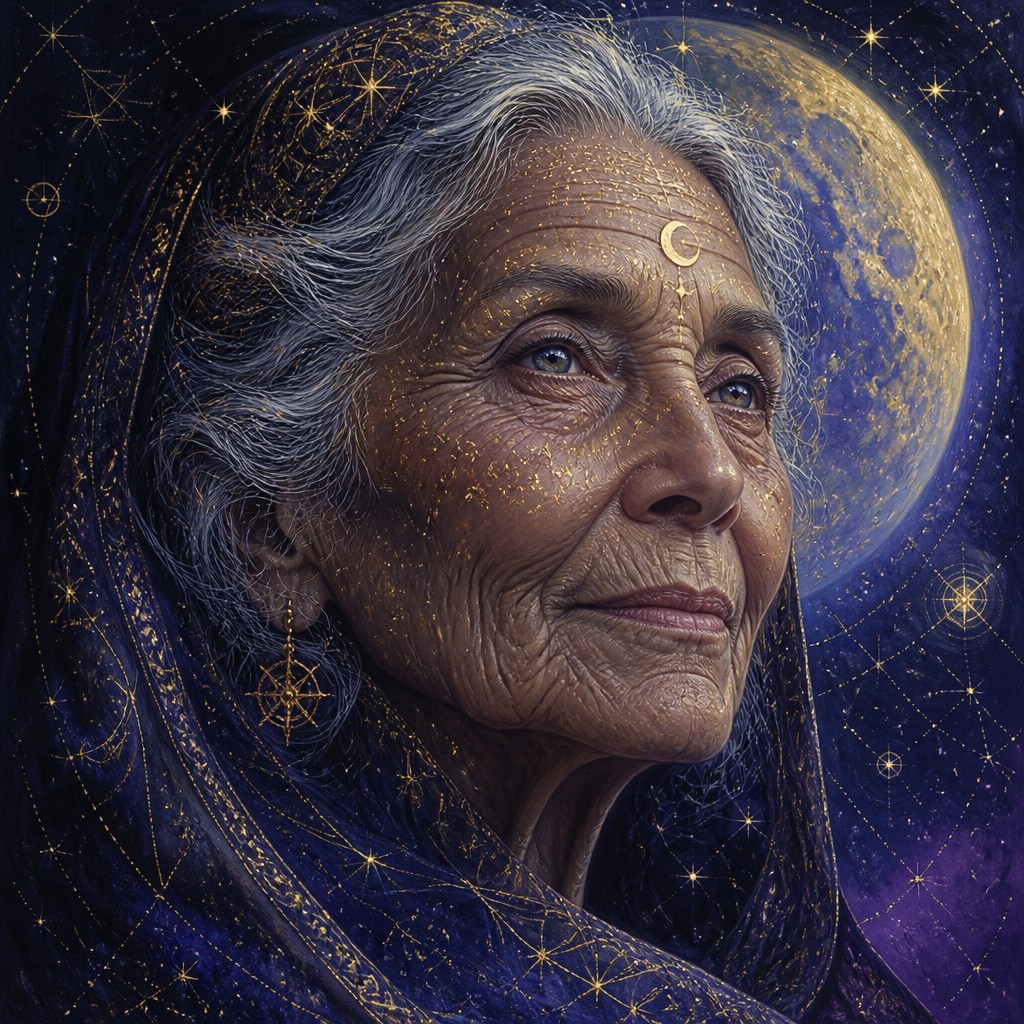
“close-up portrait of an elderly person with expressive weathered features”
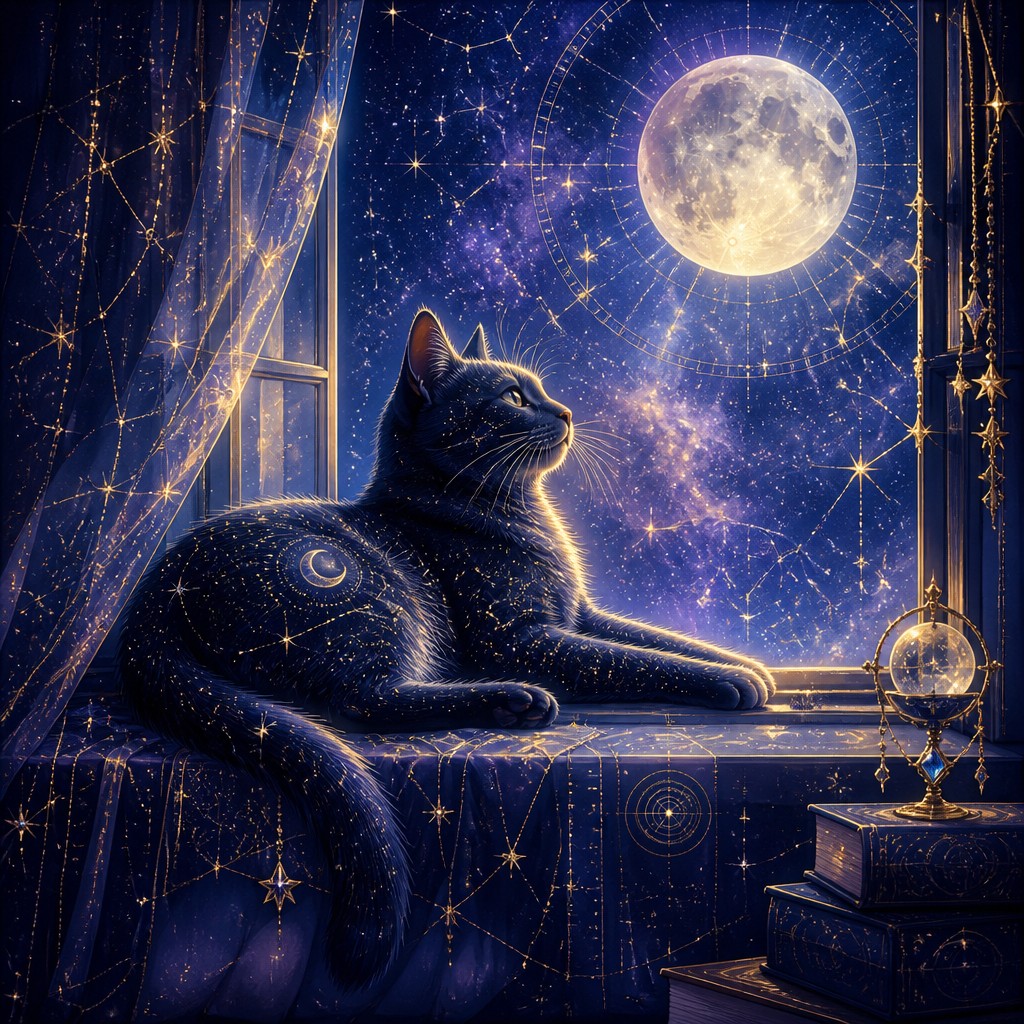
“a cat lounging in a sunlit window”
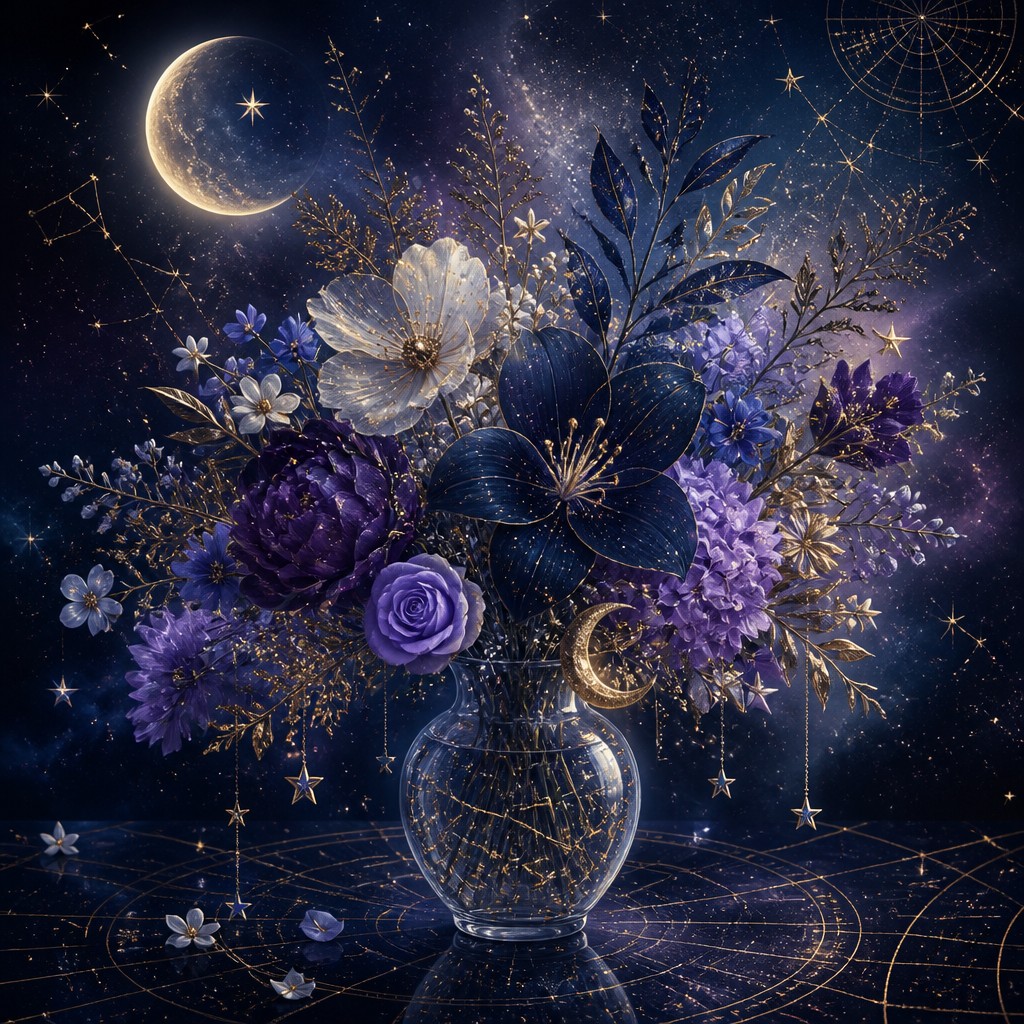
“bouquet of flowers in a glass vase”
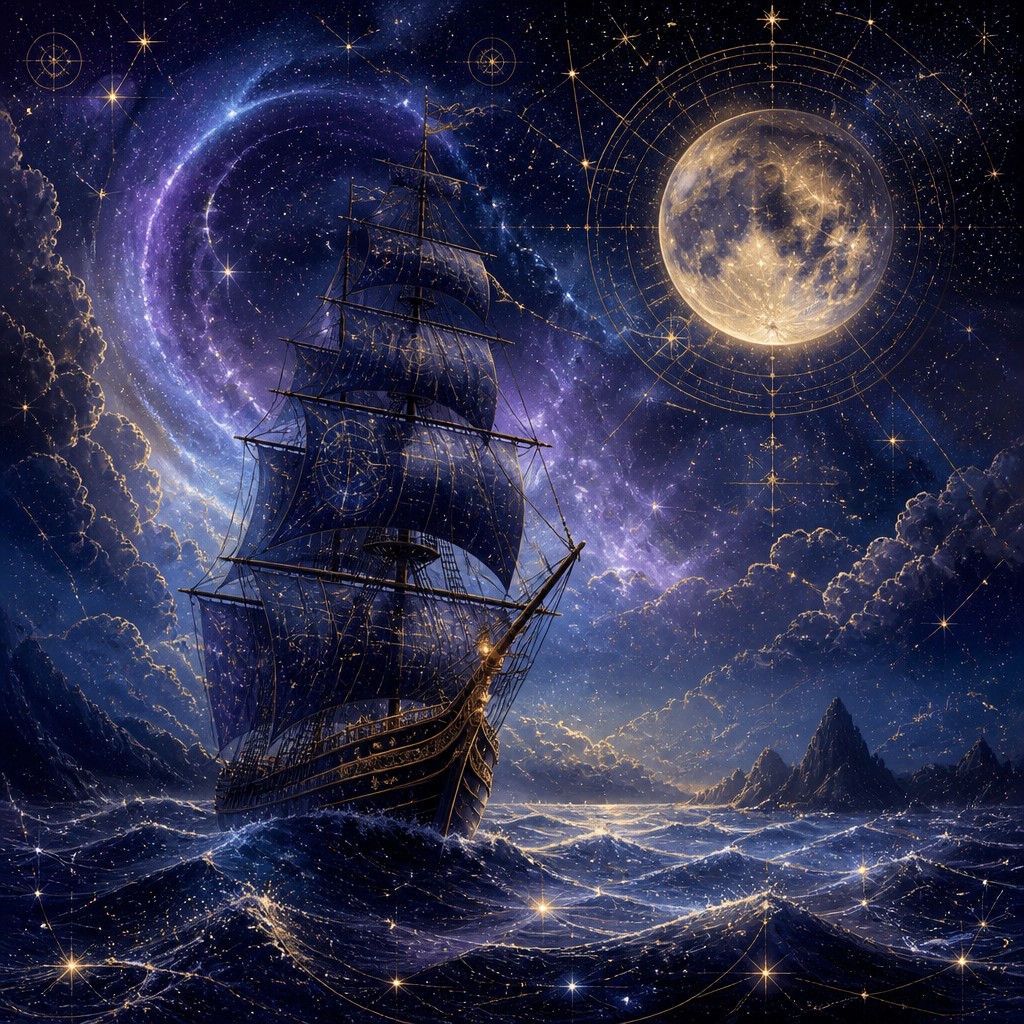
“sailing ship on a stormy sea”
How to Create Celestial Aesthetic Art
Master the craft step by step — or skip straight to creating. Read the full guide →
- 1
Build a dark luminous base
Start with an indigo-to-black or violet-to-black gradient and reserve your brightest highlights for small focal points. In traditional media, glazing and layered translucent washes can mimic this depth; in digital work, use soft airbrush passes and controlled bloom.
- 2
Use stars as structure, not decoration
Place pinpoint lights, constellations, or dotted patterns to guide the eye through the composition. These elements work best when they create rhythm and spacing rather than clutter.
- 3
Add atmospheric softness
Introduce mist, haze, or diffused edge treatment around light sources to suggest moon-glow and distance. In photo edits, this can come from overlays and selective blur; in painting, it can be created with feathered blending and transparent layers.
- 4
Balance metallic and spectral tones
Gold and silver accents should read as refined highlights against the cool palette, not as heavy ornament. Keep them thin, selective, and strategically placed so they feel celestial rather than flashy.
- 5
Preserve openness and calm
Leave breathing room in the composition, especially around the brightest areas, to maintain the style’s tranquil quality. For prompt-based generation, specify moonlight, nebulas, starfields, soft haze, and elegant cosmic detail while avoiding crowded or aggressive wording.
- 6
Guide the subject with mood cues
When creating an image from a prompt, pair the subject with emotional descriptors such as serene, mystical, dreamlike, or reverent. If transforming a photo, encourage a cooler palette, reduce harsh contrast, and unify the image with glow and star-like overlays.
The Story
History & Origins of Celestial Aesthetic
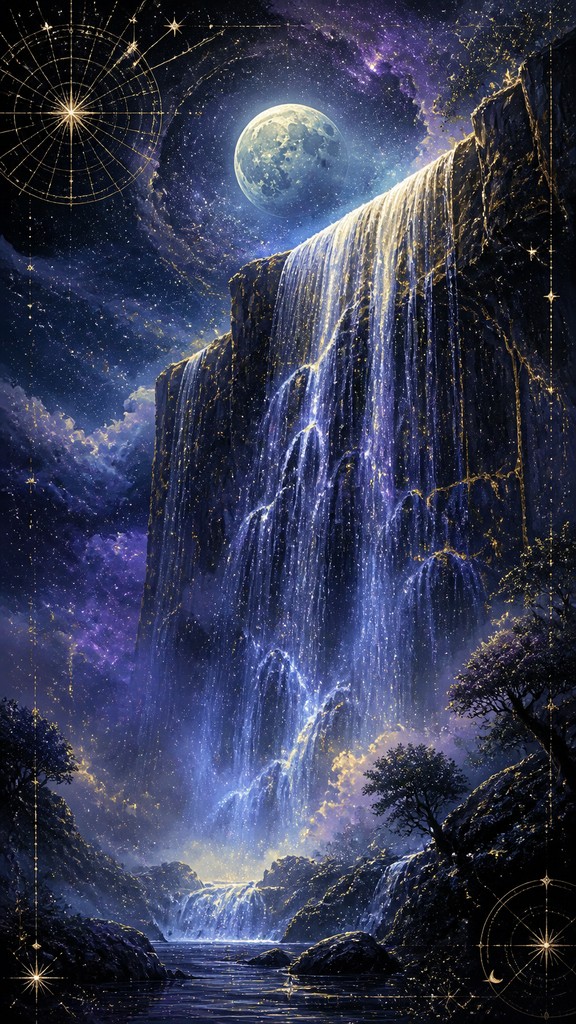
Celestial Aesthetic is not a historical art movement in the strict sense, but a contemporary aesthetic lineage that draws from several older visual traditions. Its moonlit palettes and atmospheric glow recall Romantic landscape painting and Symbolist imagery, while its decorative stars, constellations, and metallic highlights connect it to ornament, illustration, and decorative arts. In modern visual culture, it also overlaps with fantasy art, astrology-themed design, and digital gradient-based illustration.
The style became especially legible in internet-era visual culture, where “celestial” motifs spread through editorial graphics, album art, stationery, fashion branding, and digital illustration. It is shaped by contemporary tools that make soft glows, layered transparency, and luminous gradients easy to produce, but its appeal comes from older human associations: the night sky as a symbol of wonder, fate, distance, and spiritual stillness.
Influences: Celestial Aesthetic draws on Romantic nocturnes, Symbolist atmosphere, astrology imagery, and decorative illustration, while also borrowing from contemporary fantasy and digital gradient design. In historical painting, the mood of luminous darkness can recall Caspar David Friedrich’s moonlit contemplative landscapes and James McNeill Whistler’s nocturnes, though the celestial motif itself is more decorative and modern. Its star-map patterns and metallic detailing also connect it to poster design, stationery aesthetics, and ornamental graphic traditions.
Frequently Asked Questions
What defines Celestial Aesthetic?
It is defined by a dark, night-sky palette combined with luminous starlight, nebular haze, and delicate celestial motifs. The style feels serene, mystical, and expansive rather than dramatic or chaotic. Its visual logic depends on strong contrast between deep blues and tiny radiant highlights.
How is it different from space art or cosmic art?
Space art often aims to depict astronomy, science fiction, or large-scale cosmic environments, sometimes with realism or spectacle. Celestial Aesthetic is more mood-driven and decorative, emphasizing elegance, softness, and symbolic night-sky imagery. It is less about scientific scale and more about reverie and atmosphere.
What subjects work best in this style?
Portraits, moons, stars, temples, animals, landscapes, and fantasy objects all work well because they can be framed by glow and constellation-like detail. Subjects with clear silhouettes are especially effective against the dark, luminous background. The style also suits editorial graphics and symbolic illustrations.
Can this style be made traditionally?
Yes. Painters and illustrators can use layered glazing, deep cool pigments, and metallic or pale highlights to recreate the effect. Soft blending, stippling, and restrained ornament help produce the signature cosmic calm.
What colors are most important?
Midnight blue, indigo, violet, black, and moonlit white form the core palette. Gold and silver are used sparingly as accents, while pale cyan or lavender can add spectral glow. The key is keeping the palette cool and luminous rather than warm and saturated.
Where is Celestial Aesthetic commonly used?
It appears often in fantasy illustration, album art, social media graphics, stationery, fashion imagery, and interior decor moodboards. It is popular wherever a sense of magic, elegance, or introspective wonder is desired. The style translates well to both static images and decorative pattern systems.

Create your first Celestial Aesthetic artwork
Describe anything — or upload a photo — and see it in Celestial Aesthetic in seconds.
Make Something with Celestial Aesthetic
Related Styles
Discover similar art styles