Weirdcore Aesthetic
Low-res unease, surreal symbols, and glitchy digital dream logic define weirdcore, the internet’s uncanny aesthetic.
Instantly rendered in Weirdcore Aesthetic — or transform a photo
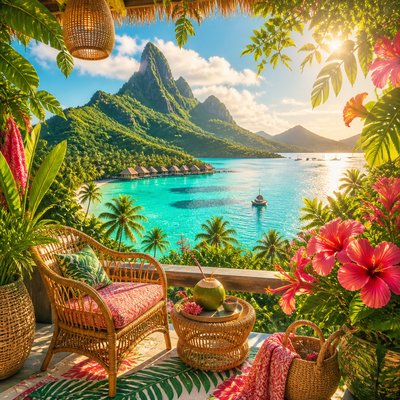
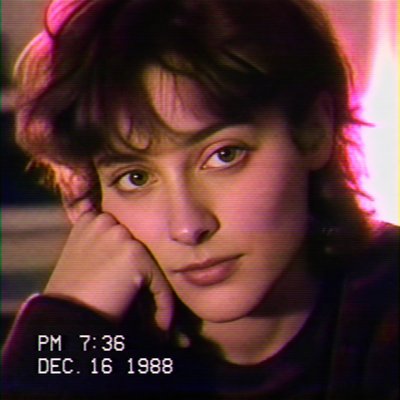
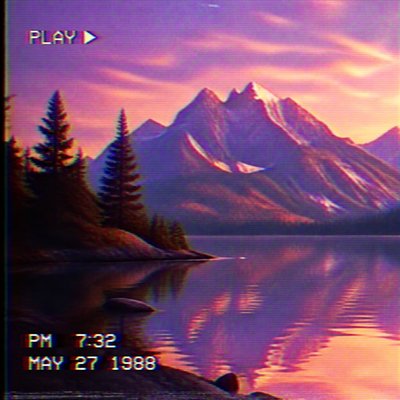
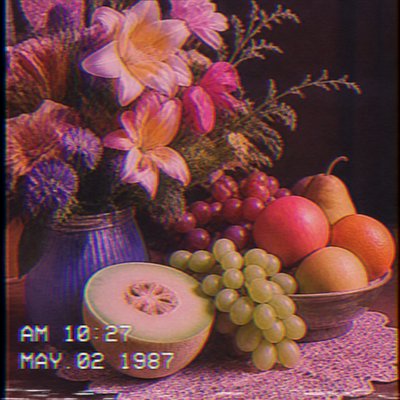
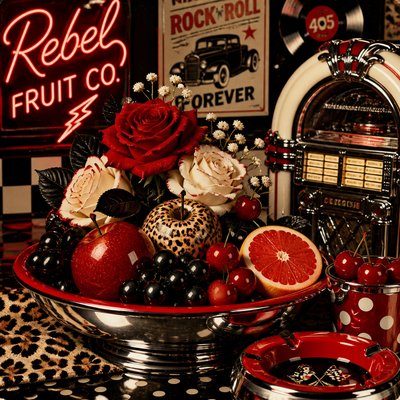
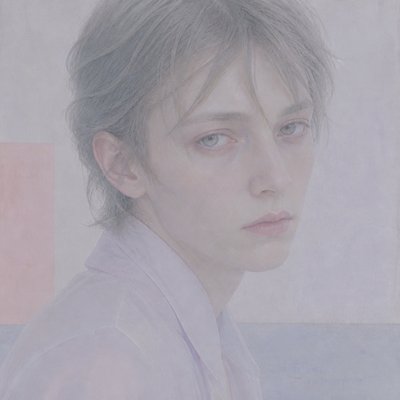
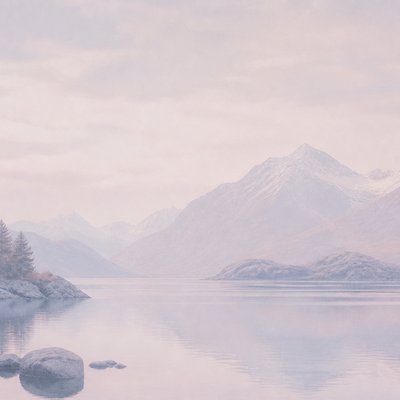
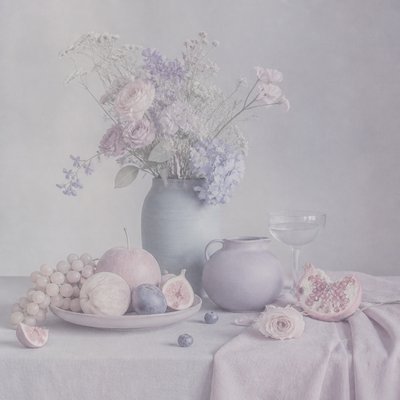
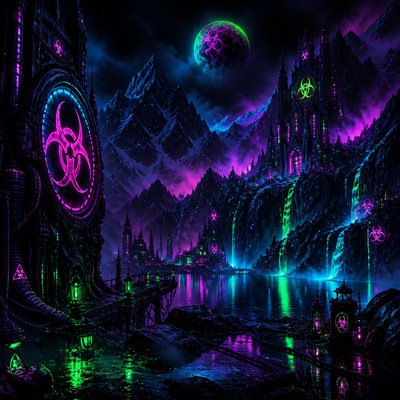
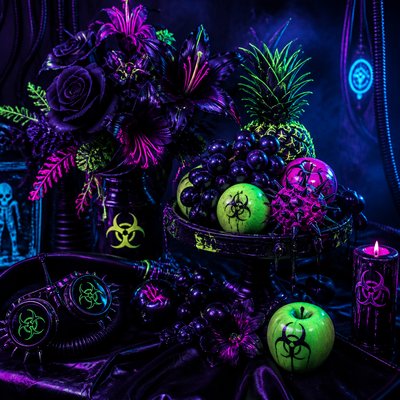
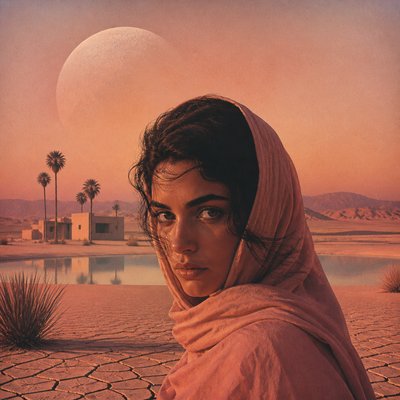
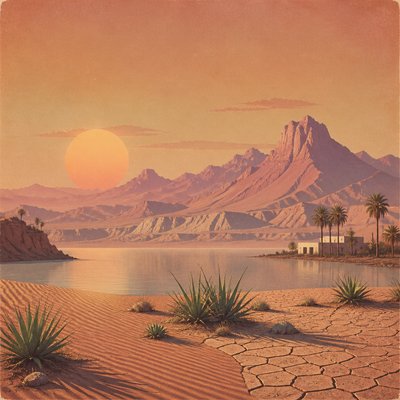
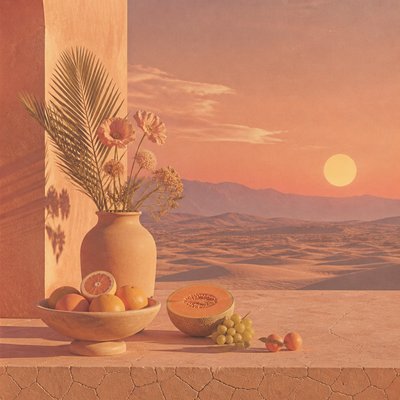
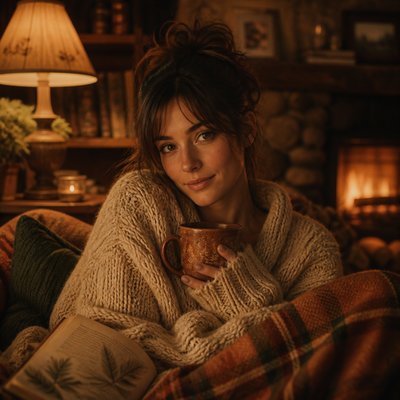
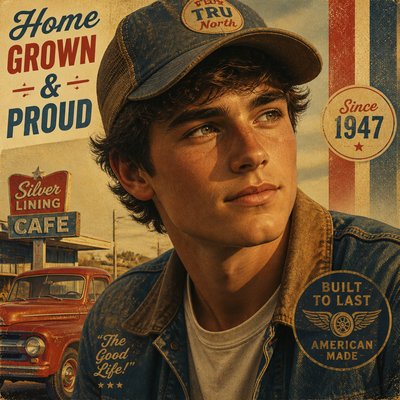
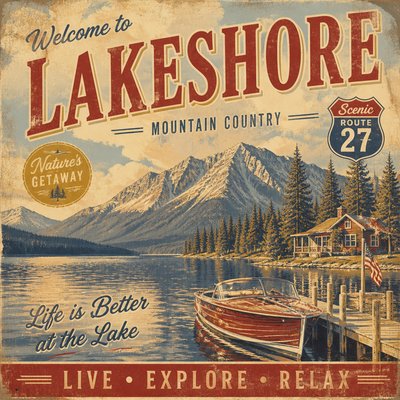
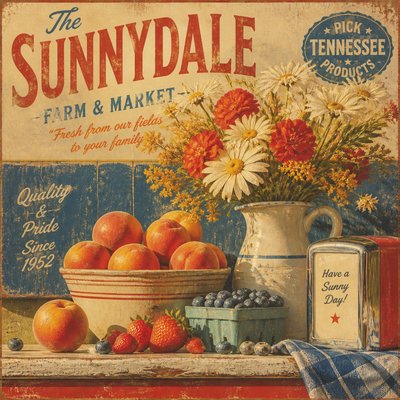
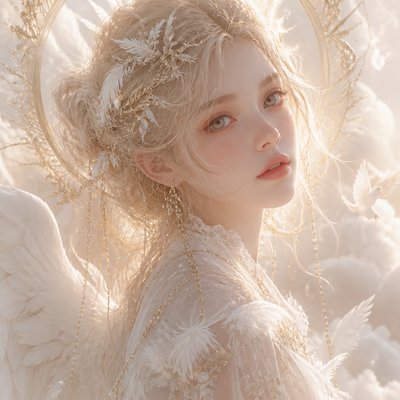
Weirdcore Aesthetic Gallery
Tap any artwork to explore it
What is Weirdcore Aesthetic?
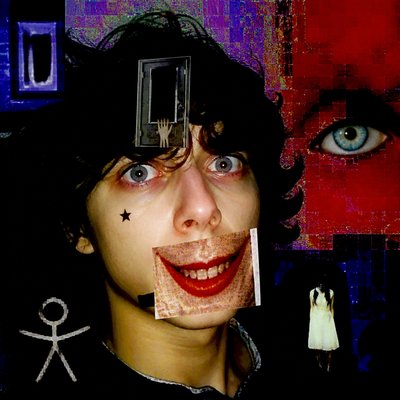
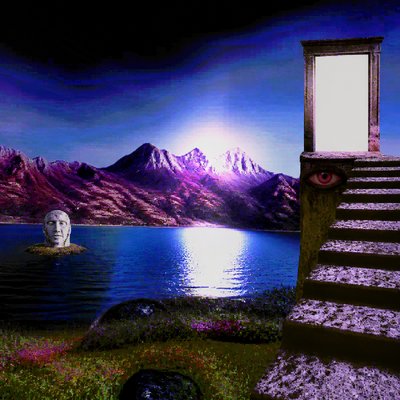
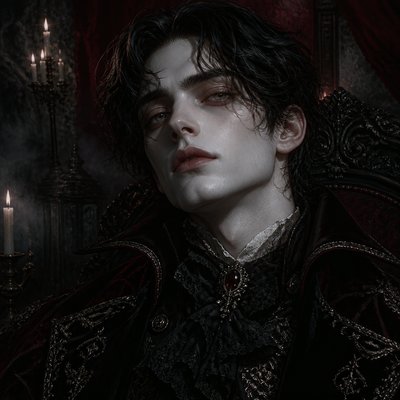
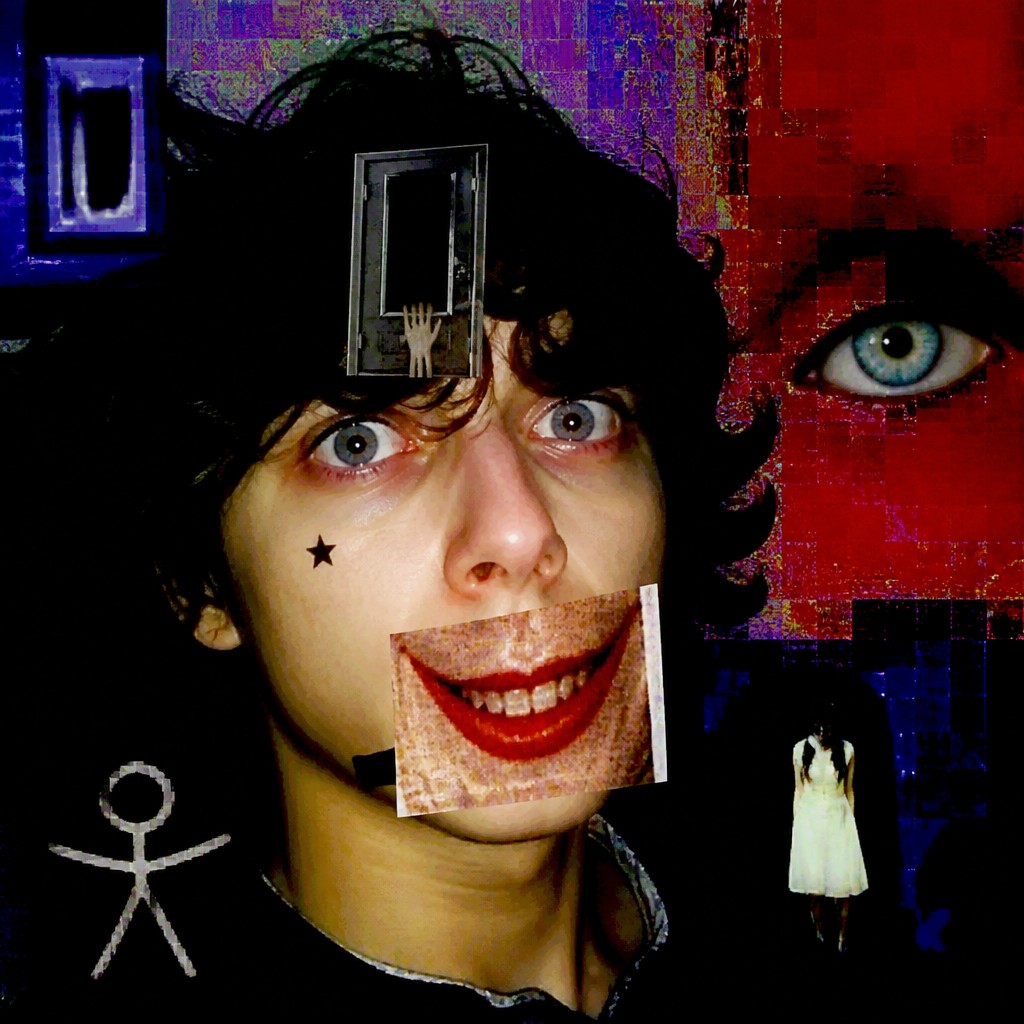
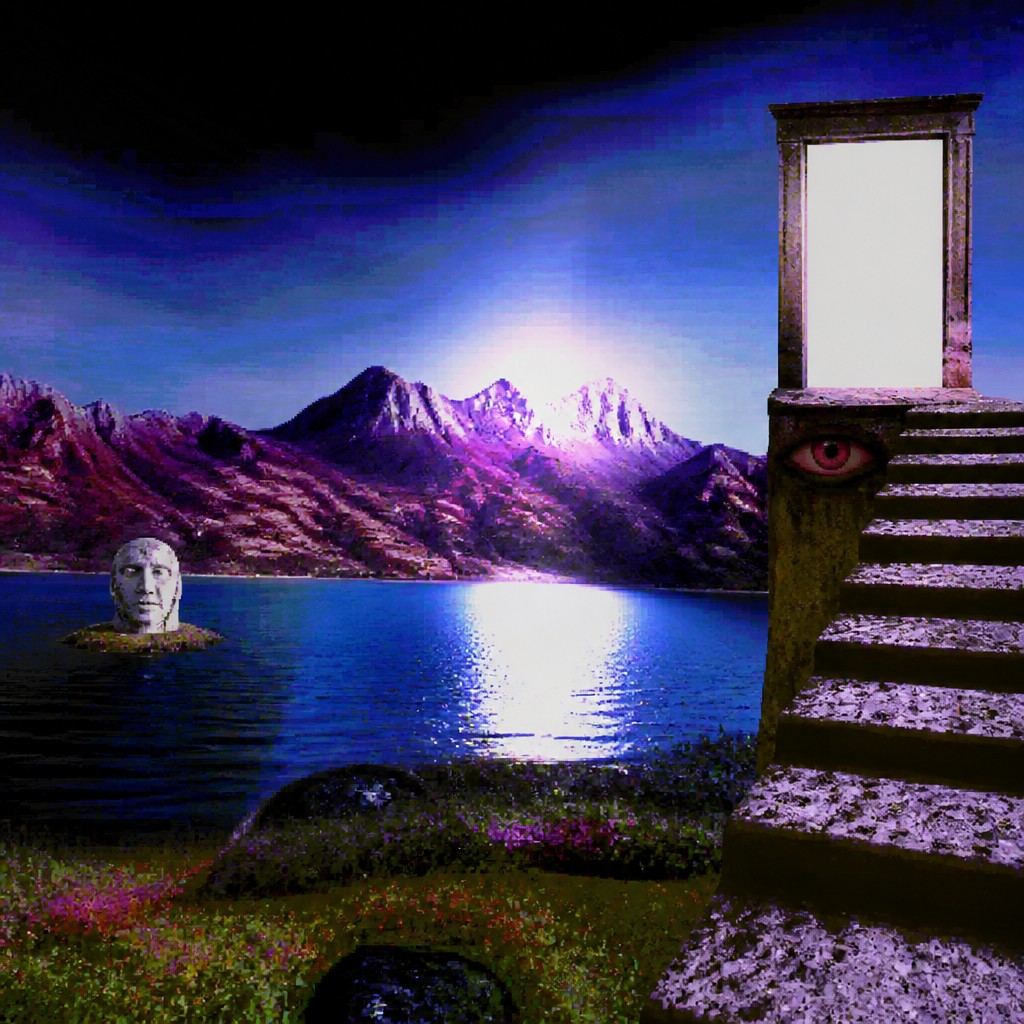
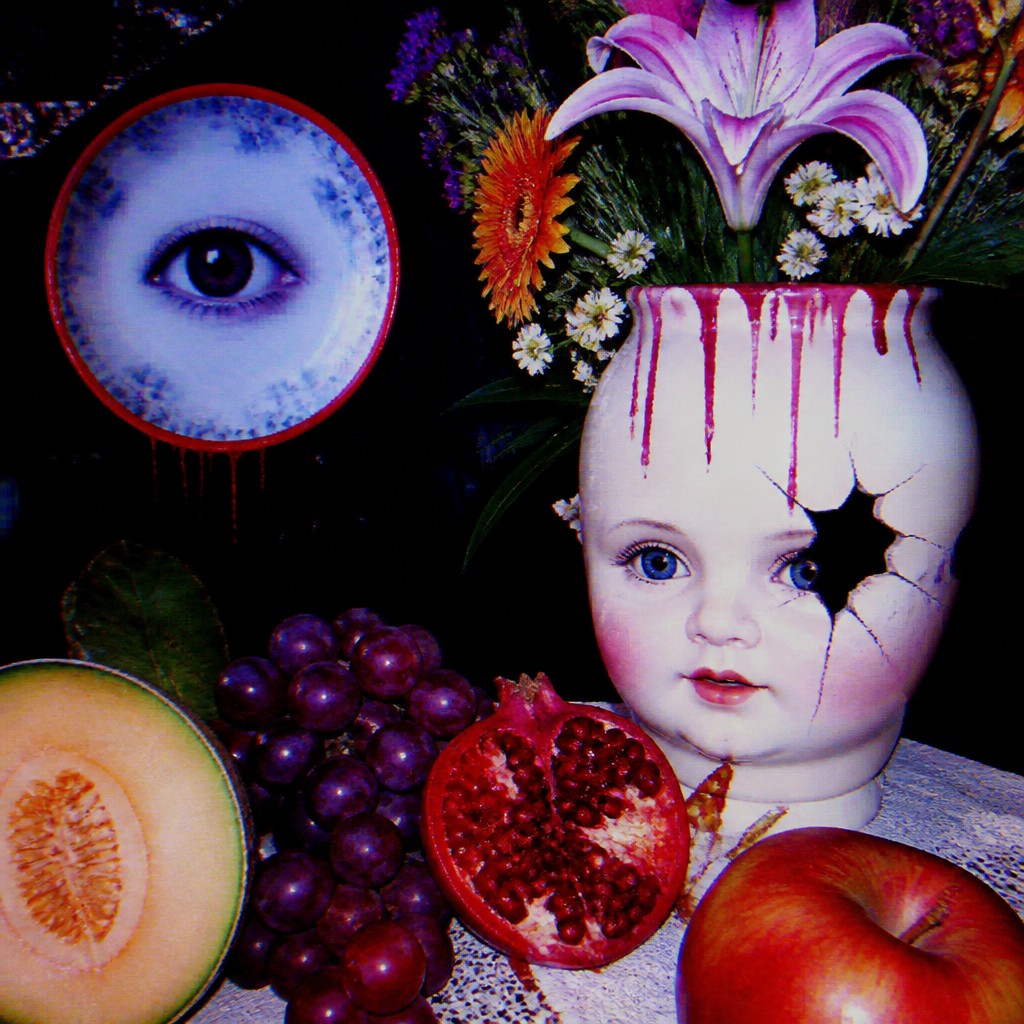
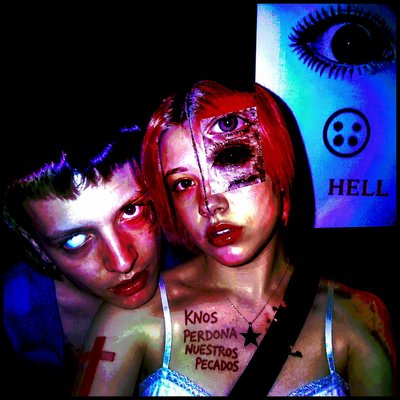
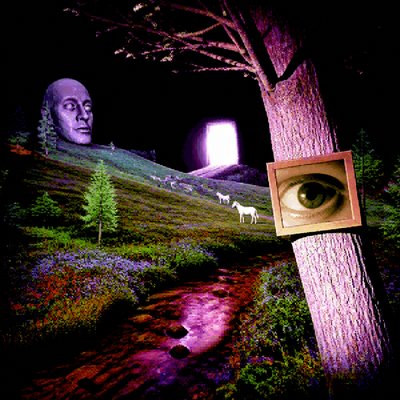
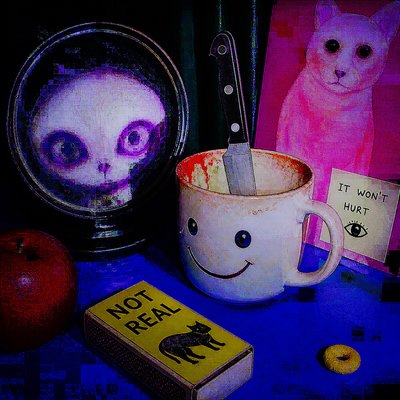
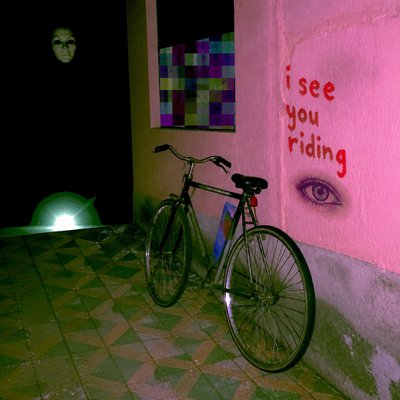
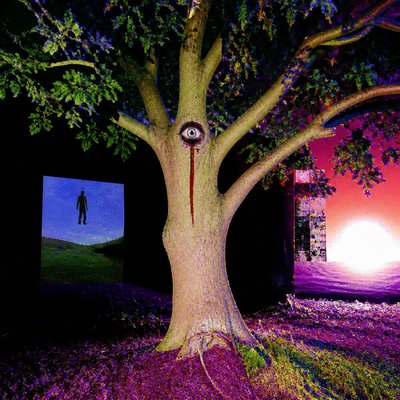
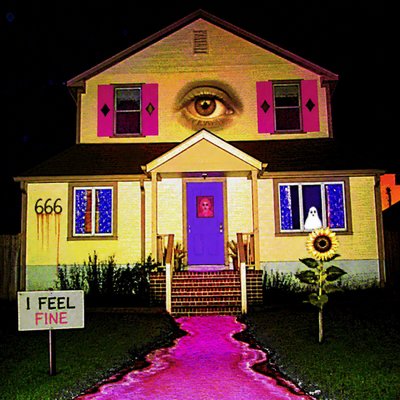
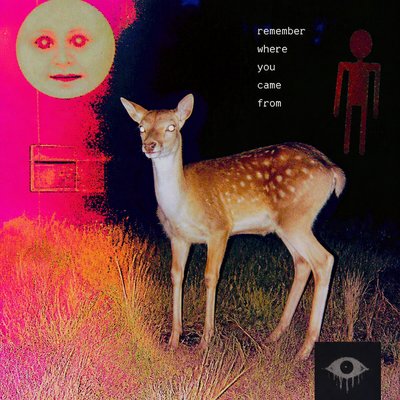
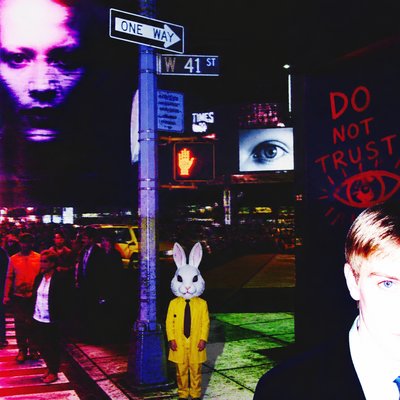
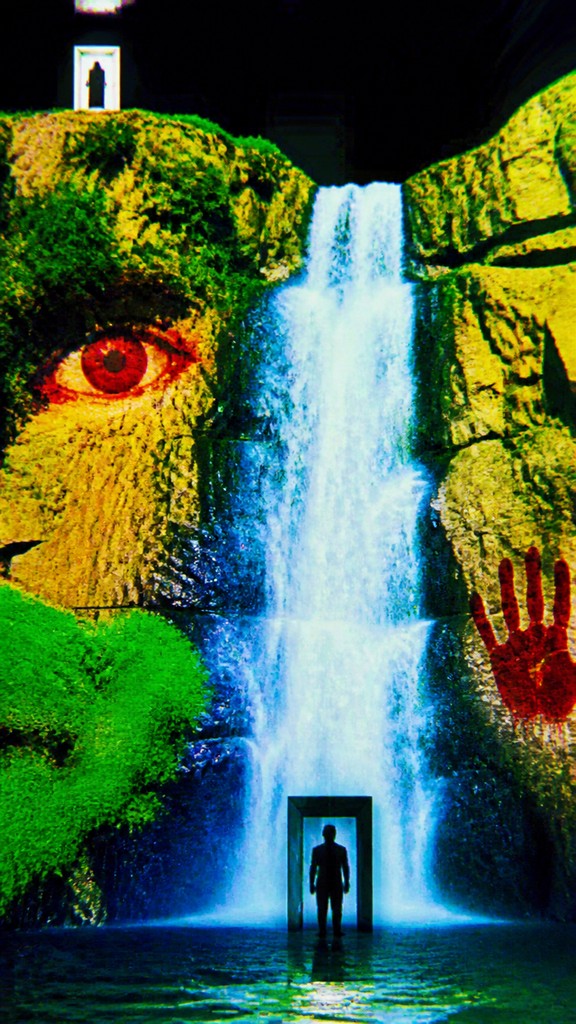
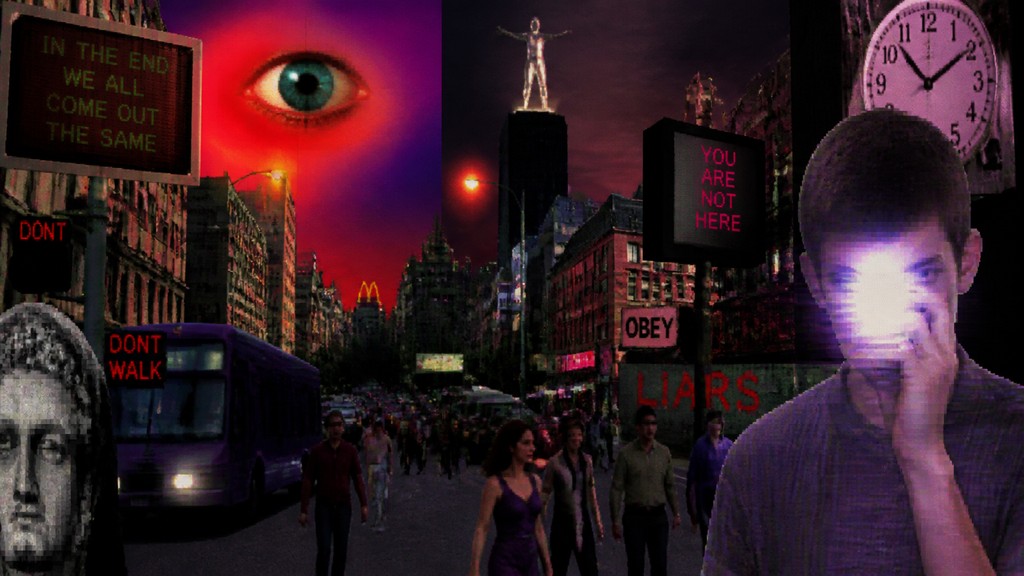
Weirdcore is an internet-born aesthetic built around low-resolution imagery, uncanny symbolism, and the feeling that an ordinary scene has become subtly, irreparably wrong. It often uses blown-out flash, muddy compression, empty interiors, impossible spaces, and clashing color pairs to create a sense of disorientation rather than narrative clarity.
What makes weirdcore distinctive is its emotional logic: the images feel like fragments of a dream, a corrupted memory, or a liminal place encountered at the edge of recognition. The style relies on deliberate visual failure—pixelation, harsh contrast, artifacting, overexposure, and awkward framing—to produce unease and strange familiarity at the same time.
Try It On Your Photos
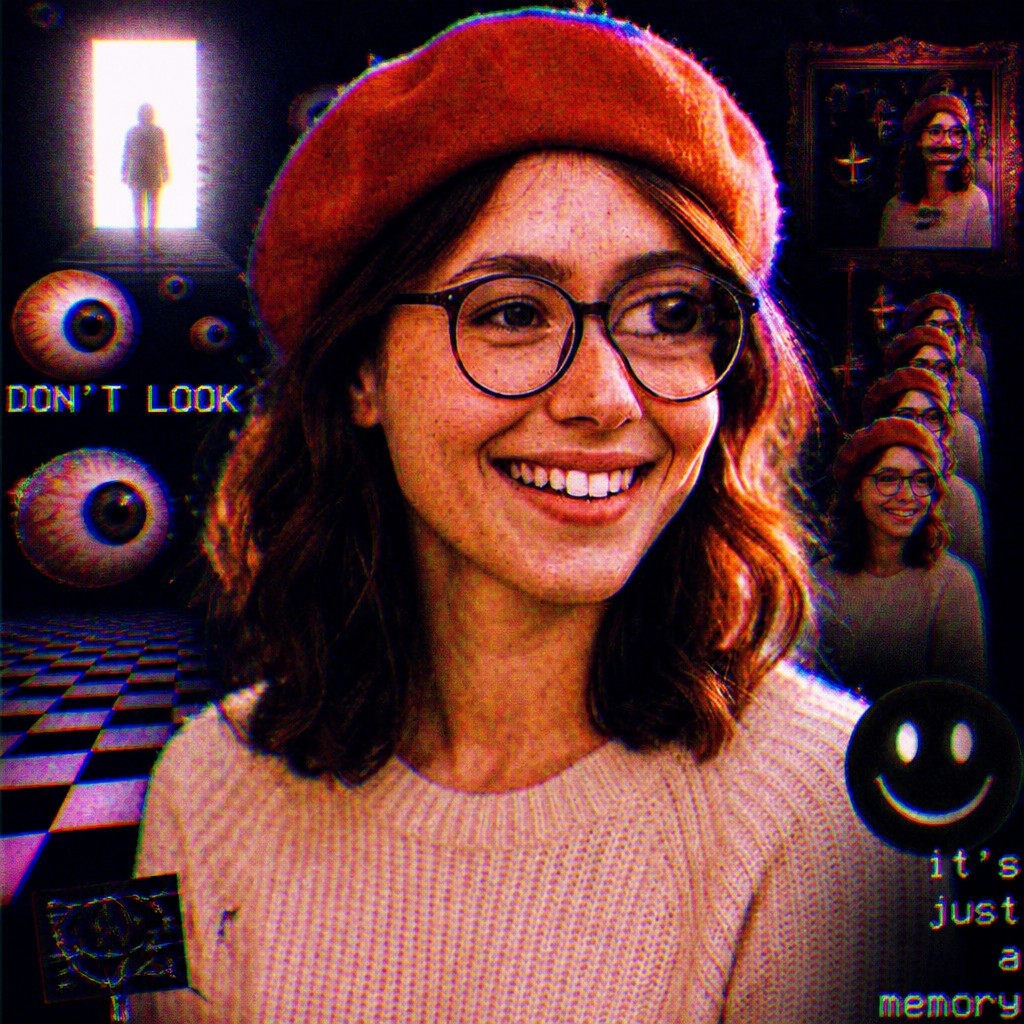
Upload any photo and convert it into Weirdcore Aesthetic — drag the sliders to compare before and after.

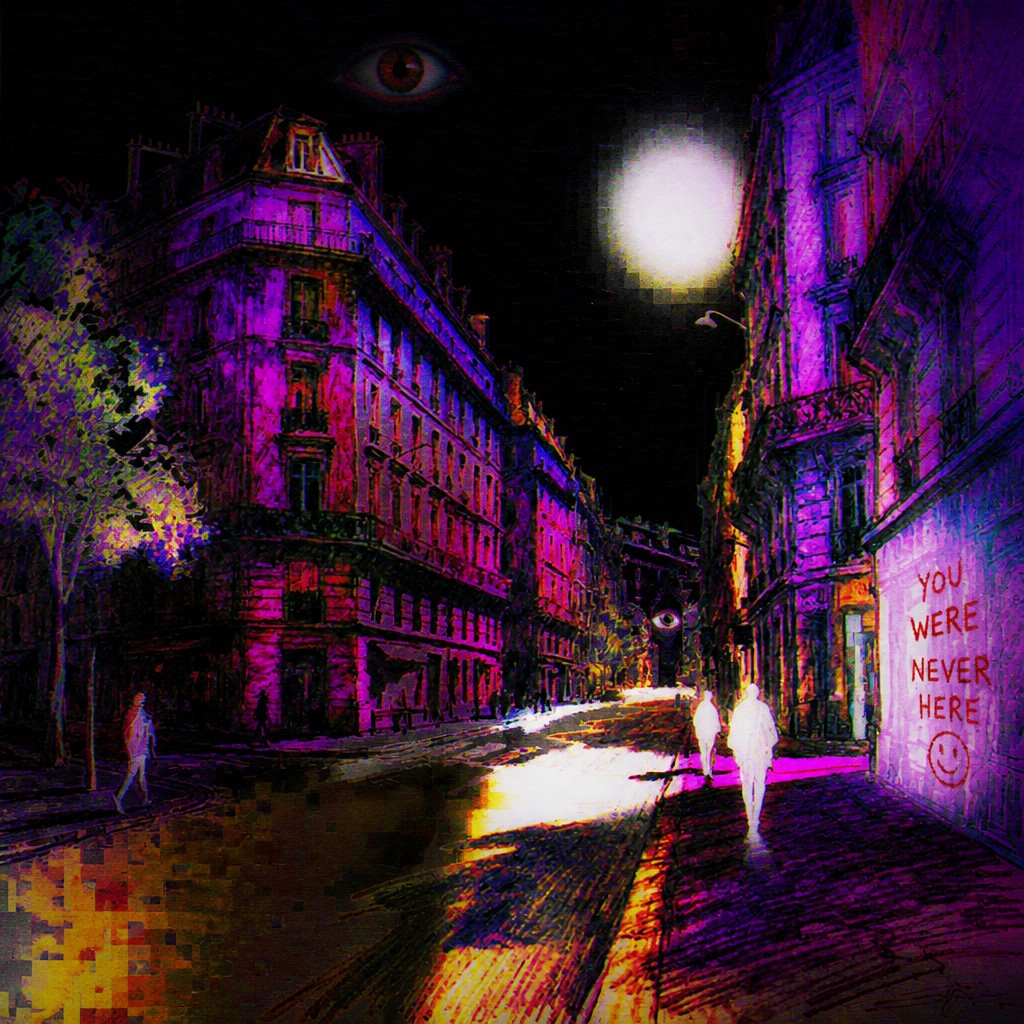

What Defines Weirdcore Aesthetic
The signature details, up close
Low-fidelity digital texture
Images often look intentionally degraded, with pixelation, JPEG artifacts, blur, and rough scaling. The imperfect surface is central to the mood and helps the scene feel unstable or remembered incorrectly.
Harsh lighting and overexposure
Flash photography, blown highlights, and flat glare are common. Strong lighting makes objects feel exposed and unnatural, as if they were caught in a moment of surveillance or interrupted memory.
Uncanny symbols and signage
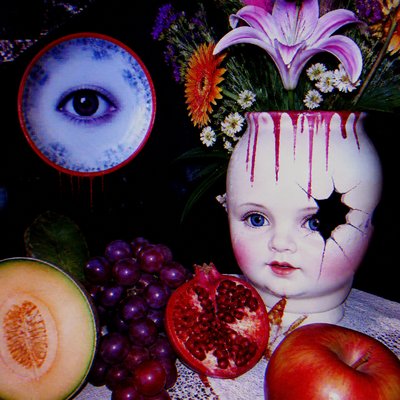
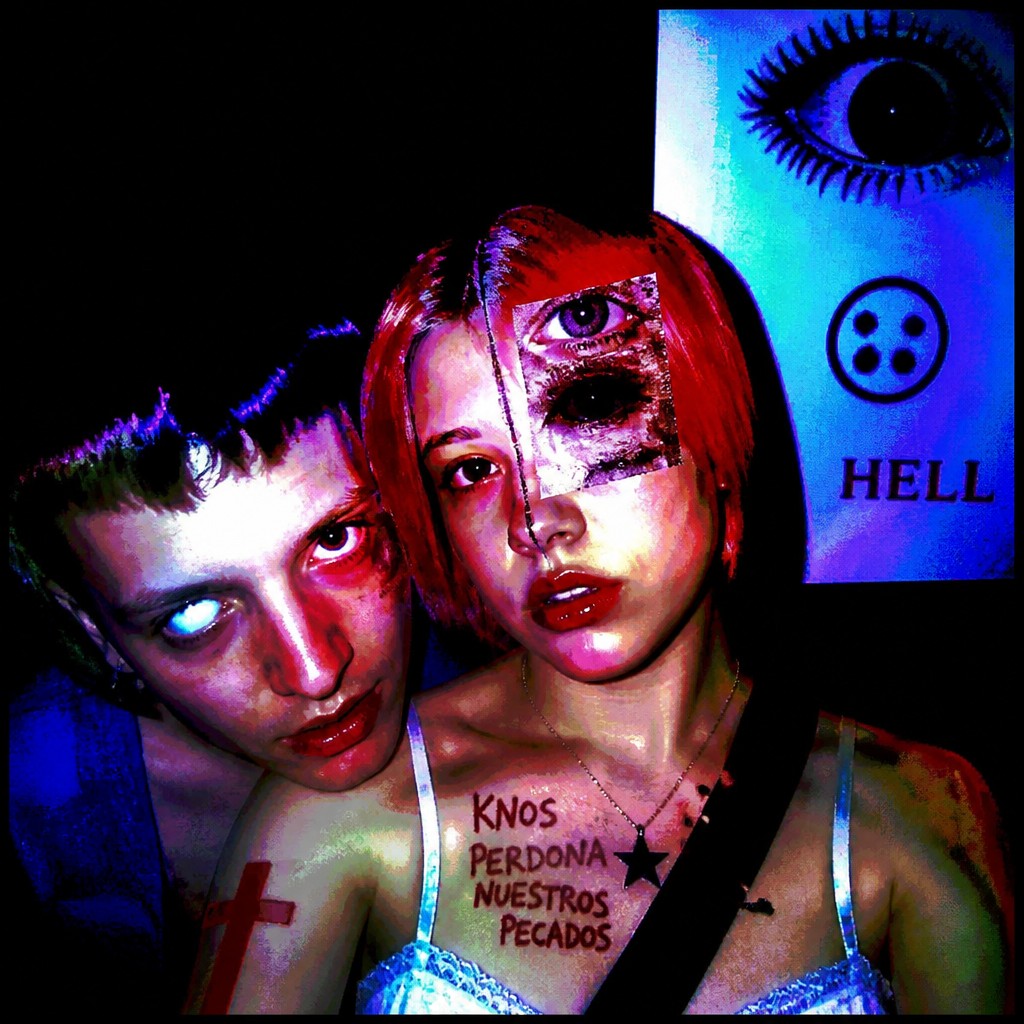
Eyes, arrows, smiley faces, hallway signs, windows, doors, stars, and abstract icons recur as emotional cues rather than literal narrative elements. These symbols often feel familiar but contextless, which intensifies the unease.
Liminal and empty spaces
Vacant rooms, corridors, playgrounds, parking lots, and void-like backgrounds are common settings. The emptiness suggests a place that should be inhabited but is not, creating a suspended, off-balance feeling.
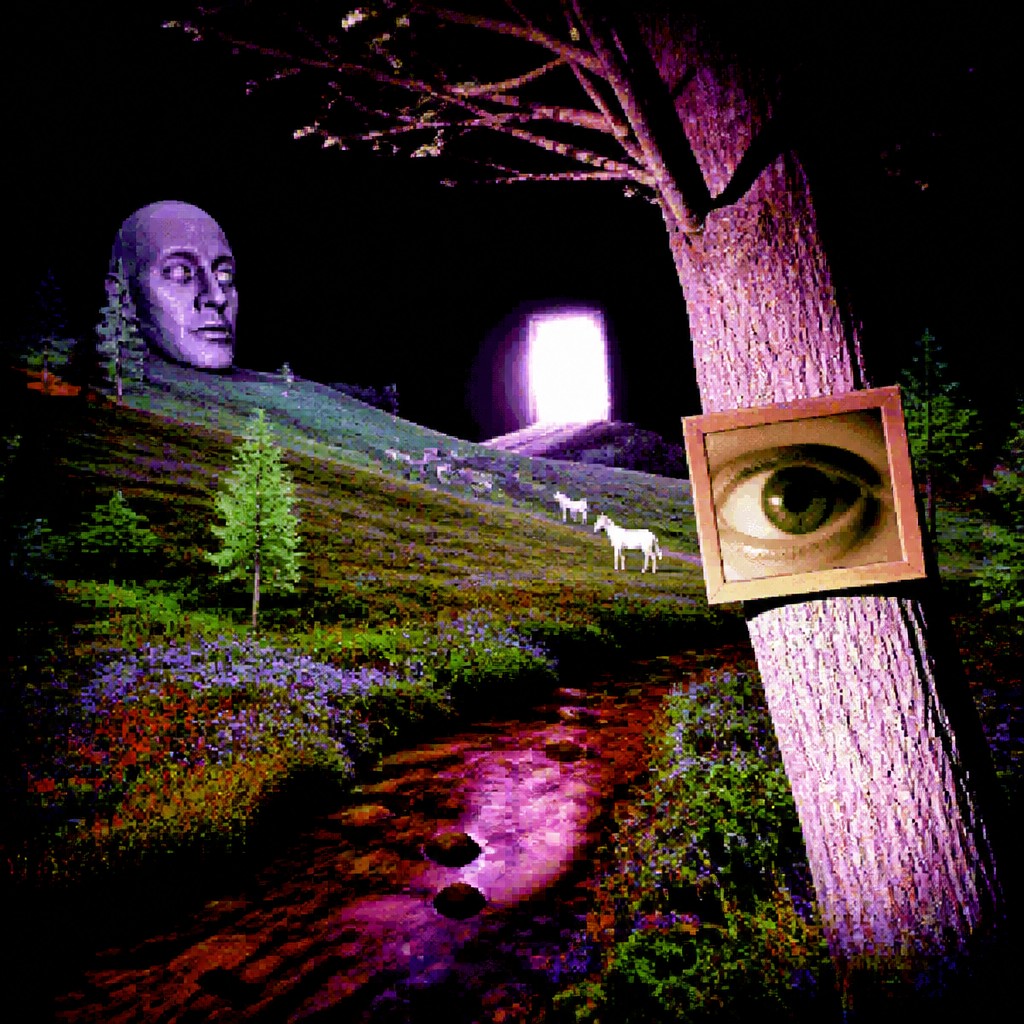
Clashing color and darkness
Bright neon, sickly pastels, and saturated primaries are frequently set against black voids or harsh white glare. The contrast creates a visual alarm signal rather than a harmonious palette.
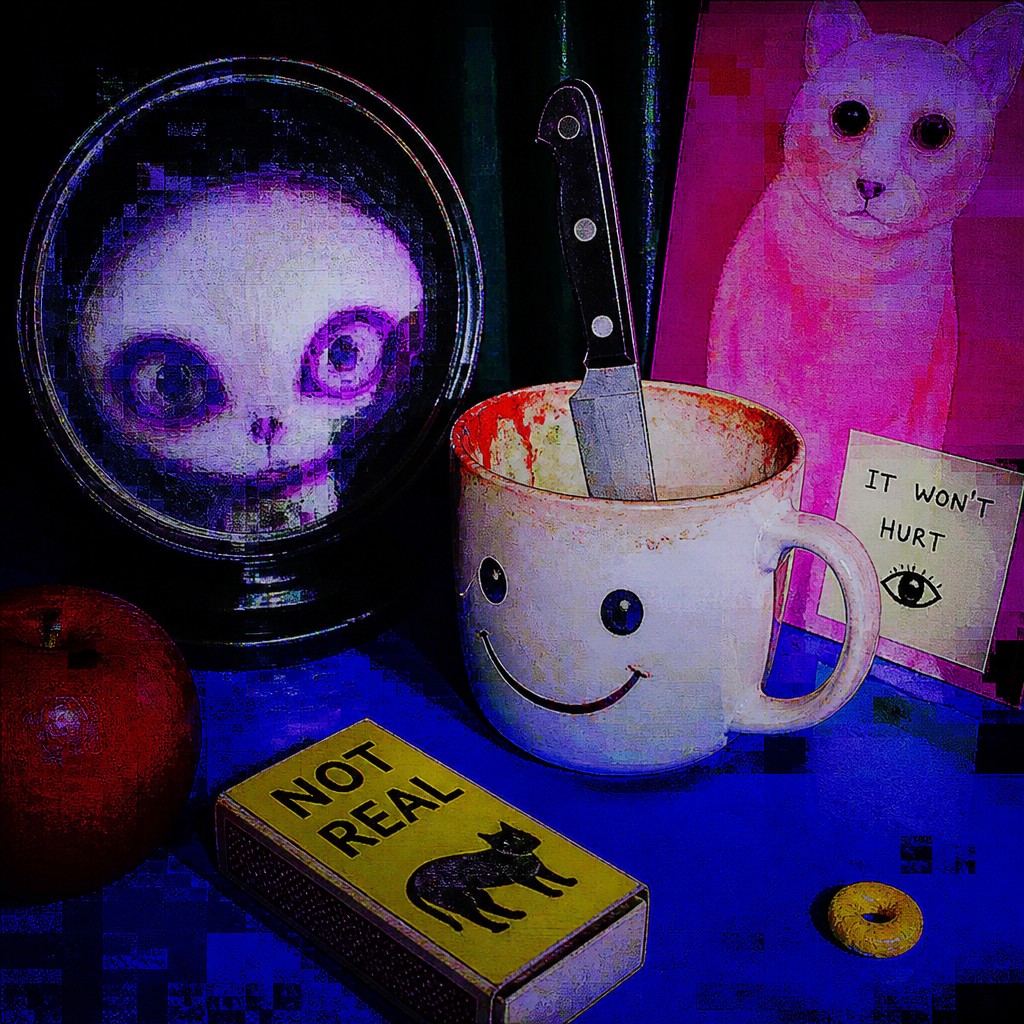
Dream logic composition
Objects may be oversized, cropped strangely, floating, duplicated, or arranged without perspective consistency. The scene reads like a fragment of a dream where causality and scale no longer behave normally.
Try It
Create Videos in Weirdcore Aesthetic
Styles aren't just for stills — describe a scene or animate an image and get a short video rendered in Weirdcore Aesthetic. Press play to see this pond come to life.
Make a VideoWeirdcore Aesthetic Prompt Ideas
Start from an idea — each one opens the generator with the style ready to go. See all 40 Weirdcore Aesthetic prompts →
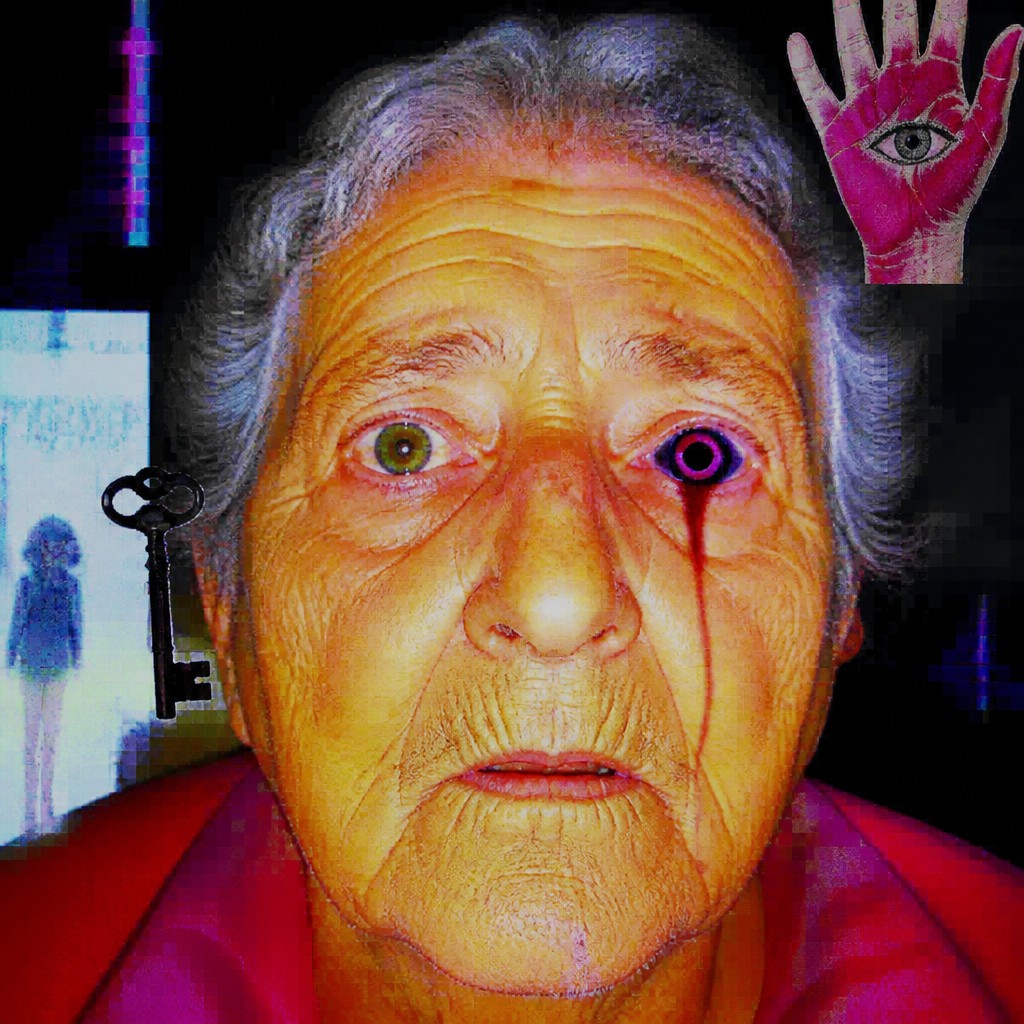
“close-up portrait of an elderly person with expressive weathered features”
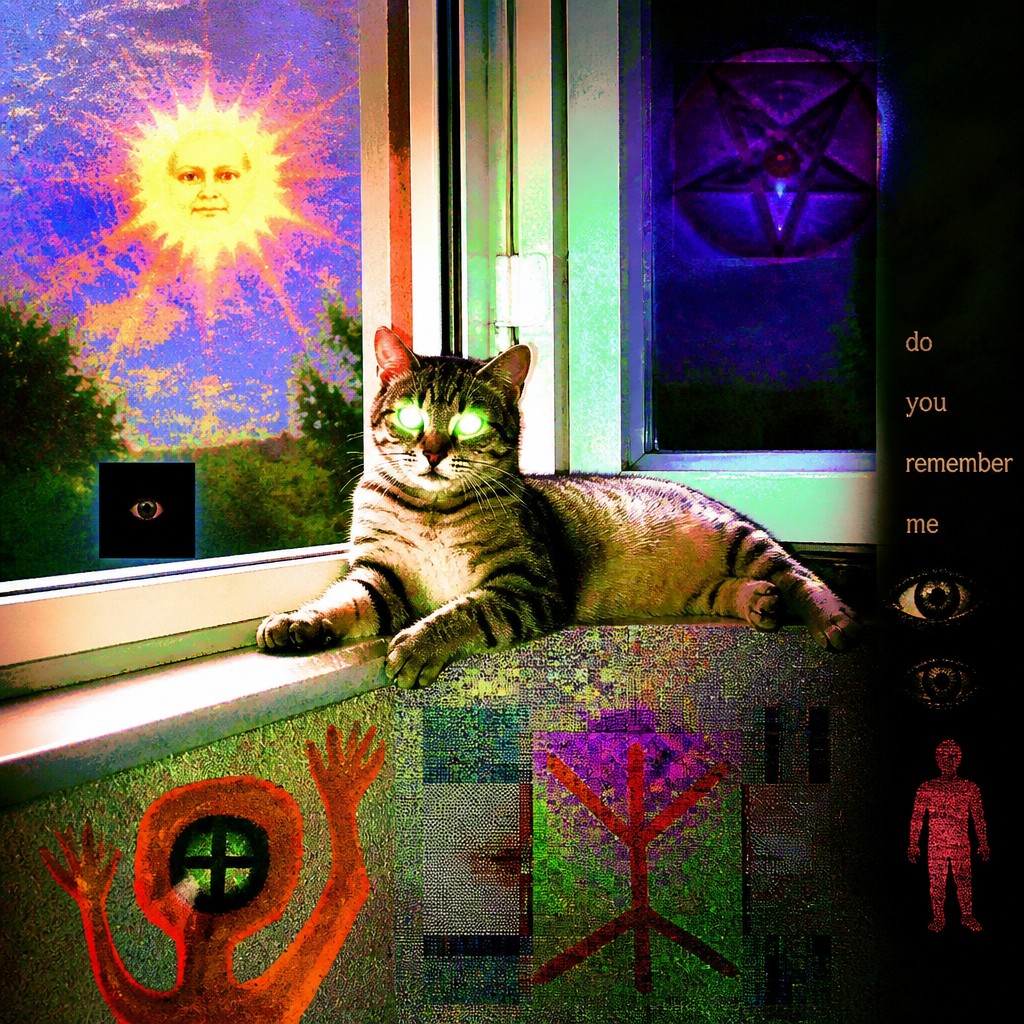
“a cat lounging in a sunlit window”
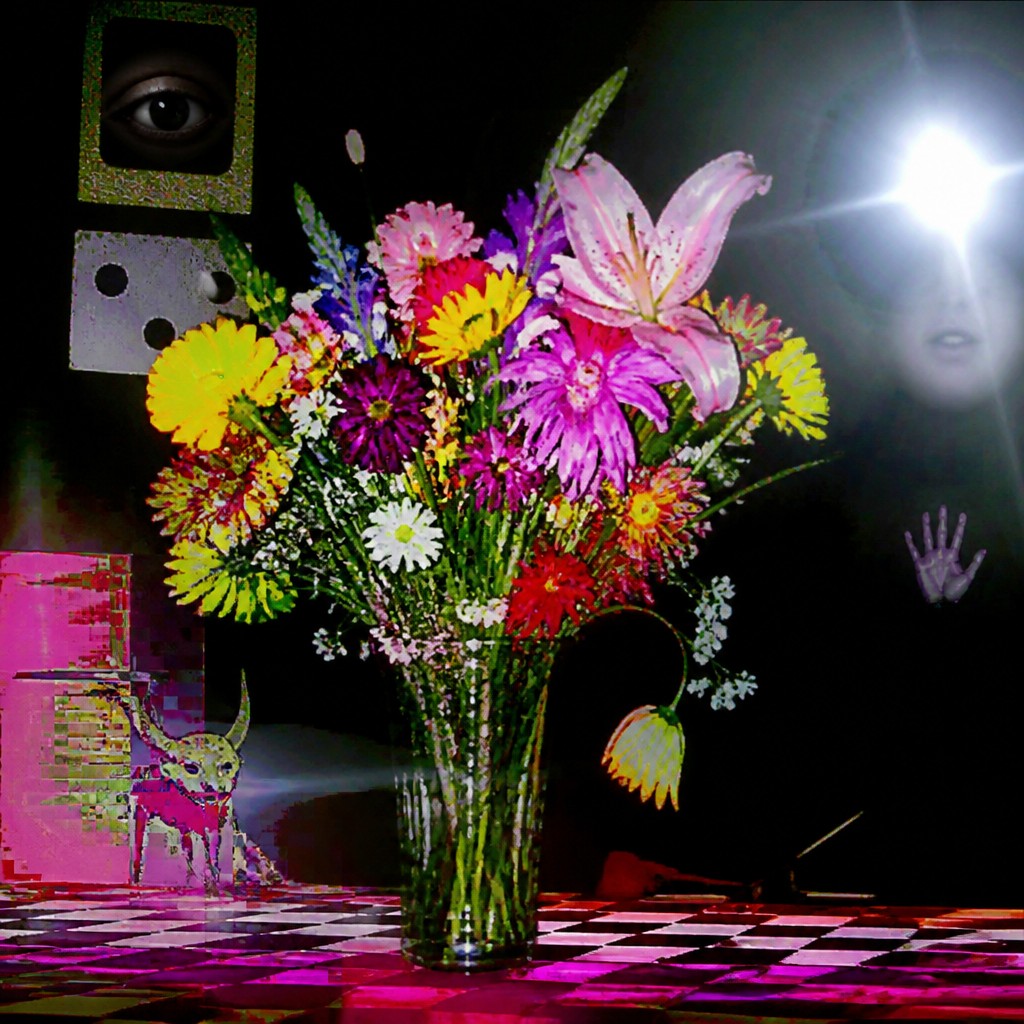
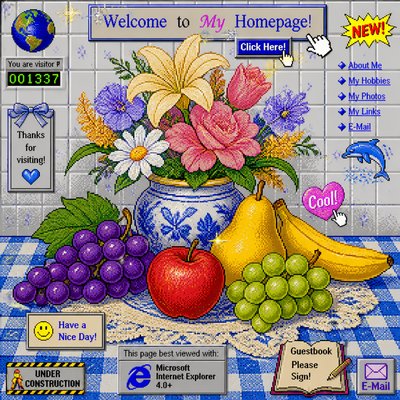
“bouquet of flowers in a glass vase”
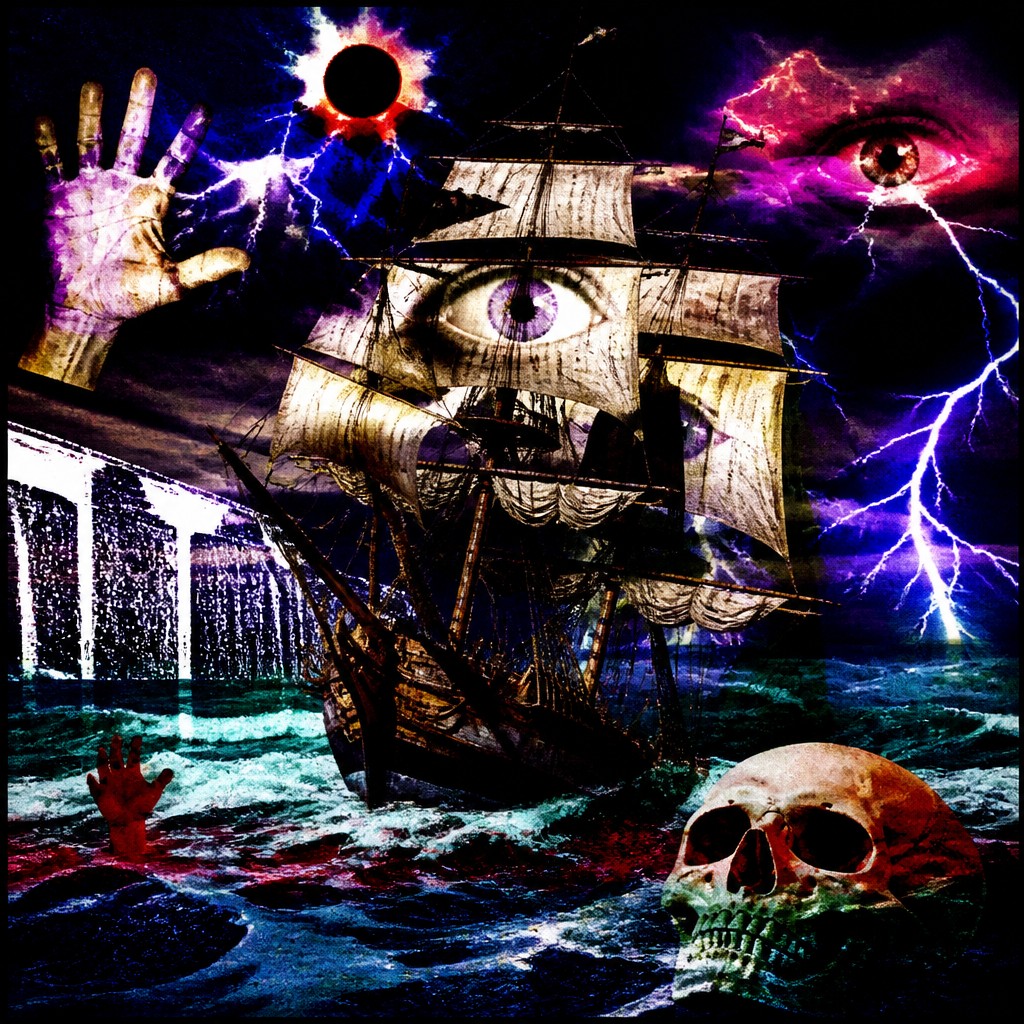
“sailing ship on a stormy sea”
How to Create Weirdcore Aesthetic Art
Master the craft step by step — or skip straight to creating. Read the full guide →
- 1
Start with an ordinary scene and corrupt it
Use a simple subject such as a bedroom, hallway, school corridor, or street corner, then introduce one or two abnormalities: a door to nowhere, a floating sign, or an impossible shadow. The strongest weirdcore images usually preserve enough realism to feel recognizable while breaking it in specific ways.
- 2
Use deliberate image degradation
In digital work, add compression artifacts, low-resolution scaling, harsh contrast, and slight blur rather than clean polish. In traditional media, you can mimic this with rough edges, limited detail, and stark lighting that flattens surfaces.
- 3
Build unease through composition
Crop figures awkwardly, leave large areas empty, and place the focal point off-center. Avoid balanced, explanatory compositions; the image should feel like a captured fragment rather than a complete scene.
- 4
Choose symbols with emotional ambiguity
Use objects that carry simple recognition but unclear meaning, such as arrows, eyes, lamps, windows, toys, or warning signs. Their power comes from being readable at a glance while still refusing a clear story.
- 5
Prompt for texture, lighting, and mood
When generating digitally, describe the scene, then specify low fidelity, compression artifacts, flash lighting, surreal scale, and a sense of wrongness or dreamlike unease. The style depends less on subject matter than on how the image is degraded and composed.
The Story
History & Origins of Weirdcore Aesthetic
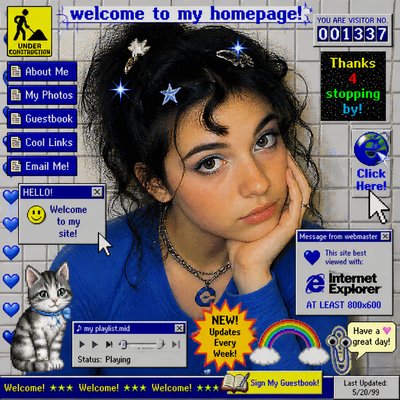
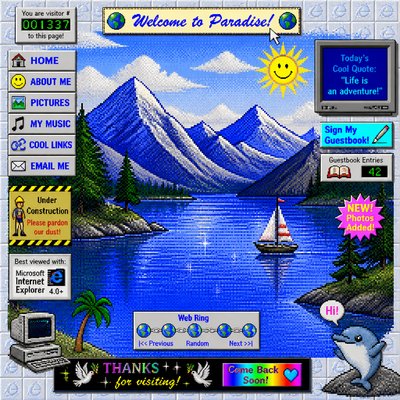
Weirdcore emerged from online image culture in the late 2010s and early 2020s, especially around Tumblr, image boards, and later TikTok and Instagram, where users assembled mood-based imagery into loosely defined aesthetics. It is not a formal art movement with a single origin or manifesto; rather, it developed as a digital visual language for uncanny, liminal, and nostalgic sensations.
Its lineage includes low-fidelity internet graphics, early web design, analog and digital compression errors, children’s media iconography, vaporwave’s synthetic nostalgia, and the broader tradition of surrealist and uncanny imagery. Weirdcore also overlaps with dreamcore and liminal-space aesthetics, but it is generally more aggressive in its distortion, emptiness, and symbolic unease.
Influences: Weirdcore draws from surrealism, liminal photography, internet glitch culture, and the visual language of early digital media. Its uncanny empty spaces and irrational object relations echo surrealist strategies associated with Salvador Dalí, René Magritte, and Giorgio de Chirico, while its degraded texture and found-image feel are rooted in web-era compression, flash photography, and meme aesthetics rather than in fine-art painting traditions.
Frequently Asked Questions
What defines weirdcore aesthetic?
Weirdcore is defined by low-resolution digital imagery, surreal or symbolic objects, and a strong feeling of unease. The scene often looks like a corrupted memory, an empty place, or a dream fragment that does not fully make sense.
How is weirdcore different from dreamcore?
Dreamcore tends to feel more nostalgic, airy, and quietly surreal, while weirdcore is sharper and more unsettling. Weirdcore usually emphasizes distortion, harsh lighting, and ominous symbols rather than soft dreaminess.
Is weirdcore the same as liminal space?
They overlap, but they are not identical. Liminal-space imagery focuses on transitional places and emptiness, while weirdcore adds stronger visual distortion, symbolic repetition, and an explicitly uncanny emotional tone.
What kinds of subjects work best in weirdcore art?
Ordinary settings with a familiar function work especially well: hallways, bedrooms, schools, bathrooms, parking lots, and shopping areas. The style becomes strongest when something in the scene is subtly wrong, impossible, or emotionally disconnected.
How do I make weirdcore without it looking generic?
Avoid simply adding neon colors and random glitches. Focus on a coherent emotional idea, then disturb it with low fidelity, strange framing, symbolic objects, and an empty or suspended atmosphere.
Where is weirdcore commonly used?
It appears in online art posts, music visuals, edits, album covers, fandom imagery, and short-form internet content. Its flexible, mood-driven structure makes it especially useful for images meant to evoke anxiety, nostalgia, or surreal dislocation.
Create your first Weirdcore Aesthetic artwork
Describe anything — or upload a photo — and see it in Weirdcore Aesthetic in seconds.
Make Something with Weirdcore Aesthetic
Related Styles
Discover similar art styles