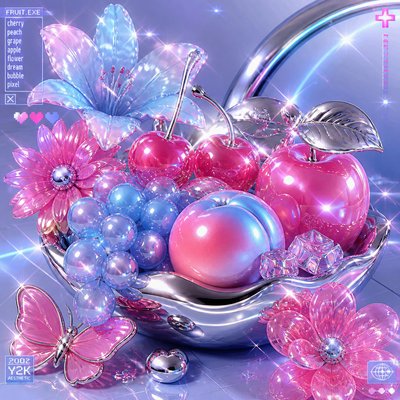
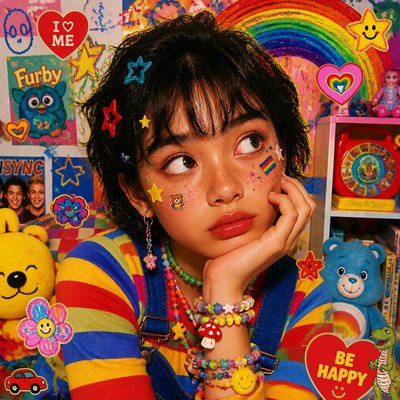
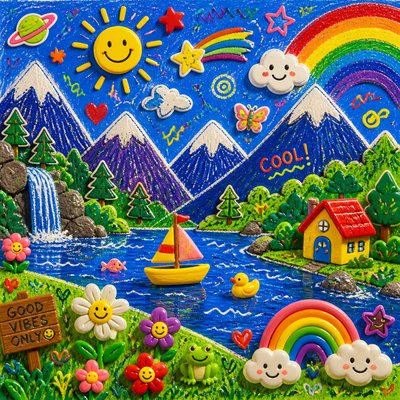
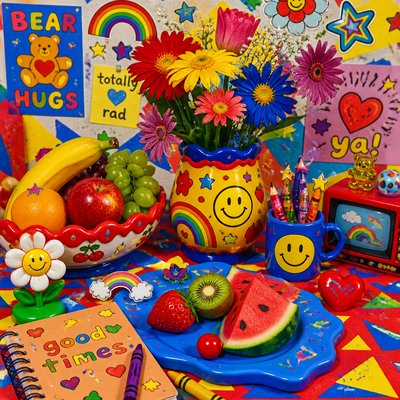
Synthwave Aesthetic
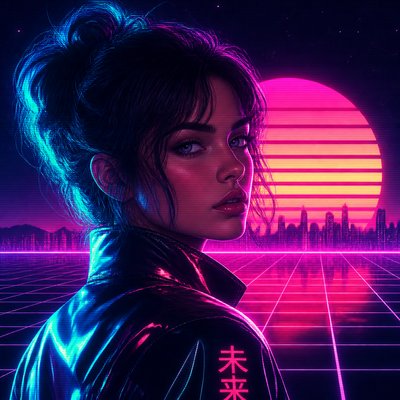
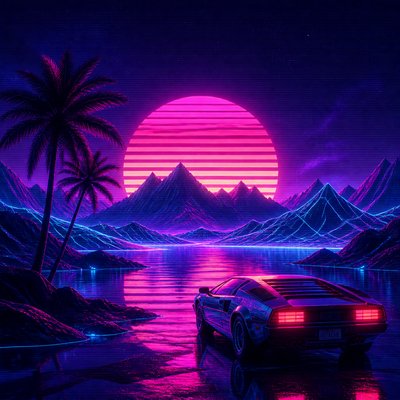
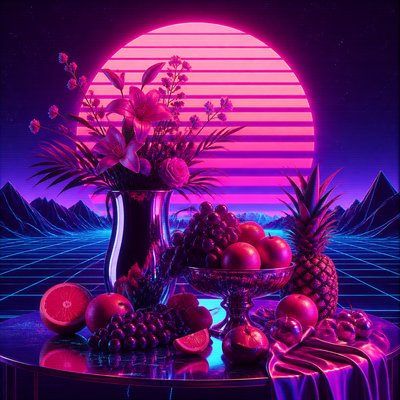
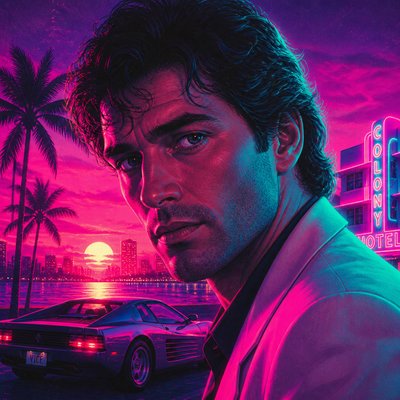
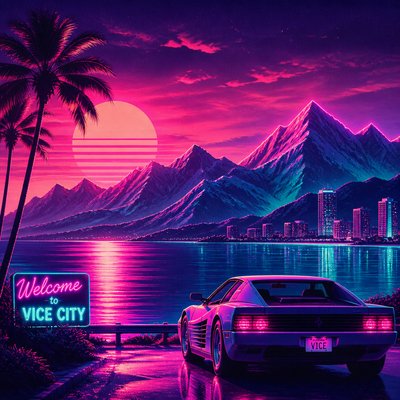
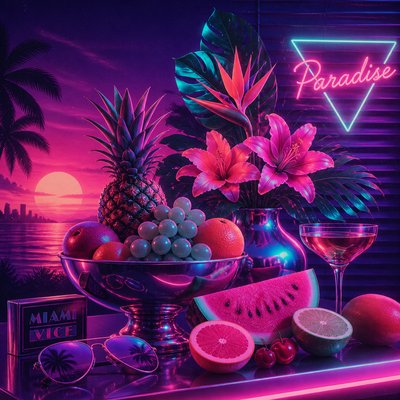
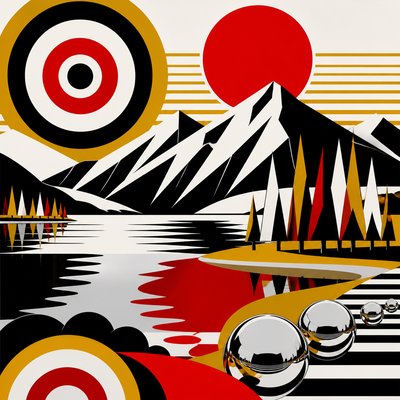
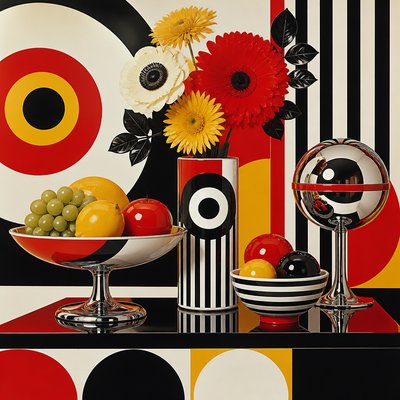
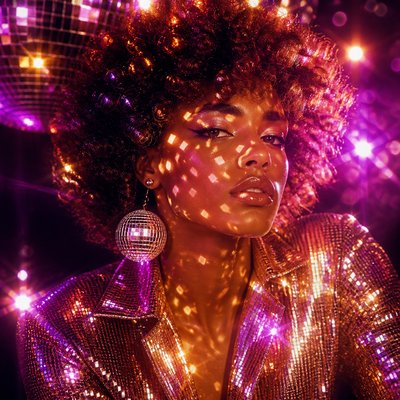
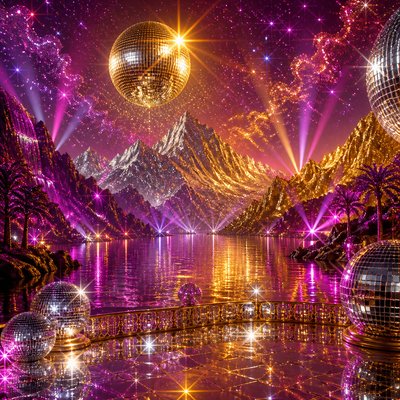
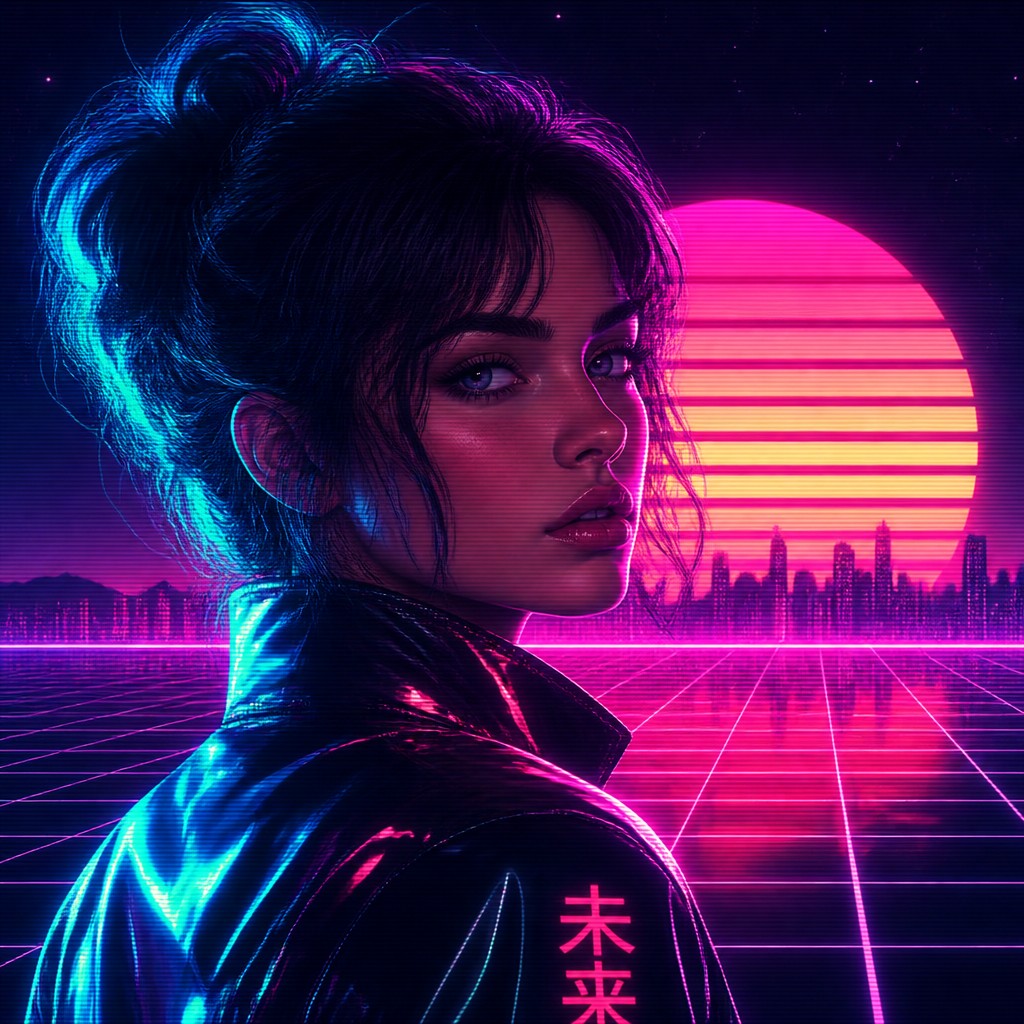
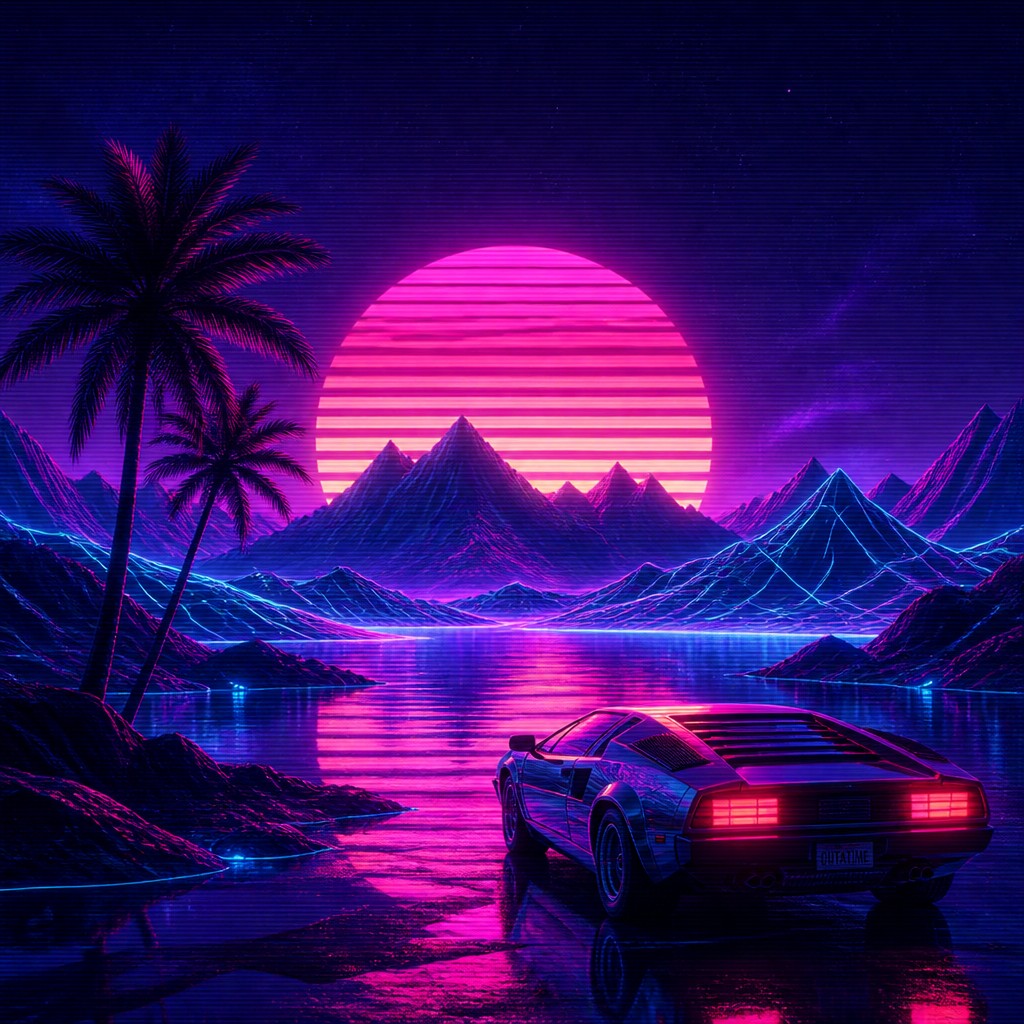
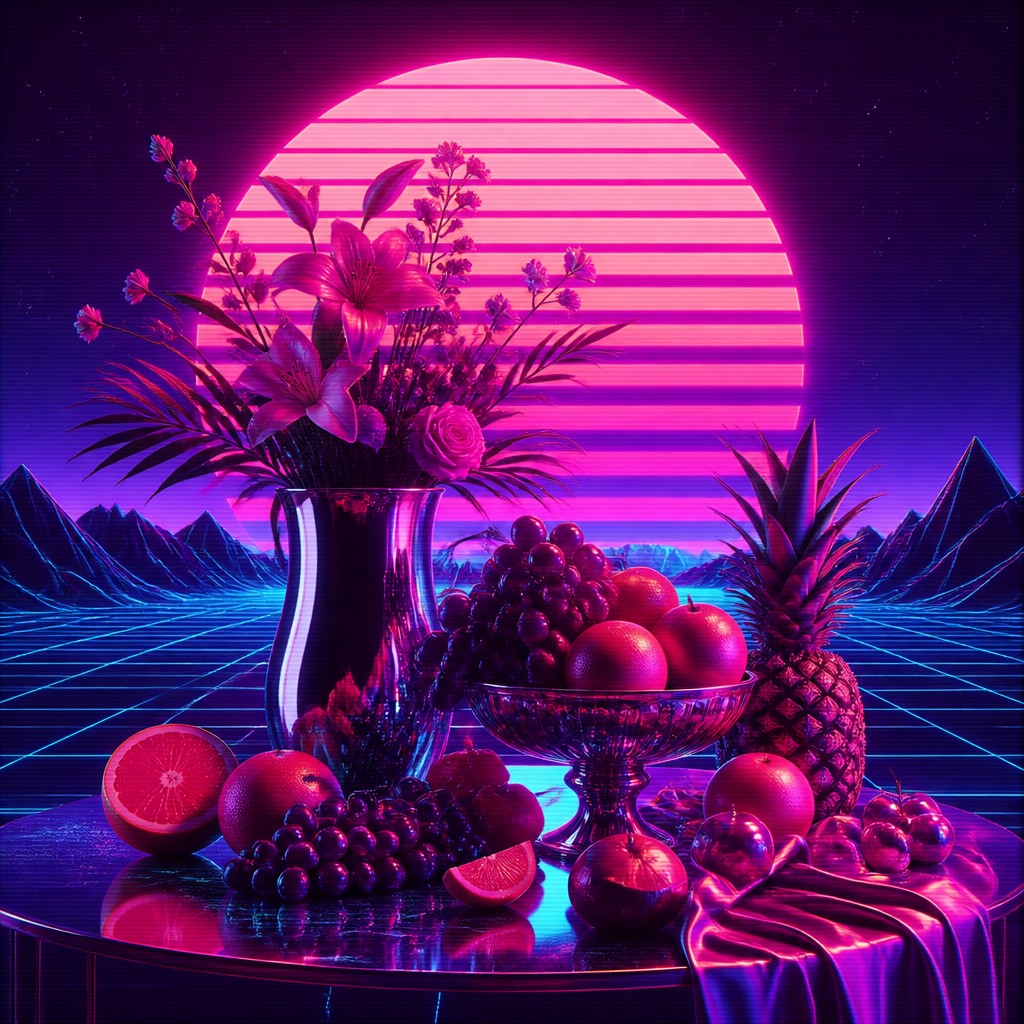
Neon sunsets, chrome reflections, and retro-futurist grids define this 1980s-inspired cyberpunk aesthetic.
Instantly rendered in Synthwave Aesthetic — or transform a photo
Synthwave Aesthetic Gallery
Tap any artwork to explore it
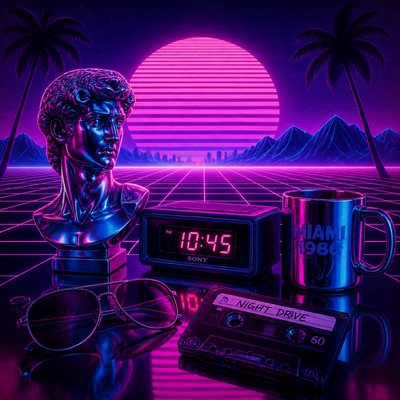
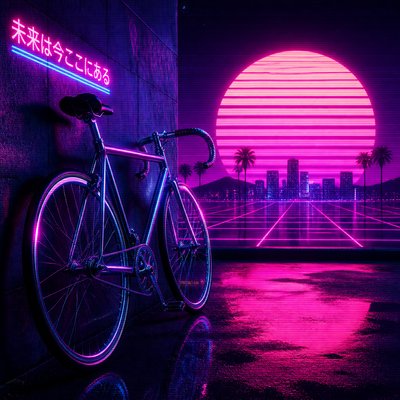
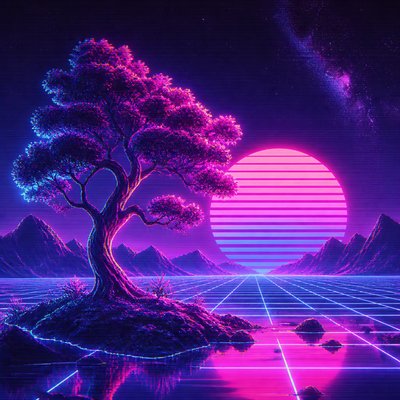
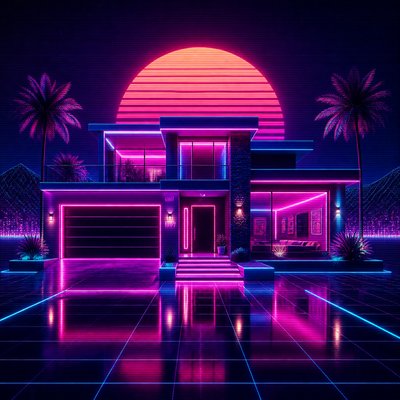
What is Synthwave Aesthetic?
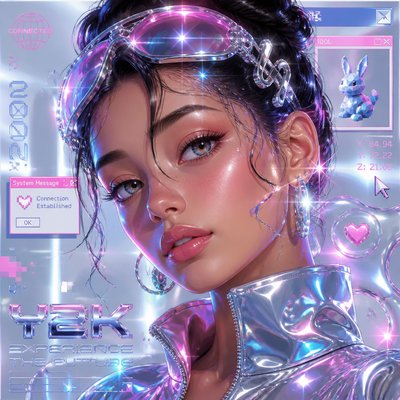
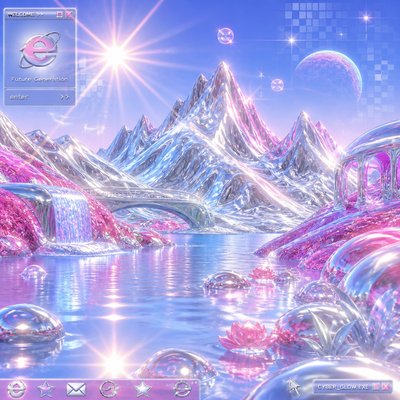
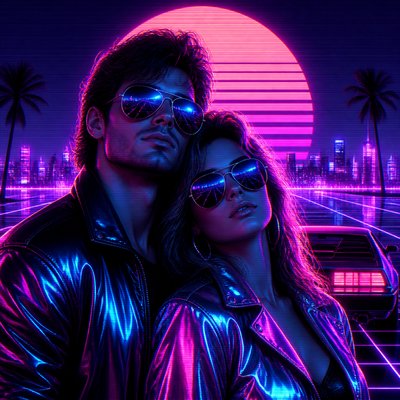
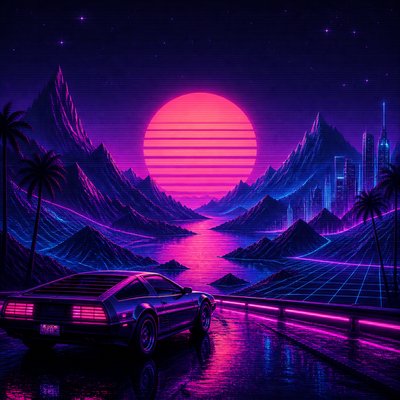
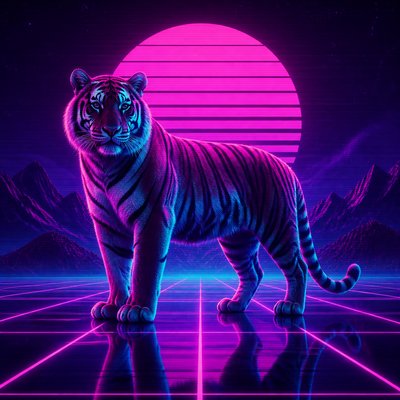
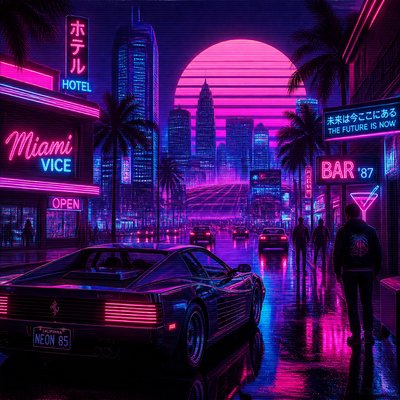
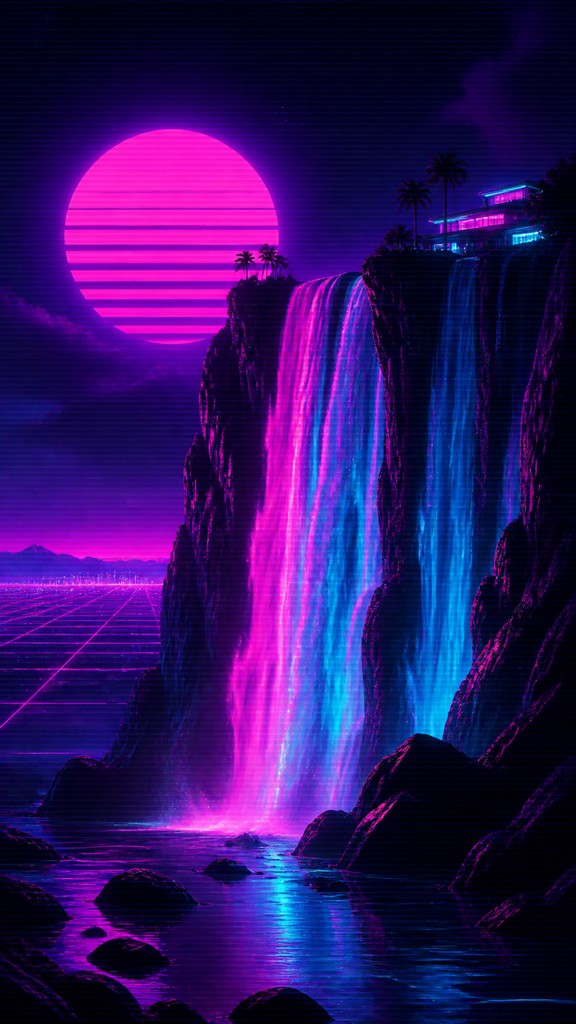
Synthwave aesthetic is a retro-futurist visual style built from neon color, chrome surfaces, grid horizons, and an imagined 1980s night city. It typically combines hot magenta, cyan, violet, and electric blue with a strong sense of glow, reflection, and artificial light, often anchored by a striped setting sun and a dark sky. The result feels both nostalgic and futuristic: a world that recalls arcade cabinets, VHS tapes, outrun car culture, and science-fiction movie posters.
Its visual identity comes from exaggerating the visual language of 1980s pop culture rather than from a single historical art movement. The style borrows from airbrushed illustration, electronic music graphics, computer-generated imagery, vaporwave-era nostalgia, and cyberpunk city imagery. Because of that mix, synthwave often appears cinematic and atmospheric, with long perspective lines, luminous gradients, scanline texture, and a fantasy of high-speed travel through a neon dreamscape.
Try It On Your Photos
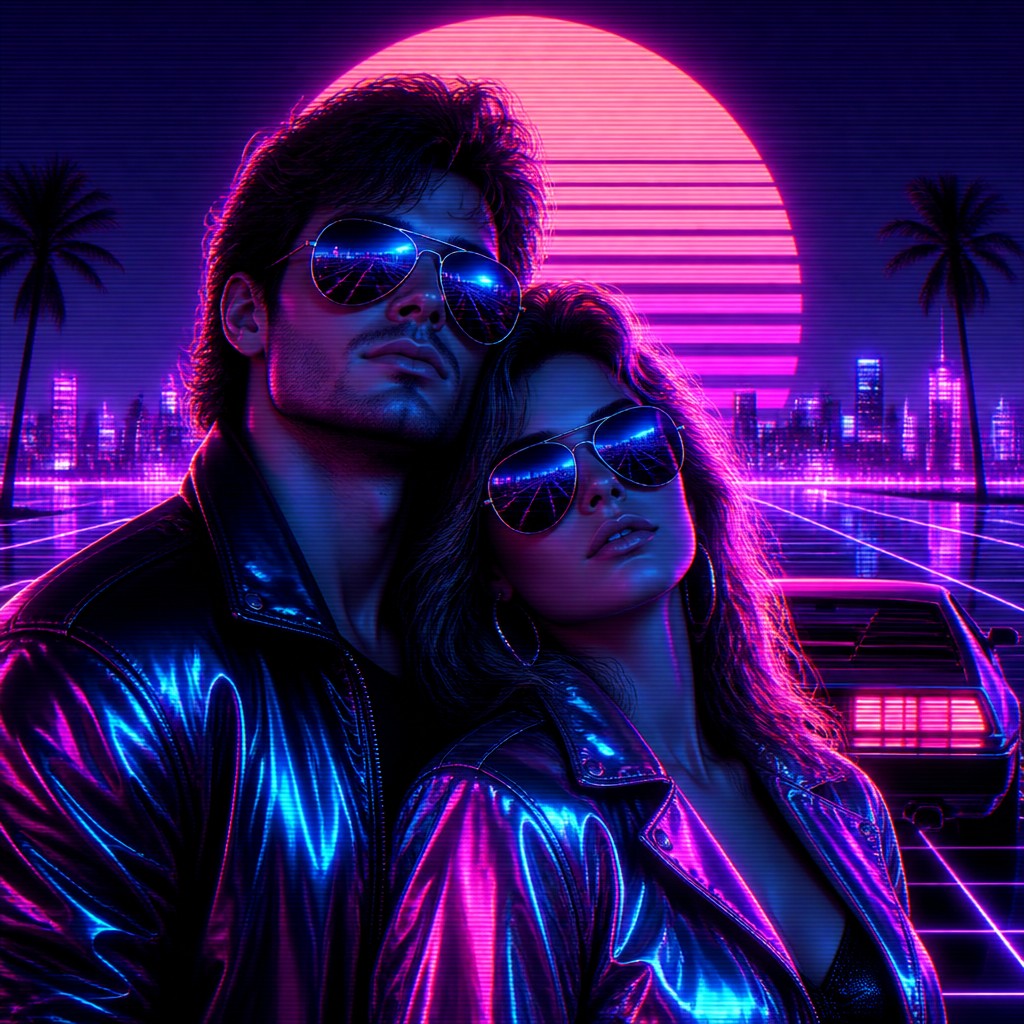
Upload any photo and convert it into Synthwave Aesthetic — drag the sliders to compare before and after.

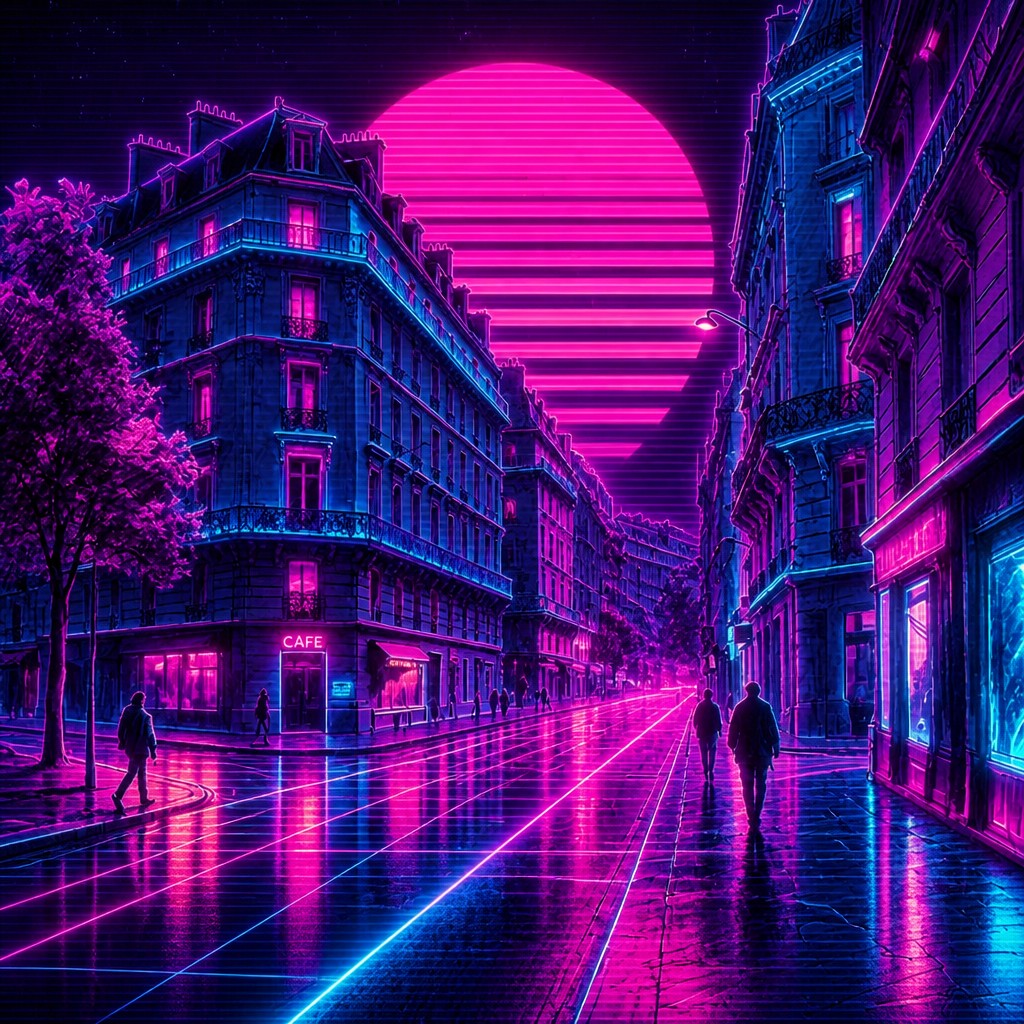

What Defines Synthwave Aesthetic
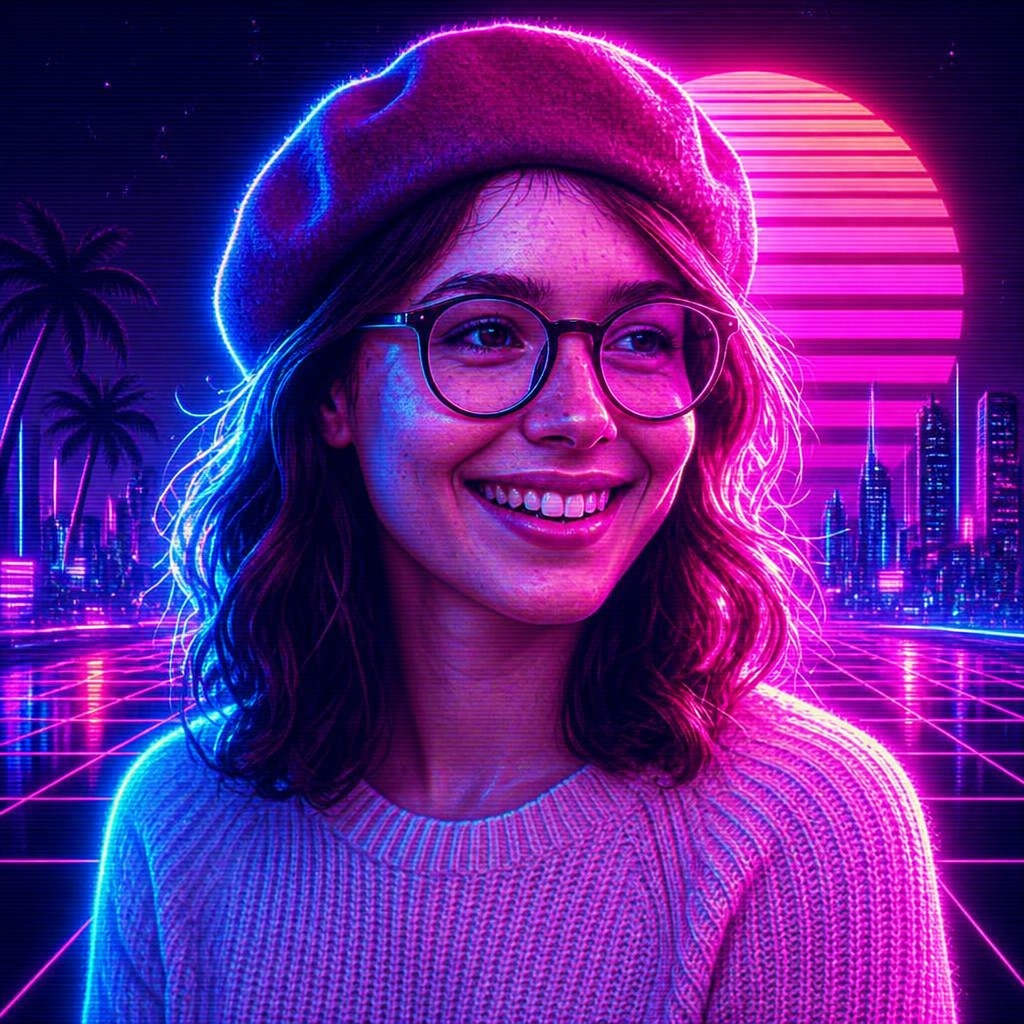
The signature details, up close
Neon palette
The style relies on saturated magenta, cyan, violet, and electric blue, usually set against a very dark background. The contrast creates the signature glow that makes forms look illuminated from within.
Retro sun and grid horizon
A striped or segmented sunset and a receding wireframe grid are among the most recognizable motifs. Together they create a simplified landscape that evokes old computer graphics and arcade-era futurism.
Chrome and reflective surfaces
Vehicles, helmets, buildings, and typography often appear metallic or mirrored. These reflective highlights reinforce the style’s fascination with sleek technology and artificial light.
Night city atmosphere
Scenes often take place at dusk or midnight, with haze, fog, and distant city lights. The mood is cinematic and solitary, suggesting nocturnal travel, speed, and urban longing.
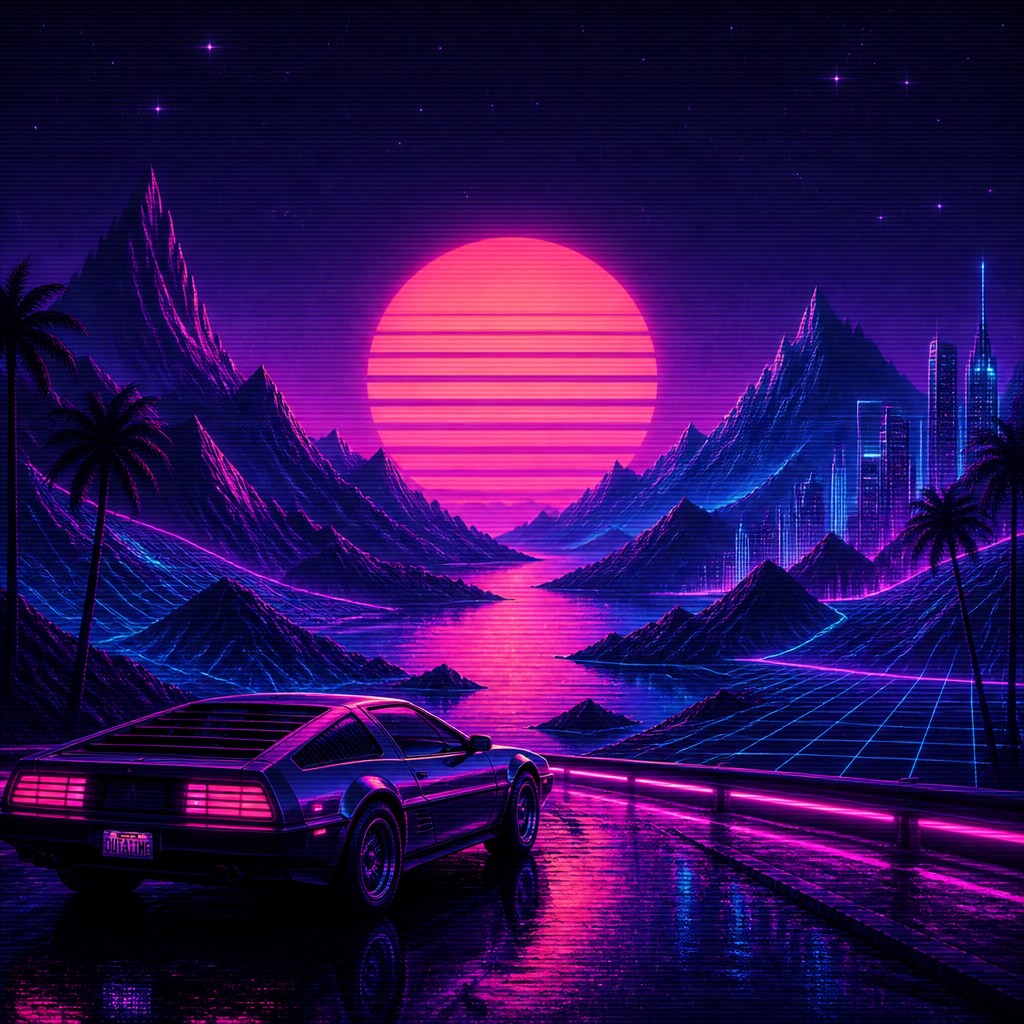
VHS and scanline texture
Soft blur, scanline bands, chromatic aberration, and film grain frequently imitate analog video. These imperfections give the imagery a dated media feel and strengthen its nostalgic identity.
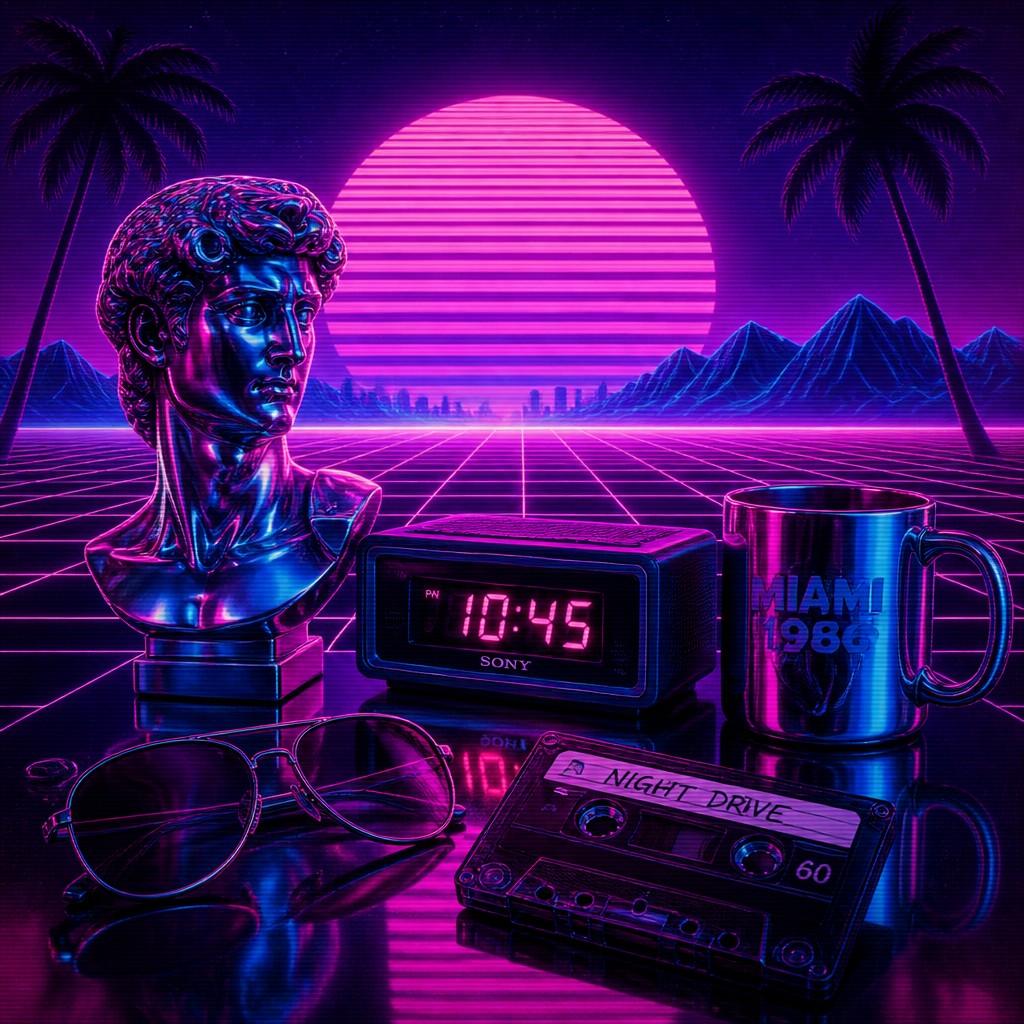
Retro-futurist composition
Perspective lines, symmetrical framing, and horizon-centric layouts are common. They recall 1980s poster design and computer-generated landscapes, emphasizing depth and forward motion.
Try It
Create Videos in Synthwave Aesthetic
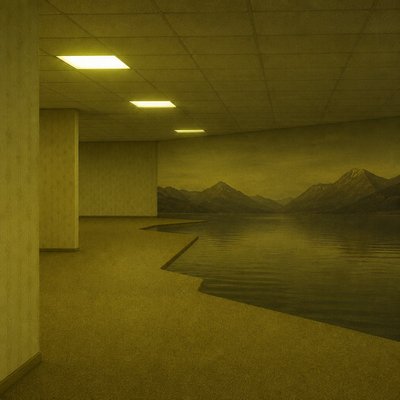
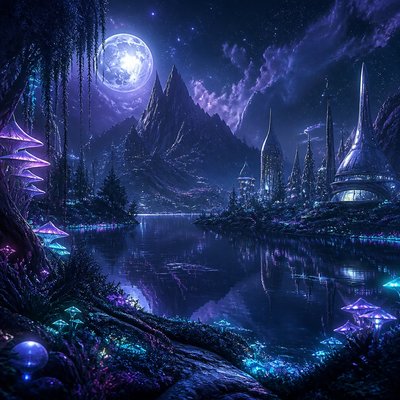
Styles aren't just for stills — describe a scene or animate an image and get a short video rendered in Synthwave Aesthetic. Press play to see this pond come to life.
Make a VideoSynthwave Aesthetic Prompt Ideas
Start from an idea — each one opens the generator with the style ready to go. See all 40 Synthwave Aesthetic prompts →
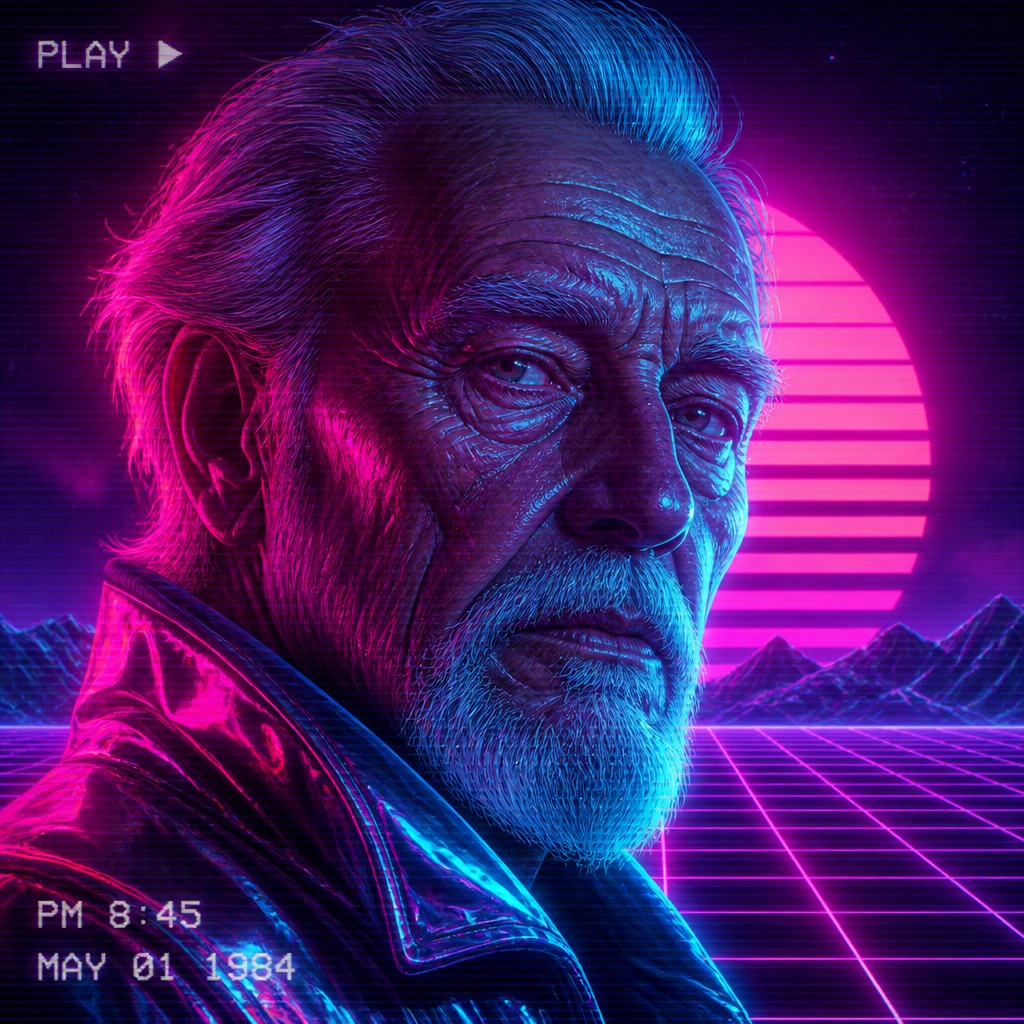
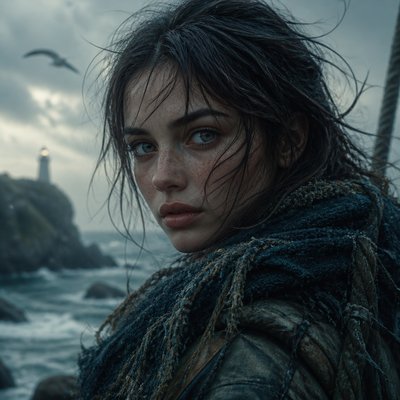
“close-up portrait of an elderly person with expressive weathered features”
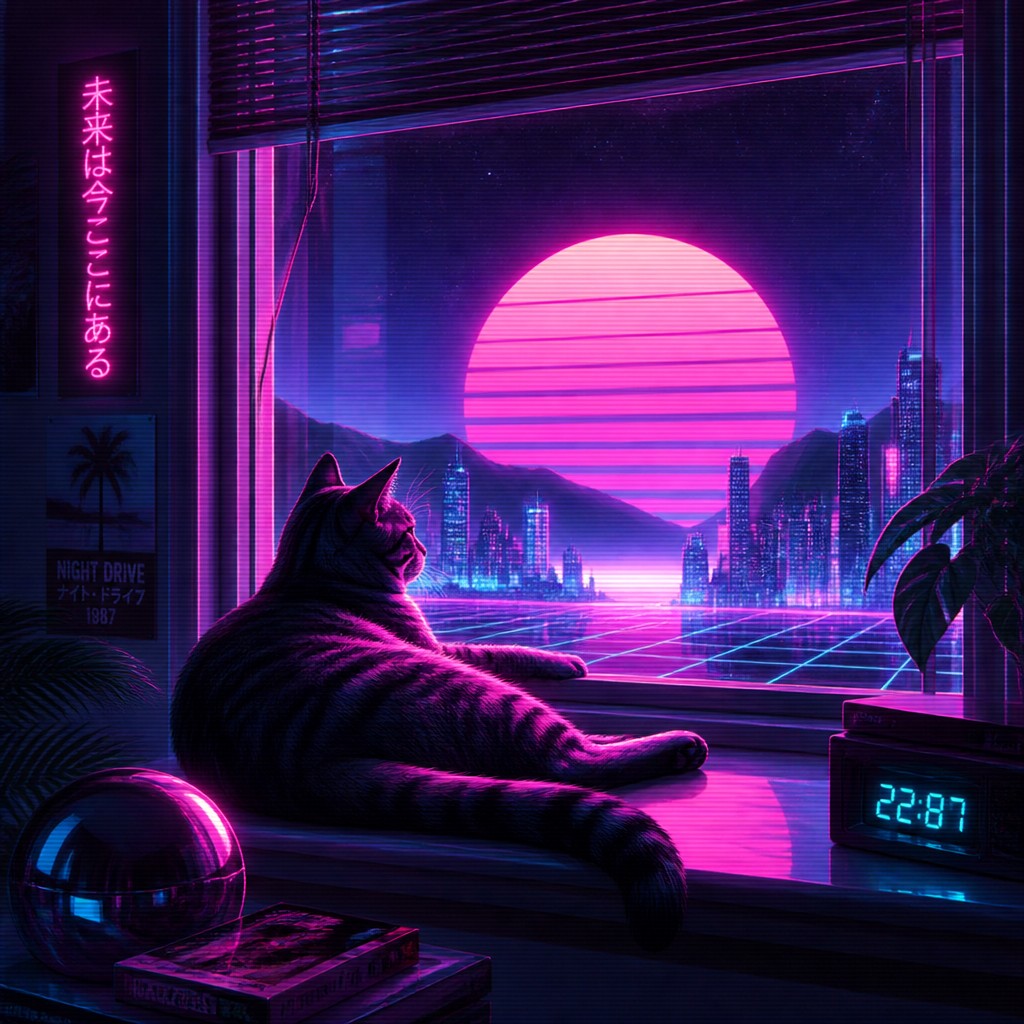
“a cat lounging in a sunlit window”
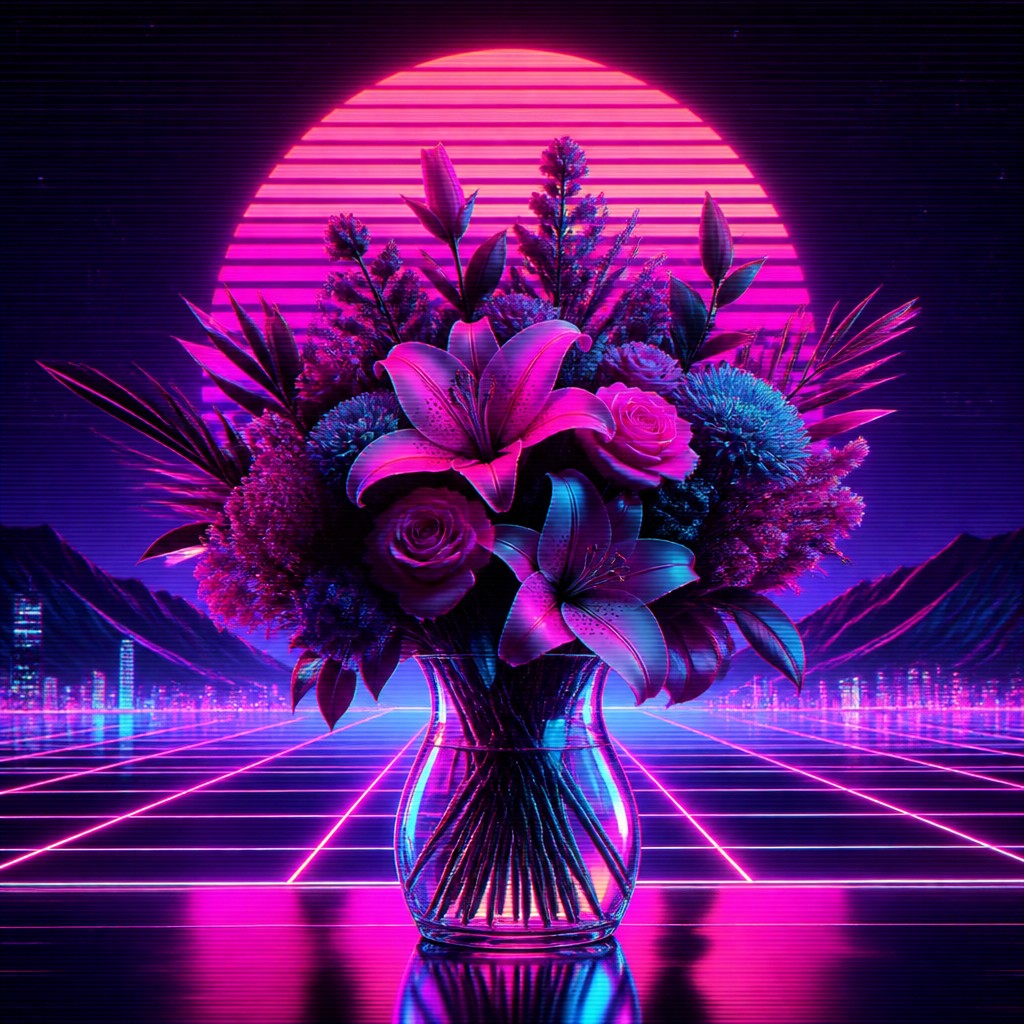
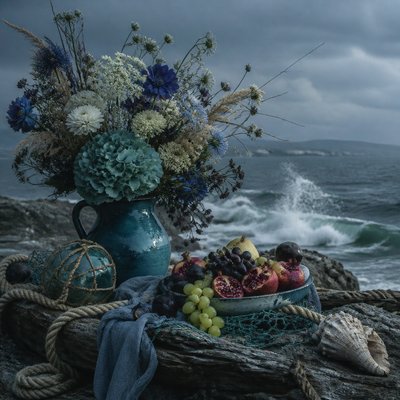
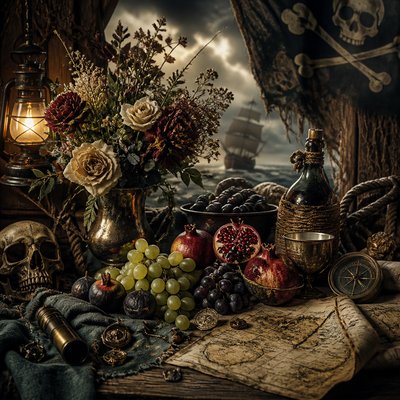
“bouquet of flowers in a glass vase”
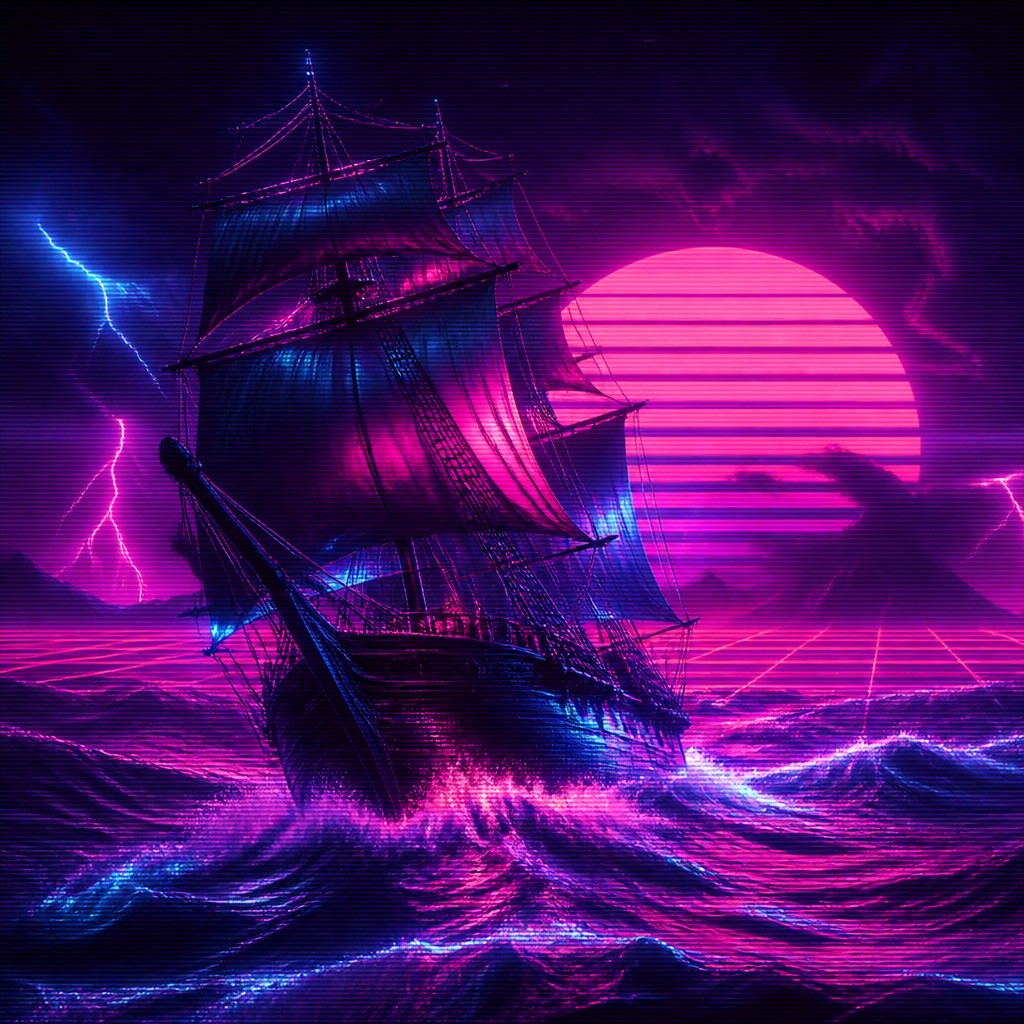
“sailing ship on a stormy sea”
How to Create Synthwave Aesthetic Art
Master the craft step by step — or skip straight to creating. Read the full guide →
- 1
Build the scene around light sources
Place one or two dominant light sources first, such as a striped sun, neon signage, or a car’s headlights. In traditional work, use strong contrast and layered glazes; in digital painting, build glow with additive layers, soft brushes, and bloom effects.
- 2
Use a limited neon palette
Choose a dark base of purple, indigo, or black, then add only a few high-chroma accents like cyan and magenta. Too many hues can weaken the style, while a restrained palette makes the colors feel more artificial and iconic.
- 3
Shape perspective for motion
Use converging road lines, gridded floors, or receding city blocks to suggest speed and depth. Even a static composition should feel like it is moving toward a horizon, which is central to the style’s cinematic character.
- 4
Add analog-media texture
Introduce scanlines, mild grain, lens haze, and slight blur to imitate VHS or old broadcast imagery. In physical media, this can be echoed with airbrush gradients or smooth marker transitions; in digital media, subtle post-processing usually works best.
- 5
Combine retro objects with futuristic design
Mix familiar 1980s cues such as sports cars, palm trees, cassette imagery, or arcade fonts with sleek sci-fi surfaces. The style depends on that tension between nostalgia and imagined future technology.
- 6
Prompt with specific visual cues
When generating images, describe color, lighting, horizon, and texture explicitly rather than only naming the style. Useful cues include neon glow, chrome reflections, midnight city, grid floor, VHS haze, rim lighting, and retro-futurist atmosphere.
The Story
History & Origins of Synthwave Aesthetic
Synthwave is not a historical fine-art movement in the traditional sense; it is a contemporary aesthetic that emerged online and in design culture during the 2000s and 2010s. Its roots lie in nostalgia for 1980s media: arcade art, action-film posters, electronic music album covers, early computer graphics, and the glossy optimism of retro-futurism. The visual vocabulary also overlaps with cyberpunk, especially in its city-at-night imagery, but synthwave tends to soften cyberpunk’s grit in favor of stylized glamour and dreamlike color.
The style developed alongside electronic music scenes such as synthwave, retrowave, and outrun, where album art and promotional graphics helped standardize its look. It also drew from earlier visual traditions including neon signage, airbrushed commercial illustration, and the chrome-and-sunset imagery of future-facing design from the late 20th century. As a result, synthwave became a reusable aesthetic shorthand for “the future as imagined from the 1980s,” spreading across posters, motion graphics, album art, game design, and digital illustration.
Influences: Synthwave draws from 1980s airbrush illustration, commercial poster design, arcade and console graphics, early computer art, and electronic music visuals. It also overlaps with cyberpunk cinema and the design language of retro-futurism, while sharing nostalgia-driven sensibilities with vaporwave. Because the style is not tied to a single canonical movement, its lineage is best understood as a blend of late-20th-century pop graphics and science-fiction imagery rather than a direct extension of one art-historical school.
Frequently Asked Questions
What defines synthwave aesthetic art?
Synthwave is defined by neon magenta-cyan lighting, dark night scenes, reflective chrome, a retro sun, and grid-based perspective. It evokes a stylized 1980s vision of the future rather than a realistic depiction of any specific era. The overall effect is nostalgic, cinematic, and electronically lit.
How is synthwave different from vaporwave?
Synthwave usually emphasizes motion, landscape, and retro-futurist nightlife, while vaporwave often focuses on consumer nostalgia, surrealism, and slowed-down cultural imagery. Synthwave is more likely to include cars, cityscapes, grids, and dramatic lighting. Vaporwave tends to feel more ironic or fragmentary, whereas synthwave feels more like an action-movie future.
Is synthwave the same as cyberpunk?
No. Cyberpunk is a broader science-fiction genre centered on high-tech, low-life urban futures, often with harsher realism and social critique. Synthwave borrows cyberpunk’s neon city atmosphere but usually strips away the grit in favor of polished, nostalgic, and highly stylized imagery.
What colors work best in synthwave art?
The most common colors are hot magenta, electric cyan, violet, deep blue, and black. Small accents of white, orange, or silver can help with highlights, but the style depends on strong contrast and luminous saturation. Dark backgrounds are especially important because they make the neon colors read as light sources.
How can I make a photo look synthwave?
Use a dark, high-contrast base and add magenta and cyan lighting, especially around edges and reflections. Backgrounds can be replaced or overlaid with a grid horizon, sunset glow, or neon city lights, while adding slight haze, blur, and scanline texture. Subjects like cars, portraits, and architecture work best when their contours can catch rim light.
Where is synthwave commonly used?
It is widely used in album covers, posters, music visuals, game art, event branding, motion graphics, and digital wallpapers. It also appears in fashion graphics and social media imagery because its bold palette reads clearly at small sizes. The style is especially effective for projects that want a nostalgic but futuristic mood.

Create your first Synthwave Aesthetic artwork
Describe anything — or upload a photo — and see it in Synthwave Aesthetic in seconds.
Related Styles
Discover similar art styles