Atompunk Aesthetic
1950s retro-future design with chrome, starbursts, boomerang curves, atomic pastels, and upbeat space-age optimism.
Instantly rendered in Atompunk Aesthetic — or transform a photo
Atompunk Aesthetic Gallery
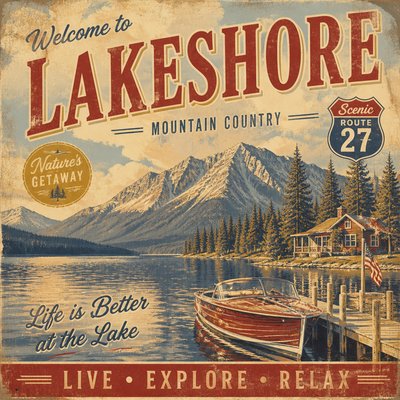
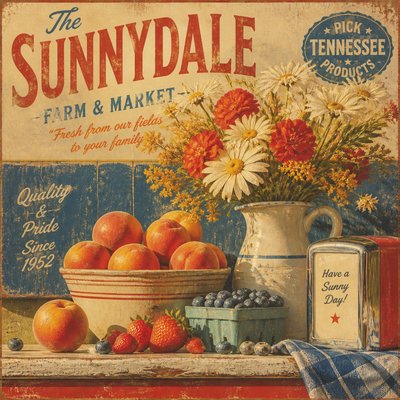
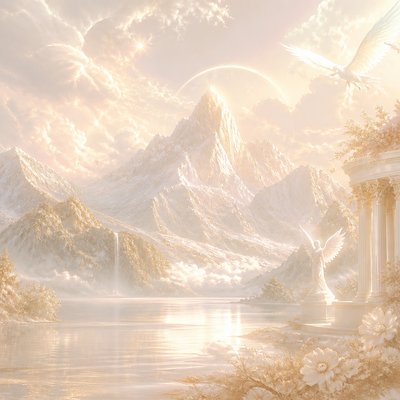
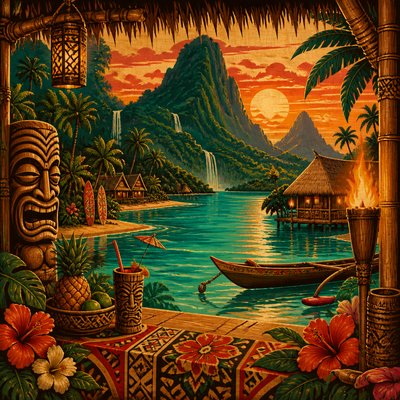
Tap any artwork to explore it

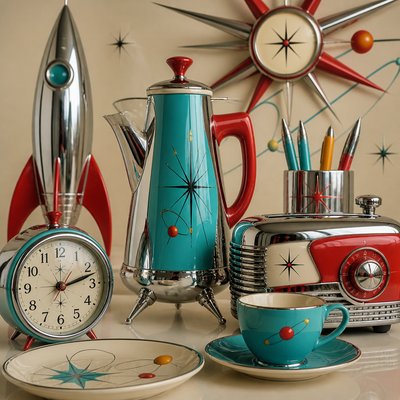
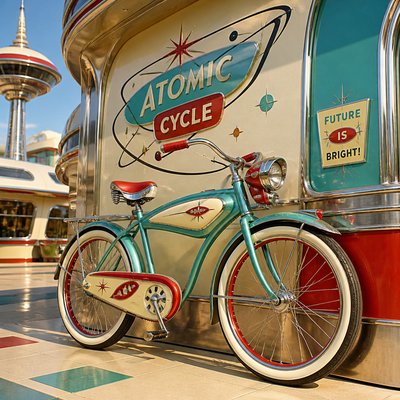
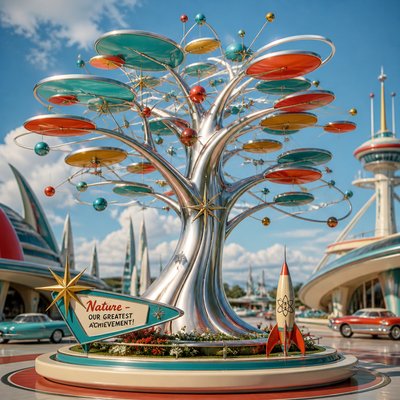
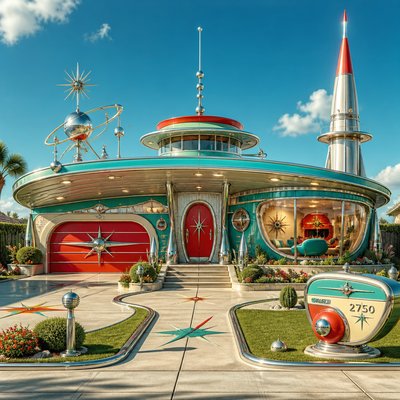
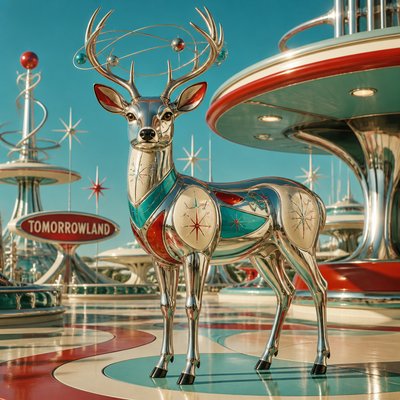
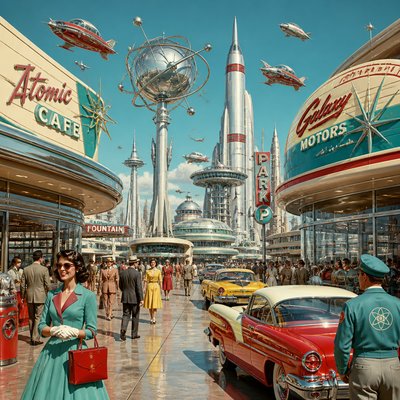
What is Atompunk Aesthetic?
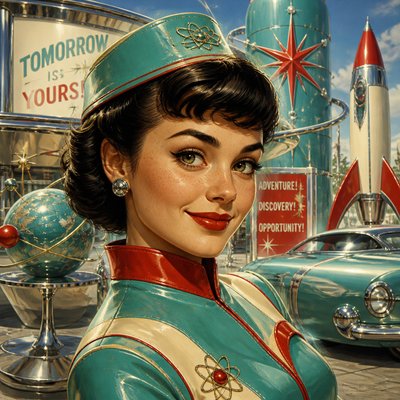
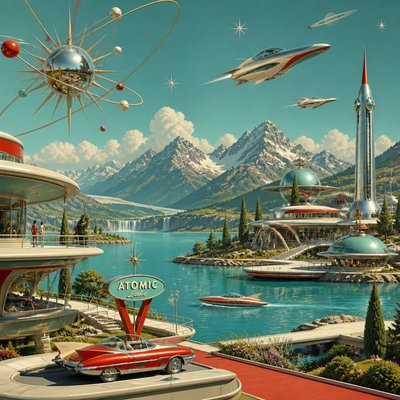
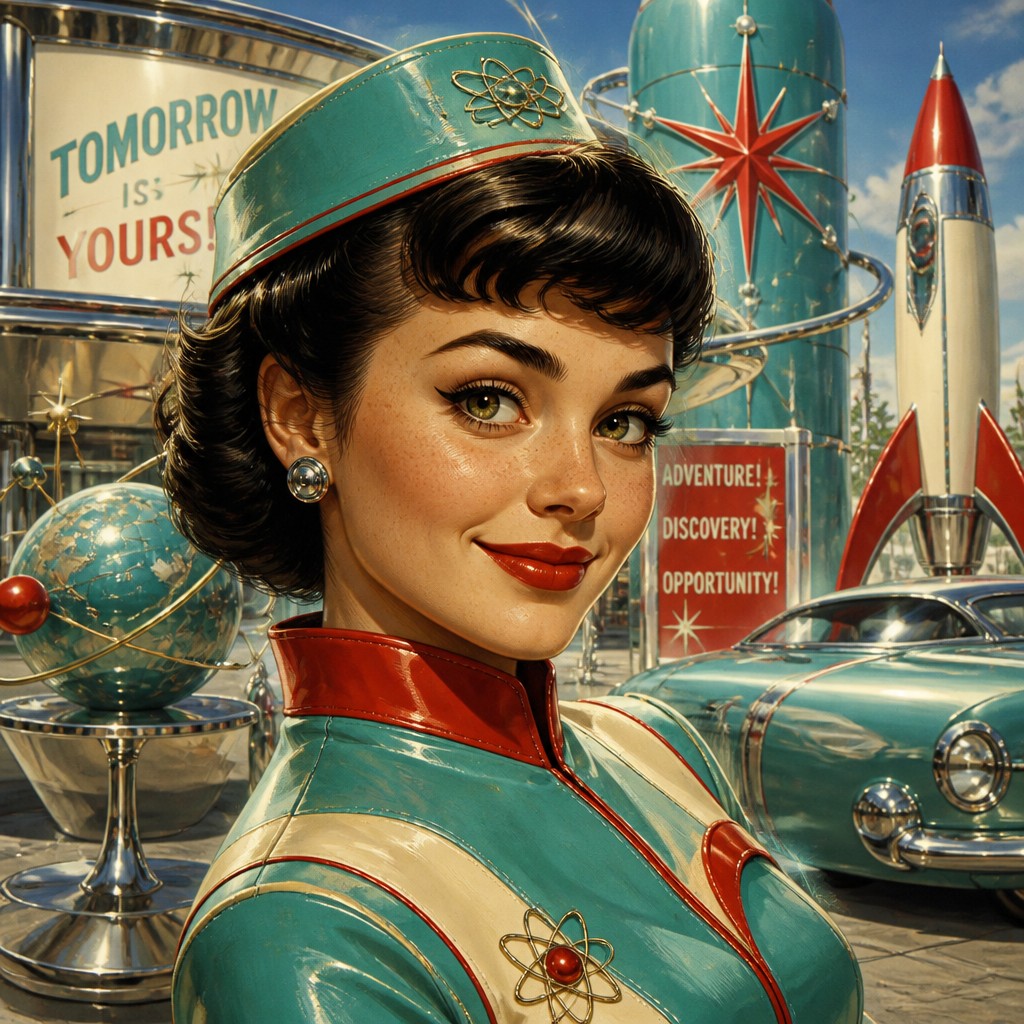
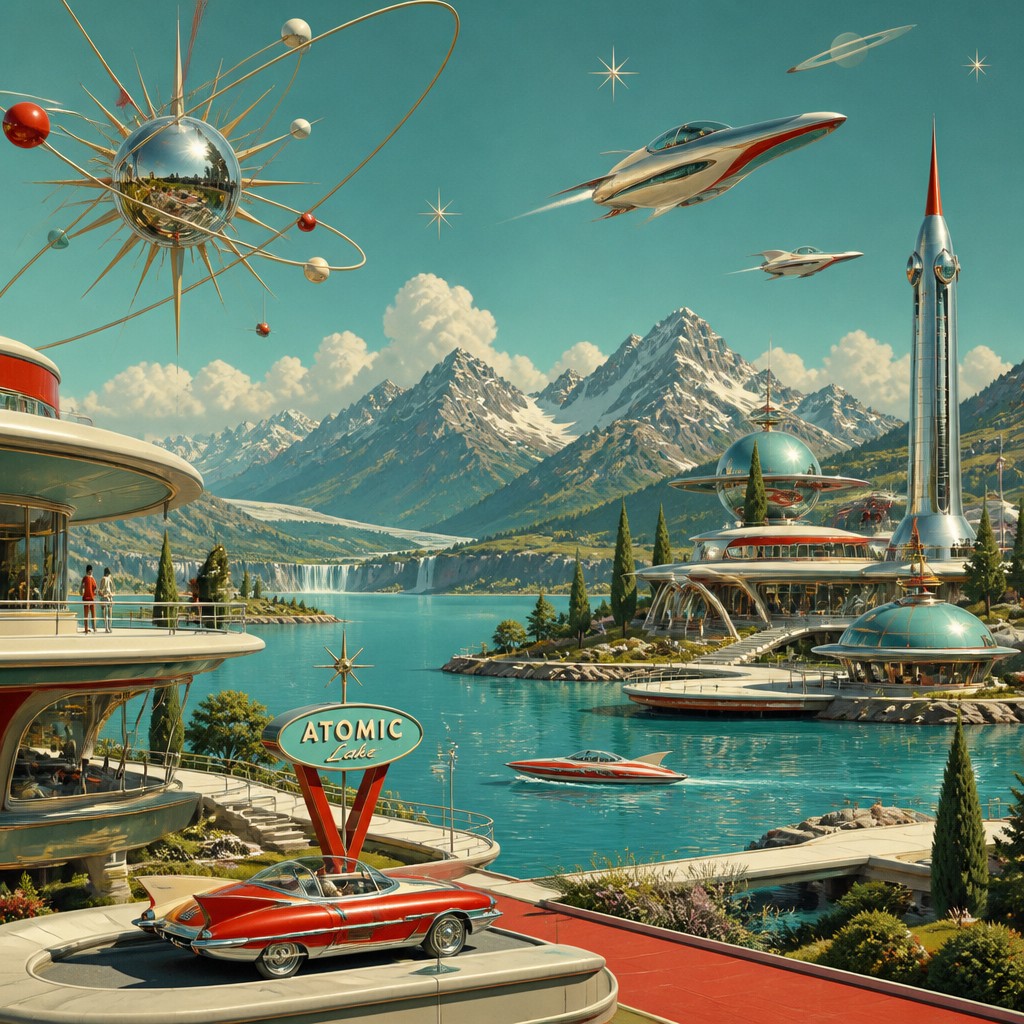
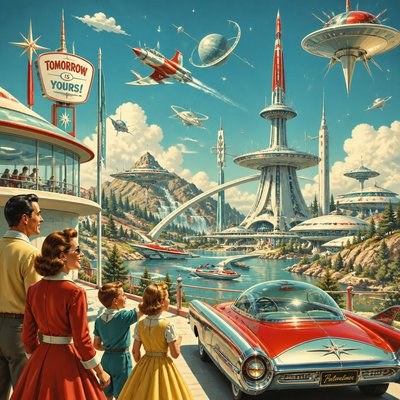
Atompunk aesthetic is a retro-futurist style that imagines the future as it was dreamed in the 1950s and early 1960s: optimistic, streamlined, and full of polished technological promise. Its visual language combines atomic-age motifs such as starbursts, orbit rings, and boomerang shapes with chrome surfaces, finned silhouettes, and cheerful pastel color schemes.
The style looks the way it does because it draws from postwar consumer design, mid-century automobile styling, Space Age graphics, and the exhibition culture of the atomic era. Unlike darker cyberpunk futures, atompunk is usually bright and showroom-clean, emphasizing confidence, convenience, and the idea that modern life will be sleek, efficient, and glamorous.
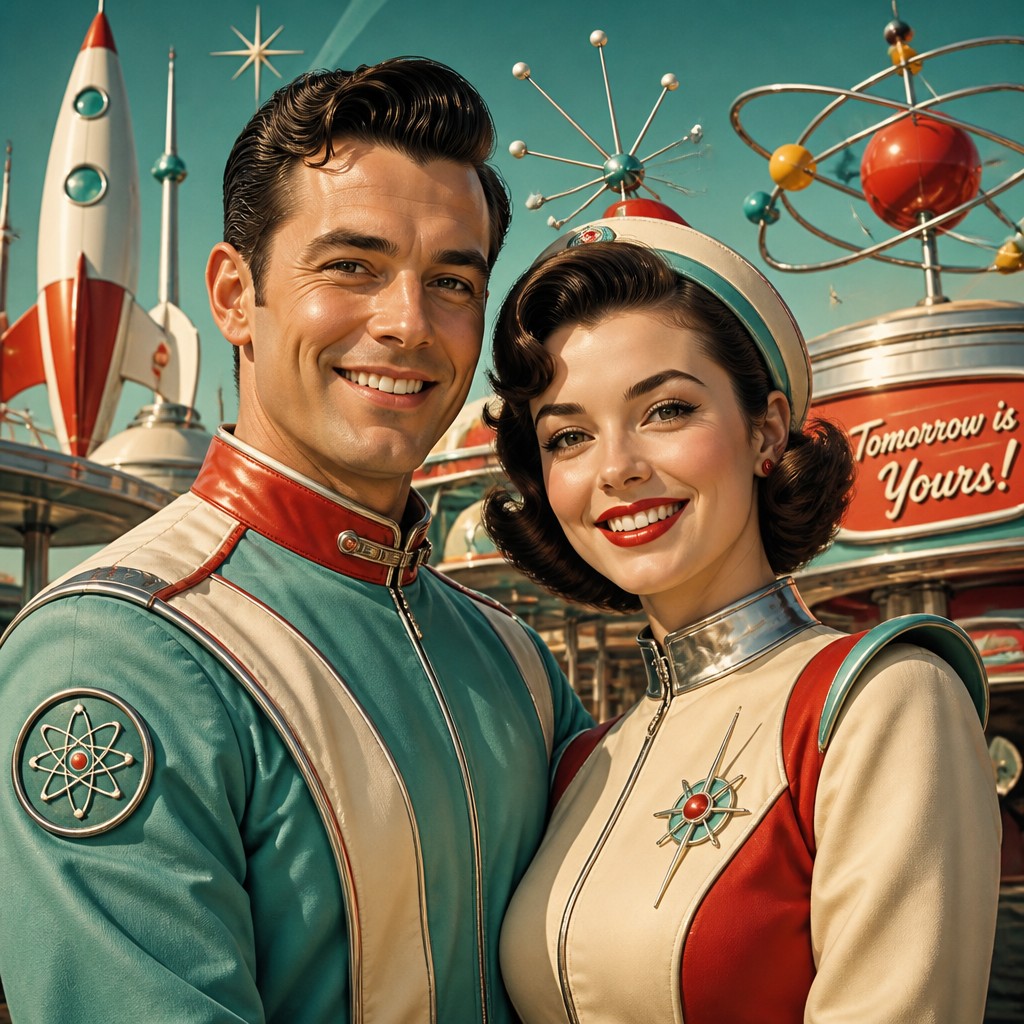
Try It On Your Photos
Upload any photo and convert it into Atompunk Aesthetic — drag the sliders to compare before and after.


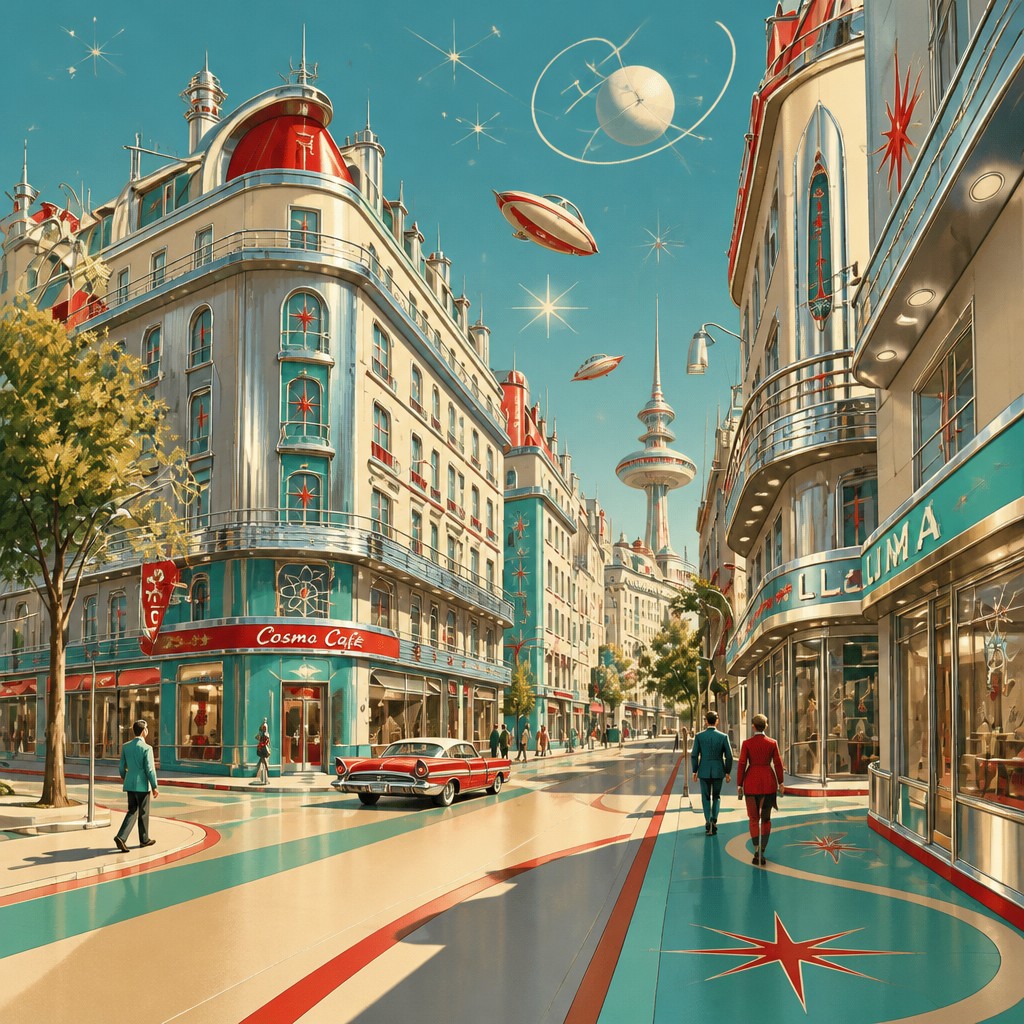

What Defines Atompunk Aesthetic
The signature details, up close
Atomic-age motifs
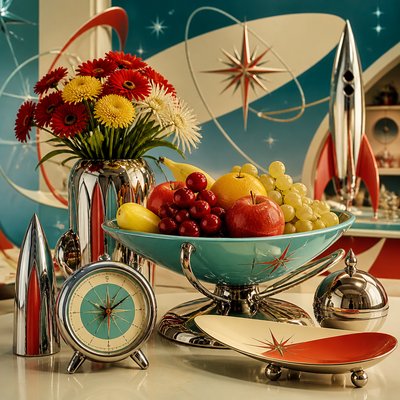
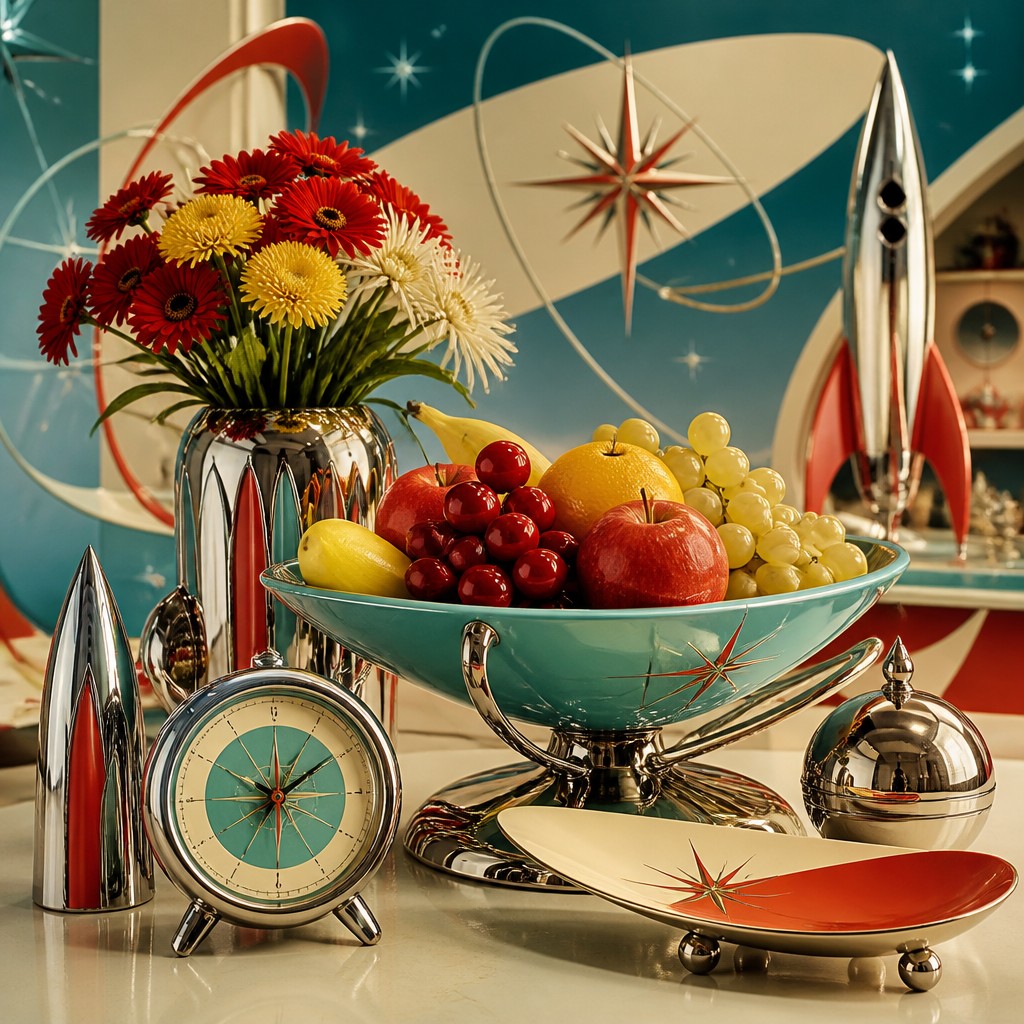
Starbursts, orbit rings, atom symbols, and radiating lines are among the most recognizable signs of the style. These forms suggest energy, motion, and scientific modernity without becoming mechanically complex.
Chrome and enamel finishes
Surfaces often look glossy, metallic, and showroom-polished, echoing mid-century appliances, cars, and signage. Brushed steel, mirrored highlights, and clean enamel color blocks reinforce the sense of manufactured optimism.
Boxty-boomerang and fin shapes
The silhouette language favors sweeping curves, pointed fins, and boomerang forms. These shapes borrow from streamline modernism and 1950s automobile design, creating a sense of speed even in static objects.
Atomic pastel palette
Typical colors include turquoise, mint, coral, cherry red, mustard, cream, and aqua. The palette feels cheerful and domestic rather than harsh, balancing futuristic imagery with warmth and accessibility.
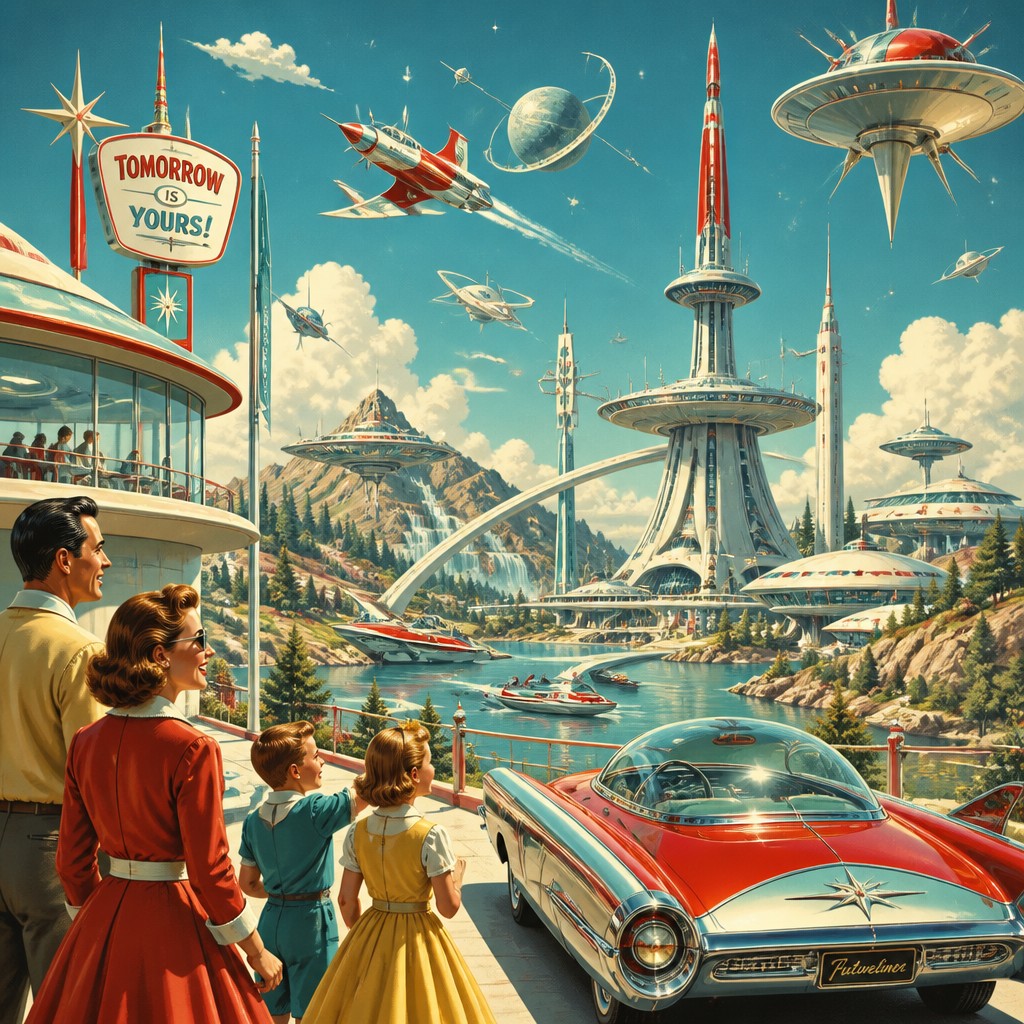
Space-age optimism
Composition and mood tend to communicate confidence, cleanliness, and progress. Even when the subject is imaginary technology, it is presented as elegant, usable, and emotionally upbeat.
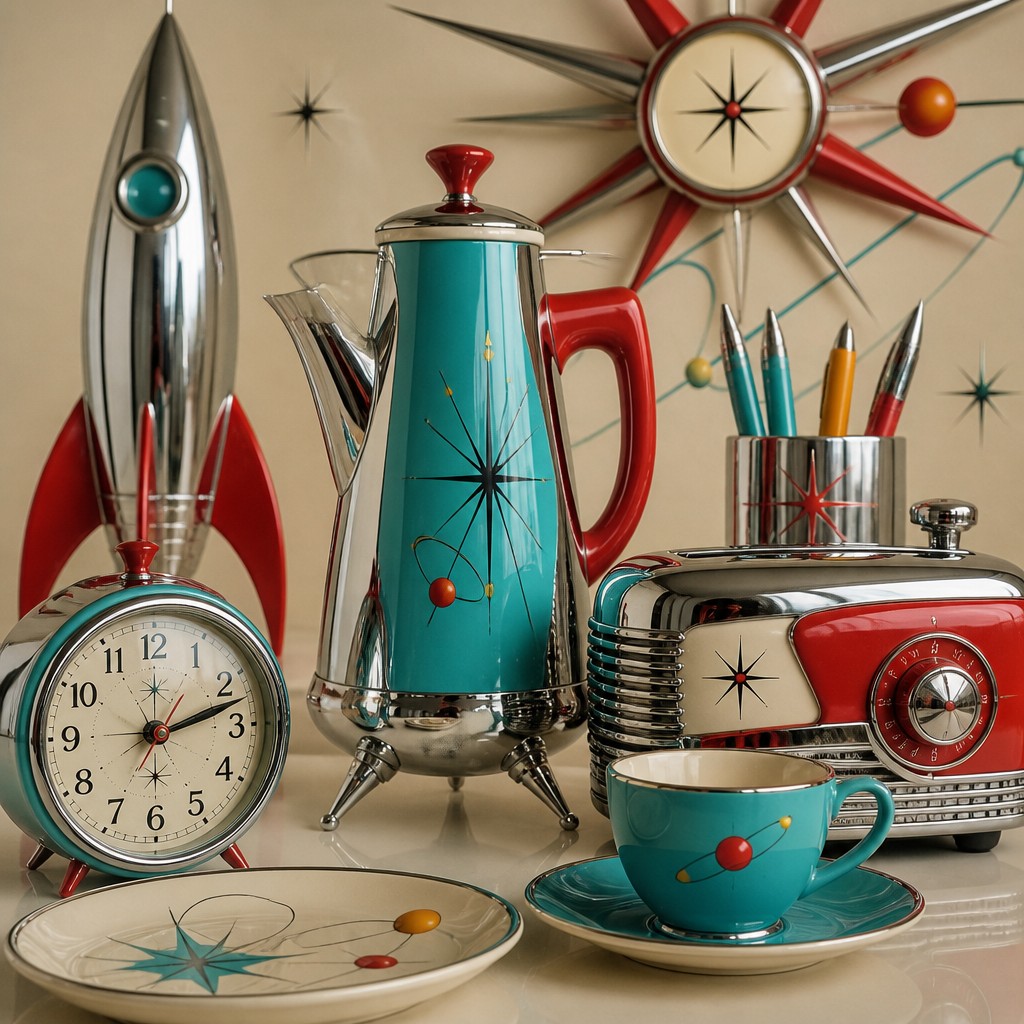
Showroom lighting and crisp contrast
Atompunk imagery often uses bright, even illumination with sharp specular highlights. This makes materials like chrome and lacquer read clearly and gives the scene a display-window or advertisement quality.
Try It
Create Videos in Atompunk Aesthetic
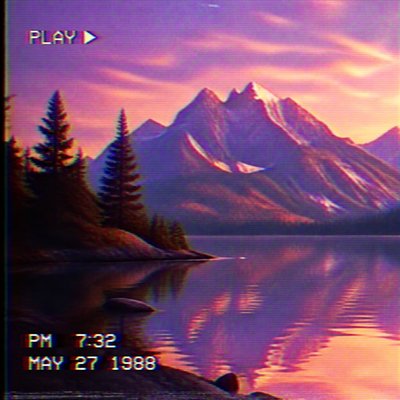
Styles aren't just for stills — describe a scene or animate an image and get a short video rendered in Atompunk Aesthetic. Press play to see this pond come to life.
Make a VideoAtompunk Aesthetic Prompt Ideas
Start from an idea — each one opens the generator with the style ready to go. See all 40 Atompunk Aesthetic prompts →

“close-up portrait of an elderly person with expressive weathered features”
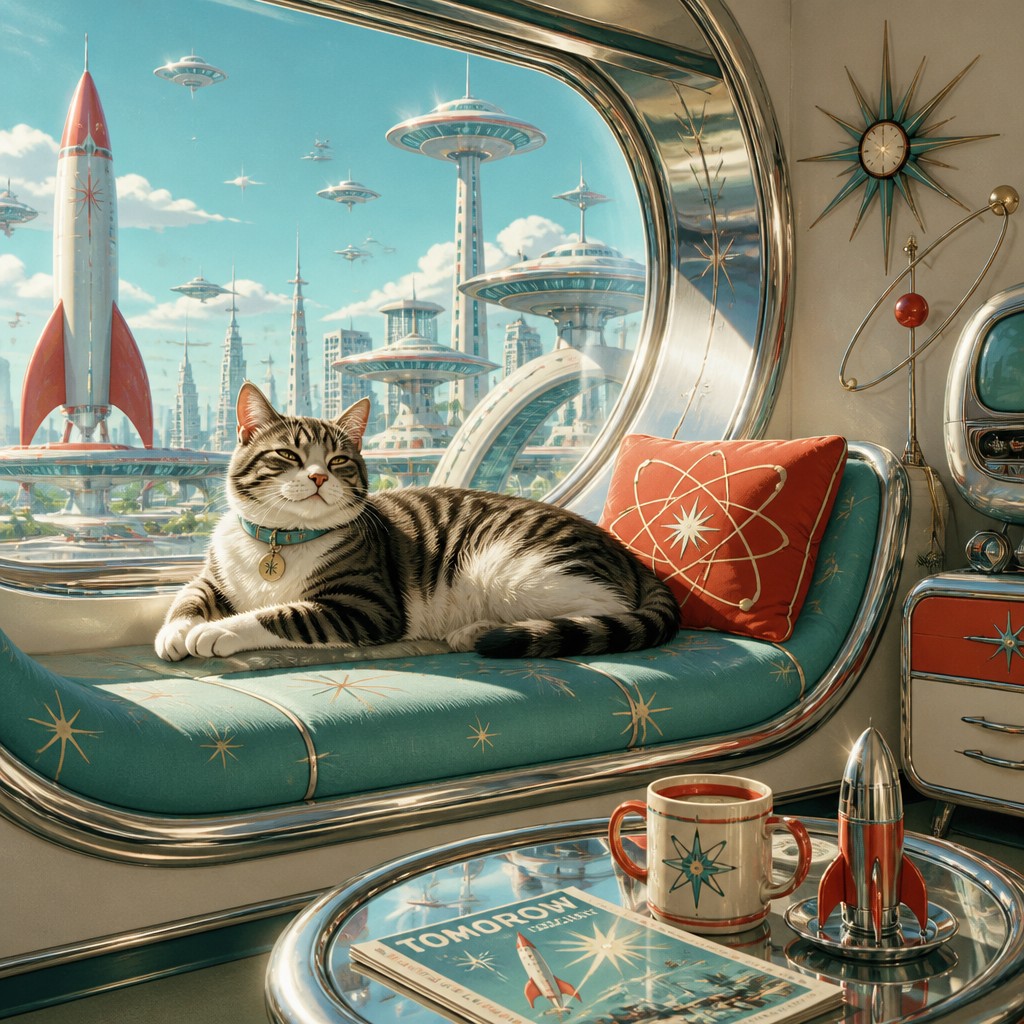
“a cat lounging in a sunlit window”
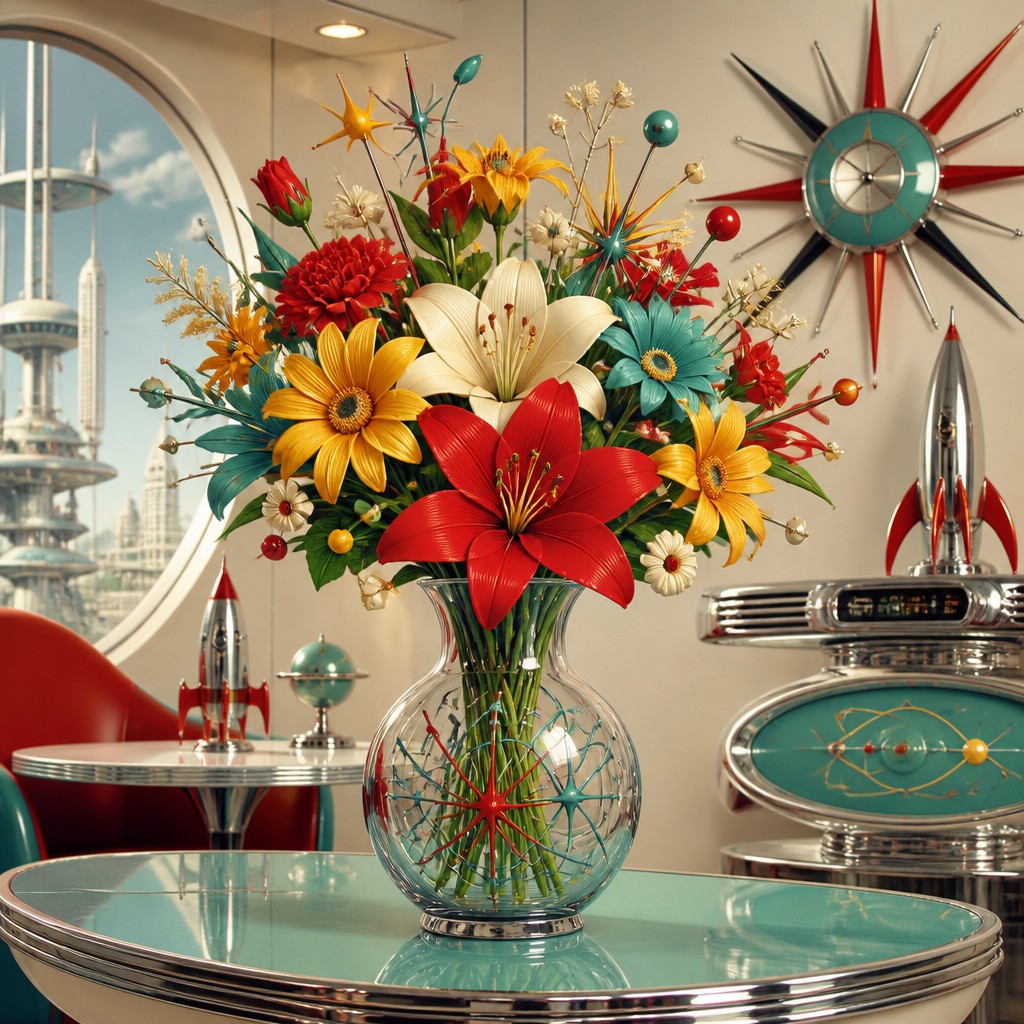
“bouquet of flowers in a glass vase”
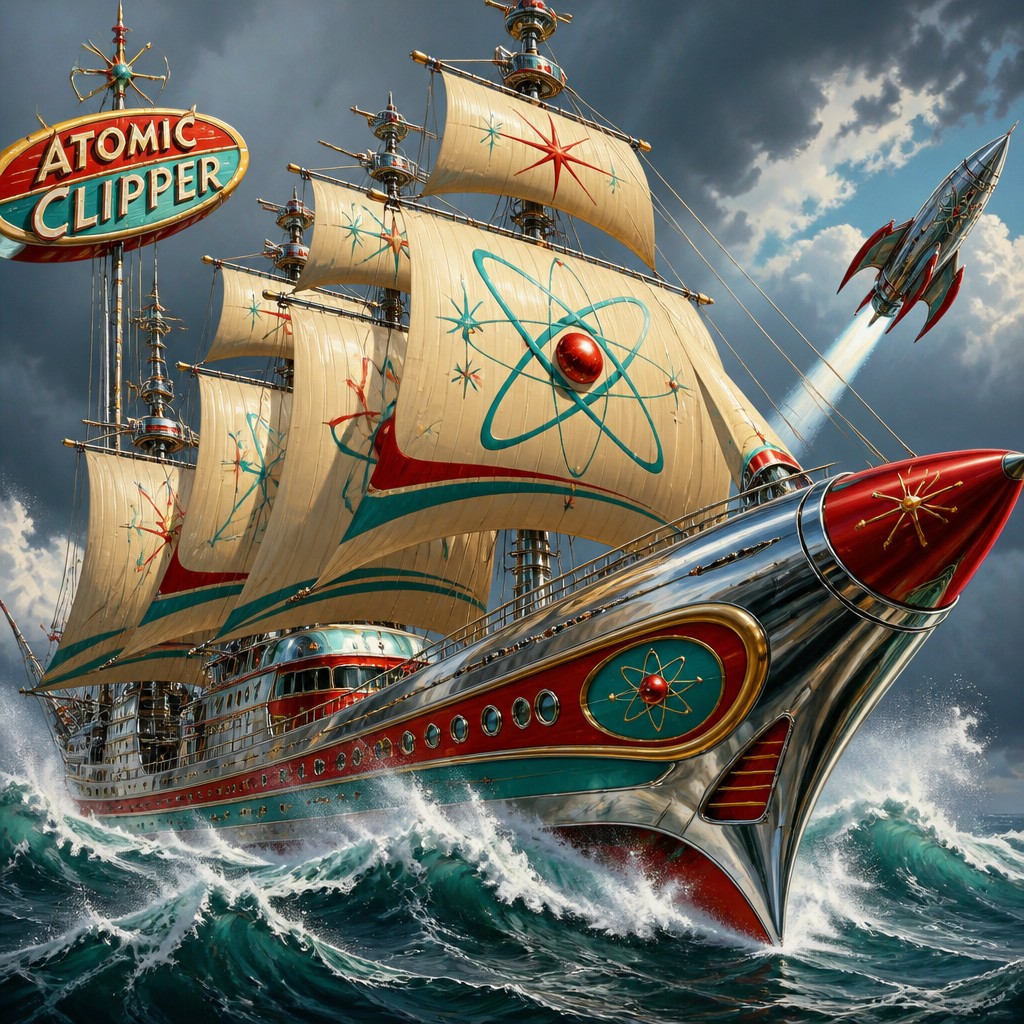
“sailing ship on a stormy sea”
How to Create Atompunk Aesthetic Art
Master the craft step by step — or skip straight to creating. Read the full guide →
- 1
Build the design around mid-century forms
Use rounded rectangles, fins, tapered legs, and sweeping arcs instead of hard industrial angles. In traditional media, sketch the silhouette first; in digital work, use clean vector-like shapes and clear negative space.
- 2
Choose a restrained atomic palette
Limit the scene to a few pastel and accent colors so the composition feels cohesive and era-specific. Turquoise, cream, red, and mustard work well when balanced with chrome, white, or pale gray.
- 3
Add retro-futurist symbols and surface cues
Integrate starbursts, orbit rings, dashboard dials, finned fins, and decorative trims to signal the style immediately. These details should feel integrated into architecture, products, clothing, or lettering rather than pasted on.
- 4
Prioritize polished materials and clean highlights
Render chrome, lacquer, glass, and brushed metal with crisp reflections and controlled specular light. Even in illustration, highlight edges and smooth gradients help the image feel like a mid-century advertisement or concept render.
- 5
Keep the tone optimistic and orderly
Compose scenes with symmetry, clarity, and an uncluttered presentation. For prompt-based generation, specify bright showroom lighting, cheerful atomic-age palette, chrome surfaces, and streamlined retro-futurism to keep the result aligned with the style.
- 6
Use period-accurate references when possible
Study Googie buildings, 1950s car design, vintage appliance ads, and Space Age exhibition graphics to avoid generic sci-fi clichés. For image-to-image transformation, preserve the subject while replacing textures, contours, and accents with atomic-age design language.

The Story
History & Origins of Atompunk Aesthetic
Atompunk is not a single historical movement but a contemporary aesthetic category built from the visual culture of the atomic age. Its lineage runs through 1950s and early 1960s design: Googie architecture, aerodynamic product design, nuclear-age graphics, and early Space Age optimism shaped by the launch of satellites and the dawn of commercial jet travel. It also reflects the era’s fascination with scientific progress, domestic modernism, and futuristic display culture.
As a style label, atompunk became popular much later as part of broader retrofuturist and genre-aesthetic naming conventions. It is closely related to mid-century modern design, sci-fi illustration, and the imagined futures found in advertising, exposition pavilions, and Hollywood production design. In contemporary visual culture, it is often used for illustrations, games, posters, interiors, fashion concepts, and worldbuilding that want a playful, polished “tomorrow as yesterday imagined it” feel.
Influences: Atompunk draws from mid-century modern design, Googie architecture, streamline moderne, advertising illustration, and the product aesthetics of the postwar United States. It also overlaps with early science-fiction magazine art and film design, where artists and designers imagined a polished atomic future rather than a dystopian one. In that sense, it sits alongside retrofuturism more broadly and shares visual DNA with the work of designers and illustrators associated with the era’s public-facing optimism, including exhibition and commercial design rather than a single canonical fine-art lineage.
Frequently Asked Questions
What defines atompunk aesthetic?
Atompunk is defined by 1950s and early 1960s retro-futurism: chrome, fins, starbursts, orbit rings, and a bright atomic-age palette. It usually feels optimistic and domestic, as if the future were imagined through advertising, roadside architecture, and showroom design.
How is atompunk different from cyberpunk?
Cyberpunk is usually dark, high-tech, and urban, with themes of corporate power and decay. Atompunk is lighter in mood and older in reference, built from postwar optimism, polished materials, and the clean futurism of the atomic era.
Is atompunk the same as mid-century modern?
Not exactly. Mid-century modern is a real design movement emphasizing functional simplicity, elegant materials, and modern domestic interiors, while atompunk is a retro-futurist aesthetic that exaggerates and recontextualizes those forms with sci-fi motifs and atomic-age symbolism.
What colors are typical in atompunk art?
Common colors include turquoise, aqua, mint, cream, coral, cherry red, mustard, and pale gray. These are often paired with chrome or white surfaces to create a clean, optimistic, showroom-like look.
Where is atompunk commonly used?
It appears in poster design, illustration, interiors, fashion concepts, branding, games, and speculative worldbuilding. It is especially effective when the goal is to evoke vintage futurism, roadside Americana, or a nostalgic sci-fi future.
How do I make a photo look atompunk?
Keep the original subject but replace ordinary textures and accents with chrome, enamel, pastel panels, and atomic-age forms. Strong lighting, clean edges, and a few period cues like starbursts or finned details will shift the image strongly toward the style.
Create your first Atompunk Aesthetic artwork
Describe anything — or upload a photo — and see it in Atompunk Aesthetic in seconds.
Make Something with Atompunk Aesthetic
Related Styles
Discover similar art styles