Dieselpunk Aesthetic
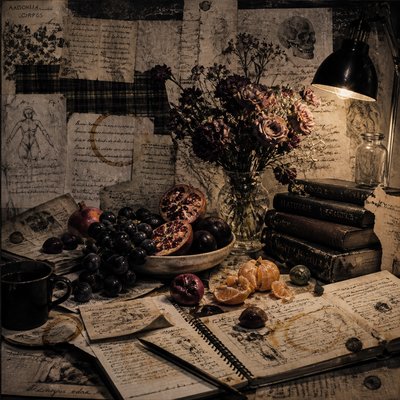
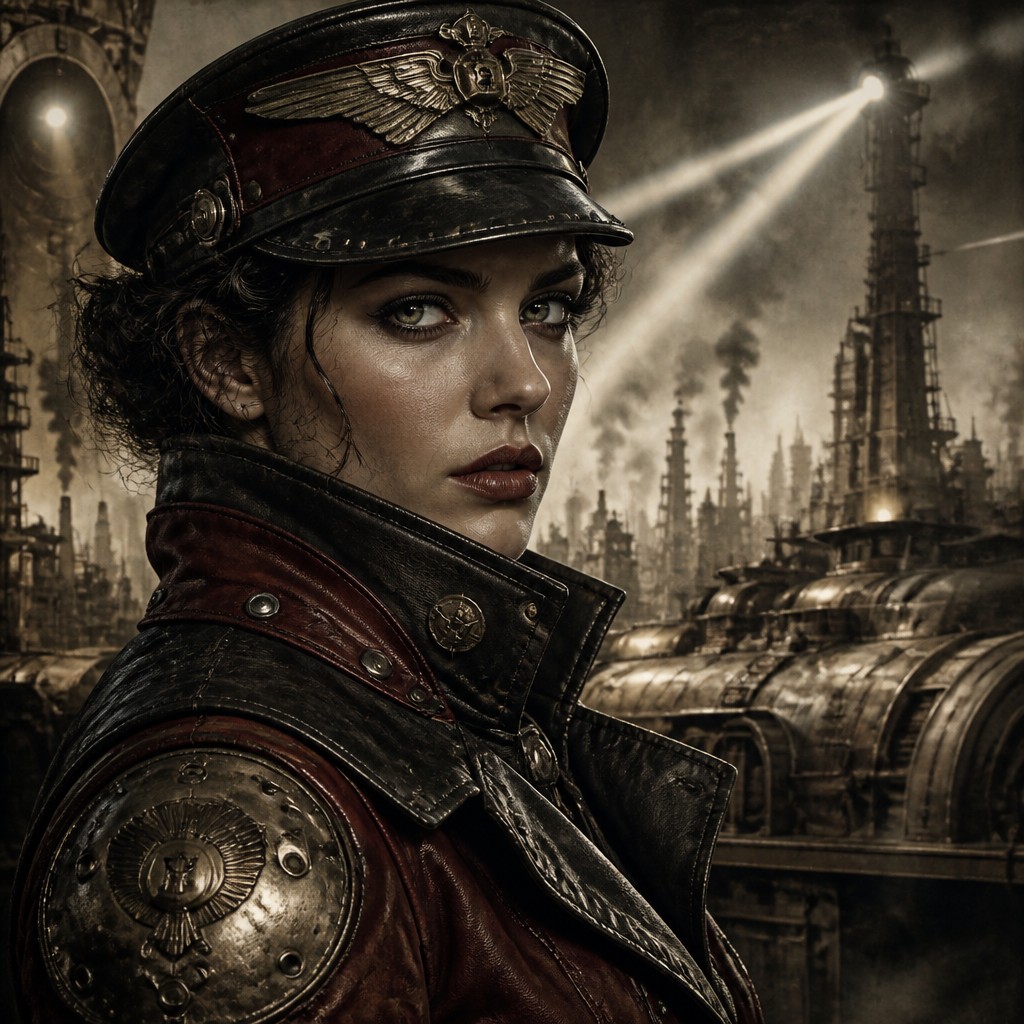
Riveted steel, noir smoke, brass gears, and retro-future industry: the defining look of dieselpunk art and design.
Instantly rendered in Dieselpunk Aesthetic — or transform a photo
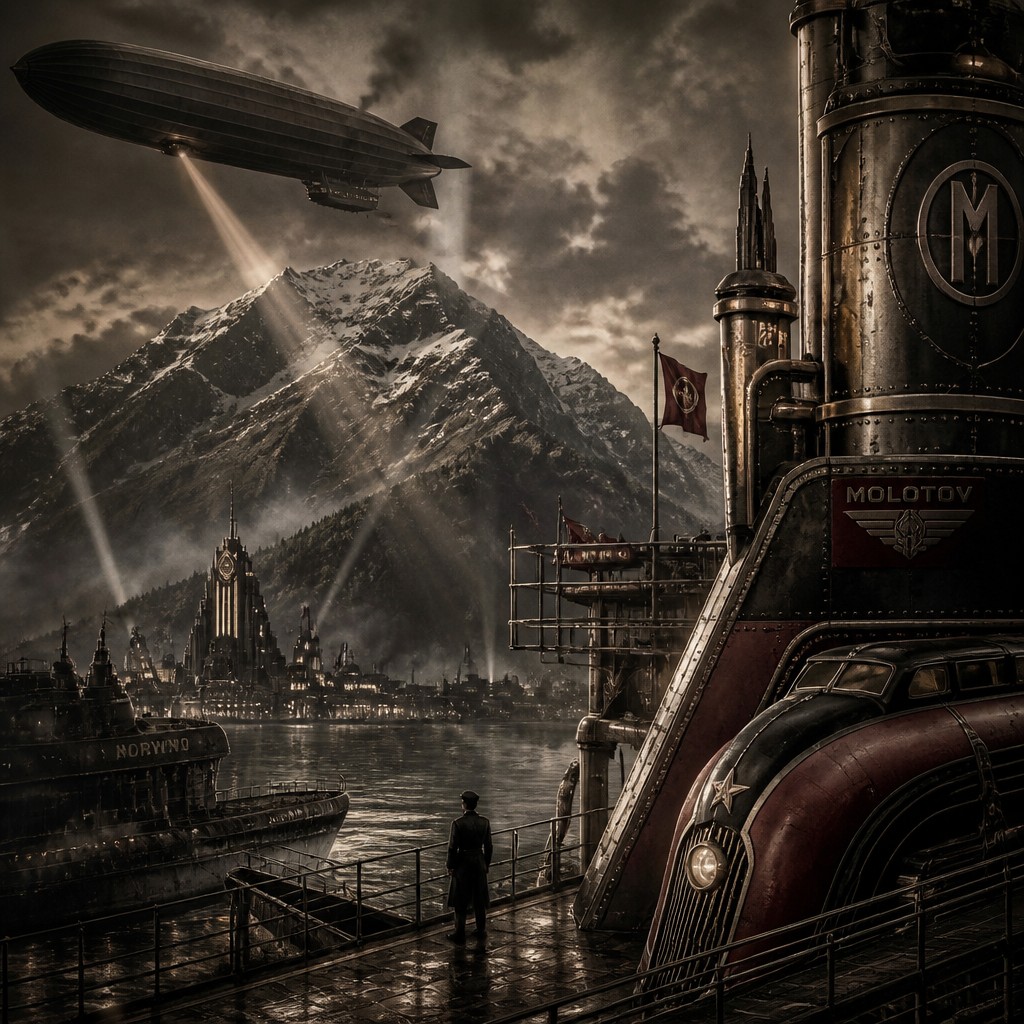
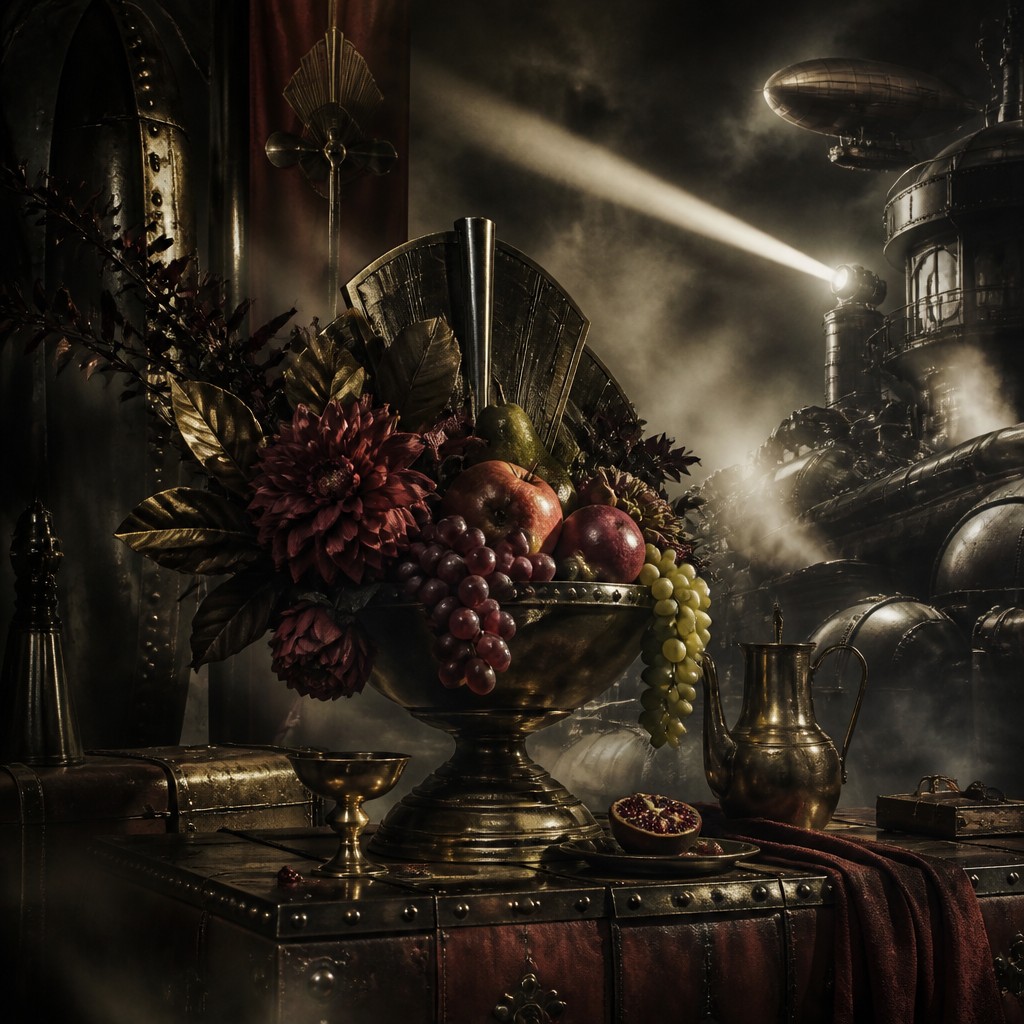
Dieselpunk Aesthetic Gallery
Tap any artwork to explore it
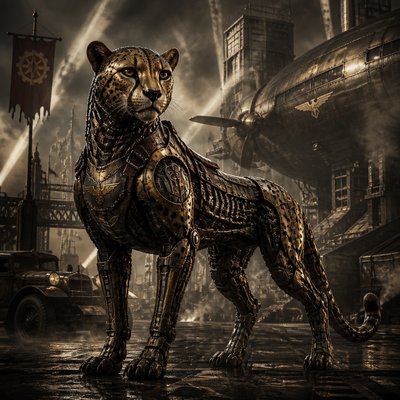
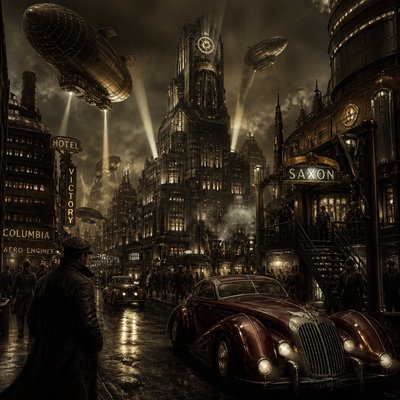
What is Dieselpunk Aesthetic?
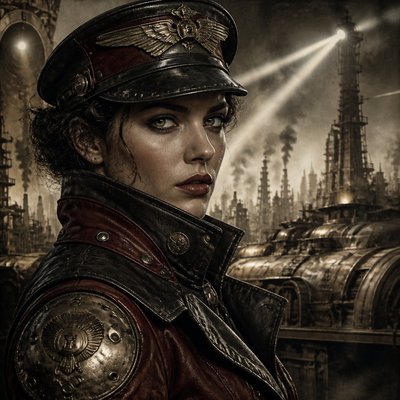
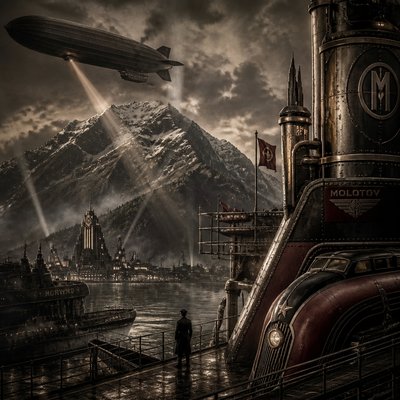
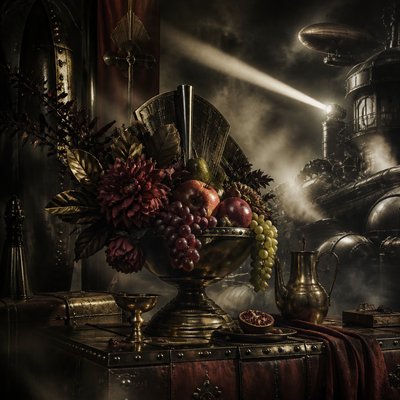
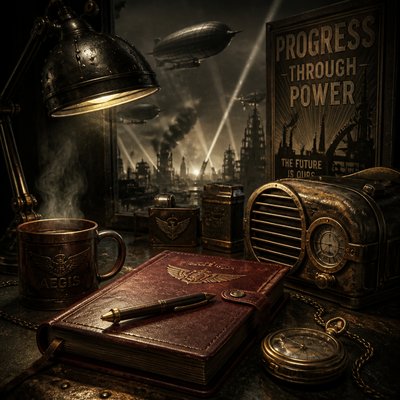
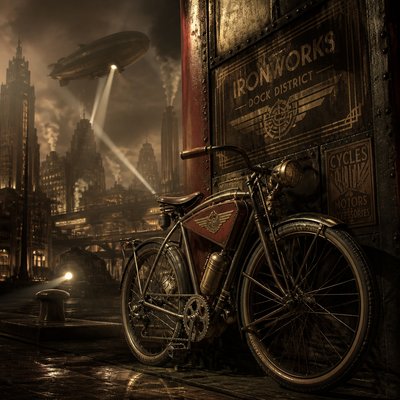
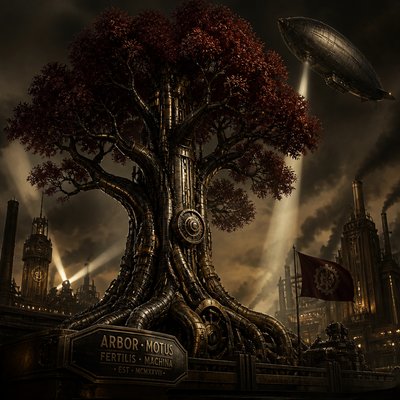
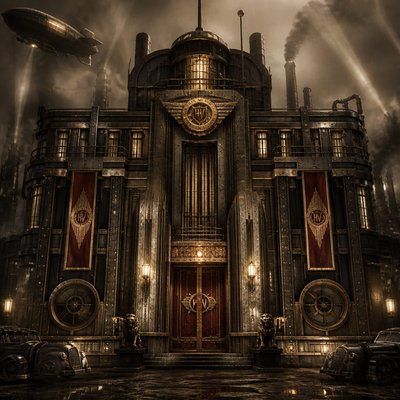
Dieselpunk is a retro-futurist visual style built from the technology, design language, and atmosphere of the diesel era, roughly the interwar years through the 1940s and early postwar period. It combines machine-age engineering with noir mood: riveted steel, brass fittings, heavy engines, searchlights, smoke, soot, and a sense of heroic industrial power. The result is a world that feels mechanically advanced but still oily, tactile, and grounded in analog machinery.
Its visual identity is shaped by the marriage of art deco geometry, military hardware, industrial architecture, and pulp adventure illustration. Unlike cleaner futurisms, dieselpunk emphasizes wear, grime, and mass: engines leak, metal is scratched, leather is creased, and skylines glow through haze. The style looks the way it does because it imagines an alternative future as if it were built from diesel power, pre-digital engineering, and the cinematic aesthetics of noir, wartime design, and early modernism.
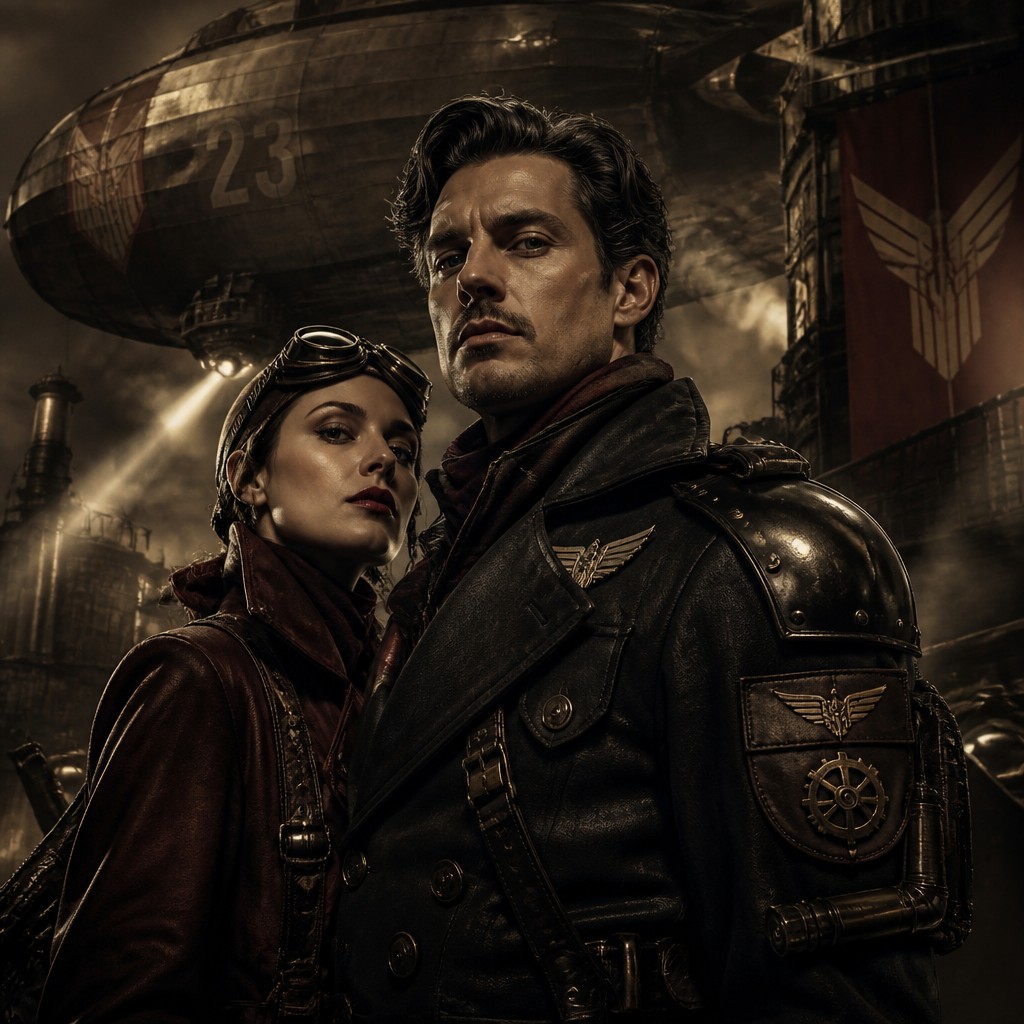
Try It On Your Photos
Upload any photo and convert it into Dieselpunk Aesthetic — drag the sliders to compare before and after.
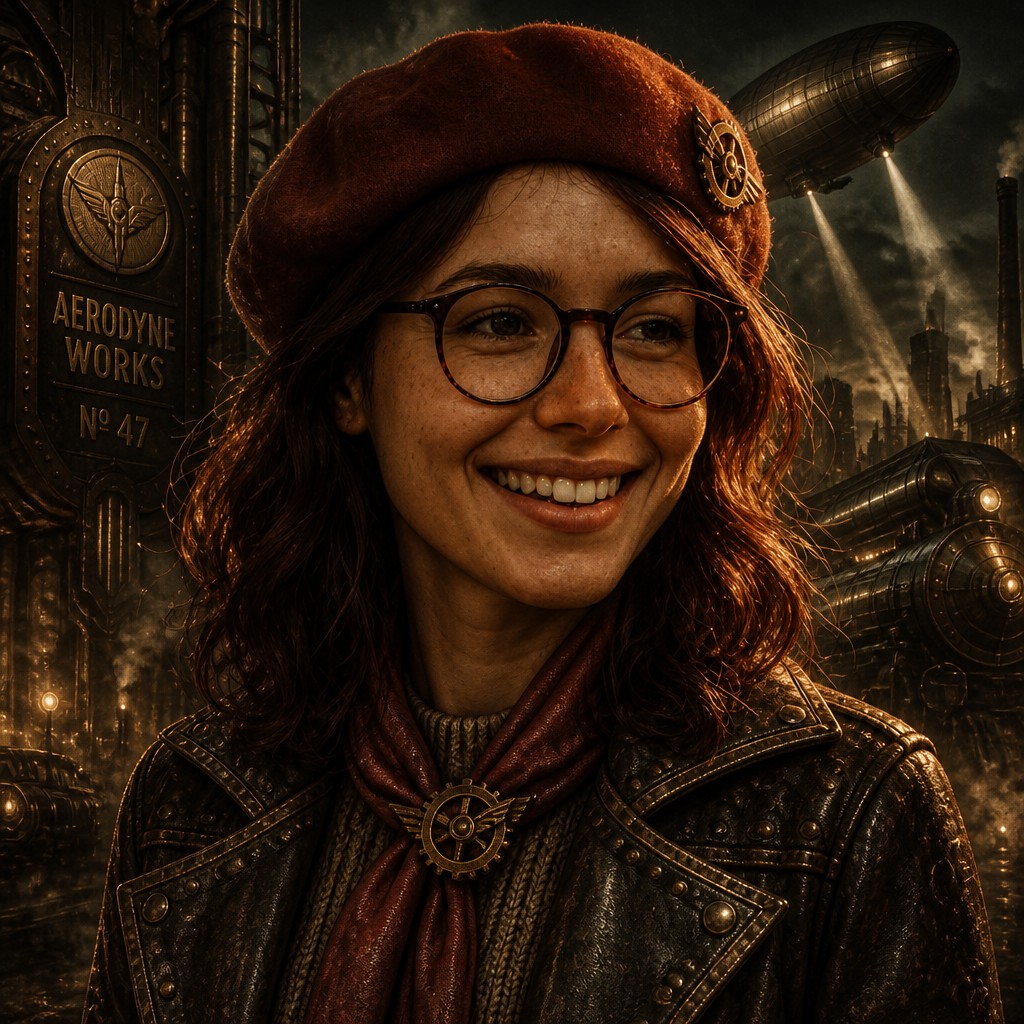

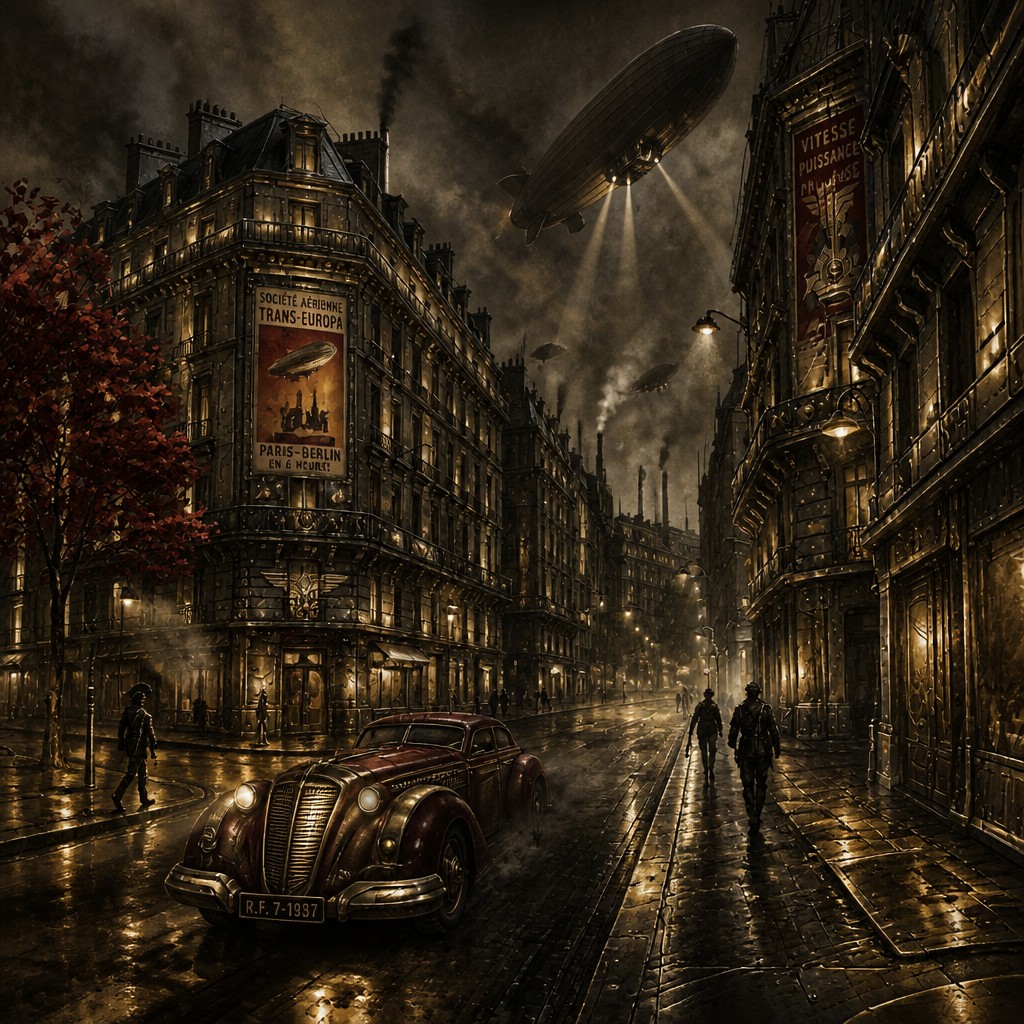

What Defines Dieselpunk Aesthetic
The signature details, up close
Riveted industrial surfaces
Metal is usually shown as heavy, layered, and engineered rather than sleek or seamless. Rivets, panel seams, exposed fasteners, and worn edges help the image feel mechanically plausible and physically aged.
Diesel-era color palette
Common colors include smoky sepia, gunmetal gray, brass, rust, oxblood, olive drab, and blackened brown. These tones create a soot-stained atmosphere and distinguish the style from brighter, cleaner futurism.
Noir lighting and haze
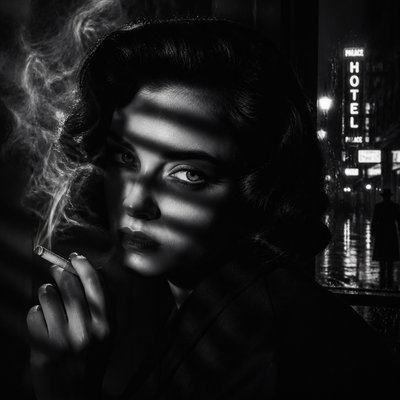
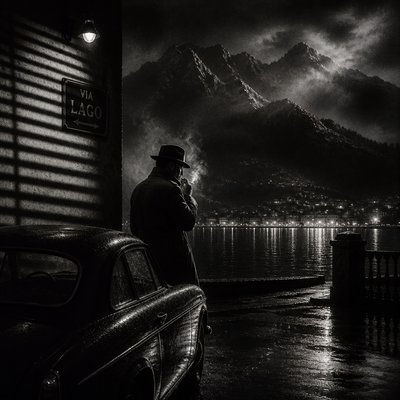
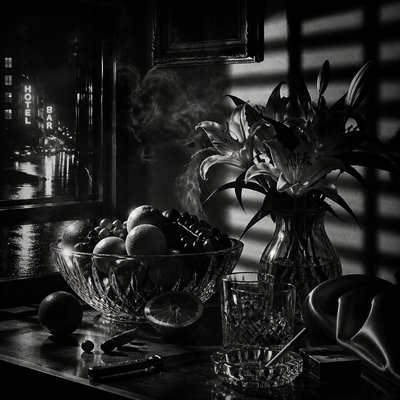
Strong contrasts, low-key lighting, and diagonal beams of searchlight or sunlight cutting through smoke are central. Fog, steam, exhaust, and industrial haze soften the scene while preserving its dramatic silhouette.
Art deco and machine-age geometry
Forms often combine rounded streamlined curves with stepped, angular ornament. Architecture, vehicles, uniforms, and devices may echo Art Deco symmetry, chevrons, fins, and polished trim.
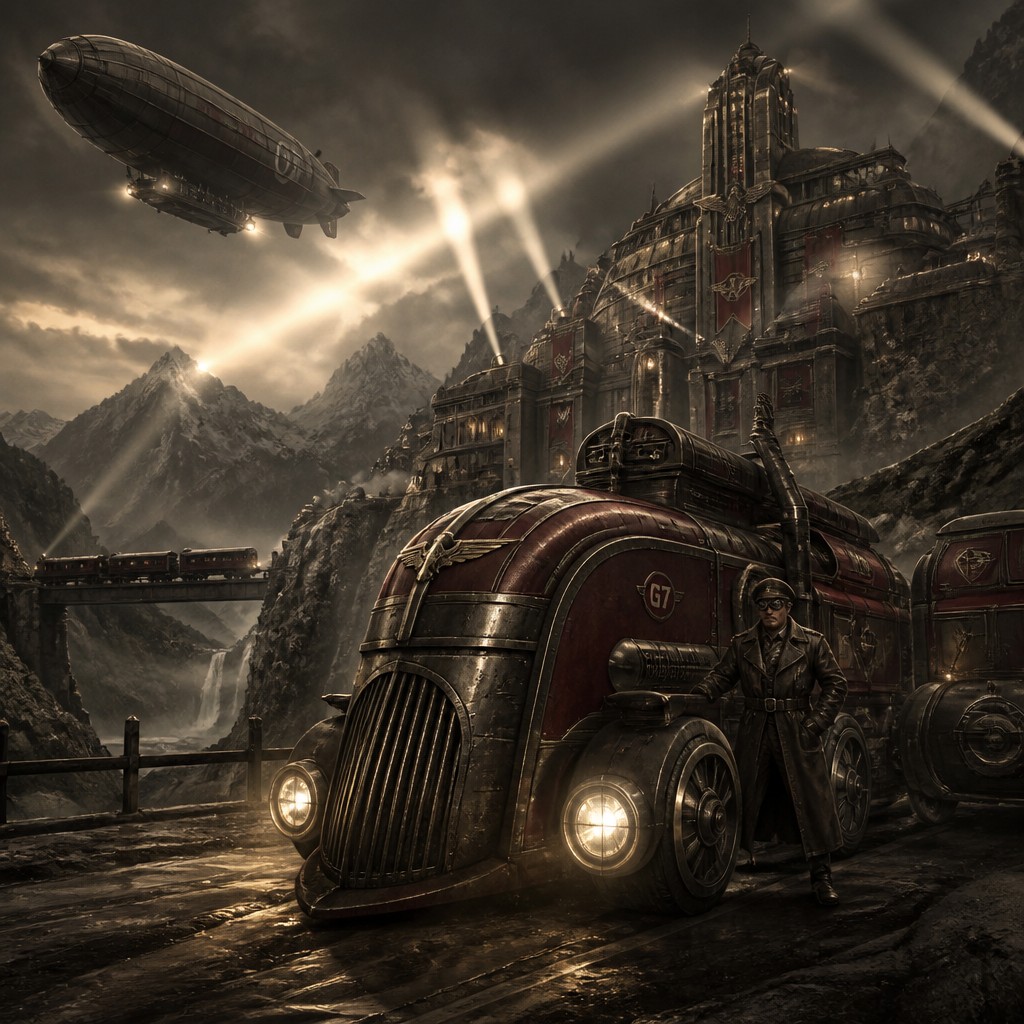
Worn leather and utilitarian materials
Leather straps, canvas, canvas bags, goggles, fuel tanks, and canvas or metal hardware appear often. These materials reinforce the sense of travel, labor, and militarized utility.
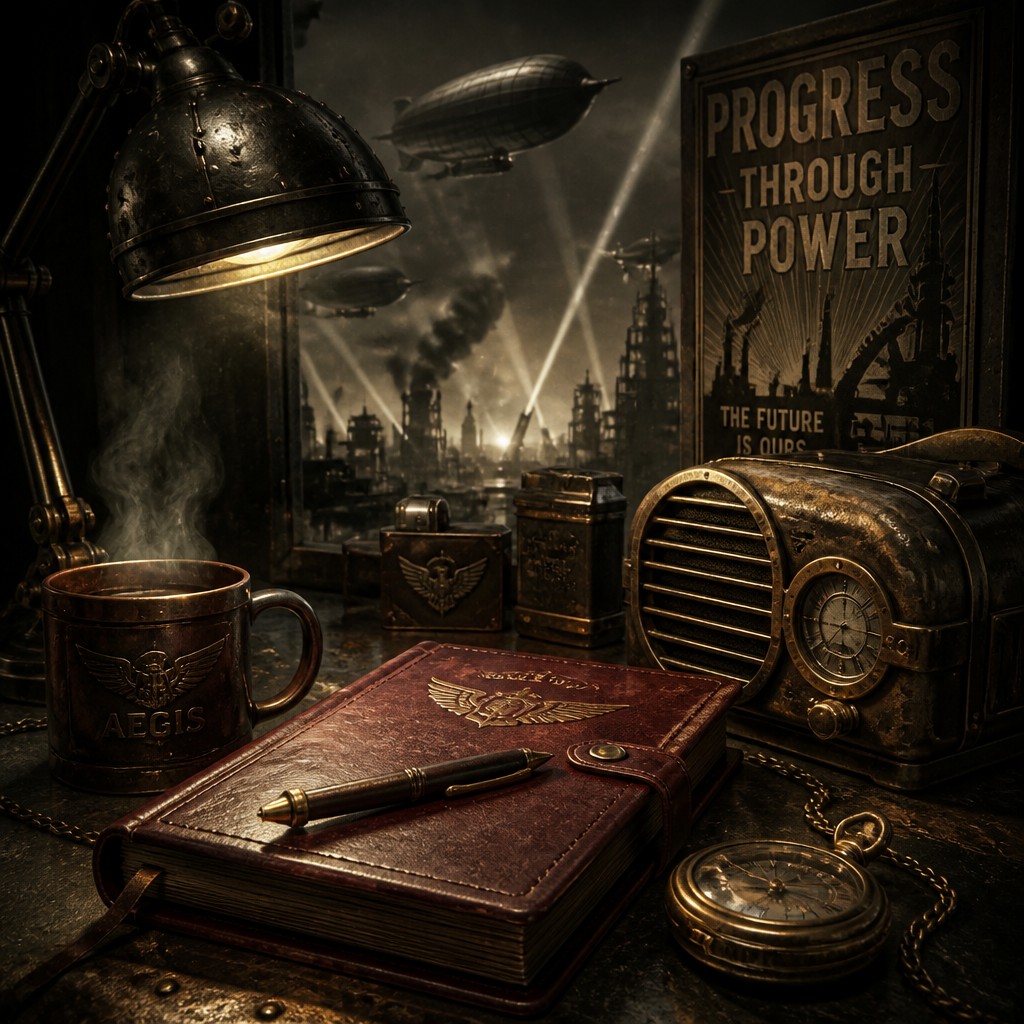
Heroic retro-futurism
The mood is typically adventurous, militarized, or cinematic rather than whimsical. Characters and machines are presented as powerful, resilient, and deeply embedded in an industrial world order.
Try It
Create Videos in Dieselpunk Aesthetic
Styles aren't just for stills — describe a scene or animate an image and get a short video rendered in Dieselpunk Aesthetic. Press play to see this pond come to life.
Make a VideoDieselpunk Aesthetic Prompt Ideas
Start from an idea — each one opens the generator with the style ready to go. See all 40 Dieselpunk Aesthetic prompts →
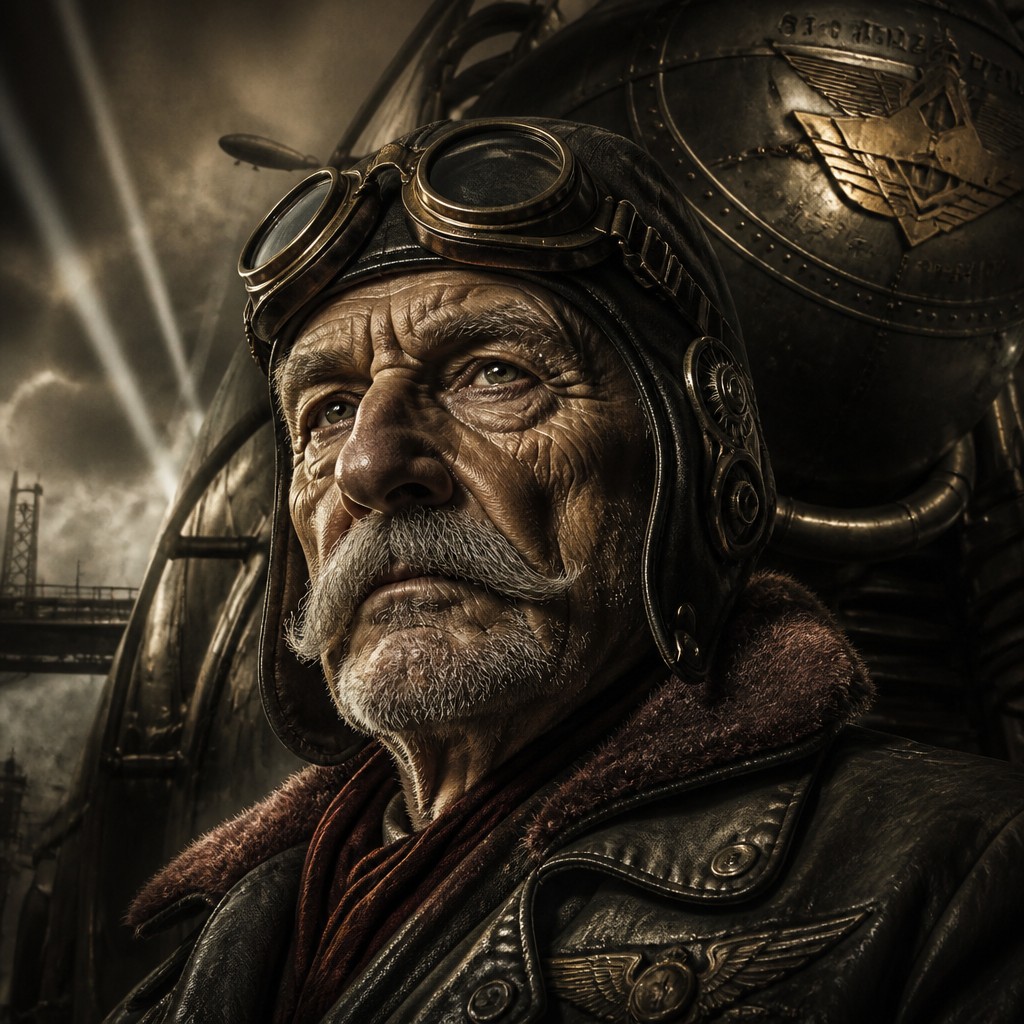
“close-up portrait of an elderly person with expressive weathered features”
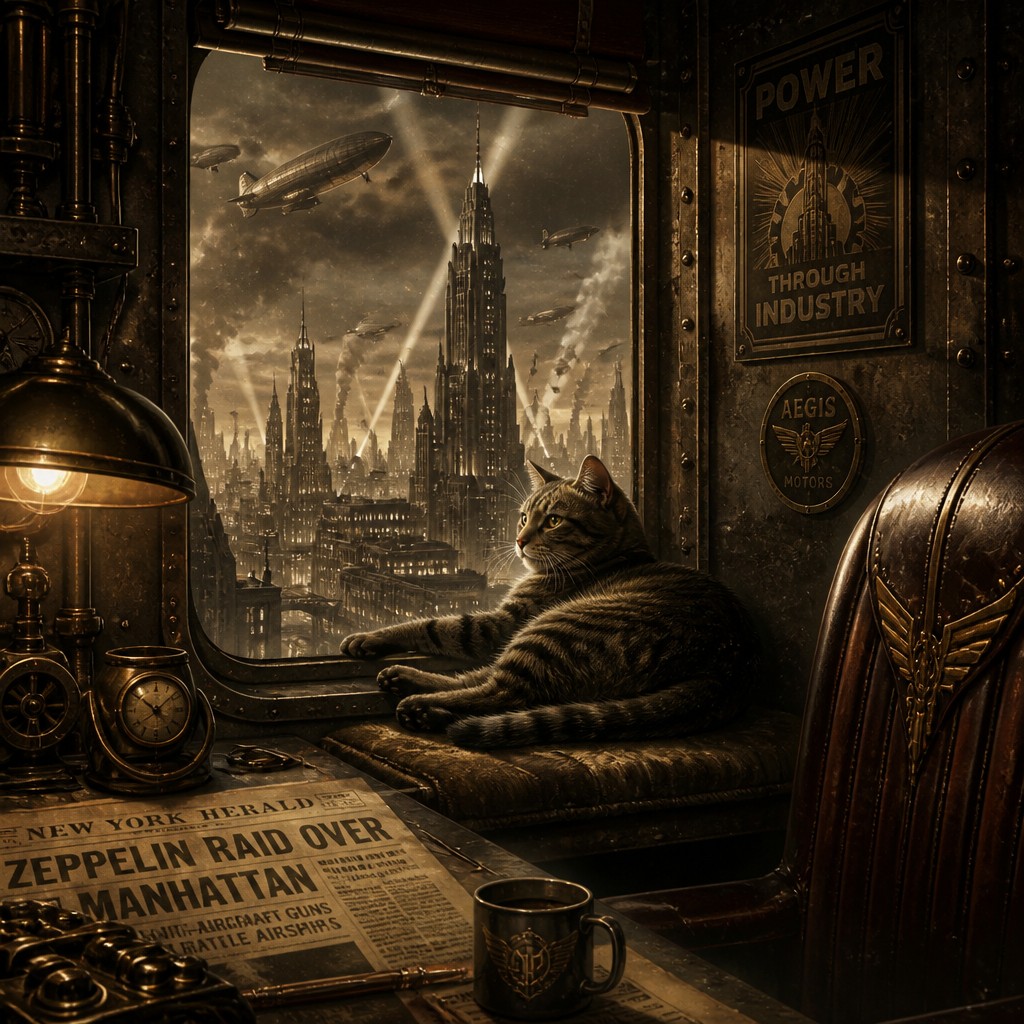
“a cat lounging in a sunlit window”
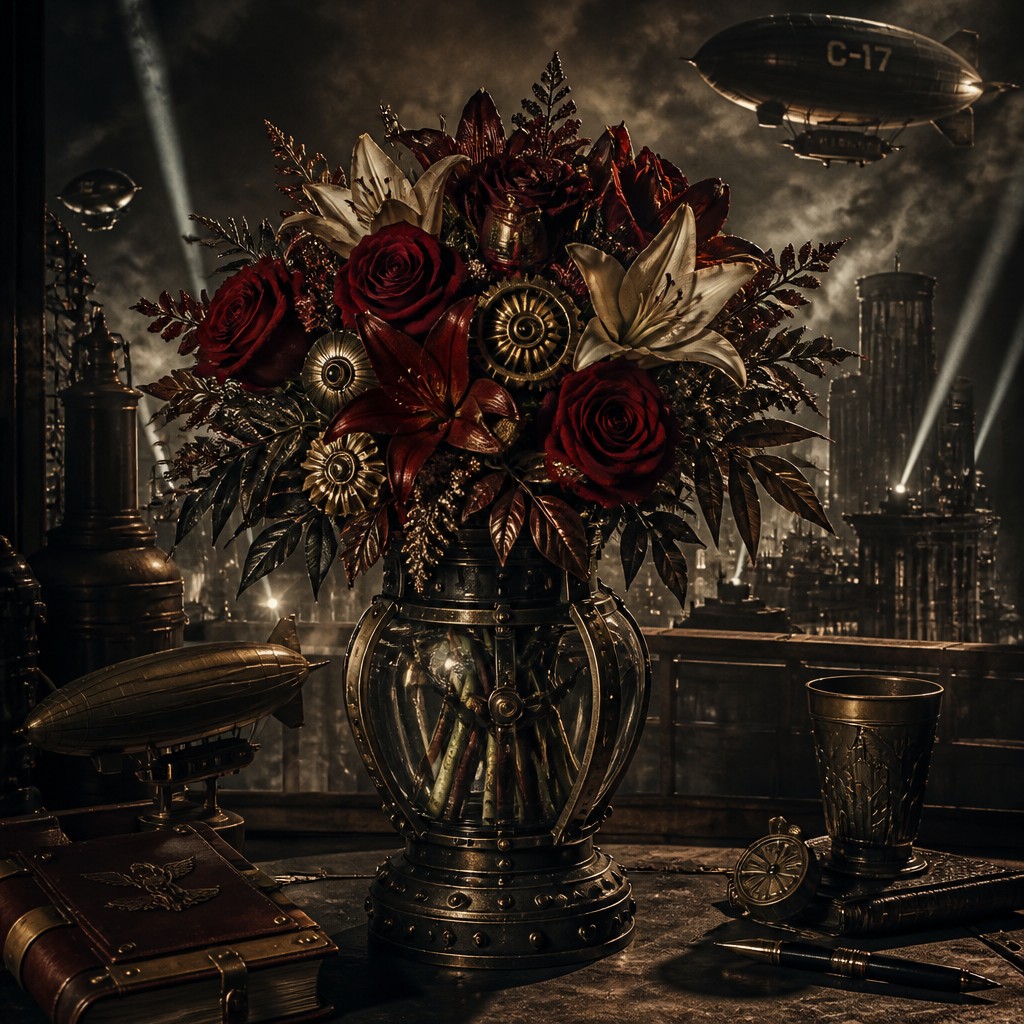
“bouquet of flowers in a glass vase”
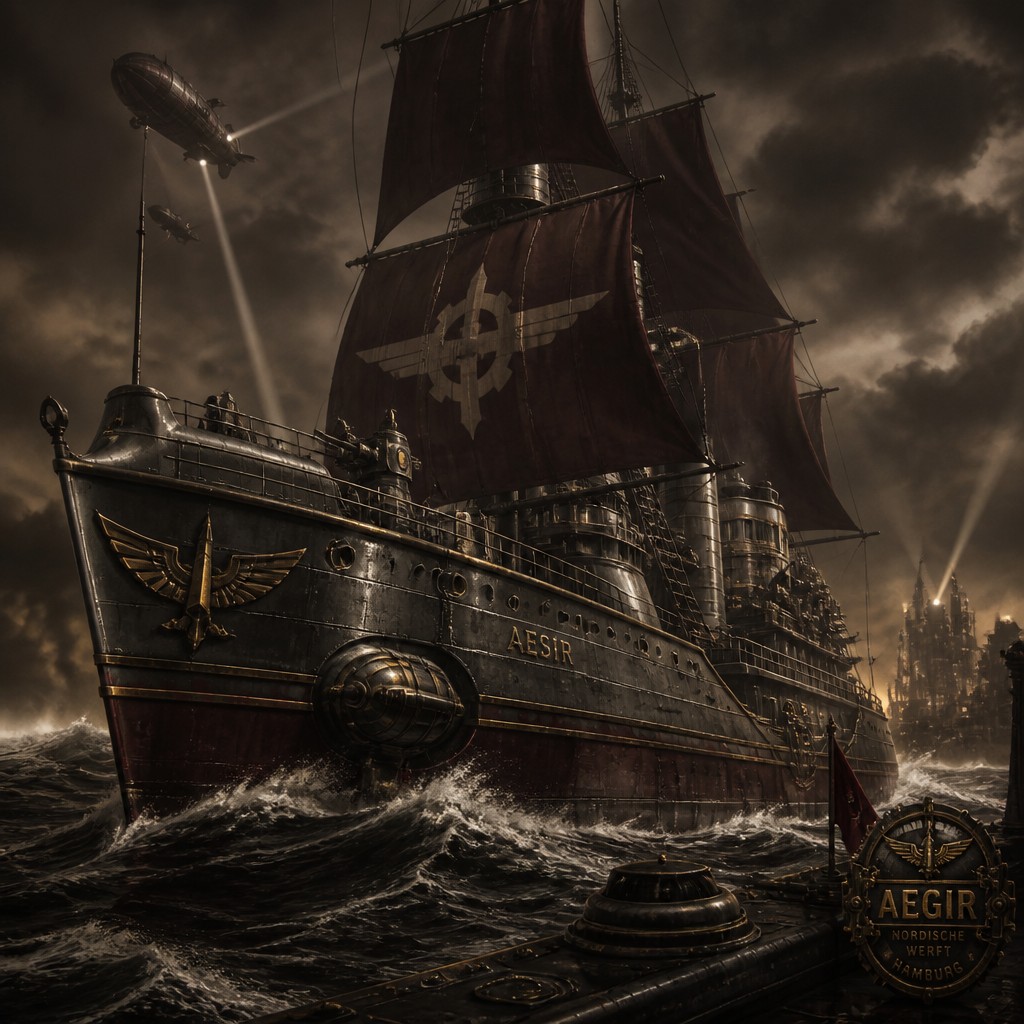
“sailing ship on a stormy sea”
How to Create Dieselpunk Aesthetic Art
Master the craft step by step — or skip straight to creating. Read the full guide →
- 1
Build the image from period materials
Start with objects and architecture from the 1920s–1940s: locomotives, zeppelins, factory interiors, armored vehicles, radio equipment, and deco buildings. Emphasize visible construction details such as seams, bolts, vents, grilles, gauges, and weathering.
- 2
Use a muted, soot-heavy palette
Limit the color range to sepia, charcoal, steel blue, brass, rust, and oxidized brown, with selective highlights in warm metal or warning light. Avoid glossy neon and clean white surfaces unless they are intentionally lit by searchlights or reflective metal.
- 3
Shape the scene with cinematic contrast
Design the composition around strong directional light, silhouette, and atmospheric depth. Smoke, steam, dust, and industrial fog are useful for separating foreground machinery from the background and creating a noir feeling.
- 4
Mix deco elegance with rough utility
Pair streamlined curves or decorative geometric motifs with rugged mechanical parts and practical wear. A polished dashboard, a curved fuselage, or a geometric facade will read as dieselpunk when it is surrounded by grime, exposed engineering, and heavy hardware.
- 5
When drawing or painting, texture the surfaces by hand
Use crosshatching, dry-brush strokes, grain, and edge wear to suggest age and machine stress. For digital work, layer scratches, grime, smoke, and metal texture overlays carefully so the image still feels designed rather than merely distressed.
- 6
For prompt-based generation, specify era, materials, and light
Name the diesel-age subject first, then add material cues and lighting cues such as riveted steel, brass fittings, engine grime, noir shadows, searchlight beams, and industrial haze. If transforming a photo, preserve the original composition but convert clothing, vehicles, and architecture into period-industrial forms.

The Story
History & Origins of Dieselpunk Aesthetic
Dieselpunk is not a historical movement in the way Art Deco or Surrealism are; it is a later retrospective style that emerged as part of the broader retrofuturist imagination. Its lineage draws from the industrial design of the 1920s to 1940s, especially streamlined transport, naval and aviation hardware, factory machinery, and the graphic language of wartime posters, pulp magazines, and noir cinema.
As a named aesthetic, dieselpunk developed in late 20th- and early 21st-century subcultures, alongside cyberpunk and steampunk, as creators began organizing alternate-future worlds around different energy regimes and historical periods. Its look is especially indebted to Art Deco and Streamline Moderne, as well as to the visual memory of interwar Europe and America: crowded machine shops, metropolis skylines, bomber silhouettes, smoke-belching engines, and heroic industrial spectacle.
Influences: Dieselpunk draws heavily from Art Deco and Streamline Moderne, especially the geometry and industrial optimism of the 1920s and 1930s, while its mood comes from noir cinema, pulp adventure illustration, wartime propaganda design, and industrial photography. It is also closely related to retrofuturist fiction and to adjacent subcultures such as steampunk and cyberpunk, but it replaces Victorian brass fantasy or digital neon with the hard edges, smoke, and mechanical mass of the diesel age. Canonical historical touchpoints include the architecture and industrial design associated with Art Deco and Streamline Moderne rather than a single artist-driven school.

Frequently Asked Questions
What defines dieselpunk art?
Dieselpunk is defined by retro-futurist imagery inspired by the diesel era, especially the 1920s through the 1940s. Its signature ingredients are riveted metal, engines, smoke, noir lighting, brass, leather, and a sense of heavy industrial power. The style often blends elegance and grime, making machines look both heroic and worn.
How is dieselpunk different from steampunk?
Steampunk is rooted in Victorian and steam-powered design, with brass, gears, corsets, and 19th-century machinery. Dieselpunk moves forward into the interwar and wartime period, so it favors engines, armored vehicles, radios, aviation, factories, and smoky modern industry. The mood is usually darker and more militarized.
How is dieselpunk different from cyberpunk?
Cyberpunk is centered on digital technology, neon urban nightlife, corporate networks, and high-tech low-life themes. Dieselpunk is analog, mechanical, and pre-digital, with diesel engines, searchlights, and industrial haze replacing circuitry and neon. Both can be gritty and noir, but their technological foundations are very different.
What subjects work best in this style?
Airships, trains, armored vehicles, detectives, pilots, engineers, factories, military hardware, and industrial cityscapes all suit dieselpunk well. The style also works for portraits and character design when clothing, props, and lighting are adapted to the era. Anything that benefits from heavy machinery and atmospheric drama can be a good fit.
How do I make a photo look dieselpunk?
Keep the original subject recognizable, then introduce period-industrial details such as leather coats, riveted metal surfaces, brass controls, and smoke-filled backgrounds. Adjust the color grading toward sepia, steel gray, and oxidized brown, and add directional lighting, film grain, and texture to create a noir, retro-industrial mood.
Where is dieselpunk commonly used?
It is common in concept art, game art, poster design, alternate-history illustration, and speculative worldbuilding. Designers use it for vehicles, uniforms, architecture, key art, and cinematic scenes that need an industrial retro-future identity. It is especially effective when the setting needs to feel powerful, mechanically dense, and atmospheric.

Create your first Dieselpunk Aesthetic artwork
Describe anything — or upload a photo — and see it in Dieselpunk Aesthetic in seconds.
Make Something with Dieselpunk Aesthetic
Related Styles
Discover similar art styles