Romantic Academia Aesthetic
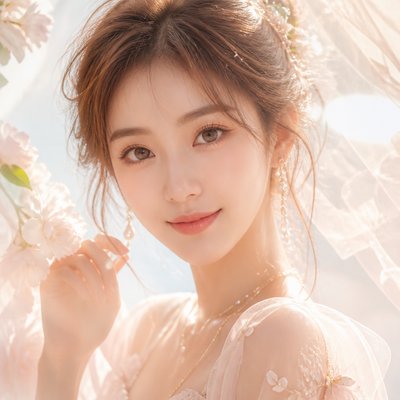
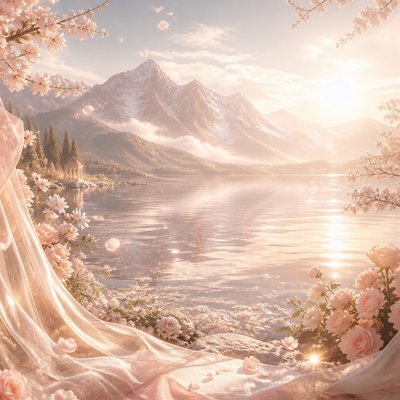
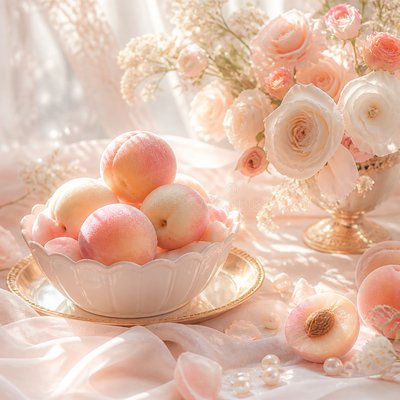
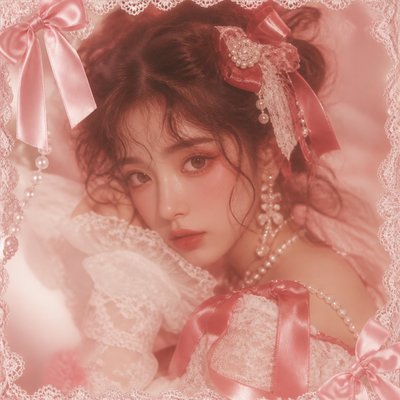
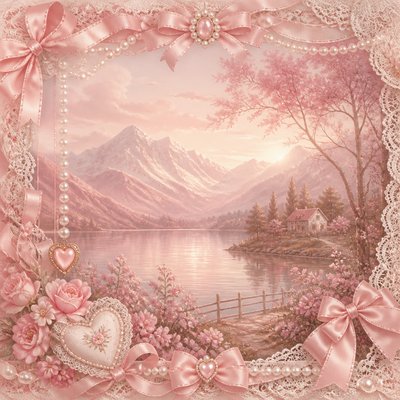
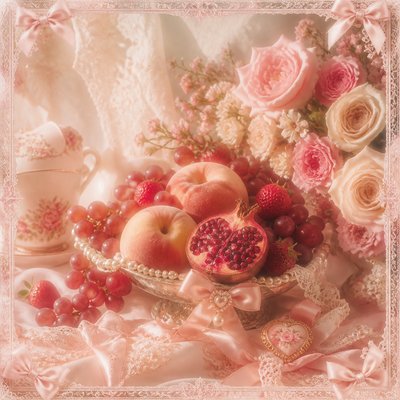
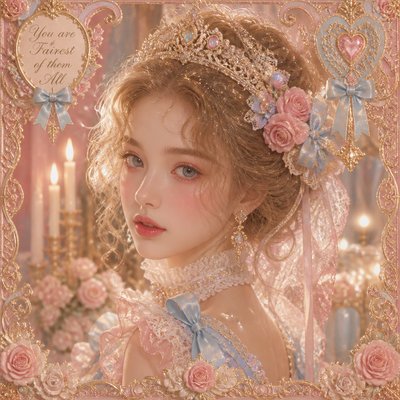
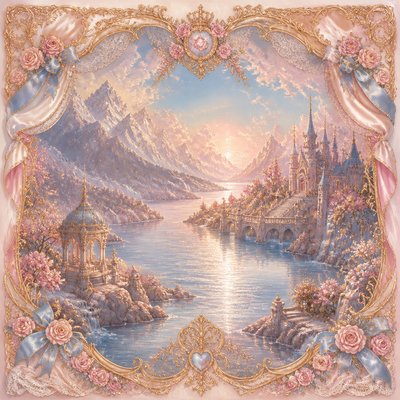
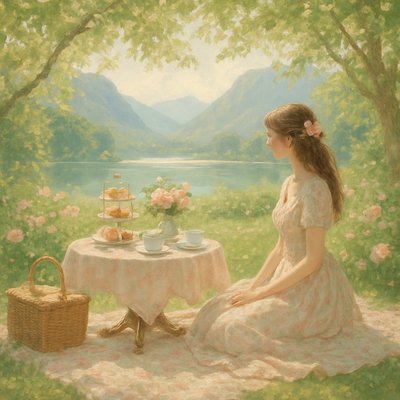
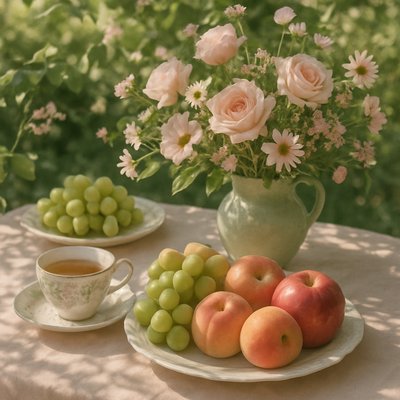
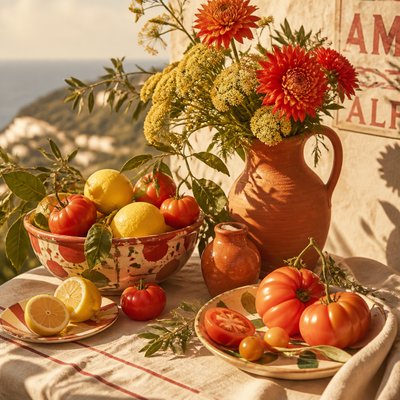
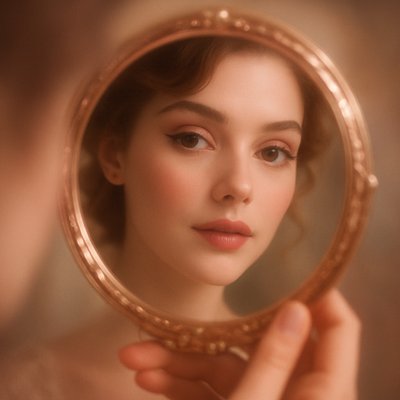
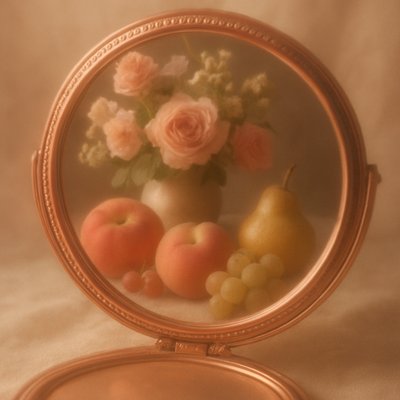
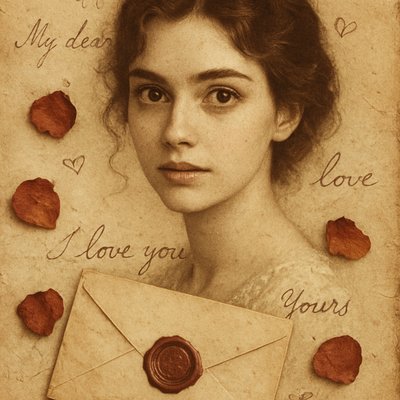
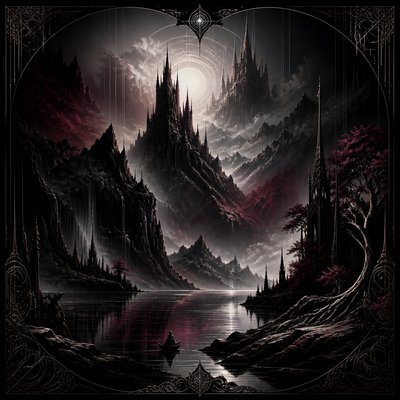
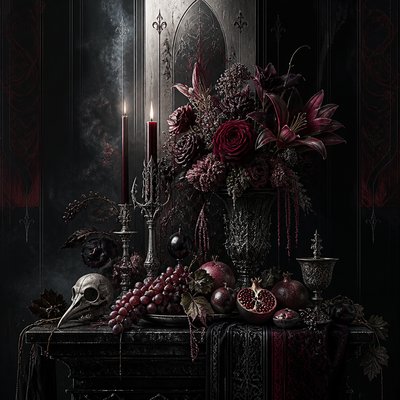
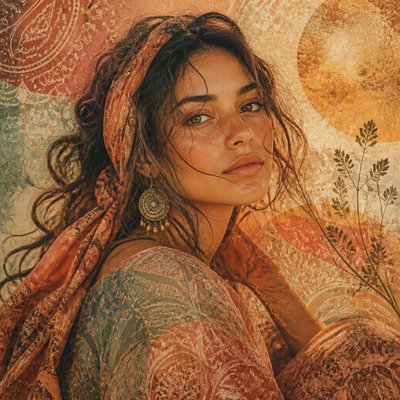
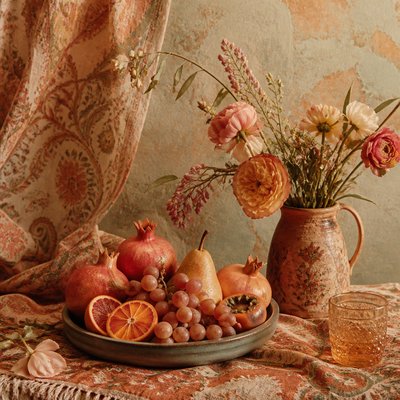
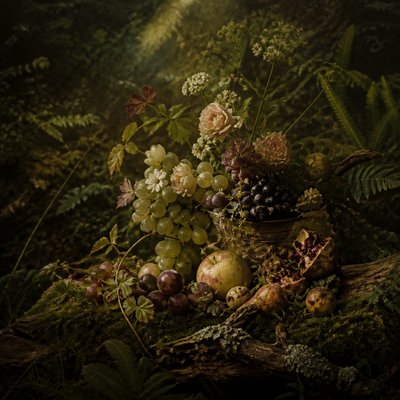
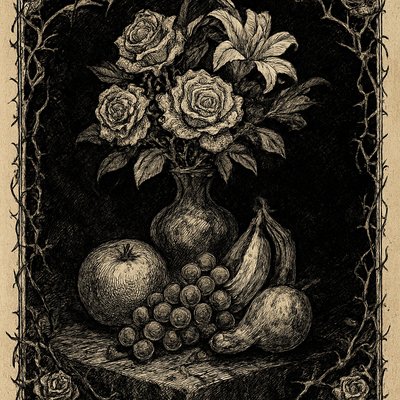
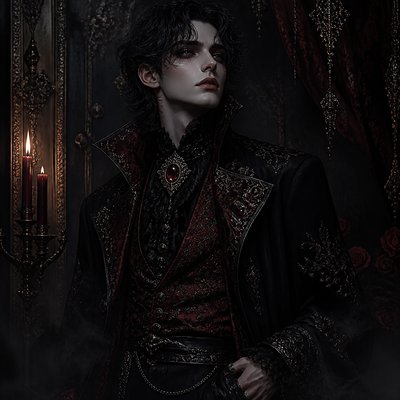
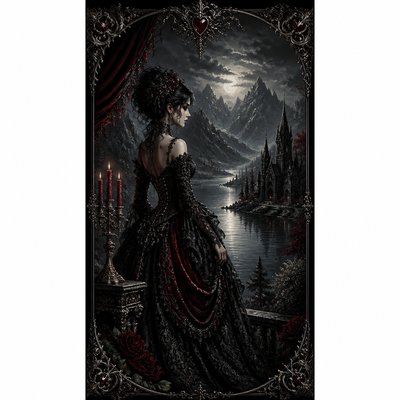
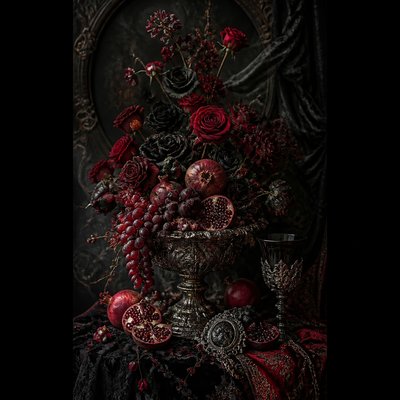
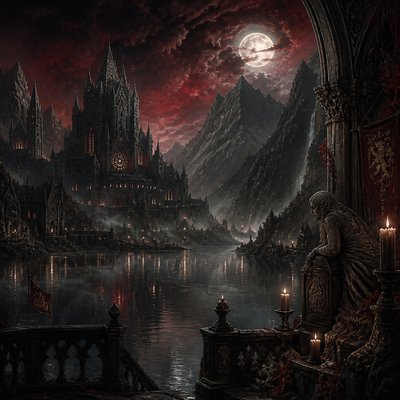
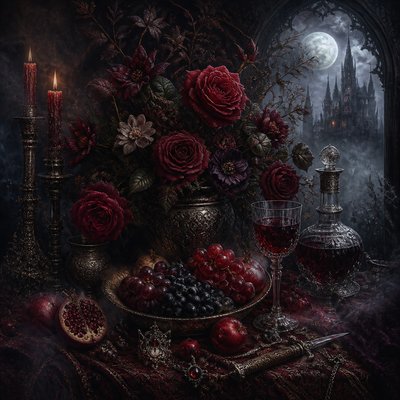
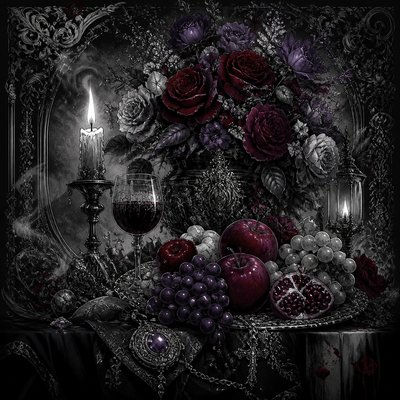
Dusty rose, pressed flowers, candlelight and literary longing: a romantic, scholarly aesthetic of tender nostalgia.
Instantly rendered in Romantic Academia Aesthetic — or transform a photo
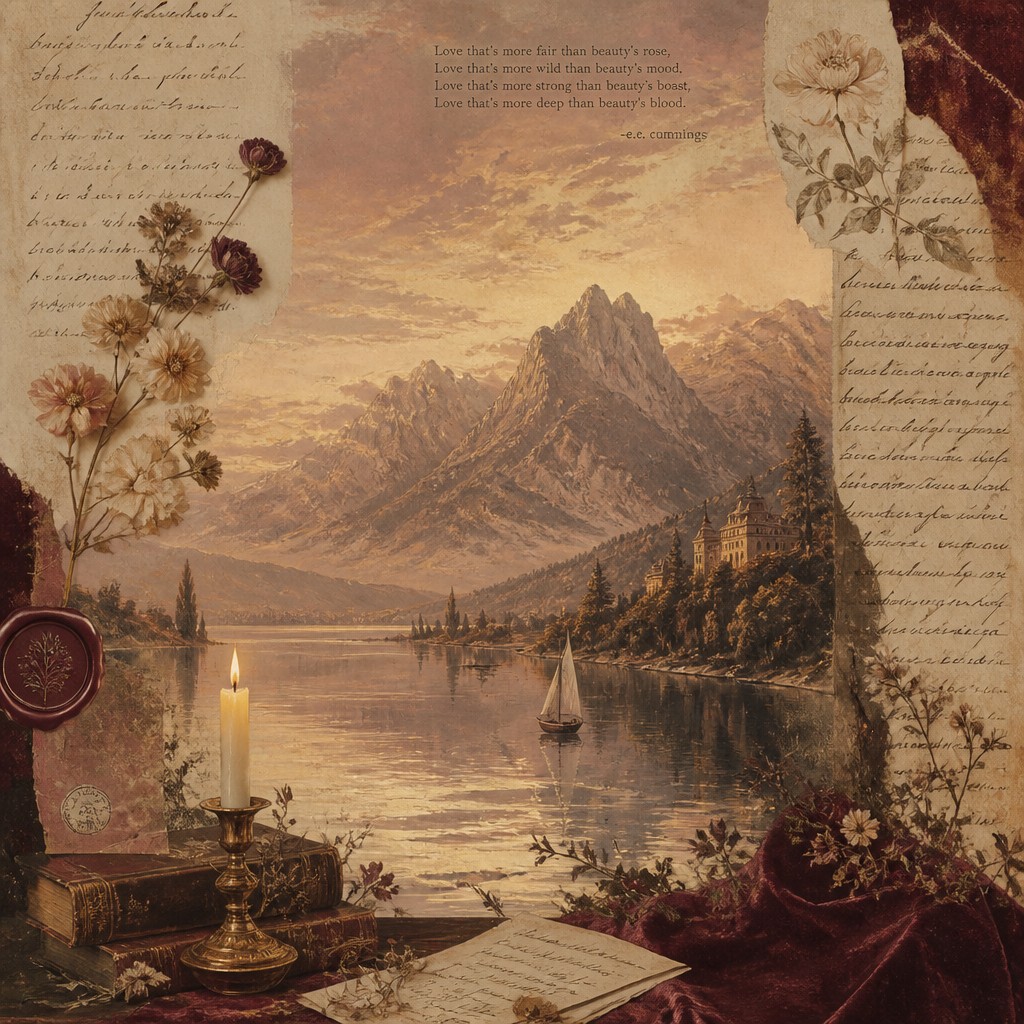
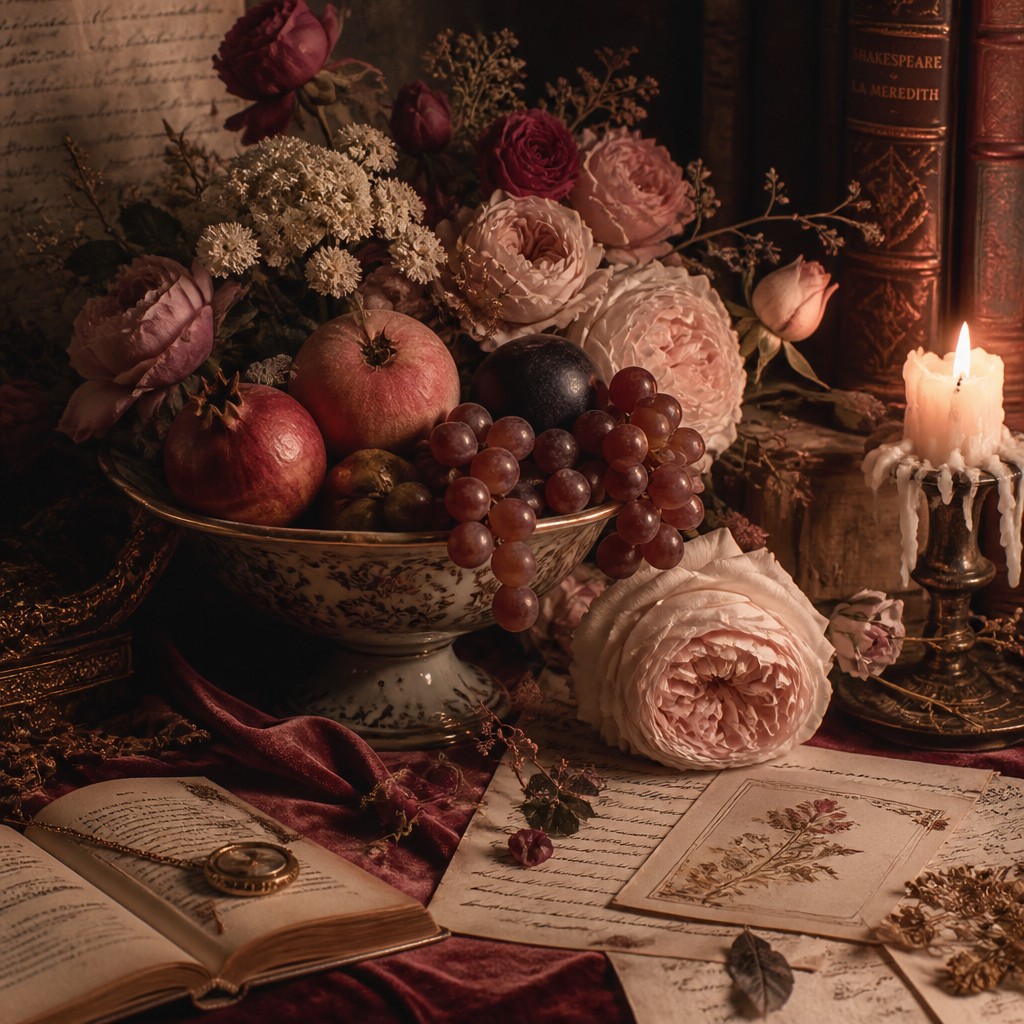
Romantic Academia Aesthetic Gallery
Tap any artwork to explore it
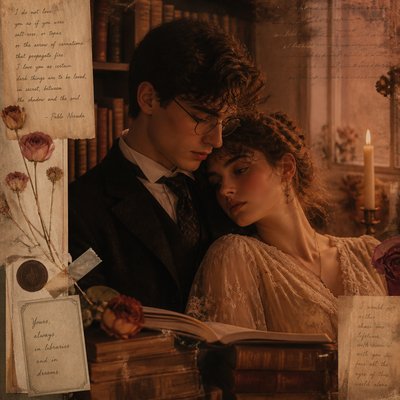
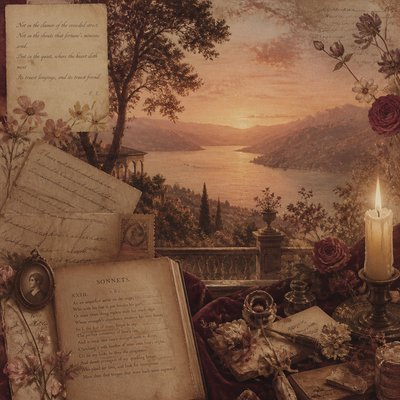
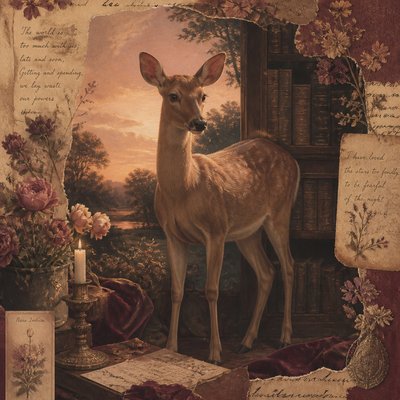
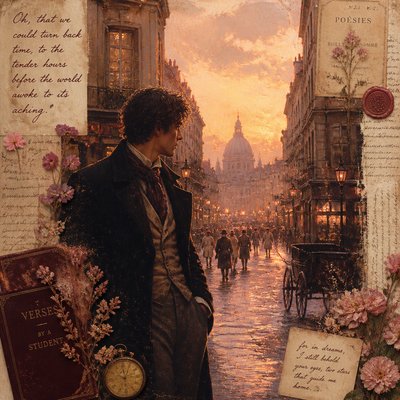
What is Romantic Academia Aesthetic?
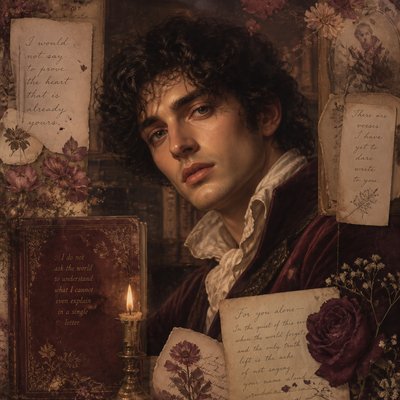
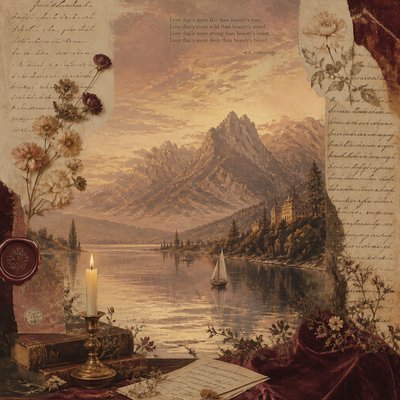
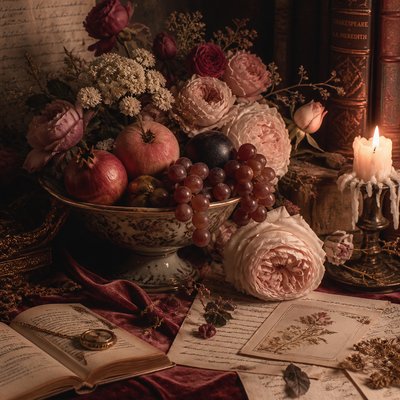
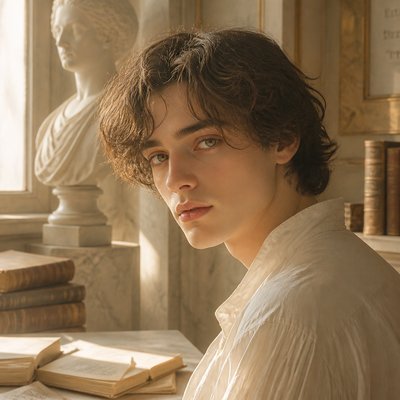
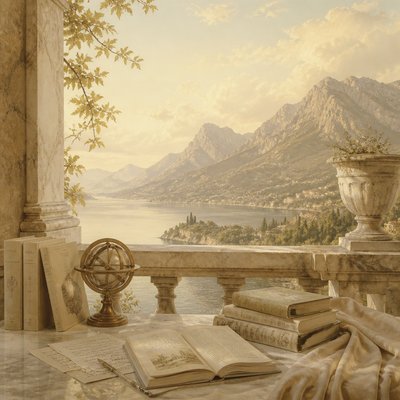
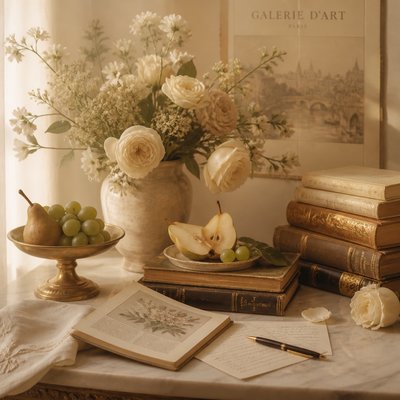
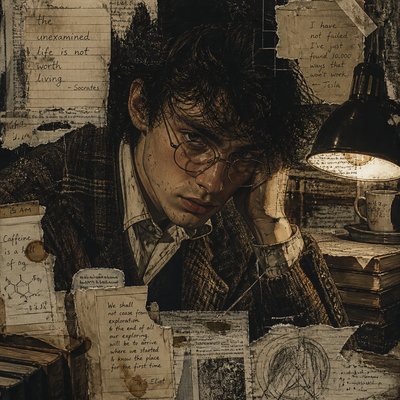
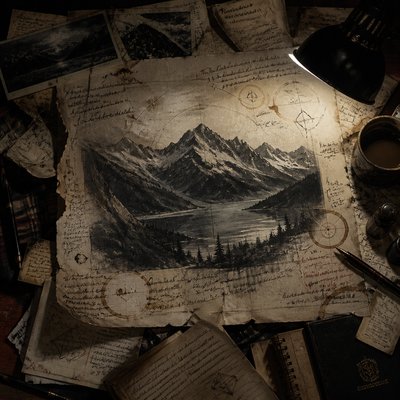
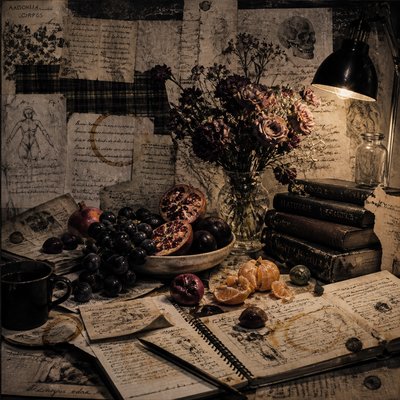
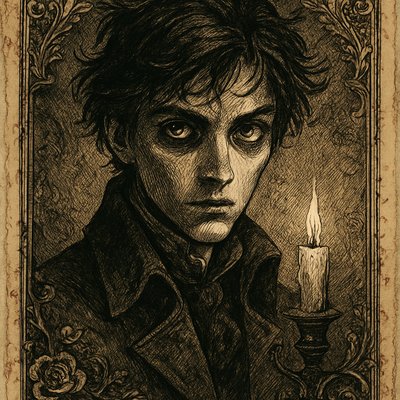
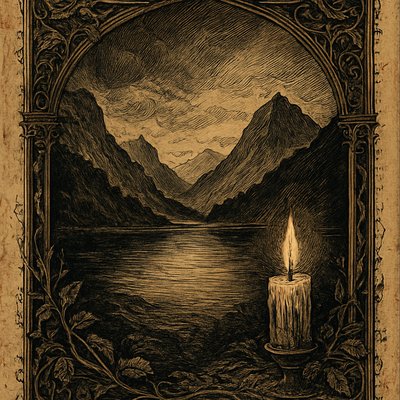
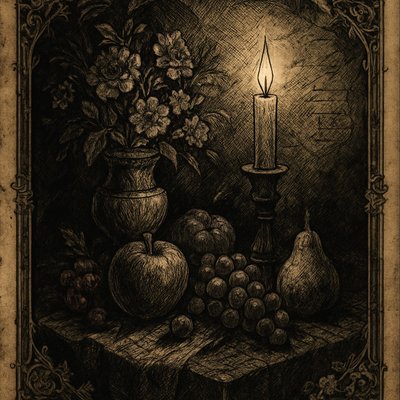
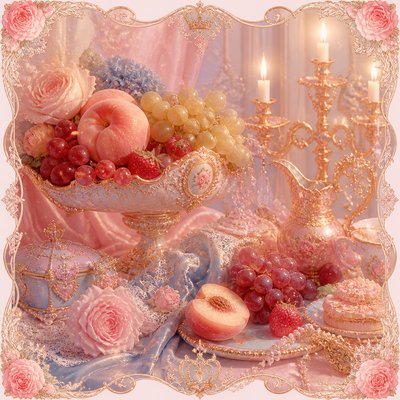
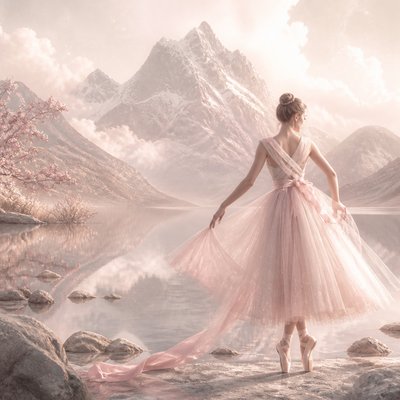
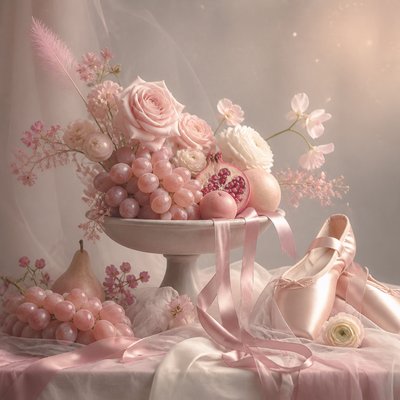
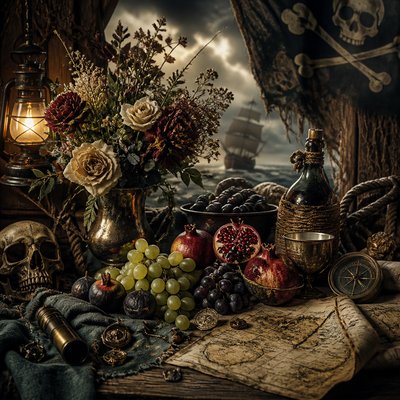
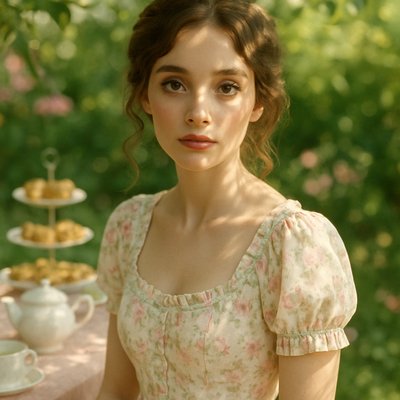
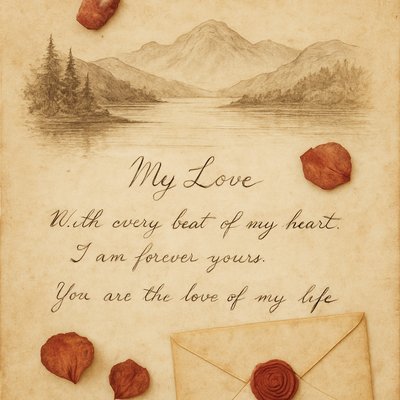
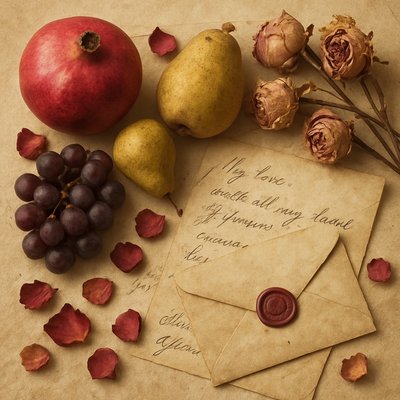
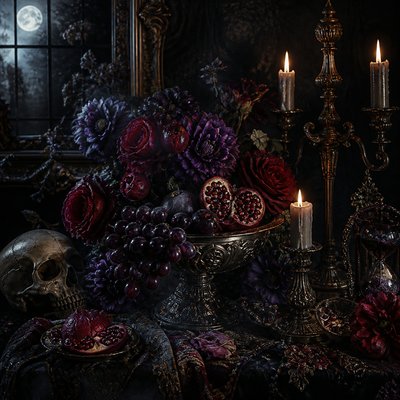
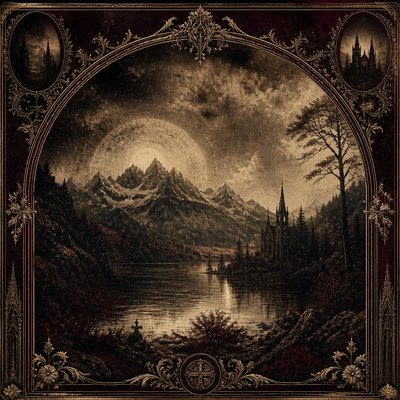
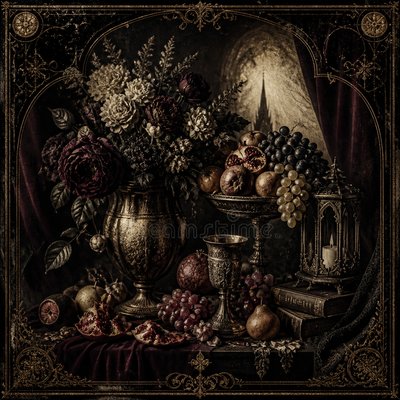
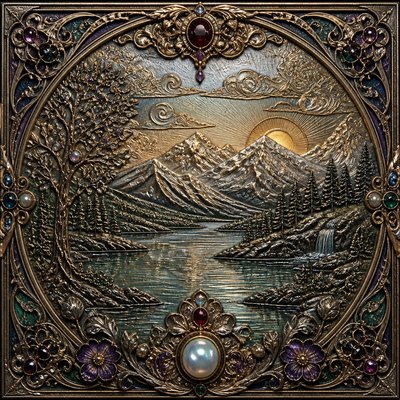
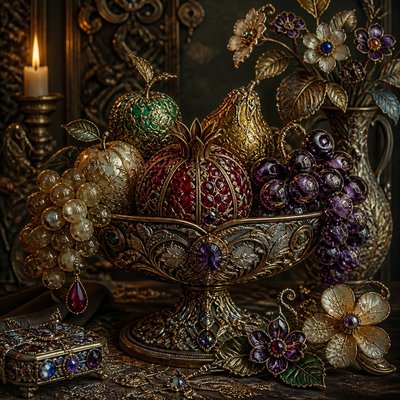
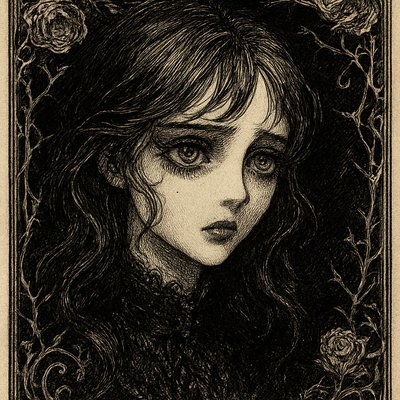
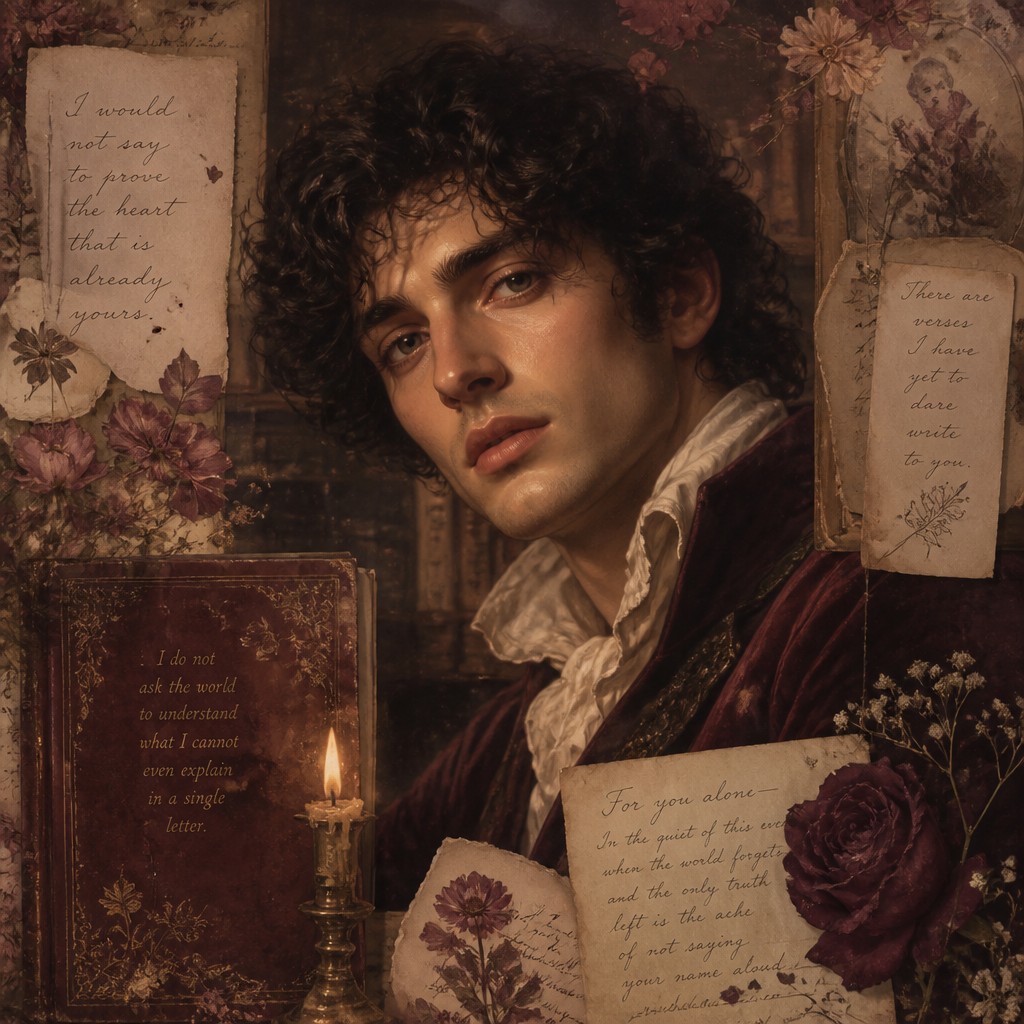
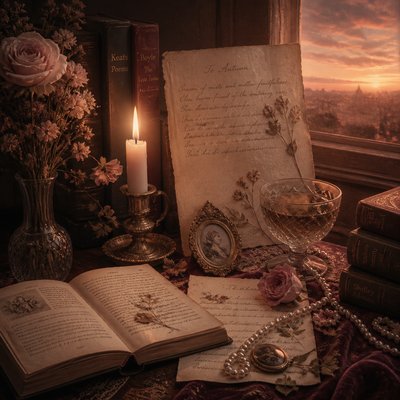
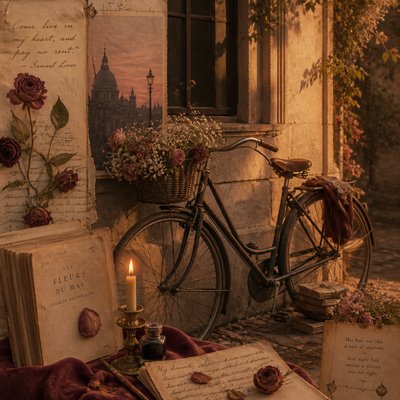
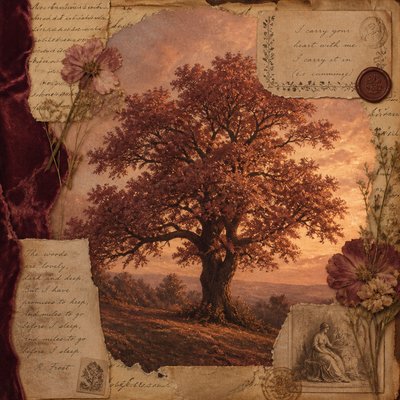
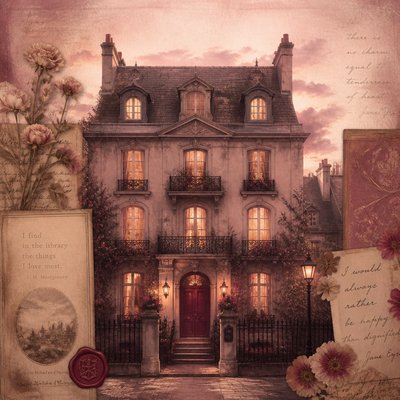
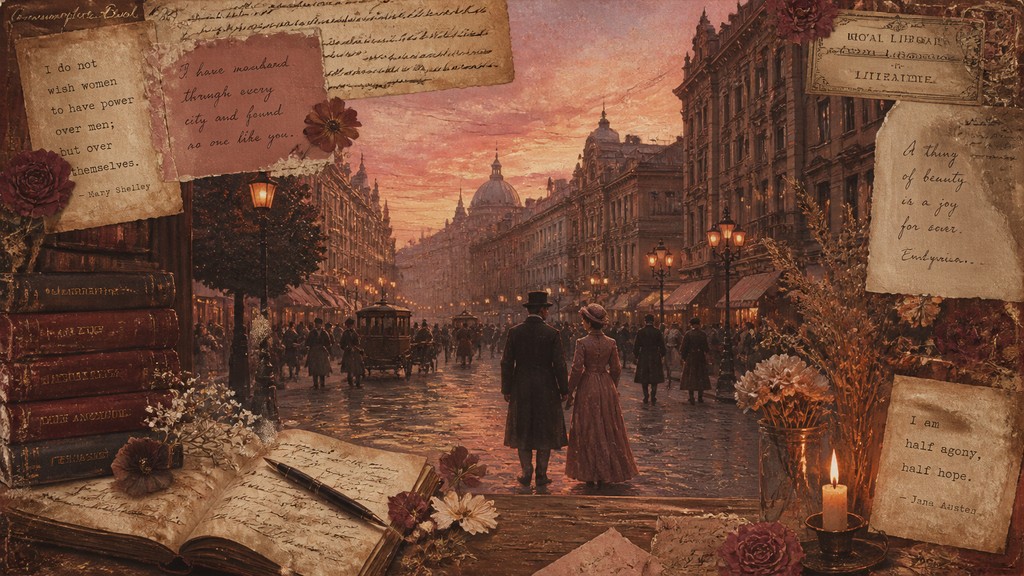
Romantic Academia Aesthetic is a contemporary visual style built around literary nostalgia, quiet scholarship, and soft emotional intimacy. It combines the atmosphere of old libraries, handwritten correspondence, dried botanicals, velvet upholstery, and candlelit evenings into a look that feels both cultivated and tender. The palette usually leans toward dusty rose, burgundy, cream, faded gold, and tea-stained neutrals, with an emphasis on worn textures and muted contrast.
Its visual identity comes from the meeting point of several older traditions: academic and bookish imagery, romantic literature, vintage still life, and the soft-focus melancholy often associated with period interiors. Rather than dramatic grandeur, the style favors hush, intimacy, and tactile detail—pressed flowers between pages, ink smudges, embroidered fabric, and paper with deckled or aged edges. The result is an aesthetic of longing grounded in objects of reading, writing, and memory.
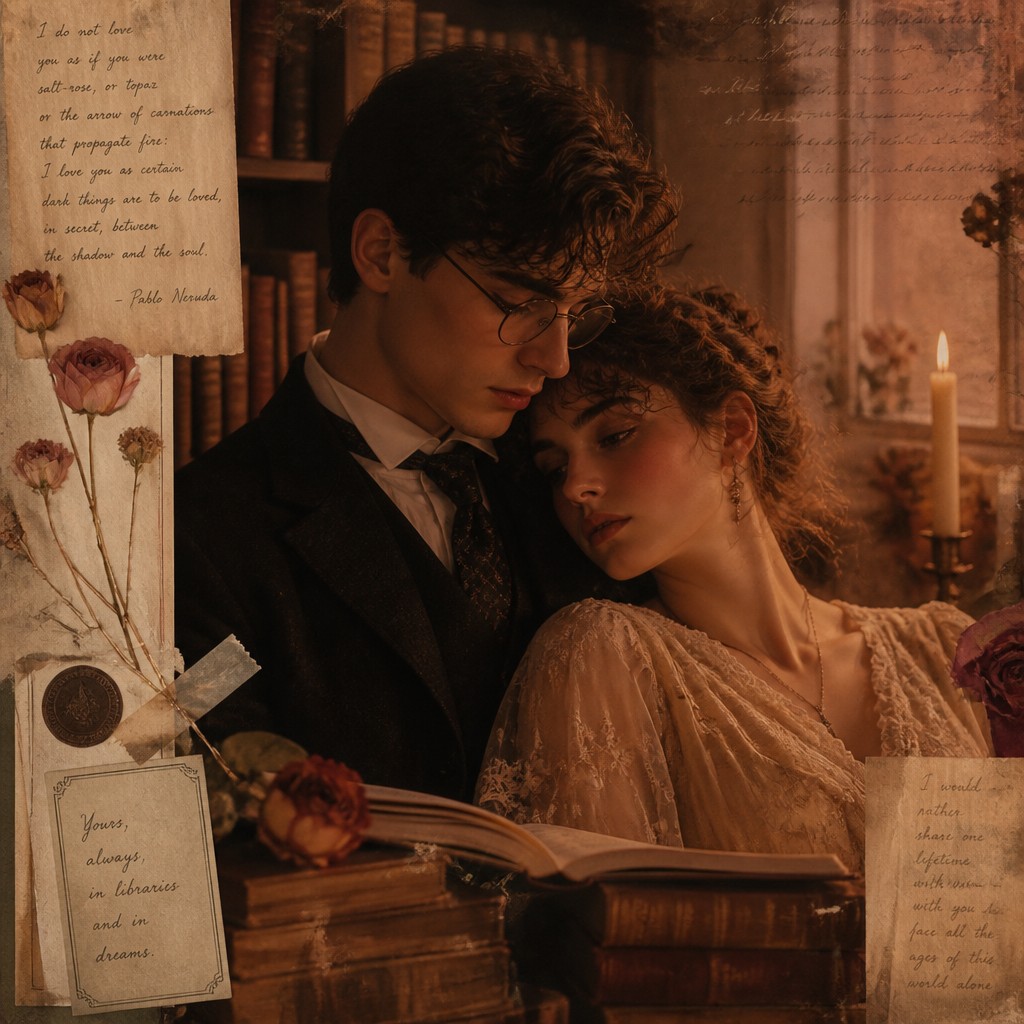
Try It On Your Photos
Upload any photo and convert it into Romantic Academia Aesthetic — drag the sliders to compare before and after.
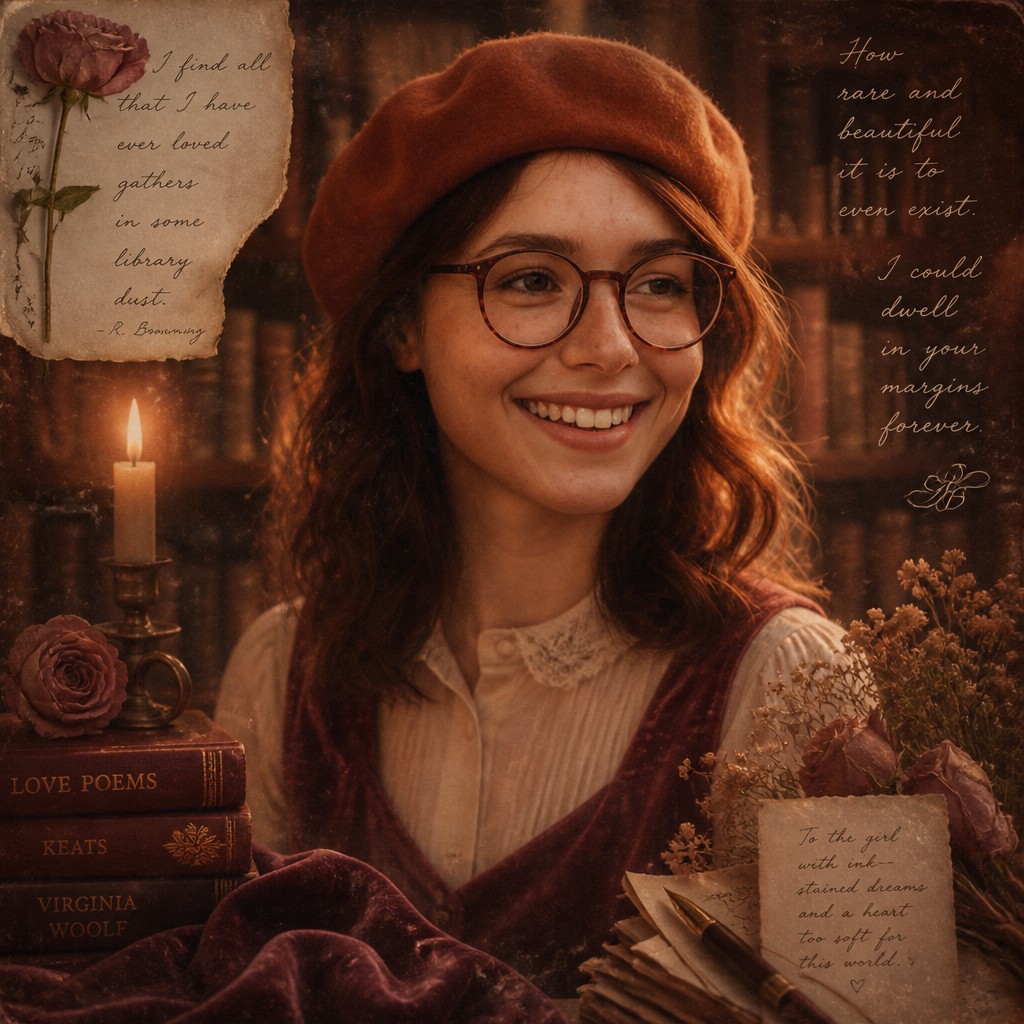

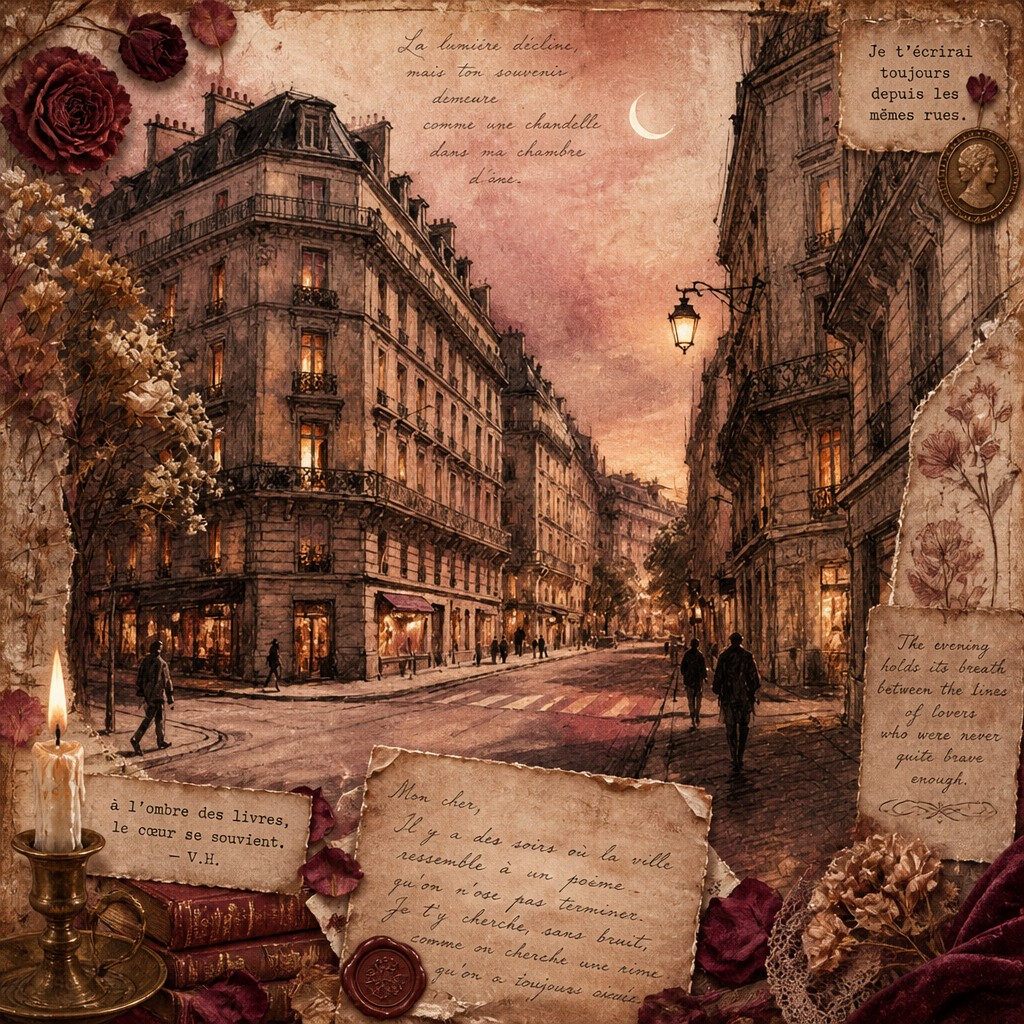

What Defines Romantic Academia Aesthetic
The signature details, up close
Dusty, warm palette
Colors usually center on dusty rose, burgundy, cream, sepia, faded gold, and muted brown. The tones are warm but restrained, avoiding saturated neons or stark contrast.
Candlelit and dusk lighting
Light is soft, amber, and low-contrast, often resembling lamplight, sunset, or candle glow. This creates a tender, introspective atmosphere rather than a crisp or highly dramatic one.
Paper and print textures
Aged paper, book pages, handwritten notes, annotations, and poetry margins are central motifs. Surfaces often look slightly worn, tea-stained, or textured like archival paper.
Pressed flowers and botanical accents
Dried petals, sprigs, botanical diagrams, and floral bookmarks appear frequently. These details introduce fragility and a sense of preserved memory.
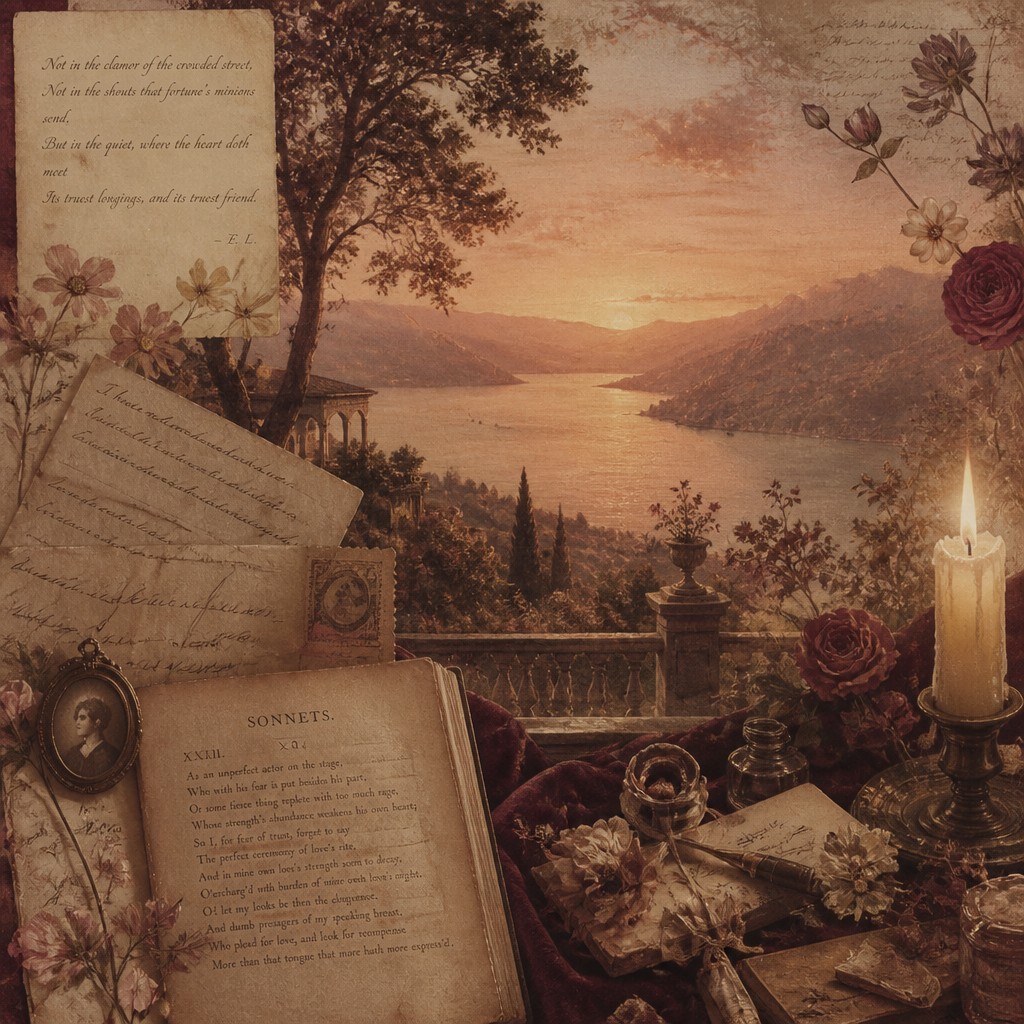
Velvet, lace, and antique fabric
Soft textiles such as worn velvet, lace trims, ribbons, and embroidered cloth add tactile richness. Their subdued sheen reinforces the style’s intimate, old-world feeling.
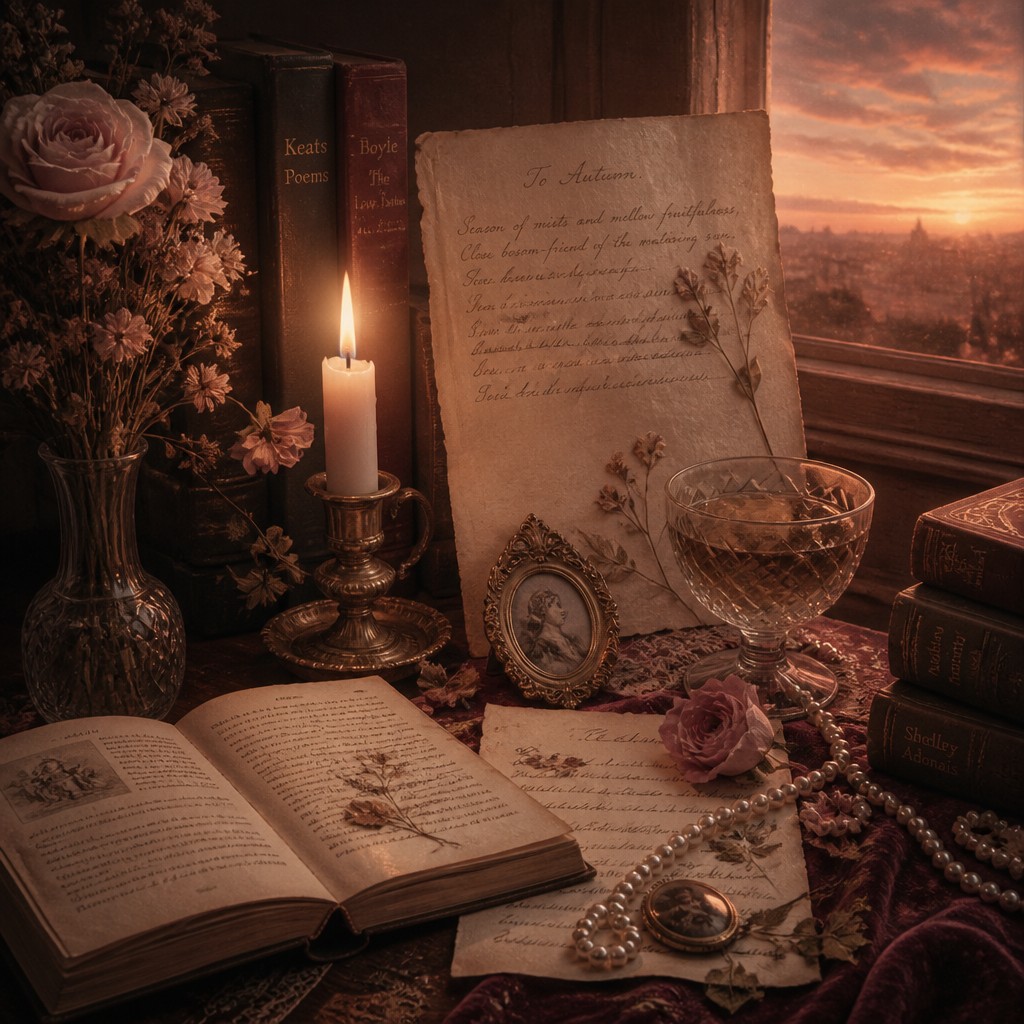
Literary symbolism
Open books, fountain pens, letters, inkwells, reading glasses, and marginalia act as recurring symbols. These objects communicate study, reflection, and romantic longing.
Try It
Create Videos in Romantic Academia Aesthetic
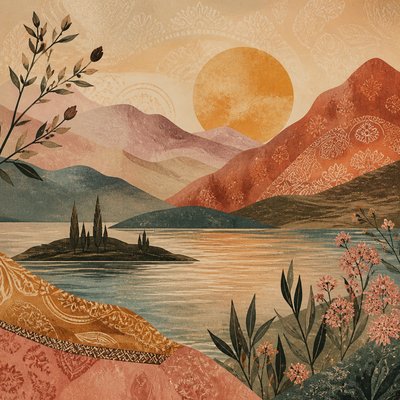
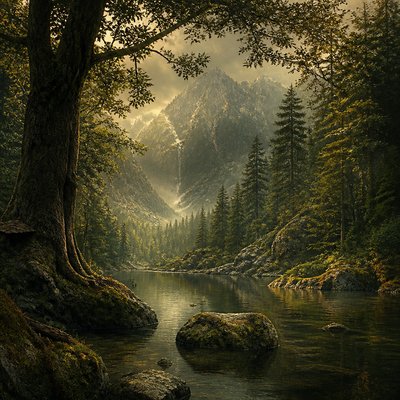
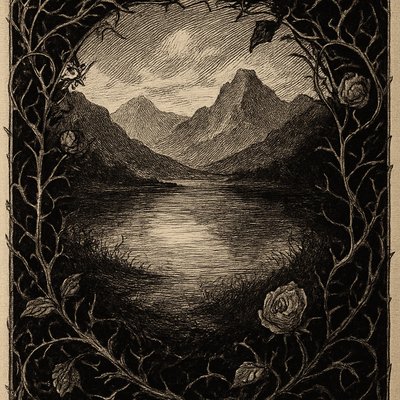
Styles aren't just for stills — describe a scene or animate an image and get a short video rendered in Romantic Academia Aesthetic. Press play to see this pond come to life.
Make a VideoRomantic Academia Aesthetic Prompt Ideas
Start from an idea — each one opens the generator with the style ready to go. See all 40 Romantic Academia Aesthetic prompts →
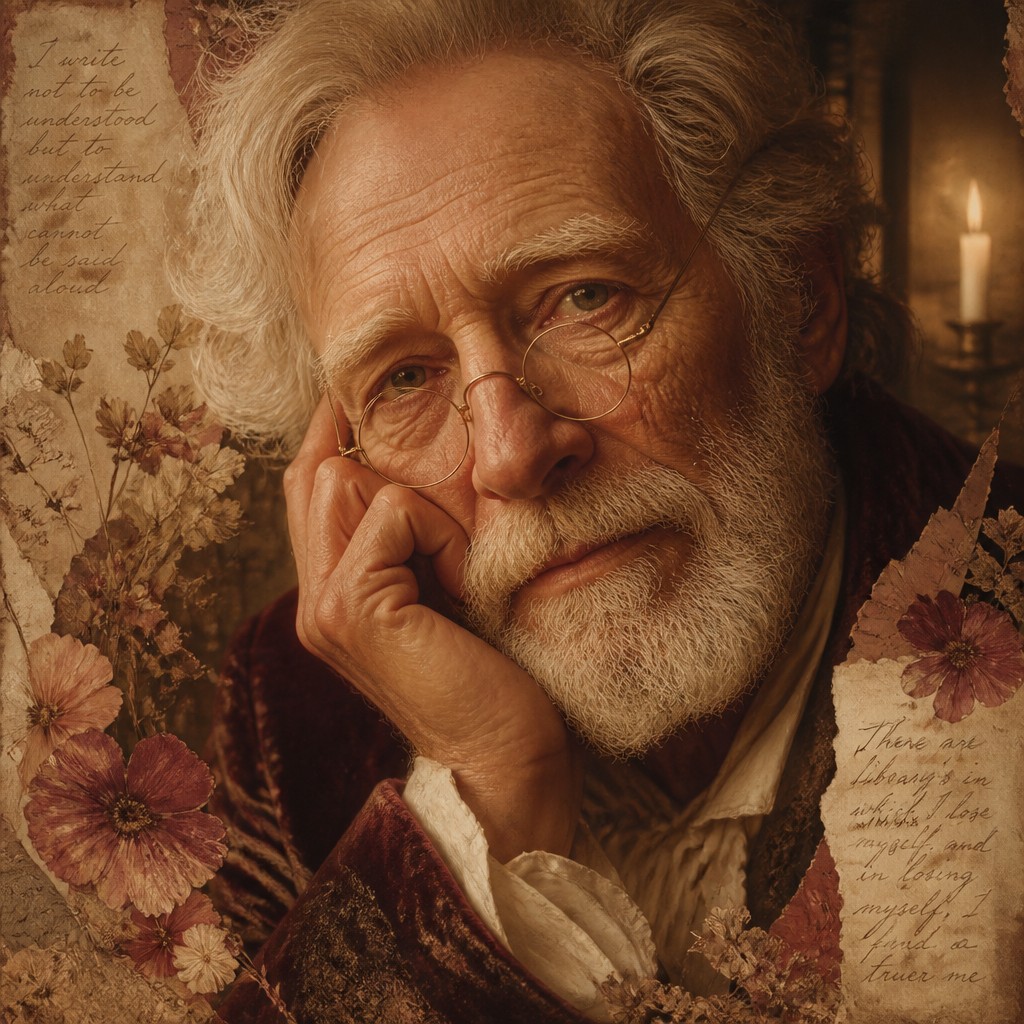
“close-up portrait of an elderly person with expressive weathered features”
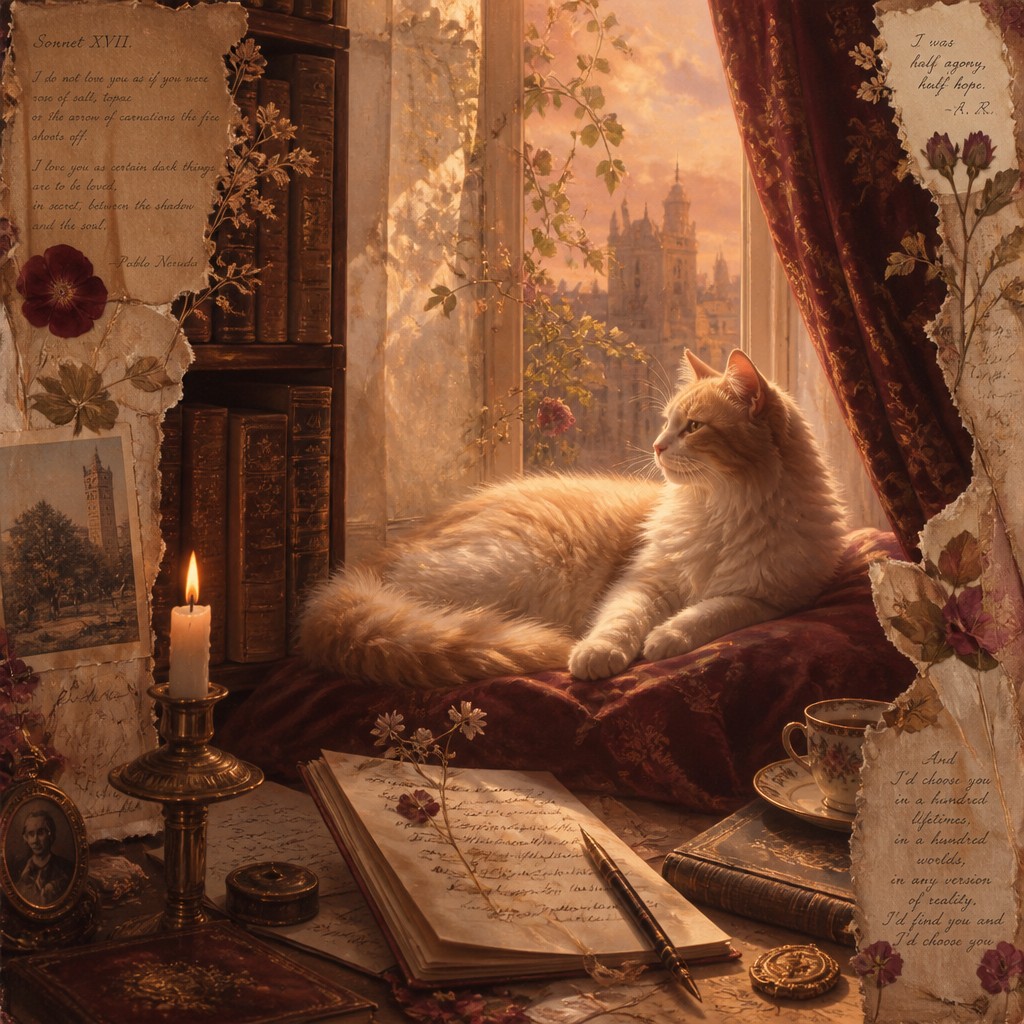
“a cat lounging in a sunlit window”
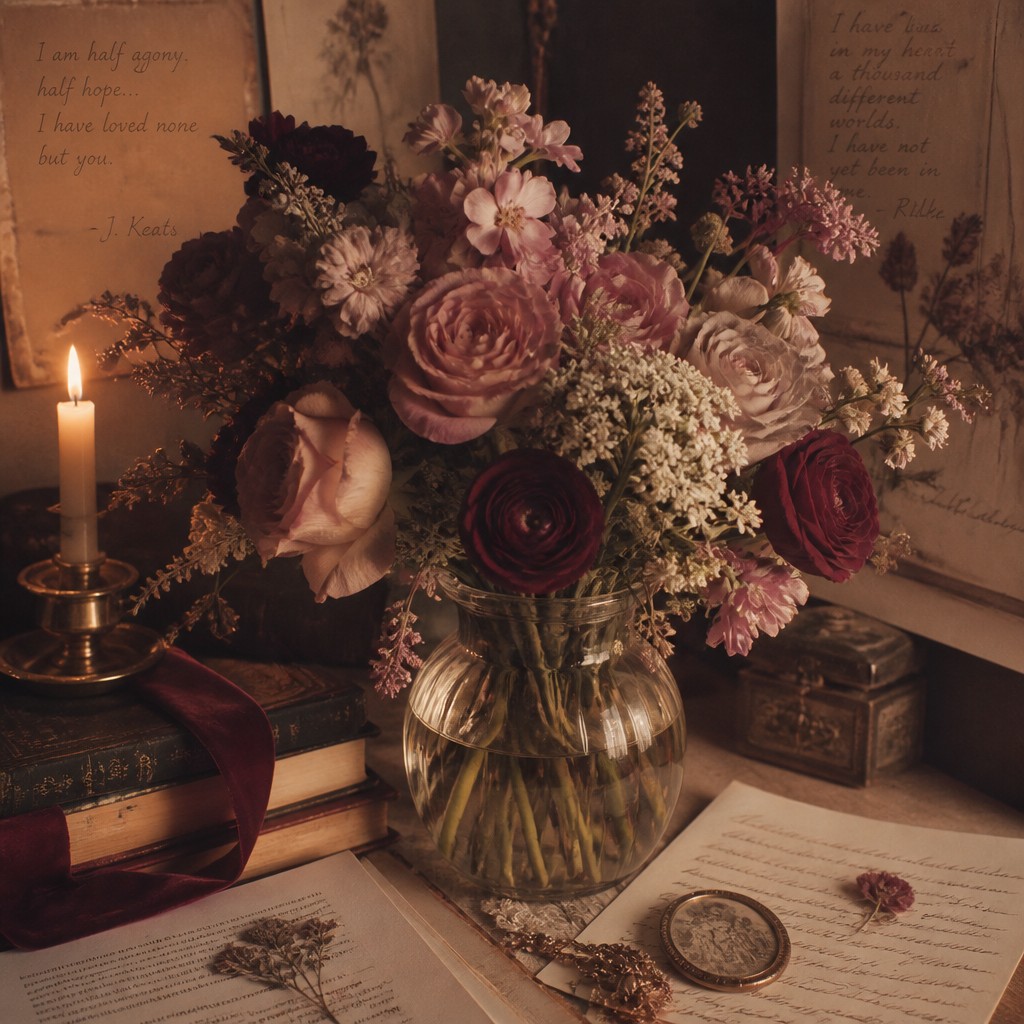
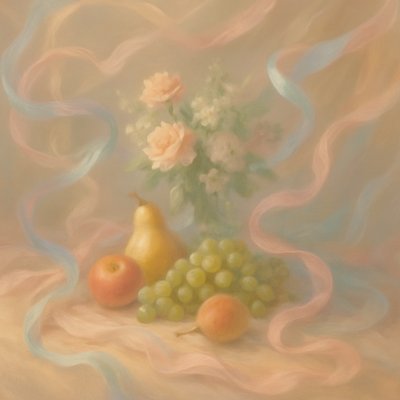
“bouquet of flowers in a glass vase”
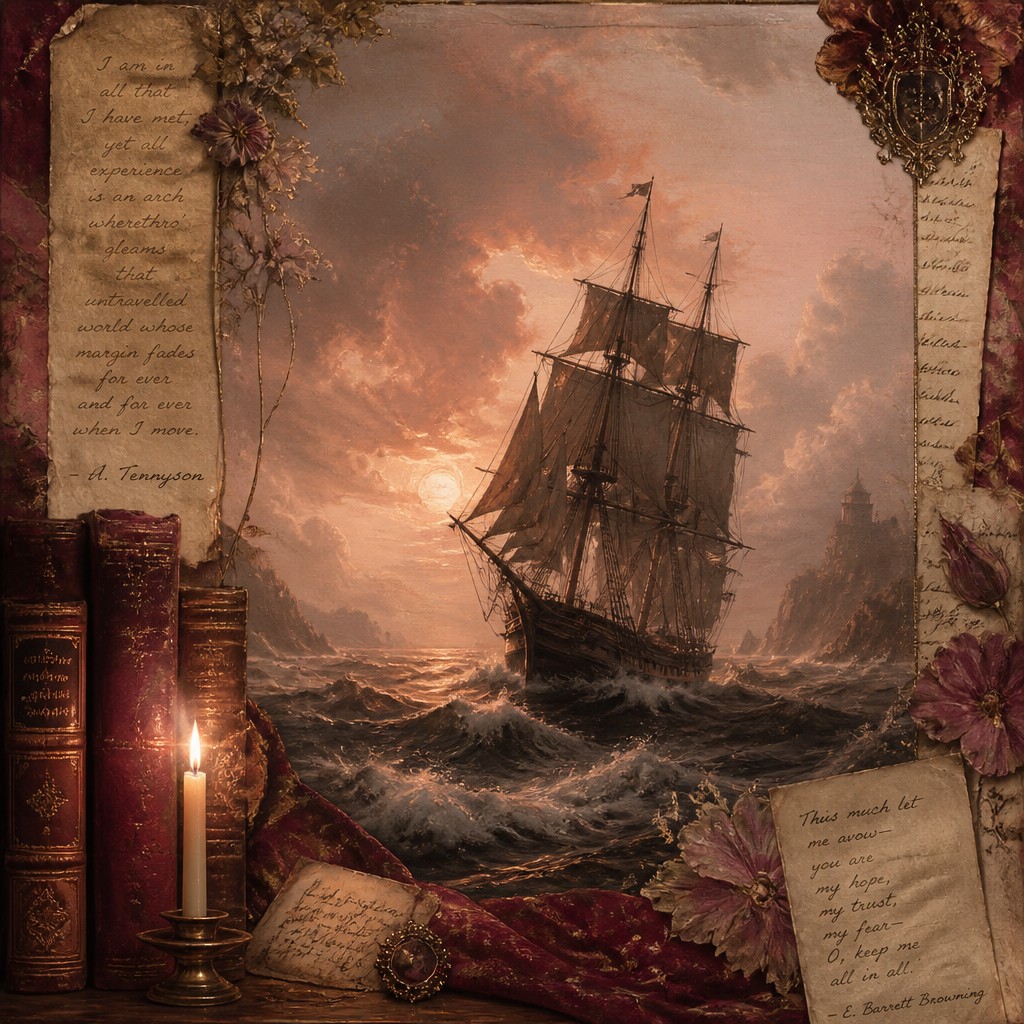
“sailing ship on a stormy sea”
How to Create Romantic Academia Aesthetic Art
Master the craft step by step — or skip straight to creating. Read the full guide →
- 1
Build a restrained romantic palette
Choose dusty rose, burgundy, cream, antique gold, and warm brown as your dominant colors, then keep saturation low. In traditional media, layer translucent washes or soft blending; in digital work, use gentle gradients and avoid harsh black shadows.
- 2
Prioritize texture over sharpness
Use paper grain, fabric weave, brush texture, or subtle noise to suggest age and tactility. In a text-to-image prompt, describe aged paper, pressed flowers, worn velvet, and handwritten notes to anchor the style’s material character.
- 3
Light the scene like a quiet interior
Favor candlelight, window dusk, or a warm desk lamp to create a low, intimate luminance. If you are transforming a photo, reduce contrast and add a golden haze so the image feels hushed rather than glossy.
- 4
Include scholarly and poetic props
Books, annotations, letters, bookmarks, glasses, candles, and dried botanicals immediately signal the aesthetic. Small details—ink stains, ribbon ties, page edges, wax drips—often matter more than large gestures.
- 5
Compose for intimacy and stillness
Use close framing, tabletop arrangements, seated portraits, or shallow depth of field to create a quiet, private mood. Prompt-based generation benefits from clear subject language plus atmosphere, such as ‘portrait of a reader at a window with pressed flowers and handwritten letters.’

The Story
History & Origins of Romantic Academia Aesthetic
Romantic Academia Aesthetic is not a historical movement in the strict art-historical sense, but a recent aesthetic lineage shaped by online visual culture. It draws from Romanticism’s emotional tenderness, nineteenth-century literary imagery, the study culture of old universities and libraries, and the revival of antique and handmade materials in contemporary illustration, photography, and mood-board design.
Its development reflects the broader internet tendency to name and refine mood-based aesthetics through color palettes, interior styling, and symbolic objects. Visually, it overlaps with vintage academia, dark academia, cottagecore, and romantic still life traditions, but softens their edges with warmer light, floral delicacy, and more overtly sentimental cues. The style is therefore best understood as a hybrid of historical references rather than a single period style.
Influences: This aesthetic draws on Romanticism for its emotional tone, on Victorian and Edwardian literary culture for its books-and-letters imagery, and on still-life traditions that emphasize flowers, paper, and objects charged with memory. It also overlaps with the visual language of dark academia and vintage academia, but softens their severity through pastel warmth and floral delicacy rather than stern classical or gothic cues. In painting and illustration, its sensibility can be compared to the intimate interiors and textured surfaces found in works by artists such as John William Waterhouse, though the style itself is a contemporary hybrid rather than a direct continuation of any single historical school.
Frequently Asked Questions
What defines Romantic Academia Aesthetic?
It is defined by a blend of scholarly imagery and tender romance: books, letters, candles, pressed flowers, and warm muted colors. The mood is introspective and wistful, with an emphasis on texture and emotional softness.
How is it different from dark academia?
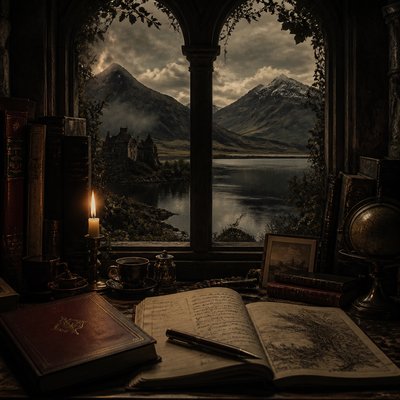
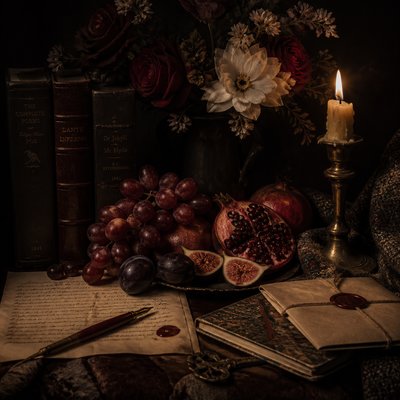
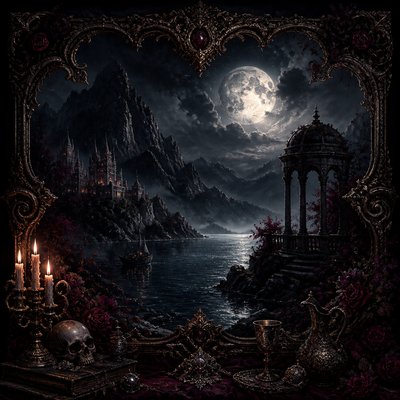
Dark academia tends to feel moodier, more Gothic, and more austere, often using deeper shadows, black, and colder neutrals. Romantic Academia Aesthetic keeps the bookish atmosphere but replaces severity with dusty rose, cream, floral details, and a gentler candlelit glow.
Is this a historical art movement?
No. It is a contemporary aesthetic assembled from older visual traditions rather than a formal historical movement with a defined period and canon. Its look is inspired by Romantic literature, vintage interiors, still life, and academic ephemera.
What subjects work best in this style?
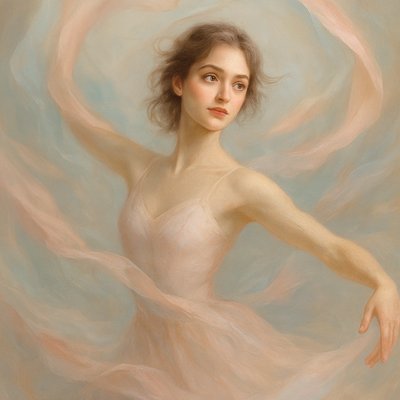
Portraits of readers, writers, students, and solitary figures work especially well, as do still lifes of books, flowers, letters, and desk objects. Interiors like libraries, studies, and window seats are also common because they reinforce the private, reflective atmosphere.
How can I make photos look like this style?
Use warm, low-contrast lighting and add soft textures such as paper grain, floral overlays, and aged-fabric color tones. Cropping tighter on books, hands, clothing details, or desktop arrangements can also help the image feel more intimate and literary.
Where is this style commonly used?
It appears in mood boards, editorial illustration, book covers, stationery design, social media graphics, and fashion or interior inspiration posts. It is especially effective anywhere a quiet, literary, and sentimental atmosphere is desired.
Create your first Romantic Academia Aesthetic artwork
Describe anything — or upload a photo — and see it in Romantic Academia Aesthetic in seconds.
Make Something with Romantic Academia Aesthetic
Related Styles
Discover similar art styles