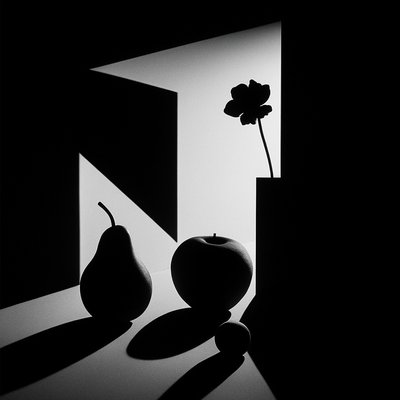
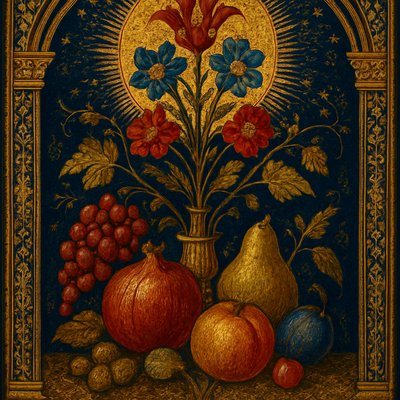
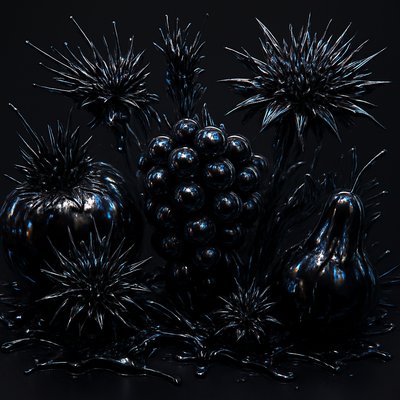
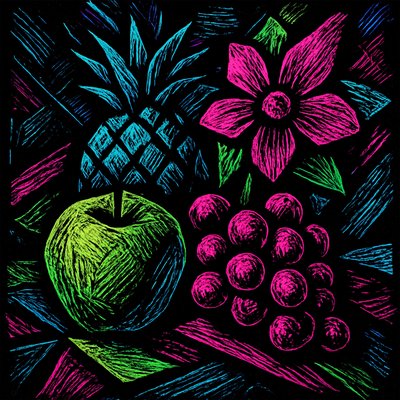
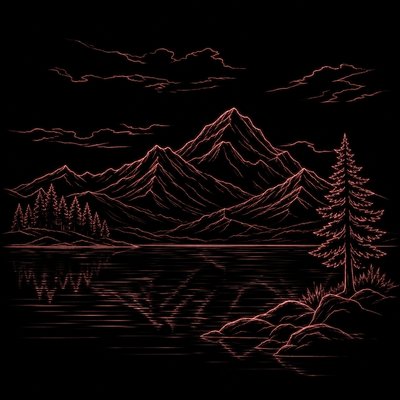
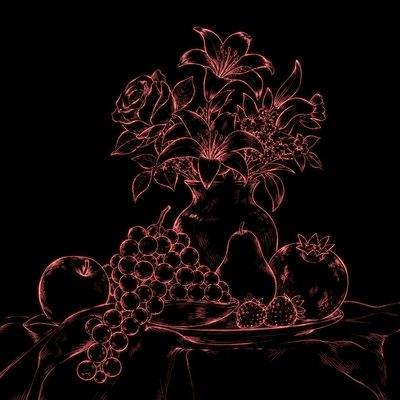
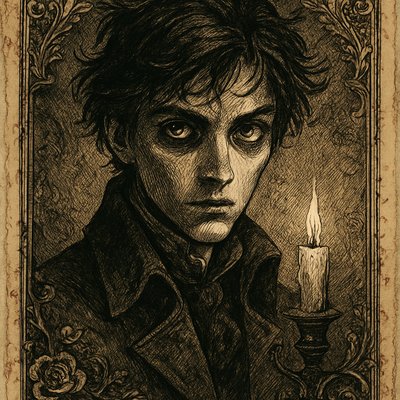
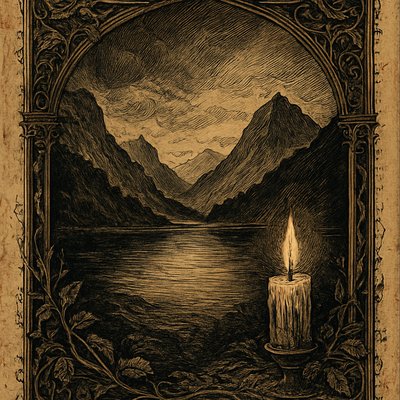
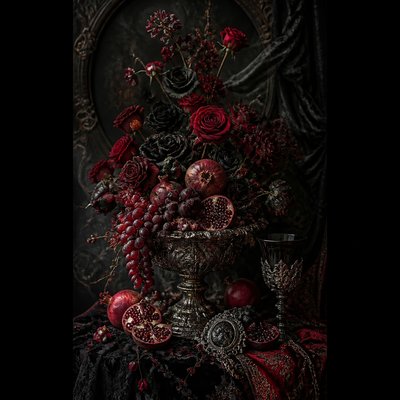
Dark Cottagecore Aesthetic
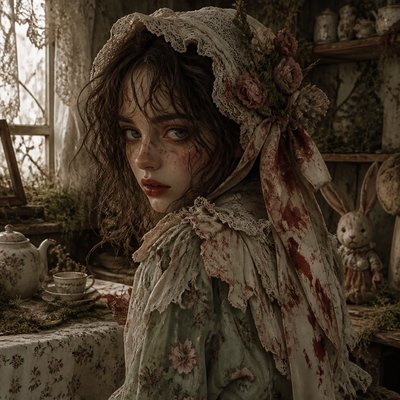
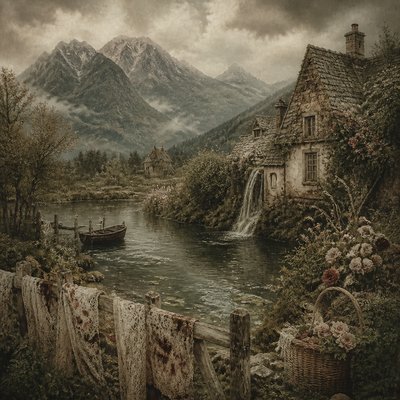
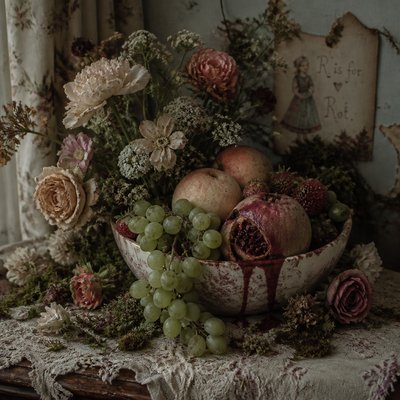
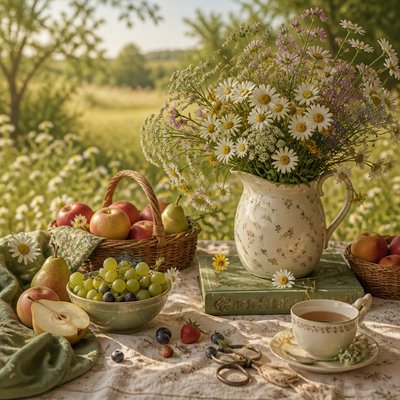
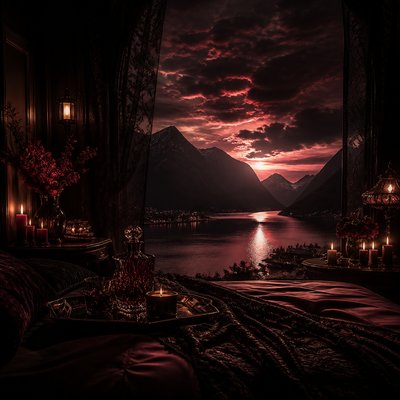
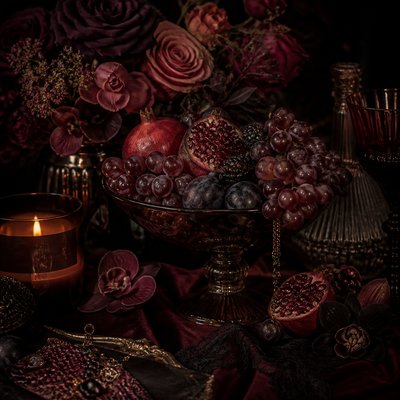
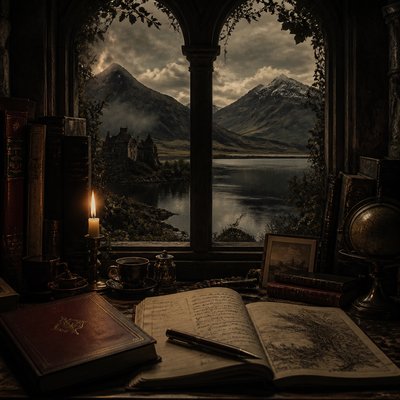
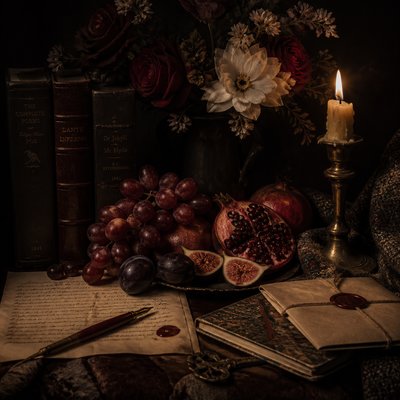
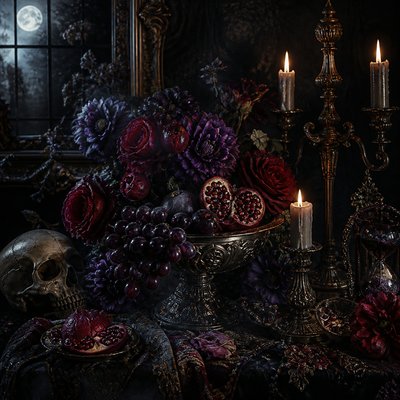
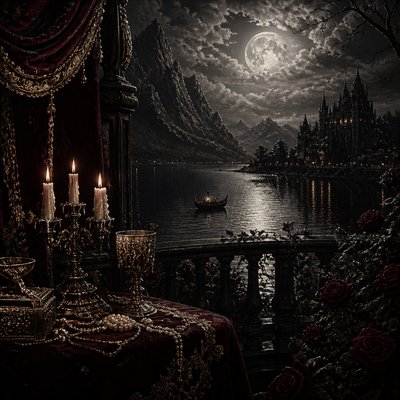
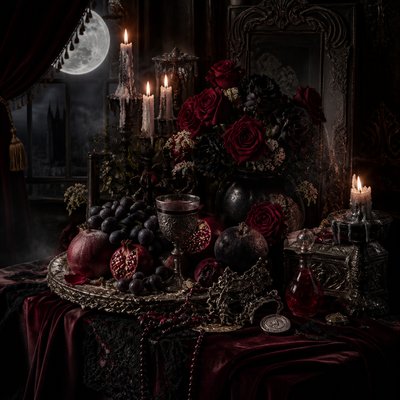
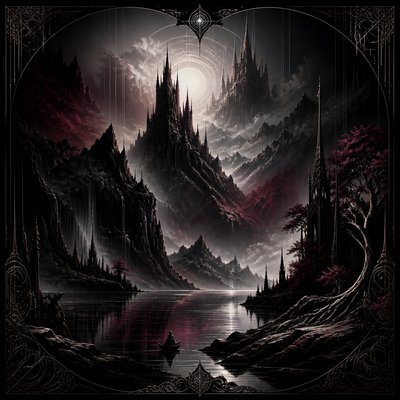
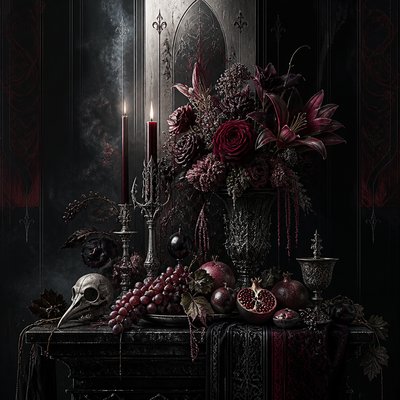
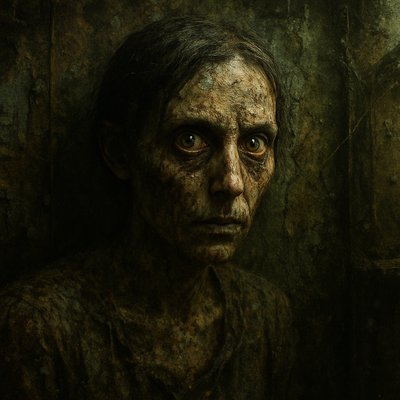
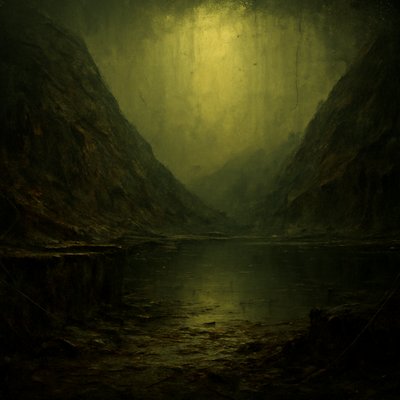
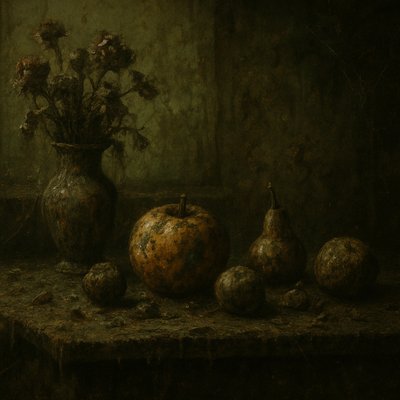
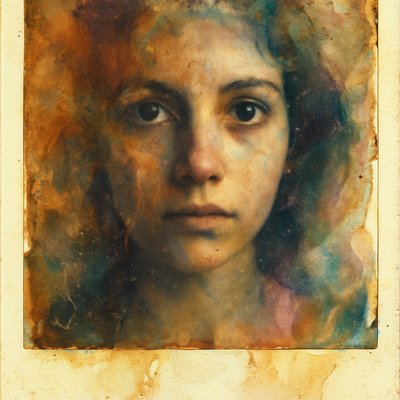
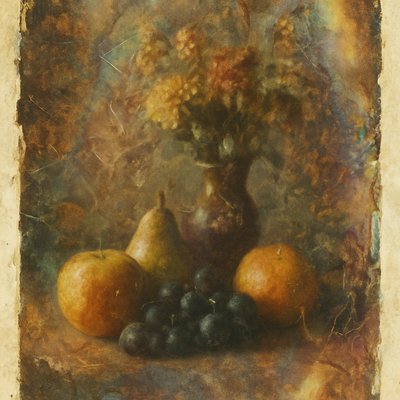
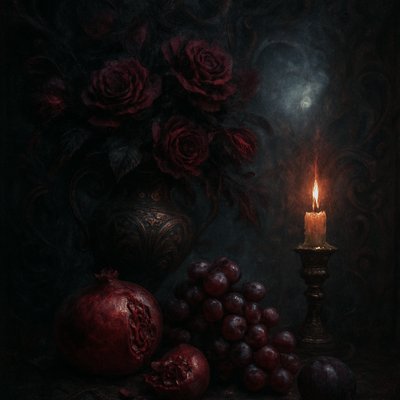
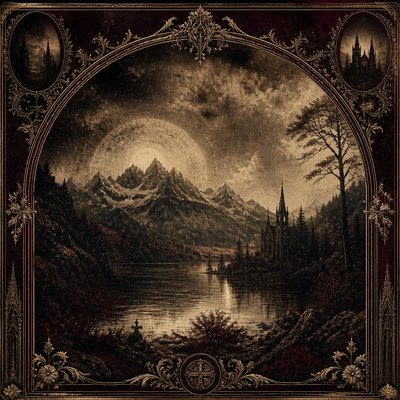
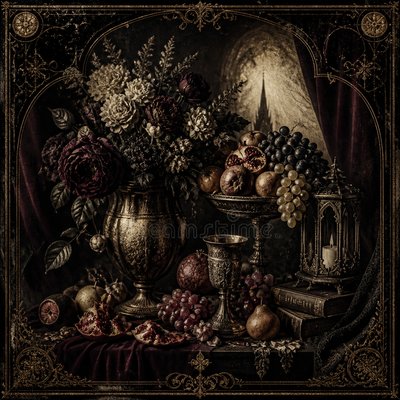
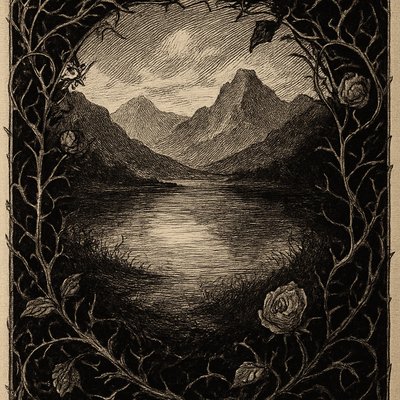
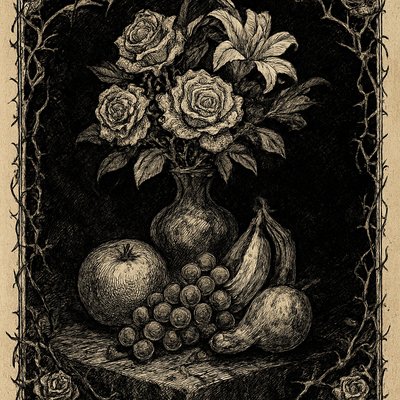
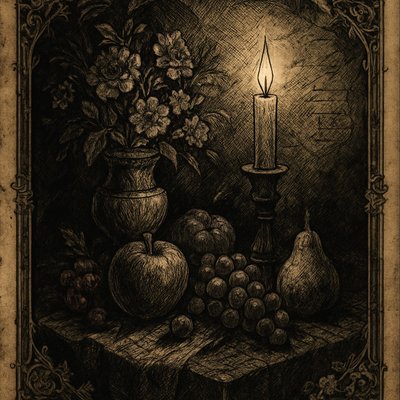
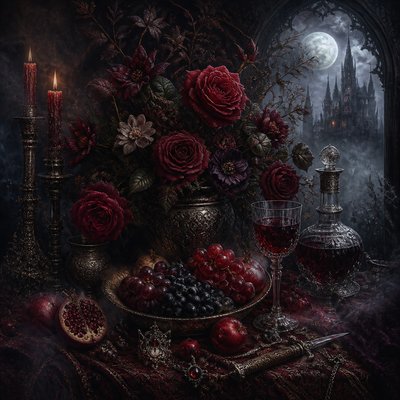
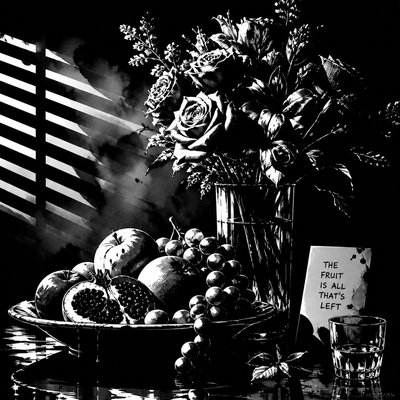
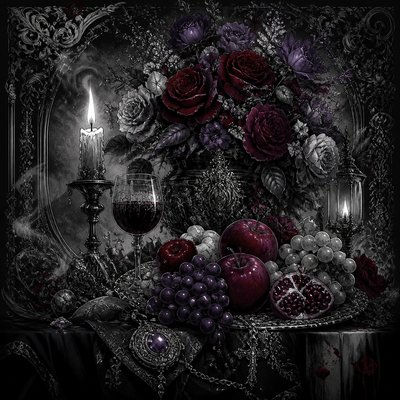
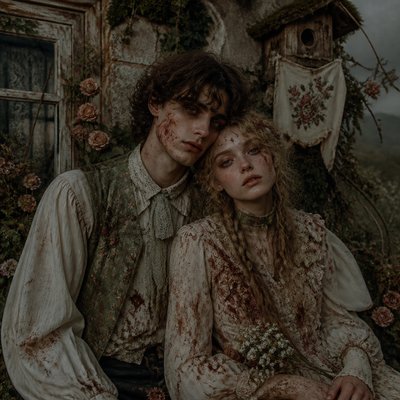
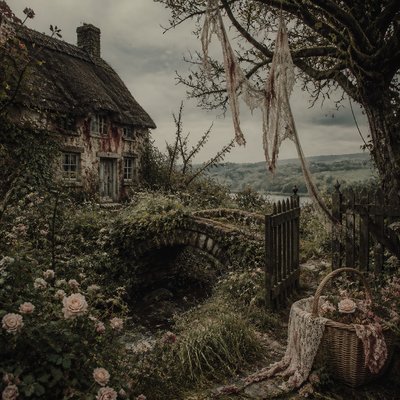
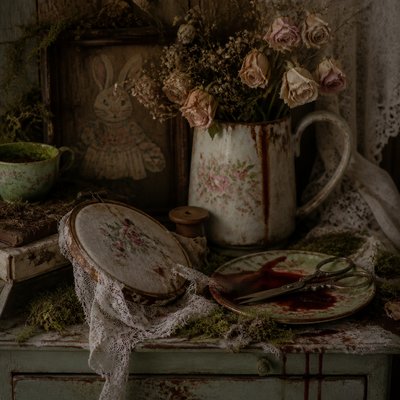
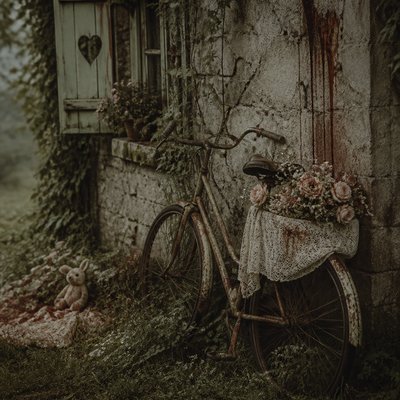
Pastoral sweetness turned eerie: wilting florals, mossy decay, rust stains, and storybook domesticity with a gentle haunted mood.
Instantly rendered in Dark Cottagecore Aesthetic — or transform a photo
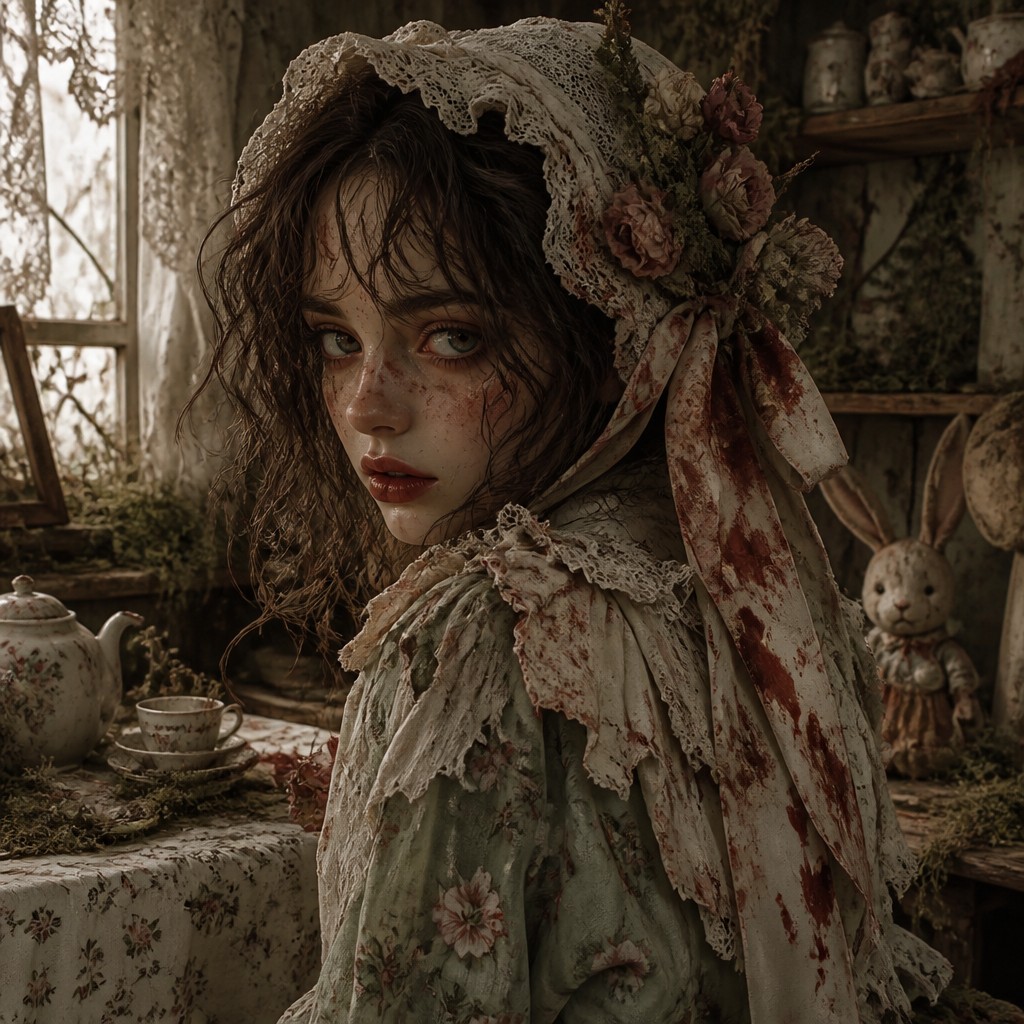
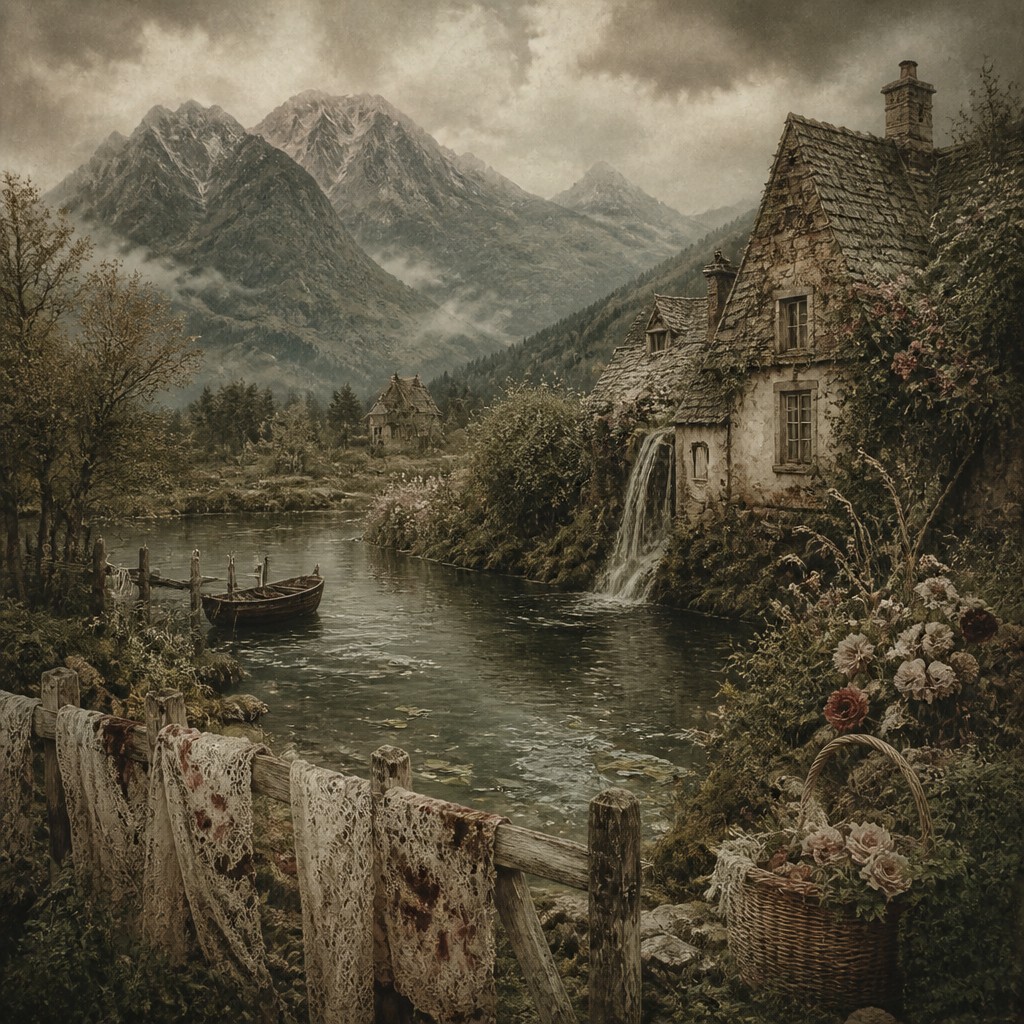
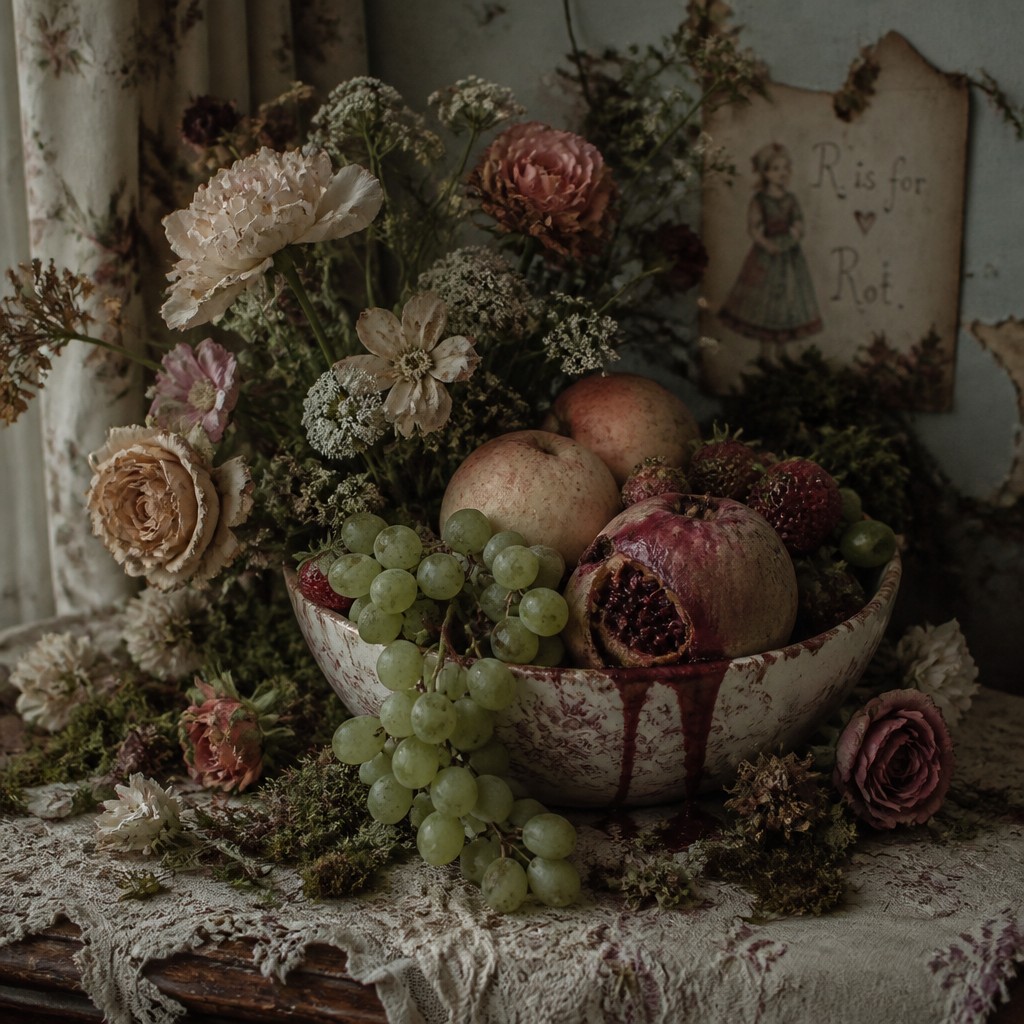
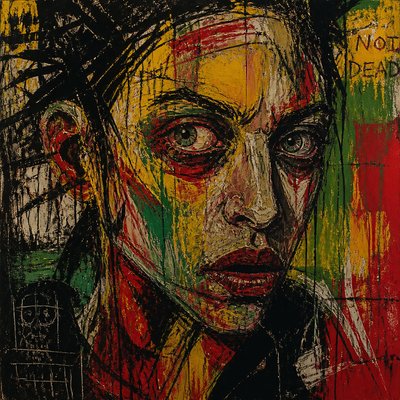
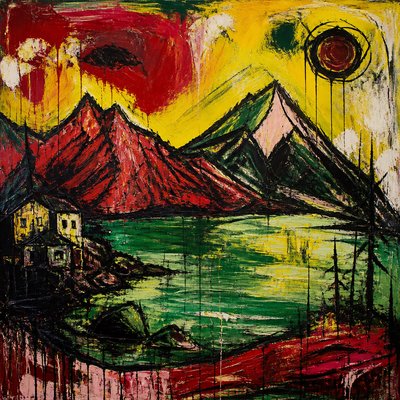
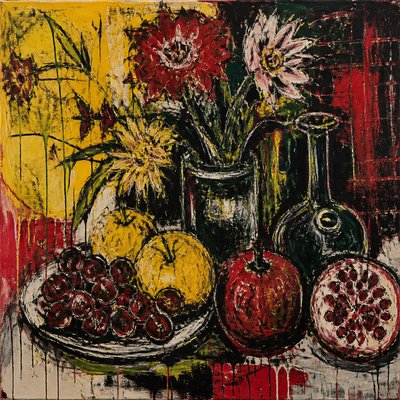
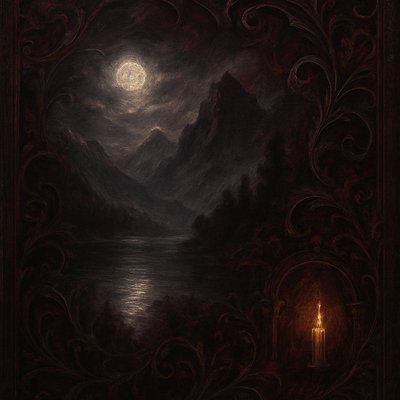
Dark Cottagecore Aesthetic Gallery
Tap any artwork to explore it
What is Dark Cottagecore Aesthetic?
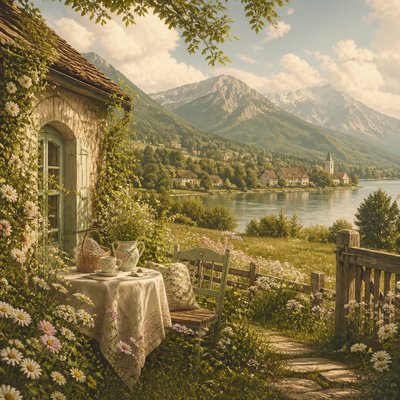
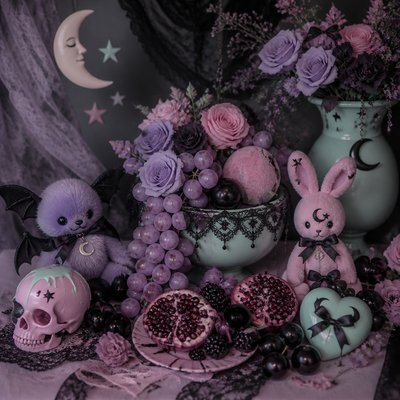
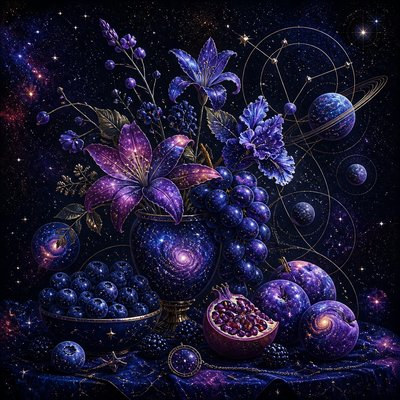
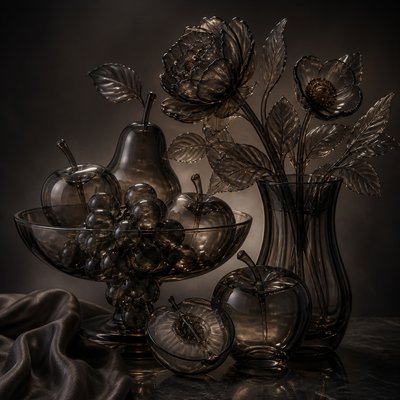
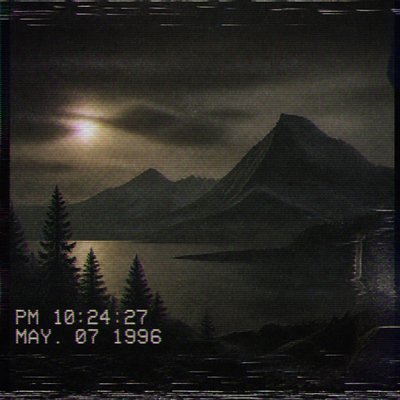
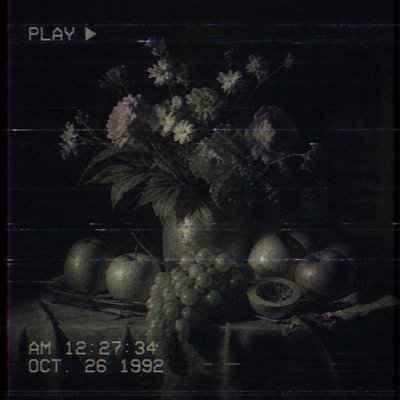
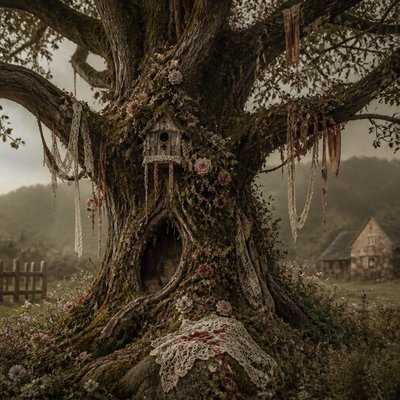
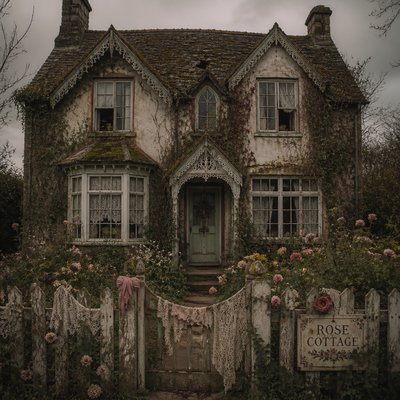
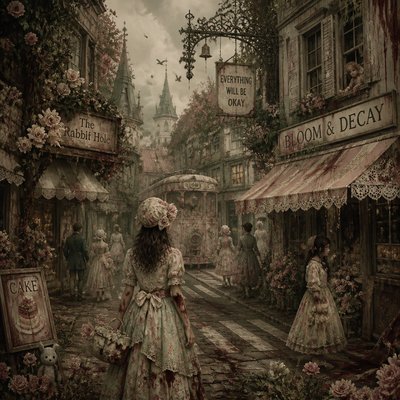
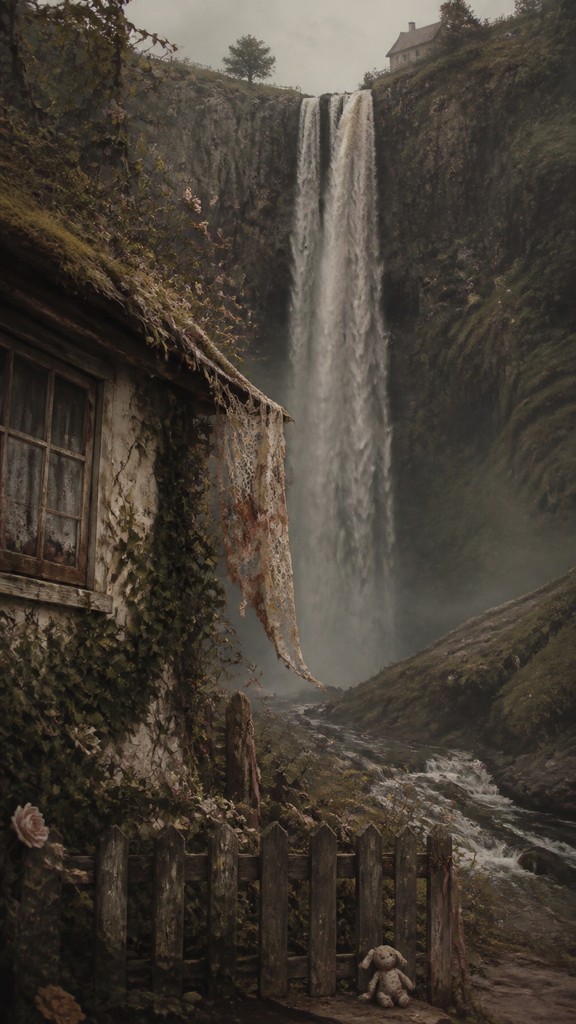
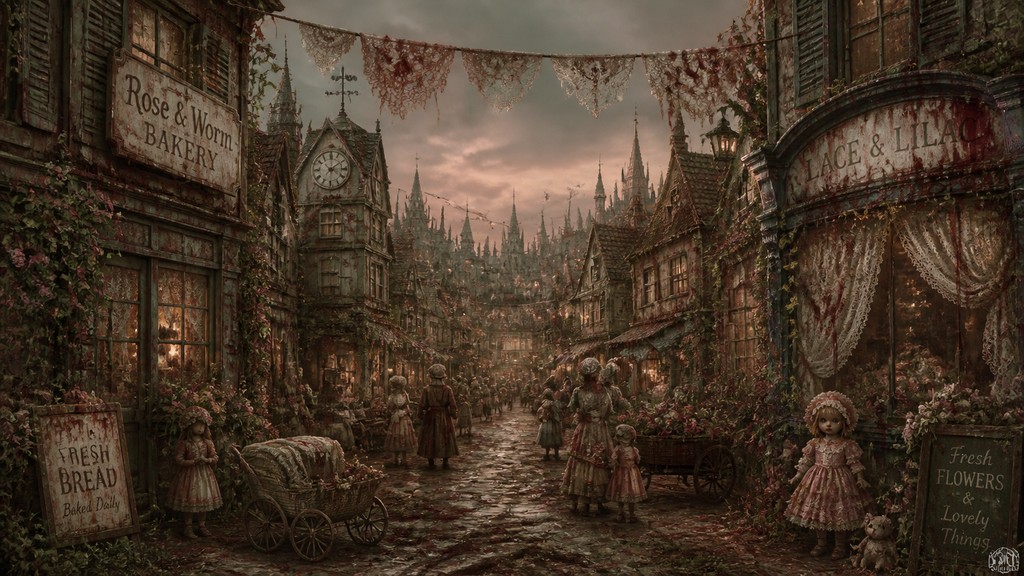
Dark cottagecore aesthetic is a pastoral style that takes the softness of rural domestic imagery and lets it curdle into quiet unease. It keeps the familiar ingredients of cottagecore—wildflowers, lace, teacups, handwritten notes, kitchens, gardens, and old wood—but shifts the atmosphere toward rot, neglect, and encroaching overgrowth. The result is tender rather than grotesque: a countryside world where beauty is preserved, damaged, and half-reclaimed by nature.
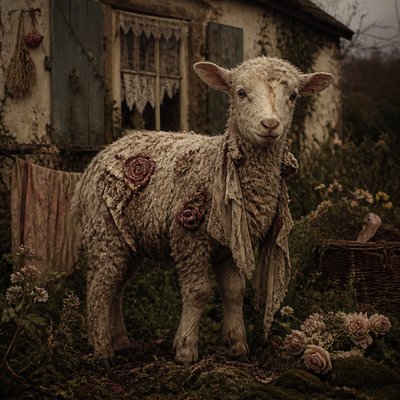
Visually, the style depends on muted, earthy color and a sense of lived-in age. Sage green, cream, blush, rust red, mushroom gray, and rot brown often replace bright, cheerful tones. Fabrics may be frayed or stained, blooms may be wilted, interiors dim and dust-soft, and every domestic object seems touched by moss, mildew, weathering, or memory. The aesthetic feels eerie because it holds two emotional registers at once: comfort and decay, shelter and abandonment, innocence and haunting.
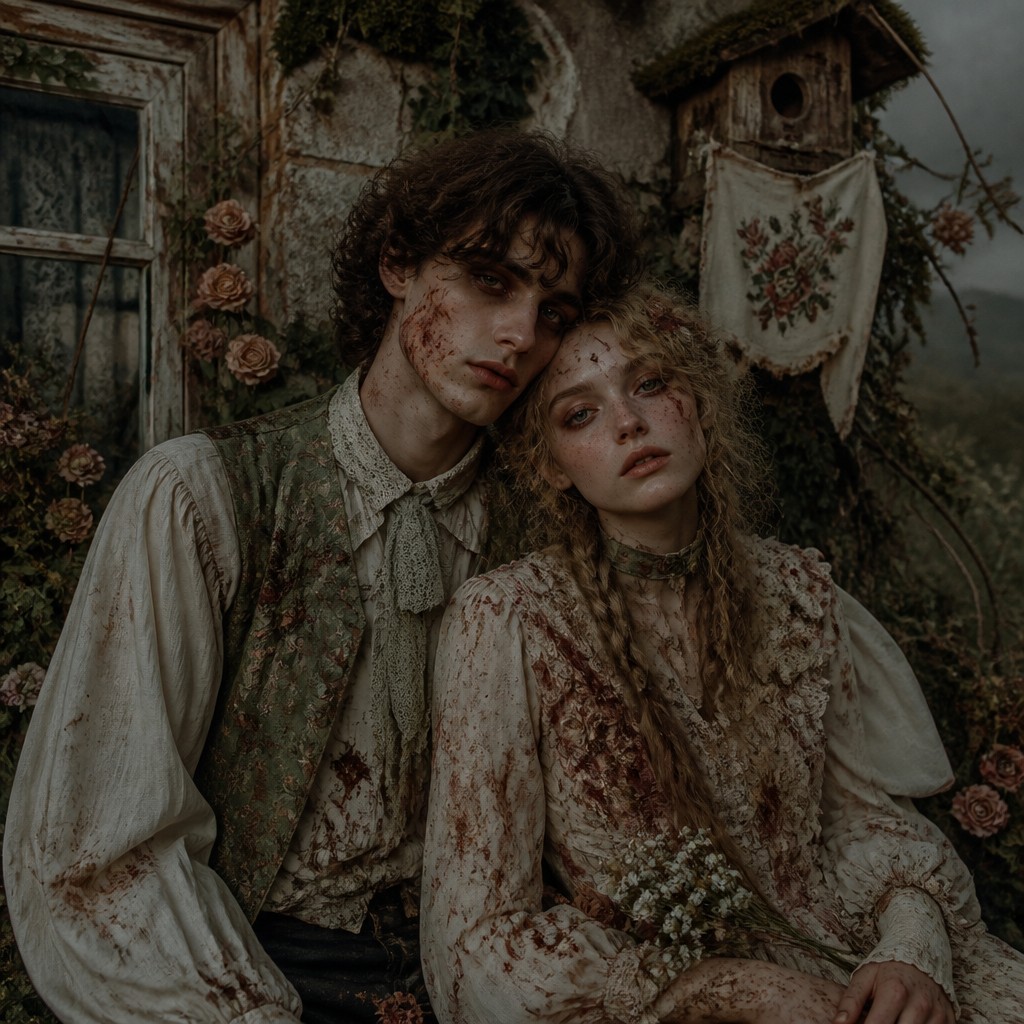
Try It On Your Photos
Upload any photo and convert it into Dark Cottagecore Aesthetic — drag the sliders to compare before and after.


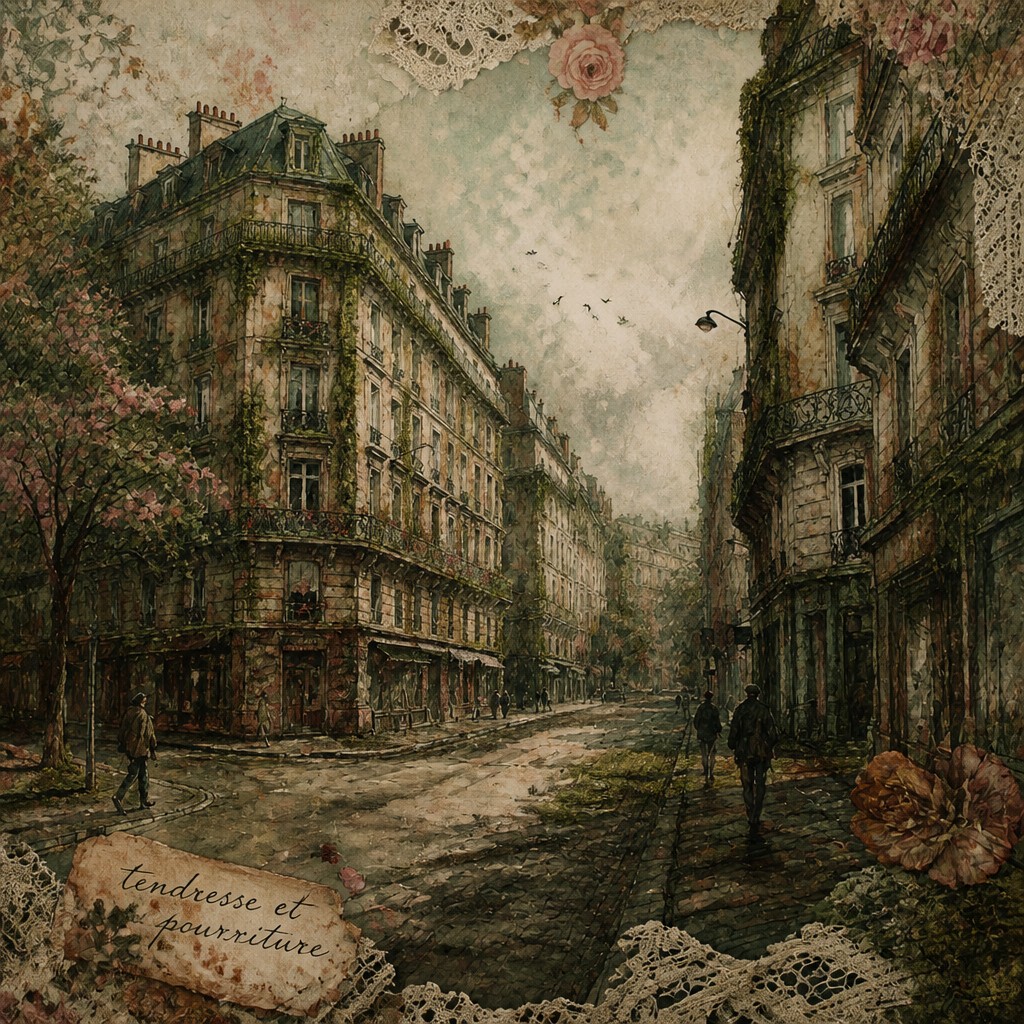

What Defines Dark Cottagecore Aesthetic
The signature details, up close
Muted pastoral palette
The color range usually centers on sage, cream, blush, rust, sepia, mushroom gray, and brown-black tones. Bright primary colors are rare; even floral hues look faded, stained, or dusted with age.
Wilting botanicals
Flowers, herbs, vines, and moss are central motifs, but they appear dried, drooping, pressed, overgrown, or decomposing. Nature is not decorative here so much as invasive, patient, and reclaiming.
Domestic decay
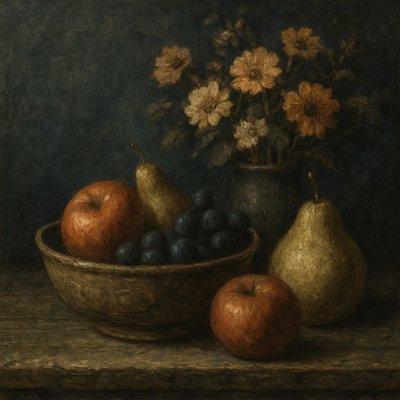
Tea sets, quilts, books, cabinets, and kitchen objects often look worn, chipped, stained, or abandoned. The domestic interior remains recognizable, but it carries the marks of time and neglect.
Torn lace and frayed fabric
Textiles are important carriers of mood: lace, muslin, linen, and calico often appear faded, ripped, patched, or yellowed. The tactile wear of cloth helps create the sense of a cherished object that has outlived its pristine state.
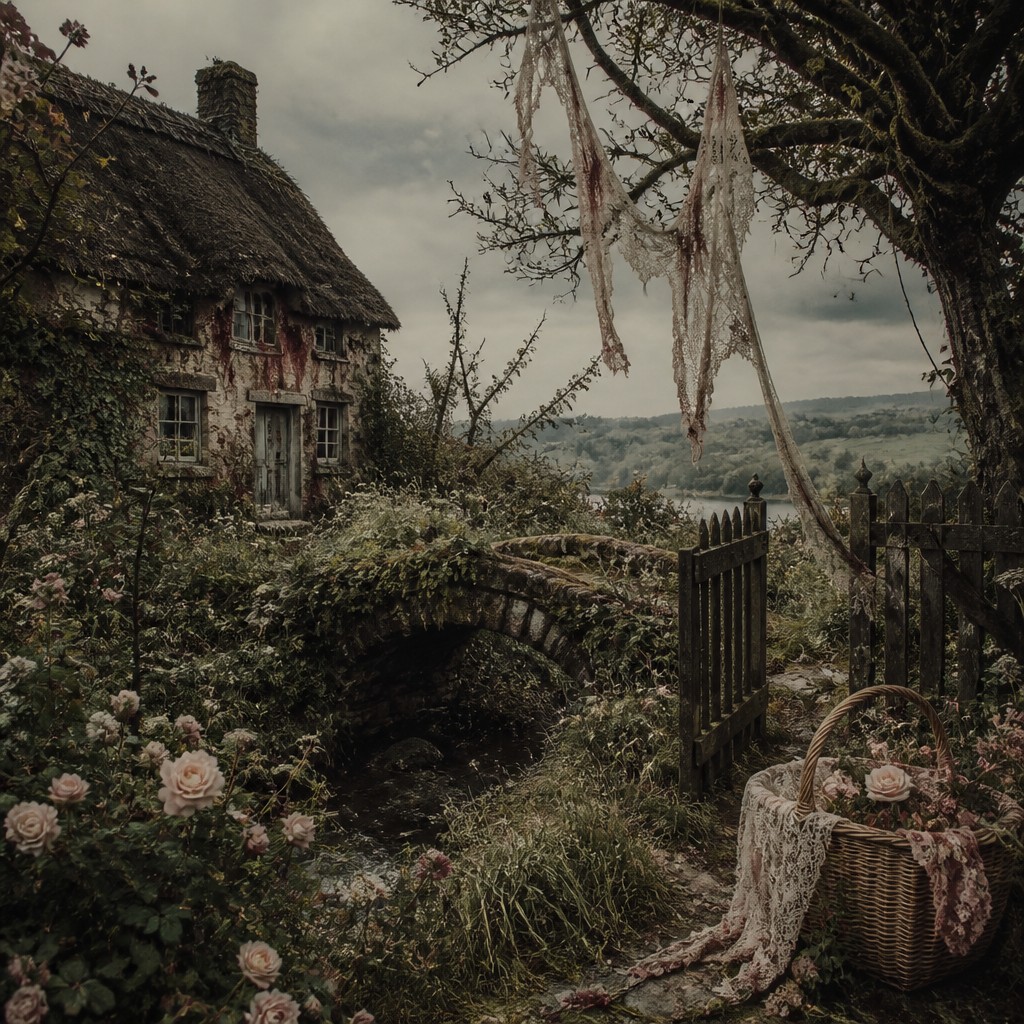
Overcast, dim lighting
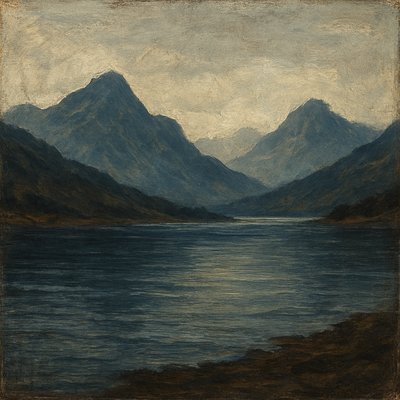
Lighting tends to be soft, gray, and diffuse, like a cloudy afternoon or a room lit by a weak window. Deep shadows are often present, but the overall effect stays gentle rather than sharply dramatic.
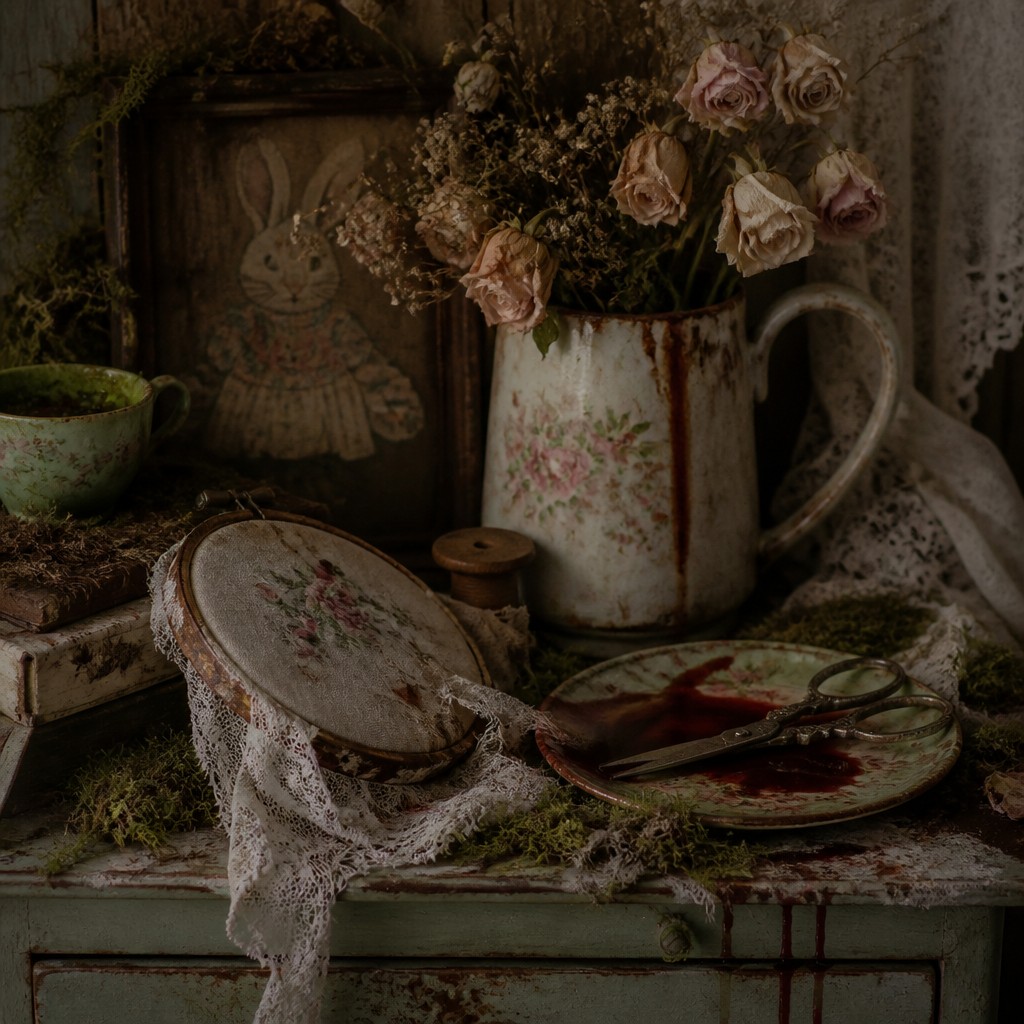
Storybook unease
The imagery often feels as though it belongs to a fairy tale that has aged poorly or become haunted. Small-scale domestic scenes become uncanny through emptiness, repetition, omission, or subtle signs of disturbance.
Try It
Create Videos in Dark Cottagecore Aesthetic
Styles aren't just for stills — describe a scene or animate an image and get a short video rendered in Dark Cottagecore Aesthetic. Press play to see this pond come to life.
Make a VideoDark Cottagecore Aesthetic Prompt Ideas
Start from an idea — each one opens the generator with the style ready to go. See all 40 Dark Cottagecore Aesthetic prompts →
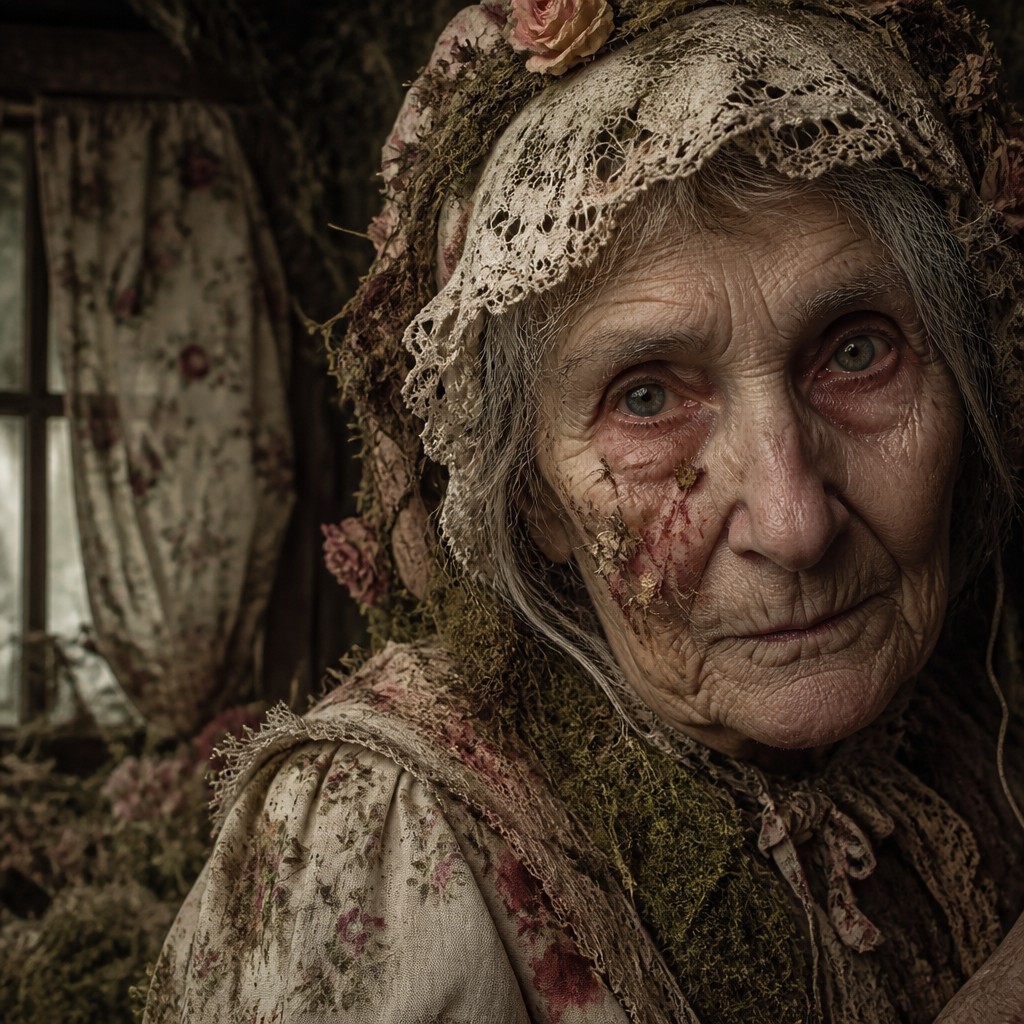
“close-up portrait of an elderly person with expressive weathered features”
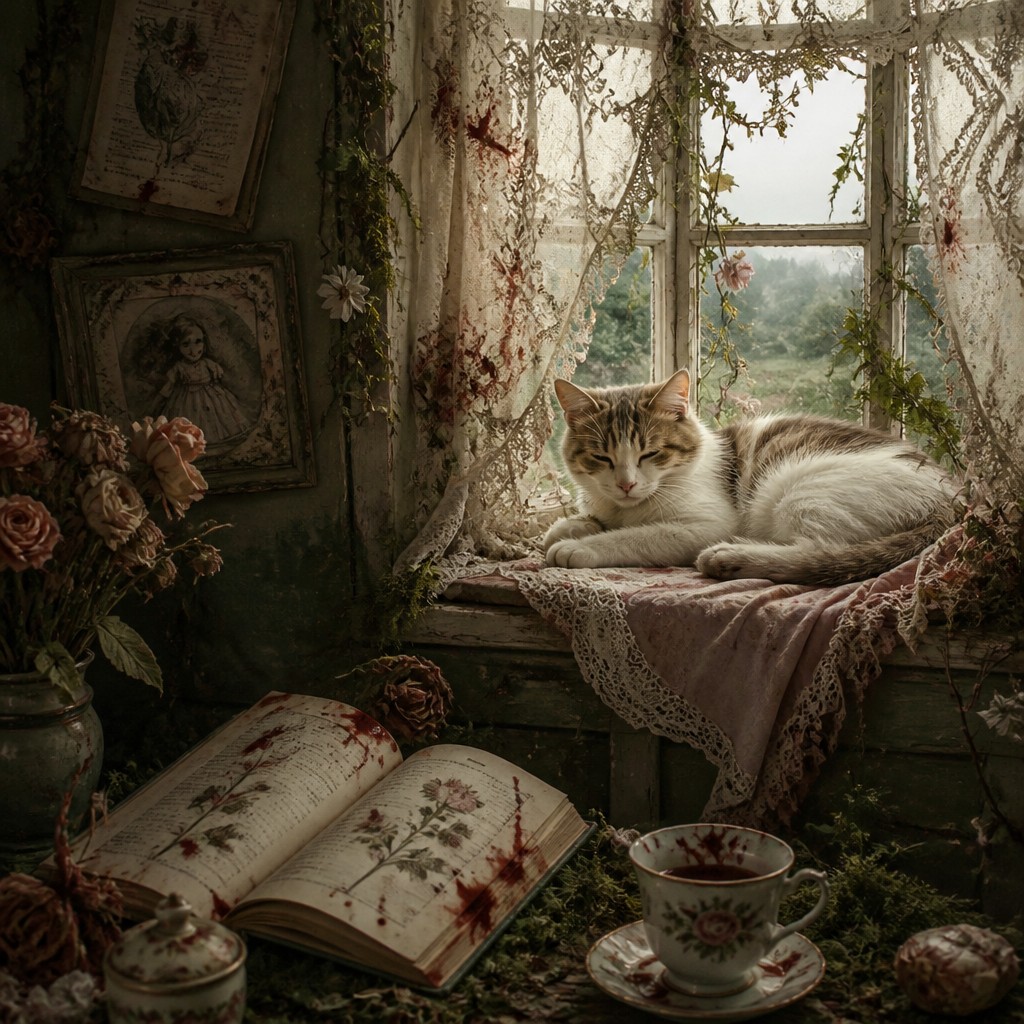
“a cat lounging in a sunlit window”
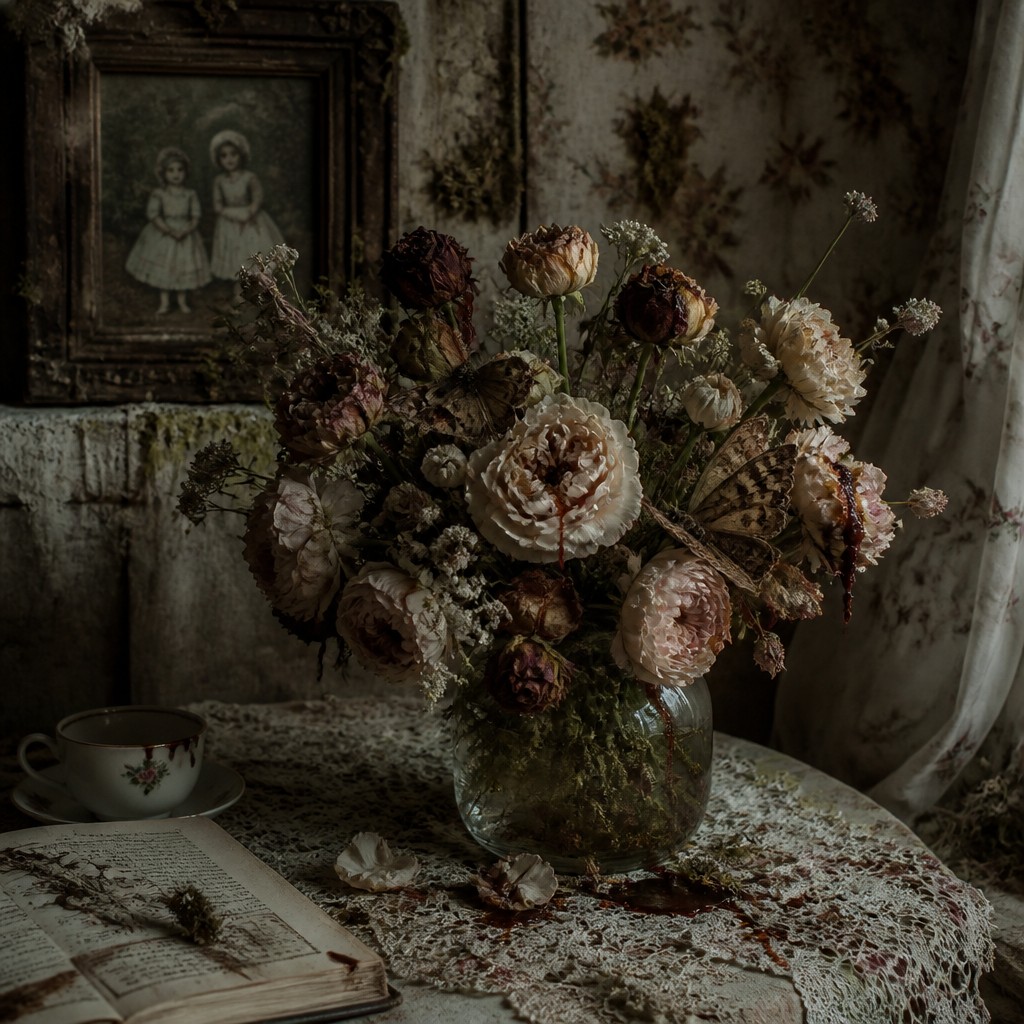
“bouquet of flowers in a glass vase”
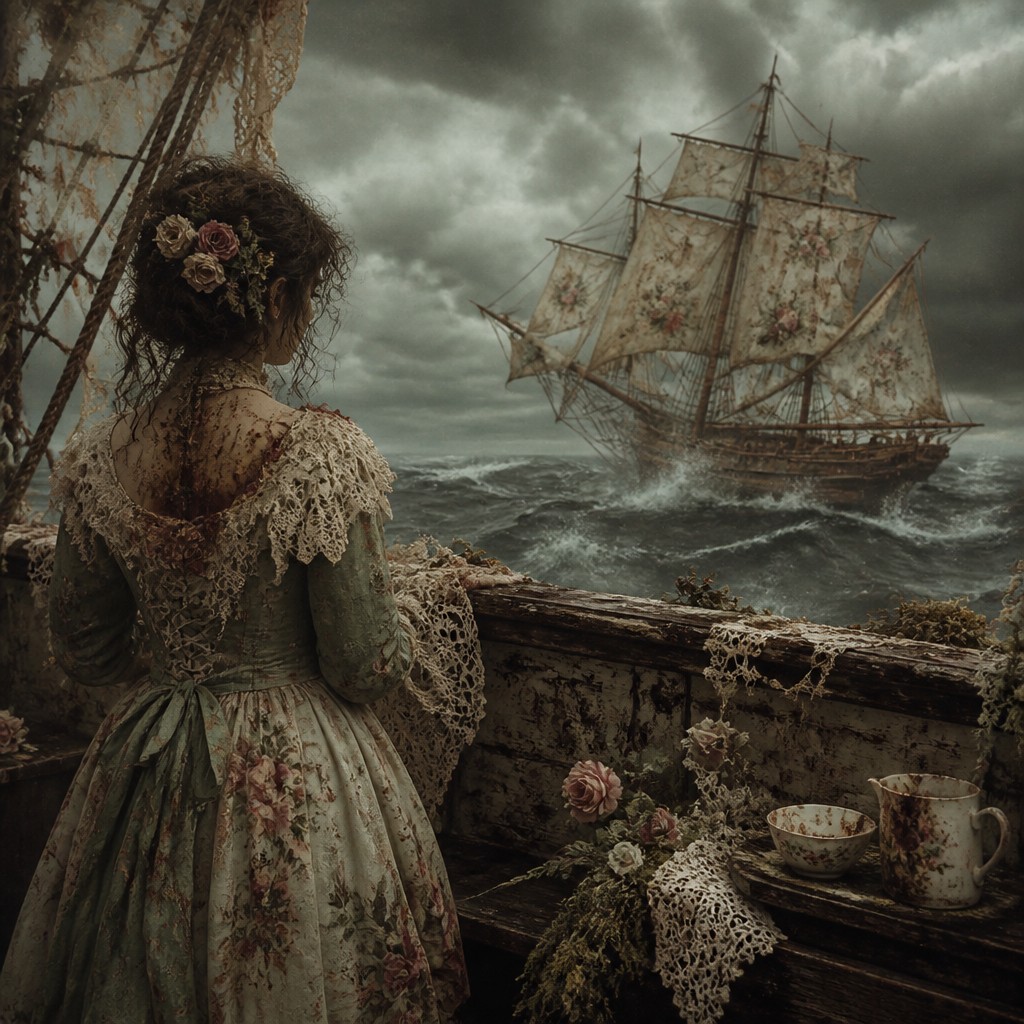
“sailing ship on a stormy sea”
How to Create Dark Cottagecore Aesthetic Art
Master the craft step by step — or skip straight to creating. Read the full guide →
- 1
Use a subdued rural palette
Build the image from muted greens, creams, dusty pinks, rusts, and brown-grays rather than saturated color. In traditional media, thin layered washes and desaturated glazes can help create the feeling of faded pigment and weathered surfaces.
- 2
Show wear and botanical encroachment
Add signs of age to every object: chipped ceramics, browned paper, torn hems, water stains, and dust. Let moss, vines, dried flowers, and weeds interact with architecture and furniture so the scene feels slowly reclaimed by nature.
- 3
Keep forms soft and intimate
Favor small domestic subjects—tables, windowsills, bouquets, teacups, beds, shelves, garden corners, and worn clothing. Whether painting or photographing, use shallow depth, gentle composition, and close framing to preserve a tender, private mood.
- 4
Control the light
Aim for overcast daylight, candle glow, or weak interior window light with low contrast and soft shadow edges. In digital work, reduce harsh highlights and add atmospheric haze, grain, or texture overlays to mimic aged materials.
- 5
Balance charm with unease
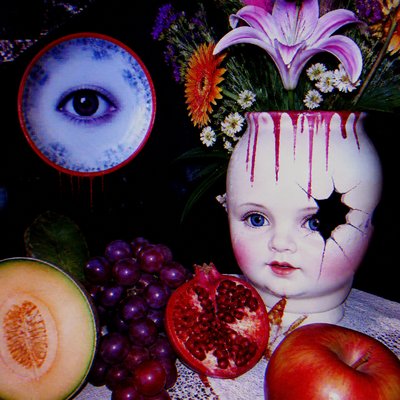
The style works when sweetness is present but slightly damaged: a fresh cake beside a dead flower, a clean cup on a stained cloth, or a cozy room with one unsettling detail. For prompt-based generation, specify both the pastoral subject and the decay cues so the model does not drift into either pure cottagecore or full horror.

The Story
History & Origins of Dark Cottagecore Aesthetic
Dark cottagecore is not a historical art movement with a fixed origin; it is an internet-era aesthetic that emerged from the broader cottagecore trend and from long-standing visual traditions of rural romanticism, gothic atmosphere, and domestic still life. Its lineage can be traced to sentimental depictions of country life, fairy-tale illustration, Victorian mourning imagery, and contemporary fascination with “haunted” domestic spaces. It is especially shaped by online aesthetic culture, where moodboards and editorial photography encouraged hybrid styles built from recognizable emotional cues rather than formal manifestos.
Its development also reflects a broader return to handmade textures and anti-modern nostalgia, but with a deliberate awareness that pastoral fantasy can conceal labor, decay, and unease. Dark cottagecore borrows the visual grammar of traditional cottage imagery and inverts its emotional temperature: instead of sunlit abundance, it favors overcast light, seasonal decline, and the slow takeover of domestic order by plants, mold, and weather. In this sense it belongs to a family of “gothic-tinged” aesthetics that reinterpret softness through shadow rather than replacing it outright.
Influences: Dark cottagecore draws from cottagecore, romantic rural painting, Victorian domestic imagery, fairy-tale illustration, and gothic sensibilities. It also shares DNA with still-life traditions that emphasize impermanence and decay, and with contemporary editorial photography that uses muted styling and tactile surfaces to suggest memory and loss. In broader cultural terms, it resonates with artists such as John Everett Millais for Pre-Raphaelite botanical richness, but it is not equivalent to Pre-Raphaelitism; rather, it selectively adapts the lushness and emotional intensity of such traditions into a contemporary, internet-born mood aesthetic.
Frequently Asked Questions
What defines dark cottagecore aesthetic?
It is a rural, handmade, domestic style that mixes cottagecore comfort with gentle signs of decay and haunting. The key elements are muted natural color, worn textures, wilting flowers, moss, lace, and an atmosphere that feels tender but unsettling.
How is it different from cottagecore?
Cottagecore is usually brighter, cleaner, and more openly idyllic, emphasizing pastoral warmth and wholesome escape. Dark cottagecore keeps the same subjects but introduces rot, weathering, abandonment, and a more melancholy or eerie mood.
Is dark cottagecore the same as goth?
No. Gothic styles often rely on dramatic contrast, sharper darkness, and explicitly macabre symbols, while dark cottagecore is softer and more domestic. It is closer to a haunted countryside mood than to classic goth fashion or architecture.
What colors work best in this style?
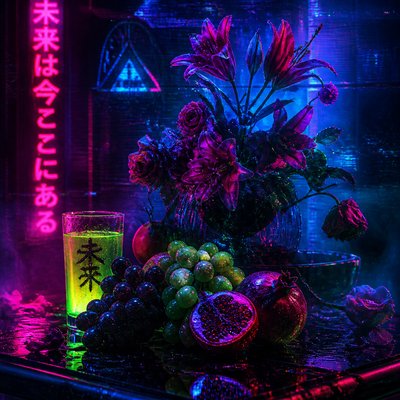
Muted greens, cream, blush, rust, brown, gray, and faded floral tones work best. Avoid overly bright neons or high-saturation primaries unless you want the image to feel intentionally mixed with another style.
What subjects are most common in dark cottagecore art?
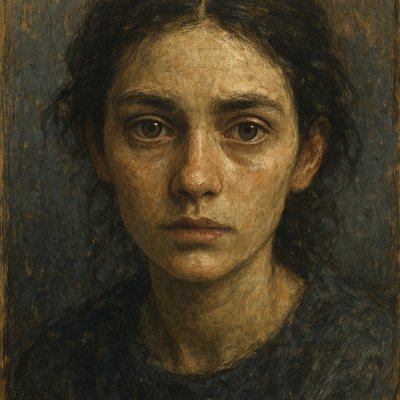
Common subjects include cottages, gardens, tea settings, quilts, books, herbs, mushrooms, pressed flowers, and old kitchen objects. Portraits can also work well if the clothing and environment carry the same worn, botanical, and overcast qualities.
How can I make photos or digital art feel more authentic in this style?
Emphasize texture, age, and gentle light: film grain, faded contrast, imperfect fabrics, chipped surfaces, and natural clutter help a lot. The mood should feel lived-in and slightly abandoned, not staged or overly polished.
Create your first Dark Cottagecore Aesthetic artwork
Describe anything — or upload a photo — and see it in Dark Cottagecore Aesthetic in seconds.
Make Something with Dark Cottagecore Aesthetic
Related Styles
Discover similar art styles