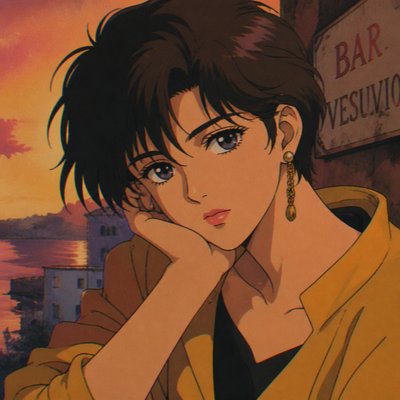
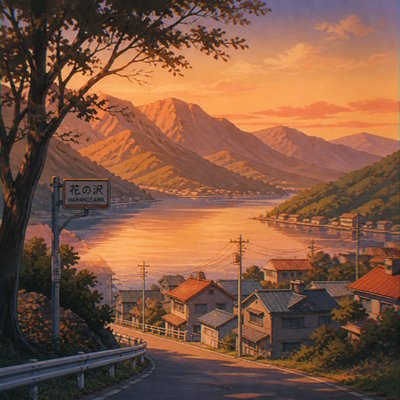
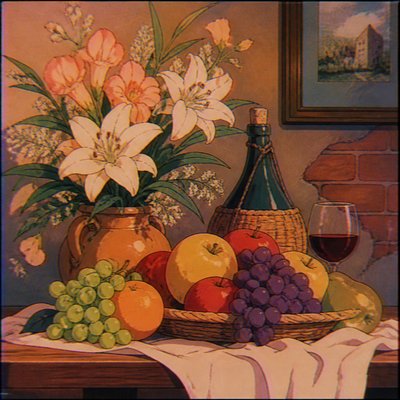
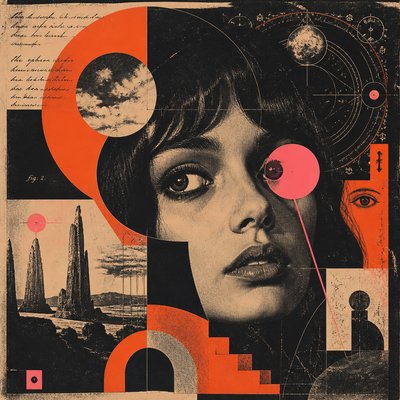
Analog Horror Aesthetic
Degraded VHS textures, tracking noise, static dread, and eerie found-footage atmospheres.
Instantly rendered in Analog Horror Aesthetic — or transform a photo
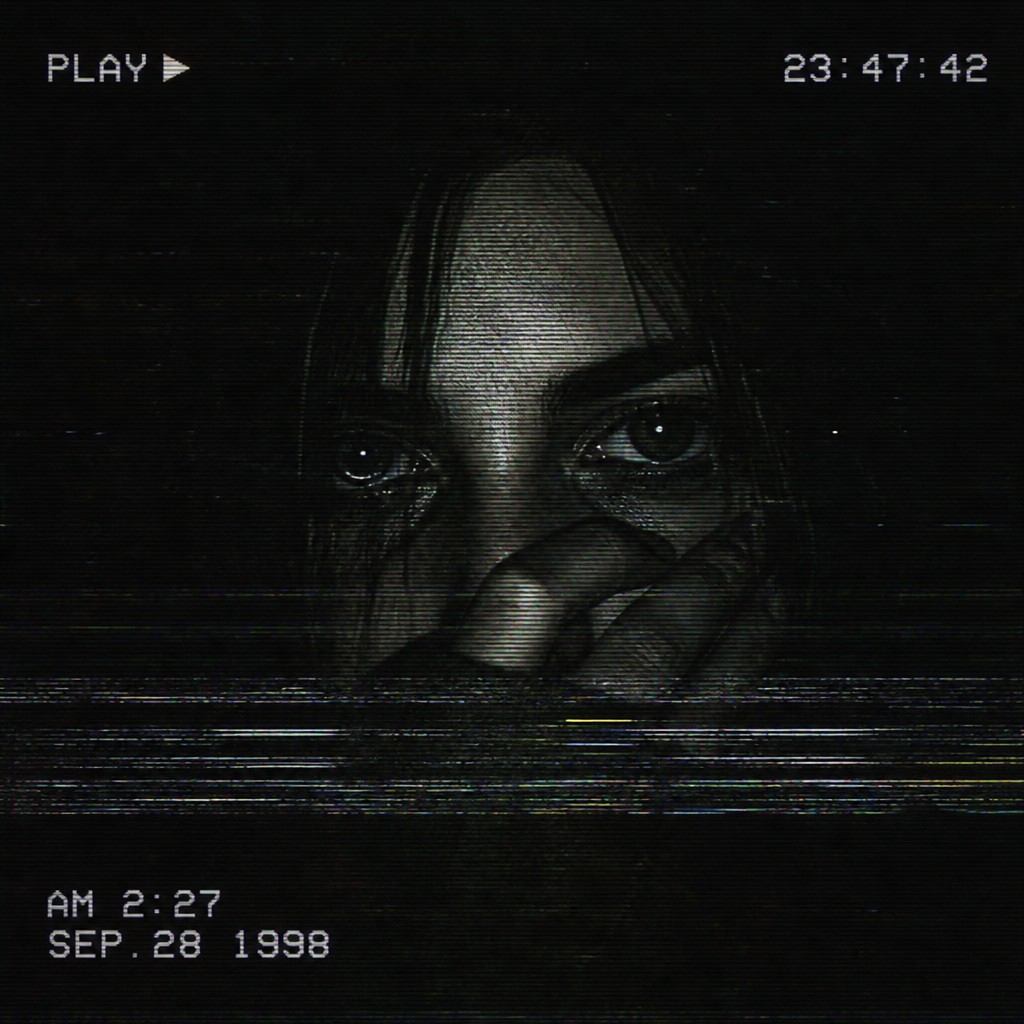
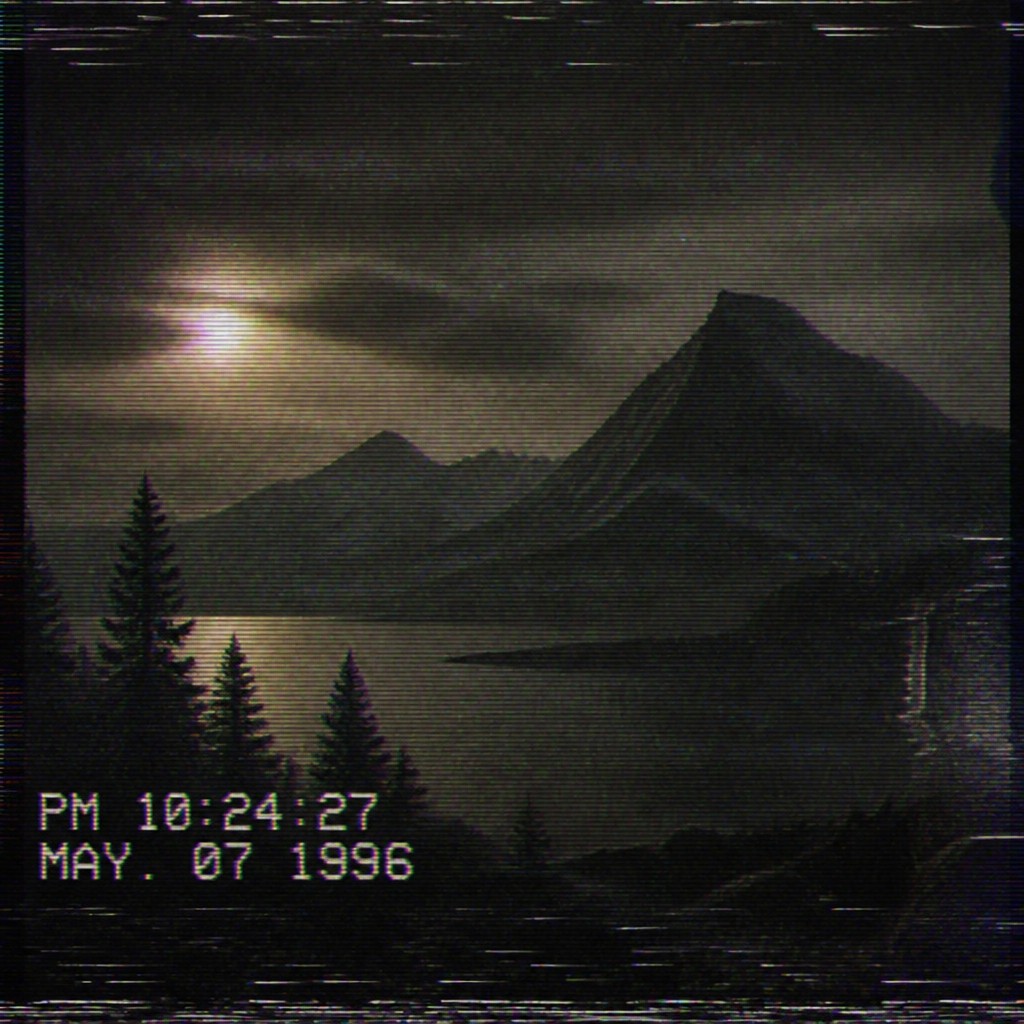
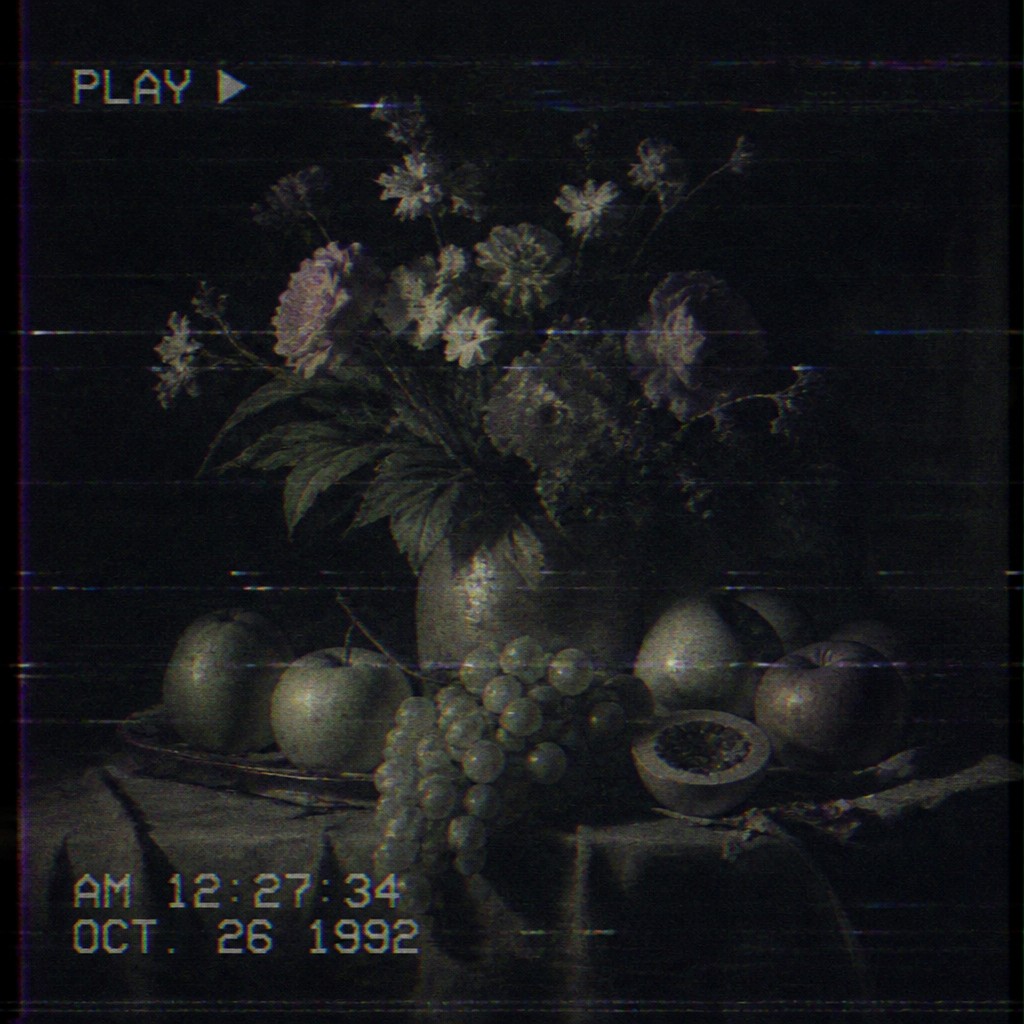
Analog Horror Aesthetic Gallery
Tap any artwork to explore it
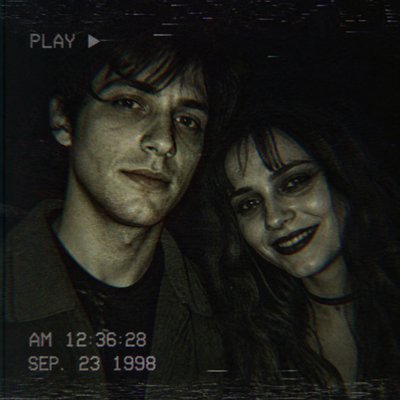
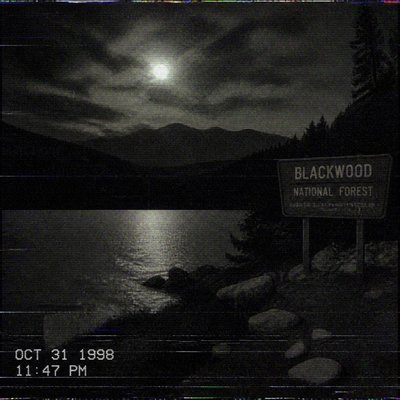
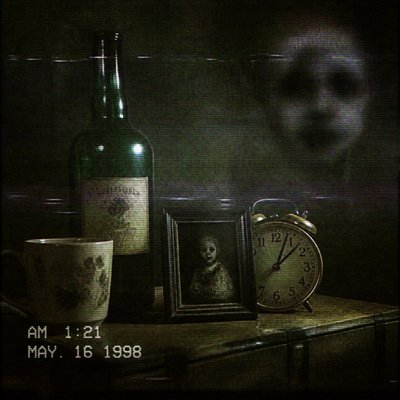
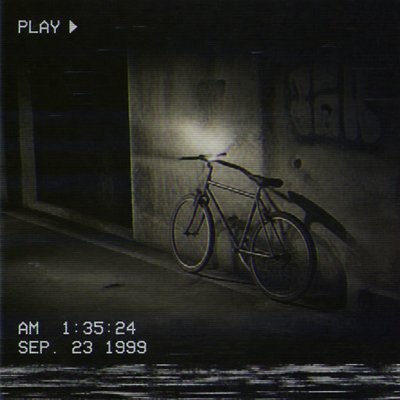
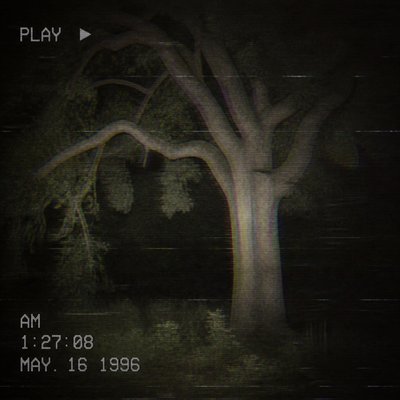
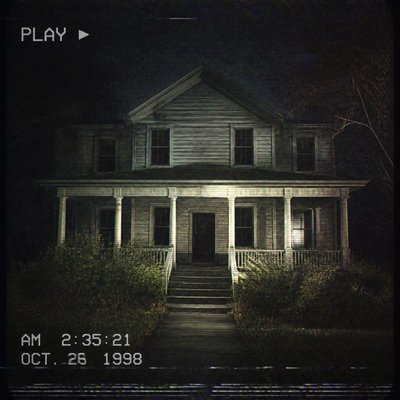
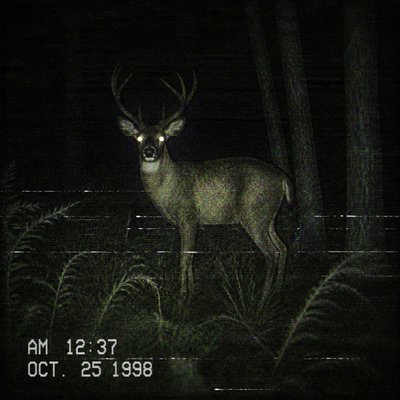
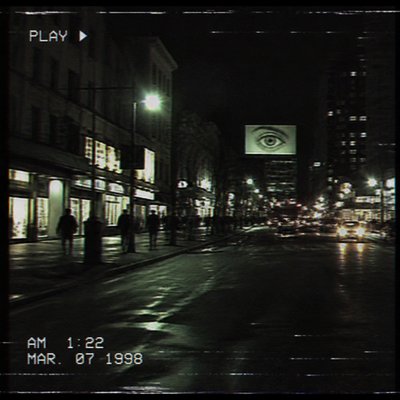
What is Analog Horror Aesthetic?
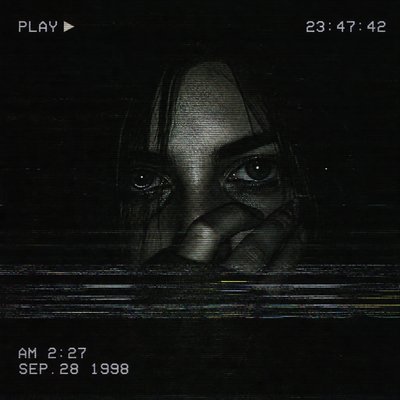
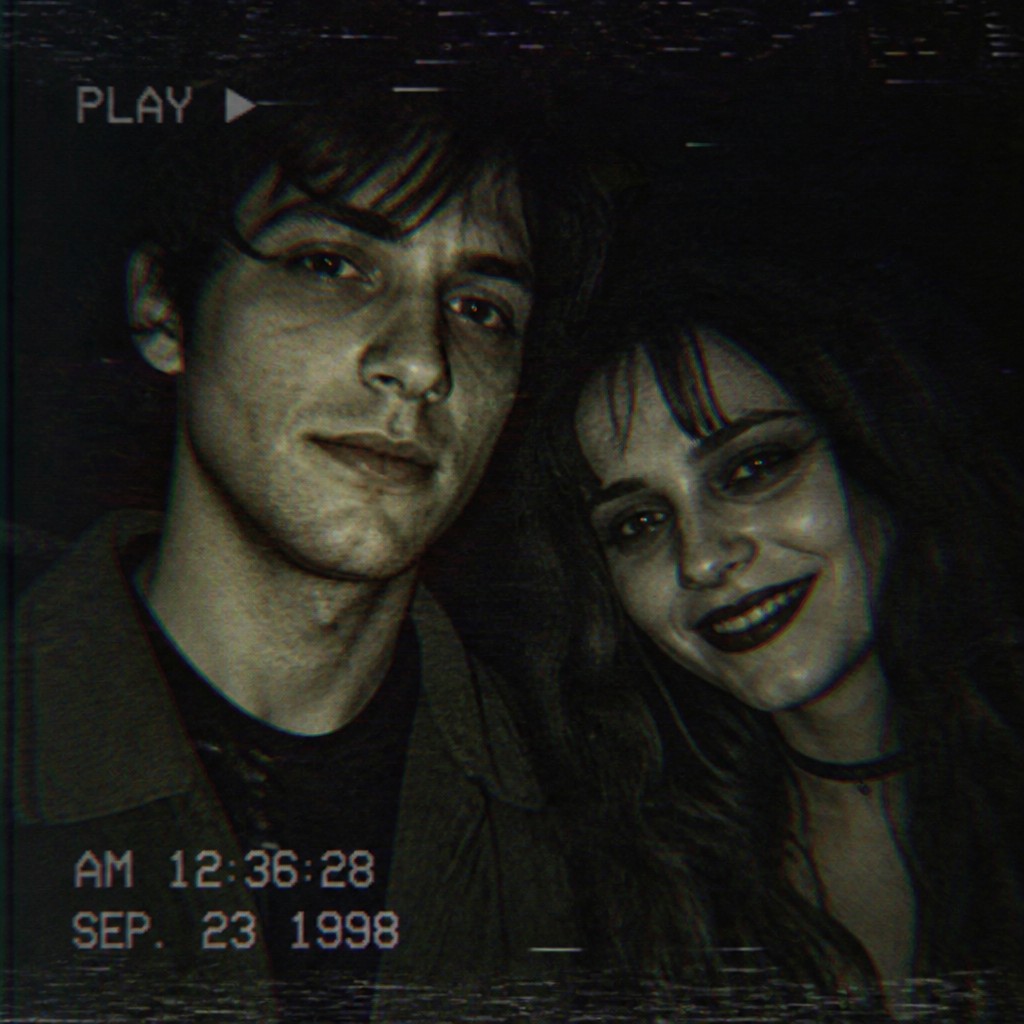
Analog horror aesthetic is a visual style built around the look and emotional logic of damaged broadcast media: VHS tapes, camcorder recordings, late-night television, emergency alerts, and archival footage that seems to have gone subtly wrong. It is defined less by monsters shown directly than by the evidence of media decay itself—tracking errors, static bursts, color bleeding, timestamp overlays, and low-light grain that make ordinary scenes feel unstable and threatening.
The style works because it turns the limitations of older analog recording into a source of unease. Smearing colors, warped frames, audio hiss, and sudden signal loss suggest both technological failure and narrative danger, as if the image is trying to conceal something. Its atmosphere is usually quiet, sparse, and oppressive, relying on anticipation and ambiguity rather than spectacle.
Try It On Your Photos
Upload any photo and convert it into Analog Horror Aesthetic — drag the sliders to compare before and after.


What Defines Analog Horror Aesthetic
The signature details, up close
VHS degradation
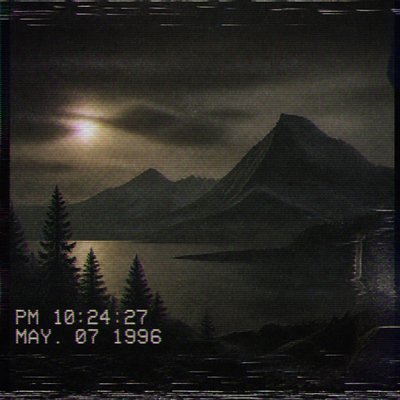
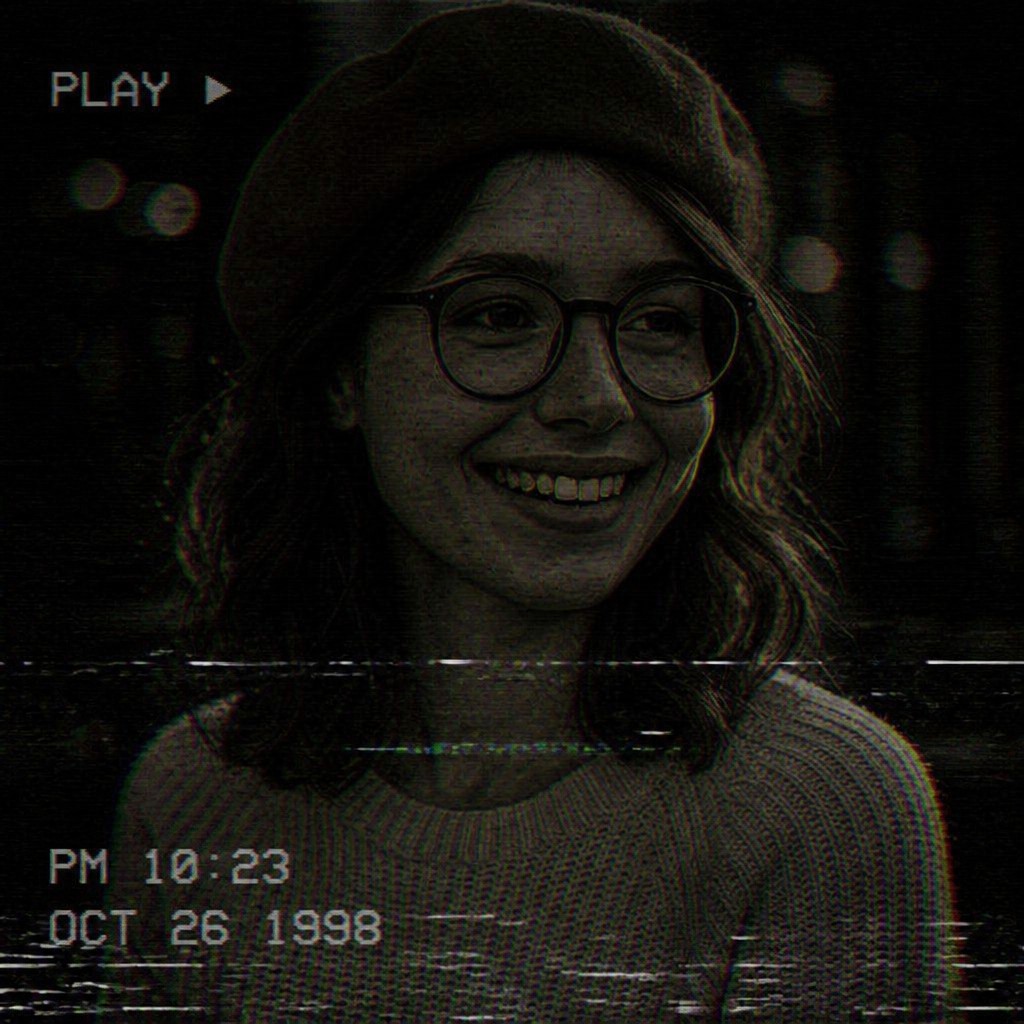
The image often imitates worn tape stock, with blur, ghosting, chroma bleed, and soft focus. These flaws create the sense of a copied or overplayed recording rather than a clean, contemporary capture.
Tracking distortion and signal loss
Horizontal tearing, rolling bands, jitter, and brief dropout glitches are core markers of the style. They suggest unstable playback or interference, making the scene feel physically compromised.
Low-light, low-contrast palette
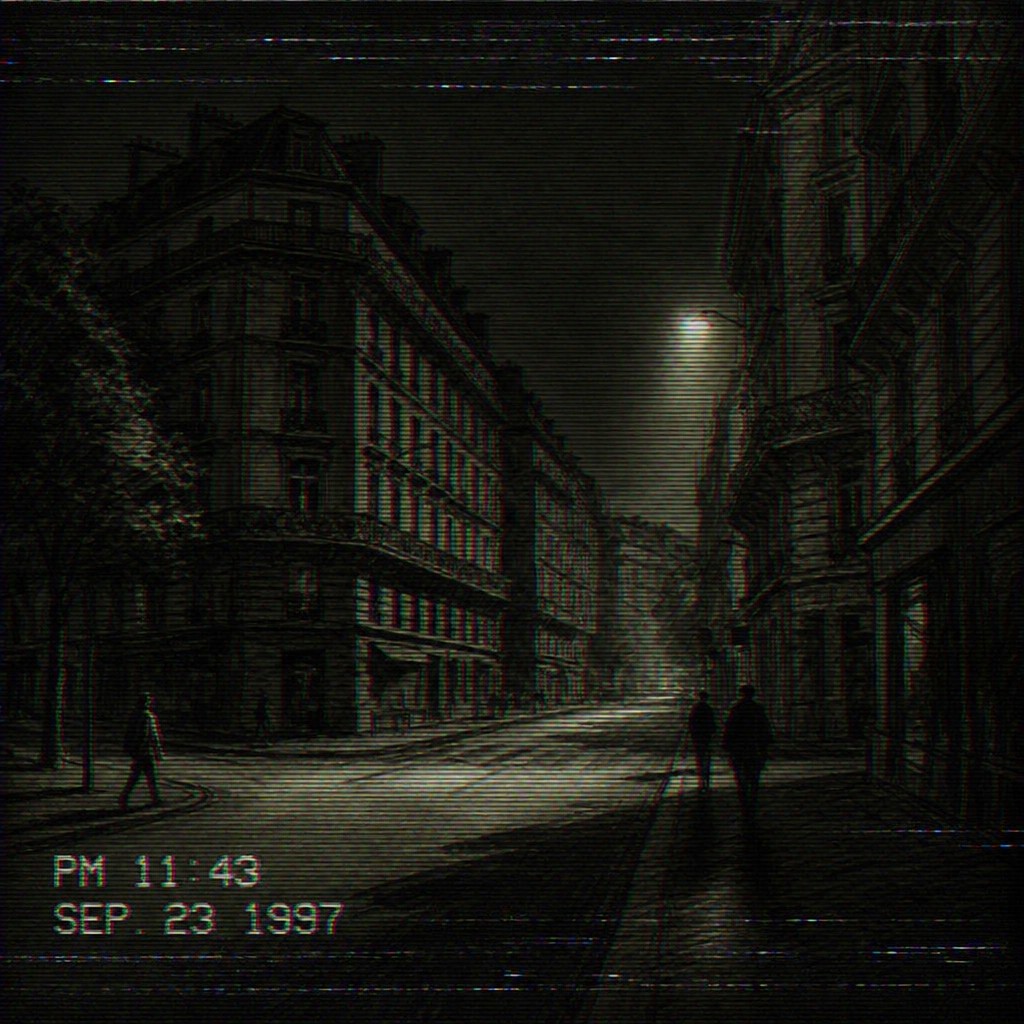
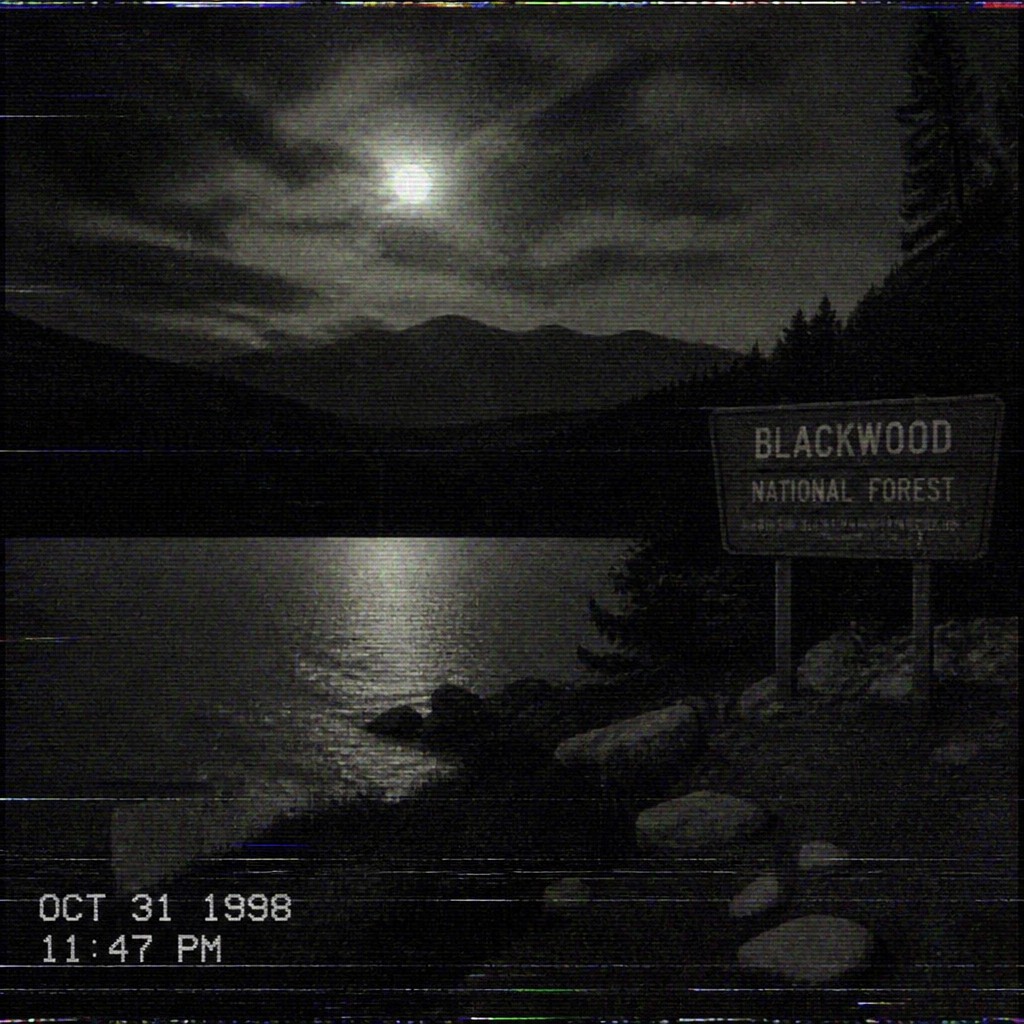
Colors tend toward dim green, night gray, washed sepia, and bruised blue-black shadows. Highlights are often harsh and blown out, while most of the frame remains murky and underexposed.
Static and broadcast artifacts
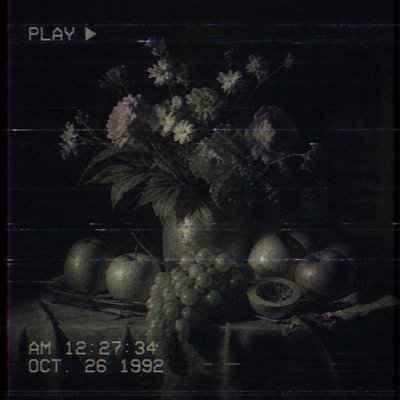
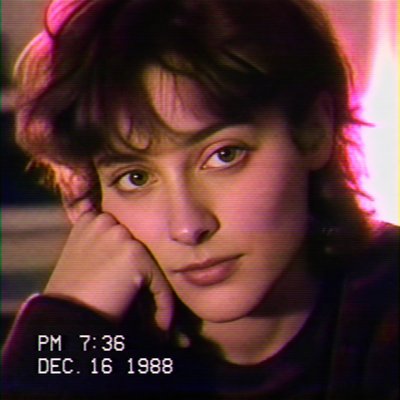
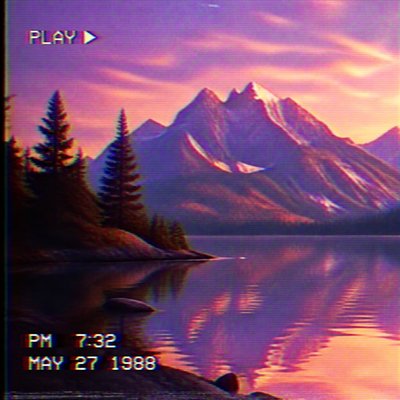
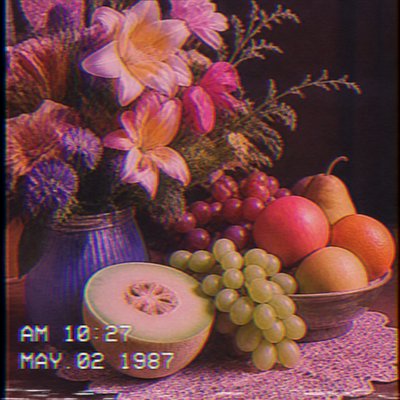
Noise, snow, scanlines, timestamp overlays, and compression-like artifacts reinforce the feeling of archival or televised media. These elements help the image read as recovered footage rather than polished cinematography.
Camcorder-era framing
Shots often feel handheld, amateur, or surveillance-like, with imperfect composition and limited depth detail. The aesthetic favors accidental-looking recording choices that make the scene feel documentarian and vulnerable.
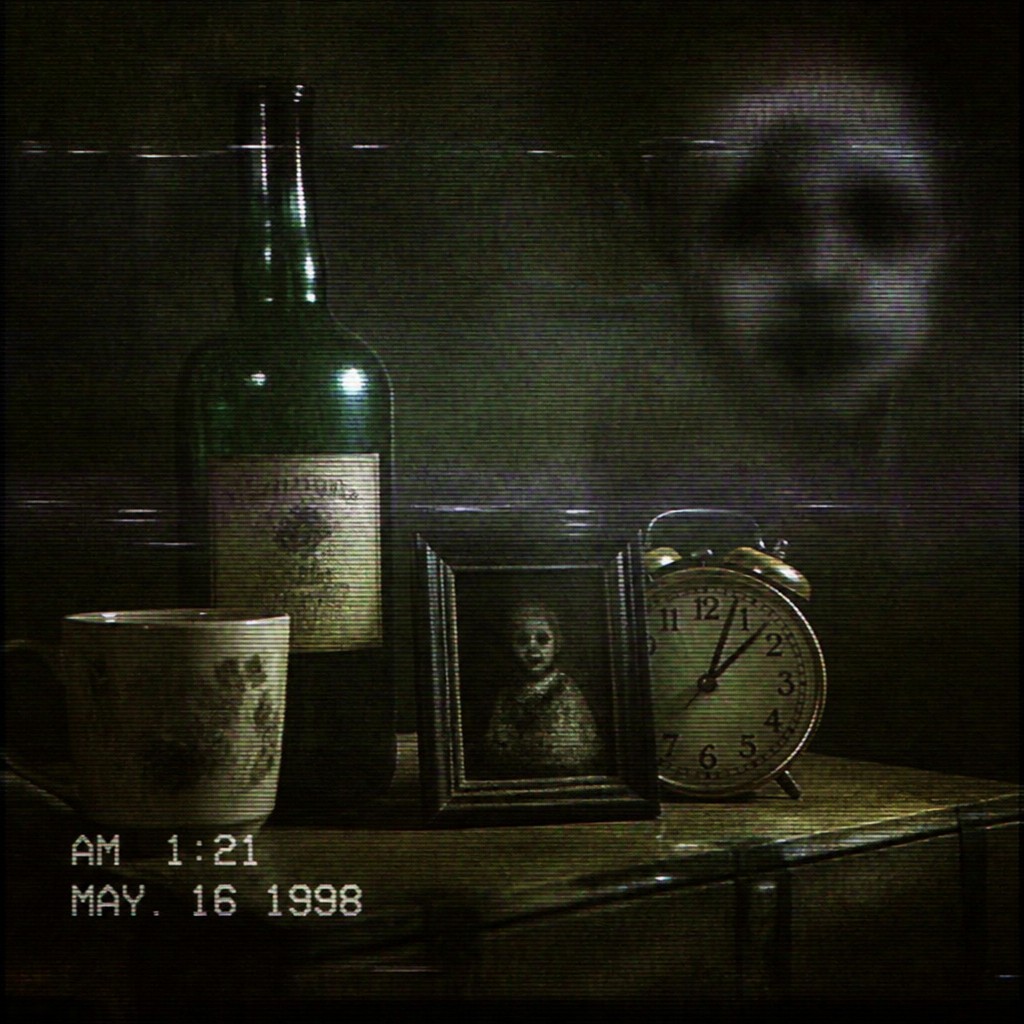
Ominous stillness
The horror usually comes from what is almost absent: an empty room, a distant figure, a corridor, or an object that seems slightly misaligned. The lack of overt action intensifies the sense that something is hidden in the frame.
Try It
Create Videos in Analog Horror Aesthetic
Styles aren't just for stills — describe a scene or animate an image and get a short video rendered in Analog Horror Aesthetic. Press play to see this pond come to life.
Make a VideoAnalog Horror Aesthetic Prompt Ideas
Start from an idea — each one opens the generator with the style ready to go. See all 40 Analog Horror Aesthetic prompts →
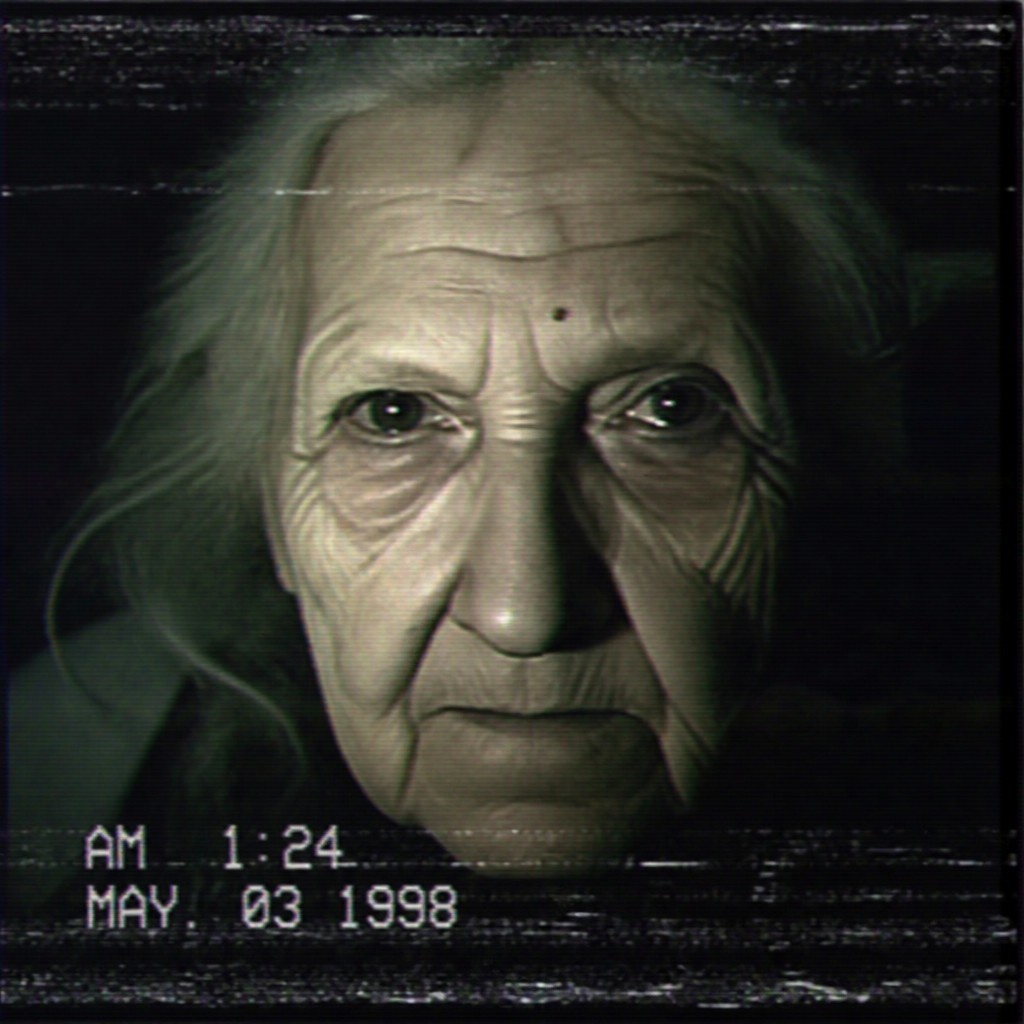
“close-up portrait of an elderly person with expressive weathered features”
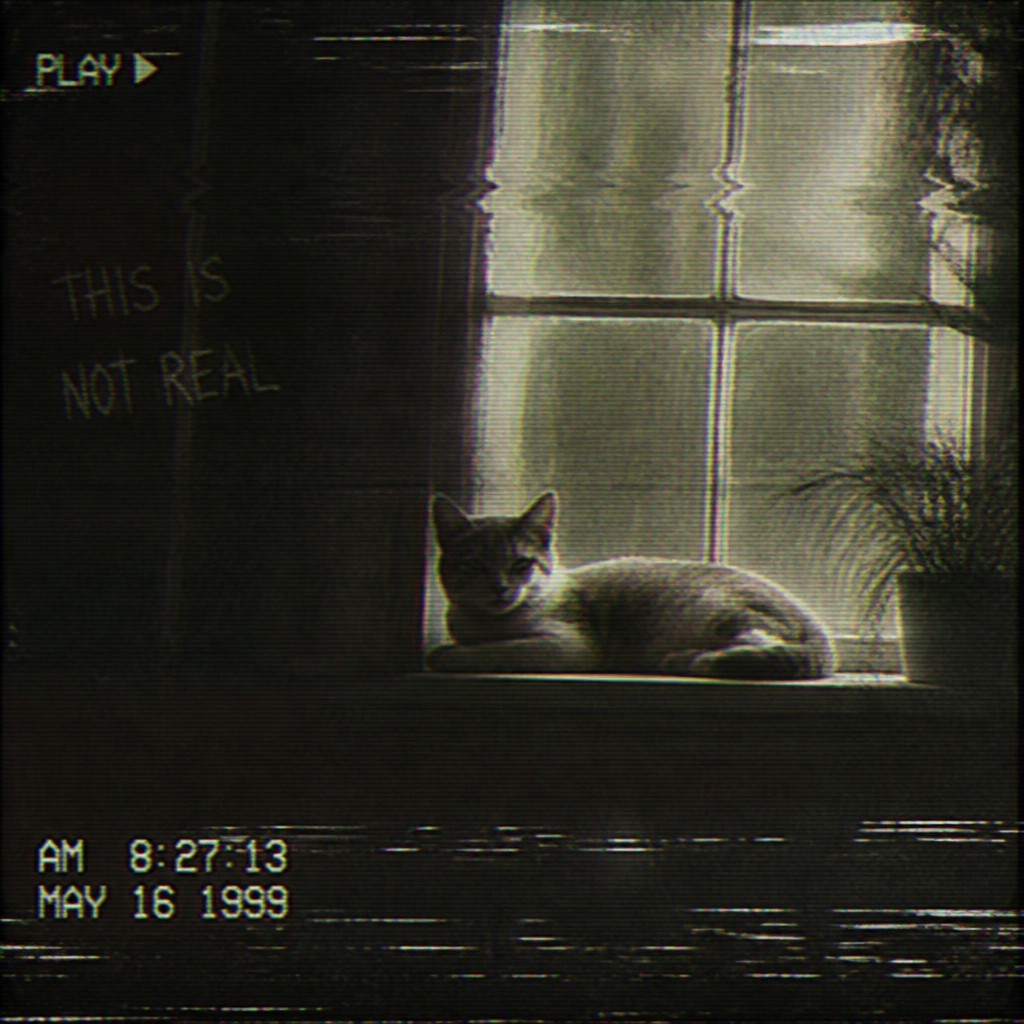
“a cat lounging in a sunlit window”
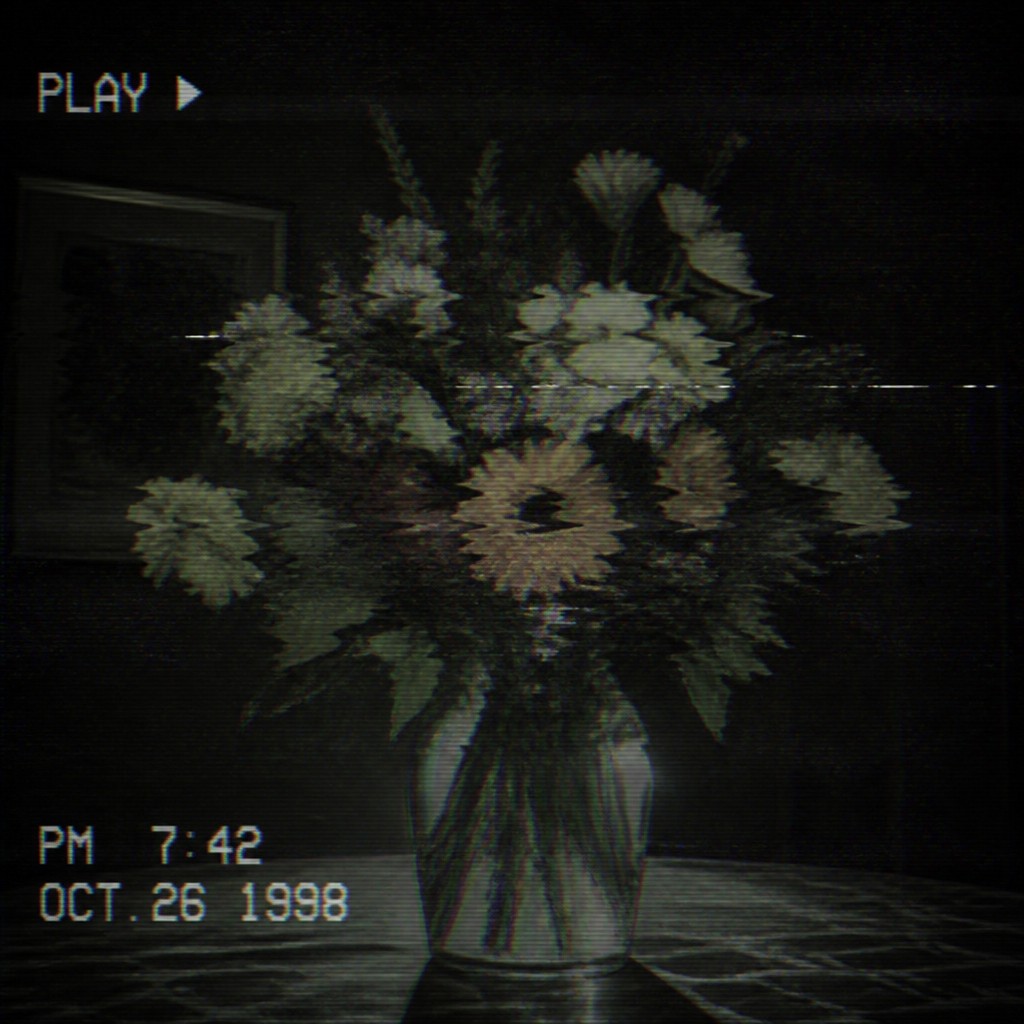
“bouquet of flowers in a glass vase”
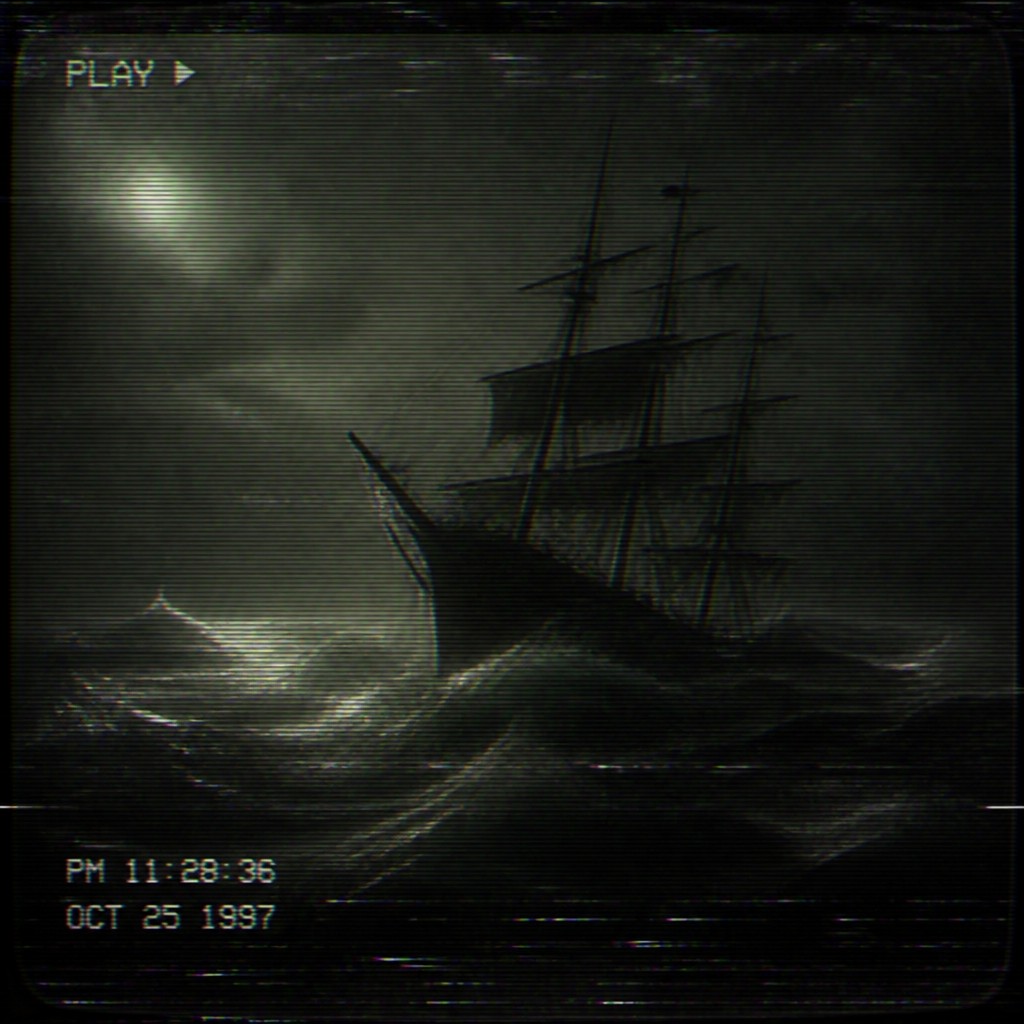
“sailing ship on a stormy sea”
How to Create Analog Horror Aesthetic Art
Master the craft step by step — or skip straight to creating. Read the full guide →
- 1
Start with a believable analog source
Build the image as if it were captured on a consumer camcorder, VHS deck, or broadcast tape. Keep composition simple and documentary-like, because the horror effect strengthens when the footage looks mundane before it looks wrong.
- 2
Degrade the signal, not just the subject
Add tape noise, scanlines, color smearing, tracking errors, frame jitter, and mild motion blur so the medium itself feels unstable. In digital work, these effects should be layered subtly; in analog-inspired photo manipulation, avoid making every artifact equally strong.
- 3
Use a restricted, dirty palette
Limit colors to desaturated greens, grays, faded browns, and sickly amber highlights. Reduce contrast in the midtones while preserving a few harsh bright hotspots, since that combination mimics old low-dynamic-range video.
- 4
Let emptiness do the storytelling
Compose around corridors, doorways, monitors, empty interiors, or partial silhouettes, and leave negative space where the viewer expects clarity. A single detail that is slightly off—a shadow, a face-like shape, a misread sign—often works better than explicit gore.
- 5
Write prompts as recovered footage
For text-to-image generation, describe the scene first and the recording conditions second: subject, location, then artifacts such as VHS noise, timestamp grain, tracking distortion, and static. Phrases like 'found footage,' 'late-night broadcast,' and 'damaged tape' help anchor the visual logic.
- 6
If transforming photos, preserve the documentary feel
Choose images with simple framing and limited motion so the added distortion reads as media corruption rather than an unrelated filter. Portraits, hallways, parking lots, and interior rooms usually convert more convincingly than busy landscapes.
The Story
History & Origins of Analog Horror Aesthetic
Analog horror is not a historical art movement in the traditional sense; it is a contemporary internet-born aesthetic that draws from the visual language of analog video technologies used from the late 1970s through the 1990s. Its lineage includes VHS home video, public-access television, emergency broadcast graphics, industrial training films, local news footage, and the degraded copies that result from repeated tape duplication and playback. The style emerged as digital creators began treating these imperfect media artifacts not as nostalgia alone, but as a setting for fear.
Its development is closely tied to online short-form horror, creepypasta culture, and found-footage storytelling, where low-resolution images and fragmented transmission become part of the narrative. Rather than imitating a single historical genre, it synthesizes the visual cues of obsolete video media into a recognizable language of dread. The result is a deliberately mediated horror style: the viewer is made to feel that the image itself is unreliable, incomplete, and possibly contaminated.
Influences: Analog horror draws from the visual language of late-20th-century analog video and from horror traditions that emphasize found footage, uncertainty, and mediated testimony. Its atmosphere overlaps with the uncanny realism of documentary photography, the degraded textures of VHS home movies, the typographic bluntness of public-service broadcasts, and the suspense of minimal horror cinema. Related cultural references include emergency alert graphics, surveillance imagery, and the aesthetics of late-night cable programming, but the style is most defined by its fusion of technical decay with narrative dread rather than by any single canonical artist.
Frequently Asked Questions
What defines the analog horror aesthetic?
It is defined by the look of damaged or unstable analog video: VHS noise, tracking issues, static, low contrast, color bleed, and timestamp-era grain. Just as important is the feeling that the image is a recovered recording with something unsettling hidden inside it.
How is analog horror different from regular found footage?
Found footage is a storytelling format, while analog horror is a visual aesthetic that often uses found-footage logic. Analog horror is more focused on the material qualities of old media—degradation, broadcast artifacts, and signal instability—than on camera plausibility alone.
Is analog horror the same as retro or vintage style?
Not exactly. Retro-vintage styles often celebrate nostalgia or period accuracy, while analog horror uses old media aesthetics to create unease. The same VHS look can feel warm and nostalgic in one context and disturbing in another, depending on framing, color, and subject matter.
What subjects work best in this style?
Ordinary locations and familiar objects often work best: hallways, bedrooms, classrooms, suburban streets, convenience stores, and monitors. The style becomes especially effective when the scene seems normal at first glance but contains one visual inconsistency or ominous absence.
How do I make an image feel convincingly analog horror?
Keep the composition simple, dark, and documentary-like, then add layered media defects such as scanlines, static, tracking distortion, and color smearing. Avoid overdoing every effect at once; the most convincing results usually look like real tape damage rather than a generic glitch overlay.
Where is analog horror commonly used?
It appears in short horror videos, posters, album art, game visuals, thumbnail design, and narrative experiments built around broadcasts or archives. Because it is instantly readable, it is also popular for scenes that need to feel eerie, unreliably recorded, or psychologically damaged.
Create your first Analog Horror Aesthetic artwork
Describe anything — or upload a photo — and see it in Analog Horror Aesthetic in seconds.
Make Something with Analog Horror Aesthetic
Related Styles
Discover similar art styles