Palewave Aesthetic
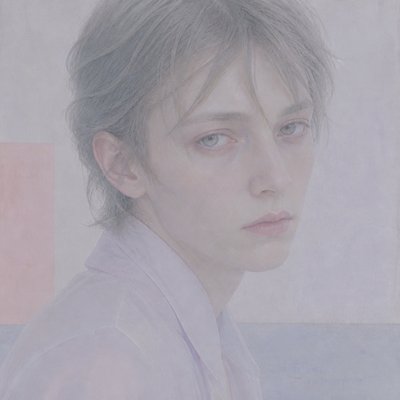
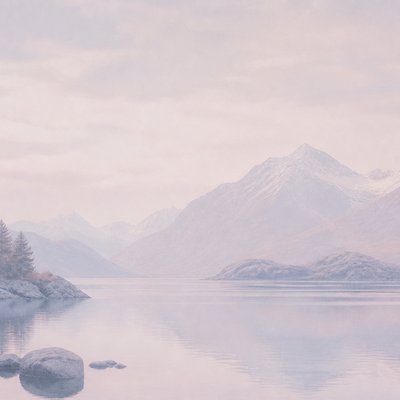
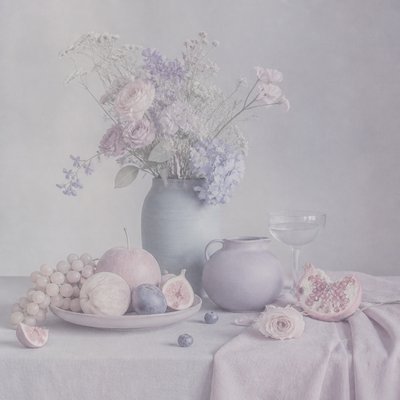
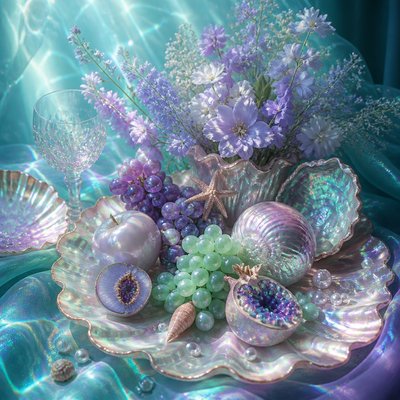
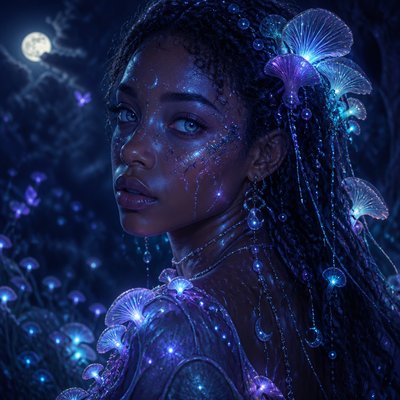
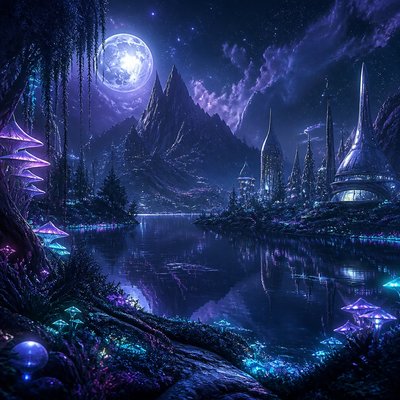
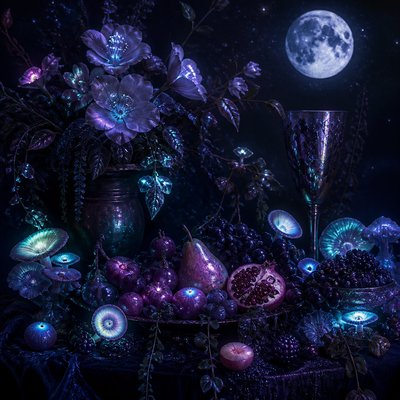
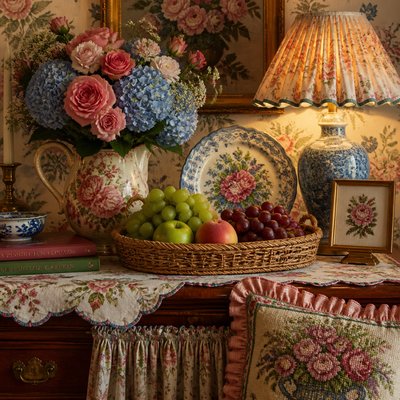
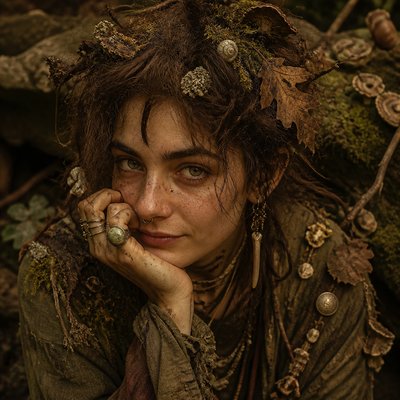
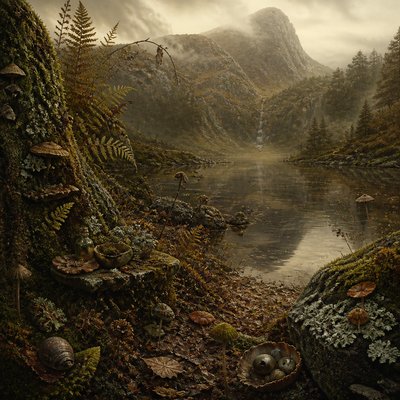
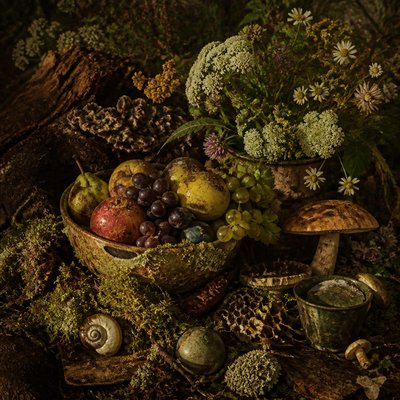
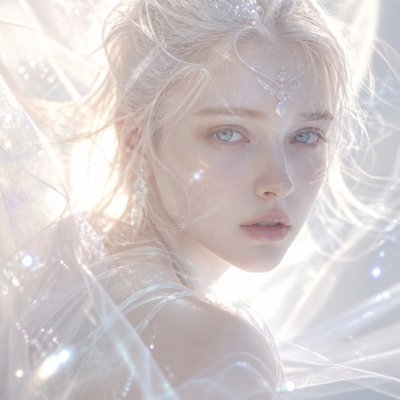
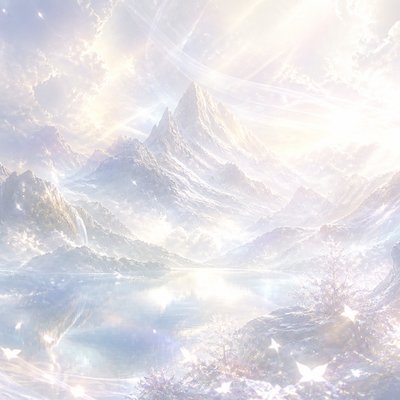
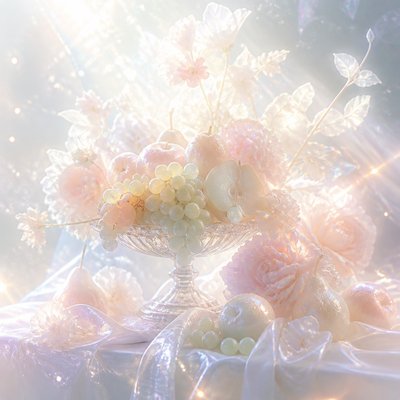
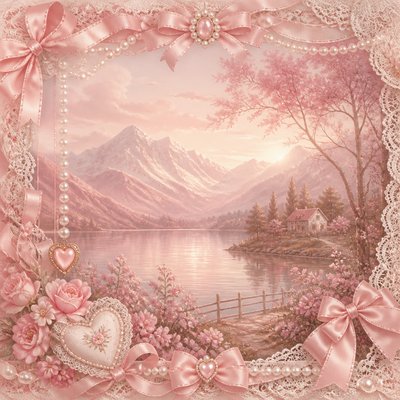
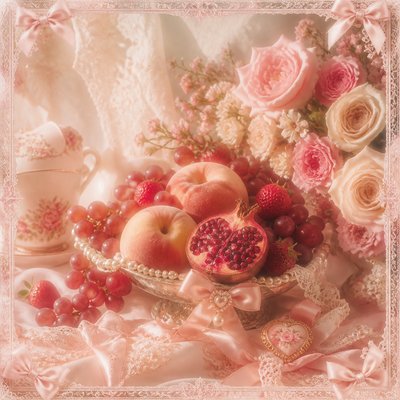
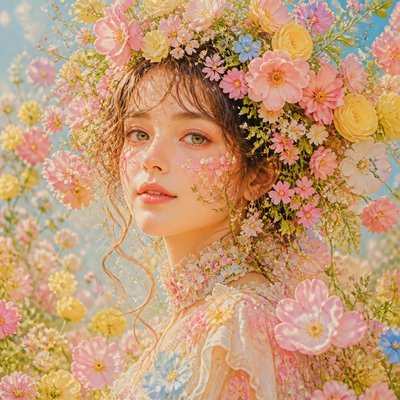
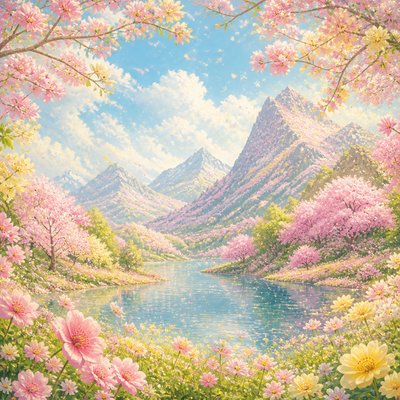
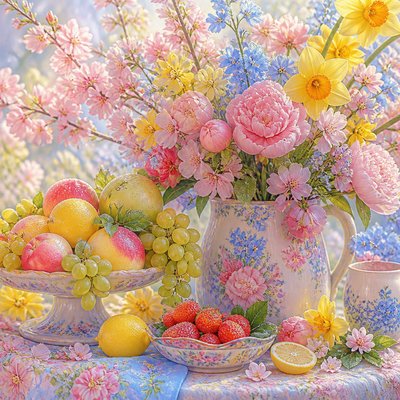
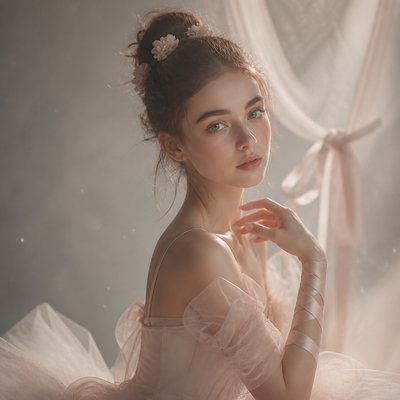
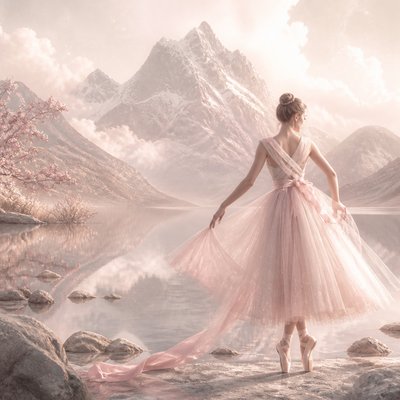
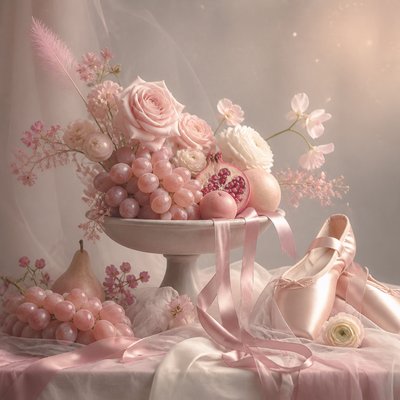
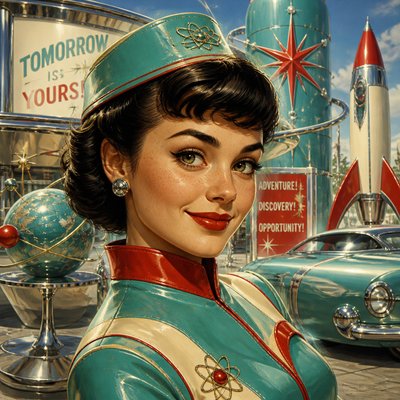
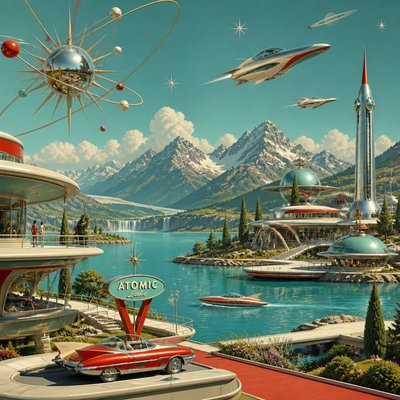
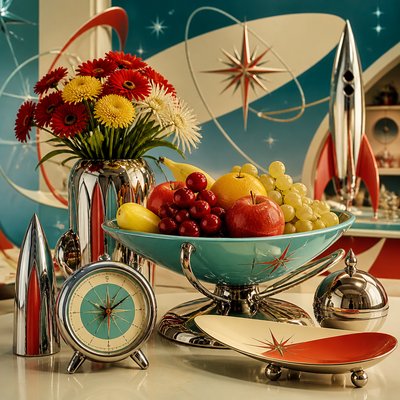
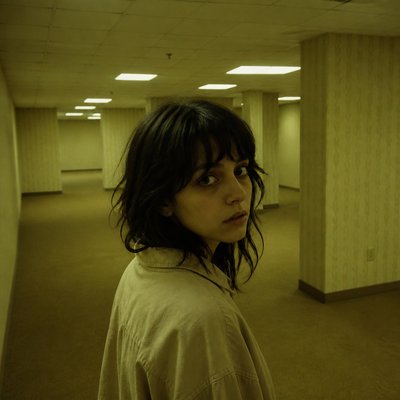
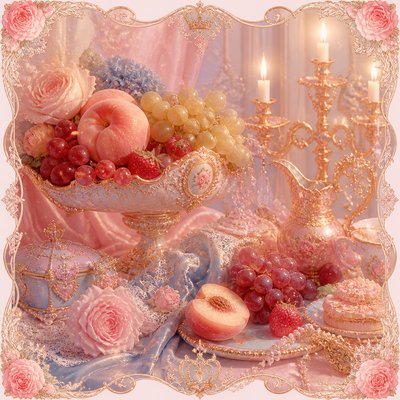
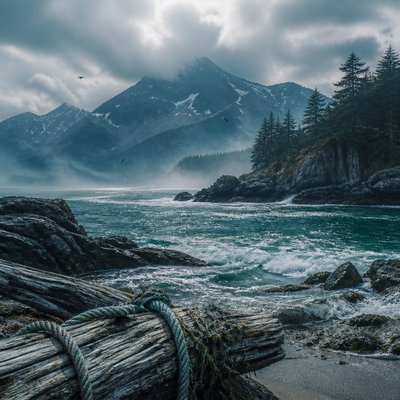
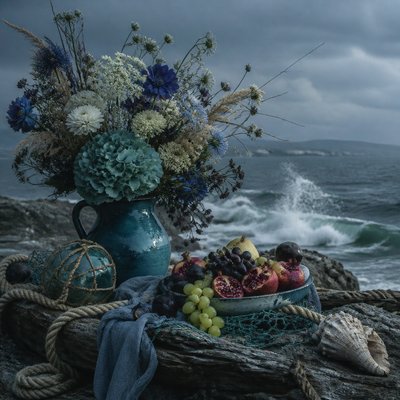
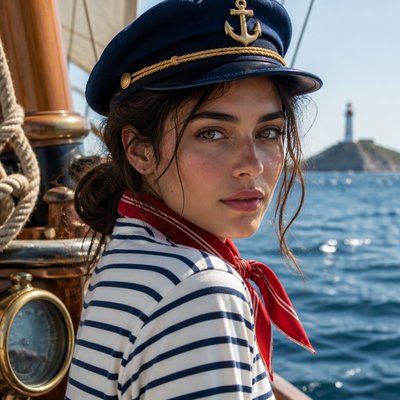
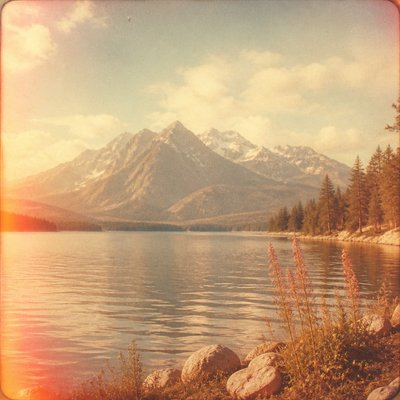
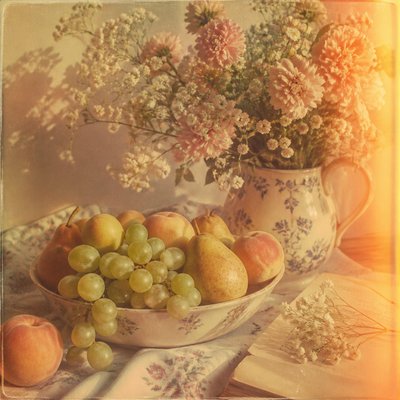
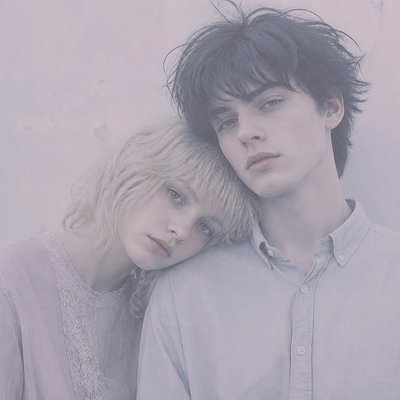
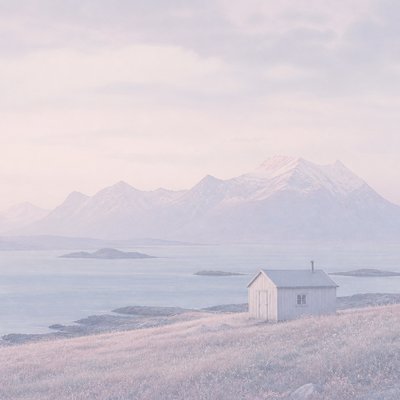
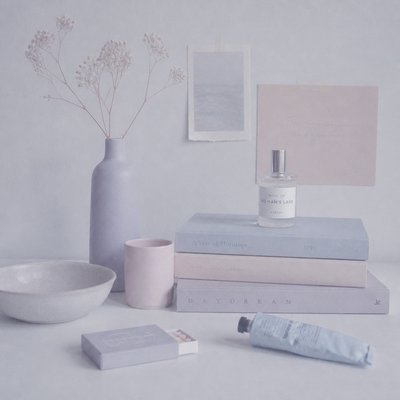
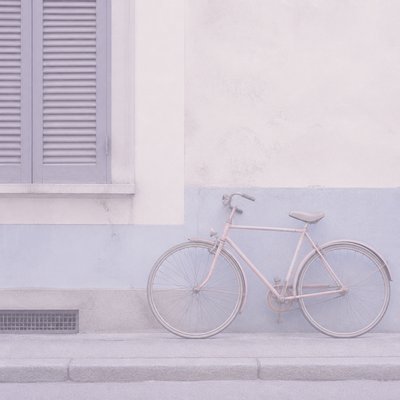
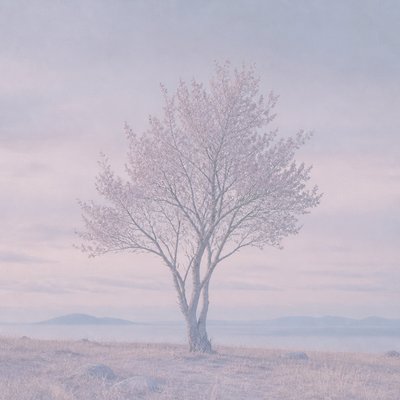
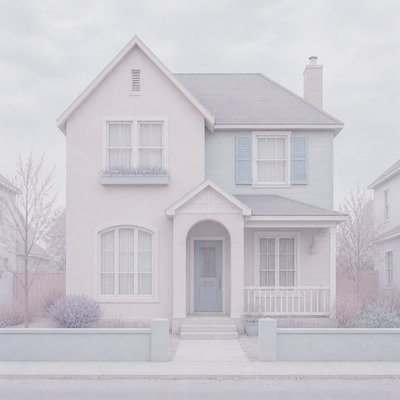
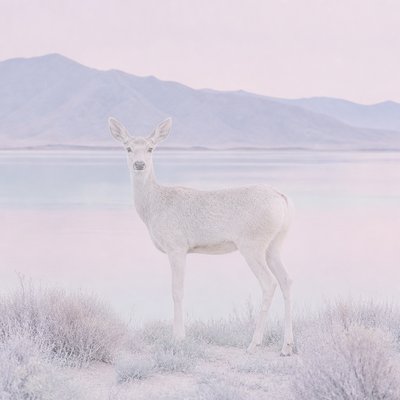
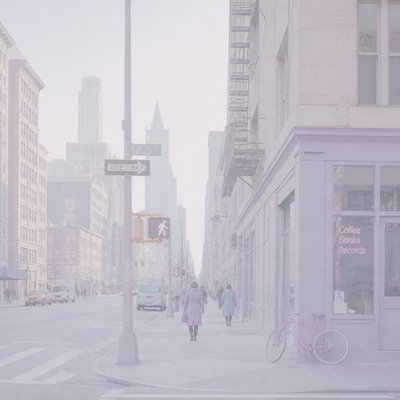
Muted pastels, flat light, and hushed minimal calm define this faded, dreamlike aesthetic of pale pinks, blues, and gray-whites.
Instantly rendered in Palewave Aesthetic — or transform a photo
Palewave Aesthetic Gallery
Tap any artwork to explore it
What is Palewave Aesthetic?
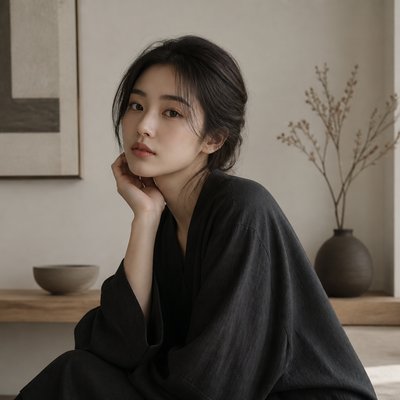
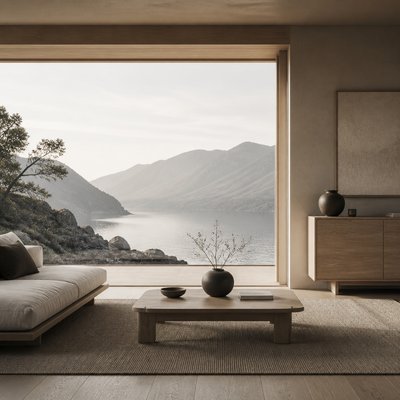
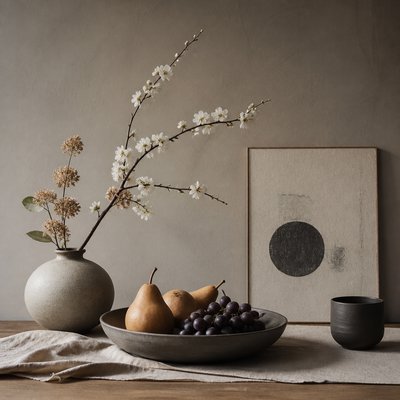
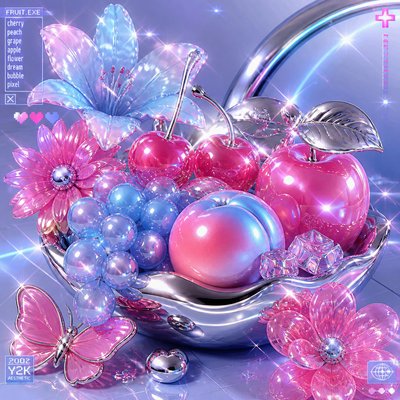
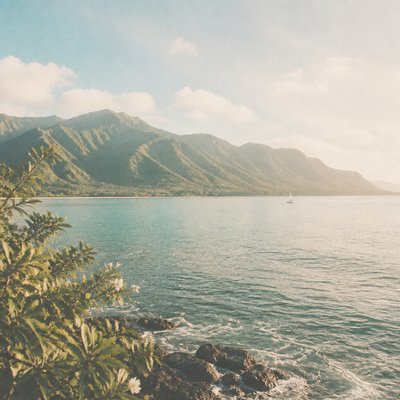
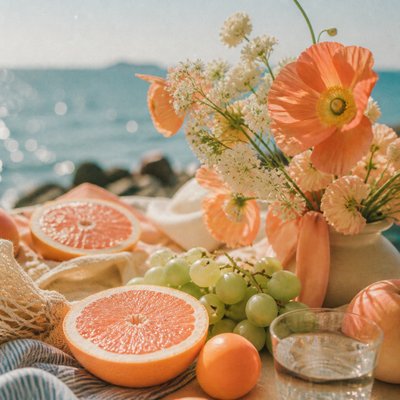
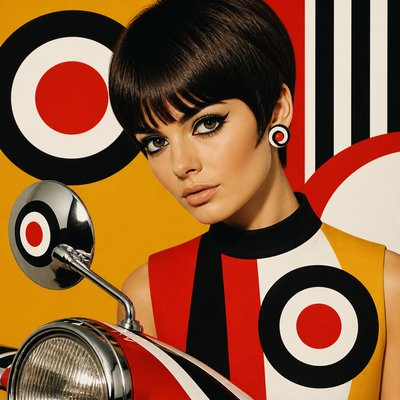
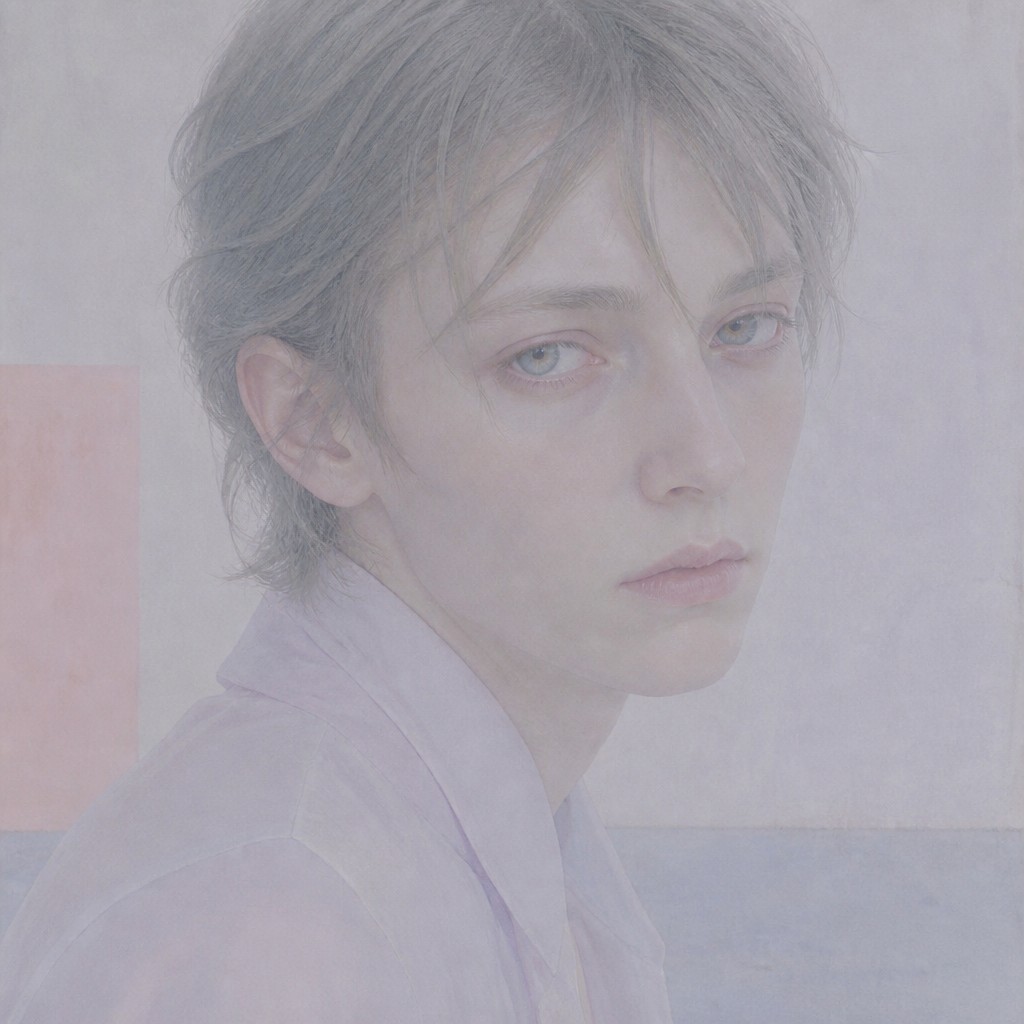
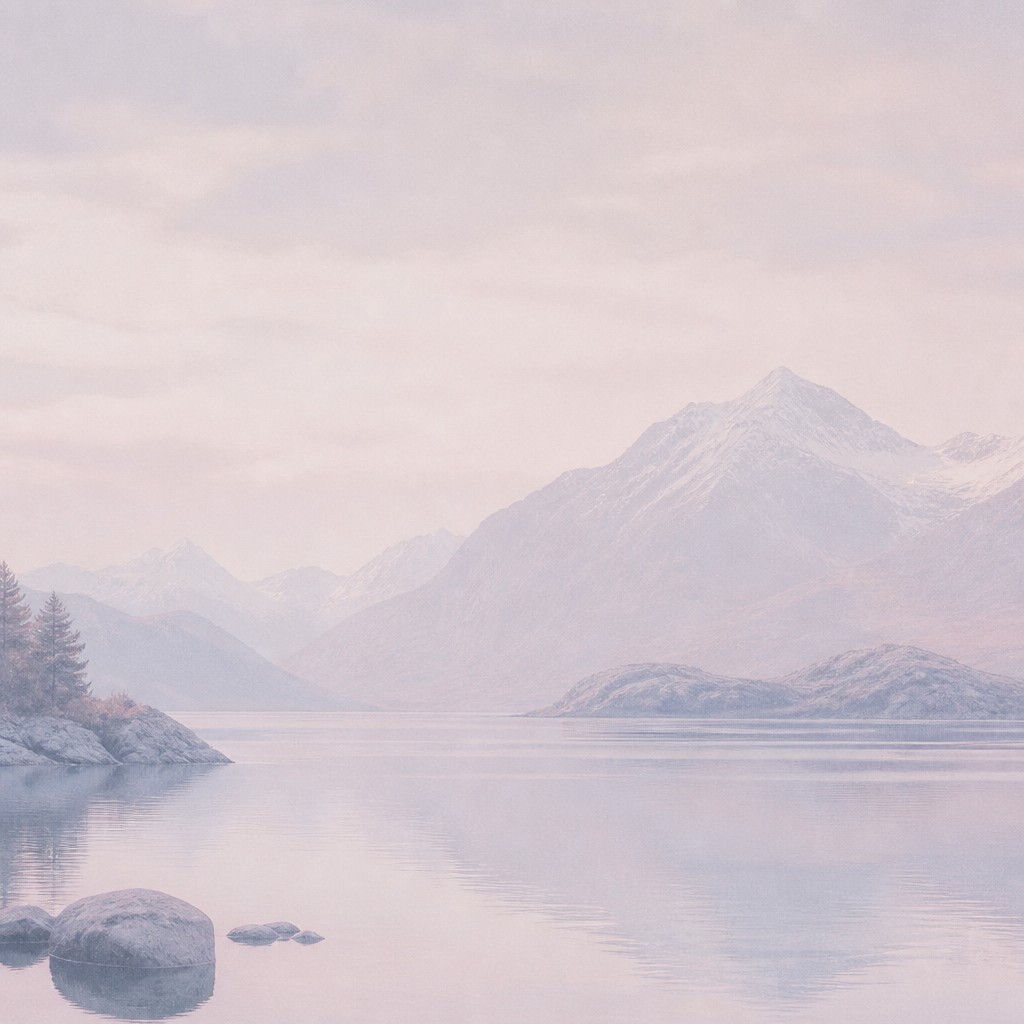
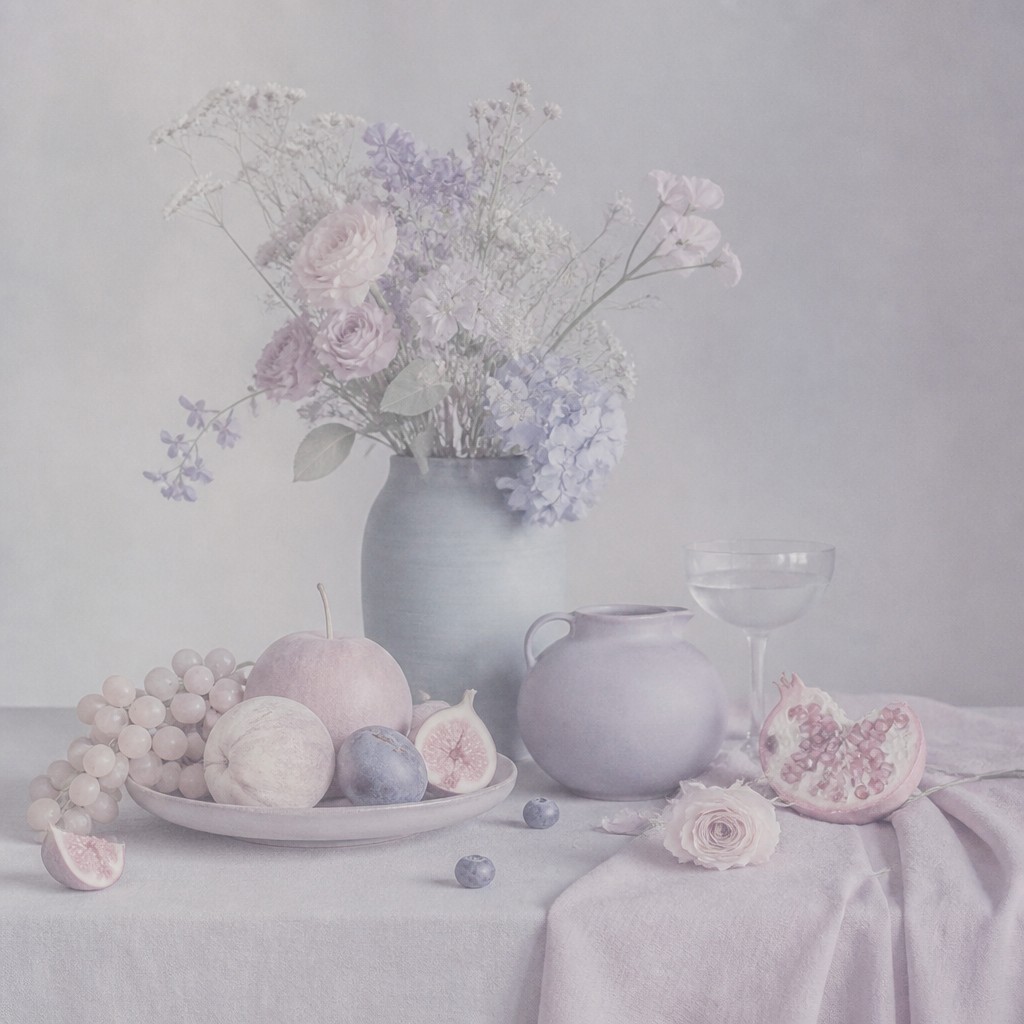
Palewave aesthetic is a muted visual style built from faded pastel color, pale atmospheric light, and a quiet, emotionally detached mood. Its palette typically centers on powder blue, soft pink, lavender-gray, and off-white, with colors reduced almost to a whisper so that the image feels washed, airy, and understated rather than vivid or saturated.
The style often uses flat illumination, minimal contrast, and smooth matte surfaces with subtle grain. Compositions tend to be simple and spacious, which reinforces the sense of hush and stillness. The result is a look that feels gently dreamlike, contemporary, and cool-toned—partly nostalgic, partly abstracted, and defined less by subject matter than by the overall atmosphere of softened color and calm visual restraint.
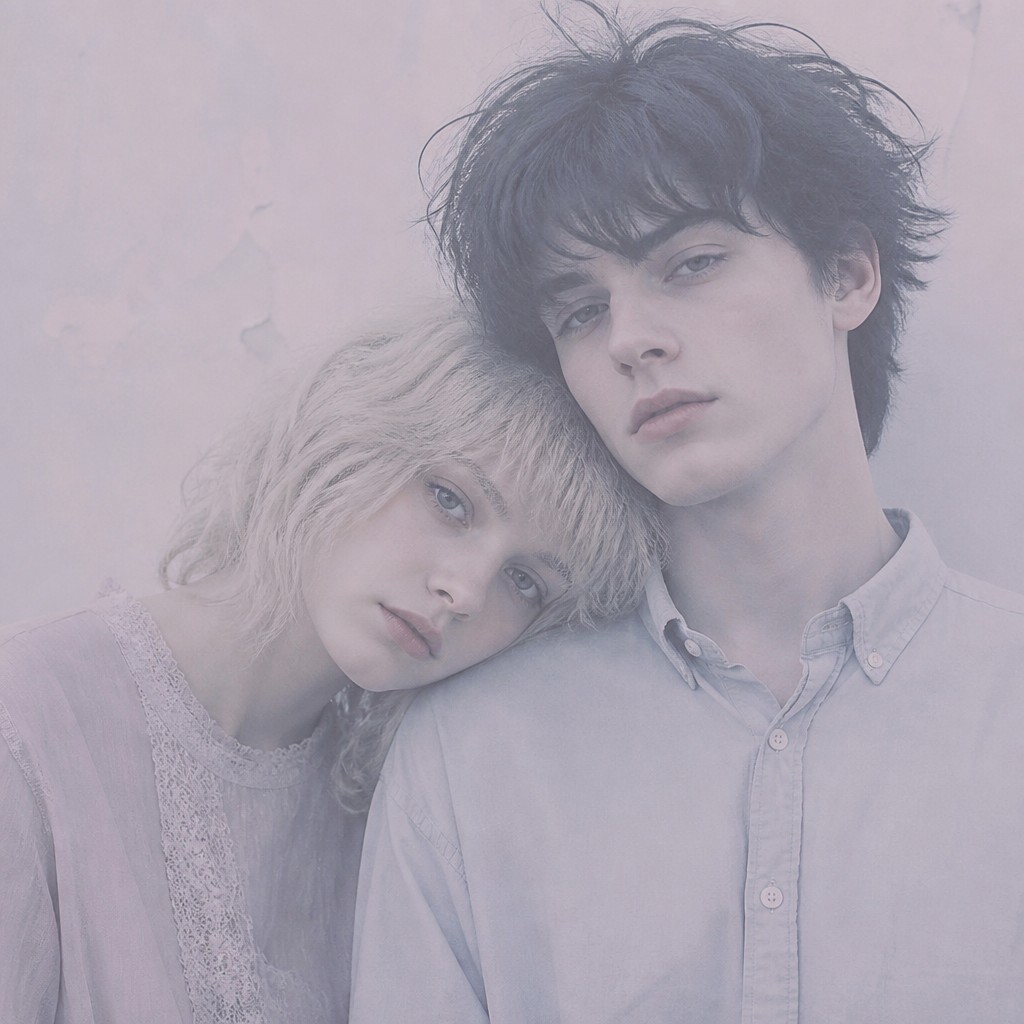
Try It On Your Photos
Upload any photo and convert it into Palewave Aesthetic — drag the sliders to compare before and after.
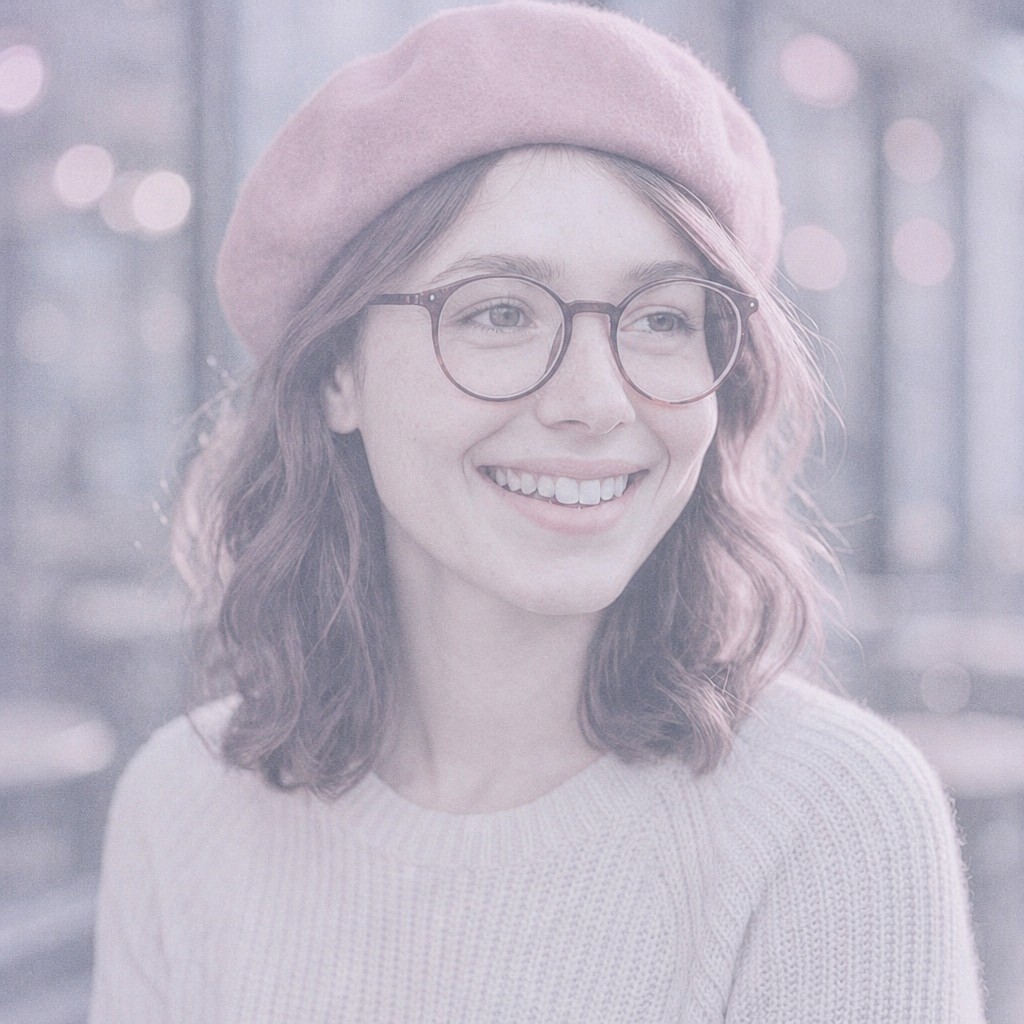

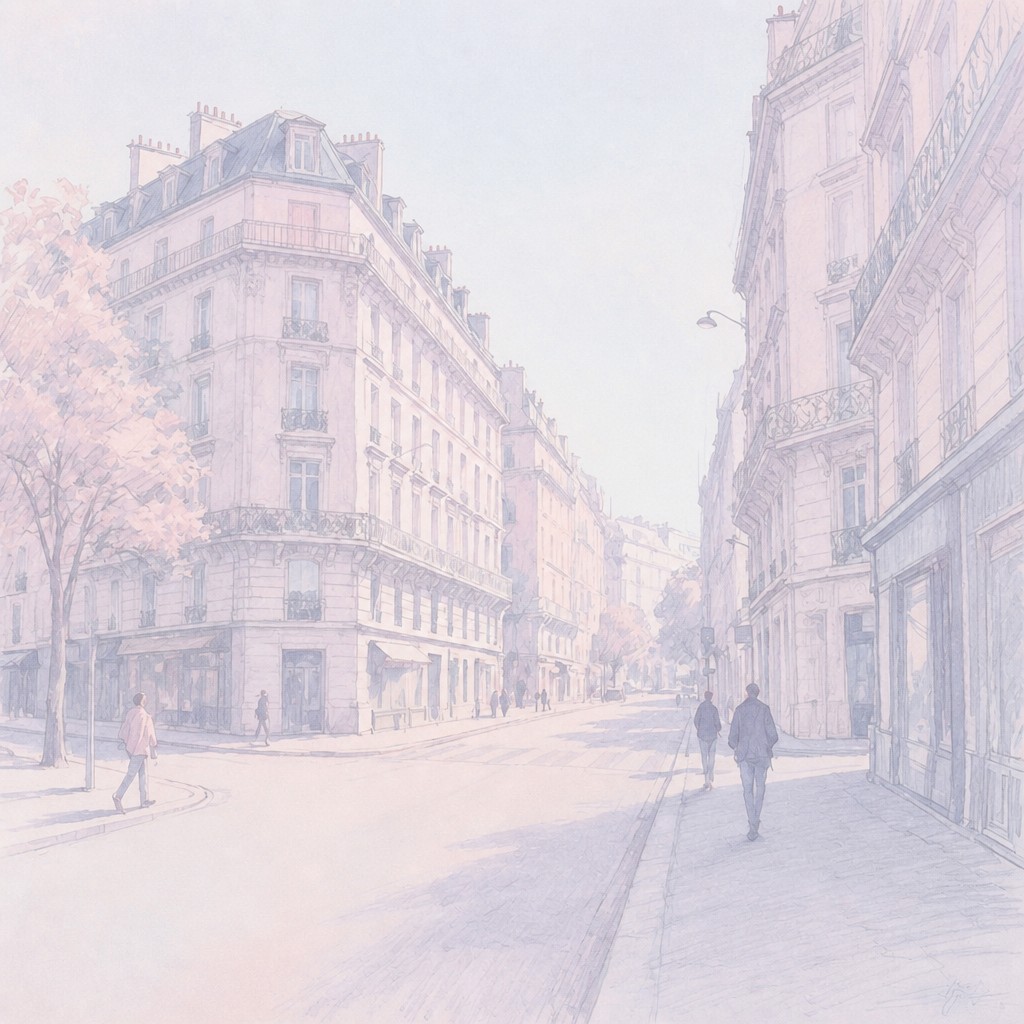

What Defines Palewave Aesthetic
The signature details, up close
Extremely muted pastel palette
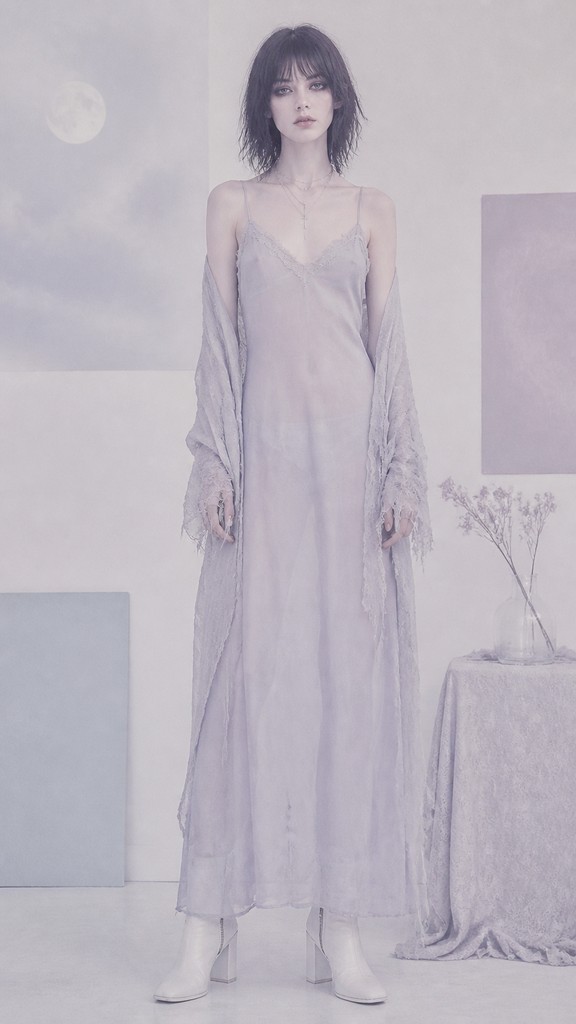
The style relies on desaturated pinks, blues, lilacs, and gray-whites. Even when multiple colors are present, they are kept close in value so nothing feels visually loud.
Flat, soft lighting
Light is usually diffuse, overcast, or studio-soft, with very shallow shadows. This removes strong modeling and gives objects a gently suspended quality.
Minimal contrast
Highlights and shadows are restrained, creating a low-drama tonal range. The image often reads as calm and visually quiet rather than crisp or high-energy.
Matte surfaces and soft texture
Materials tend to appear smooth, chalky, or paper-like, with only subtle grain. This helps the image feel tactile without becoming glossy or sharp.
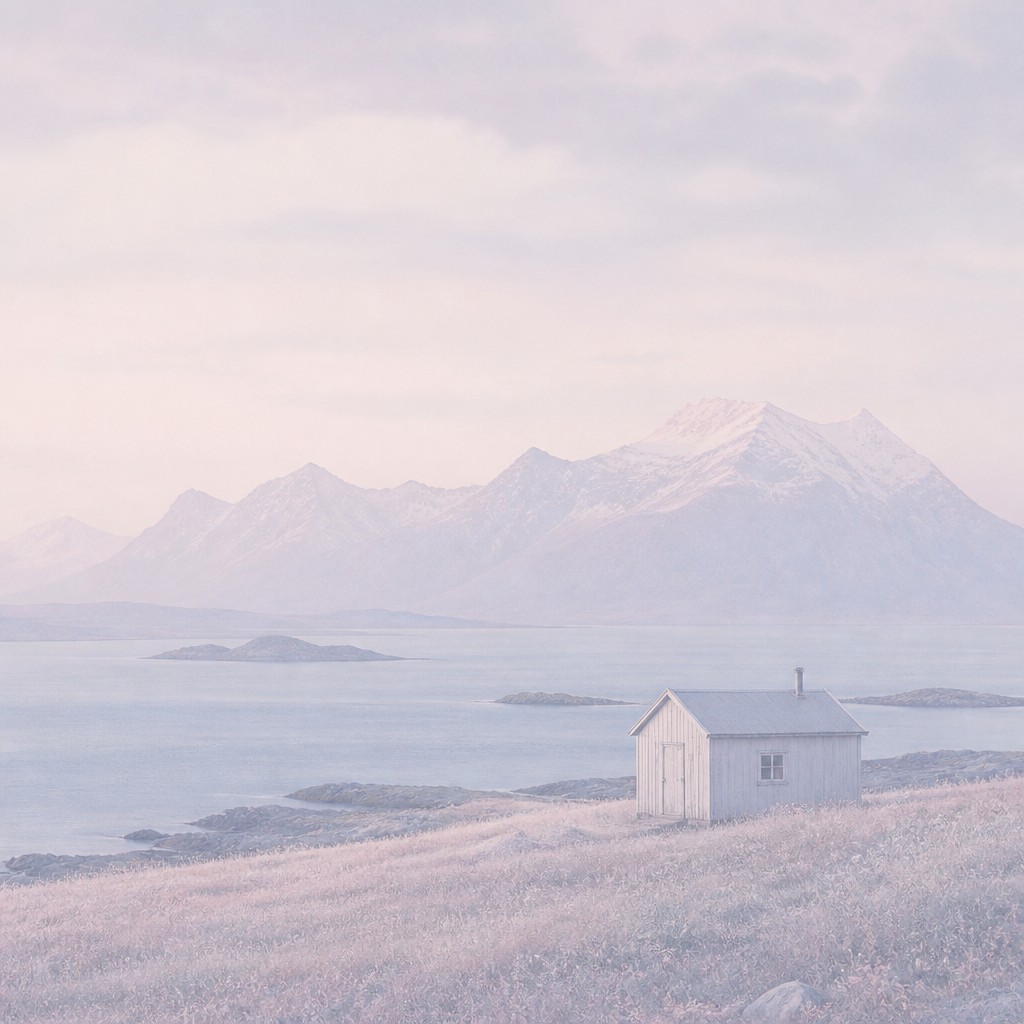
Spacious, uncluttered composition
Subjects are often isolated or framed with generous negative space. The sparse arrangement supports the style’s detached, meditative mood.
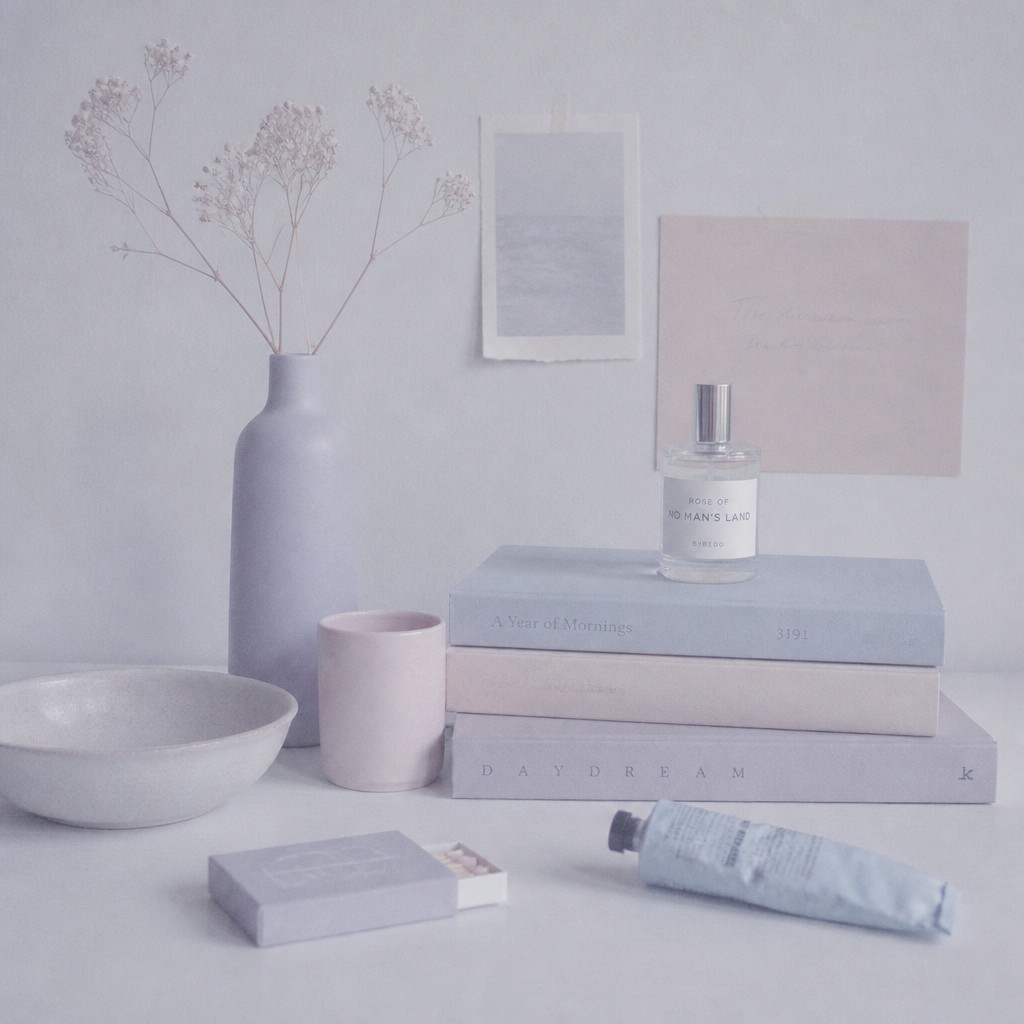
Dreamlike stillness
The aesthetic favors suspension over action, as if the scene were held in a soft pause. It can feel nostalgic, introspective, or slightly remote without becoming surreal in a dramatic way.
Try It
Create Videos in Palewave Aesthetic
Styles aren't just for stills — describe a scene or animate an image and get a short video rendered in Palewave Aesthetic. Press play to see this pond come to life.
Make a VideoPalewave Aesthetic Prompt Ideas
Start from an idea — each one opens the generator with the style ready to go. See all 40 Palewave Aesthetic prompts →
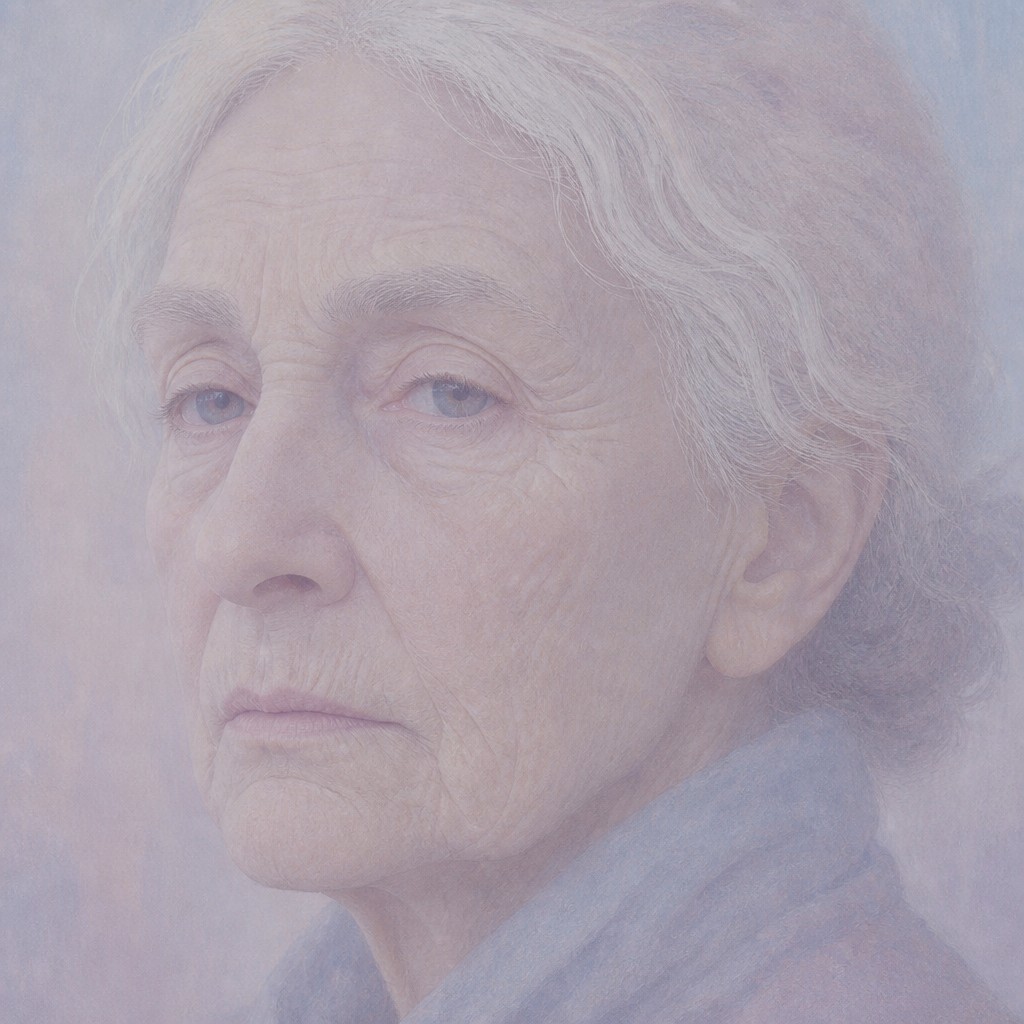
“close-up portrait of an elderly person with expressive weathered features”
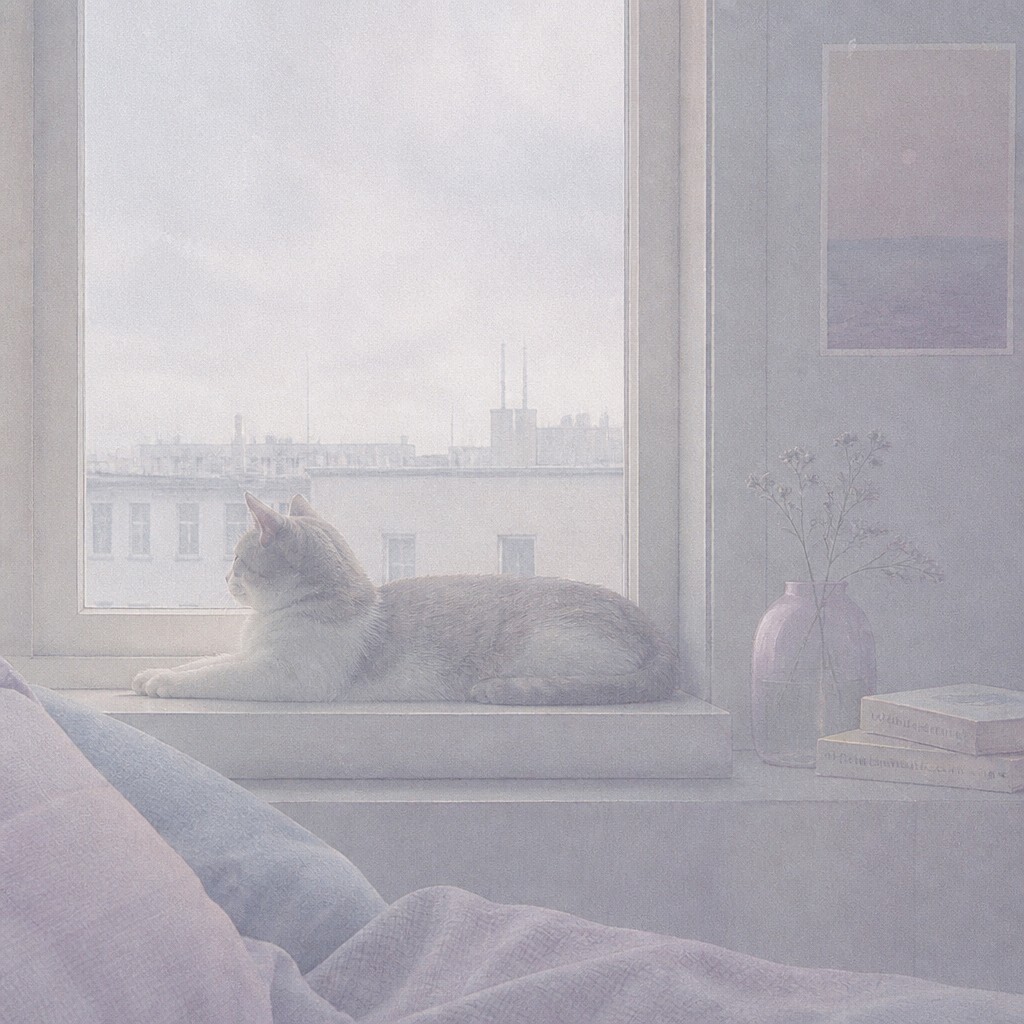
“a cat lounging in a sunlit window”
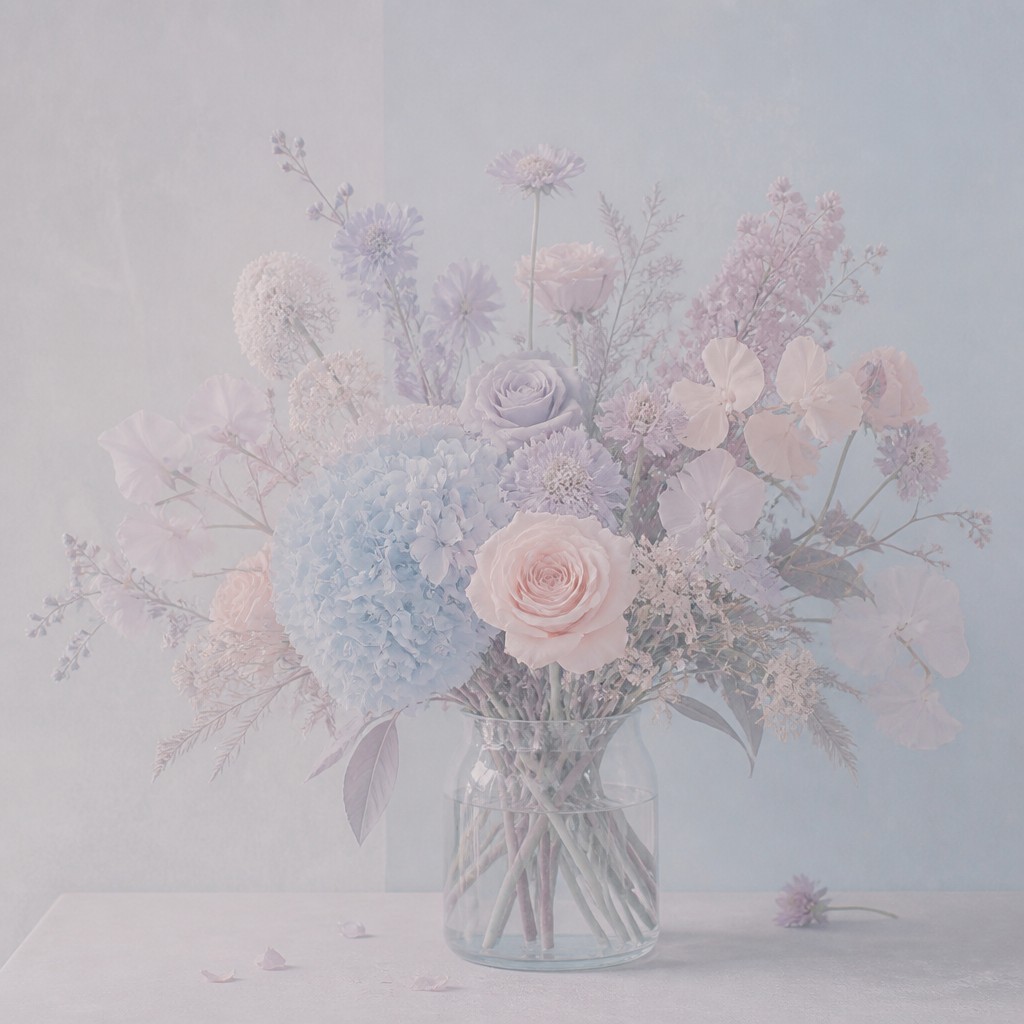
“bouquet of flowers in a glass vase”
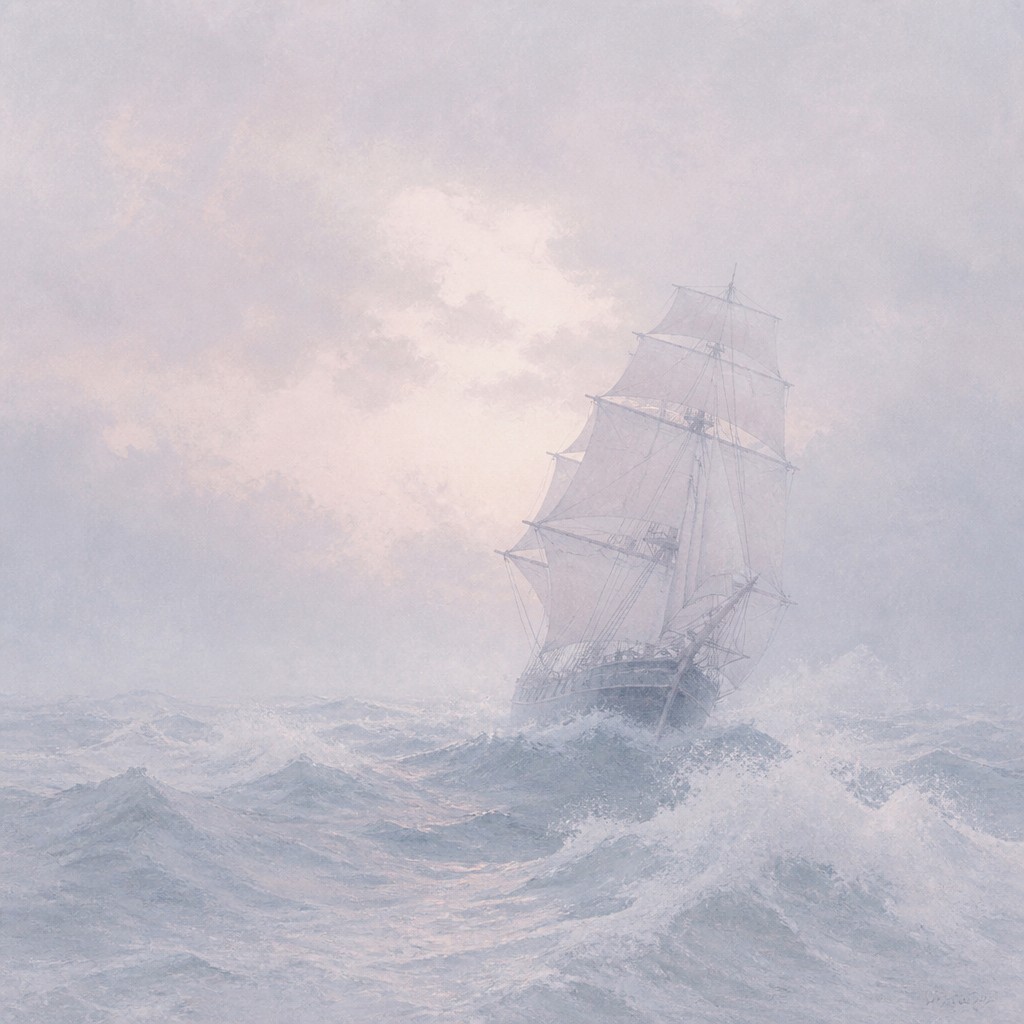
“sailing ship on a stormy sea”
How to Create Palewave Aesthetic Art
Master the craft step by step — or skip straight to creating. Read the full guide →
- 1
Start with a pale value range
Whether painting by hand or digitally, begin with light off-whites and softly tinted neutrals. Build color in thin layers so the result stays airy and desaturated instead of becoming opaque and saturated.
- 2
Use diffused light and gentle edges
Avoid hard shadows, harsh rim light, and high contrast. Soft transitions, blurred edges, and overcast lighting conditions help create the style’s calm, hushed quality.
- 3
Limit the palette deliberately
Choose only a few colors—typically pale pink, powder blue, lavender-gray, and warm or cool white—and keep them harmonized by reducing saturation. A restricted palette is essential to the aesthetic’s visual identity.
- 4
Favor simple shapes and negative space
Compose images with clear open areas and uncluttered forms. In illustration or photography, remove busy backgrounds and extra detail so the muted atmosphere remains the focus.
- 5
Add subtle grain or matte texture
A fine paper grain, soft noise, or low-contrast texture can keep the image from feeling sterile. In digital work, apply texture sparingly so it enhances the faded look without creating harsh detail.
- 6
For prompt-based generation, specify tone and light
Use descriptive cues like 'extremely desaturated pastel wash,' 'flat soft lighting,' 'barely-there shadows,' and 'quiet minimalist composition.' Emphasize calm, stillness, and cool pale glow rather than specific objects alone.
The Story
History & Origins of Palewave Aesthetic
Palewave is a contemporary aesthetic rather than a historical art movement with a fixed origin, and it emerges from the broader visual culture of minimalist design, pastel color trends, soft-focus digital imagery, and internet-era mood aesthetics. Its look overlaps with editorial minimalism, gentle Scandinavian-inspired interiors, atmospheric photography, and the flattened color fields often used in modern branding and interface design.
In visual lineage, it draws from real traditions that favored restraint and tonal subtlety: the reduced palette of minimalism, the quiet ambience of color photography shot in overcast light, and the softened tonal harmonies found in some watercolor and gouache practices. As an internet-native aesthetic, it developed through mood boards, social media imagery, and image-based subcultures that value emotion expressed through atmosphere rather than dramatic narrative.
Influences: Palewave shares visual DNA with minimalism, pastel color design, soft-focus photography, and restrained watercolor or gouache illustration. It also overlaps with the mood-driven language of contemporary internet aesthetics, while remaining distinct from the stronger nostalgia of retro palettes or the graphic flatness of pop art. In historical terms, its calm tonal restraint can be loosely compared to the atmospheric subtlety of Whistler’s tonal paintings, though palewave is a modern aesthetic synthesis rather than a direct continuation of any one movement.

Frequently Asked Questions
What defines palewave aesthetic?
Palewave is defined by extreme desaturation, pale pastel color, and a subdued, airy atmosphere. The palette usually includes powder blue, pale pink, lavender-gray, and off-white, with flat or very soft light and minimal contrast. The overall effect is quiet, detached, and gently dreamlike.
Is palewave a real art movement?
No, it is best understood as a contemporary aesthetic rather than a historical art movement with a formal manifesto or canonical school. It comes from modern digital culture and draws on several older visual traditions, including minimalism, soft photography, and muted pastel illustration.
How is palewave different from vaporwave or pastelcore?
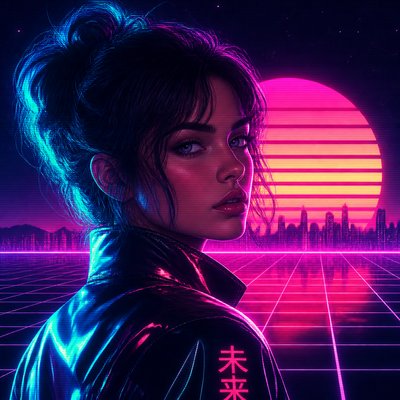
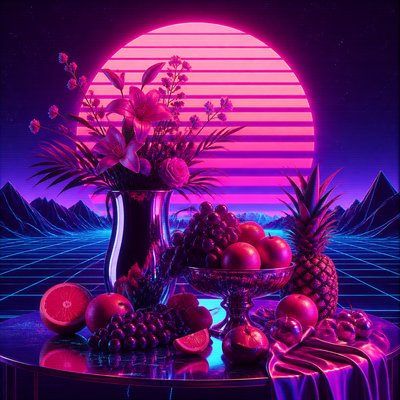
Vaporwave usually has more neon color, retro digital references, and explicit pop-cultural irony. Pastelcore is often brighter, cuter, or more playful, while palewave stays cooler, softer, and more subdued. Palewave’s key feature is not nostalgia or cuteness, but faded calm.
What kinds of subjects work best in this style?
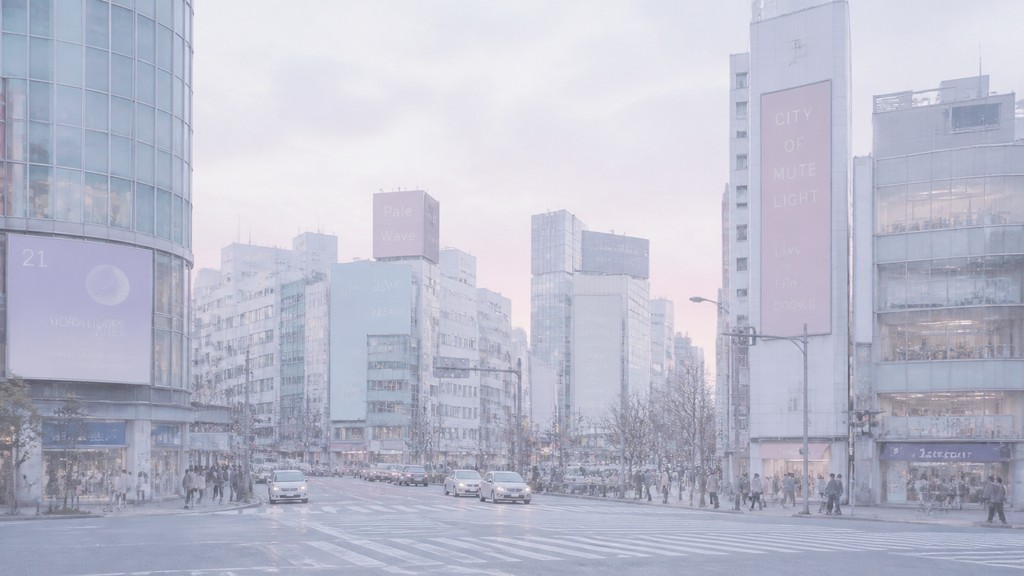
Simple subjects with clear silhouettes work best: portraits, interiors, still lifes, quiet streets, flowers, and isolated objects. Because the style depends on atmosphere more than detail, scenes with less visual clutter usually read most strongly.
How can I make a photo look palewave?
Reduce saturation, lift the blacks, and soften contrast so the image feels washed and light. Then shift the color balance toward cool pastels or pale neutrals, and add a subtle matte finish or fine grain to keep the result gentle and cohesive.
Where is palewave commonly used?
It appears in mood photography, editorial graphics, interior inspiration, album art, social media imagery, and minimalist branding. It is especially effective where a calm, contemporary, emotionally restrained visual identity is desired.
Create your first Palewave Aesthetic artwork
Describe anything — or upload a photo — and see it in Palewave Aesthetic in seconds.
Make Something with Palewave Aesthetic
Related Styles
Discover similar art styles