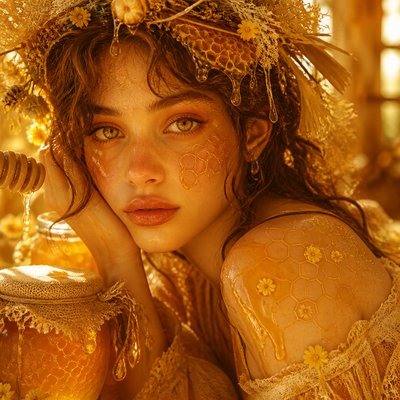
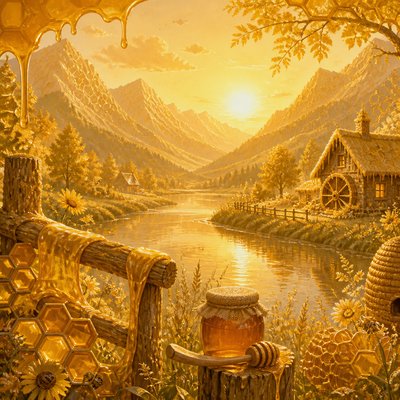
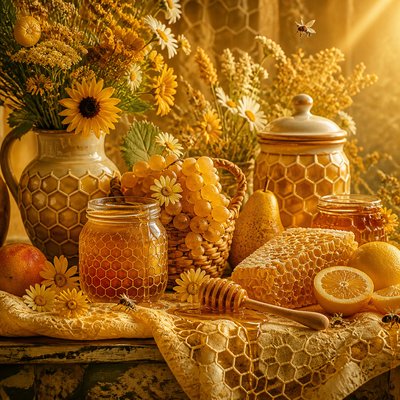
Bloomcore Aesthetic
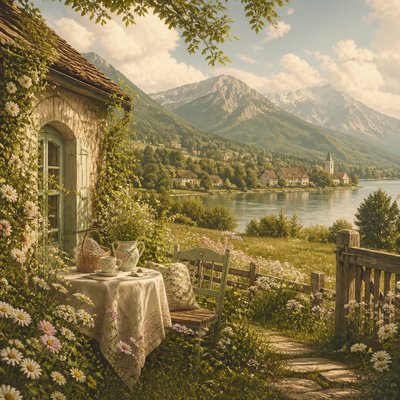
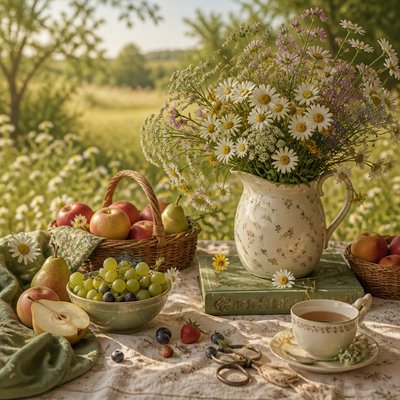
Bloomcore aesthetic: petal pastels, dewy spring light, lush florals, and joyful botanical abundance in art, photo, and design.
Instantly rendered in Bloomcore Aesthetic — or transform a photo
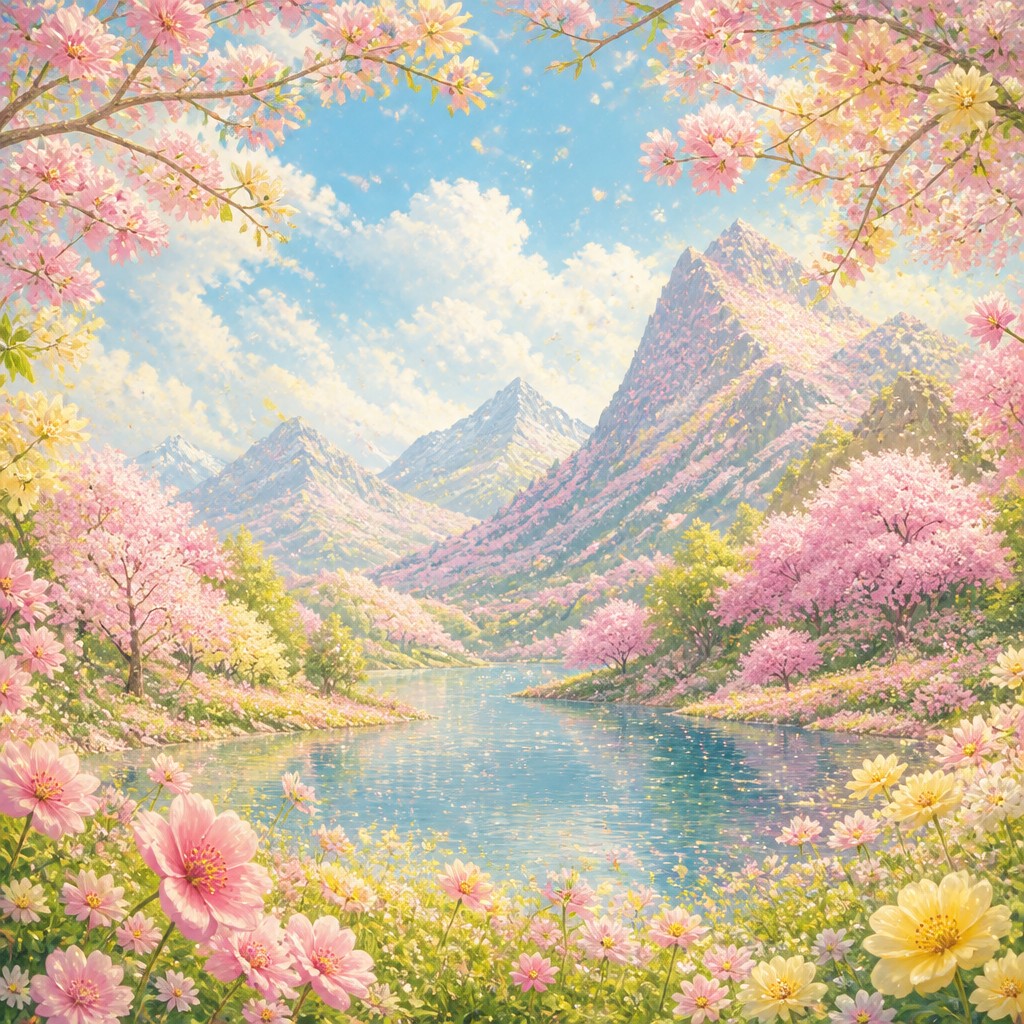
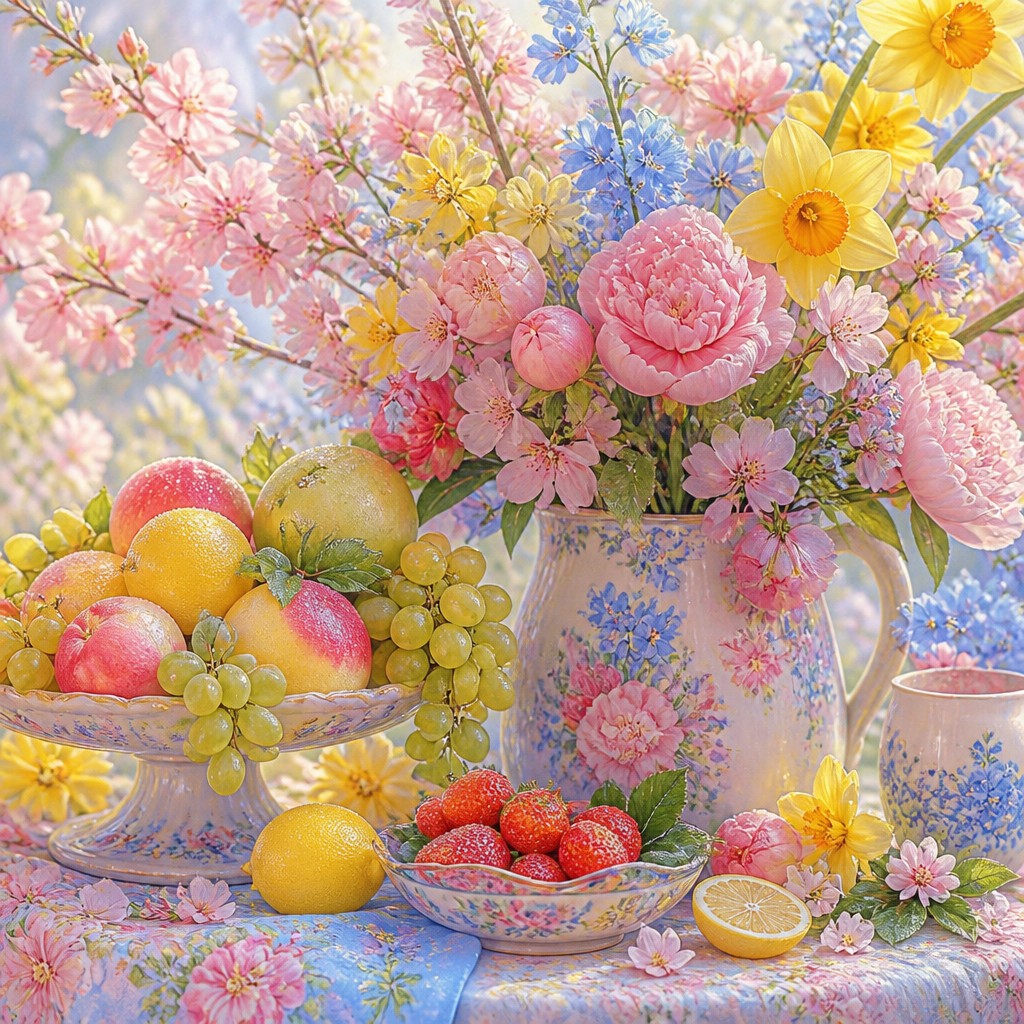
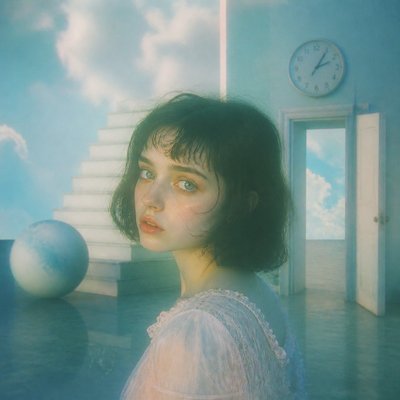
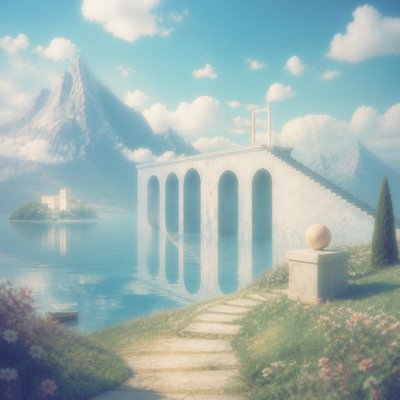
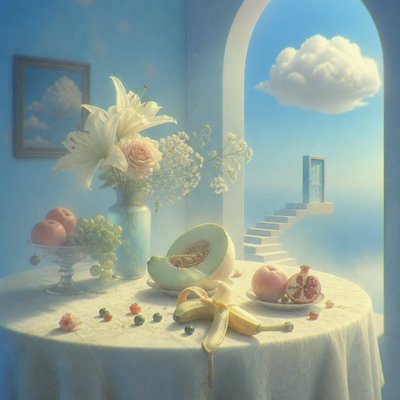
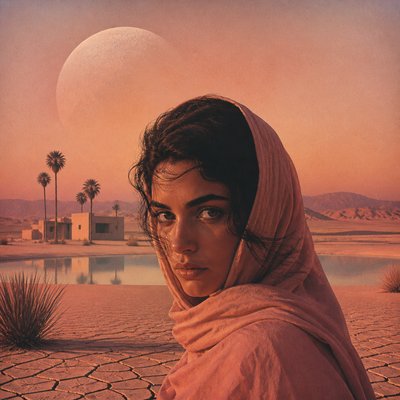
Bloomcore Aesthetic Gallery
Tap any artwork to explore it
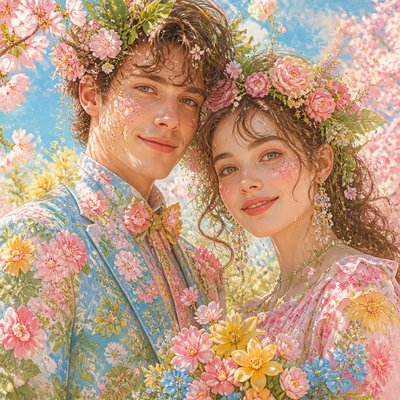
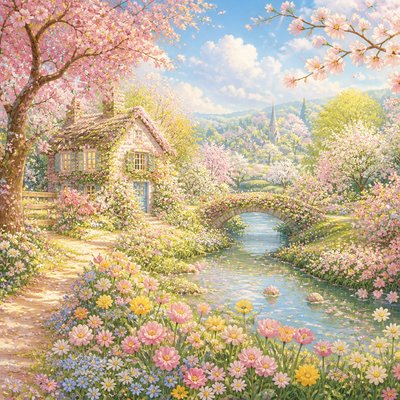
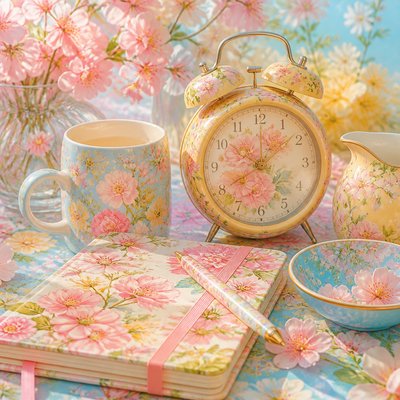
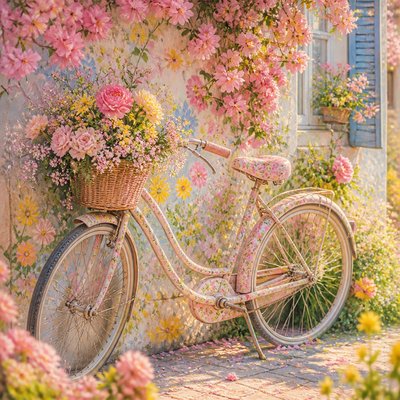
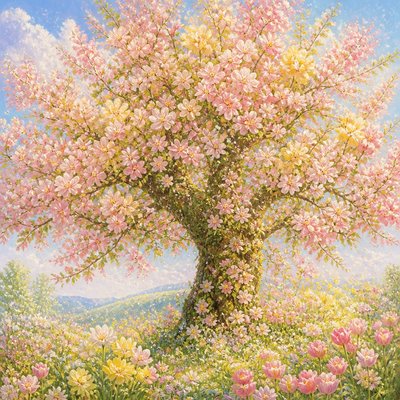
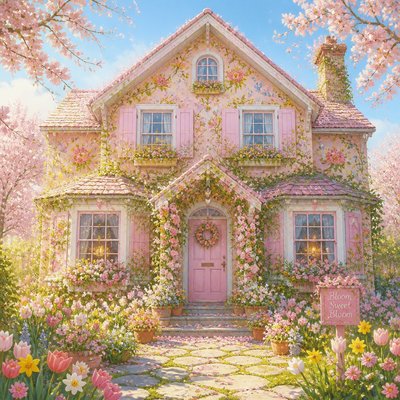
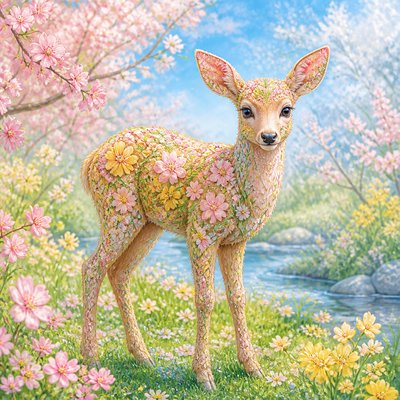
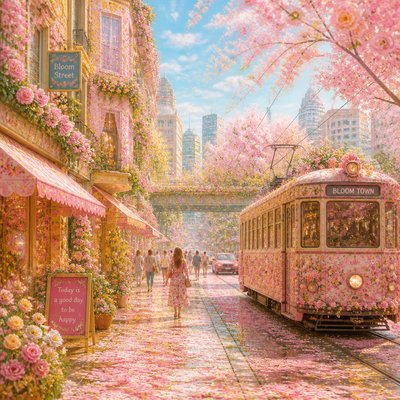
What is Bloomcore Aesthetic?
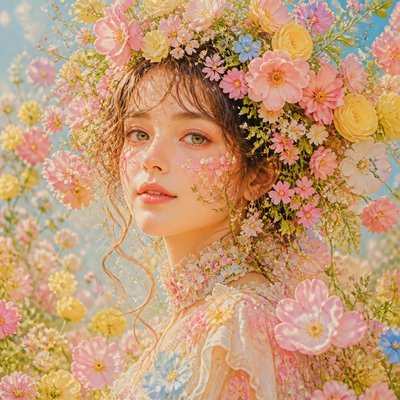
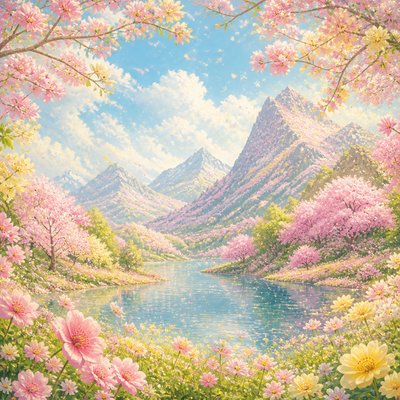
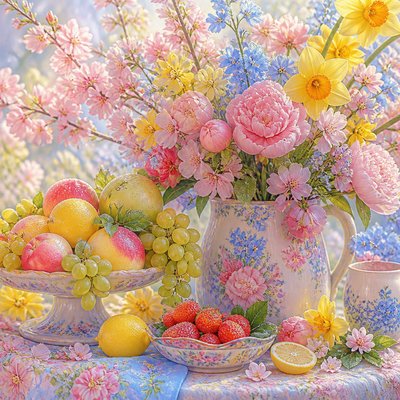
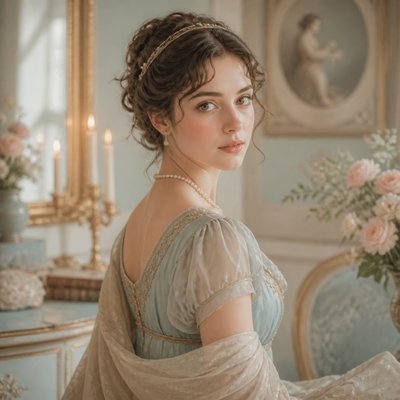
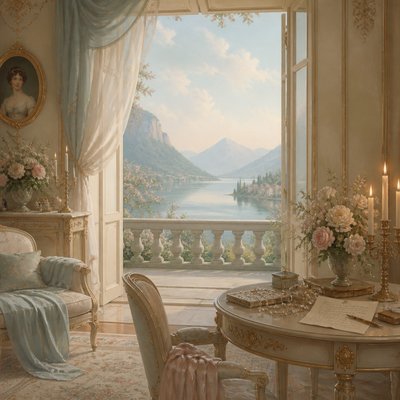
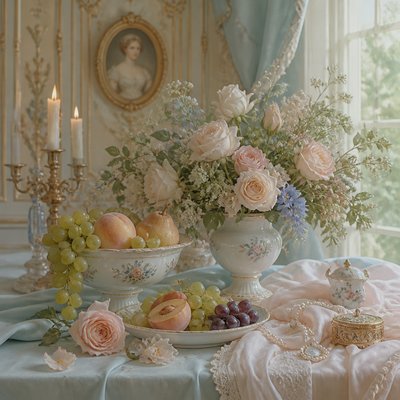
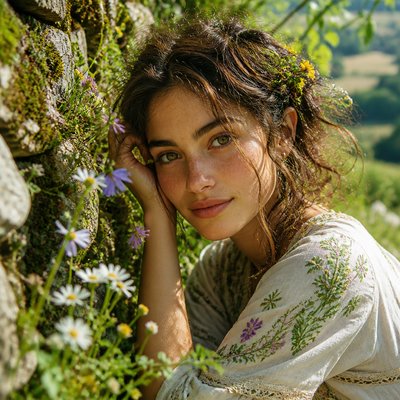
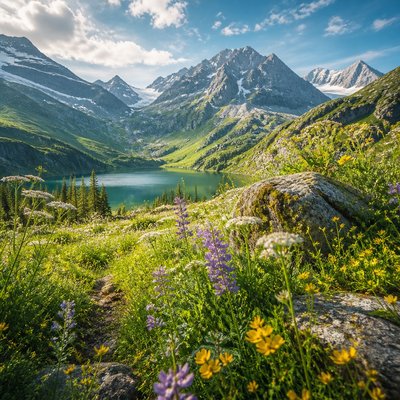
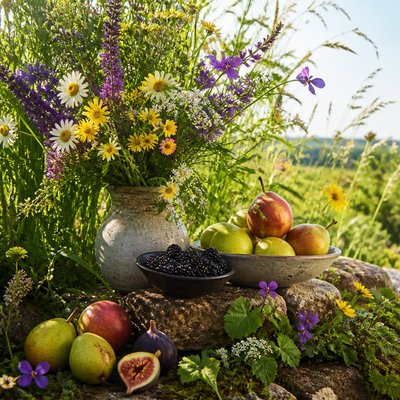
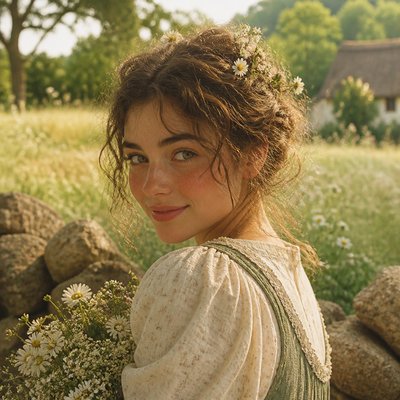
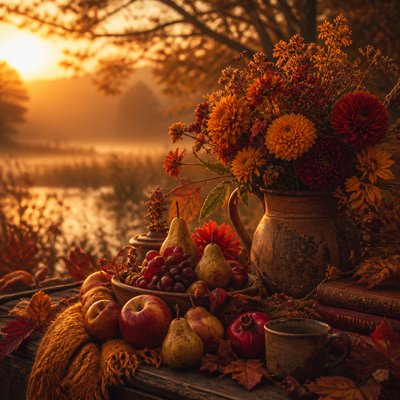
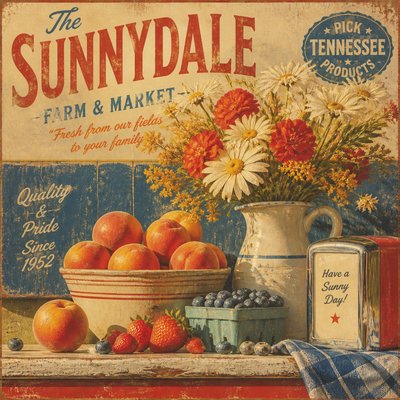
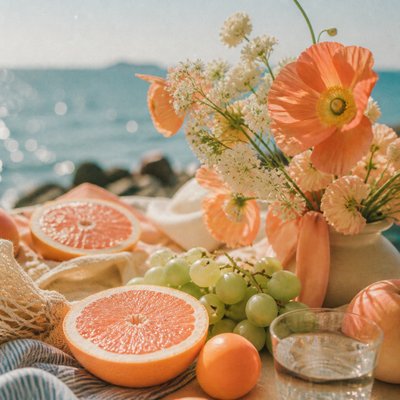
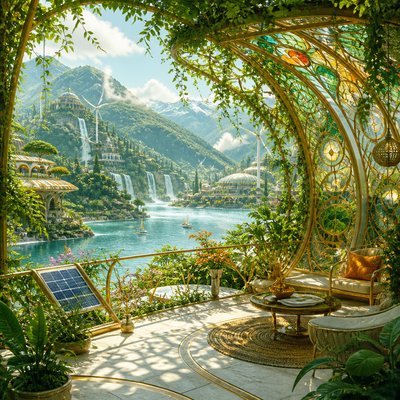
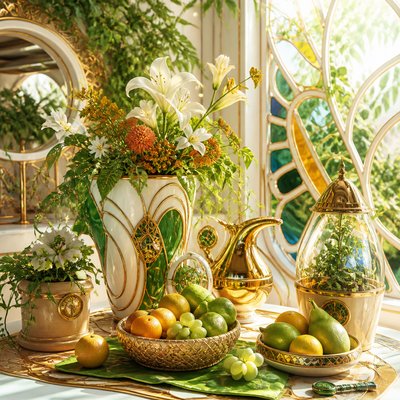
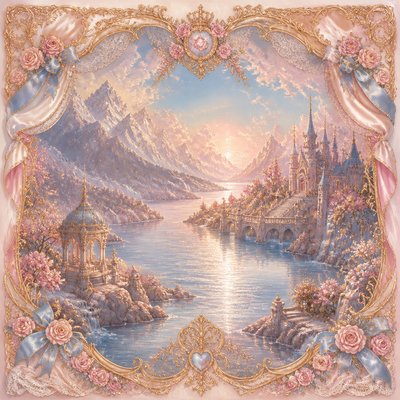
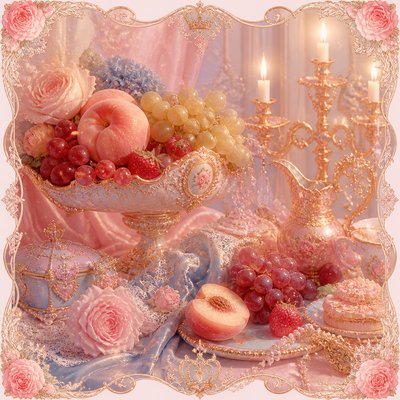
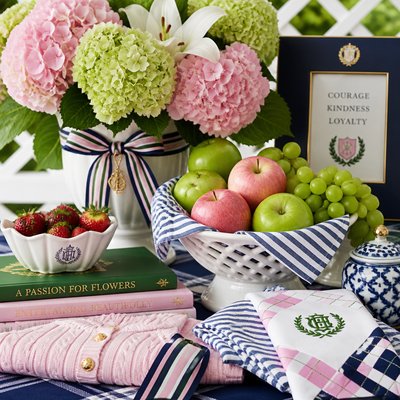
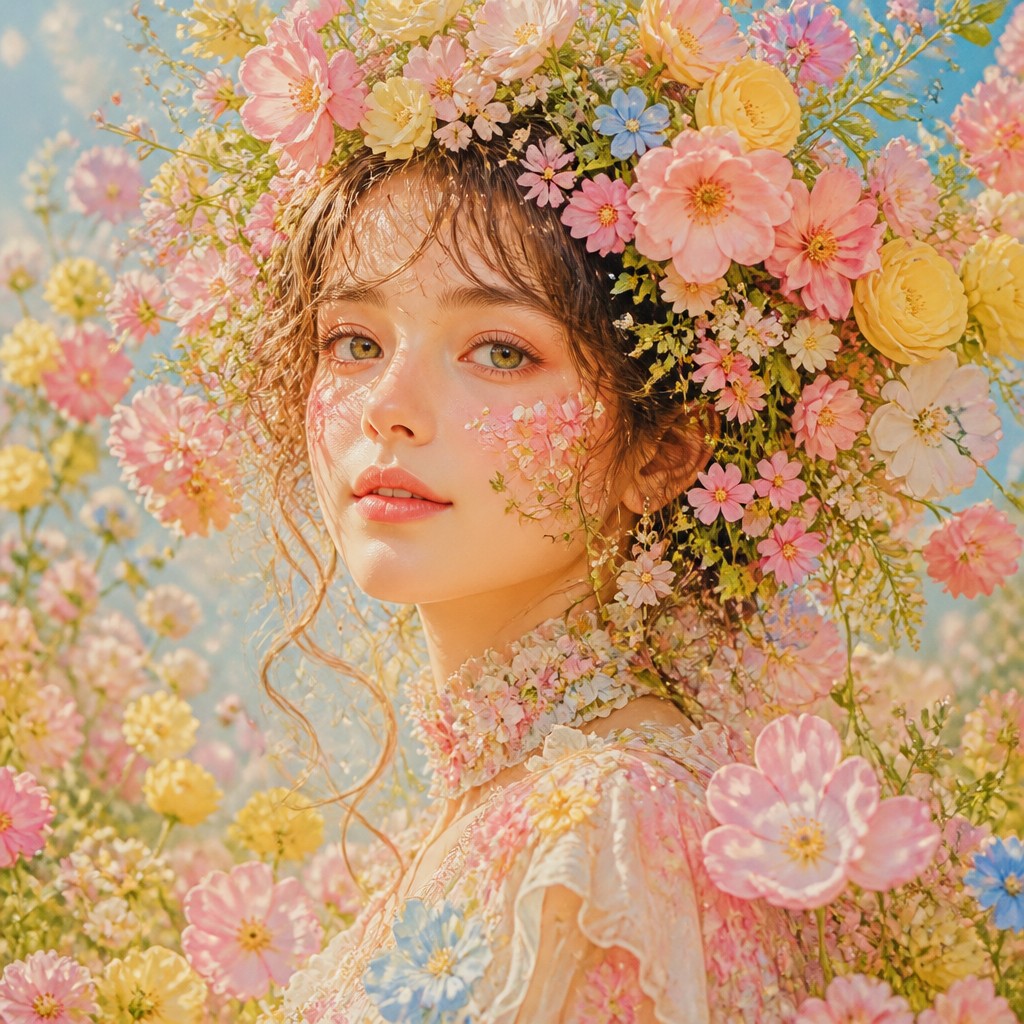
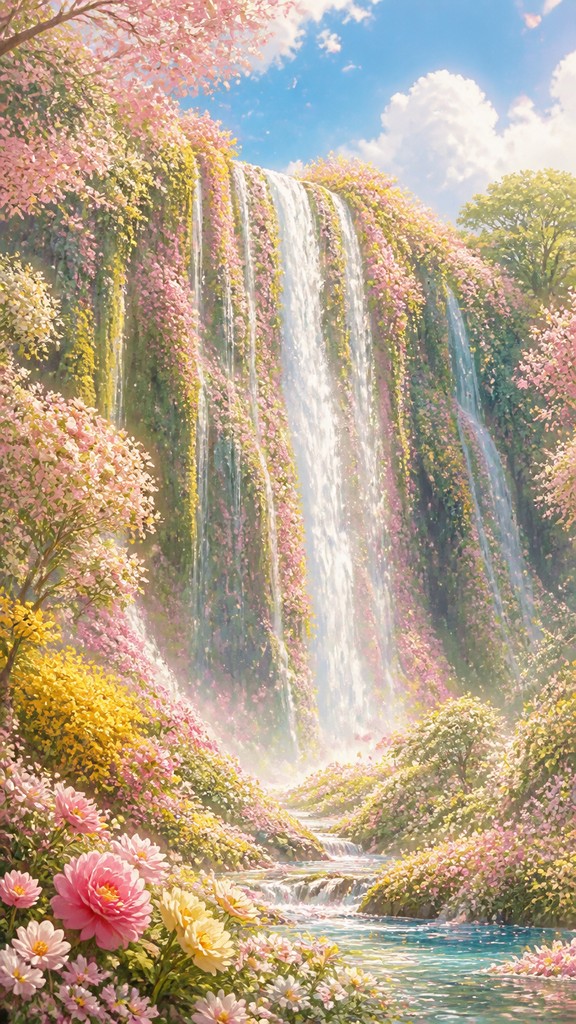
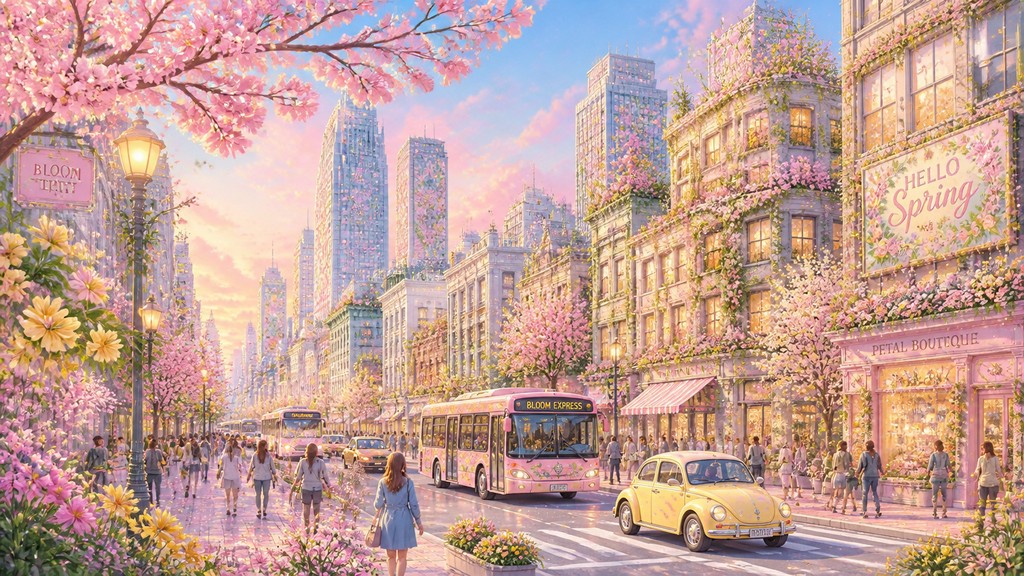
Bloomcore aesthetic is a floral-centered visual style built around the feeling of spring in full abundance. It favors petal pinks, buttery yellows, fresh greens, and sky blues, with surfaces crowded by blossoms, leaves, and botanical patterns. The result is a soft, buoyant look that feels decorative, fresh, and emotionally optimistic.
Its visual identity comes from combining painterly softness with dense floral imagery and luminous, diffused light. Rather than aiming for realism alone, bloomcore often exaggerates freshness, color harmony, and texture so that flowers seem to saturate the entire scene. The style is especially associated with tenderness, warmth, and a gentle sense of delight, which is why it appears frequently in illustration, lifestyle photography, branding, journaling, and fantasy-inspired image making.
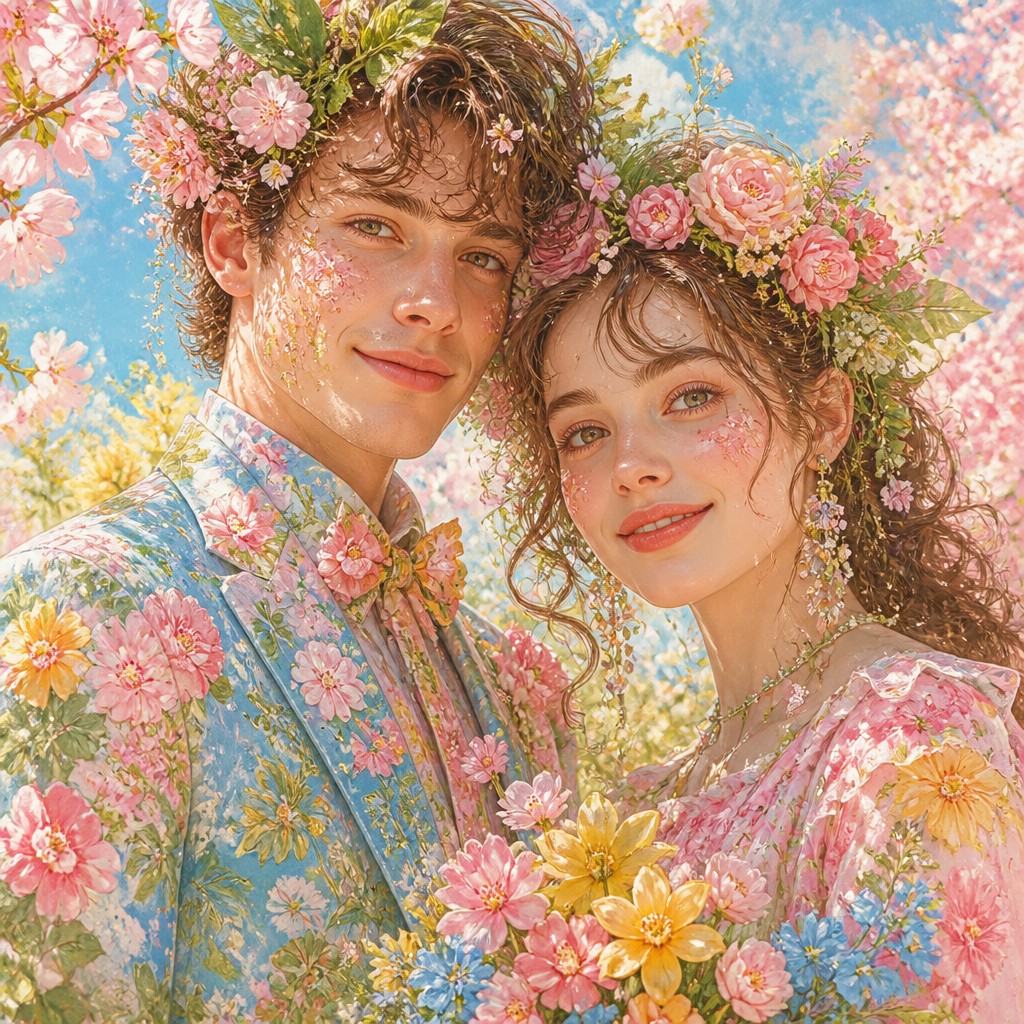
Try It On Your Photos
Upload any photo and convert it into Bloomcore Aesthetic — drag the sliders to compare before and after.
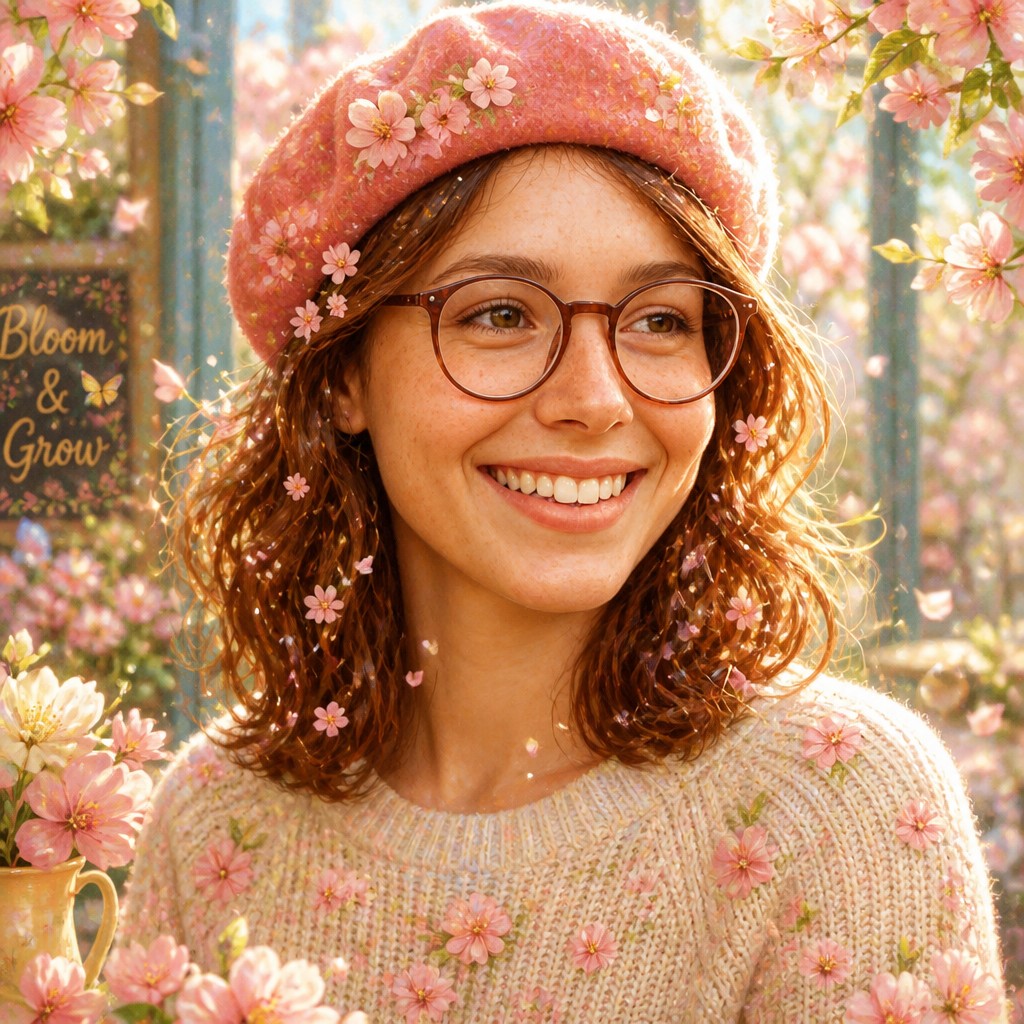

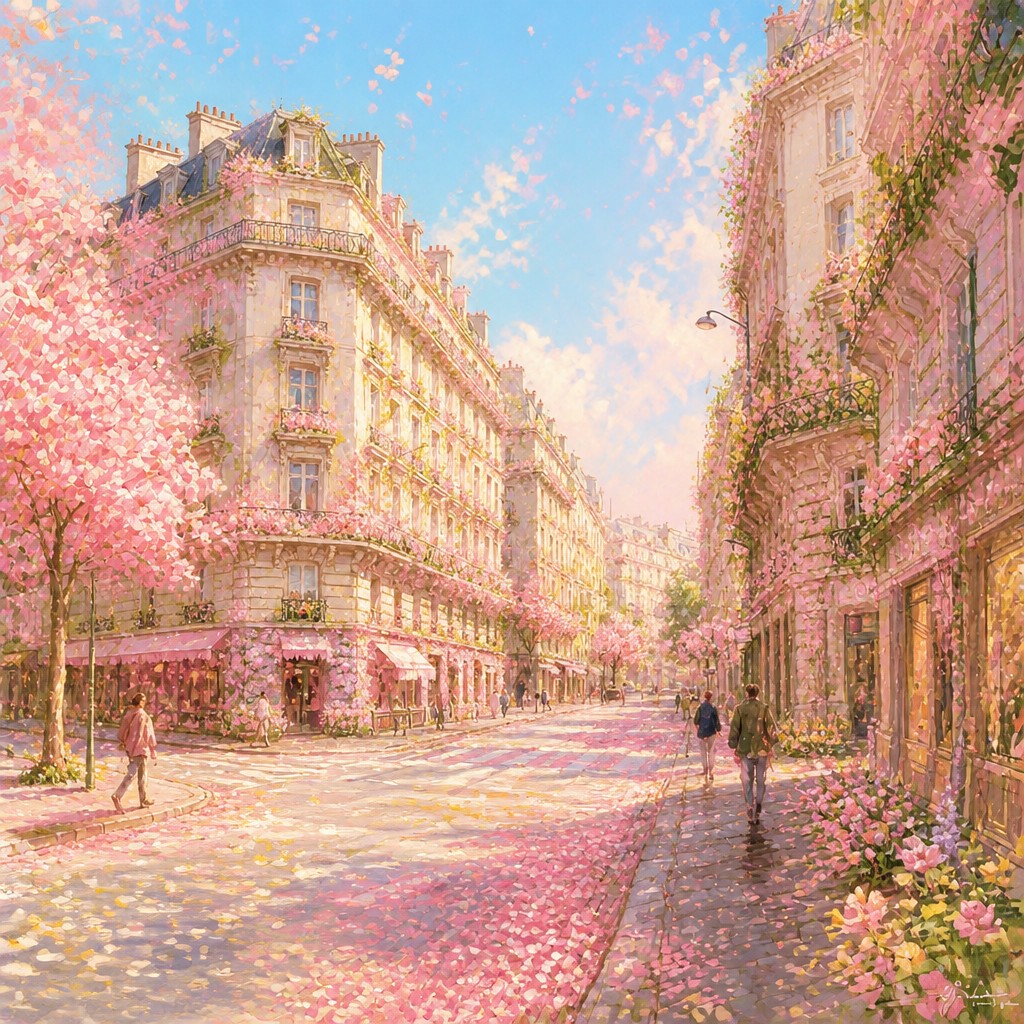

What Defines Bloomcore Aesthetic
The signature details, up close
Flower-saturated surfaces
Blossoms, petals, and leafy motifs are not accents but primary structure. They may cover backgrounds, clothing, interiors, or entire compositions.
Petal pastel palette
Common colors include blush pink, cream, pale yellow, mint green, and soft blue. The palette usually feels light and harmonious rather than saturated or high-contrast.
Dewy spring lighting
The style favors diffused daylight, soft highlights, and a fresh, moisture-laden glow. Images often suggest morning air, recent rain, or newly opened blooms.
Botanical patterning
Floral repetition appears in wallpaper, fabric, borders, and layered textures. This decorative density helps the style feel immersive and intentionally arranged.
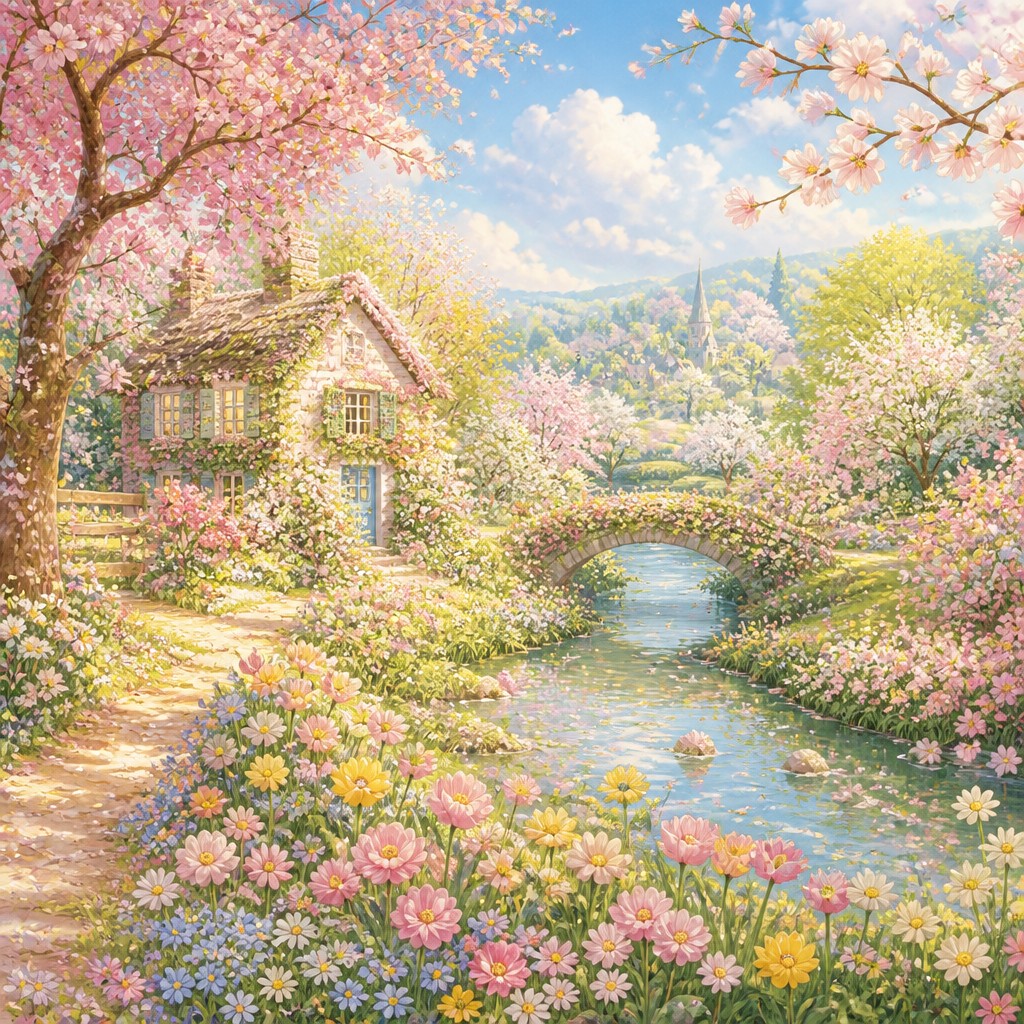
Tender painterly softness
Edges are often softened, brushwork is gentle, and forms may blur slightly into one another. Even in digital work, the finish tends to feel airy and handcrafted.
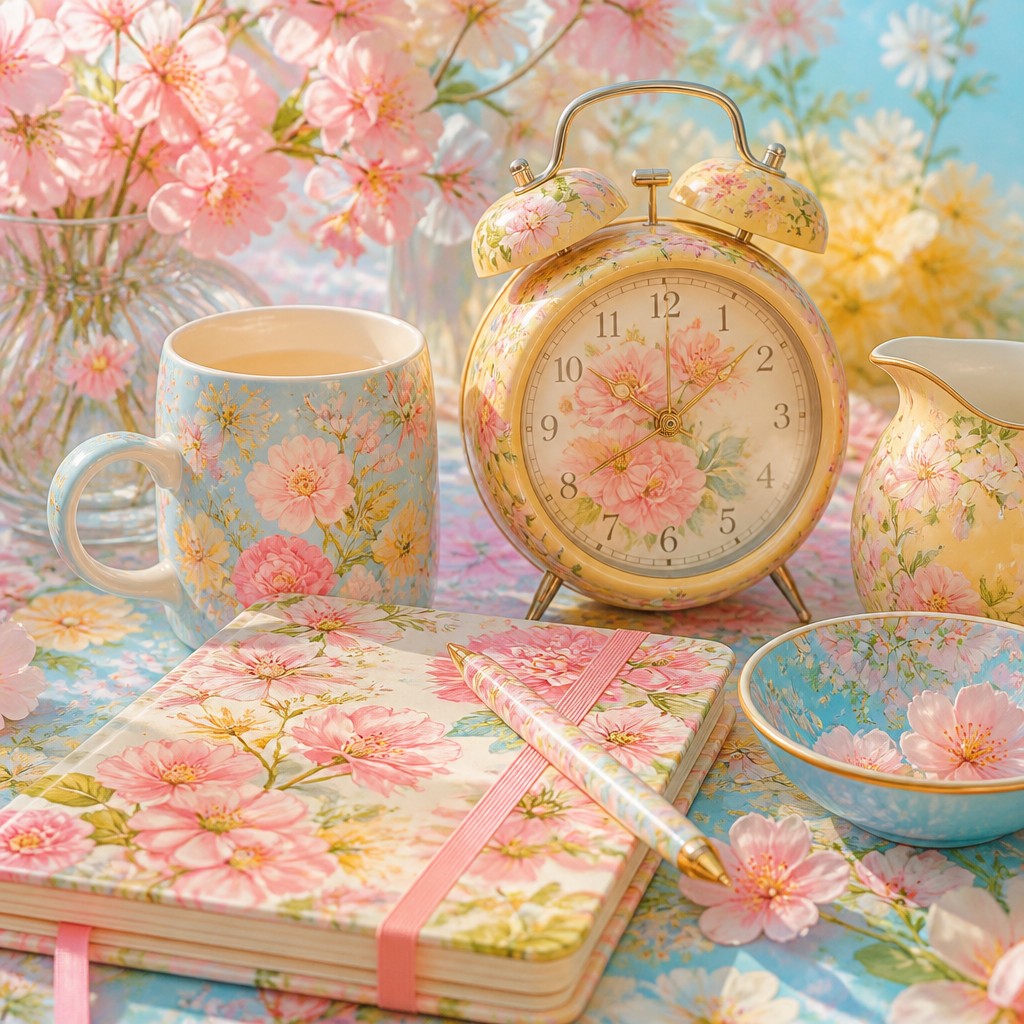
Joyful abundance
Composition usually feels full, lively, and generous rather than minimal. The mood is optimistic, playful, and lush without becoming dark or dramatic.
Try It
Create Videos in Bloomcore Aesthetic
Styles aren't just for stills — describe a scene or animate an image and get a short video rendered in Bloomcore Aesthetic. Press play to see this pond come to life.
Make a VideoBloomcore Aesthetic Prompt Ideas
Start from an idea — each one opens the generator with the style ready to go. See all 40 Bloomcore Aesthetic prompts →
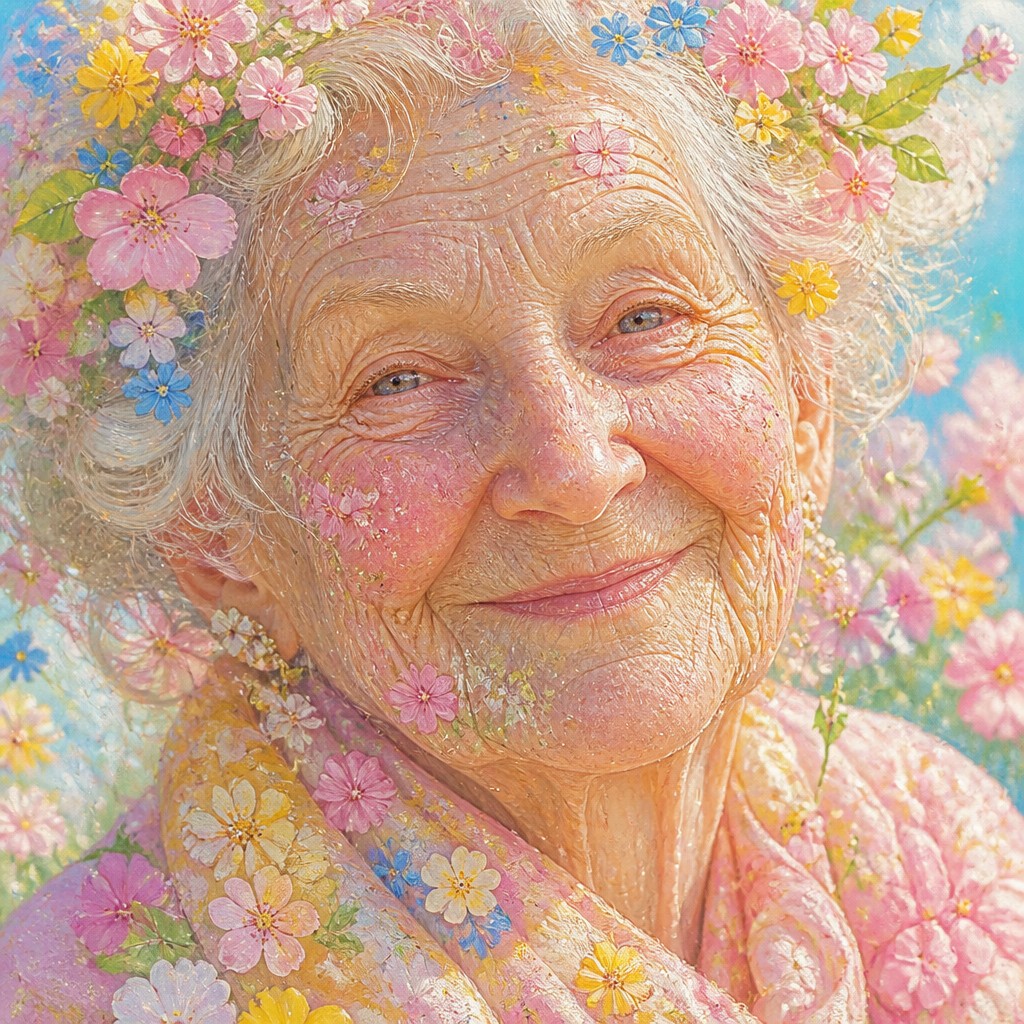
“close-up portrait of an elderly person with expressive weathered features”
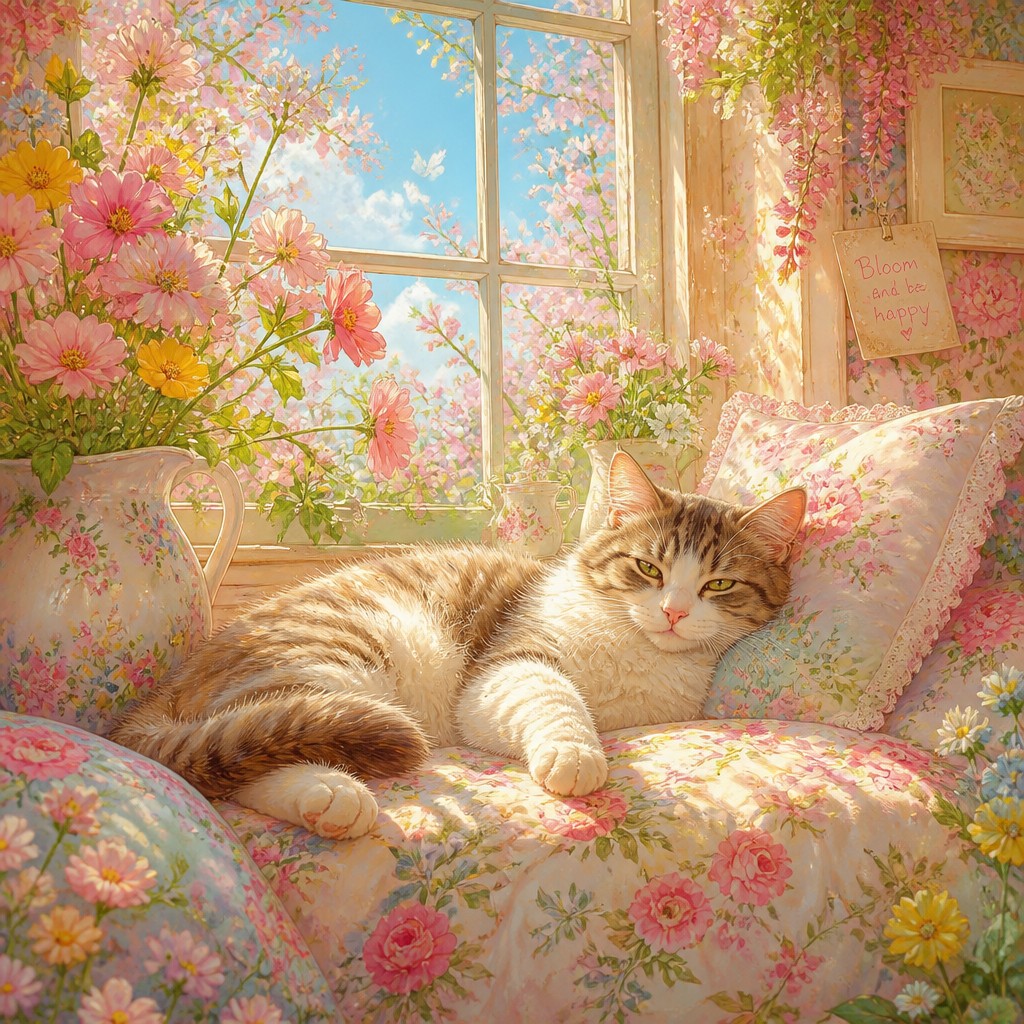
“a cat lounging in a sunlit window”
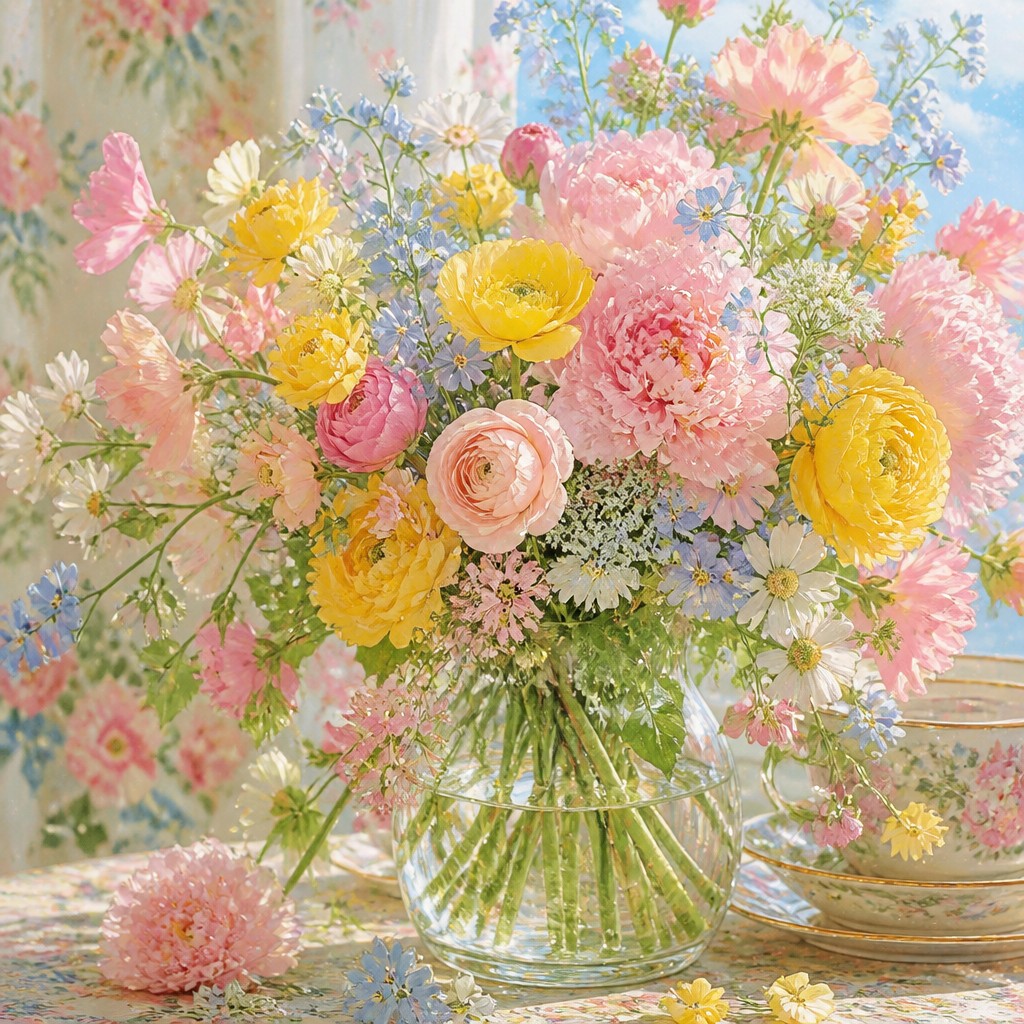
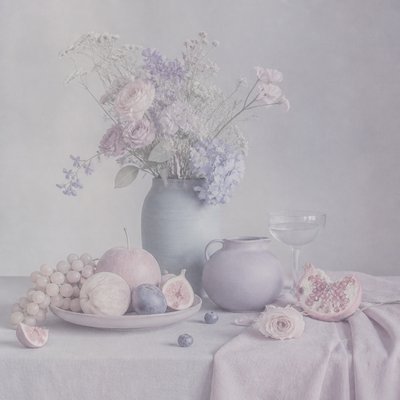
“bouquet of flowers in a glass vase”
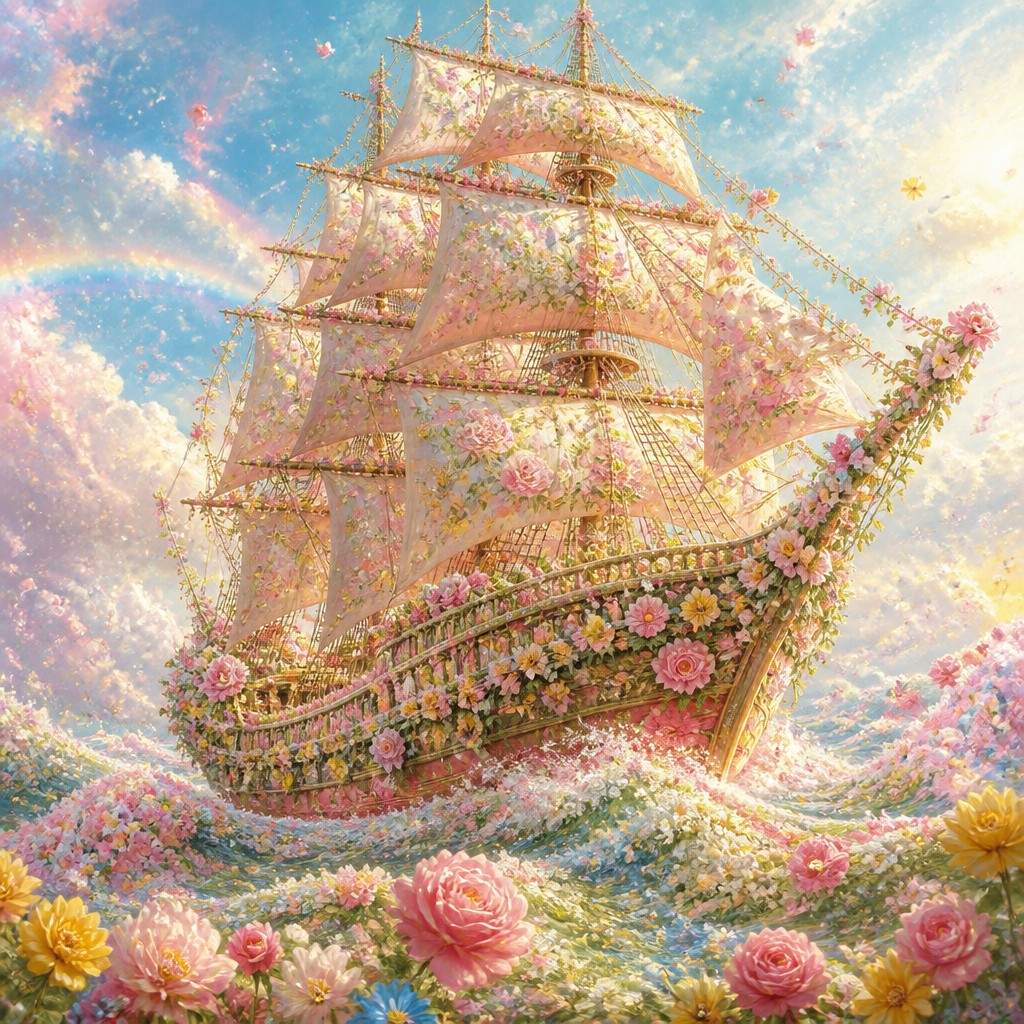
“sailing ship on a stormy sea”
How to Create Bloomcore Aesthetic Art
Master the craft step by step — or skip straight to creating. Read the full guide →
- 1
Build a floral-first composition
Start by making flowers and foliage part of the structure, not just decoration. Fill backgrounds, corners, borders, and negative space with layered botanical forms so the image feels abundant.
- 2
Use a spring pastel palette
Choose a restrained group of soft hues—pink, butter yellow, fresh green, pale blue, cream—and keep them balanced. Avoid muddy neutrals and harsh black unless you want a very small contrast point.
- 3
Soften the light and edges
In painting or photo editing, use diffused highlights, gentle bloom, and subtle atmospheric haze. Keep transitions soft so the scene feels dewy and warm rather than crisp or stark.
- 4
Mix texture with delicacy
Combine fine floral detail with soft washes, smooth gradients, or painterly strokes. The style works best when abundance is paired with a tender, slightly dreamy finish.
- 5
Prompt with botanical density and mood
For text-to-image generation, specify flower types, pastel colors, diffused spring light, and surface coverage. Include atmosphere words like dewy, airy, joyful, and blossom-filled to keep the result aligned with the style.
- 6
Adapt it to photos and objects
For image-to-image work, emphasize floral overlays, pastel grading, and soft-focus lighting while preserving the subject's outlines. It is especially effective on portraits, interiors, stationery, product shots, and garden scenes.
The Story
History & Origins of Bloomcore Aesthetic
Bloomcore is a contemporary aesthetic rather than a historical art movement. Its lineage draws from several established visual traditions: floral still life painting, decorative arts, botanical illustration, cottagecore imagery, and pastel-heavy digital illustration. It also shares a sensibility with spring-themed fashion and editorial photography, where dewy light and soft color palettes are used to evoke renewal and calm.
As an internet-born aesthetic, bloomcore developed through social media mood boards, personal branding, stationery design, and digital illustration communities. Its appeal lies in translating older decorative and botanical traditions into a modern shorthand for abundance, sweetness, and seasonal renewal. Unlike historical styles with fixed schools or manifestos, bloomcore is defined by a recurring set of color, texture, and atmosphere cues that can be adapted across media.
Influences: Bloomcore draws on floral still life painting, botanical illustration, decorative wallpaper and textile design, and the soft-focus sensibility of cottagecore and spring editorial photography. It also overlaps with romantic illustration traditions that emphasize delicacy and atmosphere, while its contemporary digital form reflects mood-board culture and pastel-heavy online aesthetics. Unlike canonical historical styles tied to specific artists, bloomcore is best understood as a synthesis of ornamental and nature-focused visual traditions.
Frequently Asked Questions
What defines bloomcore aesthetic?
Bloomcore is defined by floral abundance, pastel color harmony, and a fresh spring atmosphere. The key ingredients are blossoms, soft light, and a joyful, decorative density that makes the image feel full of plant life.
How is bloomcore different from cottagecore?
Cottagecore often centers on rural domestic life, handmade comfort, and pastoral simplicity. Bloomcore is more specifically flower-driven and decorative, with stronger emphasis on blossoms, petal colors, and immersive botanical patterning.
Is bloomcore a historical art movement?
No. Bloomcore is a contemporary aesthetic, not a formal historical movement with a fixed period or manifesto. Its look is shaped by older traditions such as floral still life, botanical illustration, and decorative arts.
What colors work best in bloomcore art?
Soft pink, butter yellow, fresh green, cream, and pale blue are the most characteristic choices. A small amount of deeper green or warm coral can add structure, but the overall effect should remain light and airy.
What subjects fit bloomcore best?
Flowers, gardens, portraits, tea settings, interiors, stationery, and spring fashion all work well. Anything that can be surrounded by petals, leaves, and diffused daylight is a strong candidate.
How do I make a photo look bloomcore?
Use soft light, pastel color grading, and floral overlays or botanical surroundings. Reduce harsh contrast, add a gentle glow, and let blossoms or plant textures dominate the frame.
Create your first Bloomcore Aesthetic artwork
Describe anything — or upload a photo — and see it in Bloomcore Aesthetic in seconds.
Make Something with Bloomcore Aesthetic
Related Styles
Discover similar art styles