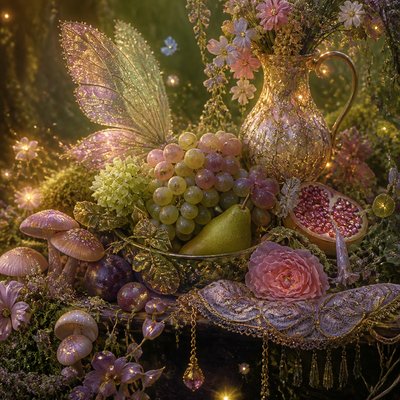
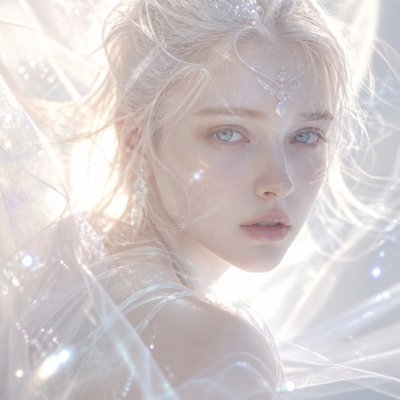
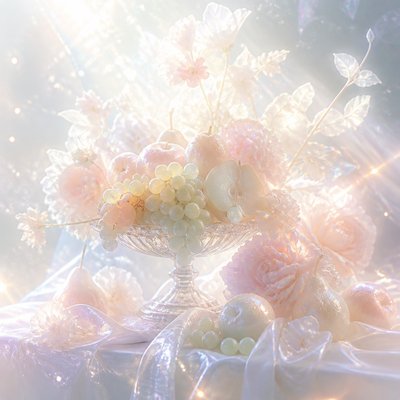
Royalcore Aesthetic
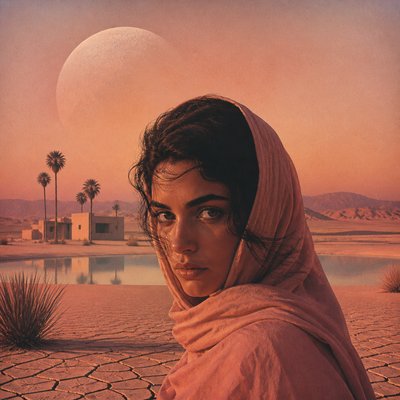
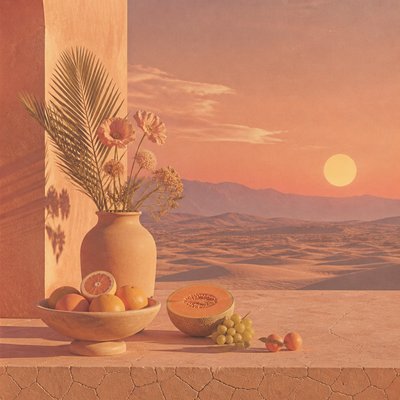
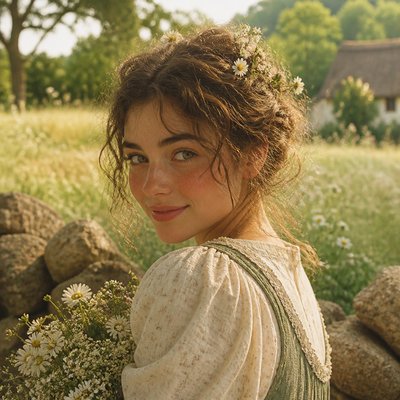
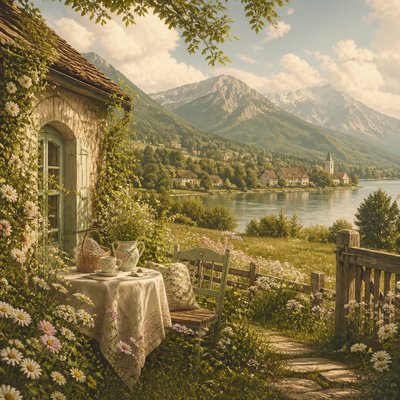
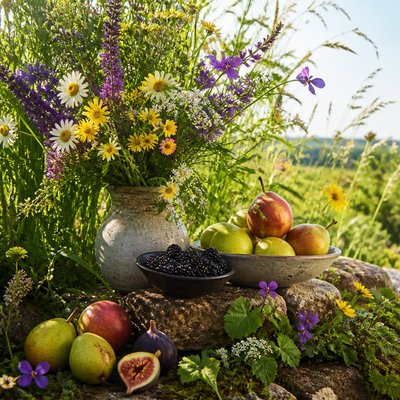
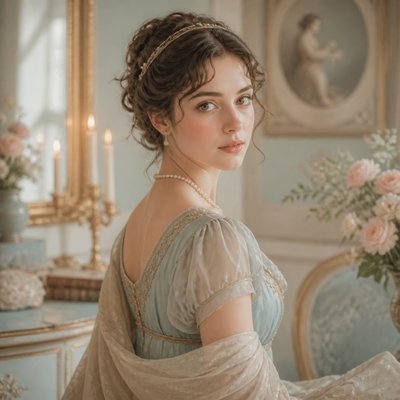
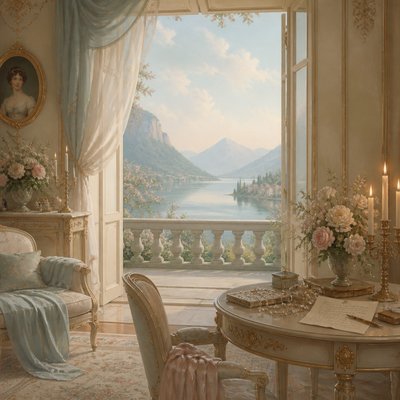
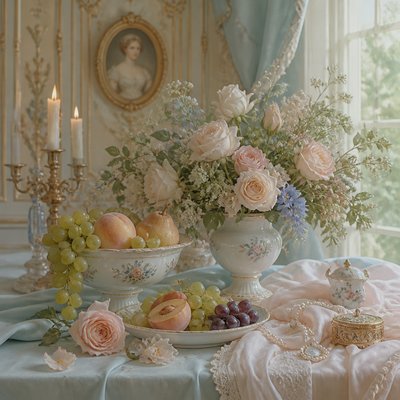
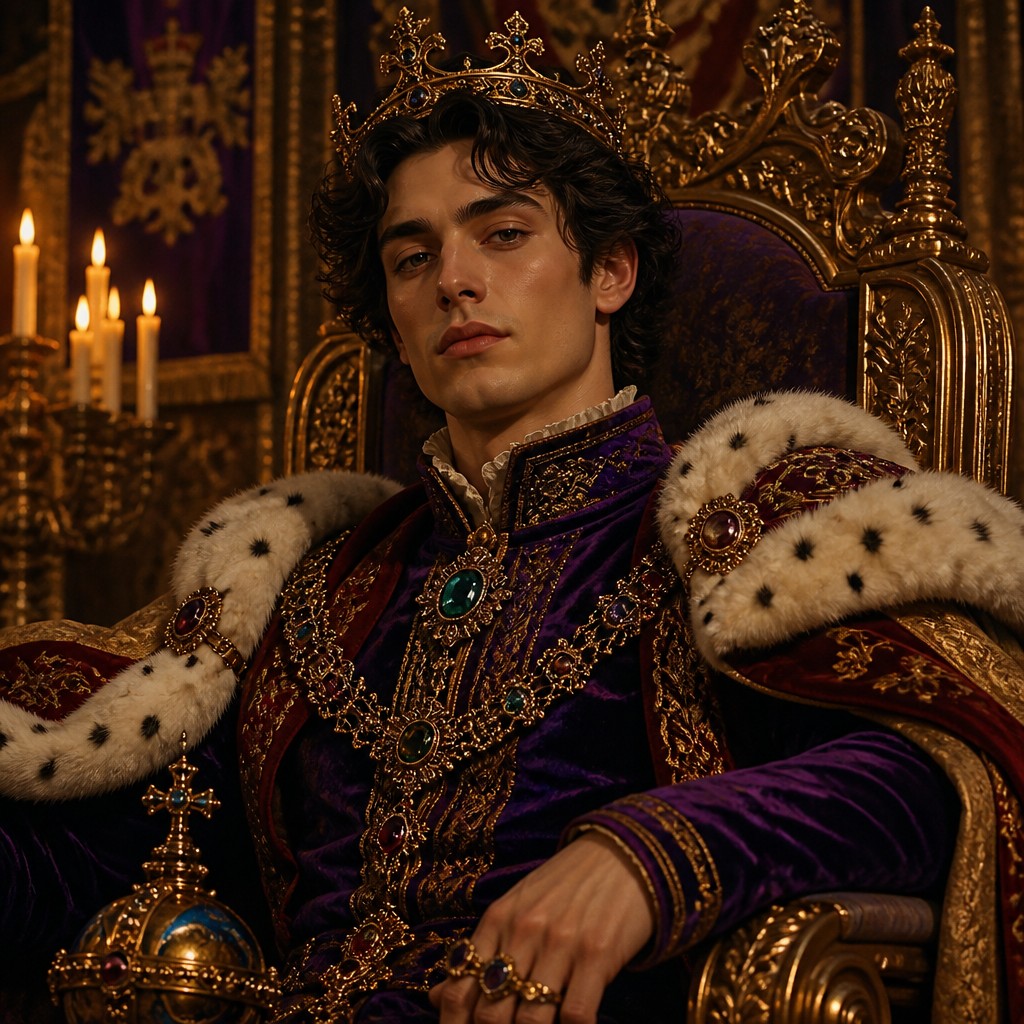
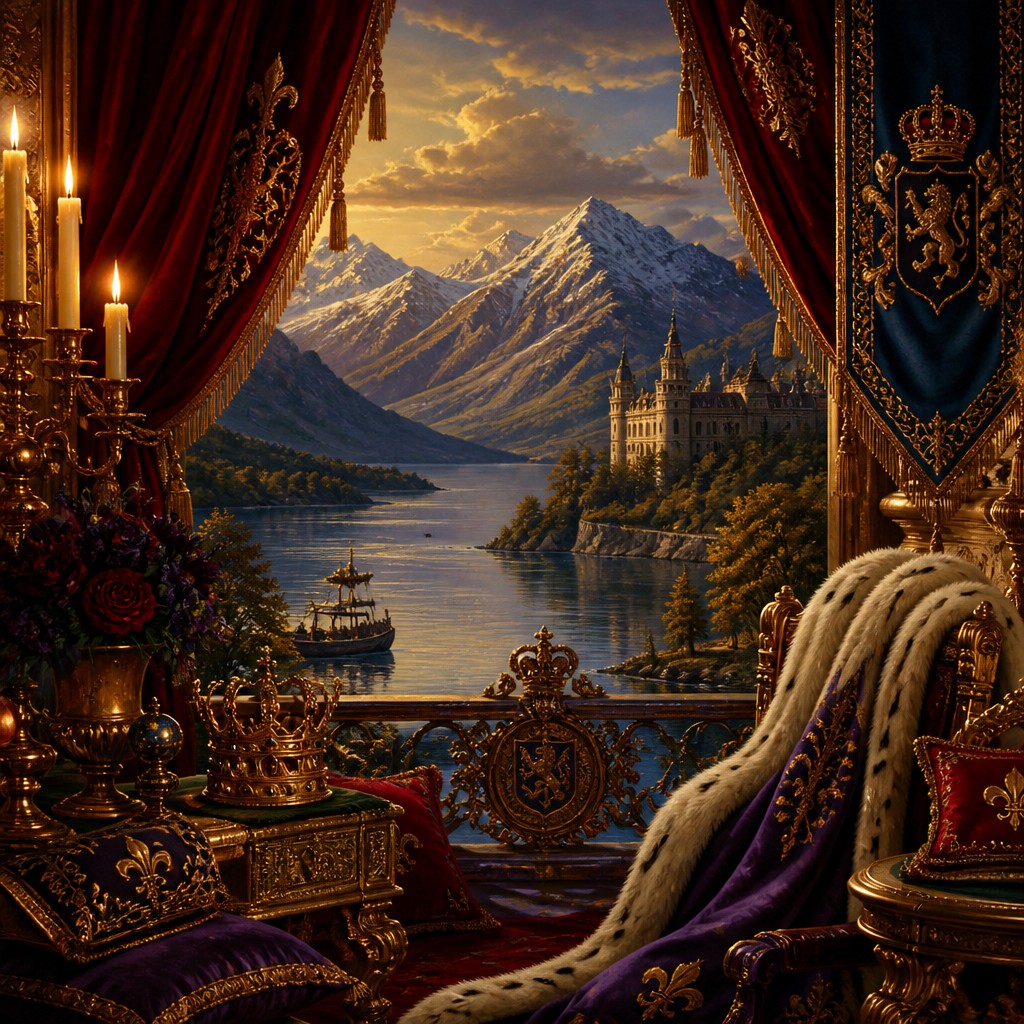
Opulent regal aesthetic of velvet, gold, jewels, and ceremonial grandeur with warm candlelit drama and heraldic detail.
Instantly rendered in Royalcore Aesthetic — or transform a photo
Royalcore Aesthetic Gallery
Tap any artwork to explore it
What is Royalcore Aesthetic?
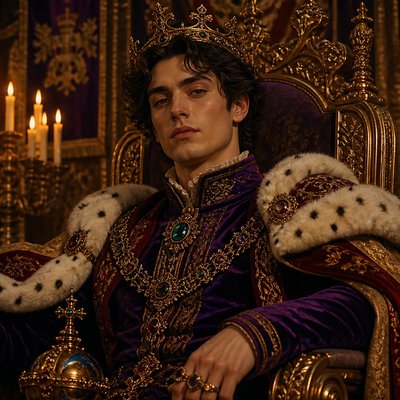
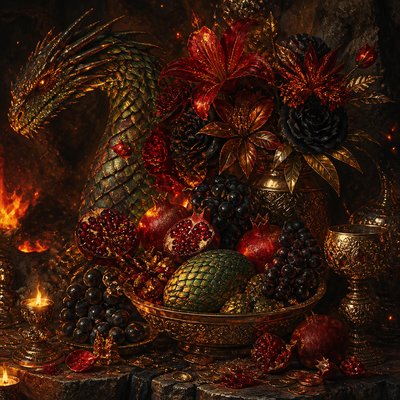
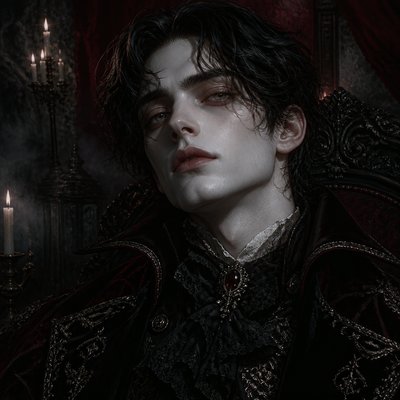
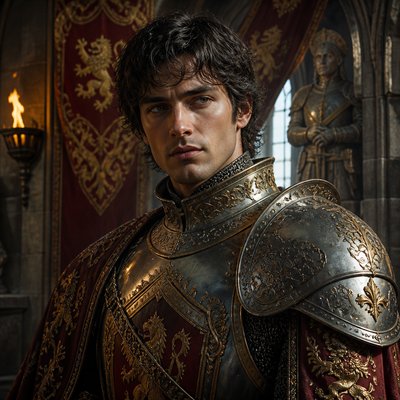
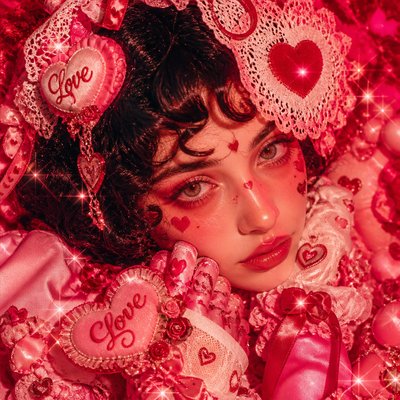
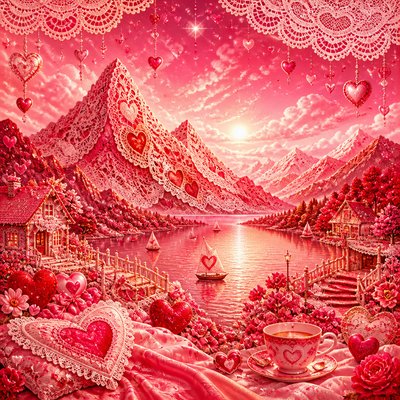
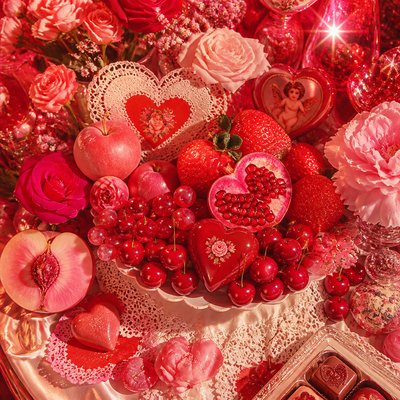
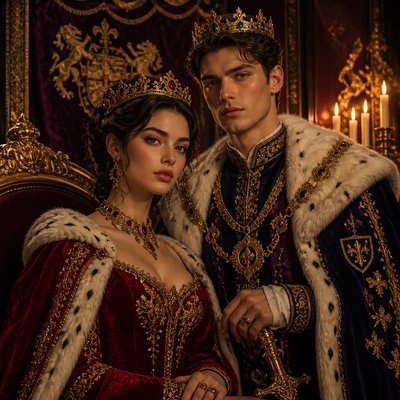
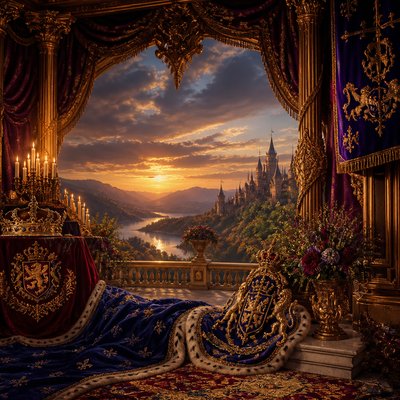
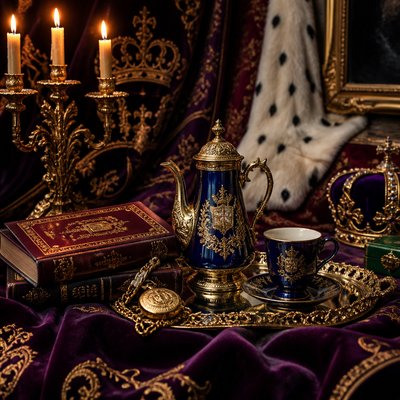
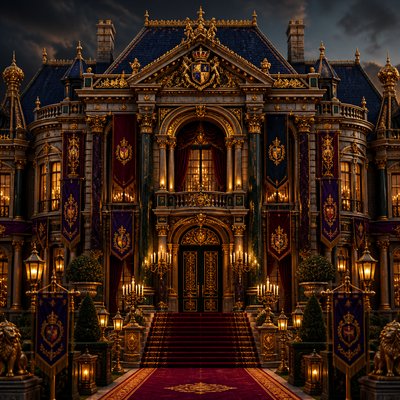
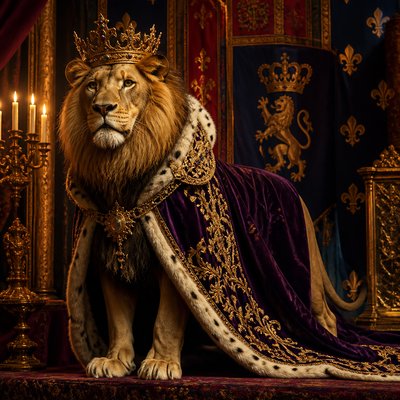
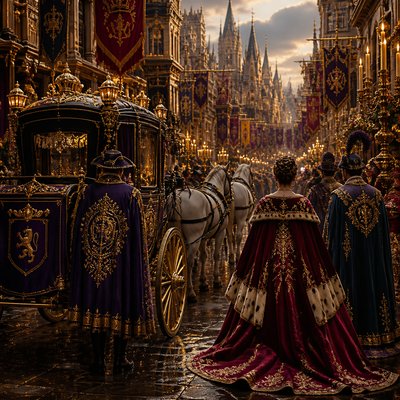
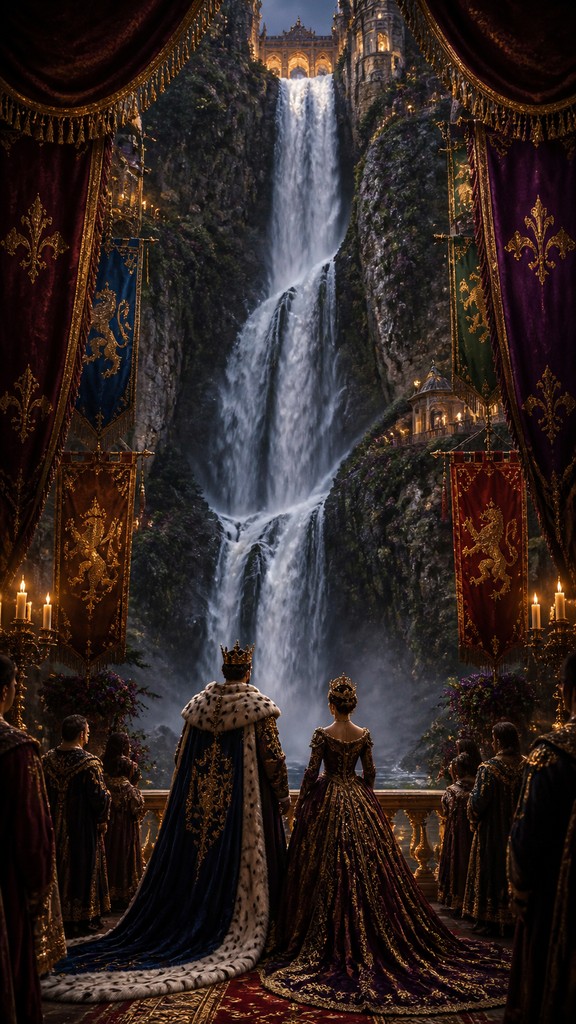
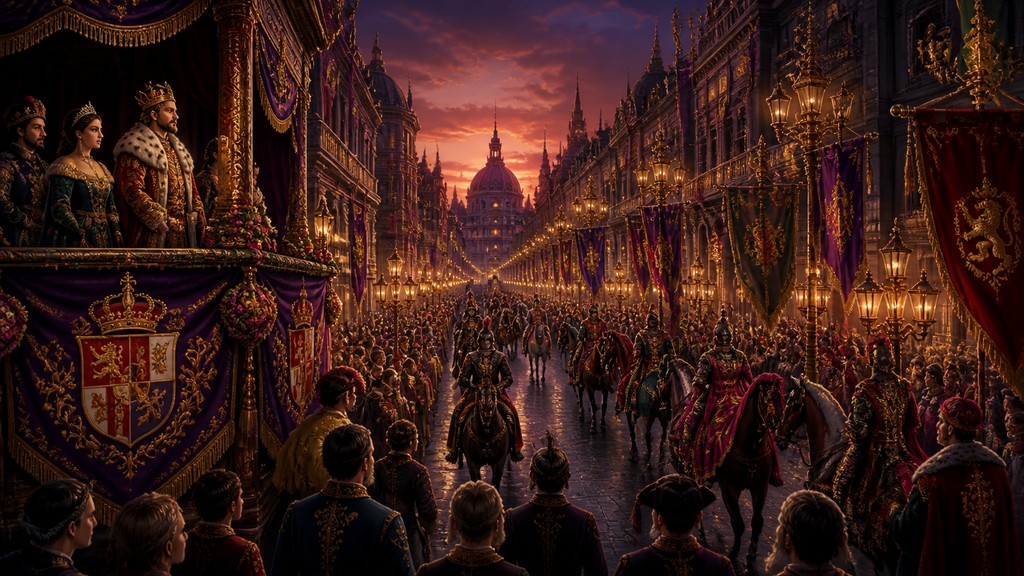
Royalcore aesthetic is an ornate, regal visual style built around the imagery of monarchy, court ceremony, and aristocratic display. Its palette typically centers on deep jewel tones—ruby, sapphire, emerald, and royal purple—set against gold ornament, velvet, brocade, satin, ermine, crowns, scepters, and heraldic emblems. The result is a deliberately weighty sense of grandeur, where fabrics drape heavily, surfaces gleam with metalwork, and compositions feel formal, symmetrical, and ceremonious.
The style looks the way it does because it borrows from the visual language of courts, palaces, and state ritual: rich textiles signal rank, gold leaf suggests power and sanctity, and candlelit warmth creates a theater of privilege and ceremony. In modern use, royalcore often compresses many centuries of European court aesthetics into a single opulent mood, combining historical reference with fantasy prestige. It is less about literal historical accuracy than about evoking magnificence, decorum, inheritance, and the visual grammar of rule.
Try It On Your Photos
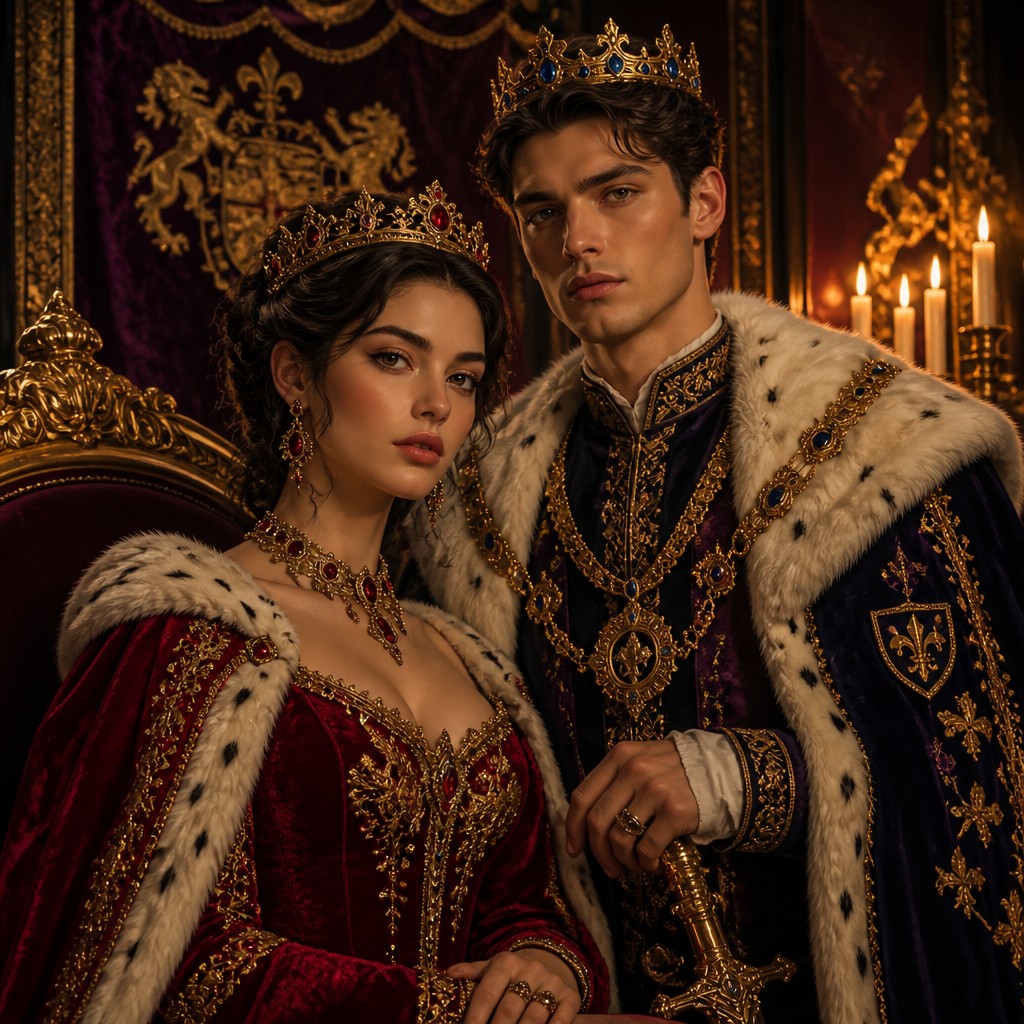
Upload any photo and convert it into Royalcore Aesthetic — drag the sliders to compare before and after.
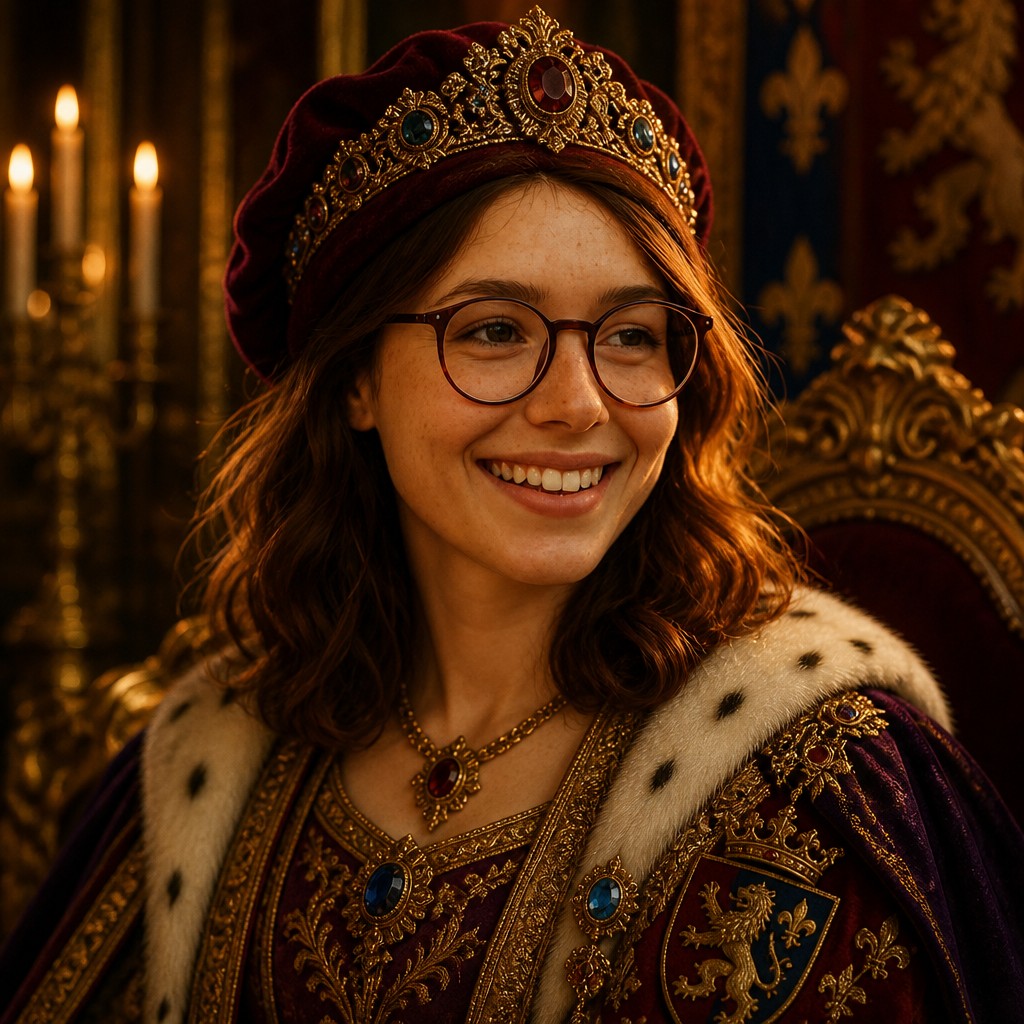

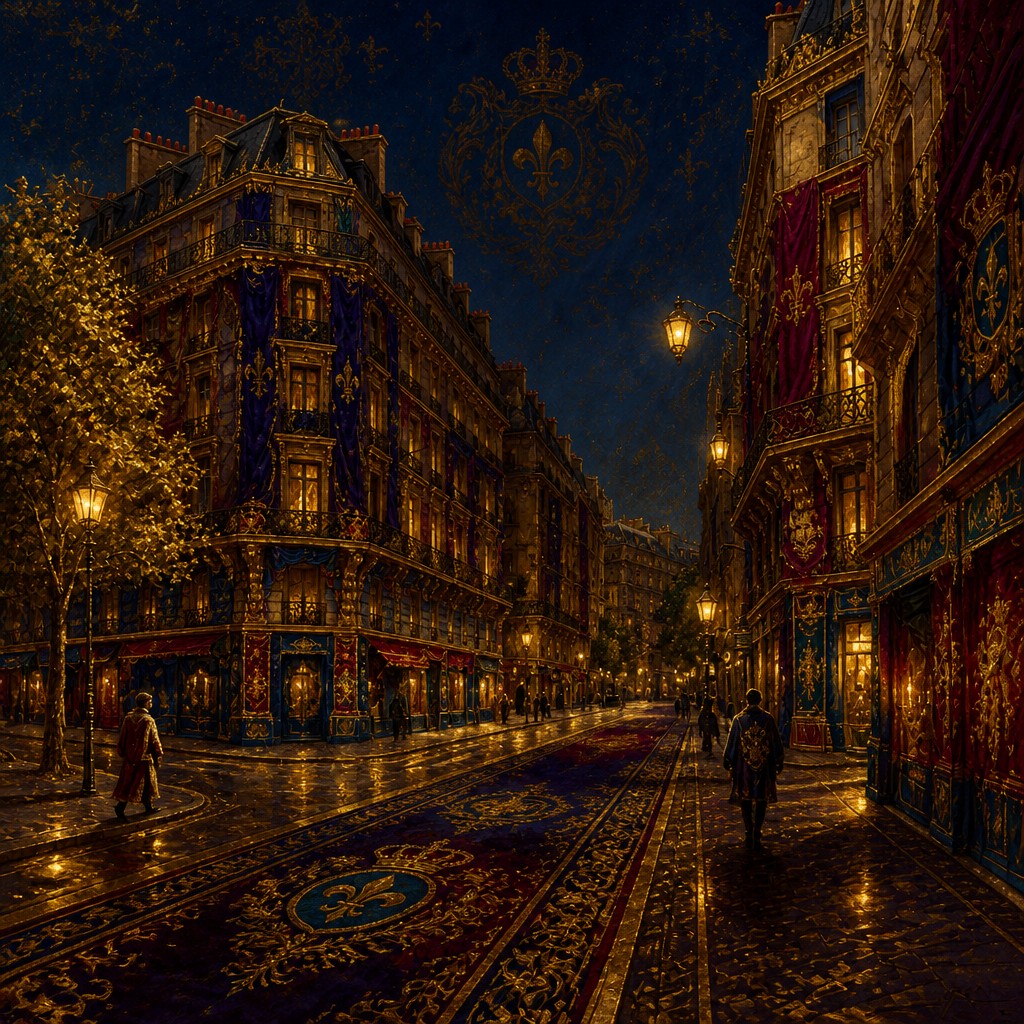

What Defines Royalcore Aesthetic
The signature details, up close
Jewel-tone palette
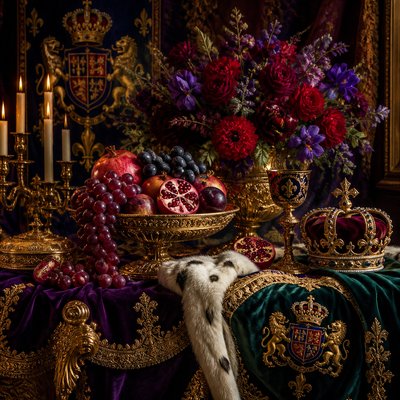
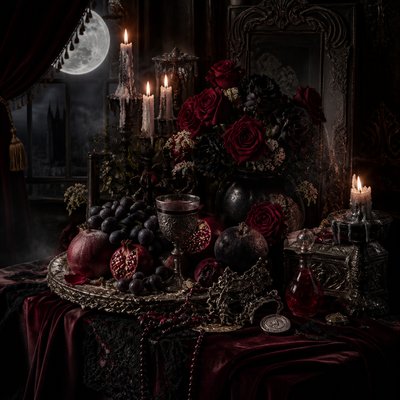
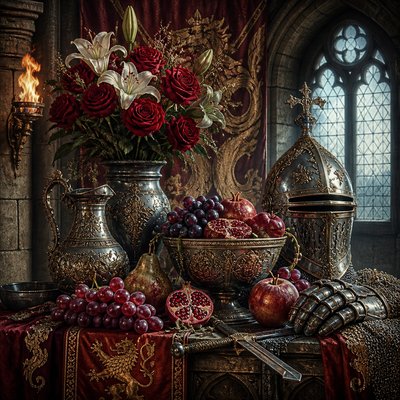
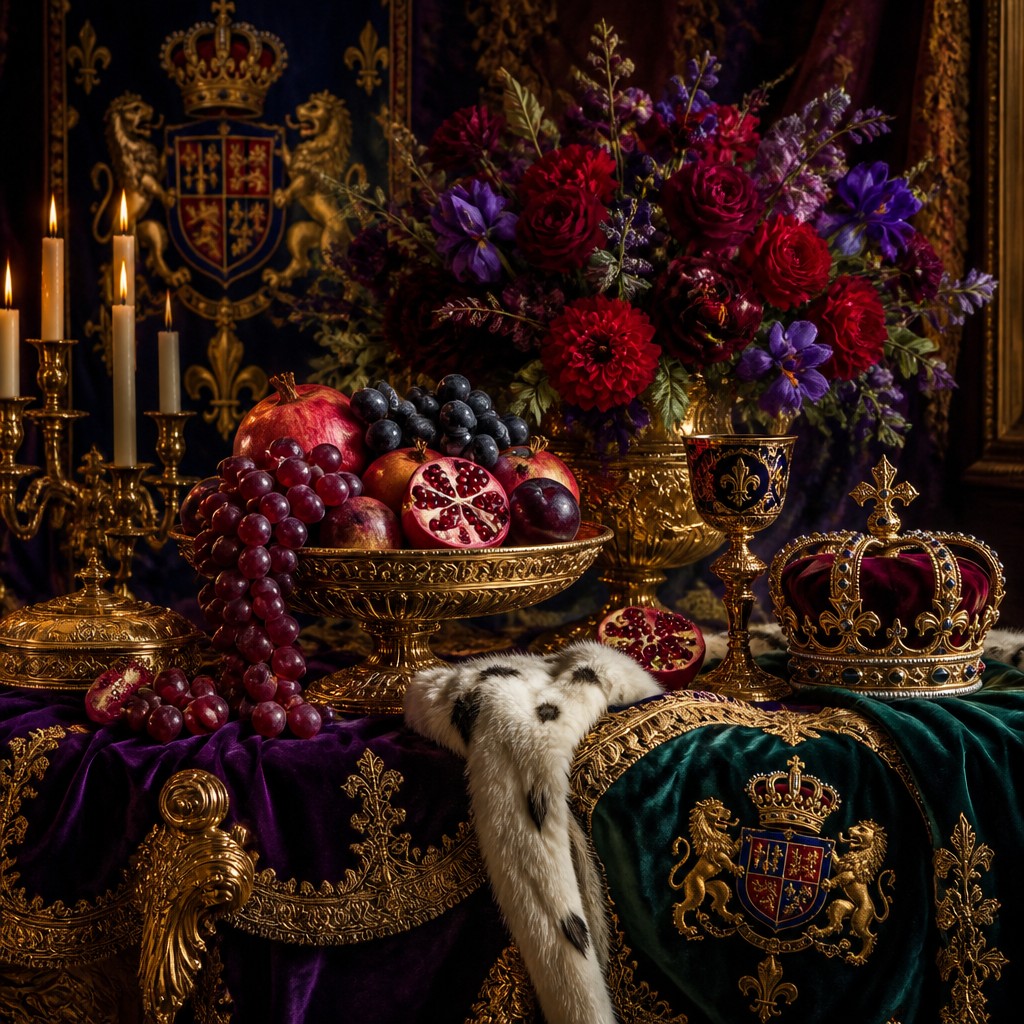
Ruby, sapphire, emerald, amethyst, and deep burgundy dominate the color scheme, often balanced by black, ivory, or dark forest green. Gold accents are used sparingly but decisively to heighten contrast and suggest luxury.
Regal textiles
Velvet, brocade, satin, silk, and ermine are central surface textures. They are often depicted with pronounced folds, sheen, and weight to emphasize tactile richness and ceremonial formality.
Heraldic ornament
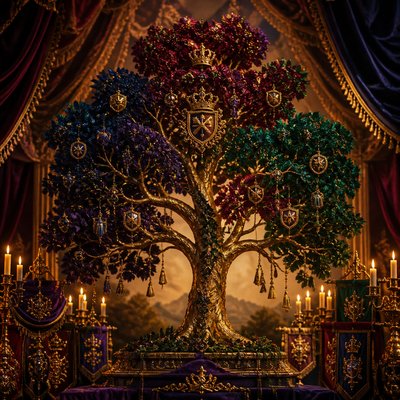
Crests, crowns, fleur-de-lis, shields, tassels, filigree, and scrollwork provide symbolic authority. These motifs create an immediate association with dynastic power and inherited status.
Ceremonial composition
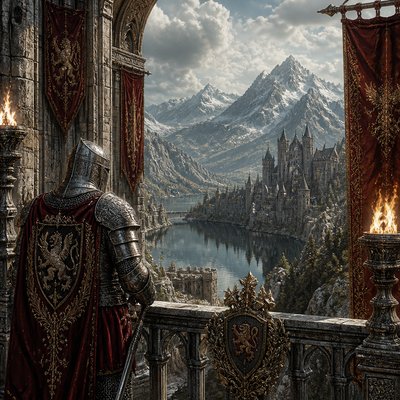
Subjects are often arranged frontally or symmetrically, as if for a portrait, coronation, or state occasion. Posed stillness, centered framing, and architectural backdrops reinforce the sense of ritual.
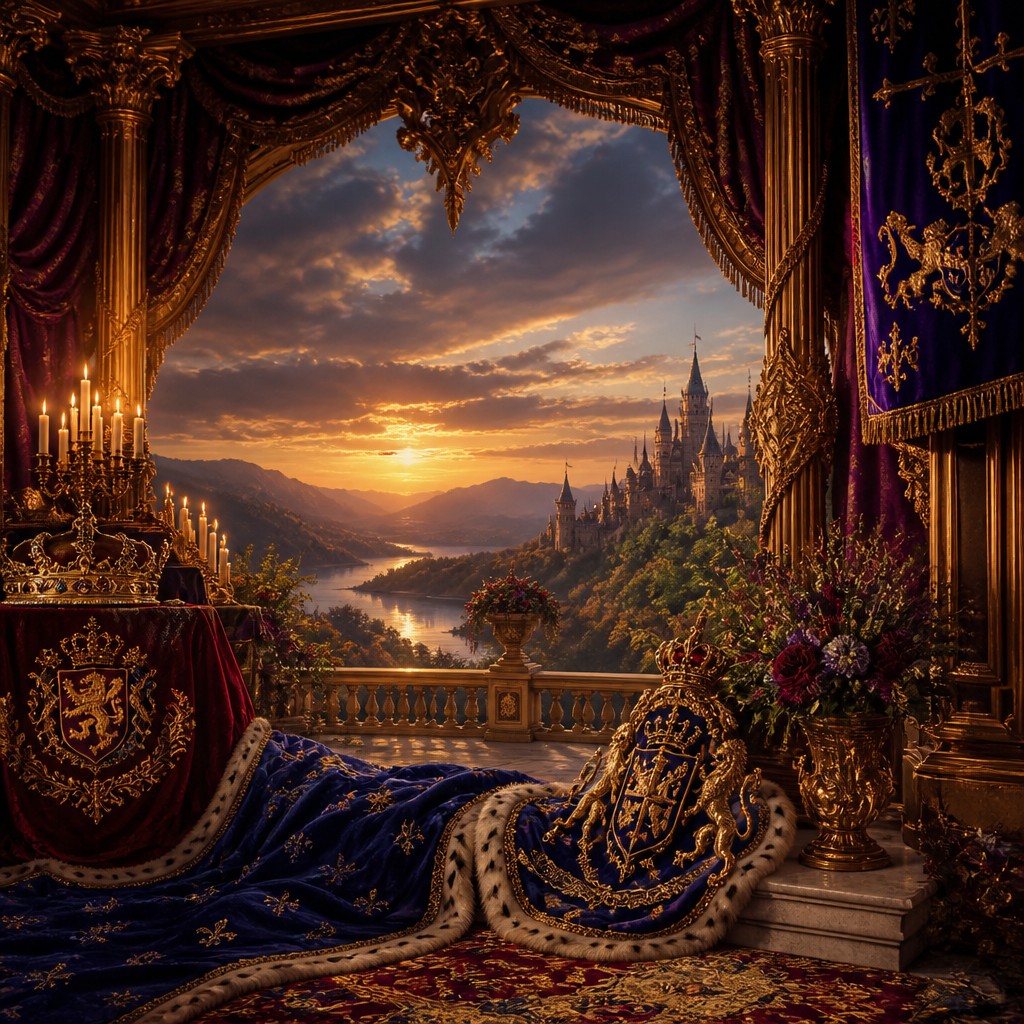
Warm candlelit atmosphere
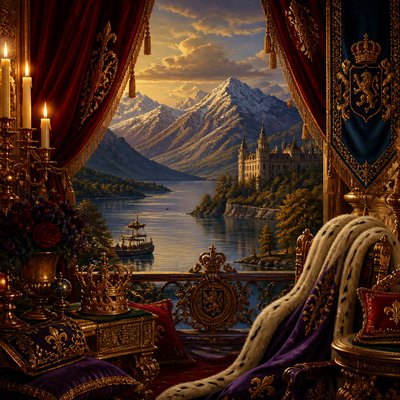
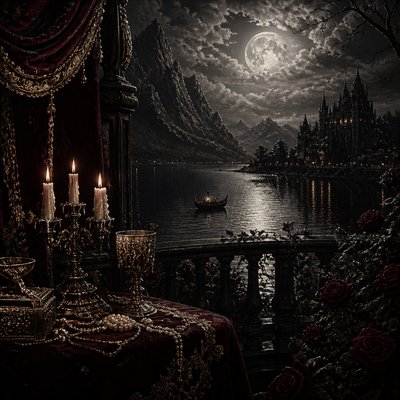
Lighting tends to be amber, firelit, or gold-reflective, producing burnished highlights and deep shadows. This gives the image a historic, palatial mood even when the subject is contemporary.
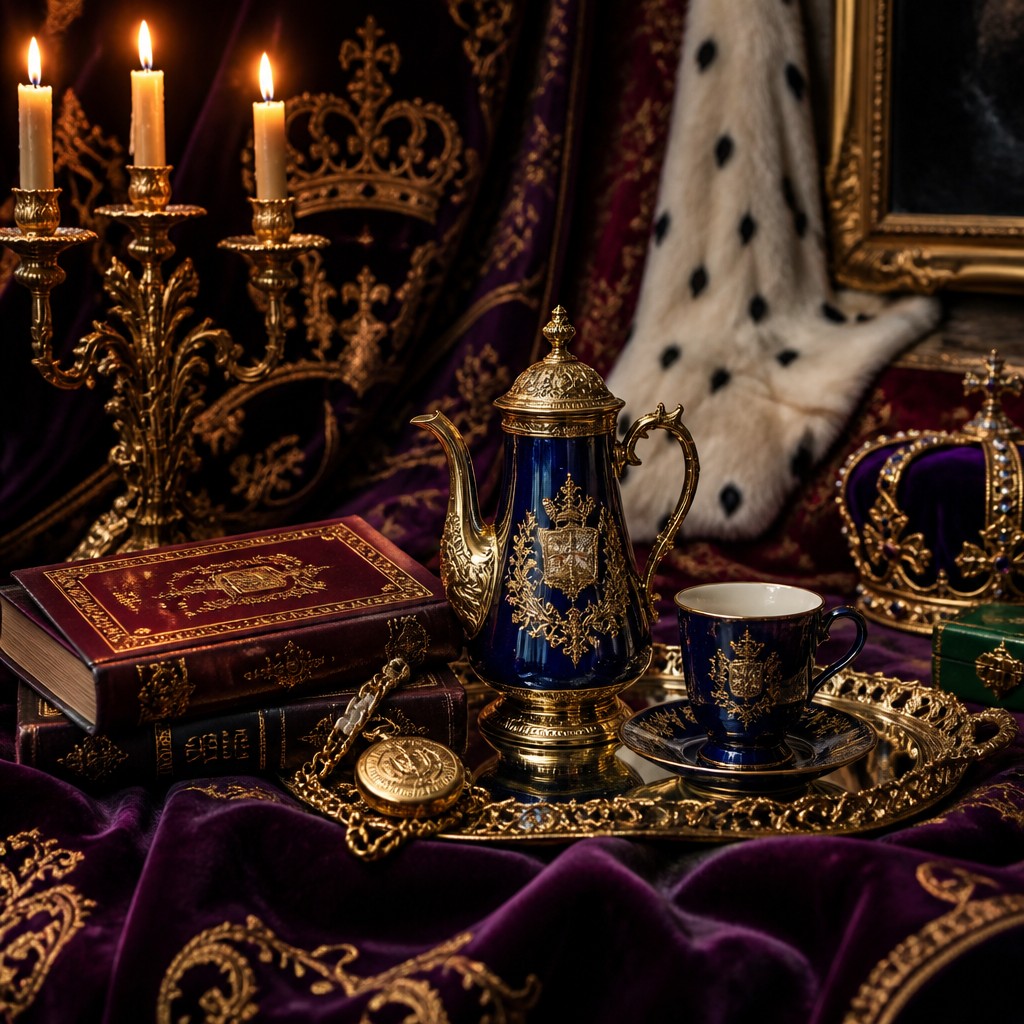
Palatial setting
Thrones, drapery, chandeliers, marble, gilded frames, and grand interiors are common context elements. Even simpler scenes often include a single luxurious prop to imply royal surroundings.
Try It
Create Videos in Royalcore Aesthetic
Styles aren't just for stills — describe a scene or animate an image and get a short video rendered in Royalcore Aesthetic. Press play to see this pond come to life.
Make a VideoRoyalcore Aesthetic Prompt Ideas
Start from an idea — each one opens the generator with the style ready to go. See all 40 Royalcore Aesthetic prompts →
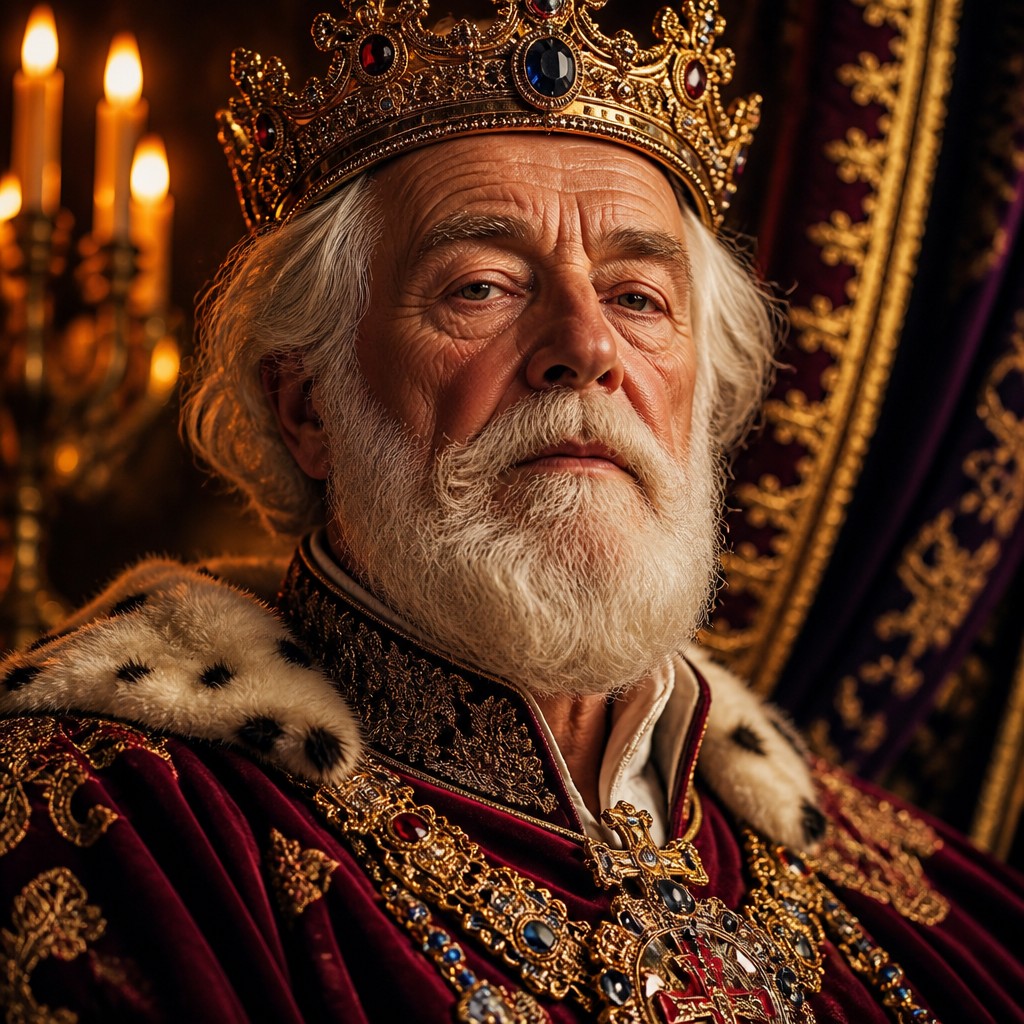
“close-up portrait of an elderly person with expressive weathered features”
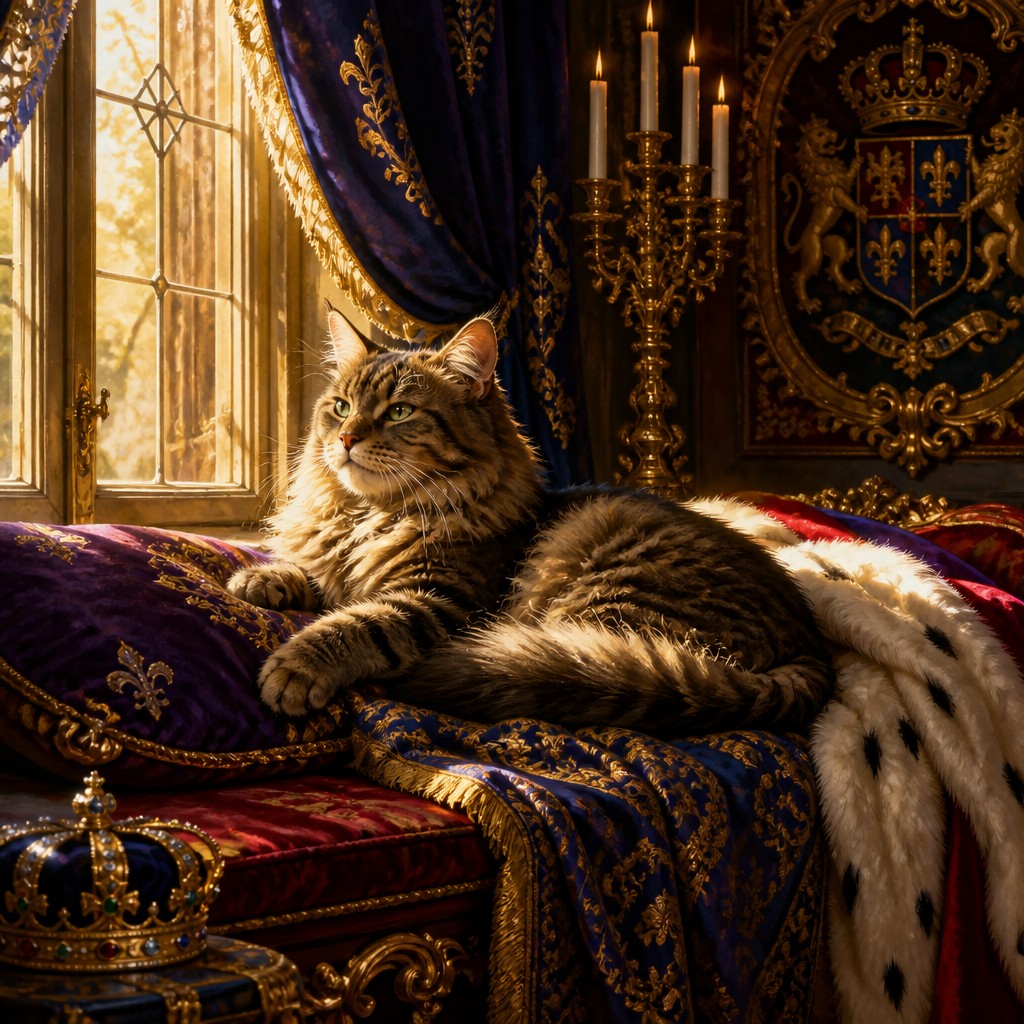
“a cat lounging in a sunlit window”
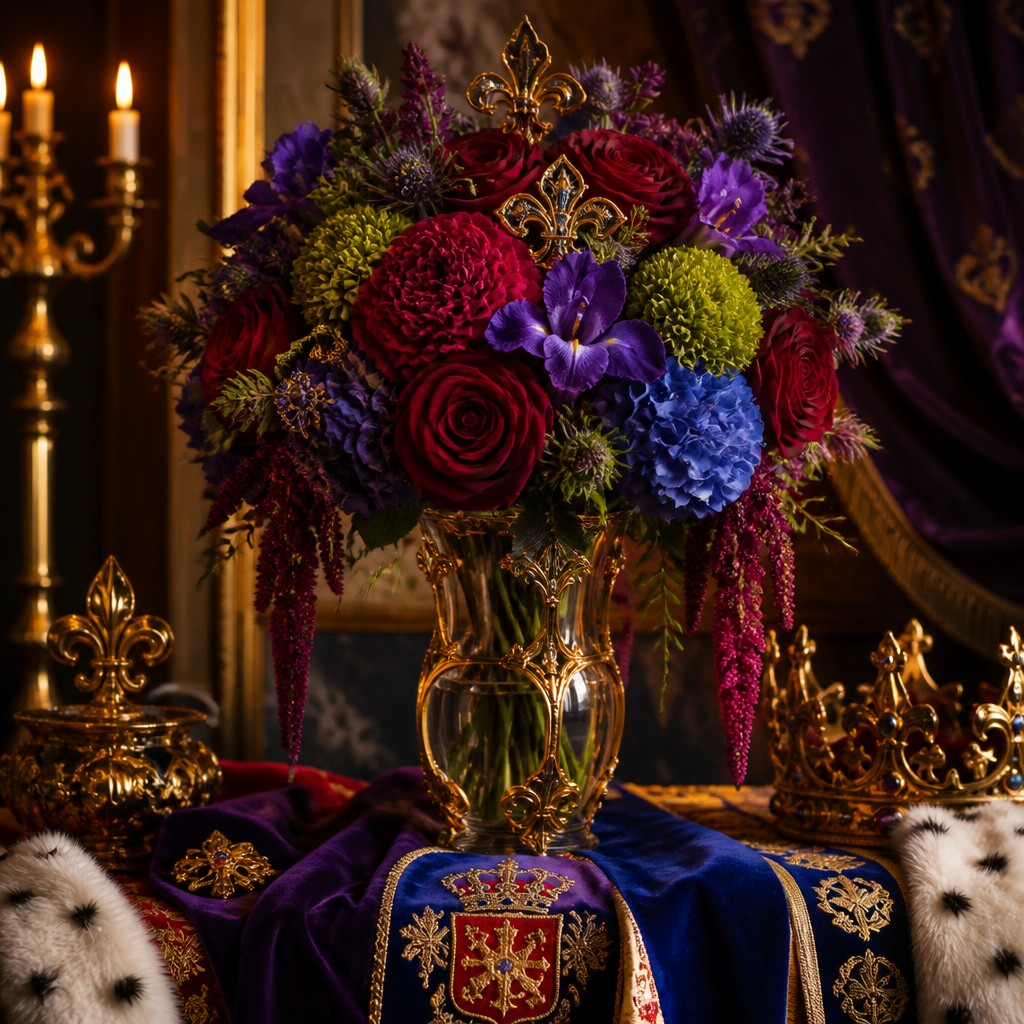
“bouquet of flowers in a glass vase”
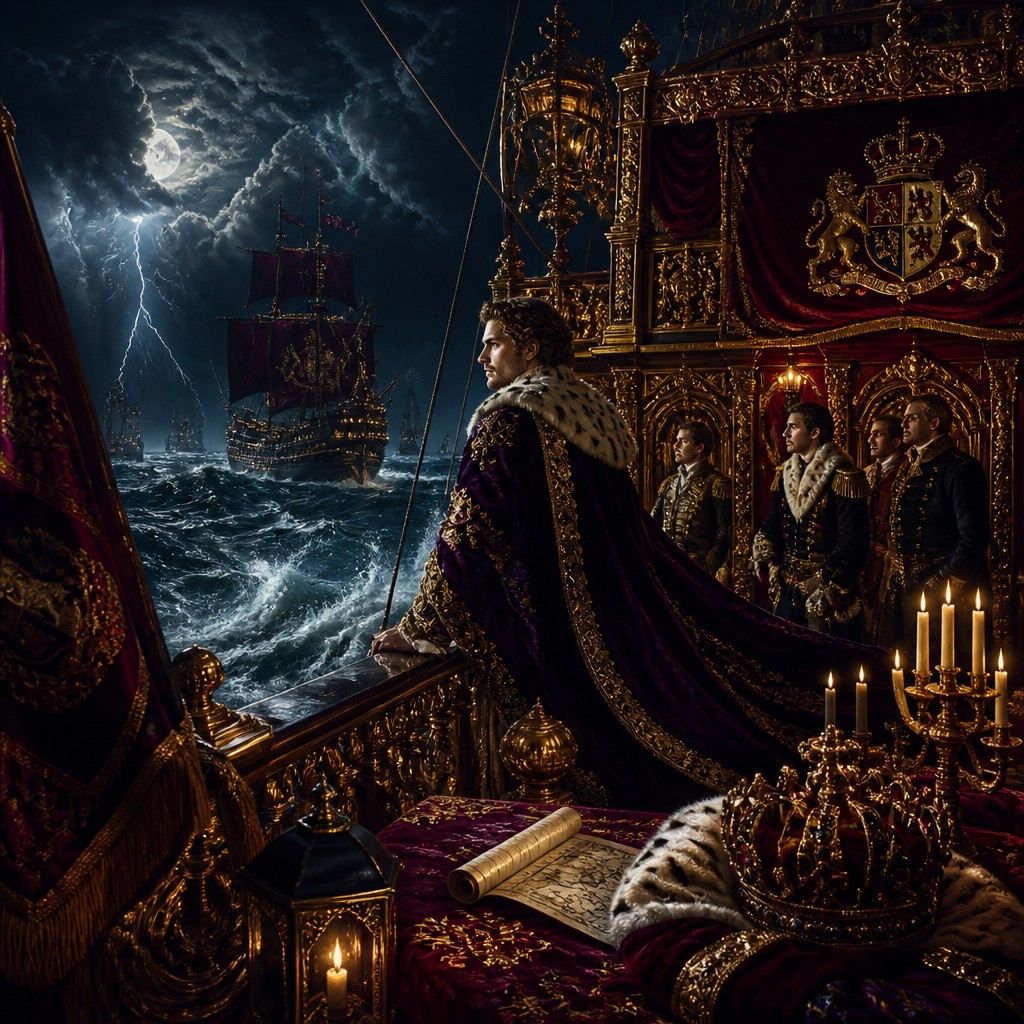
“sailing ship on a stormy sea”
How to Create Royalcore Aesthetic Art
Master the craft step by step — or skip straight to creating. Read the full guide →
- 1
Build the image from materials first
If you are painting or drawing, start by specifying the fabrics, metals, and surfaces before adding the subject. Render velvet with soft directional sheen, gold with controlled highlights, and brocade with dense repeating pattern so the opulence feels physically believable.
- 2
Use a restrained, formal composition
Center the figure or object, keep the pose dignified, and let symmetry do much of the work. Royalcore becomes more convincing when the composition resembles a portrait, ceremonial tableau, or heraldic display rather than a casual snapshot.
- 3
Prioritize warm contrast over bright color
Use dark jewel tones as the base and reserve bright gold for edges, jewelry, embroidery, or light-catching ornament. Candlelight, lamplight, and reflected warmth help unify the palette and produce the sense of antique grandeur.
- 4
Layer historical references carefully
Combine elements such as crowns, capes, epaulettes, lace collars, and palace interiors, but avoid overcrowding the frame. A few accurate-looking details usually read as more regal than a large number of unrelated symbols.
- 5
For digital or AI generation, be specific about textiles and lighting
Describe fabric types, color families, and the lighting source in the prompt, then reinforce atmosphere with words like ceremonial, gilded, stately, and palatial. Strong subject + material + lighting cues usually produce the clearest royalcore result.
- 6
Balance realism with fantasy
The style can be rendered as a realistic portrait, an illustration, or a fantasy concept image, as long as the hierarchy of textures and ornament remains clear. If you want a more contemporary take, place royal materials on a modern subject while keeping the same formal dignity.

The Story
History & Origins of Royalcore Aesthetic
Royalcore is a contemporary aesthetic rather than a historically bounded art movement. Its lineage draws from the material culture of European monarchy and aristocratic courts: embroidered velvets, brocades, ermine-trimmed garments, jeweled regalia, coats of arms, and architectural settings associated with palaces, throne rooms, and state processions. It also reflects the modern internet’s fascination with curated nostalgia, cosplay, and fantasy worlds that reimagine rank and ceremony as a coherent lifestyle image.
Visually, royalcore overlaps with several older traditions: Baroque and Rococo ornament, the pageantry of portrait painting, medieval heraldry, and the romanticized palace imagery found in costume drama and fantasy illustration. Unlike a historical style, it does not belong to one period or school; instead it assembles recognizable signs of sovereignty into a highly polished, mood-driven aesthetic that has become popular in fashion, interior imagery, character design, and digital art.
Influences: Royalcore draws from the visual traditions of European court portraiture, Baroque ornament, Rococo decoration, medieval heraldry, and the material splendor of monarchical costume and interiors. It also overlaps with fantasy illustration and period drama, where artists such as Peter Paul Rubens, Anthony van Dyck, and Diego Velázquez helped define the visual language of power, luxury, and ceremonial pose. In contemporary culture, it is shaped by fashion photography, costume design, and internet-driven aesthetic curation rather than by a single historical school.
Frequently Asked Questions
What defines the royalcore aesthetic?
Royalcore is defined by opulent, regal imagery: velvet, gold, jewels, heraldic symbols, and formal compositions. It emphasizes ceremonial grandeur and the visual language of monarchy rather than everyday elegance. The mood is rich, stately, and historically inspired.
Is royalcore a real historical art movement?
No. Royalcore is a modern aesthetic that borrows from older courtly and aristocratic visual traditions. It combines elements from Baroque, Rococo, medieval heraldry, and palace imagery into a contemporary mood style.
How is royalcore different from baroque or rococo?
Baroque and Rococo are historical art periods with specific dates, regional developments, and artistic conventions. Royalcore is broader and more selective: it uses baroque-like ornament or rococo luxury only as ingredients in a modern, curated regal look. It is more about atmosphere than historical accuracy.
What colors work best in royalcore art?
Deep jewel tones are the most characteristic: ruby, sapphire, emerald, amethyst, burgundy, and royal purple. These are usually paired with gold, cream, black, or dark wood tones to create contrast and a sense of richness. Flat pastel colors generally read less distinctly as royalcore unless balanced with ornate detail.
What subjects are common in royalcore imagery?
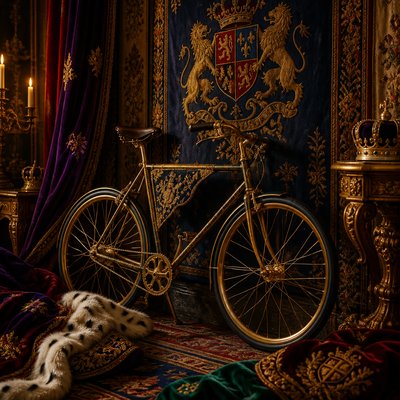
Common subjects include queens, kings, princes, princesses, coronation scenes, thrones, crowns, palace interiors, and formal portraits. Everyday objects can also be styled this way if they are dressed in luxurious materials or presented ceremonially. The key is to make the subject feel elevated and official.
How do I make a photo look royalcore?
Use rich color grading, add gold-toned highlights, and emphasize textures like velvet, lace, satin, or embroidery. A formal pose, an ornate background, and controlled lighting make the transformation feel believable. The image should look composed, weighty, and ceremonially staged.
Create your first Royalcore Aesthetic artwork
Describe anything — or upload a photo — and see it in Royalcore Aesthetic in seconds.
Make Something with Royalcore Aesthetic
Related Styles
Discover similar art styles