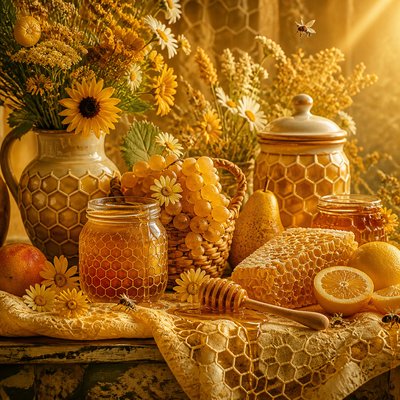
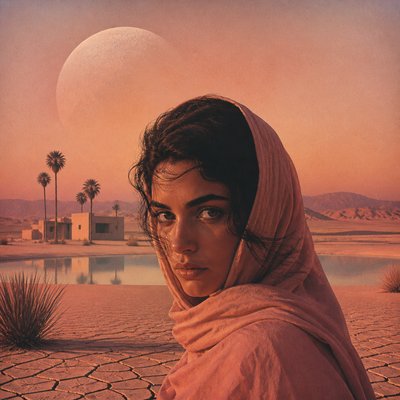
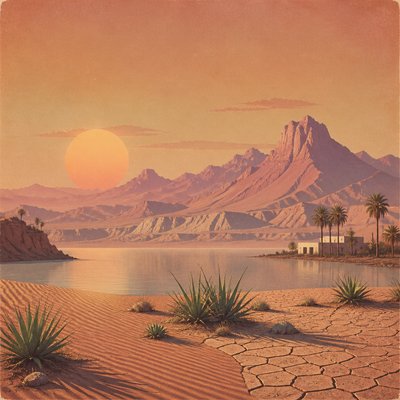
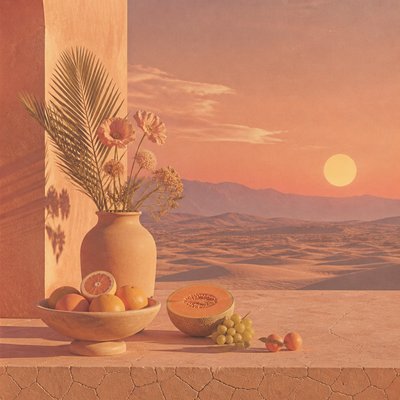
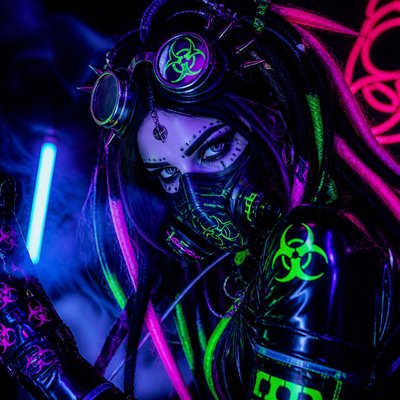
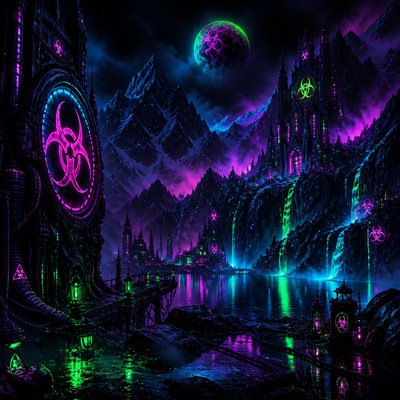
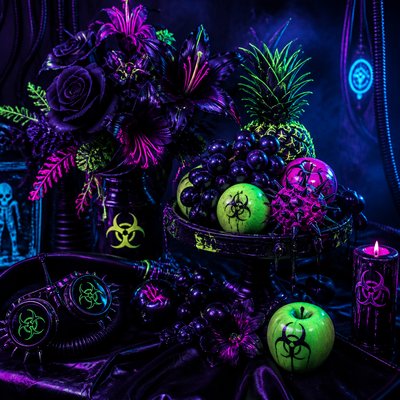
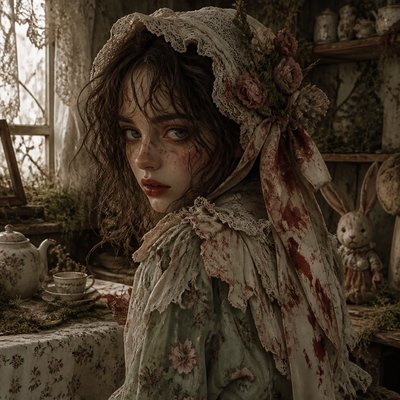
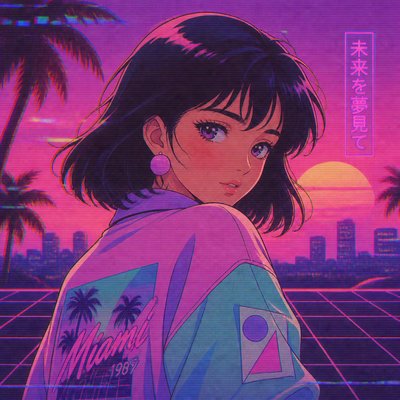
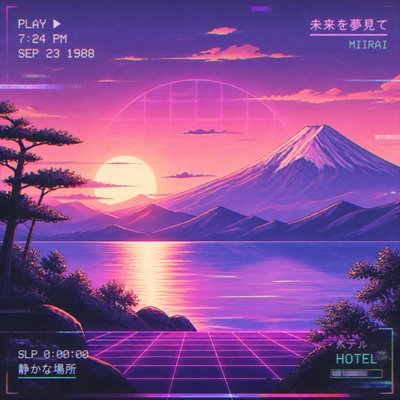
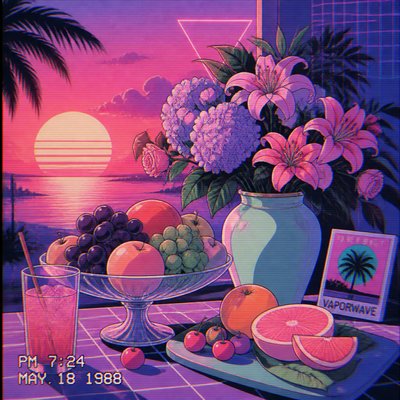
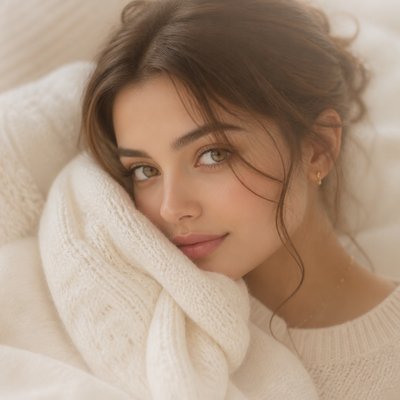
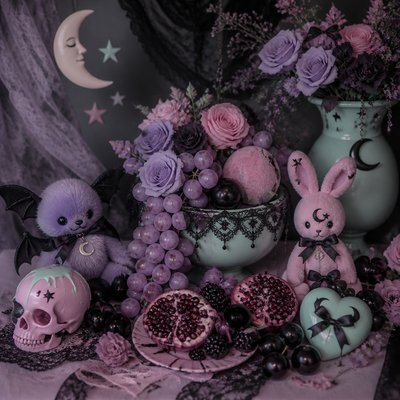
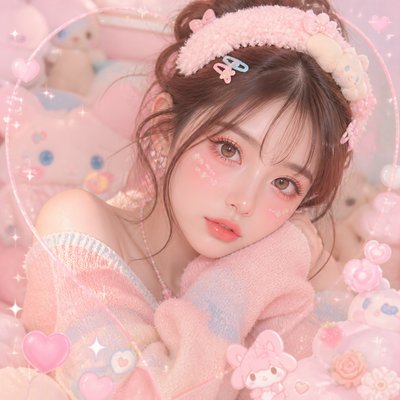
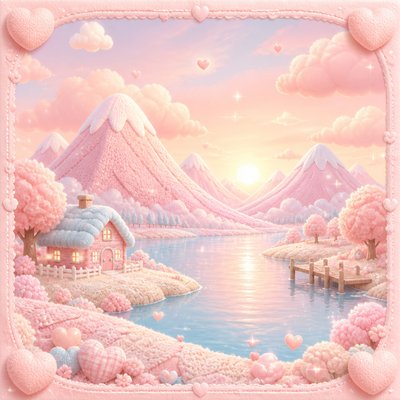
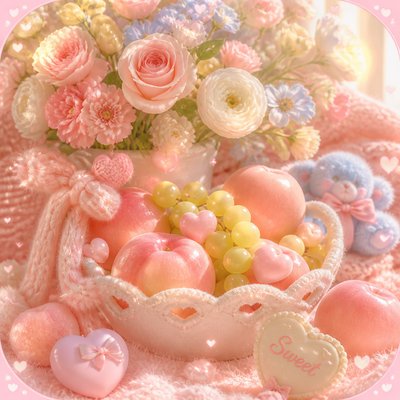
Emo Aesthetic
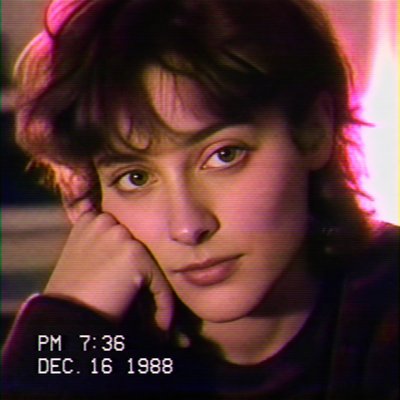
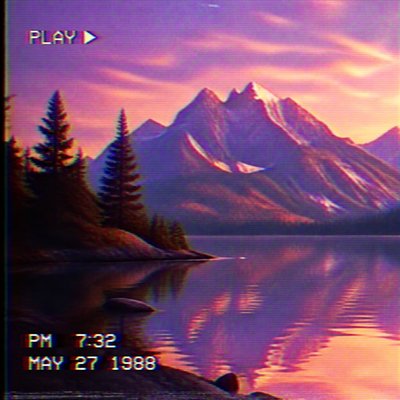
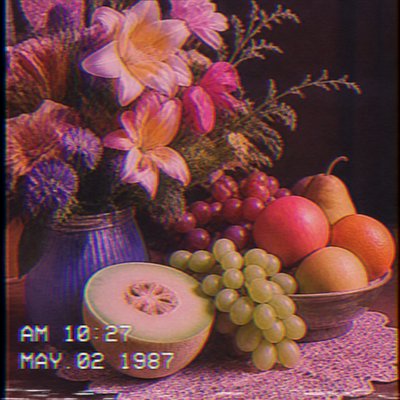
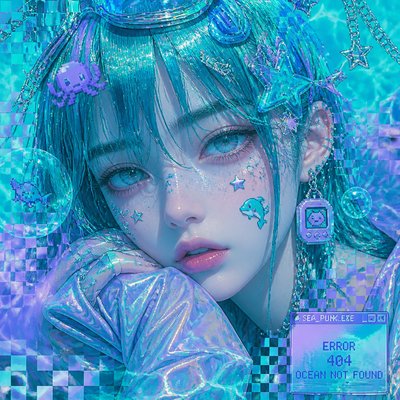
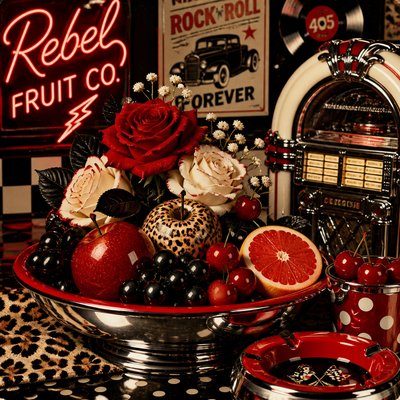
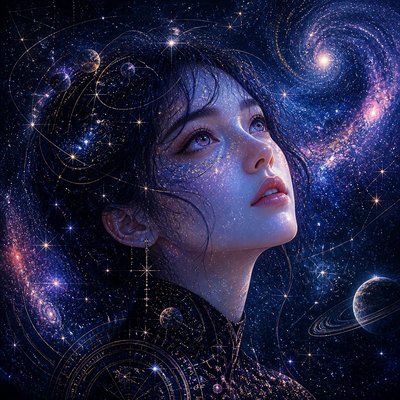
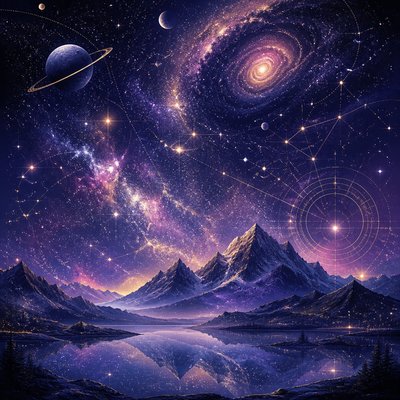
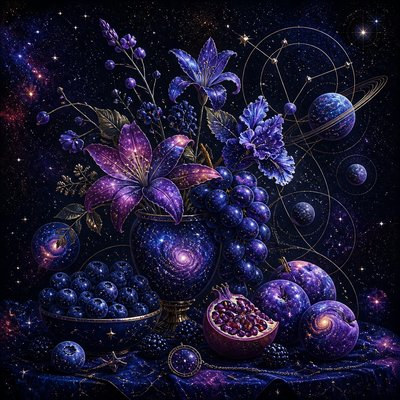
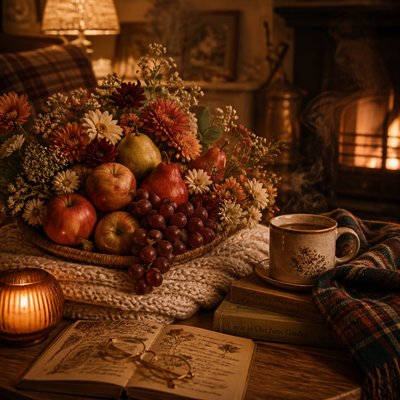
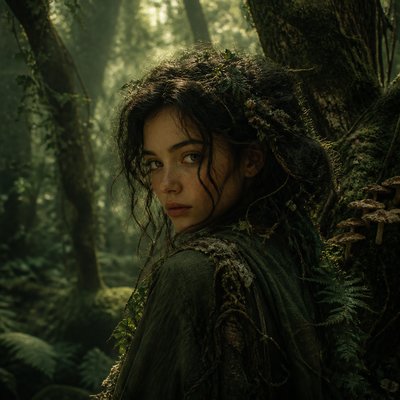
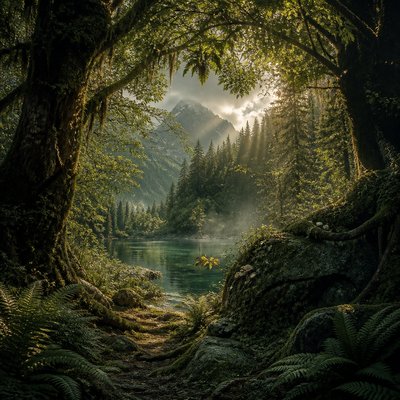
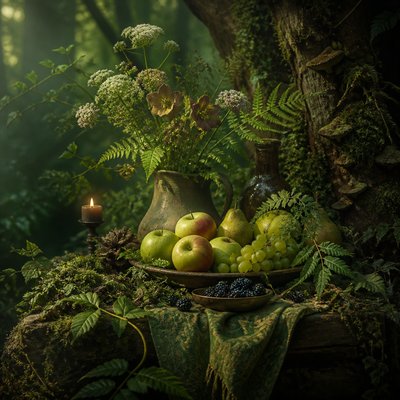
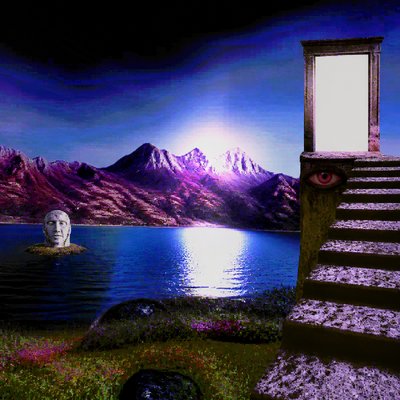
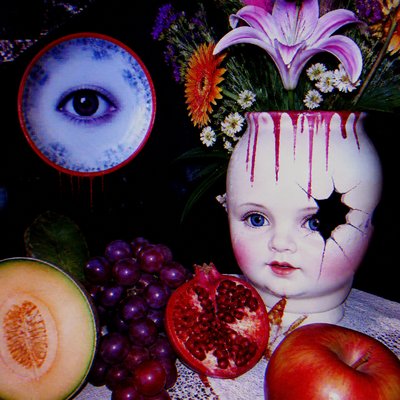
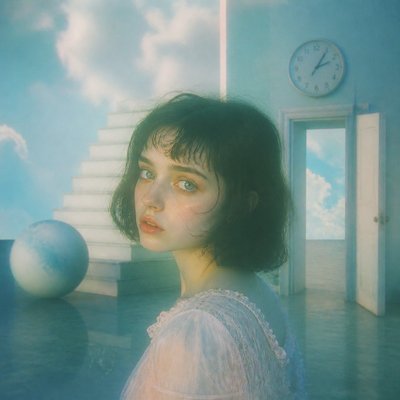
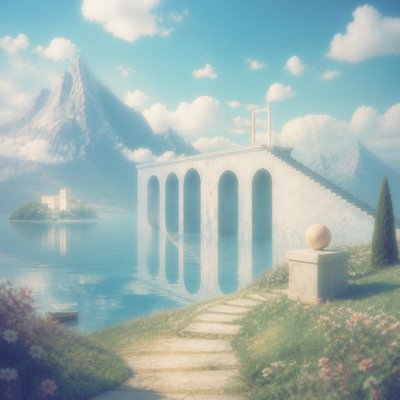
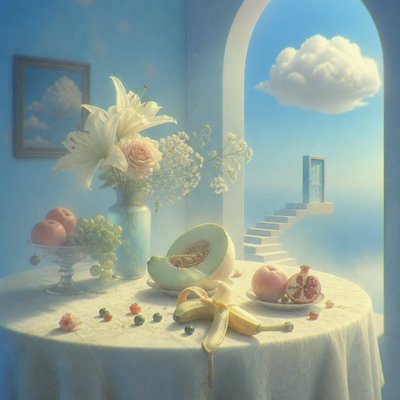
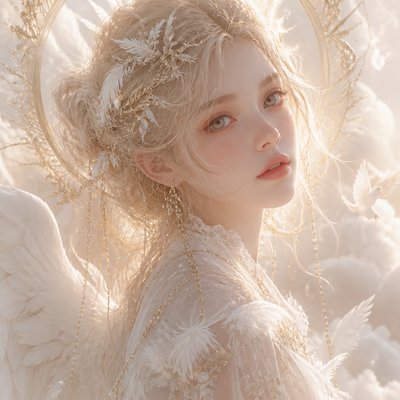
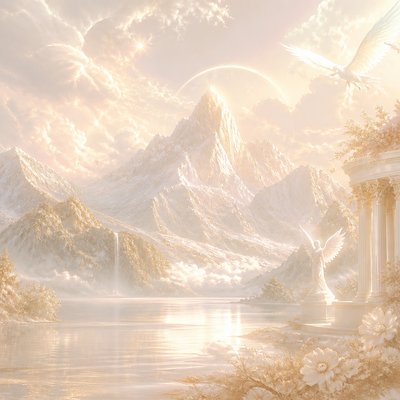
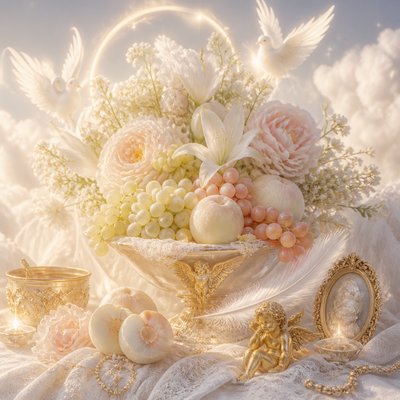
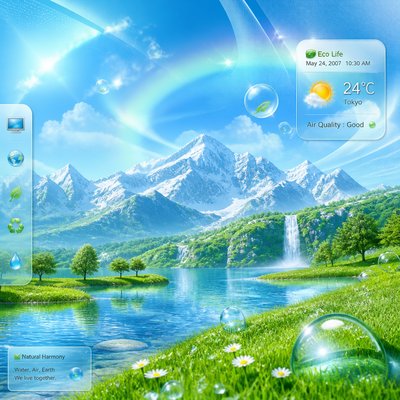
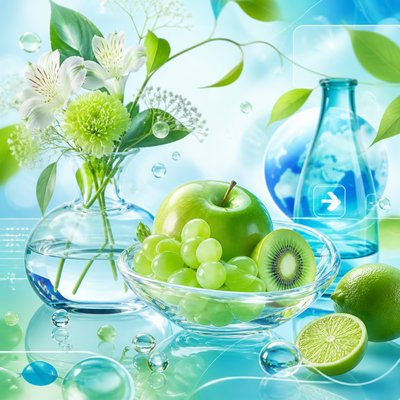
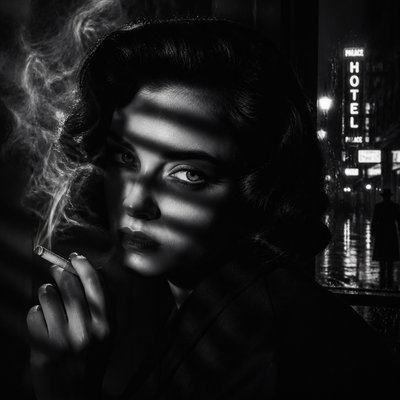
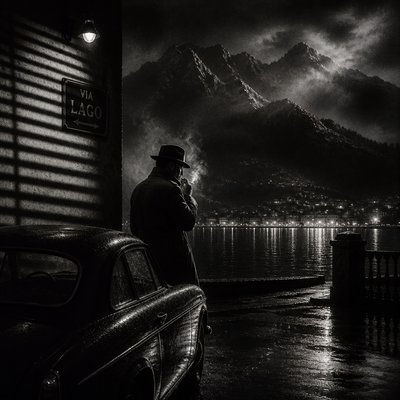
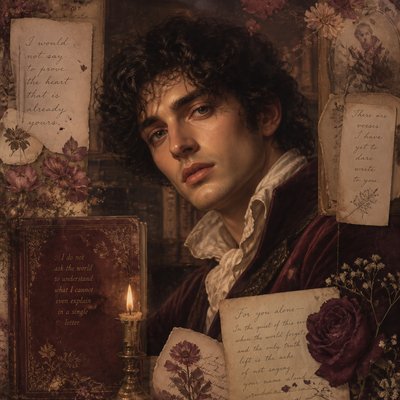
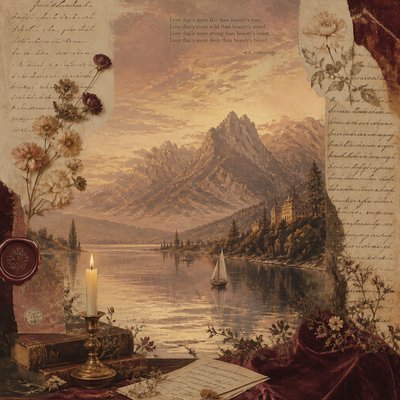
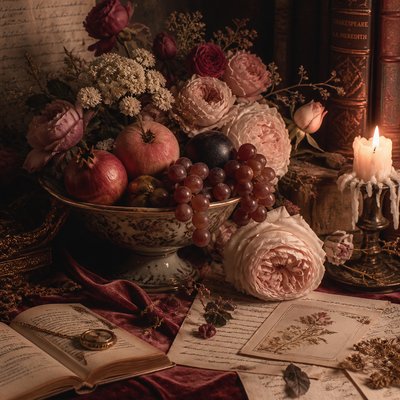
Mid-2000s heartache visuals in black, red, checkerboards, smudged eyeliner, and gritty band-poster textures.
Instantly rendered in Emo Aesthetic — or transform a photo
Emo Aesthetic Gallery
Tap any artwork to explore it
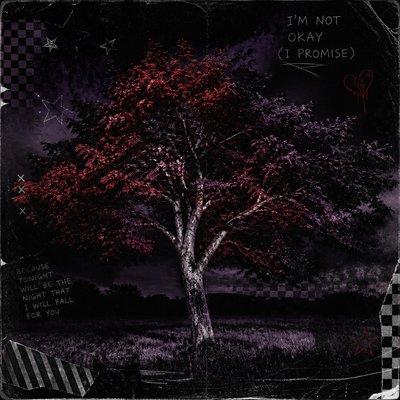
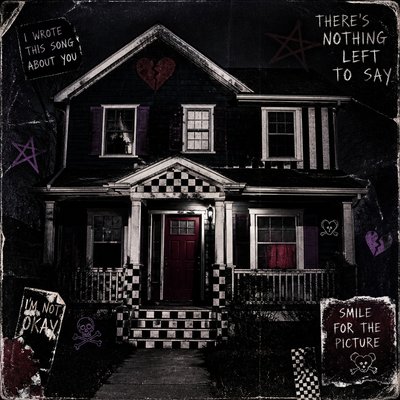
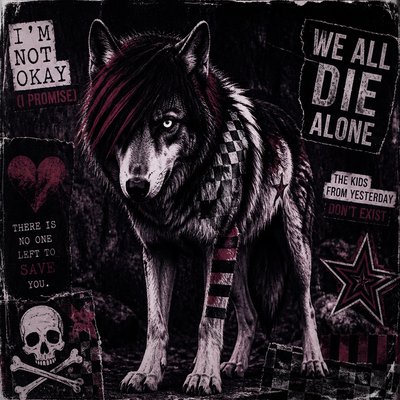
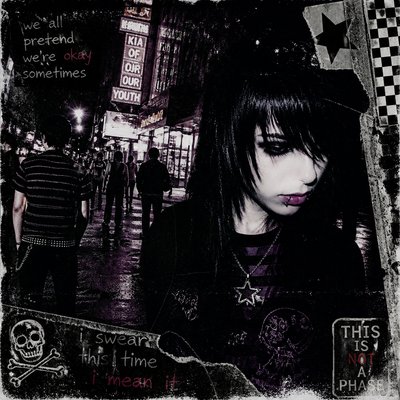
What is Emo Aesthetic?
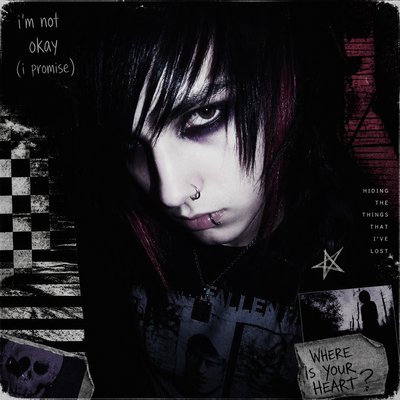
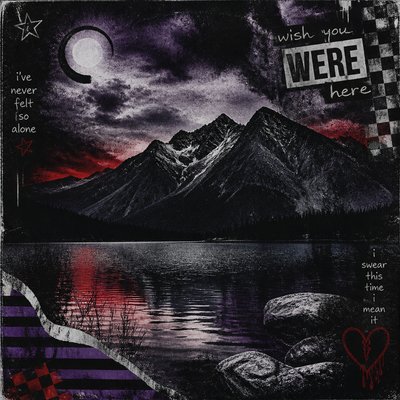
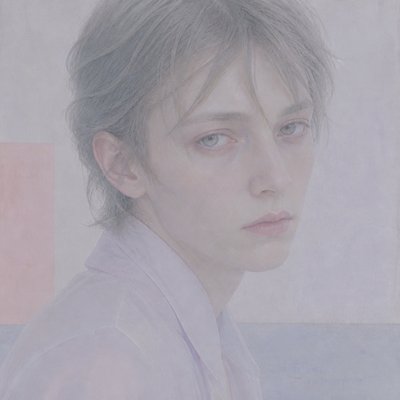
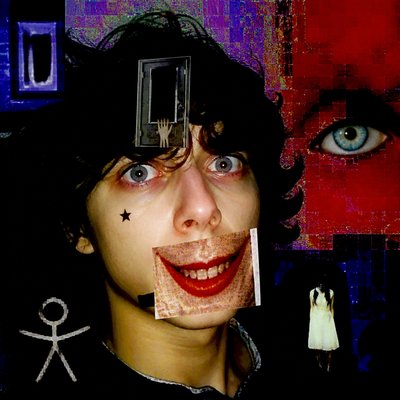
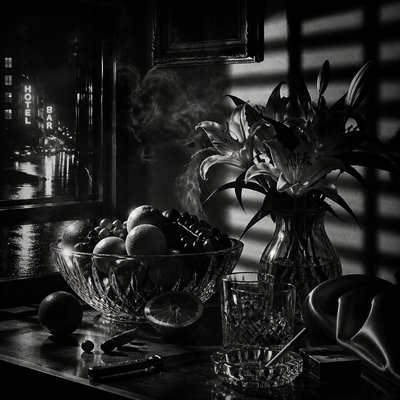
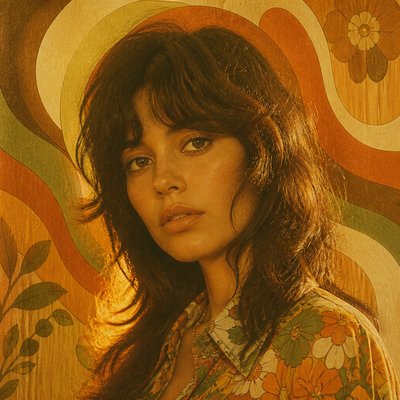
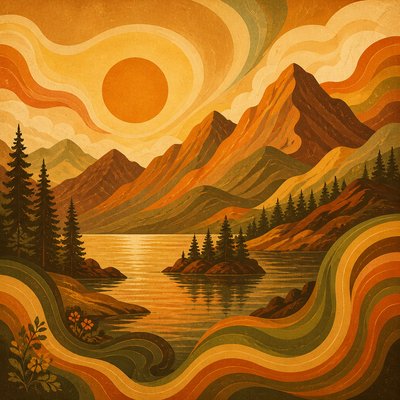
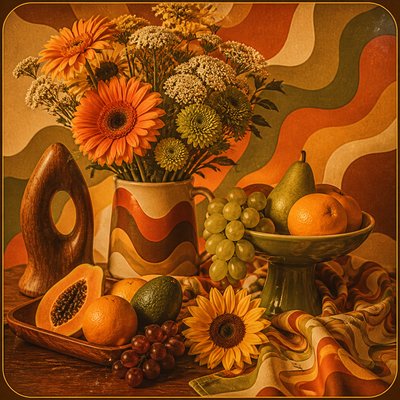
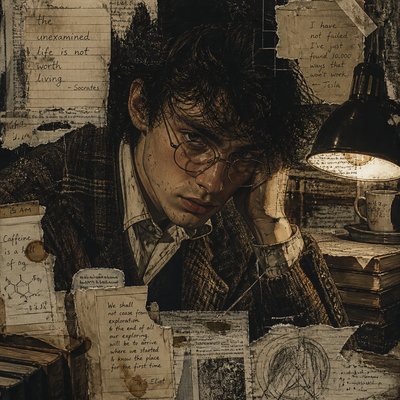
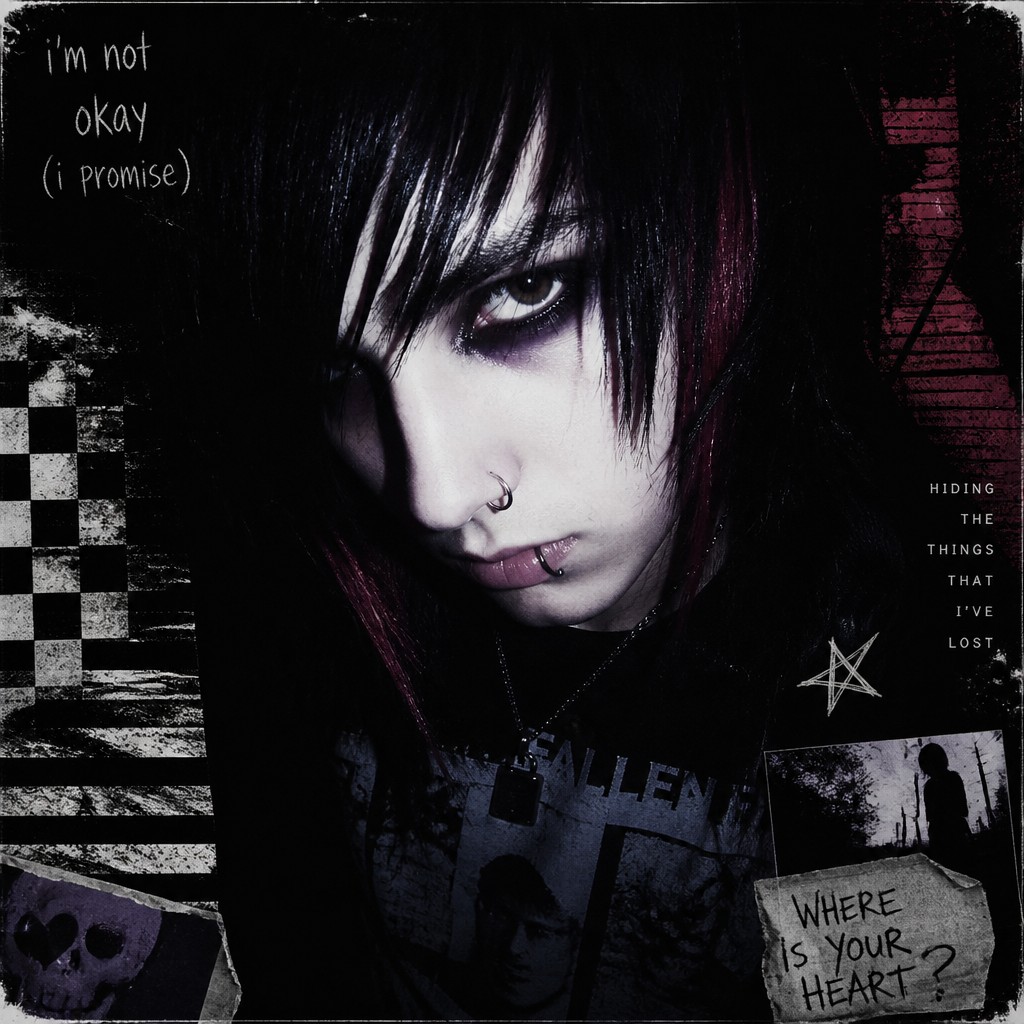
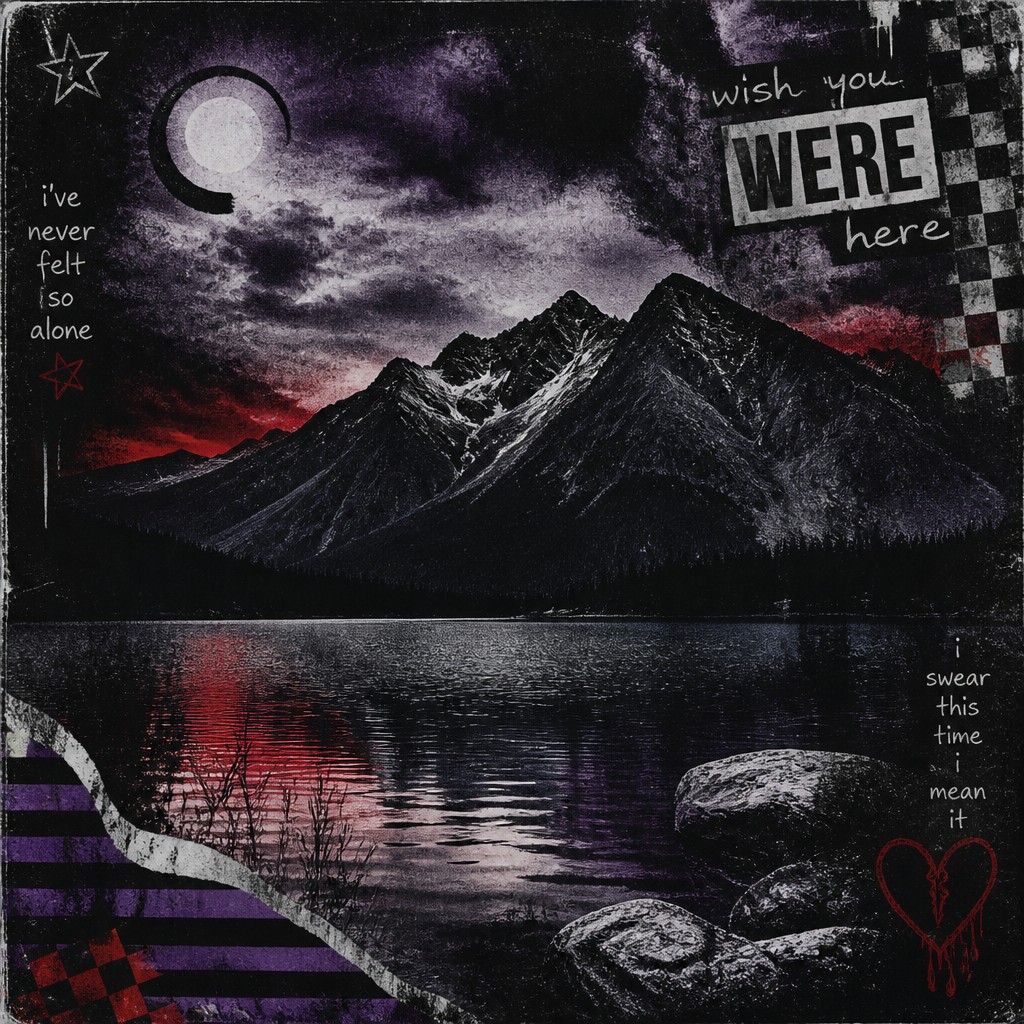
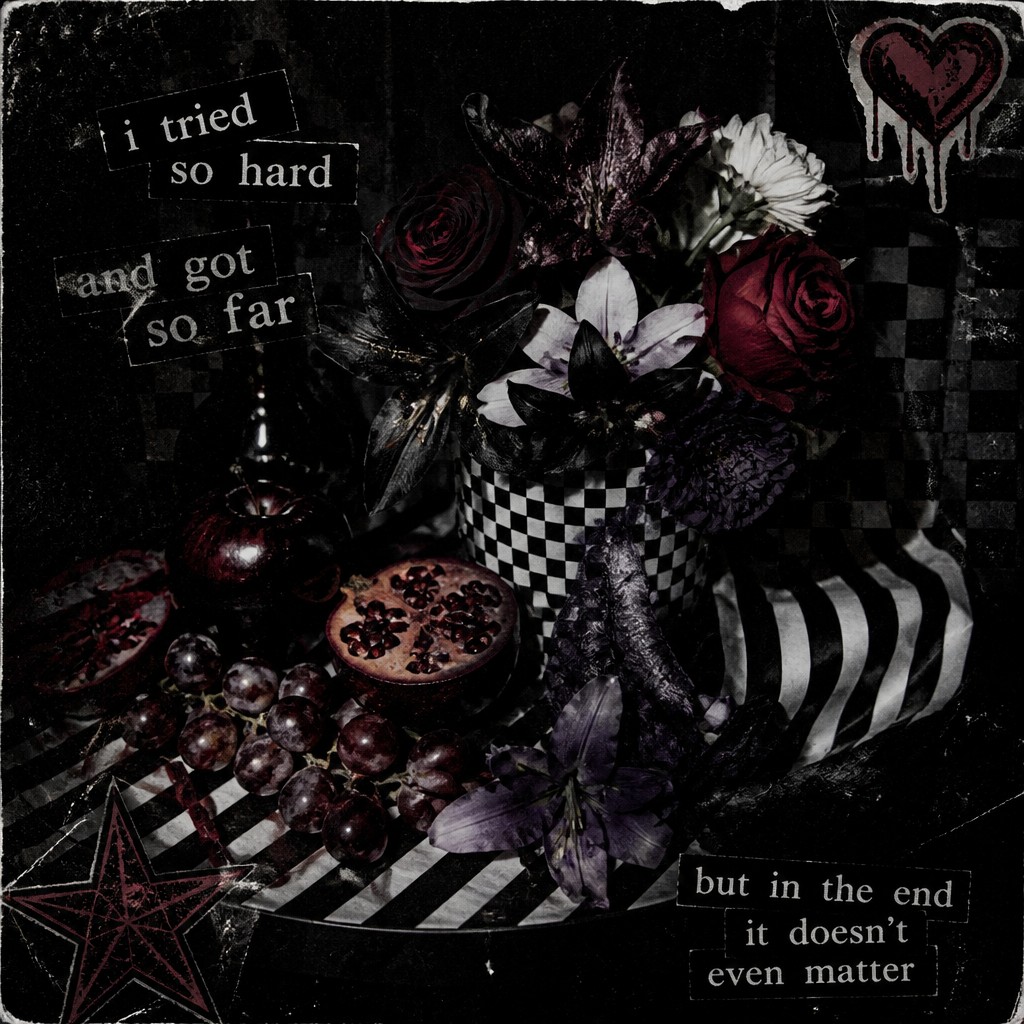
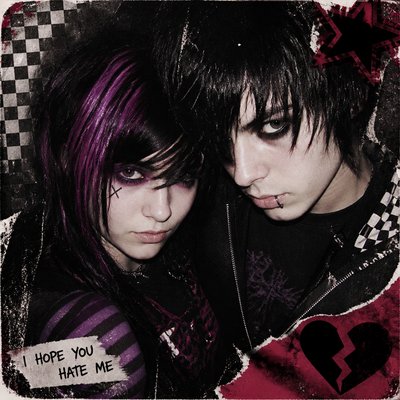
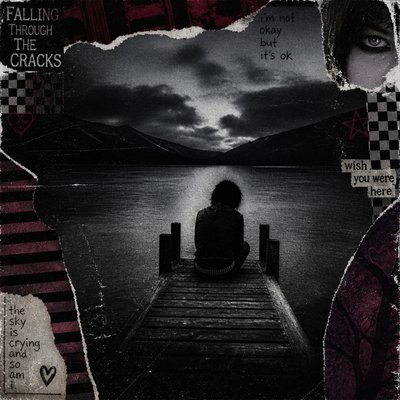
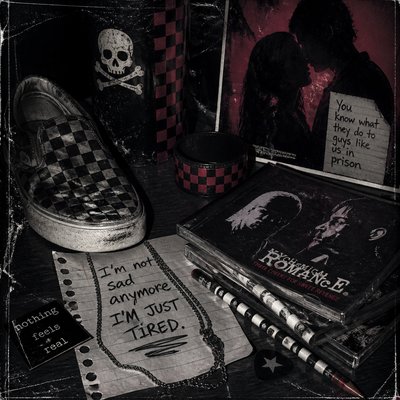
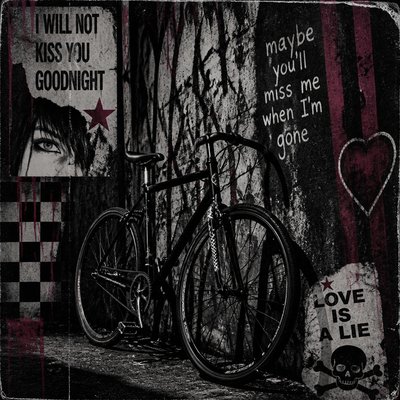
Emo aesthetic is a visual style built around emotional intensity, suburban melancholy, and the graphic language of mid-2000s alternative music culture. It is usually defined by a stark palette of black, charcoal, deep red, bruised purple, and white, combined with distressed textures, checkerboard or striped accents, handwritten marks, and a sense of raw, confessional drama.
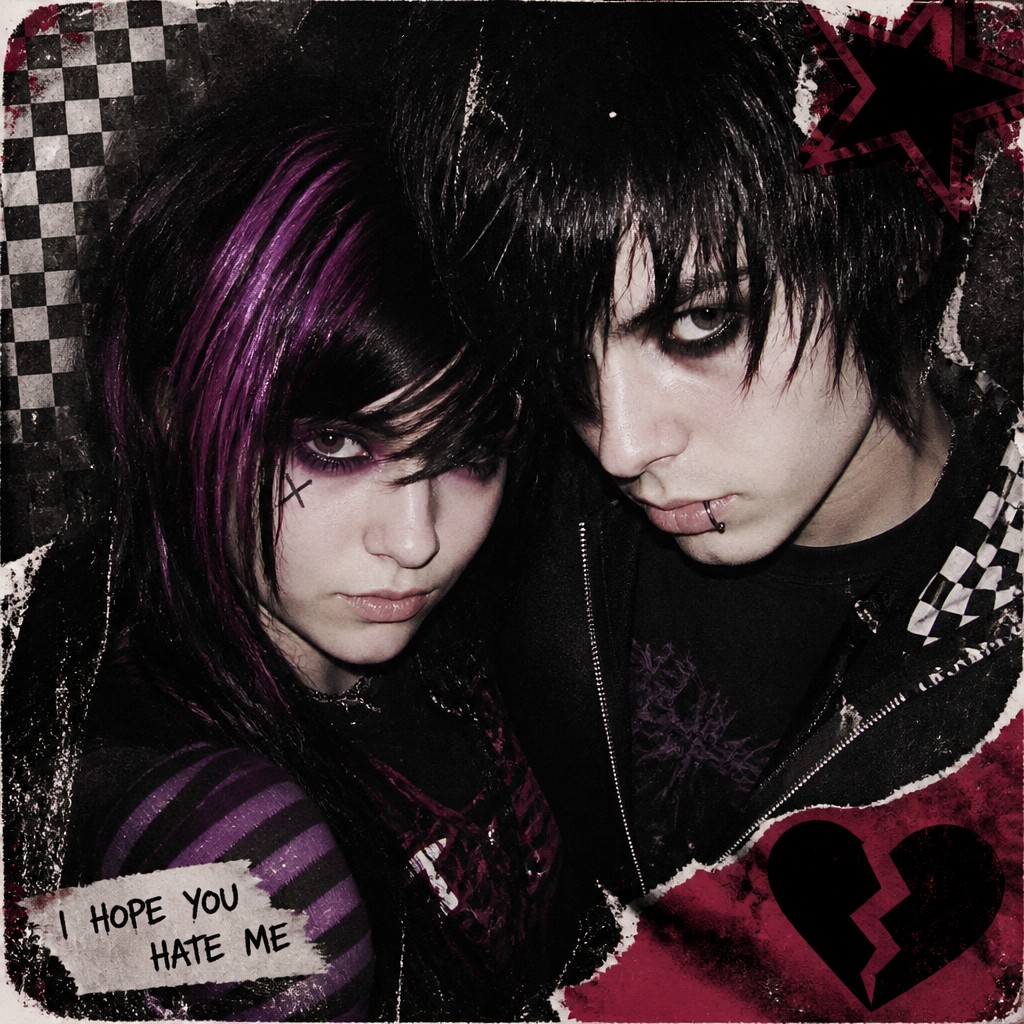
The style looks the way it does because it borrows from band posters, photocopied zines, flyer art, MySpace-era self-presentation, and DIY punk graphics, then filters them through a mood of heartbreak and vulnerability. Faces are often framed by heavy bangs, smudged eyeliner, flash-lit shadows, and worn edges, creating an image language that feels both performative and personal.
Try It On Your Photos
Upload any photo and convert it into Emo Aesthetic — drag the sliders to compare before and after.


What Defines Emo Aesthetic
The signature details, up close
High-contrast emotional palette
The core color scheme uses black, charcoal, white, deep red, and bruised purple. These colors create a dramatic contrast that feels brooding, intimate, and slightly theatrical.
DIY photocopied texture
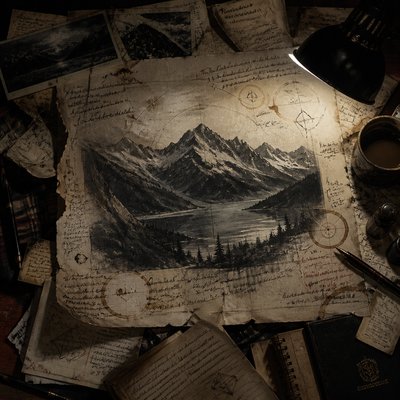
Cracked grain, faded toner, scratched surfaces, and sticker-worn edges are common. The finish often looks duplicated, pasted, or handled many times, like a worn concert flyer.
Checkerboard and stripe accents
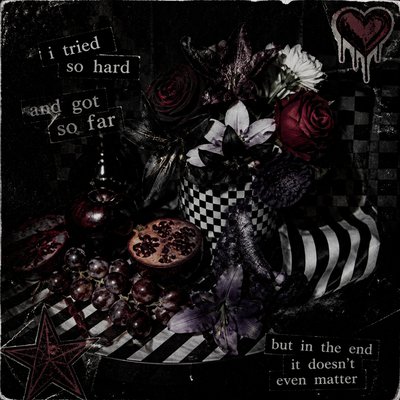
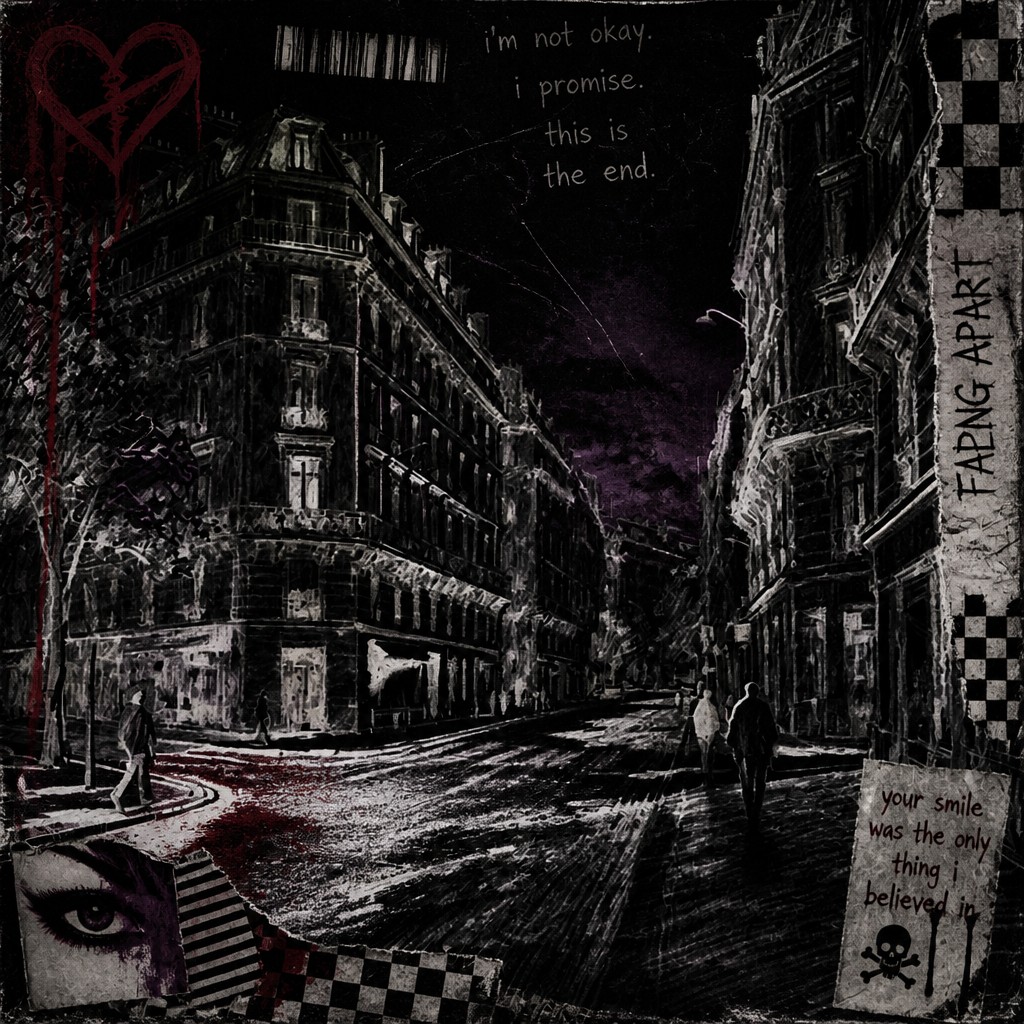
Black-and-white checkerboards, thin stripes, and graphic blocks add structure to the moodiness. These motifs connect the style to punk, skate, and alternative youth design.
Smudged eyeliner and fringe
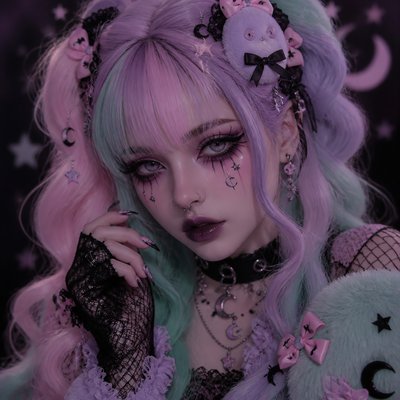
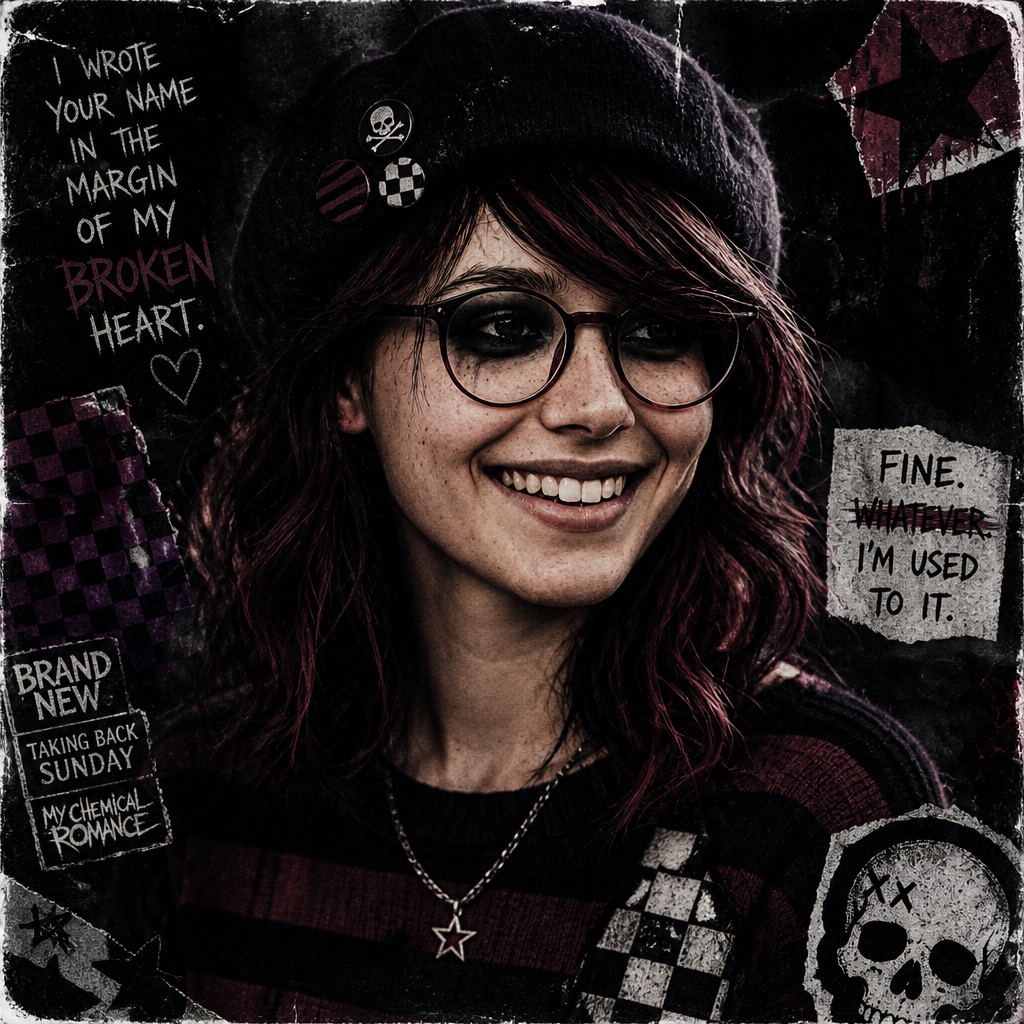
Faces and figures are often defined by dark eye makeup, side-swept bangs, and shadowed expressions. The look emphasizes vulnerability, intensity, and a deliberately unpolished glamour.
Flash-lit low-light atmosphere
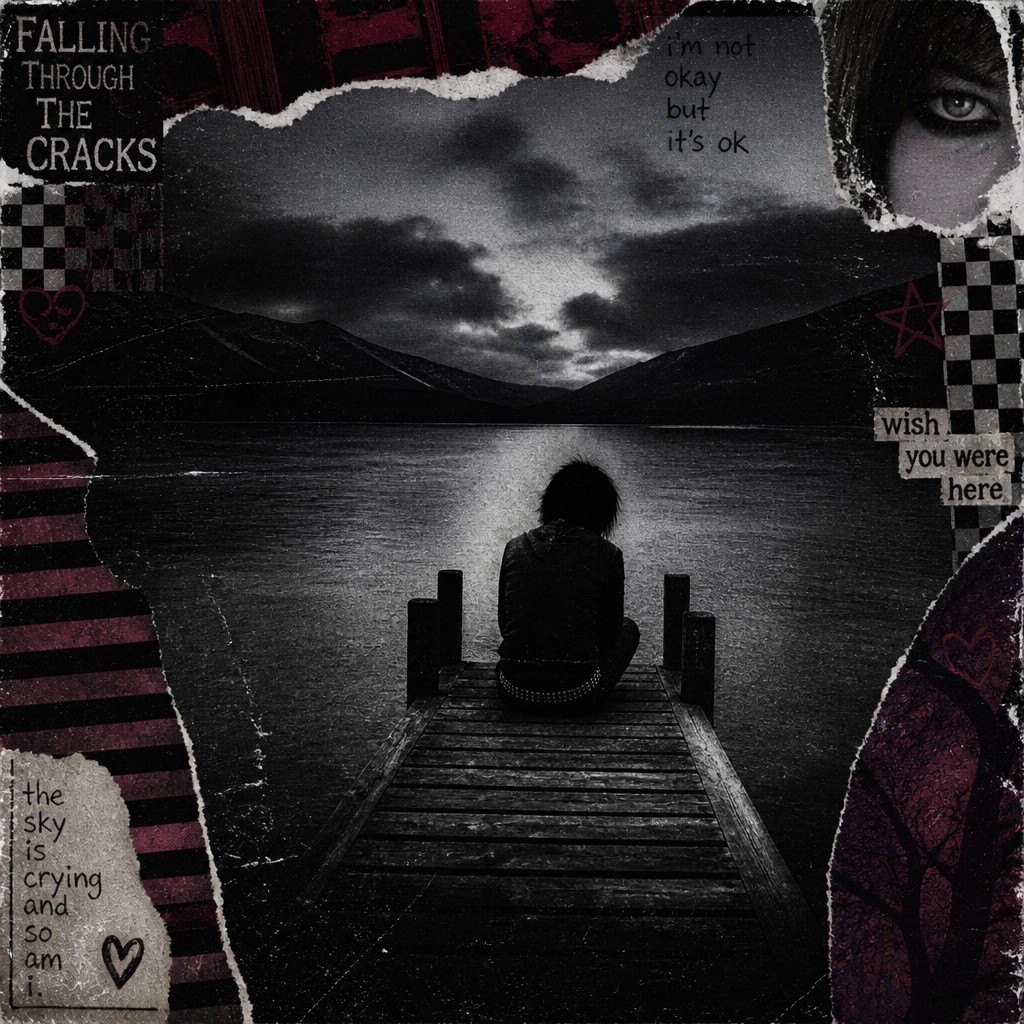
Harsh camera flash against a dark background is a frequent visual device. It produces flattened highlights, deep shadows, and a candid, bedroom-pop or backstage feeling.
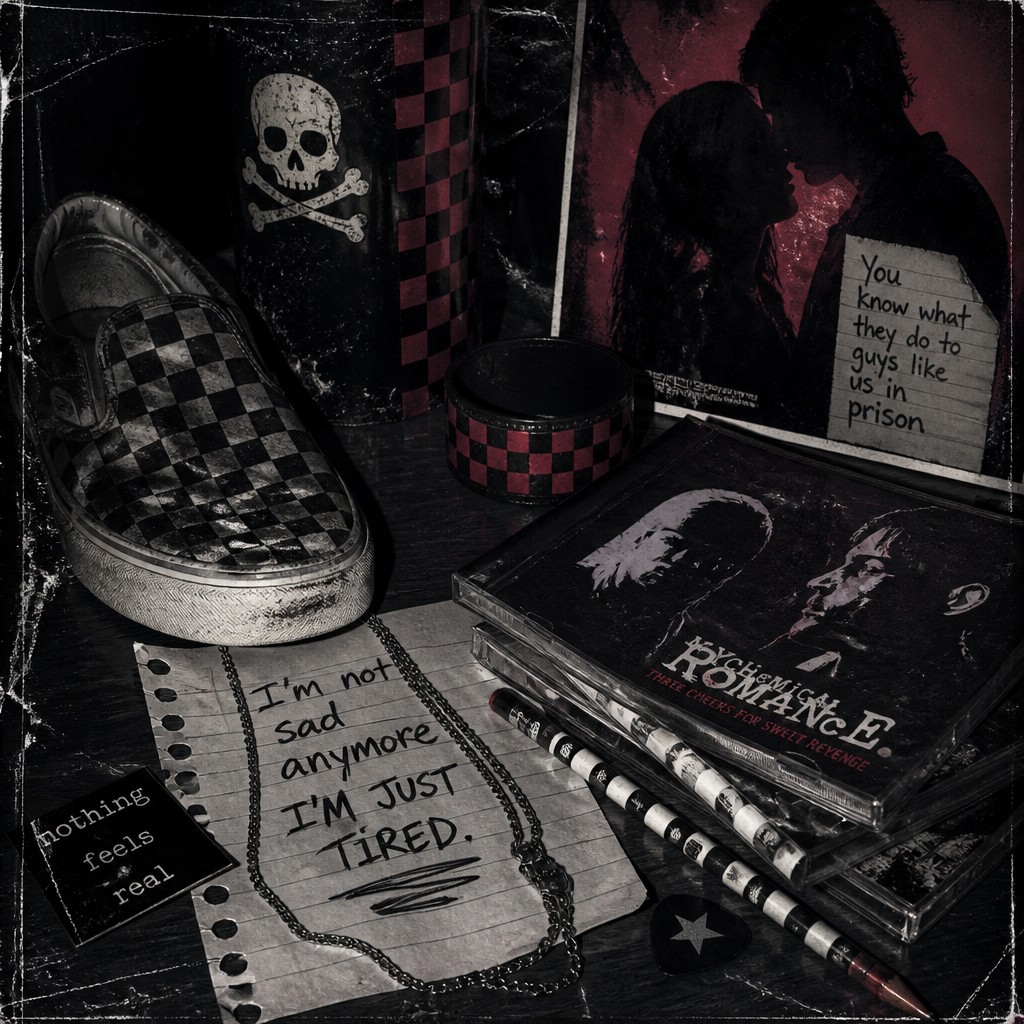
Confessional symbolism
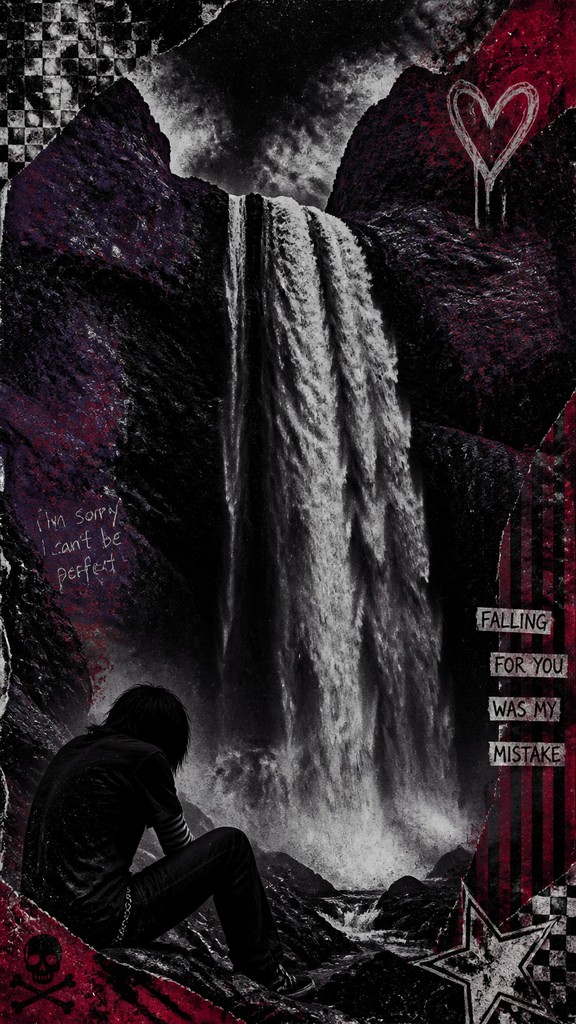
Hearts, razorwire-like linework, broken motifs, roses, stars, tears, and handwritten phrases often appear. These symbols communicate heartbreak, longing, and self-expression in a direct, graphic way.
Try It
Create Videos in Emo Aesthetic
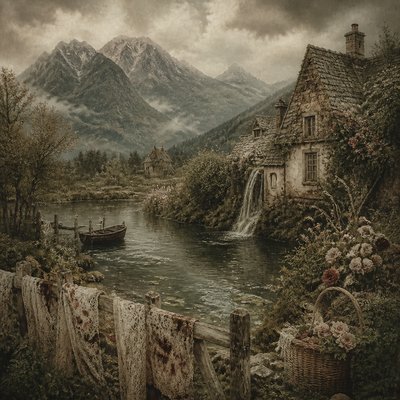
Styles aren't just for stills — describe a scene or animate an image and get a short video rendered in Emo Aesthetic. Press play to see this pond come to life.
Make a VideoEmo Aesthetic Prompt Ideas
Start from an idea — each one opens the generator with the style ready to go. See all 40 Emo Aesthetic prompts →
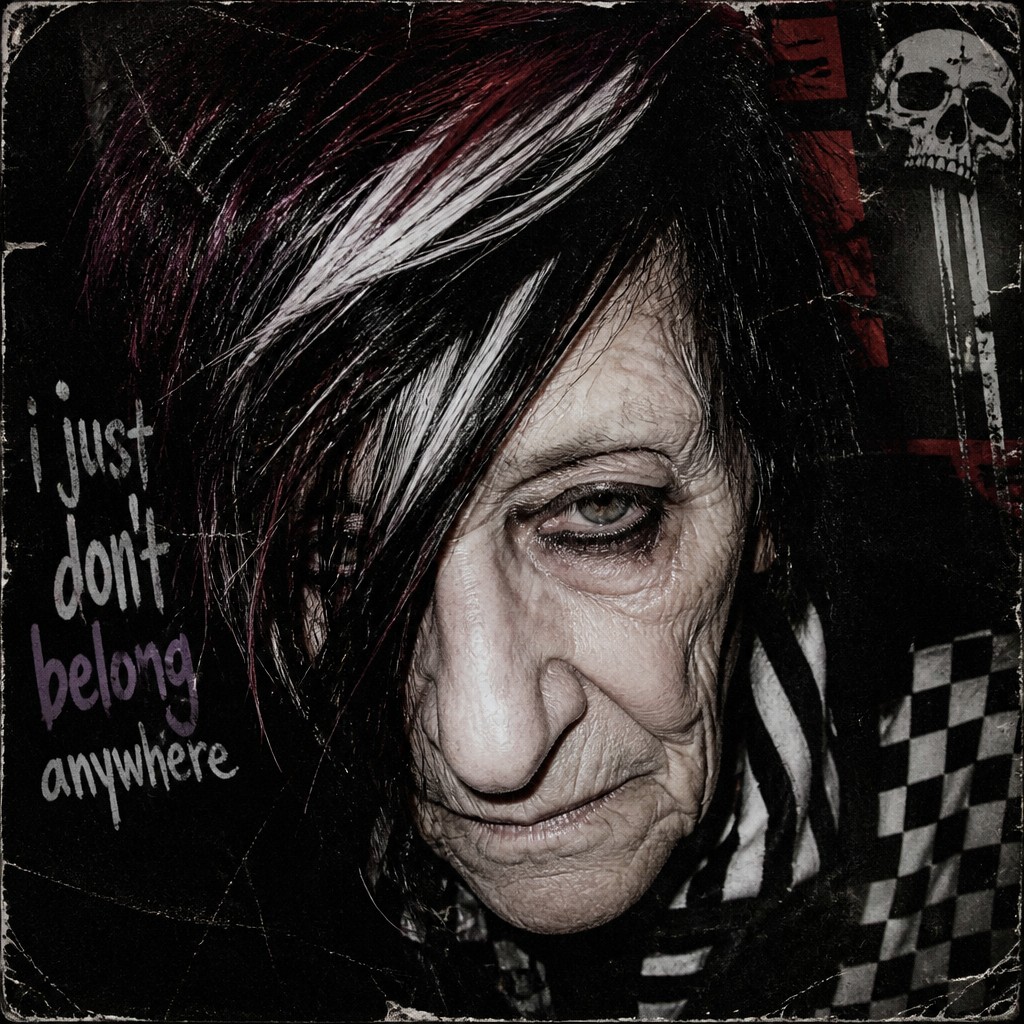
“close-up portrait of an elderly person with expressive weathered features”
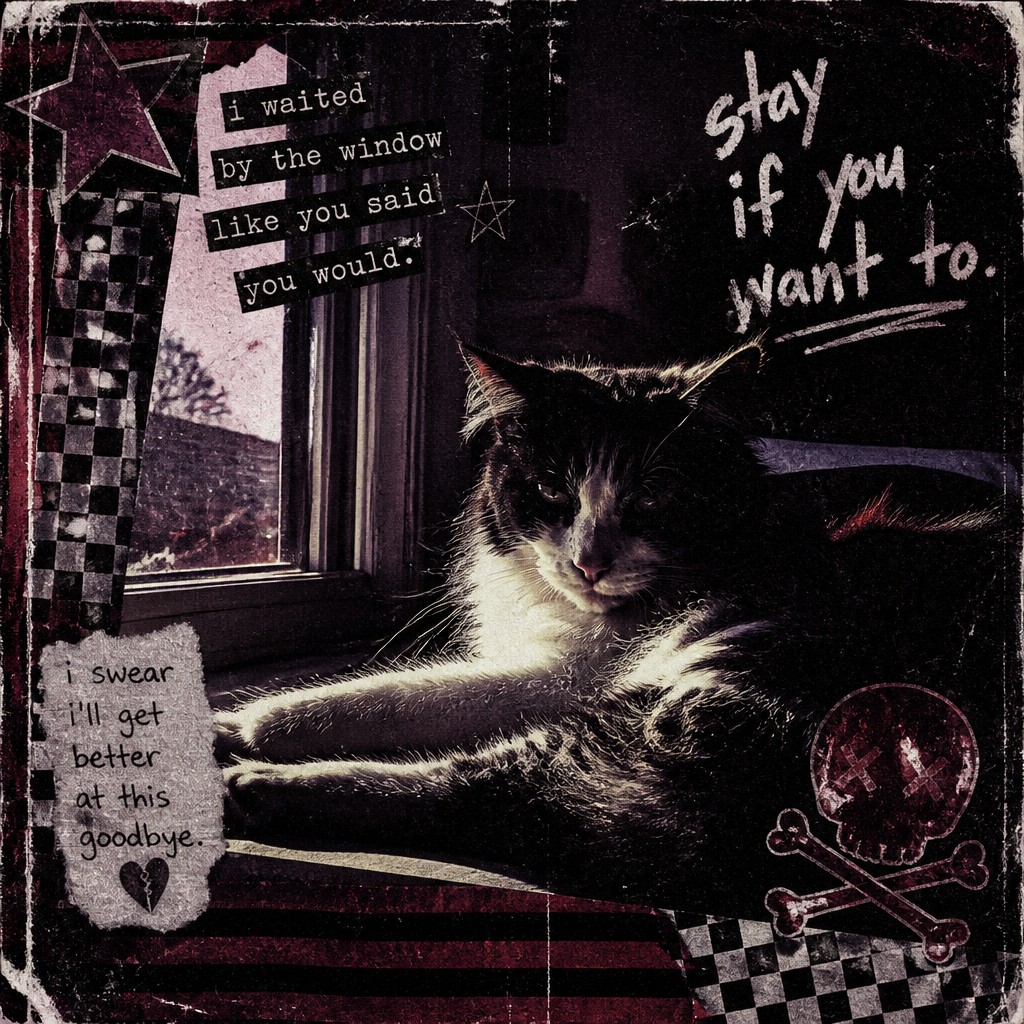
“a cat lounging in a sunlit window”
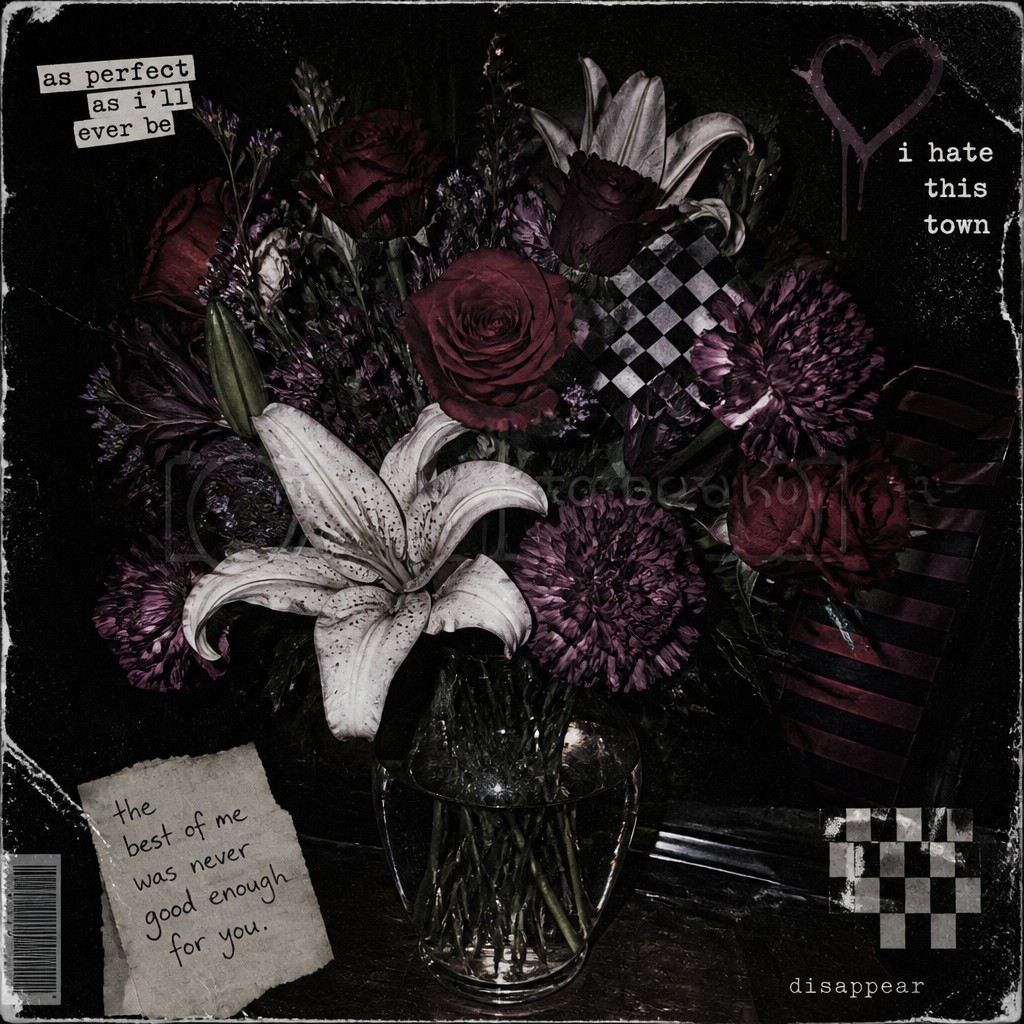
“bouquet of flowers in a glass vase”
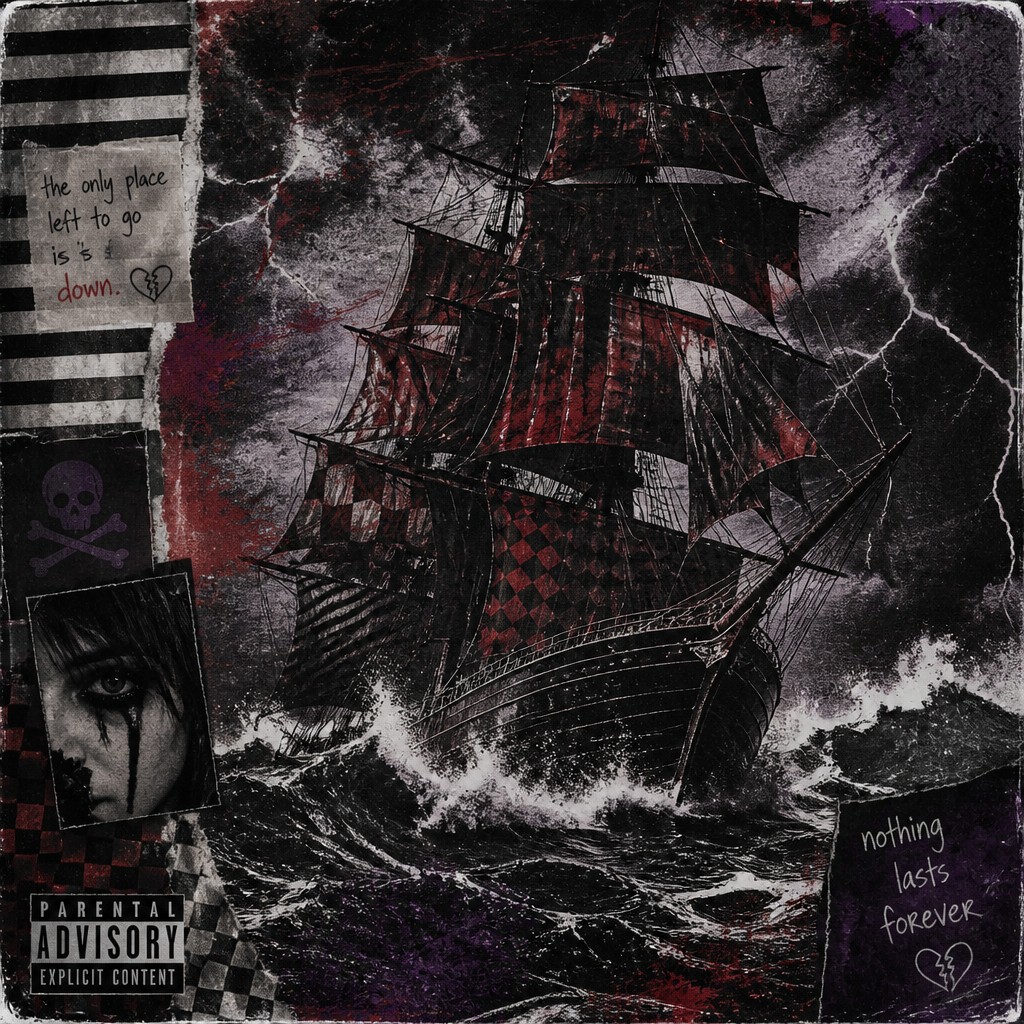
“sailing ship on a stormy sea”
How to Create Emo Aesthetic Art
Master the craft step by step — or skip straight to creating. Read the full guide →
- 1
Build the palette first
Start with black and white, then add one or two accent colors such as deep red or bruised purple. Keep saturation controlled so the emotional contrast comes from value and mood rather than bright color variety.
- 2
Use distressed, print-like surfaces
Add photocopy grain, poster tearing, halftone noise, and rough edges in illustration or photo editing. In traditional work, mimic this by layering dry brush, ink wash, collage scraps, and imperfect cut-paper shapes.
- 3
Compose like a flyer or zine
Center the subject or crop it tightly, then introduce checkerboard bands, text blocks, stickers, or handwritten overlays around the image. The composition should feel immediate and handmade rather than polished or spacious.
- 4
Control the lighting and expression
For photos or figurative art, use hard flash, strong side shadow, and downward or inward gazes to heighten emotional tension. Slightly tousled hair, heavy eyeliner, and a vulnerable expression help signal the style instantly.
- 5
Mix digital generation with specific visual cues
When writing prompts, name the palette, textures, lighting, and punk-zine details explicitly instead of relying on the subject alone. Phrases like 'gritty photocopied texture,' 'checkerboard accents,' and 'smudged eyeliner mood' help steer the output toward the correct era and feel.

The Story
History & Origins of Emo Aesthetic
Emo aesthetic is not a single historic art movement so much as a cultural style that emerged from the overlap of emo music, punk and hardcore flyer design, DIY zine culture, and early-2000s internet identity. Its visual vocabulary crystallized in the mid-2000s, when album art, tour posters, sticker graphics, and online profile images circulated widely and established a recognizable look centered on emotional candor and stylized gloom.
Its lineage reaches back to punk's cut-and-paste collage methods, goth and post-punk darkness, grunge's abrasion, and teen magazine and scrapbook aesthetics. In digital culture, low-resolution JPEGs, flash photography, and heavily personalized profile pages helped codify the look further, making it one of the most recognizable youth aesthetics of the period.
Influences: Emo aesthetic draws most directly from emo and post-hardcore music culture, punk zines, and DIY graphic design, while also borrowing from goth and post-punk darkness, grunge abrasion, and early internet self-imagery. Its visual language can be understood alongside the photocollage traditions of punk graphics and the emotionally charged portraiture of flash photography, with indirect affinities to artists and designers associated with underground print culture rather than a single canonical fine-art lineage.
Frequently Asked Questions
What defines emo aesthetic visually?
It is defined by a dark, high-contrast palette, distressed textures, and a confessional mood. Checkerboard patterns, handwritten marks, smudged eyeliner, and band-poster or zine-like composition are all common identifiers.
Is emo aesthetic the same as goth?
No. Goth tends to lean more toward Victorian, occult, romantic, or cathedral-like imagery, while emo aesthetic is rooted in mid-2000s suburban alternative music culture. Emo is usually more DIY, more photocopied, and more overtly personal.
What kind of images work best in this style?
Portraits, bedroom scenes, concert imagery, heartbreak symbols, and collaged posters all work especially well. Subjects that suggest vulnerability, adolescence, music, or loneliness tend to read most clearly in this aesthetic.
How do I make a photo look emo?
Use harsh flash, deepen the shadows, reduce overall color variety, and add grain or photocopy texture. Then frame the subject with graphic accents like checkerboard borders, sticker-like overlays, or handwritten text.
Where is emo aesthetic commonly used?
It appears in music graphics, fashion moodboards, social media edits, zines, posters, and nostalgic internet culture references. It is especially effective when the goal is to evoke early-2000s alternative youth identity.
What should I avoid if I want an authentic emo look?
Avoid glossy beauty lighting, clean minimal layouts, and overly saturated colors, which can weaken the mood. The style works best when it feels rough, intimate, and a little worn down.
Create your first Emo Aesthetic artwork
Describe anything — or upload a photo — and see it in Emo Aesthetic in seconds.
Related Styles
Discover similar art styles