Rockabilly Aesthetic
1950s rock-and-roll swagger in cherry red, jet black, chrome, neon glow, and diner-era retro attitude.
Instantly rendered in Rockabilly Aesthetic — or transform a photo
Rockabilly Aesthetic Gallery
Tap any artwork to explore it
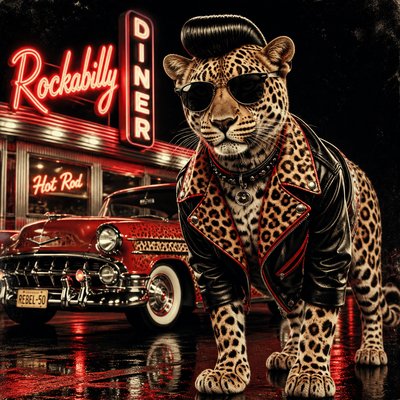
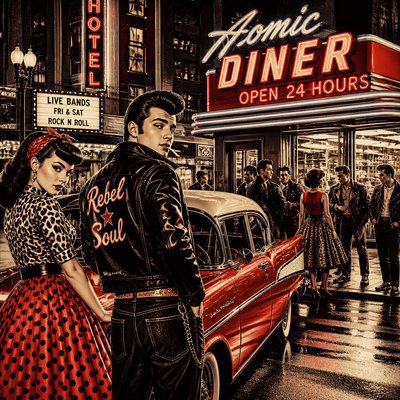
What is Rockabilly Aesthetic?
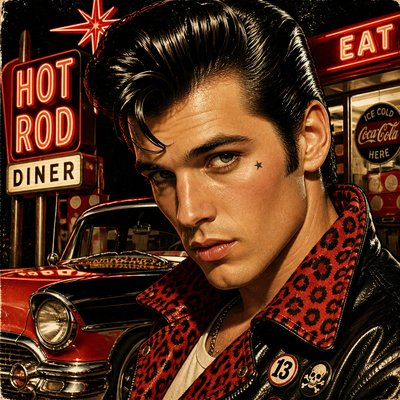
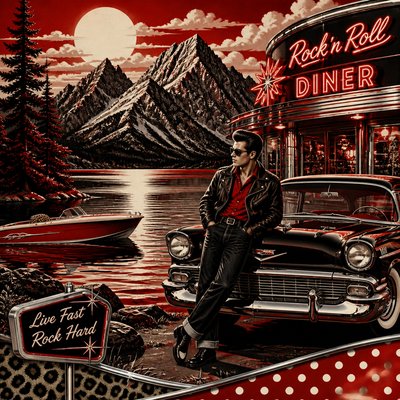
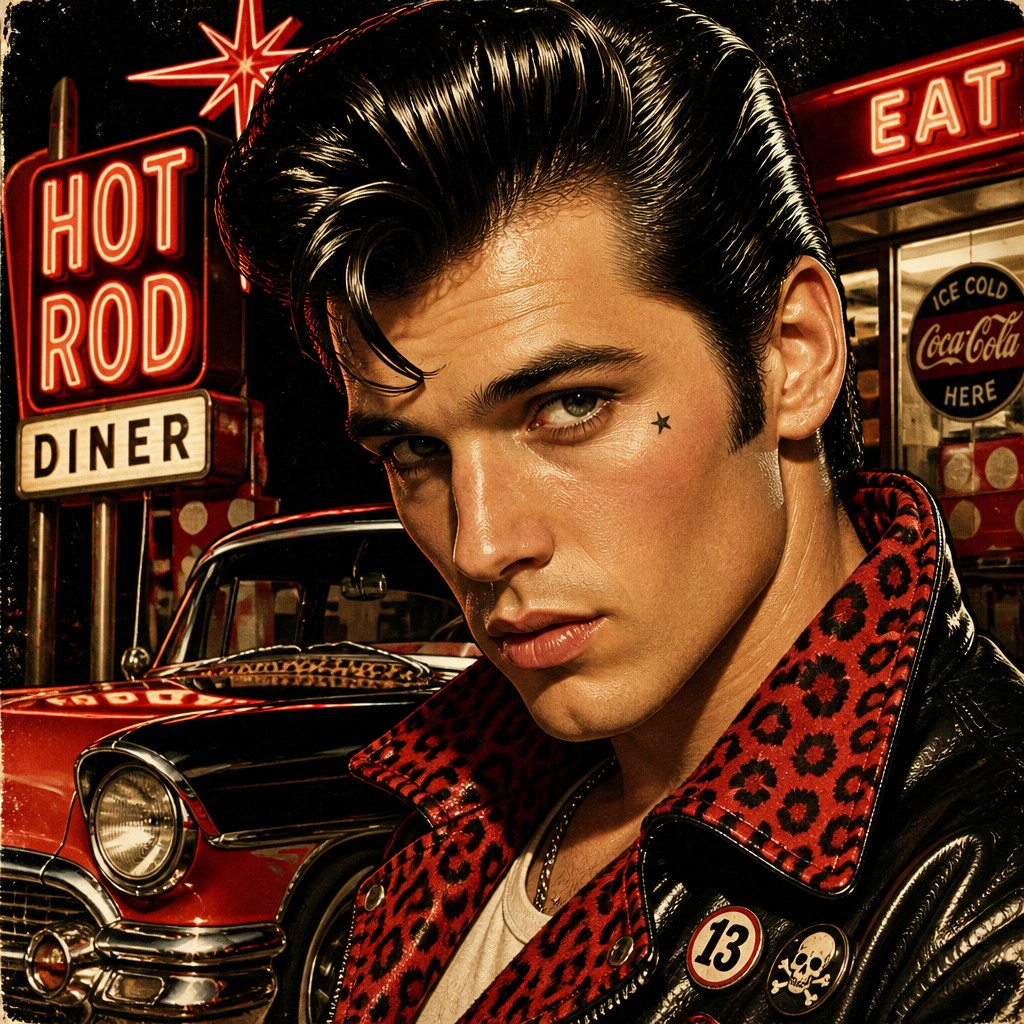
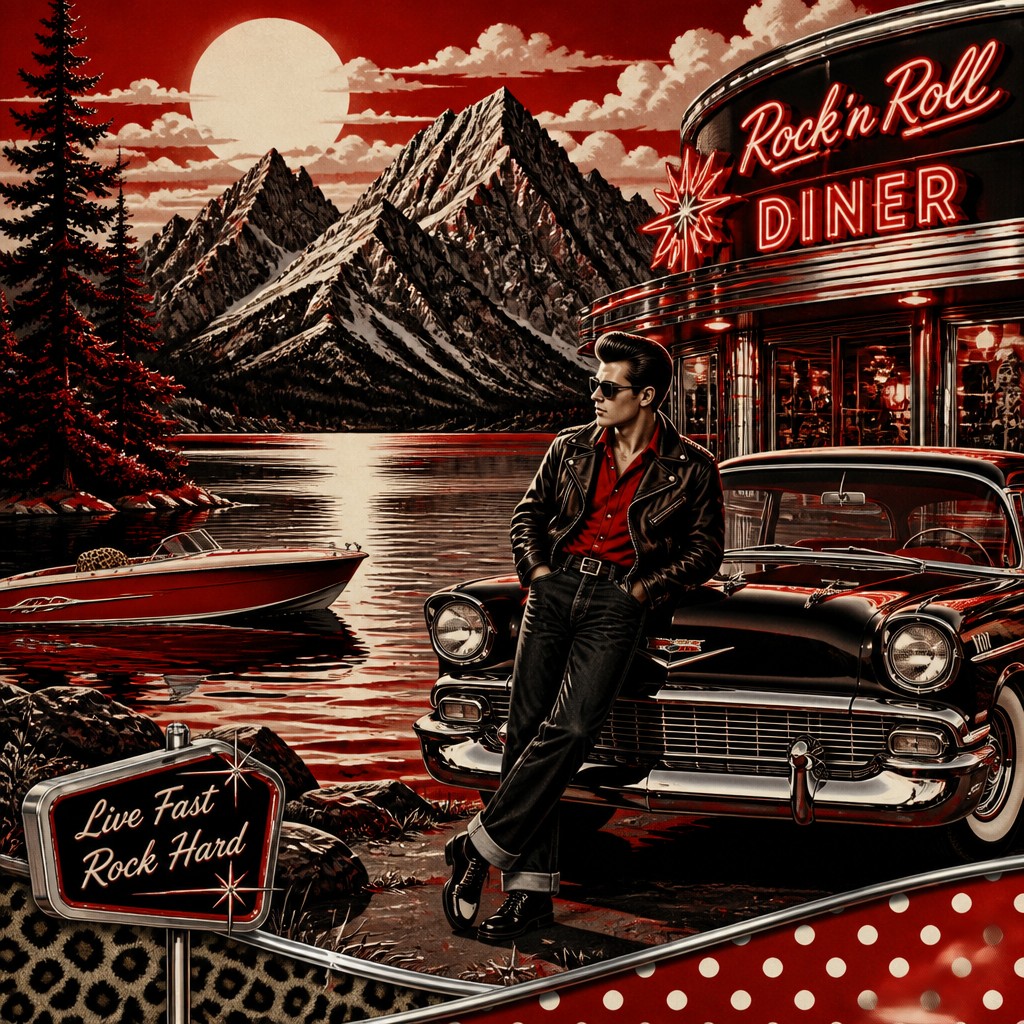
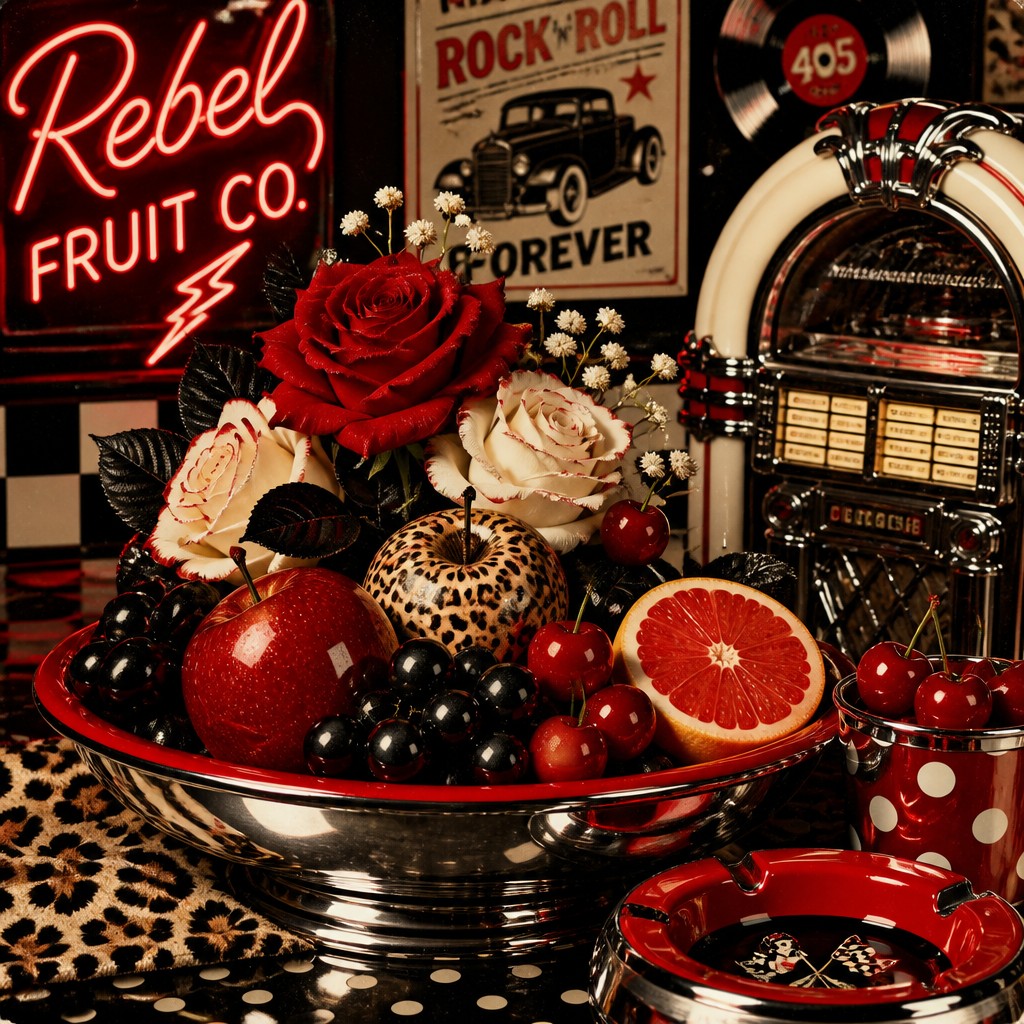
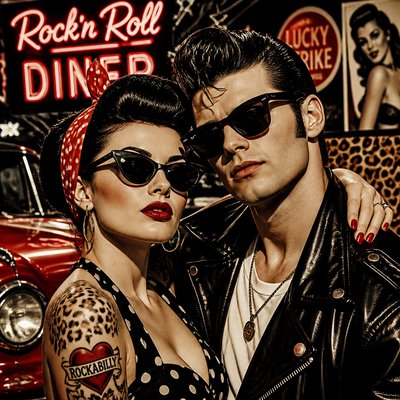
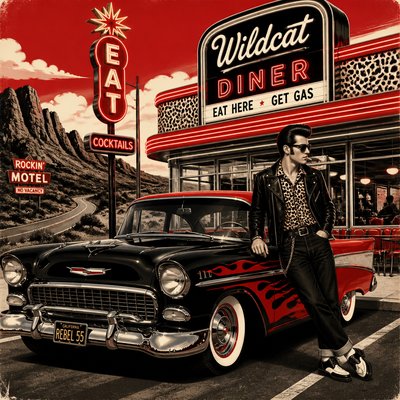
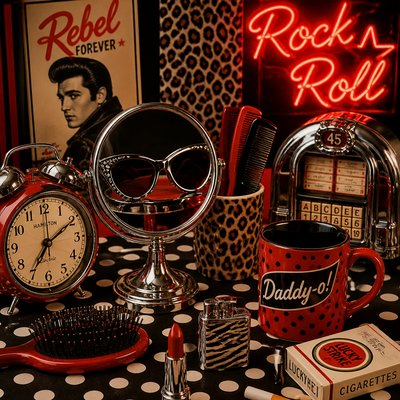
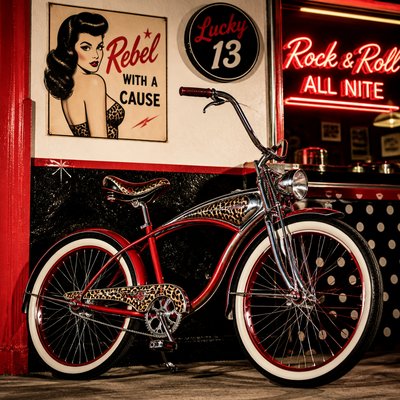
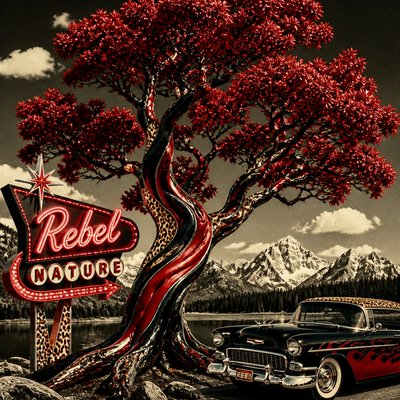
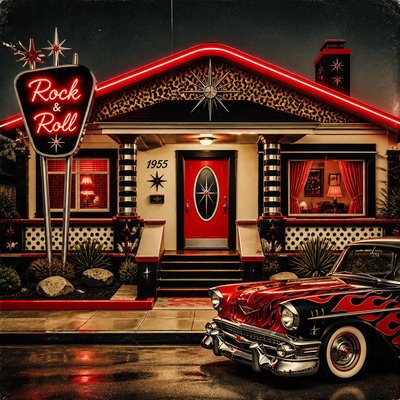
Rockabilly aesthetic is a retro style built from the visual language of 1950s American rock-and-roll culture: cherry red paint, jet black surfaces, chrome trim, diner neon, and a glossy, high-contrast finish. It often combines slick hair, pin-up glamour, hot-rod imagery, leopard print, polka dots, and tattoo-inspired motifs into a look that feels both polished and rebellious.
The style reads as energetic and theatrical because it borrows from several overlapping mid-century worlds at once: car culture, dance halls, roadside diners, jukeboxes, and youth fashion. Its visual rhythm comes from bold contrast, repeated geometric patterning, and reflective materials, which together create an image of motion, swagger, and cool defiance even in still compositions.
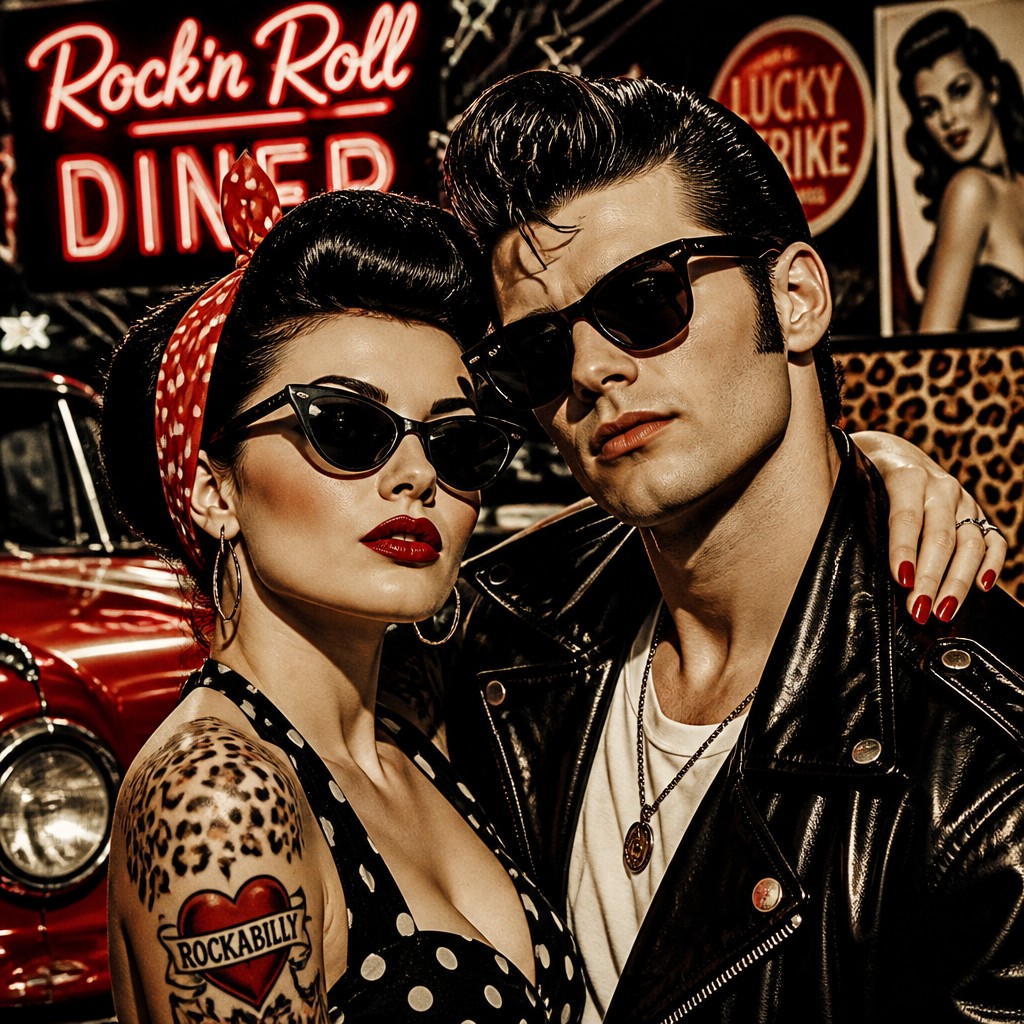
Try It On Your Photos
Upload any photo and convert it into Rockabilly Aesthetic — drag the sliders to compare before and after.
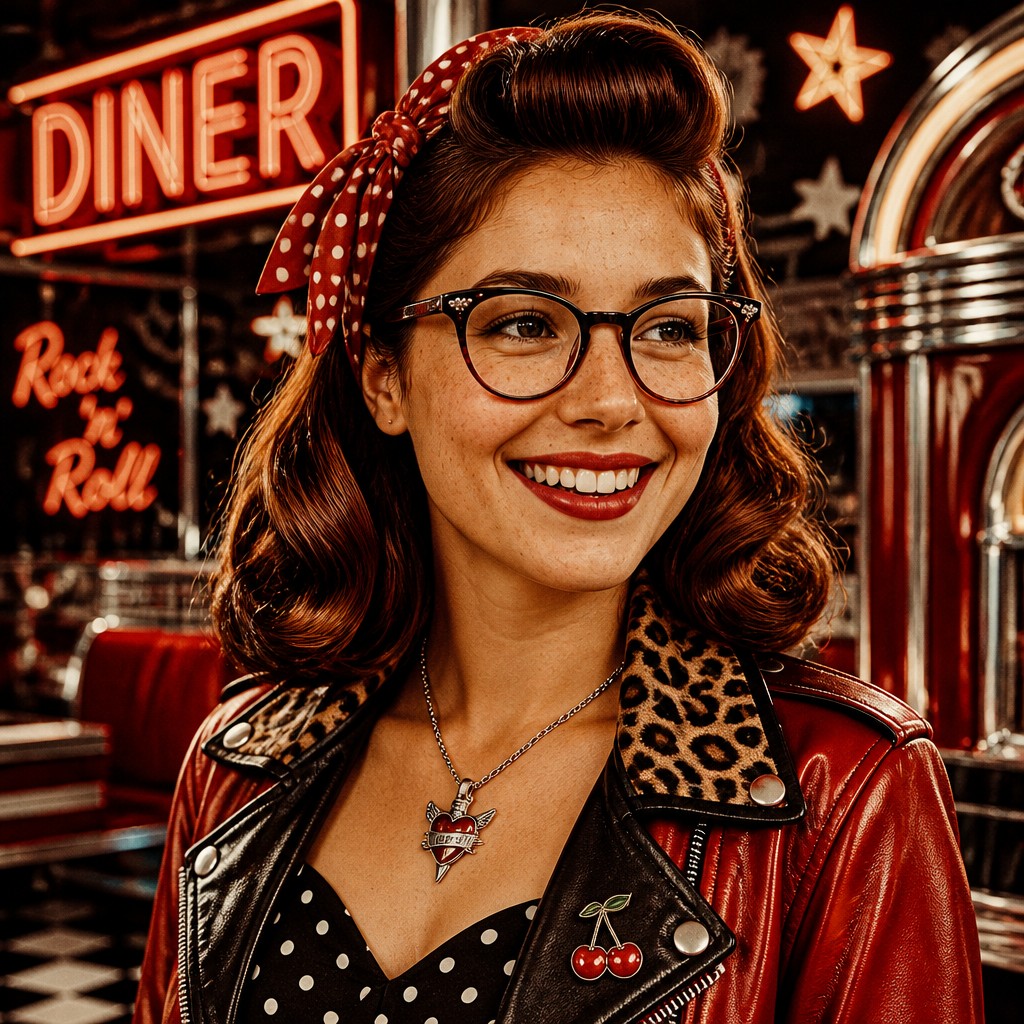

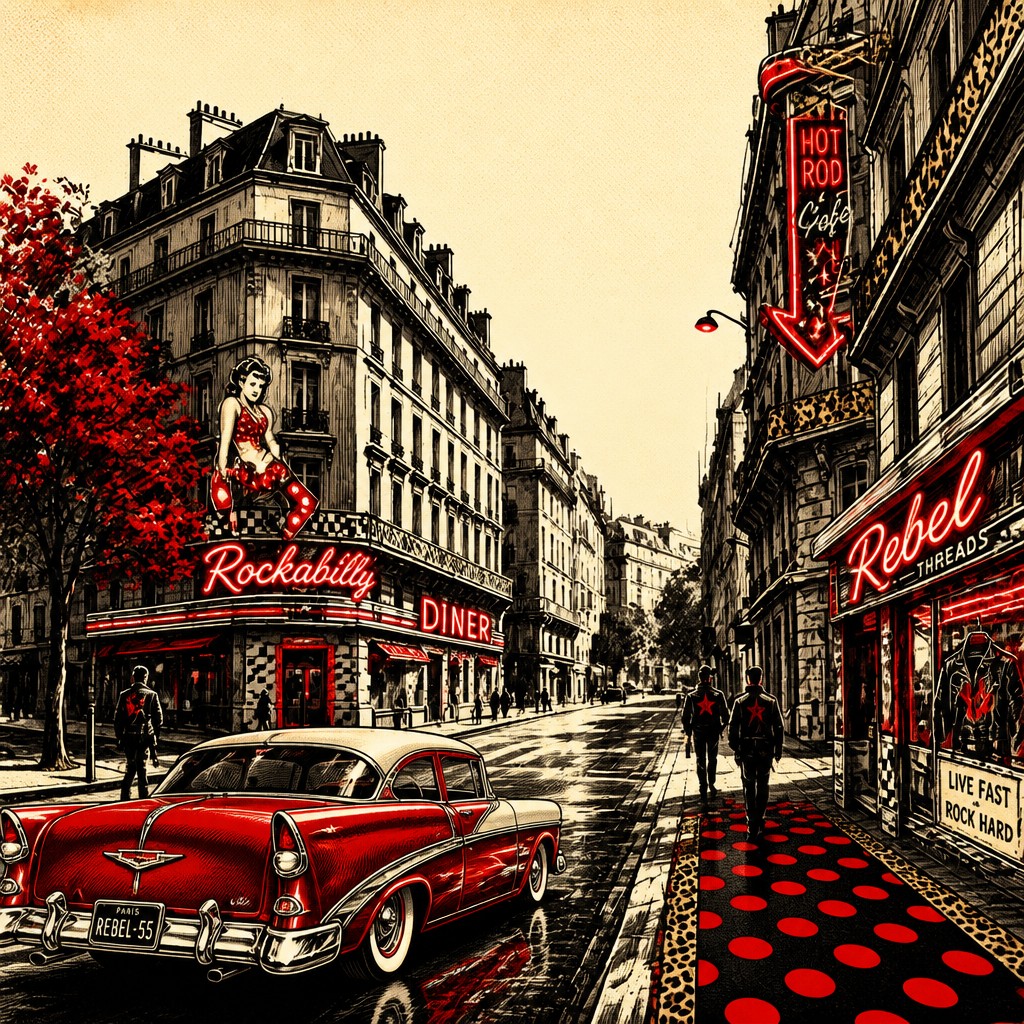

What Defines Rockabilly Aesthetic
The signature details, up close
High-contrast 1950s palette
The core colors are cherry red, jet black, cream, and chrome silver, often with teal or pink accents. These colors echo car paint, diner interiors, lipstick, and signage from the period.
Glossy surfaces and chrome highlights
Objects often appear lacquered, polished, or wet-looking, with bright specular highlights. Chrome trim, metal sparkle, and reflective edges are key to the style’s sense of speed and shine.
Diner and roadside neon
Neon signs, glowing menu boards, checkered floors, and Americana storefront cues help anchor the style. The light is usually crisp and punchy rather than soft or atmospheric.
Rebel fashion cues
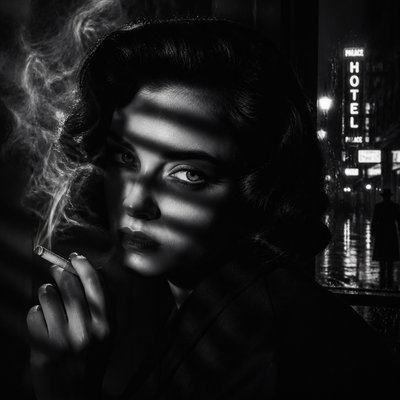
Slicked-back hair, leather jackets, cuffed jeans, pencil skirts, cat-eye makeup, and confident poses are common. The style balances glamour with working-class toughness.
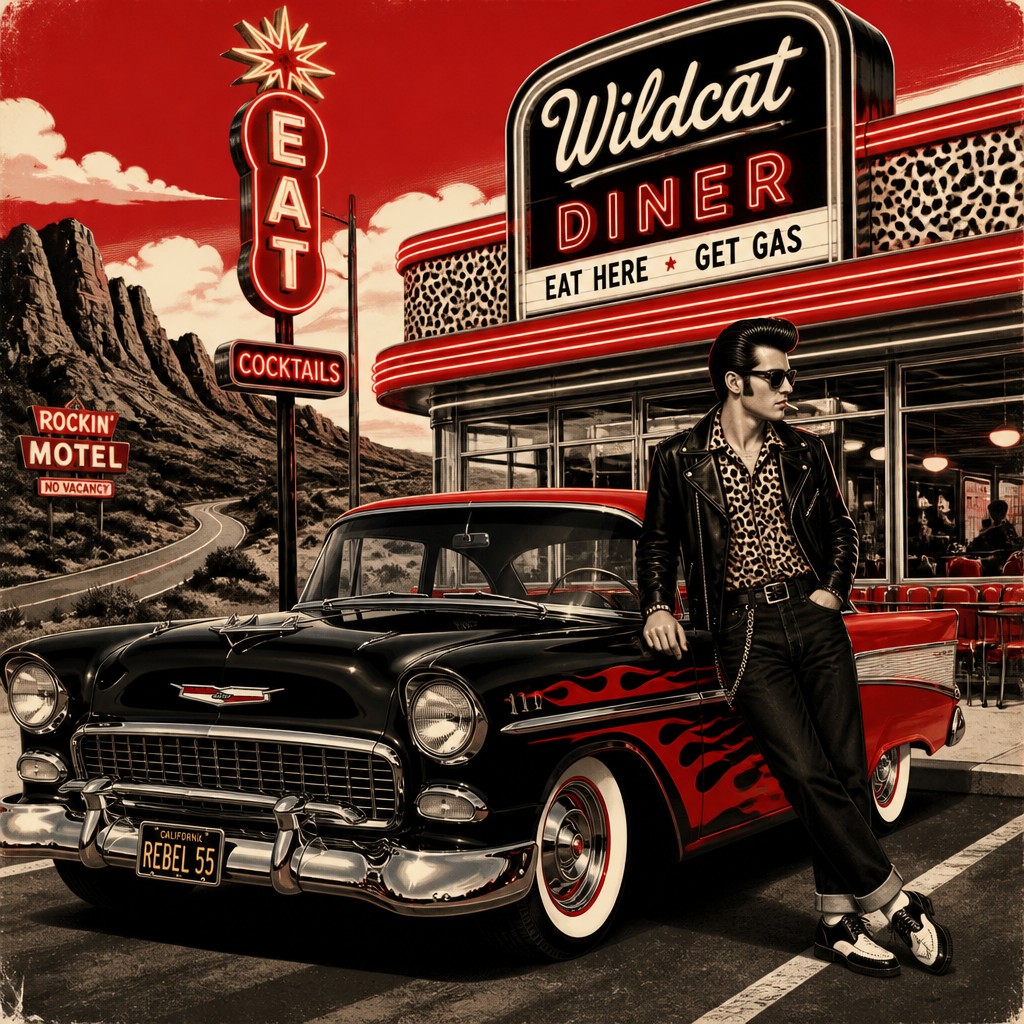
Patterned accents
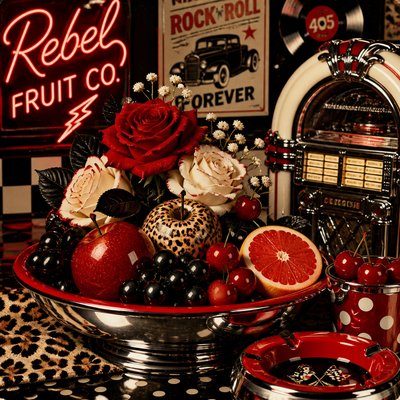
Leopard print, polka dots, cherries, flames, and checkered motifs add visual rhythm and a playful edge. These patterns often appear as clothing details, upholstery, or background decoration.
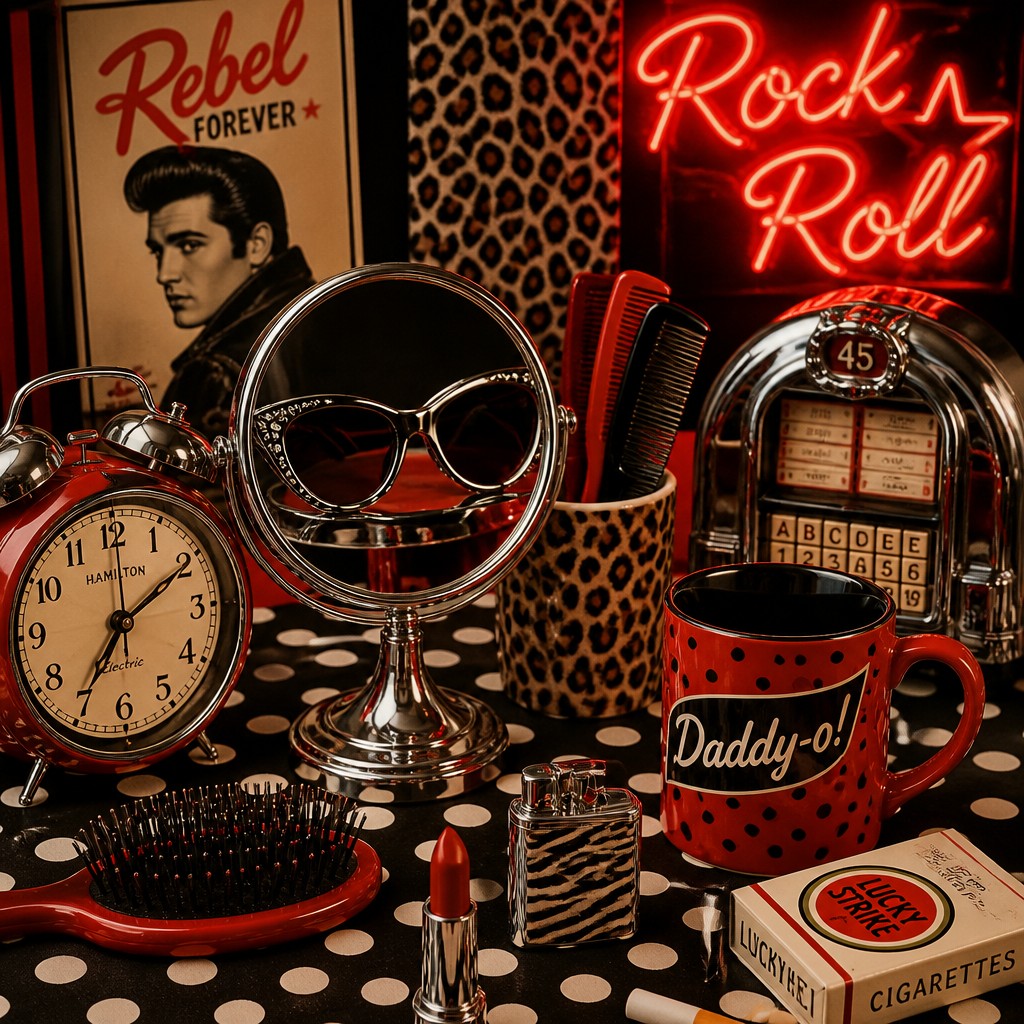
Vintage-photo grain
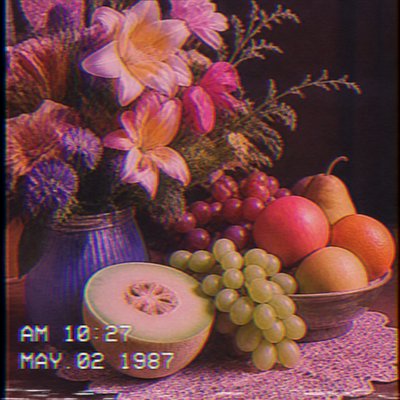
A faint grain, slight color aging, or flash photography feel can make the image resemble mid-century snapshots. Even when digitally clean, the composition often borrows the framing and contrast of period photography.
Try It
Create Videos in Rockabilly Aesthetic
Styles aren't just for stills — describe a scene or animate an image and get a short video rendered in Rockabilly Aesthetic. Press play to see this pond come to life.
Make a VideoRockabilly Aesthetic Prompt Ideas
Start from an idea — each one opens the generator with the style ready to go. See all 40 Rockabilly Aesthetic prompts →
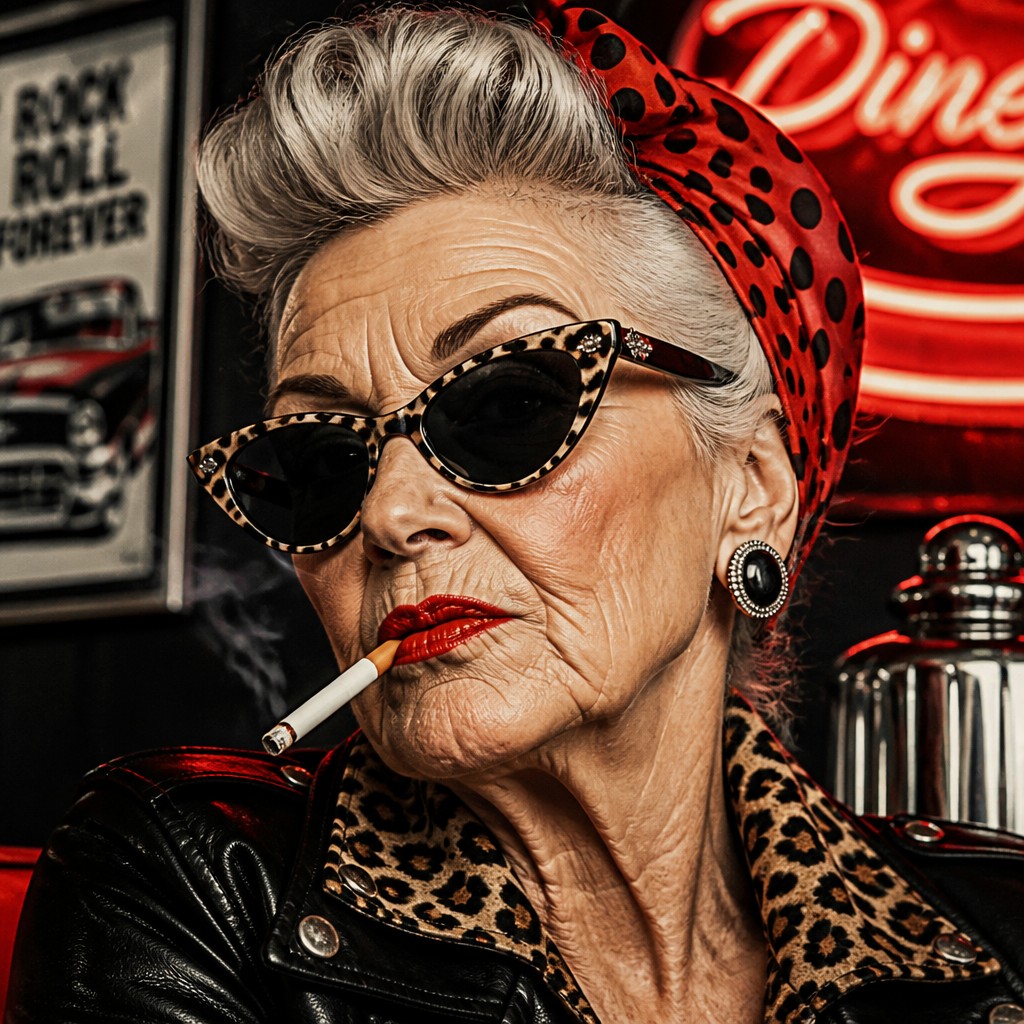
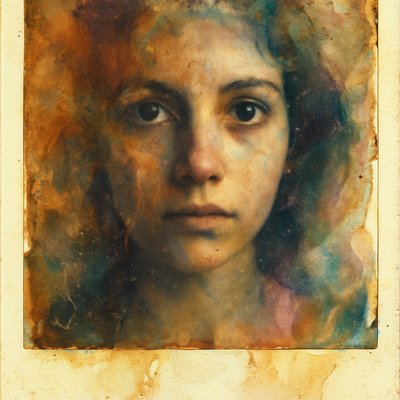
“close-up portrait of an elderly person with expressive weathered features”
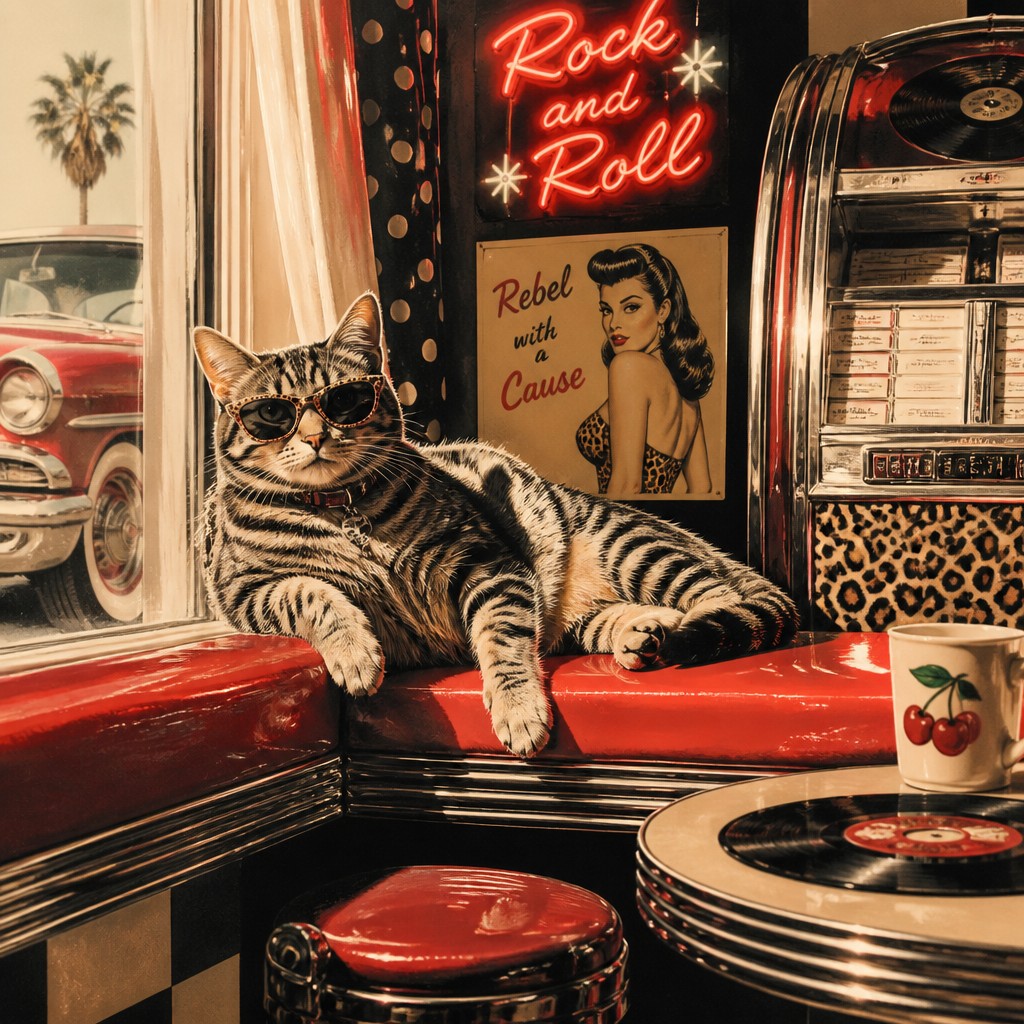
“a cat lounging in a sunlit window”
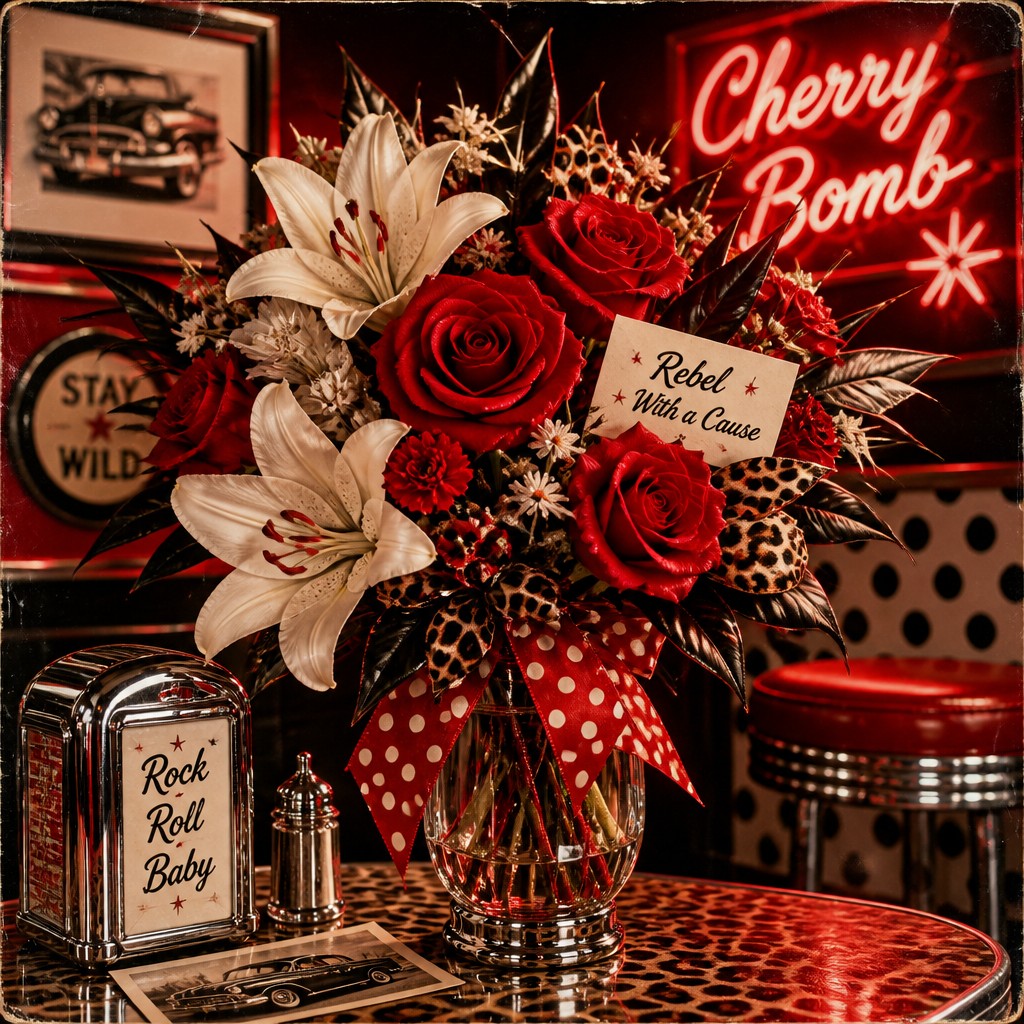
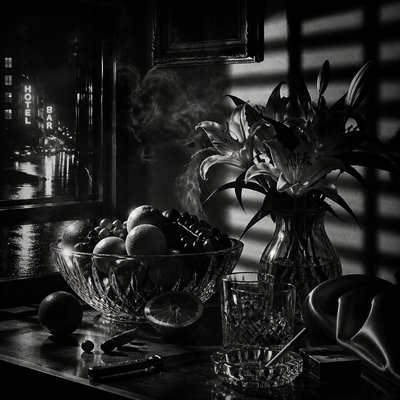
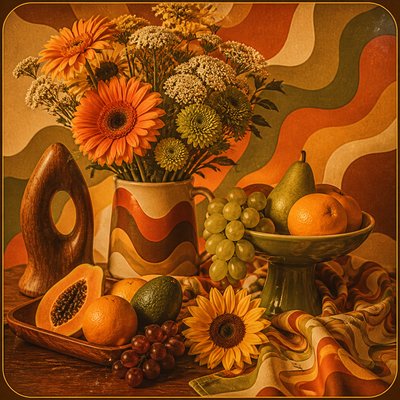
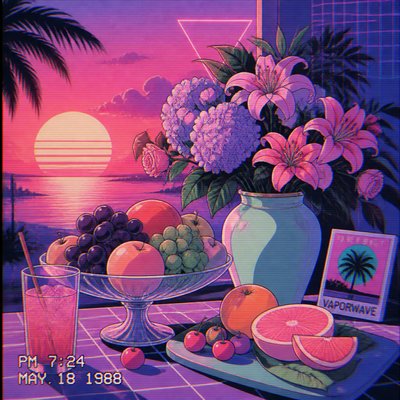
“bouquet of flowers in a glass vase”
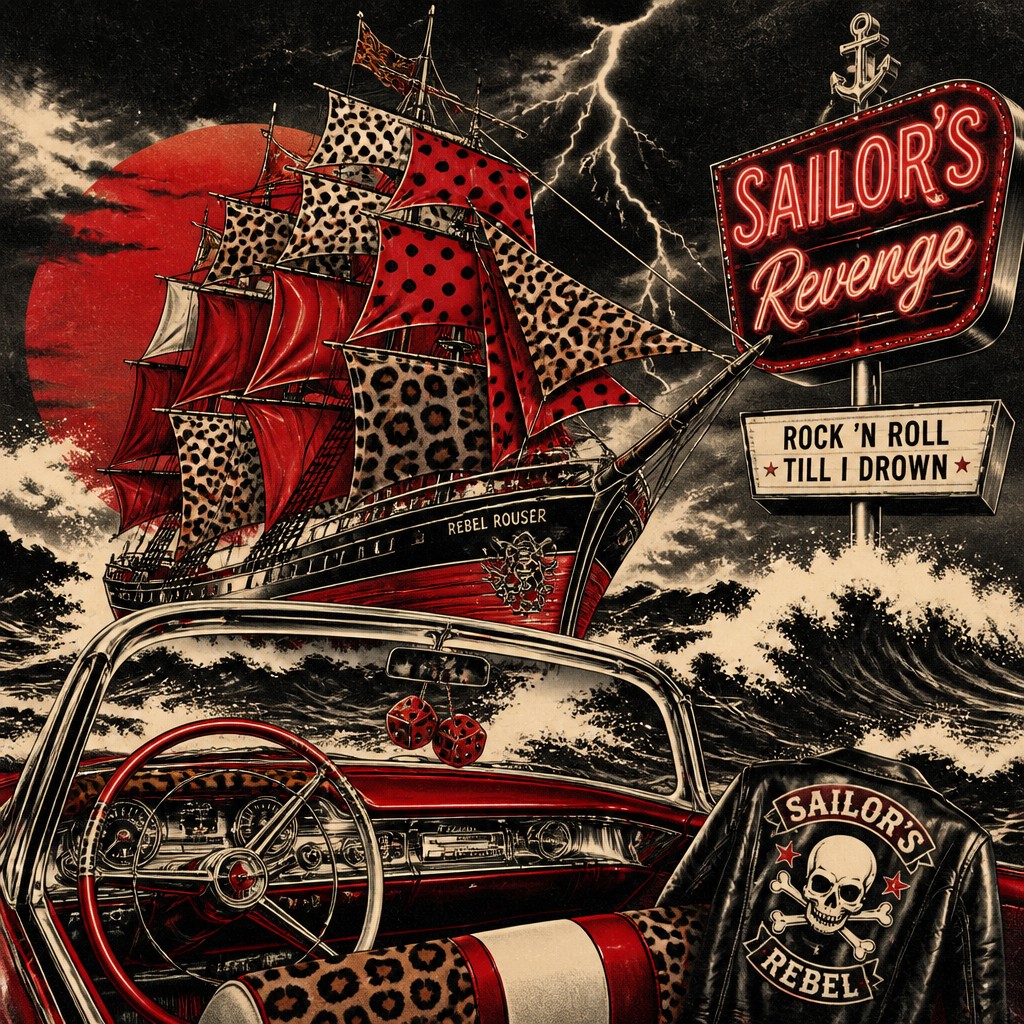
“sailing ship on a stormy sea”
How to Create Rockabilly Aesthetic Art
Master the craft step by step — or skip straight to creating. Read the full guide →
- 1
Use a limited, bold palette
Start with cherry red, black, cream, and chrome silver, then add one or two accent colors only if needed. Keeping the palette tight helps the image feel period-authentic and graphically strong.
- 2
Prioritize shine and contrast
Render surfaces with hard highlights, glossy reflections, and crisp edges rather than matte softness. Strong contrast between light and dark is essential for the vintage punch.
- 3
Add recognizable mid-century cues
Include diner booths, jukeboxes, tailfins, bowling alleys, hot rods, tattoo flash, or pin-up styling to immediately signal the era. Small details often do more than broad costume alone.
- 4
Balance polish with attitude
Pose figures with confidence and slight defiance, as if they are performance-ready or mid-strut. The style works best when glamour and rebellion appear in the same frame.
- 5
For digital or AI prompts, specify materials and era
Mention lacquered paint, chrome, neon glow, vintage-photo grain, and 1950s Americana to keep the output on target. If using image-to-image, preserve composition but shift clothing, palette, and surface treatment to the retro look.

The Story
History & Origins of Rockabilly Aesthetic
Rockabilly aesthetic is not a single historical art movement so much as a contemporary codification of mid-20th-century American subculture. Its roots lie in the rockabilly music scene of the 1950s, early rock-and-roll youth fashion, hot-rod customization, pin-up illustration, tattoo flash, and advertising design from diners, drive-ins, and roadside Americana.
As an image style, it developed later through revival culture, especially through retro fashion, custom-car culture, tattoo communities, and pop-culture nostalgia for the 1950s. Its look draws from the era’s commercial graphics and social iconography rather than from one canonical school, blending sleek consumer optimism with a deliberately rebellious edge.
Influences: Rockabilly aesthetic draws from 1950s American popular culture, especially rockabilly music scenes, pin-up illustration, tattoo flash, hot-rod customization, and diner-era commercial graphics. It also overlaps with mid-century advertising and automobile styling, where polished chrome, bold lettering, and streamlined forms were used to project speed and modernity; its broader cultural cousins include postwar Americana, retro pin-up imagery, and the graphic directness of vintage sign painting.
Frequently Asked Questions
What defines rockabilly aesthetic?
It is defined by a 1950s-inspired mix of rock-and-roll rebellion, glossy car-culture surfaces, diner neon, and bold red-black-chrome contrast. The look usually includes vintage fashion cues, retro typography, and playful patterns like polka dots or leopard print.
Is rockabilly the same as pin-up style?
Not exactly. Pin-up is one important influence, but rockabilly aesthetic is broader and usually includes music, cars, tattoos, and roadside Americana. Pin-up tends to focus more narrowly on glamorous portraiture, while rockabilly adds a tougher, more kinetic attitude.
How is this different from general 1950s retro?
General 1950s retro can include domestic optimism, pastel kitchens, and suburban design. Rockabilly aesthetic is sharper and more rebellious, with darker contrast, more chrome, louder patterns, and stronger references to youth subculture and performance.
What subjects work best in this style?
Hot rods, motorcycles, diners, singers, dancers, pin-up portraits, tattooed characters, and stylish couples are especially effective. Any subject can work if it is framed with bold contrast, retro materials, and a sense of swagger.
How do you make a photo look rockabilly?
Emphasize contrast, deepen blacks, intensify reds, and add a polished sheen to surfaces. You can also introduce vintage grain, neon signage, and mid-century wardrobe details to shift the image into the style.
Where is rockabilly aesthetic commonly used?
It appears in fashion, tattoo art, music posters, bar and diner branding, custom car culture, album artwork, and retro-themed interiors. It is also popular for portraits and lifestyle imagery that want a nostalgic but energetic 1950s feel.

Create your first Rockabilly Aesthetic artwork
Describe anything — or upload a photo — and see it in Rockabilly Aesthetic in seconds.
Make Something with Rockabilly Aesthetic
Related Styles
Discover similar art styles