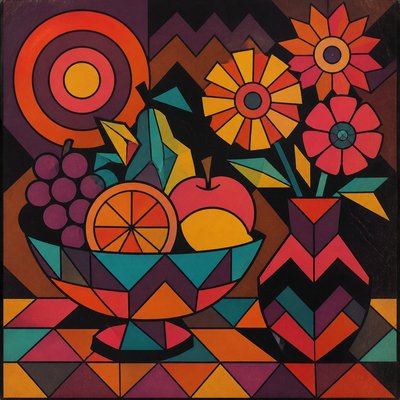
80s Retro Aesthetic
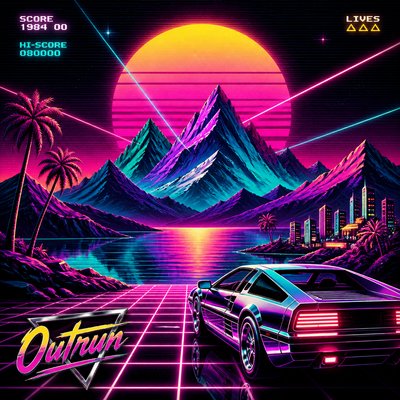
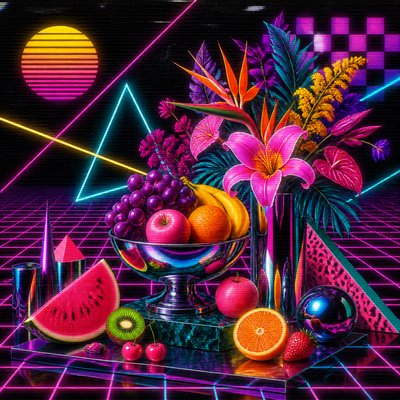
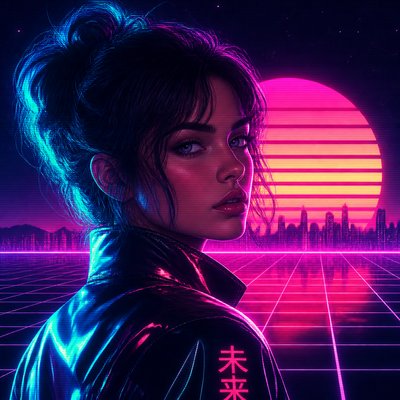
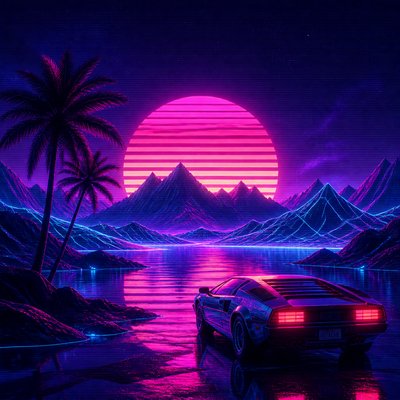
Neon maximalist 1980s-inspired aesthetic with hot pink, teal, chrome, VHS haze, grids, and arcade-era energy.
Instantly rendered in 80s Retro Aesthetic — or transform a photo
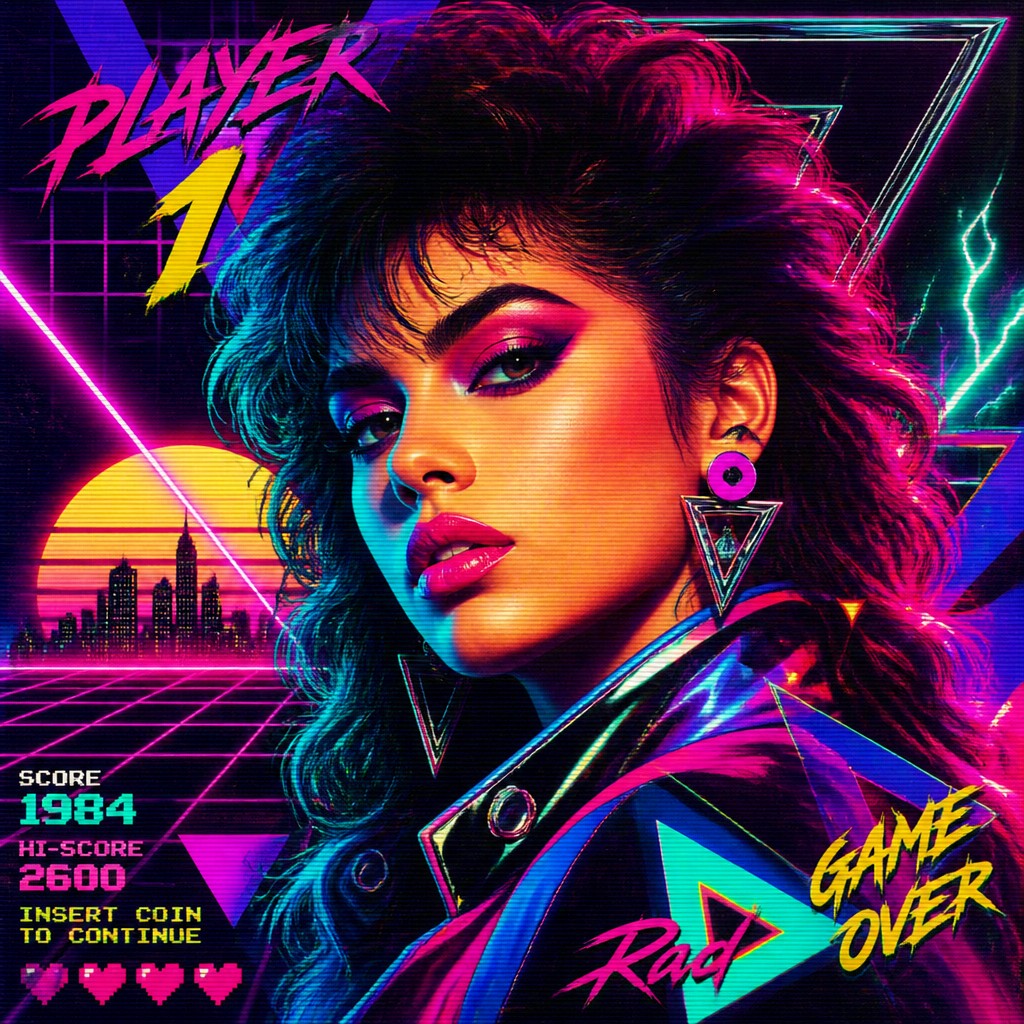
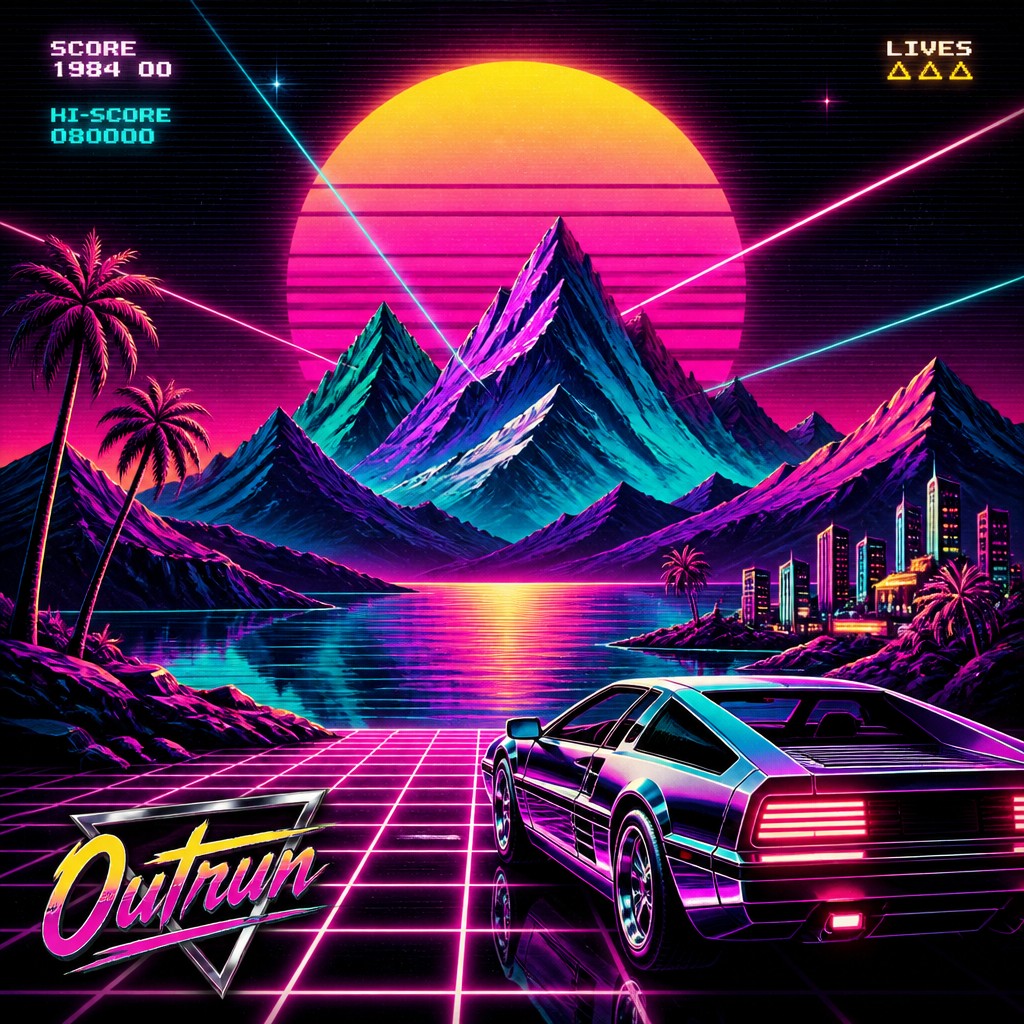
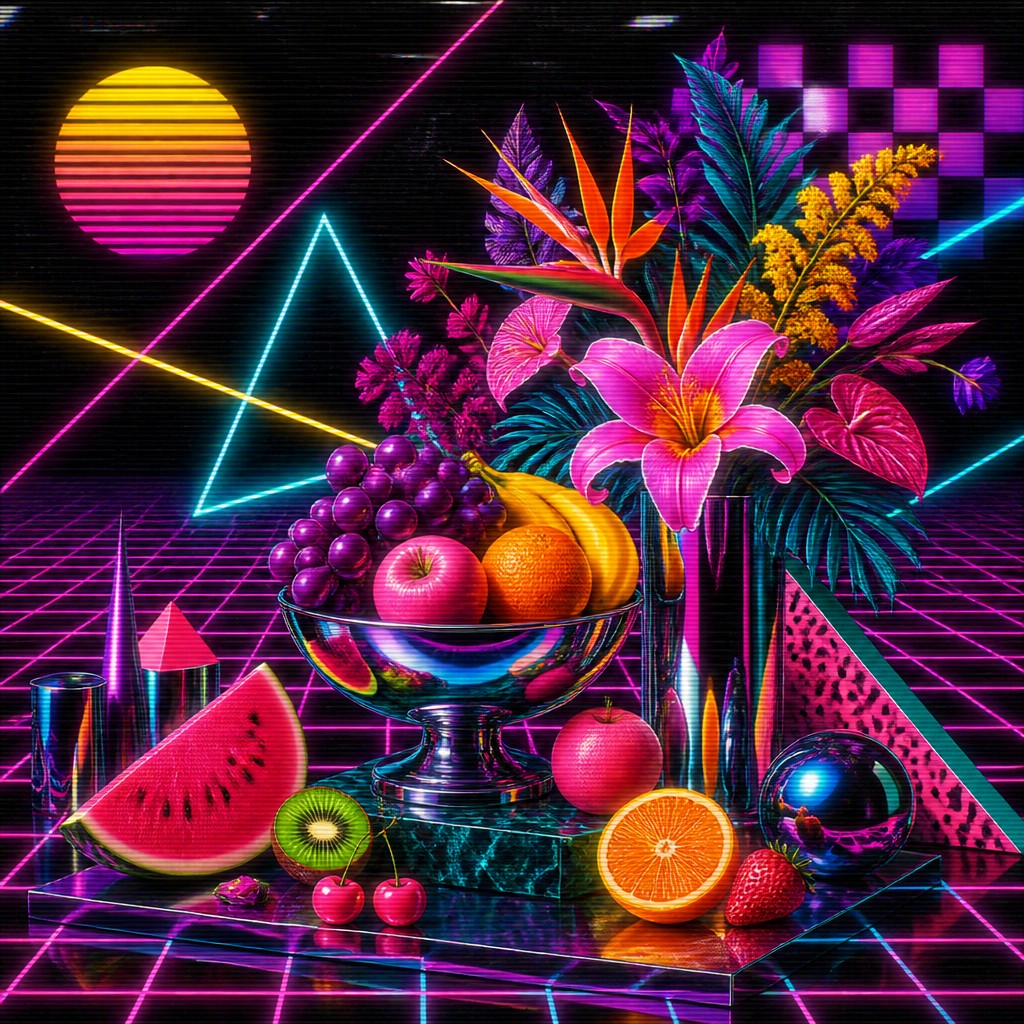
80s Retro Aesthetic Gallery
Tap any artwork to explore it
What is 80s Retro Aesthetic?
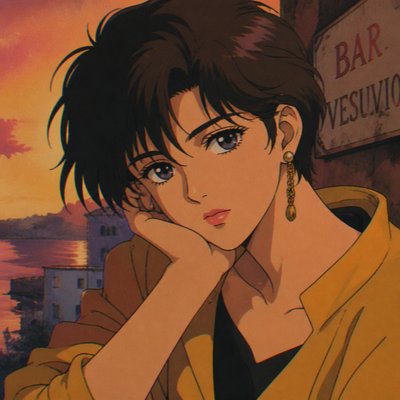
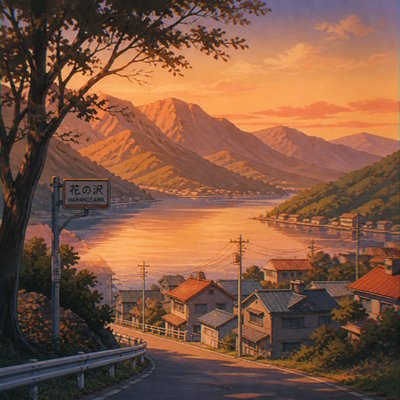
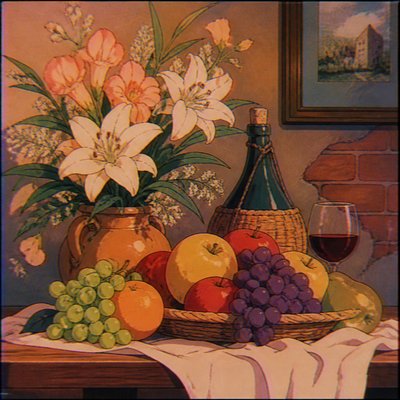
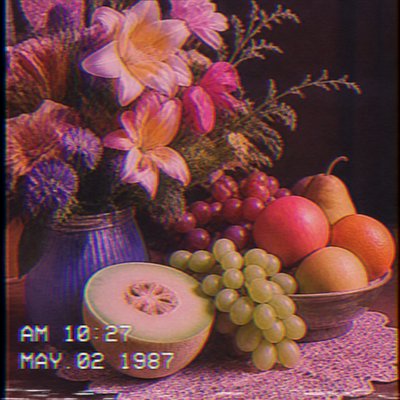
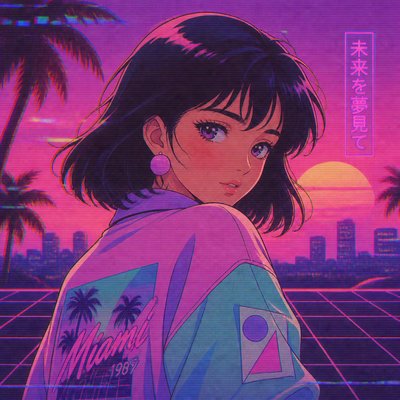
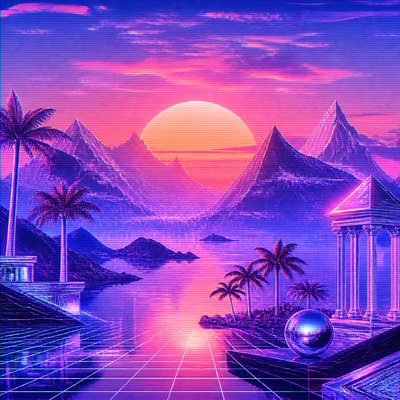
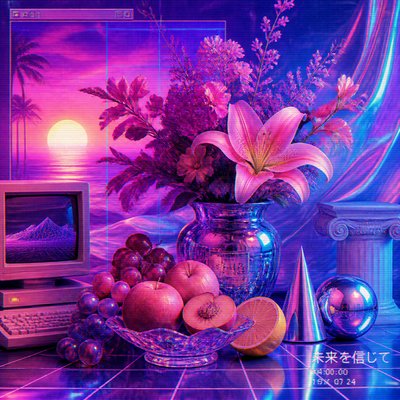
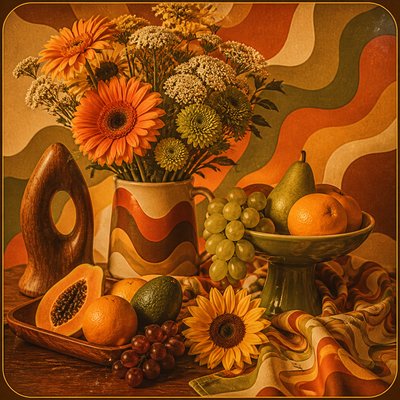
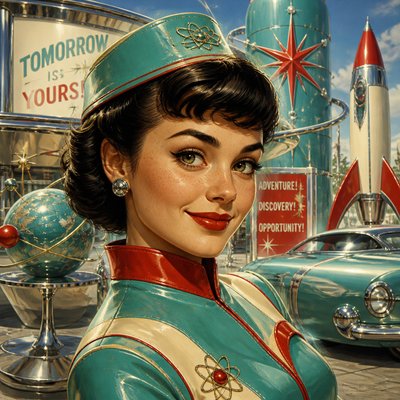
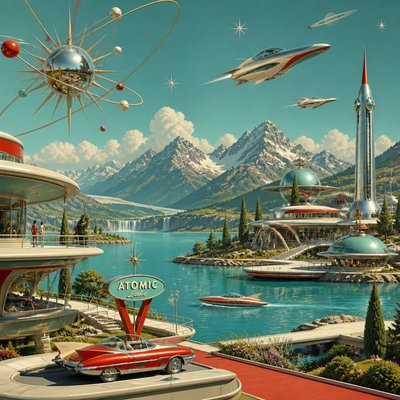
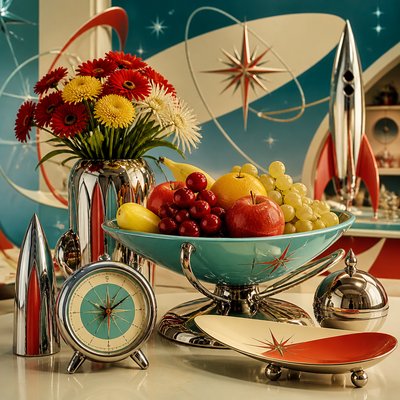
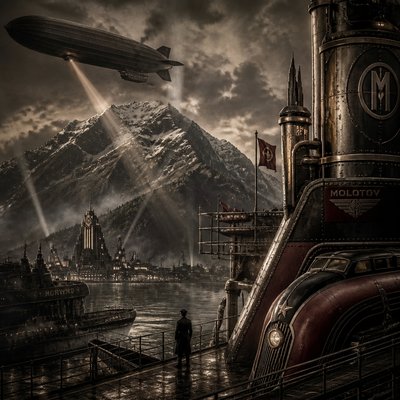
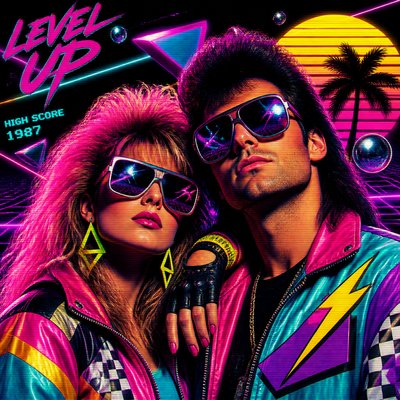
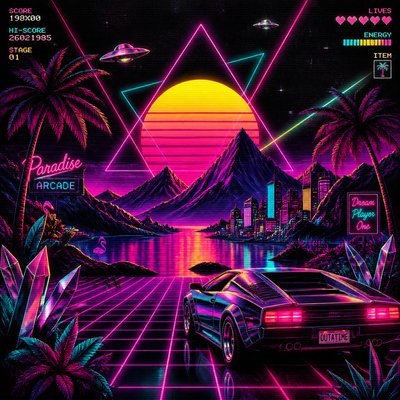
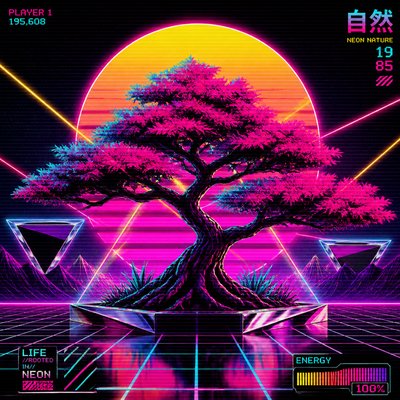
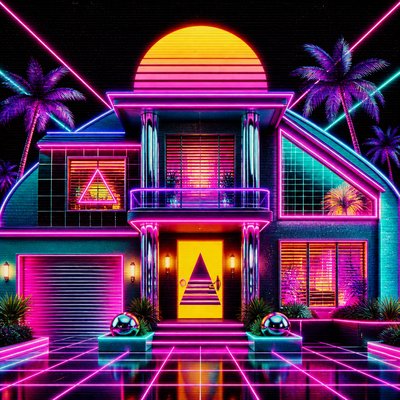
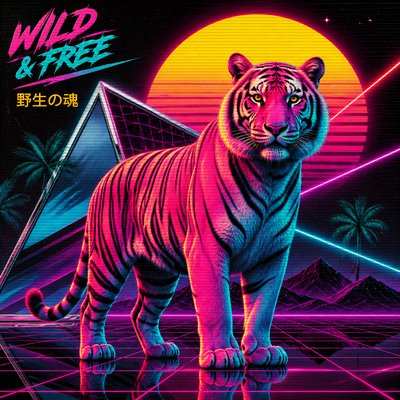
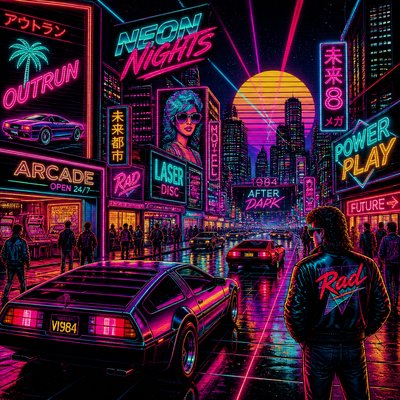
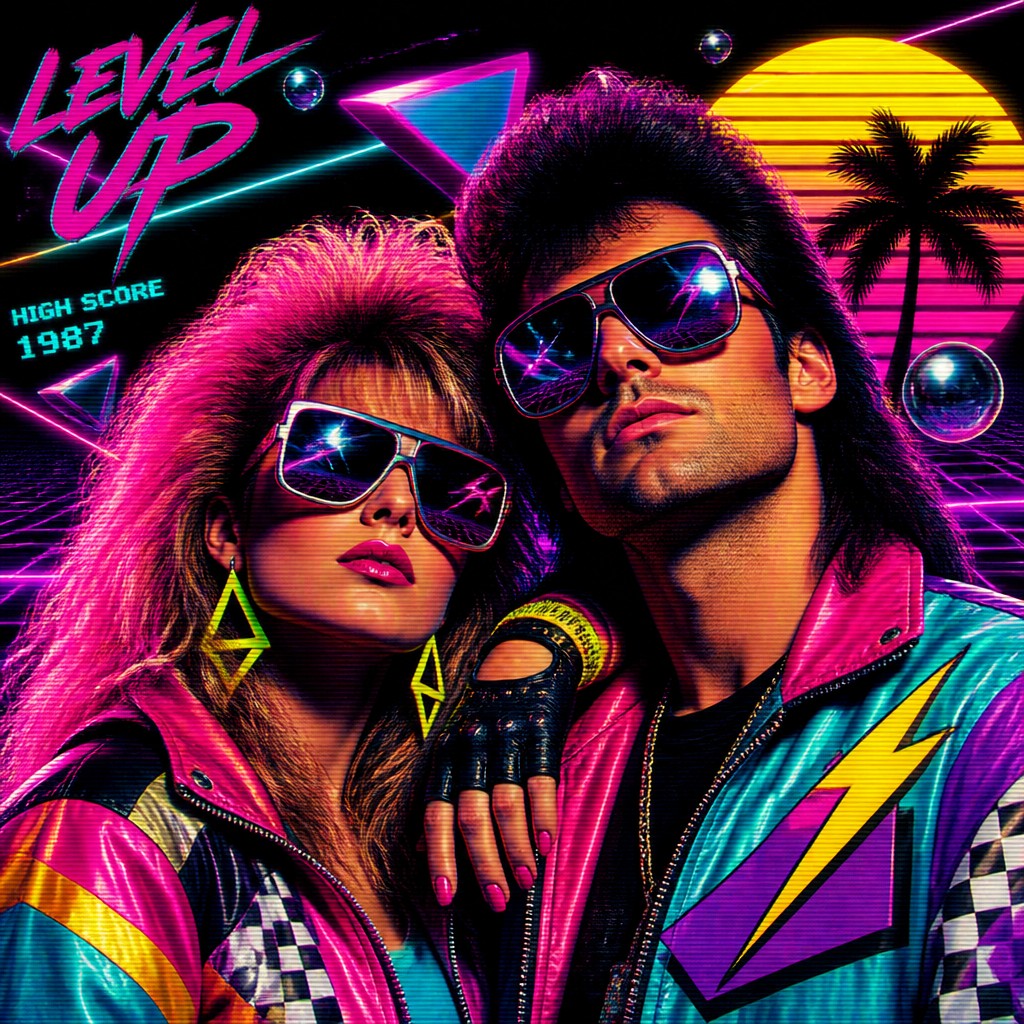
80s Retro Aesthetic is a contemporary umbrella term for the visual language associated with 1980s pop futurism: neon pinks and teals, chrome highlights, airbrushed gradients, glowing grids, and VHS-like softness or scanline distortion. It is less a single historical art movement than a recognizable design mood built from music packaging, arcade graphics, magazine airbrush art, television graphics, and early digital interfaces.
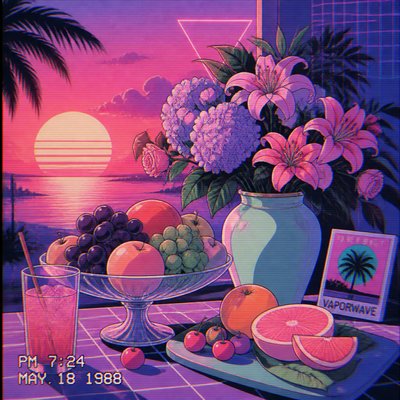
The style’s identity comes from contrast: hard-edged geometry against soft atmospheric haze, glossy machine surfaces against grainy analog artifacts, and high-saturation color against deep black backgrounds. The result is an image world that feels both synthetic and nostalgic, evoking the consumer optimism, sci-fi fantasy, and club culture associated with late-1980s visual culture.
Try It On Your Photos
Upload any photo and convert it into 80s Retro Aesthetic — drag the sliders to compare before and after.


What Defines 80s Retro Aesthetic
The signature details, up close
Neon palette
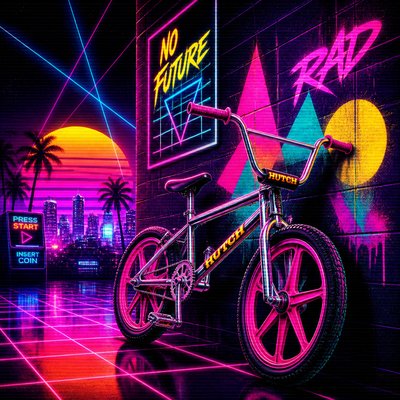
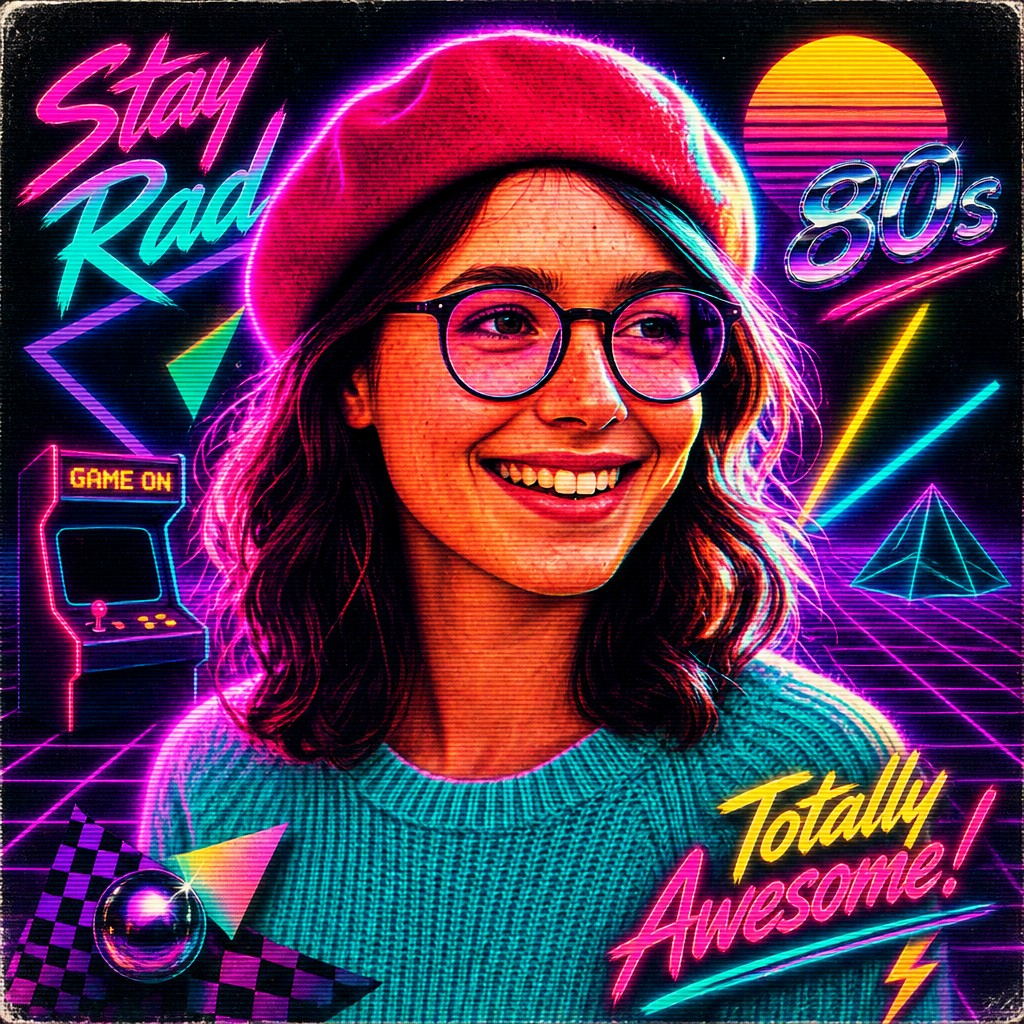
Hot pink, electric teal, purple, and neon yellow are often set against black or very dark backgrounds. The palette is intentionally saturated and synthetic, creating immediate visual contrast.
Airbrushed gradients
Soft transitions, misty glows, and sprayed highlights mimic airbrush illustration and late-20th-century commercial art. These gradients help objects look polished, glossy, and slightly unreal.
Chrome and metallic effects
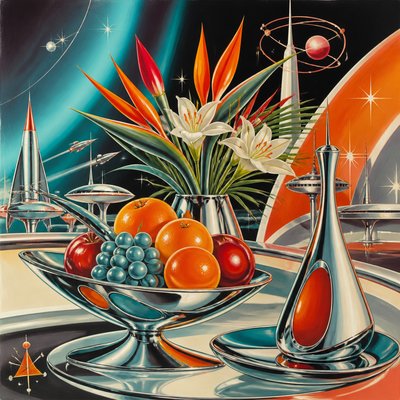
Reflective surfaces, beveled edges, and silver highlights suggest futuristic machines, car culture, and glam technology. These effects are often used on text, forms, and props to give images a flashy, engineered look.
Grid and laser motifs
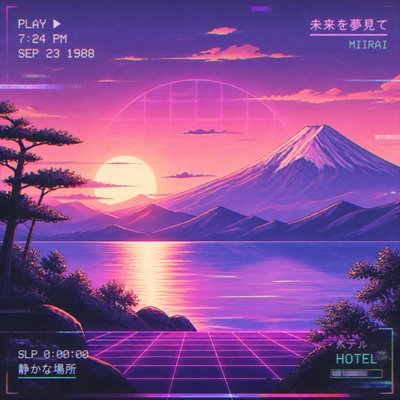
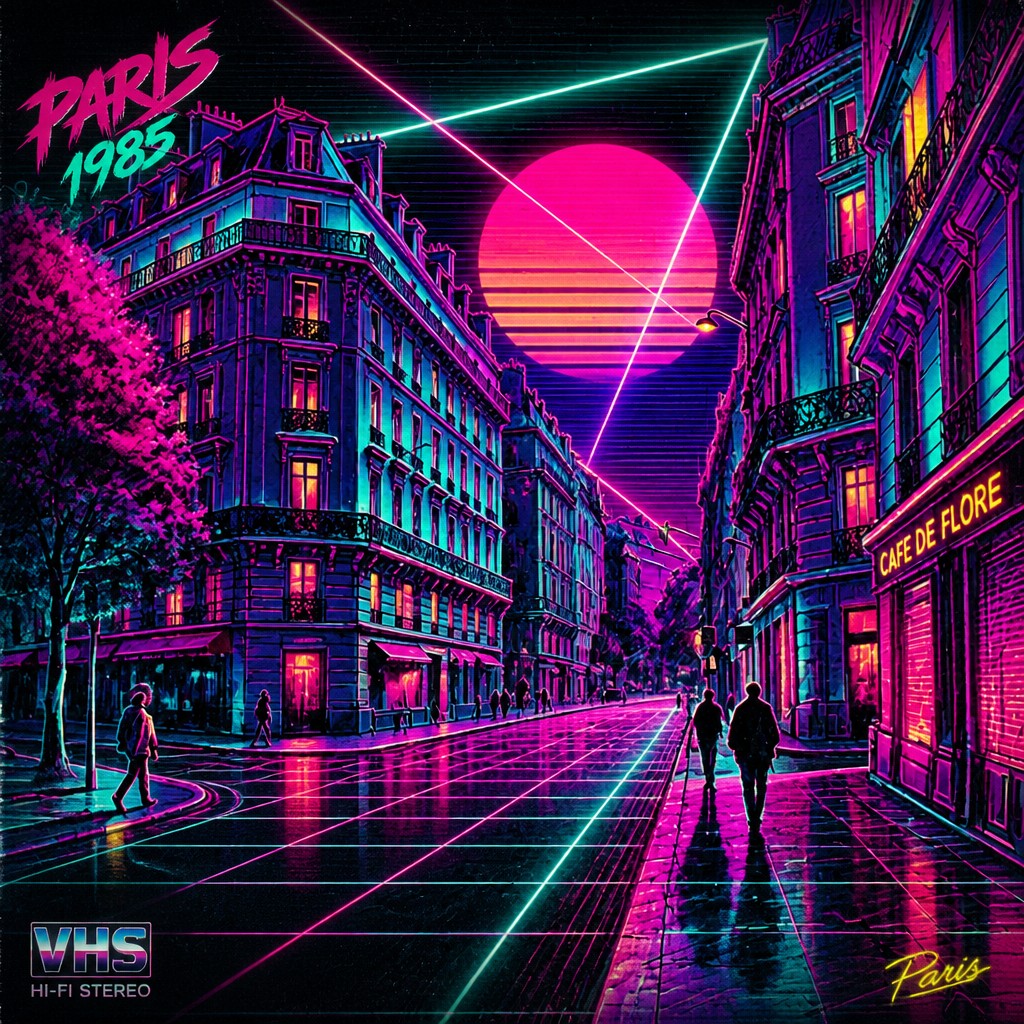
Perspective grids, horizon lines, and laser-like streaks evoke arcade screens, cyberspace, and digital landscapes. They are often used as framing devices or background structure.
VHS and scanline texture
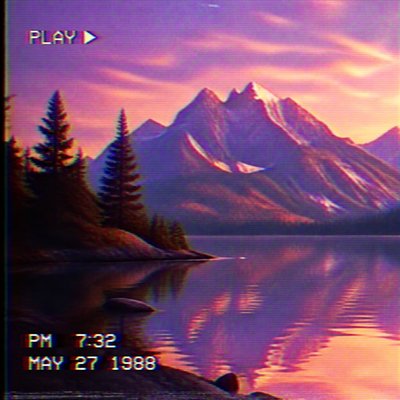
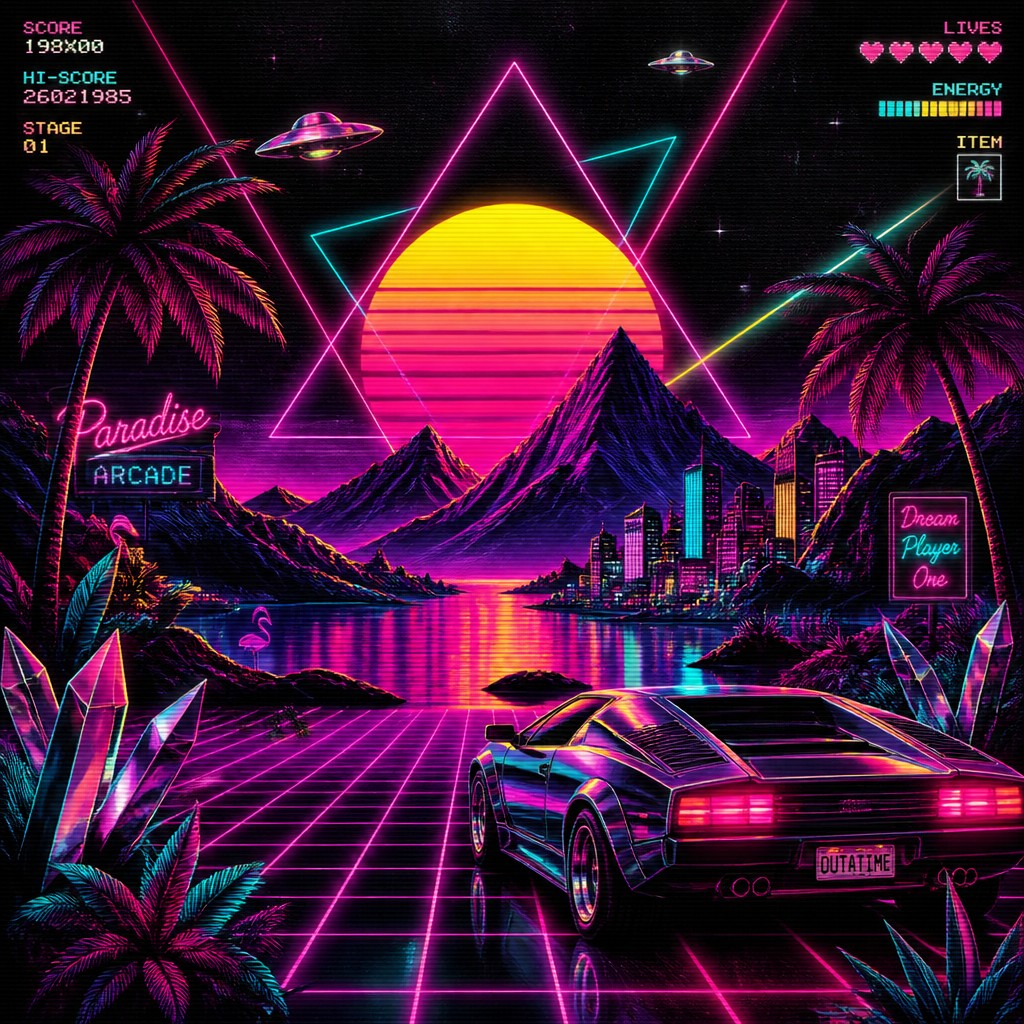
Film grain, chromatic aberration, scanlines, and haze simulate analog video playback. These imperfections create a nostalgic, slightly degraded look that contrasts with the bright palette.
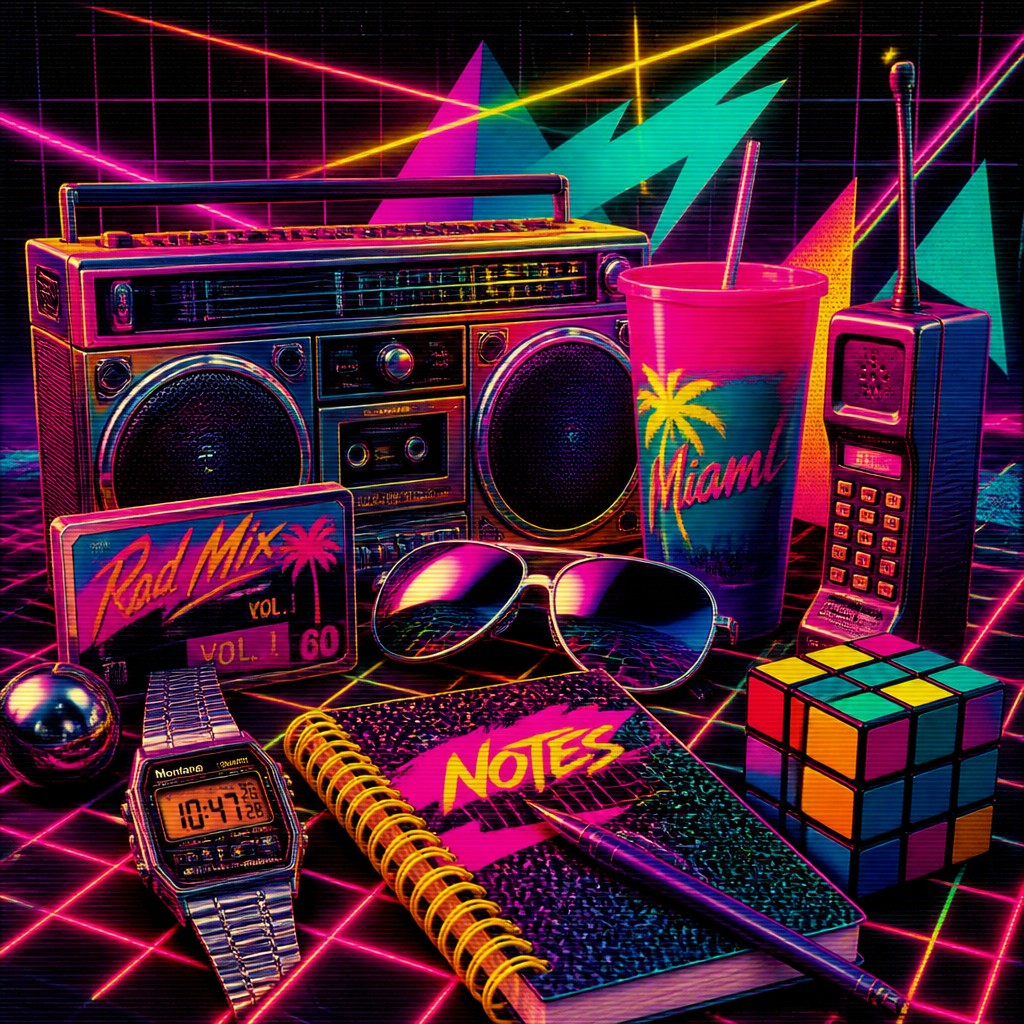
Geometric maximalism
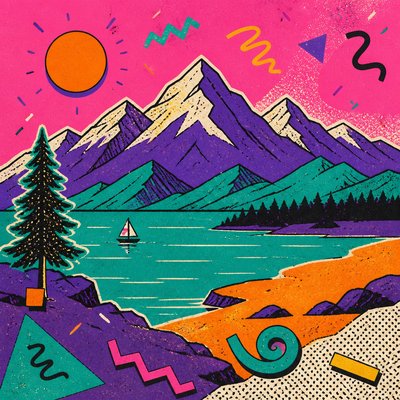
Triangles, circles, stripes, and sharp diagonals appear in layered compositions with little empty space. The design language favors bold repetition, symmetry, and visual excess.
Try It
Create Videos in 80s Retro Aesthetic
Styles aren't just for stills — describe a scene or animate an image and get a short video rendered in 80s Retro Aesthetic. Press play to see this pond come to life.
Make a Video80s Retro Aesthetic Prompt Ideas
Start from an idea — each one opens the generator with the style ready to go. See all 40 80s Retro Aesthetic prompts →
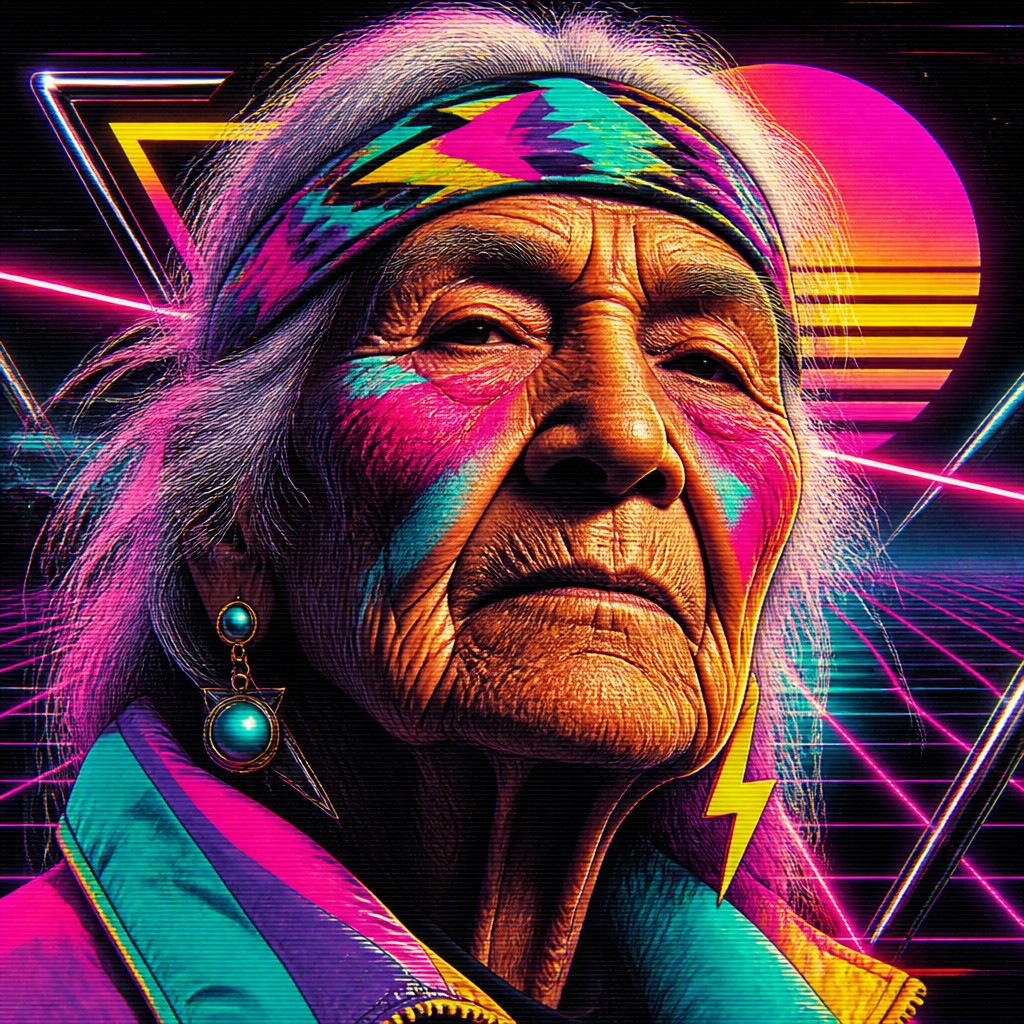
“close-up portrait of an elderly person with expressive weathered features”
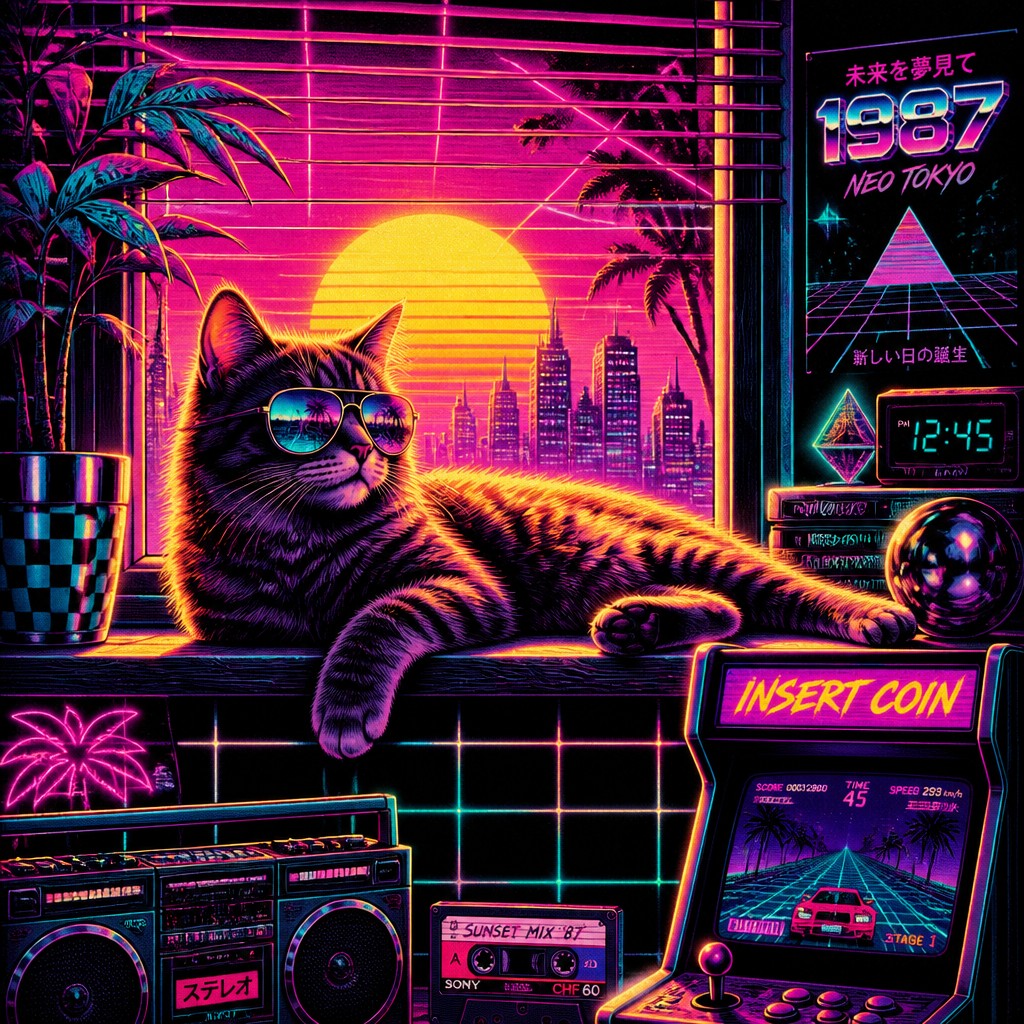
“a cat lounging in a sunlit window”
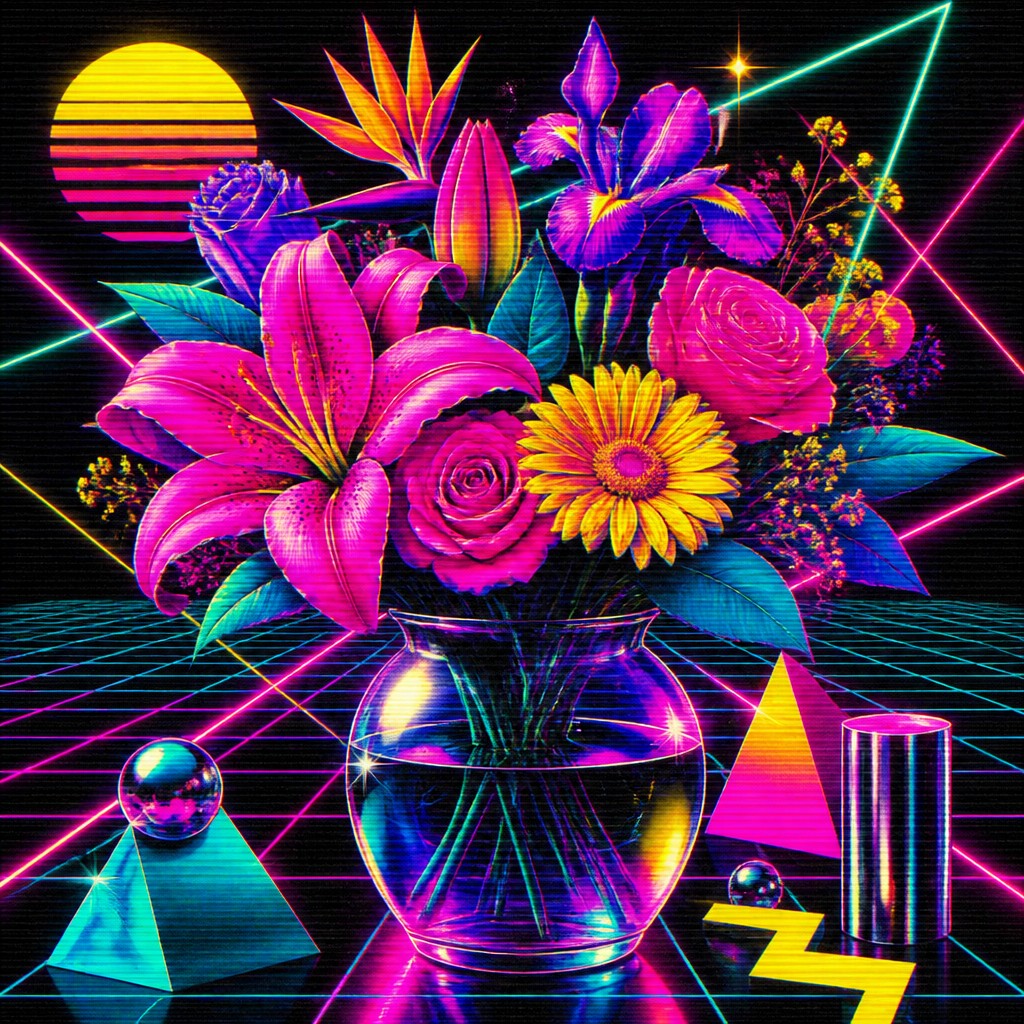
“bouquet of flowers in a glass vase”
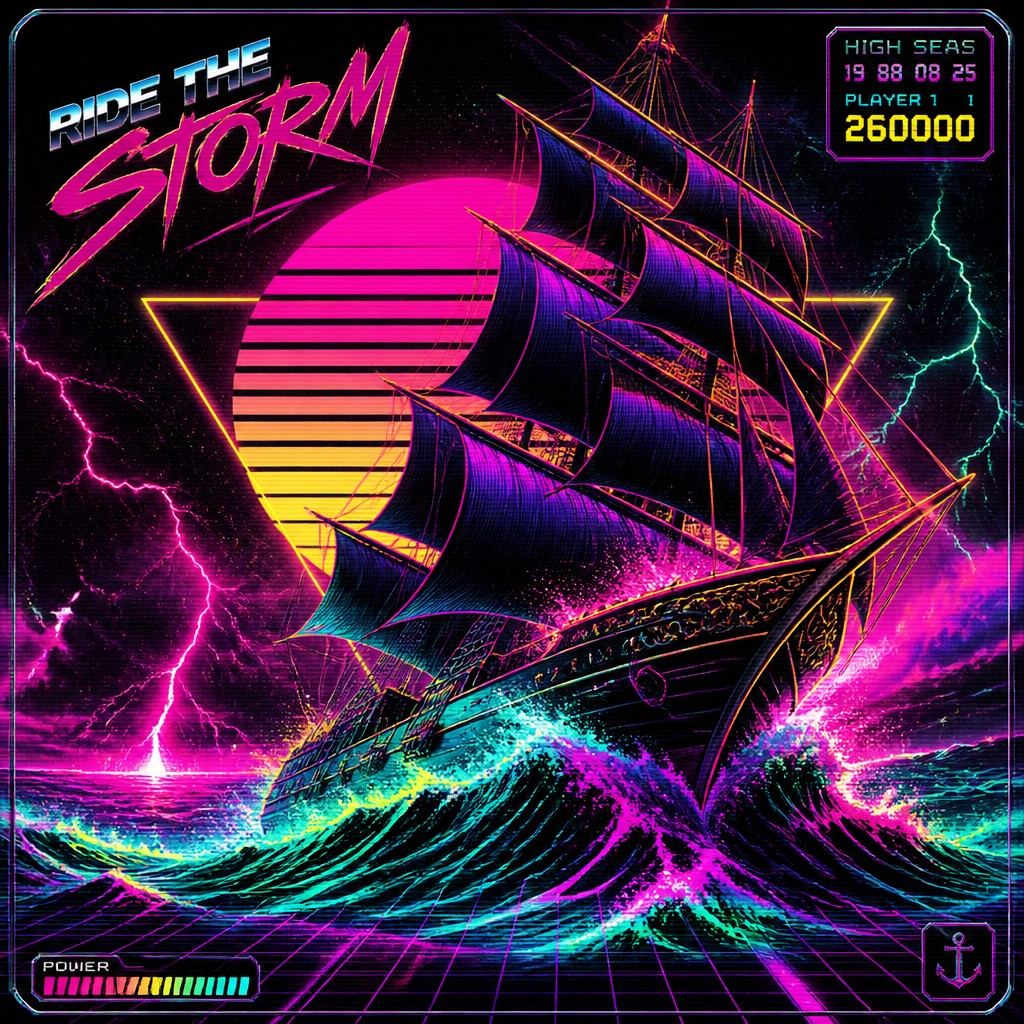
“sailing ship on a stormy sea”
How to Create 80s Retro Aesthetic Art
Master the craft step by step — or skip straight to creating. Read the full guide →
- 1
Build the palette first
Start with a black or dark background and limit the image to a few neon accents such as hot pink, teal, purple, and yellow. Strong value contrast is essential; without it, the style loses its electric punch.
- 2
Use airbrush logic in shading
Whether painting digitally or traditionally, soften edges with broad gradients and luminous highlights rather than crisp naturalistic modeling. Keep surfaces glossy and simplified so the form feels poster-like and synthetic.
- 3
Add 80s-specific texture
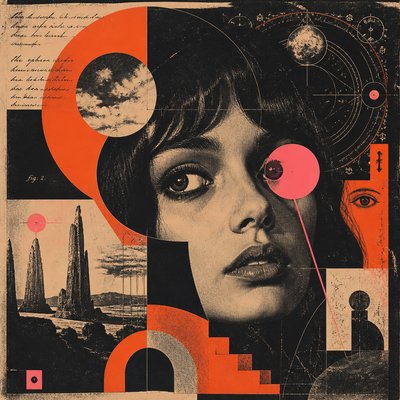
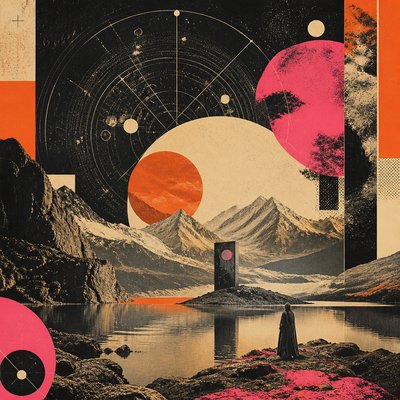
Introduce scanlines, VHS grain, lens bloom, and slight color bleed to emulate analog video. In a hand-made workflow, this can come from dry-brush texture, halftone overlays, or scanned collage elements.
- 4
Favor iconic retro-futurist forms
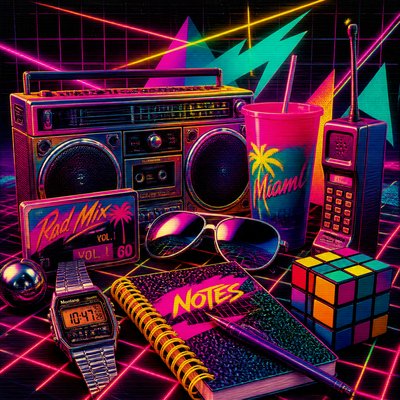
Use grids, sunsets, palm silhouettes, arcade consoles, sports cars, cassette decks, and chrome typography as recurring motifs. These subjects immediately signal the decade’s pop-futurist imagination.
- 5
Compose for spectacle
Make the image loud: diagonal angles, glowing outlines, layered effects, and abundant secondary details are all appropriate. For prompt-based generation, specify maximalism, neon lighting, chrome accents, and VHS haze to steer the result.
- 6
Describe the medium clearly in prompts
If generating digitally, mention poster art, album cover, synthwave-inspired illustration, or retro magazine graphics to help the model lock onto the right visual tradition. Include the subject plus surface qualities and background elements rather than relying on the decade alone.
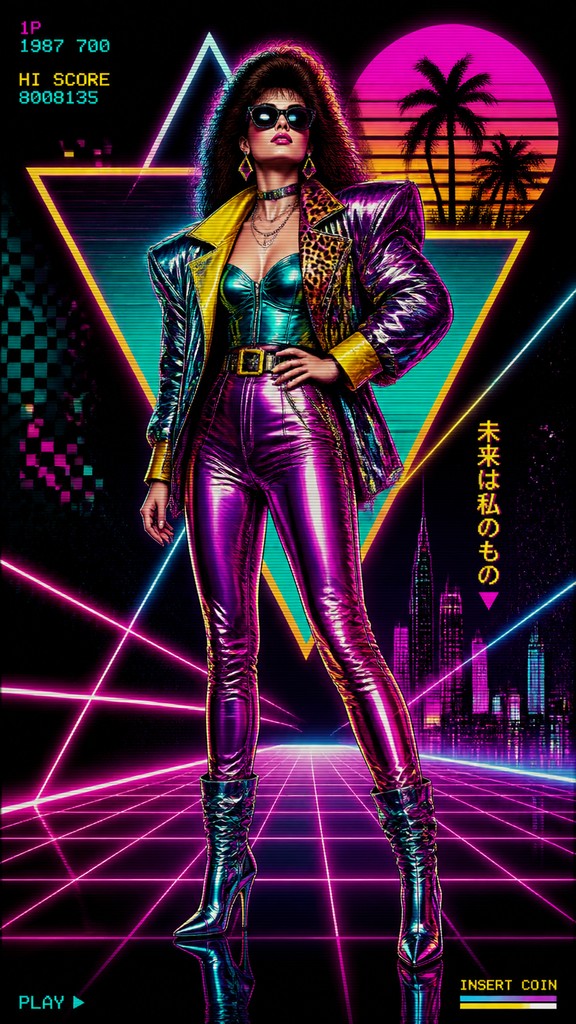
The Story
History & Origins of 80s Retro Aesthetic
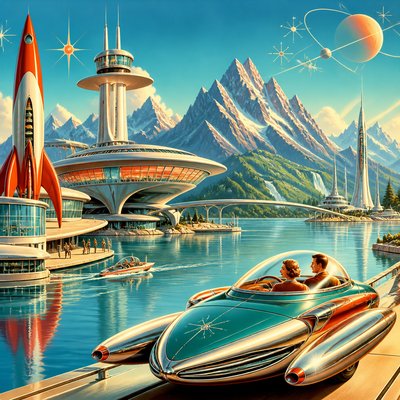
The 80s Retro Aesthetic draws from several real visual traditions that converged in the 1980s. These include airbrush illustration, commercial graphic design, synthwave-adjacent nightlife imagery, arcade and home-computer graphics, music-video styling, and science-fiction cover art. It also inherits from earlier futurist and pop-art tendencies, but its specific look was shaped by the decade’s glossy advertising, neon signage, and expanding use of electronic image production.
As a modern aesthetic, it has been revived through nostalgia for cassette culture, VHS media, synth music, and early digital interfaces. Online communities, poster design, album art, fashion photography, and motion graphics have all helped codify its key markers: neon grids, chrome lettering, vapor-like haze, and exaggerated lighting. Today it functions as a retro-futurist shorthand for the 1980s rather than a strict historical style tied to one movement or school.
Influences: This aesthetic draws from 1980s commercial airbrush art, music-video design, arcade graphics, early computer interfaces, and retro-futurist science fiction. It overlaps with synthwave and vaporwave in its nostalgia for analog media and neon imagery, but it is generally more image-centric and less conceptually ironic than vaporwave. In historical terms, its glossy geometry and bright, engineered surfaces can recall pop art and futurism, though canonical artists are not the core reference point here because the style is a modern hybrid rather than a single canonical movement.
Frequently Asked Questions
What defines the 80s Retro Aesthetic?
It is defined by neon color, chrome sheen, airbrushed gradients, geometric forms, and VHS-like texture. The look combines futuristic optimism with analog media nostalgia, producing a bold retro-futurist image language.
Is this the same as synthwave or vaporwave?
It overlaps with both, but it is not identical. Synthwave is often tied to music and broader retro-futurist world-building, while vaporwave tends to be more ironic, collage-based, and internet-coded. The 80s Retro Aesthetic is a broader visual shorthand for 1980s-inspired neon design.
What subjects work best in this style?
Cars, cityscapes, portraits, arcade scenes, sci-fi machines, palm trees, sunsets, and fashion imagery all fit well. Subjects with strong silhouettes and reflective surfaces are especially effective because they hold neon highlights and graphic contrast.
How do I make an image look authentically 80s retro?
Use a dark base, limit the palette to vivid neon accents, and add airbrush softness, chrome details, and scanline or grain texture. Strong graphic composition matters as much as color; grids, diagonals, and glowing outlines help anchor the look.
Where is this style commonly used?
It appears in poster design, album art, fashion photography, motion graphics, event branding, and nostalgic merchandise. It is also widely used for entertainment visuals that want to evoke arcade culture, nightlife, or retro-futurist sci-fi.
What should I avoid if I want this style?
Avoid muted colors, naturalistic lighting, and understated compositions. The style depends on exaggeration, spectacle, and a clearly artificial surface treatment, so subtle realism usually weakens the effect.
Create your first 80s Retro Aesthetic artwork
Describe anything — or upload a photo — and see it in 80s Retro Aesthetic in seconds.
Related Styles
Discover similar art styles