Space Age Aesthetic
1960s retro-futurism with molded plastic, chrome curves, atomic motifs, and optimistic mid-century design language.
Instantly rendered in Space Age Aesthetic — or transform a photo

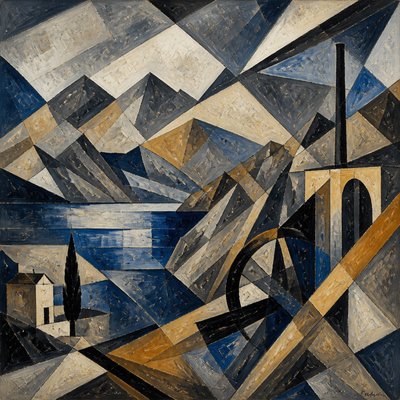
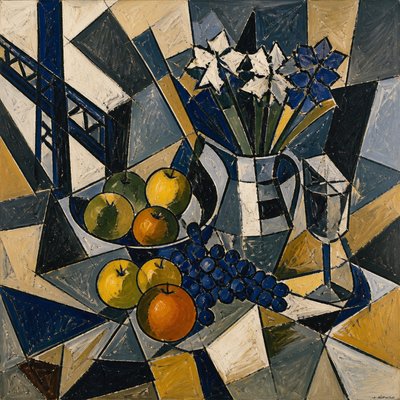
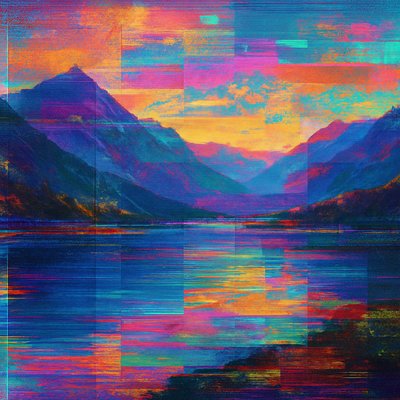
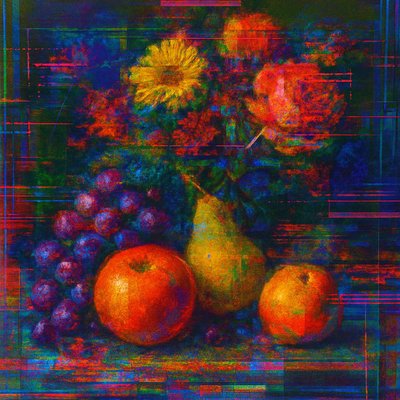
Space Age Aesthetic Gallery
Tap any artwork to explore it

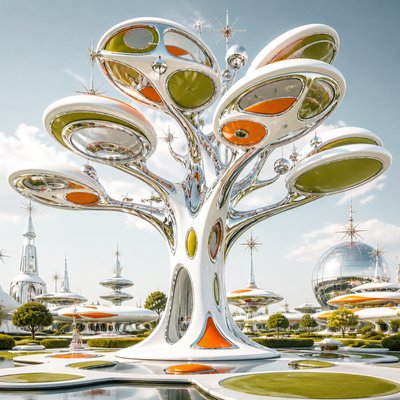
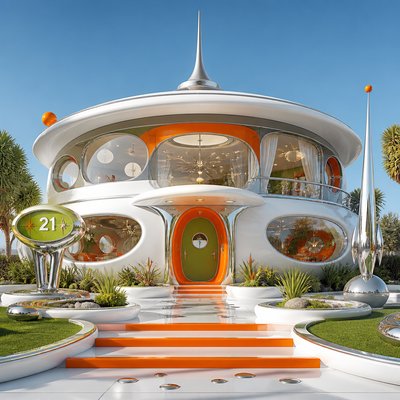
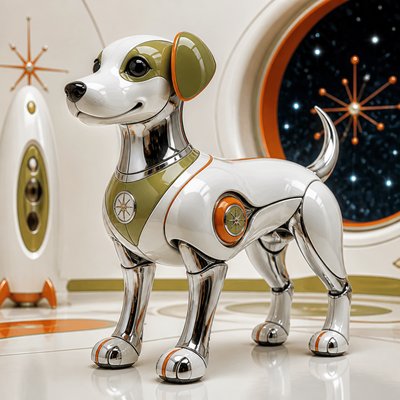
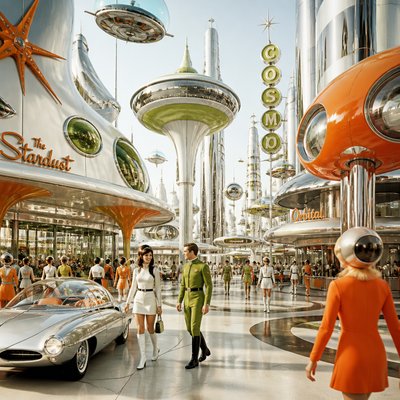
What is Space Age Aesthetic?
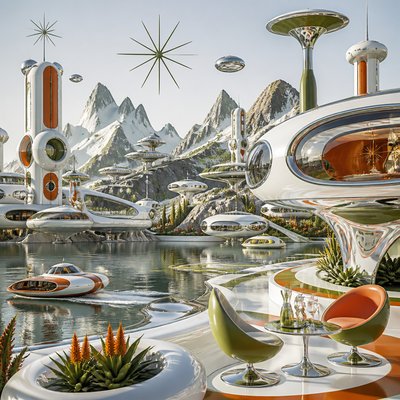
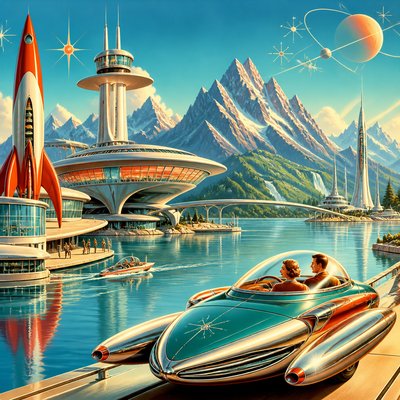
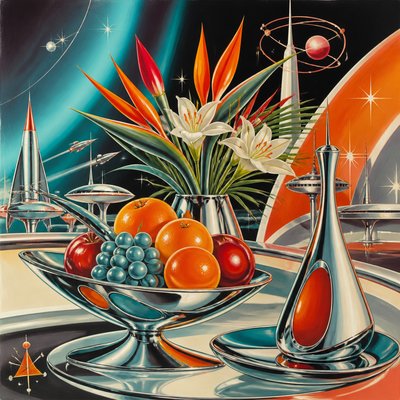
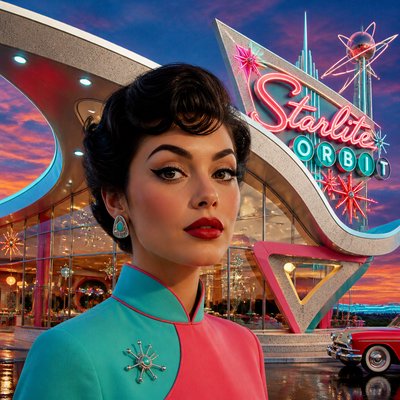
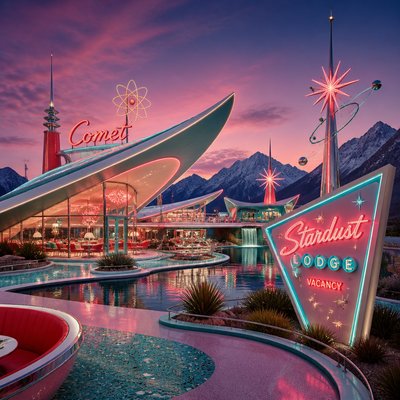
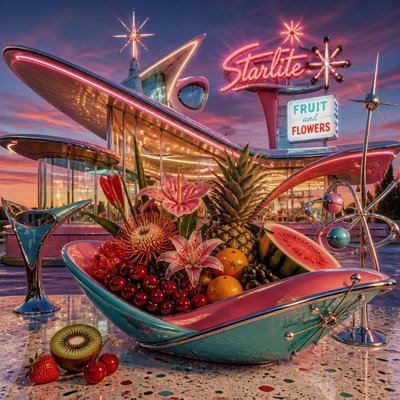
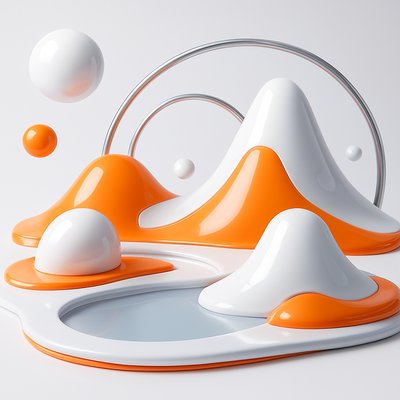
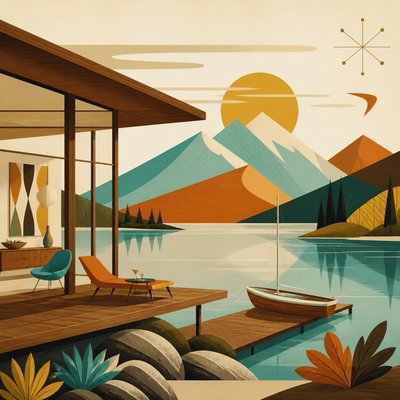
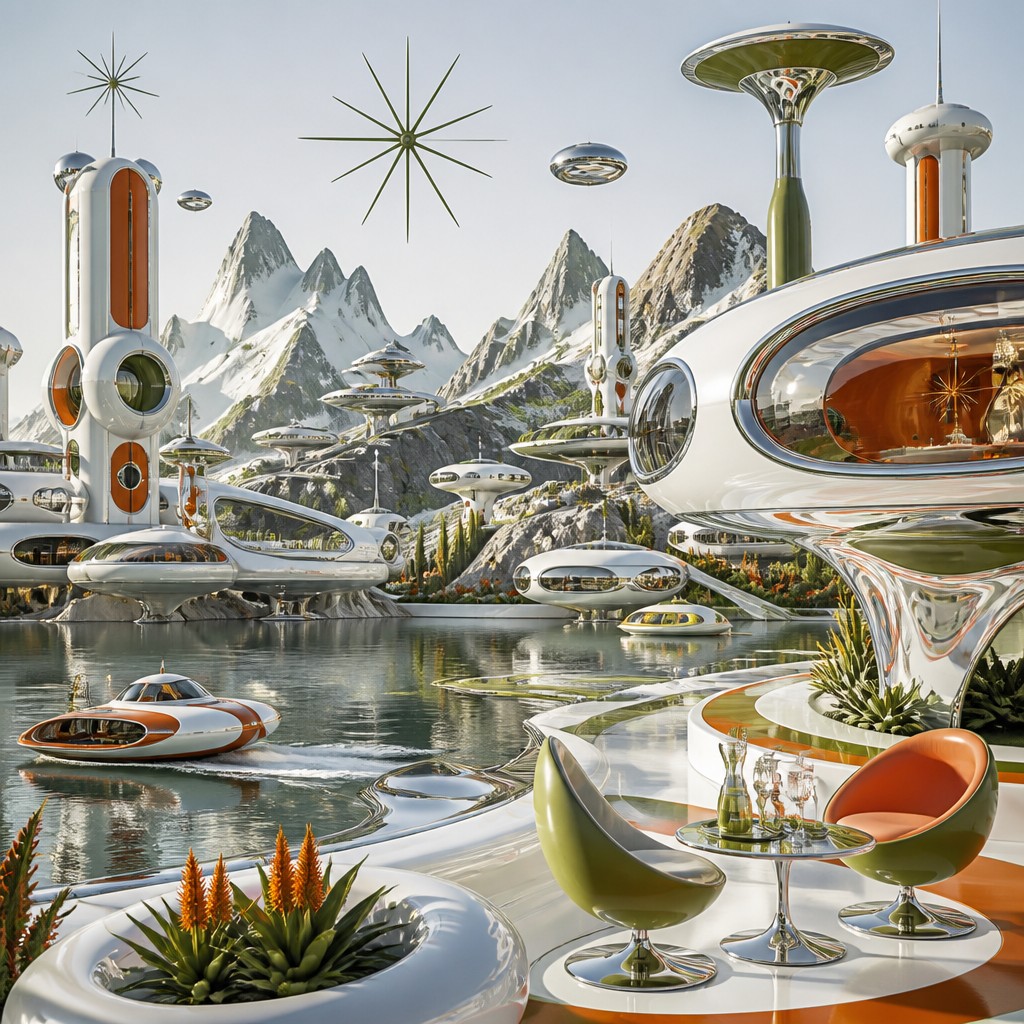
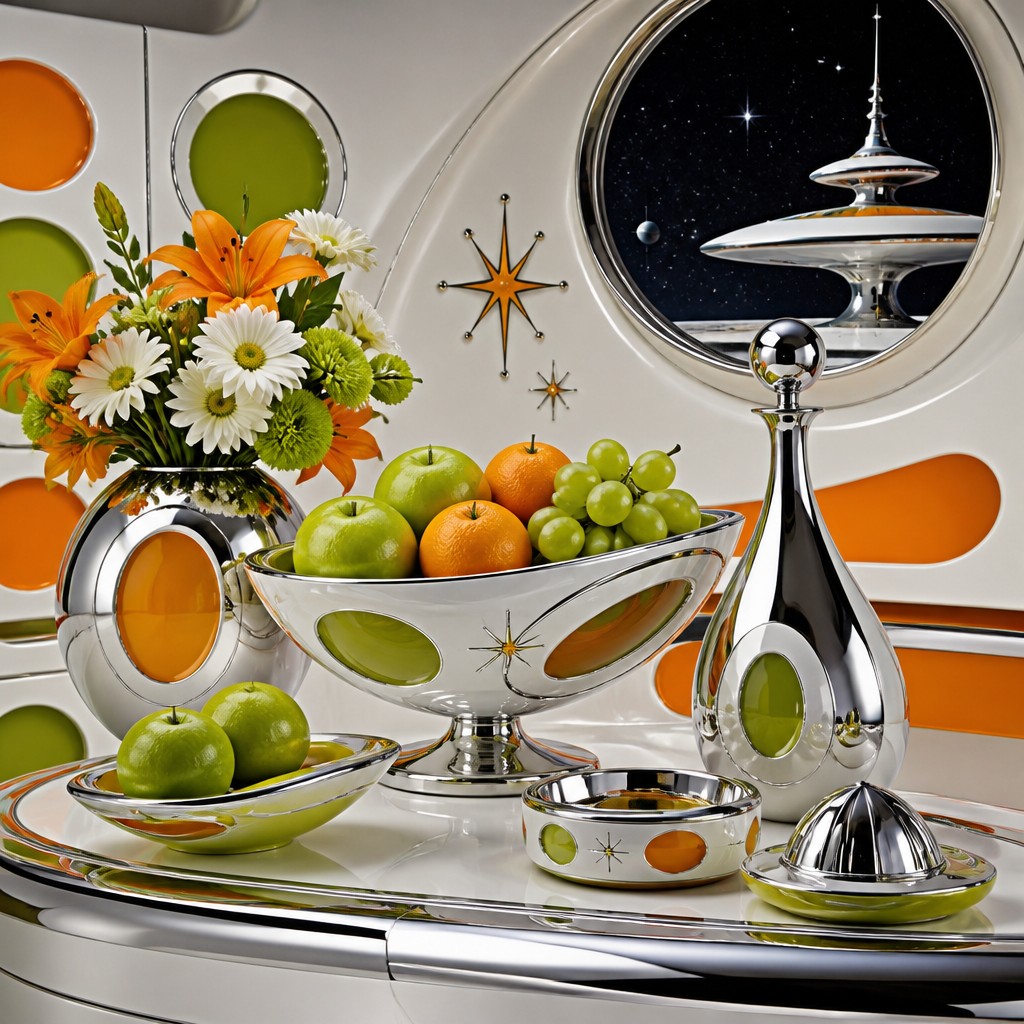
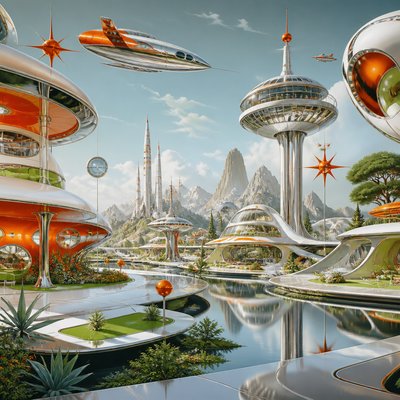
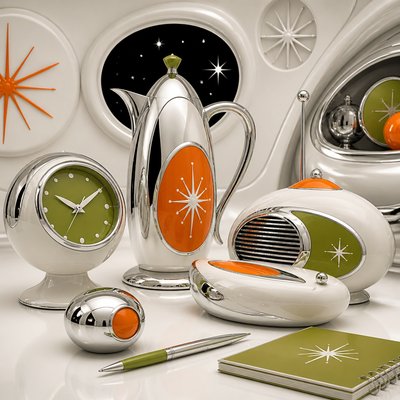
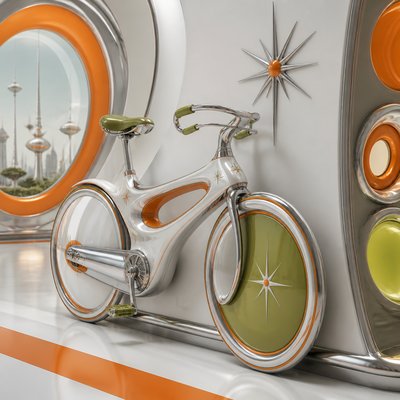
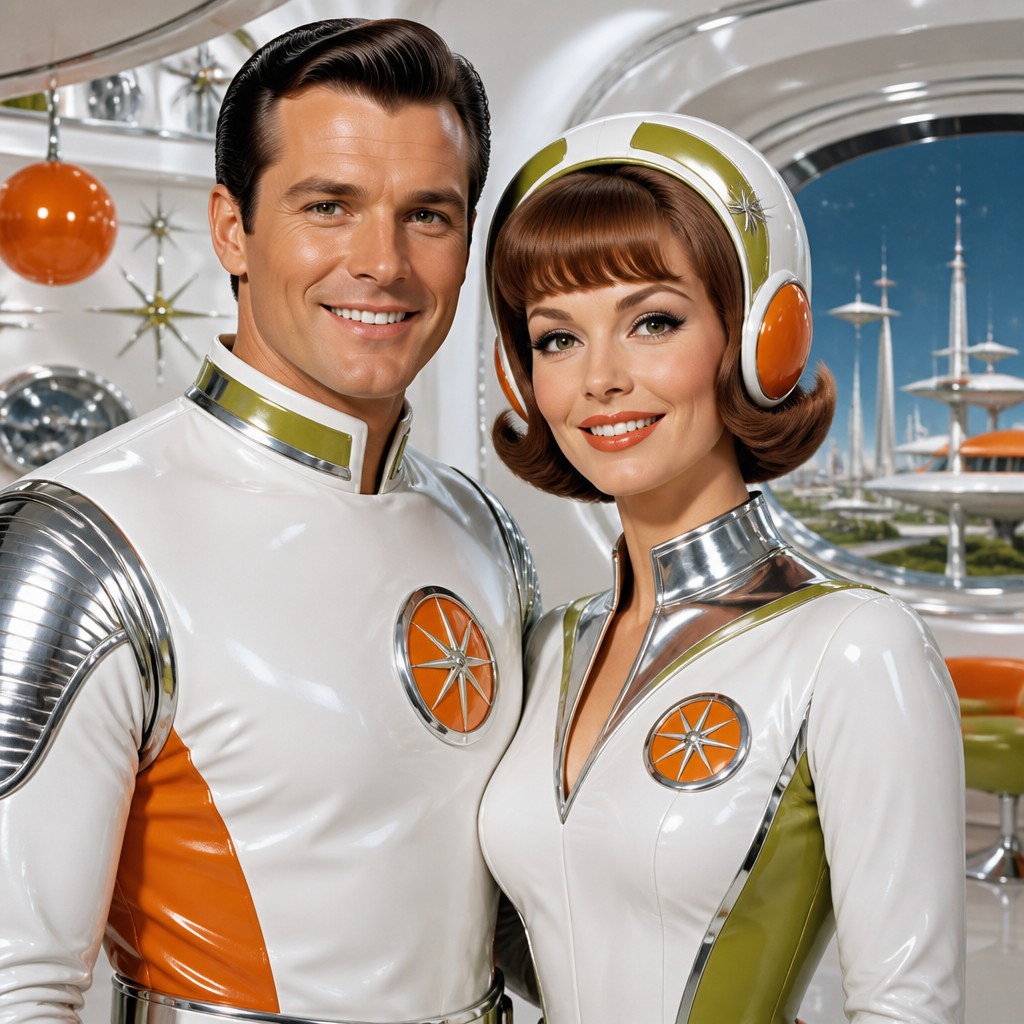
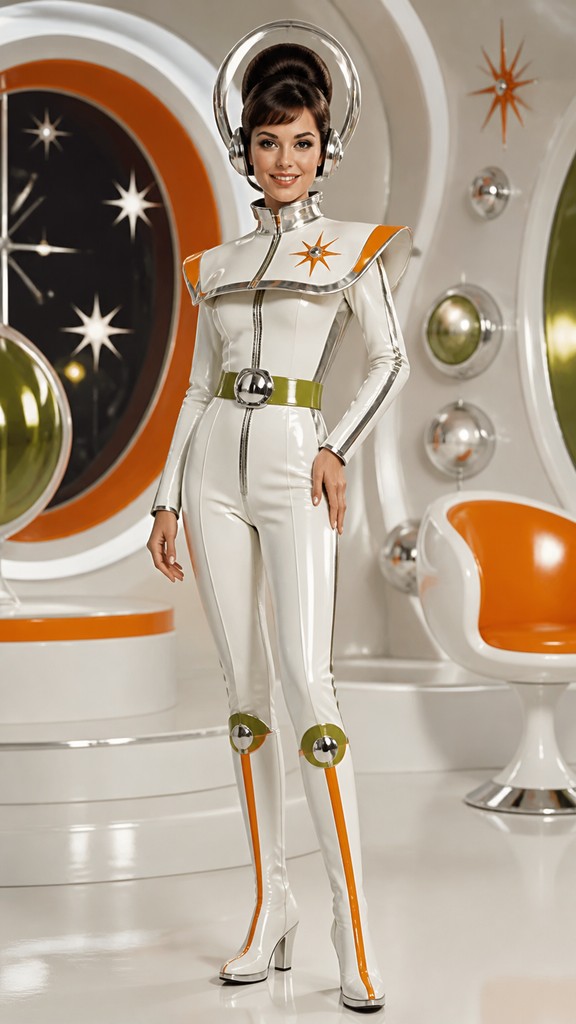
Space Age Aesthetic is a retro-futurist style rooted in the design optimism of the 1950s and 1960s. It favors glossy white and silver surfaces, rounded molded-plastic forms, mirror-chrome accents, and energetic details such as starbursts, portholes, and orbit-like curves. The result is a visual language that suggests clean technology, domestic convenience, and a cheerful future imagined at the height of the atomic and aerospace eras.
The style looks the way it does because it draws from industrial design, product styling, exhibition architecture, and advertising imagery from mid-century modern culture. Unlike harder, more militarized visions of technology, Space Age Aesthetic is smooth, approachable, and playful: furniture appears aerodynamically shaped, interiors glow with even studio light, and every object seems designed to be lightweight, seamless, and optimistic. It communicates a future that is polished, human-scaled, and full of confidence.
Try It On Your Photos
Upload any photo and convert it into Space Age Aesthetic — drag the sliders to compare before and after.



What Defines Space Age Aesthetic
The signature details, up close
Molded, rounded forms
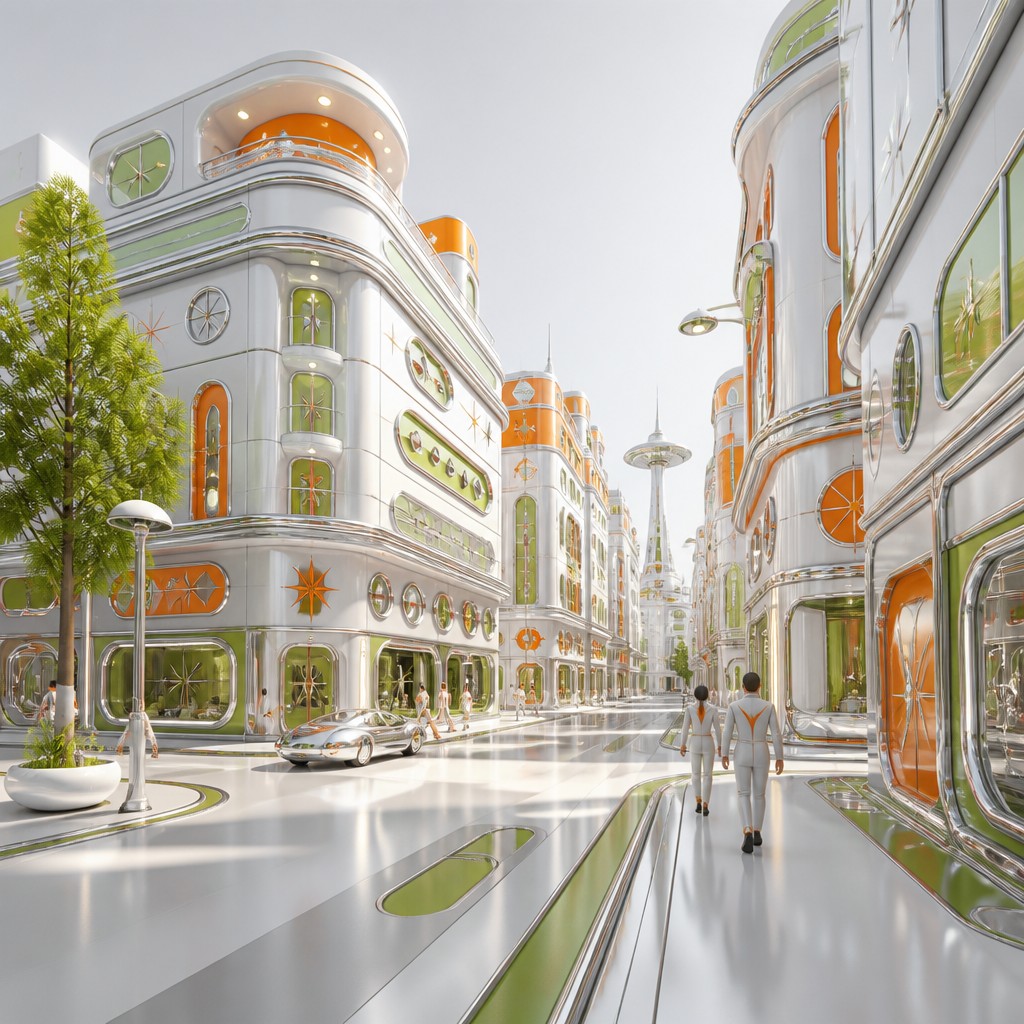
Furniture, vehicles, and objects often use continuous curves, capsule shapes, and porthole-like cutouts. Sharp edges are minimized in favor of a soft, aerodynamic profile.
Glossy white and metallic finishes
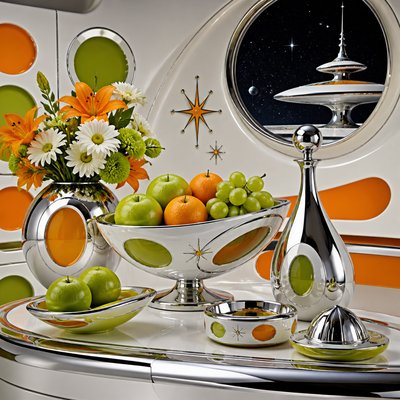
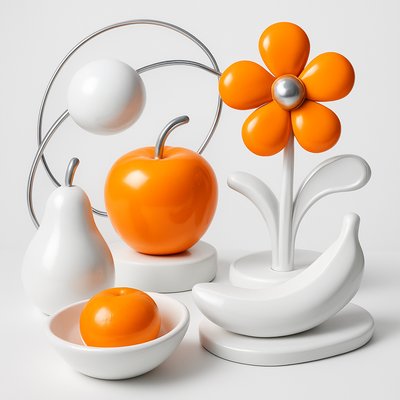
The palette typically centers on white, silver, and chrome, with reflective surfaces that suggest cleanliness and technological refinement. Materials read as plastic, enamel, lacquer, and polished metal.
Atomic and orbital motifs
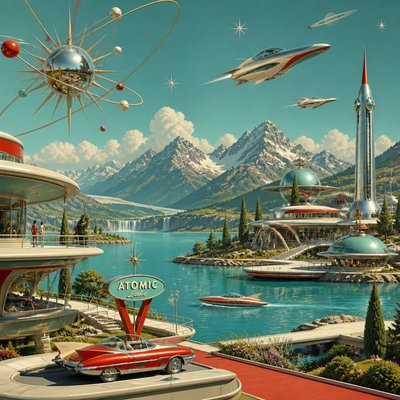
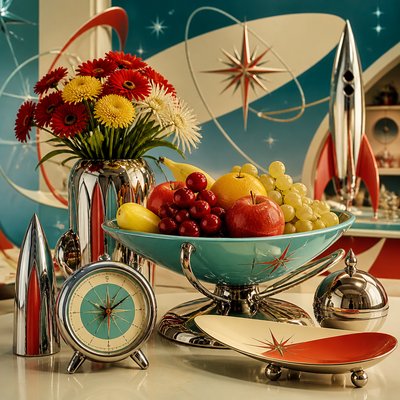
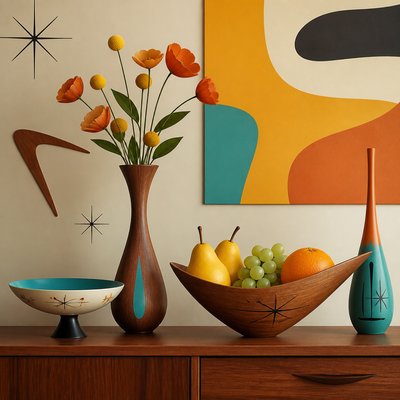
Starbursts, boomerangs, radar rings, and celestial references appear as ornament or structural detail. These motifs connect the style to the Atomic Age and the excitement of space travel.
Accent colors from the era
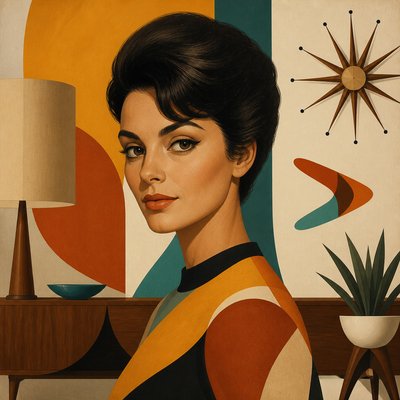
Orange, avocado green, turquoise, and mustard appear as vivid highlights against pale neutrals. These colors reinforce the mid-century palette associated with consumer futurism.
Clean studio lighting
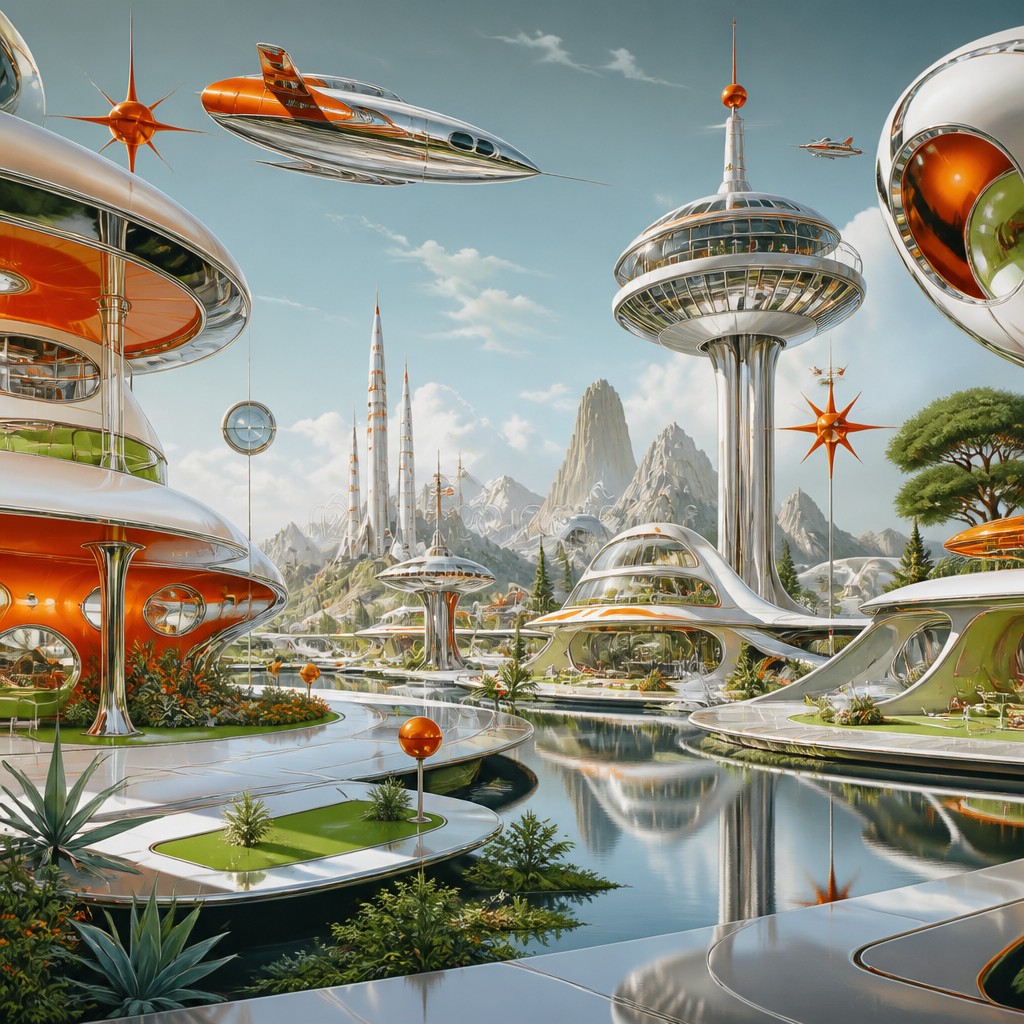
Images often feel evenly lit, with soft shadows and a bright showroom quality. The lighting reinforces the sense of hygienic modernity and product-display clarity.
Playful optimism
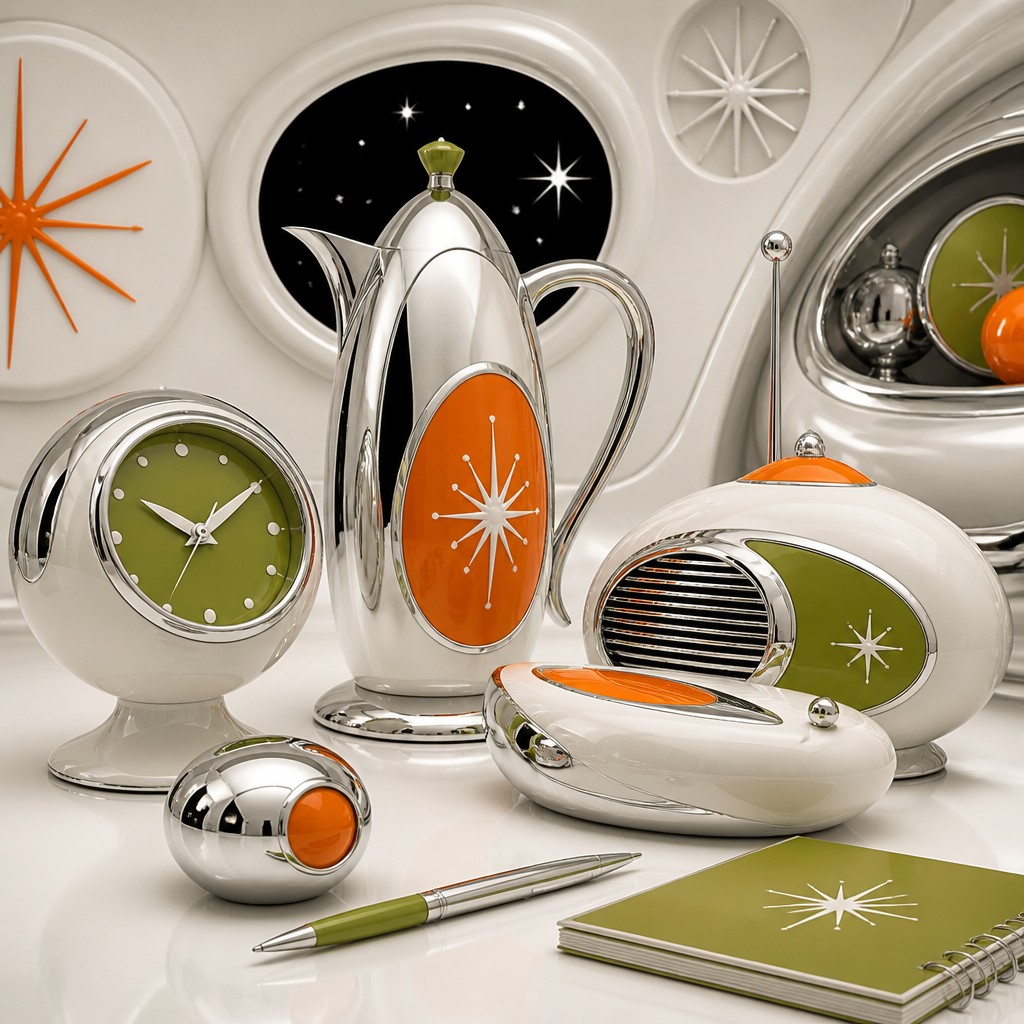
The style communicates confidence rather than dystopia. Even when referencing science fiction, it usually presents technology as friendly, elegant, and domestic.
Try It
Create Videos in Space Age Aesthetic
Styles aren't just for stills — describe a scene or animate an image and get a short video rendered in Space Age Aesthetic. Press play to see this pond come to life.
Make a VideoSpace Age Aesthetic Prompt Ideas
Start from an idea — each one opens the generator with the style ready to go. See all 40 Space Age Aesthetic prompts →
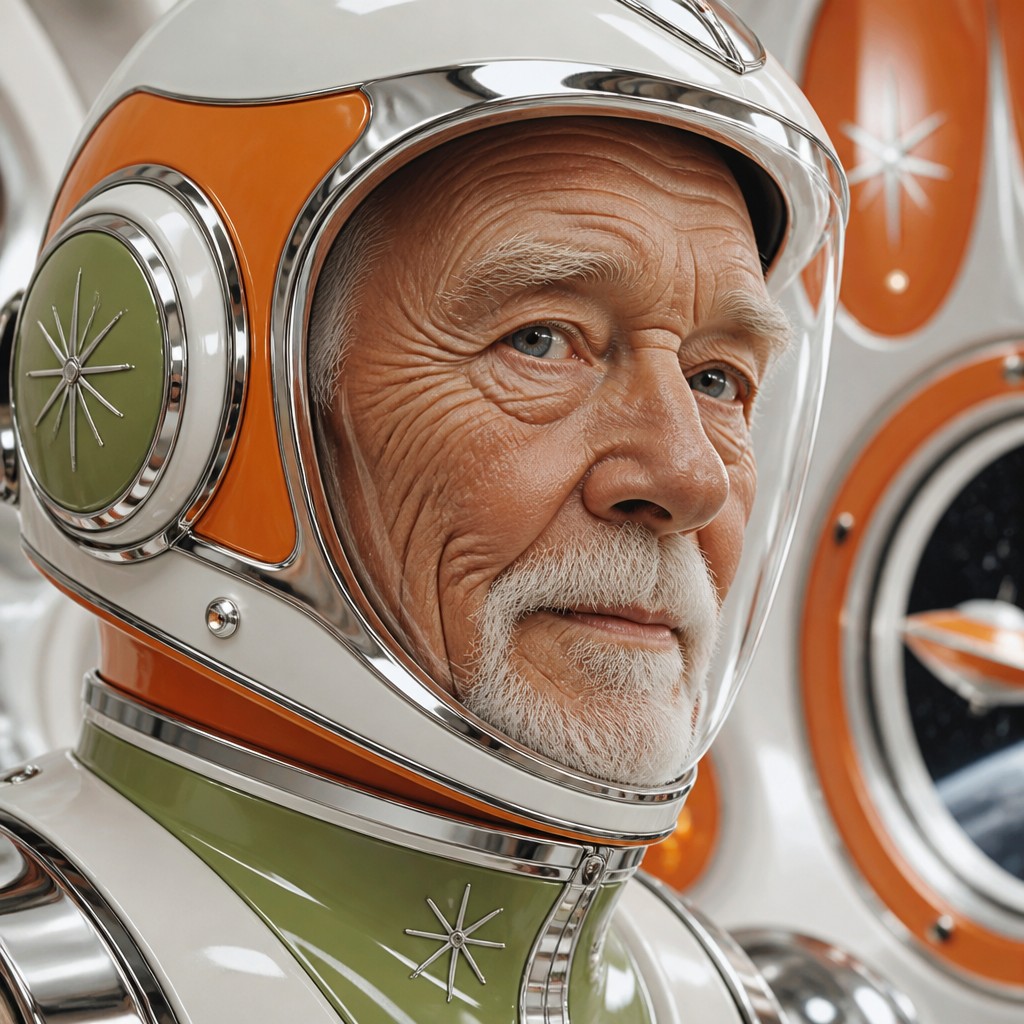
“close-up portrait of an elderly person with expressive weathered features”
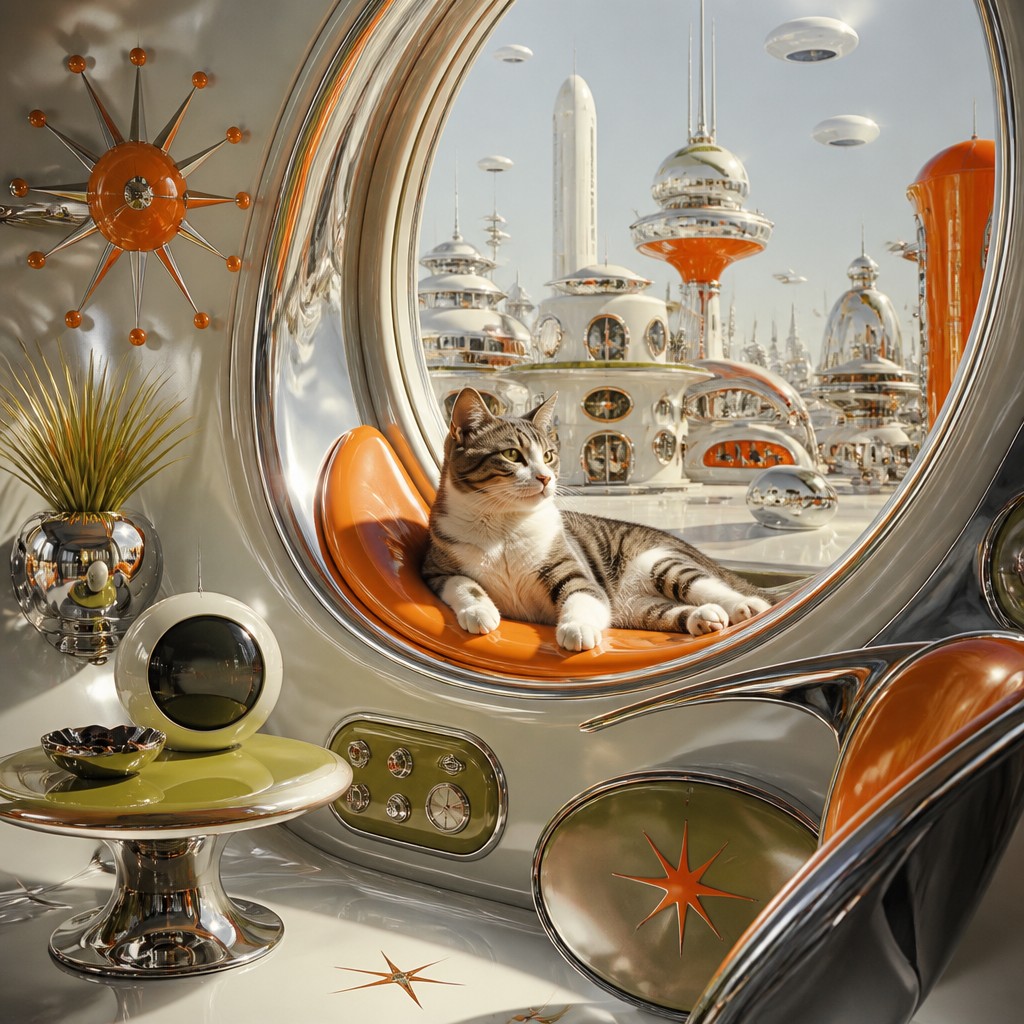
“a cat lounging in a sunlit window”
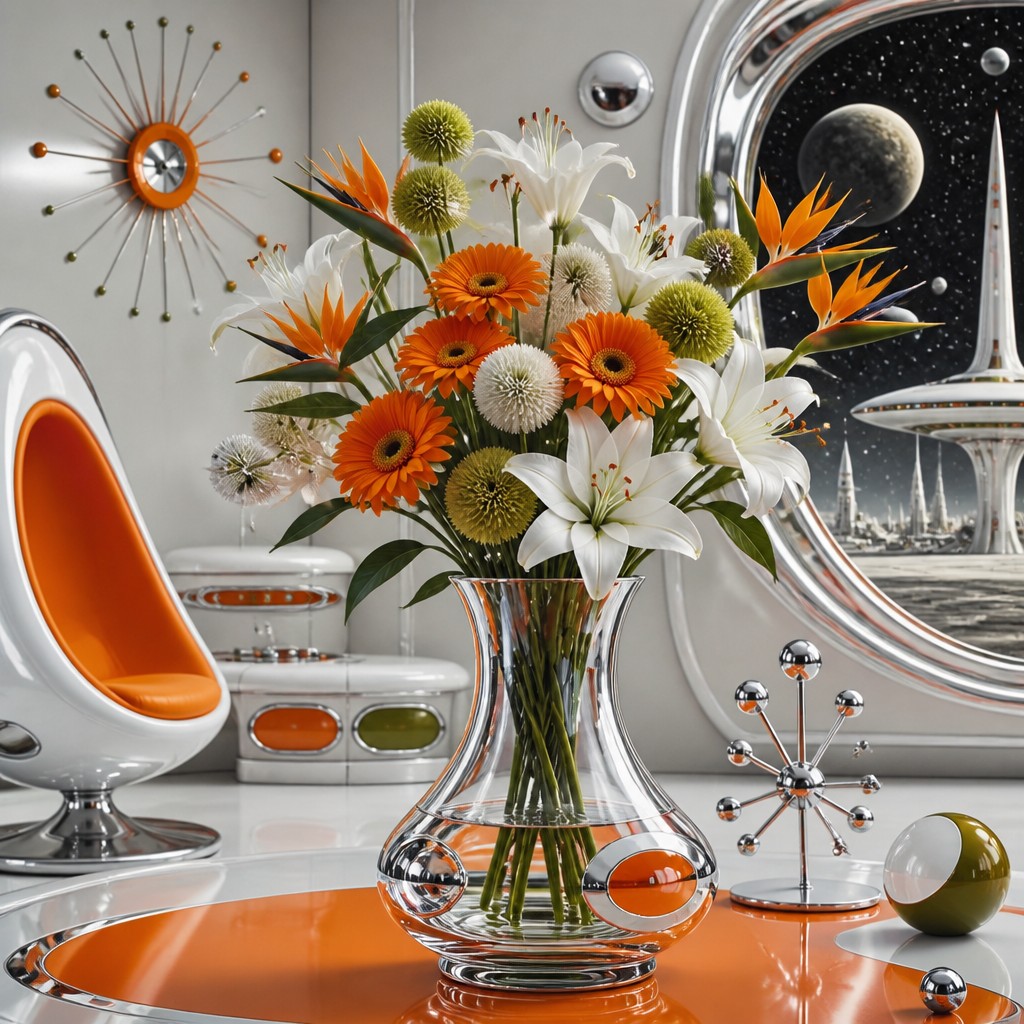
“bouquet of flowers in a glass vase”
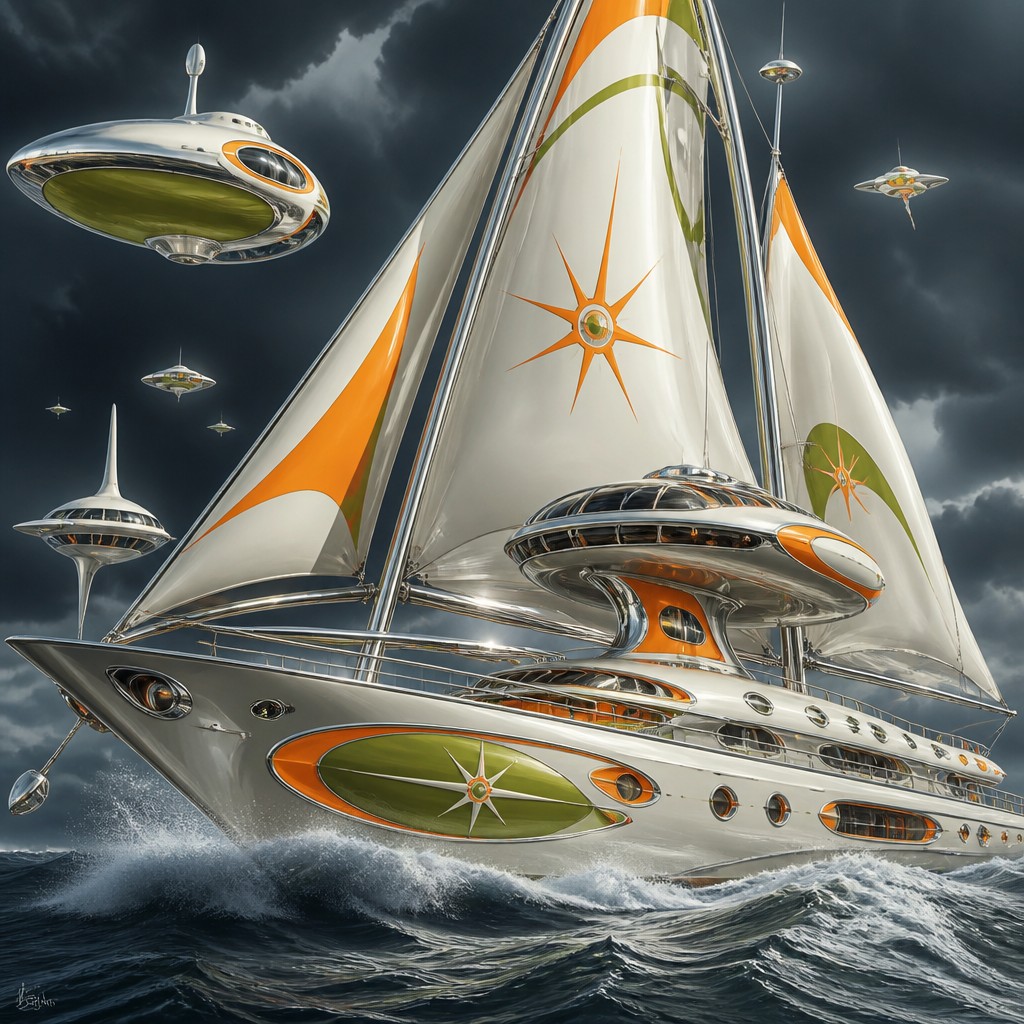
“sailing ship on a stormy sea”
How to Create Space Age Aesthetic Art
Master the craft step by step — or skip straight to creating. Read the full guide →
- 1
Use rounded silhouettes and seamless construction
Start with simple capsule, egg, bubble, and disc forms, then smooth the transitions between parts so the object feels molded rather than assembled. In drawing or painting, reduce visible seams, rivets, and rough texture unless they are intentionally part of a vintage product look.
- 2
Choose a mid-century palette with restrained contrast
Build most of the image from white, silver, gray, and chrome-like highlights, then add one or two saturated accents such as orange, avocado green, or turquoise. Keep the palette bright and tidy so the result feels optimistic rather than gritty.
- 3
Emphasize reflective materials and showroom lighting
Render surfaces as glossy plastic, polished aluminum, or lacquered enamel with clean specular highlights. Use soft, even illumination and minimal atmospheric haze so the form reads as a designed object on display.
- 4
Add era-specific motifs and props
Include starbursts, radar arcs, porthole windows, fins, domes, and modular interiors to anchor the image in the 1960s future-imaginary. Small details like button clusters, dial faces, and orbital emblems help the style feel authentic.
- 5
Reference mid-century industrial design in digital or AI prompts
When generating images, describe the subject first, then specify glossy white molded plastic, chrome curves, atomic motifs, and clean futuristic lighting. Strong material language and era cues are more effective than saying the image should simply look retro.
- 6
Balance nostalgia with clarity
Whether working by hand or digitally, keep forms legible and compositionally simple so the object reads like a product rendering or magazine illustration. The style works best when the design is crisp, orderly, and slightly idealized.
The Story
History & Origins of Space Age Aesthetic
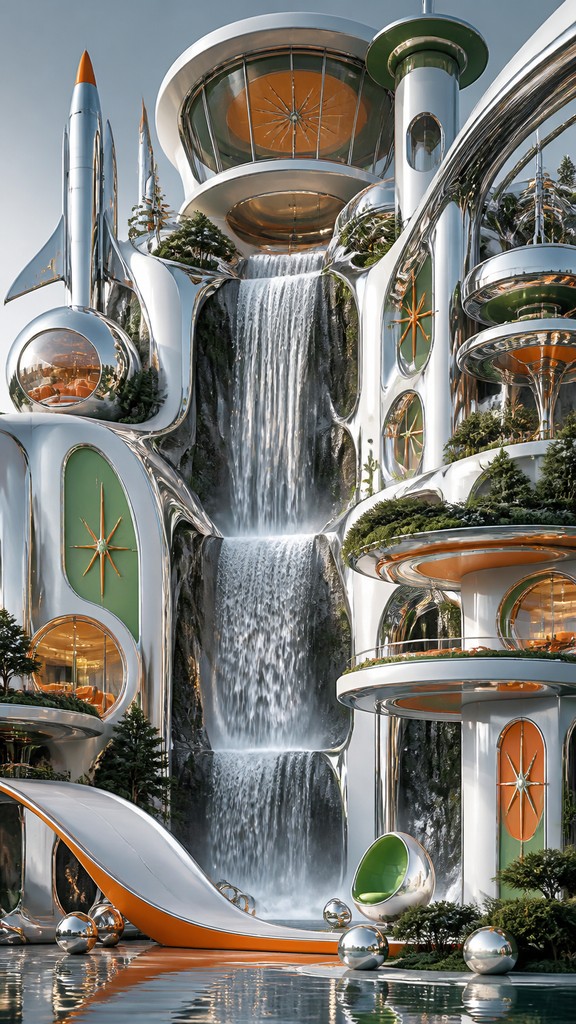
Space Age Aesthetic emerged from the broader postwar fascination with rockets, satellites, jet travel, and the promise of atomic-era modernity. In the 1950s and especially the 1960s, designers translated these technological ambitions into consumer goods, interiors, appliances, cars, exhibition pavilions, and architecture. The look is closely related to mid-century modern design, but with more exaggerated curves, high-gloss materials, and decorative references to space exploration and futuristic mobility.
Its visual lineage combines industrial design, Googie architecture, atomic-age graphics, and the sleek product styling of the machine age. While it was not a single formal art movement with one manifesto, it became a recognizable aesthetic across furniture, television sets, kitchenware, signage, and sci-fi illustration. Today it persists as a retro-futurist shorthand for the 1960s vision of tomorrow: orderly, luminous, and full of rounded chrome promise.
Influences: Space Age Aesthetic is related to mid-century modern design, Googie architecture, Atomic Age graphic design, and postwar industrial styling. It also overlaps with retro sci-fi illustration and the product design ethos associated with figures such as Charles and Ray Eames, Eero Saarinen, and Norman Bel Geddes, though the aesthetic itself is broader than any one designer’s work. Its imagery reflects the cultural impact of the space race, commercial aviation, and the optimistic consumer futurism of the 1950s and 1960s.
Frequently Asked Questions
What defines Space Age Aesthetic?
It is defined by retro-futurist forms from the 1960s: glossy white plastics, chrome curves, atomic motifs, and rounded, space-inspired silhouettes. The style feels optimistic, clean, and technologically hopeful rather than dark or industrial.
Is this the same as mid-century modern?
They are closely related, but not identical. Mid-century modern is broader and often more restrained, while Space Age Aesthetic pushes harder into futuristic curves, shiny materials, and references to rockets, satellites, and space travel.
How is it different from cyberpunk or sci-fi realism?
Cyberpunk tends to be dense, gritty, neon-lit, and urban, while Space Age Aesthetic is bright, polished, and minimal by comparison. It imagines the future as orderly and cheerful, often with domestic or consumer-product settings.
What kinds of subjects work best in this style?
Furniture, interiors, appliances, vehicles, robots, and architecture are especially effective because the style is rooted in design. It can also work for characters and landscapes if they are simplified into clean, optimistic retro-futurist forms.
How can I make an image look authentic to the era?
Use a limited palette, strong curves, and materials that suggest plastic and chrome. Add details like starbursts, fins, domes, dial controls, and porthole shapes, and keep the lighting bright and even.
Where is this style commonly used today?
It appears in branding, poster design, interior decor, product visualization, film titles, and retro-themed illustration. It is also popular for nostalgic takes on future cities, space travel, and 1960s-inspired concept art.

Create your first Space Age Aesthetic artwork
Describe anything — or upload a photo — and see it in Space Age Aesthetic in seconds.
Make Something with Space Age Aesthetic
Related Styles
Discover similar art styles