Googie Architecture
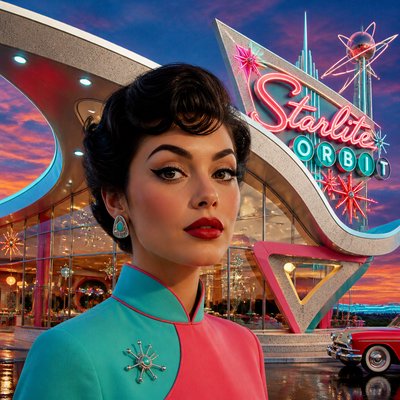
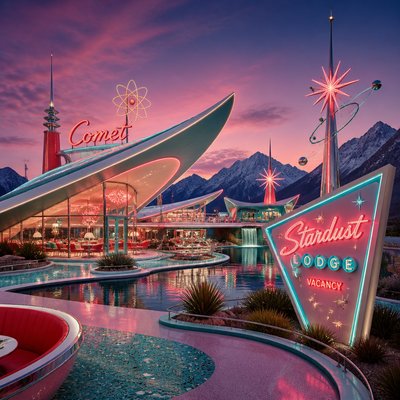
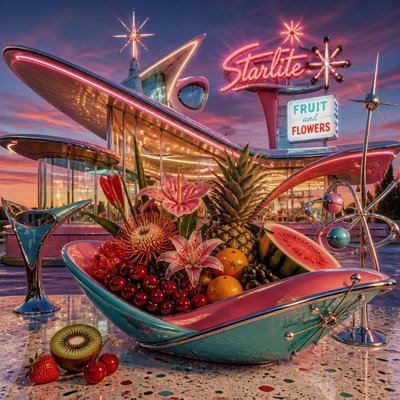
Googie architecture: atomic-age roadside buildings with boomerang roofs, neon signs, starbursts, chrome trim, and futuristic optimism.
Instantly rendered in Googie Architecture — or transform a photo
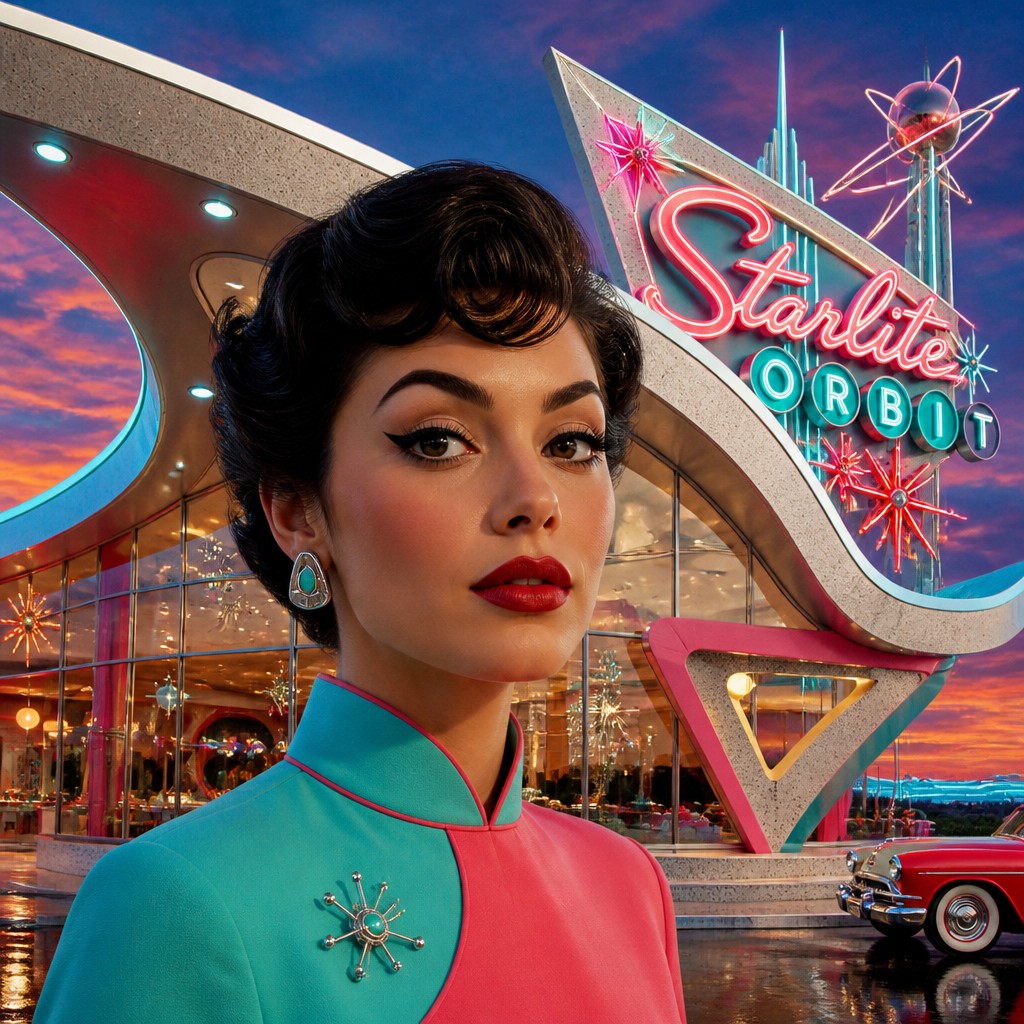
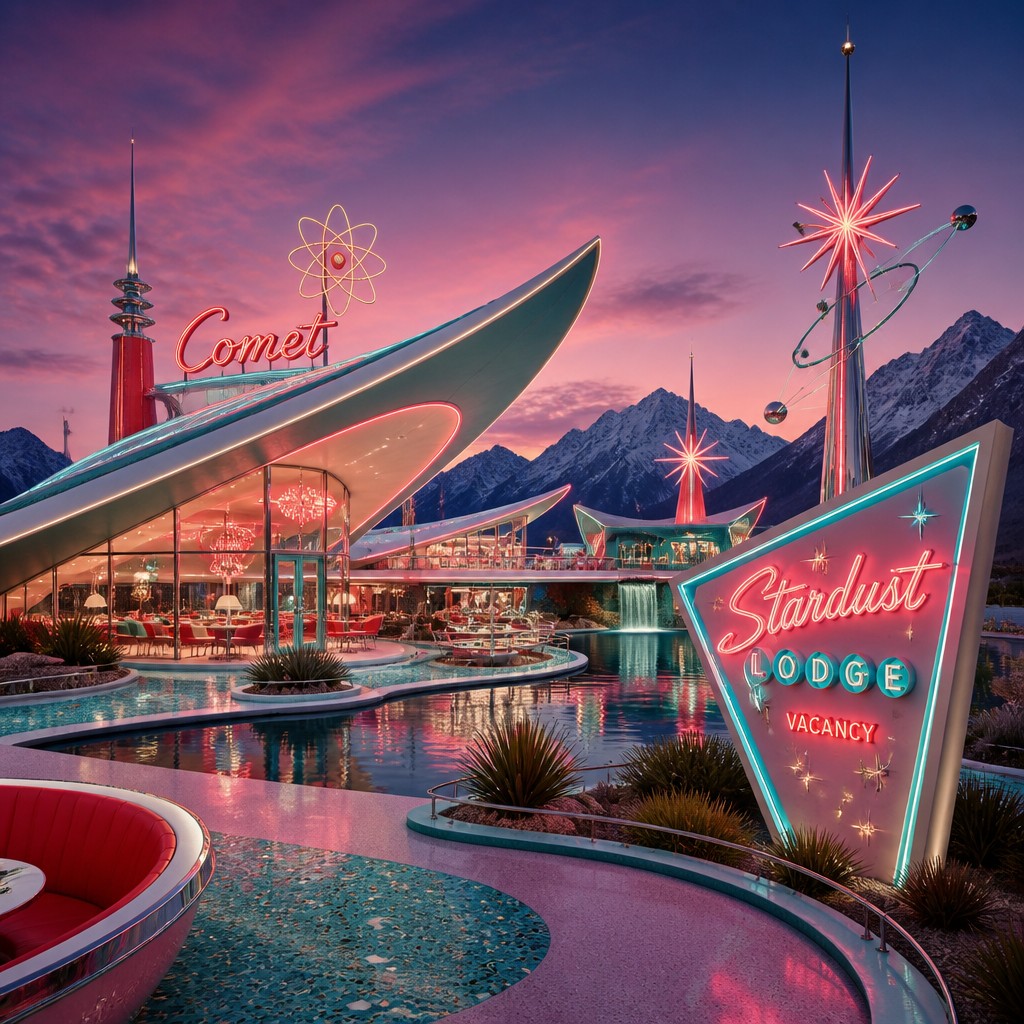
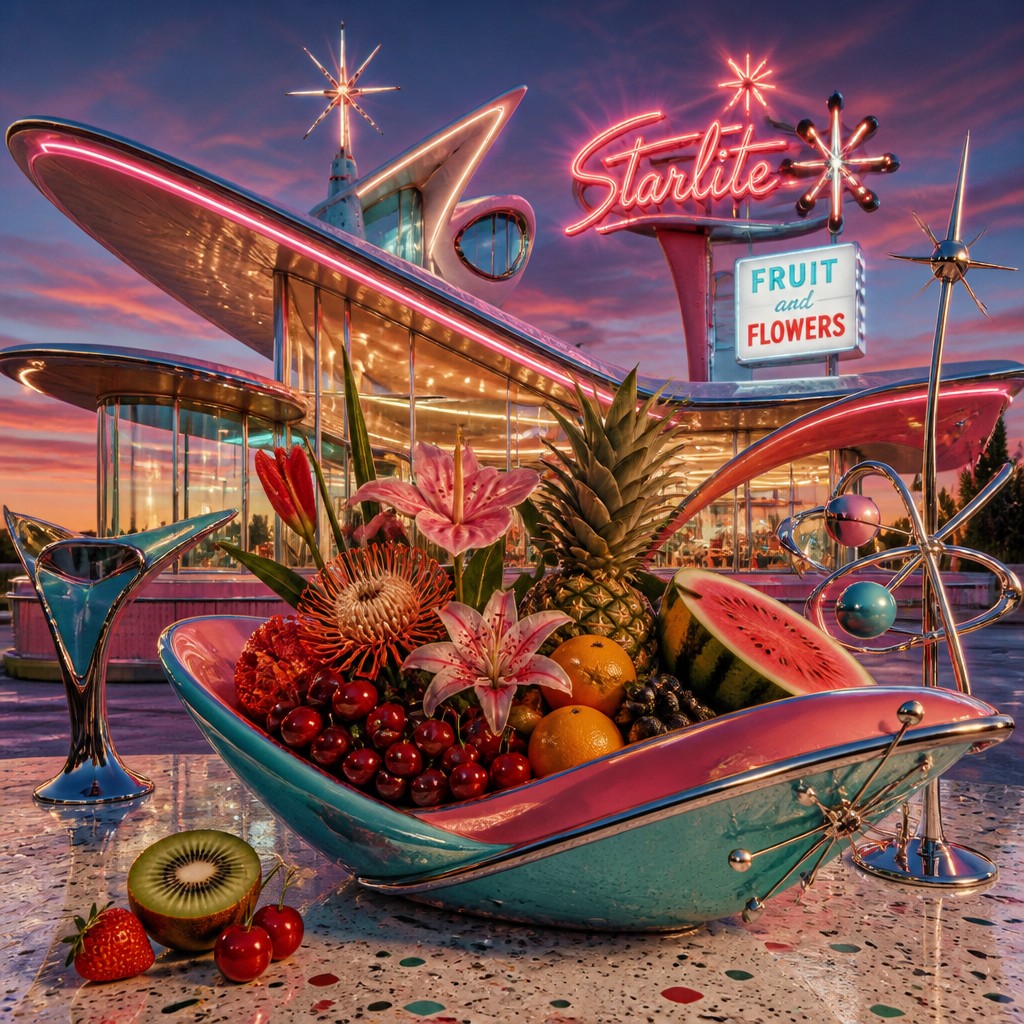
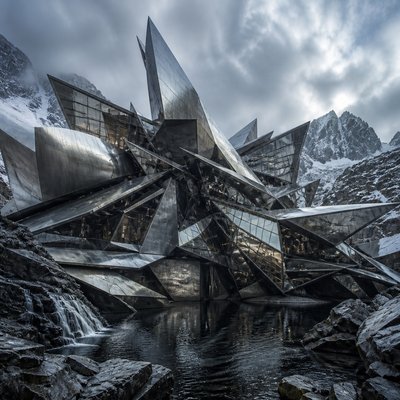
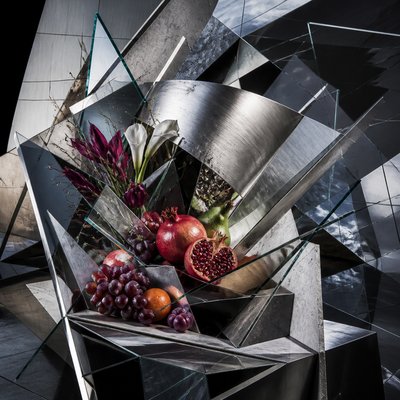
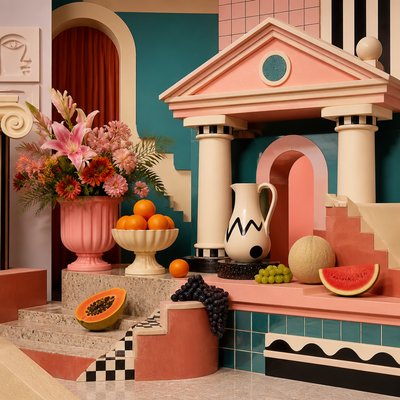
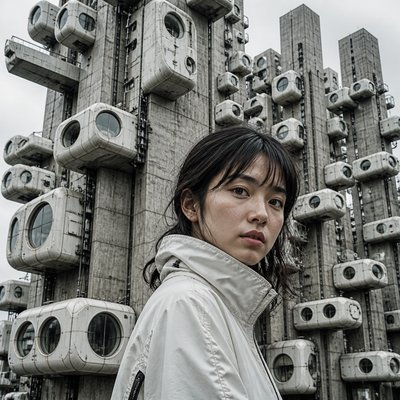
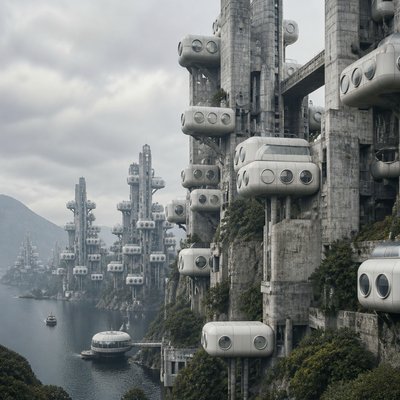
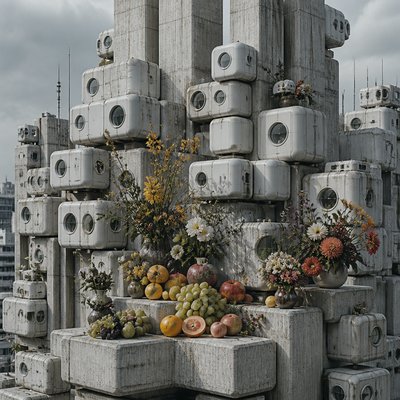
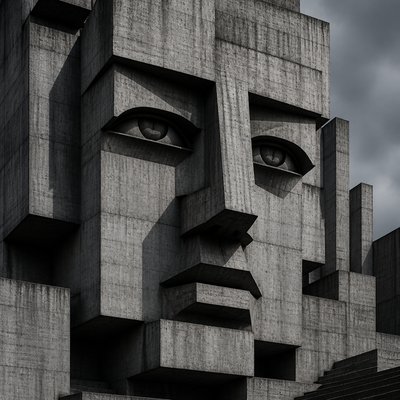
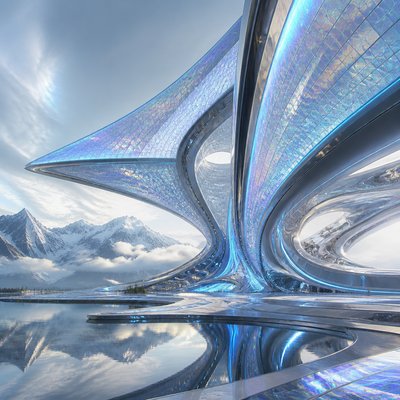
Googie Architecture Gallery
Tap any artwork to explore it
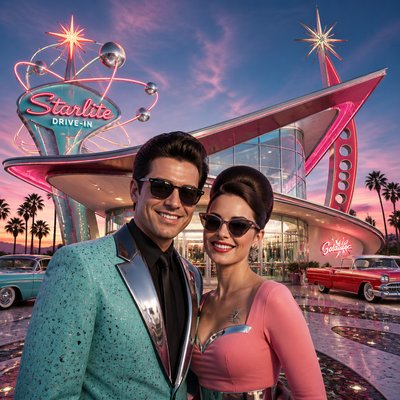
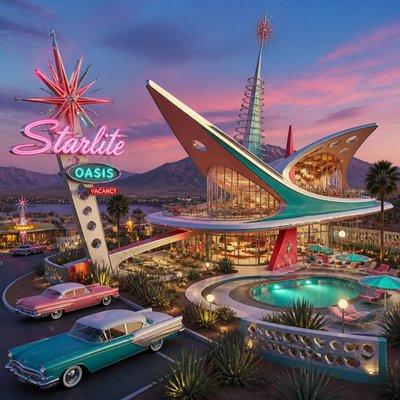
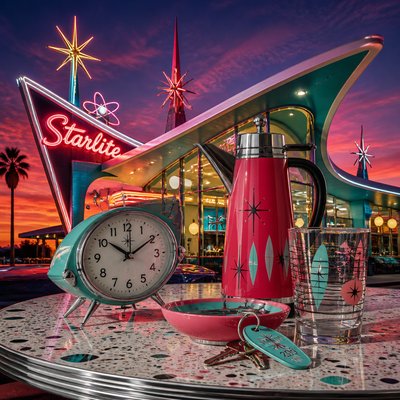
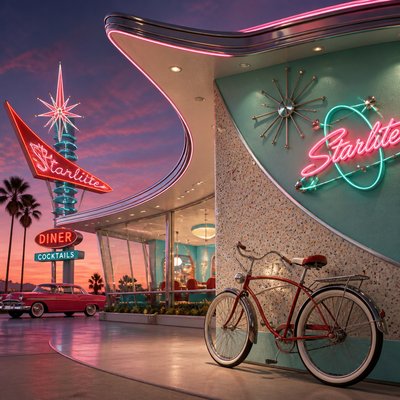
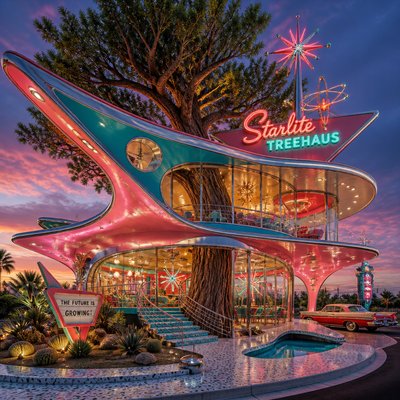
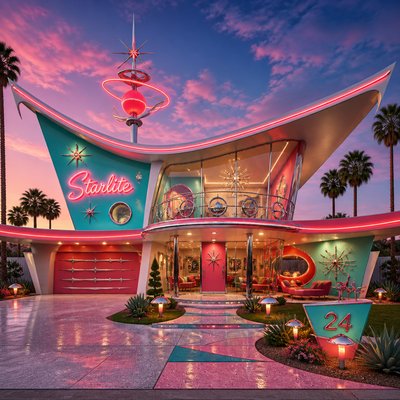
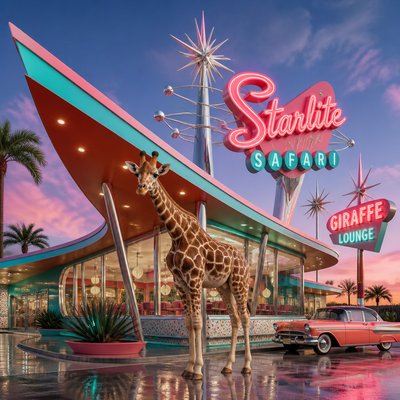
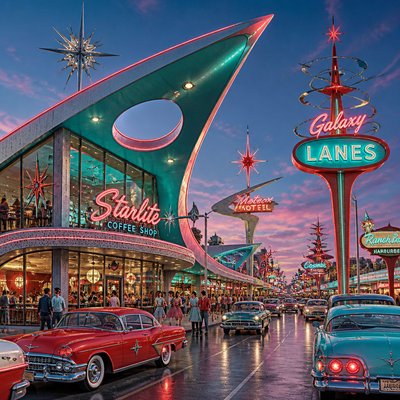
What is Googie Architecture?
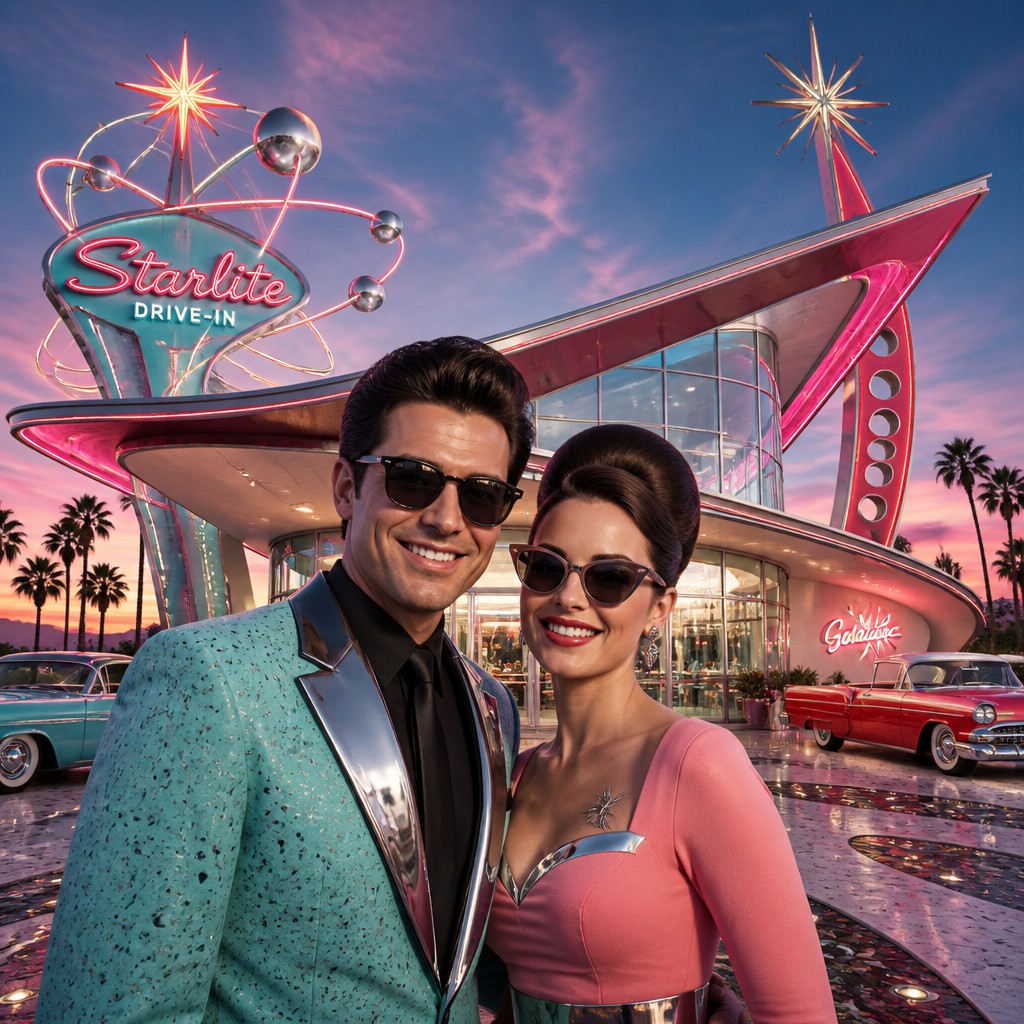
Googie architecture is a mid-century American commercial style associated with the postwar automobile age, especially diners, motels, bowling alleys, coffee shops, gas stations, and car washes. It is defined by dramatic rooflines, bold signage, glass walls, and playful motifs drawn from the Space Age, jet travel, and atomic design.
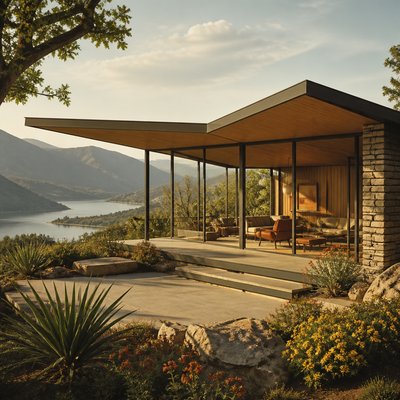
Its visual identity is exuberant rather than restrained: boomerang shapes, starbursts, upswept cantilevers, parabolic curves, and angled forms create a sense of motion even in a static building. The style emerged to attract motorists at highway speed, so its architecture was meant to be instantly legible from the road, often amplified by neon lighting, bright color contrasts, chrome detailing, and expansive plate glass that blurred the boundary between interior and street.
Try It On Your Photos
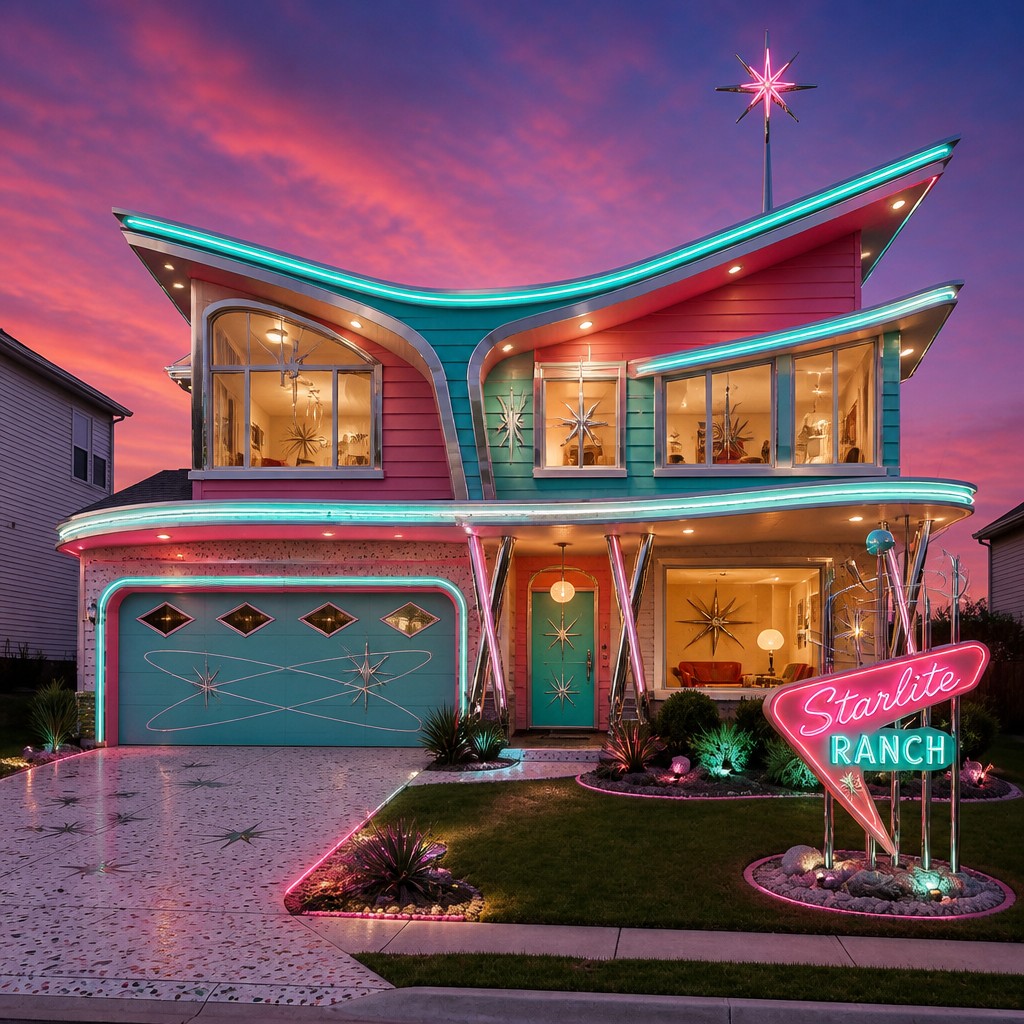
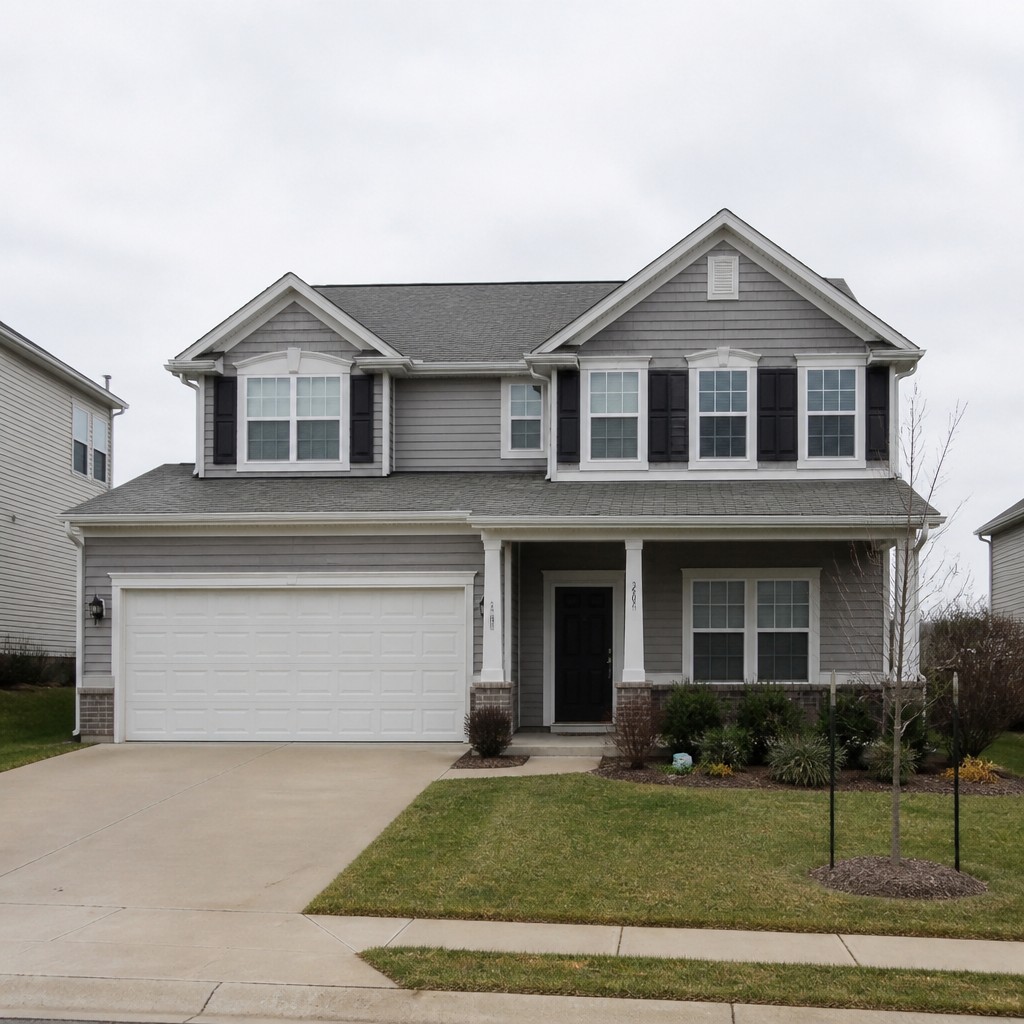
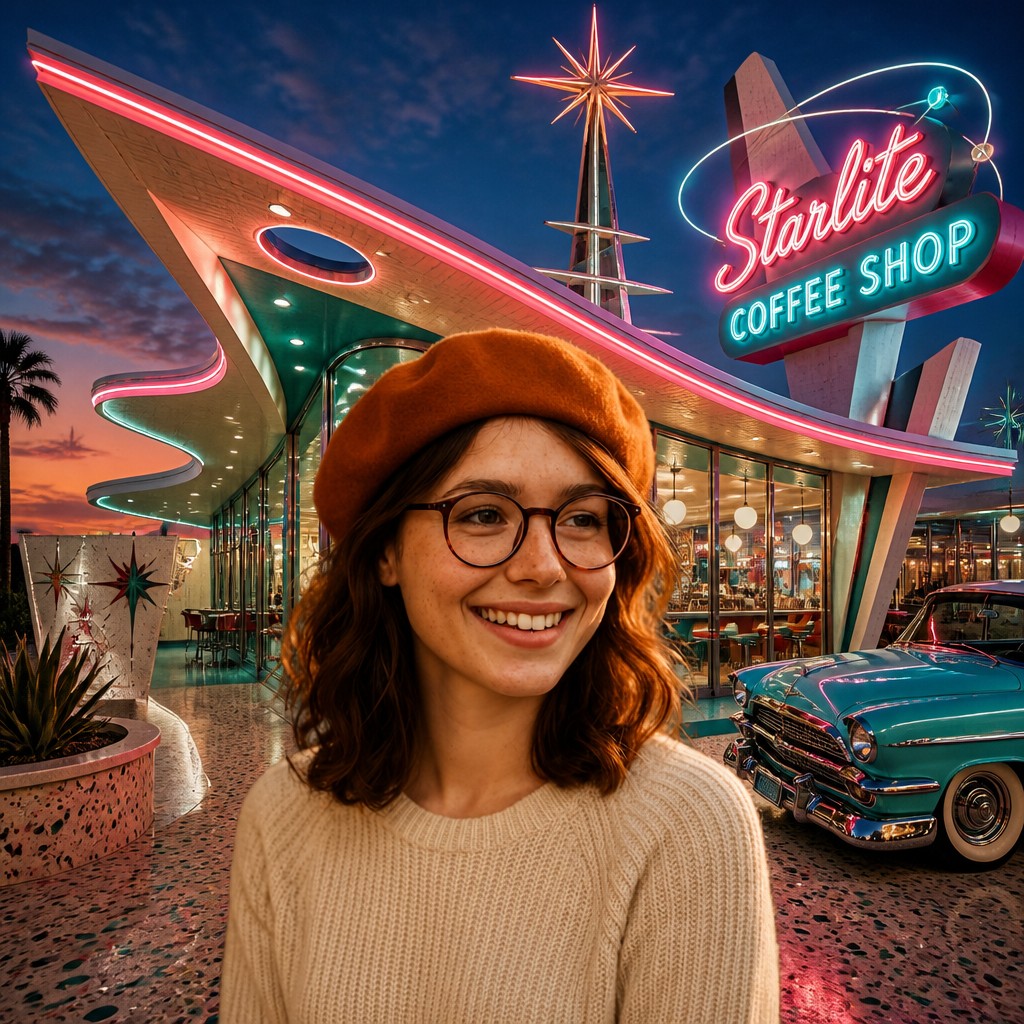
Upload any photo and convert it into Googie Architecture — drag the sliders to compare before and after.

What Defines Googie Architecture
The signature details, up close
Dramatic rooflines
Swooping cantilevers, butterfly roofs, and sharp angles make the silhouette read like a frozen motion graphic. These roof forms are among the most recognizable signals of the style.
Atomic and space-age motifs
Starbursts, boomerangs, orbit rings, and abstract sun shapes appear in façades, signs, and decorative details. They evoke the atomic age and the public imagination of futuristic technology.
Neon signage and roadside legibility
Large, brightly lit signs were essential for visibility from cars at night and dusk. Lettering and graphic symbols often became as important as the building itself.
Glass, chrome, and reflective finishes
Plate-glass walls and gleaming metal trim create a polished, manufactured look. These materials reinforce the association with modernity, speed, and consumer culture.
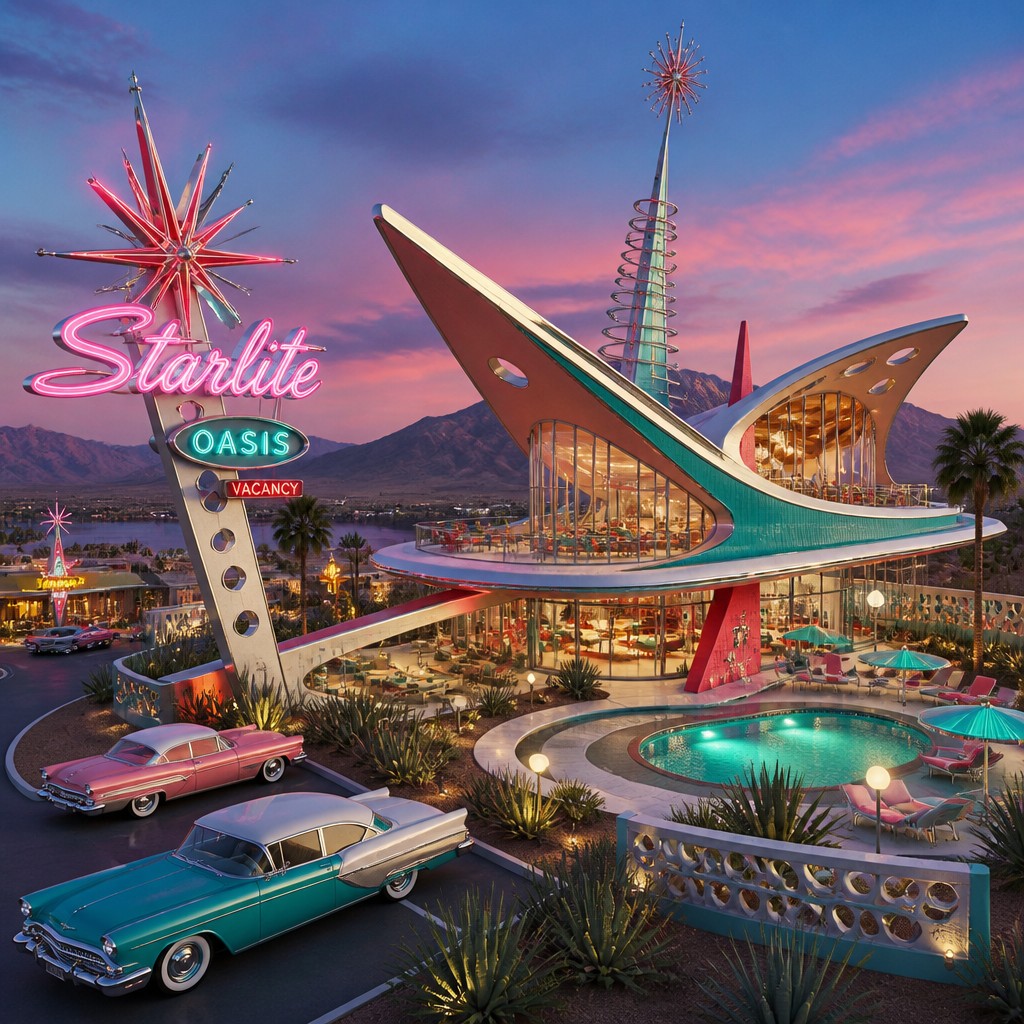
Vibrant retro palette
Turquoise, flamingo pink, cherry red, white, black, and silver are common color cues. High-contrast combinations help the forms pop against the sky and roadside environment.
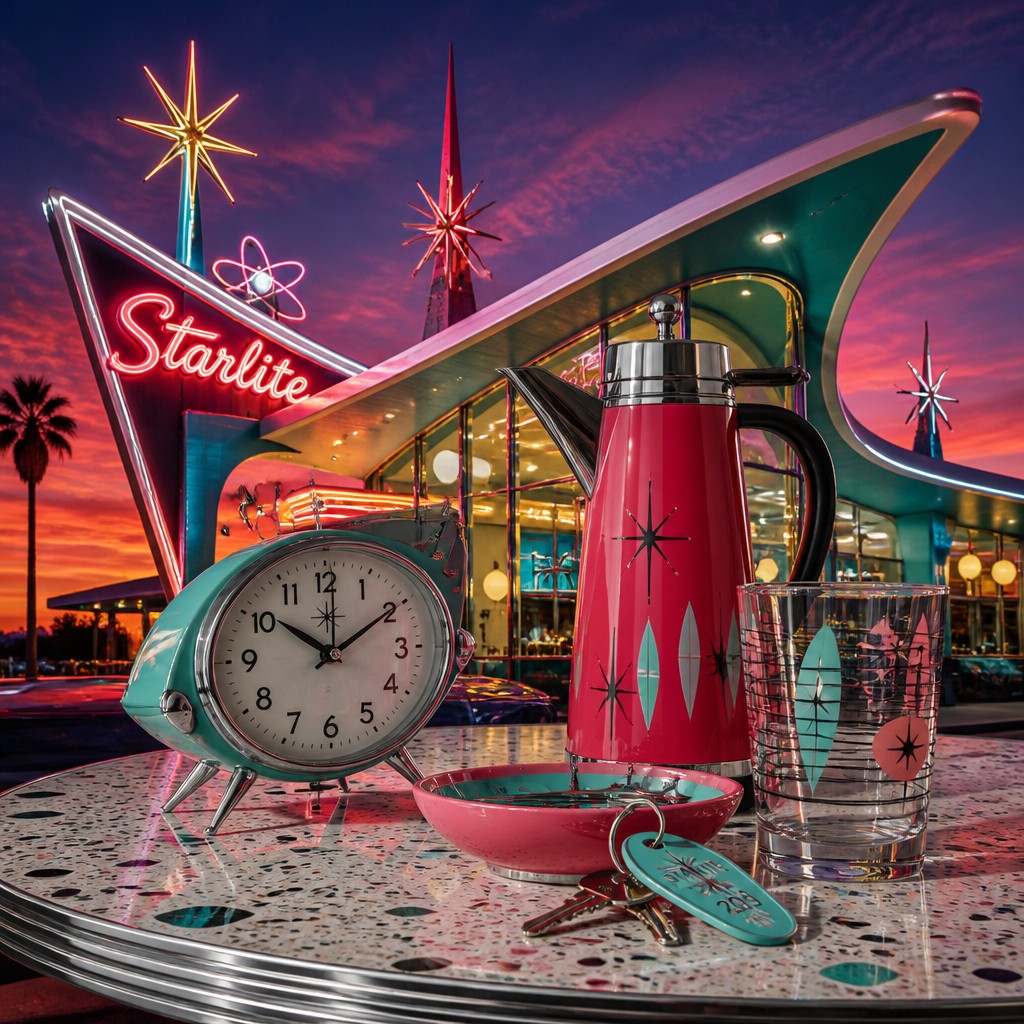
Playful commercial architecture
The style is most often seen in low-rise businesses designed to be memorable rather than monumental. It favors personality, theatricality, and accessibility over formal restraint.
Try It
Create Videos in Googie Architecture
Styles aren't just for stills — describe a scene or animate an image and get a short video rendered in Googie Architecture. Press play to see this pond come to life.
Make a VideoGoogie Architecture Prompt Ideas
Start from an idea — each one opens the generator with the style ready to go. See all 40 Googie Architecture prompts →
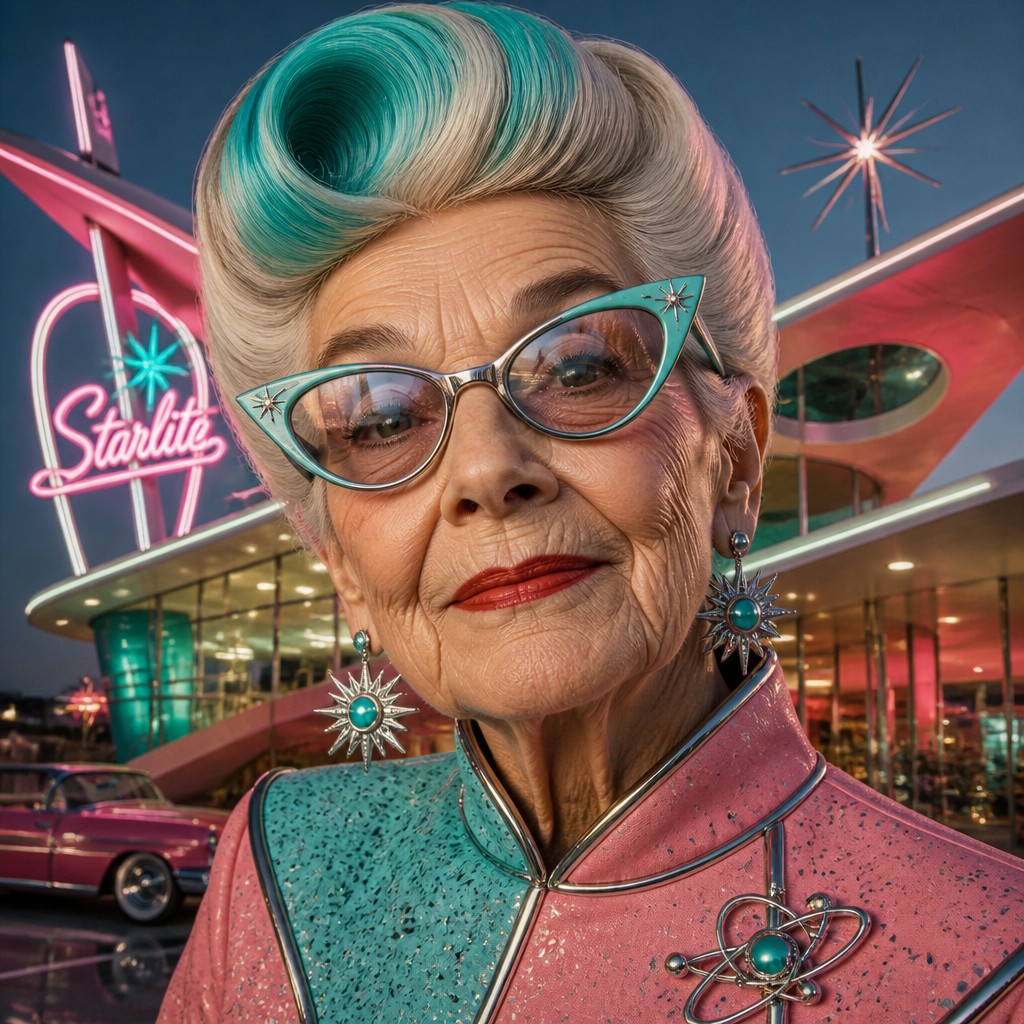
“close-up portrait of an elderly person with expressive weathered features”
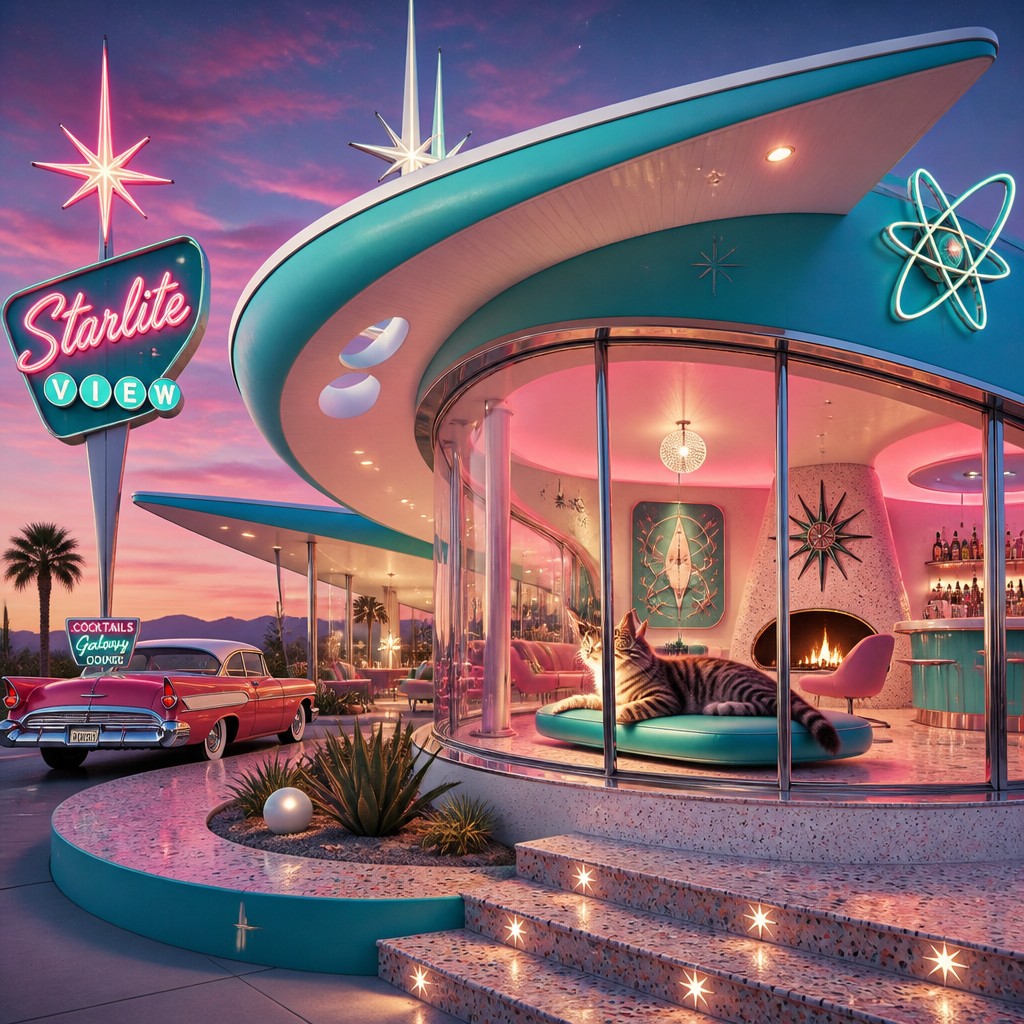
“a cat lounging in a sunlit window”
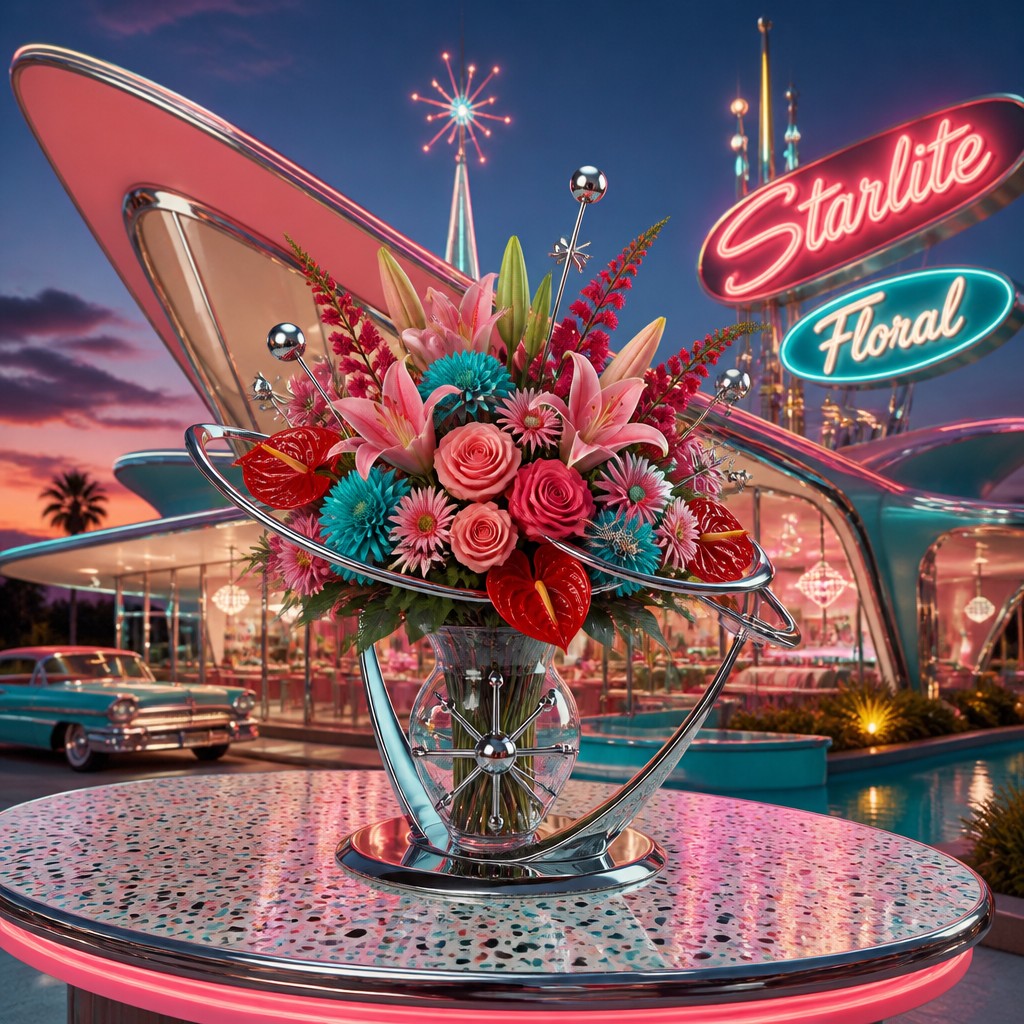
“bouquet of flowers in a glass vase”
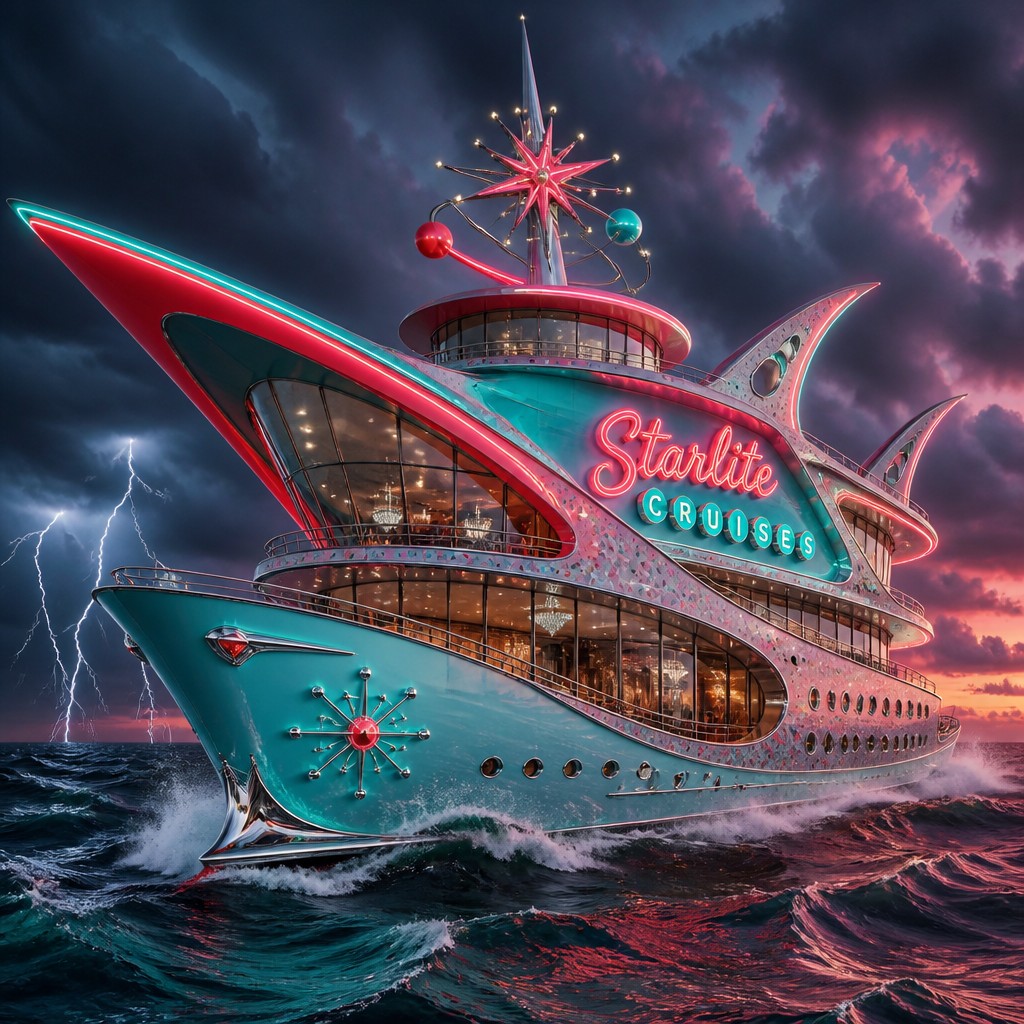
“sailing ship on a stormy sea”
How to Create Googie Architecture Art
Master the craft step by step — or skip straight to creating. Read the full guide →
- 1
Start with a bold silhouette
Design the building around a distinctive roof shape first, then attach the façade and sign. In traditional drawing or digital painting, use clean perspective and exaggerated angles so the profile reads immediately.
- 2
Use a roadside composition
Place the building in a context that emphasizes car culture: a parking lot, a motel courtyard, or a highway at dusk. Low camera angles and three-quarter views help show the sign, roofline, and front glazing at once.
- 3
Balance geometry with sparkle
Mix hard-edged structural forms with decorative atomic motifs, neon tubes, and chrome accents. Keep ornament graphic and architectural, not cluttered, so the design stays readable.
- 4
Choose period-appropriate materials and color
Render terrazzo speckle, brushed metal, concrete block, and plate glass with saturated accents in turquoise, pink, red, and silver. For digital work, strong rim lighting and dusk reflections enhance the retro-futurist feel.
- 5
Make signage part of the architecture
Integrate the sign into the façade rather than treating it as an afterthought. For image generation, specify neon, starbursts, retro lettering, and a dusk sky to push the correct mood and era.
The Story
History & Origins of Googie Architecture
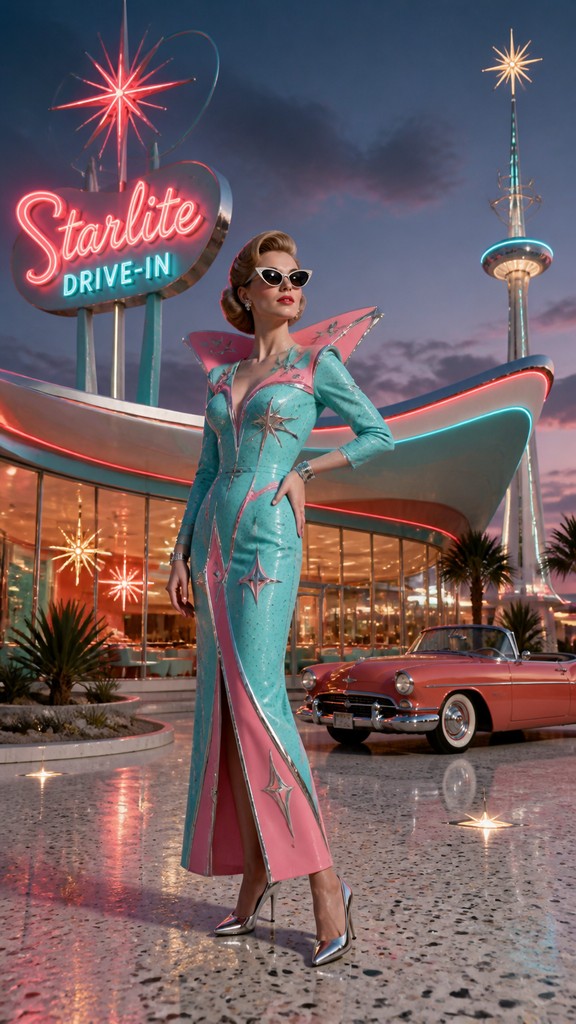
Googie architecture developed in the United States in the late 1940s and flourished through the 1950s and 1960s, especially in Southern California. It grew out of postwar optimism, car culture, and the competition among roadside businesses to stand out visually; its name comes from a now-demolished coffee shop in West Hollywood designed by John Lautner. Related variants included the broader Mid-century Modern commercial vernacular and the more exuberant “Populuxe” look of the atomic era.
The style drew on the aesthetics of aviation, futurism, and the era’s fascination with rockets, atoms, and technological progress. Rather than following classical symmetry or architectural austerity, Googie embraced theatrical forms and advertising visibility. Its legacy persisted in restored diners, themed hospitality design, and later retro revivals that referenced the optimism of the postwar American roadscape.
Influences: Googie architecture is closely related to mid-century modern design, but it is more theatrical, commercial, and symbol-driven than the best-known residential or institutional versions of that movement. It also overlaps with Populuxe and the broader atomic-age visual culture of the 1950s and 1960s, as well as roadside graphic design, futurist imagery, and the American diner tradition. Among canonical architects associated with Googie or its related commercial modernism, John Lautner is the most frequently cited; other mid-century designers such as Douglas Honnold and Martin Stern also contributed to the look of Southern California’s roadside environment.
Frequently Asked Questions
What defines Googie architecture?
Googie architecture is defined by expressive, futuristic forms used in roadside commercial buildings. The most recognizable features are cantilevered roofs, boomerang shapes, starburst motifs, neon signage, and glass-and-chrome surfaces.
Is Googie the same as mid-century modern?
Not exactly. Googie is a flamboyant, commercial offshoot of the mid-century modern era, with more visual drama and a stronger connection to car culture and advertising. Mid-century modern can be quieter and more minimal, while Googie is intentionally eye-catching.
Why does Googie often look like the Space Age?
The style emerged during a period of intense public fascination with rockets, atomic science, jet travel, and the future. Designers translated that optimism into rooflines, motifs, and signage that suggested speed, technology, and novelty.
Where is Googie architecture most commonly found?
It is most commonly associated with the American West and Southwest, especially Southern California. It was widely used for diners, motels, coffee shops, gas stations, and other businesses competing for attention along highways.
How do I make an image look like Googie architecture?
Use a low-rise commercial building with a dramatic silhouette, neon lighting, chrome trim, and a retro color palette. Emphasize dusk lighting, road signage, and atomic-age decorative details such as starbursts or orbit rings.
What are common mistakes when depicting this style?
A common mistake is treating it like generic 1950s decor without the architecture’s distinctive structural forms. Another is overloading it with unrelated retro elements; Googie works best when the roofline, sign, materials, and roadside setting all reinforce the same futuristic optimism.

Create your first Googie Architecture artwork
Describe anything — or upload a photo — and see it in Googie Architecture in seconds.
Related Styles
Discover similar art styles