Postmodern Architecture
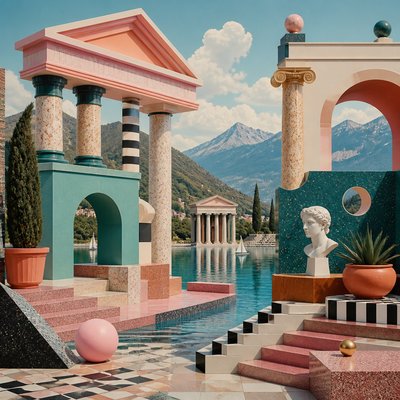
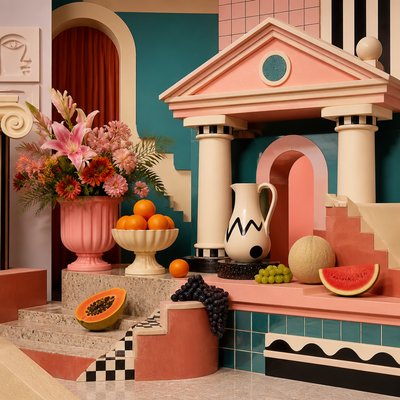
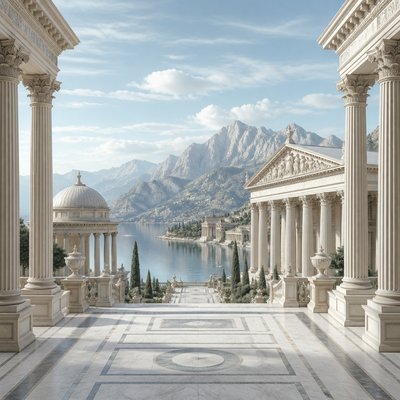
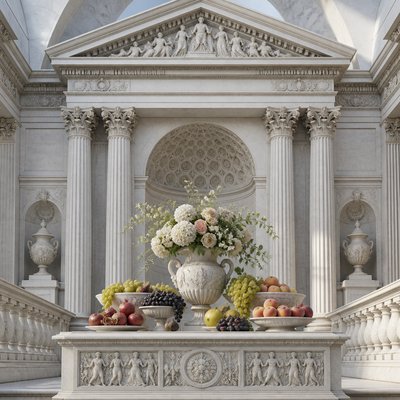
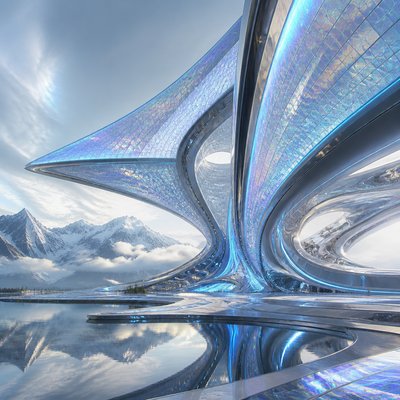
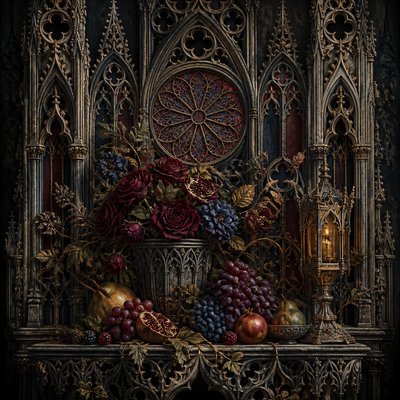
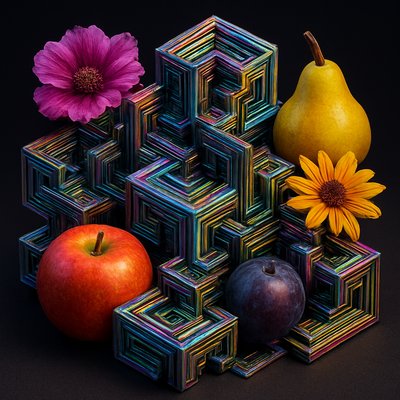
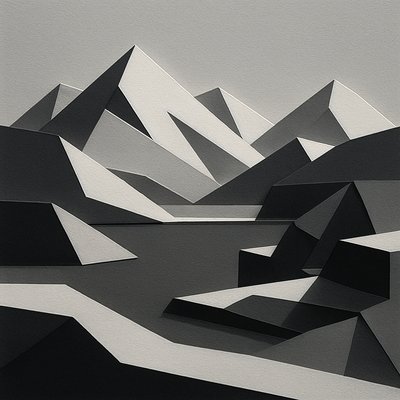
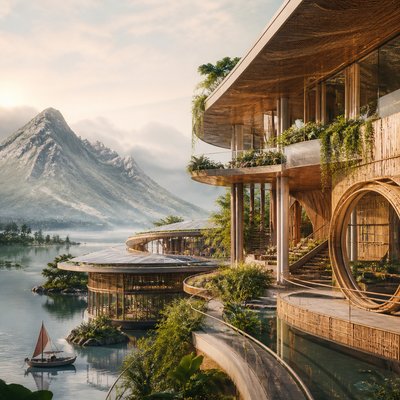
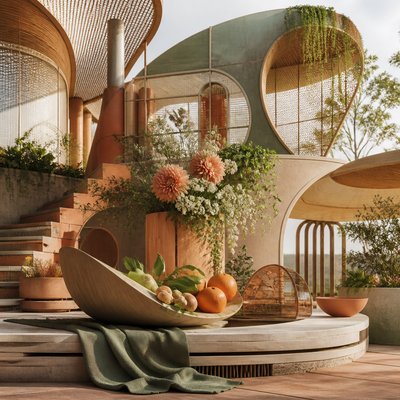
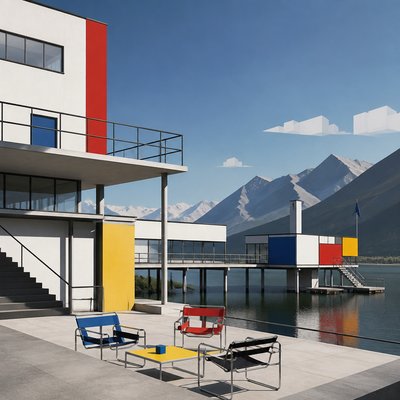
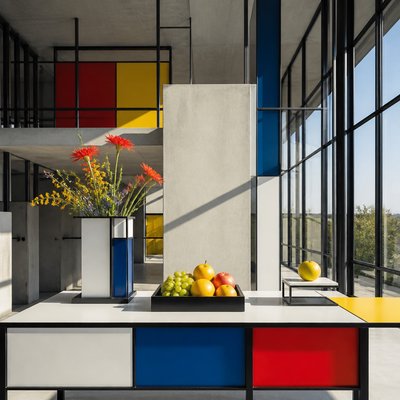
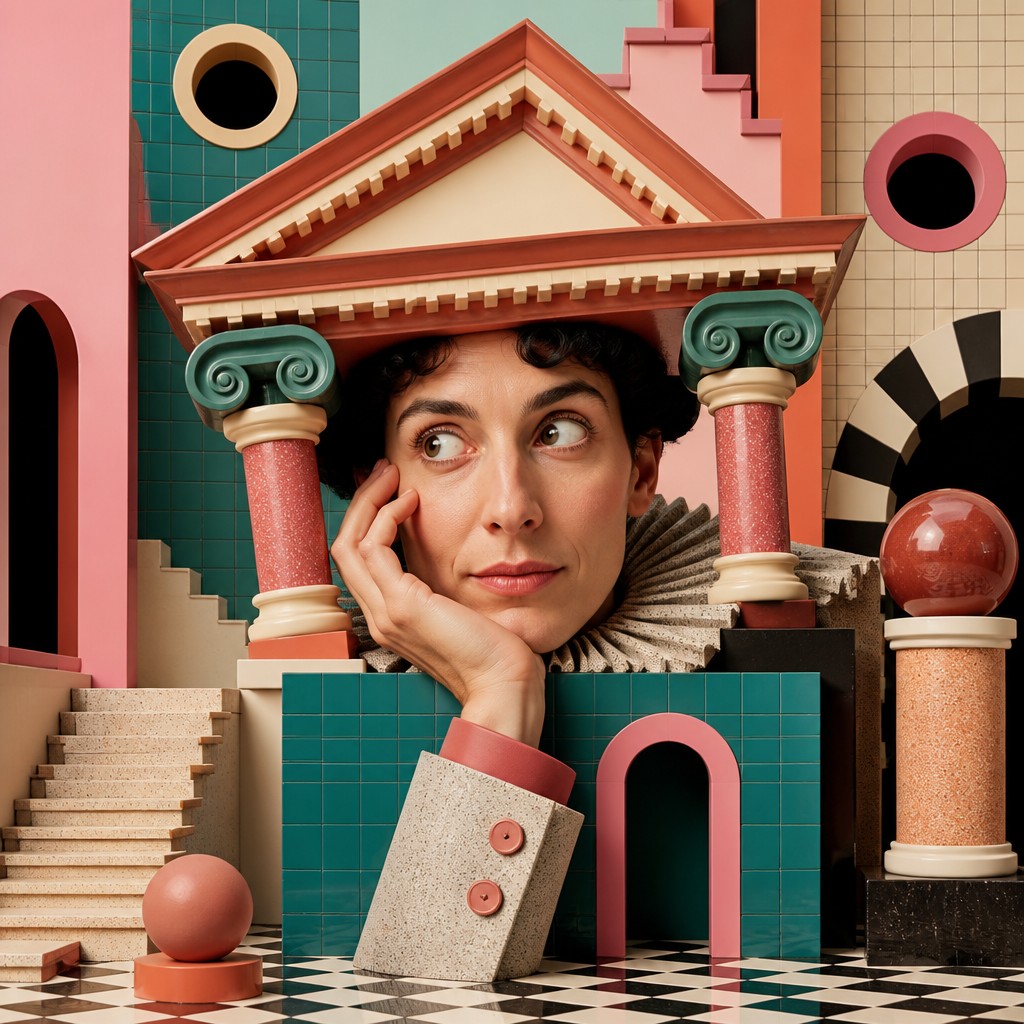
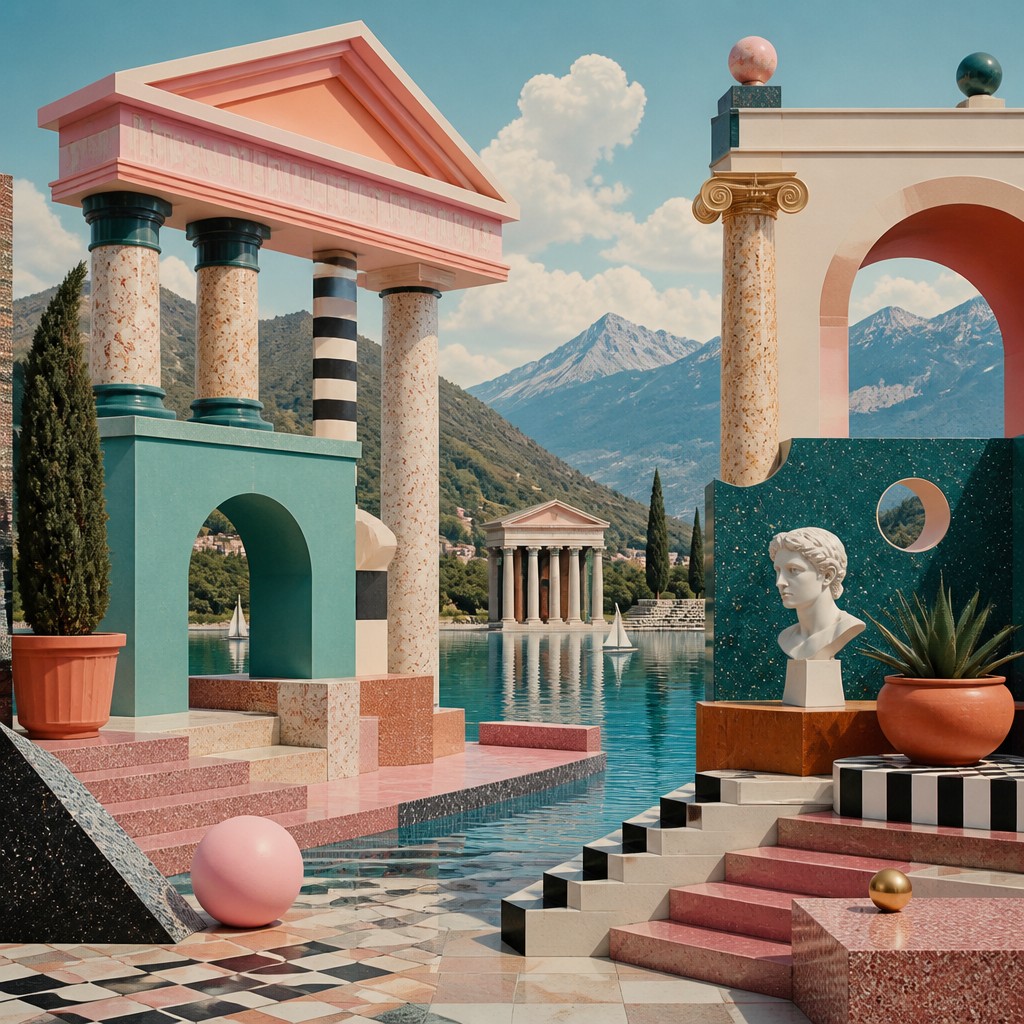
Postmodern architecture blends pastel classical motifs, playful asymmetry, and ironic ornament into witty anti-modern buildings.
Instantly rendered in Postmodern Architecture — or transform a photo
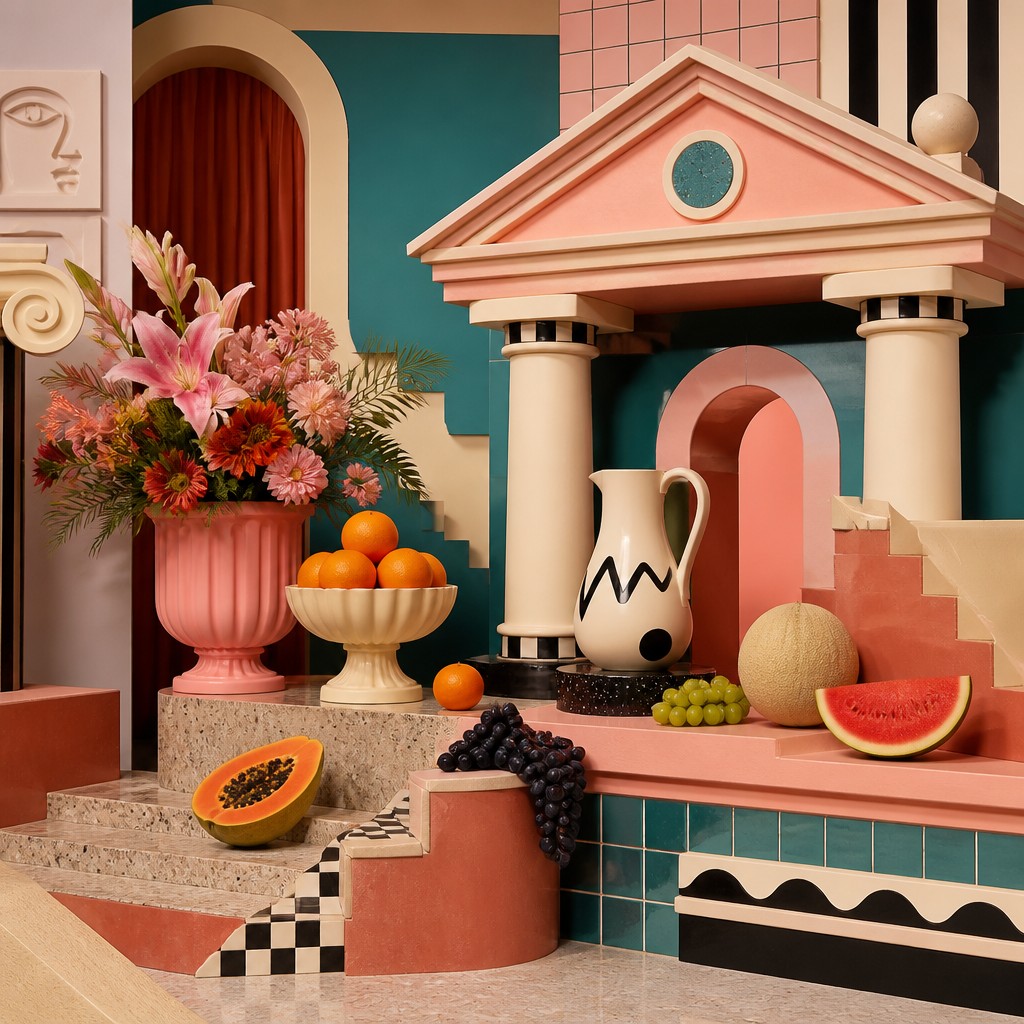
Postmodern Architecture Gallery
Tap any artwork to explore it
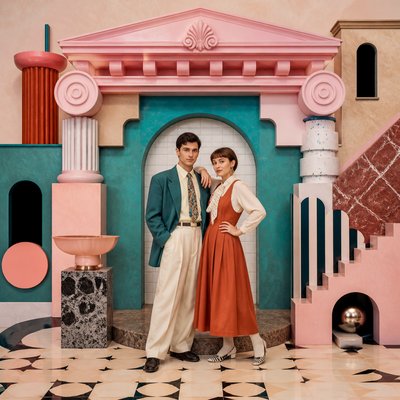
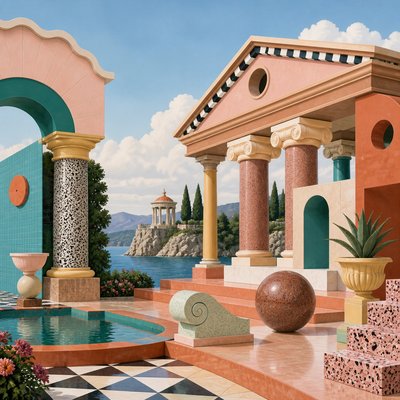
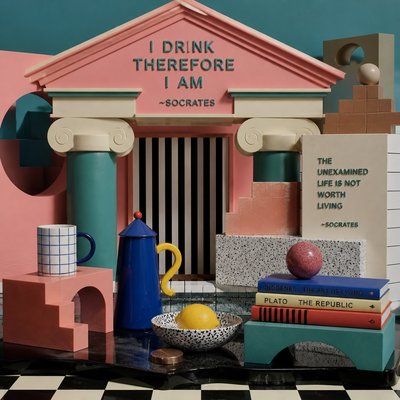
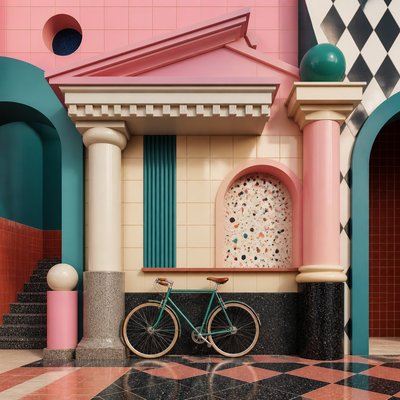
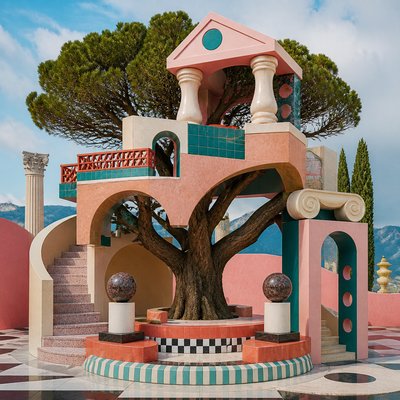
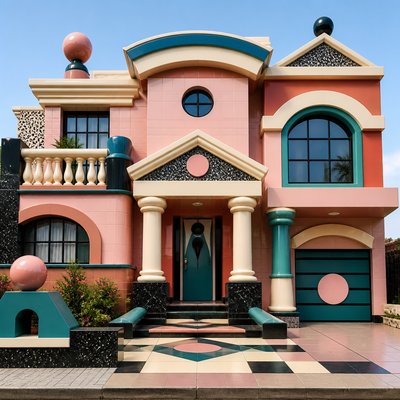
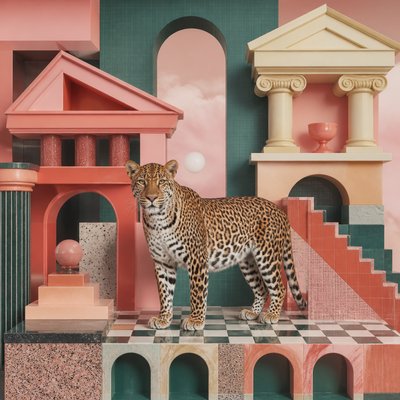
What is Postmodern Architecture?
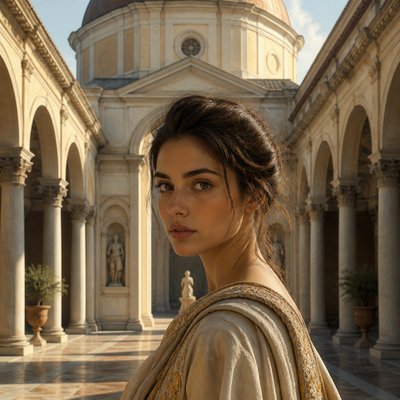
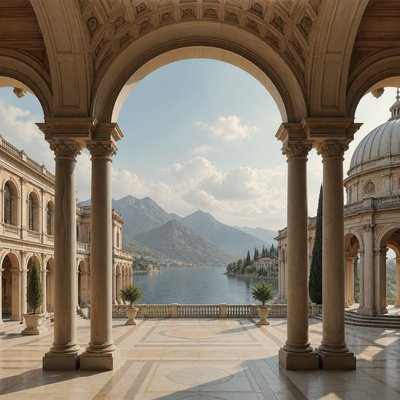
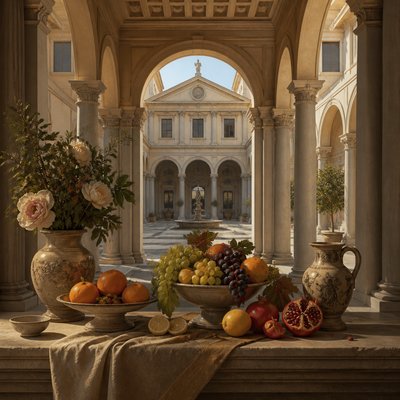
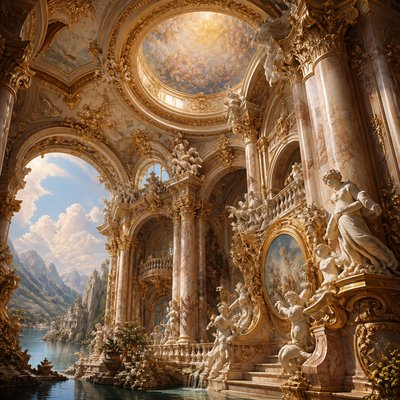
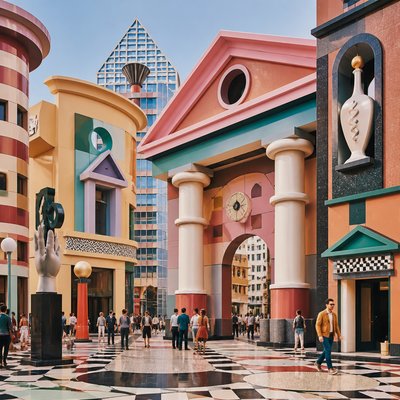
Postmodern architecture is an architectural style that emerged as a reaction against the strict functionalism and visual severity of high modernism. It borrows freely from historical architecture—especially classical forms such as columns, pediments, arches, and symmetrical facades—but reuses them with irony, exaggeration, and deliberate mismatch. The result is architecture that looks self-aware, theatrical, and often playful: buildings that quote the past rather than imitate it faithfully.
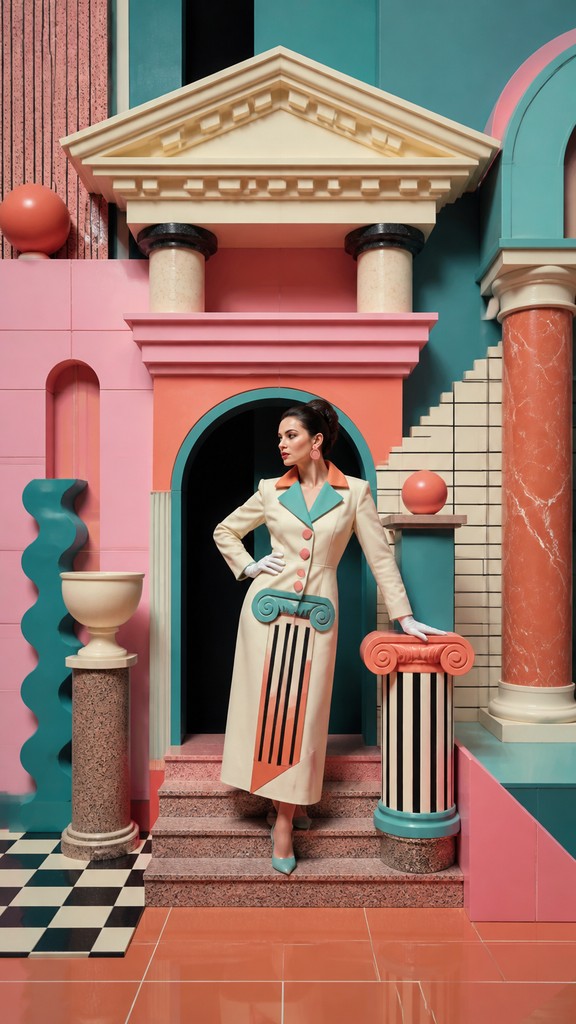
Its visual identity is defined by pastel color blocking, oversized decorative elements, and a mix of familiar motifs placed in unexpected proportions. Stubby columns, cartoonish arches, broken pediments, glossy surfaces, and bold geometric patterning create a staged, almost set-like appearance. The style looks the way it does because it turns architecture into commentary: it keeps the language of tradition while undermining modernist seriousness with humor, ornament, and eclecticism.
Try It On Your Photos
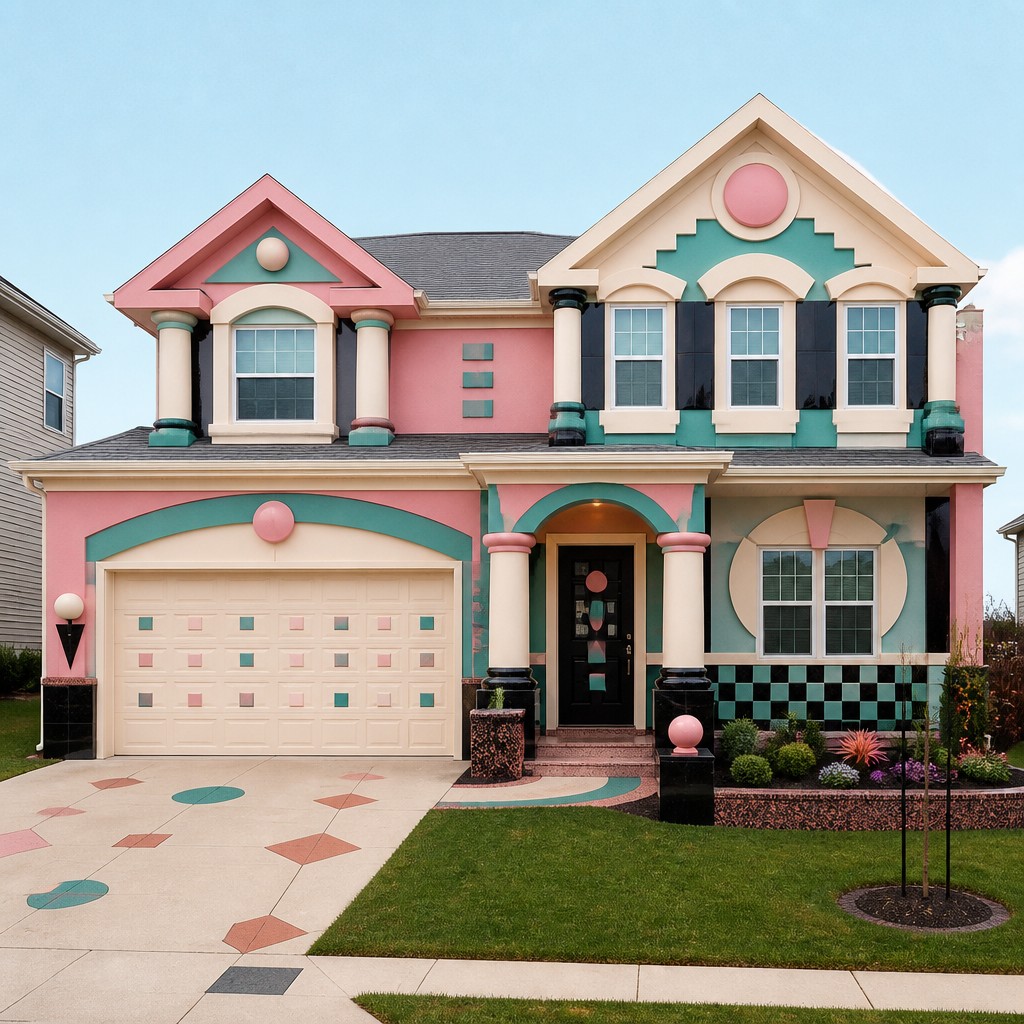
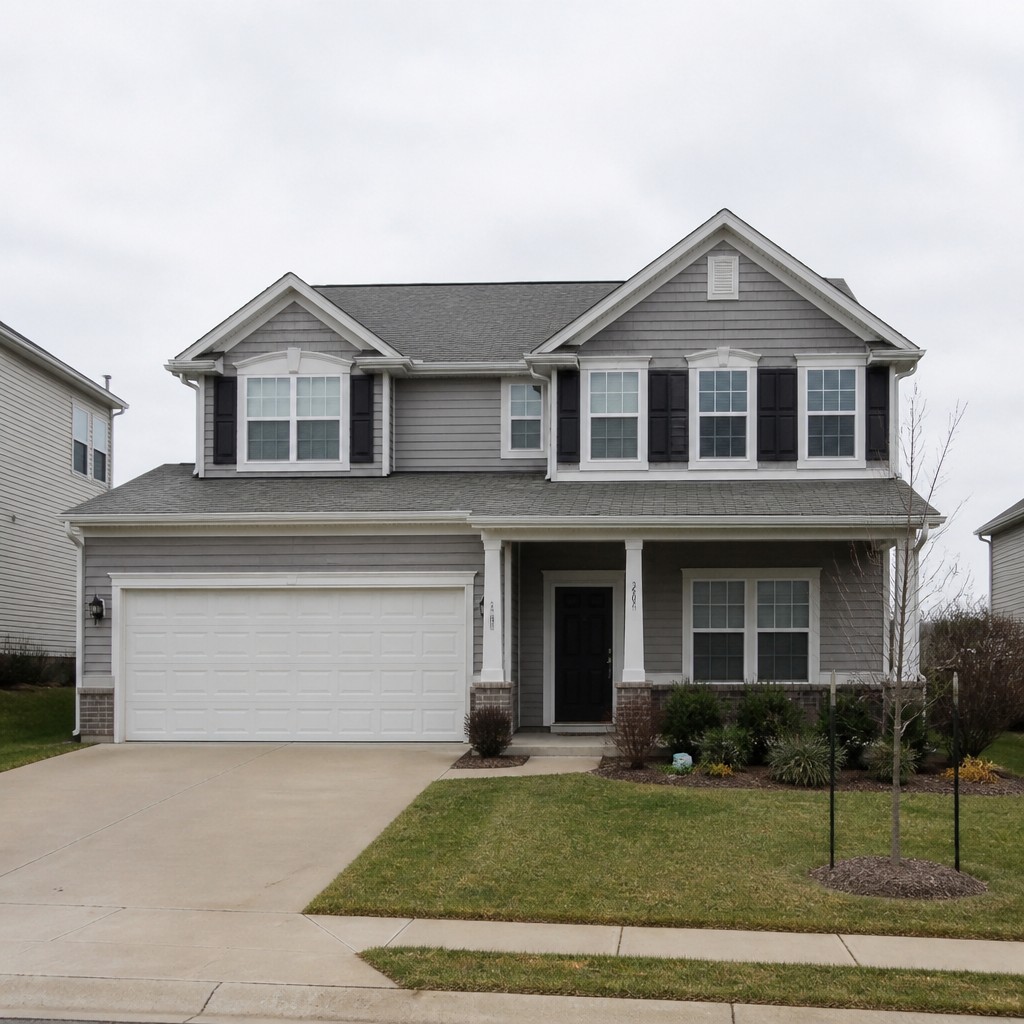
Upload any photo and convert it into Postmodern Architecture — drag the sliders to compare before and after.


What Defines Postmodern Architecture
The signature details, up close
Classical quotation
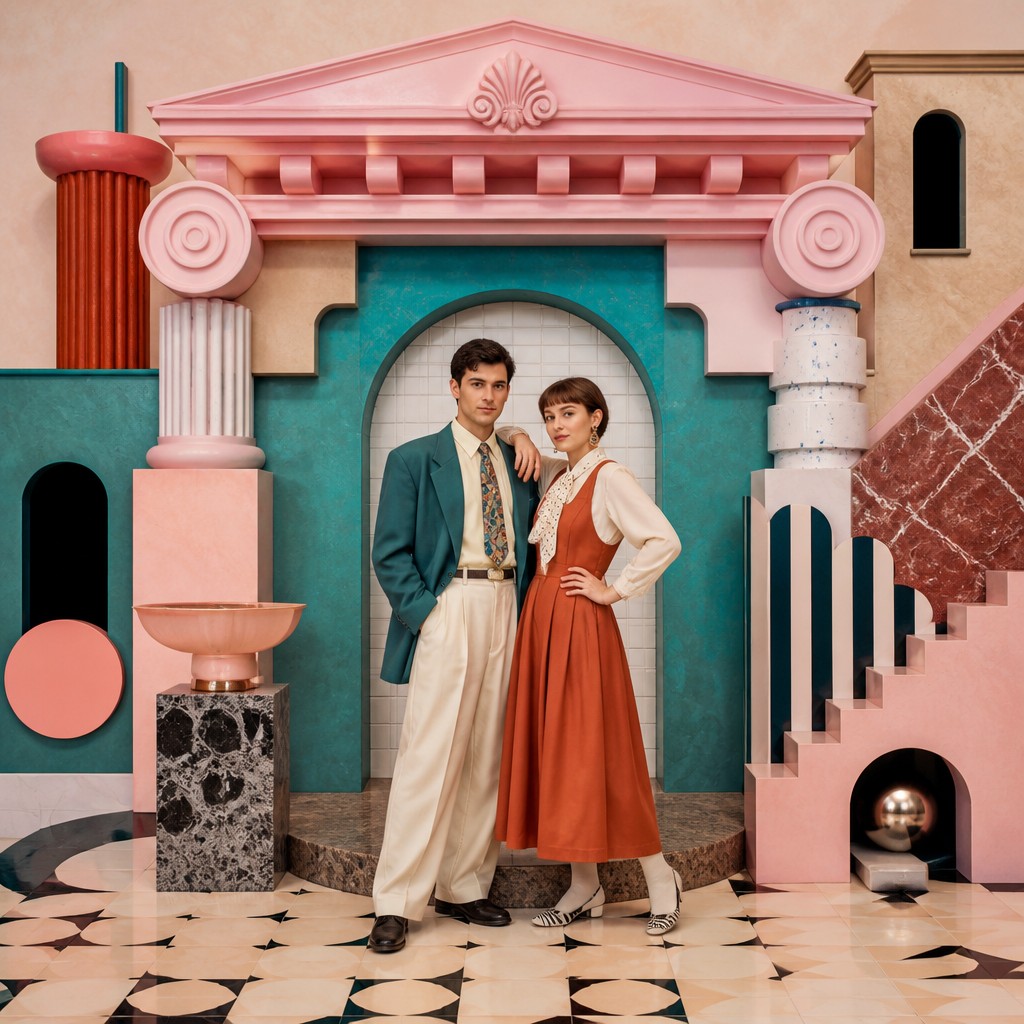
The style repeatedly borrows from classical architecture—columns, pediments, pilasters, arches, and cornices—but uses them as references rather than structural necessities. These elements are often enlarged, simplified, or repositioned to make the quotation obvious.
Playful scale distortion
A hallmark of the style is the use of mismatched proportions: tiny pediments over large openings, stubby columns supporting oversized forms, or ornament that appears too large for the building. This deliberate imbalance creates wit and visual tension.
Pastel and theatrical color
Postmodern buildings often use pastel pinks, teals, creams, terracottas, and other softened tones. Color is frequently used in blocks or bands to separate volumes and emphasize the building’s graphic composition.
Decorative eclecticism
The style combines motifs from different historical periods, commercial vernaculars, and abstract geometric design. Rather than seeking purity, it embraces collage-like variety and the visible mixing of references.
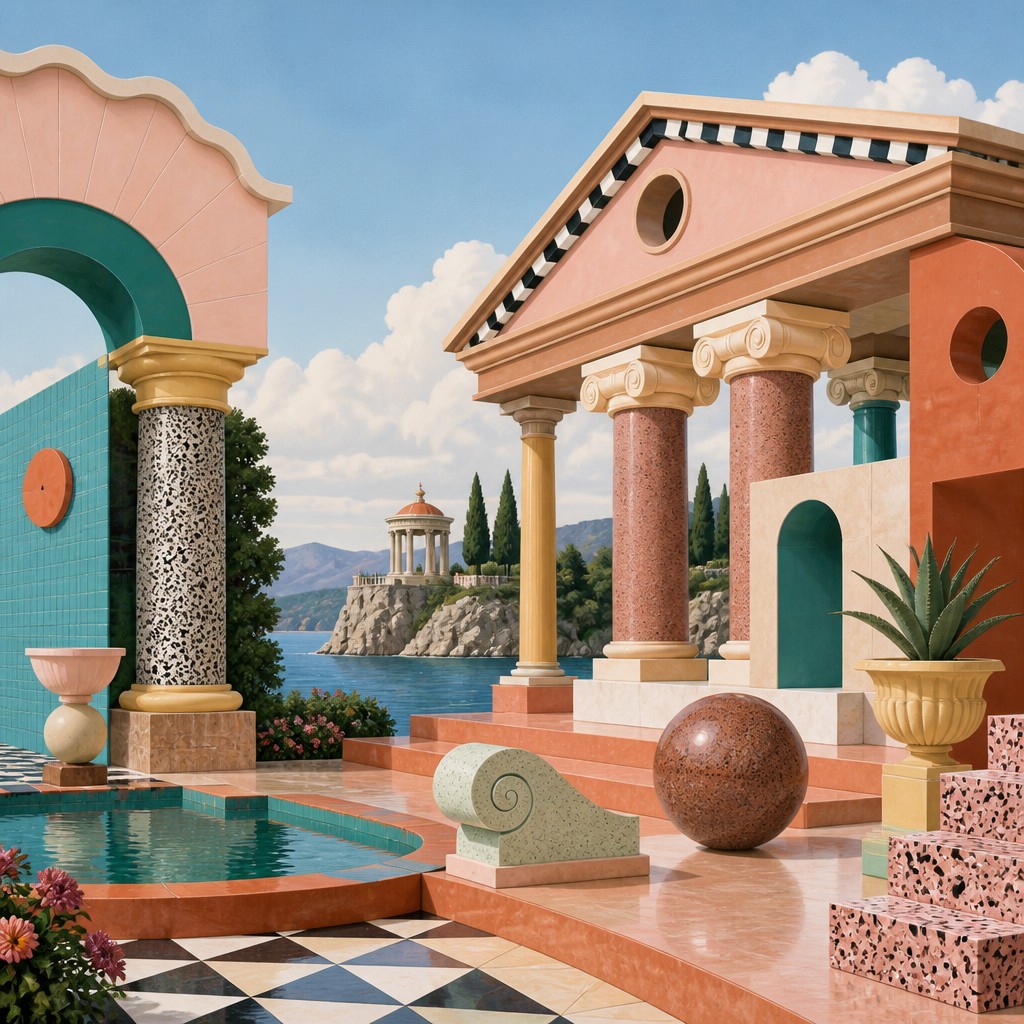
Anti-modernist irony
Many postmodern buildings visibly comment on modernism by replacing its restraint with ornament, symbolism, and humor. The result is architecture that feels knowingly self-conscious, almost like a stage set or architectural joke.
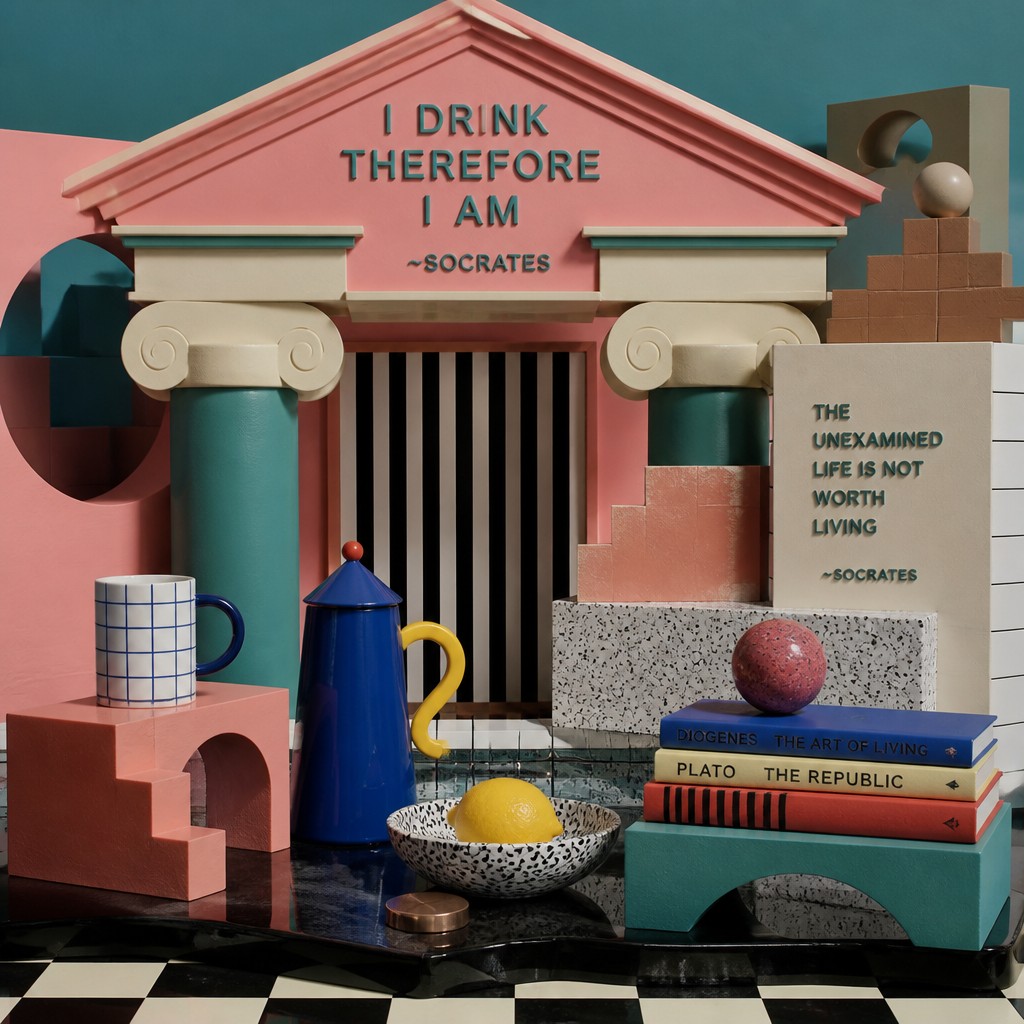
Glossy manufactured surfaces
Materials such as polished granite, ceramic tile, glass, and brightly finished metal often reinforce the style’s crisp, artificial quality. Surfaces tend to look clean, reflective, and carefully composed.
Try It
Create Videos in Postmodern Architecture
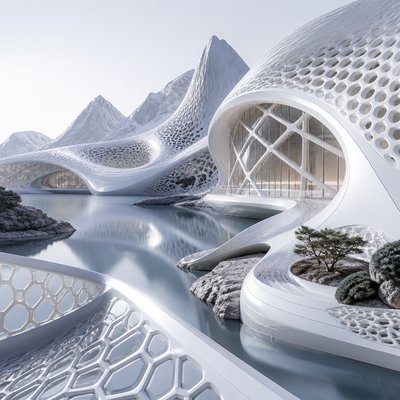
Styles aren't just for stills — describe a scene or animate an image and get a short video rendered in Postmodern Architecture. Press play to see this pond come to life.
Make a VideoPostmodern Architecture Prompt Ideas
Start from an idea — each one opens the generator with the style ready to go. See all 40 Postmodern Architecture prompts →
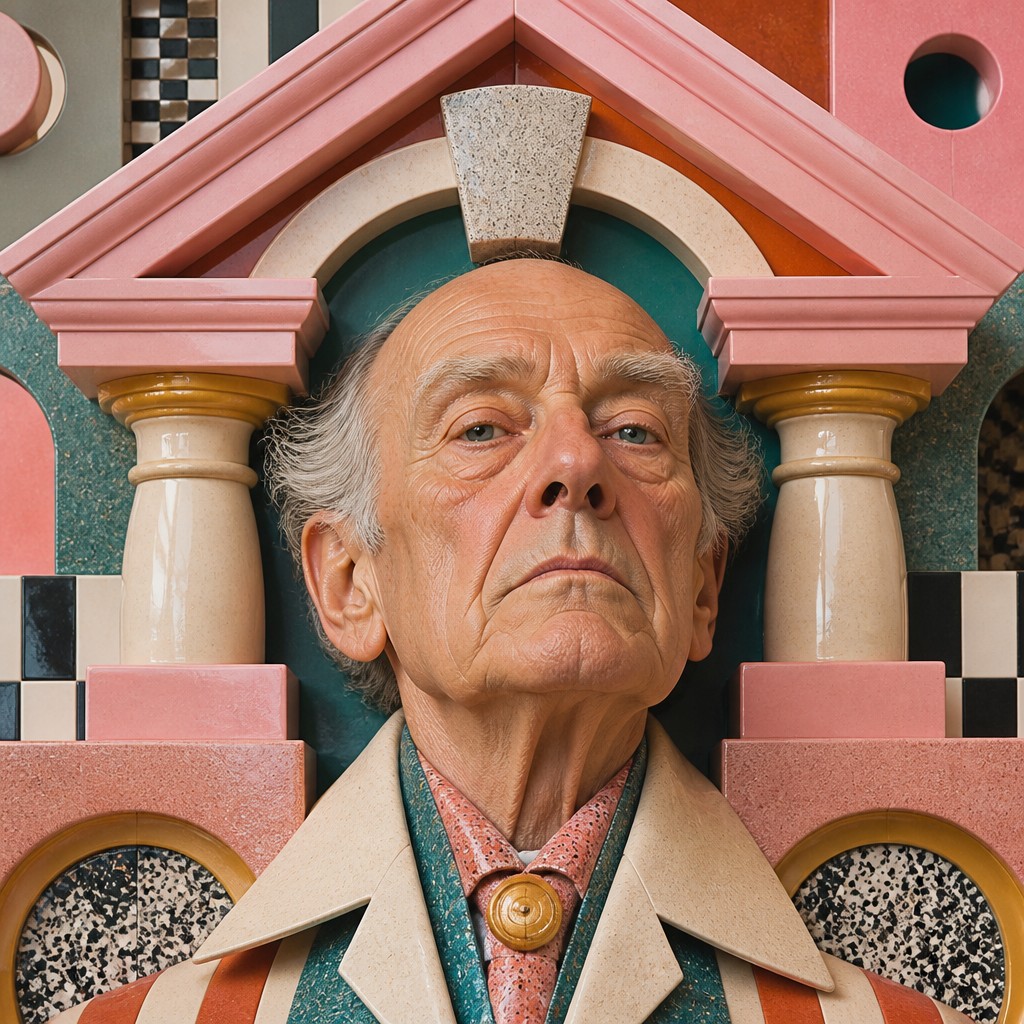
“close-up portrait of an elderly person with expressive weathered features”
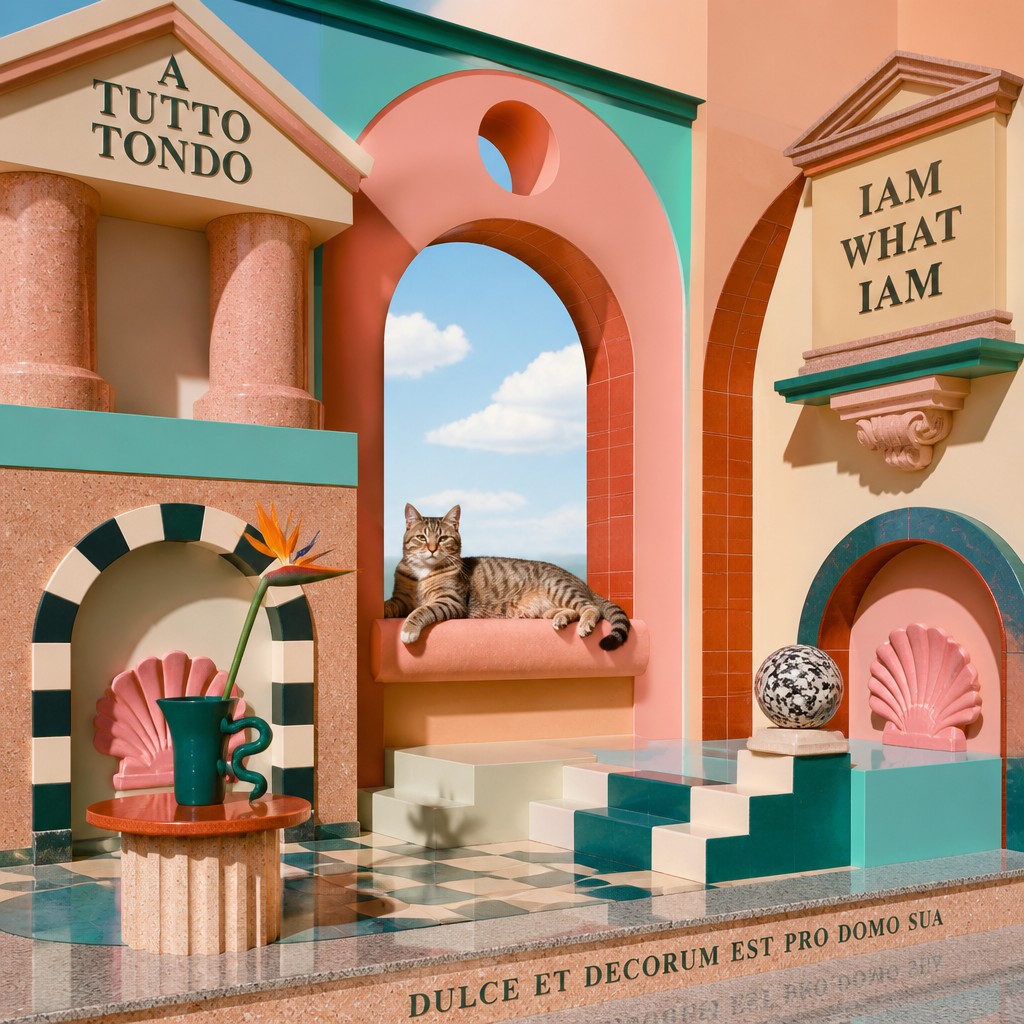
“a cat lounging in a sunlit window”
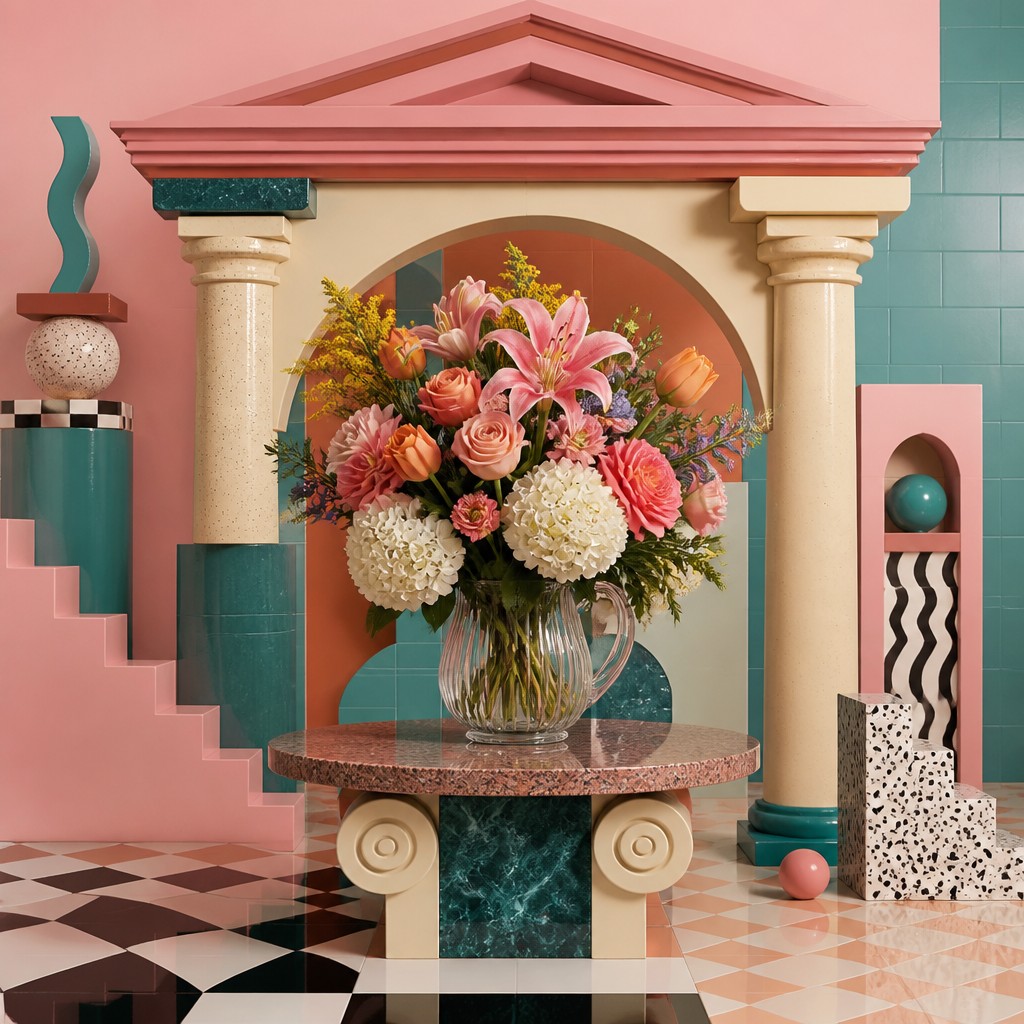
“bouquet of flowers in a glass vase”
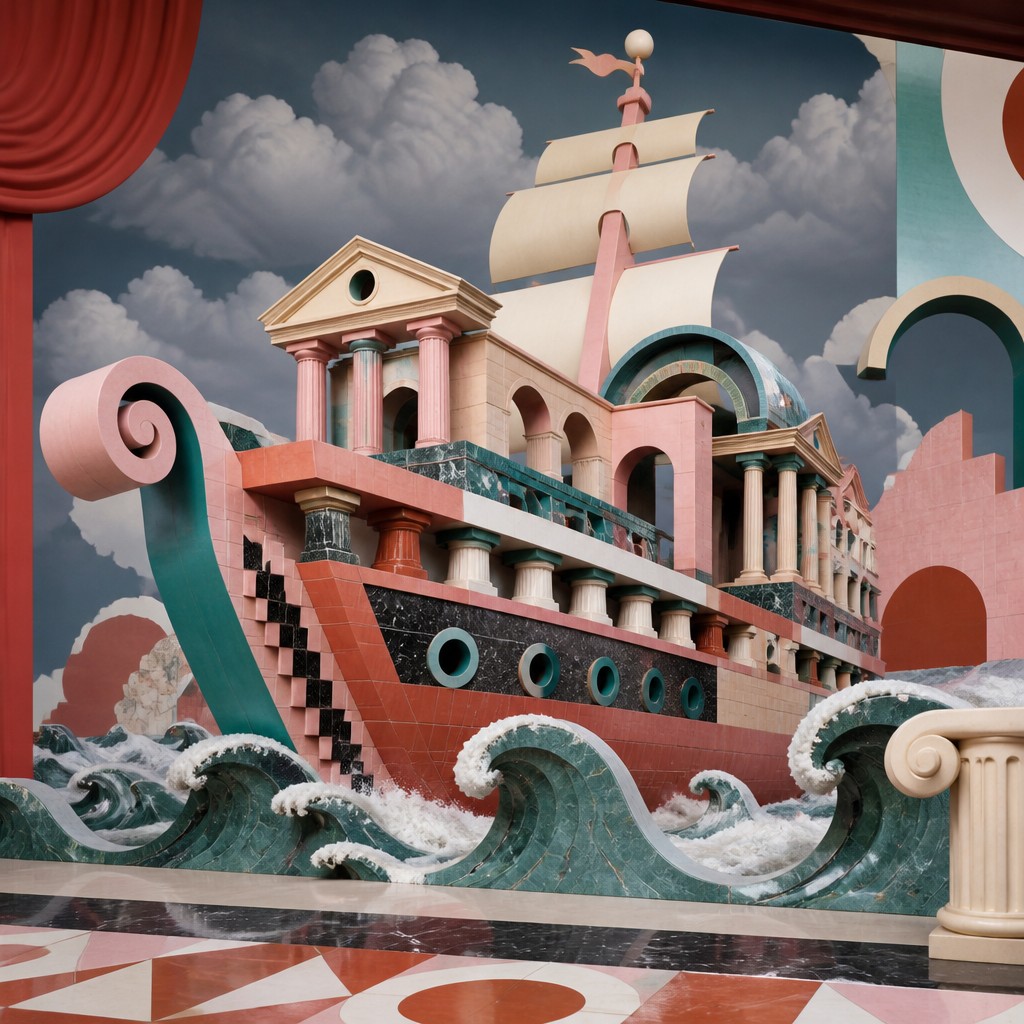
“sailing ship on a stormy sea”
How to Create Postmodern Architecture Art
Master the craft step by step — or skip straight to creating. Read the full guide →
- 1
Start with a familiar classical frame
Begin by sketching a simple temple front, archway, or symmetrical facade, then deliberately distort it. Increase the scale of the ornament, compress the columns, or place classical details in unexpected positions to create the postmodern effect.
- 2
Use color as architecture
Treat pastel color blocking as part of the structure rather than an afterthought. Separate masses with contrasting bands, panels, or stripes, and keep the palette bright, organized, and slightly playful rather than naturalistic.
- 3
Mix references without blending them away
Combine one or two clear historical quotations with modern commercial or geometric elements. The key is visible contradiction: a classical pediment beside a neon-like grid, or an arch paired with glossy tile and hard-edged panels.
- 4
Emphasize theatrical composition
Present the building as a staged object with a strong front view, clean lighting, and crisp edges. Even in a hand-drawn or painted image, the architecture should read as a designed spectacle rather than a purely functional structure.
- 5
For digital or AI generation, specify materials and proportions
Include details such as pastel plaster, polished granite, glazed tile, exaggerated pediments, stubby columns, and cartoonish arches. Also request flat, bright lighting and bold geometric patterning so the image keeps the style’s graphic clarity.
- 6
Keep the humor controlled
Postmodern architecture is witty, not chaotic. Aim for a deliberate balance between elegance and absurdity, so the design feels composed, referential, and slightly ironic rather than random or cartoonishly messy.
The Story
History & Origins of Postmodern Architecture
Postmodern architecture developed in the late 1960s and 1970s and became especially visible in the 1980s and 1990s. It arose as a critique of the perceived austerity, universality, and monotony of modernist architecture, which had emphasized functional planning, minimal ornament, and industrial materials. Architects associated with the movement argued that buildings could communicate meaning, reference local context, and engage history without simply copying it.
The style’s lineage includes classical architecture, Art Deco, vernacular commercial buildings, and the broader postmodern intellectual climate that questioned single universal truths. In architecture, influential figures such as Robert Venturi, Denise Scott Brown, Michael Graves, Philip Johnson, Charles Moore, and James Stirling helped shape its vocabulary, though their work varies widely. Postmodern architecture was never a single unified doctrine; it was a broad, internationally visible tendency toward pluralism, symbolism, and ironic quotation.
Influences: Postmodern architecture draws from classical and neoclassical architecture, but also from the lessons of Art Deco, commercial signage, vernacular storefronts, and the historical collage methods of late 20th-century design. In architectural theory and practice, Robert Venturi and Denise Scott Brown were especially influential in arguing for complexity, contradiction, and the value of ordinary urban signage, while Michael Graves, Charles Moore, Philip Johnson, and James Stirling each demonstrated different ways historical quotation could be made expressive, formal, or ironic. The style is also related to postmodernism in literature and philosophy, which challenged singular narratives and helped legitimize pluralistic, self-referential design.

Frequently Asked Questions
What defines postmodern architecture?
Postmodern architecture is defined by its use of historical references, especially classical motifs, combined with irony, eclecticism, and exaggerated form. It often rejects the minimalism and functional purity of modernist architecture in favor of ornament and visual play. The result is architecture that feels quoted, layered, and deliberately self-aware.
How is it different from modernism?
Modernist architecture typically emphasizes function, simplicity, and the absence of ornament, while postmodern architecture reintroduces decoration, symbolism, and historical reference. Modernism tends to favor uniform materials and clean abstraction; postmodernism mixes forms, colors, and references more openly. Where modernism aims to be universal, postmodernism often feels context-specific and ironic.
Is postmodern architecture always colorful?
Not always, but color is one of its most recognizable features. Many postmodern buildings use pastel tones or strong contrasts to emphasize their composed, graphic quality. Even when the palette is restrained, the style usually relies on ornamental cues and playful proportions to communicate its character.
What are common elements in postmodern buildings?
Common elements include columns, pediments, arches, pilasters, cornices, broken classical fronts, and patterned facades. These are often used in exaggerated or intentionally mismatched ways. Glossy materials, decorative tile, and strong geometric composition are also common.
Where is postmodern architecture used?
It has been used in civic buildings, offices, hotels, shopping centers, museums, and housing, especially from the 1970s through the 1990s. Its visual language also appears in interior design and graphic design, where historical quotation and playful color can be adapted more freely. Today it is sometimes revived nostalgically or used as a reference for retro-futuristic and ironic design.
How can I make an image look postmodern without overdoing it?
Use a few strong classical references and exaggerate them with careful control, rather than adding many unrelated decorations. Keep the composition legible, the lighting even, and the materials polished so the image feels designed. A successful postmodern image usually balances order, humor, and architectural clarity.

Create your first Postmodern Architecture artwork
Describe anything — or upload a photo — and see it in Postmodern Architecture in seconds.
Related Styles
Discover similar art styles