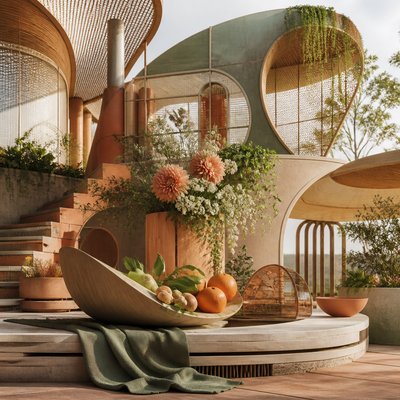
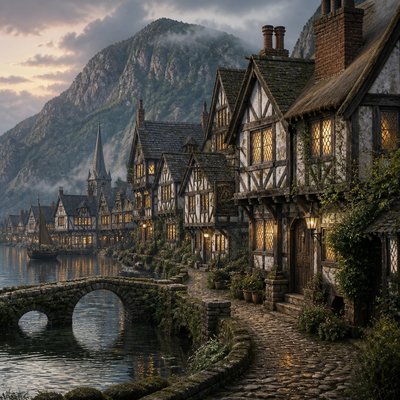
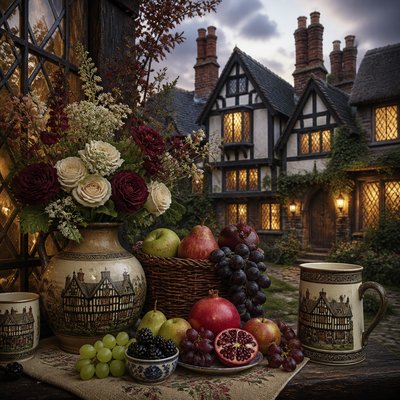
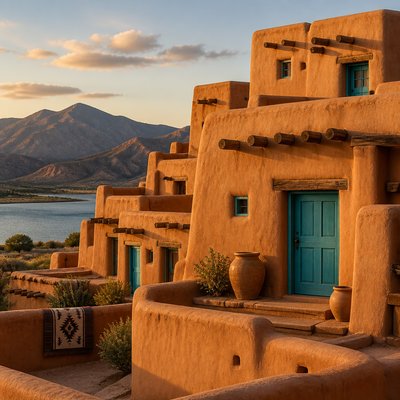
Renaissance Architecture
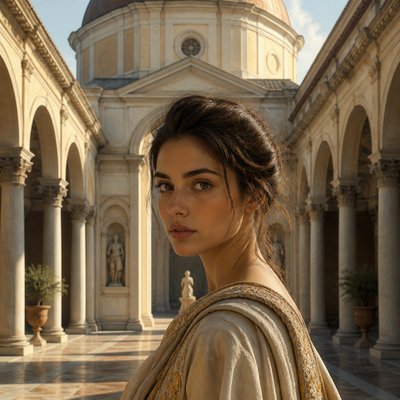
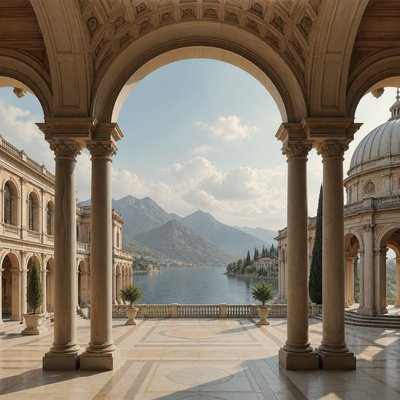
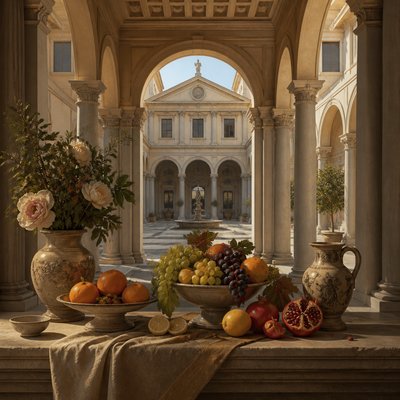
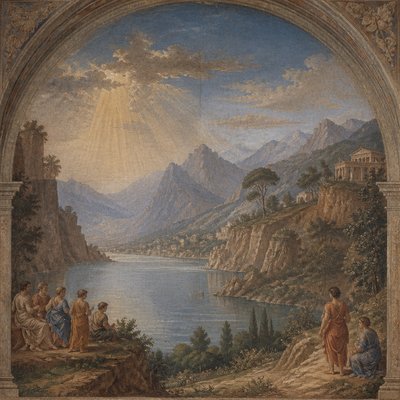
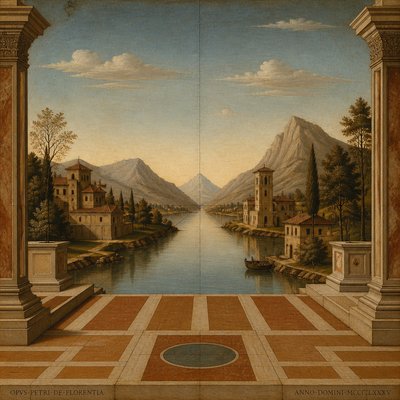
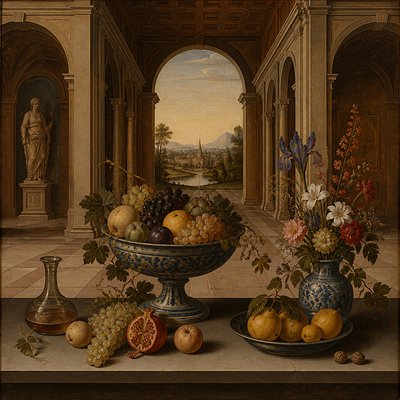
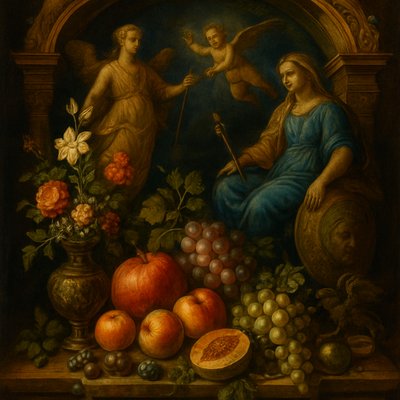
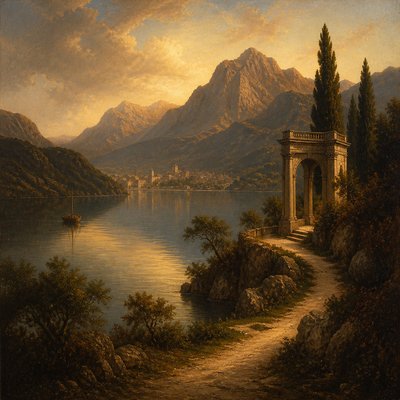
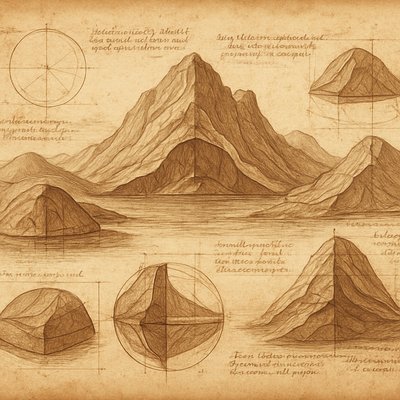
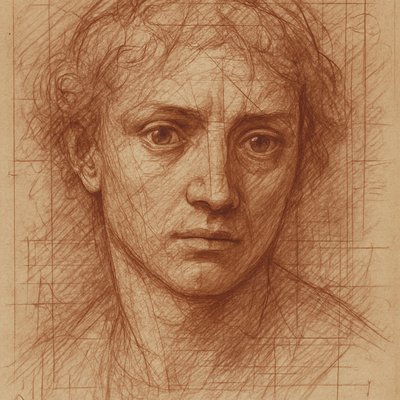
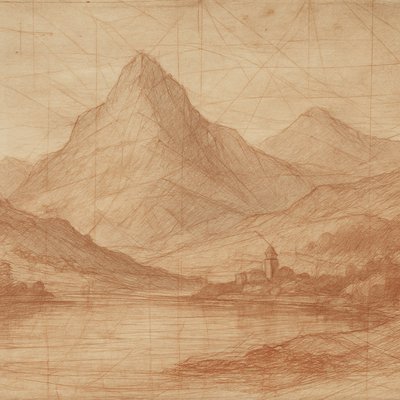
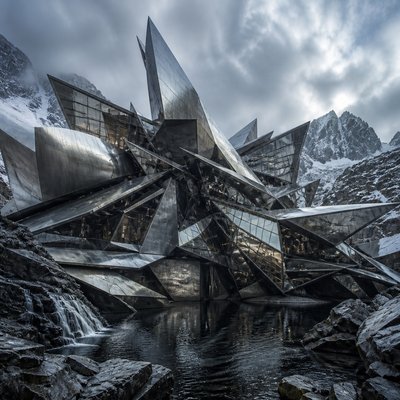
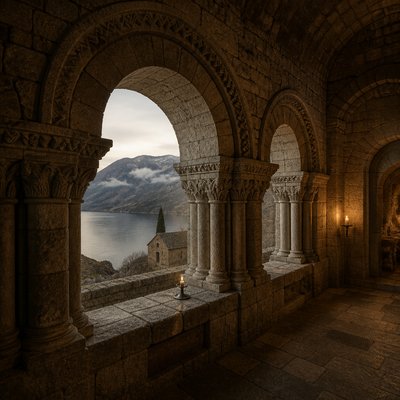
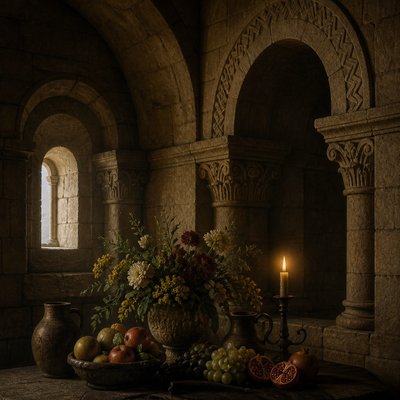
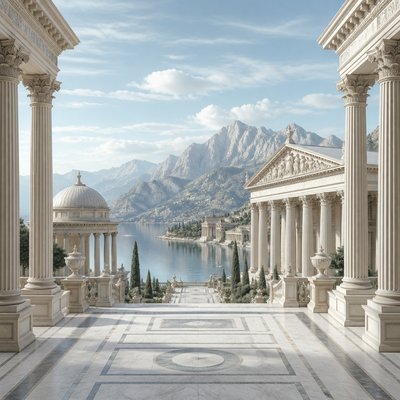
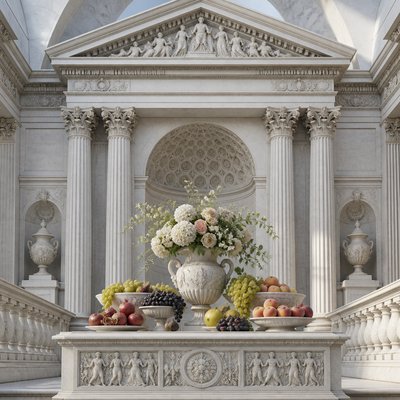
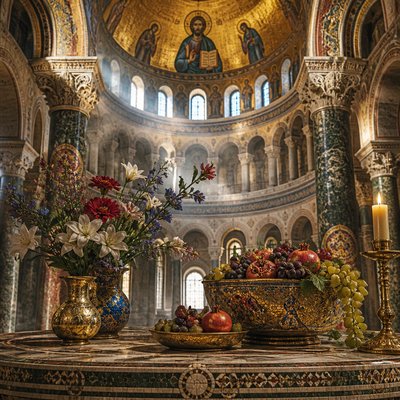
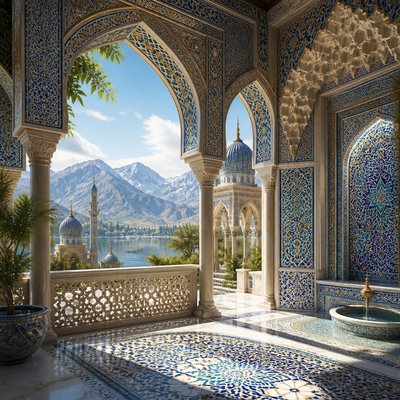
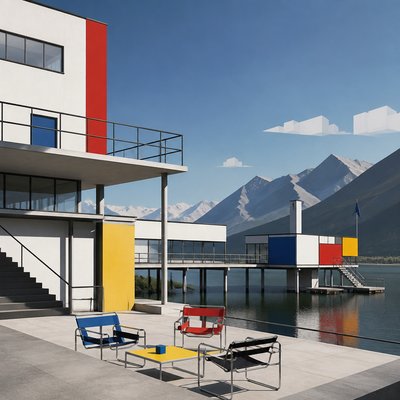
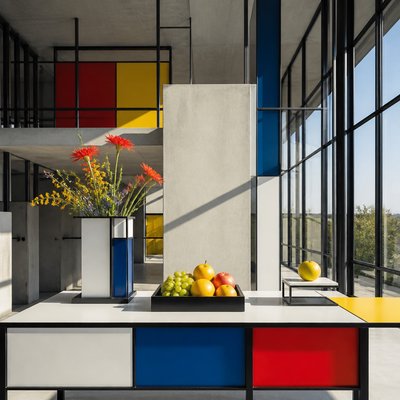
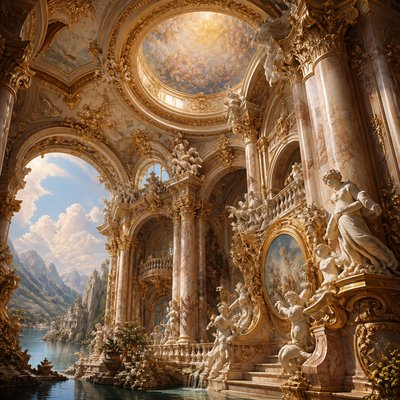
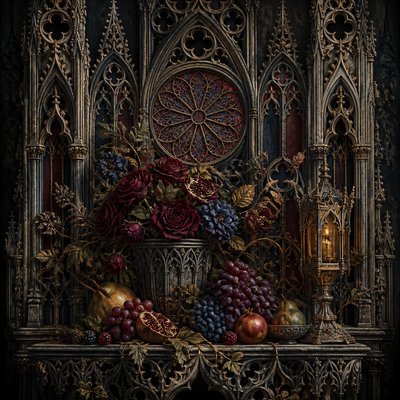
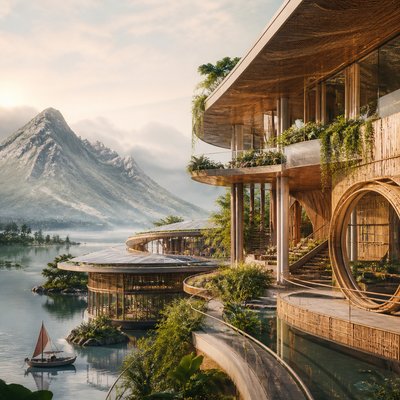
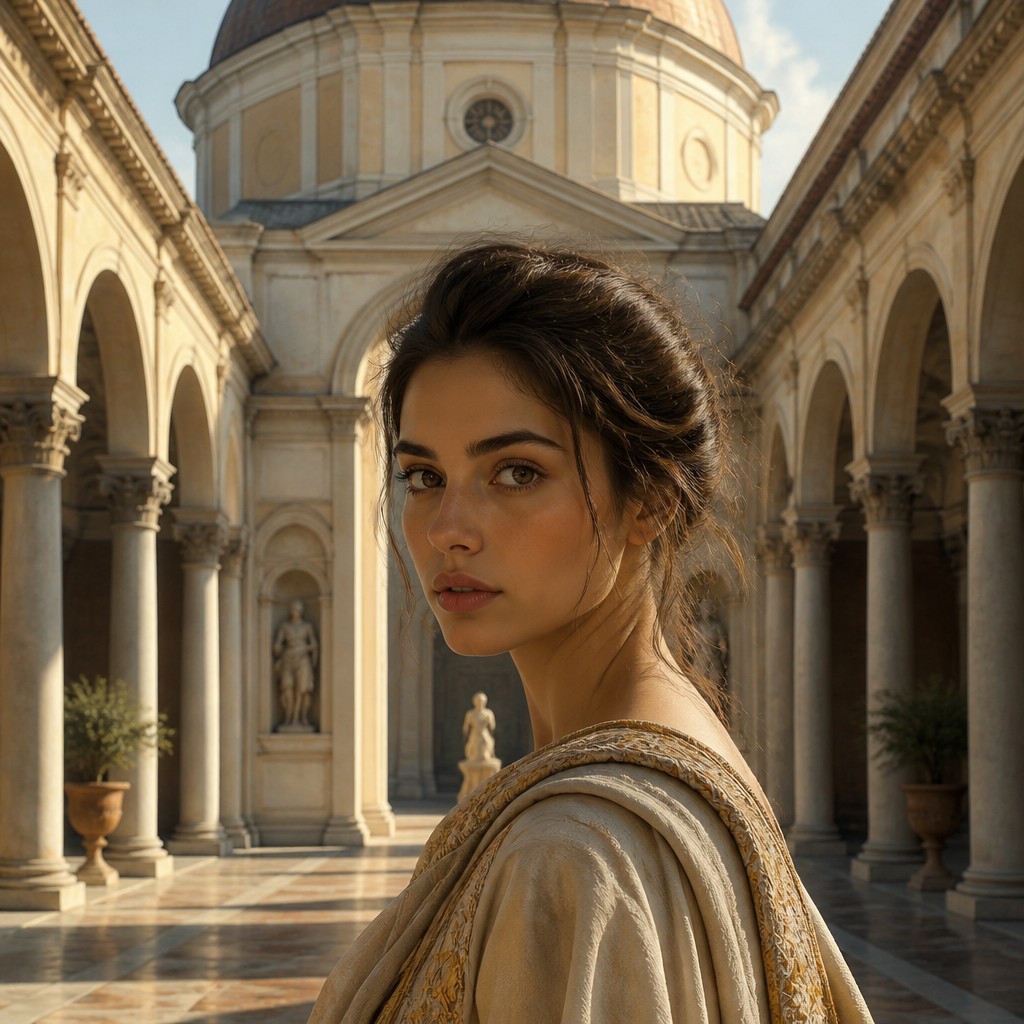
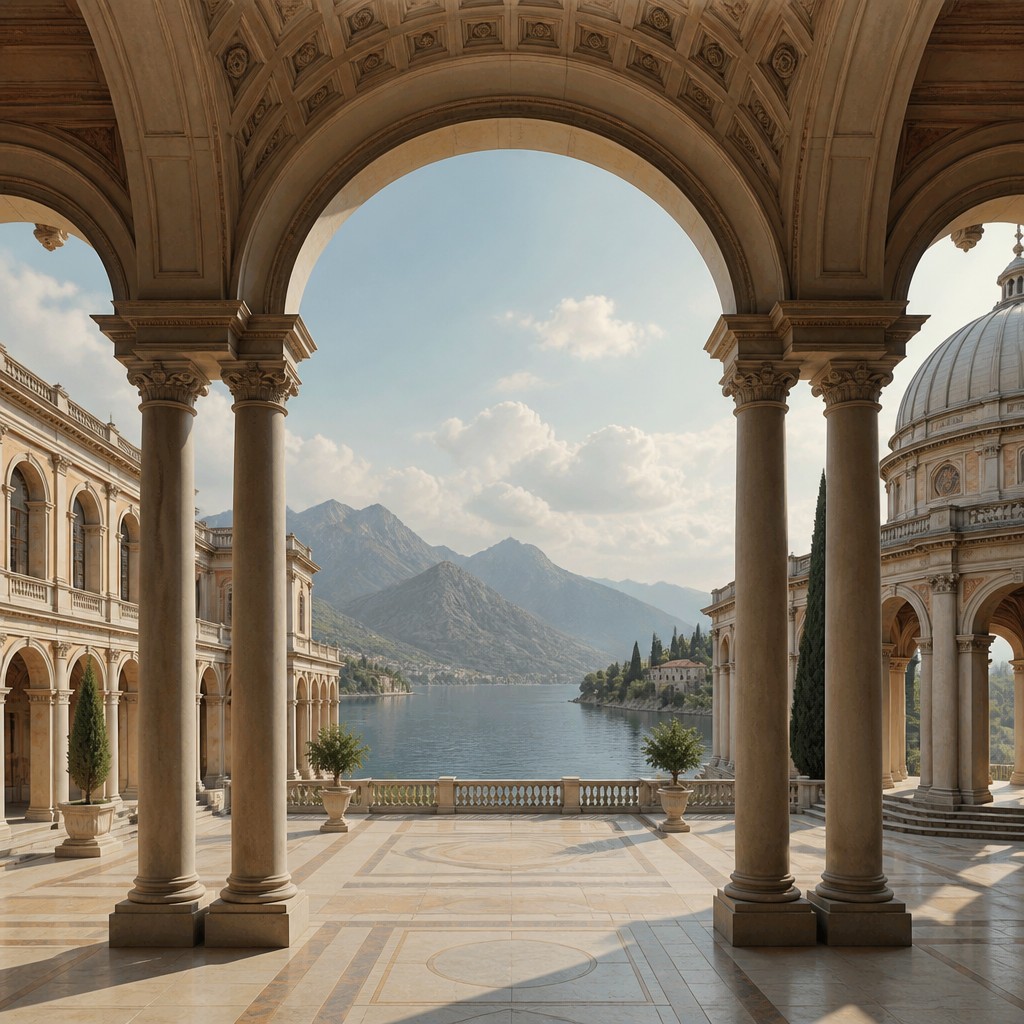
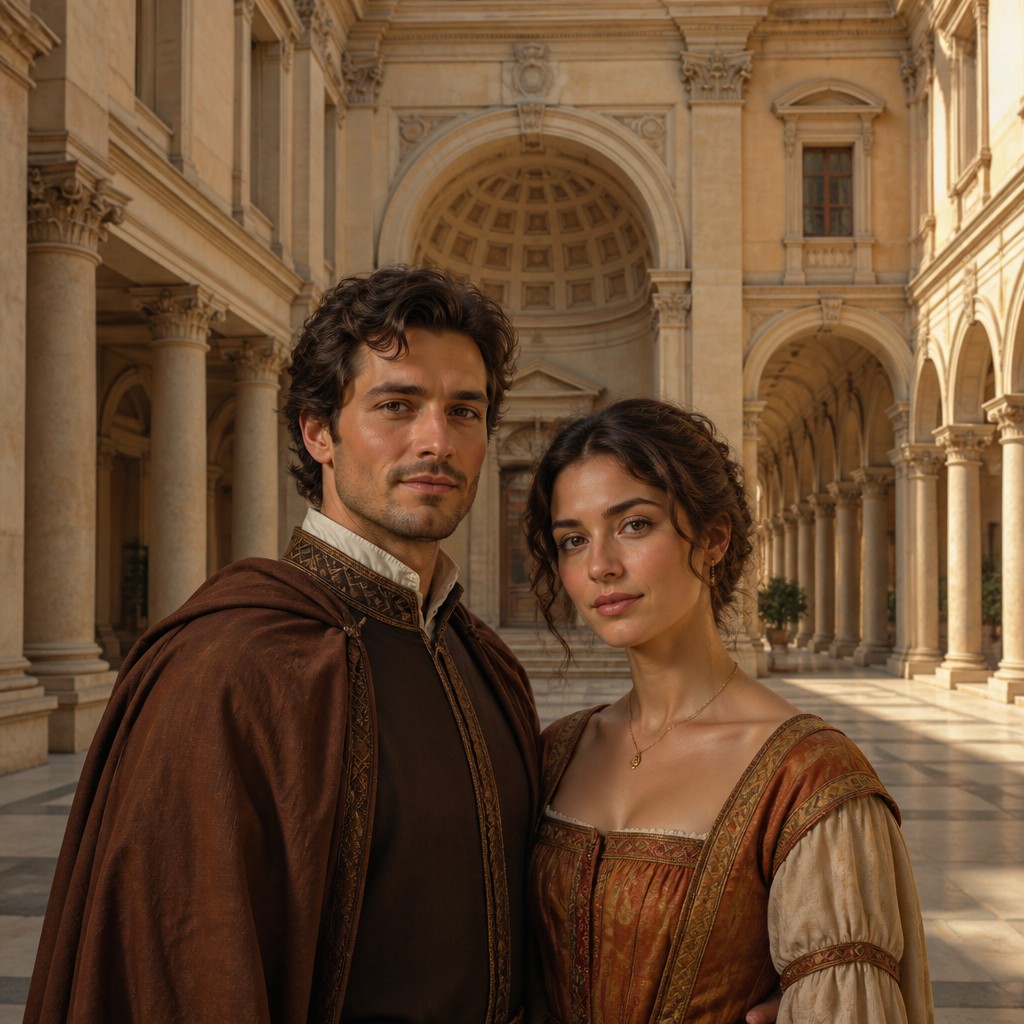
Renaissance architecture: symmetry, classical orders, coffered domes, rounded arches, and golden Italian light in serene humanist harmony.
Instantly rendered in Renaissance Architecture — or transform a photo
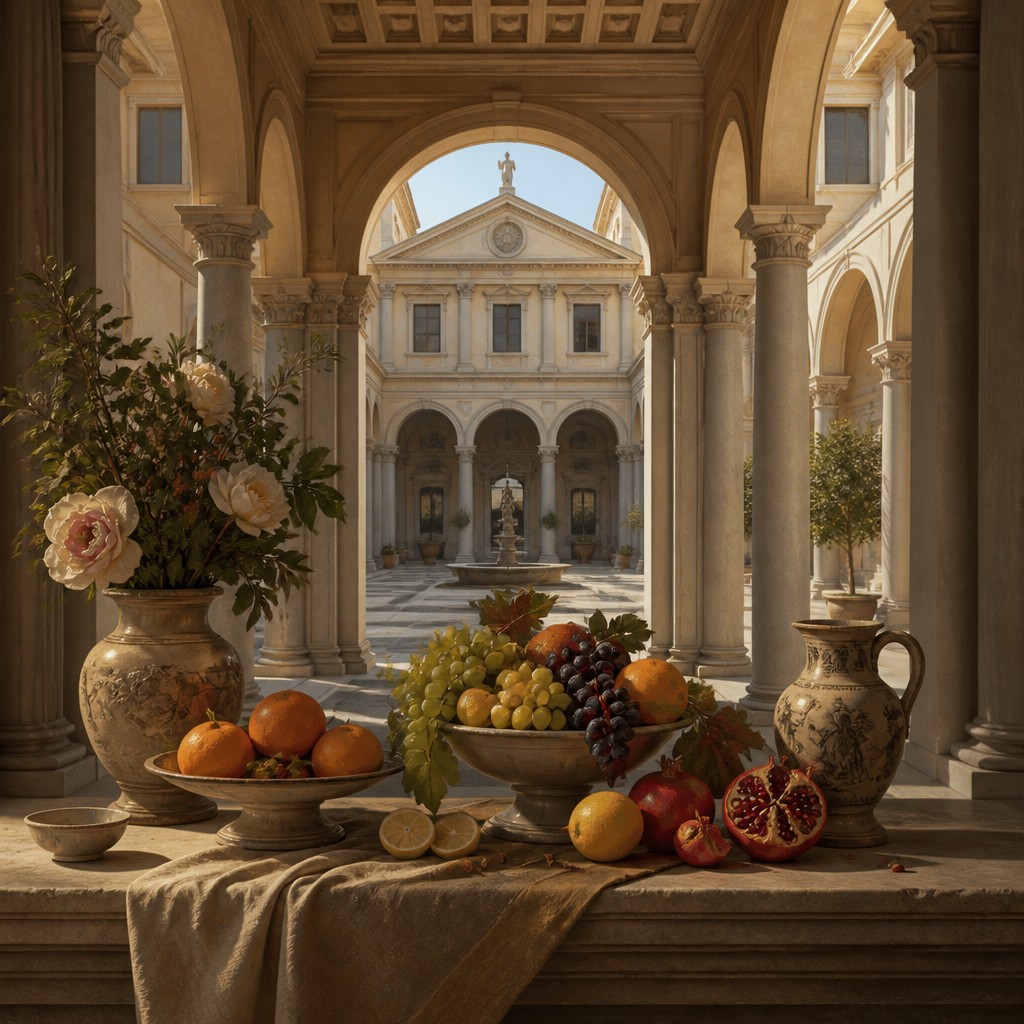
Renaissance Architecture Gallery
Tap any artwork to explore it

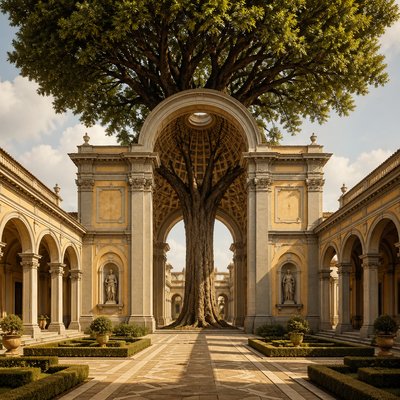
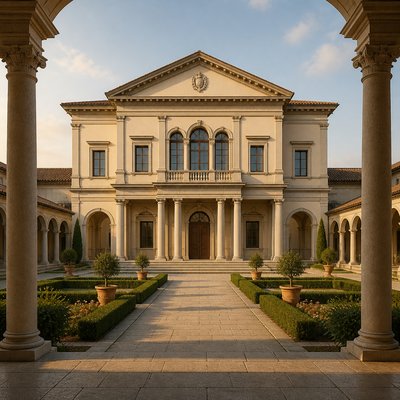
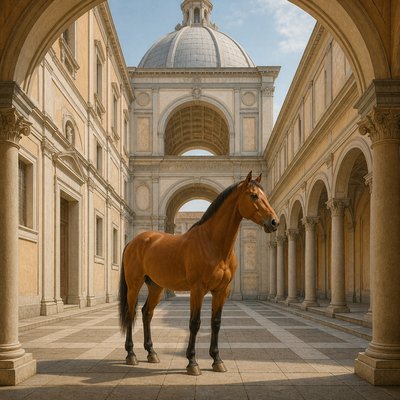
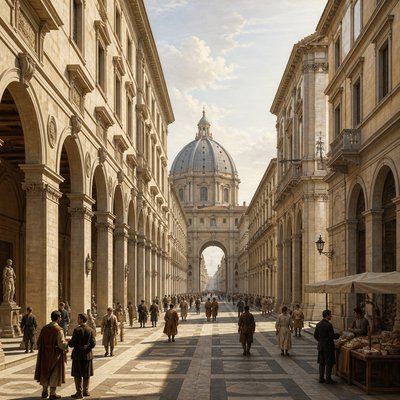
What is Renaissance Architecture?
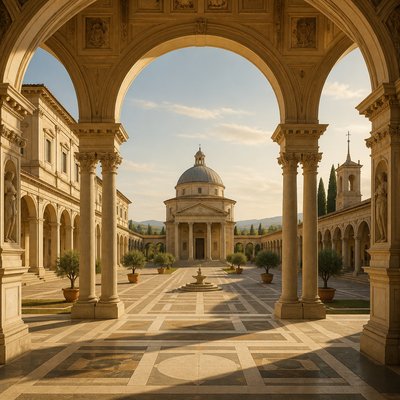
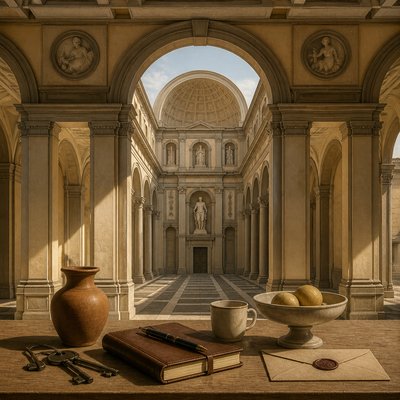
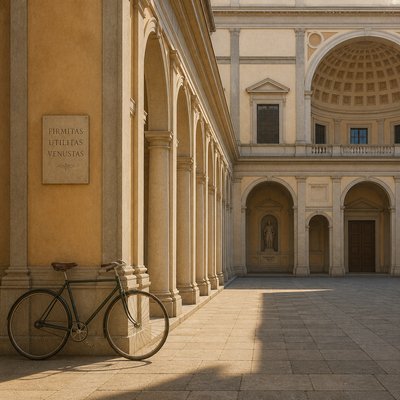
Renaissance architecture is the architectural language that emerged in 15th-century Italy and spread across Europe in the 16th century, reviving and reinterpreting the forms of ancient Greek and Roman building. It is defined by measured proportion, symmetry, classical orders, rounded arches, domes, pilasters, and carefully composed facades that feel rational, calm, and mathematically ordered.
Its visual identity is one of balance rather than spectacle. Buildings are often organized into clear bays, framed by cornices and arcades, and lit by the warm, low-angle daylight often associated with central and northern Italy. The style looks the way it does because Renaissance architects treated architecture as a discipline of humanist order: a built expression of proportion, civic dignity, and the belief that beauty could be governed by reason.
Try It On Your Photos
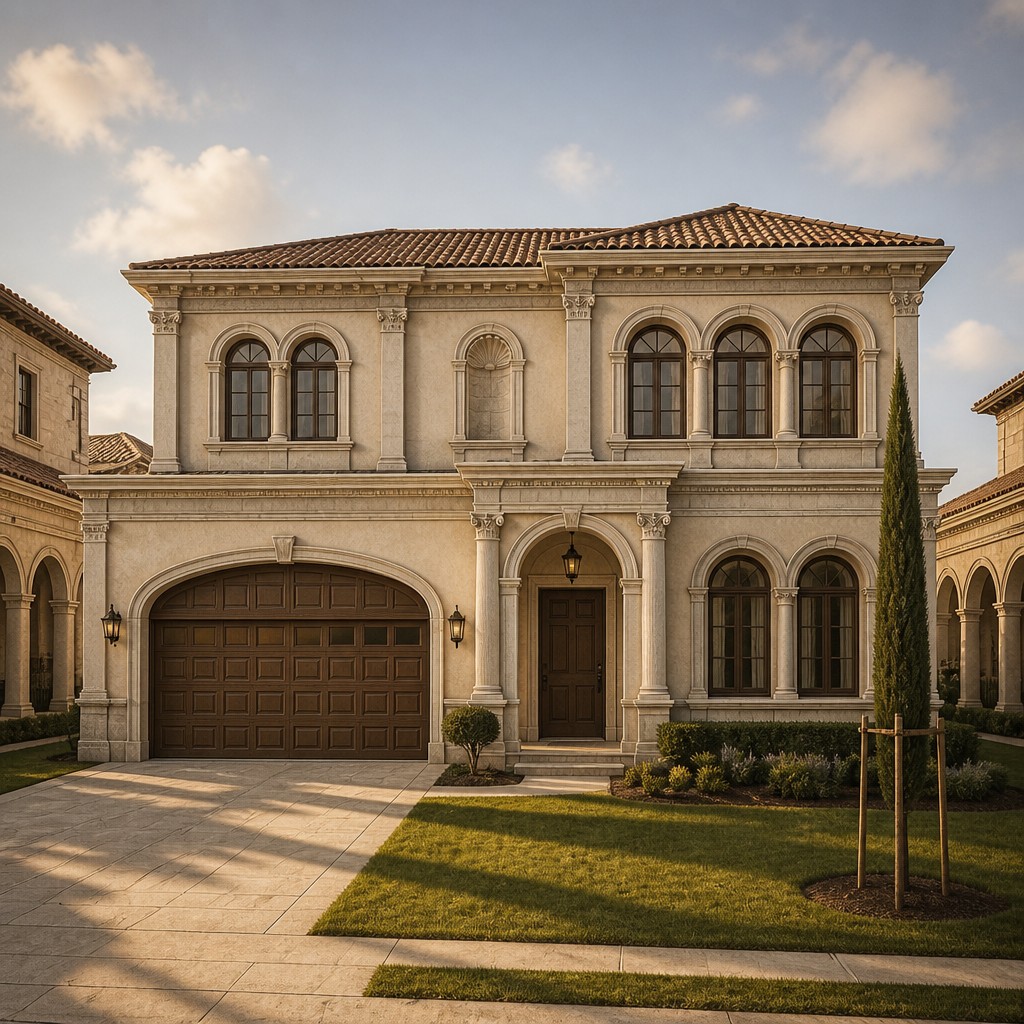
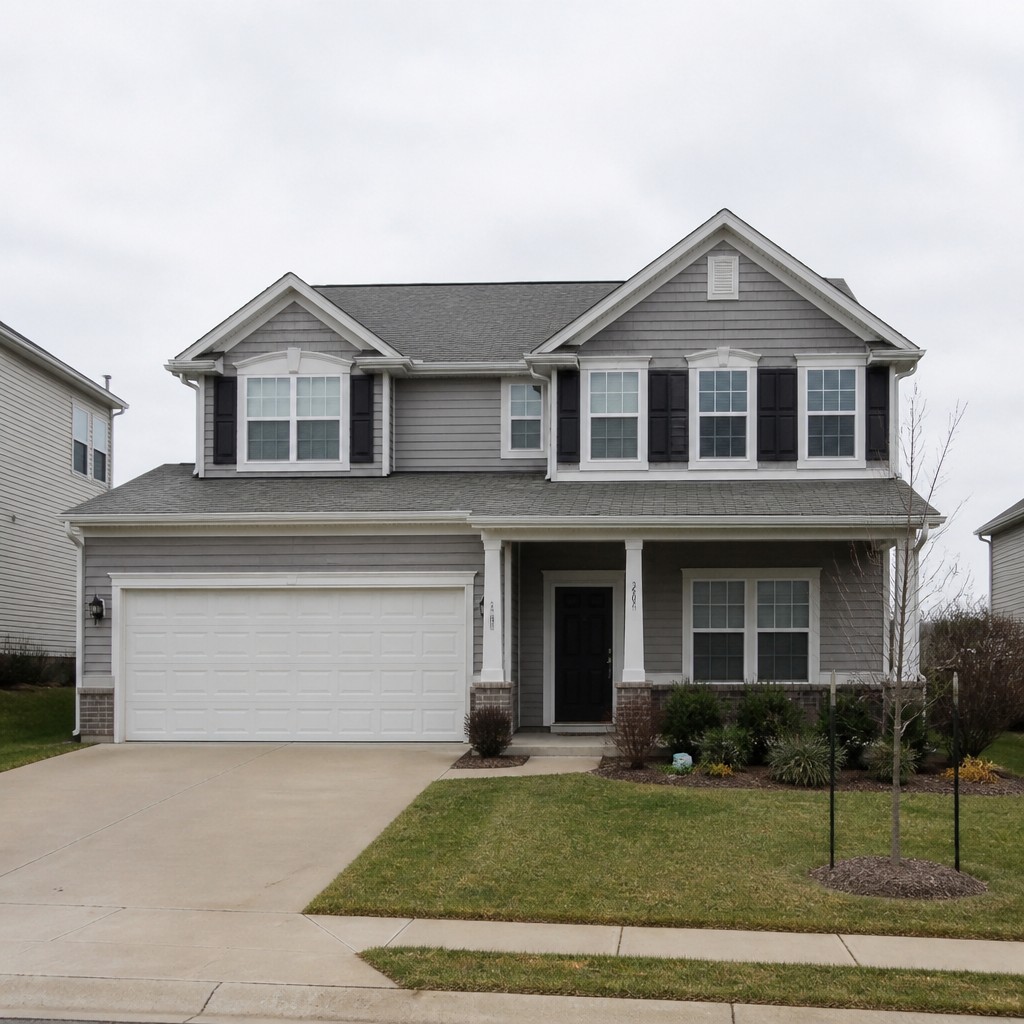
Upload any photo and convert it into Renaissance Architecture — drag the sliders to compare before and after.


What Defines Renaissance Architecture
The signature details, up close
Symmetry and proportion
Facades and interior spaces are arranged with strong bilateral symmetry and clear proportional relationships. The overall effect is balanced, legible, and deliberately calm.
Classical orders
Columns, pilasters, entablatures, and cornices derive from Doric, Ionic, and Corinthian precedents. These elements organize the building visually and give it a sense of disciplined hierarchy.
Rounded arches and arcades
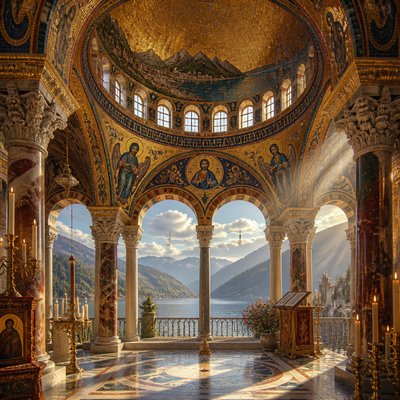
Semicircular arches appear in doors, windows, loggias, and cloisters. Repeated arcades create rhythmic shadows and a sense of measured procession.
Domes and coffered ceilings
Centralized domes, often with coffers or ribbing, express geometric order and engineering confidence. They are among the style’s most recognizable markers in both churches and civic monuments.
Measured façade bays
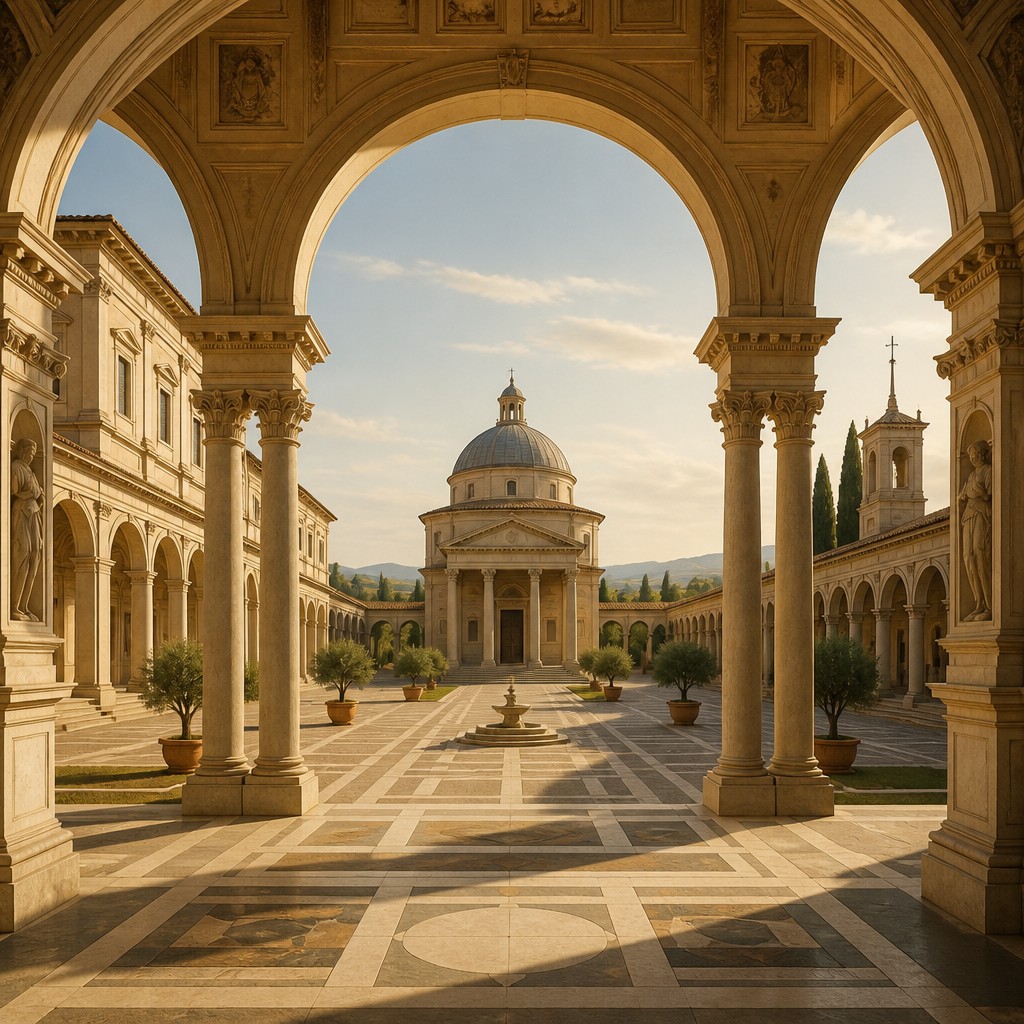
Building fronts are divided into regular vertical and horizontal sections. Pilasters, string courses, and cornices make the composition easy to read at a glance.
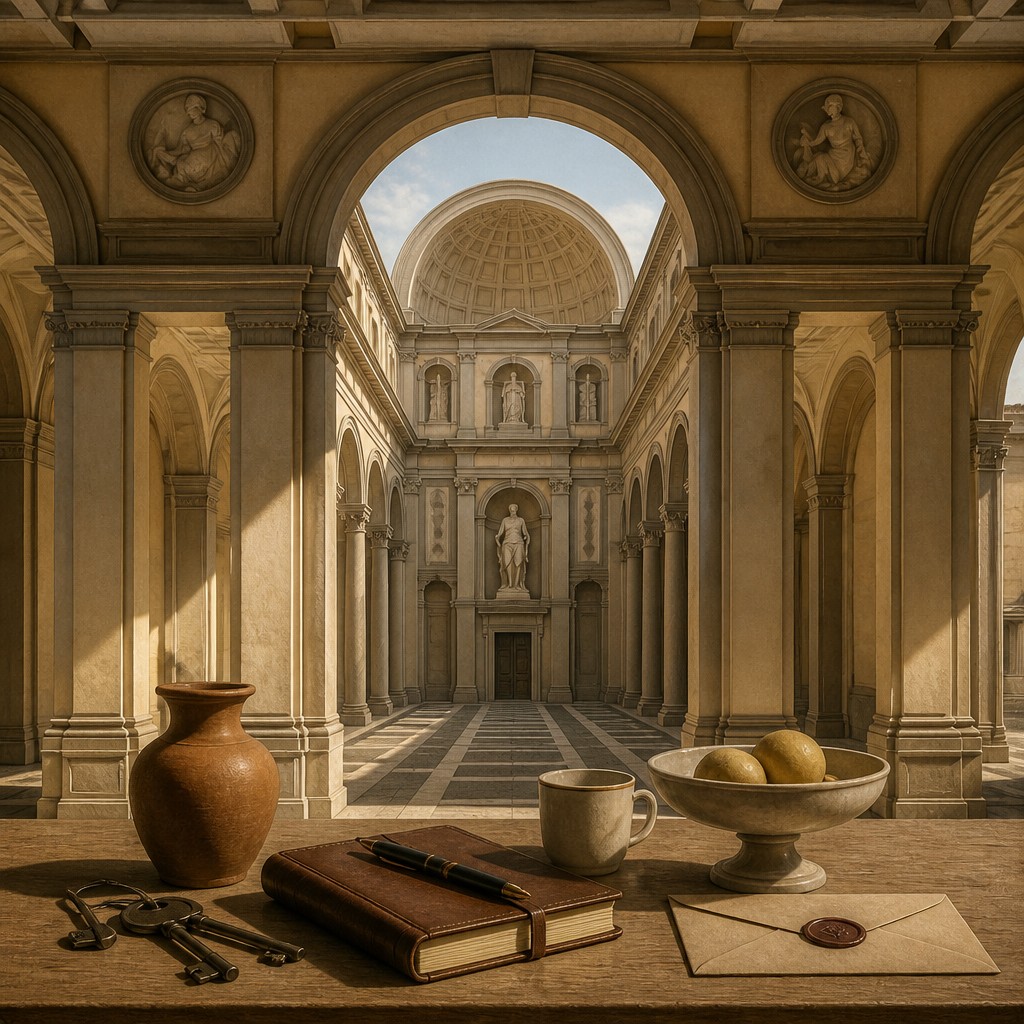
Stone, stucco, and travertine surfaces
Materials tend to look solid, restrained, and tactile, with pale stone, warm plaster, and subdued tonal contrast. Ornament is present, but it is usually integrated rather than excessive.
Try It
Create Videos in Renaissance Architecture
Styles aren't just for stills — describe a scene or animate an image and get a short video rendered in Renaissance Architecture. Press play to see this pond come to life.
Make a VideoRenaissance Architecture Prompt Ideas
Start from an idea — each one opens the generator with the style ready to go. See all 40 Renaissance Architecture prompts →
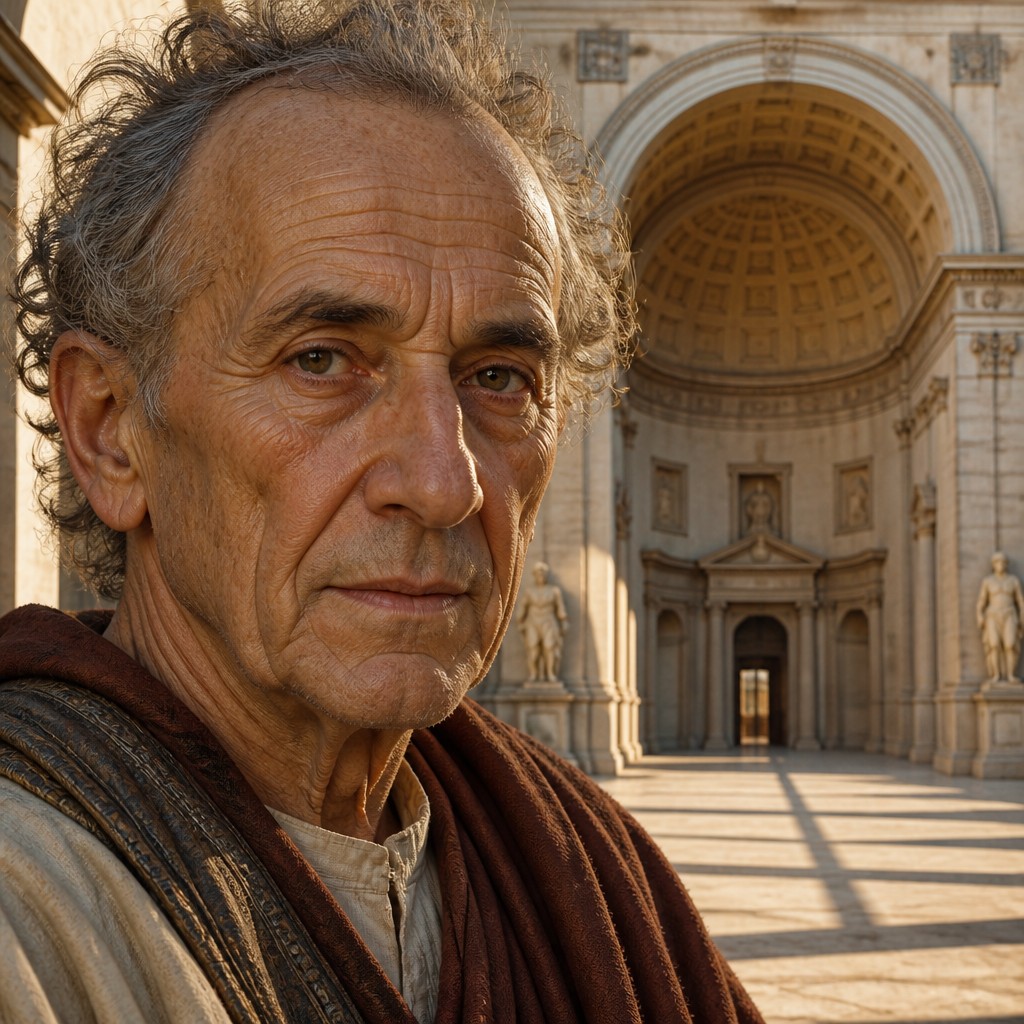
“close-up portrait of an elderly person with expressive weathered features”
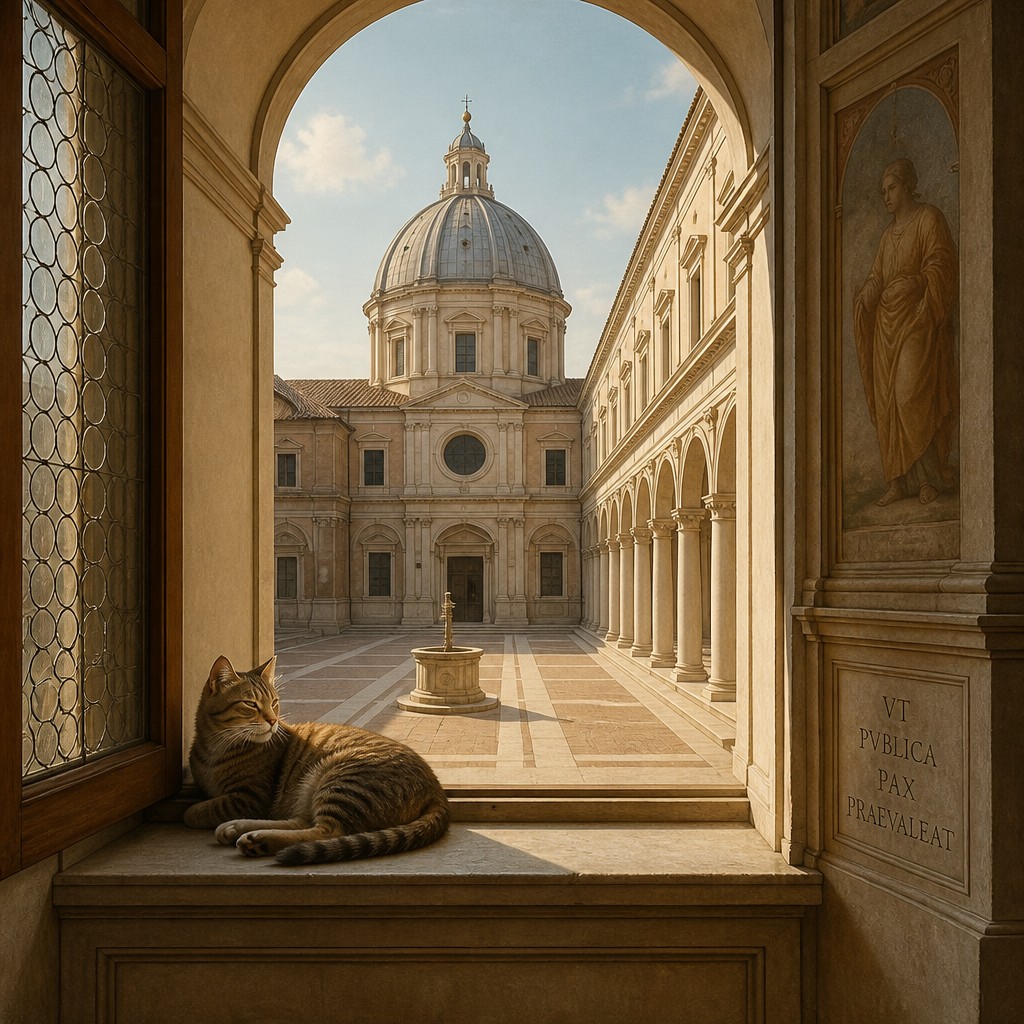
“a cat lounging in a sunlit window”
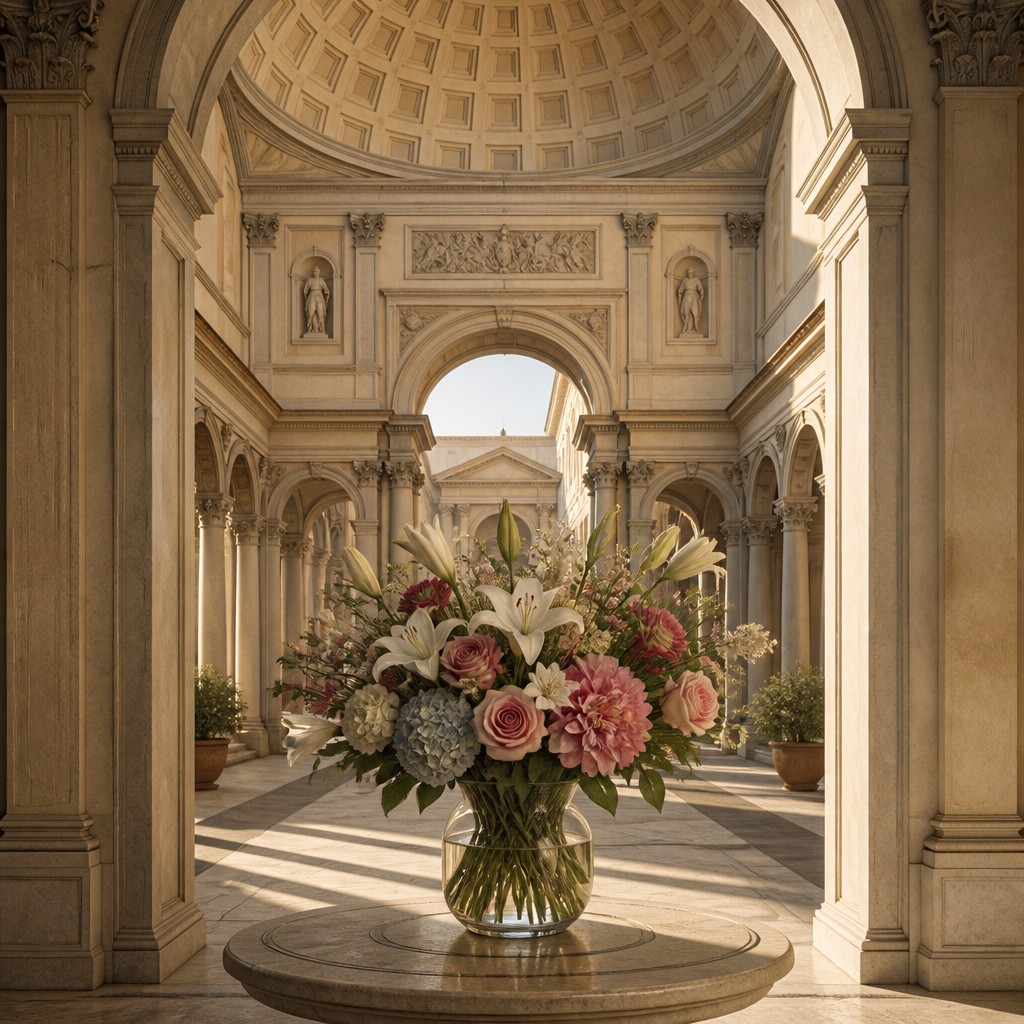
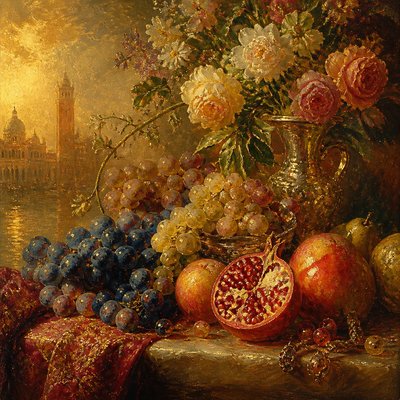
“bouquet of flowers in a glass vase”
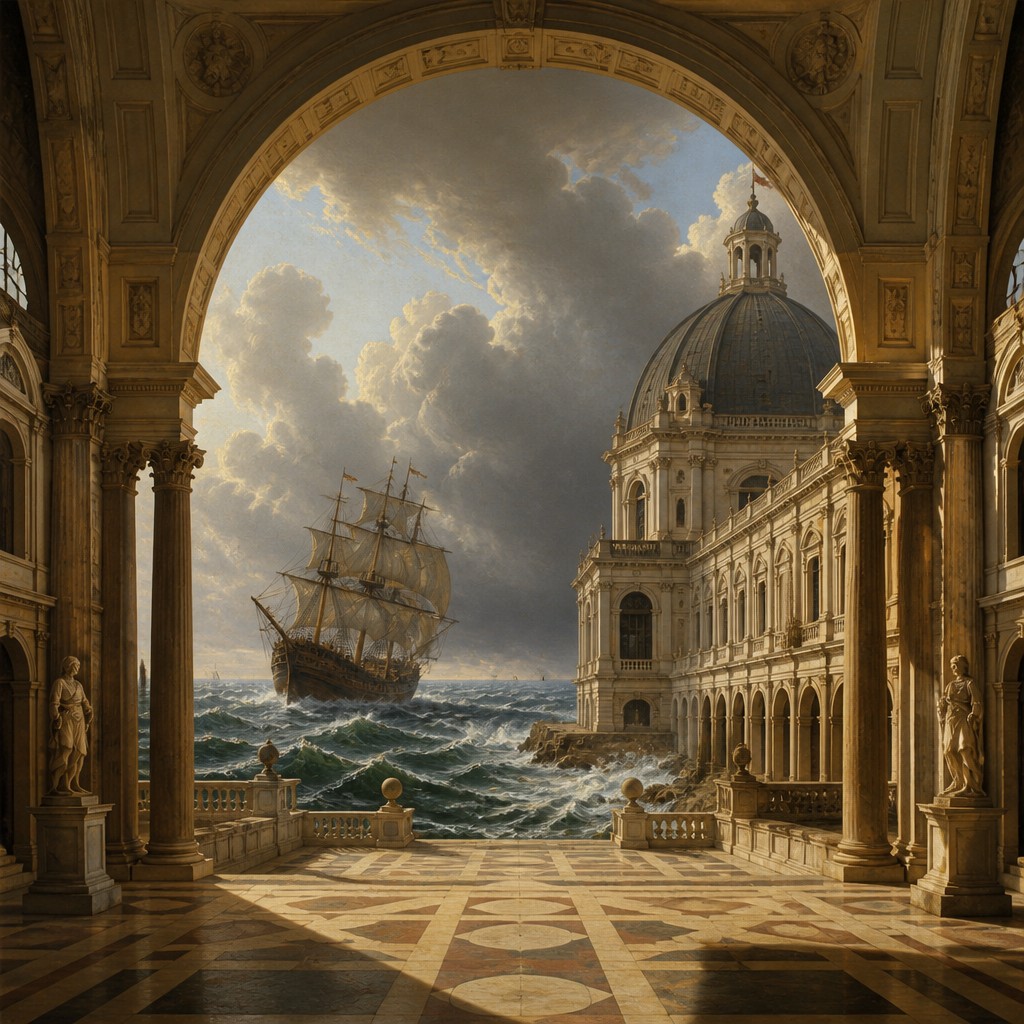
“sailing ship on a stormy sea”
How to Create Renaissance Architecture Art
Master the craft step by step — or skip straight to creating. Read the full guide →
- 1
Build the composition from a grid
Start with a strict symmetrical layout and divide the façade into evenly spaced bays. Use a central axis, repeated openings, and clear horizontal layers to keep the structure readable and harmonious.
- 2
Use classical architectural vocabulary
Include rounded arches, columns or pilasters, entablatures, cornices, domes, and arcades. Keep ornament proportionate to the structure so the architecture feels measured rather than overloaded.
- 3
Control perspective and scale
For drawings or paintings, use one-point perspective to emphasize depth in courtyards, loggias, or nave interiors. In digital or AI-based generation, specify balanced perspective, symmetrical framing, and architectural clarity.
- 4
Choose a restrained material palette
Favor travertine, limestone, warm stucco, and cool grey stone detailing. Subtle surface weathering and soft shadows help the building feel historically grounded and physically believable.
- 5
Shape the light for serenity
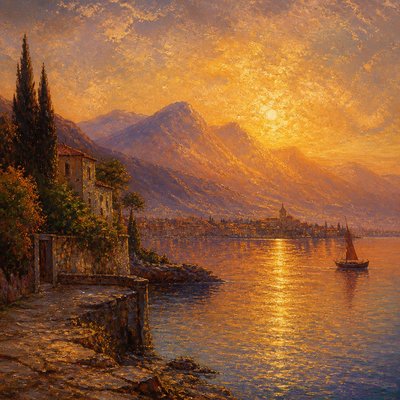
Use golden daylight, long colonnade shadows, and gentle contrast to reinforce the style’s calm mood. For prompt-based work, mention warm Italian light, serene atmosphere, and refined classical order.

The Story
History & Origins of Renaissance Architecture
Renaissance architecture developed in Florence in the early 1400s, where architects and patrons turned away from the vertical complexity of late Gothic design and studied the ruins, texts, and proportional systems of antiquity. Early figures such as Filippo Brunelleschi established many of its core principles, while Leon Battista Alberti codified them in theoretical writings. The style matured in the High Renaissance and spread widely in Italy and beyond, eventually evolving into Mannerist and Baroque architecture.
Its lineage is rooted in Roman architecture, especially the use of arches, vaults, domes, columns, and classical orders, but Renaissance builders did not simply copy antiquity. They recomposed those elements into a new system of harmony and clarity suited to churches, palaces, courtyards, and urban façades. The result became one of the most influential architectural traditions in European history, shaping later neoclassical revivals and many civic and institutional buildings.
Influences: Renaissance architecture draws directly from Roman antiquity and from the humanist rediscovery of classical texts and monuments. Its development is especially associated with Filippo Brunelleschi, Leon Battista Alberti, Donato Bramante, and Andrea Palladio, whose work helped define its ideals of proportion, clarity, and classical restraint. It also connects to later neoclassical revivals, which inherited its respect for order and antique forms.

Frequently Asked Questions
What defines Renaissance architecture?
Its defining traits are symmetry, proportion, classical orders, rounded arches, domes, and a calm, rational façade composition. It is less about decorative abundance than about the disciplined arrangement of elements. The result is architecture that feels balanced and human-centered.
How is Renaissance architecture different from Gothic architecture?
Gothic architecture tends to emphasize verticality, pointed arches, rib vaults, and visual complexity. Renaissance architecture returns to horizontal balance, semicircular arches, and classical geometry. Where Gothic often feels soaring and intricate, Renaissance architecture feels measured and ordered.
How is it different from Baroque architecture?
Baroque architecture develops out of the Renaissance but becomes more dramatic, dynamic, and theatrical. It uses stronger movement, curves, complex spatial effects, and greater ornament. Renaissance architecture is generally calmer, more symmetrical, and more restrained.
What are the most recognizable Renaissance architectural features?
The most recognizable features are domes, colonnades, pilasters, cornices, arcades, and facades divided into regular bays. Courtyards and loggias are also common. These elements together create a sense of civic dignity and classical order.
Can Renaissance architecture be used for modern buildings?
Yes, many modern civic and institutional buildings borrow Renaissance principles such as symmetry, proportion, and classical façade organization. Contemporary work may simplify the ornament while retaining the underlying structure. This makes the style adaptable to libraries, museums, courthouses, and campuses.
How do I create Renaissance architecture in an image?
Focus on symmetrical composition, classical detailing, and controlled perspective. In a drawing or digital image, place the architecture in warm daylight and emphasize arches, pilasters, domes, and stone textures. If using text prompts, describe the building as orderly, humanist, and classically proportioned.
Create your first Renaissance Architecture artwork
Describe anything — or upload a photo — and see it in Renaissance Architecture in seconds.
Related Styles
Discover similar art styles