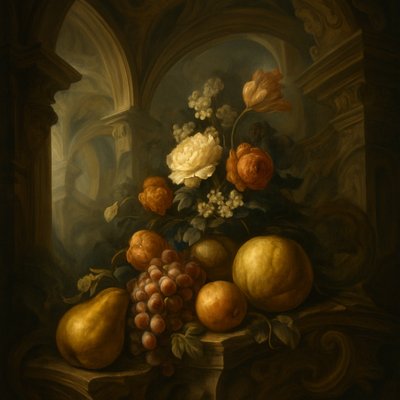
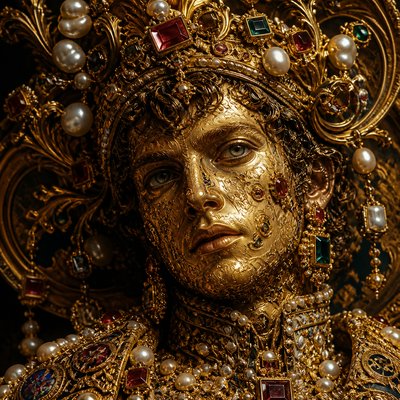
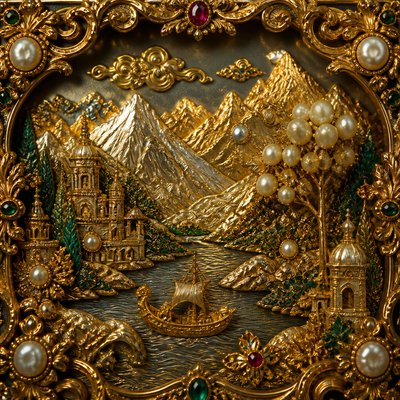
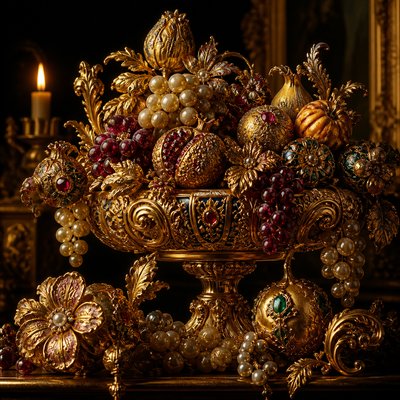
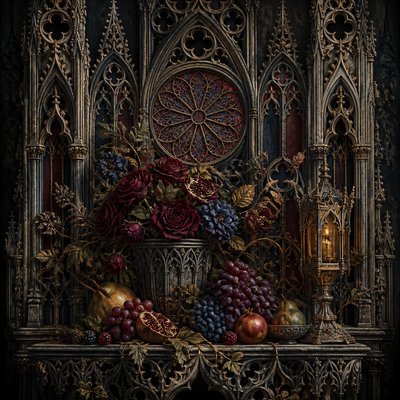
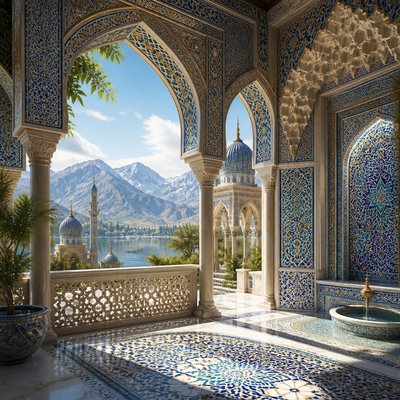
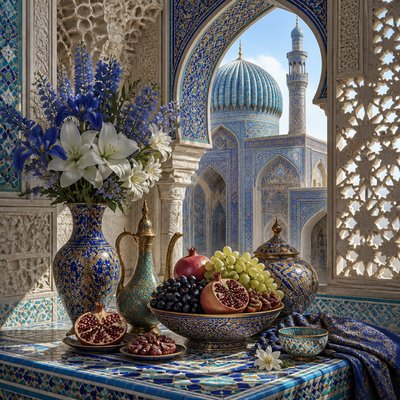
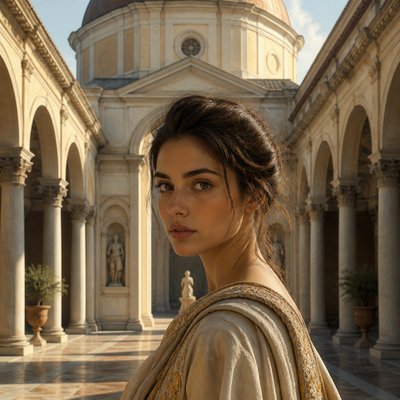
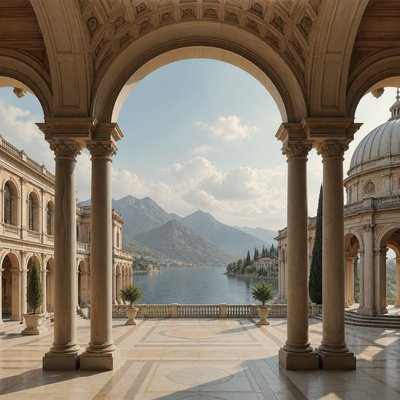
Baroque Architecture
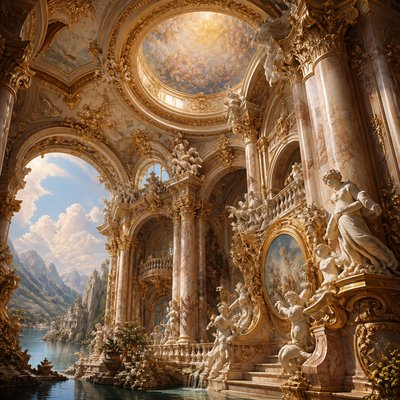
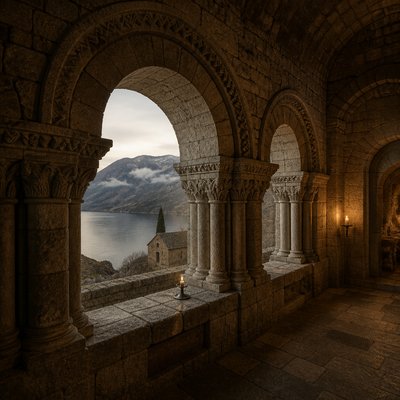
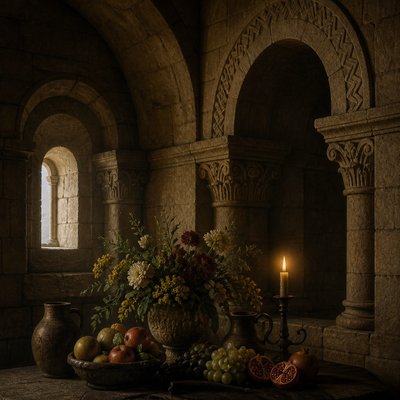
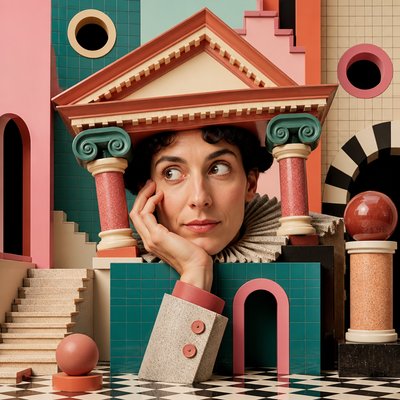
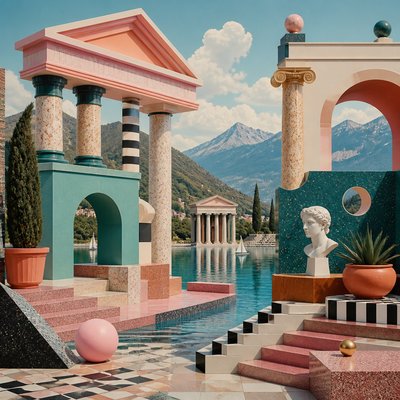
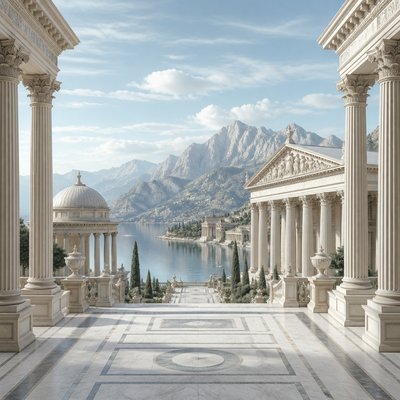
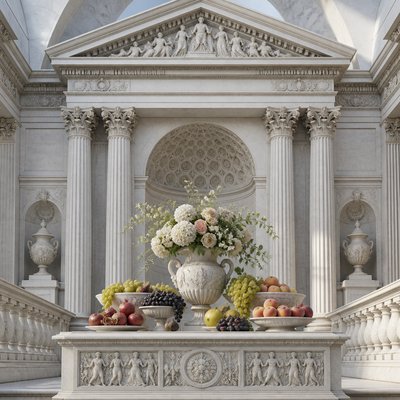
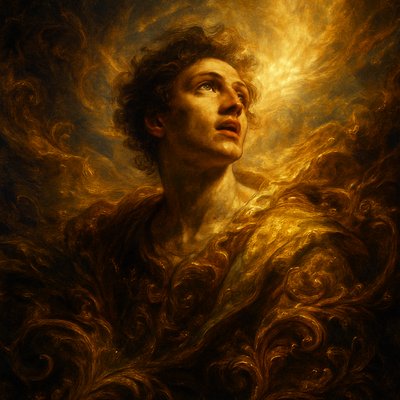
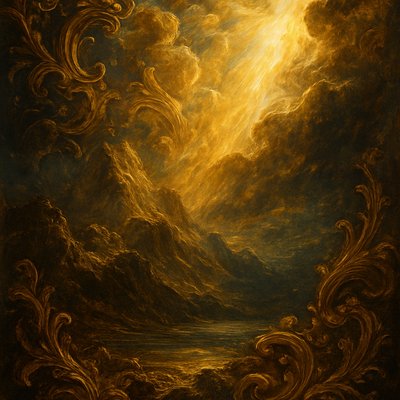
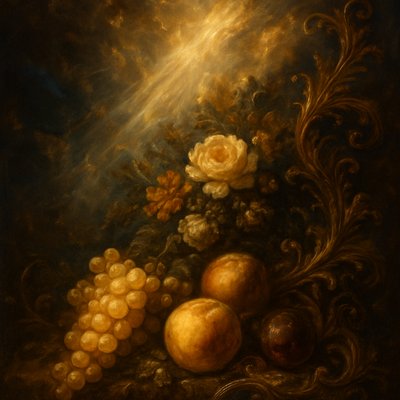
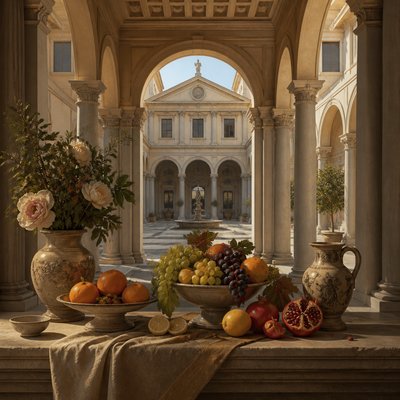
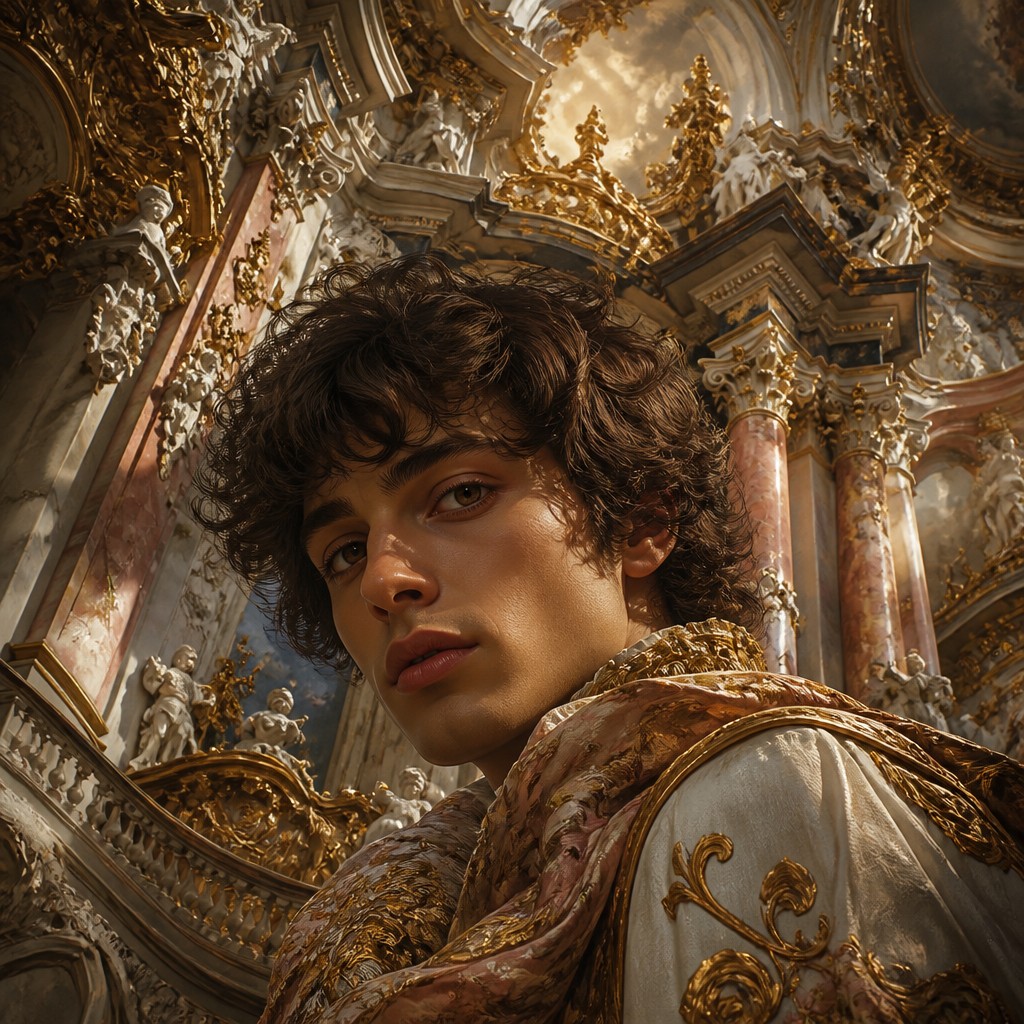
Baroque architecture: gilded facades, colossal columns, broken pediments, and theatrical light from 17th-century Europe.
Instantly rendered in Baroque Architecture — or transform a photo
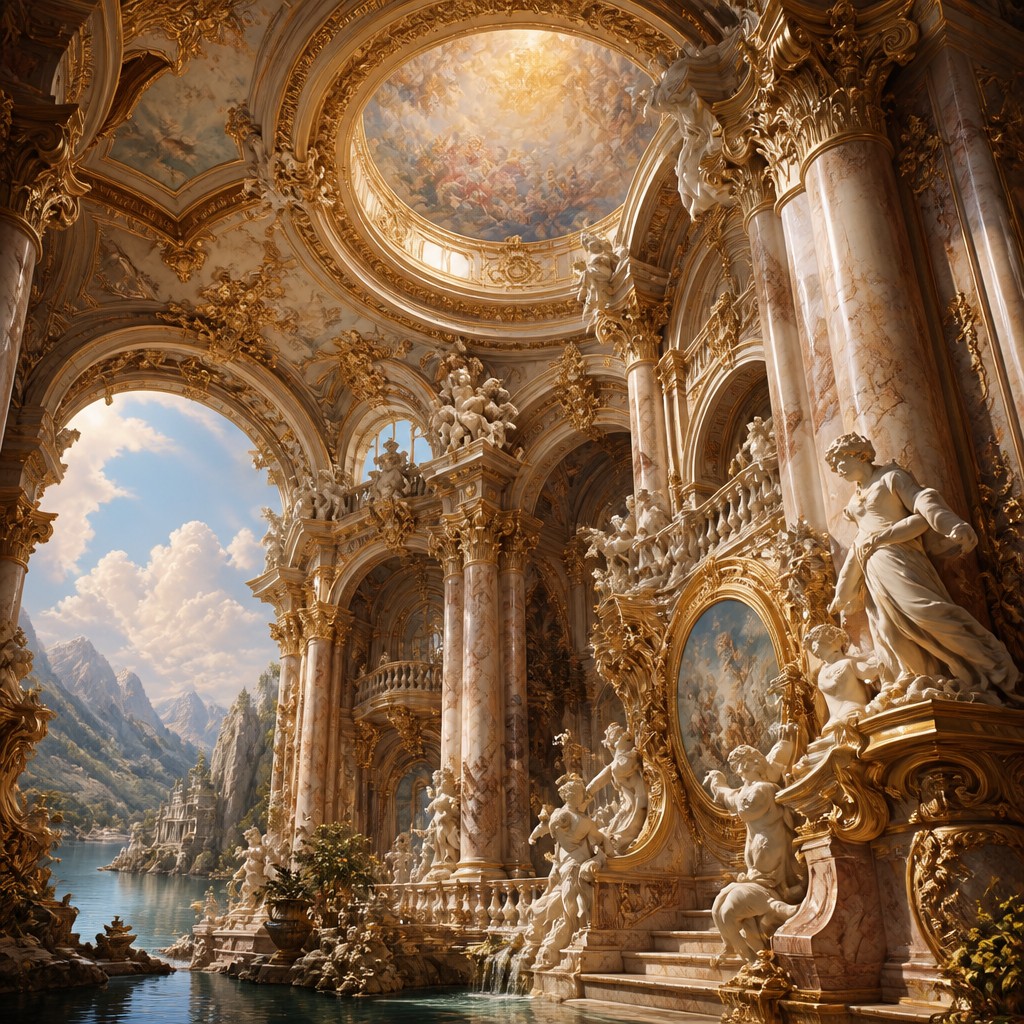
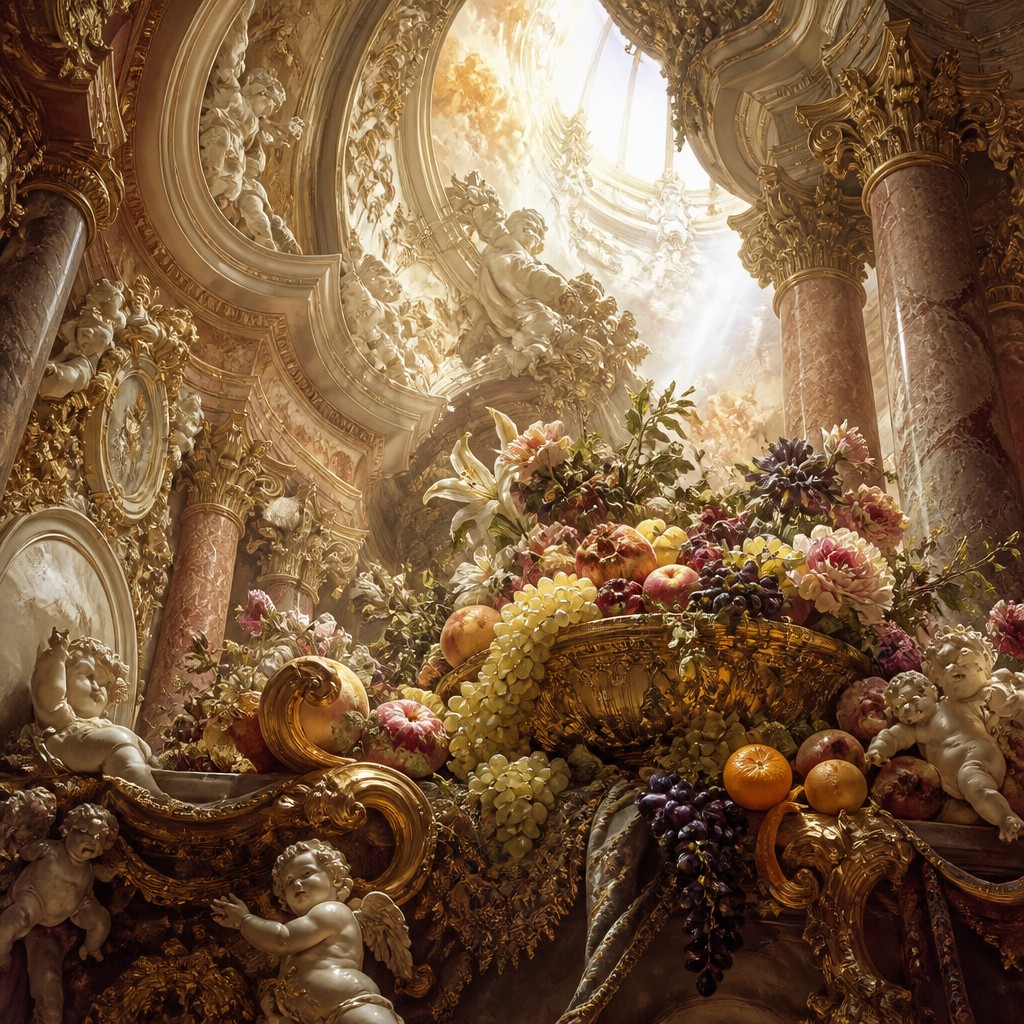
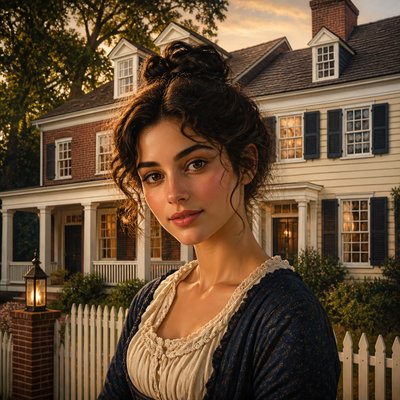
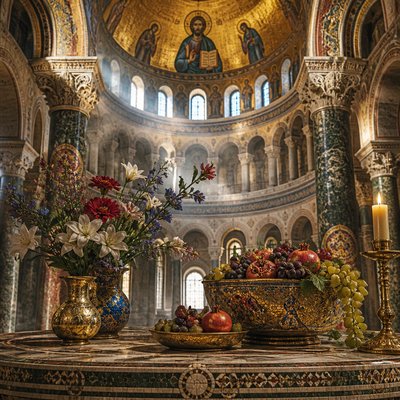
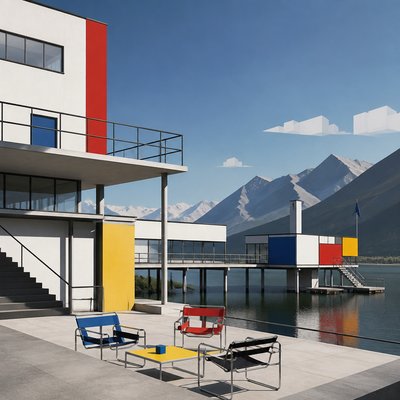
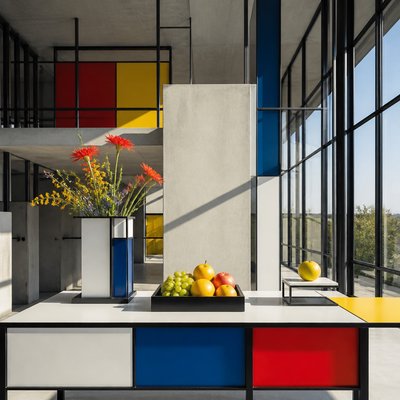
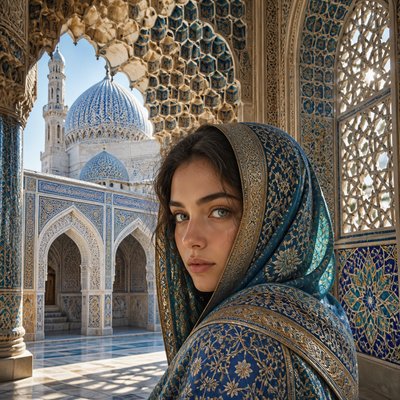
Baroque Architecture Gallery
Tap any artwork to explore it
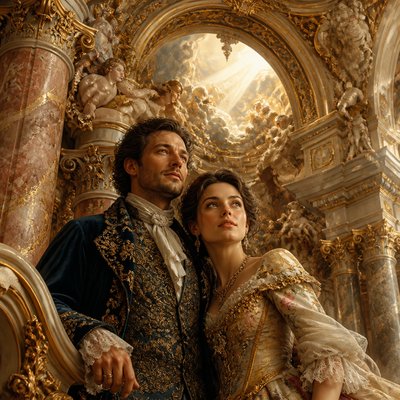
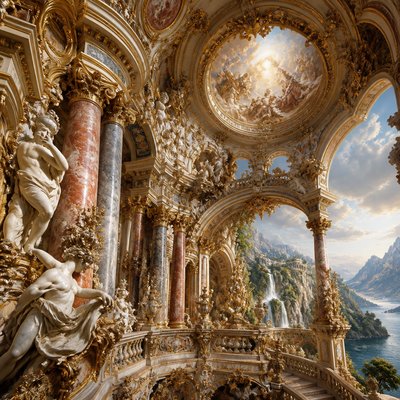
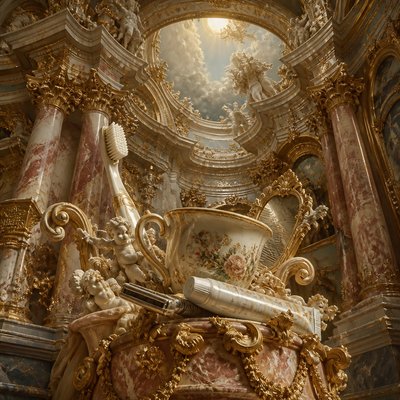
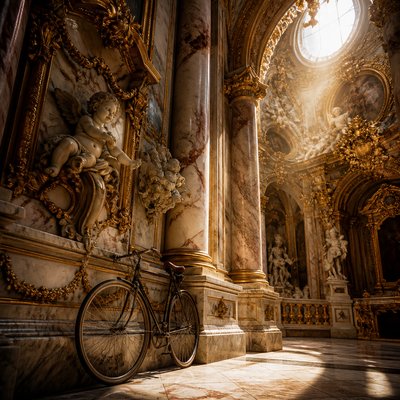
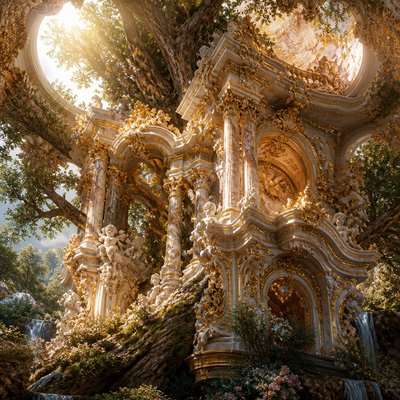
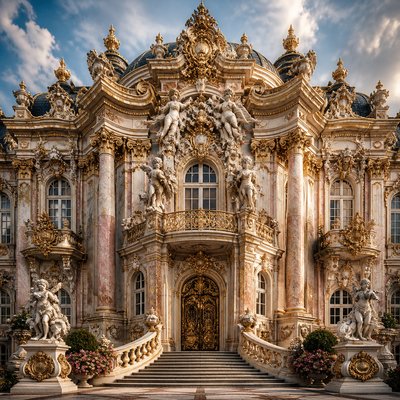

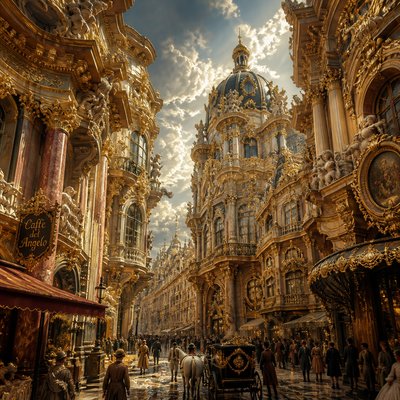
What is Baroque Architecture?
Baroque architecture is an exuberant architectural mode that emerged in early 17th-century Europe and spread through Catholic courts, churches, and palaces. It is defined by swelling curved facades, layered depth, dramatic domes, and a sense of motion that makes buildings feel as if they are unfolding rather than standing still.
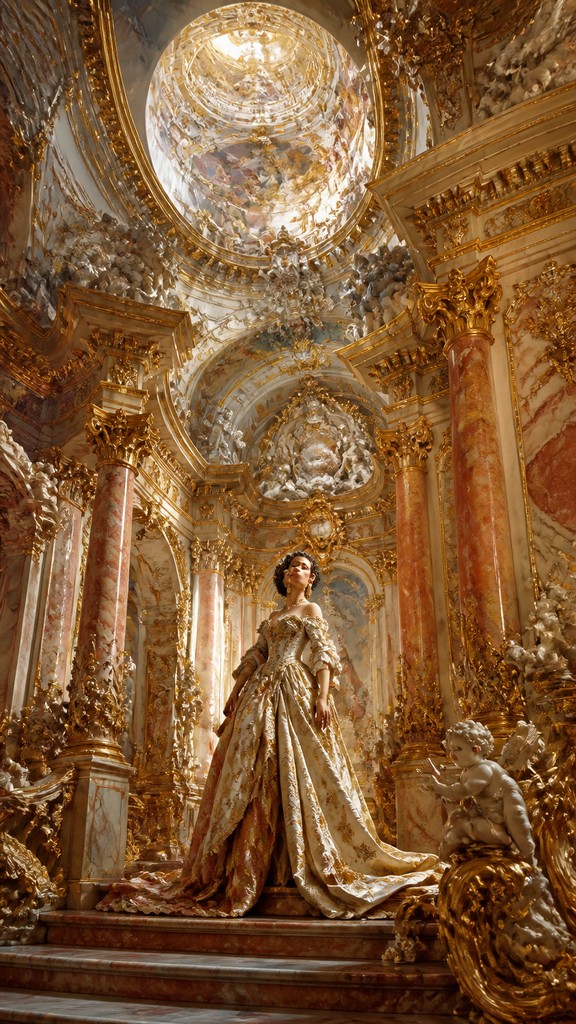
Its visual identity comes from the Baroque desire to overwhelm the viewer through scale, ornament, contrast, and spatial drama. Gilded stucco, sculptural relief, paired columns, broken pediments, and theatrical light effects turn architecture into a persuasive spectacle, especially in spaces designed to project religious authority, dynastic power, and emotional intensity.
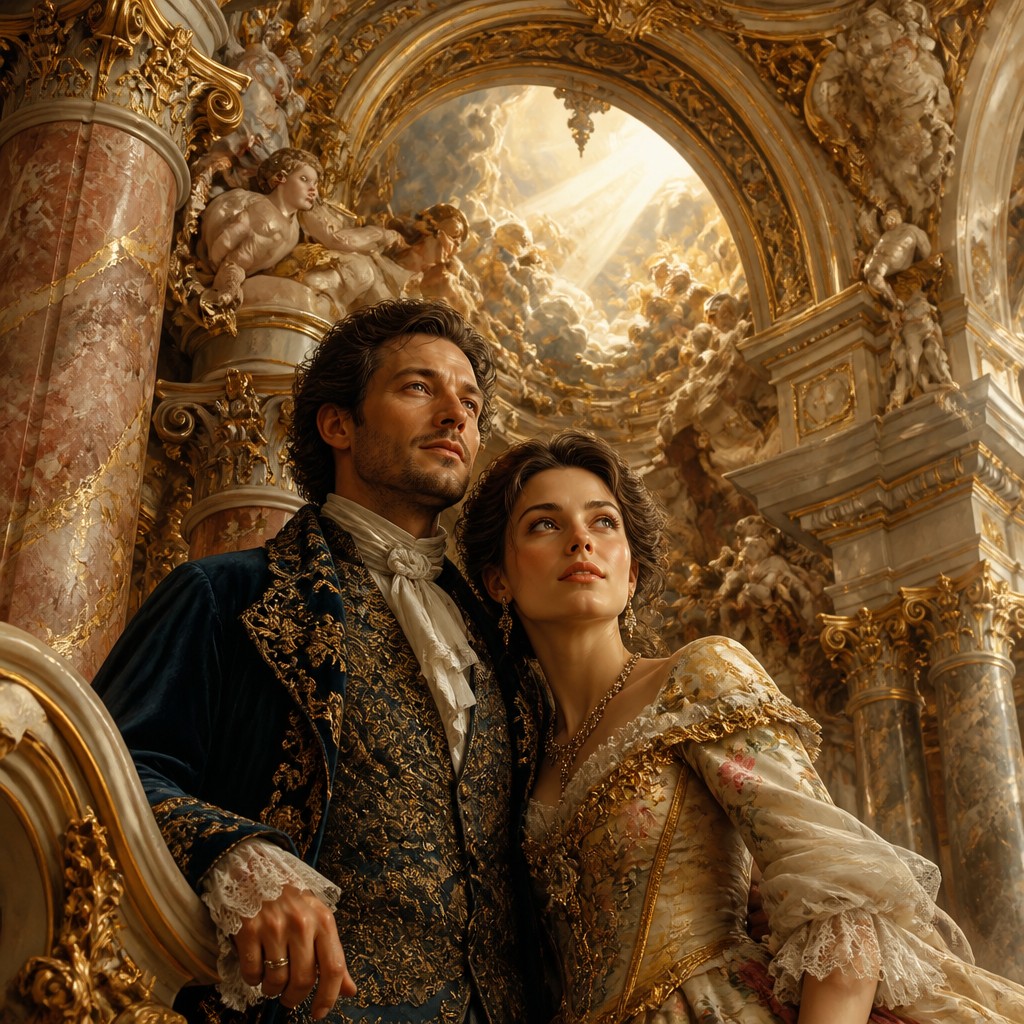
Try It On Your Photos
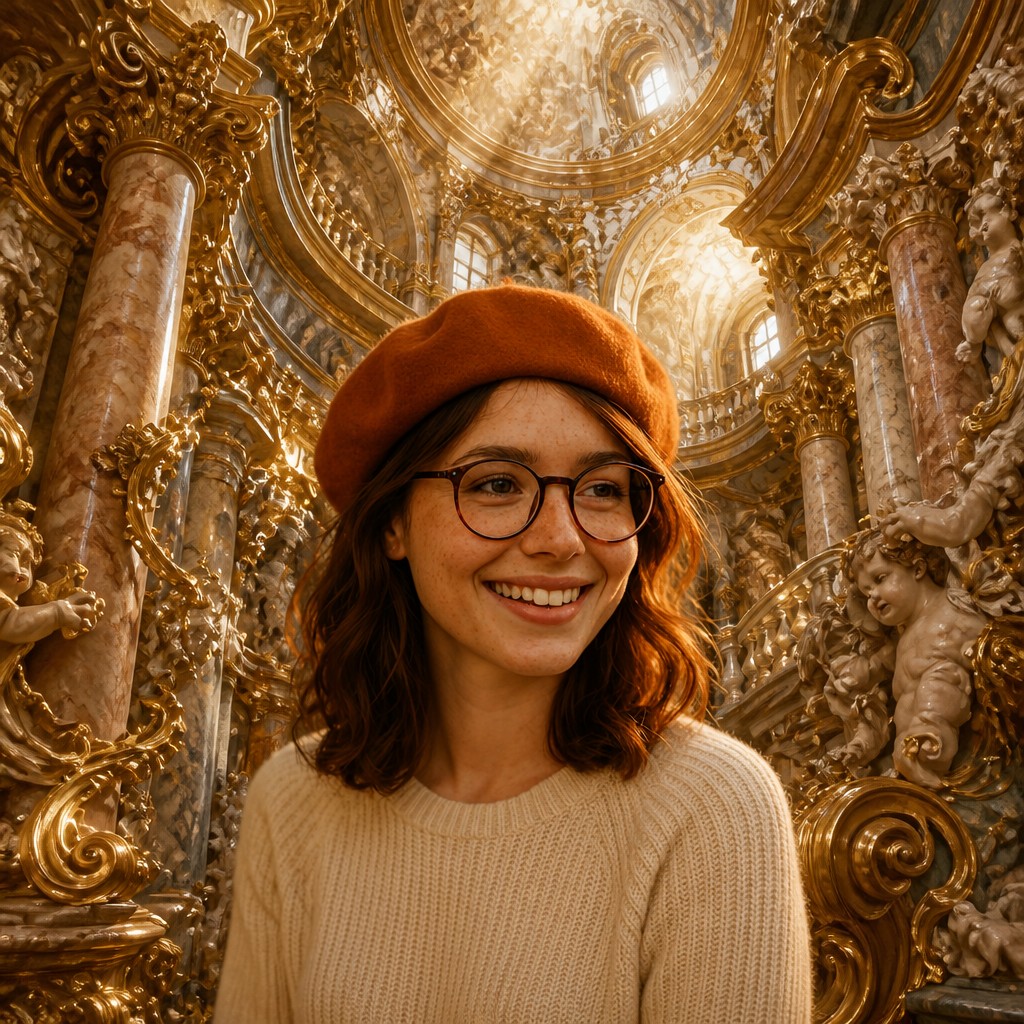
Upload any photo and convert it into Baroque Architecture — drag the sliders to compare before and after.


What Defines Baroque Architecture
The signature details, up close
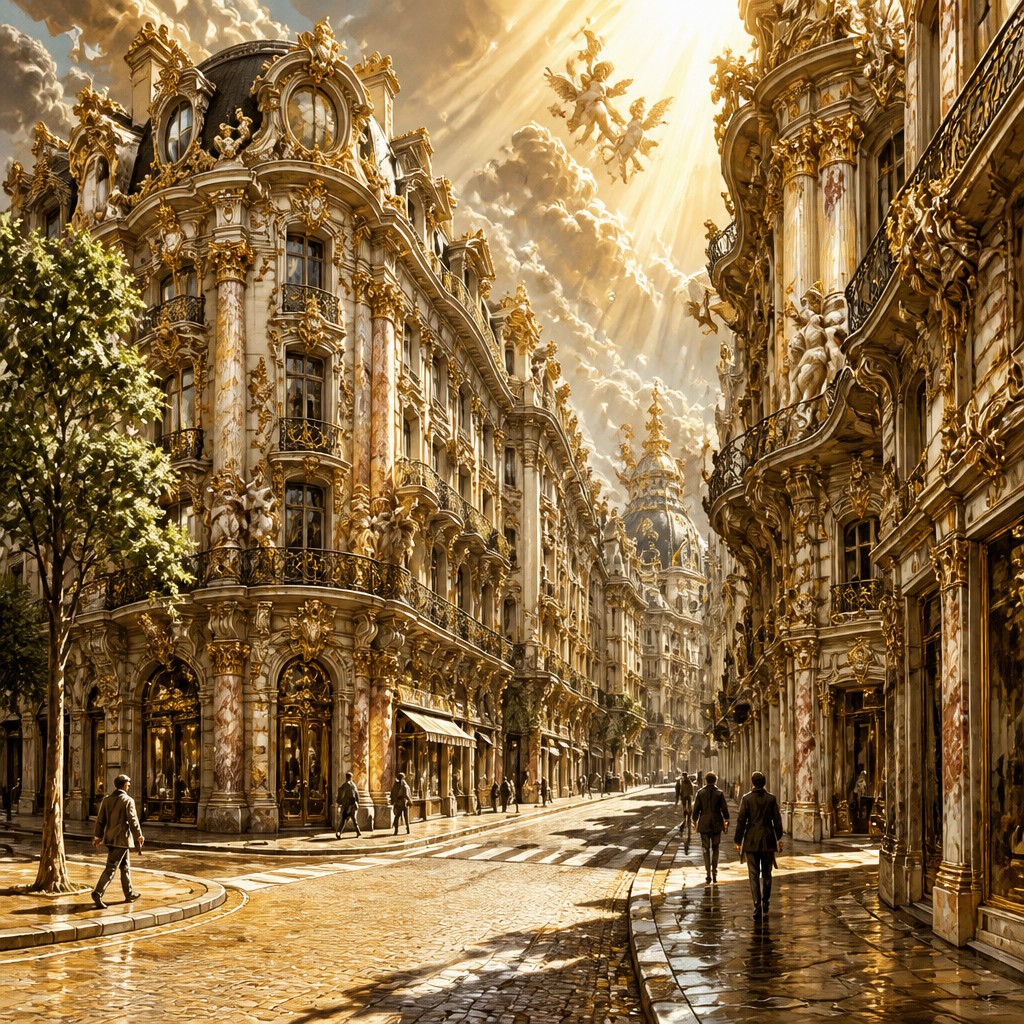
Curved and dynamic facades
Baroque buildings often use convex and concave surfaces, oval plans, and projecting masses to create movement. The exterior reads as a sequence of pulses and recessions rather than a flat wall.
Broken pediments and colossal orders
Classic temple forms are disrupted, enlarged, or stretched across multiple stories. Paired columns and pilasters often rise across the facade to unify the composition and increase its monumentality.
Dense sculptural ornament
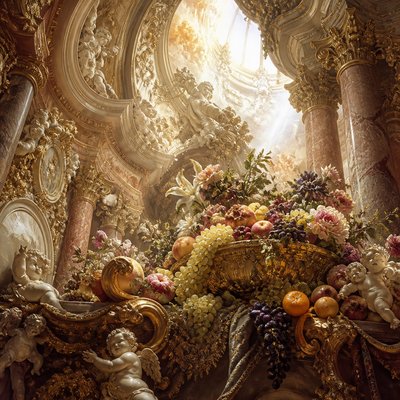
Scrollwork, garlands, cherubs, cartouches, and religious emblems crowd the surfaces. Ornament is not secondary; it is part of the architectural message and often blurs the line between structure and decoration.
Theatrical use of light
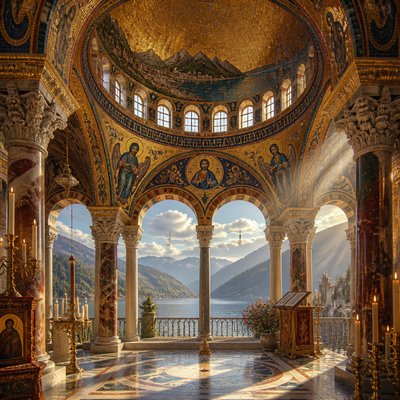
Dramatic windows, domes, and concealed sources of illumination are arranged to produce spiritual or ceremonial effects. Light is treated as an active compositional element rather than simple visibility.
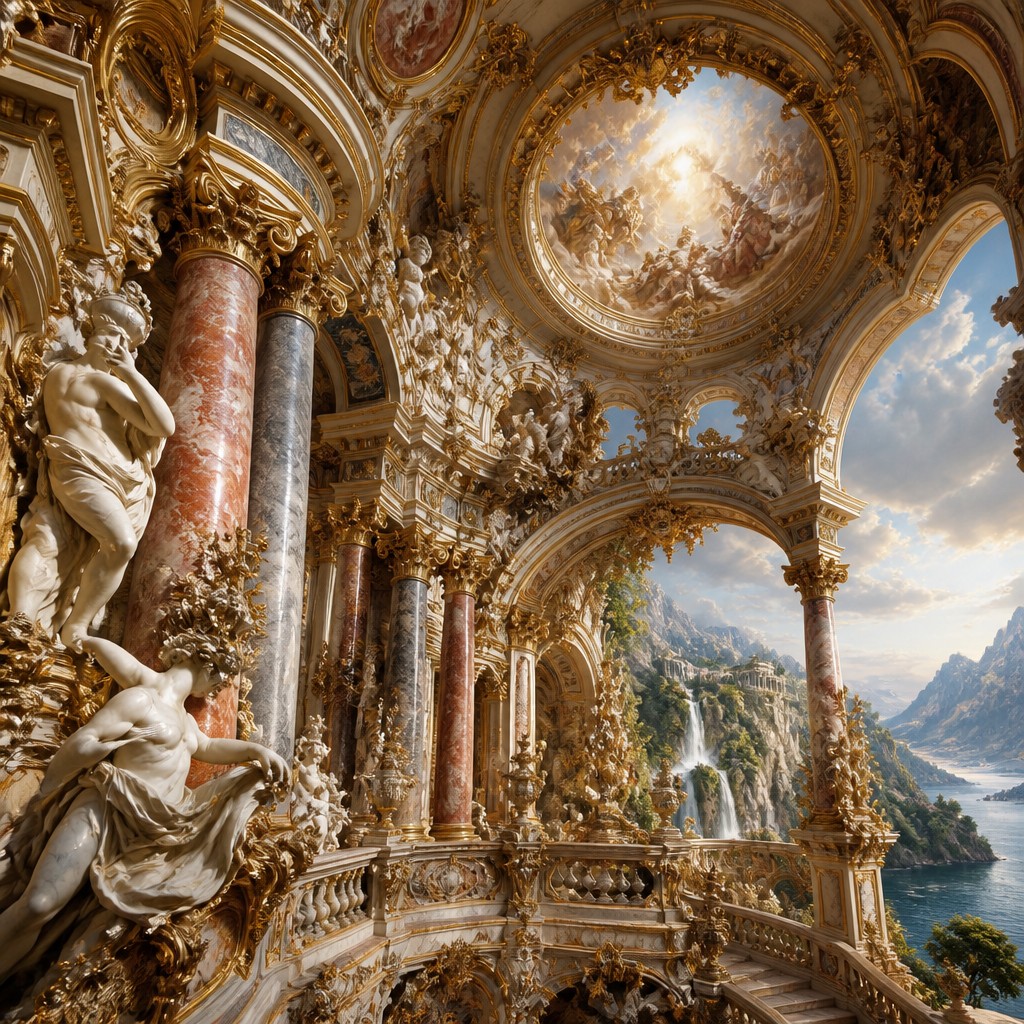
Rich materials and color
Cream marble, rose-toned stone, veined surfaces, gilding, and polished finishes are common. These materials enhance contrast, reflect light, and reinforce the sense of luxury and sacred or royal authority.
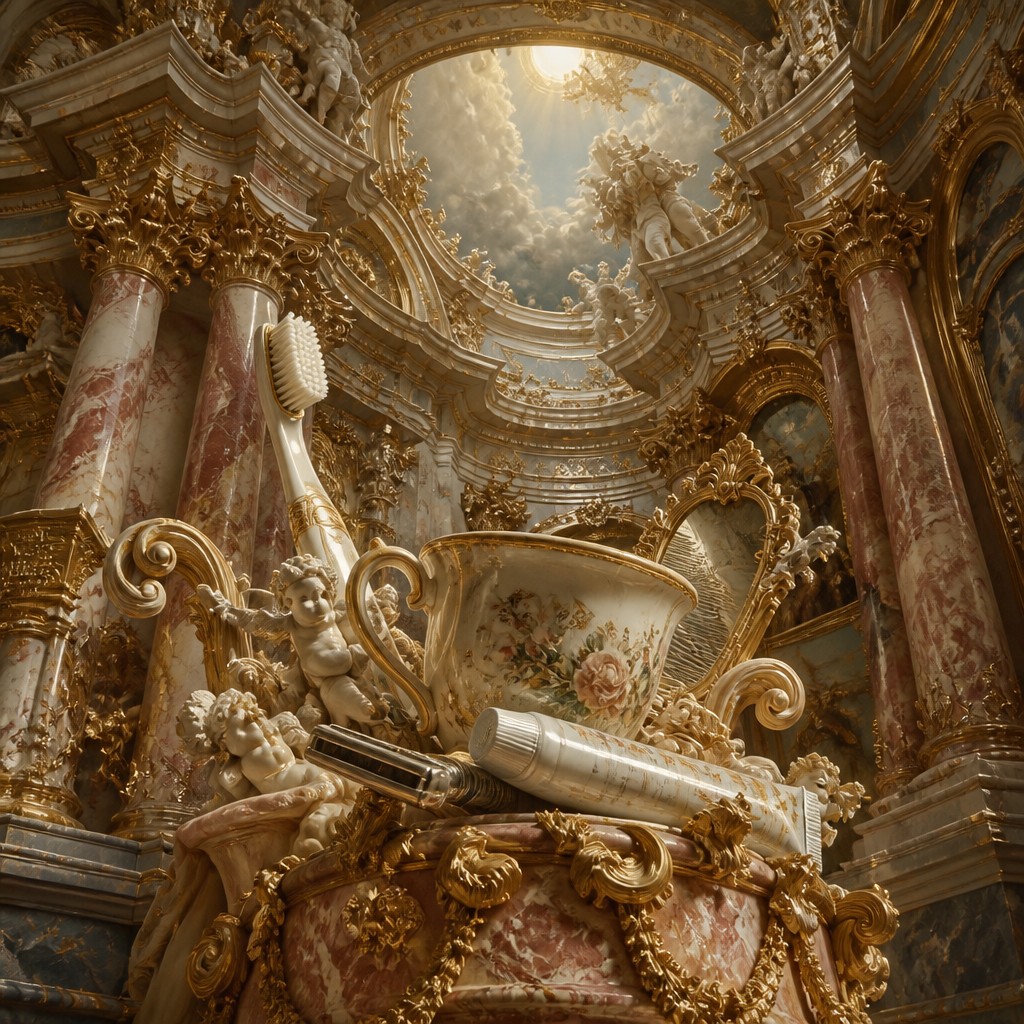
Spatial choreography
Interiors guide the viewer through processional routes, central domes, and focal altars or thrones. The architecture is designed to direct attention and produce a heightened emotional sequence.
Try It
Create Videos in Baroque Architecture
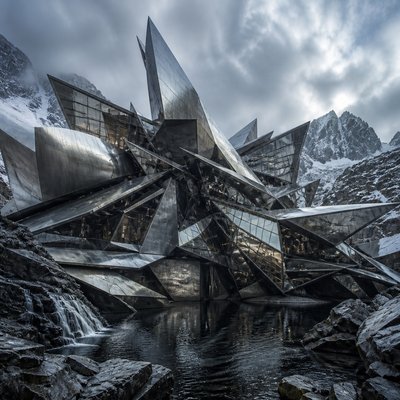
Styles aren't just for stills — describe a scene or animate an image and get a short video rendered in Baroque Architecture. Press play to see this pond come to life.
Make a VideoBaroque Architecture Prompt Ideas
Start from an idea — each one opens the generator with the style ready to go. See all 40 Baroque Architecture prompts →
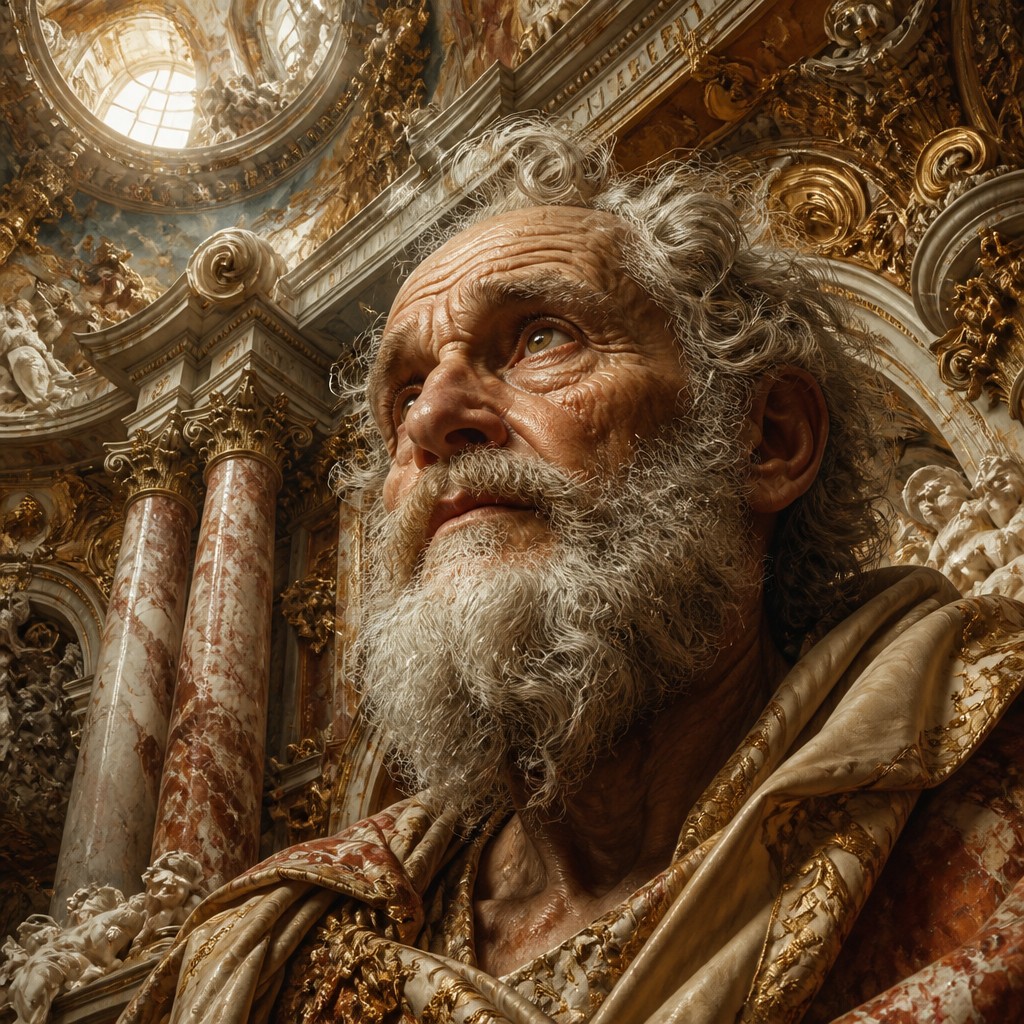
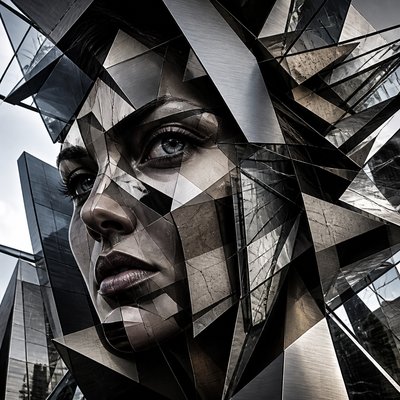
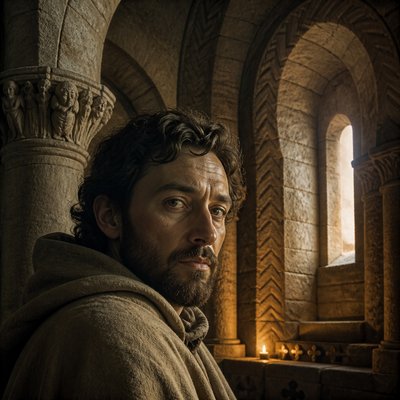
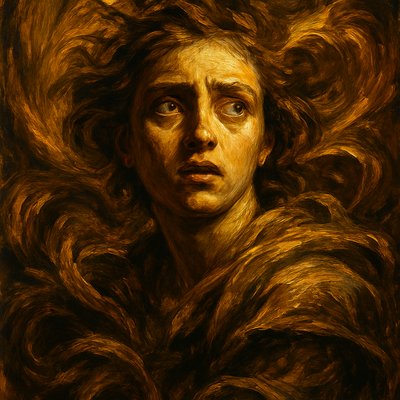
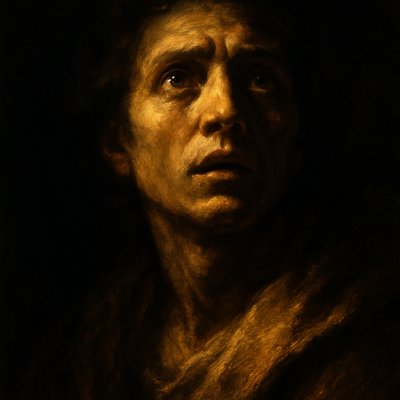
“close-up portrait of an elderly person with expressive weathered features”
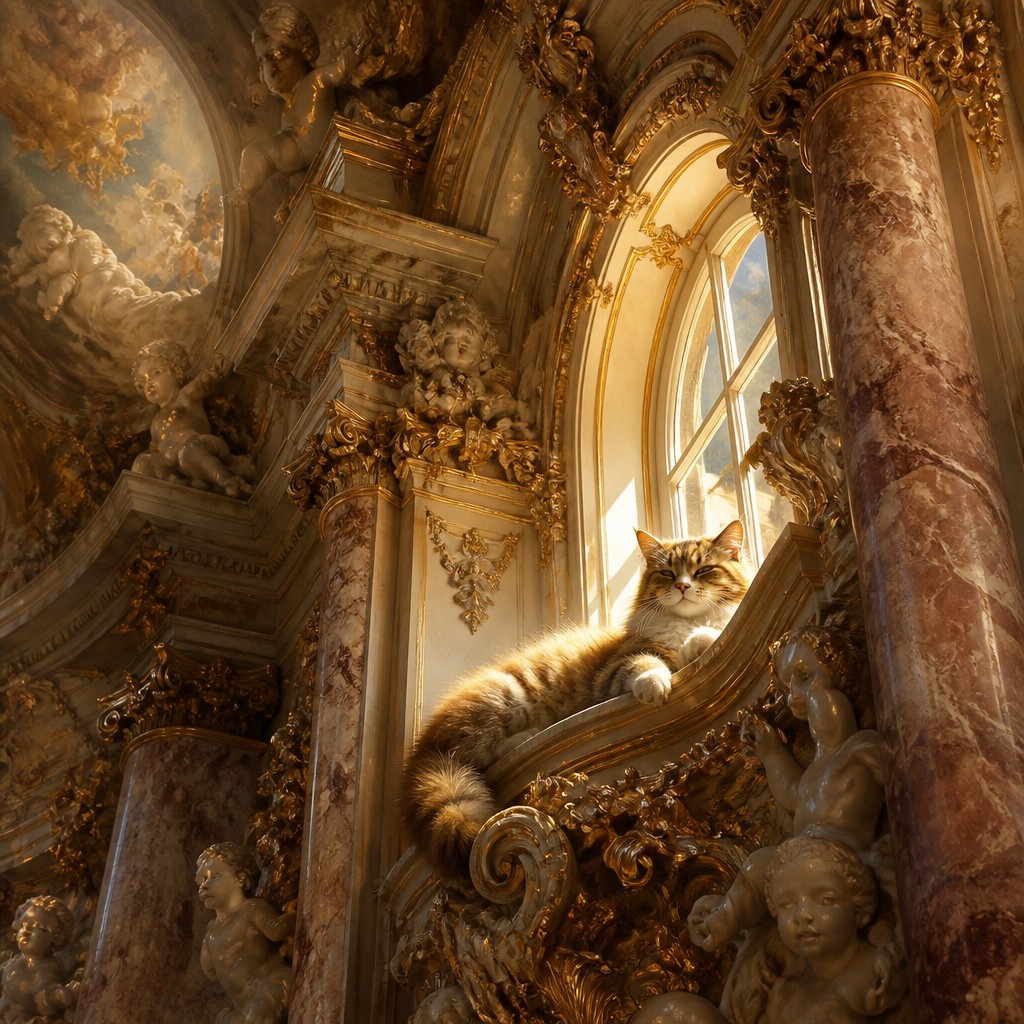
“a cat lounging in a sunlit window”
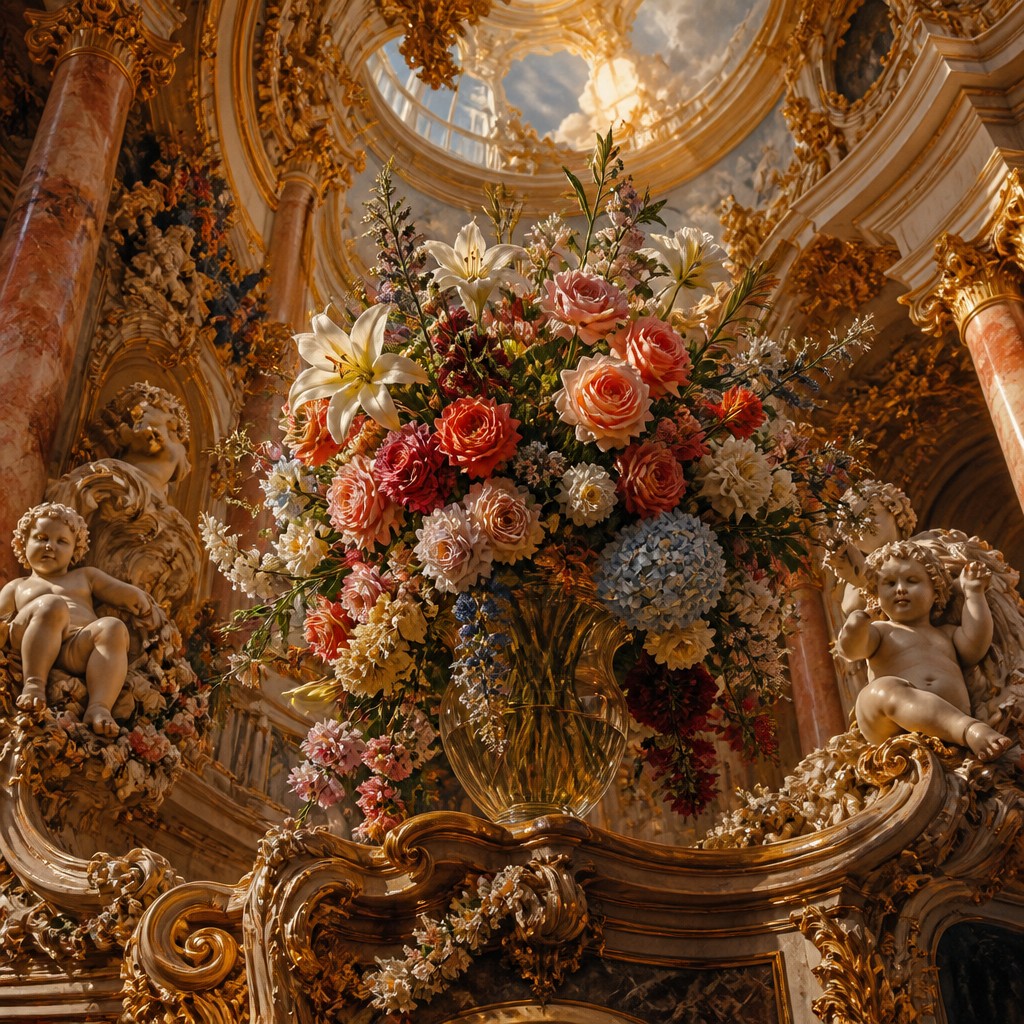
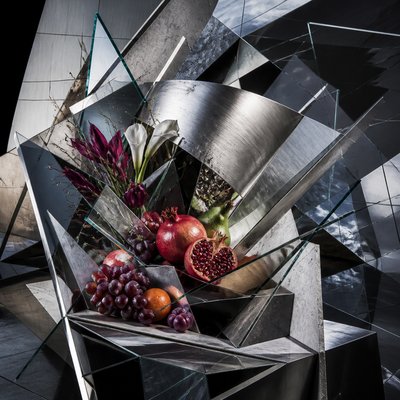
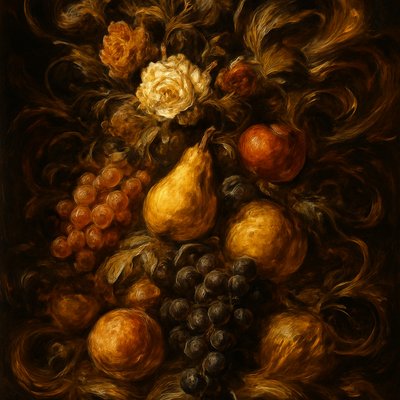
“bouquet of flowers in a glass vase”
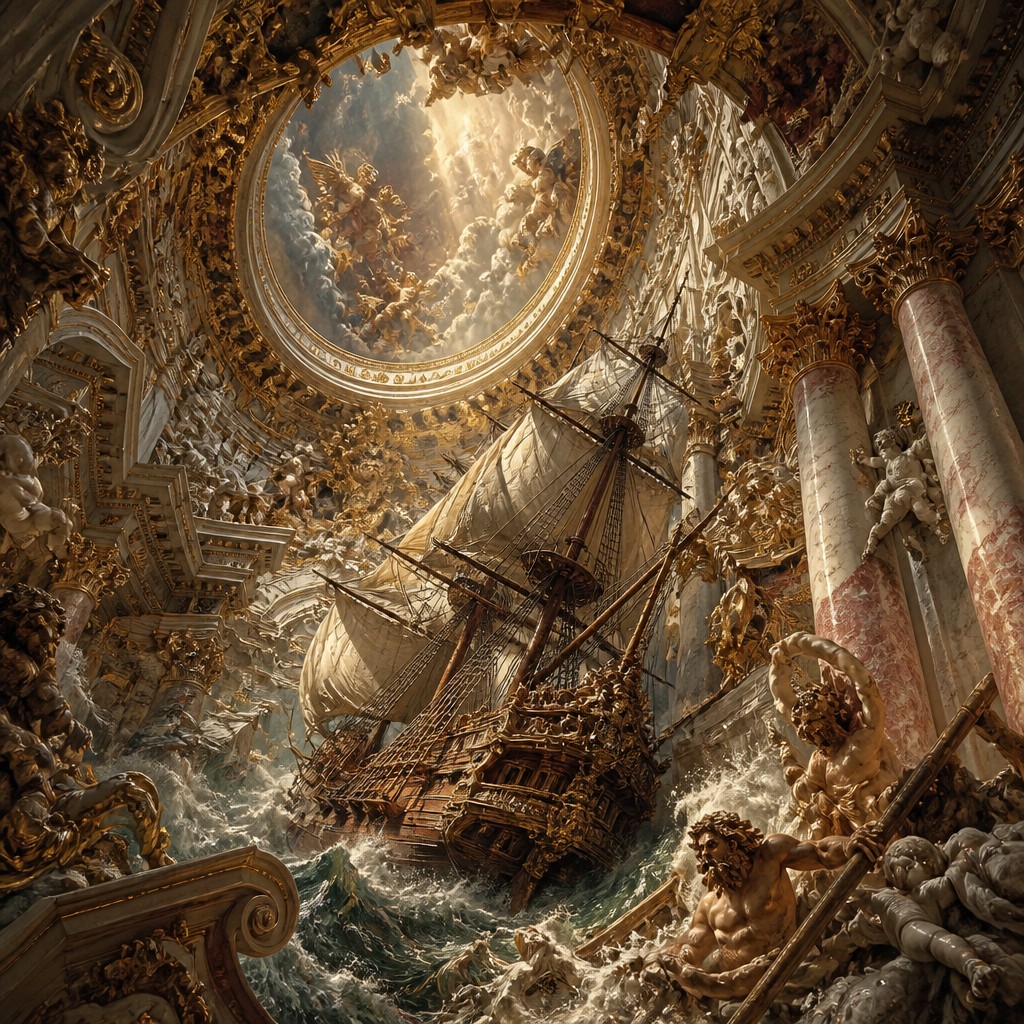
“sailing ship on a stormy sea”
How to Create Baroque Architecture Art
Master the craft step by step — or skip straight to creating. Read the full guide →
- 1
Build around a strong central gesture
Start with a dominant curve, dome, or axial composition, then add secondary masses that echo and complicate it. In drawing or 3D work, avoid rigid symmetry unless you are intentionally channeling a more restrained court version of the style.
- 2
Layer ornament with hierarchy
Use sculptural detail where it will reinforce focal points: portals, cornices, niches, and cornice lines. Keep the ornament dense but organized, so the viewer can still read the building’s overall form.
- 3
Shape the light before the detail
In rendering, establish strong highlights and deep shadow pockets early, especially under cornices, inside niches, and around dome openings. Baroque effects depend on contrast, so lighting should feel directional and ceremonial.
- 4
Use classical elements in exaggerated form
Broken pediments, paired columns, pilasters, and entablatures should feel enlarged, compressed, or theatrically recomposed. The goal is not archaeological correctness but expressive transformation of classical vocabulary.
- 5
Choose materials that read as sumptuous
Marble, gilded stucco, polished stone, and frescoed ceilings are especially effective in both traditional and digital media. Favor cream, rose, ivory, and gold with deep shadow to communicate opulence without overusing bright color.
- 6
When generating from text or photos, specify architecture plus mood
Pair the subject with details such as swelling curved facade, gilded ornament, cherub reliefs, oval dome, and theatrical heavenly light. For photo transformation, images with strong perspective, masonry, or interior depth work best because the style relies on dramatic spatial restructuring.
The Story
History & Origins of Baroque Architecture
Baroque architecture developed in Rome in the late 16th and early 17th centuries, closely tied to the Counter-Reformation and the Catholic Church’s need for emotionally forceful public spaces. Early landmarks by architects such as Carlo Maderno, Gian Lorenzo Bernini, and Francesco Borromini established the style’s core language: complex plans, curving walls, strong spatial hierarchy, and a fusion of architecture, sculpture, and light.
From Italy, Baroque forms spread across Europe and beyond, adapting to local traditions and patronage. In France it was tempered by classical order at places like Versailles, while in Spain, Central Europe, and Latin America it often became more ornate and theatrical. By the late 18th century it gave way to Neoclassicism, but its expressive vocabulary remained influential in revival styles and in later monumental state and ecclesiastical architecture.
Influences: Baroque architecture draws from late Renaissance classicism, Counter-Reformation church design, and the ceremonial architecture of papal Rome. Its major historical exponents include Carlo Maderno, Gian Lorenzo Bernini, and Francesco Borromini in Italy, with parallel developments in Spain, Austria, and colonial Latin America. It is closely related to Baroque painting and sculpture in its use of emotional force, chiaroscuro, and integrated composition, and it later informed Rococo ornament and many 19th-century revival styles.

Frequently Asked Questions
What defines Baroque architecture?
Baroque architecture is defined by dramatic curvature, rich ornament, strong contrasts of light and shadow, and a sense of movement. It often combines architecture, sculpture, and painting into a unified theatrical experience. The style was especially suited to churches and palaces that needed to impress, persuade, or inspire awe.
How is Baroque architecture different from Renaissance architecture?
Renaissance architecture tends to emphasize balance, clarity, and restrained classical proportion. Baroque takes that classical vocabulary and makes it more dynamic, emotional, and visually complex. Walls curve, ornament thickens, and interiors are staged to produce a stronger sensory and spiritual effect.
What are common Baroque architectural details?
Common details include broken pediments, colossal columns, pilasters, domes, niches, garlands, cartouches, and sculpted angels or cherubs. Gilded accents and elaborate stucco work are also frequent, especially in churches and palace interiors. These elements often accumulate around entrances, altars, and major focal points.
Where is Baroque architecture most often seen?
It is most often seen in churches, cathedrals, palaces, civic monuments, and grand civic interiors. The style was especially prominent in Italy, France, Spain, Austria, Germany, and parts of Latin America. Many later religious and state buildings borrow Baroque features to convey authority and spectacle.
How can I make an image look Baroque?
Use a symmetrical but animated composition, add curved facades or domes, and include richly carved ornament in layered relief. Strong directional light, deep shadow, and luxurious materials such as marble and gilding are essential. If working from a prompt, specify both the architectural form and the mood of theatrical grandeur.
Is Baroque the same as Rococo?
No. Rococo developed later and is usually lighter, more delicate, and more playful, with pastel colors and asymmetric shell-like ornament. Baroque is heavier, more monumental, and more dramatic in its contrast and spatial force. The two are related, but Baroque is the more solemn and architectural of the pair.

Create your first Baroque Architecture artwork
Describe anything — or upload a photo — and see it in Baroque Architecture in seconds.
Related Styles
Discover similar art styles