Renaissance Jewelry Design
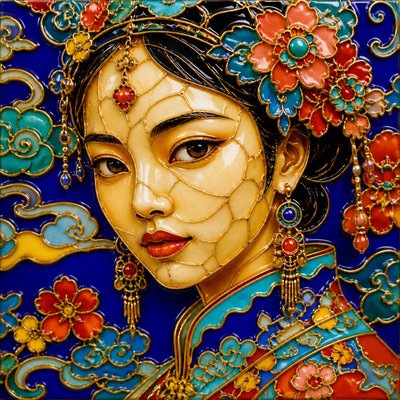
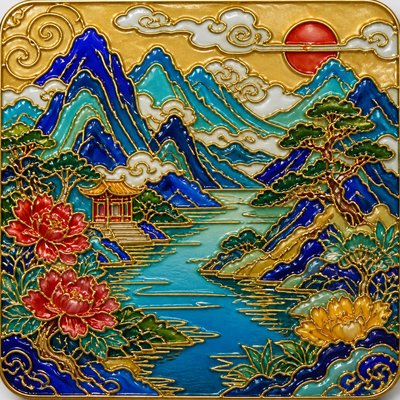
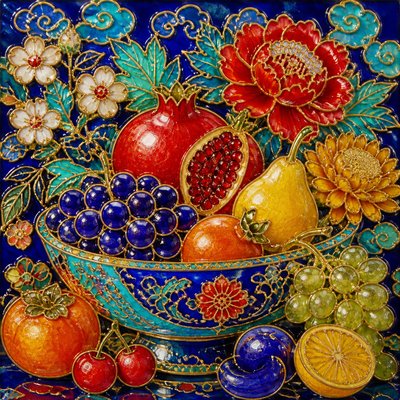
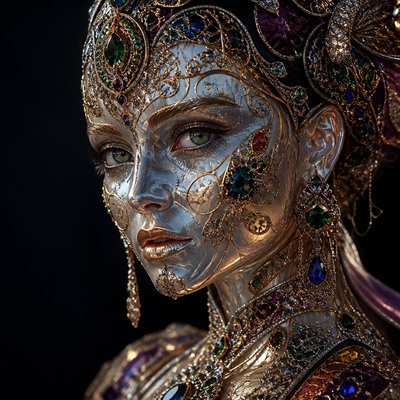
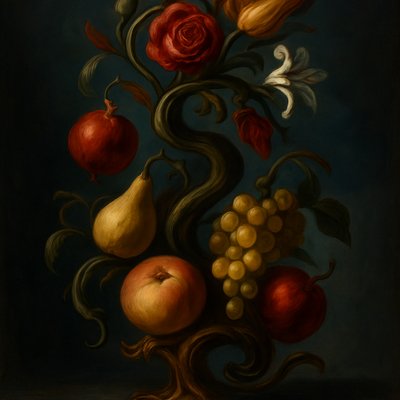
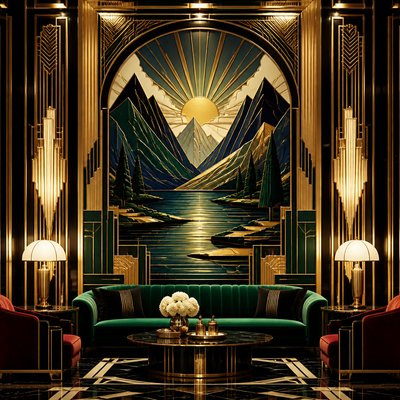
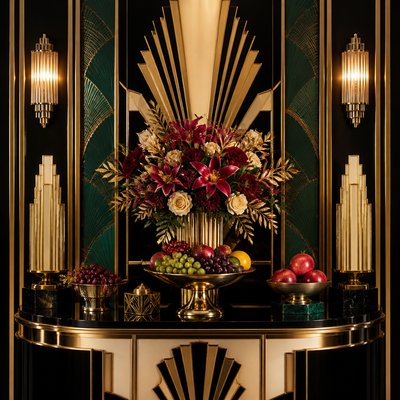
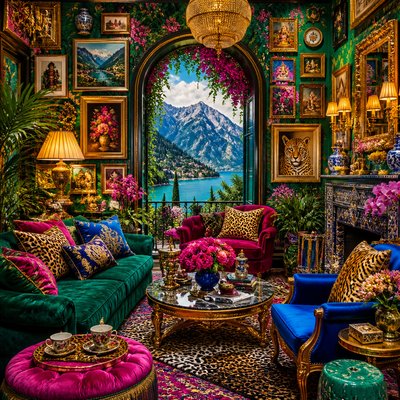
16th-century court jewelry in gold, enamel, pearls, and table-cut gems: princely Renaissance ornament with sculptural detail.
Instantly rendered in Renaissance Jewelry Design — or transform a photo
Renaissance Jewelry Design Gallery
Tap any artwork to explore it
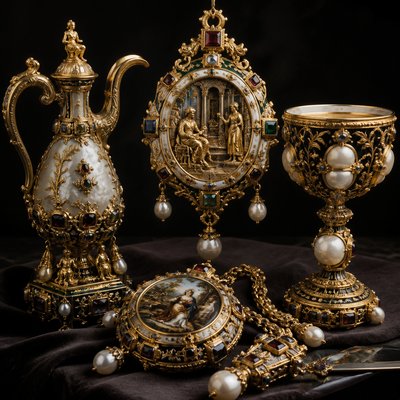
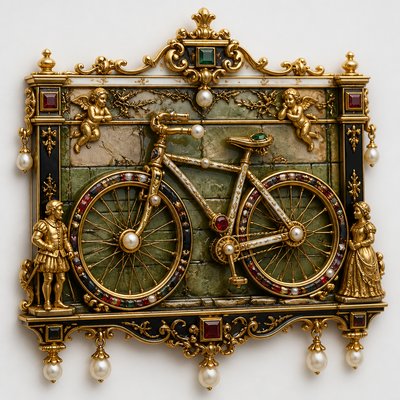
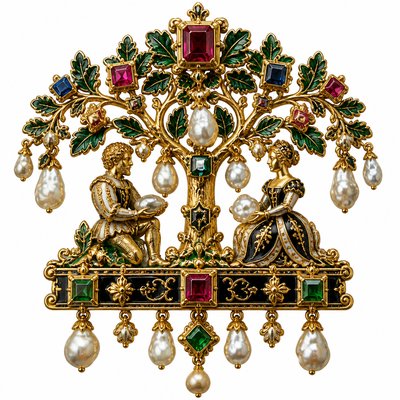
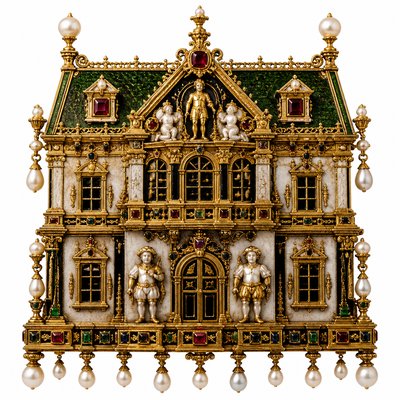
What is Renaissance Jewelry Design?
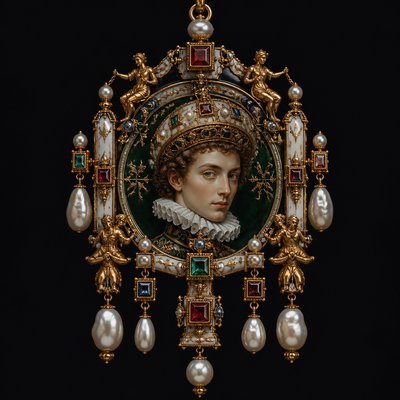
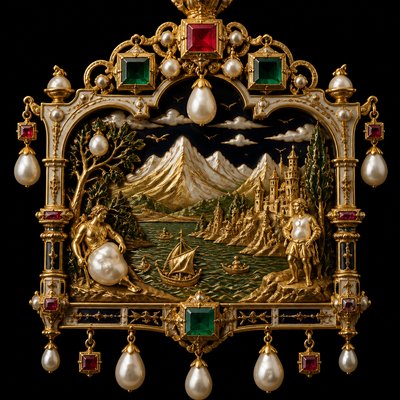
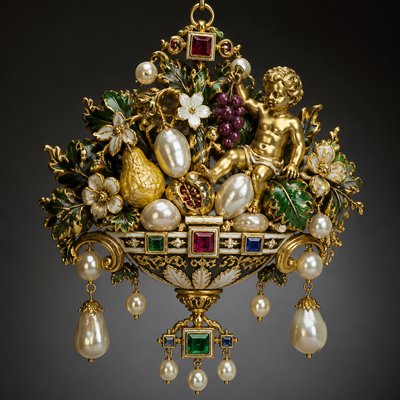
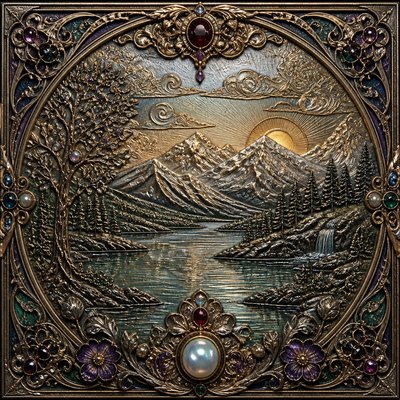
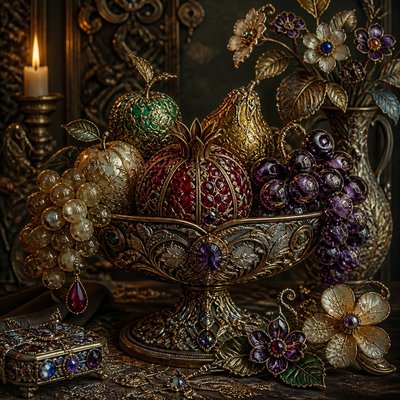
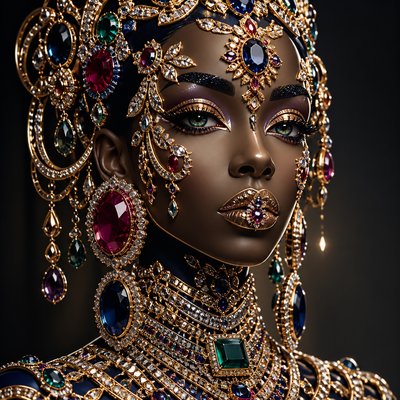
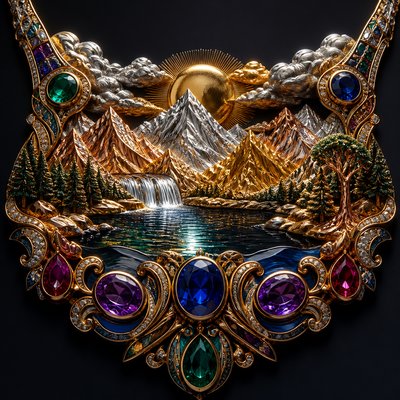
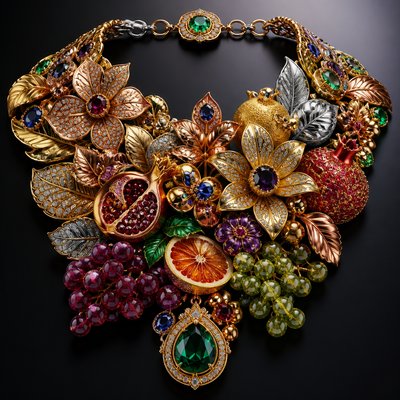
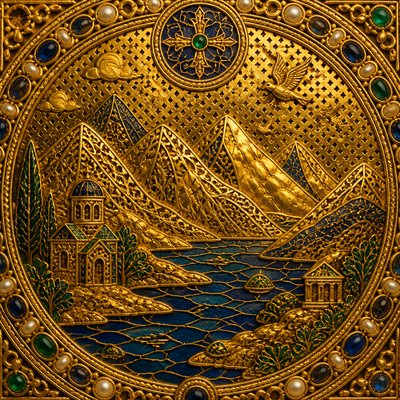
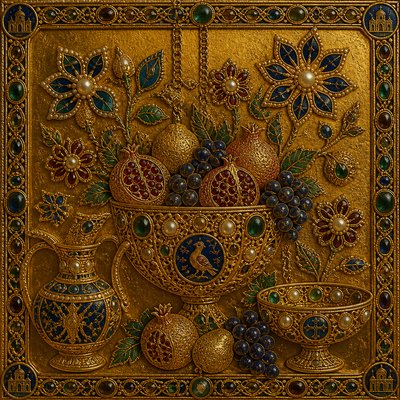
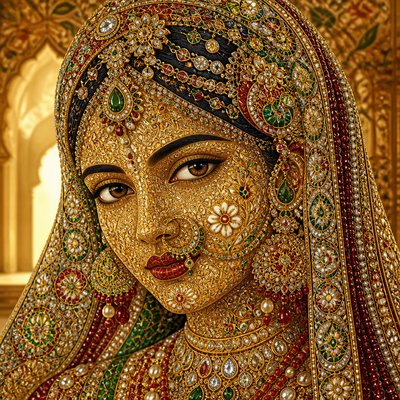
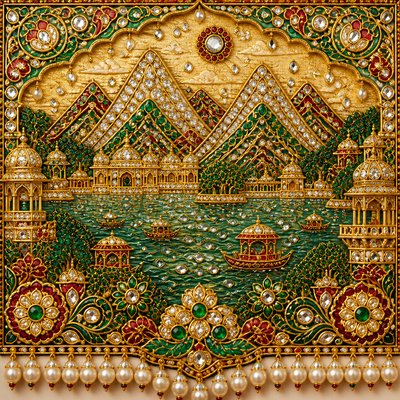
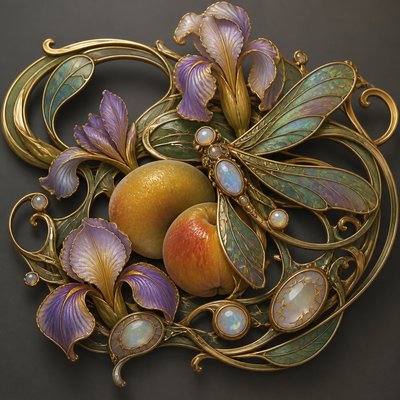
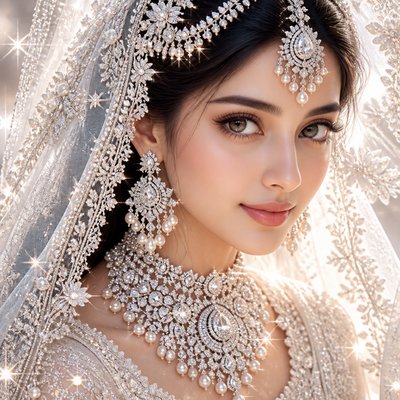
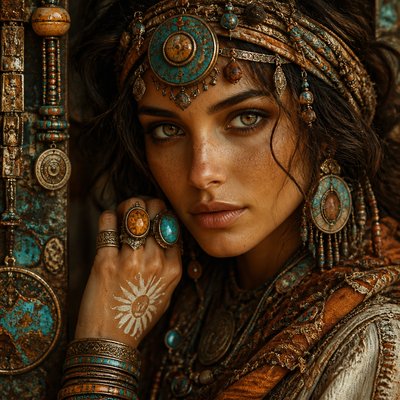
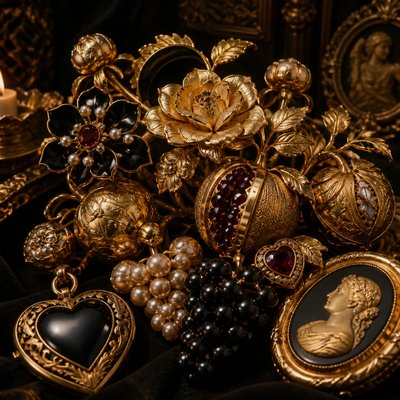
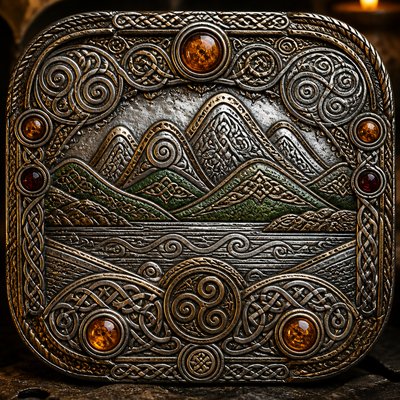
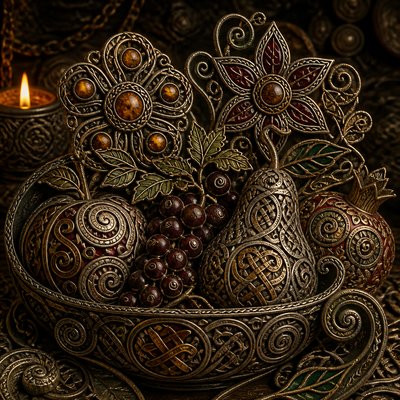
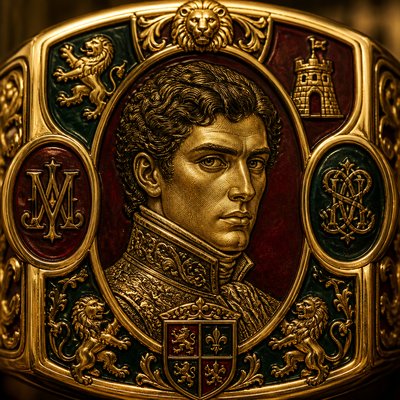
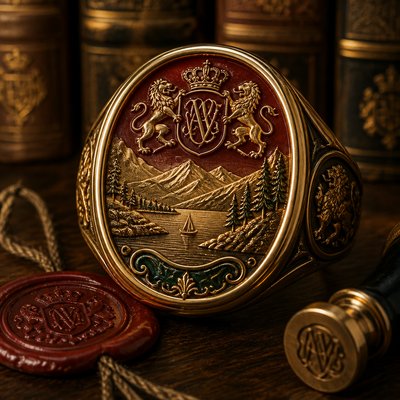
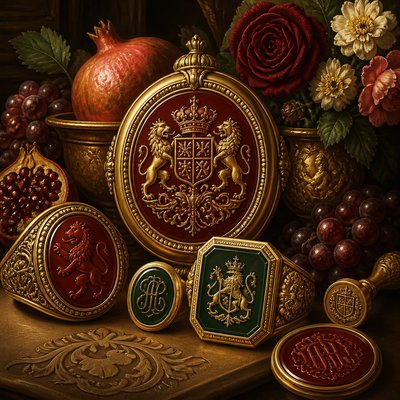
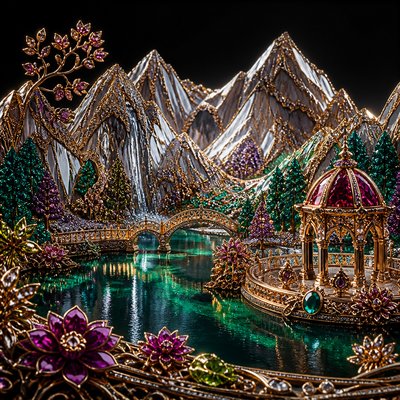
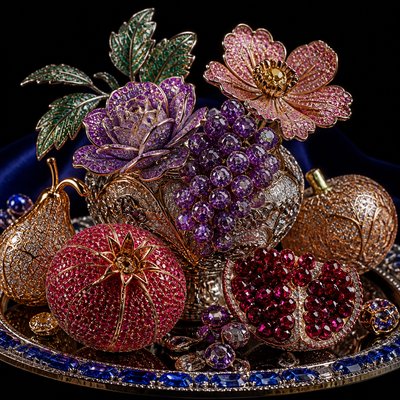
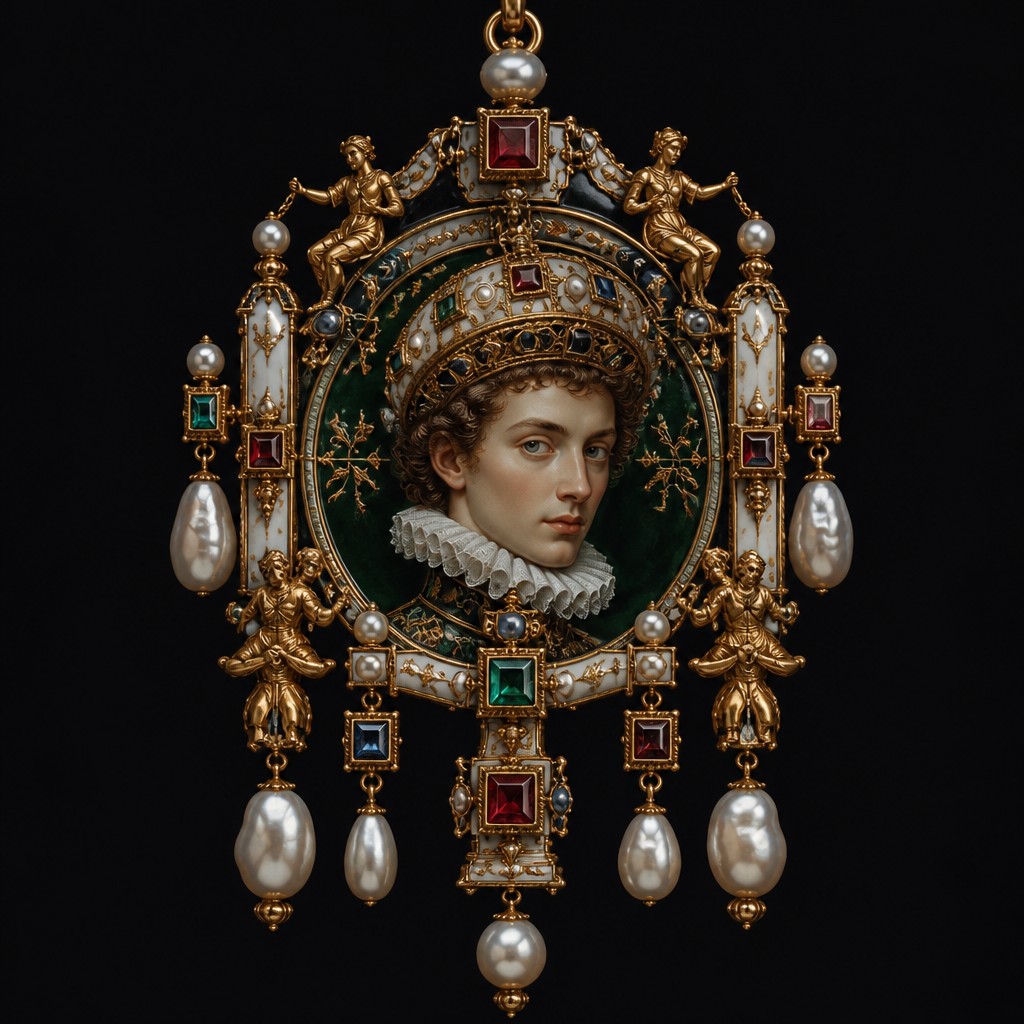
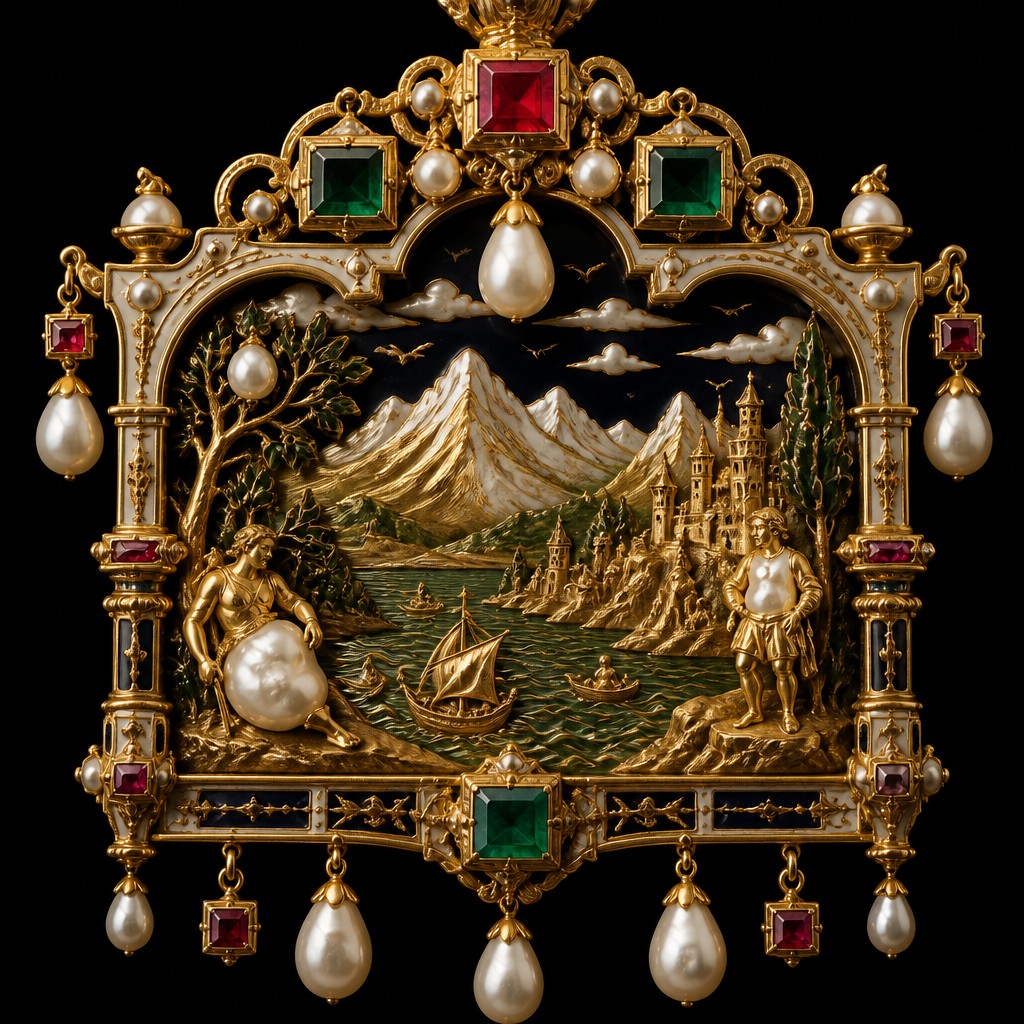
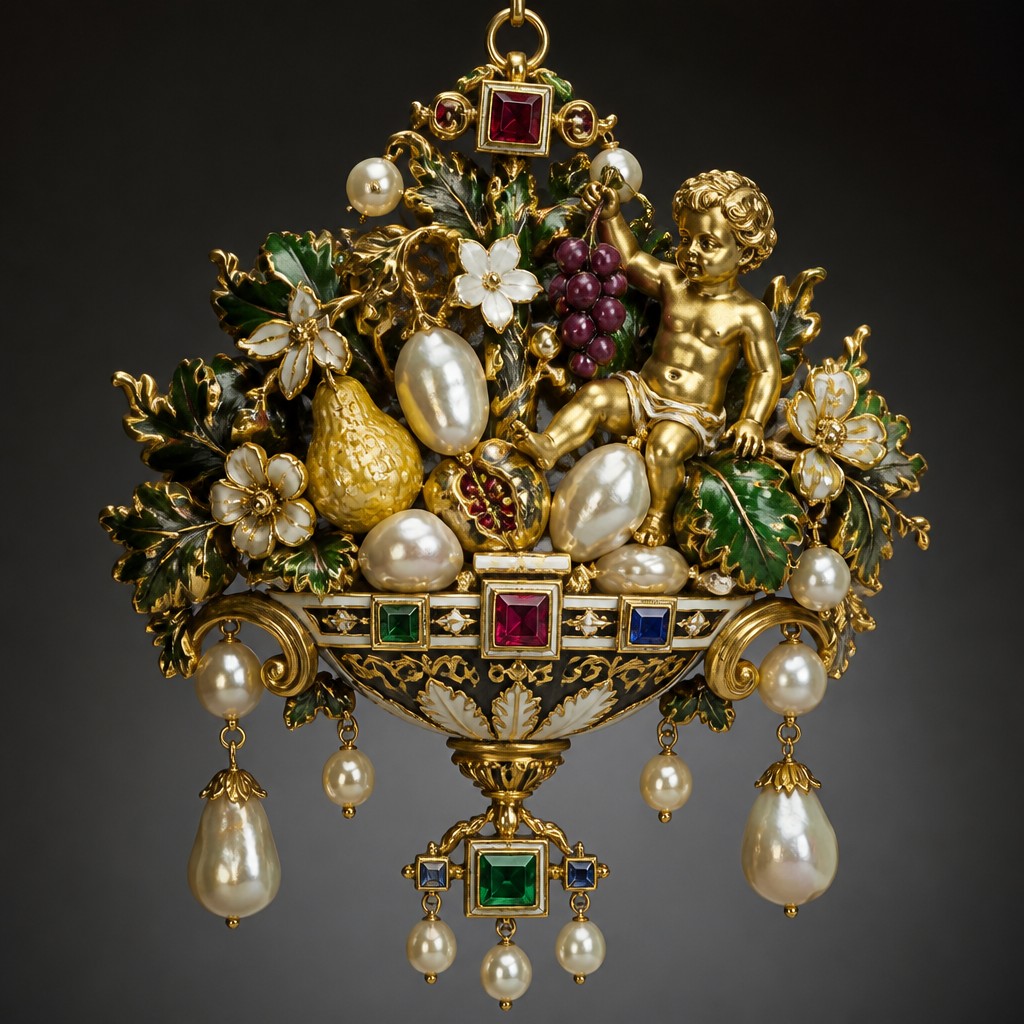
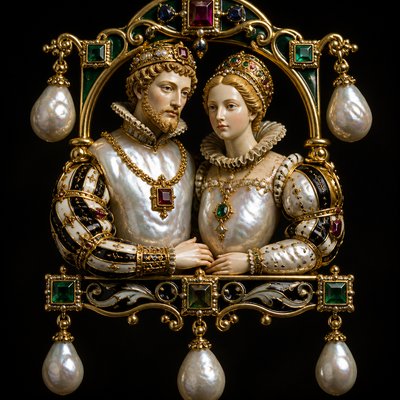
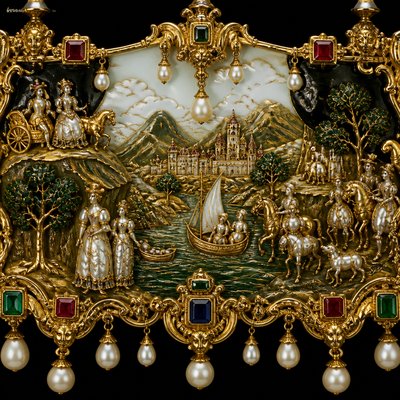
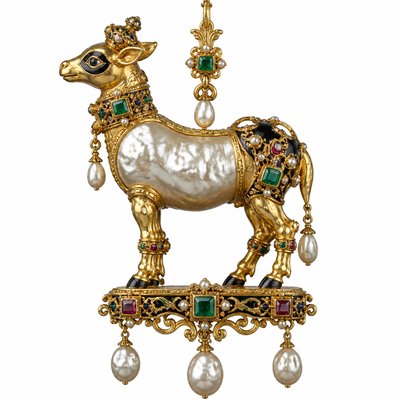
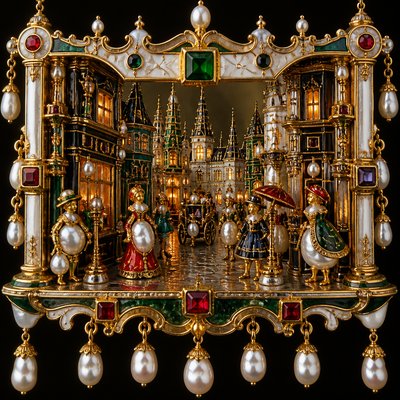
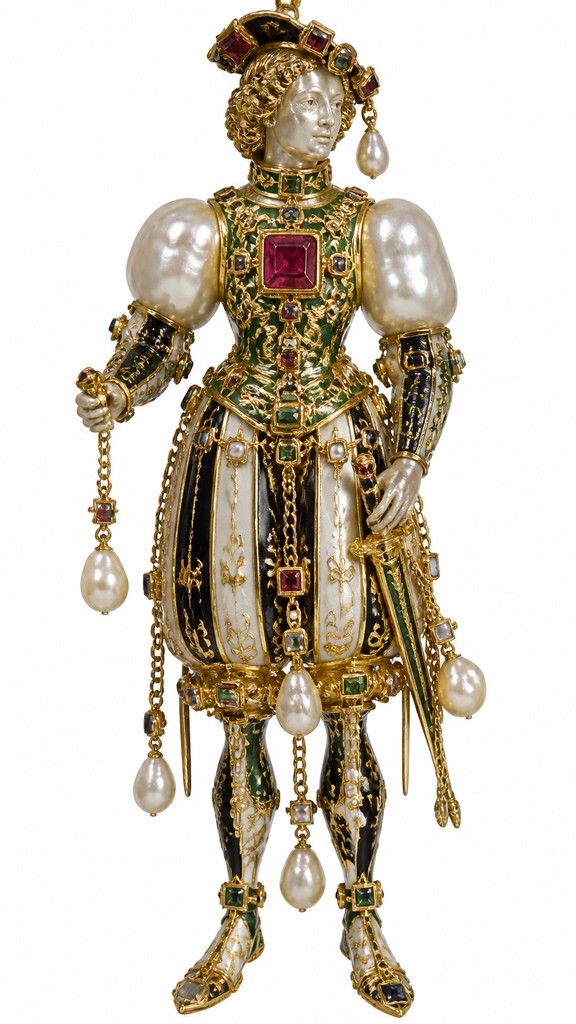
Renaissance jewelry design refers to the ornamental language of European court goldsmithing in the 16th century, when jewels were conceived as miniature works of sculpture, engineering, and display. Typical materials included sculpted gold, ronde-bosse enamel, baroque pearls, and table-cut gemstones set in high collets, often arranged as pendants, brooches, hat jewels, or hanging ornaments.
Its visual identity is defined by rich surface contrast and symbolic complexity: luminous enamel against polished gold, irregular pearls used as figures or drops, and gem settings that emphasize geometry and elevated profile. The style looks the way it does because Renaissance courts valued learned display, technical virtuosity, and portable wealth; jewelry served as both adornment and a sign of rank, taste, and dynastic power.
Try It On Your Photos
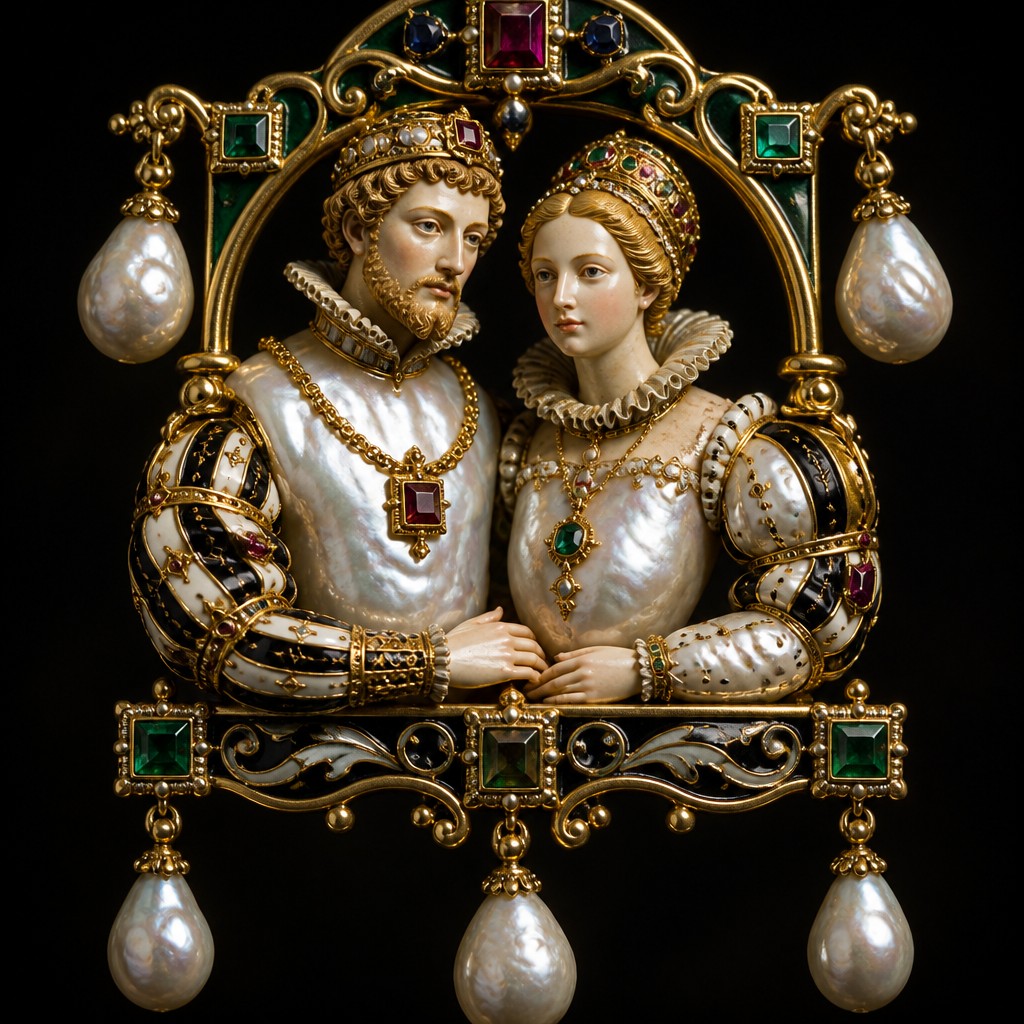
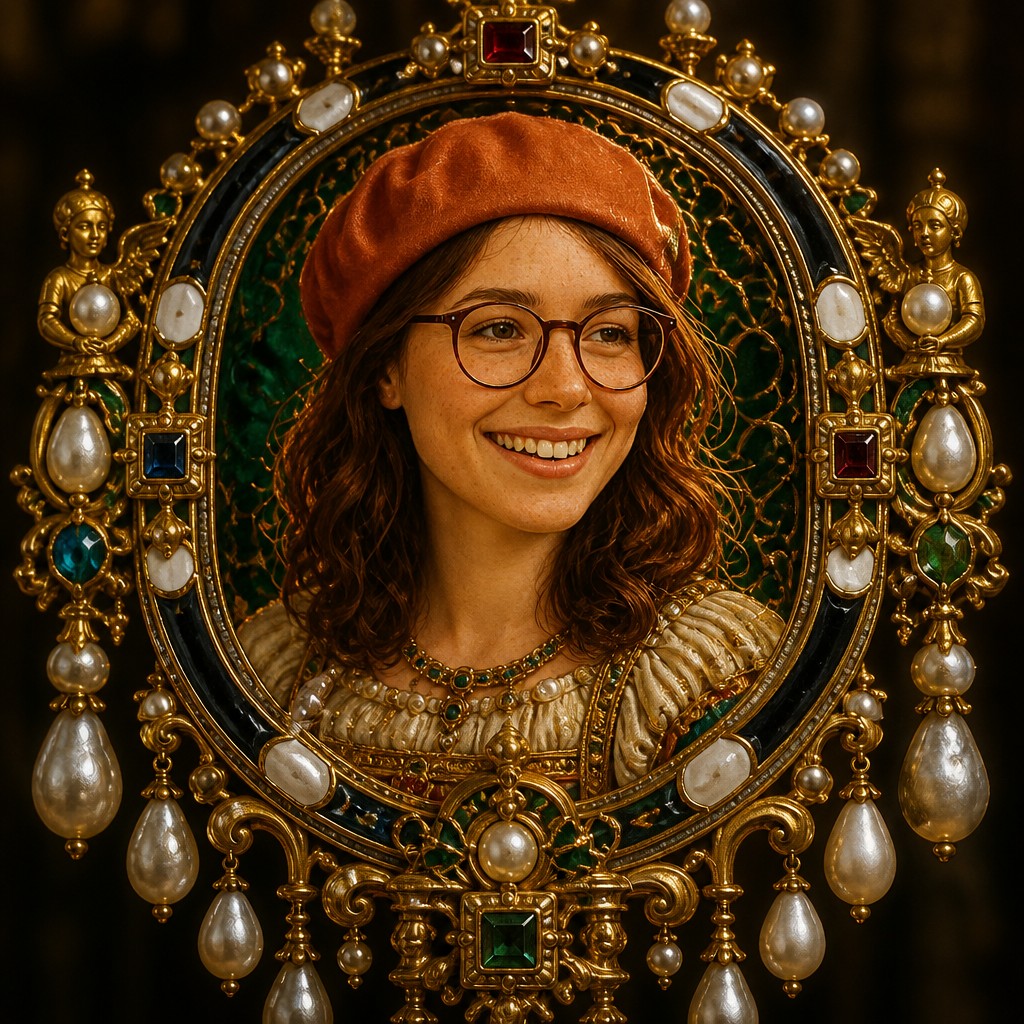
Upload any photo and convert it into Renaissance Jewelry Design — drag the sliders to compare before and after.

What Defines Renaissance Jewelry Design
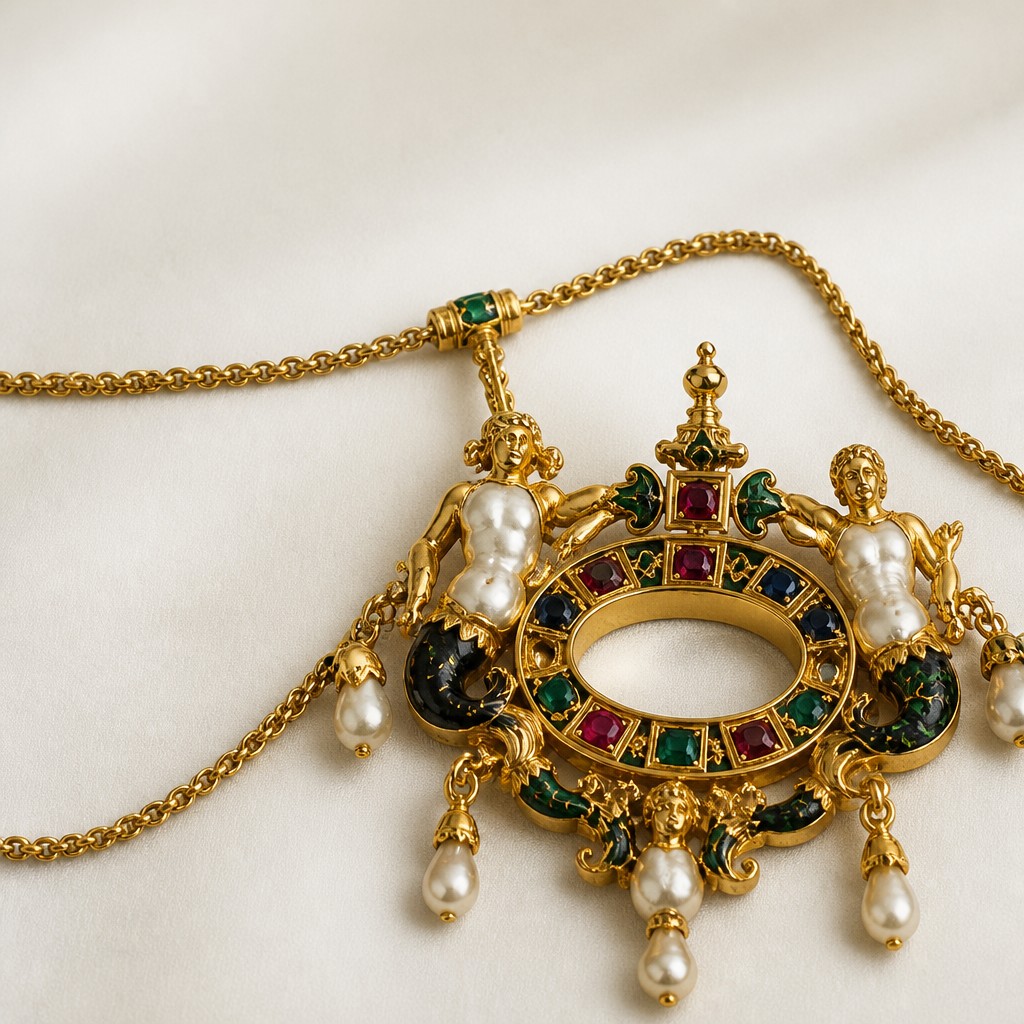
The signature details, up close
Ronde-bosse enamel
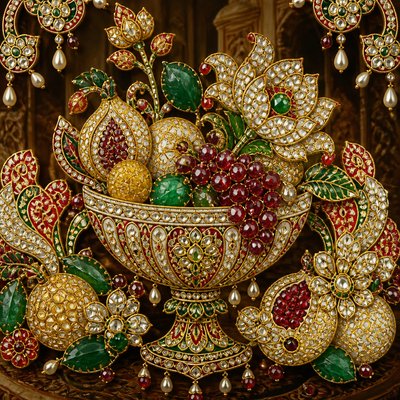
Small sculptural forms are covered in opaque enamel so they appear fully modeled in color, not merely outlined. This gives figures, beasts, and floral motifs a jewel-like, almost miniature-statue presence.
Baroque and pear-shaped pearls
Irregular pearls are used as bodies, drops, faces, or pendants, taking advantage of their organic silhouettes. Their asymmetry adds liveliness and a sense of natural wonder.
Table-cut gemstones
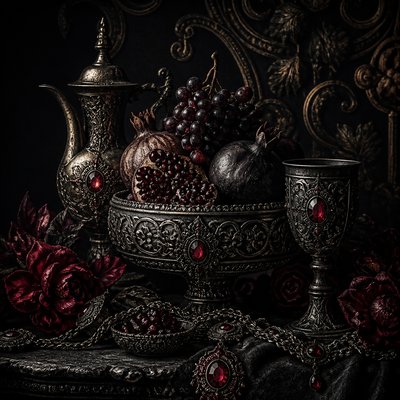
Rubies, emeralds, and sapphires are often cut with flat tops and geometric facets, then set in raised collets. The look is crisp, reflective, and deliberately architectural rather than brilliant-cut.
Pendant architecture
Forms are often built vertically, with suspended finials, drops, and linked elements that create motion when worn. This sense of layered hanging structure is central to the style.
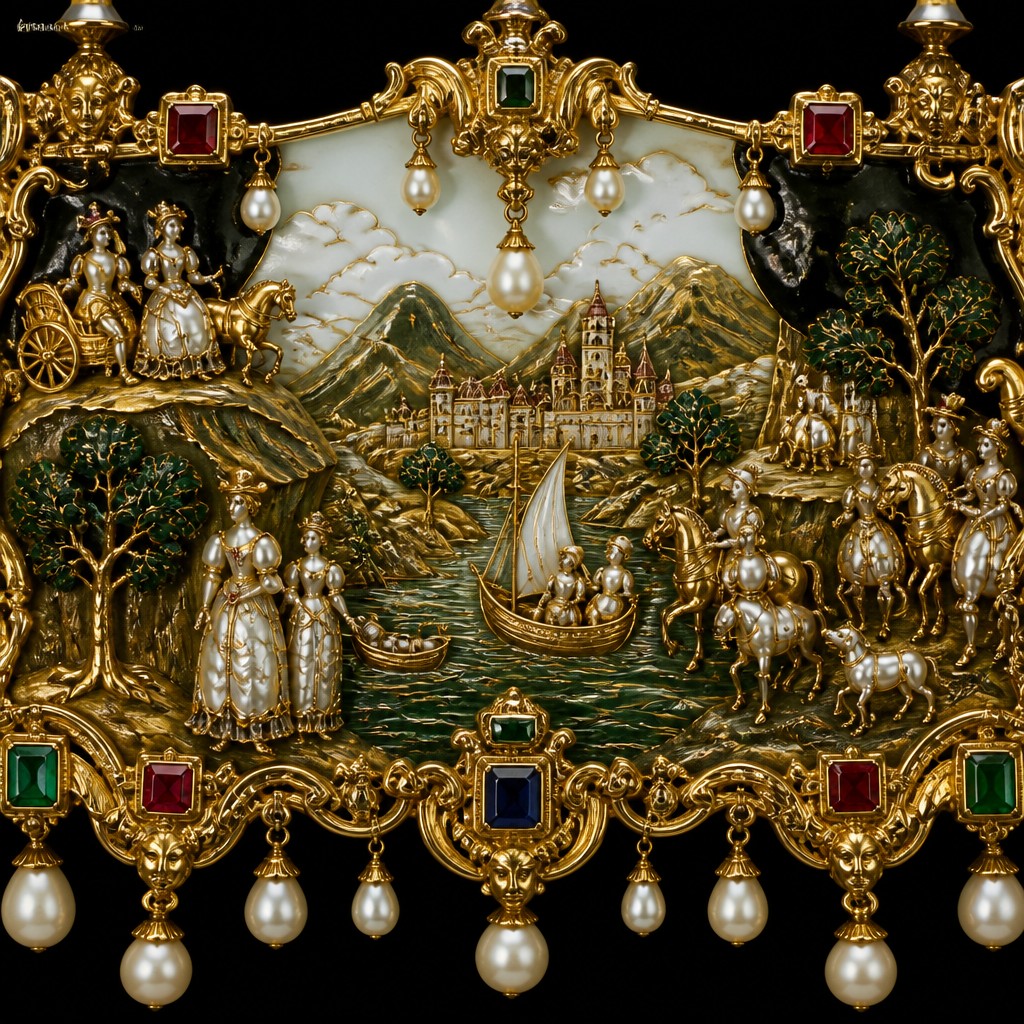
Courtly symbolism
Motifs may include mythological figures, religious emblems, monsters, chimeras, flowers, and heraldic devices. The objects communicate learning, status, and devotion as much as beauty.
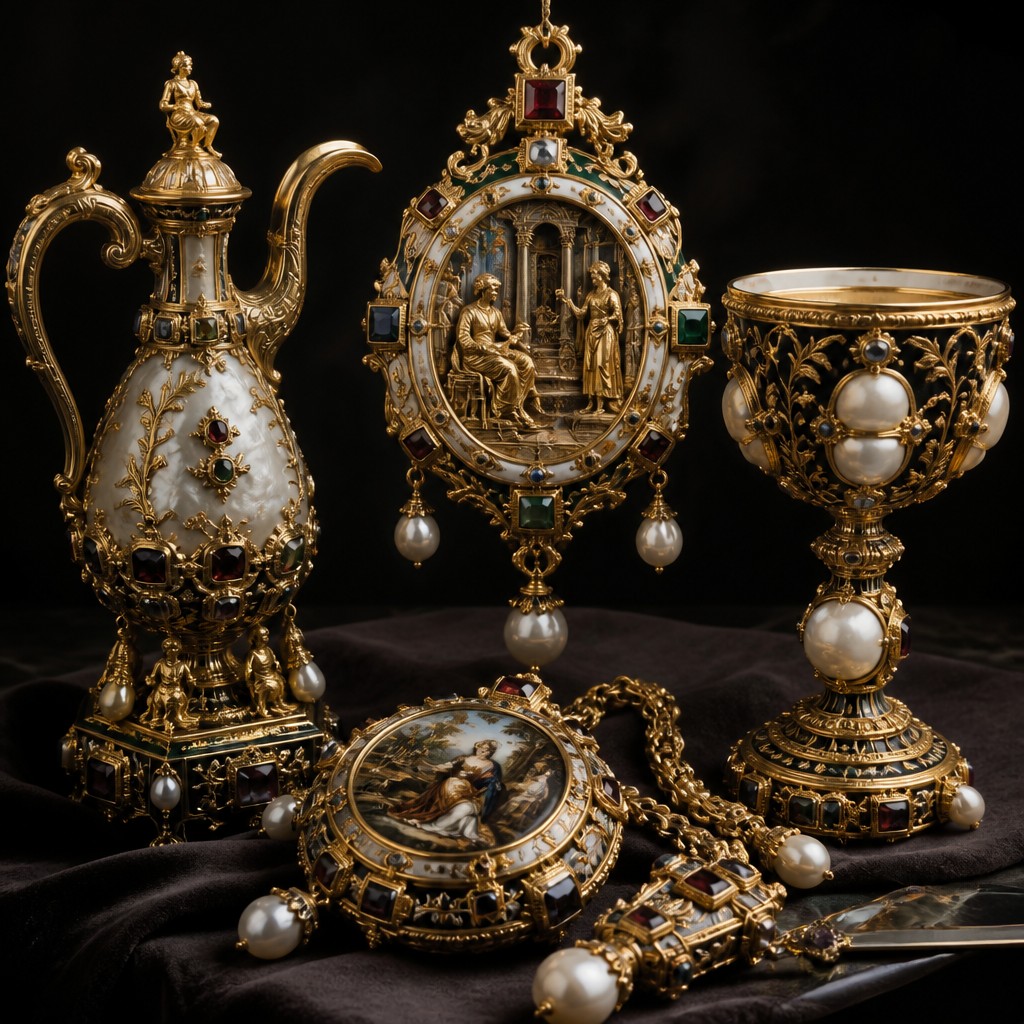
Cabinet-treasure finish
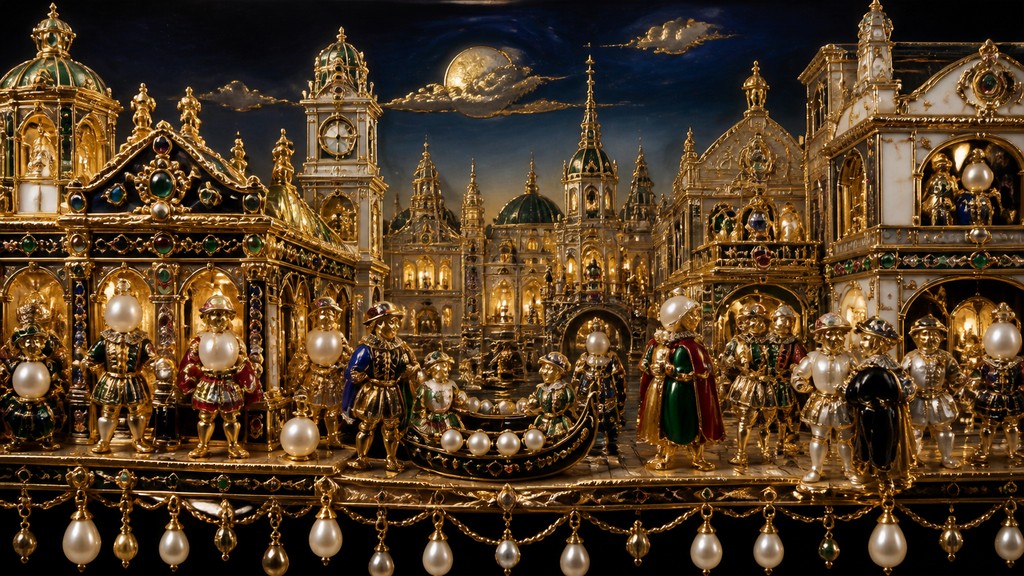
Surfaces are densely worked and meant to reward close viewing under candlelight. The overall effect is compact, opulent, and richly tactile, like an object from a princely collection.
Try It
Create Videos in Renaissance Jewelry Design
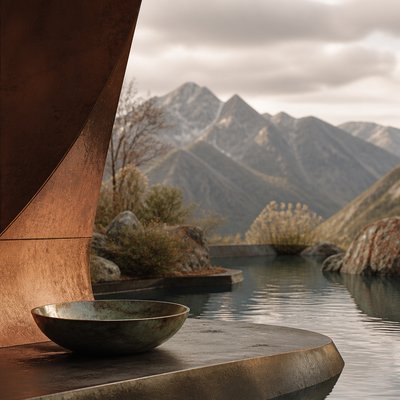
Styles aren't just for stills — describe a scene or animate an image and get a short video rendered in Renaissance Jewelry Design. Press play to see this pond come to life.
Make a VideoRenaissance Jewelry Design Prompt Ideas
Start from an idea — each one opens the generator with the style ready to go. See all 40 Renaissance Jewelry Design prompts →
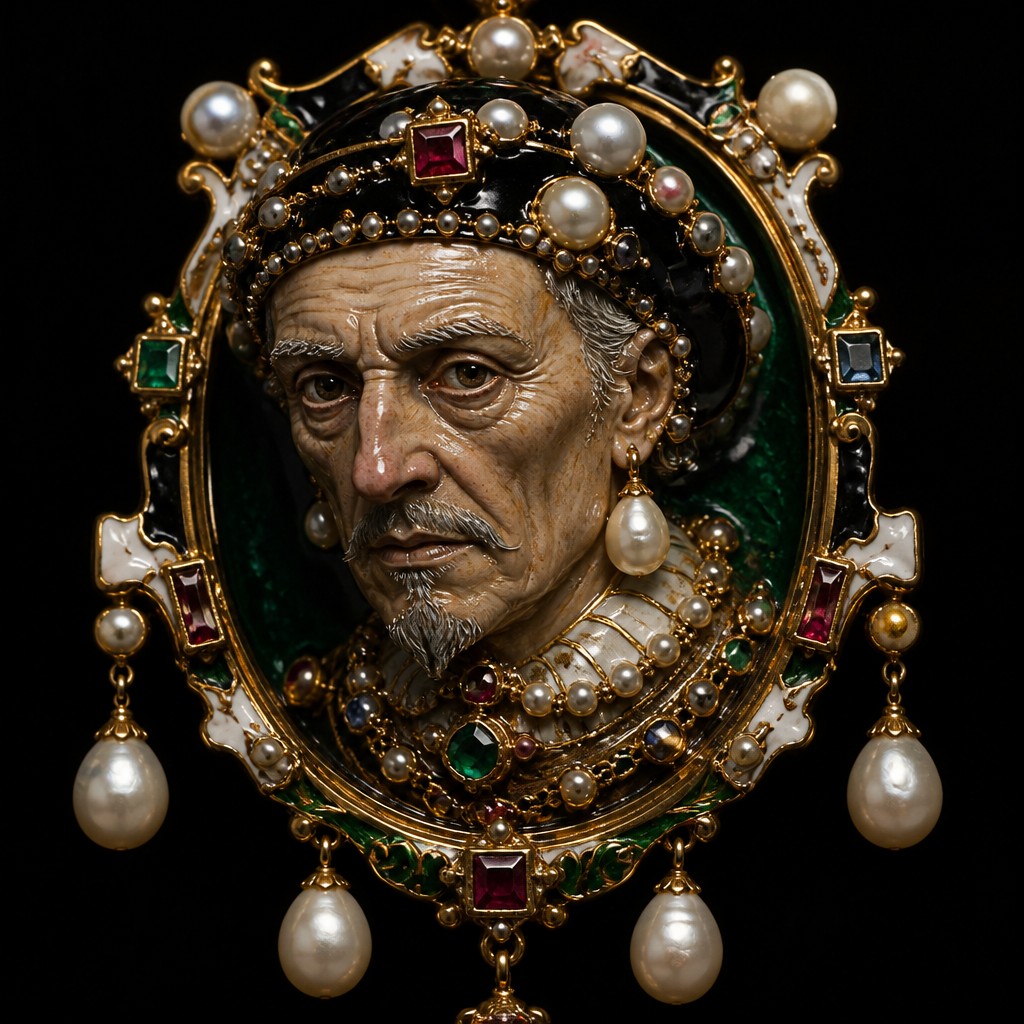
“close-up portrait of an elderly person with expressive weathered features”
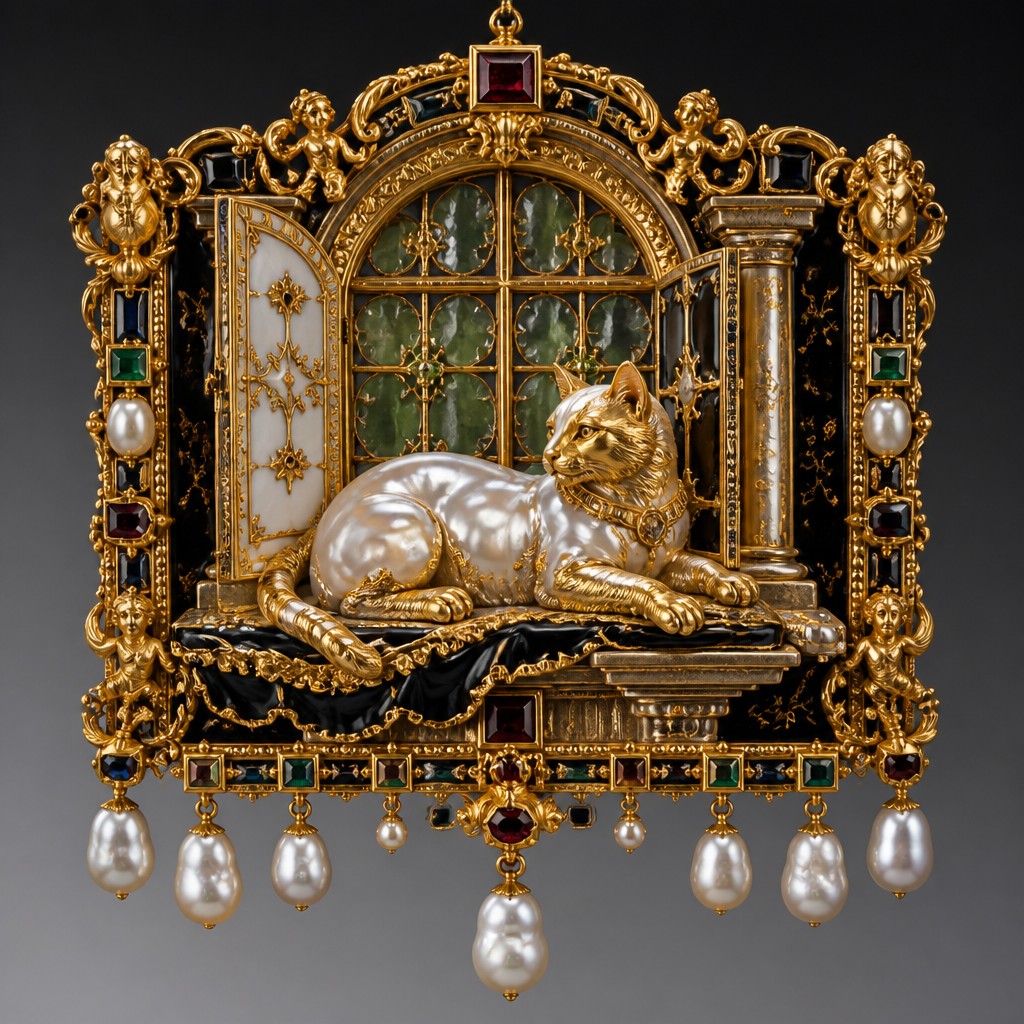
“a cat lounging in a sunlit window”
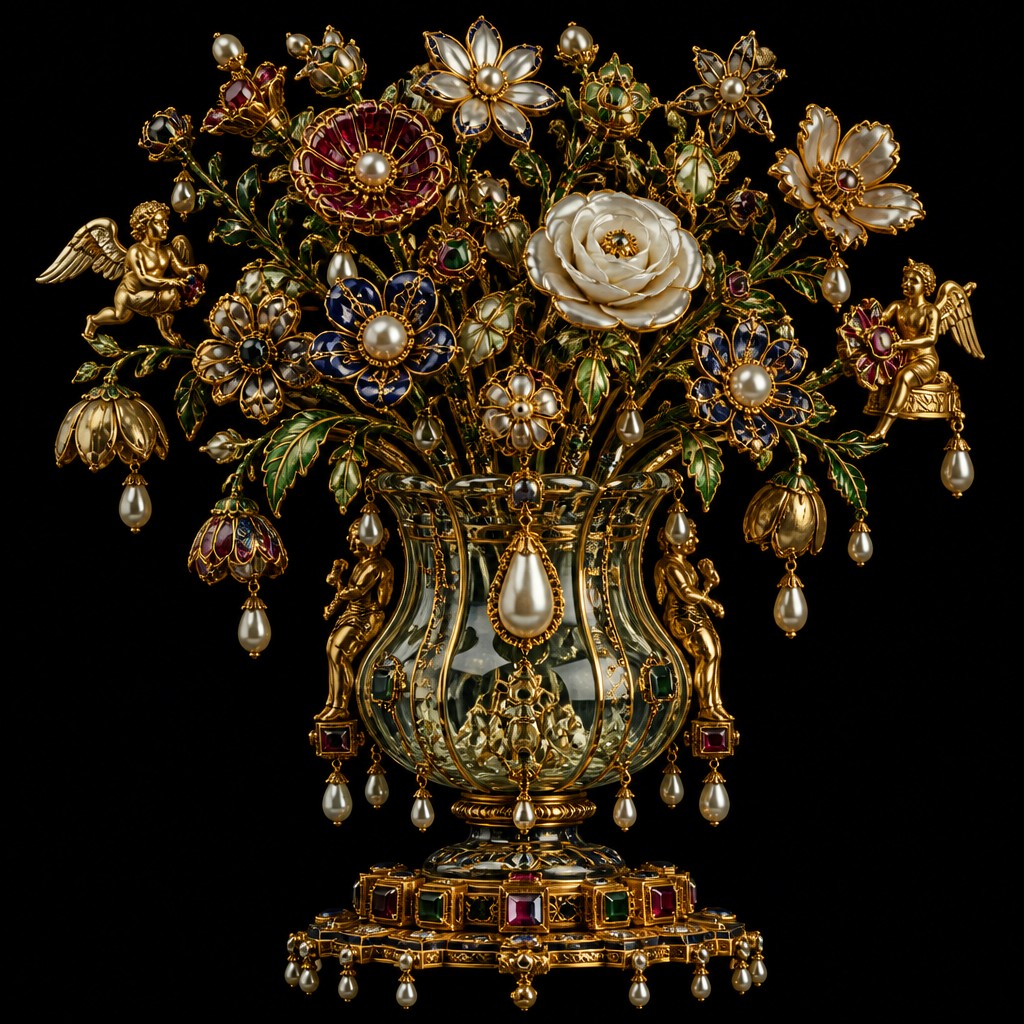
“bouquet of flowers in a glass vase”
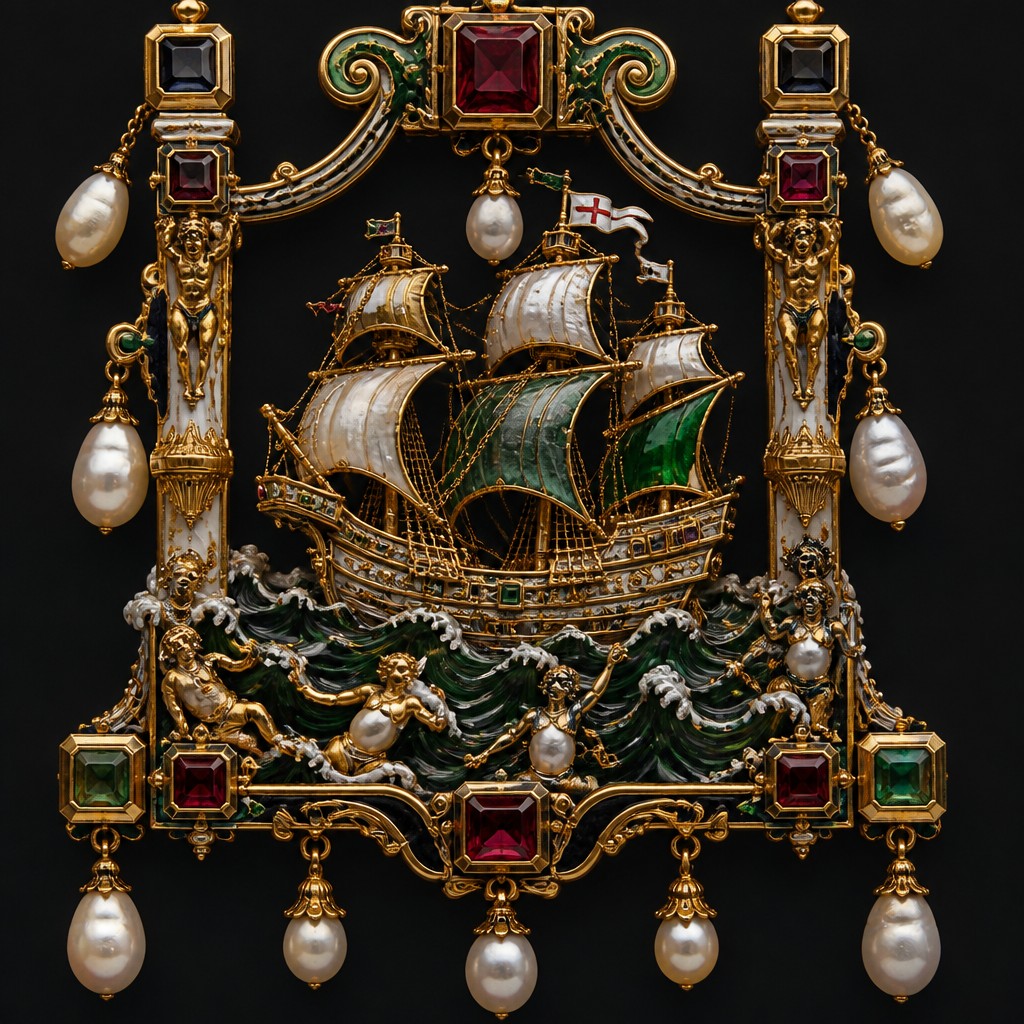
“sailing ship on a stormy sea”
How to Create Renaissance Jewelry Design Art
Master the craft step by step — or skip straight to creating. Read the full guide →
- 1
Build the object as a miniature sculpture
Begin with a strong silhouette and model the piece as if it were a small figurine or architectural ornament. Emphasize volume, relief, and layered construction rather than a flat decorative pattern.
- 2
Use historically plausible materials and cuts
Combine high-karat gold, opaque white or black enamel, and translucent green enamel with table-cut stones and irregular pearls. Keep gemstone settings tall and assertive, since Renaissance pieces often prized visible collets and mounted form.
- 3
Design for vertical movement
Add hanging drops, pearl finials, linked pendants, and tiered elements so the jewel feels wearable and animated. Even in a static image, a dangling composition helps evoke the period's ornament.
- 4
Work with candlelit contrast
Light the piece as if seen in an interior by flame or warm directional light, so enamel, gold, and gems catch highlights differently. Strong dark or neutral backgrounds help the object read like a museum treasure.
- 5
Mix historical accuracy with stylization in digital work
When painting or generating, specify 16th-century court goldsmithing, ronde-bosse enamel, baroque pearls, and table-cut gems to anchor the look. Avoid modern brilliant cuts, sleek minimal settings, or Victorian mass-production cues if you want the period feel.
The Story
History & Origins of Renaissance Jewelry Design
Renaissance jewelry design developed in the courts and urban workshops of Europe during the 1500s, especially in centers such as Paris, Augsburg, Nuremberg, Venice, Antwerp, and Florence. It drew on late medieval goldsmithing, humanist collecting culture, and the revived interest in classical ornament, while also responding to new trade networks that brought pearls, gemstones, and enameling techniques into elite circulation.
The style evolved toward increasingly elaborate pendant forms, sculpted figures, and architectural arrangements that anticipated Mannerist and early Baroque taste. Many surviving examples were later broken apart and reset, so its history is known through inventories, portraits, workshops, and a limited number of extant jewels in museum collections.
Influences: This style belongs to the broader world of Renaissance decorative arts, especially court goldsmithing, enameling, and gem-setting traditions in Europe. It also overlaps with Mannerist ornament through its love of elongated forms, sculptural fantasy, and complex surfaces, and it foreshadows Baroque splendor in its theatrical use of hanging elements and precious material display. In art-historical terms, it is related to the work of major goldsmiths such as Benvenuto Cellini and Wenzel Jamnitzer, whose objects exemplify the period’s fusion of craftsmanship, symbolism, and aristocratic display.

Frequently Asked Questions
What defines Renaissance jewelry design?
It is defined by 16th-century courtly ornament made from gold, enamel, pearls, and table-cut gemstones. The pieces are usually small but highly sculptural, with pendant forms, hanging drops, and richly worked surfaces.
How is it different from Baroque jewelry?
Renaissance jewelry tends to feel more architectural, emblematic, and centered on sculptural miniatures, while Baroque jewelry often pushes further into theatrical movement, asymmetry, and abundance. The two styles overlap, but Renaissance pieces usually retain a more compact, courtly restraint.
What materials are most associated with this style?
Gold, ronde-bosse enamel, baroque pearls, and table-cut rubies, emeralds, and sapphires are the most characteristic materials. Enamel color and pearl irregularity are especially important to the look.
Can this style be used in modern design?
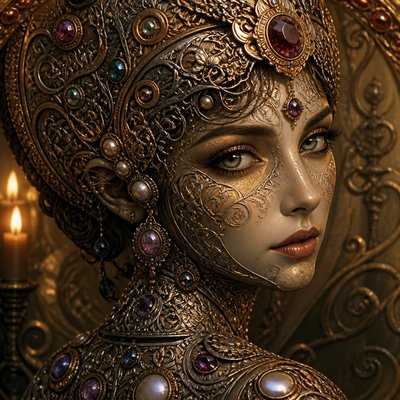
Yes. Contemporary jewelers and illustrators often borrow its pendant structures, enamel color palette, and gem settings while adapting them to modern wearability. It is also a strong reference for fantasy, costume, and luxury branding imagery.
How do I make artwork that looks authentic to this style?
Focus on small-scale complexity, historical gemstone cuts, and sculpted gold forms rather than modern smooth polish. Use warm, directional light and avoid contemporary settings, since the style reads best as a precious object from a princely collection.
Is this a painting style or a jewelry style?
Primarily it is a jewelry-design style rooted in historical decorative arts, not a painting movement. However, it can be translated into illustration, digital concept art, or portraiture through careful attention to materials, lighting, and ornament.
Create your first Renaissance Jewelry Design artwork
Describe anything — or upload a photo — and see it in Renaissance Jewelry Design in seconds.
Related Styles
Discover similar art styles