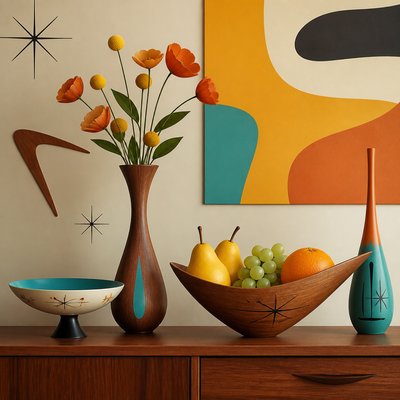
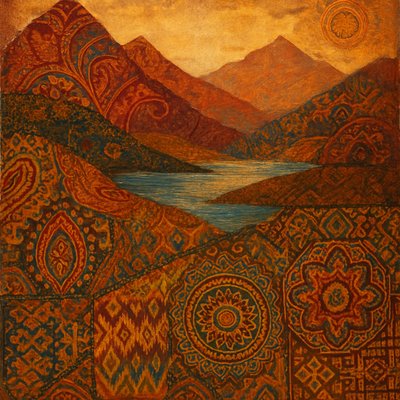
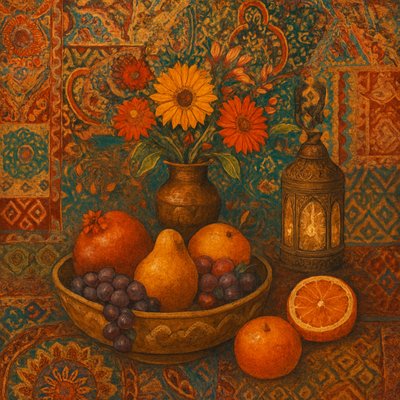
Maximalist Interior Design
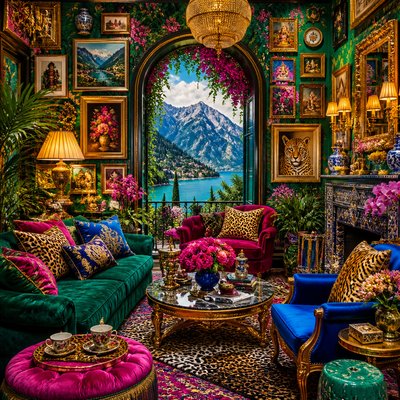
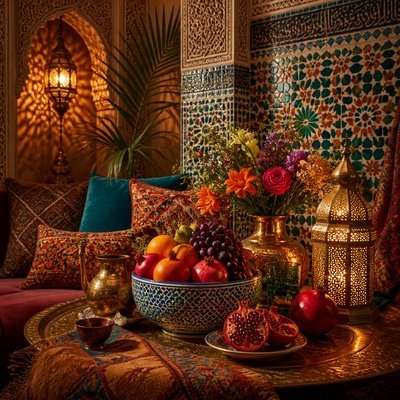
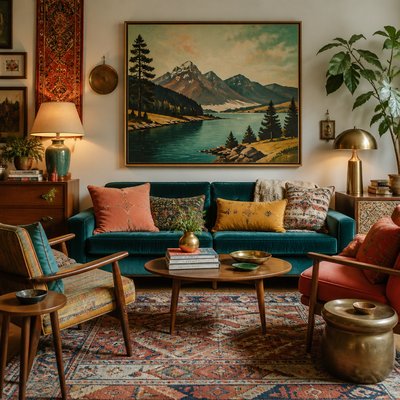
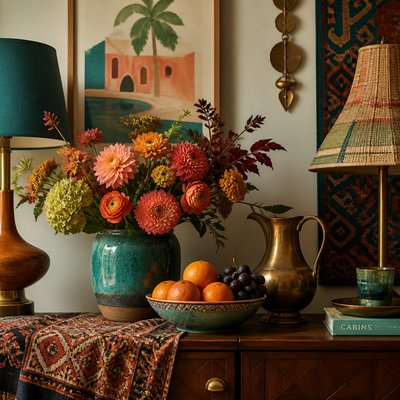
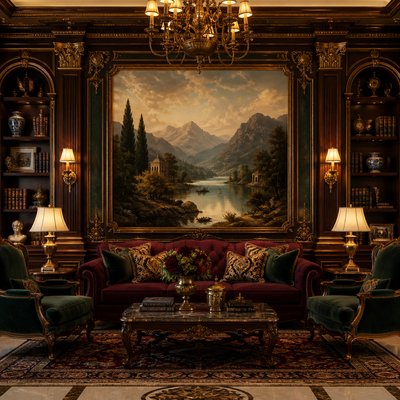
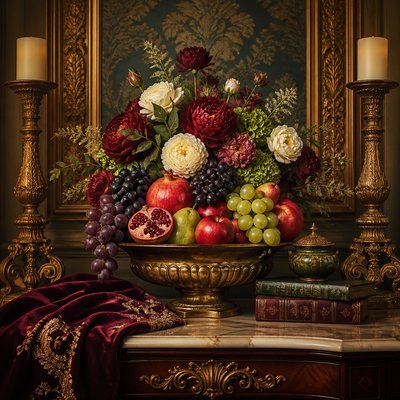
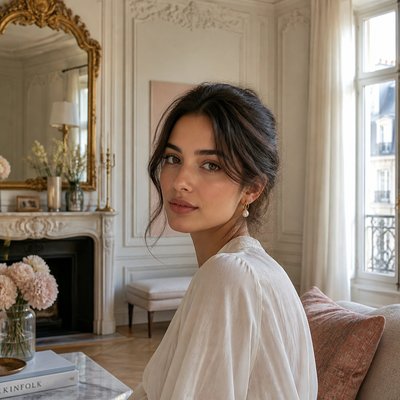
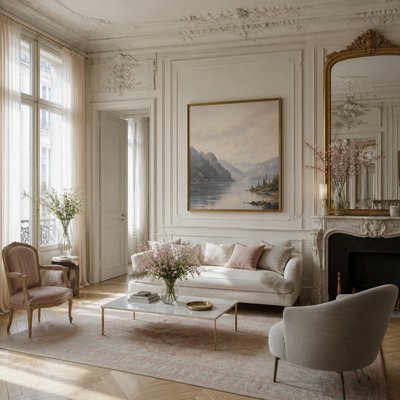
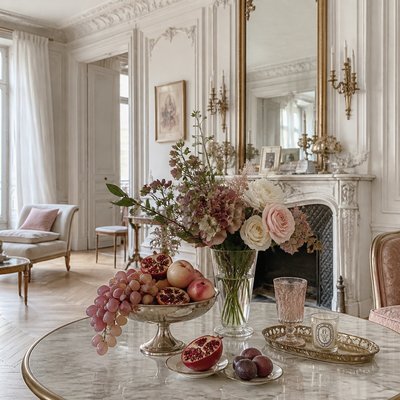
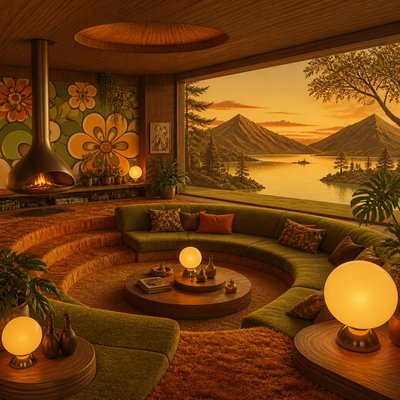
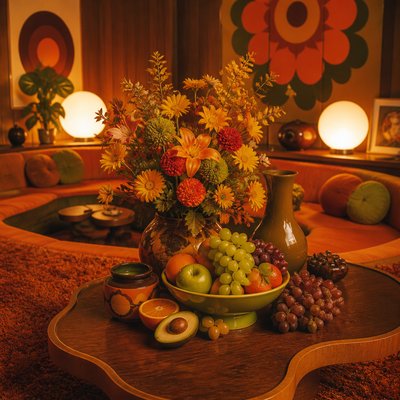
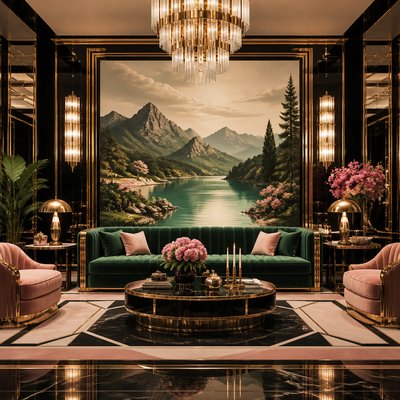
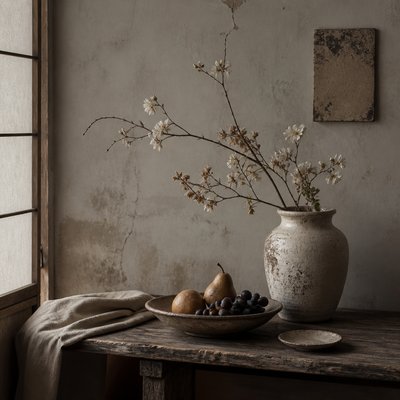
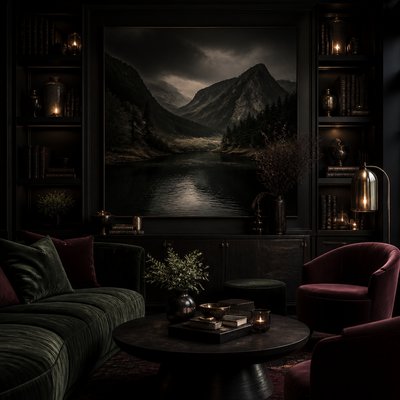
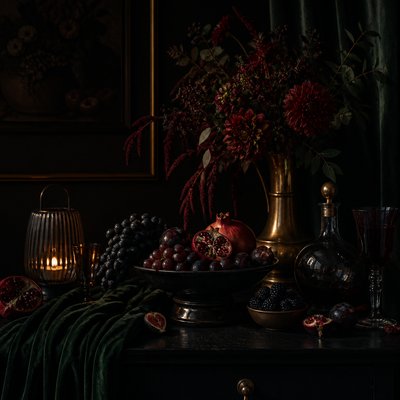
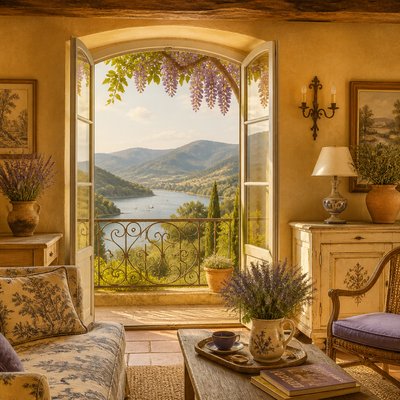
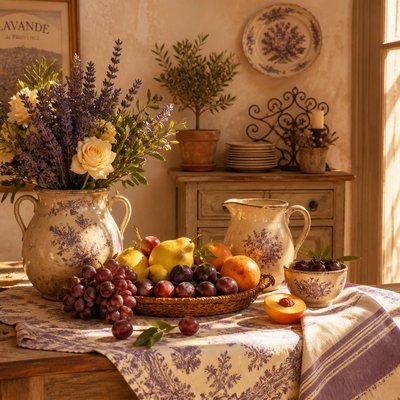
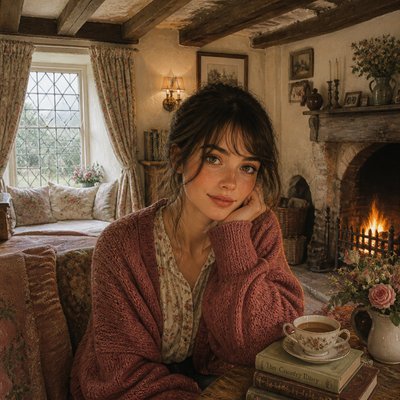
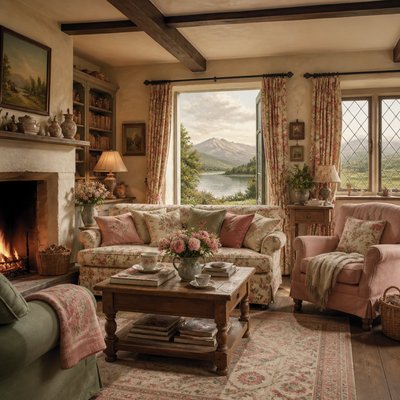
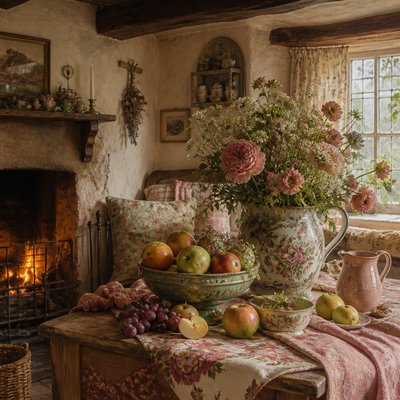
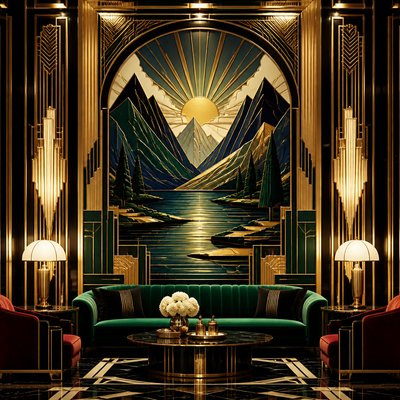
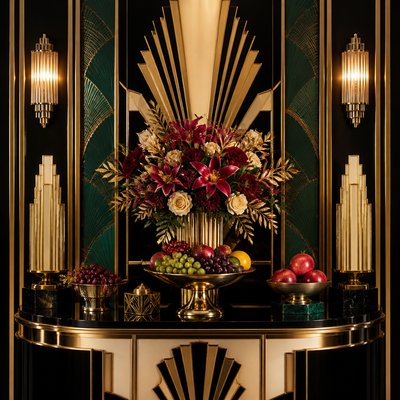
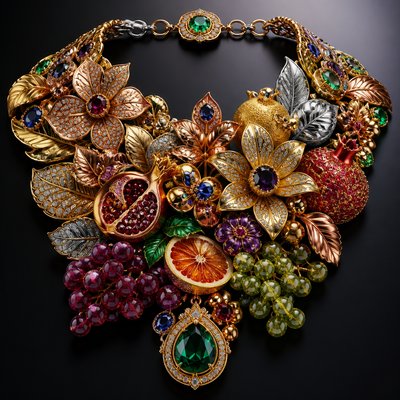
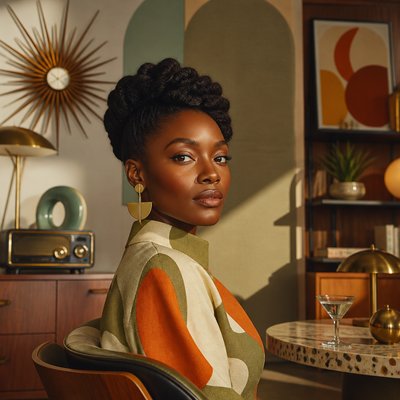
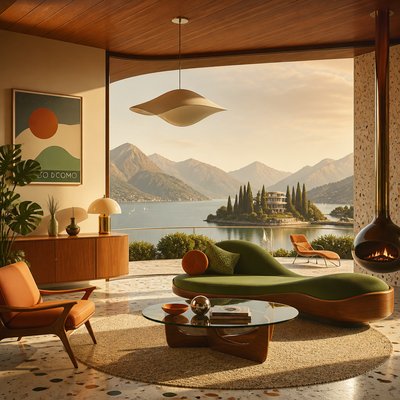
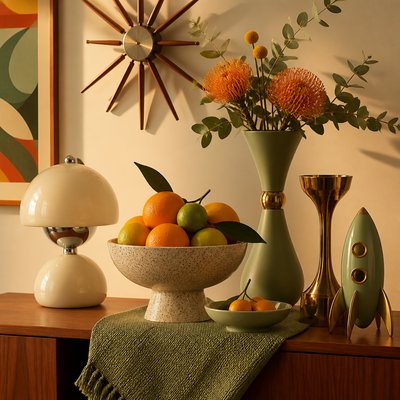
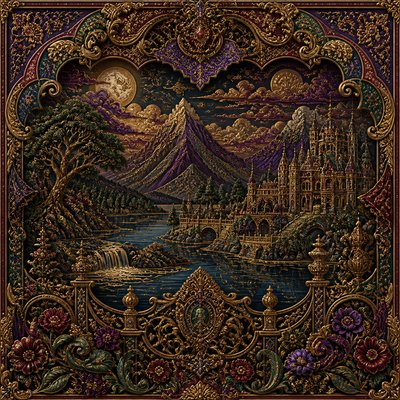
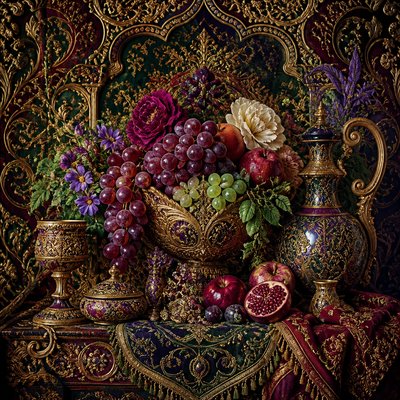
Rich jewel tones, layered patterns, gilded detail, and curated excess define maximalist interior design.
Instantly rendered in Maximalist Interior Design — or transform a photo
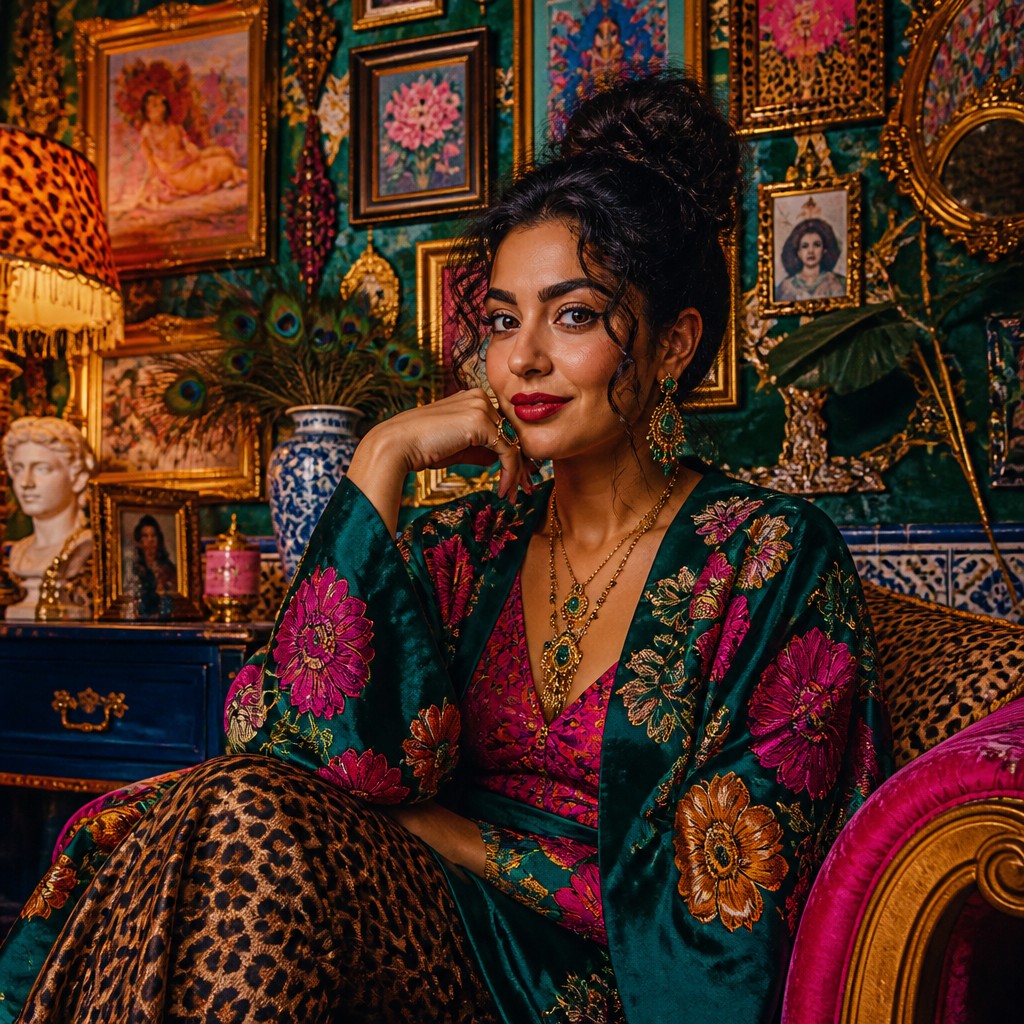
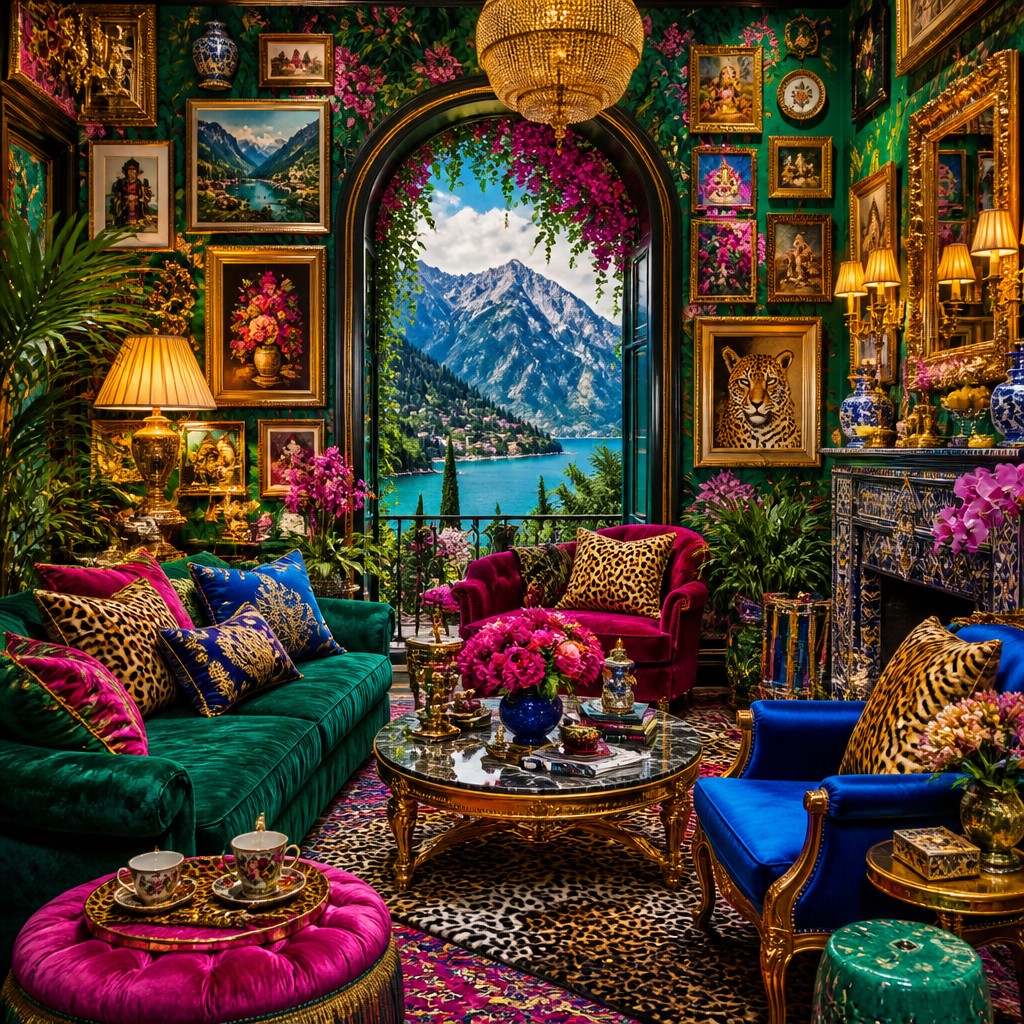
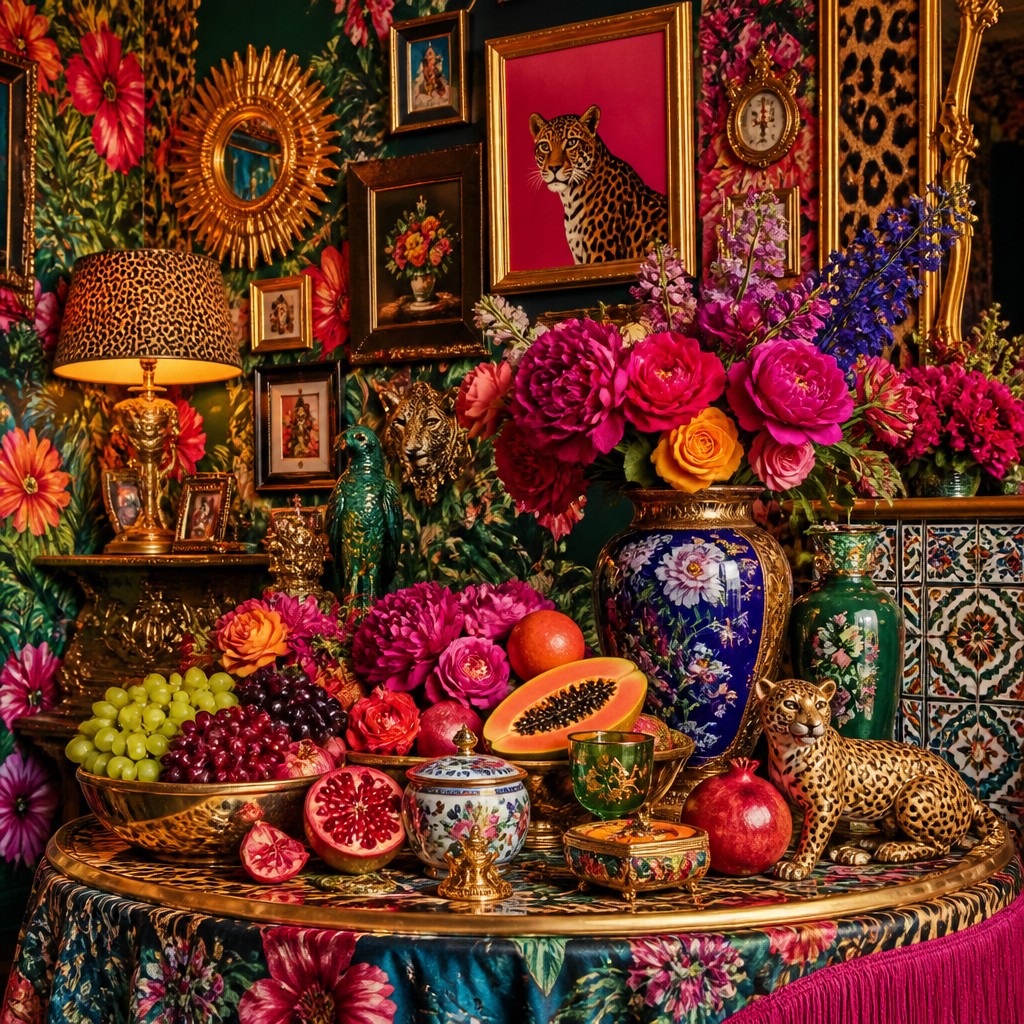
Maximalist Interior Design Gallery
Tap any artwork to explore it

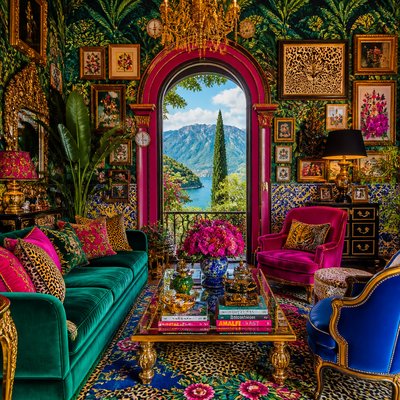
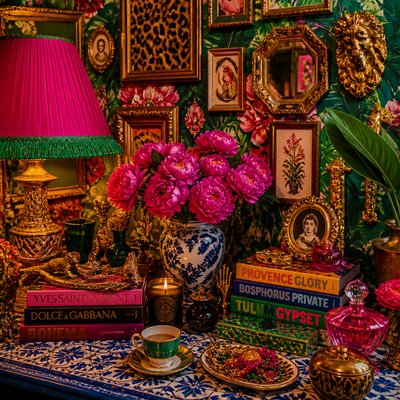
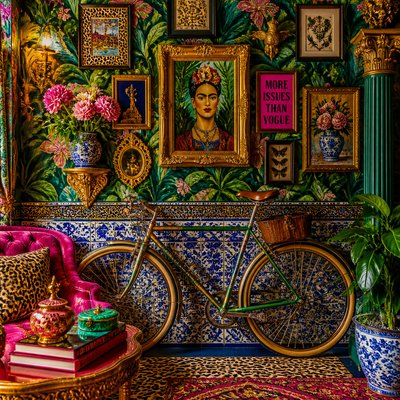
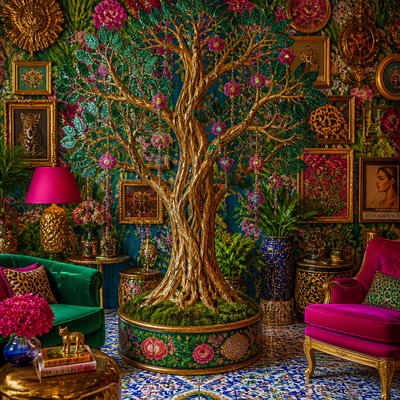
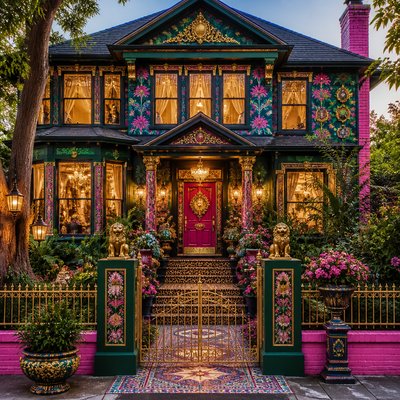
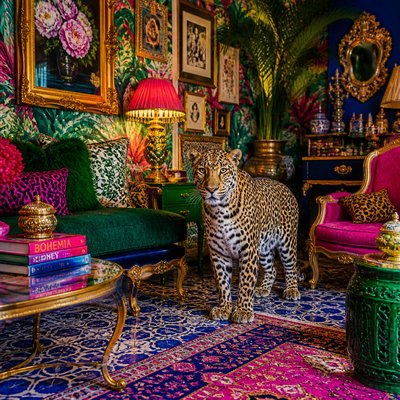
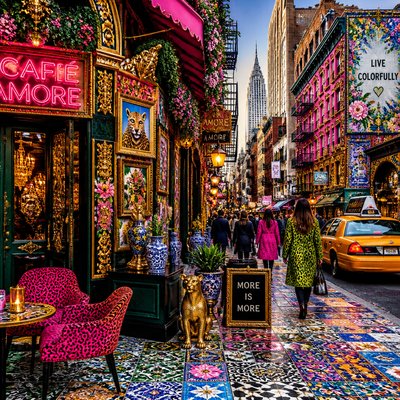
What is Maximalist Interior Design?
Maximalist interior design is an approach to decorating that embraces abundance, layering, and visual complexity. Rather than aiming for restraint or visual quiet, it combines saturated color, mixed patterns, collected objects, and ornament in a deliberately full composition. The result is often theatrical and intimate at once: rooms feel lived-in, personal, and carefully assembled over time.
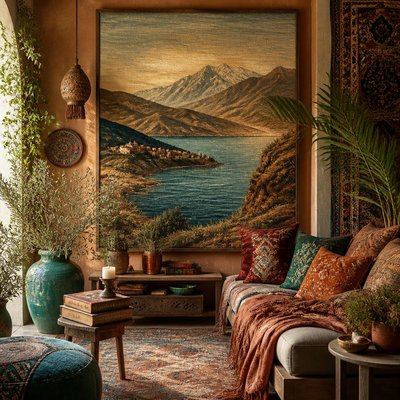
Its visual identity comes from contrast and accumulation. Jewel tones such as emerald, sapphire, amethyst, and gold are often paired with botanical prints, animal patterns, lacquered surfaces, patterned textiles, ornate frames, and sculptural lighting. The style works because it treats interiors as layered narratives rather than neutral containers, allowing history, travel, taste, and memory to coexist in one room.
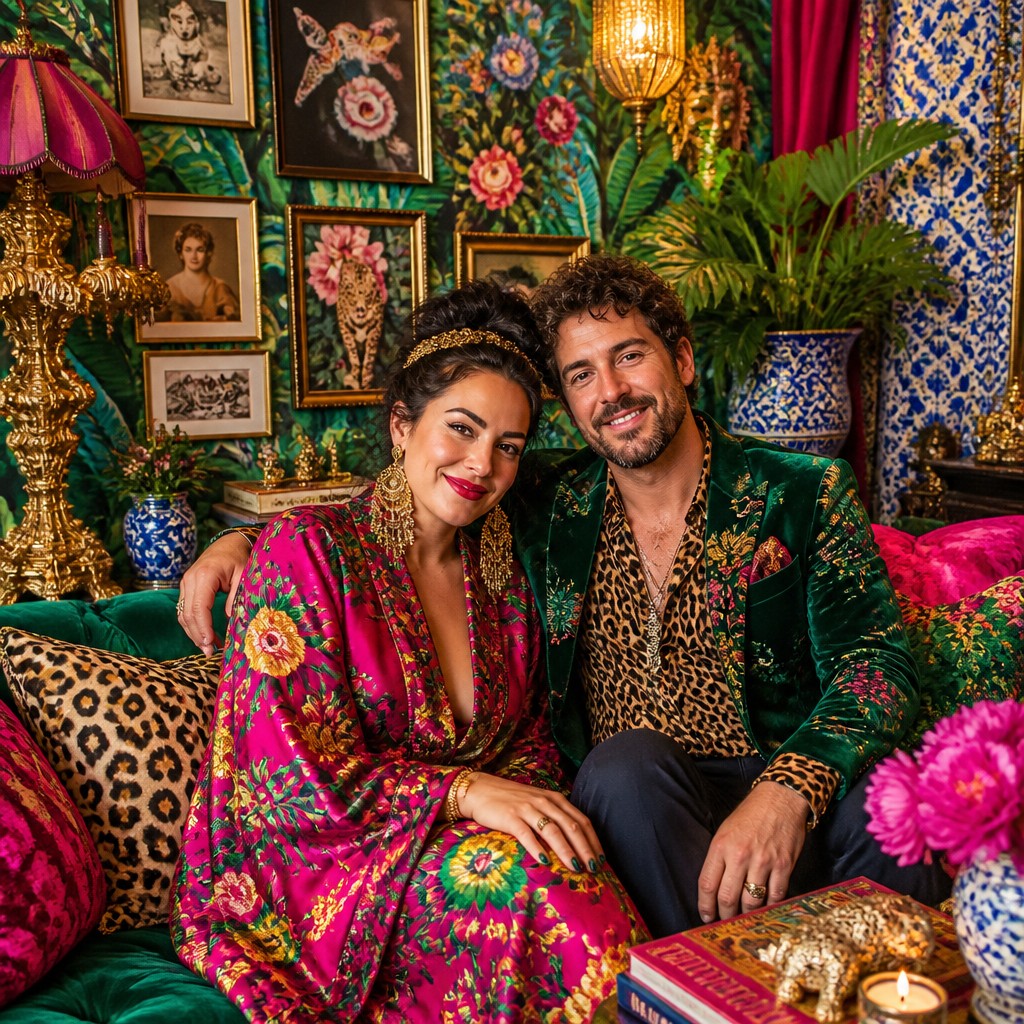
Try It On Your Photos
Upload any photo and convert it into Maximalist Interior Design — drag the sliders to compare before and after.
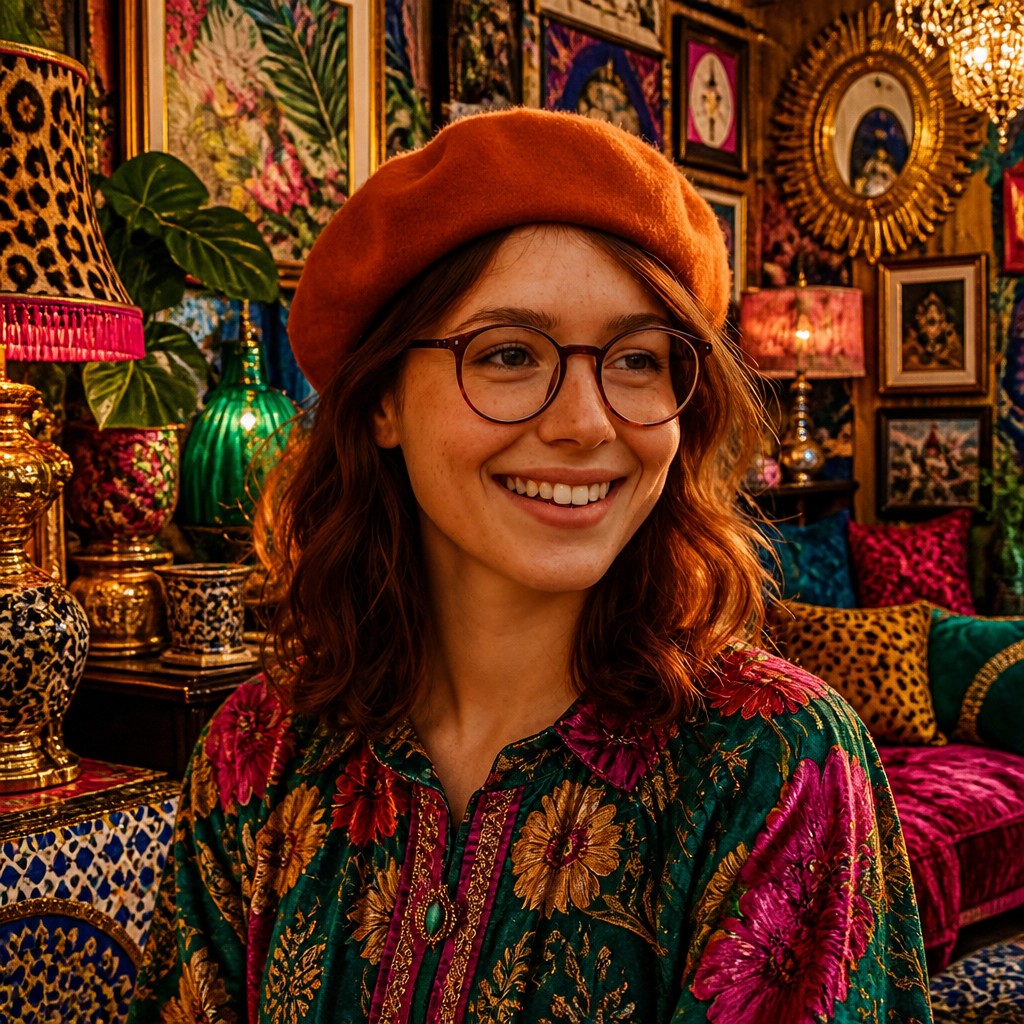

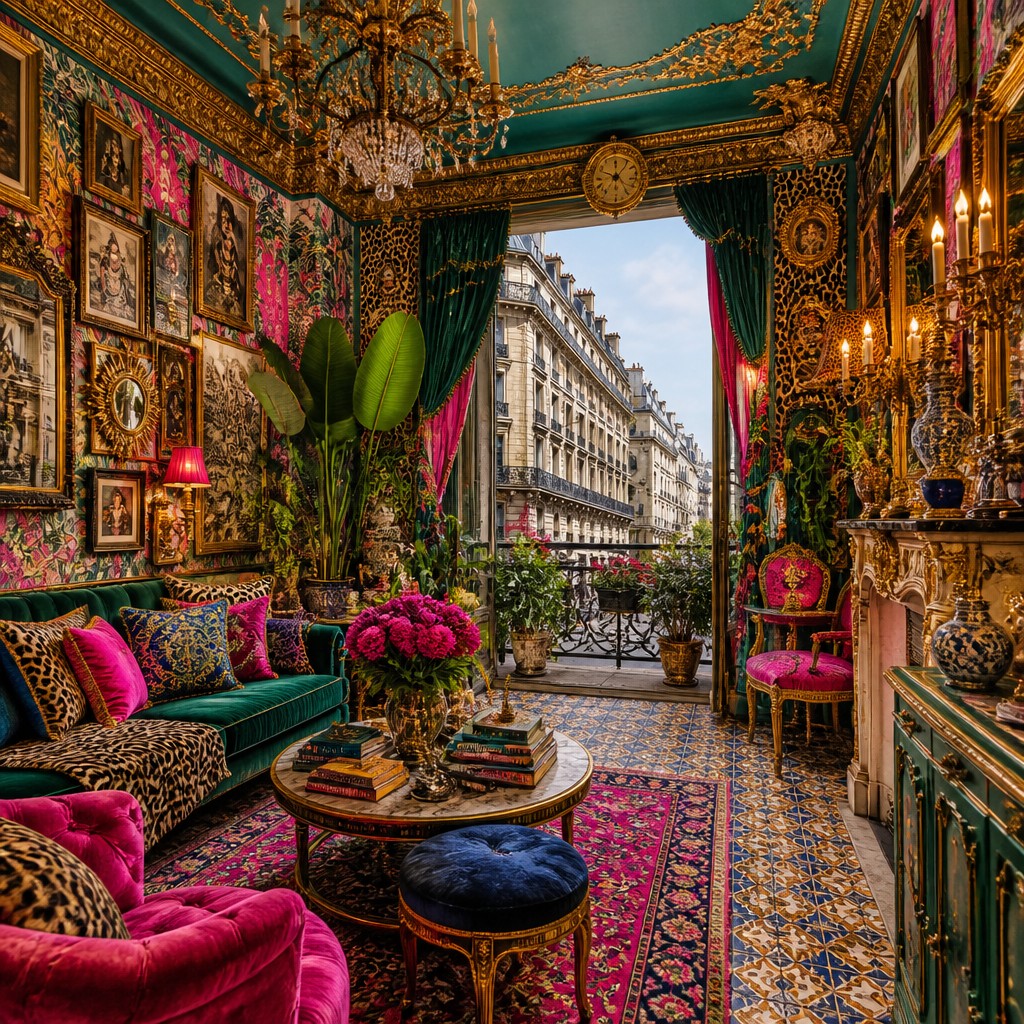

What Defines Maximalist Interior Design
The signature details, up close
Saturated color palette
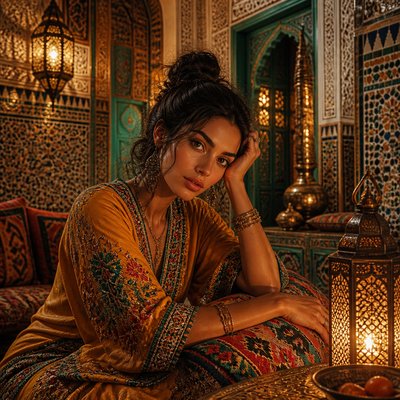
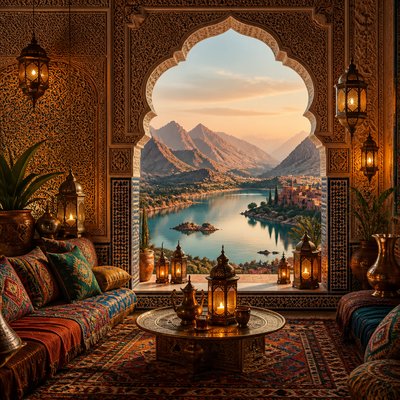
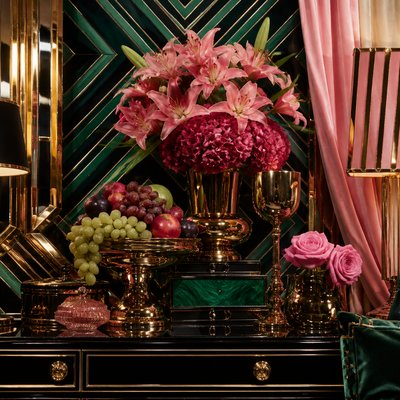
Maximalist interiors often use jewel tones and high-contrast accents rather than muted neutrals. Deep greens, blues, reds, pinks, and metallic golds create a lush, enveloping atmosphere.
Pattern layering
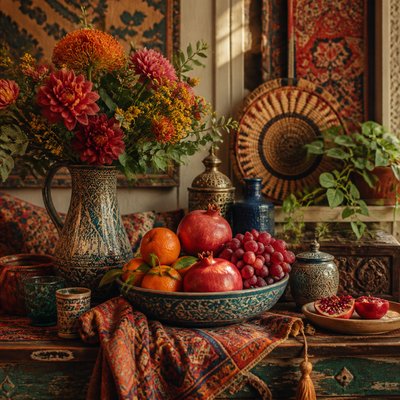
Multiple patterns appear in the same room, often in deliberate tension. Floral wallpaper, stripes, animal print, damask, tile, and geometric motifs may be mixed across walls, upholstery, and textiles.
Collected objects and display density
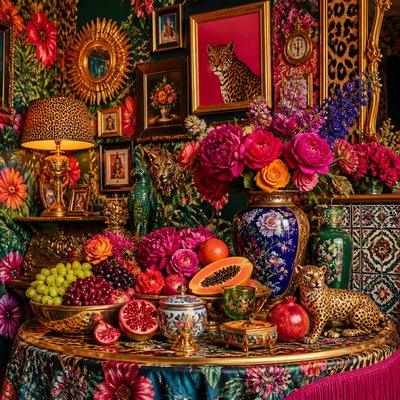
Shelves, tabletops, and walls are populated with books, ceramics, art, framed photos, and souvenirs. The effect is curated abundance, where surfaces feel intentionally full rather than empty.
Ornament and texture
The style favors carved wood, brass, velvet, lacquer, fringe, tassels, mirrored surfaces, and decorative molding. Texture helps prevent the room from feeling flat even when many colors are used.
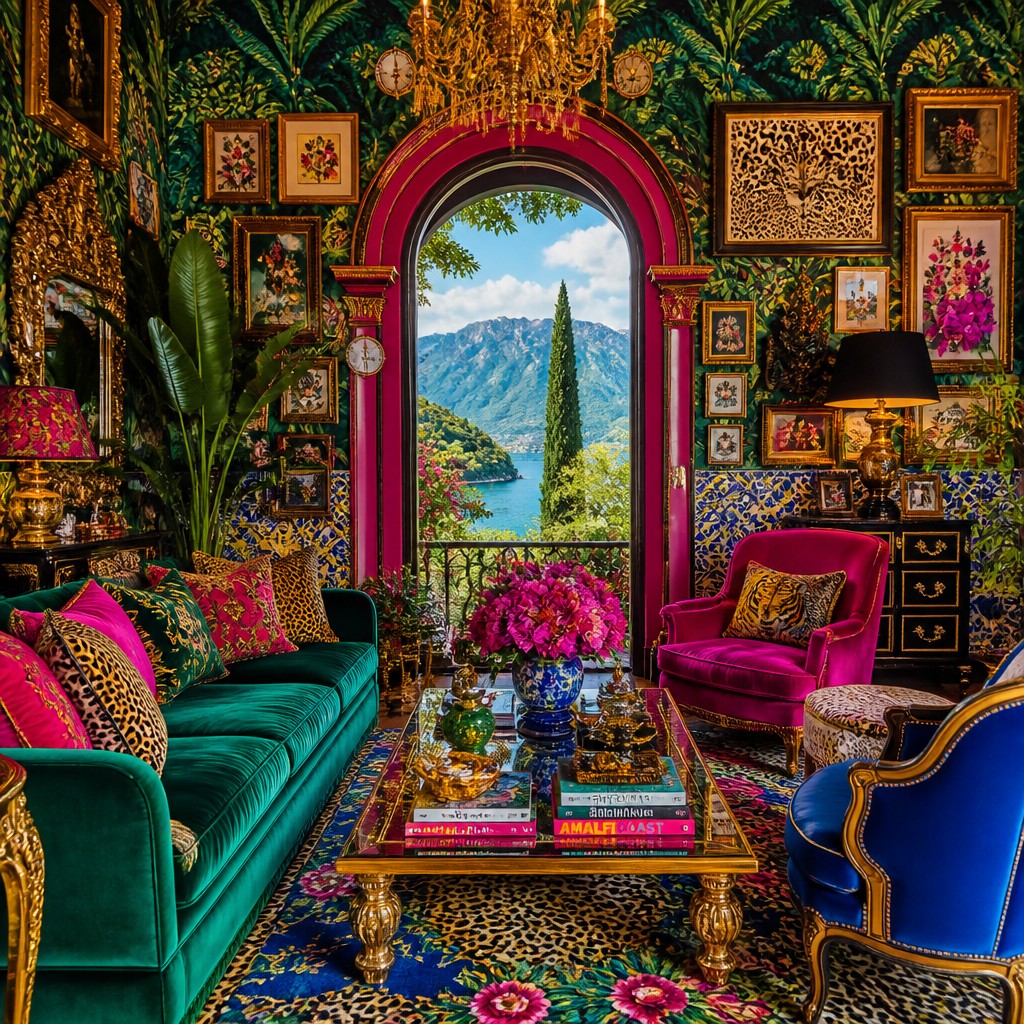
Gallery-wall composition
Artwork and framed objects are often arranged in clusters or floor-to-ceiling displays. These walls act as visual anchors and communicate the owner’s interests and references.
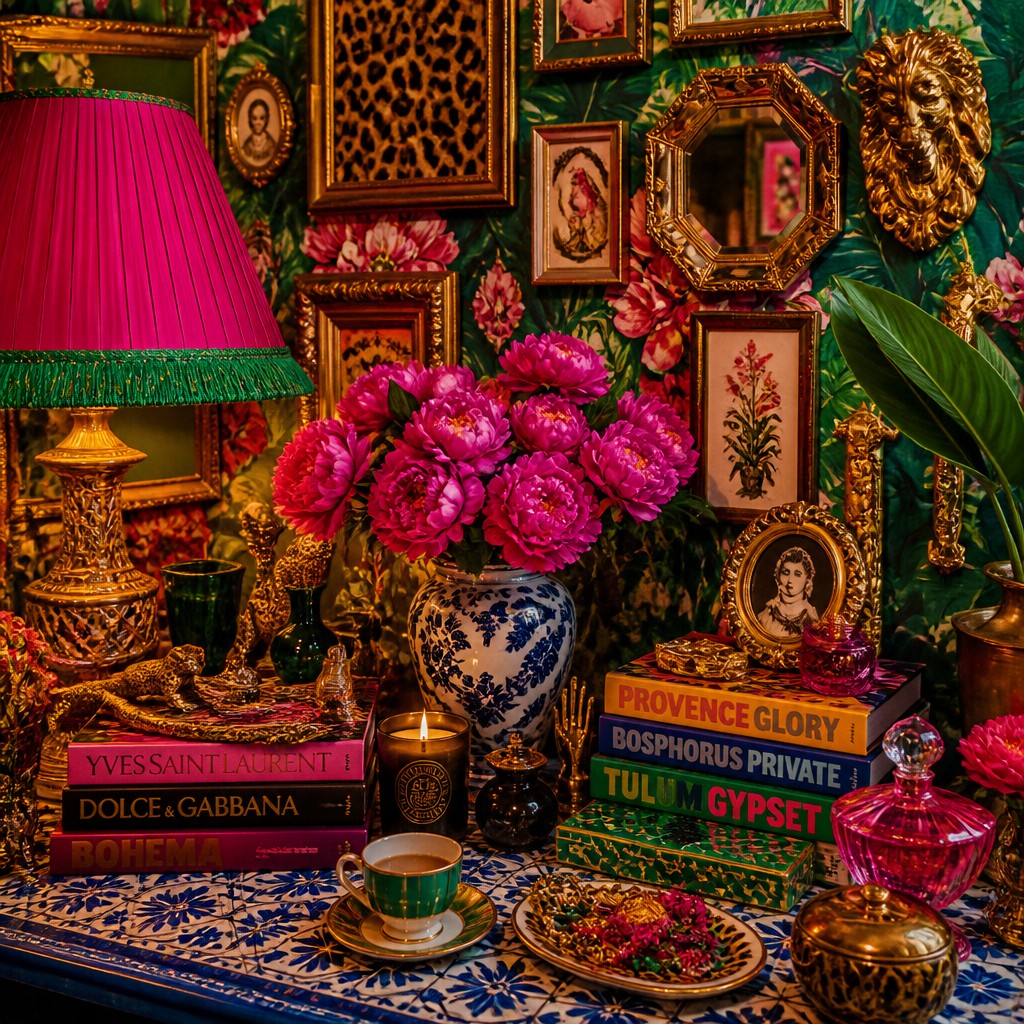
Theatrical lighting
Lighting is usually warm, atmospheric, and layered through lamps, sconces, pendants, and accent light. Instead of bright uniform illumination, the room is staged to emphasize depth and mood.
Try It
Create Videos in Maximalist Interior Design
Styles aren't just for stills — describe a scene or animate an image and get a short video rendered in Maximalist Interior Design. Press play to see this pond come to life.
Make a VideoMaximalist Interior Design Prompt Ideas
Start from an idea — each one opens the generator with the style ready to go. See all 40 Maximalist Interior Design prompts →

“close-up portrait of an elderly person with expressive weathered features”
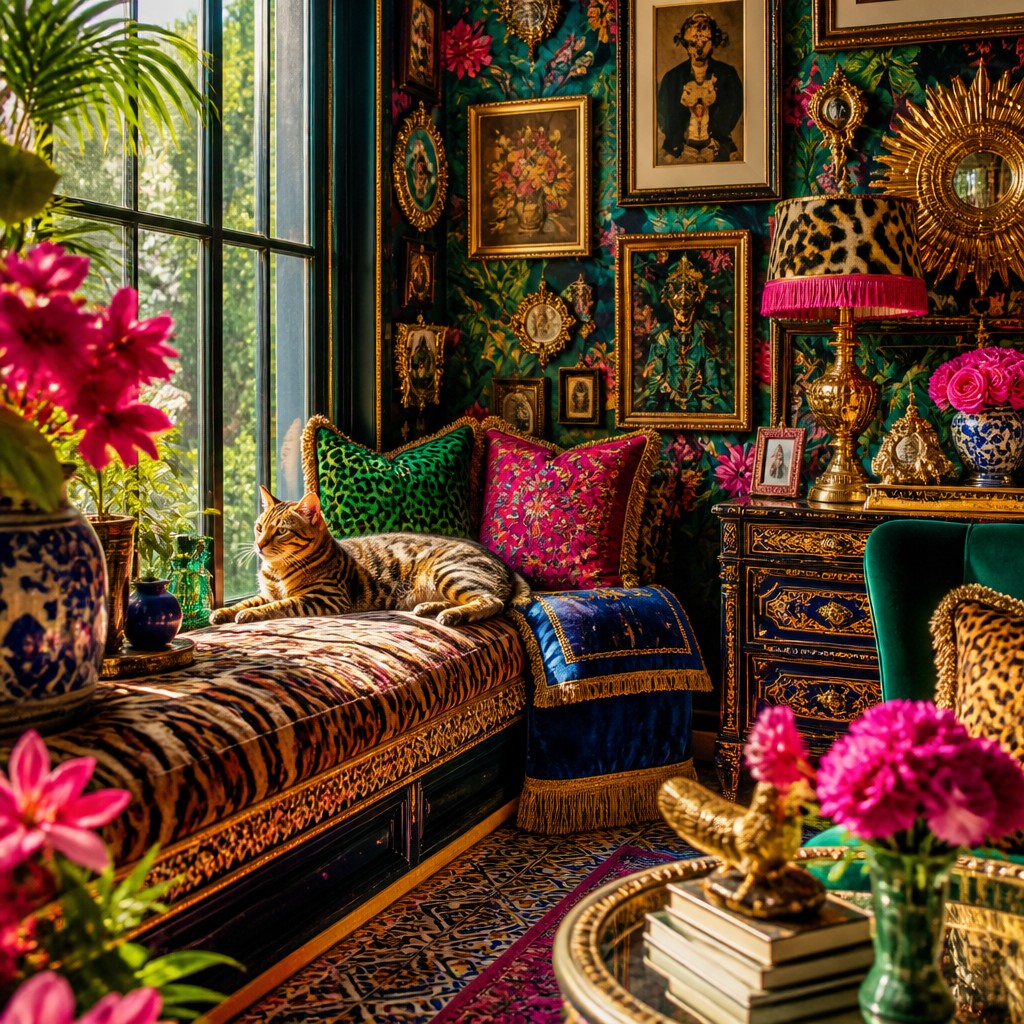
“a cat lounging in a sunlit window”
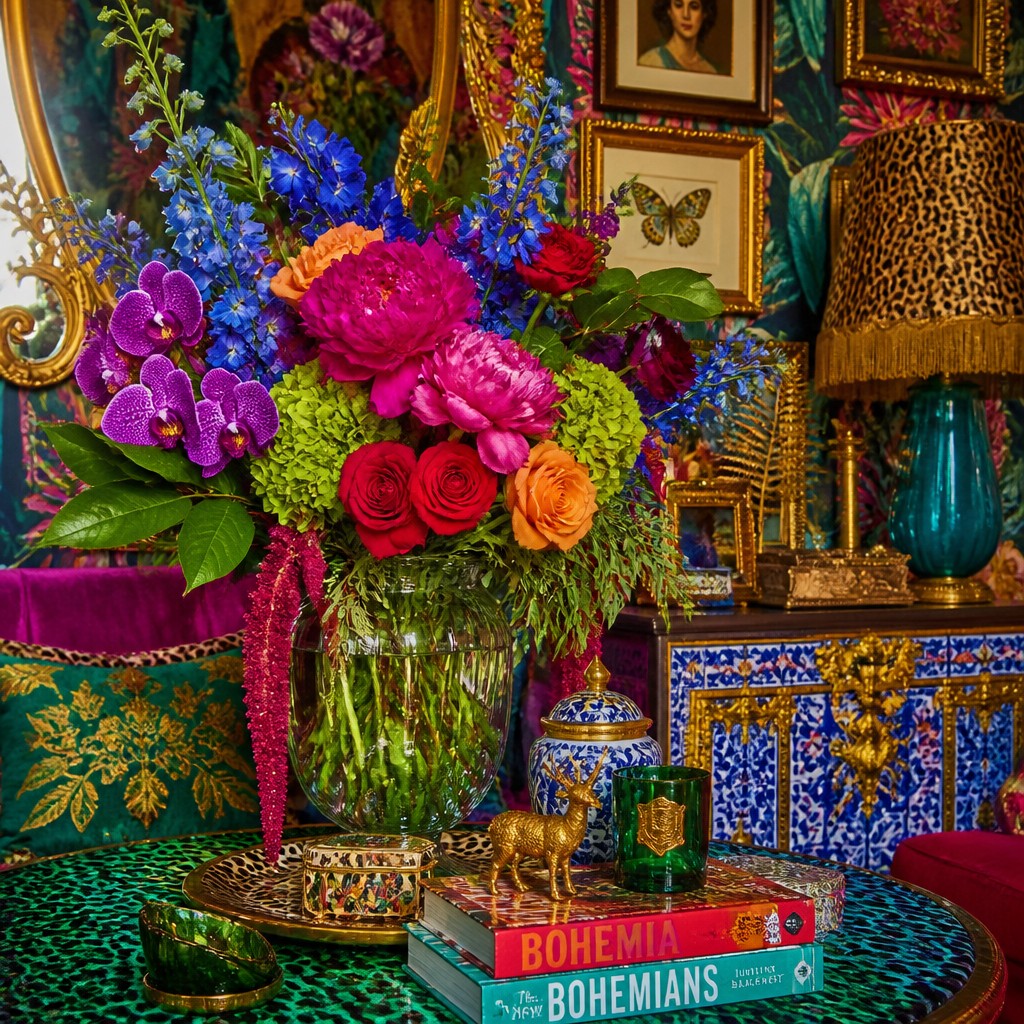
“bouquet of flowers in a glass vase”
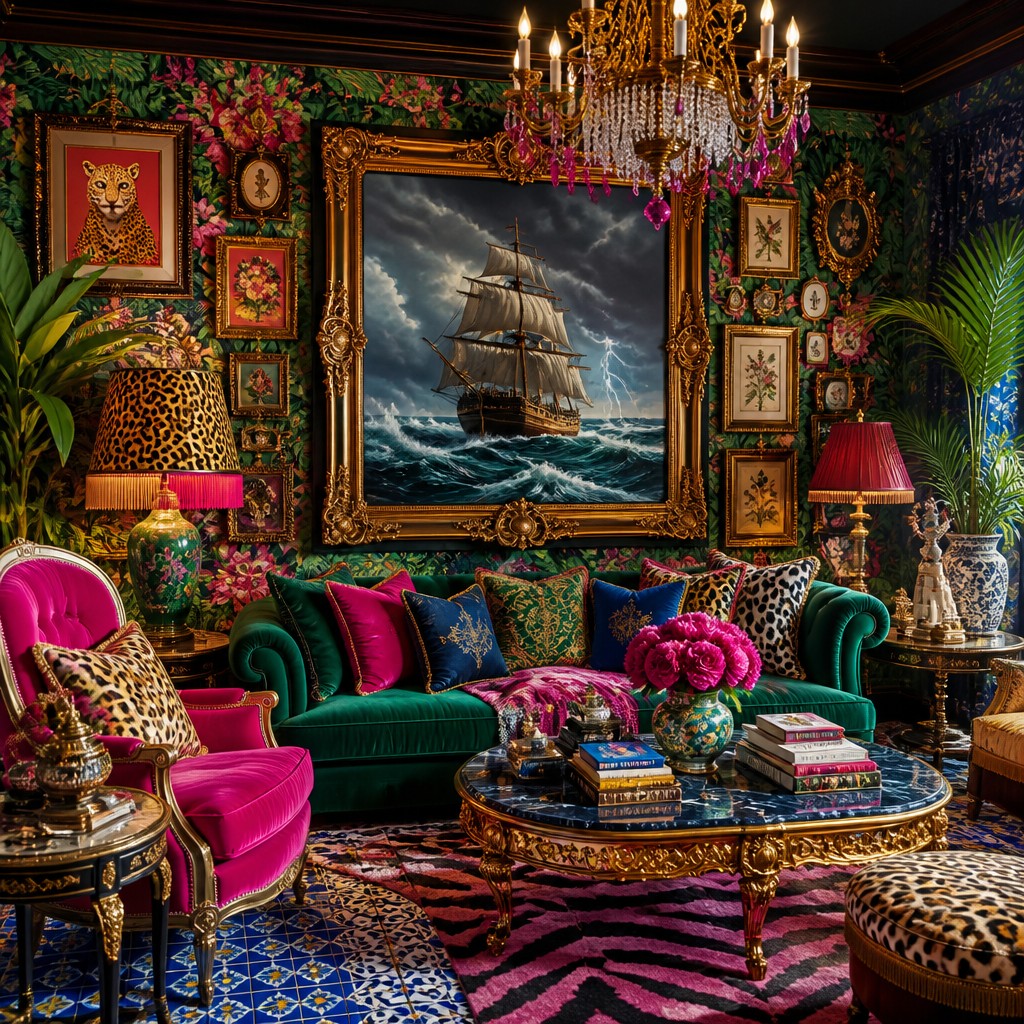
“sailing ship on a stormy sea”
How to Create Maximalist Interior Design Art
Master the craft step by step — or skip straight to creating. Read the full guide →
- 1
Build a color story first
Choose a limited but intense palette, such as emerald, cobalt, fuchsia, and gold, and repeat it across large and small elements. In traditional design, this can be done with paint, textiles, wallpaper, and accessories; in digital composition, establish color harmony early so the layering still feels coherent.
- 2
Layer patterns at different scales
Mix one large-scale pattern, one medium-scale pattern, and one small repeat so the room reads as dense rather than chaotic. When generating or illustrating, describe the pattern types clearly and let them overlap across walls, upholstery, and decor.
- 3
Use collected focal points
Anchor the room with clusters of framed art, sculptural lamps, books, plants, and decorative objects. The key is to arrange items in a way that feels intentional, as if each piece has been gathered over time rather than placed randomly.
- 4
Vary materials and finishes
Combine matte, glossy, reflective, soft, and carved surfaces to keep the eye moving. Velvet, brass, lacquer, patterned ceramic, glass, and wood can all coexist if repeated in a controlled rhythm.
- 5
Control the composition with hierarchy
Even in an abundant interior, one or two dominant features should lead the eye, such as a statement sofa, dramatic wallpaper, or a large art wall. In prompt-based generation, specify the main subject and the room’s central focal point before listing the decorative layers.
- 6
Emphasize atmosphere in the rendering
Use warm, directional lighting and rich shadows to make the room feel enveloping. For digital or AI image generation, ask for high color saturation, dense detail, and carefully curated visual overload rather than flat, evenly lit interiors.
The Story
History & Origins of Maximalist Interior Design
Maximalist interior design does not come from a single historical movement, but from a lineage of decorative traditions that have long favored richness over restraint. Its roots can be traced to Baroque and Rococo interiors, Victorian collecting culture, eclectic 19th-century decoration, and early-20th-century interiors that mixed global objects, patterned textiles, and ornate furniture. In the late 20th and early 21st centuries, maximalism re-emerged as a conscious alternative to minimalist and Scandinavian restraint, especially in fashion-forward residential design and editorial interiors.
The style also draws from postmodern design’s willingness to quote and combine past styles, as well as from contemporary gallery-wall culture, vintage revival, and global decor influences. In today’s version, maximalism is less about clutter for its own sake than about intentional layering: objects, colors, and patterns are chosen to create density, personality, and a sense of curated abundance.
Influences: Maximalist interior design draws on the richness of Baroque and Rococo decoration, the collecting habits of Victorian interiors, the eclectic layering of 19th-century design, and postmodern mixing of historical references. It also shares affinities with contemporary fashion-driven interiors, global decorative traditions, and gallery-wall culture. Unlike the disciplined austerity of modern minimalism, it values accumulation, contrast, and personal narrative as compositional principles.

Frequently Asked Questions
What defines maximalist interior design?
Maximalist interior design is defined by abundance: layered color, mixed patterns, decorative objects, and strong visual contrast. It aims for a room that feels full, expressive, and personally assembled rather than sparse or neutral. The style is most effective when the abundance is curated, not accidental.
How is maximalism different from cluttered design?
Maximalism is intentional, while clutter usually lacks hierarchy or visual planning. A maximalist room still has structure through repeated colors, grouped objects, and clear focal points. The goal is richness and coherence, not disorder.
What colors are most common in this style?
Jewel tones are especially common, including emerald green, sapphire blue, amethyst, ruby, fuchsia, and gold accents. These colors create depth and support the layered, dramatic mood associated with the style. Neutral tones can appear, but usually as grounding elements rather than the dominant palette.
Can maximalist interiors work in small spaces?
Yes, if the composition is controlled. In smaller rooms, a strong palette, a few bold patterns, and carefully edited decor can create impact without overwhelming the space. Vertical layering, mirrors, and wall-mounted displays can also add richness without taking up much floor area.
What materials and decor work well in maximalist rooms?
Velvet, brass, lacquer, patterned tile, dark wood, glass, and richly printed textiles are all common choices. Decorative objects such as framed art, ceramics, lamps, books, and plants help build the sense of collected abundance. Mixing old and new pieces often strengthens the style.
Where is maximalist interior design commonly used?
It appears in residential interiors, boutique hotels, creative studios, retail spaces, and editorial set design. It is especially popular in spaces meant to feel memorable, expressive, or immersive. The style works well wherever atmosphere and personality are part of the design brief.
Create your first Maximalist Interior Design artwork
Describe anything — or upload a photo — and see it in Maximalist Interior Design in seconds.
Related Styles
Discover similar art styles