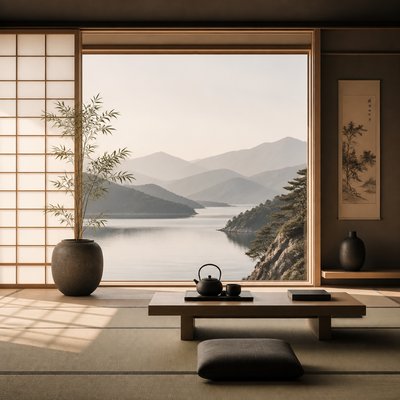
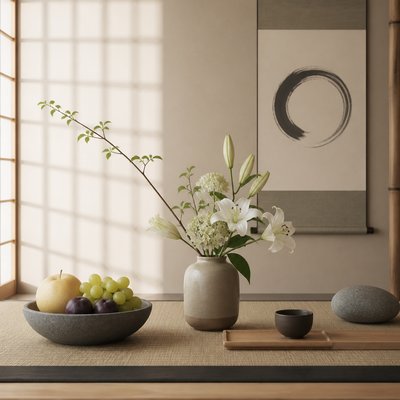
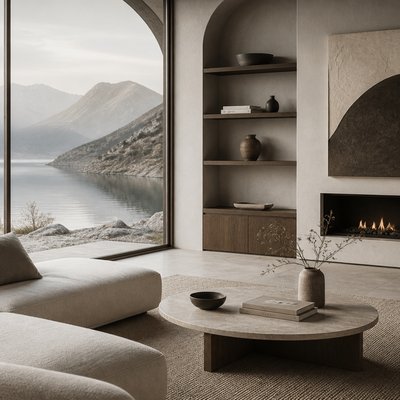
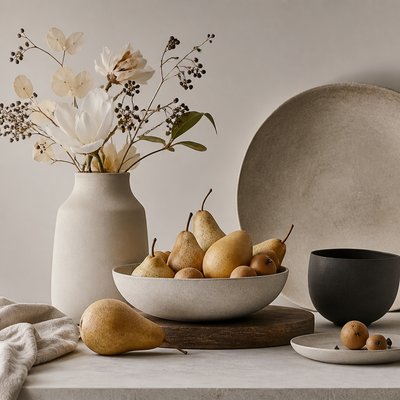
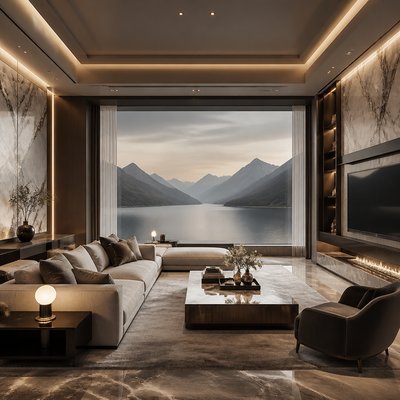
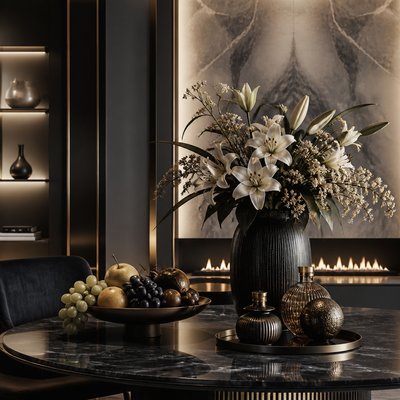
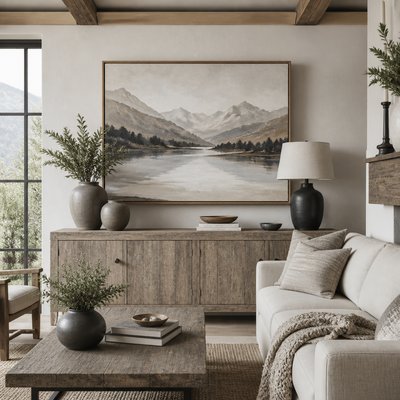
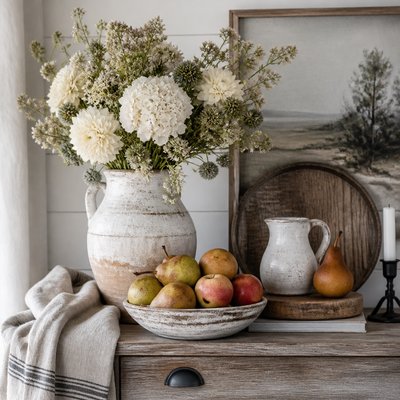
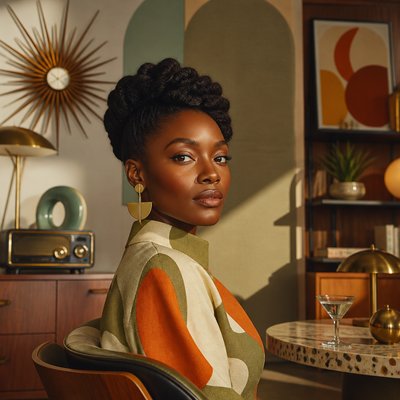
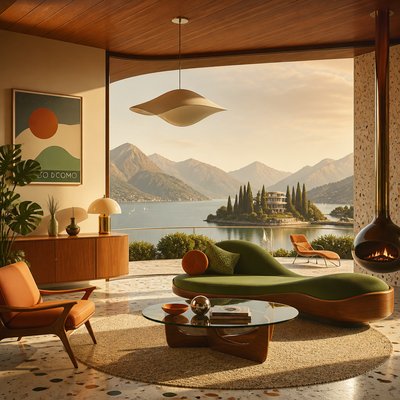
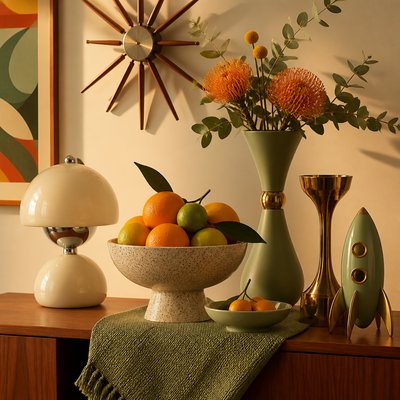
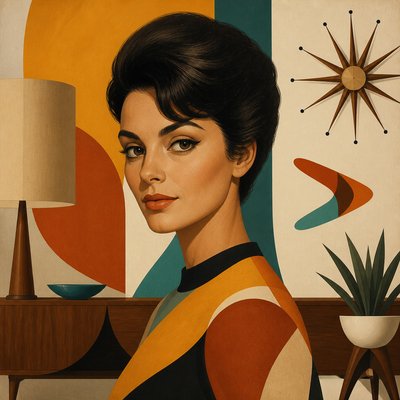
Parisian Apartment Interior Design
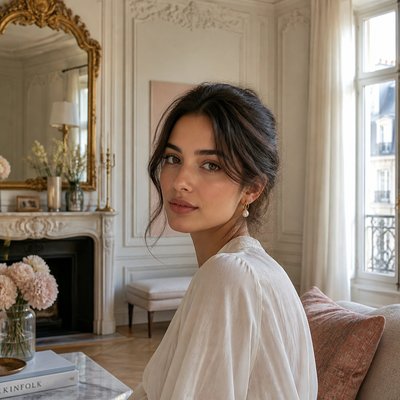
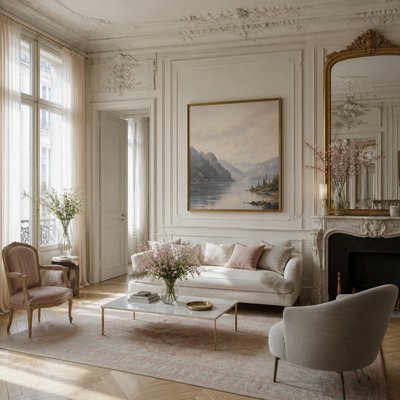
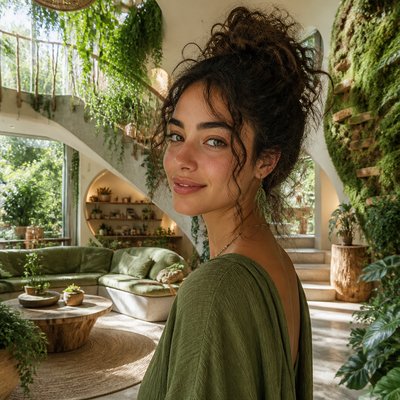
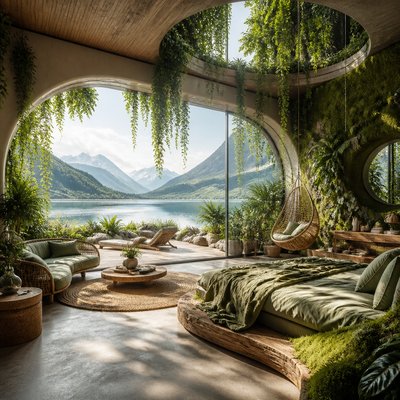
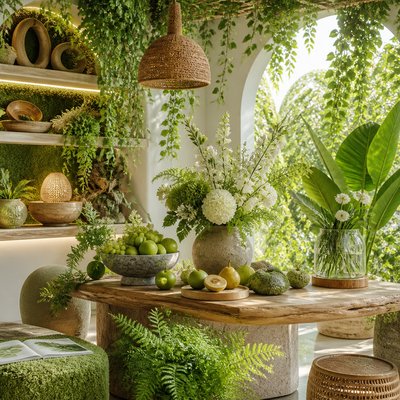
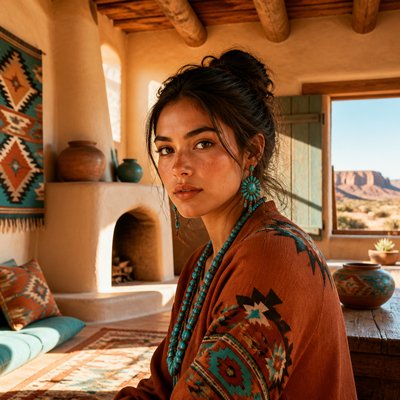
Haussmannian chic interiors with ornate moulding, herringbone oak floors, marble mantels, and airy Parisian elegance.
Instantly rendered in Parisian Apartment Interior Design — or transform a photo
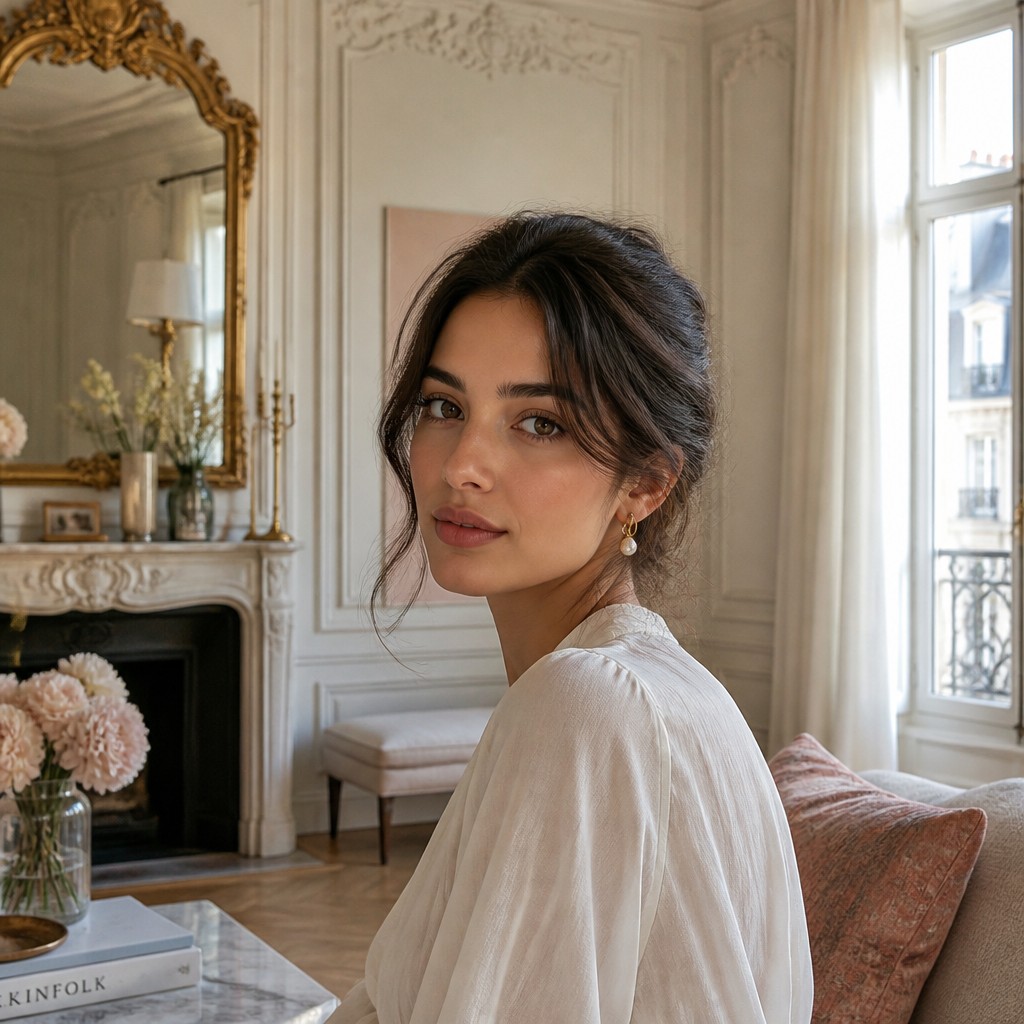
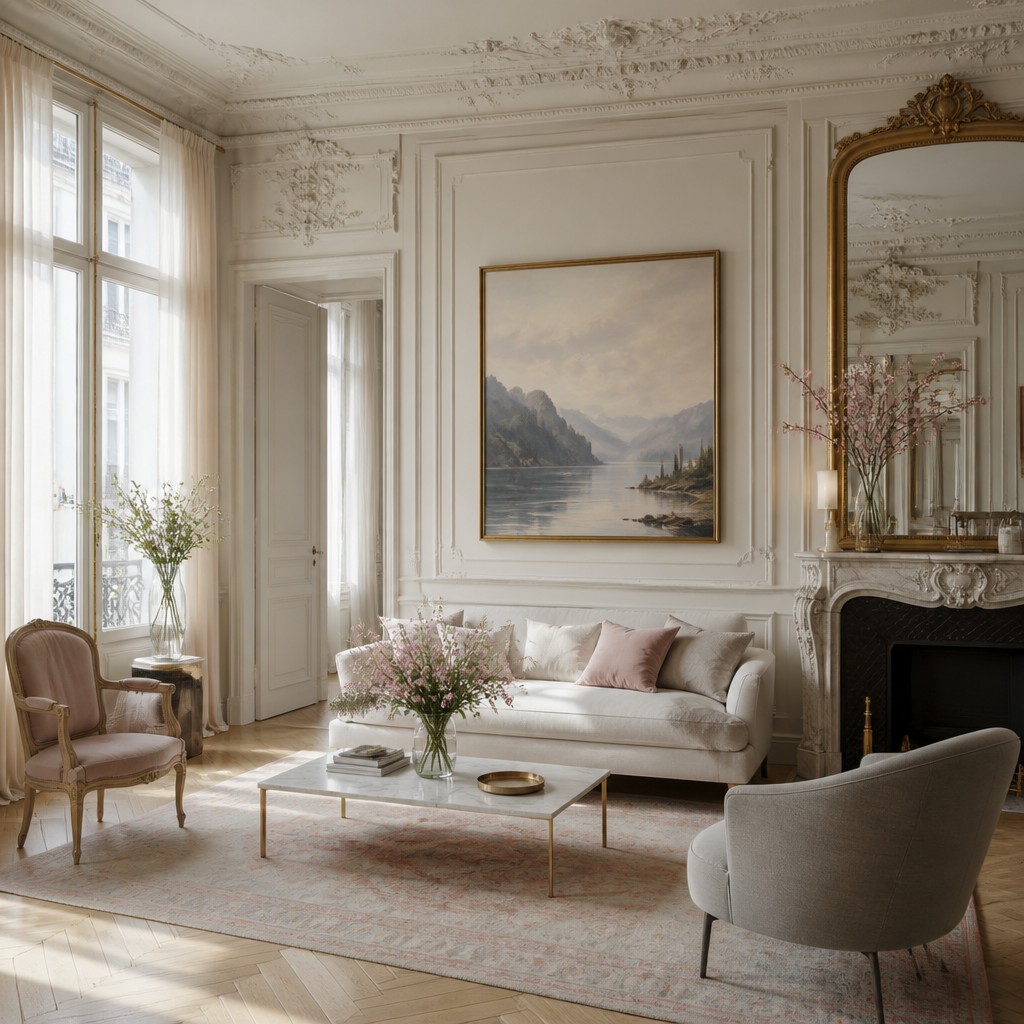
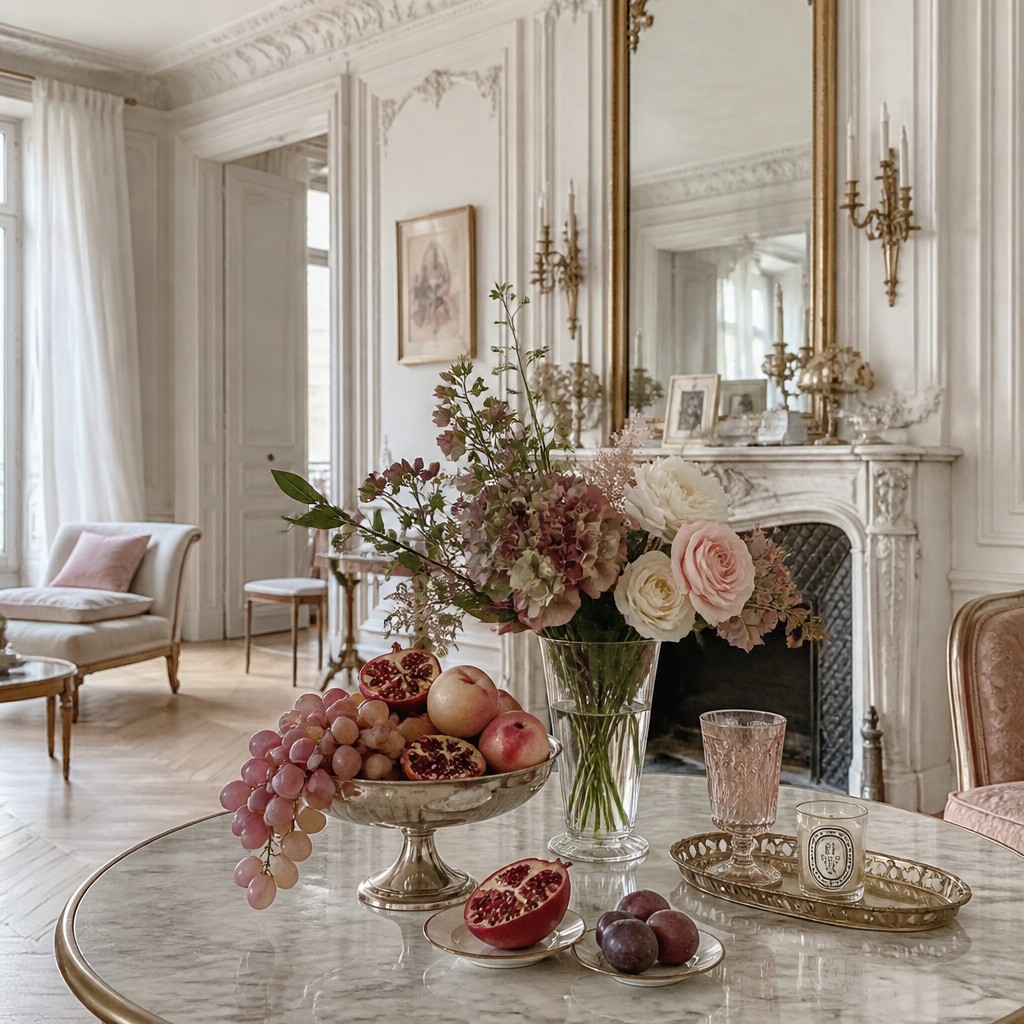
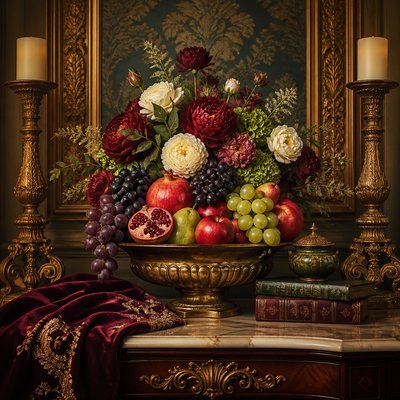
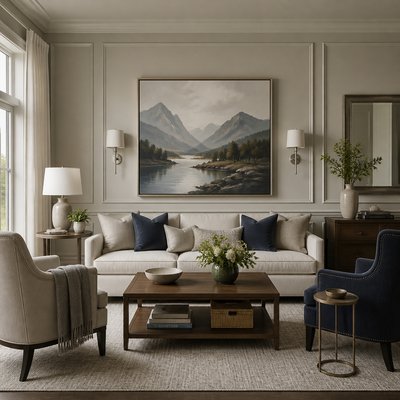
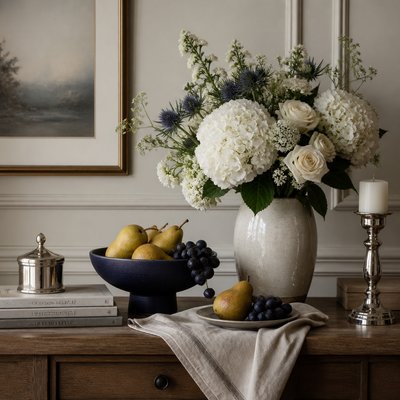
Parisian Apartment Interior Design Gallery
Tap any artwork to explore it
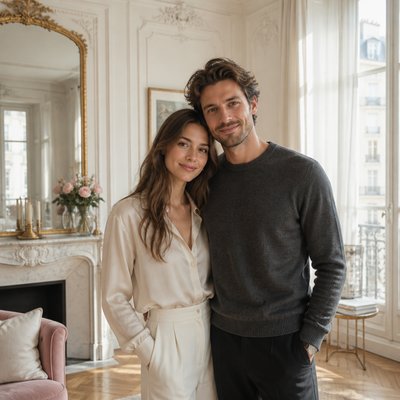
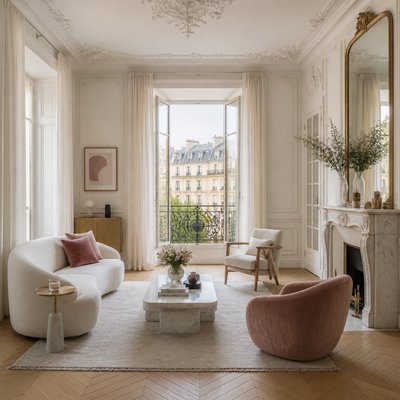
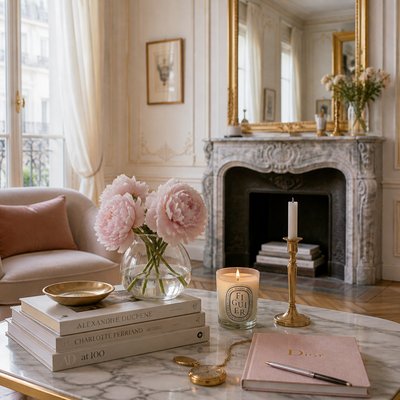
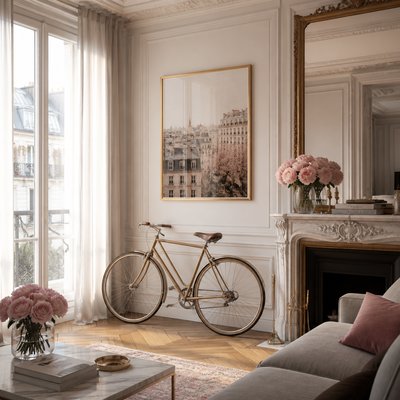
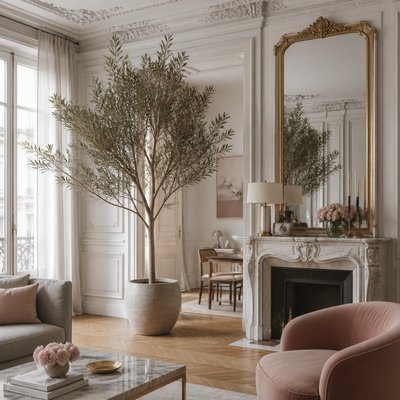
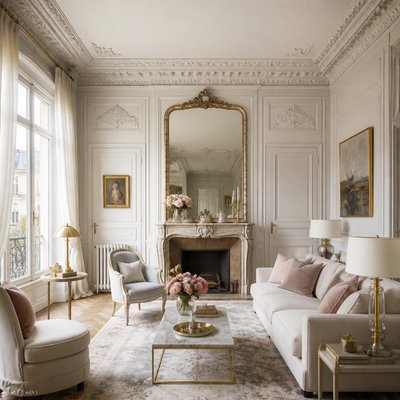
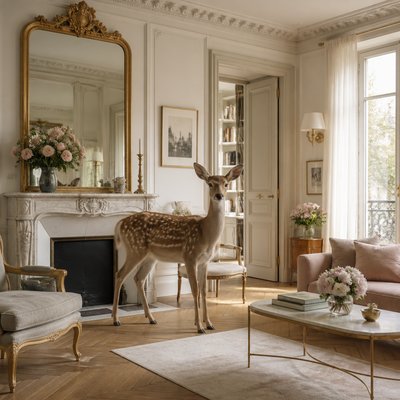
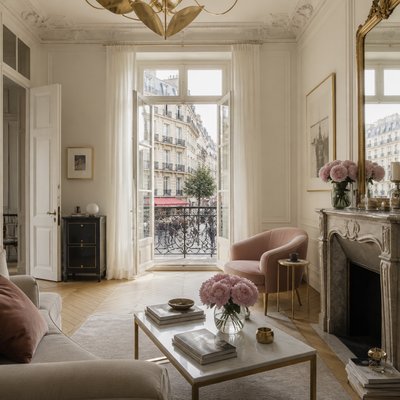
What is Parisian Apartment Interior Design?
Parisian Apartment Interior Design refers to the visual language of refined Paris domestic interiors, especially the Haussmann-era apartment as it is understood today: high ceilings, tall windows, decorative plaster mouldings, herringbone parquet, marble fireplaces, and a balanced mix of classical detail with relaxed modern furnishings. The style is not a single historical movement so much as a recognizable interior ideal associated with Parisian urban apartments from the late 19th century onward.
Its appeal comes from contrast and restraint. Ornate architectural shell elements—cornices, ceiling rosettes, panel moulding, wrought-iron balconies glimpsed through large windows—are usually paired with pale walls, soft textiles, antique mirrors, and contemporary pieces that feel edited rather than over-decorated. The result is luminous, proportioned, and elegant, with a lived-in ease that prevents the room from feeling formal or museum-like.
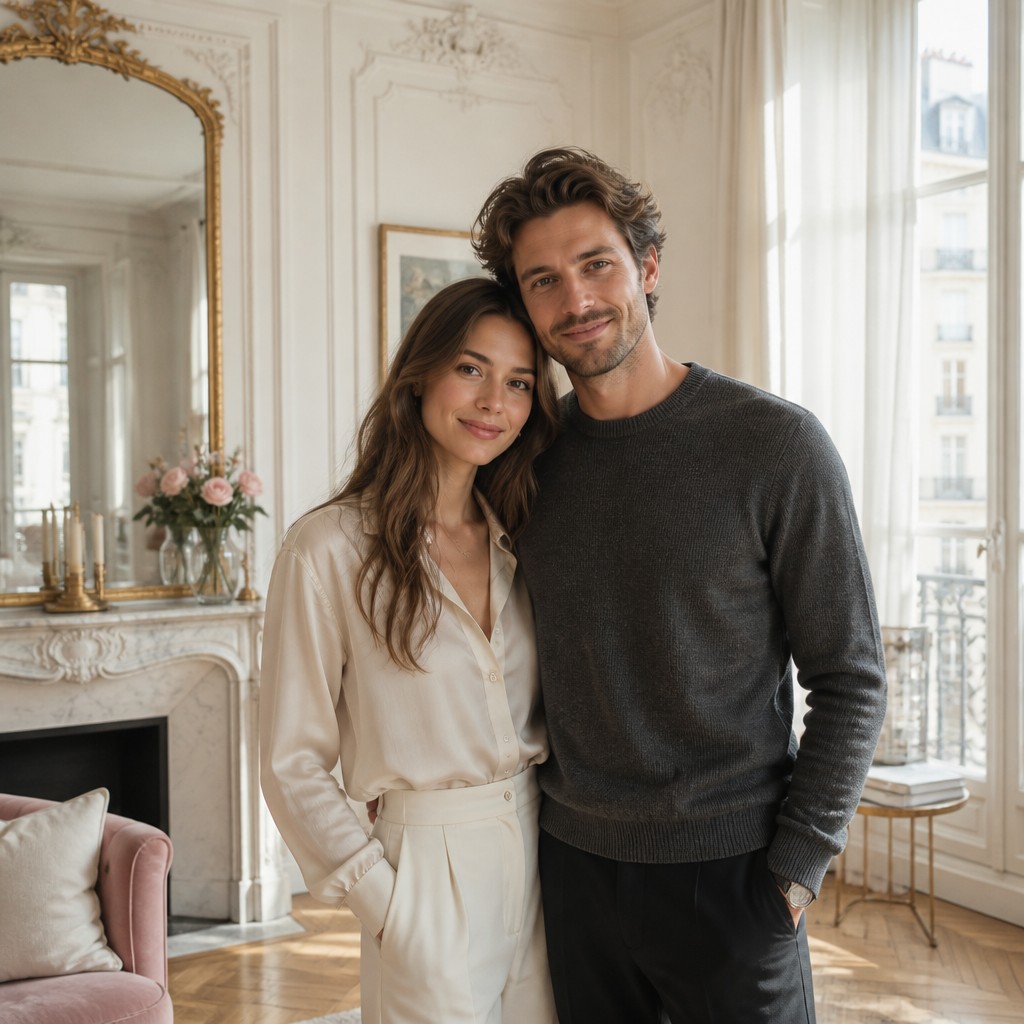
Try It On Your Photos
Upload any photo and convert it into Parisian Apartment Interior Design — drag the sliders to compare before and after.
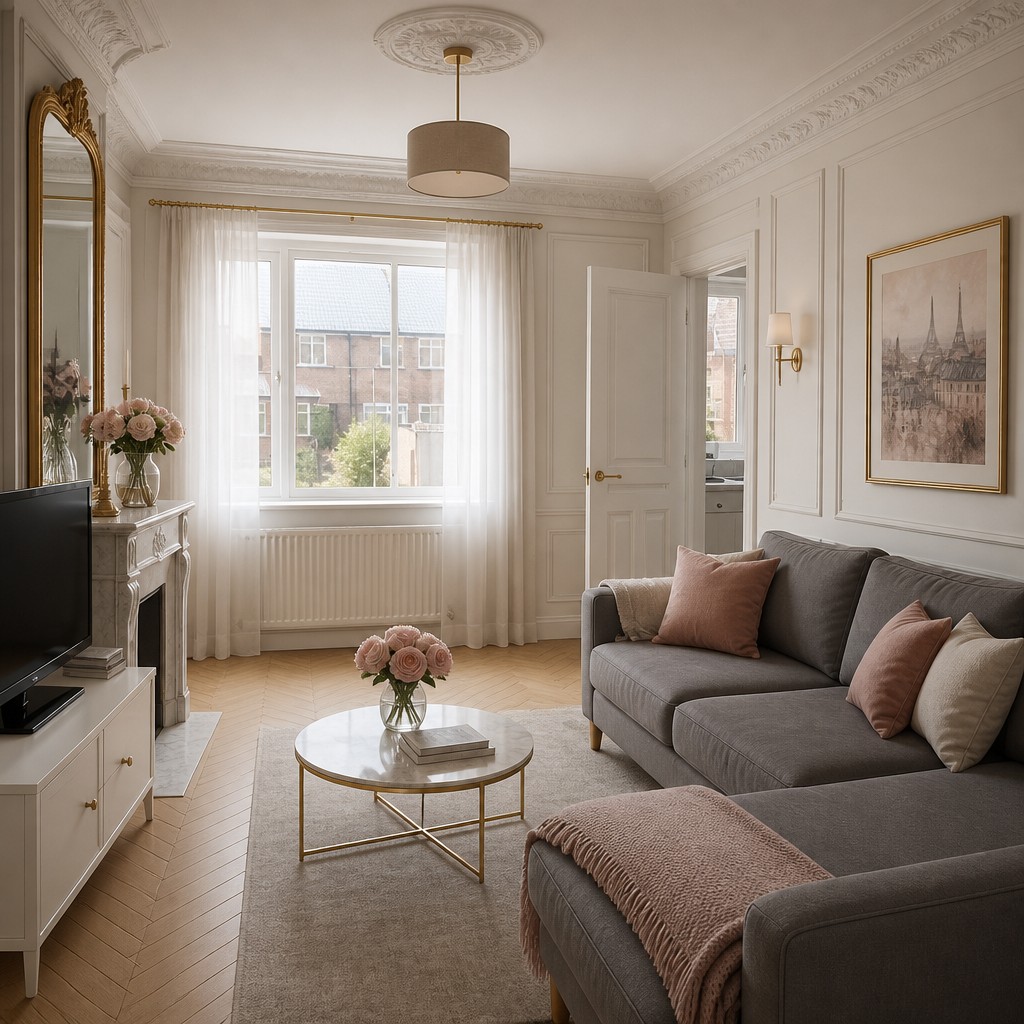
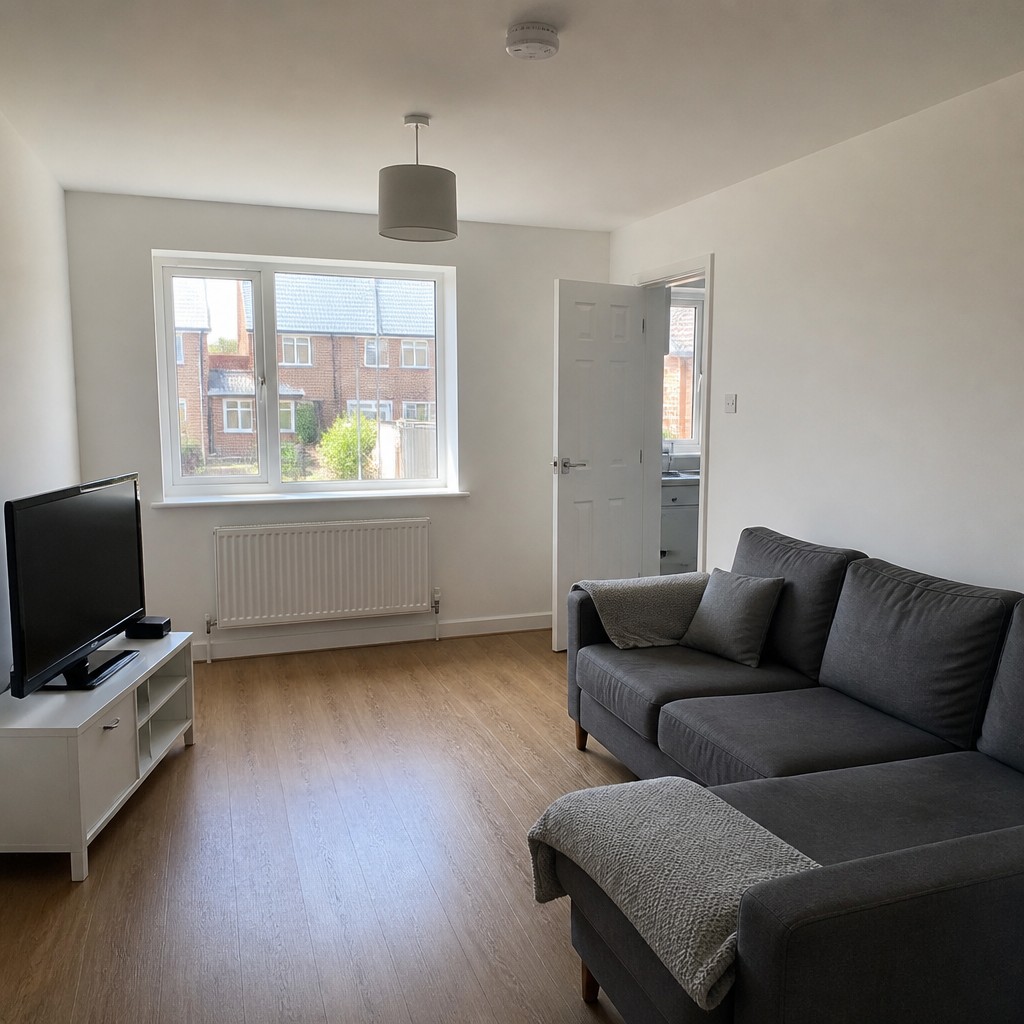
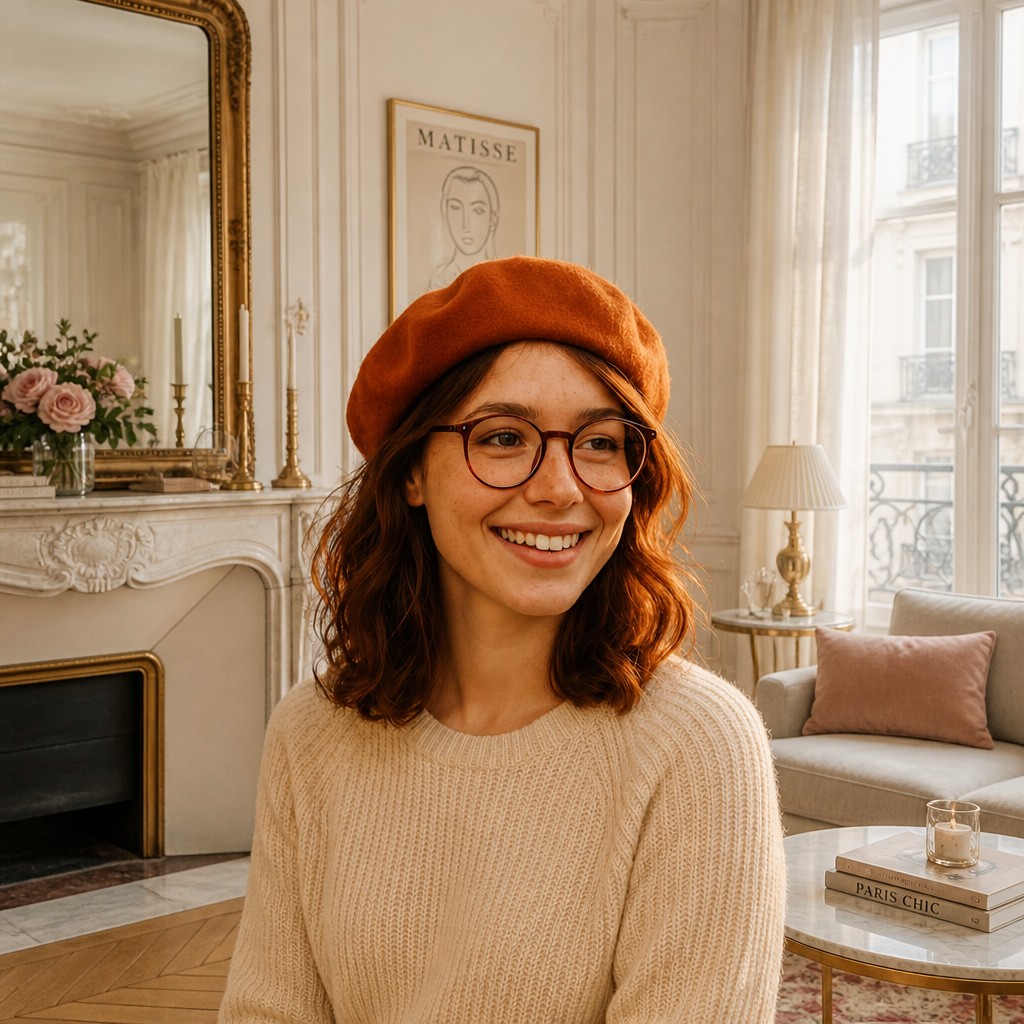

What Defines Parisian Apartment Interior Design
The signature details, up close
Haussmannian architecture
The most defining feature is the classical apartment shell: high ceilings, proportioned rooms, decorative cornices, wall moulding, and often a central fireplace. These elements create a sense of depth and ceremony even in modestly furnished rooms.
Herringbone oak parquet
Herringbone or chevron-patterned oak floors are one of the strongest visual markers of the style. Their warm wood grain balances the pale walls and plaster details, adding rhythm and historic character.
Soft, airy palette
Walls and textiles often use whites, ivory, pale grey, muted rose, taupe, and warm beige, sometimes accented with black or gilt details. The palette is light-reflective and understated, helping daylight shape the room.
Ornamental plaster and moulding
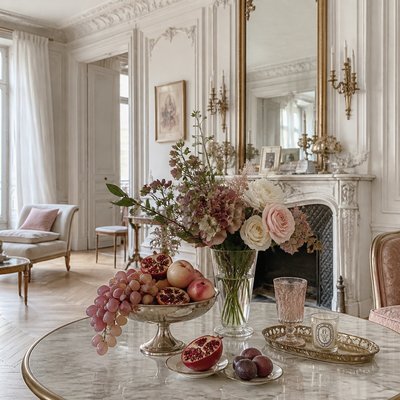
Crown moulding, ceiling medallions, wall paneling, and ornate trim are central to the style’s identity. These details provide structure and refinement, often acting as the primary decoration rather than heavy ornamentation.
Marble and mirror surfaces
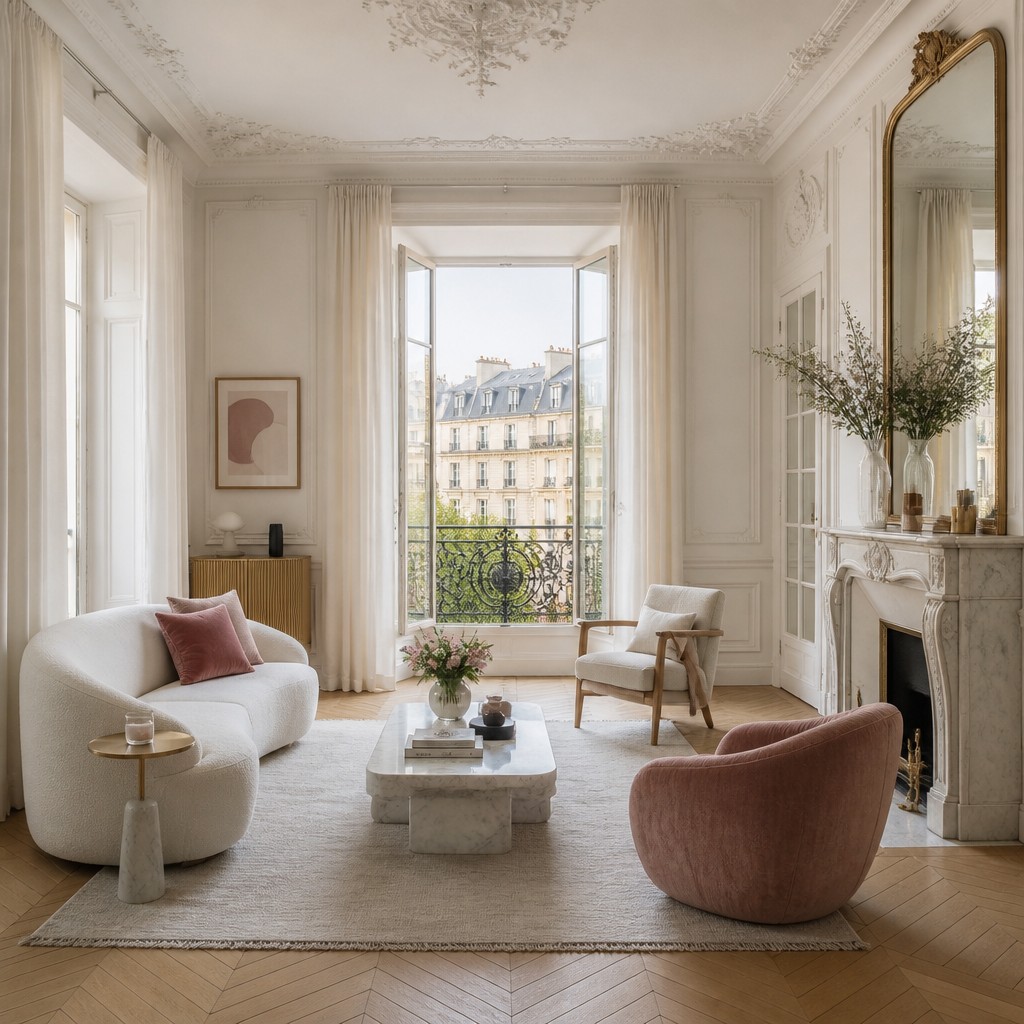
Marble mantels, antique mirrors, glass, and polished metal introduce reflective highlights. These surfaces amplify natural light and reinforce the sense of cultivated, layered elegance.
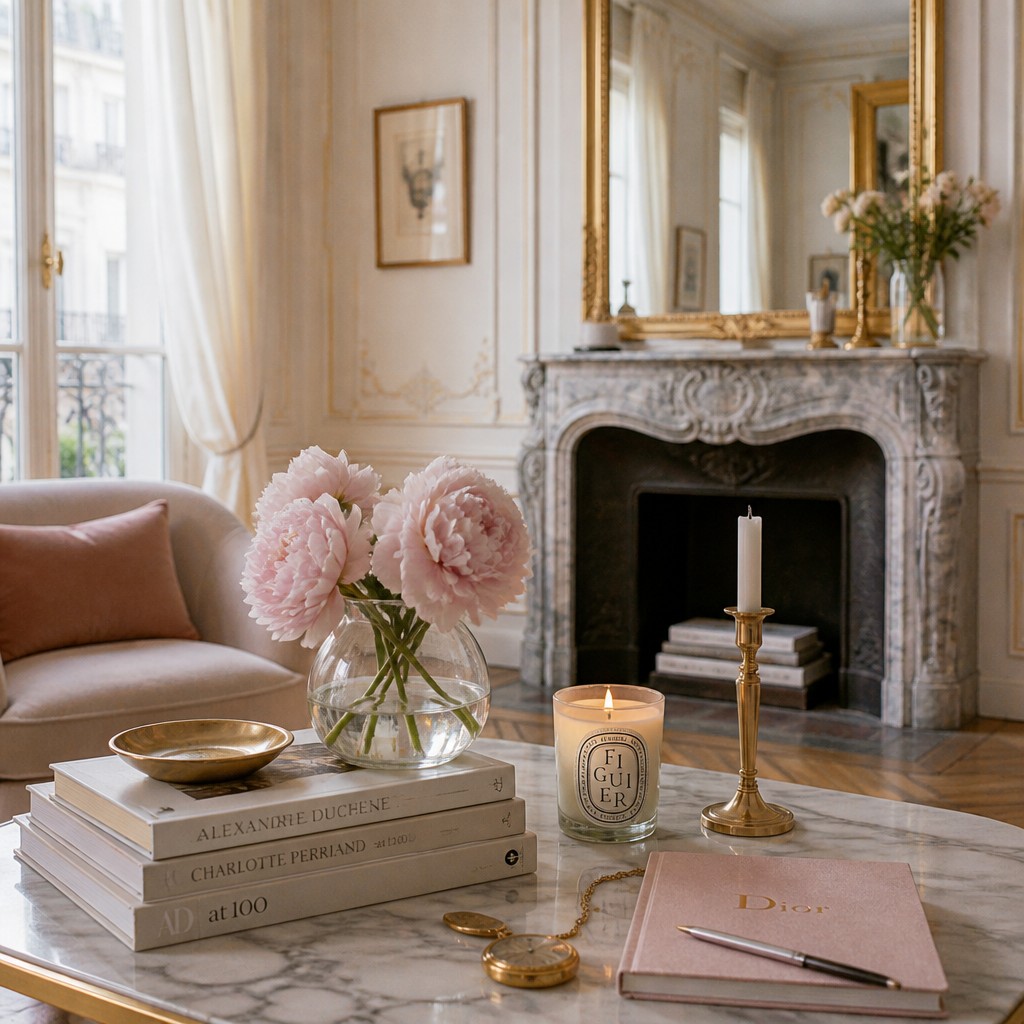
Classical-meets-modern furnishing
The furniture mix is typically edited: a curved sofa, a vintage armchair, a contemporary coffee table, a modern lamp, or a sculptural side chair. The contrast keeps the room feeling current while respecting the historic envelope.
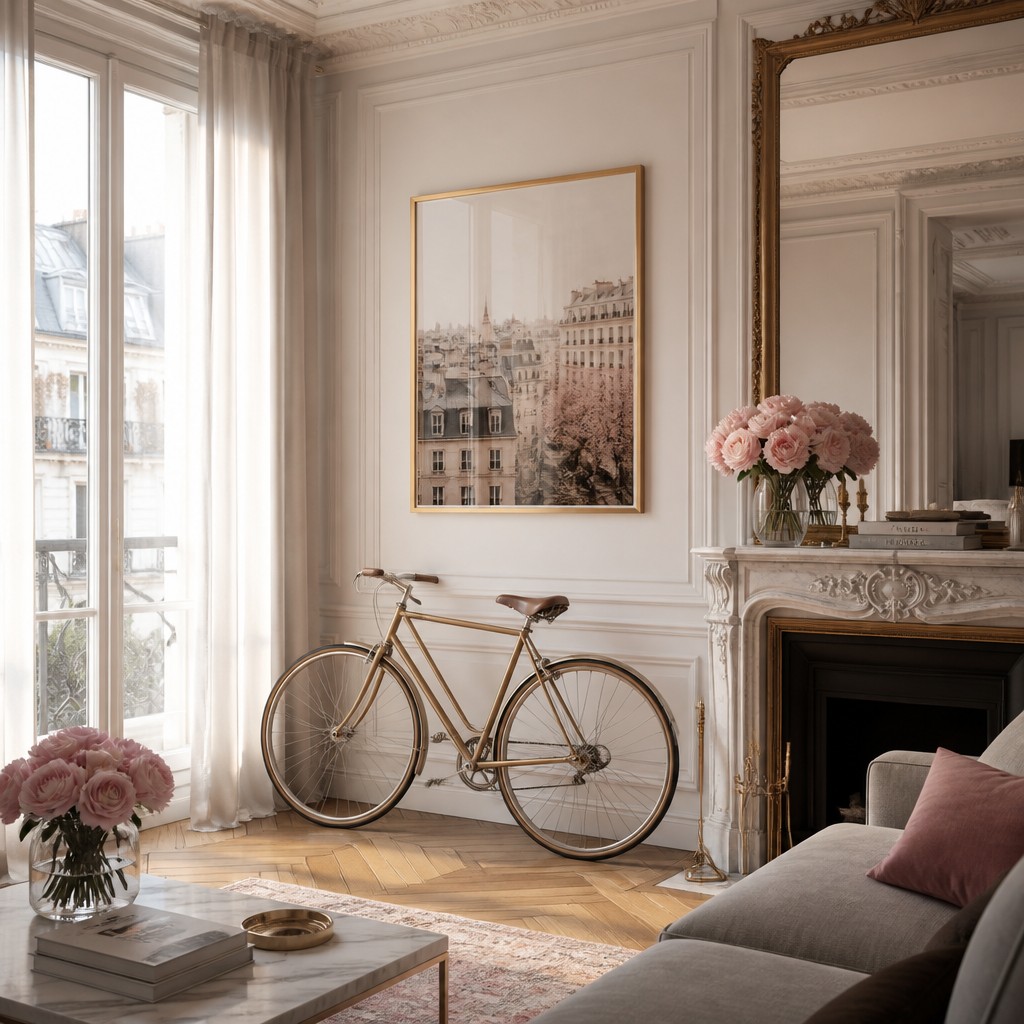
Daylight and sheer diffusion
Tall windows and sheer curtains are used to soften direct light and create a luminous interior atmosphere. Shadows are gentle, and the room tends to feel open, polished, and calm rather than dramatic.
Try It
Create Videos in Parisian Apartment Interior Design
Styles aren't just for stills — describe a scene or animate an image and get a short video rendered in Parisian Apartment Interior Design. Press play to see this pond come to life.
Make a VideoParisian Apartment Interior Design Prompt Ideas
Start from an idea — each one opens the generator with the style ready to go. See all 40 Parisian Apartment Interior Design prompts →
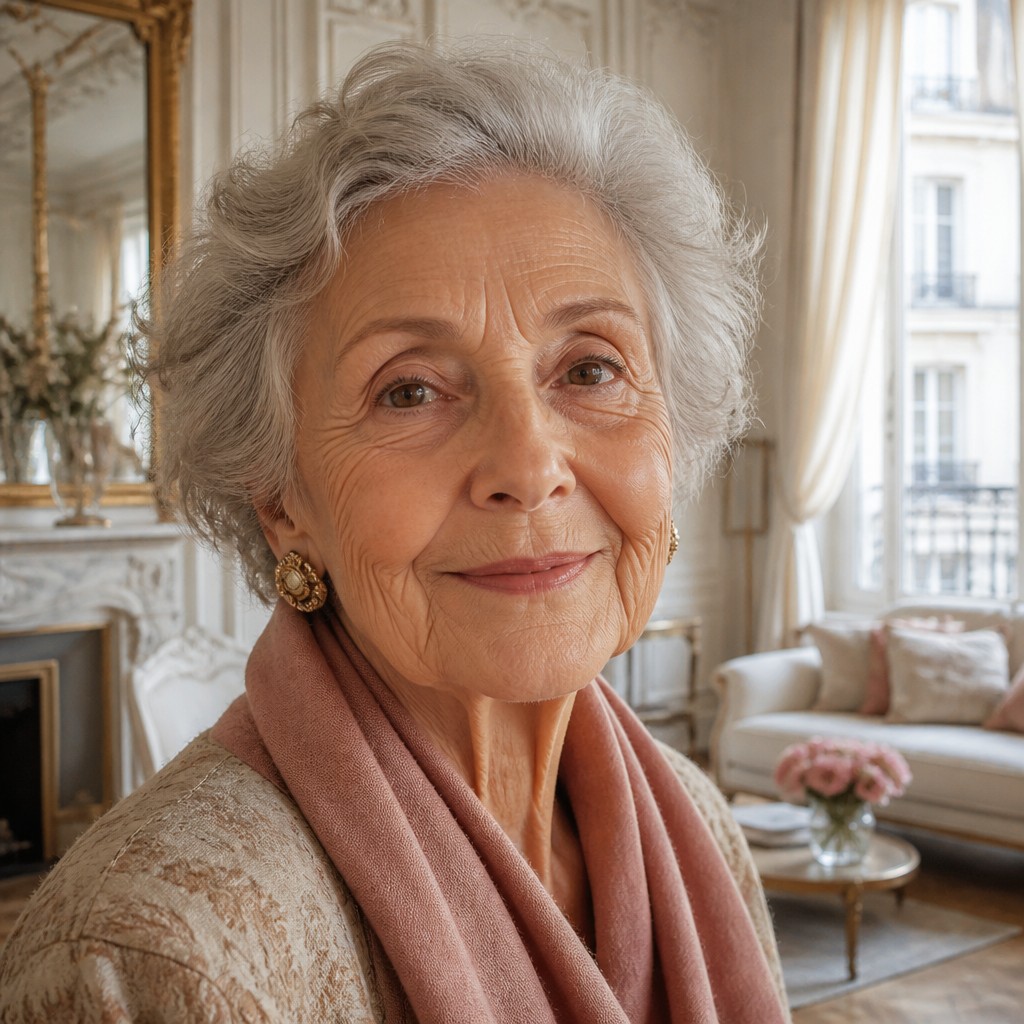
“close-up portrait of an elderly person with expressive weathered features”
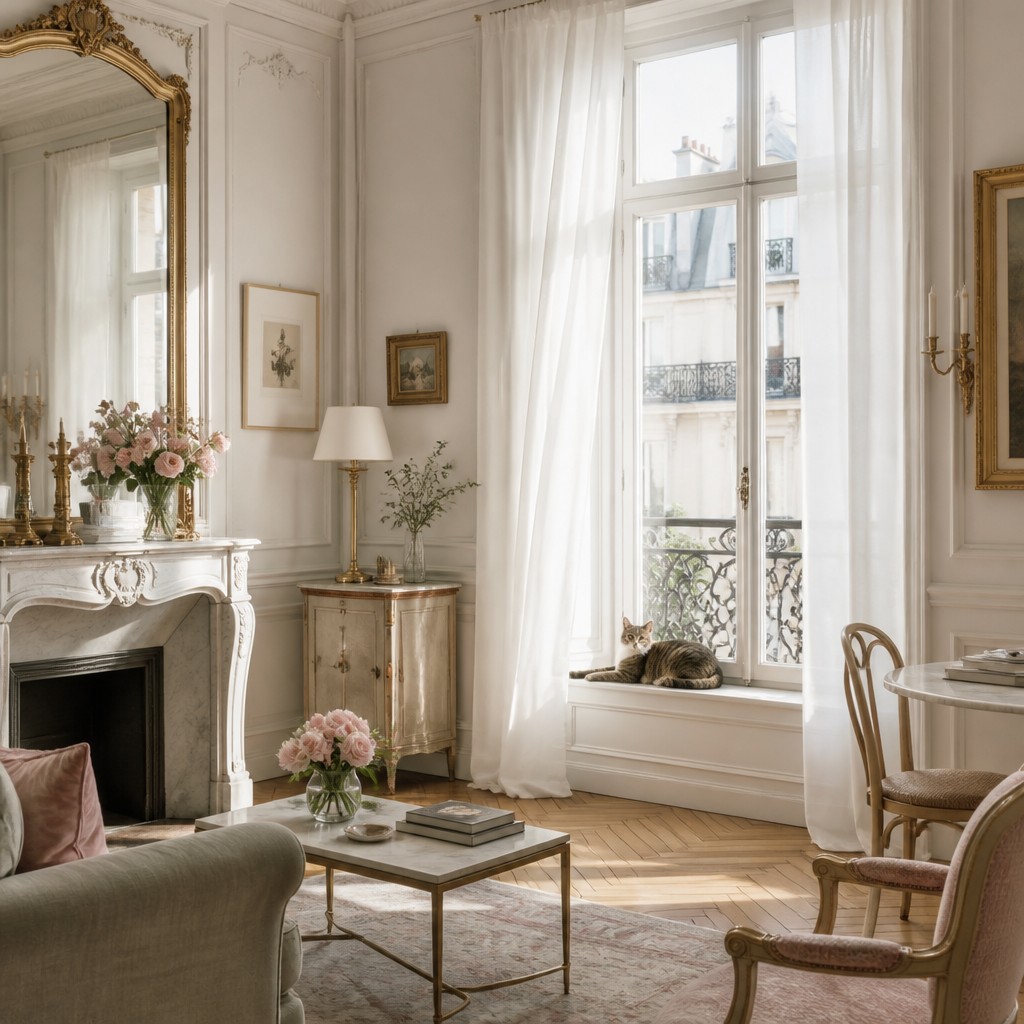
“a cat lounging in a sunlit window”
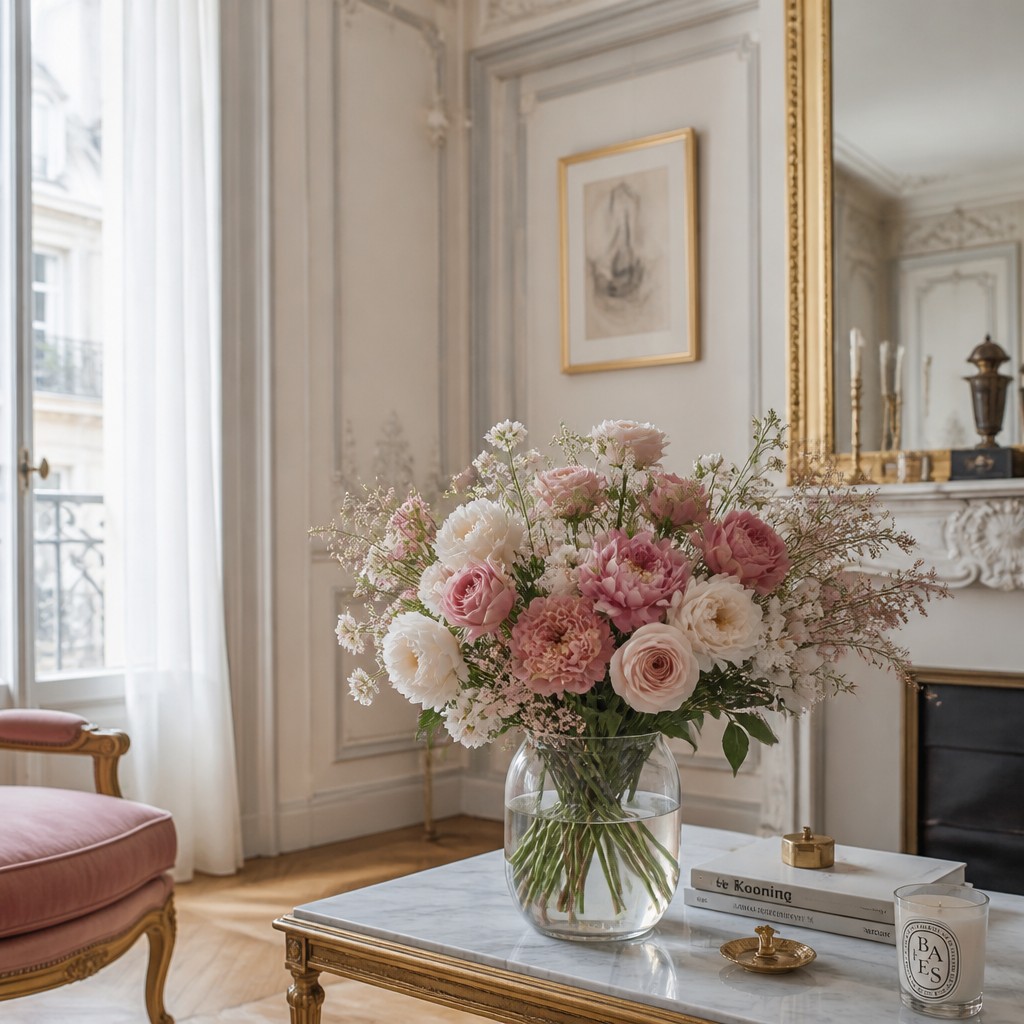
“bouquet of flowers in a glass vase”
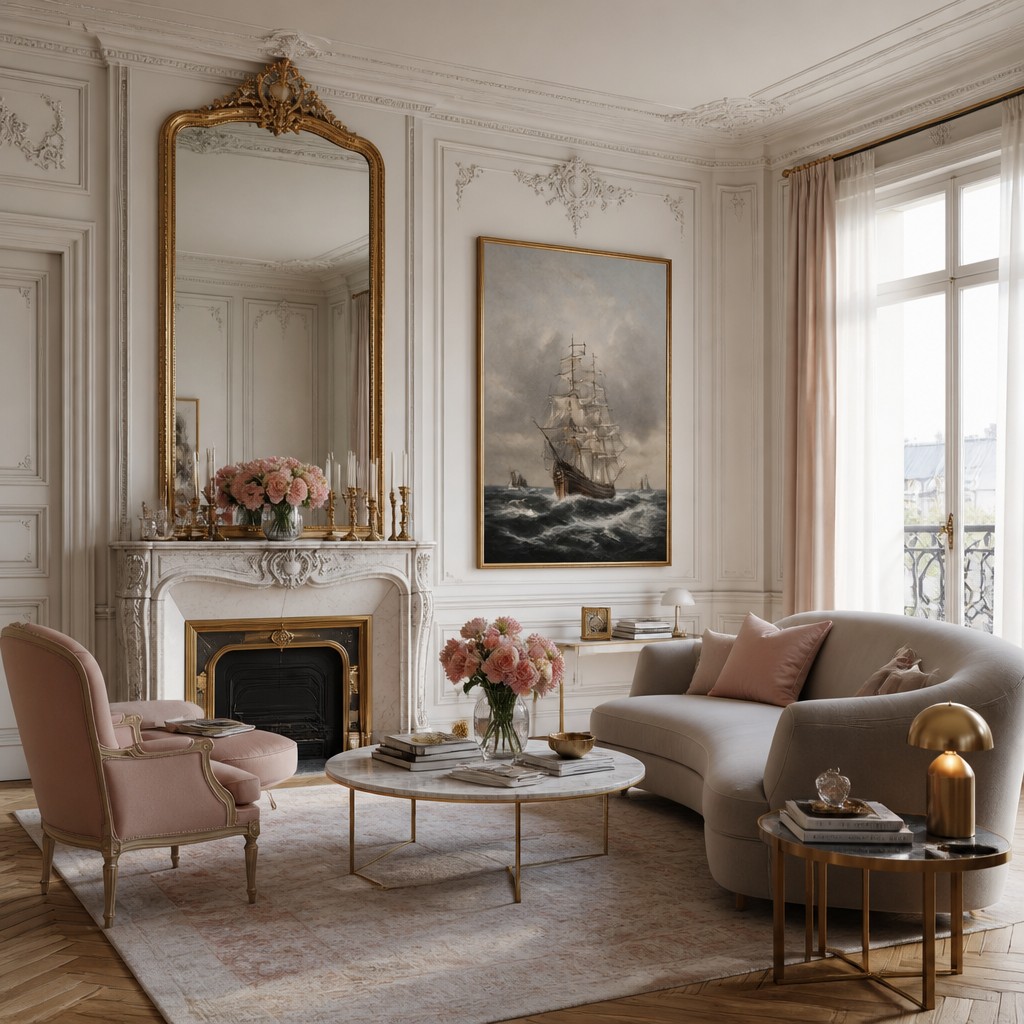
“sailing ship on a stormy sea”
How to Create Parisian Apartment Interior Design Art
Master the craft step by step — or skip straight to creating. Read the full guide →
- 1
Start with the architectural shell
If painting or designing digitally, establish tall ceilings, moulding, paneled walls, and a fireplace as the room’s framework before adding furniture. In photography or set design, choose a space with Haussmannian proportions or emulate them through wide vertical composition and symmetrical wall treatments.
- 2
Keep the palette restrained
Use a limited set of light neutrals with one or two subdued accent tones, such as dusty rose or black. The style depends more on tonal harmony and material contrast than on bright color.
- 3
Balance antique and contemporary pieces
Pair one or two historically suggestive elements—an antique mirror, marble mantel, vintage chair, or brass detail—with simpler modern forms. Avoid filling the room with matching period furniture, which can make it read as theatrical rather than Parisian.
- 4
Emphasize material texture
Render oak grain, plaster relief, stone veining, linen weave, and worn brass with clarity but not harsh contrast. In digital work, use soft lighting, subtle specular highlights, and layered textures to preserve the room’s quiet richness.
- 5
Use daylight as the main atmosphere
Place the strongest light source near tall windows and let sheer curtains diffuse it across the room. For image-generation prompts, include words that signal airy daylight, soft diffusion, and luminous softness rather than dramatic shadows.
- 6
Prompt for proportion and lived-in ease
When generating or briefing an image, specify elegant proportions, relaxed furnishing, and edited styling so the room feels inhabited, not staged. Helpful prompt language includes 'Haussmannian apartment,' 'herringbone parquet,' 'ornate moulding,' 'marble mantel,' and 'soft daylight through sheer curtains.'

The Story
History & Origins of Parisian Apartment Interior Design
The style grows out of Haussmannization, the large-scale rebuilding of Paris under Baron Haussmann during the Second Empire (1853–1870), when new boulevards were lined with standardized apartment buildings. These buildings introduced the signature architectural framework that later became associated with Parisian interior elegance: generous ceiling heights, moulded plaster ceilings, parquet floors, tall French windows, and marble fireplaces.
As Parisian taste evolved through the late 19th and 20th centuries, residents layered these inherited architectural features with changing furniture and decor: Belle Époque ornament, Art Deco accents, mid-century restraint, and later contemporary minimalism. The modern “Parisian apartment” look is therefore a curated aesthetic lineage rather than a fixed historical period, combining inherited Haussmannian architecture with a long tradition of cultivated domestic eclecticism.
Influences: This aesthetic draws primarily from Haussmann-era Parisian architecture and from later French interior traditions that favor elegance, proportion, and a controlled mix of old and new. It also overlaps with Belle Époque decorative taste, Art Deco refinement, and contemporary interior minimalism, though it is less ornate than Belle Époque and less geometric than Art Deco. In the broader history of interior decoration, it shares a concern for symmetry and classical order with academic French design, but its modern interpretation is softer and more casual than strictly historic revival styles.

Frequently Asked Questions
What defines a Parisian apartment interior?
It is defined by a Haussmannian architectural base: high ceilings, mouldings, parquet floors, tall windows, and often a fireplace. The furnishing style is usually restrained, mixing antique and modern pieces in pale, elegant colors.
Is this the same as French country style?
No. French country style is typically warmer, more rustic, and more provincial, with painted woods, worn finishes, and farmhouse references. Parisian apartment design is urban, architectural, and usually more refined, with a stronger emphasis on moulding, parquet, and light.
Does this style have to be old-fashioned?
Not at all. Many contemporary Parisian interiors use modern sofas, minimalist lighting, and updated layouts while keeping the historic shell visible. The key is preserving the classical architecture and using modern pieces with restraint.
Why are herringbone floors so common in this look?
Herringbone parquet is one of the most recognizable surface treatments in Haussmannian apartments and strongly signals Parisian heritage. It adds warmth, movement, and craftsmanship without overwhelming the room.
How can I make my room feel more Parisian?
Prioritize symmetry, daylight, pale walls, and one or two architectural or antique focal points such as moulding, a mirror, or a mantel. Then keep furniture edited and avoid clutter so the room feels elegant and lived-in rather than overly decorated.
Where is this style commonly used?
It appears in living rooms, bedrooms, dining rooms, hallways, and boutique hospitality spaces that want a cultured, residential feel. It is also common in fashion editorial sets and interior photography because it reads instantly as refined and urban.
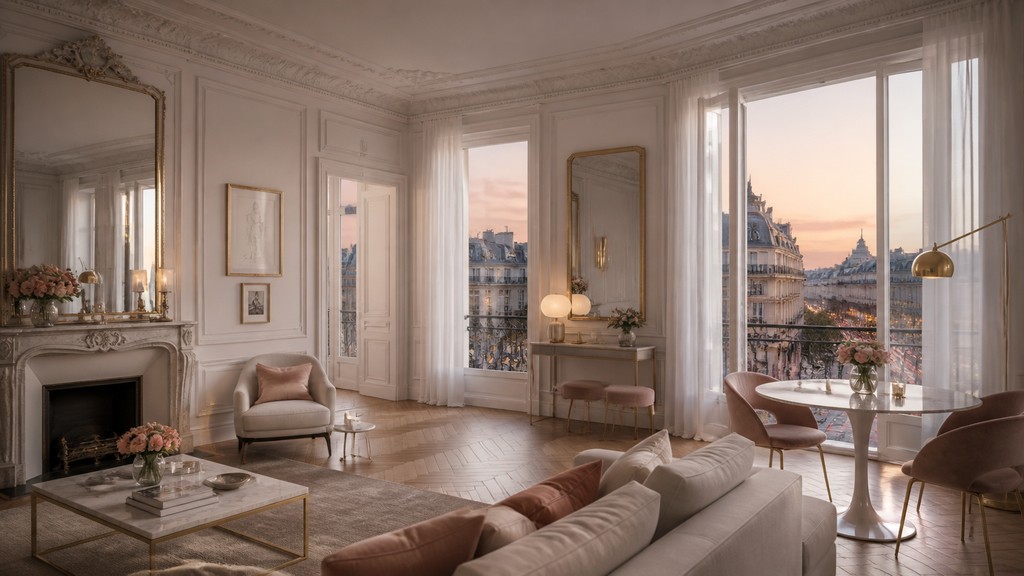
Create your first Parisian Apartment Interior Design artwork
Describe anything — or upload a photo — and see it in Parisian Apartment Interior Design in seconds.
Related Styles
Discover similar art styles