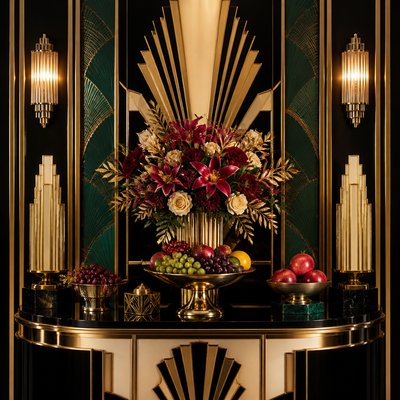
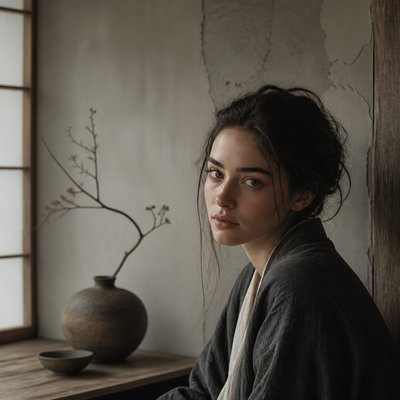
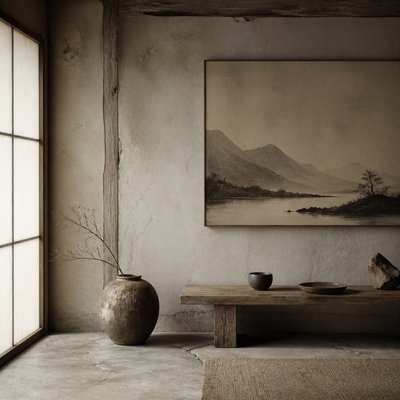
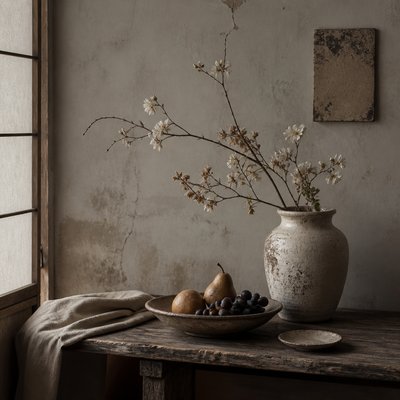
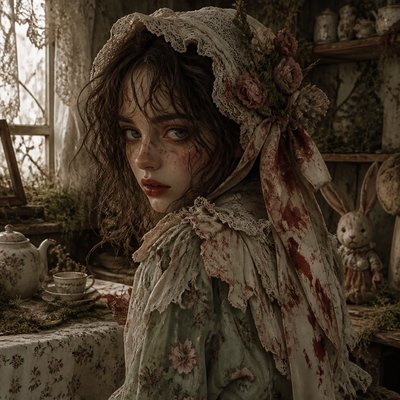
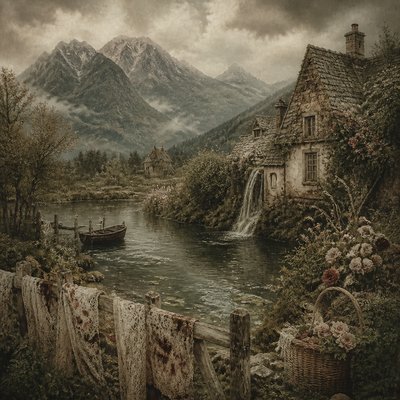
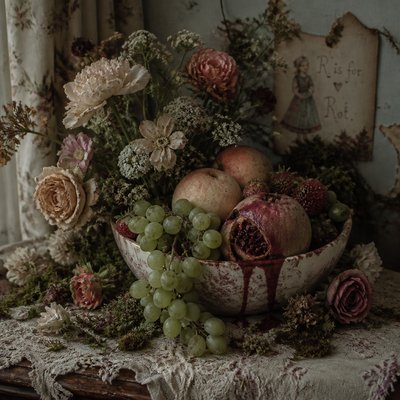
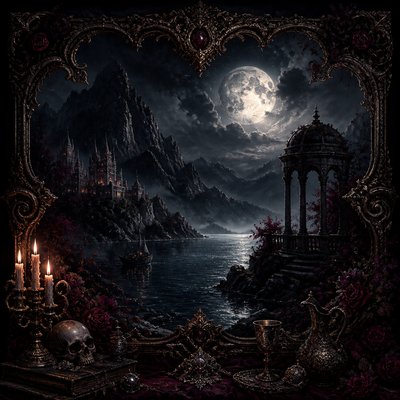
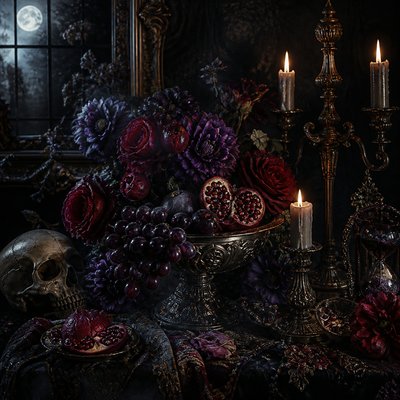
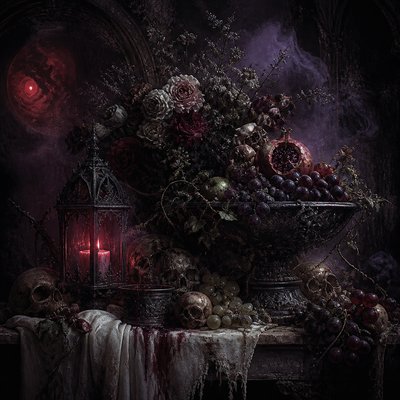
Dark Moody Interior Design
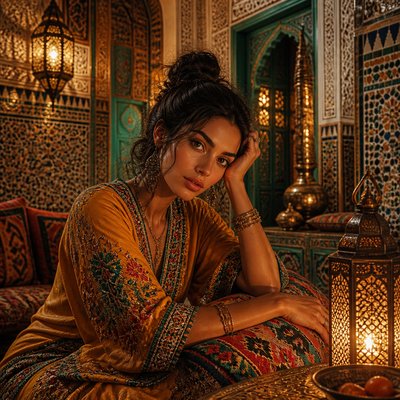
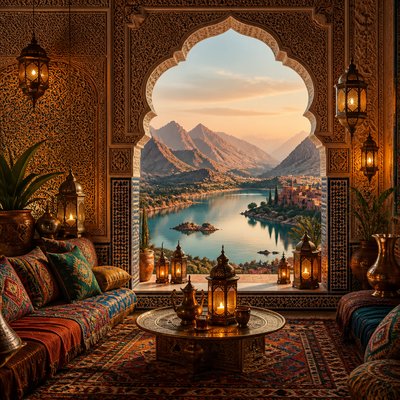
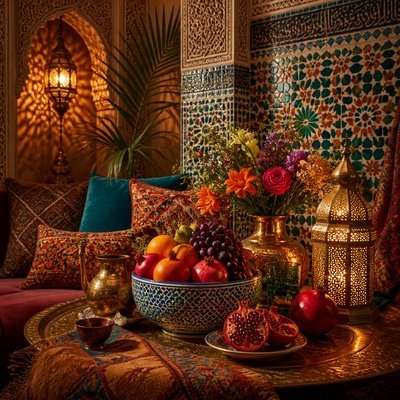
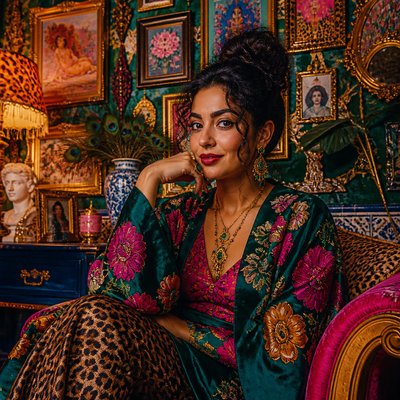
Ink-black interiors with brass, velvet, and cinematic shadow: a cocooning design style of depth, warmth, and dramatic contrast.
Instantly rendered in Dark Moody Interior Design — or transform a photo
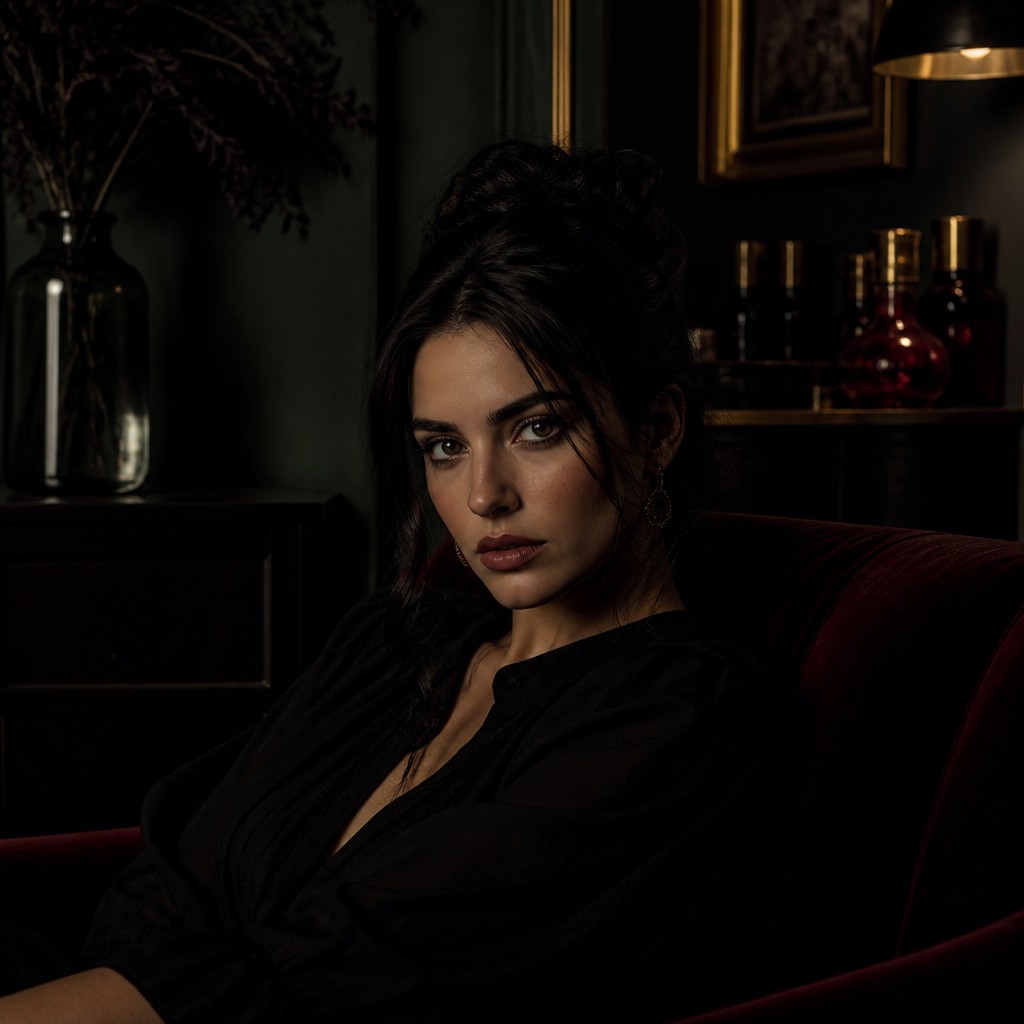
Dark Moody Interior Design Gallery
Tap any artwork to explore it
What is Dark Moody Interior Design?
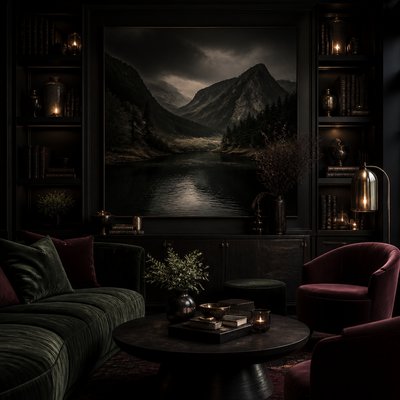
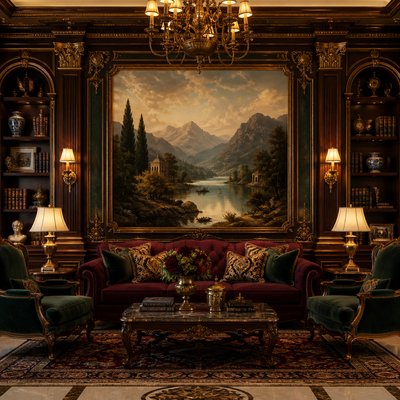
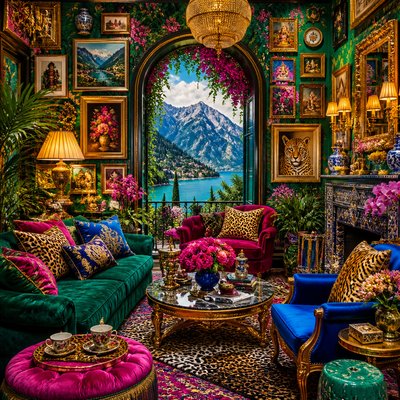
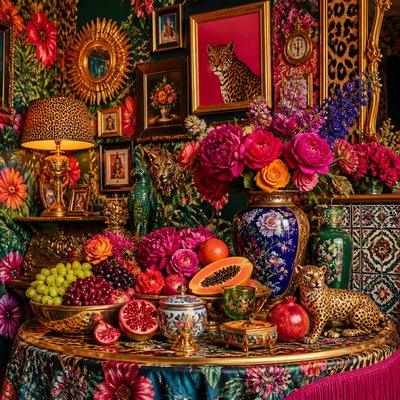
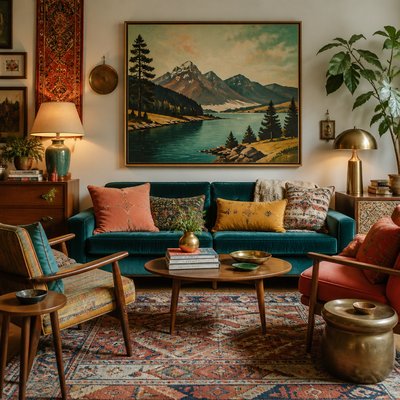
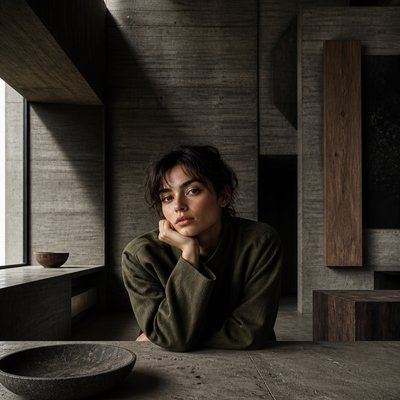
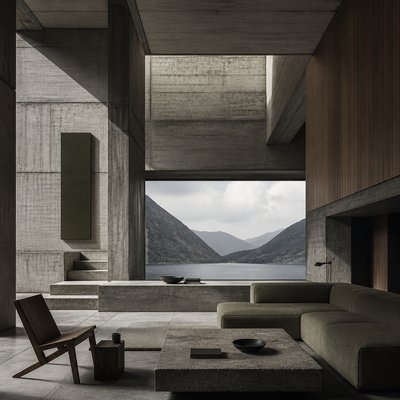
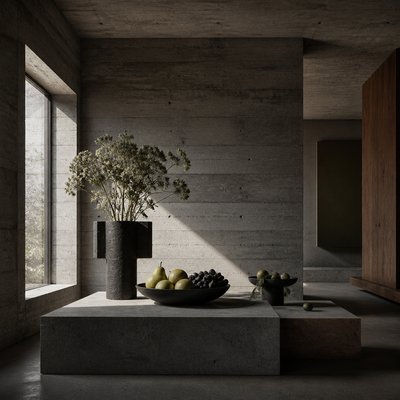
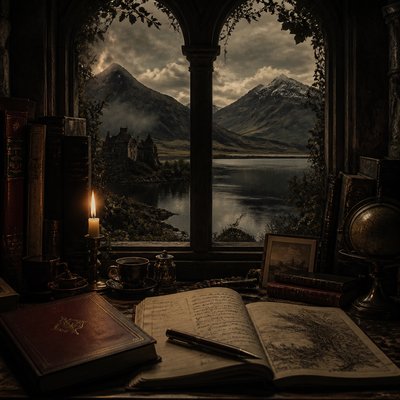
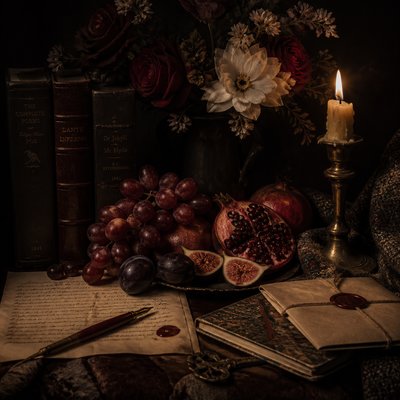
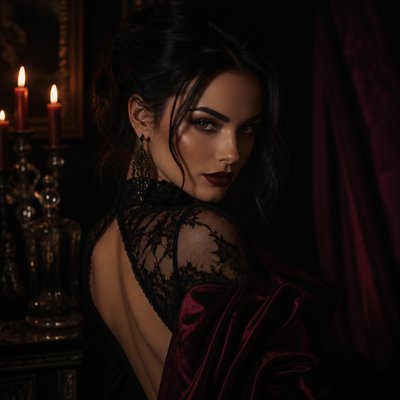
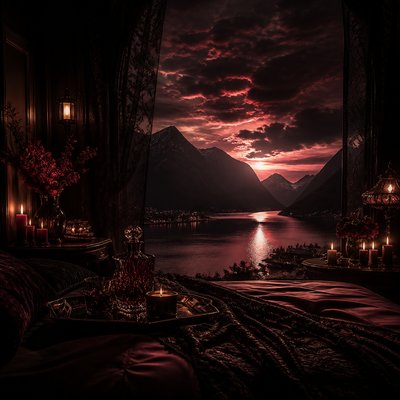
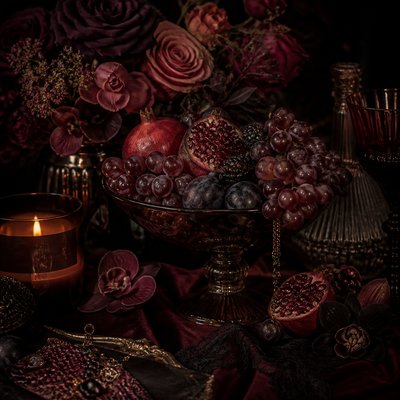
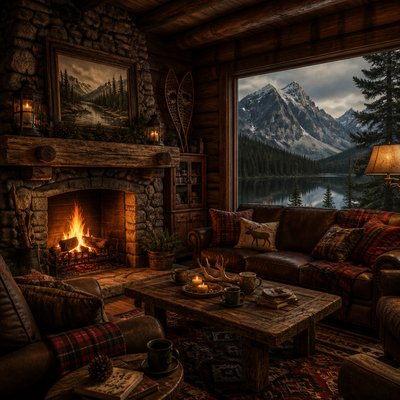
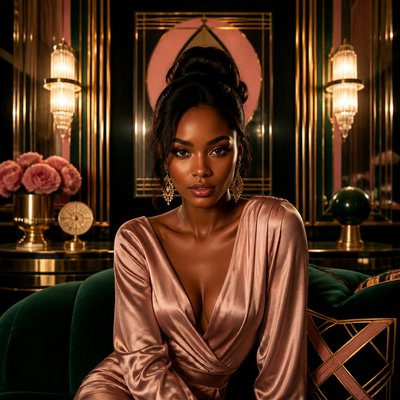
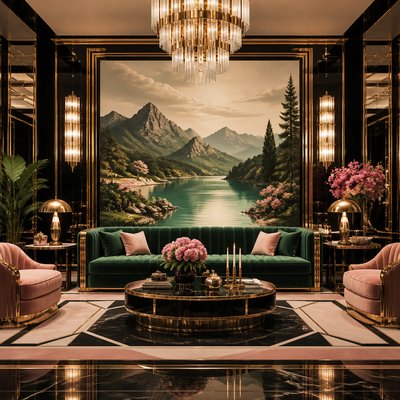
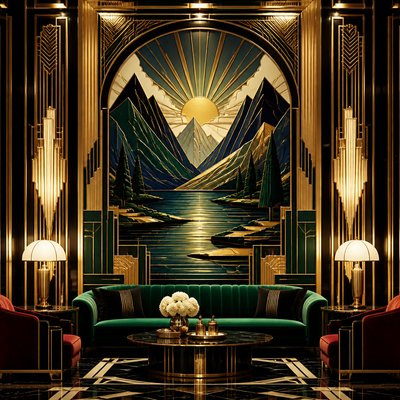
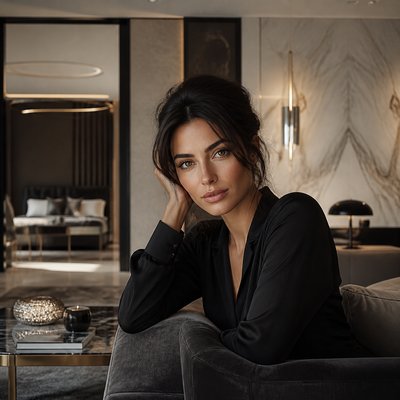
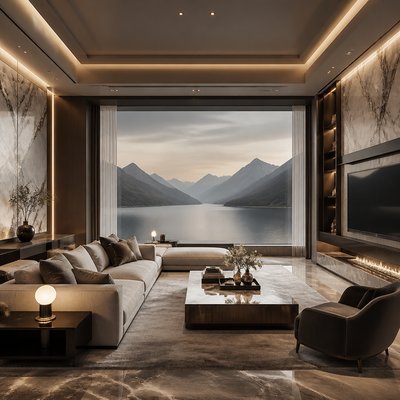
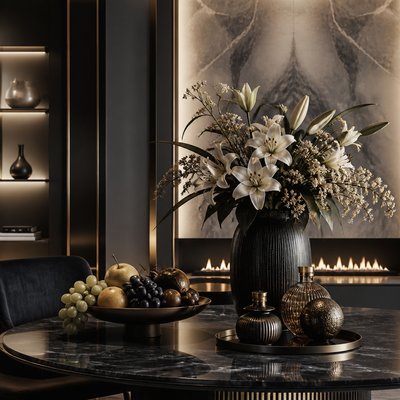
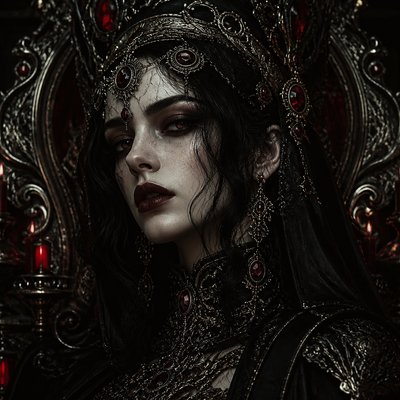
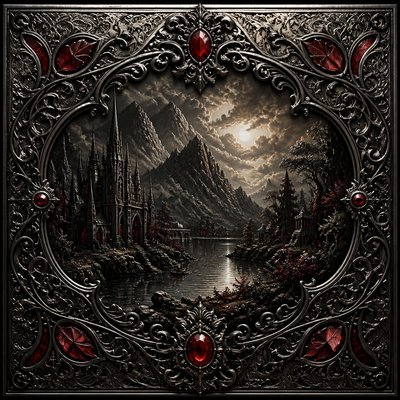
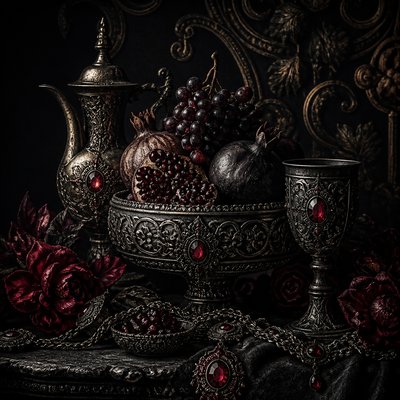
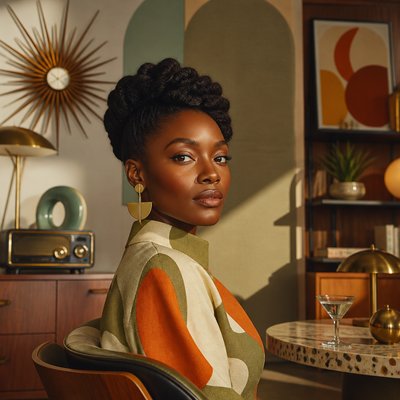
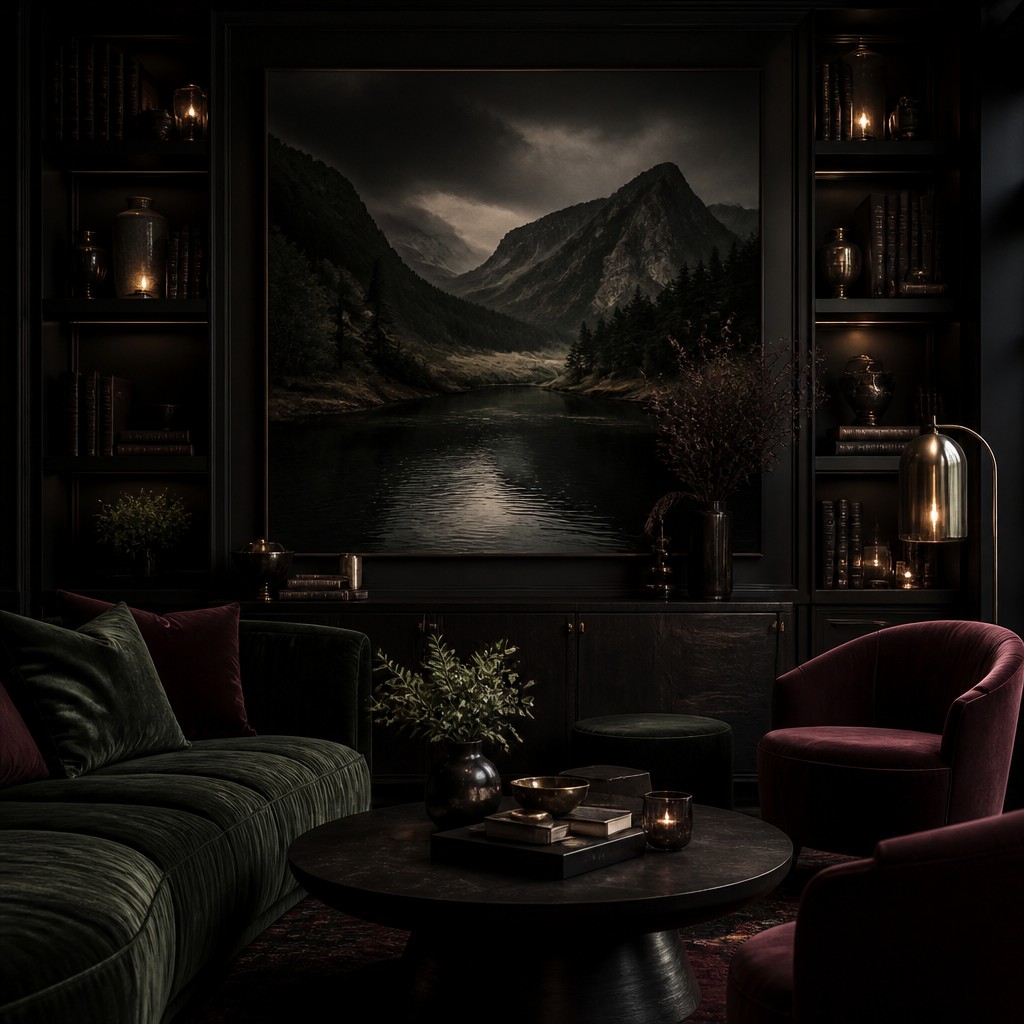
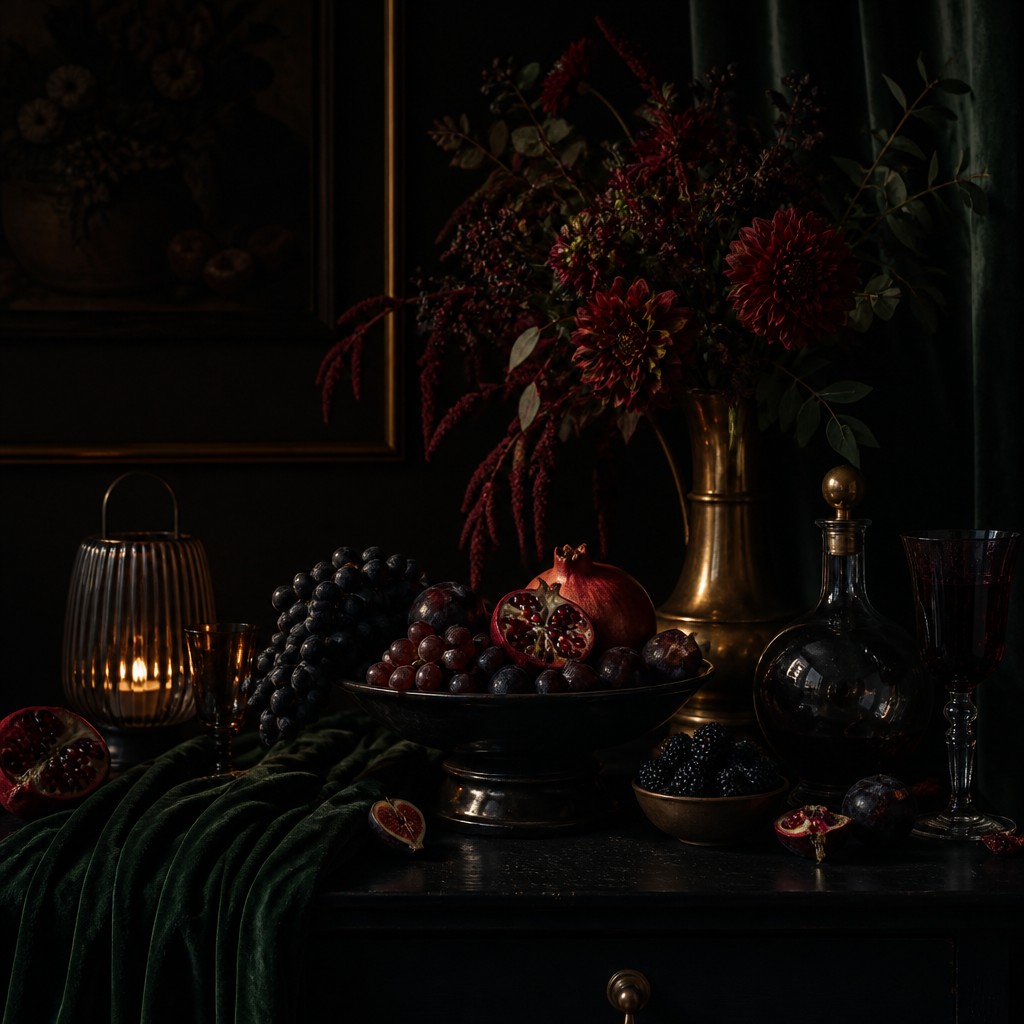
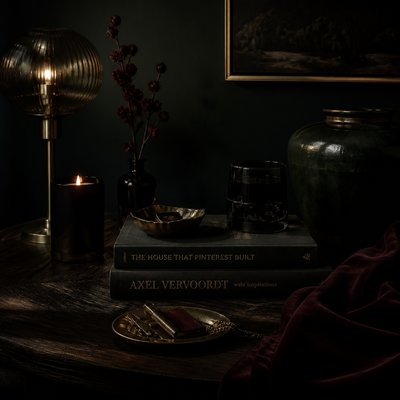
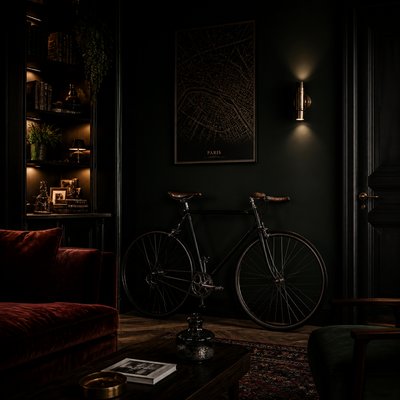
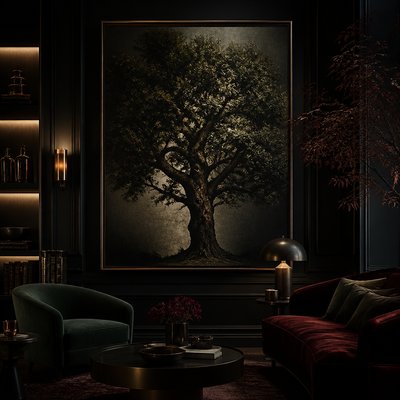
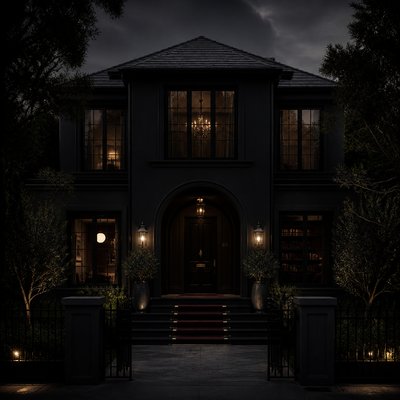
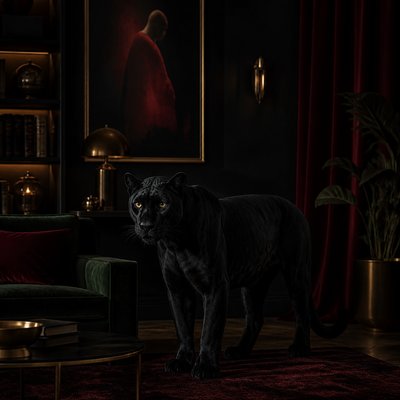
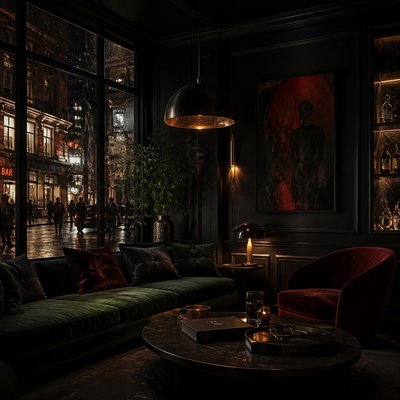
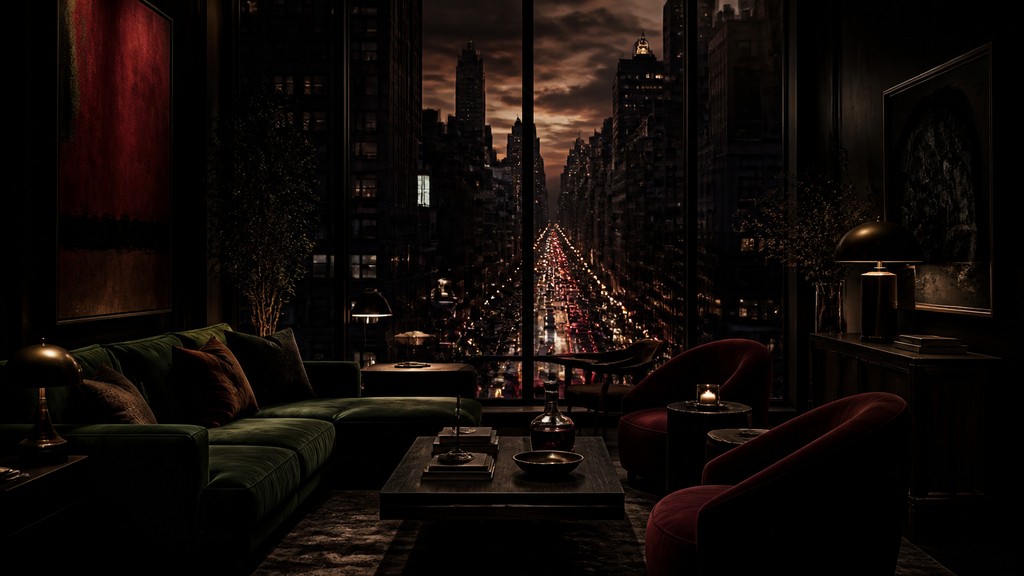
Dark Moody Interior Design is an atmospheric interior aesthetic built around deep, subdued color, low-key lighting, and tactile materials that absorb rather than reflect attention. Its core palette typically centers on ink black, charcoal, forest green, and oxblood, often balanced by brass, smoked glass, dark wood, and velvet to create a room that feels enclosed, intimate, and visually layered.
The style works because it uses contrast sparingly and deliberately: matte walls recede into shadow while warm light is concentrated into small pools that reveal texture and form. Instead of the brightness and airiness associated with minimalist or Scandinavian interiors, this look emphasizes enclosure, depth, and a cinematic sense of mood, producing spaces that feel calm, luxurious, and slightly dramatic.
Try It On Your Photos
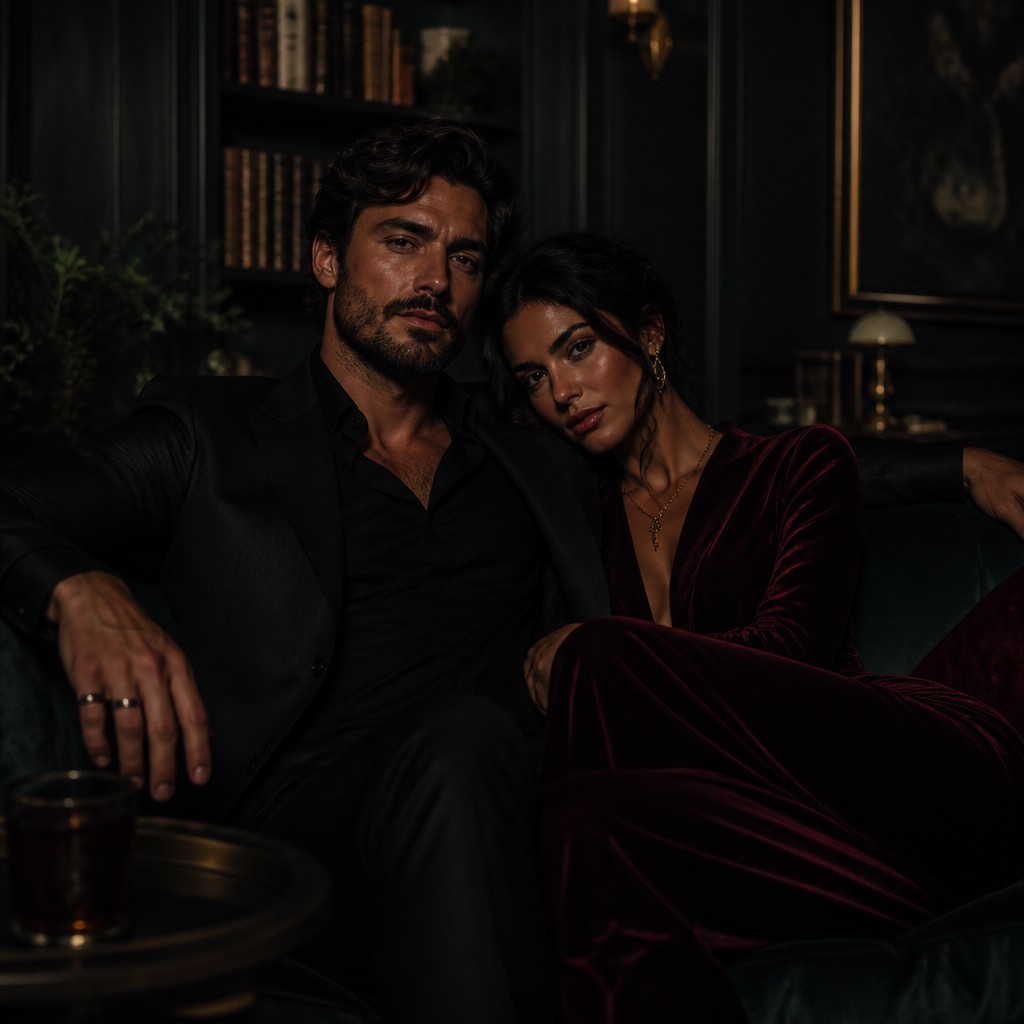
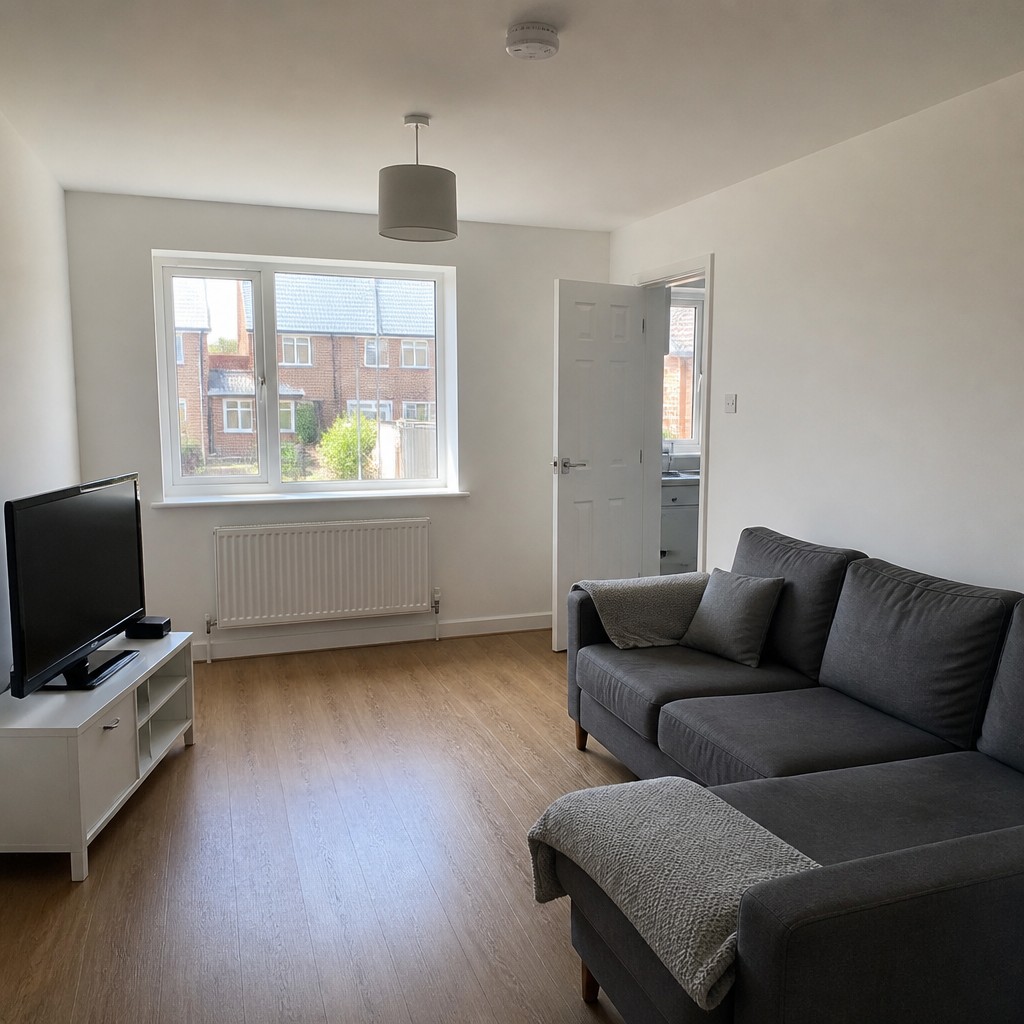
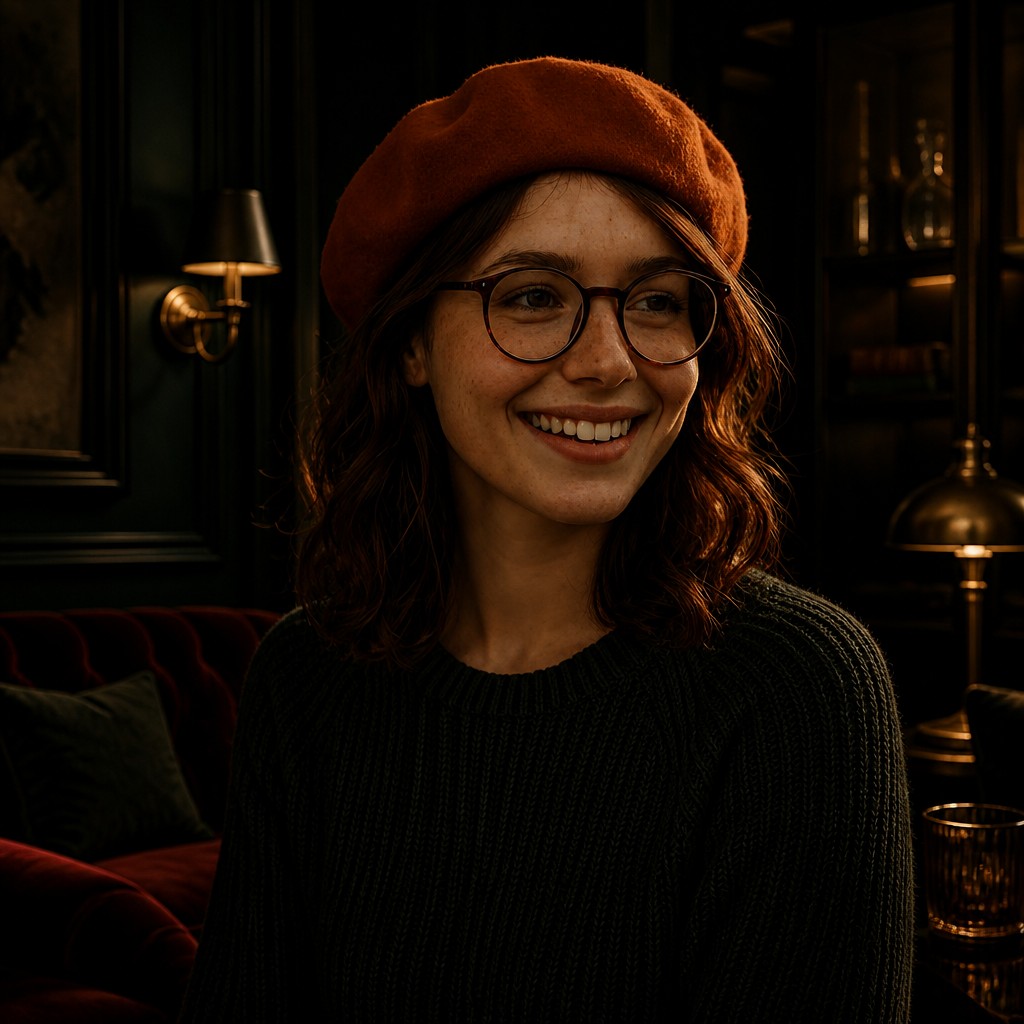
Upload any photo and convert it into Dark Moody Interior Design — drag the sliders to compare before and after.

What Defines Dark Moody Interior Design
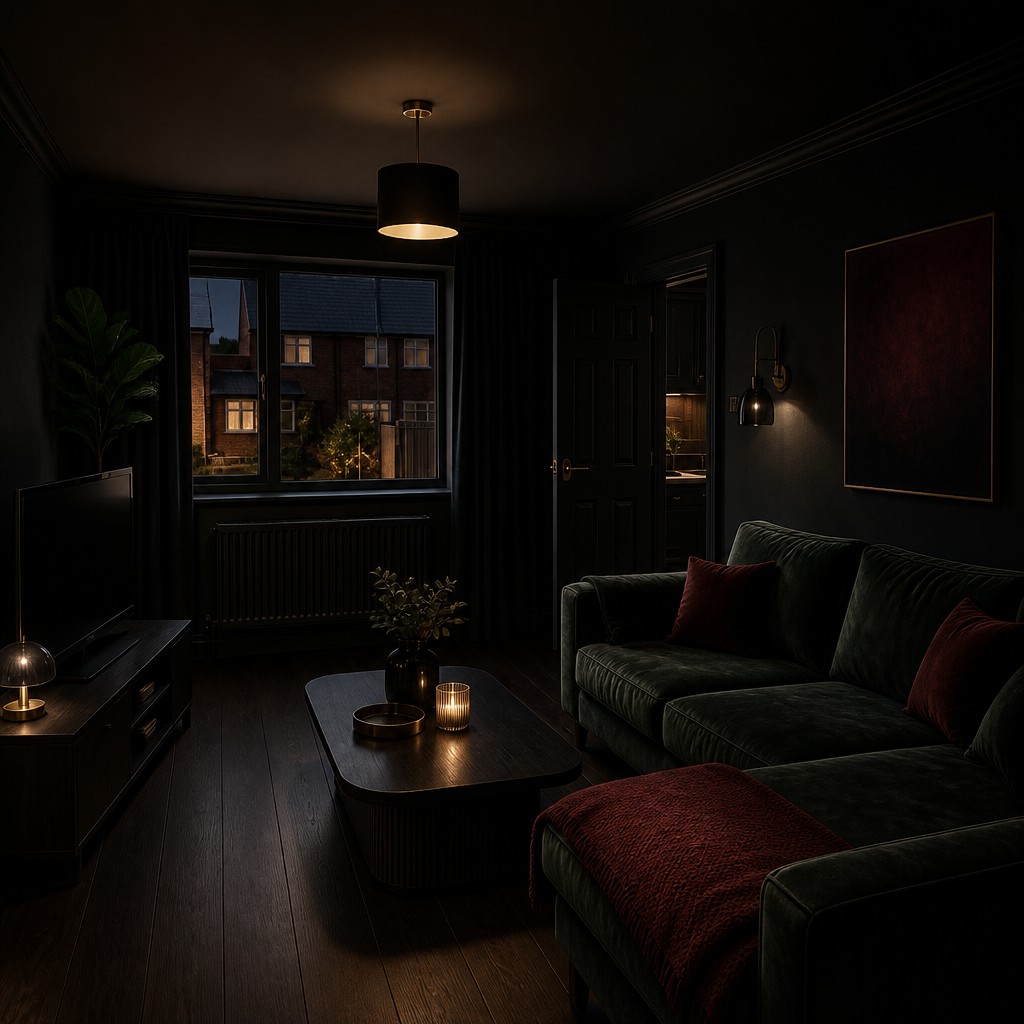
The signature details, up close
Deep, muted color palette
The style relies on dark neutrals and saturated near-black hues such as charcoal, forest green, aubergine, and oxblood. These colors reduce visual glare and create a sense of depth and enclosure.
Matte and low-sheen surfaces
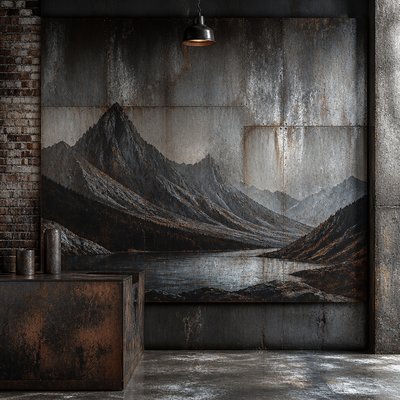
Walls and large architectural planes are often finished in matte paint or soft plaster so light falls gently across them. This keeps the room from feeling shiny or overly decorative.
Metallic accents with restraint
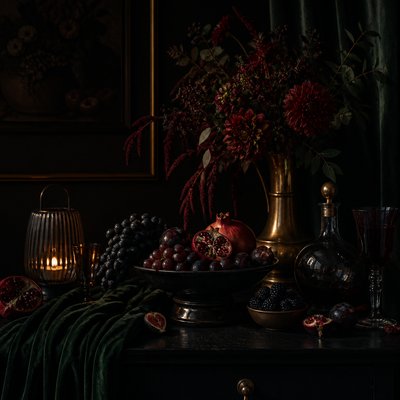
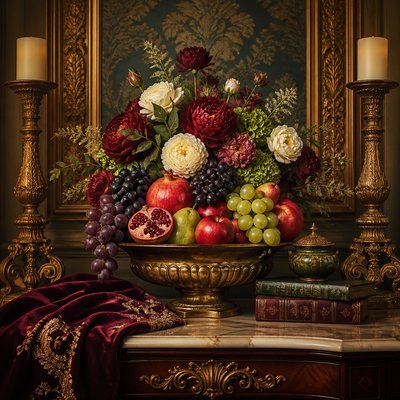
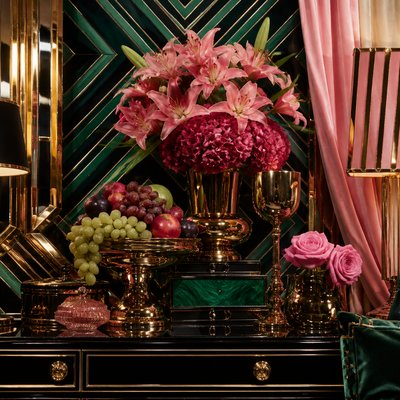
Brass, antique gold, and smoked metal are used as highlights rather than dominant finishes. Small reflective details punctuate the darkness and guide the eye through the room.
Velvet, leather, and dark wood textures
Soft, absorbent textiles and richly grained woods add warmth and tactility. These materials help the interior feel cocoon-like instead of flat or severe.
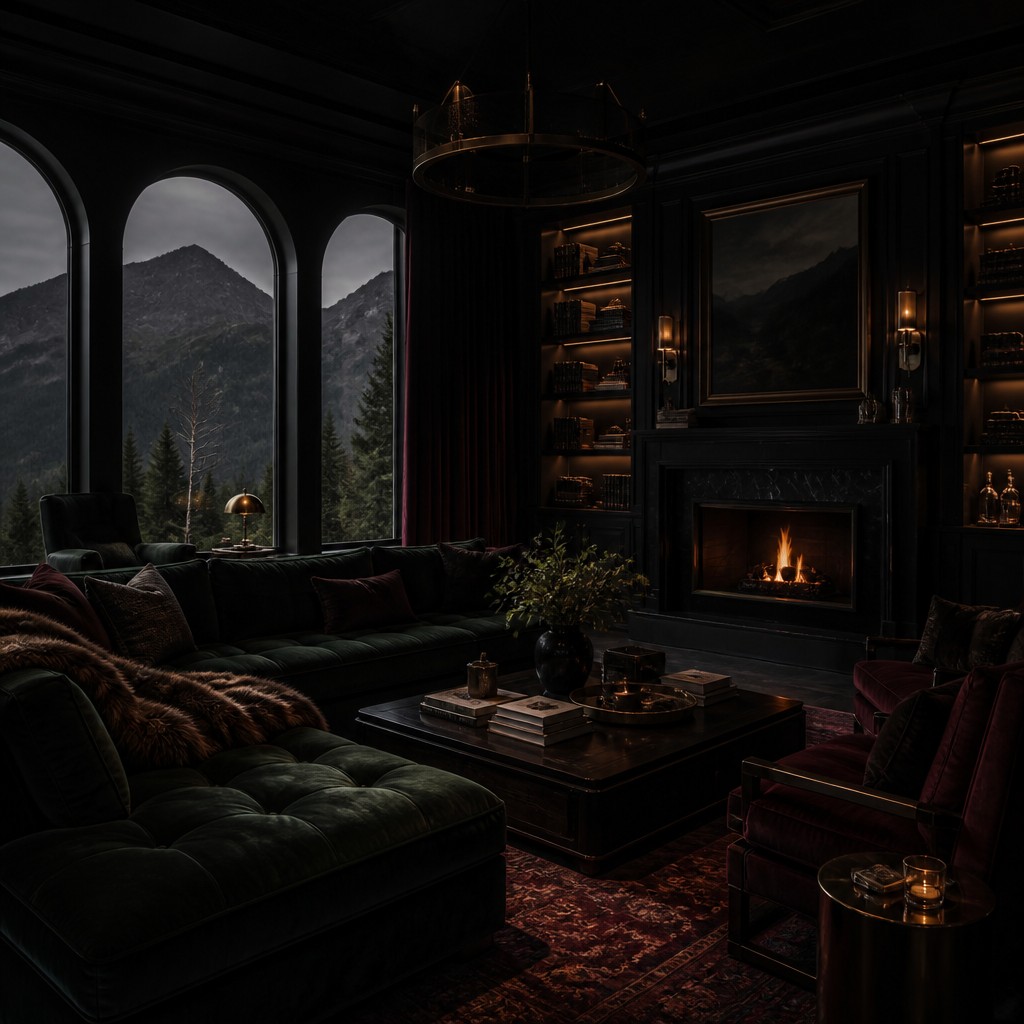
Chiaroscuro lighting
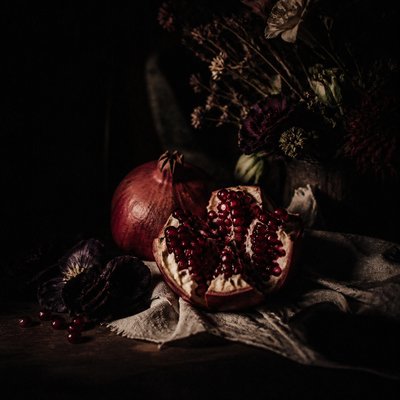
Lighting is concentrated into low, sculpted pools from lamps, sconces, or shaded pendants. The resulting contrast between light and shadow is essential to the style’s cinematic effect.
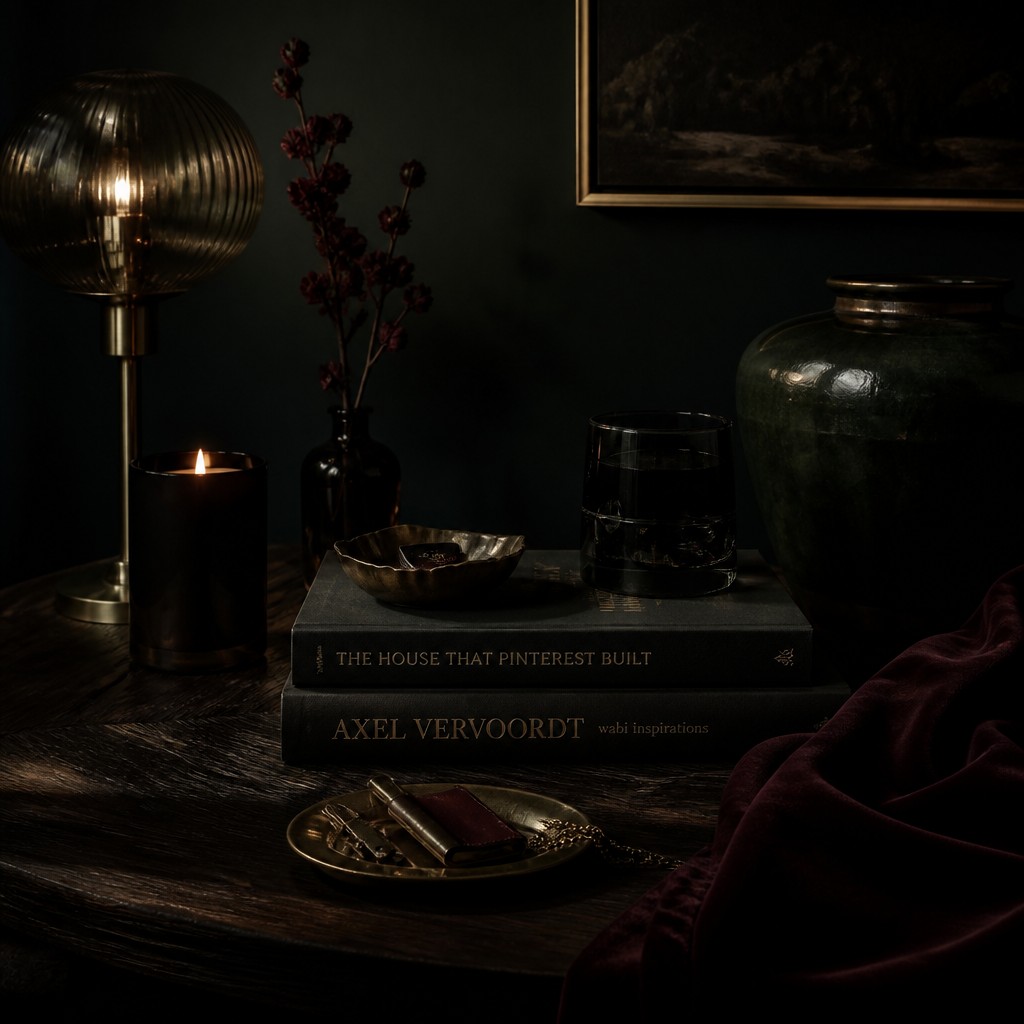
Intimate spatial mood
Furniture layouts often favor closeness, low seating, and enclosed arrangements. The room is designed to feel contemplative and sheltering rather than expansive or airy.
Try It
Create Videos in Dark Moody Interior Design
Styles aren't just for stills — describe a scene or animate an image and get a short video rendered in Dark Moody Interior Design. Press play to see this pond come to life.
Make a VideoDark Moody Interior Design Prompt Ideas
Start from an idea — each one opens the generator with the style ready to go. See all 40 Dark Moody Interior Design prompts →
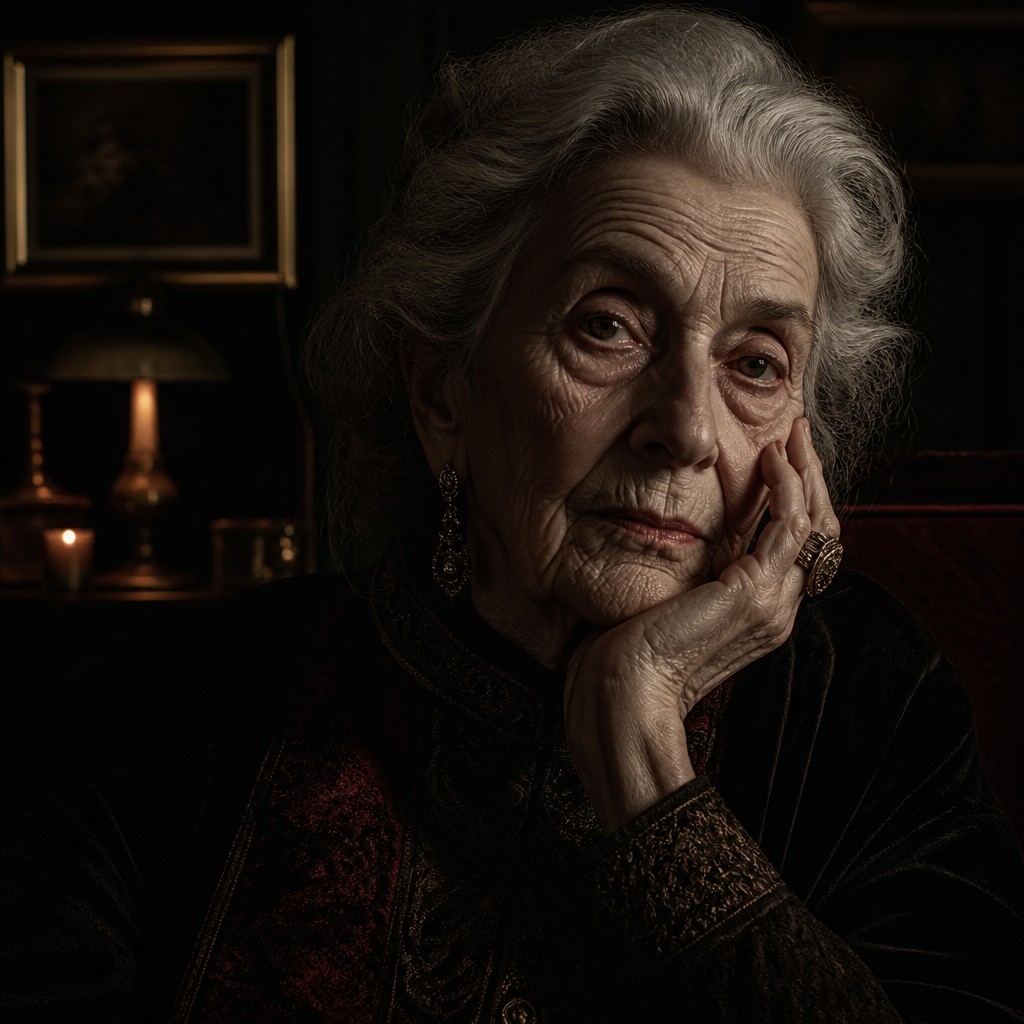
“close-up portrait of an elderly person with expressive weathered features”
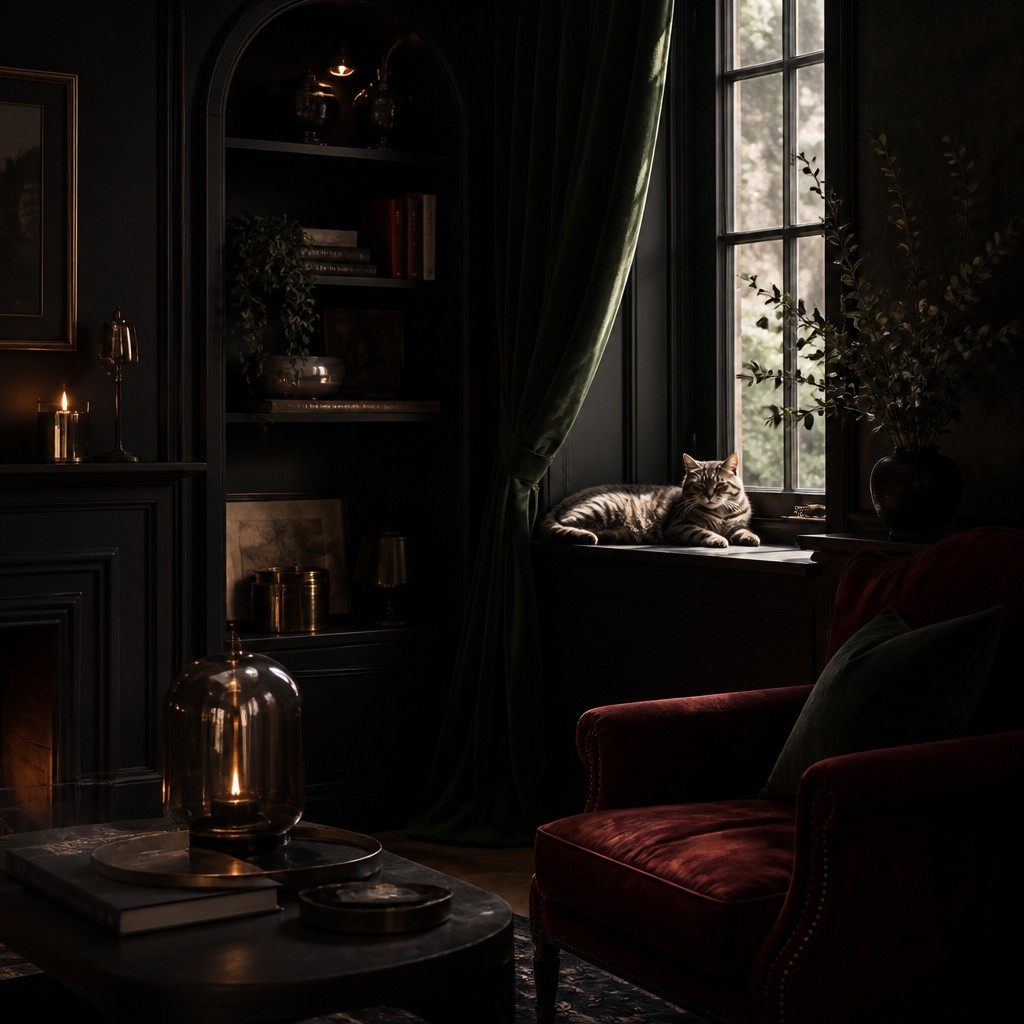
“a cat lounging in a sunlit window”
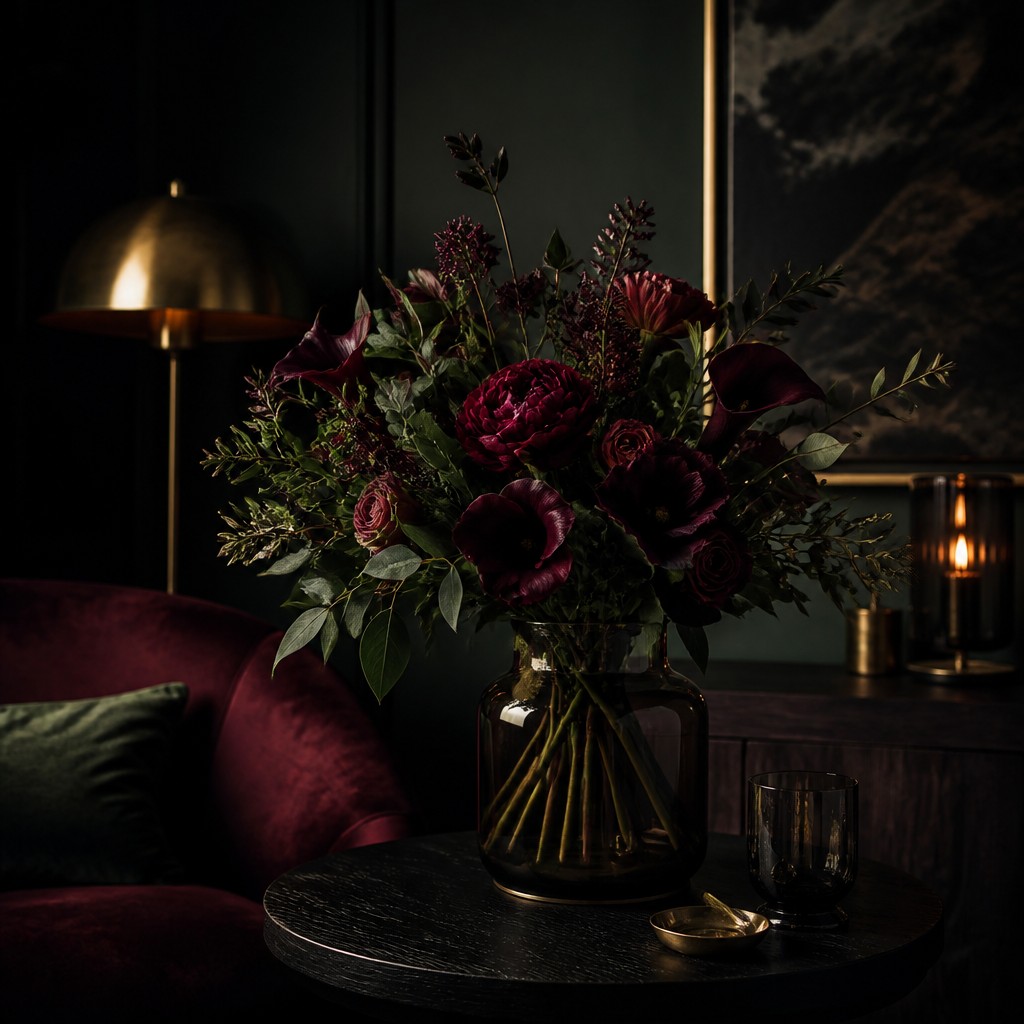
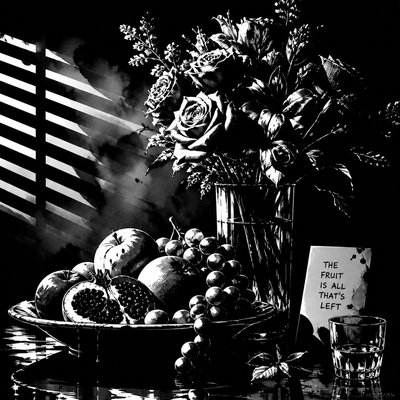
“bouquet of flowers in a glass vase”
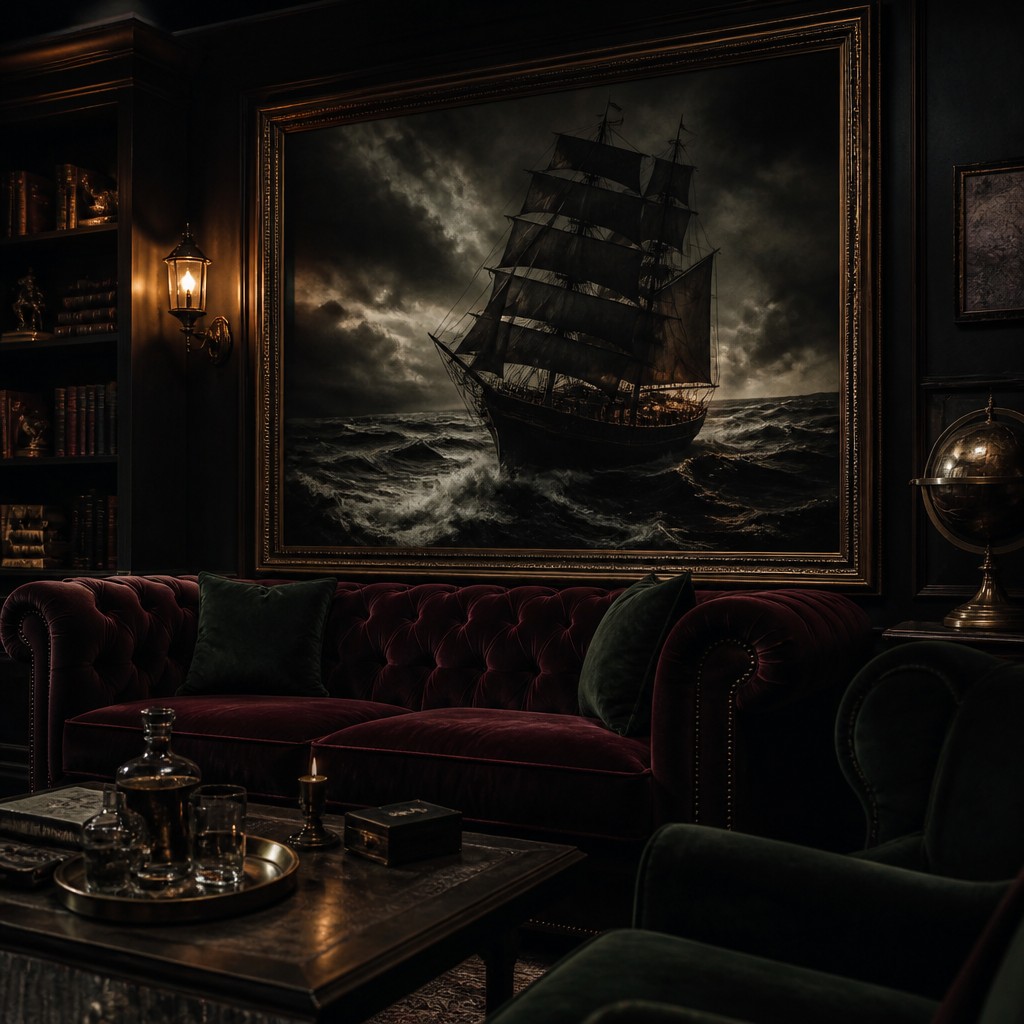
“sailing ship on a stormy sea”
How to Create Dark Moody Interior Design Art
Master the craft step by step — or skip straight to creating. Read the full guide →
- 1
Choose a restricted tonal palette
Build the composition around one near-black base color and two or three deep supporting hues, then use lighter tones only in small amounts. In traditional media, layer transparent darks; in digital work, keep saturation controlled so the shadows remain rich rather than muddy.
- 2
Design for low-key lighting
Place the main light source low and directional, such as a shaded lamp, wall sconce, or window glow at dusk. In prompt-based generation, specify warm pools of light, deep shadow, and dramatic contrast to keep the atmosphere cohesive.
- 3
Emphasize tactile materials
Render velvet, smoked glass, brass, leather, and dark-stained wood with clear texture differences. In images or prompts, naming specific finishes helps prevent the result from becoming a generic dark room.
- 4
Use shadow as composition
Let negative space and shaded corners occupy part of the frame rather than filling every area with detail. This makes the room feel lived-in and cinematic, with forms emerging gradually from darkness.
- 5
Balance opulence with restraint
Include only a few well-chosen decorative elements, such as an ornate lamp, a framed artwork, or a brass mirror. Too many accents will weaken the quiet, controlled mood that defines the style.
- 6
Write prompts around atmosphere, not decoration alone
When generating images, pair the subject with lighting and material cues, such as 'an armchair in a room with velvet drapes, brass lamp glow, charcoal walls, and smoked glass details.' The atmosphere should be specified as clearly as the furniture.

The Story
History & Origins of Dark Moody Interior Design
Dark moody interiors do not belong to a single historical movement; they are a contemporary aesthetic lineage drawn from several older traditions. Their visual logic can be traced to Victorian darkwoods, Edwardian club interiors, the atmospheric lighting of film noir, and the rich tonal palettes of late 19th- and early 20th-century decorative arts. More recently, the style has been shaped by hospitality design, boutique hotels, and residential interiors that favor intimacy and sensory richness over brightness and openness.
The style also reflects a broader turn in contemporary interior design toward mood-based environments. As open-plan homes and neutral minimalism became common, darker interiors emerged as an alternative that values enclosure, tactile materials, and controlled illumination. In digital and image-based culture, this aesthetic has been reinforced by cinematic photography, editorial styling, and luxury branding, making it a recognizable visual language for sophisticated, enveloping spaces.
Influences: This aesthetic draws from Victorian and Edwardian interiors, especially dark woods, heavy drapery, and richly furnished private rooms, as well as the visual language of film noir and cinematic lighting. It also overlaps with Arts and Crafts material sensibilities, luxury hospitality design, and contemporary editorial interior photography. Unlike historical styles with fixed decorative rules, it is best understood as a mood-driven synthesis of these traditions rather than a single period style.

Frequently Asked Questions
What defines Dark Moody Interior Design?
It is defined by a dark, layered palette, controlled lighting, and tactile materials that create an intimate, enclosed feeling. The style depends on contrast between matte surfaces and small highlights of brass, glass, or warm lamp light.
Is this style the same as gothic interior design?
Not exactly. Gothic interiors often reference historical ornament, pointed forms, and medieval revival elements, while dark moody interiors can be modern, minimal, or eclectic. The shared feature is atmosphere, but the darker style here is more about color, light, and texture than historical ornament.
How do I keep a dark interior from feeling flat?
Use multiple values within the dark range and vary surface finishes so some elements absorb light while others catch it. Warm lighting, reflective accents, and textured fabrics help separate forms and preserve depth.
What colors work best in this style?
Ink black, charcoal, forest green, oxblood, deep brown, and aubergine are especially effective. Warm metals and muted neutrals can be added sparingly to prevent the palette from becoming visually dense in an unbalanced way.
Where is this style commonly used?
It appears often in bedrooms, libraries, lounges, cocktail bars, boutique hotels, and editorial set design. These are spaces where intimacy, calm, and a sense of controlled drama are desirable.
How can I create it in a digital image or prompt?
Specify dark walls or furnishings, warm localized lighting, rich materials, and strong shadow. If using a prompt, include cues like matte finishes, brass accents, velvet, smoked glass, and cinematic chiaroscuro to guide the result.
Create your first Dark Moody Interior Design artwork
Describe anything — or upload a photo — and see it in Dark Moody Interior Design in seconds.
Related Styles
Discover similar art styles