Wabi-Sabi Interior Design
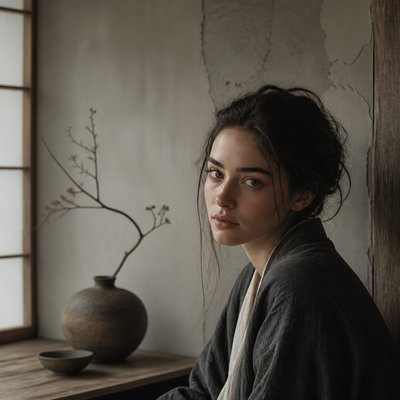
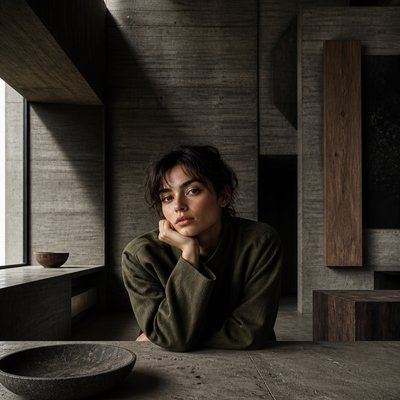
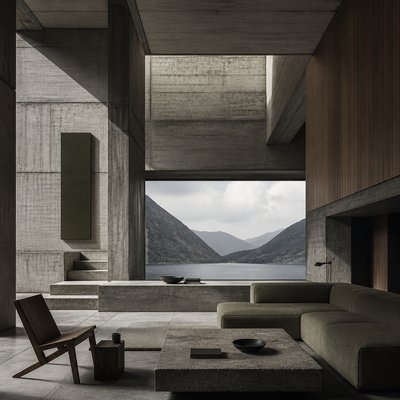
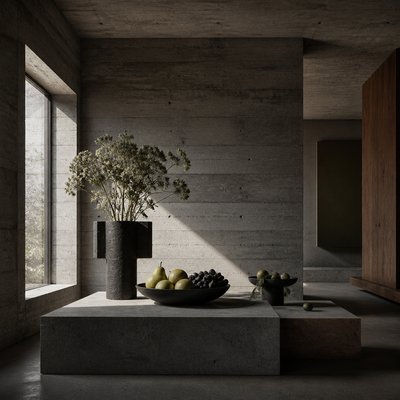
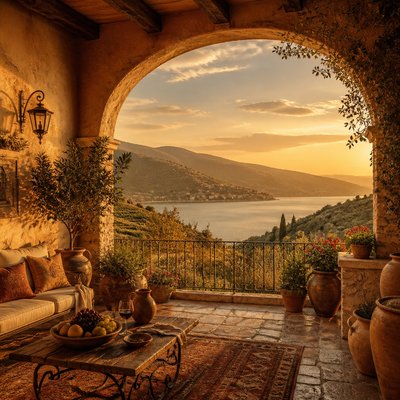
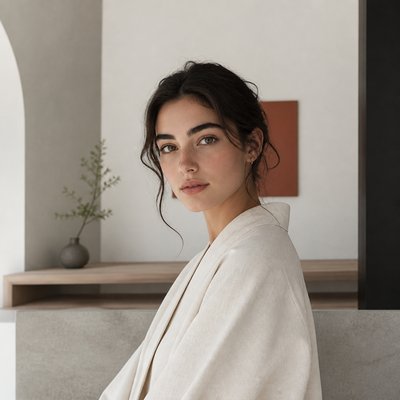
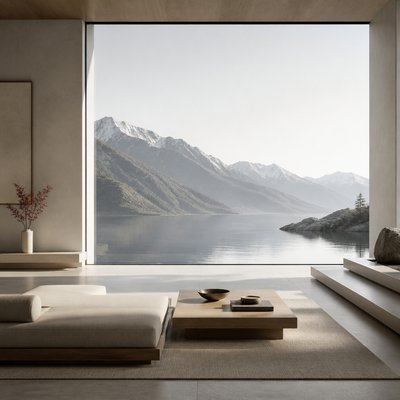
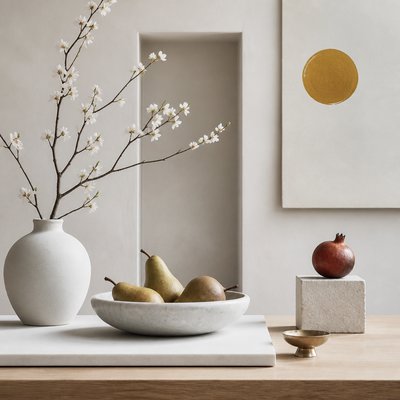
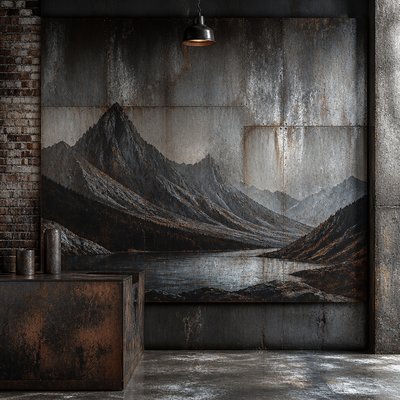
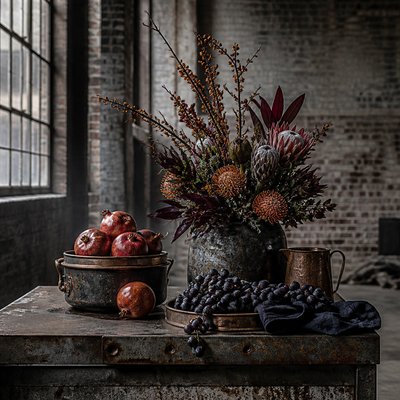
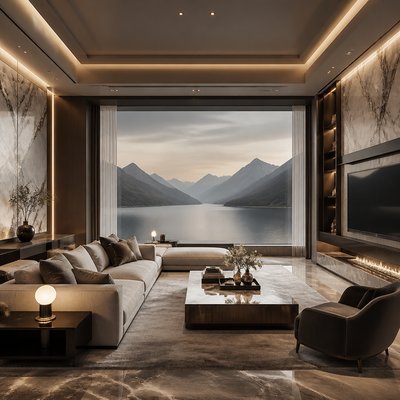
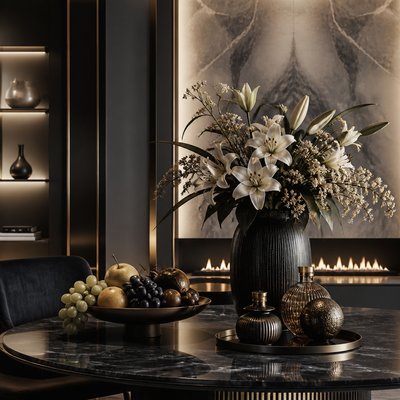
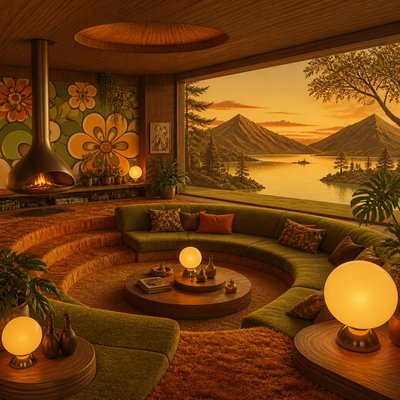
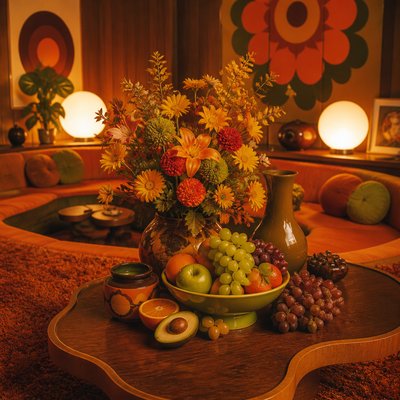
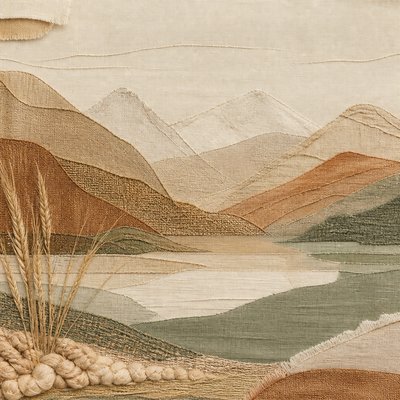
Wabi-sabi interior design celebrates imperfect, natural materials, muted earth tones, soft light, and quiet, asymmetrical serenity.
Instantly rendered in Wabi-Sabi Interior Design — or transform a photo
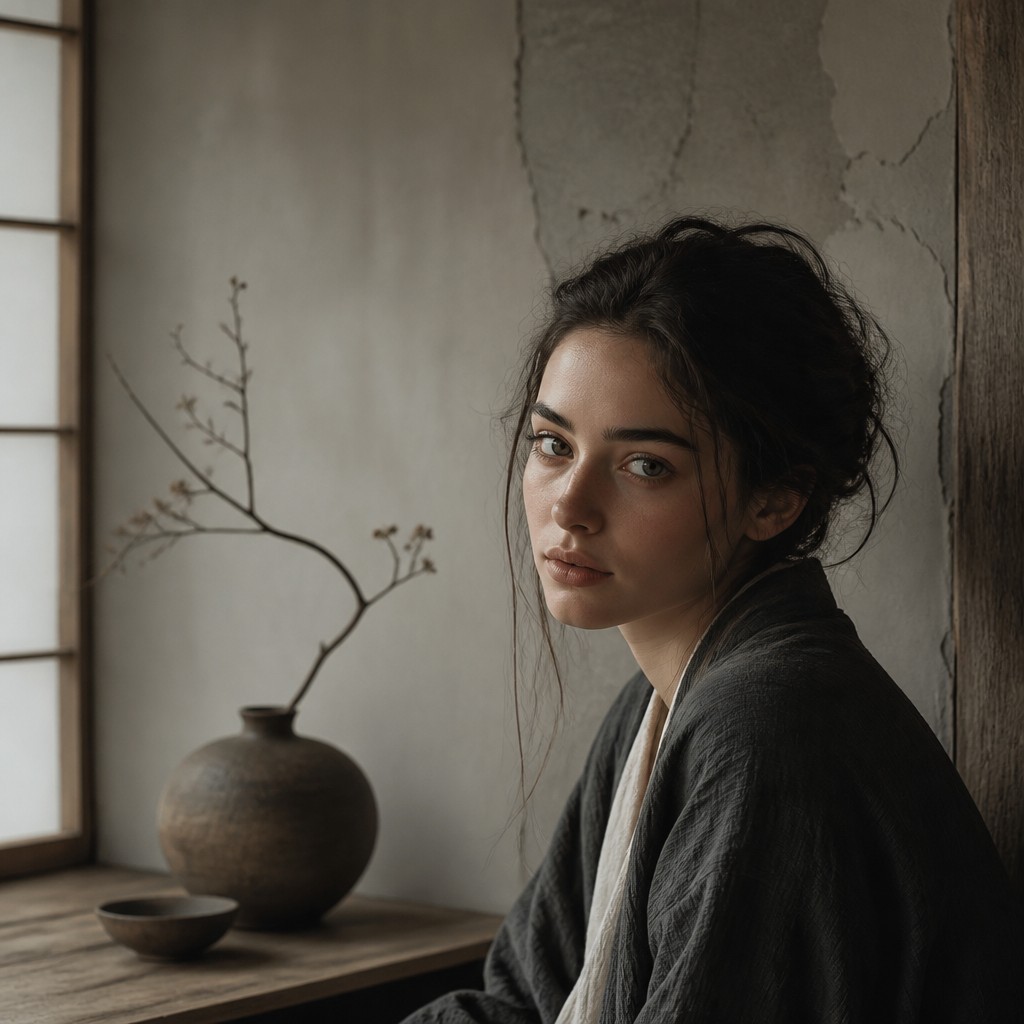
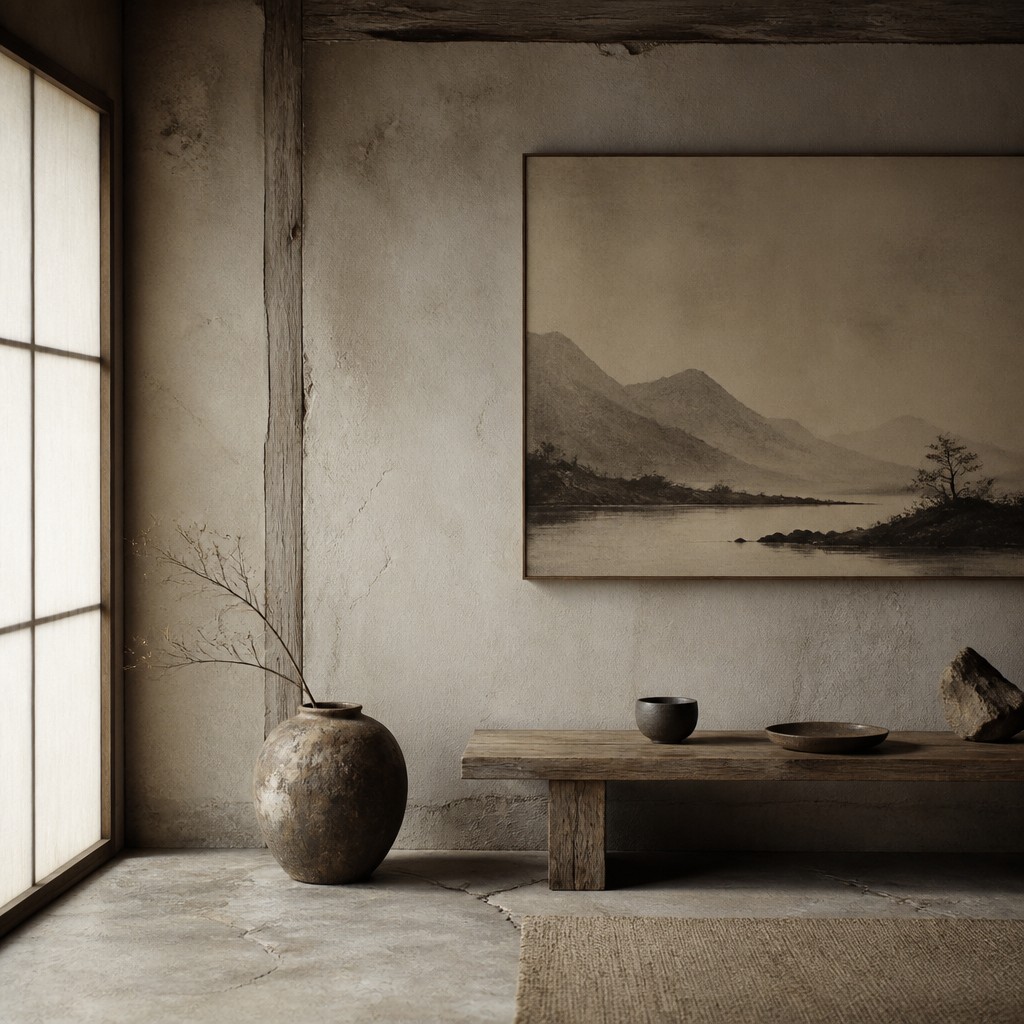
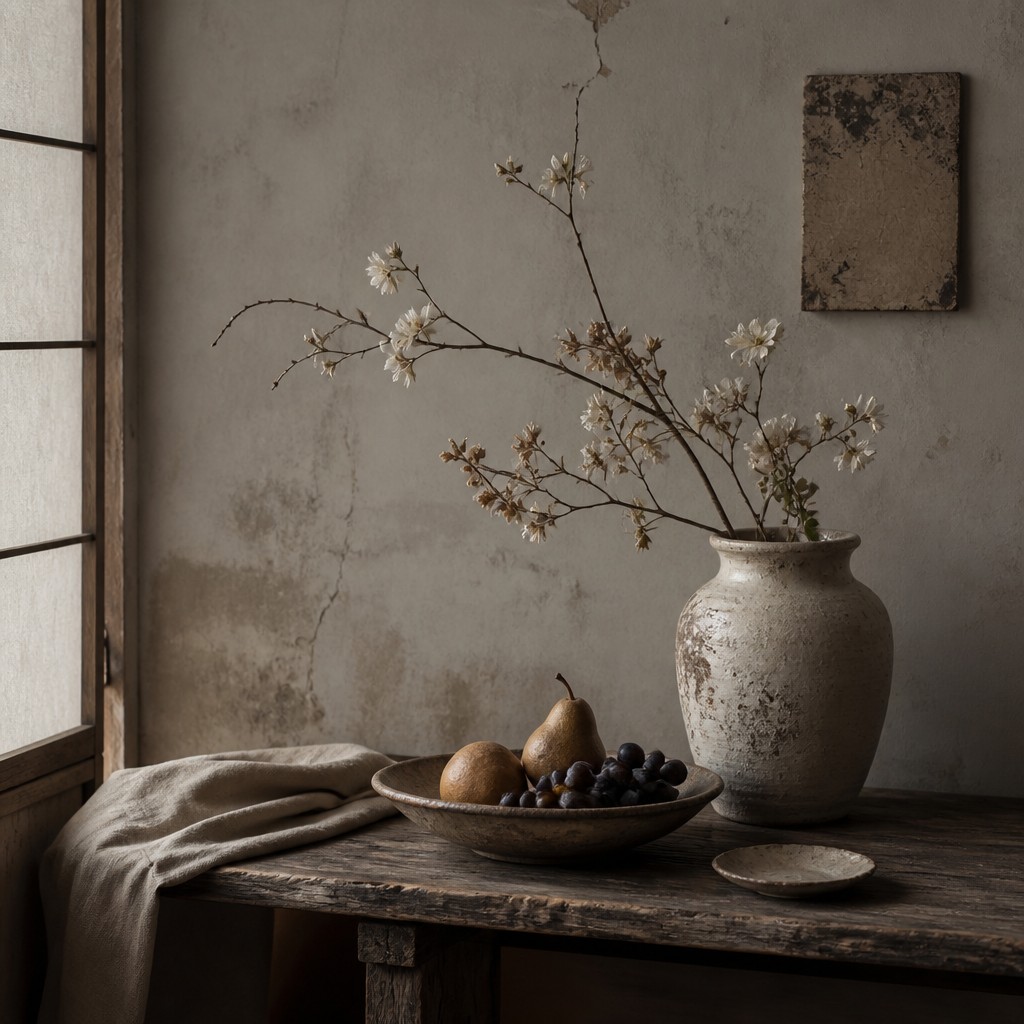
Wabi-Sabi Interior Design Gallery
Tap any artwork to explore it
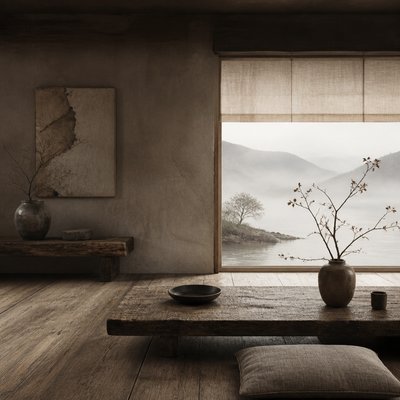
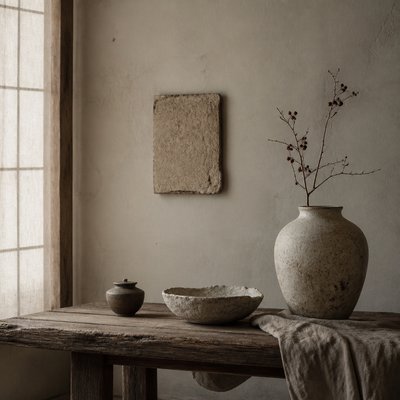
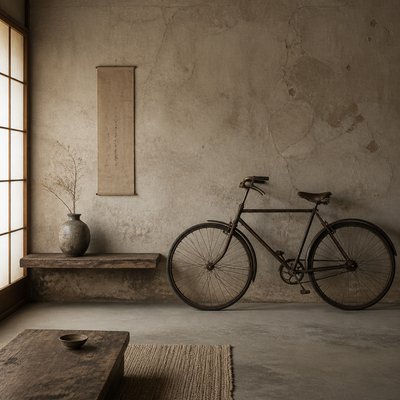
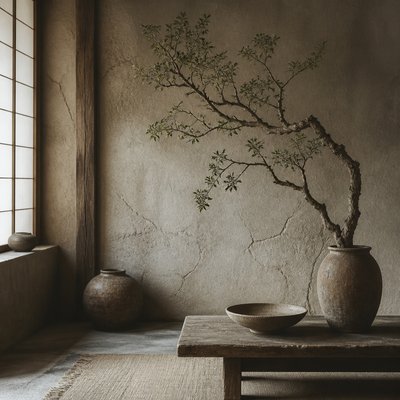
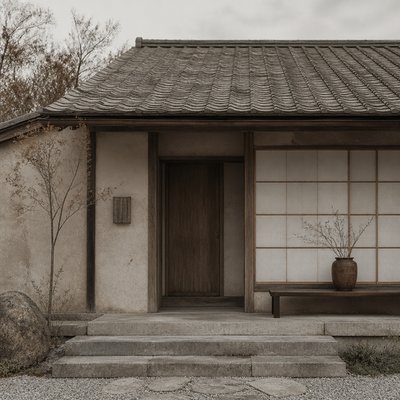
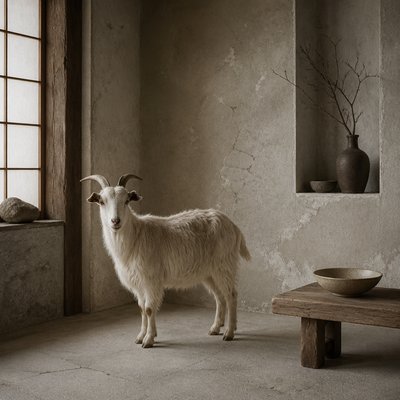
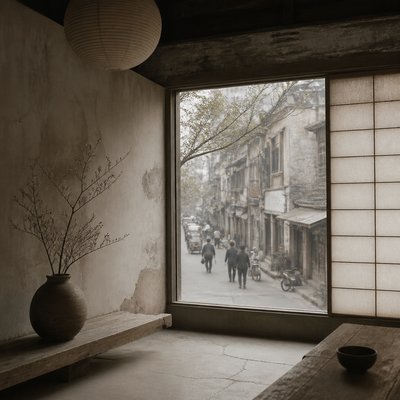
What is Wabi-Sabi Interior Design?
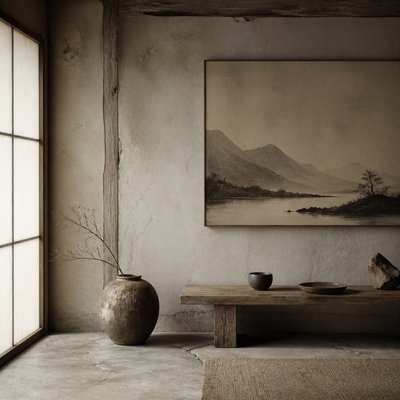
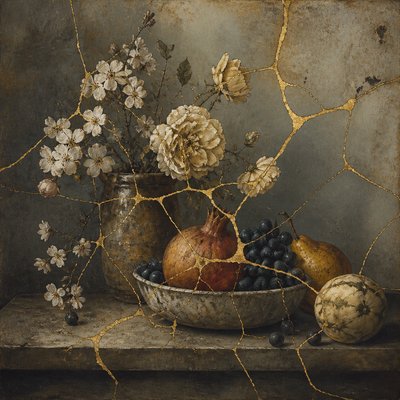
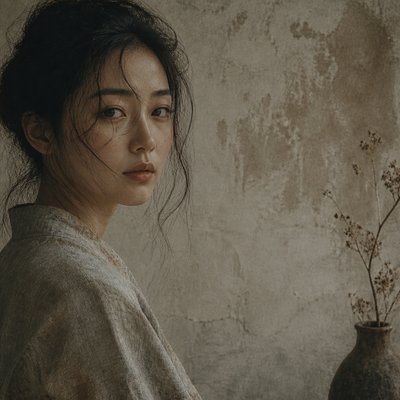
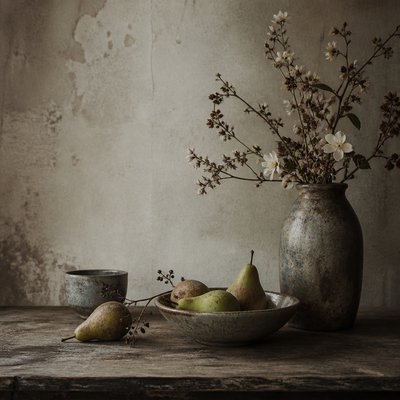
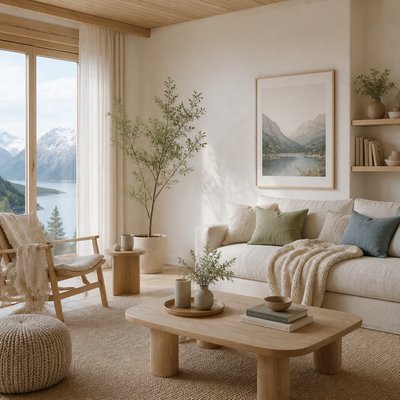
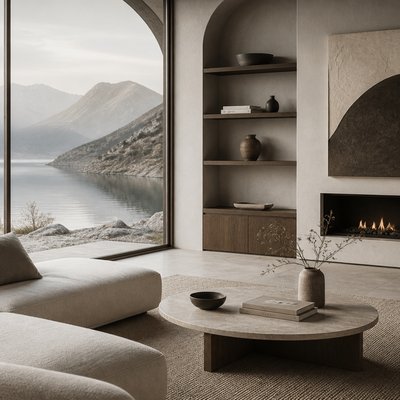
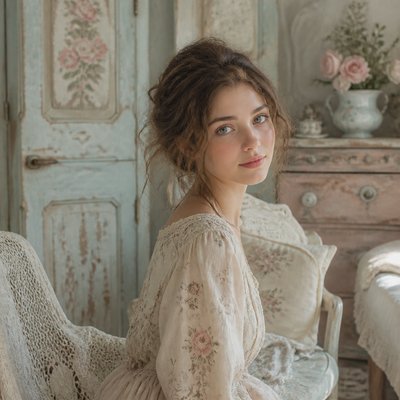
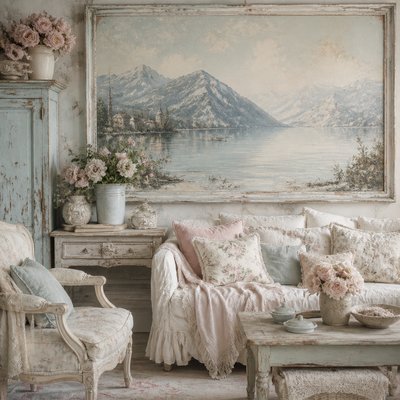
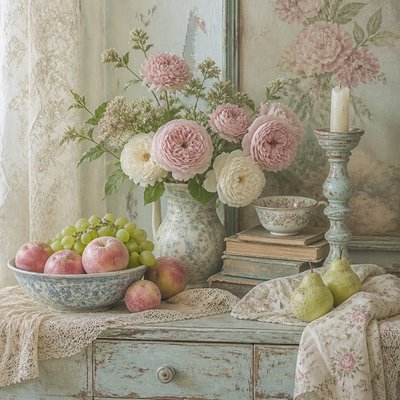
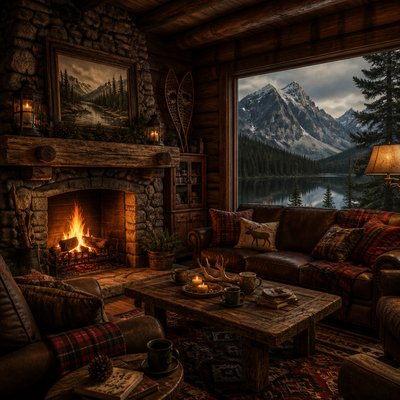
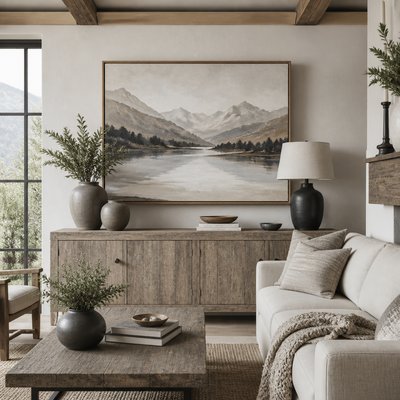
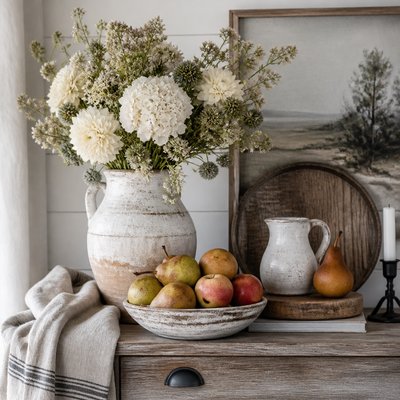
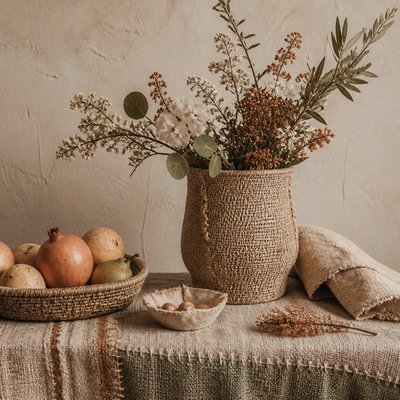
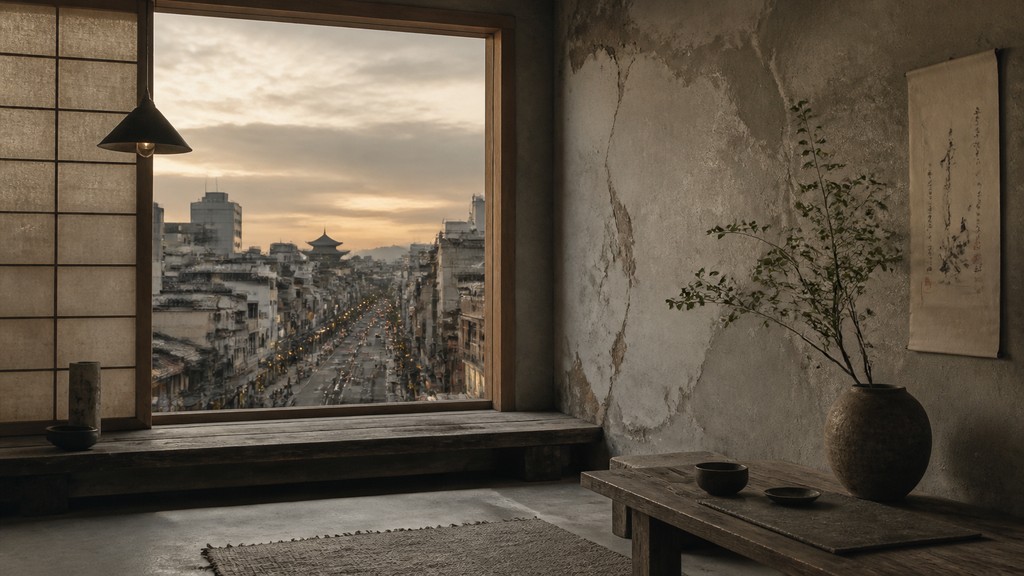
Wabi-sabi interior design is an approach to space that values imperfection, transience, and material honesty. It is defined by restrained composition, subdued earth-toned color, and surfaces that show age or handwork: raw plaster, weathered wood, unglazed ceramic, linen, stone, and matte finishes. Rather than aiming for polish or symmetry, it creates a calm atmosphere through simplicity, emptiness, and the visible presence of time.
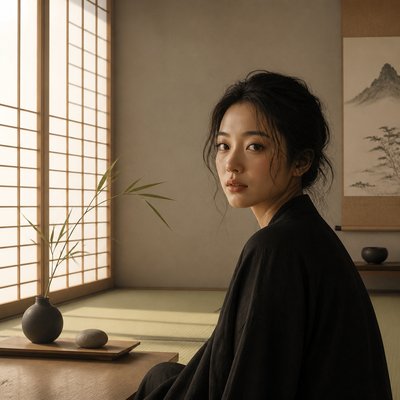
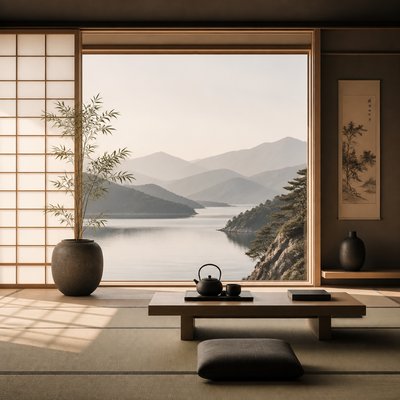
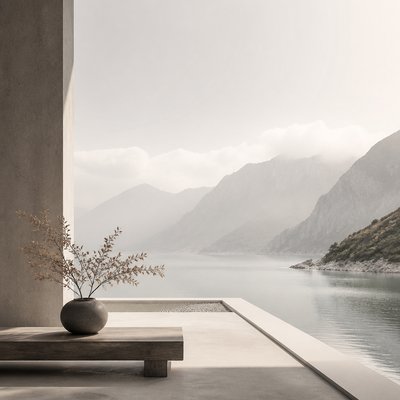
The style looks the way it does because it is built around the idea that beauty can reside in wear, irregularity, and incompletion. Rooms in this language often feel hushed and contemplative, with soft indirect daylight, low contrast, and gentle tonal shifts. Furniture and objects are few, often asymmetrical, and chosen for tactile quality rather than ornament, so the overall effect is intimate, grounded, and quietly imperfect.
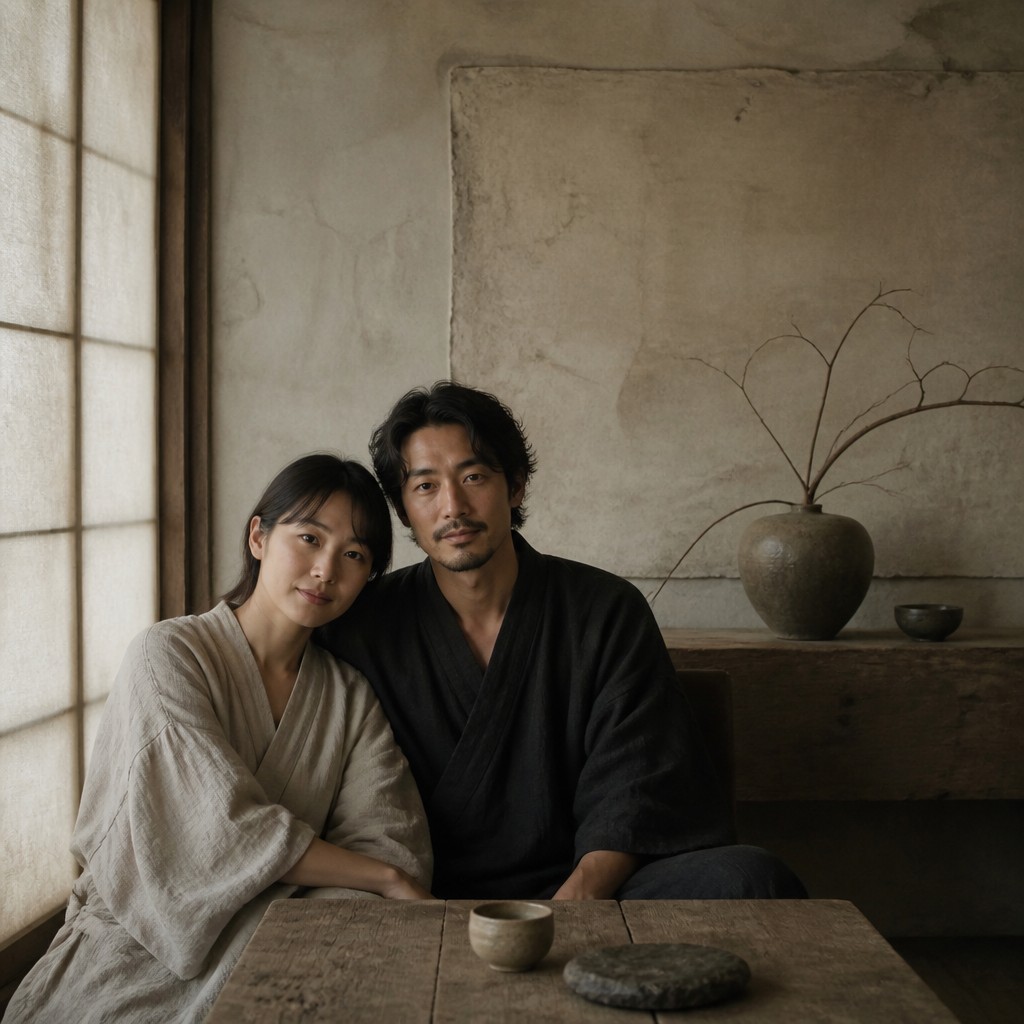
Try It On Your Photos
Upload any photo and convert it into Wabi-Sabi Interior Design — drag the sliders to compare before and after.


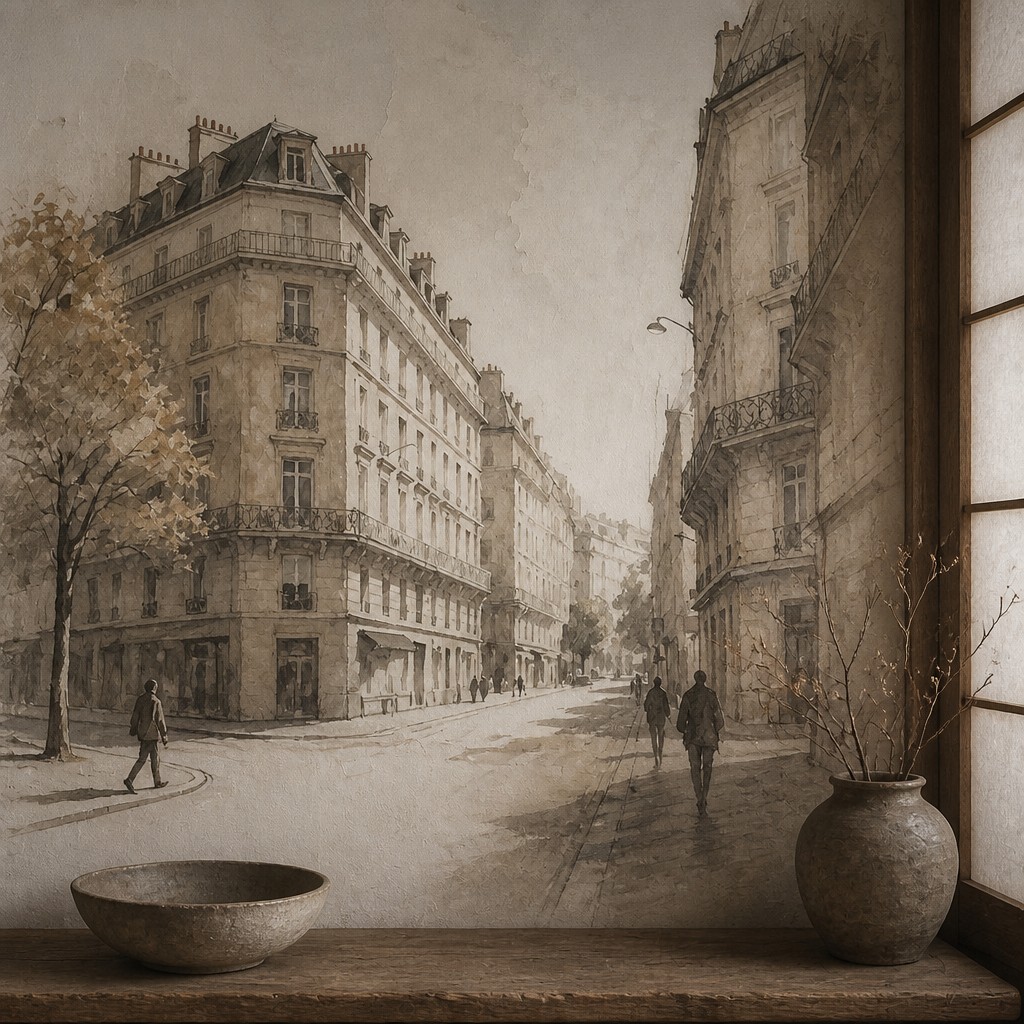

What Defines Wabi-Sabi Interior Design
The signature details, up close
Muted earth palette
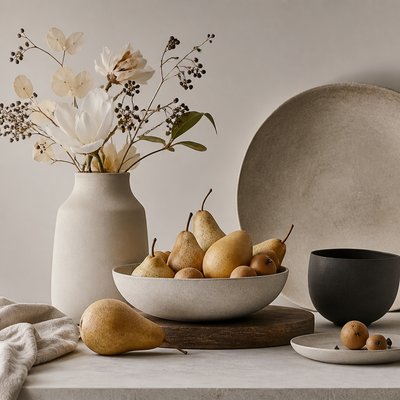
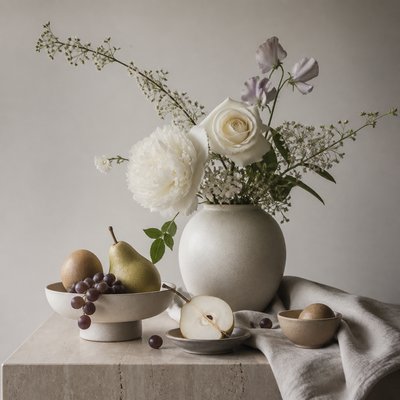
Colors stay close to nature: clay, ash grey, bone white, soot, sand, and weathered browns. The palette is intentionally low-contrast, which helps the room feel calm and cohesive.
Honest, tactile materials
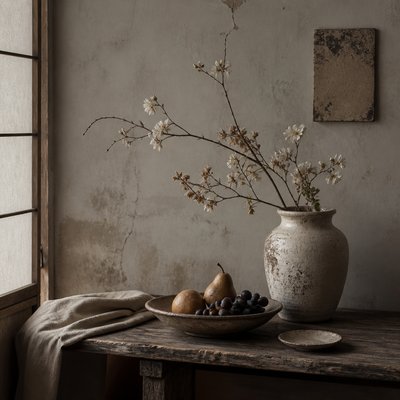
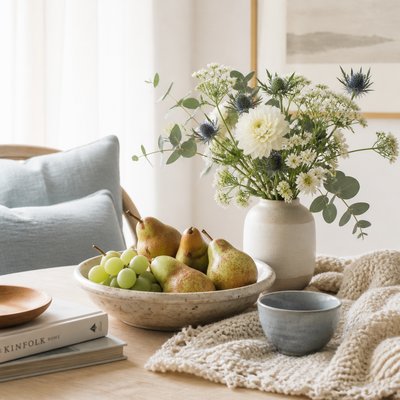
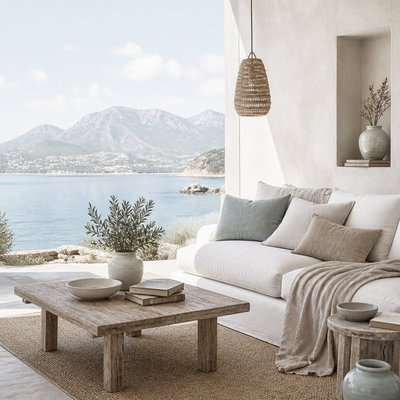
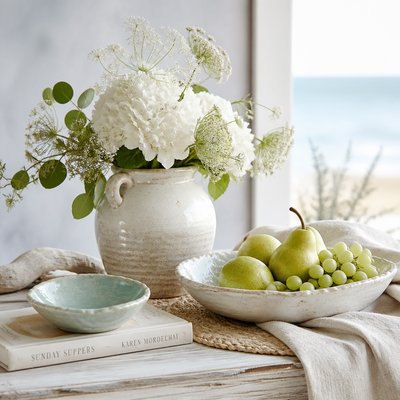
Raw plaster, unfinished wood, linen, paper, stone, and ceramic are favored for their texture and authenticity. Surfaces are meant to be felt visually, not disguised.
Beauty of imperfection
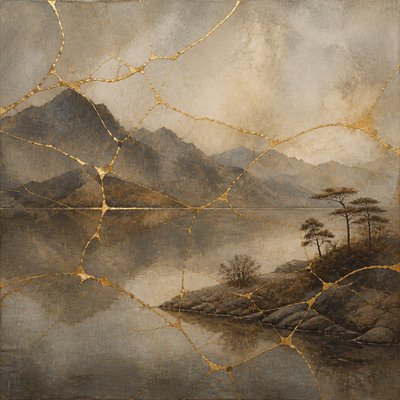
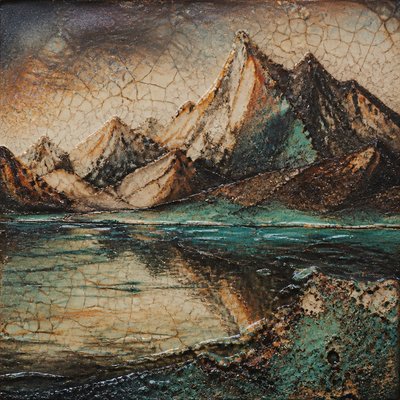
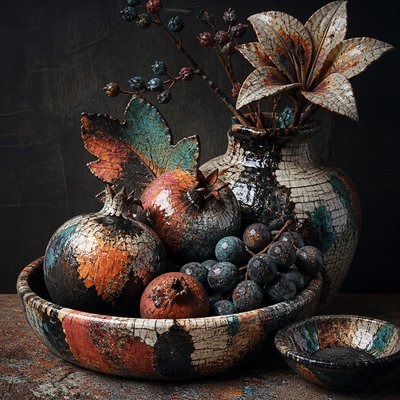
Cracks, patina, irregular edges, and uneven handcraft are treated as desirable features. The style resists anything overly glossy, machined, or perfectly uniform.
Soft natural light
Indirect daylight filtered through paper-like or translucent materials is central to the atmosphere. Shadows remain gentle, and highlights are subdued rather than dramatic.
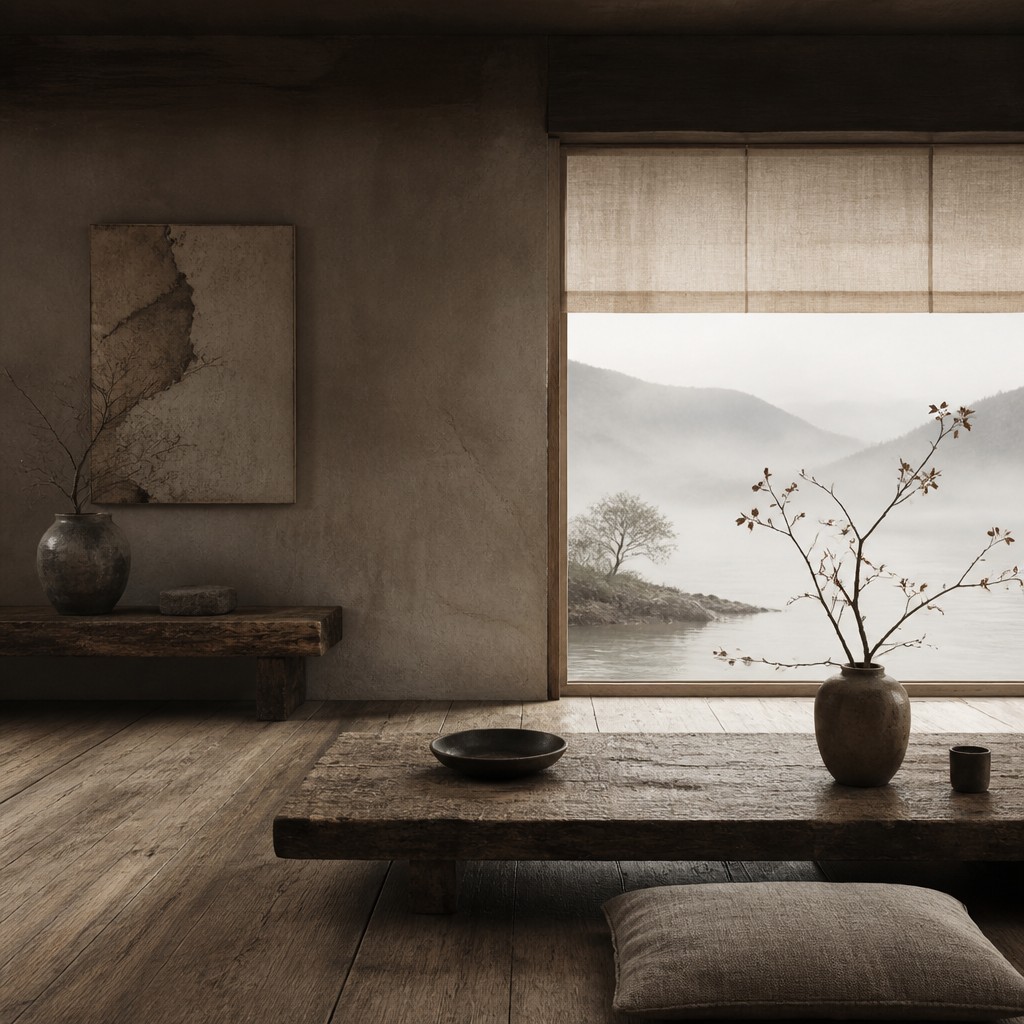
Sparse asymmetric composition
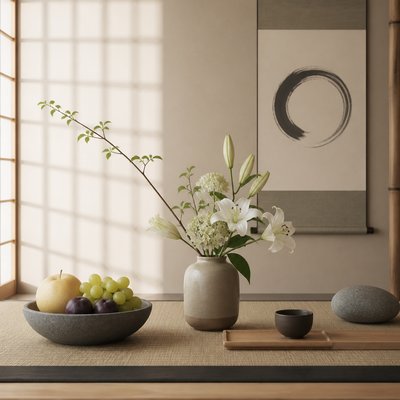
Furniture and objects are arranged with generous negative space and without rigid symmetry. A room often feels composed but unforced, with breathing room around each element.
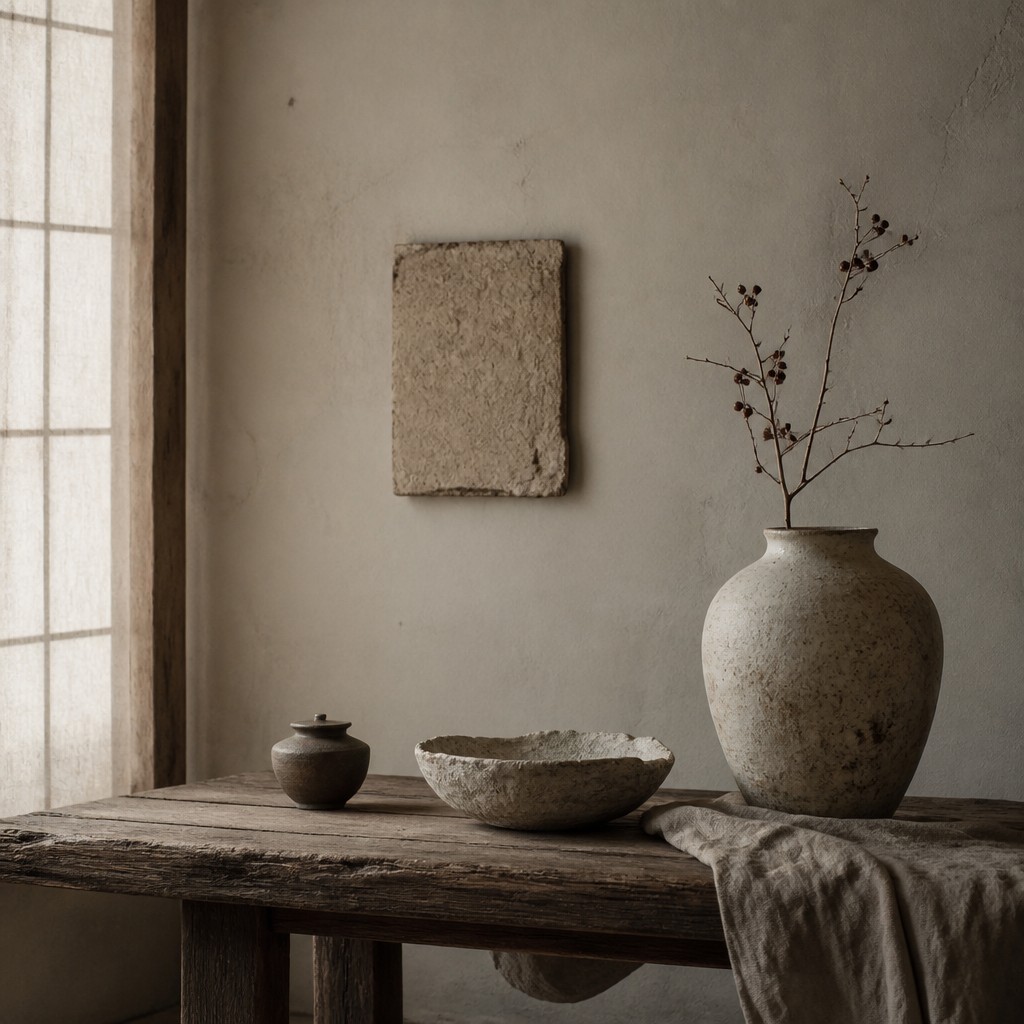
Matte tonal gradation
Instead of sharp pattern or high saturation, the style relies on subtle shifts in tone and texture. This gives interiors depth without visual noise.
Try It
Create Videos in Wabi-Sabi Interior Design
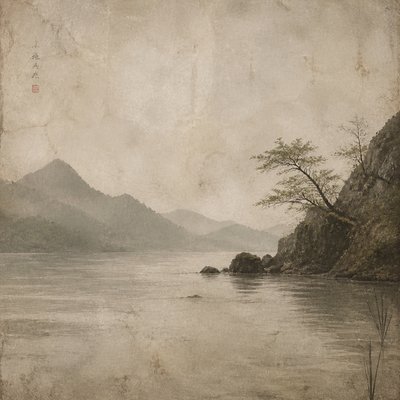
Styles aren't just for stills — describe a scene or animate an image and get a short video rendered in Wabi-Sabi Interior Design. Press play to see this pond come to life.
Make a VideoWabi-Sabi Interior Design Prompt Ideas
Start from an idea — each one opens the generator with the style ready to go. See all 40 Wabi-Sabi Interior Design prompts →
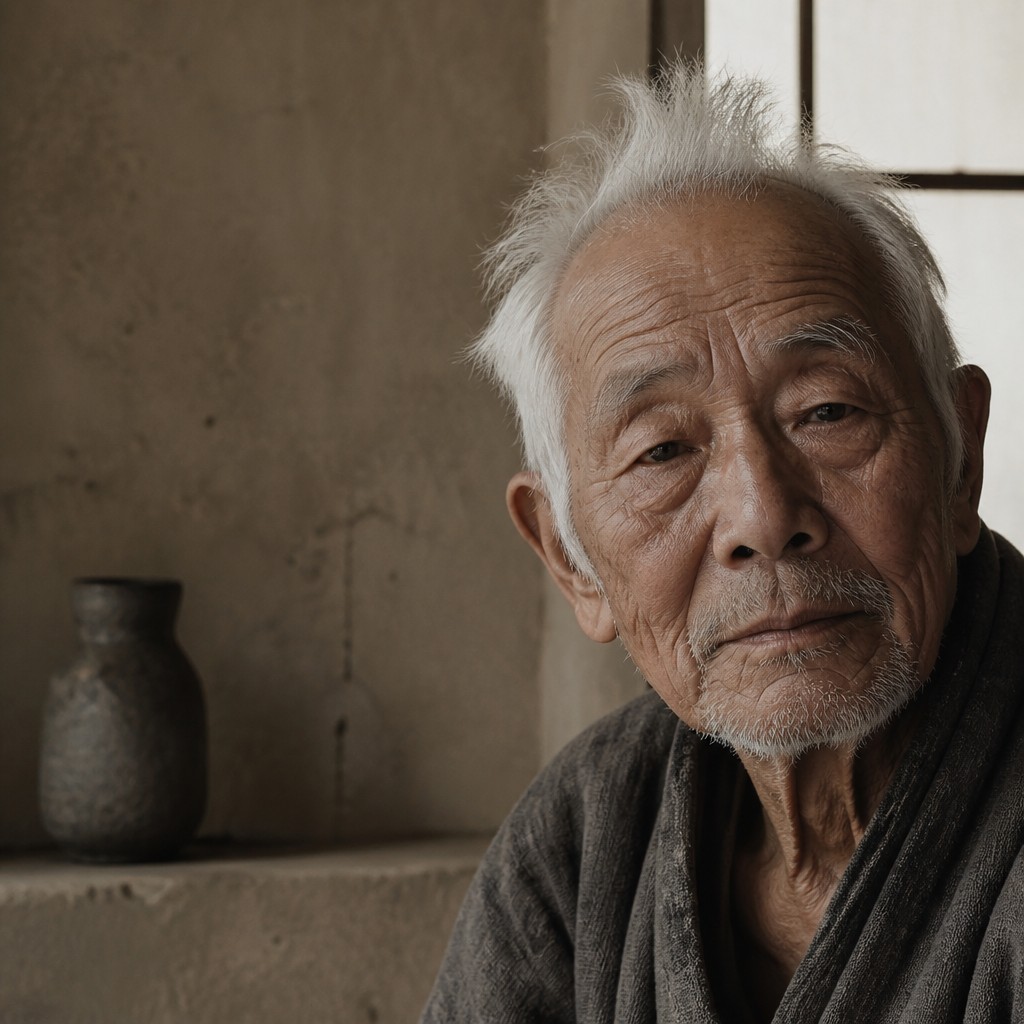
“close-up portrait of an elderly person with expressive weathered features”
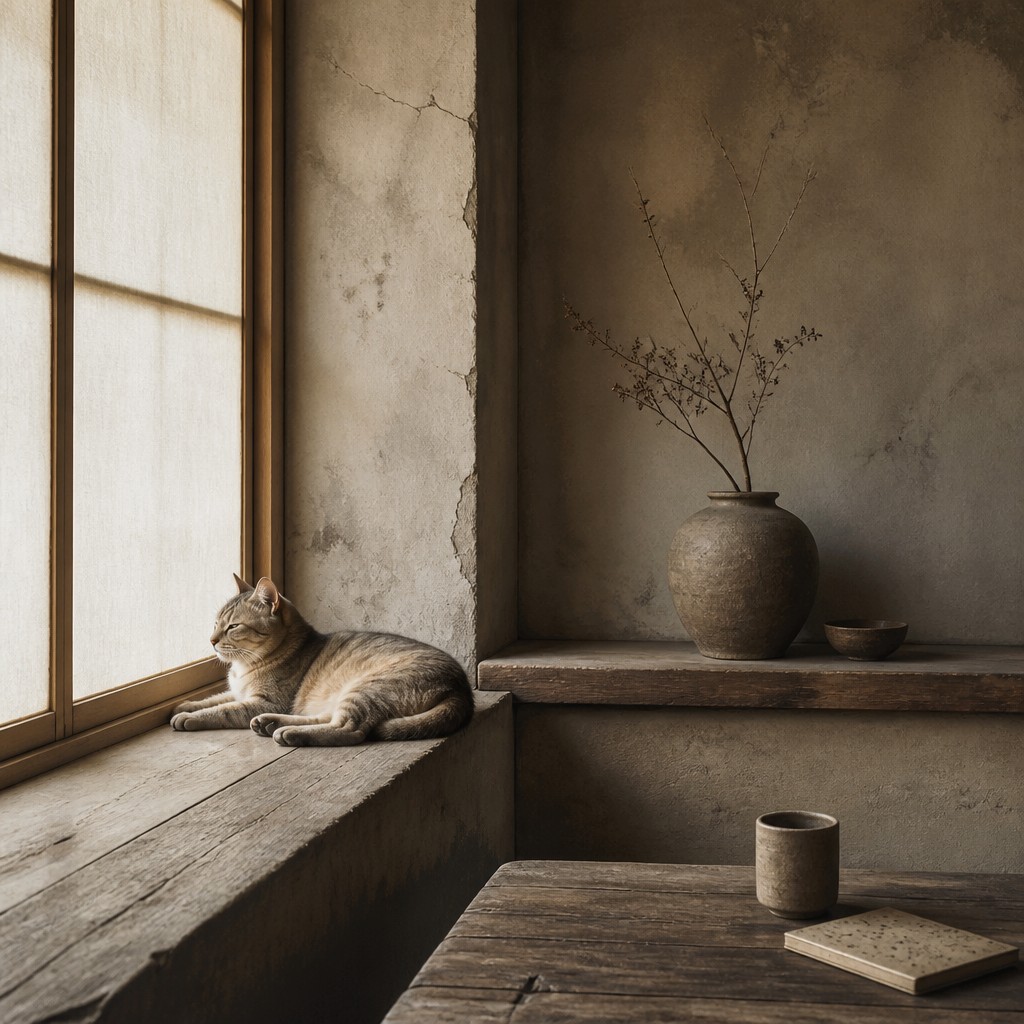
“a cat lounging in a sunlit window”
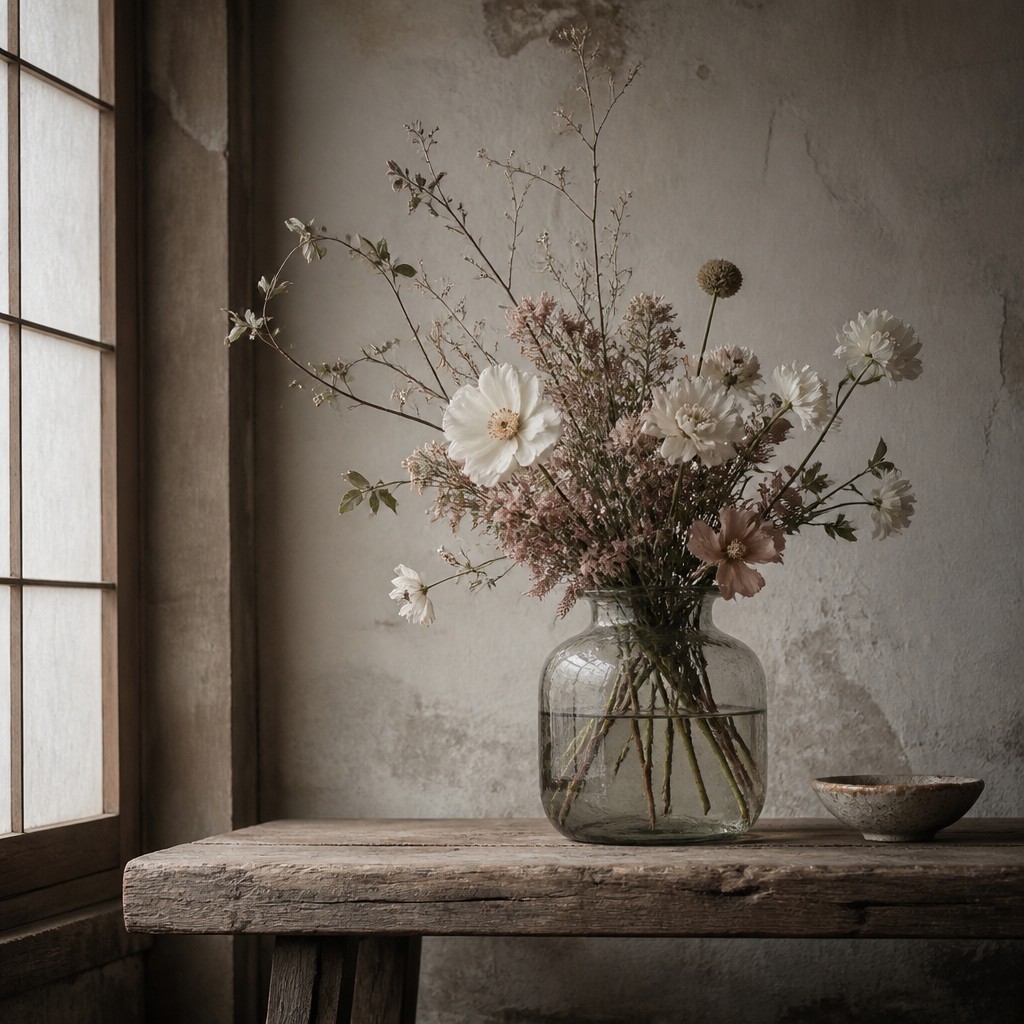
“bouquet of flowers in a glass vase”
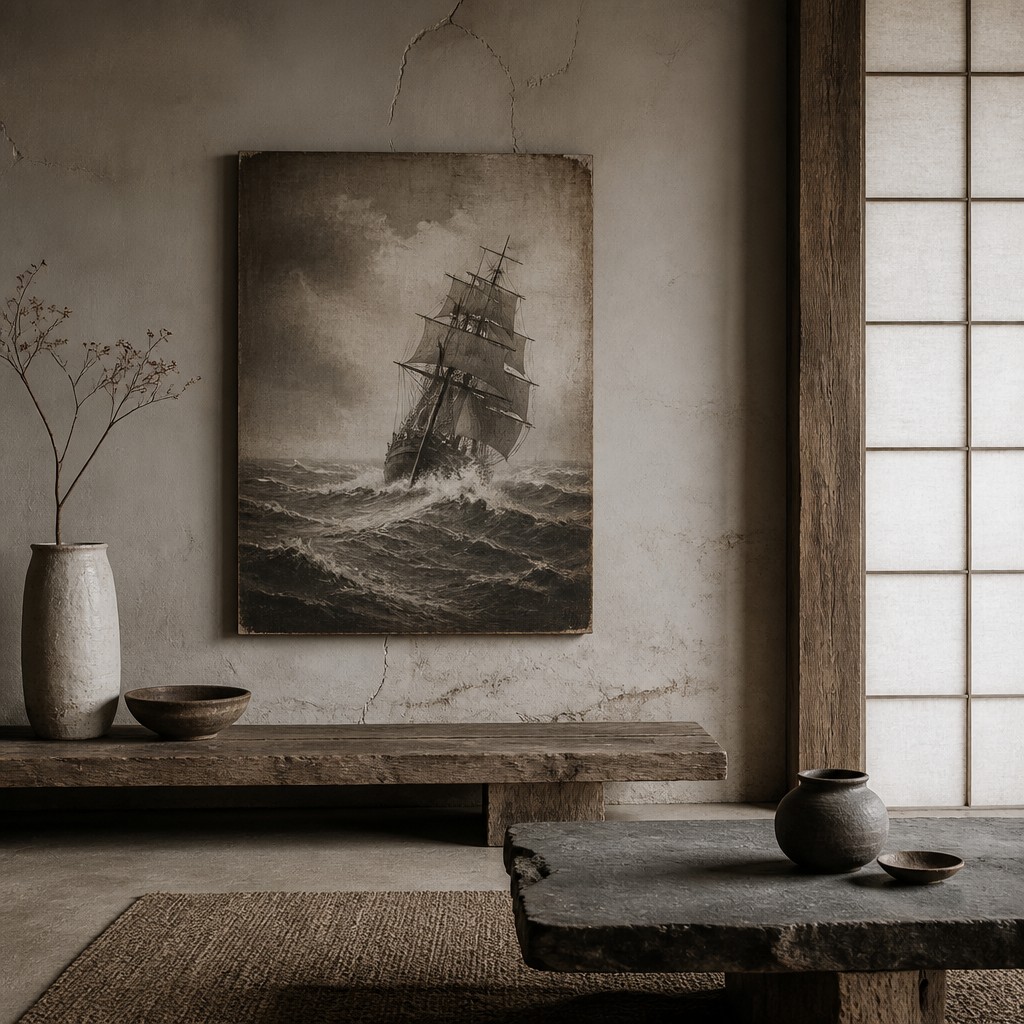
“sailing ship on a stormy sea”
How to Create Wabi-Sabi Interior Design Art
Master the craft step by step — or skip straight to creating. Read the full guide →
- 1
Choose a restrained material palette
Start with a few natural surfaces and keep finishes matte: limewash or raw plaster walls, aged timber, linen upholstery, and unglazed ceramics. In digital work, describe these materials explicitly so the image keeps their softness and texture.
- 2
Prioritize imperfection over polish
Let edges be uneven, surfaces slightly worn, and objects visibly handmade. If creating traditionally, use layered washes and textured brushes; for image generation, ask for patina, subtle cracks, and weathering rather than pristine surfaces.
- 3
Compose with emptiness
Leave generous negative space and avoid overfilling the scene. A few well-chosen objects will communicate the style more effectively than many decorative items.
- 4
Use gentle, indirect lighting
Place light sources so they feel diffused through paper, linen, or frosted glass. For AI or digital prompts, specify soft morning light, paper-screened windows, and low-contrast shadows to preserve the calm atmosphere.
- 5
Balance asymmetry and restraint
Offset objects slightly and vary heights, but keep the arrangement quiet and uncluttered. The goal is not visual perfection; it is a composed sense of ease.
The Story
History & Origins of Wabi-Sabi Interior Design
Wabi-sabi is rooted in Japanese aesthetic thought rather than in a single formal design movement. Its ideas developed from Zen Buddhism, tea ceremony culture, and long-standing Japanese traditions that value modesty, restraint, natural materials, and an acceptance of impermanence. The term combines wabi, once associated with rustic simplicity and spiritual solitude, and sabi, associated with the beauty of age, patina, and time-worn surfaces.
In contemporary interiors, wabi-sabi became more widely recognized as designers and homeowners sought alternatives to glossy minimalism and highly finished luxury interiors. Its modern expression draws from Japanese domestic architecture, artisanal craft, rustic modernism, and global minimalism, but it is best understood as an aesthetic lineage centered on lived-in natural materials and visual quiet rather than as a historical style with a fixed date or canon.
Influences: This aesthetic draws most directly from Japanese wabi and sabi traditions, especially the restraint of Zen-influenced design and tea ceremony objects, as well as from Japanese carpentry and domestic interiors that privilege natural materials and clarity of form. It also overlaps with Scandinavian minimalism, rustic modernism, and contemporary craft-based interiors, but it differs from the cleaner, more engineered look of modern minimalism by embracing irregularity, age, and tactile wear.

Frequently Asked Questions
What defines wabi-sabi interior design?
It is defined by simplicity, natural materials, muted colors, and an acceptance of imperfection. The style emphasizes patina, irregularity, and visual calm rather than symmetry or luxury polish.
How is it different from minimalism?
Minimalism often focuses on reduction, clean lines, and visual clarity, while wabi-sabi adds warmth, softness, and the beauty of wear. A minimalist room can feel sleek and controlled; a wabi-sabi room feels more lived-in and tactile.
What materials are most associated with this style?
Raw plaster, unfinished or weathered wood, stone, linen, paper, and handmade ceramic are among the most characteristic materials. Matte and textured finishes are preferred over glossy, synthetic, or highly polished ones.
Can wabi-sabi interiors still look modern?
Yes. Many contemporary interiors use wabi-sabi principles within modern floor plans and furniture. The key is to keep the palette restrained, the composition sparse, and the materials visibly natural.
How do you create this look in a room?
Use a limited color palette, choose a few tactile natural materials, and leave space around objects and furniture. Add softness through indirect light, handmade ceramics, and textiles with visible weave or grain.
Where is wabi-sabi interior design commonly used?
It appears in homes, tea rooms, hospitality spaces, spas, galleries, and boutique retail interiors that want a calm and contemplative atmosphere. It is especially effective in rooms meant for rest, reflection, or quiet socializing.
Create your first Wabi-Sabi Interior Design artwork
Describe anything — or upload a photo — and see it in Wabi-Sabi Interior Design in seconds.
Related Styles
Discover similar art styles