Zen Interior Design
Zen interior design uses bamboo, stone, shoji light and open space to create calm, minimalist rooms with meditative balance.
Instantly rendered in Zen Interior Design — or transform a photo
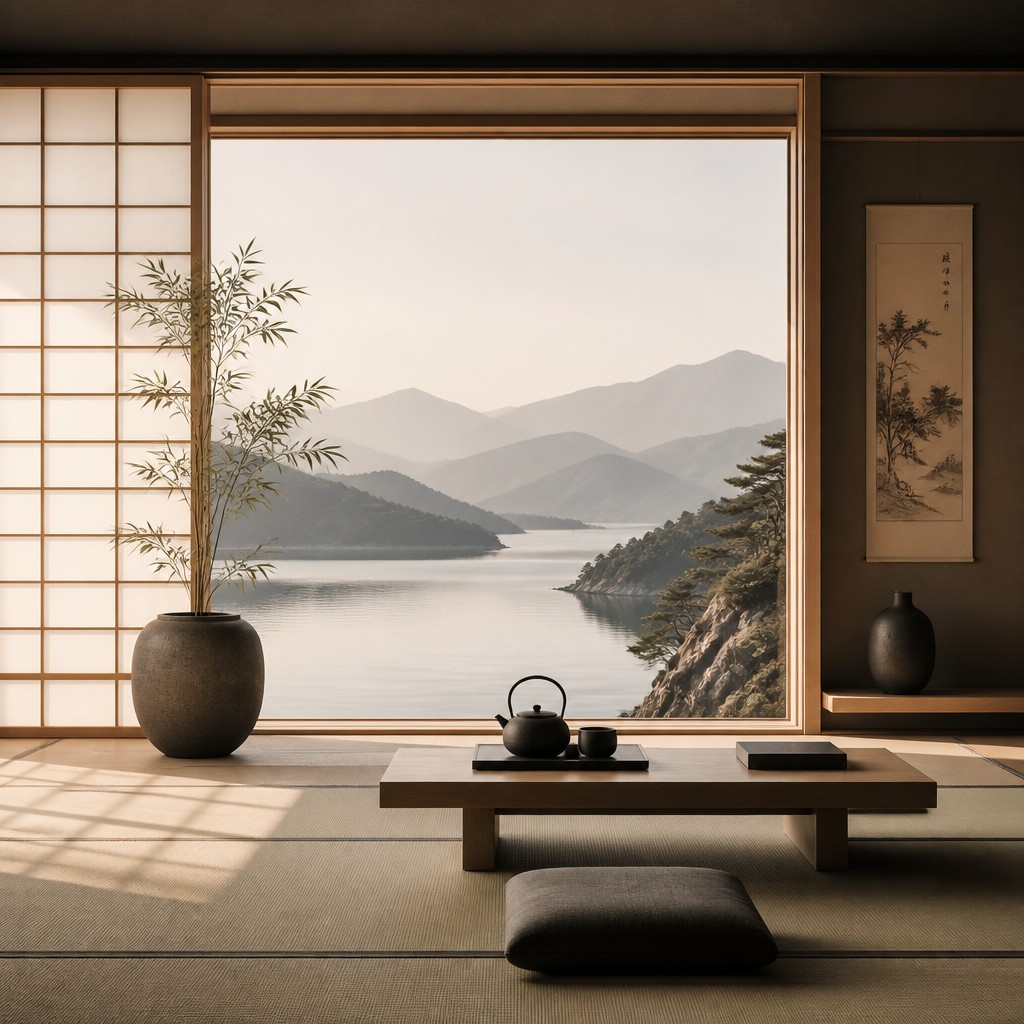
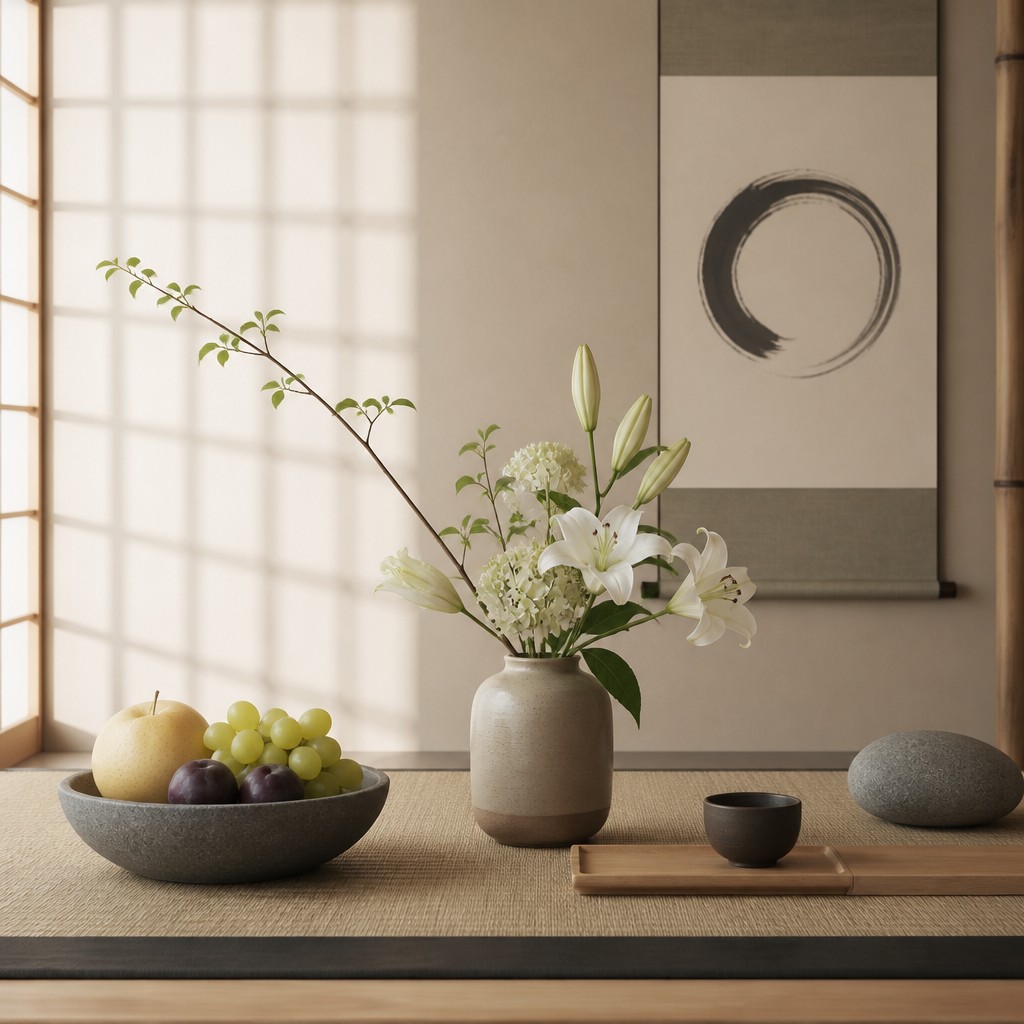
Zen Interior Design Gallery
Tap any artwork to explore it
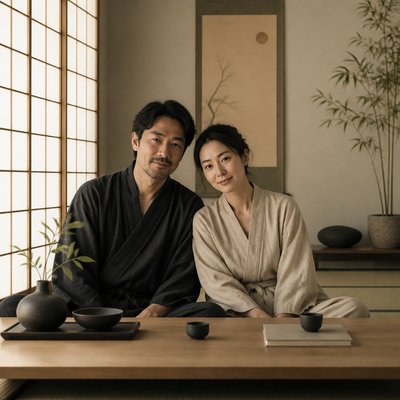
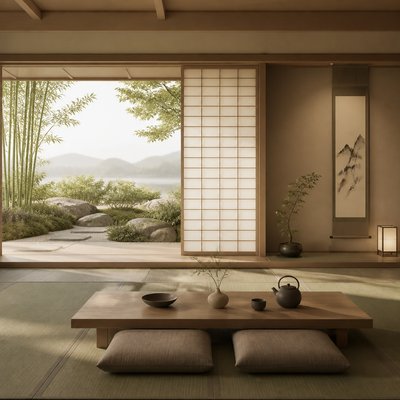
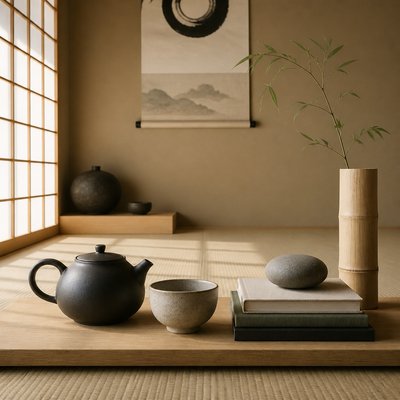
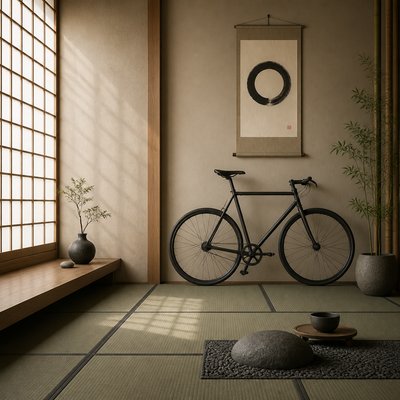
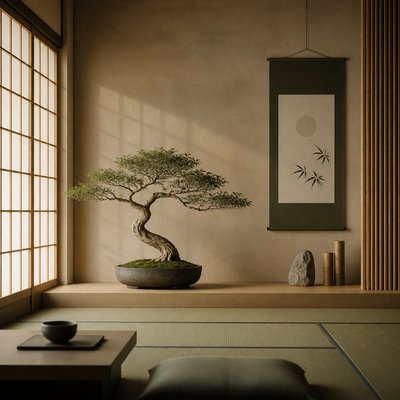
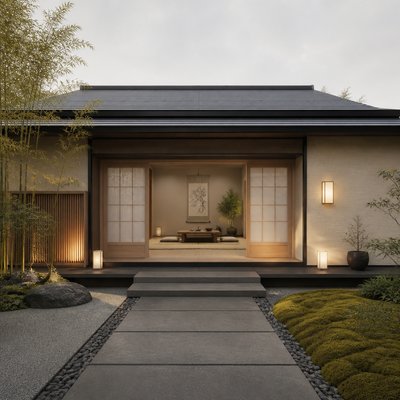
What is Zen Interior Design?
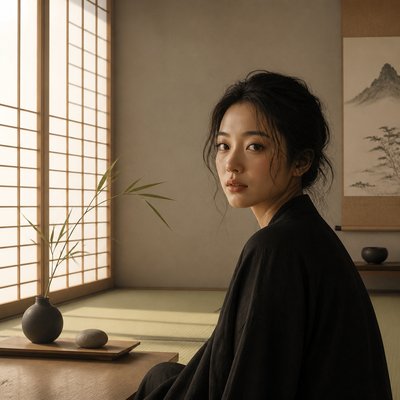
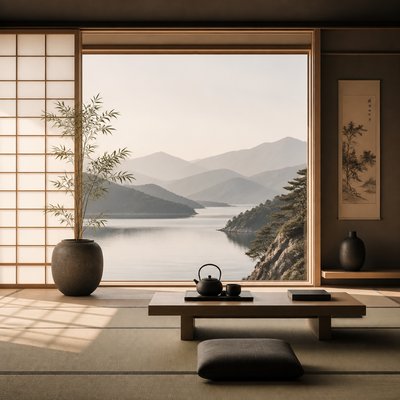
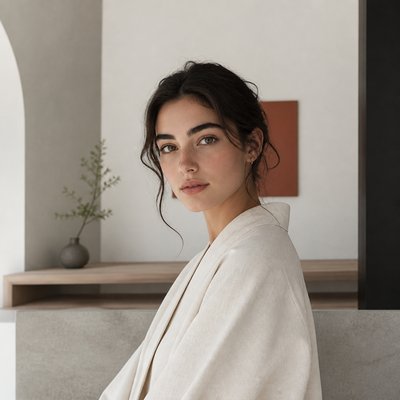
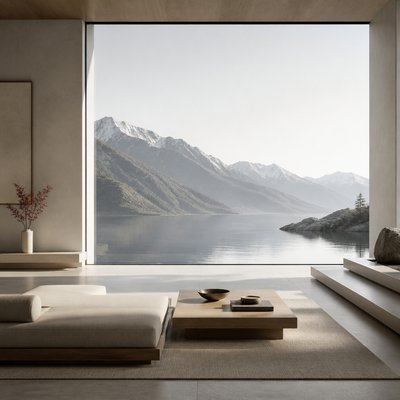
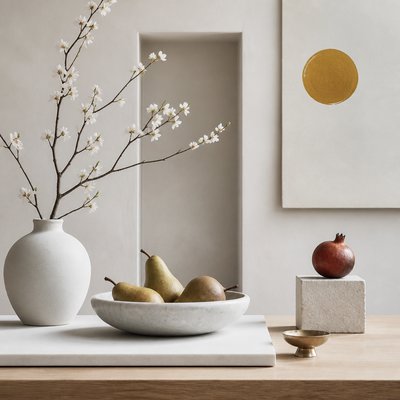
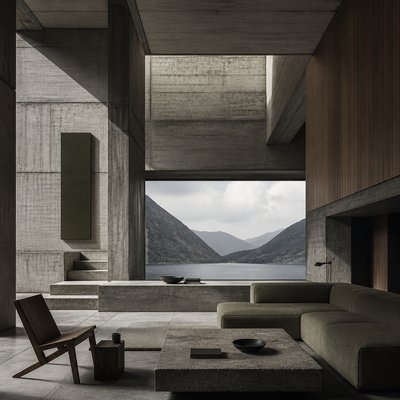
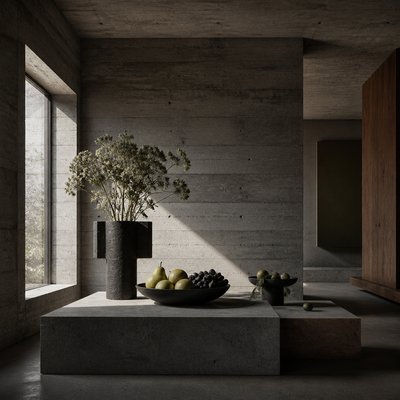
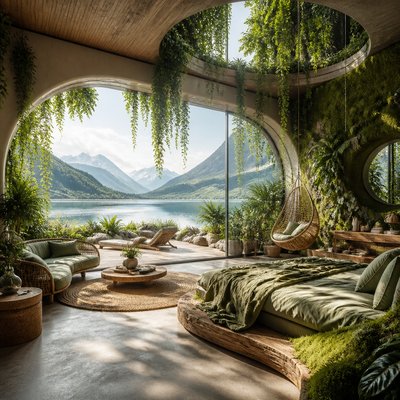
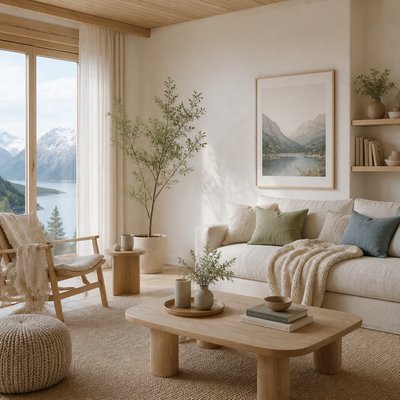
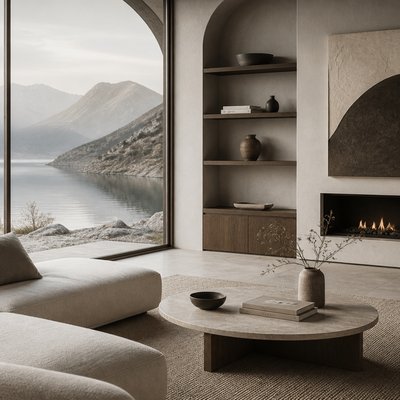
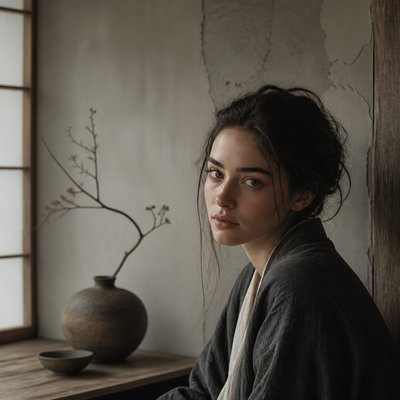
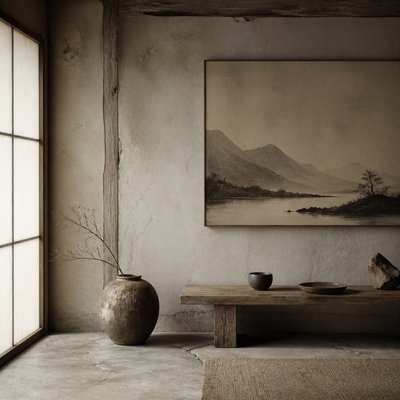
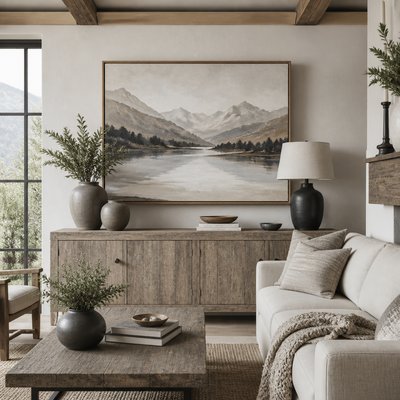
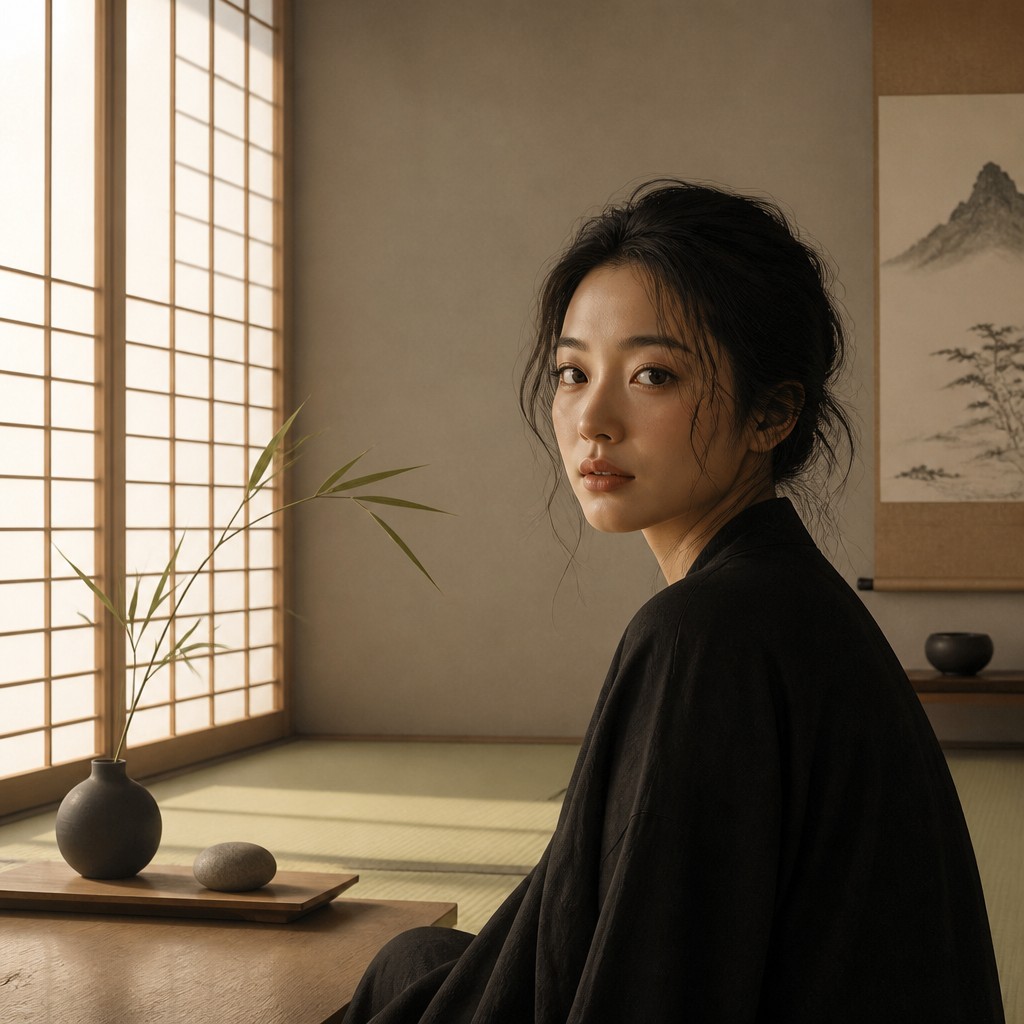
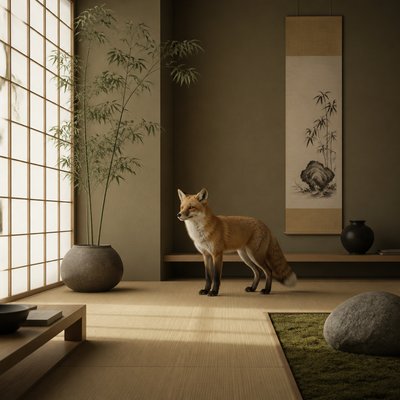
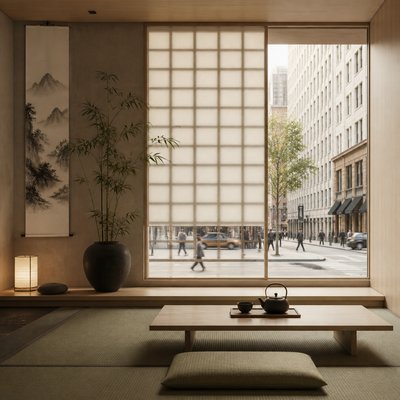
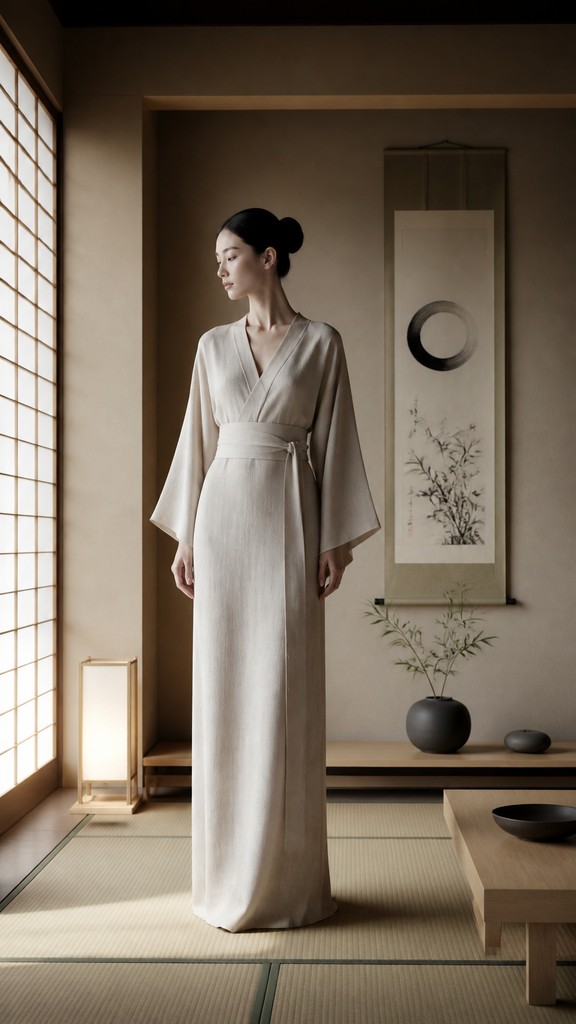
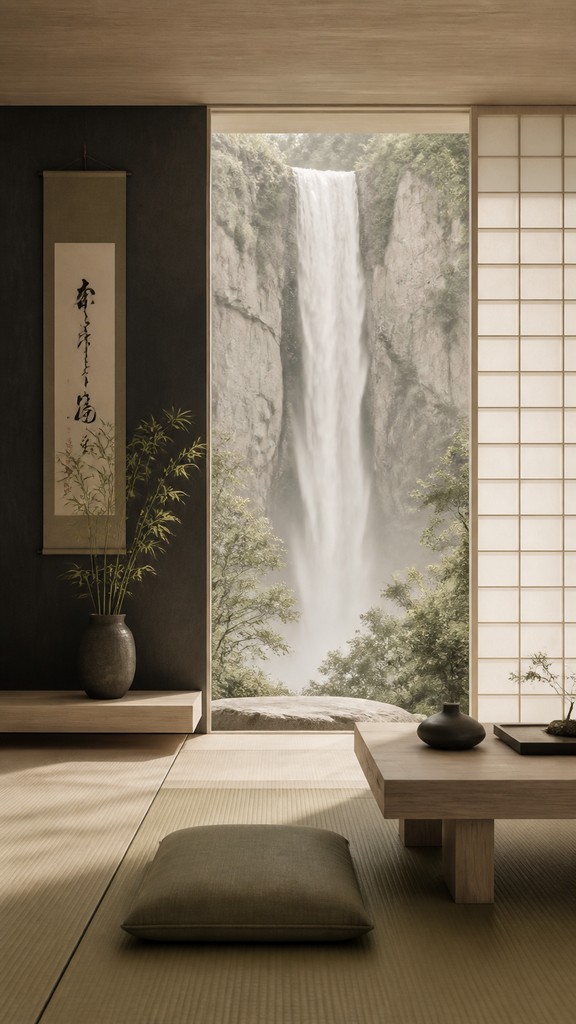
Zen interior design is a calm, minimalist approach to space that emphasizes stillness, restraint, and sensory quiet. Its visual language is built from low furniture, open floor areas, natural materials such as bamboo, pale wood, paper, and stone, and a palette of warm beige, tatami green, charcoal, and soft white. Rather than filling a room, the style values emptiness as an active design element, using negative space to create balance and focus.
The look is defined by softened edges, matte finishes, and filtered daylight, especially shoji-inspired light that falls in gentle grids across walls and floors. The result is not decorative exuberance but a composed interior atmosphere: grounded, contemplative, and orderly. Zen interior design often feels tied to ritual, mindfulness, and quiet domestic use, where every object is pared back to what is necessary and visually harmonious.
Try It On Your Photos
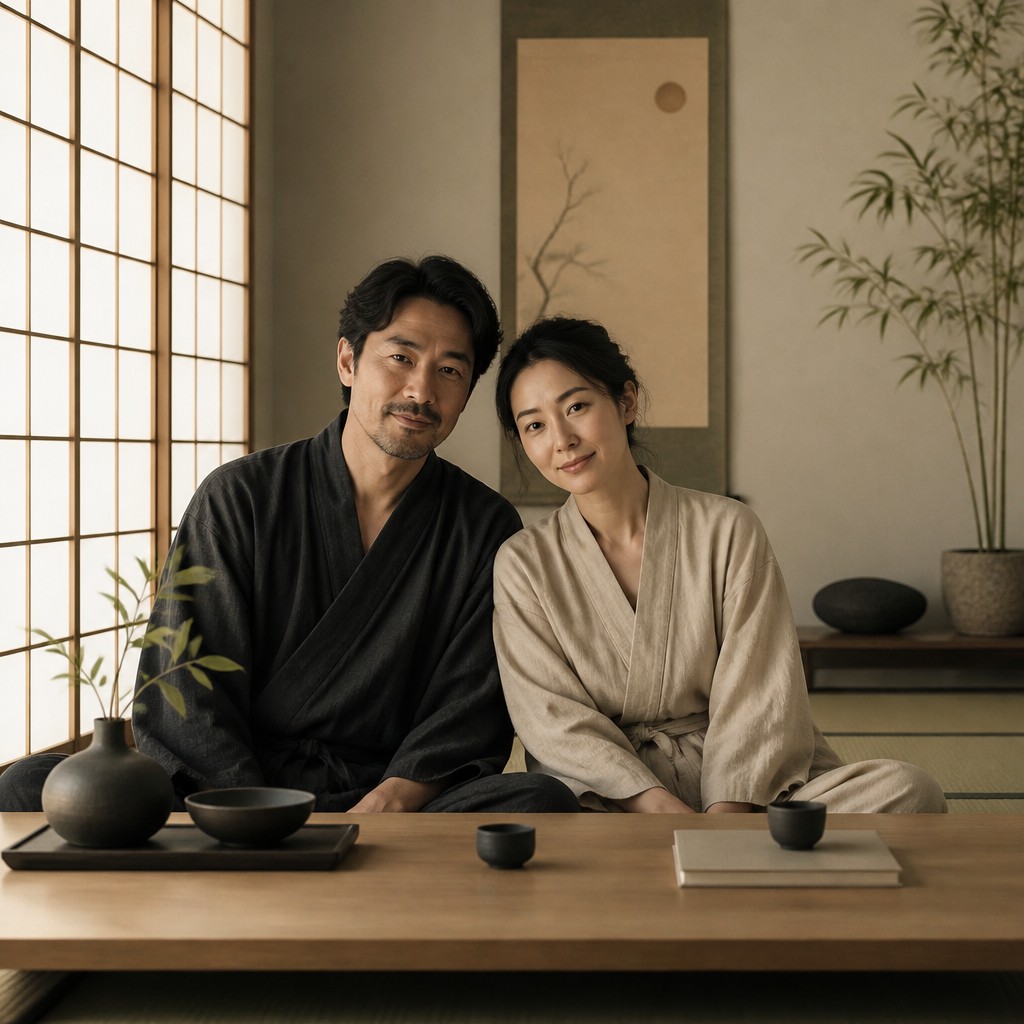
Upload any photo and convert it into Zen Interior Design — drag the sliders to compare before and after.

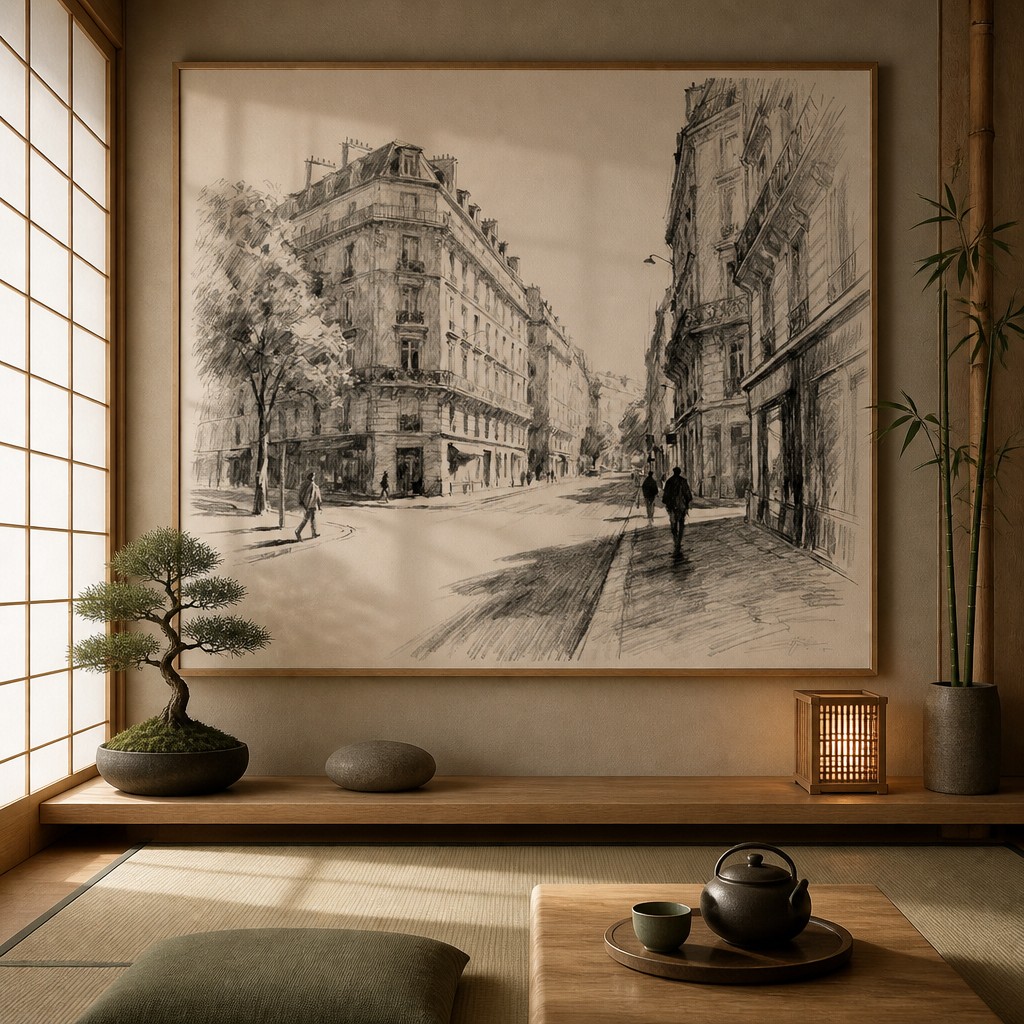

What Defines Zen Interior Design
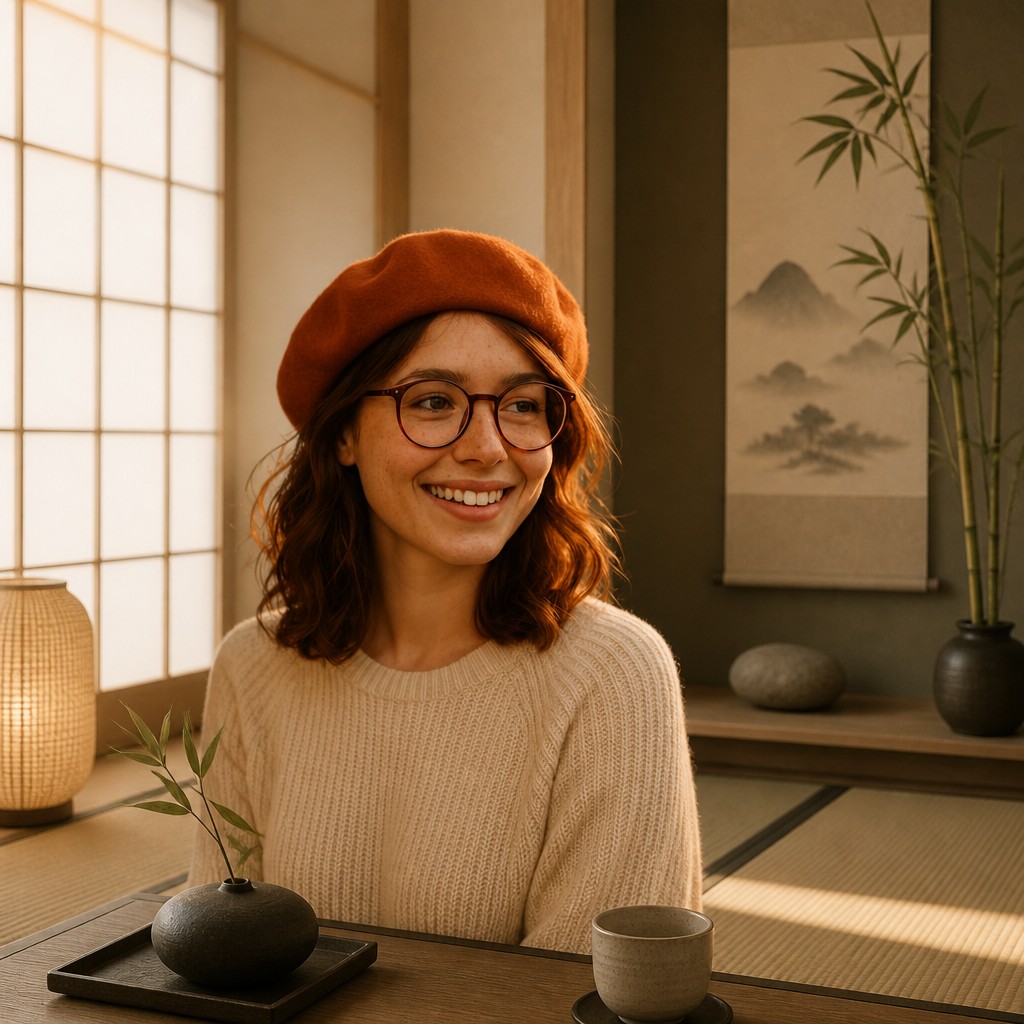
The signature details, up close
Low, horizontal composition
Furniture and architectural lines tend to stay close to the ground, producing a quiet horizontal rhythm. This creates a sense of stability and visual rest.
Shoji-filtered light
Soft, diffused daylight is a central effect, often imagined as light passing through paper screens. The resulting gridded glow reduces contrast and makes the room feel hushed.
Natural material palette
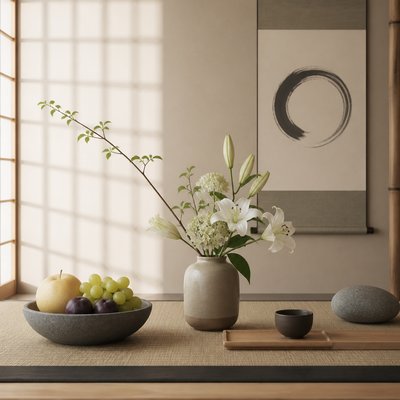
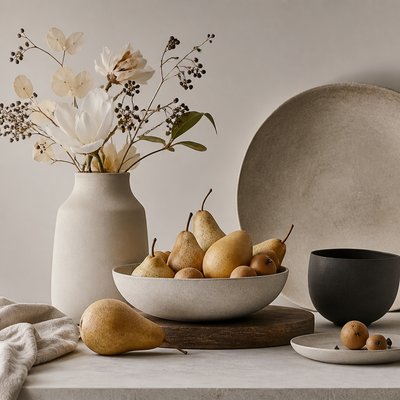
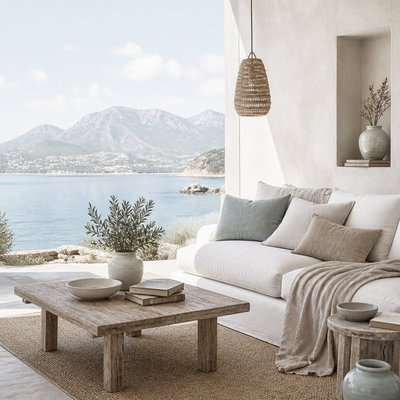
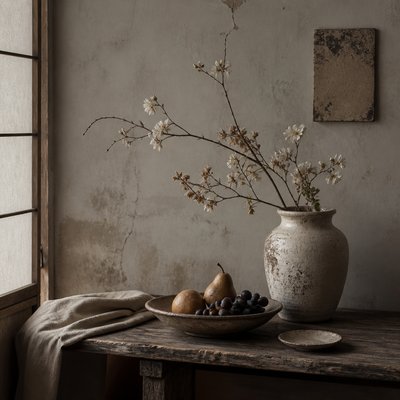
Bamboo, pale wood, stone, linen, paper, and clay are common references. Their subtle grain and tactile surfaces matter more than ornament.
Meditative negative space
Empty floor area and uncluttered walls are used deliberately, not as absence but as composition. The openness gives the eye room to settle.
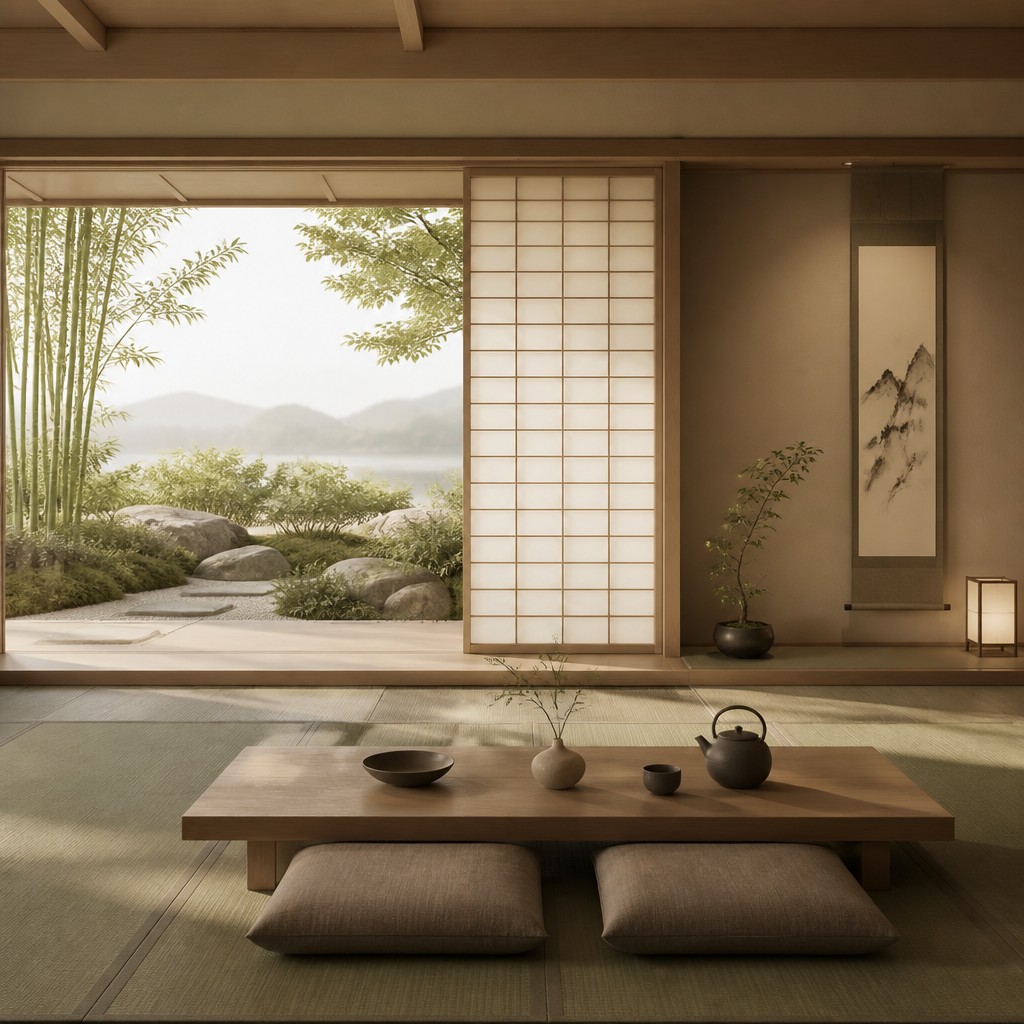
Muted earth-toned color scheme
Colors usually stay within warm beige, tatami green, charcoal, and paper white. Strong color accents are rare and, if used, remain understated.
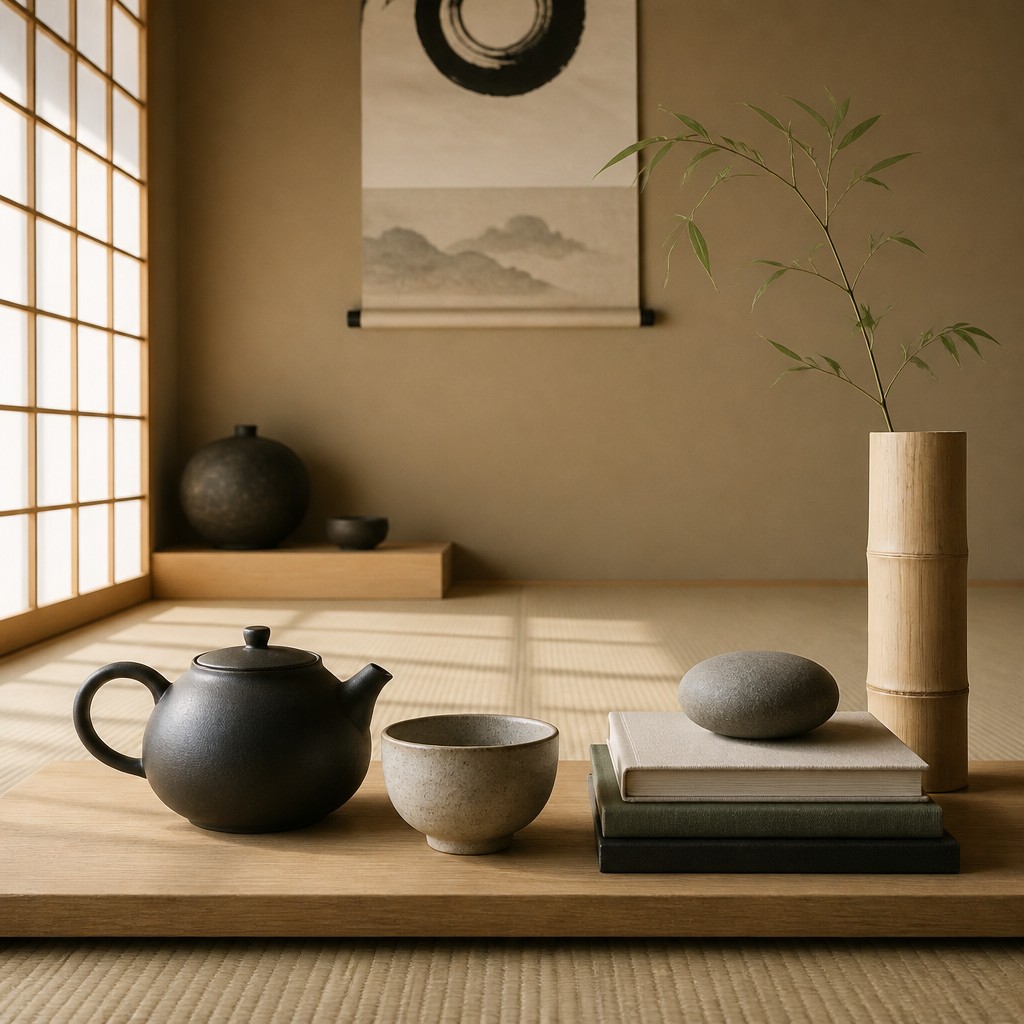
Matte, calm finishes
Glossy or reflective surfaces are minimized in favor of soft, non-distracting textures. This helps the interior read as serene rather than luxurious or dramatic.
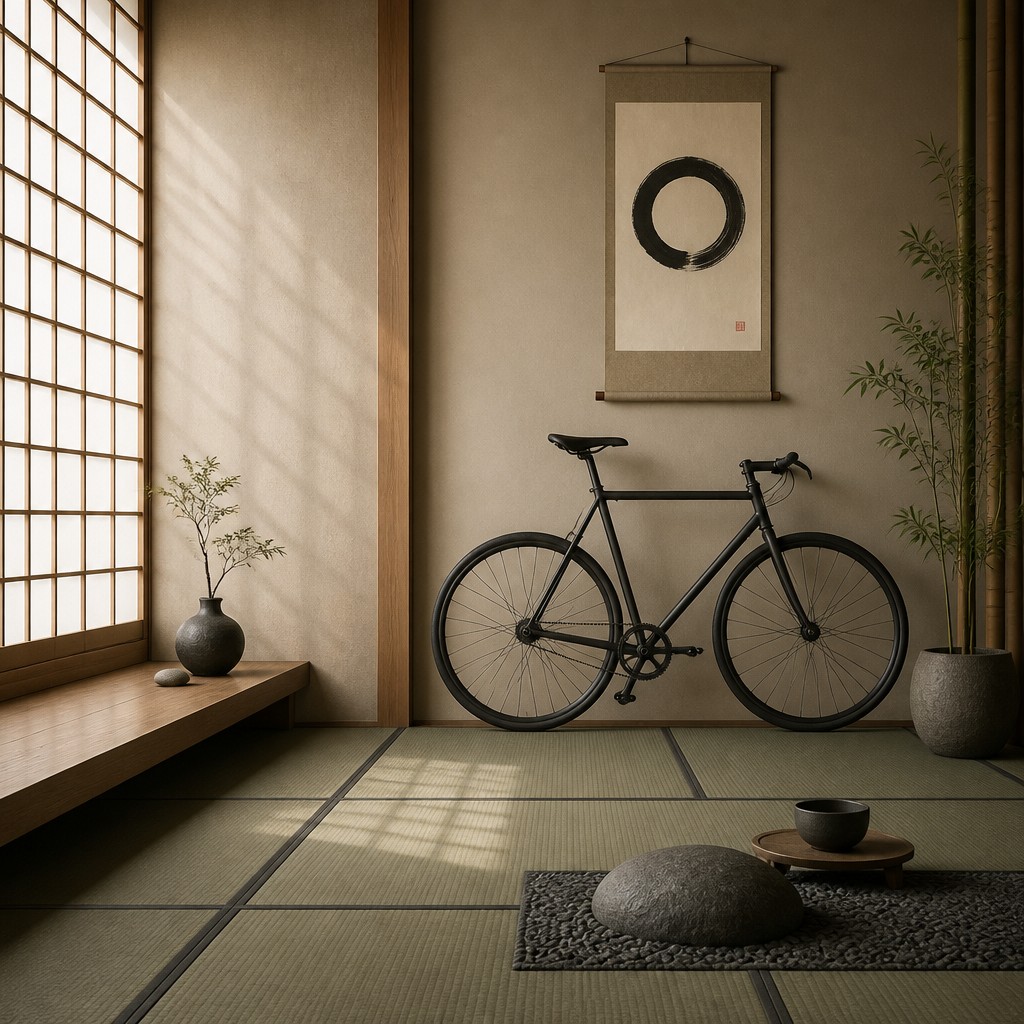
Balanced simplicity
Objects are few, but they are carefully placed to create visual equilibrium. The style depends on proportion and spacing as much as on the objects themselves.
Try It
Create Videos in Zen Interior Design
Styles aren't just for stills — describe a scene or animate an image and get a short video rendered in Zen Interior Design. Press play to see this pond come to life.
Make a VideoZen Interior Design Prompt Ideas
Start from an idea — each one opens the generator with the style ready to go. See all 40 Zen Interior Design prompts →
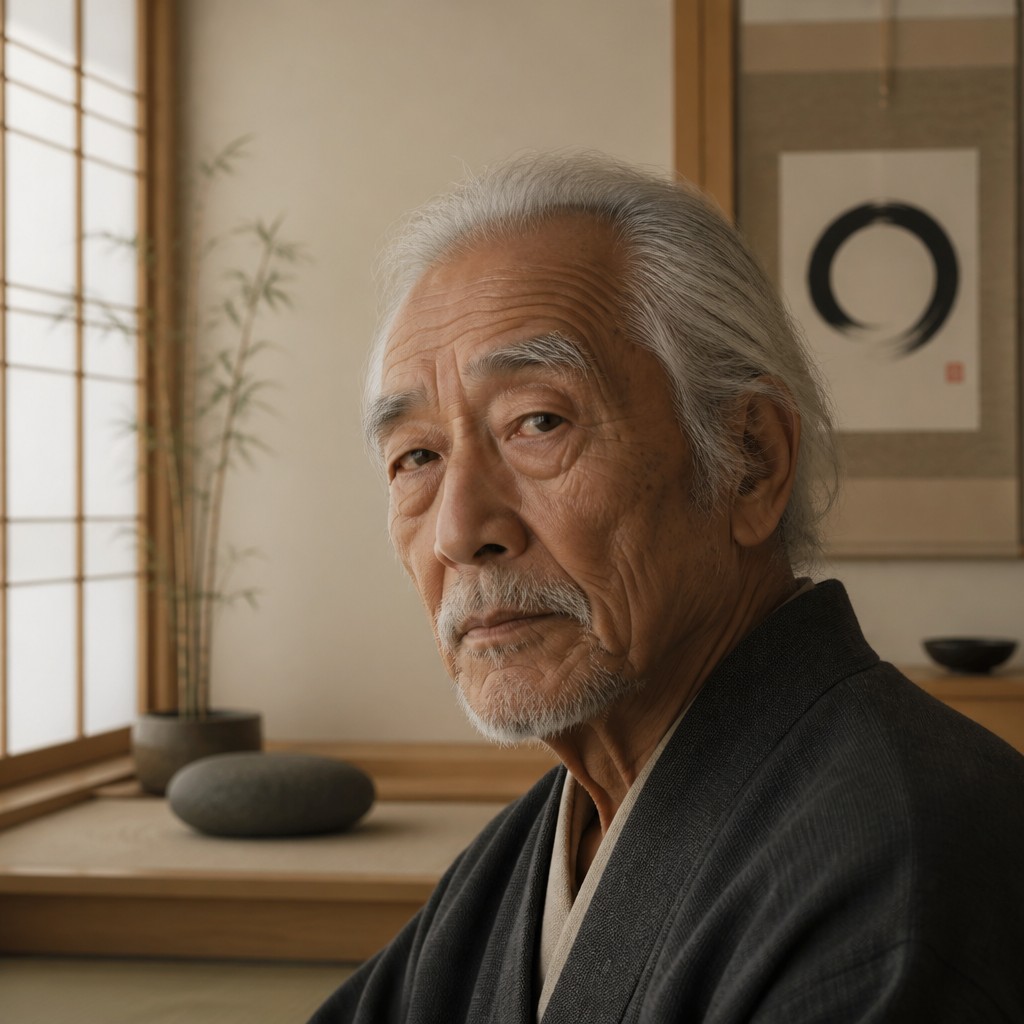
“close-up portrait of an elderly person with expressive weathered features”
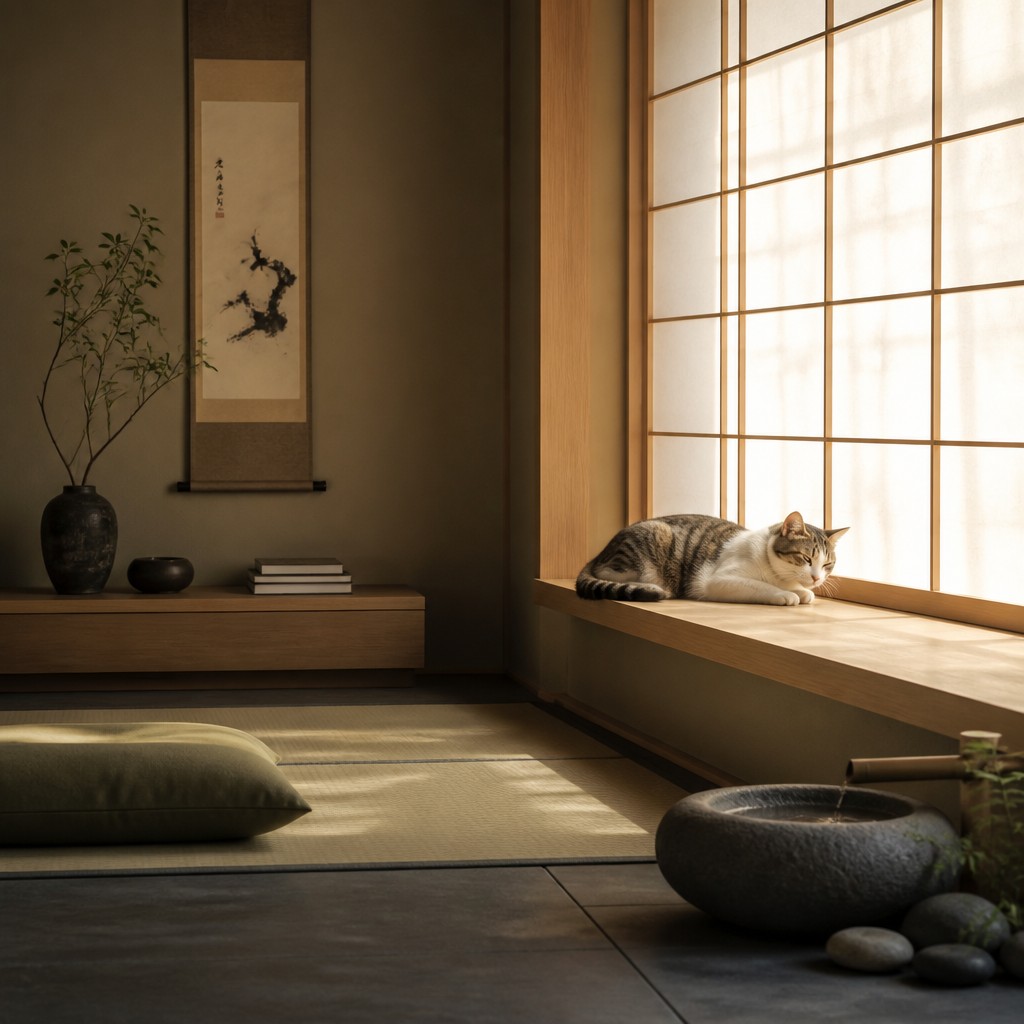
“a cat lounging in a sunlit window”
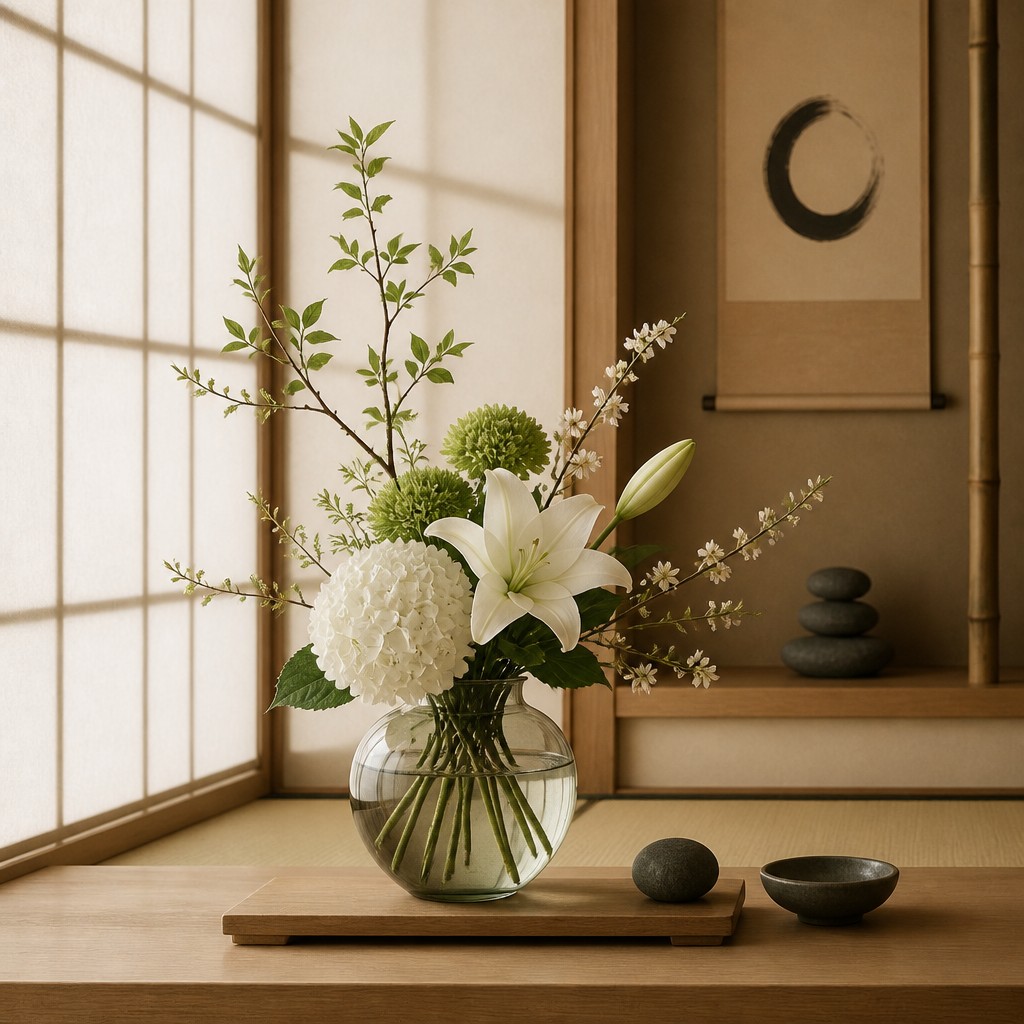
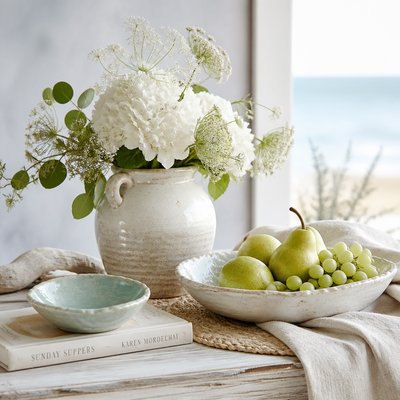
“bouquet of flowers in a glass vase”
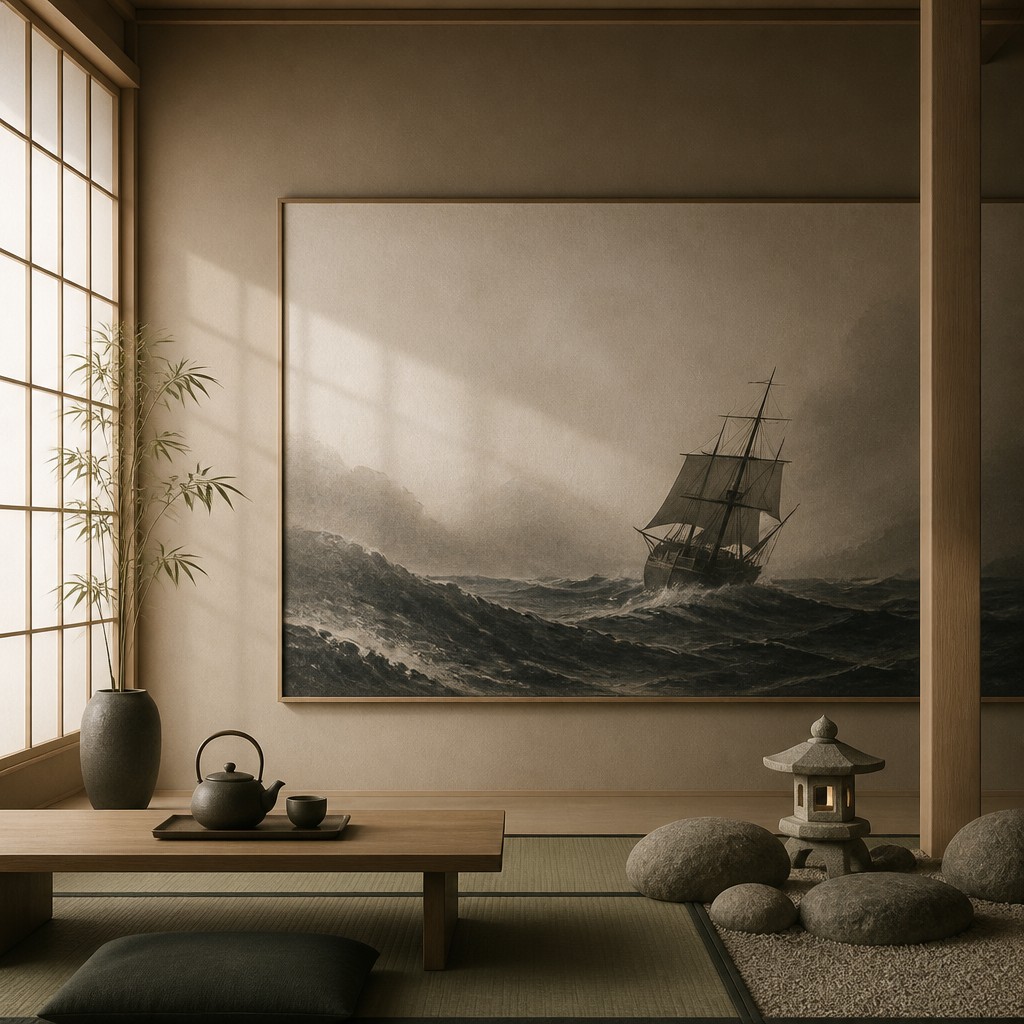
“sailing ship on a stormy sea”
How to Create Zen Interior Design Art
Master the craft step by step — or skip straight to creating. Read the full guide →
- 1
Begin with subtraction
Design the room by removing rather than adding: keep furniture low, limit the number of objects, and preserve clear floor space. In a sketch or digital composition, let empty areas play as important a role as the furnishings.
- 2
Use a restrained material palette
Choose bamboo, pale wood, stone, rice paper, linen, and matte plaster, and avoid high-gloss plastics or busy patterns. In digital work, render subtle wood grain and stone texture with softness rather than sharp contrast.
- 3
Shape the light carefully
Diffuse daylight through shoji-like screens, translucent curtains, or soft window treatments to create a calm grid of shadows. In image generation, explicitly call for soft filtered light and gentle shadow falloff.
- 4
Keep the composition low and balanced
Place seating, tables, and platforms close to the ground and organize them along horizontal lines. In a rendered image, a low vantage point or wide frame helps reinforce the meditative feeling.
- 5
Prompt for quiet atmosphere, not decoration
When generating digitally, describe the room as tranquil, sparse, and contemplative, with natural grain, matte surfaces, and open space. Avoid crowded stylistic keywords; this look depends on controlled simplicity.
The Story
History & Origins of Zen Interior Design
Zen interior design is not a historical style in the same sense as Baroque or Art Deco; it is a modern aesthetic lineage inspired by Japanese design principles, especially those associated with Zen Buddhism, traditional tea rooms, and the broader vocabulary of Japanese domestic architecture. Its characteristic emphasis on simplicity, natural materials, low horizons, and empty space reflects concepts such as restraint, impermanence, and attentiveness to the present moment.
In contemporary interiors, this lineage has been adapted into a global minimalist vocabulary alongside Scandinavian design, modernism, and wellness-oriented architecture. The use of shoji-like screens, tatami references, and disciplined material palettes draws from Japanese traditions, while clean lines and reduced ornament connect it to 20th-century modern design. In practice, the style has developed as a cross-cultural interpretation of calm domestic space rather than a fixed historical school.
Influences: Zen interior design draws from Japanese architectural and spatial traditions, especially shoin and sukiya aesthetics, tea-room design, and the Zen-inflected preference for restraint and emptiness. Its modern interpretation also overlaps with 20th-century modernism and Scandinavian minimalism in its reliance on clean lines and functional clarity, while its material quietness recalls Japanese craft traditions more than decorative European historicism. When used thoughtfully, the style can echo the atmospheres found in traditional Japanese interiors without becoming literal pastiche.
Frequently Asked Questions
What defines Zen interior design?
It is defined by simplicity, natural materials, low furniture, and a strong sense of calm. The style relies on empty space, balanced proportion, and soft filtered light to create a meditative atmosphere.
Is Zen interior design the same as Japanese minimalism?
They overlap, but Zen interior design is more specifically associated with contemplative stillness and the sensory qualities of Zen-influenced spaces. Japanese minimalism is broader and can include many other design approaches, while Zen design emphasizes quiet, ritual-like simplicity.
What colors work best in this style?
Muted earth tones and neutrals work best: warm beige, paper white, charcoal, soft gray, and subdued green. The palette should feel grounded and natural rather than bright or contrast-heavy.
What materials are most authentic to the look?
Bamboo, pale woods, stone, clay, rice paper, linen, and woven natural fibers are the most characteristic. These materials support the style’s emphasis on texture, tactility, and visual restraint.
How do I create this look in a room without making it feel empty?
Focus on intention rather than quantity: choose a few well-proportioned pieces, maintain clean circulation space, and use lighting and texture to add depth. A room can feel complete with very little if the scale, spacing, and materials are carefully balanced.
Where is Zen interior design commonly used?
It is common in meditation rooms, spas, wellness spaces, tea rooms, bedrooms, bathrooms, and minimalist living areas. It is also widely used in hospitality and contemporary architecture when a calm, restorative mood is desired.

Create your first Zen Interior Design artwork
Describe anything — or upload a photo — and see it in Zen Interior Design in seconds.
Related Styles
Discover similar art styles