Brutalist Interior Design
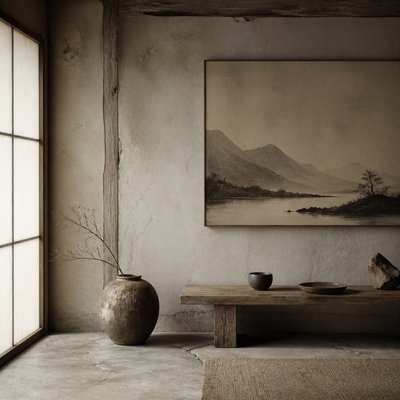
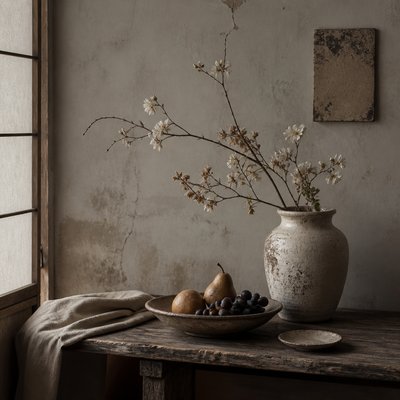
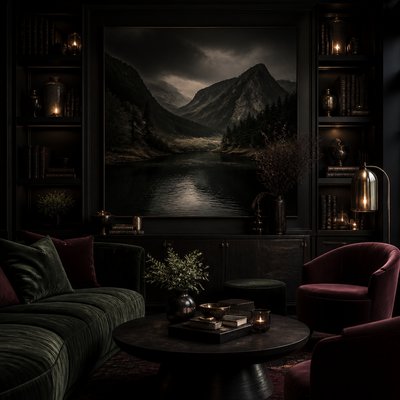
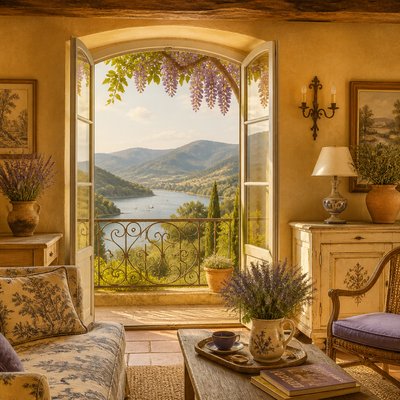
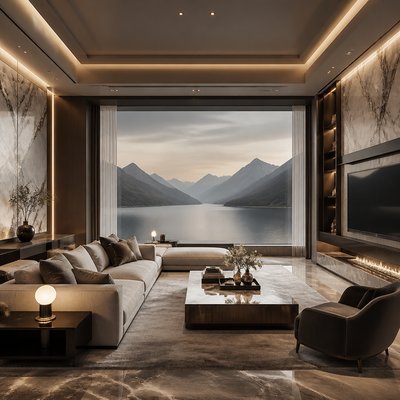
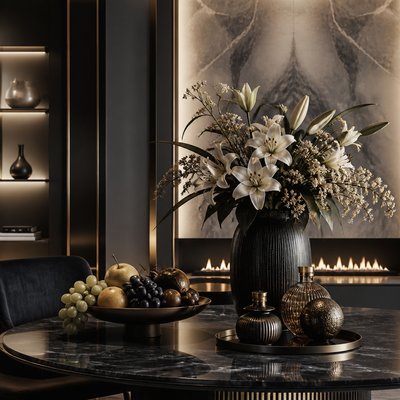
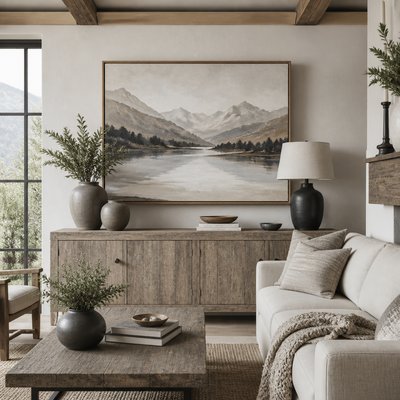
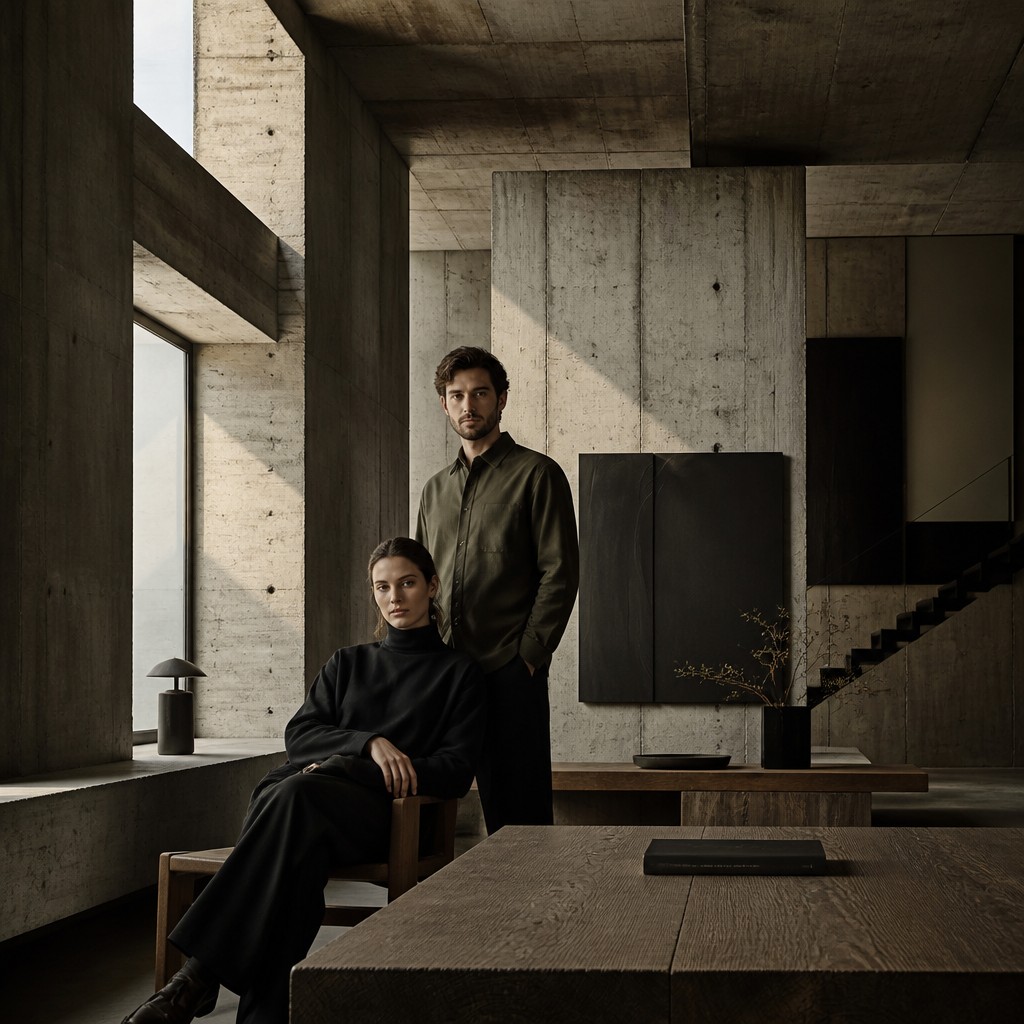
Raw concrete, heavy massing, and sculpted light define this austere interior style of monumental calm.
Instantly rendered in Brutalist Interior Design — or transform a photo
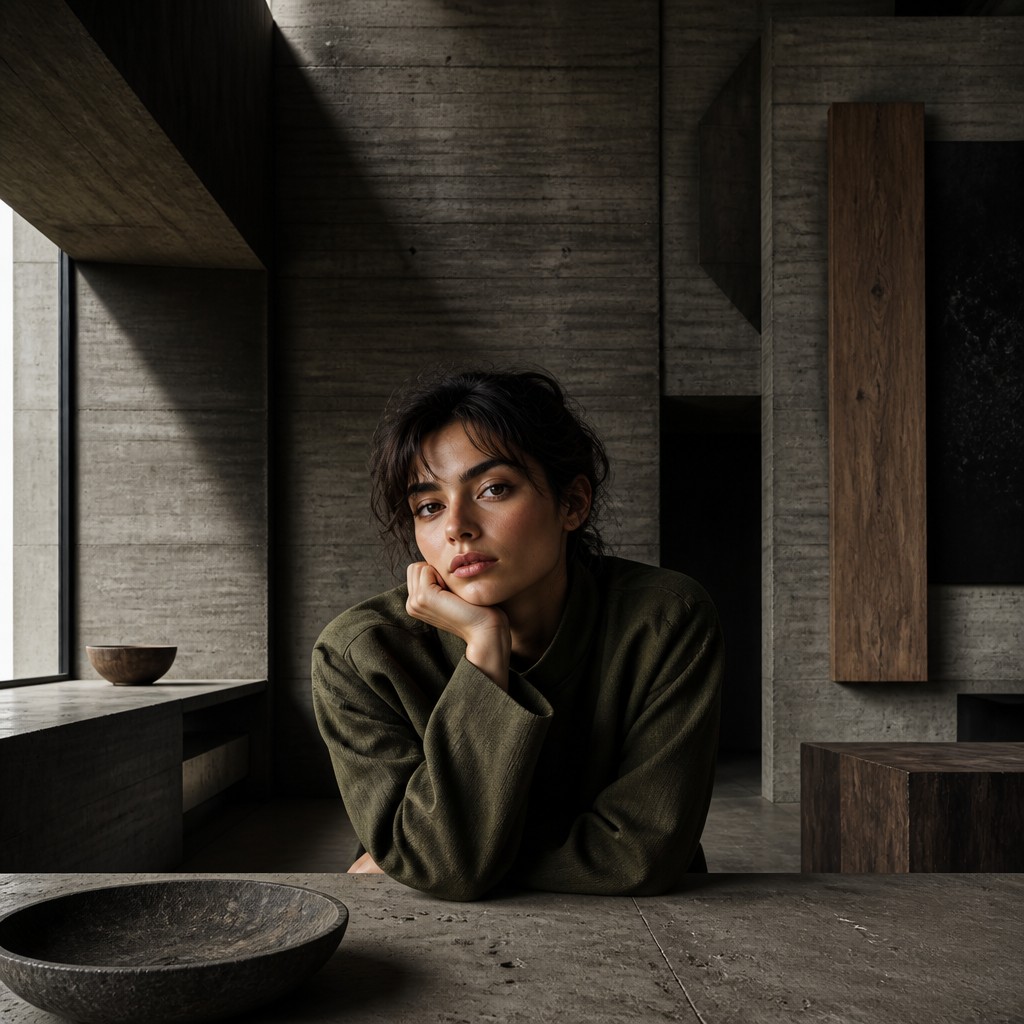
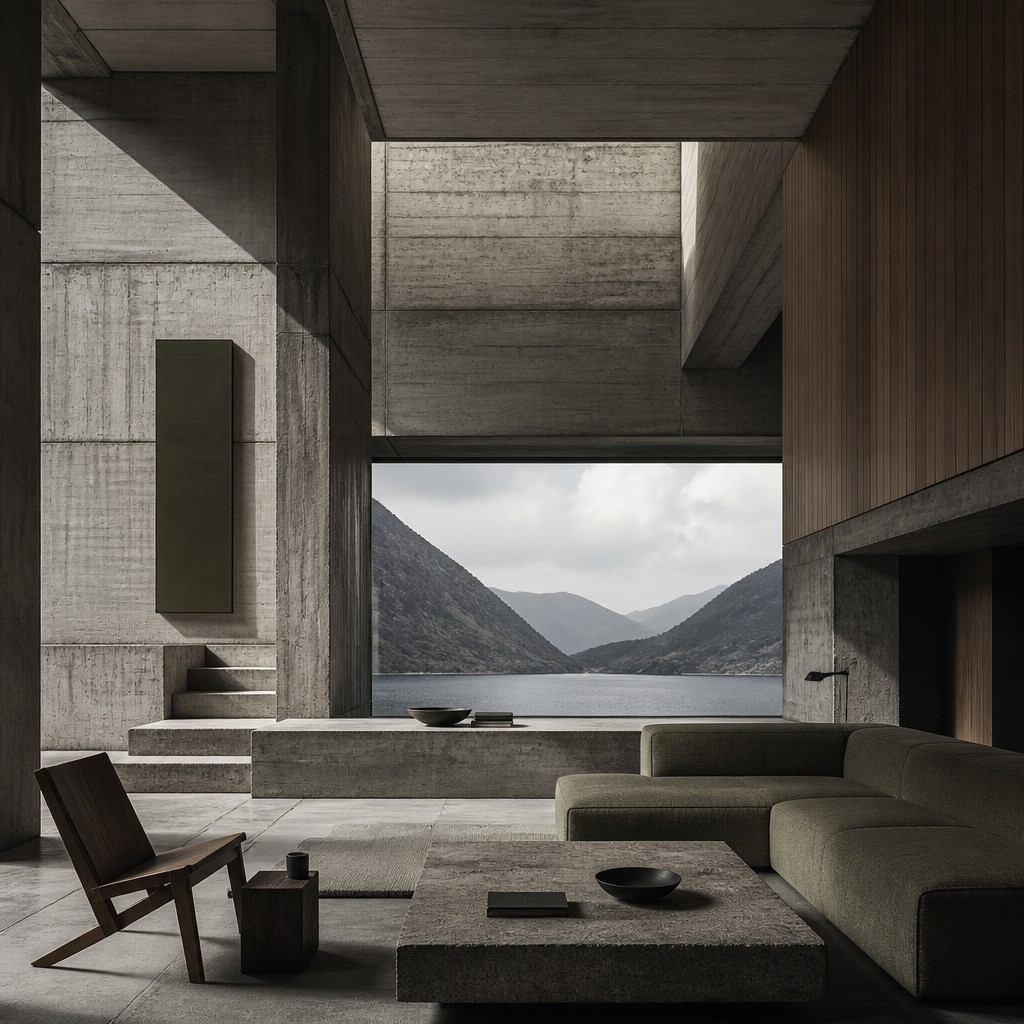
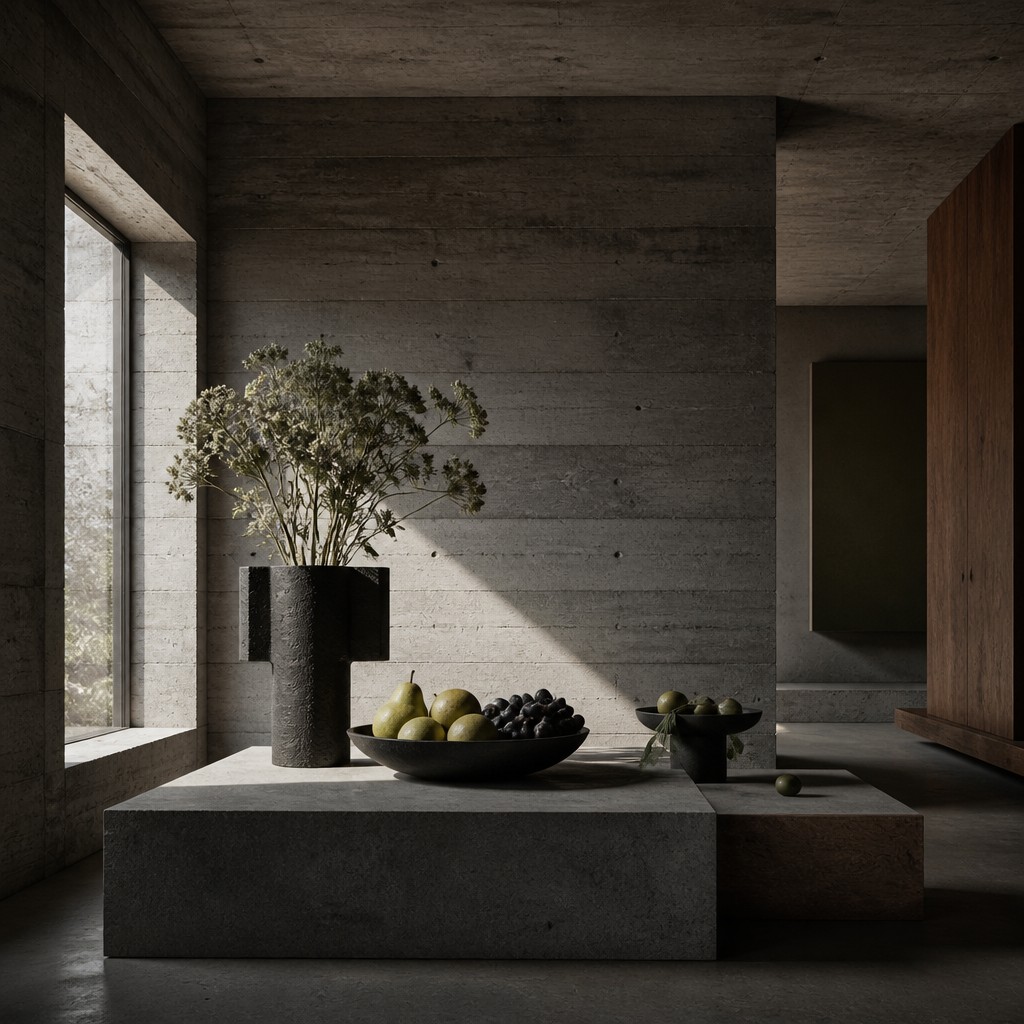
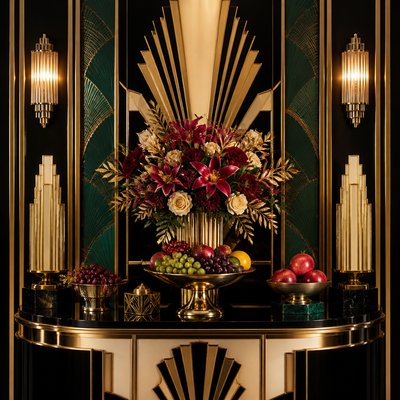
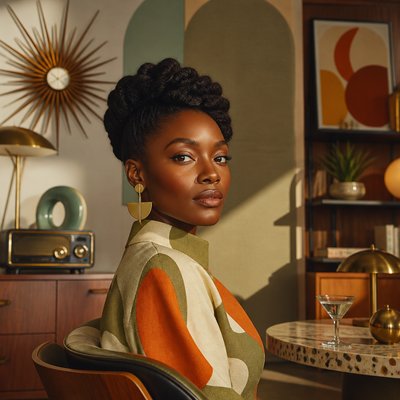
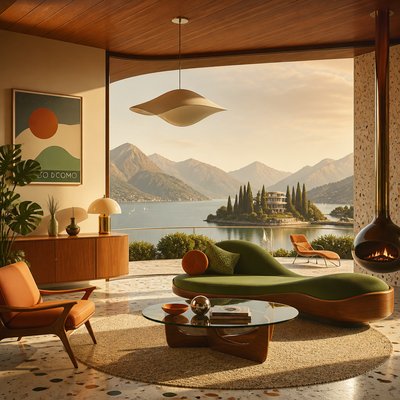
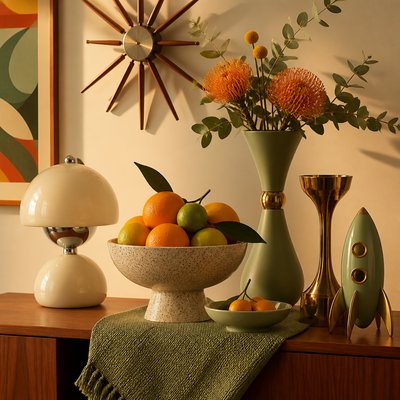
Brutalist Interior Design Gallery
Tap any artwork to explore it
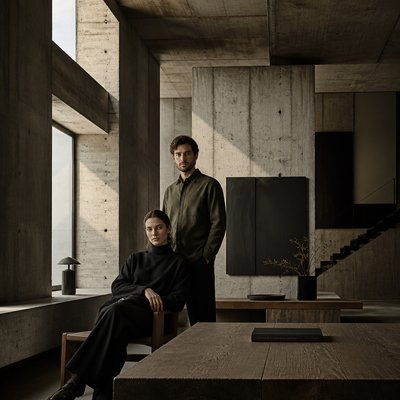
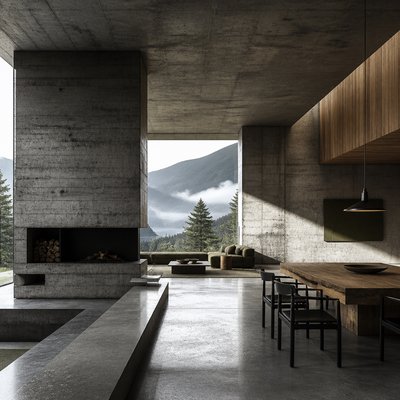
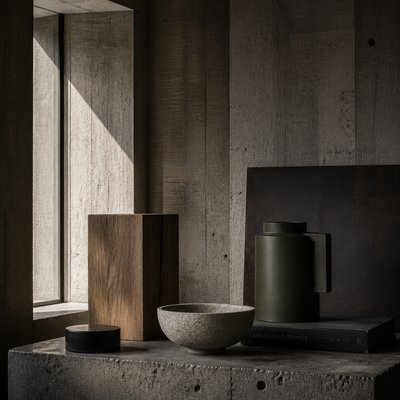
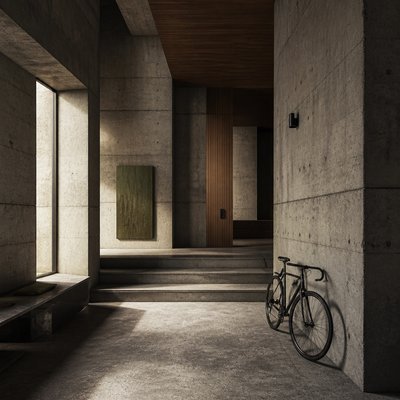
What is Brutalist Interior Design?
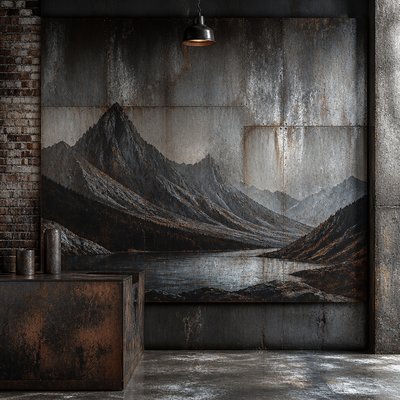
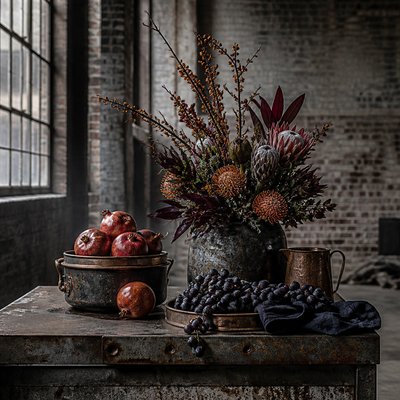
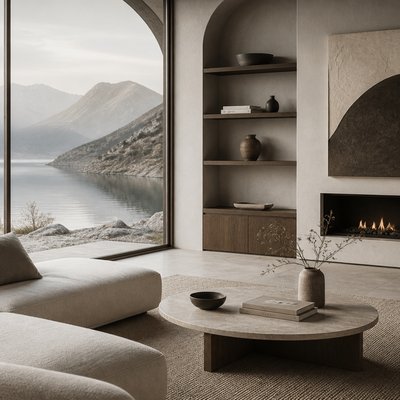
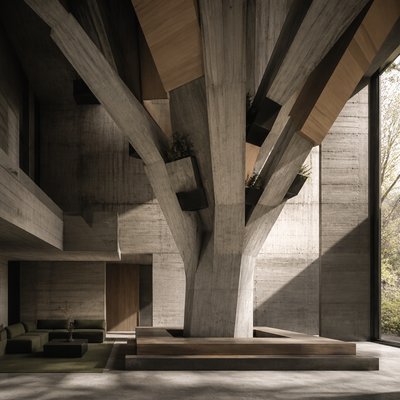
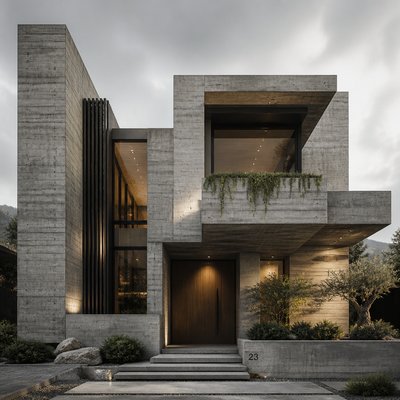
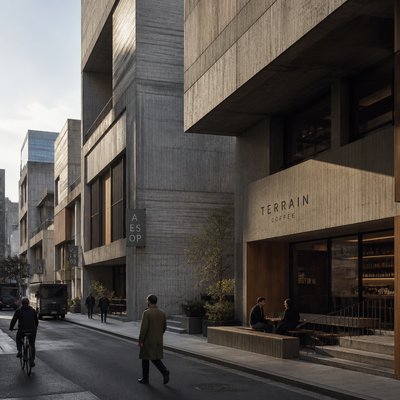
Brutalist interior design is an architectural and interior style defined by raw material honesty, heavy geometric forms, and a sense of monumental calm. It is usually built around exposed concrete, black steel, warm timber, and restrained accent tones, with surfaces left visibly textured rather than concealed or polished. The result is a space that feels severe but deliberate: quiet, weighty, and highly structured.
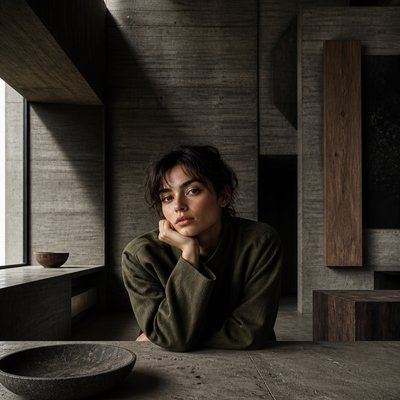
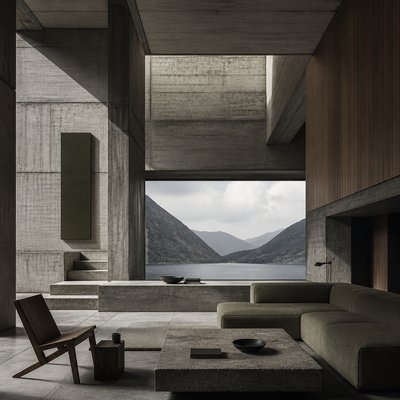
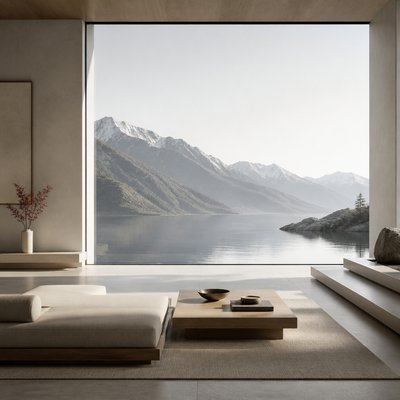
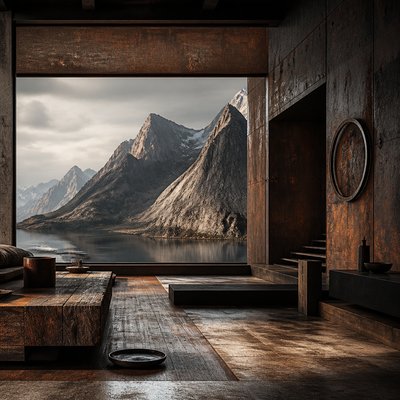
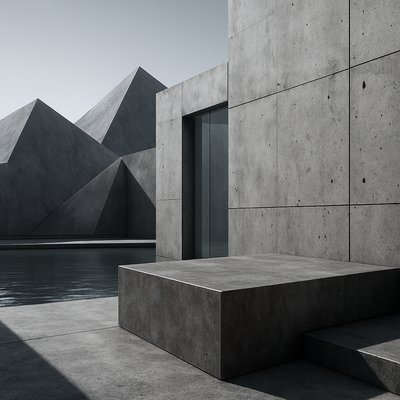
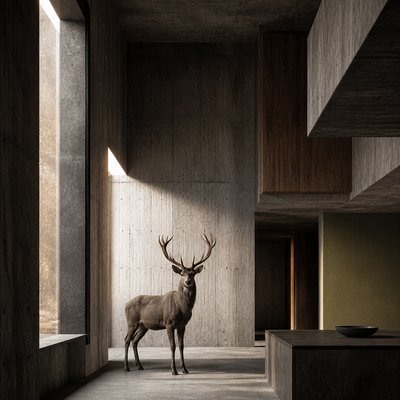
Visually, the style depends on massing and light more than ornament. Deep window reveals, thick walls, slab-like stairs, built-in benches, and board-formed concrete create a sense of carved permanence, while narrow shafts of daylight and hard-edged shadows animate the room. The aesthetic looks the way it does because it borrows from Brutalist architecture’s emphasis on structural truth, material tactility, and a sculptural approach to space, translating those ideas into interiors that are both austere and atmospheric.
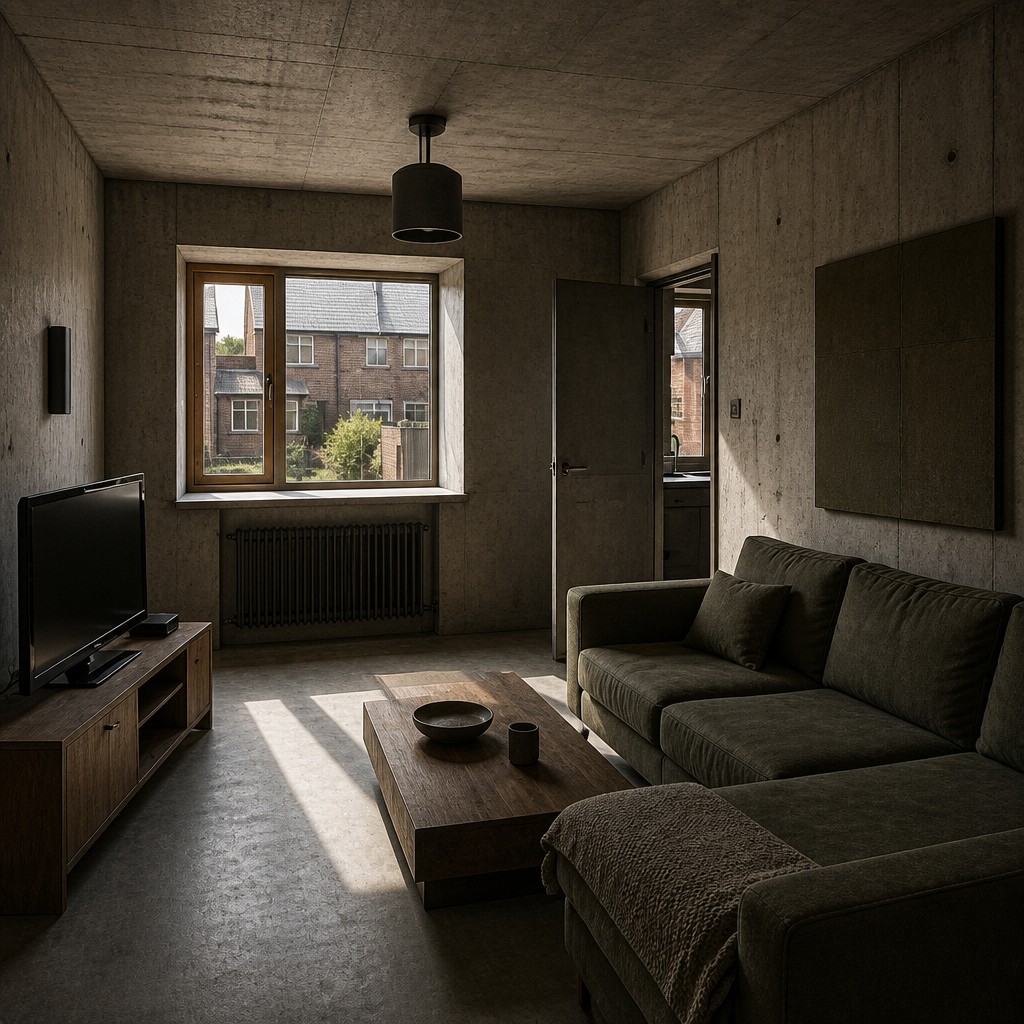
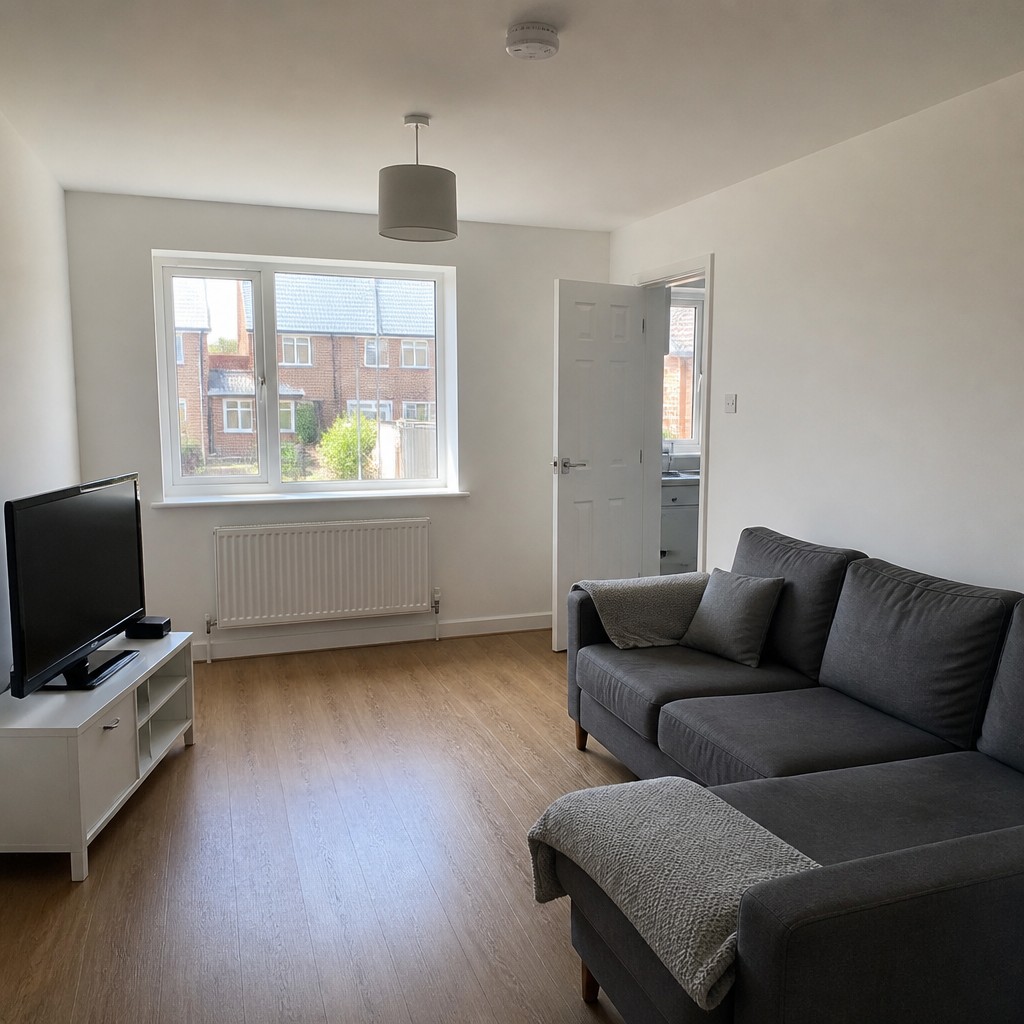
Try It On Your Photos
Upload any photo and convert it into Brutalist Interior Design — drag the sliders to compare before and after.


What Defines Brutalist Interior Design
The signature details, up close
Raw concrete surfaces
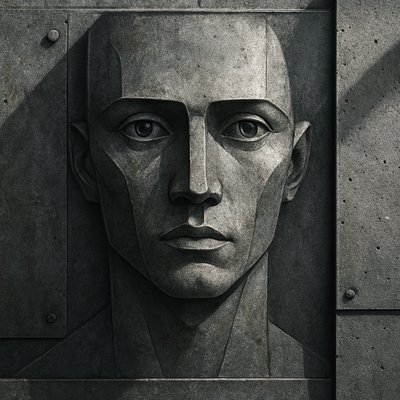
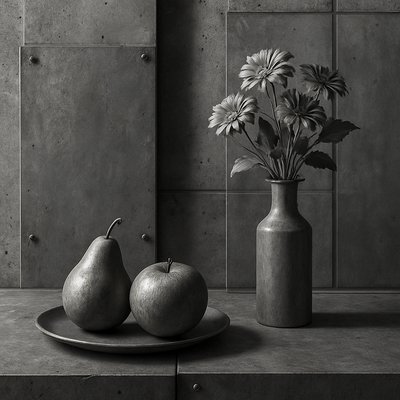
Exposed concrete is central, often with board-formed texture, visible seams, and aggregate. The material is usually left matte and unpolished to emphasize honesty and tactility.
Heavy geometric massing
Walls, stairs, counters, and built-ins often read as large sculptural volumes rather than light furnishings. The composition favors solidity, weight, and clear structural presence.
Deep shadow and hard light
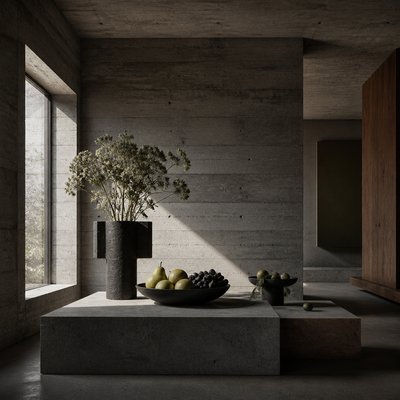
Lighting is used to dramatize form, not soften it. Narrow openings, recessed glazing, and strong daylight create contrast between bright planes and cool shadowed recesses.
Restrained material palette
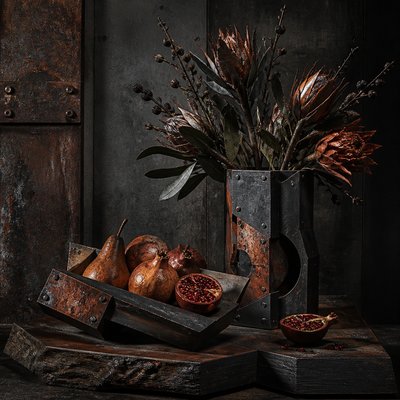
The palette typically stays within concrete grey, black steel, warm timber, muted olive, and occasionally oxidized or dark stone tones. The restraint helps the spatial composition feel unified and calm.
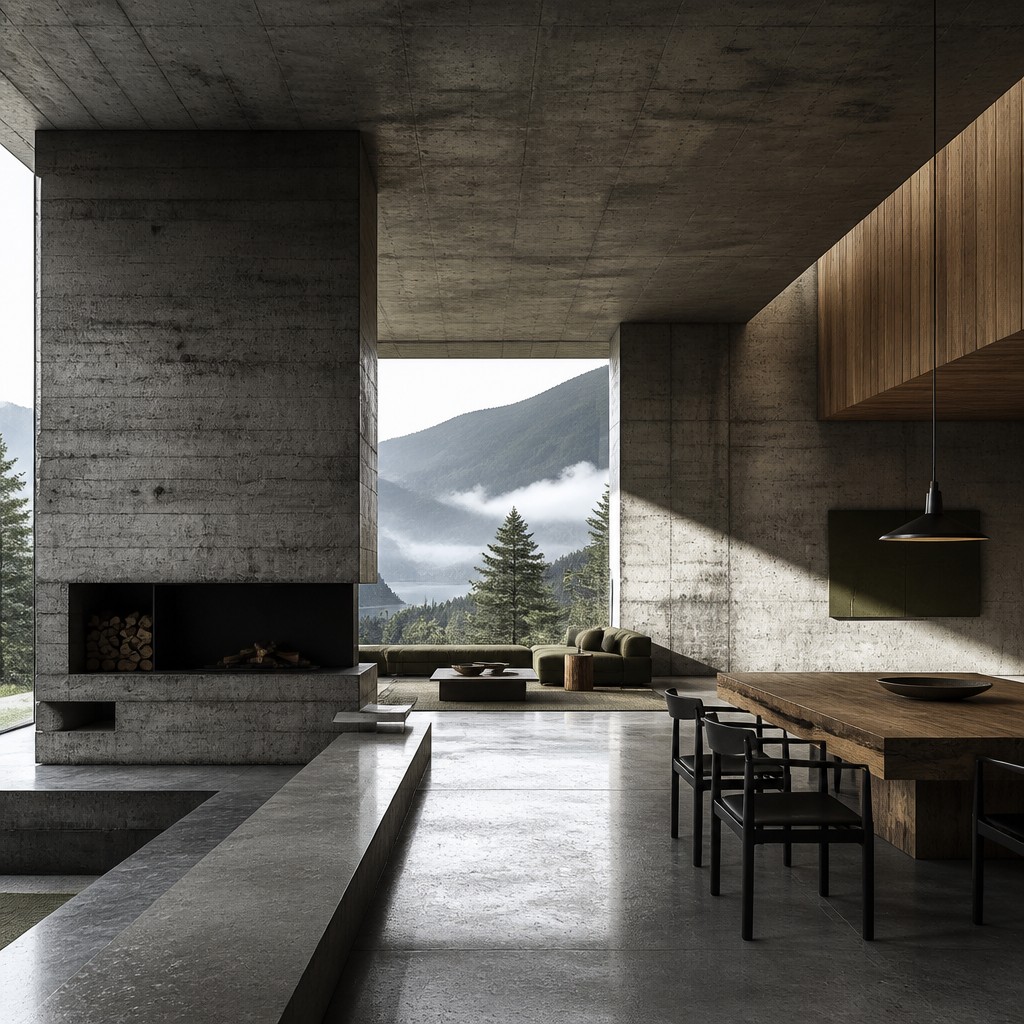
Visible construction logic
Joints, seams, slabs, and structural edges are often left legible. The space communicates how it is assembled, making construction part of the visual language.
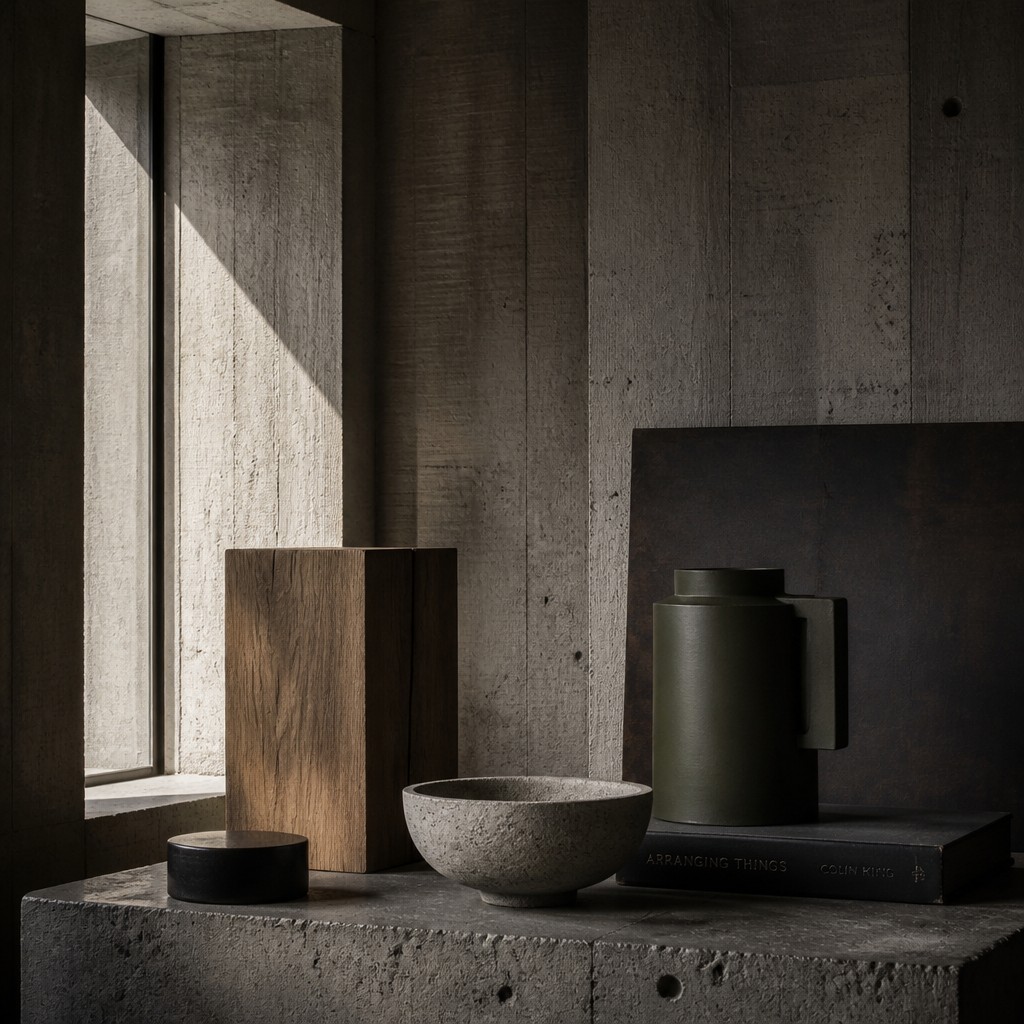
Minimal ornament, maximum presence
Decoration is rare and usually subordinate to form. Any furnishing or detail tends to be geometric, built-in, and quietly integrated into the architecture.
Try It
Create Videos in Brutalist Interior Design
Styles aren't just for stills — describe a scene or animate an image and get a short video rendered in Brutalist Interior Design. Press play to see this pond come to life.
Make a VideoBrutalist Interior Design Prompt Ideas
Start from an idea — each one opens the generator with the style ready to go. See all 40 Brutalist Interior Design prompts →
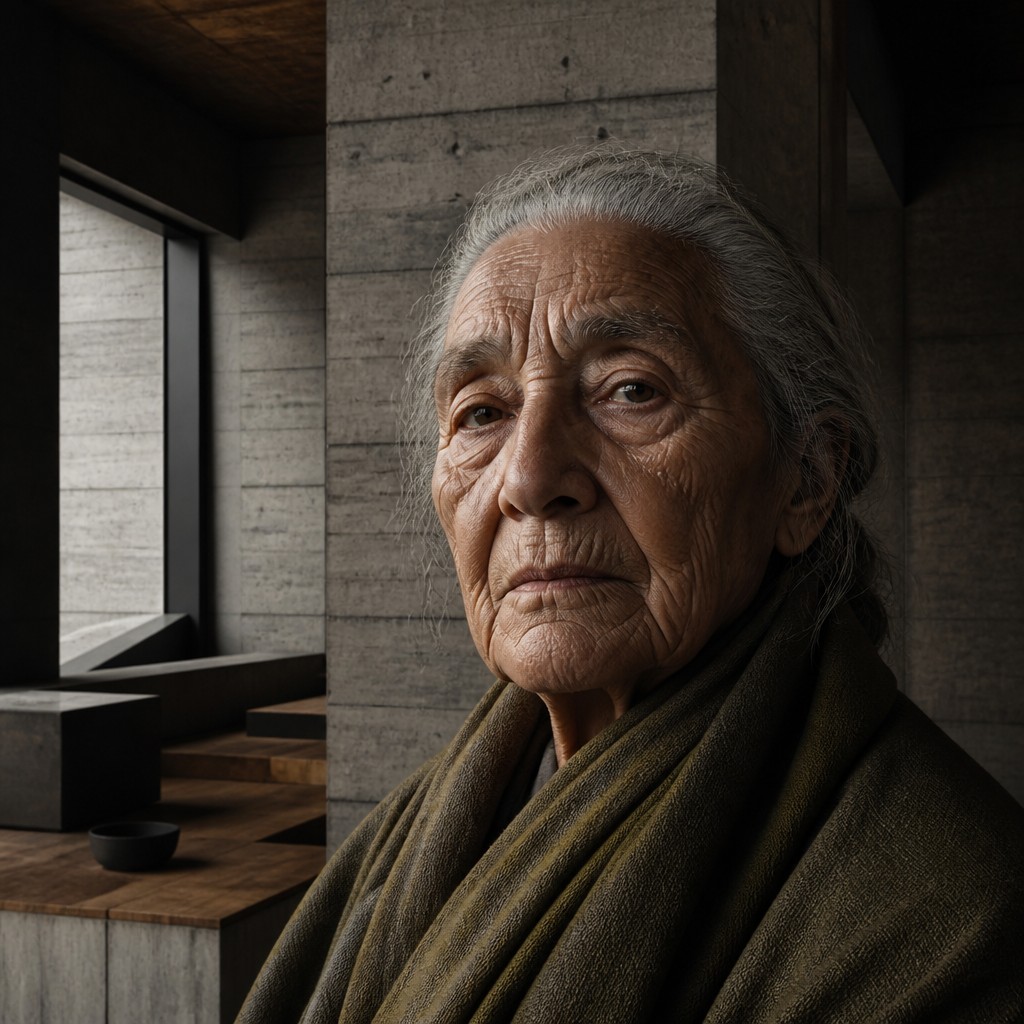
“close-up portrait of an elderly person with expressive weathered features”
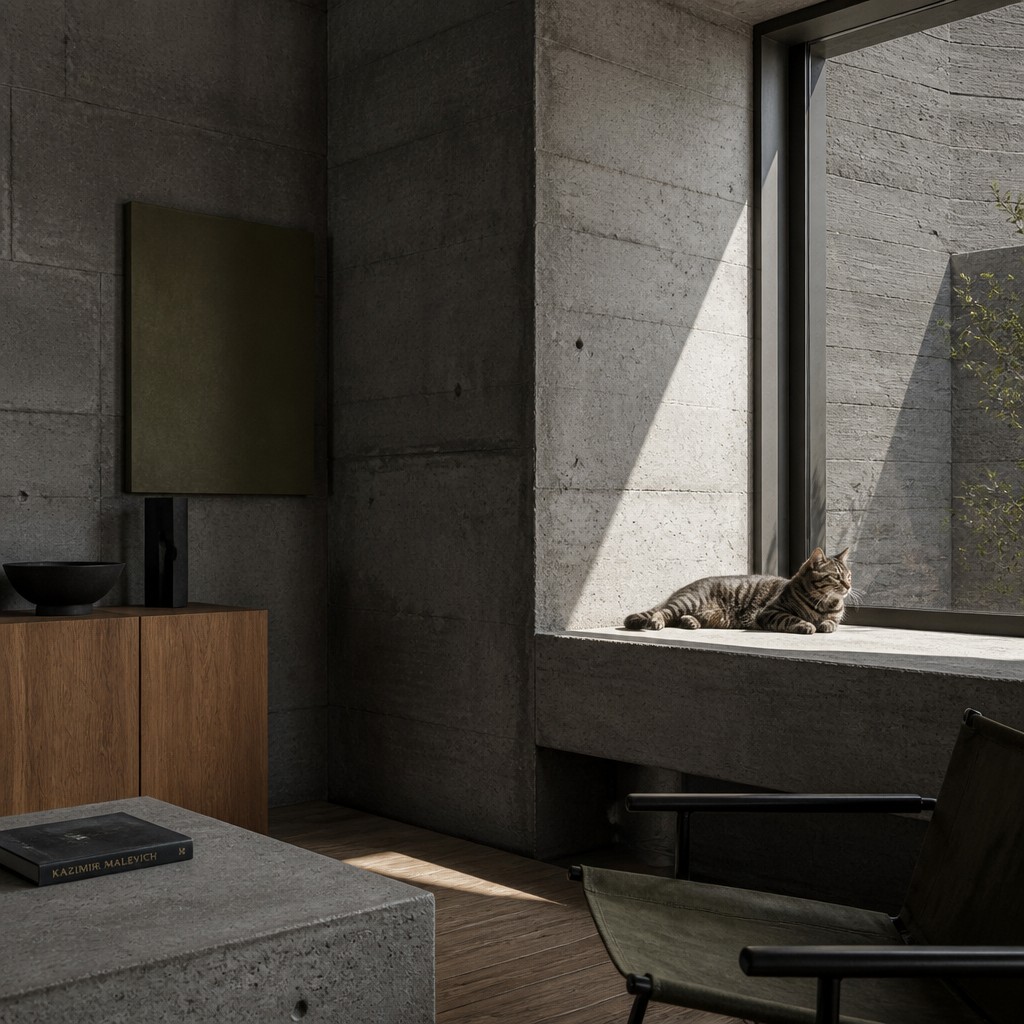
“a cat lounging in a sunlit window”
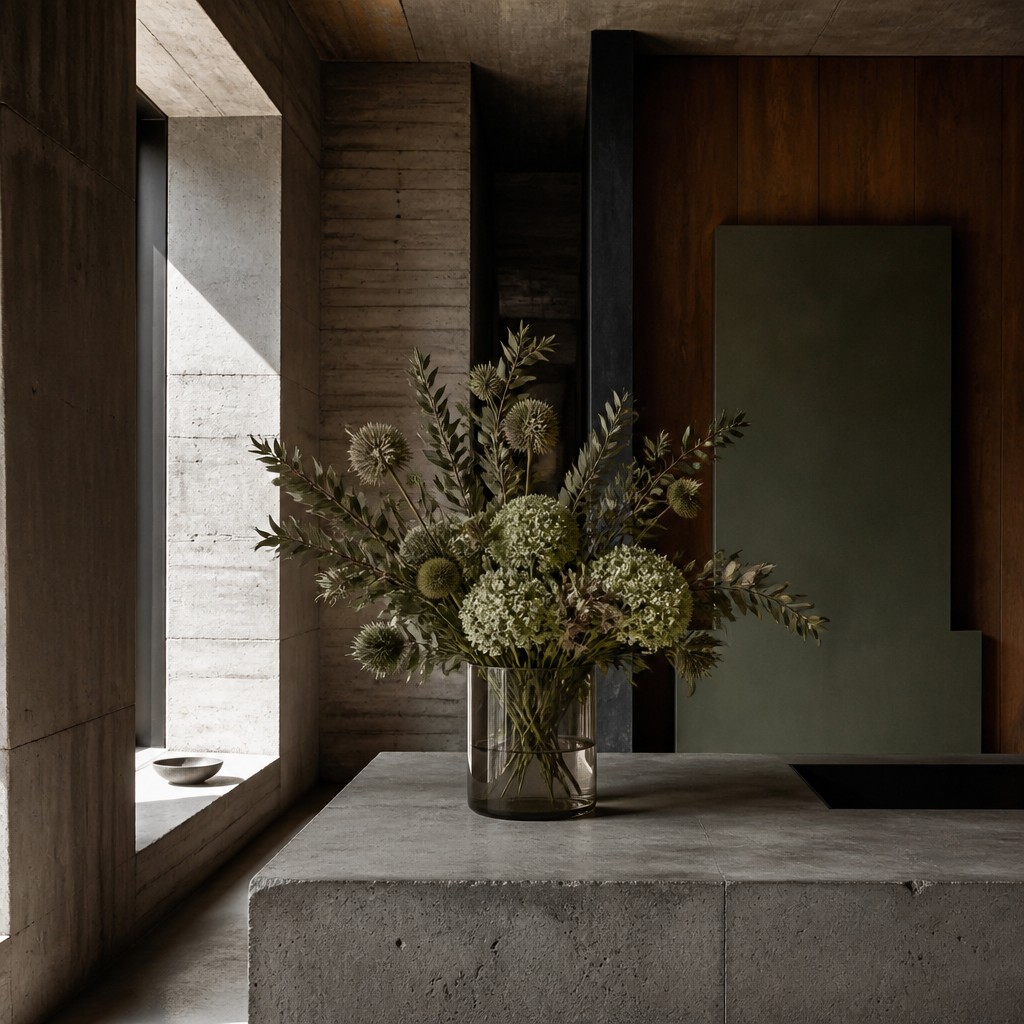
“bouquet of flowers in a glass vase”
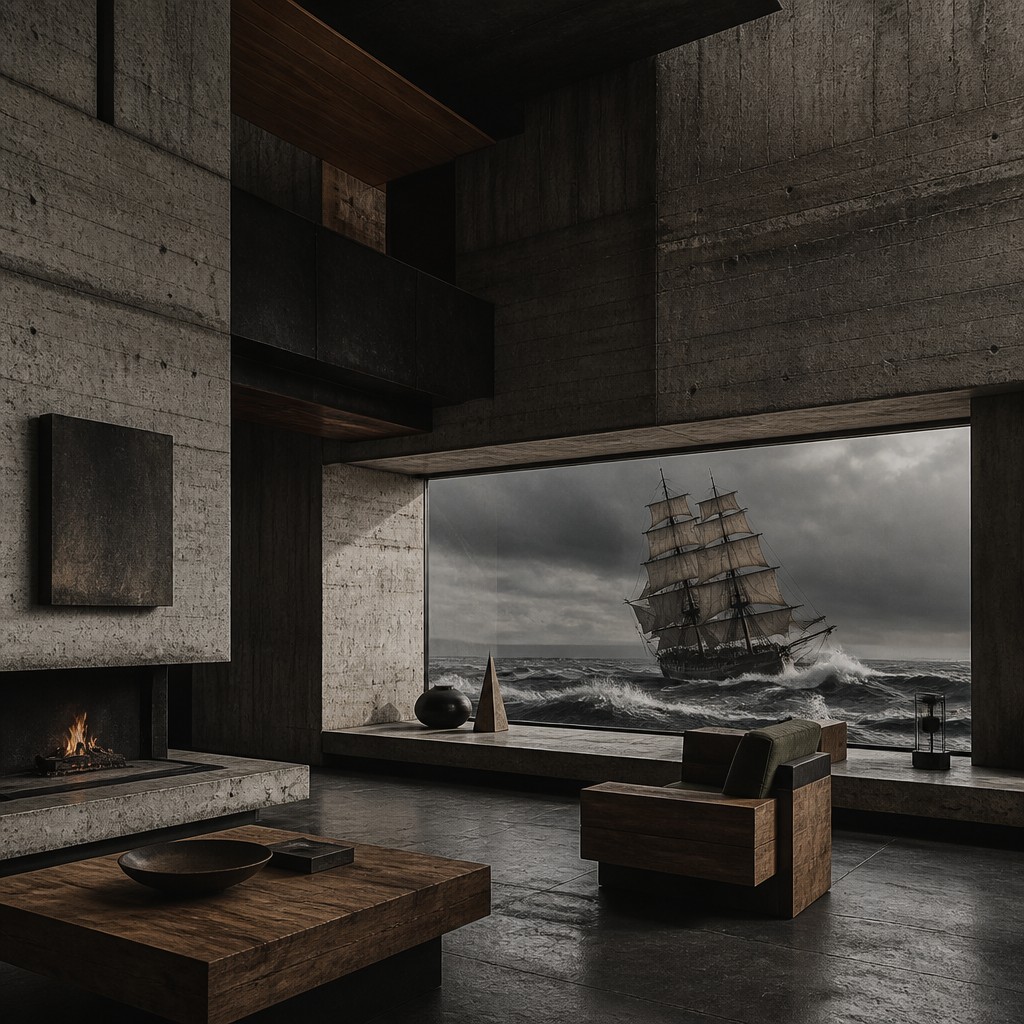
“sailing ship on a stormy sea”
How to Create Brutalist Interior Design Art
Master the craft step by step — or skip straight to creating. Read the full guide →
- 1
Use material honesty first
Whether working by hand or digitally, prioritize surfaces that look raw rather than decorative: concrete with board grain, timber with visible pores, and steel with a matte finish. Avoid glossy or highly ornate finishes, because the style depends on tactile understatement.
- 2
Design with mass and proportion
Block out large, simple forms before adding detail. Think in terms of slabs, recesses, overhangs, and thick planes so the room feels carved and architectural rather than furnished.
- 3
Control the lighting
Use strong directional light, low angles, and deep shadow to reveal texture and edges. In digital work or prompt-based generation, specify dramatic natural light, window reveals, and cool shadow to keep the atmosphere sculptural.
- 4
Limit the palette
Keep colors restrained and earthy: concrete grey, black, warm wood, olive, and dark neutral accents. A limited palette makes the geometry and texture read more clearly and prevents the image from drifting into generic modern minimalism.
- 5
Balance severity with warmth
Introduce timber, fabric, or subtle greenery sparingly so the space feels habitable rather than empty. A small amount of warmth against the concrete helps preserve the Brutalist character while softening the overall mood.
- 6
For prompt-based generation, name the structural cues
Include phrases such as board-formed concrete, heavy slab forms, deep window reveals, matte tactile surfaces, and sculpted daylight. These cues help the model capture the style’s architecture-driven identity instead of producing a vague minimalist interior.
The Story
History & Origins of Brutalist Interior Design
Brutalist interior design derives from Brutalism, an architectural movement that emerged in the mid-20th century, especially in the 1950s through the 1970s. The term is associated with the French phrase béton brut, meaning raw concrete, and with the modernist preference for legible structure and unadorned materials. In interiors, the style developed as buildings began to expose their structural systems and material finishes rather than masking them with decorative cladding.
Its lineage also extends from late modernism, Le Corbusier’s massive concrete forms, and postwar civic architecture in Europe, Britain, and parts of North America. Interior applications became more common in institutional buildings, campuses, museums, and later in contemporary residential and hospitality design, where designers adapted Brutalism’s raw language into spaces that feel restrained, tactile, and meditative rather than purely harsh.
Influences: Brutalist interior design is closely related to Brutalist architecture, late modernism, and the material philosophy of Le Corbusier, whose monumental concrete work helped define the language of exposed structure and raw surfaces. It also overlaps with industrial minimalism, Japanese architectural restraint in its use of negative space and calm, and contemporary high-end residential design that adapts exposed materials into more refined interiors. Unlike polished contemporary minimalism, however, Brutalist interiors keep the evidence of making visible: seams, formwork, and mass remain part of the aesthetic.
Frequently Asked Questions
What defines Brutalist interior design?
Its core traits are raw concrete, heavy geometry, exposed construction, and strong contrasts of light and shadow. The style feels monumental because it treats walls, stairs, and built-ins as sculptural volumes rather than decorative backdrop. Texture and structural honesty matter more than ornament.
Is Brutalist interior design the same as industrial design?
No. Industrial interiors usually emphasize factories, pipes, metal finishes, and utilitarian furnishings, while Brutalist interiors center on mass, concrete, and architectural solidity. Brutalism can include industrial elements, but its identity comes from monolithic forms and board-formed surfaces rather than exposed mechanical systems.
Why does Brutalist design often feel cold or severe?
The style uses a limited palette, hard materials, and minimal ornament, which naturally creates a stern atmosphere. However, it is not meant to be lifeless; the interplay of texture, shadow, and scale gives it a quiet, contemplative presence. Warm timber and soft furnishings are often used to make the space more livable.
How can I make a room feel Brutalist without making it uncomfortable?
Keep the large-scale geometry and raw materials, but introduce a few balancing elements such as timber seating, textured textiles, and controlled warm lighting. The goal is to preserve the sense of mass and honesty while avoiding a barren or echoing result. Small amounts of warmth can improve comfort without diluting the style.
Where is Brutalist interior design commonly used?
It appears in contemporary homes, galleries, cafes, boutiques, offices, and cultural buildings that want a strong architectural identity. It is especially effective in spaces where light can be carefully controlled and where built-in forms can define the experience. It also works well in renovation projects that preserve concrete structure.
How do I prompt an image in this style?
Describe the subject first, then add architecture-specific cues such as raw concrete, board-formed texture, deep window reveals, heavy slab forms, and dramatic natural light. Mention a restrained palette and matte tactile surfaces so the result feels grounded in interior design rather than generic modernism.

Create your first Brutalist Interior Design artwork
Describe anything — or upload a photo — and see it in Brutalist Interior Design in seconds.
Related Styles
Discover similar art styles