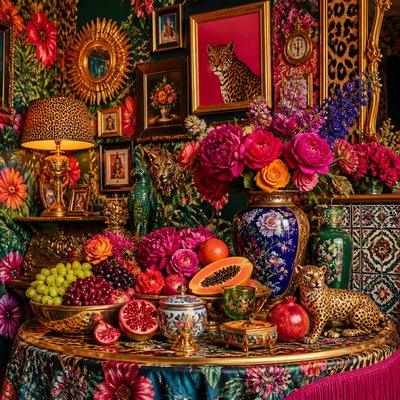
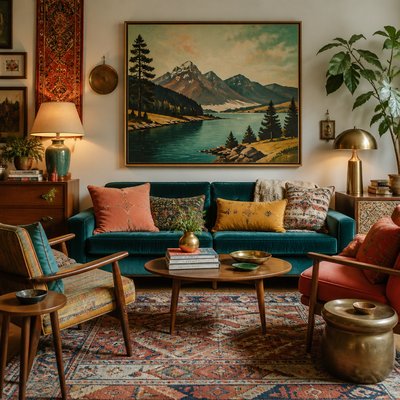
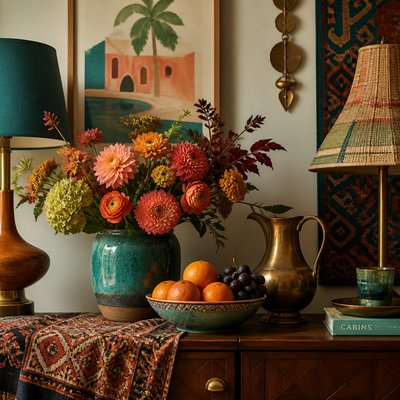
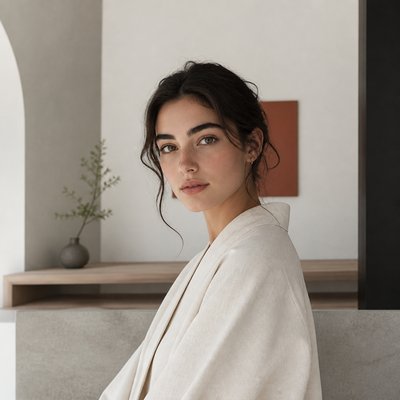
French Country Interior Design
French Country Interior Design blends toile, limewash, rustic wood, and sunlit provincial warmth into relaxed, elegant interiors.
Instantly rendered in French Country Interior Design — or transform a photo
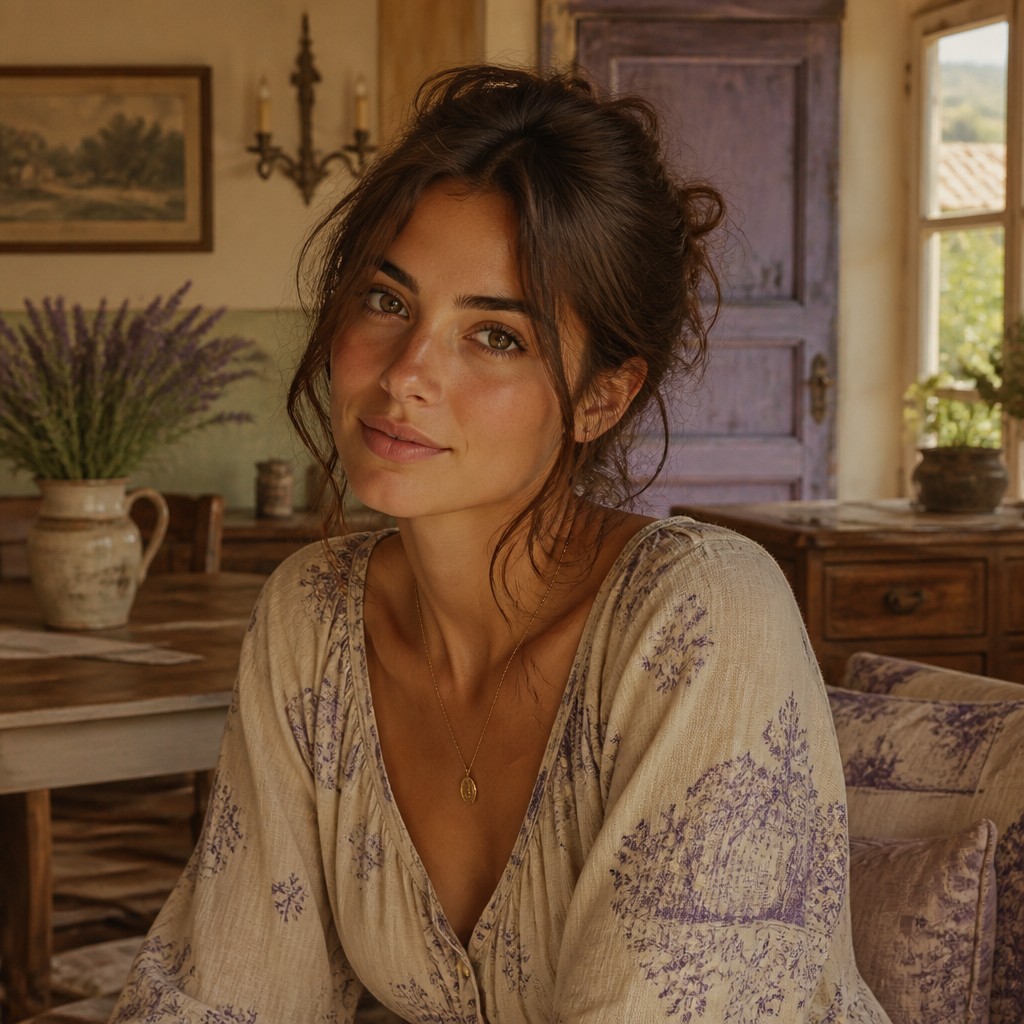
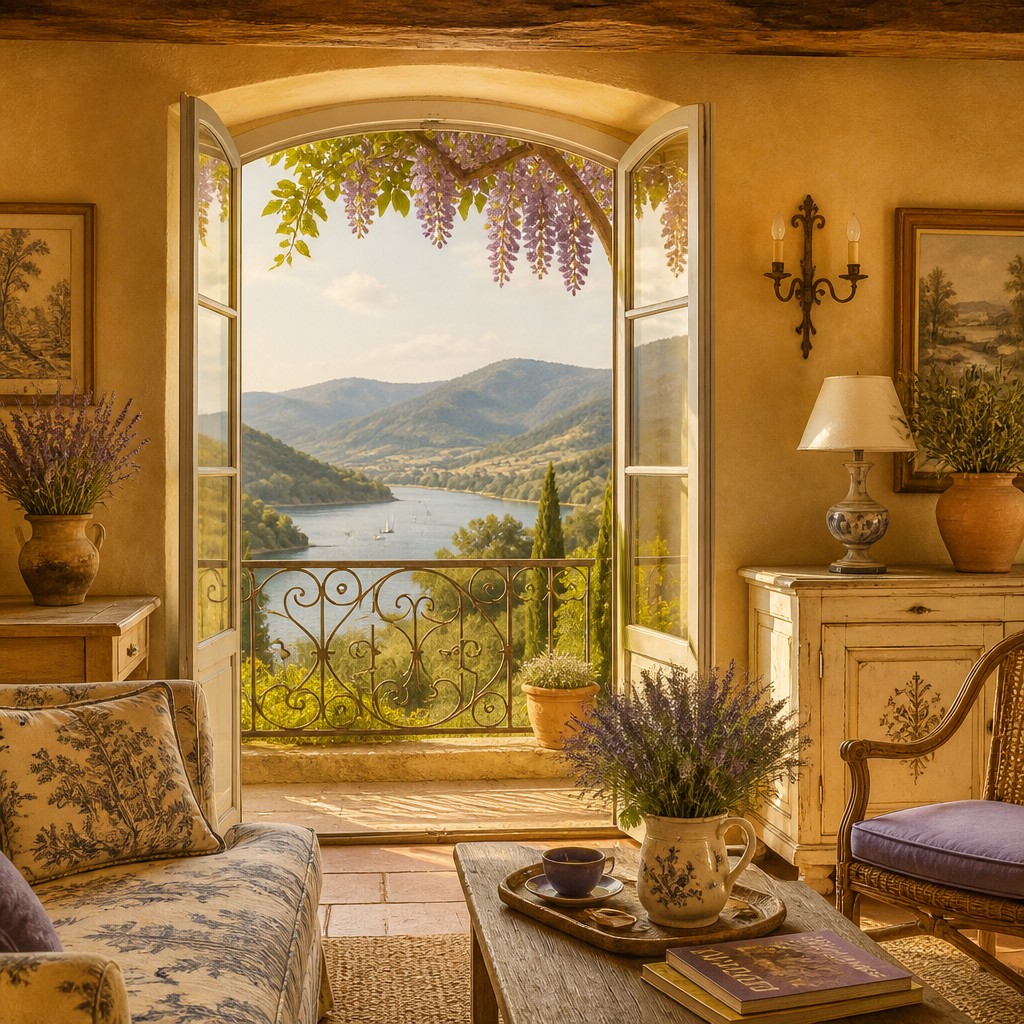
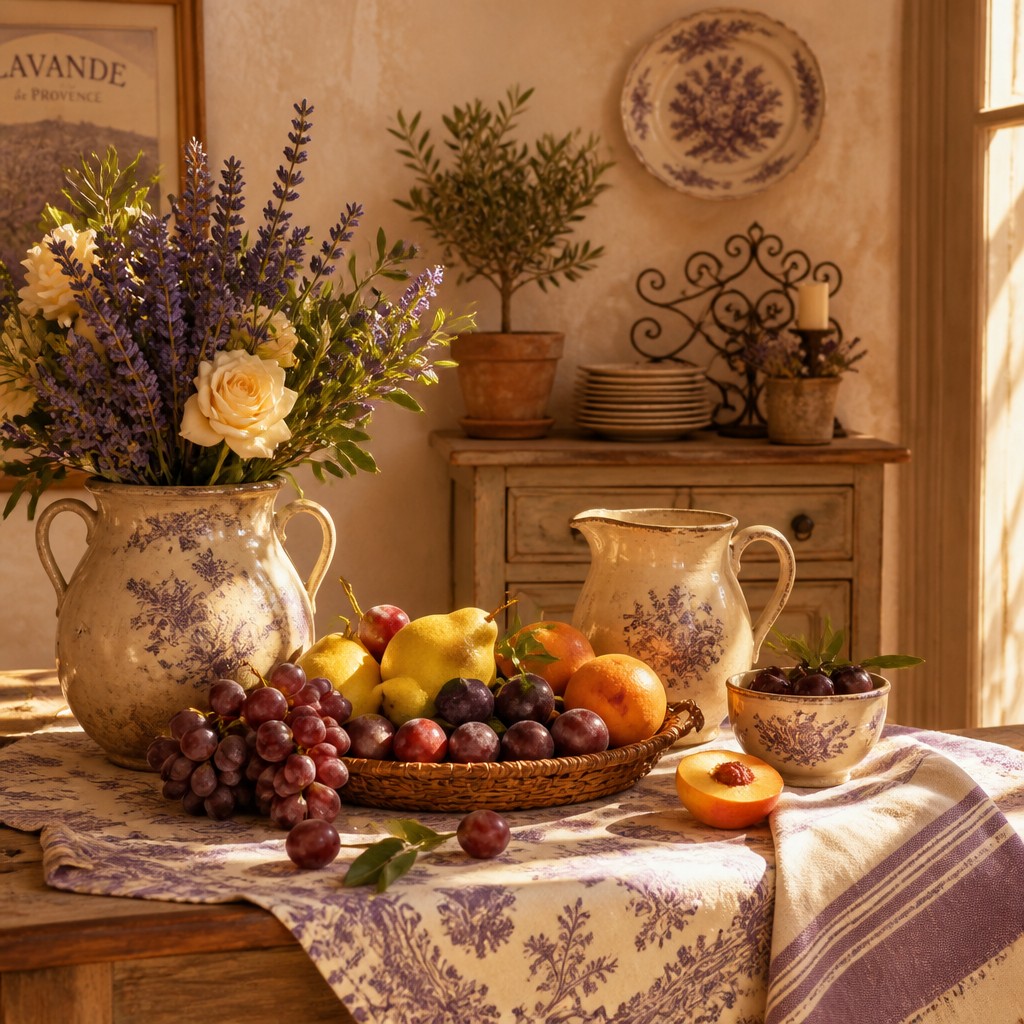
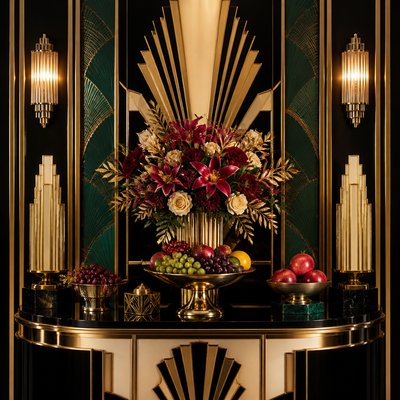
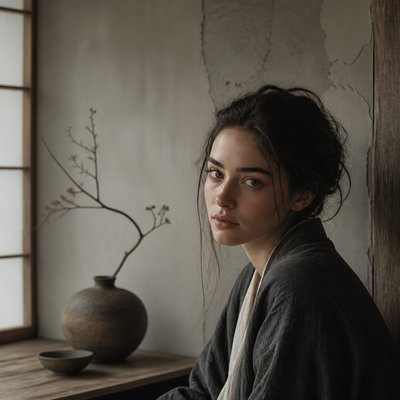
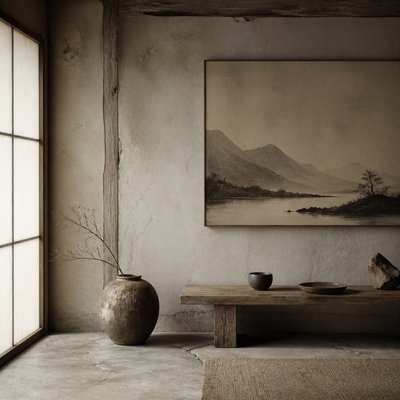
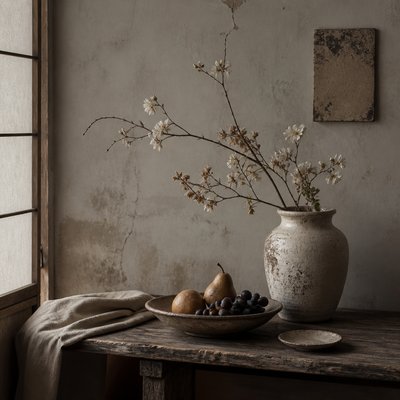
French Country Interior Design Gallery
Tap any artwork to explore it
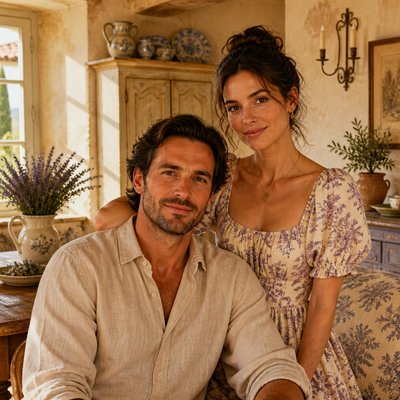
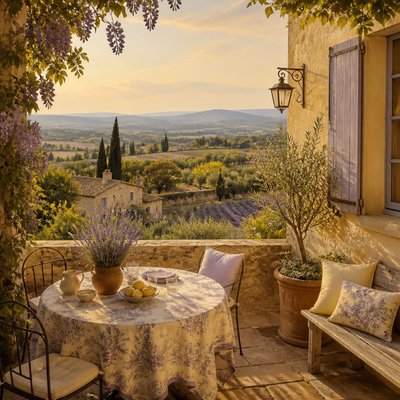
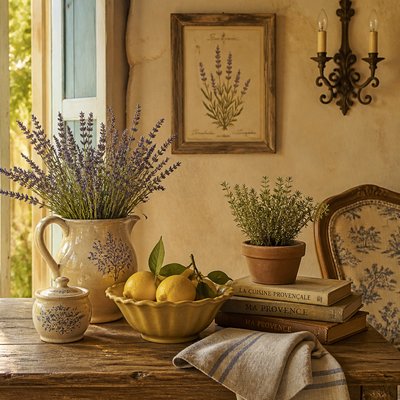
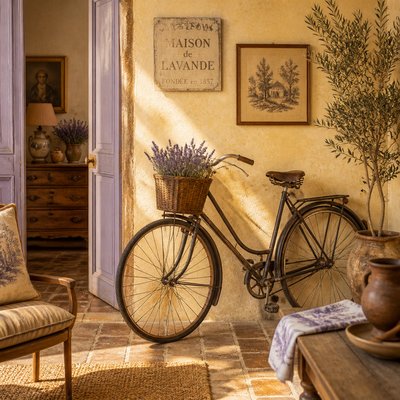
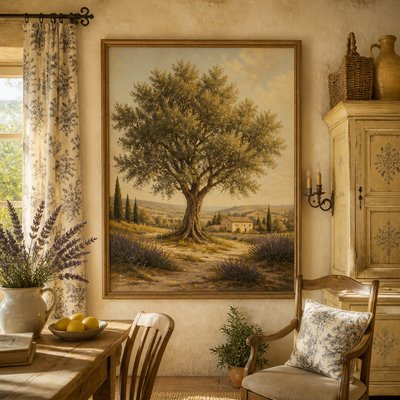
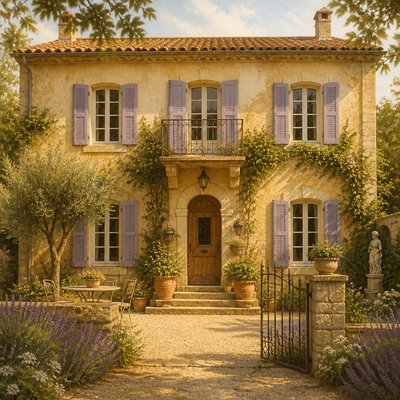
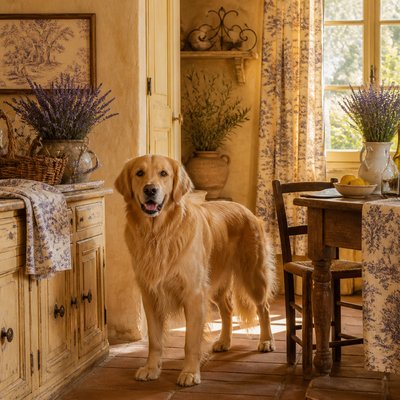
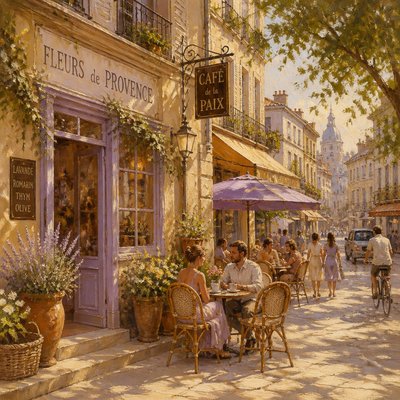
What is French Country Interior Design?
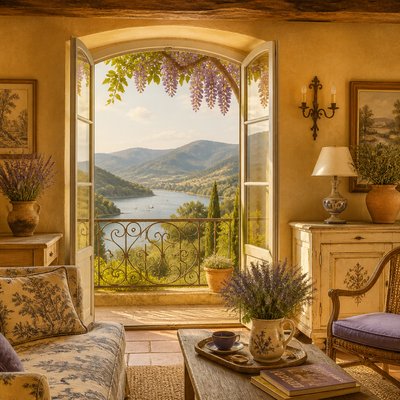
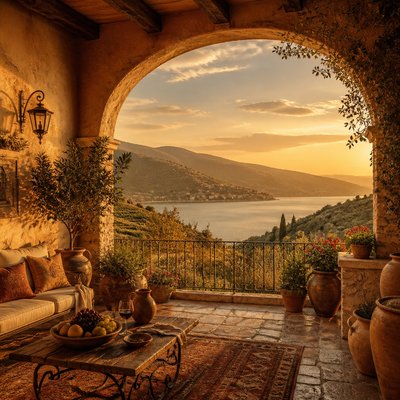
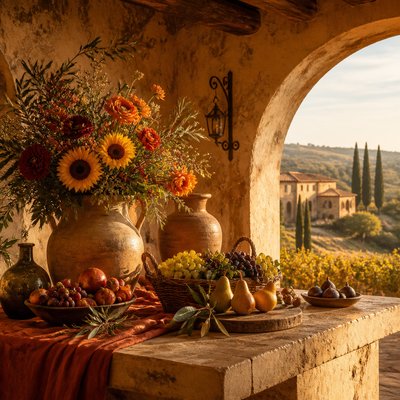
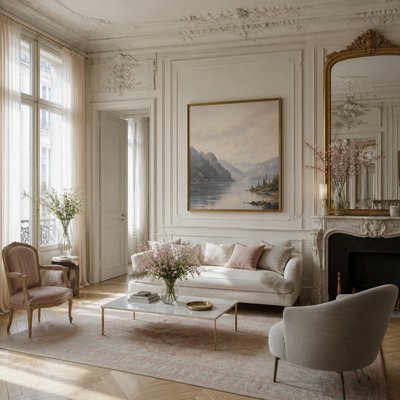
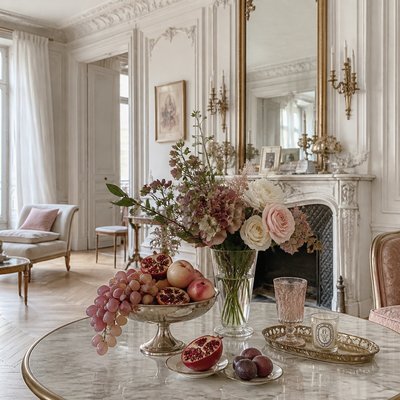
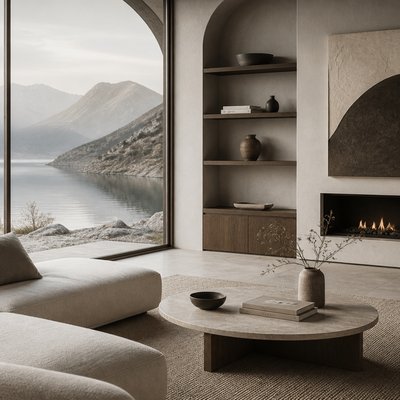
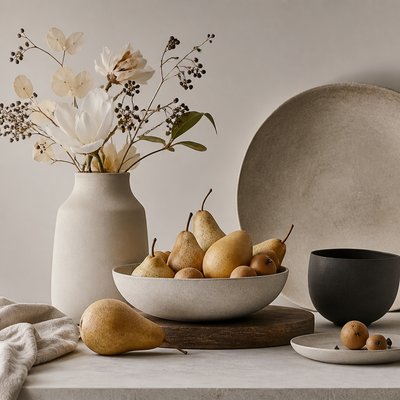
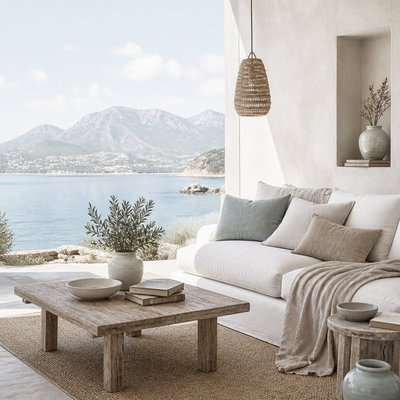
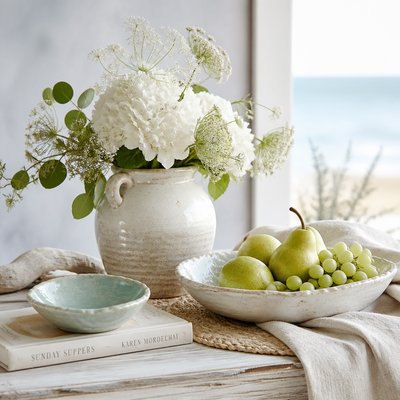
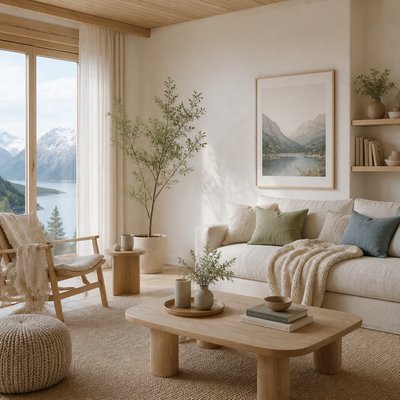
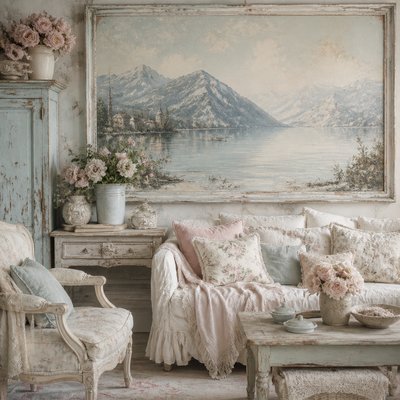
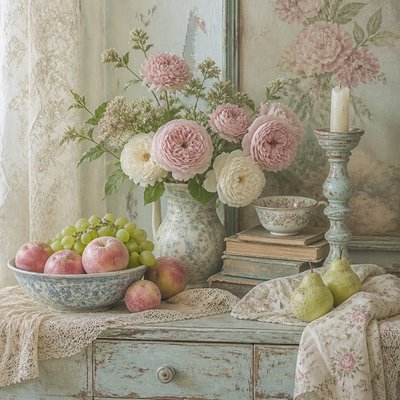
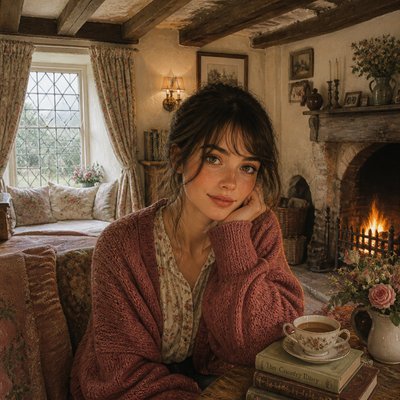
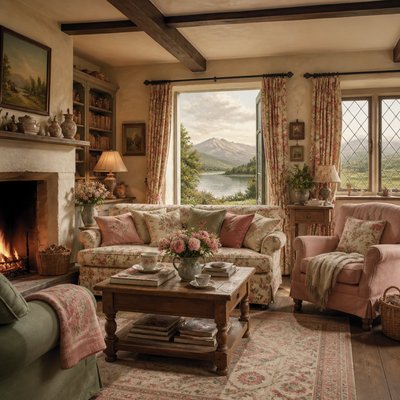
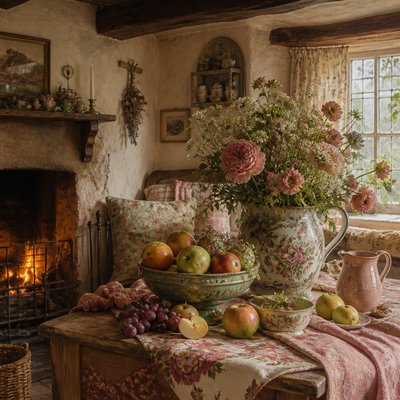
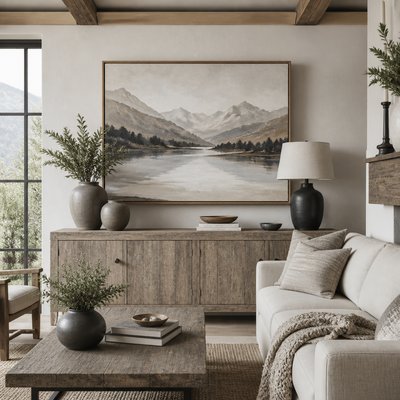
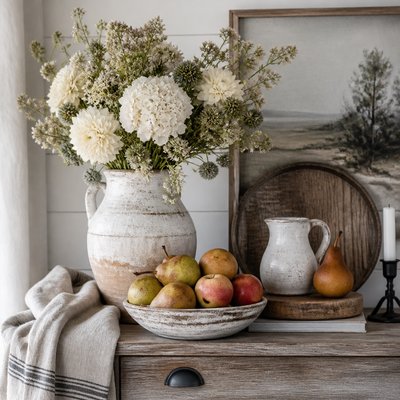
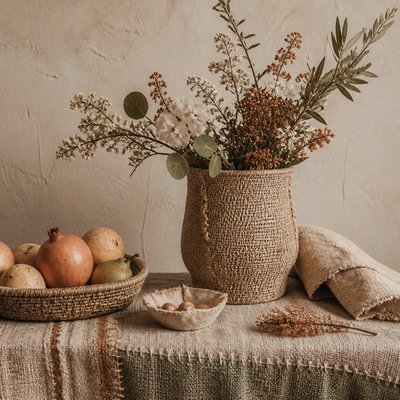
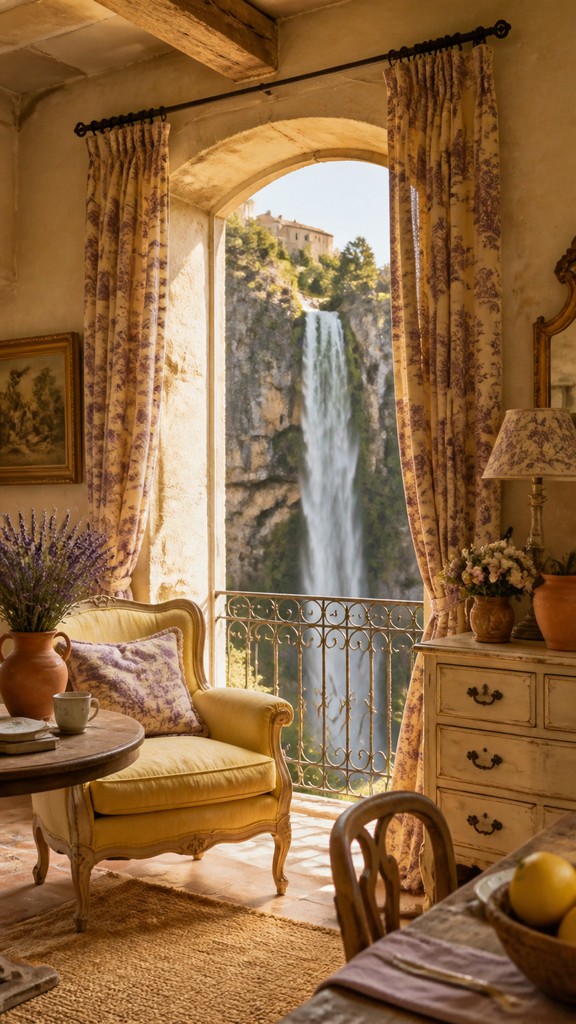
French Country Interior Design is a decorative interior style associated with the French countryside, especially rural homes and manor interiors that balance practicality with softness, age, and comfort. It is defined by sun-warmed colors, natural materials, gently worn finishes, and a layered mix of linen, toile, wrought iron, plaster, and wood.
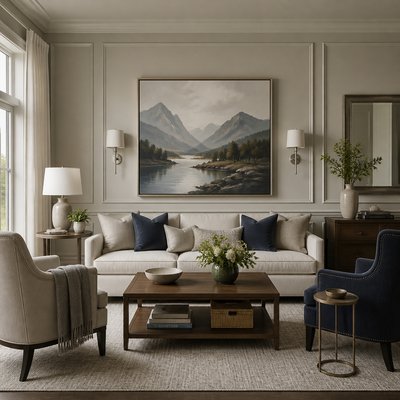
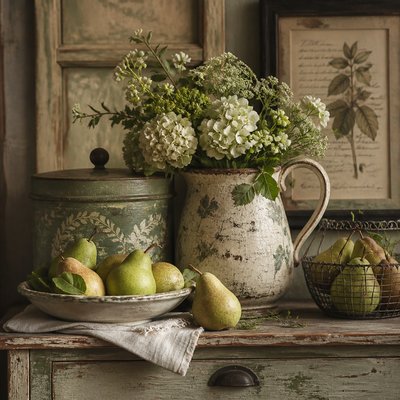
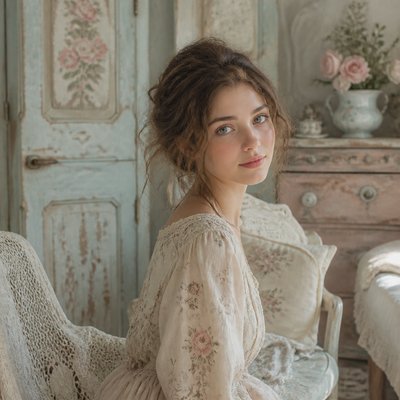
Its visual identity comes from the way these elements work together: pale walls with limewash or plaster texture, honeyed oak or walnut furniture, softly patterned textiles, and daylight that feels warm rather than stark. The style favors relaxed symmetry, handmade surfaces, and an impression of long use, which gives rooms a lived-in elegance rather than a formal or polished look.
Try It On Your Photos
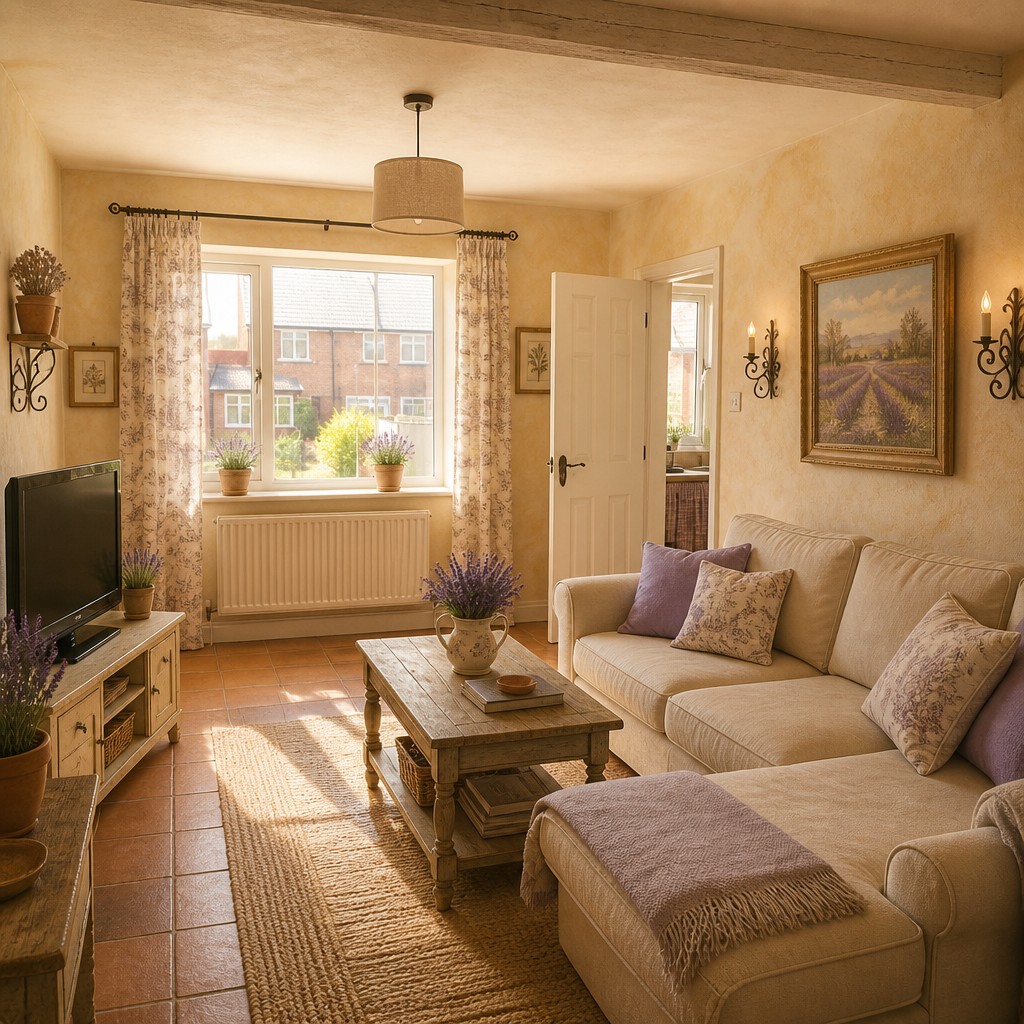
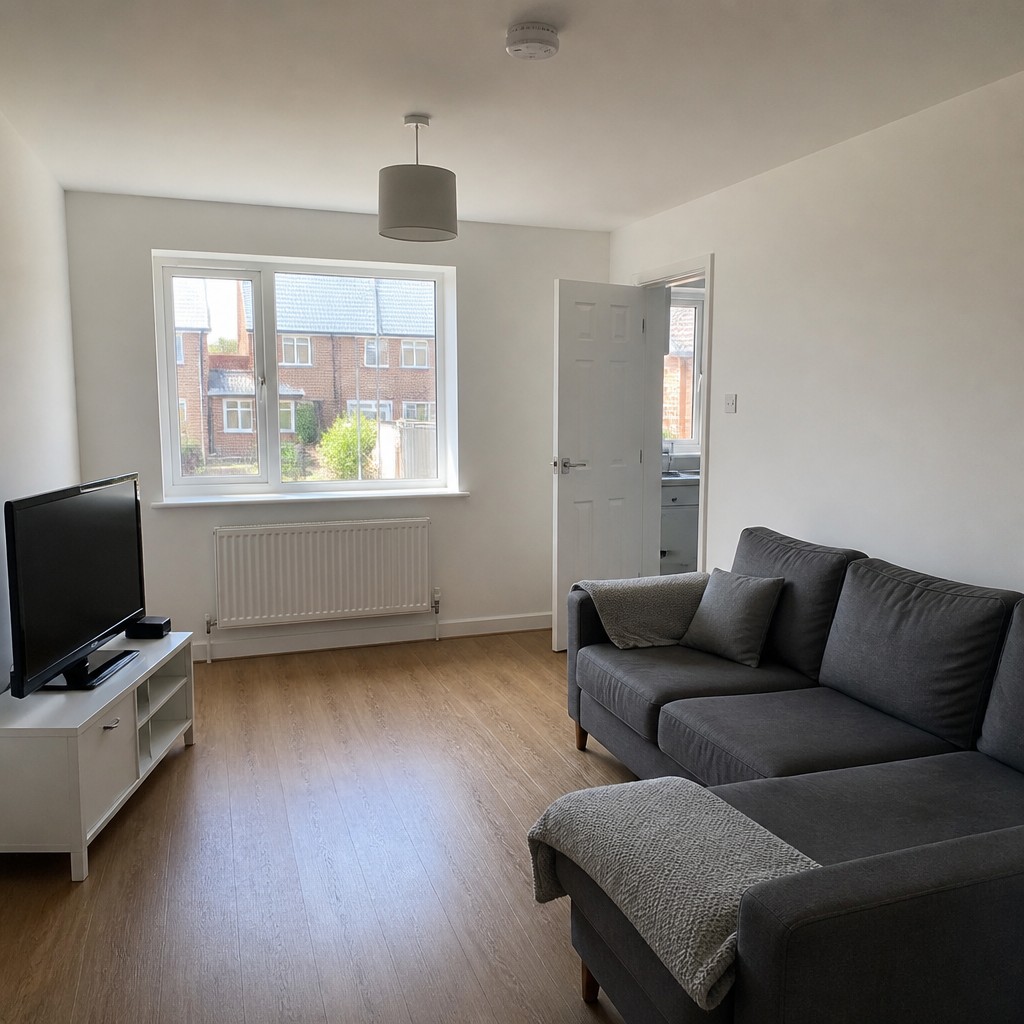
Upload any photo and convert it into French Country Interior Design — drag the sliders to compare before and after.
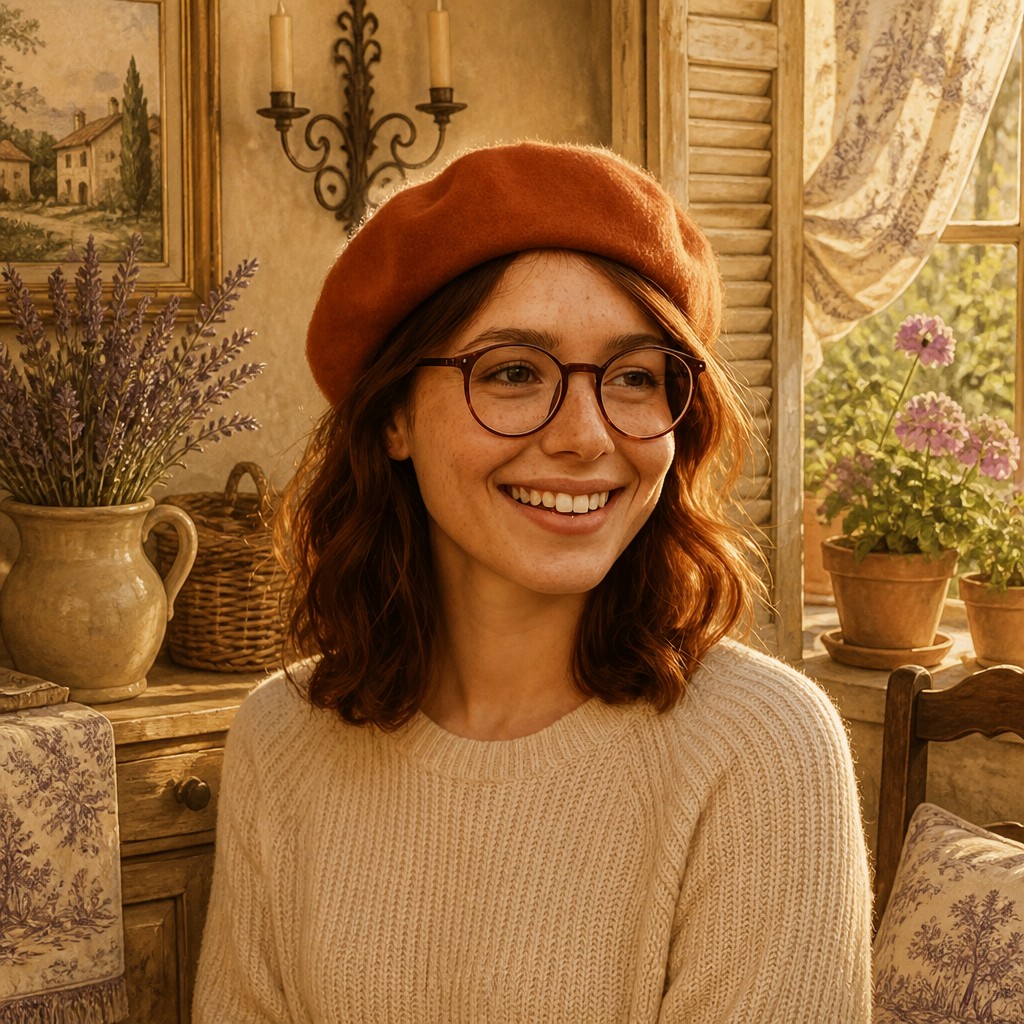

What Defines French Country Interior Design
The signature details, up close
Warm provincial palette
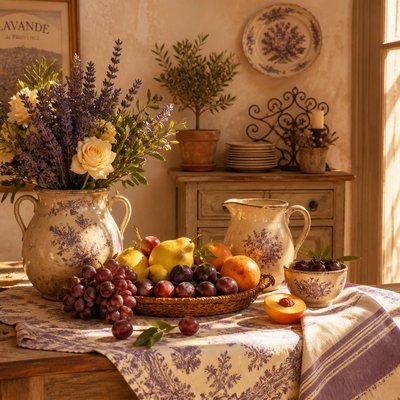
The color range centers on butter yellow, antique cream, lavender, soft terracotta, muted blue, and weathered green. These hues feel sun-faded and natural rather than saturated, echoing the light and landscape of the French countryside.
Limewash and plaster surfaces
Walls often look matte, chalky, and slightly irregular, as if finished in limewash or aged plaster. This softness helps the interior feel luminous and breathable instead of glossy or rigid.
Honeyed wood and rustic furniture
Furniture is typically made from oak, walnut, or painted wood with a lightly worn finish. Tables, armoires, and chairs often show simple joinery, curved legs, or provincial silhouettes rather than severe modern lines.
Toile and woven textiles
Textiles are central to the style, especially toile de Jouy, ticking stripes, checked cotton, linen, and woven upholstery. Patterns are usually gentle and traditional, adding narrative detail without overwhelming the room.
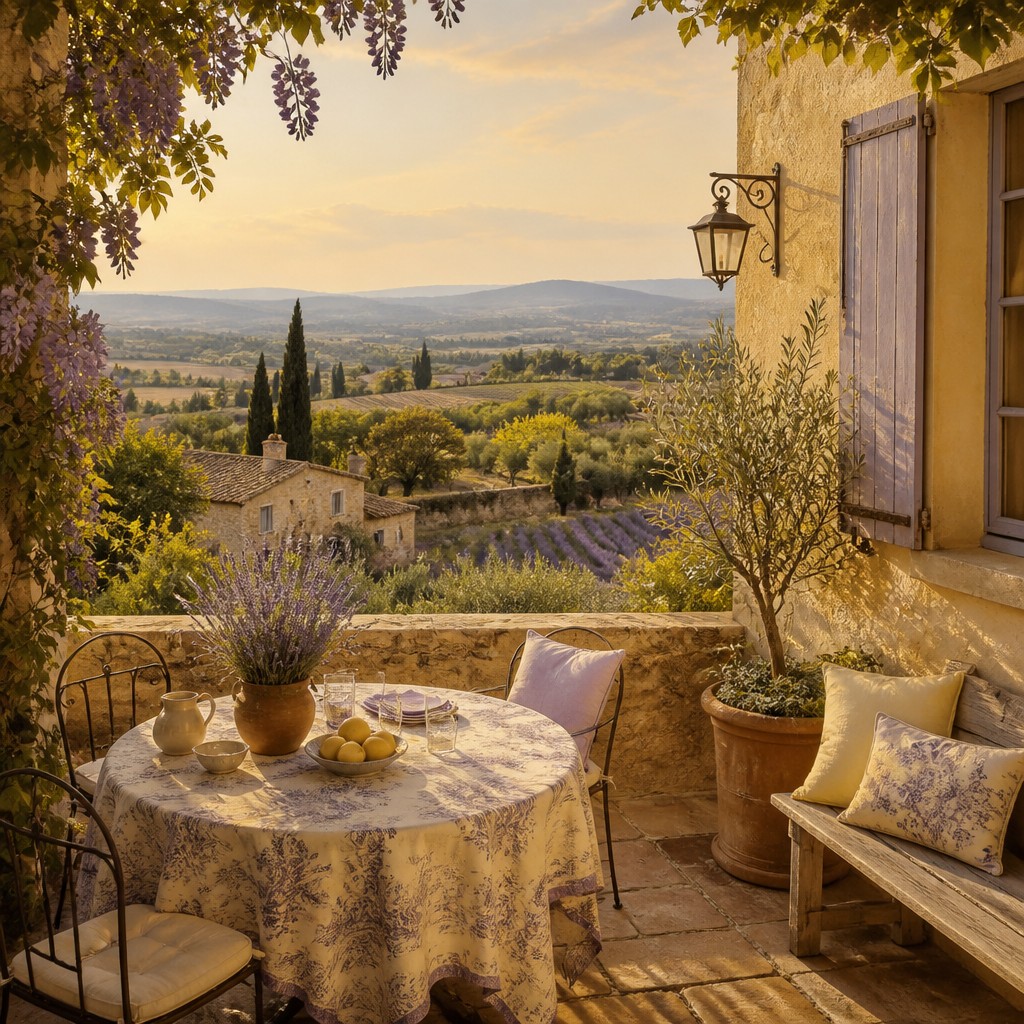
Wrought iron accents
Iron appears in chandeliers, curtain rods, bed frames, hooks, and table bases, providing dark structural contrast against pale walls and fabrics. The metalwork is usually simple, scroll-like, and artisanal in feeling.
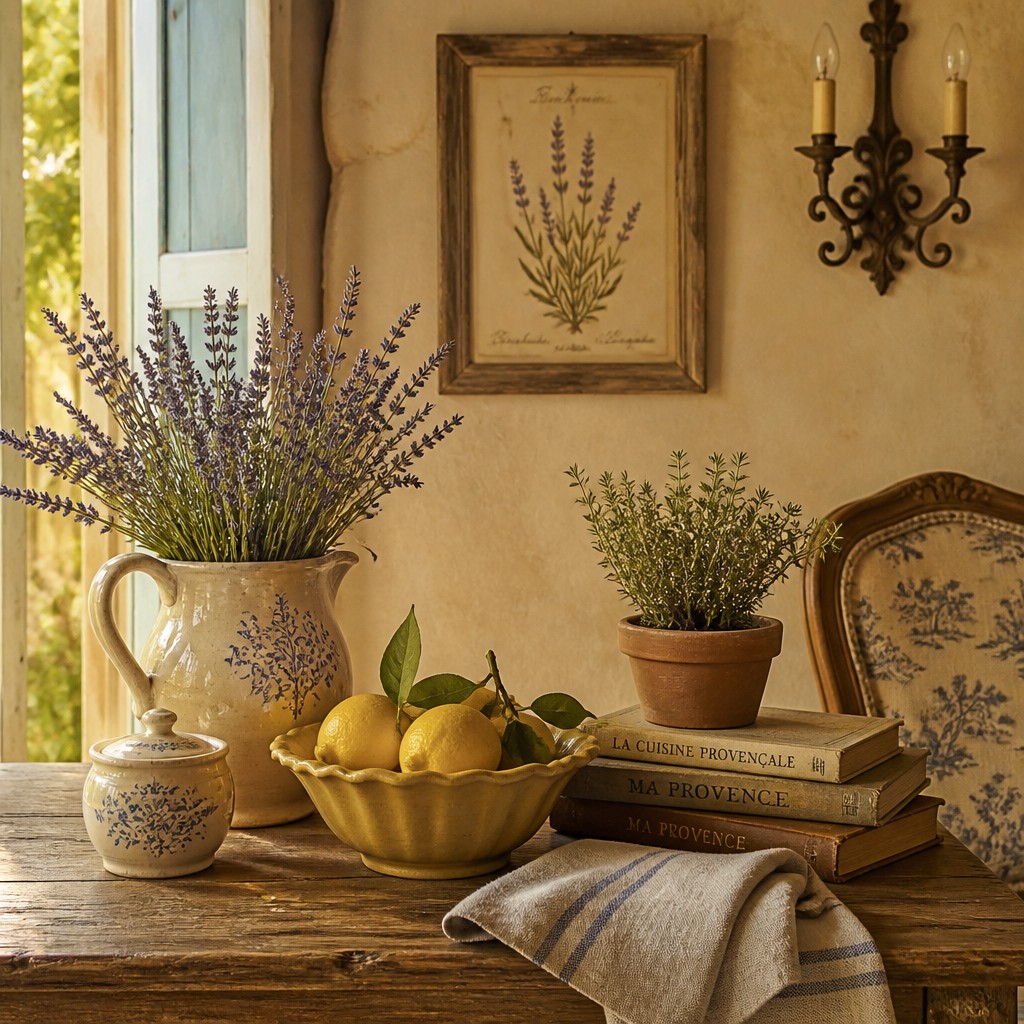
Collected, lived-in arrangement
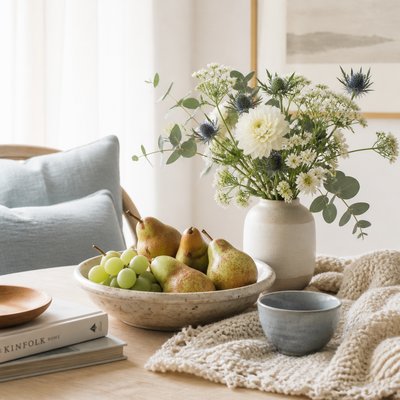
Spaces often feel assembled over time rather than specified all at once. Open shelving, pottery, baskets, antique objects, and informal grouping create the sense of a home shaped by daily use and inherited pieces.
Try It
Create Videos in French Country Interior Design
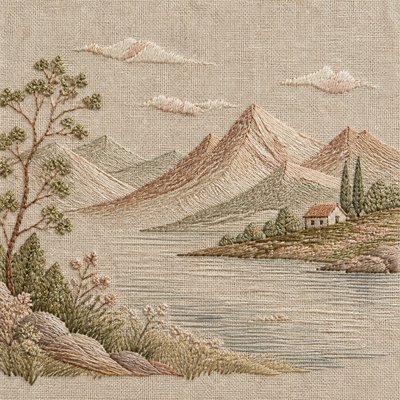
Styles aren't just for stills — describe a scene or animate an image and get a short video rendered in French Country Interior Design. Press play to see this pond come to life.
Make a VideoFrench Country Interior Design Prompt Ideas
Start from an idea — each one opens the generator with the style ready to go. See all 40 French Country Interior Design prompts →
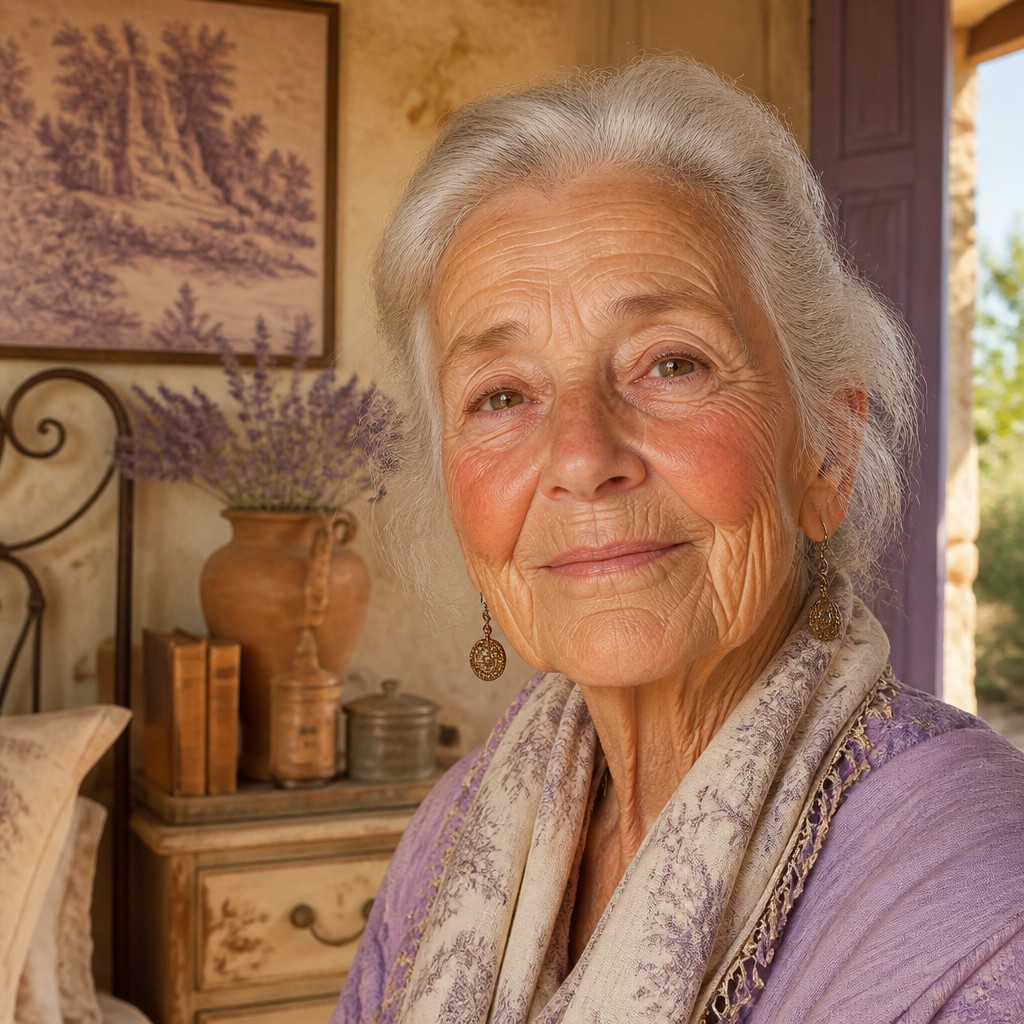
“close-up portrait of an elderly person with expressive weathered features”
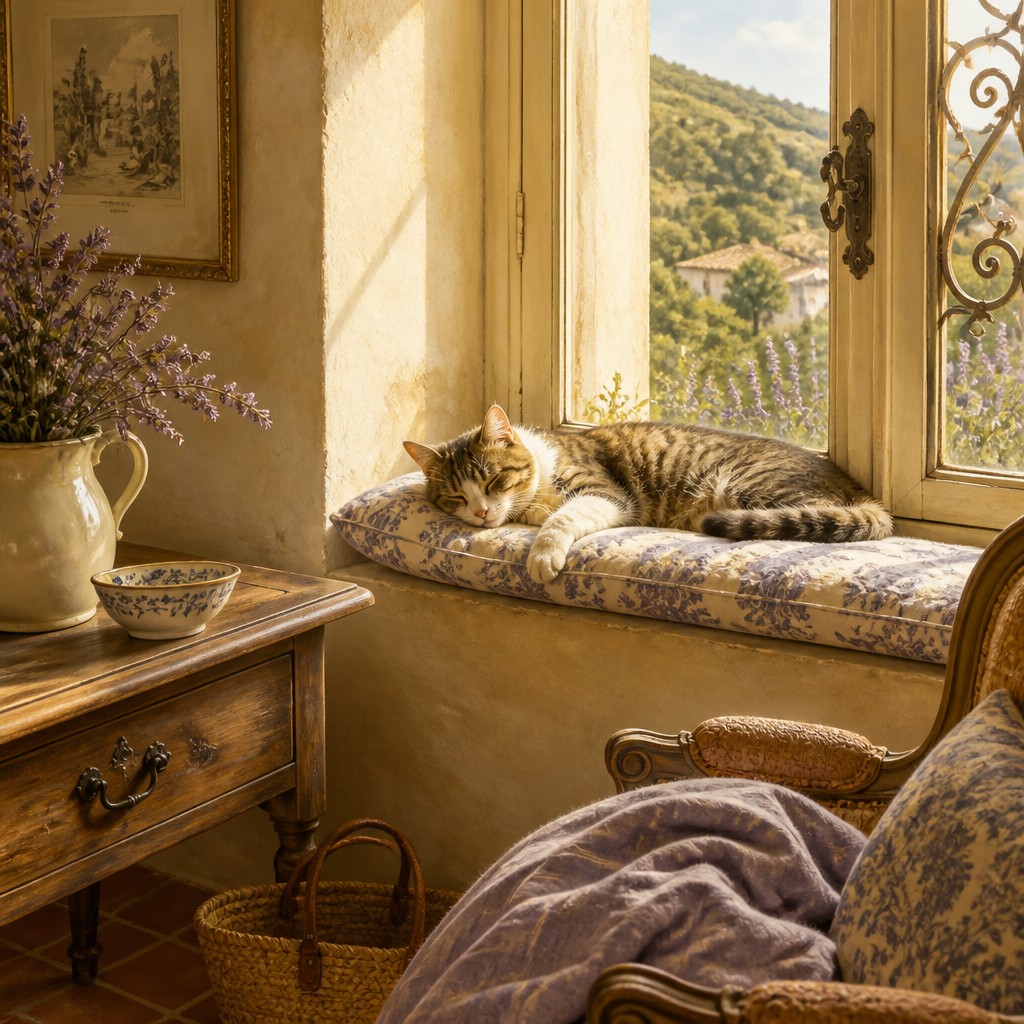
“a cat lounging in a sunlit window”
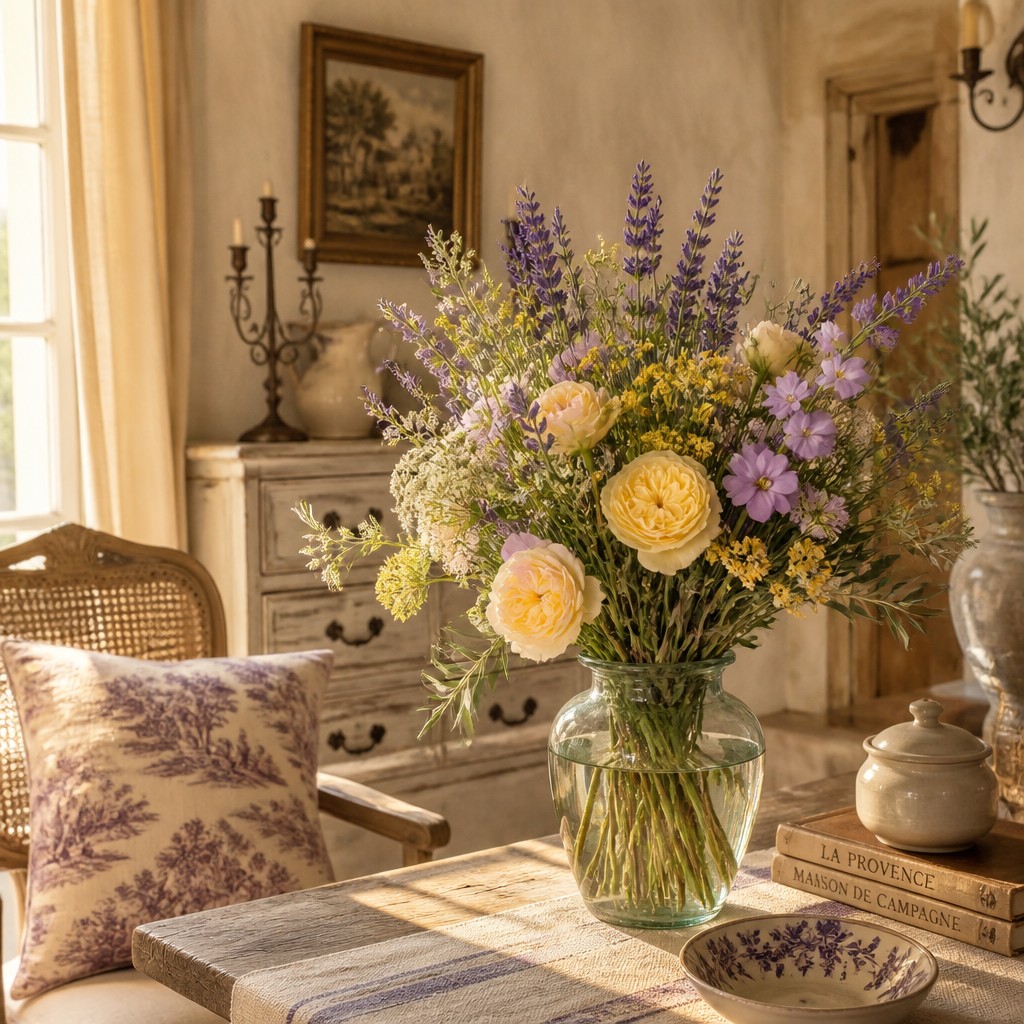
“bouquet of flowers in a glass vase”
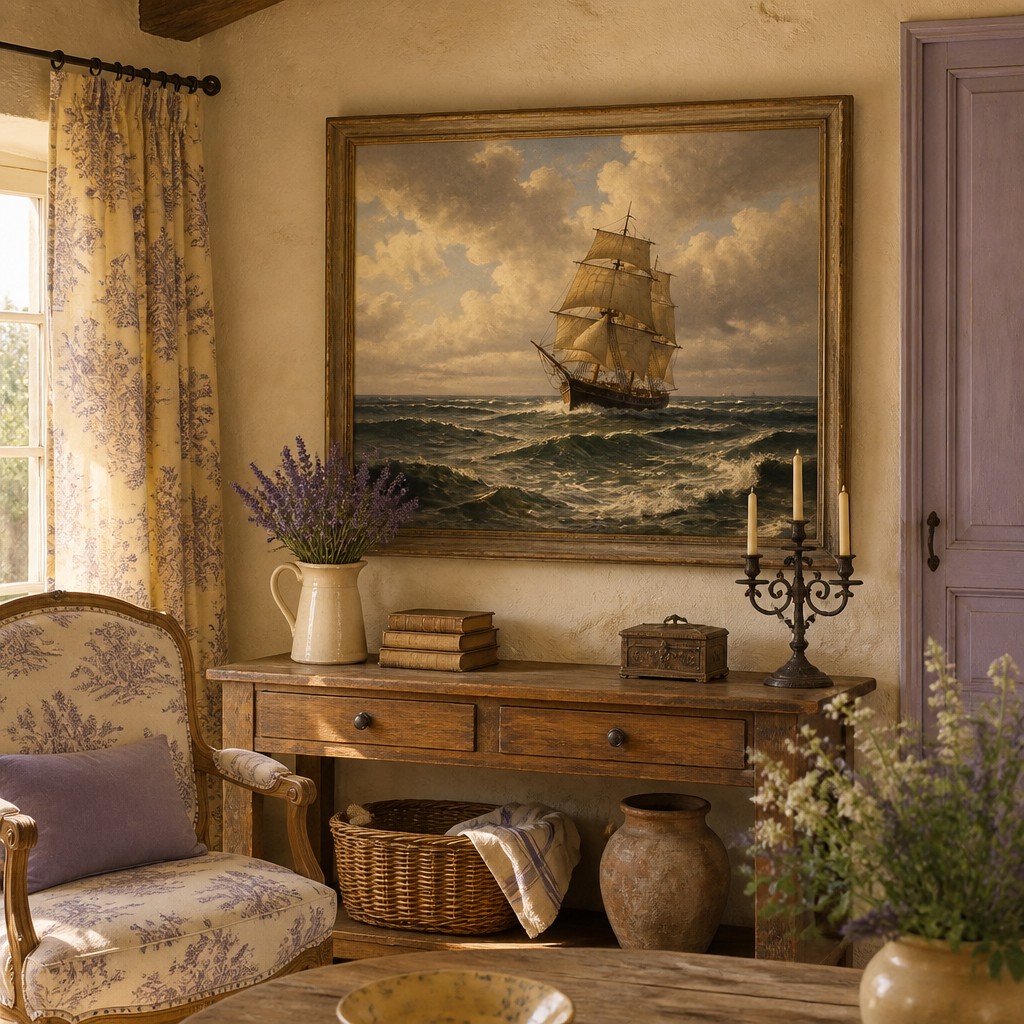
“sailing ship on a stormy sea”
How to Create French Country Interior Design Art
Master the craft step by step — or skip straight to creating. Read the full guide →
- 1
Start with a sunlit base palette
Use antique cream or soft white for walls, then layer in butter yellow, lavender, terracotta, and muted green as accents. Keep contrast gentle so the room feels warmed by daylight rather than sharply designed.
- 2
Prioritize tactile natural materials
In traditional work, emphasize limewashed walls, aged plaster, linen drapery, ceramic pottery, and unfinished or lightly distressed wood. In digital or AI-based creation, specify matte textures, visible brushy surfaces, and soft material variation so the room does not read as flat.
- 3
Mix formal structure with rustic wear
Balance graceful silhouettes with signs of age: a shaped armchair beside a rough-hewn table, or a refined chandelier above an informal breakfast nook. The style depends on that tension between elegance and practicality.
- 4
Use daylight as a design element
Describe golden provincial daylight, soft shadows, and diffused window light to control mood. In photography or rendering, warm white balance and low-contrast highlights help reproduce the style’s gentle atmosphere.
- 5
Build around classic French textiles
Toile, striped ticking, linen slipcovers, and simple checked fabrics are key markers of the style. Use them selectively on curtains, cushions, upholstery, or bedding so the patterning feels layered rather than busy.
- 6
Prompt with material and atmosphere, not just objects
When generating images, include the room type plus finish, texture, and light conditions: for example, 'kitchen with limewashed walls, oak beam ceiling, linen curtains, wrought iron chandelier, warm afternoon light.' Specific material language produces more convincing results than broad labels alone.
The Story
History & Origins of French Country Interior Design
French Country Interior Design is not a single formal art movement but a domestic aesthetic rooted in regional French vernacular architecture and interior habits, especially in Provence, the Loire Valley, and other rural areas. It developed from practical farmhouse interiors shaped by local materials, climate, and craft traditions, later refined by the influence of French decorative taste, which valued proportion, ornament, and gracious living.
In modern design history, the style became especially recognizable through 20th-century revivals of rustic European decorating, when designers and homeowners embraced the appeal of old plaster walls, distressed wood, toile fabrics, and antique furnishings. It draws from historic country houses, provincial craft traditions, and the broader French preference for interiors that combine comfort, symmetry, and a subtle sense of ceremony.
Influences: French Country Interior Design draws from French provincial domestic traditions, rural farmhouse interiors, and the decorative vocabulary of classic French furniture and textiles. Its textiles and surface decoration are closely associated with toile de Jouy and other traditional woven or printed fabrics, while its rustic wood, plaster, and iron elements connect it to vernacular architecture and craft. In the broader history of interior taste, it overlaps with European country-house decorating and with designers and decorators who helped popularize romanticized rustic interiors, though it is not tied to a single canonical artist in the way a painting movement would be.
Frequently Asked Questions
What defines French Country Interior Design?
It is defined by a warm, provincial palette, natural materials, and a relaxed mix of refinement and rustic wear. Key signs include toile fabrics, limewashed walls, honeyed wood, wrought iron, and a lived-in arrangement that feels comfortable rather than staged.
How is French Country different from French Provincial or rustic farmhouse style?
French Provincial usually refers more broadly to French regional design influenced by manor-house and domestic traditions, while French Country often emphasizes a softer, more romantic, and more textile-rich version of that look. Compared with general farmhouse style, French Country is typically more decorative, with more ornamental furniture, patterned fabric, and a lighter, more elegant palette.
Is toile required for this style?
No, but toile is one of the most recognizable textiles associated with the style. You can still achieve the look with linen, ticking stripes, checks, floral prints, and other understated traditional fabrics if the overall palette and materials are consistent.
What colors work best in this style?
Soft, sun-faded colors work best: cream, butter yellow, lavender, dusty blue, terracotta, pale green, and warm beige. The goal is to suggest natural light and aged surfaces, so overly bright or high-contrast colors usually feel out of place.
What materials are most authentic for French Country interiors?
Limewash or plaster, oak or walnut, linen, cotton, iron, stone, ceramic, and woven natural fibers are the most characteristic materials. Finishes should look tactile and gently worn, not glossy or heavily engineered.
How can I make a room feel French Country without redesigning everything?
Start with textiles and lighting: add linen curtains, a toile pillow, a natural fiber basket, and warm-white or candle-like lighting. Then introduce one or two rustic wood or iron pieces, which can shift the room toward the style without a full renovation.

Create your first French Country Interior Design artwork
Describe anything — or upload a photo — and see it in French Country Interior Design in seconds.
Related Styles
Discover similar art styles