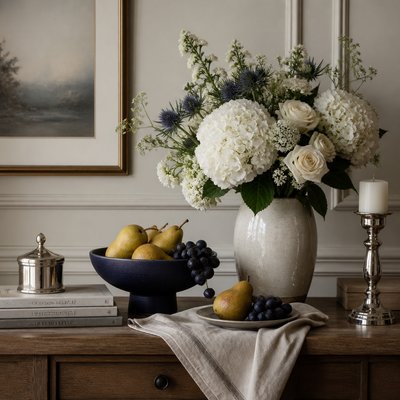
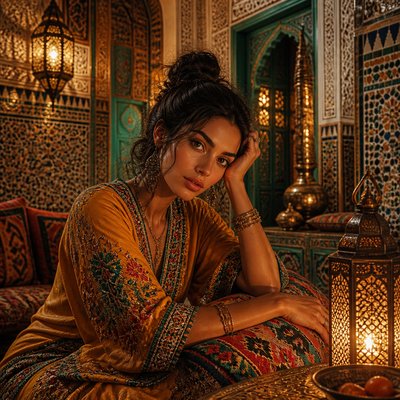
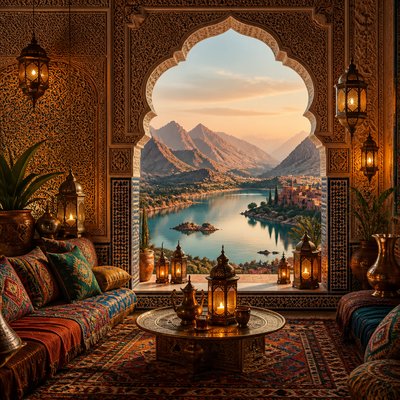
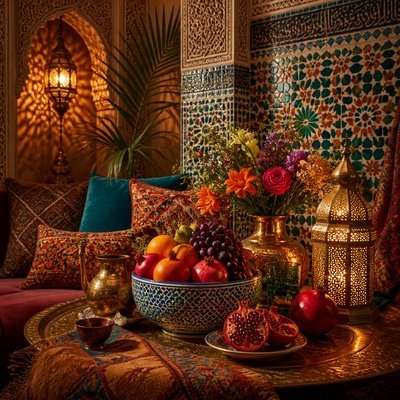
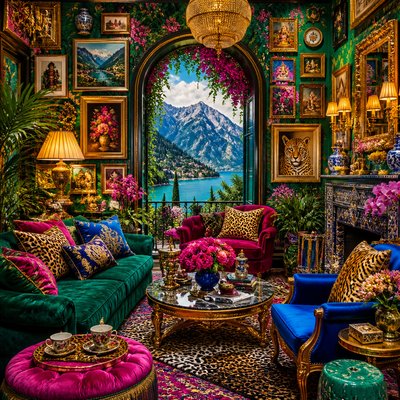
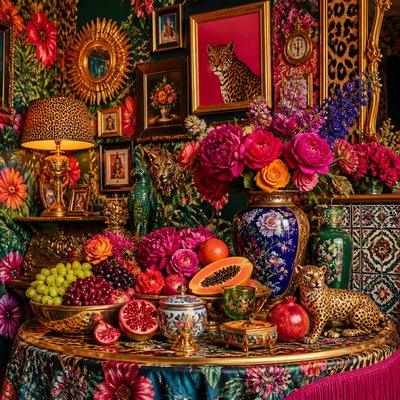
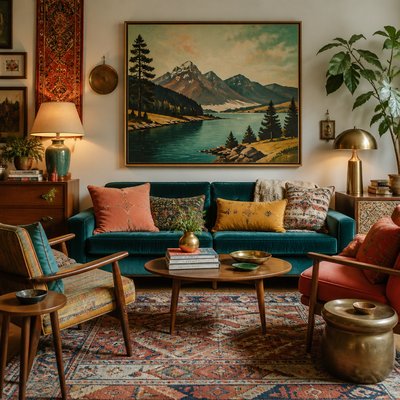
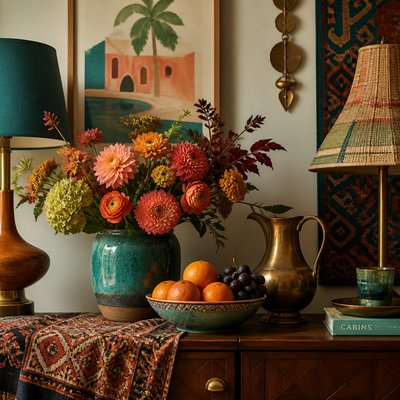
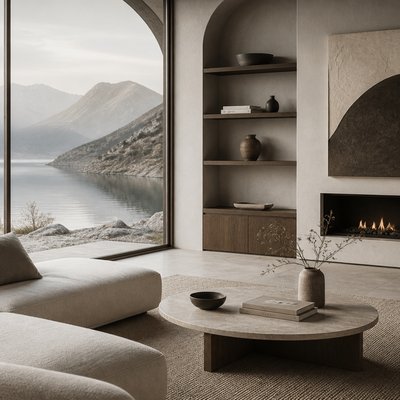
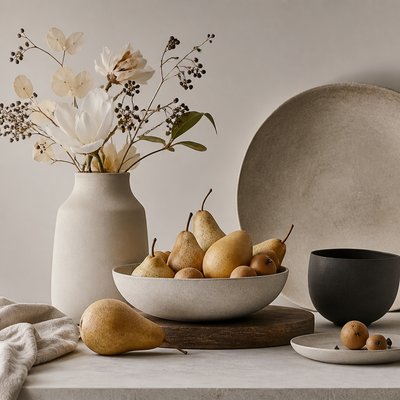
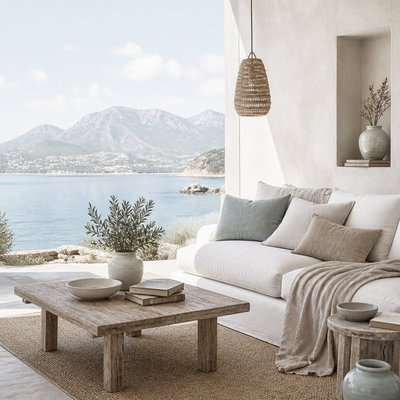
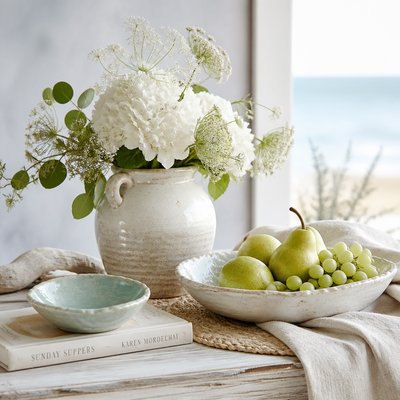
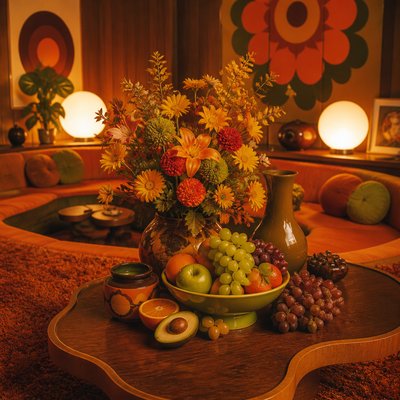
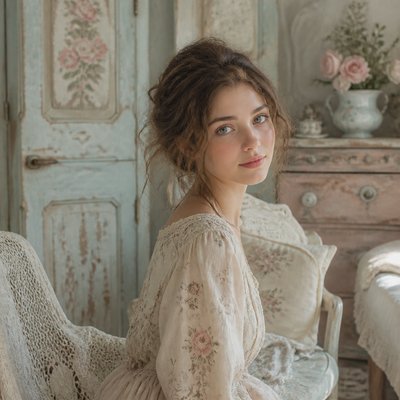
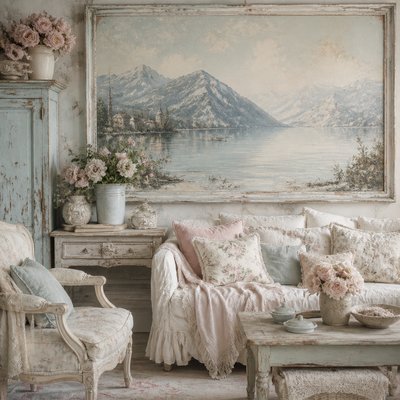
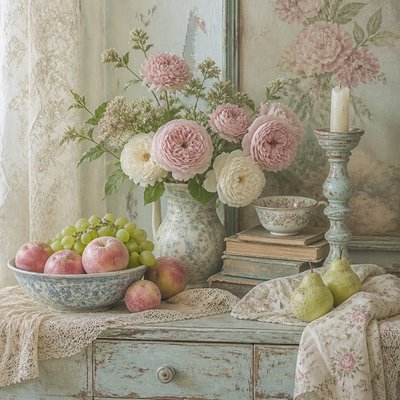
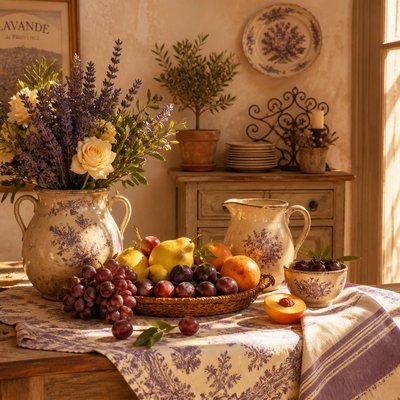
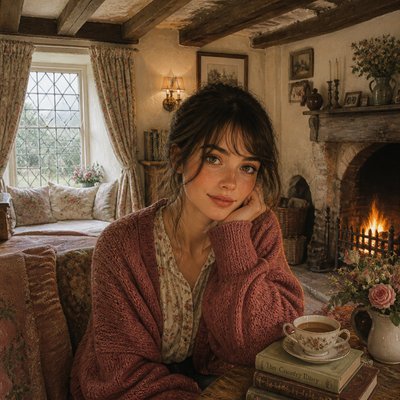
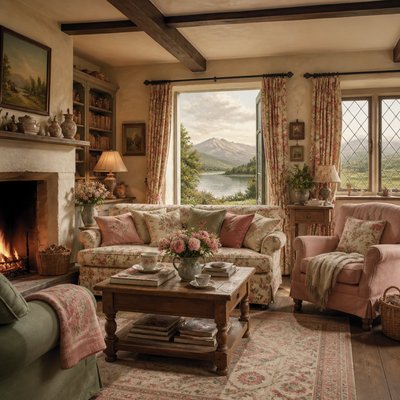
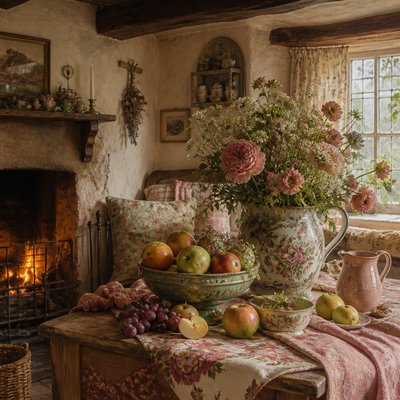
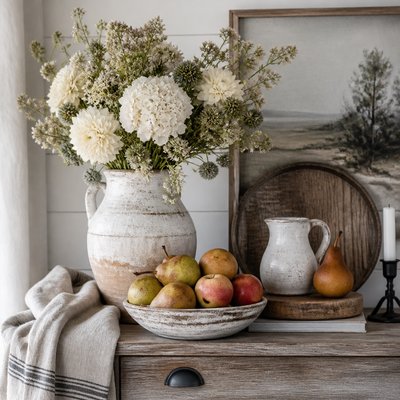
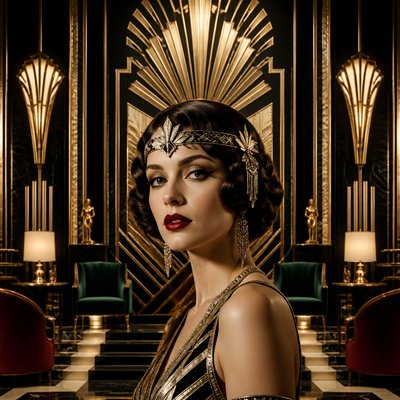
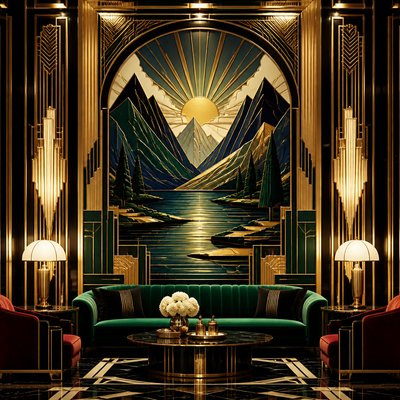
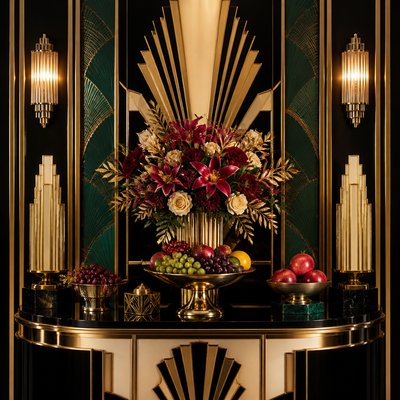
Tuscan Interior Design
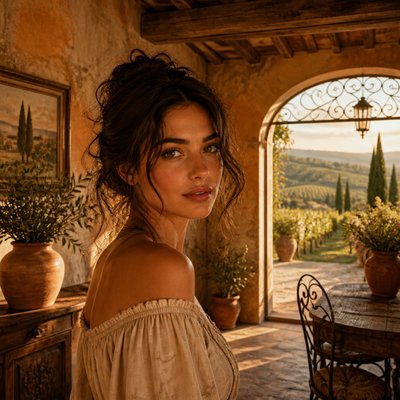
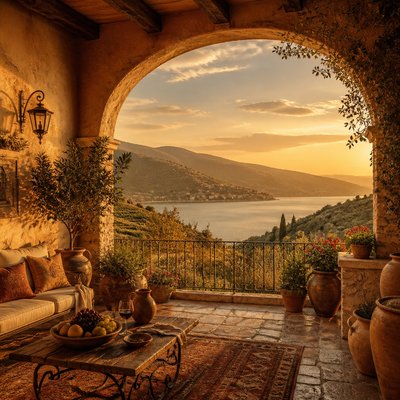
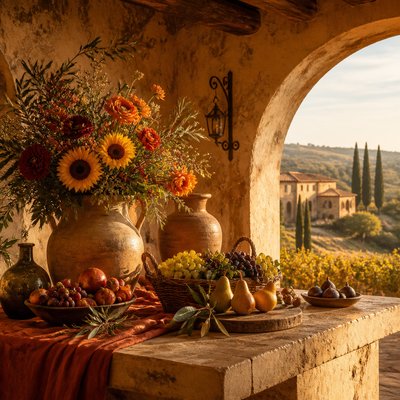
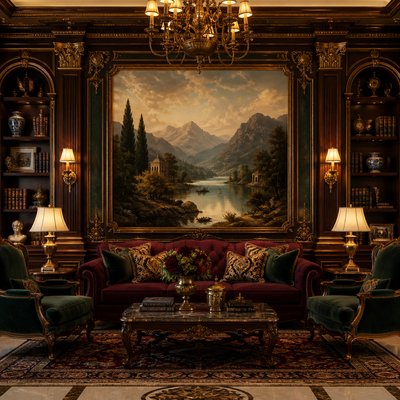
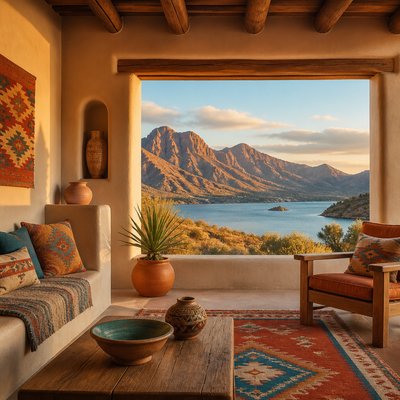
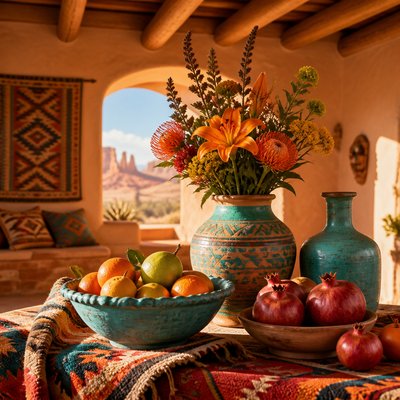
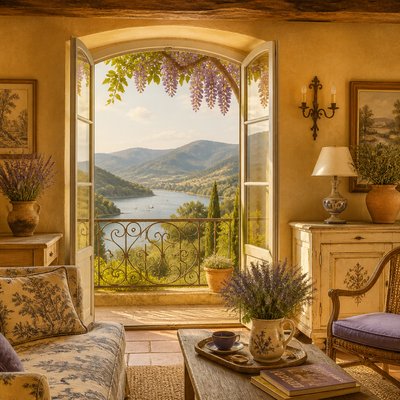
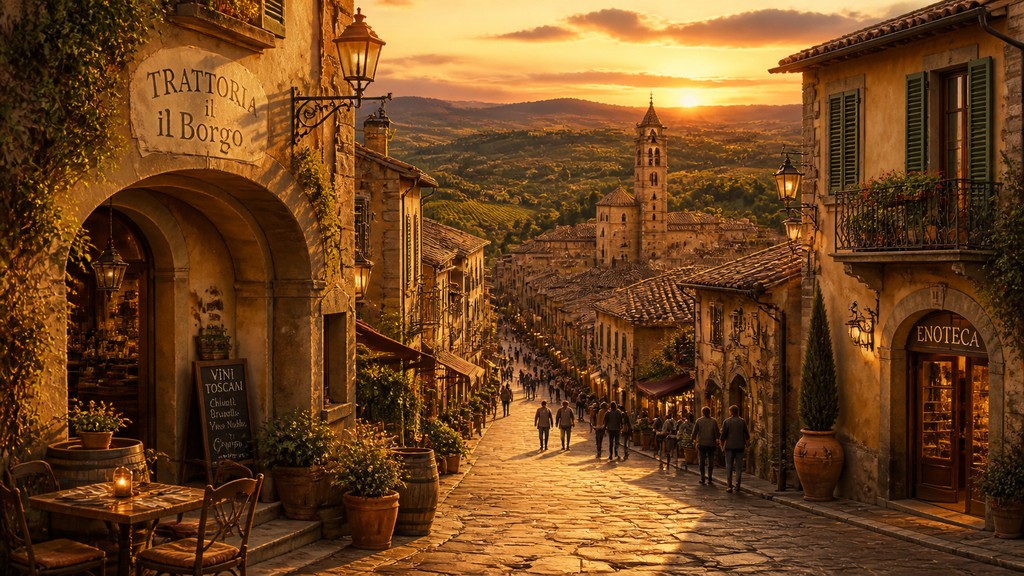
Terracotta, stucco, timber beams and warm vineyard light define this sun-baked Italian interior aesthetic.
Instantly rendered in Tuscan Interior Design — or transform a photo
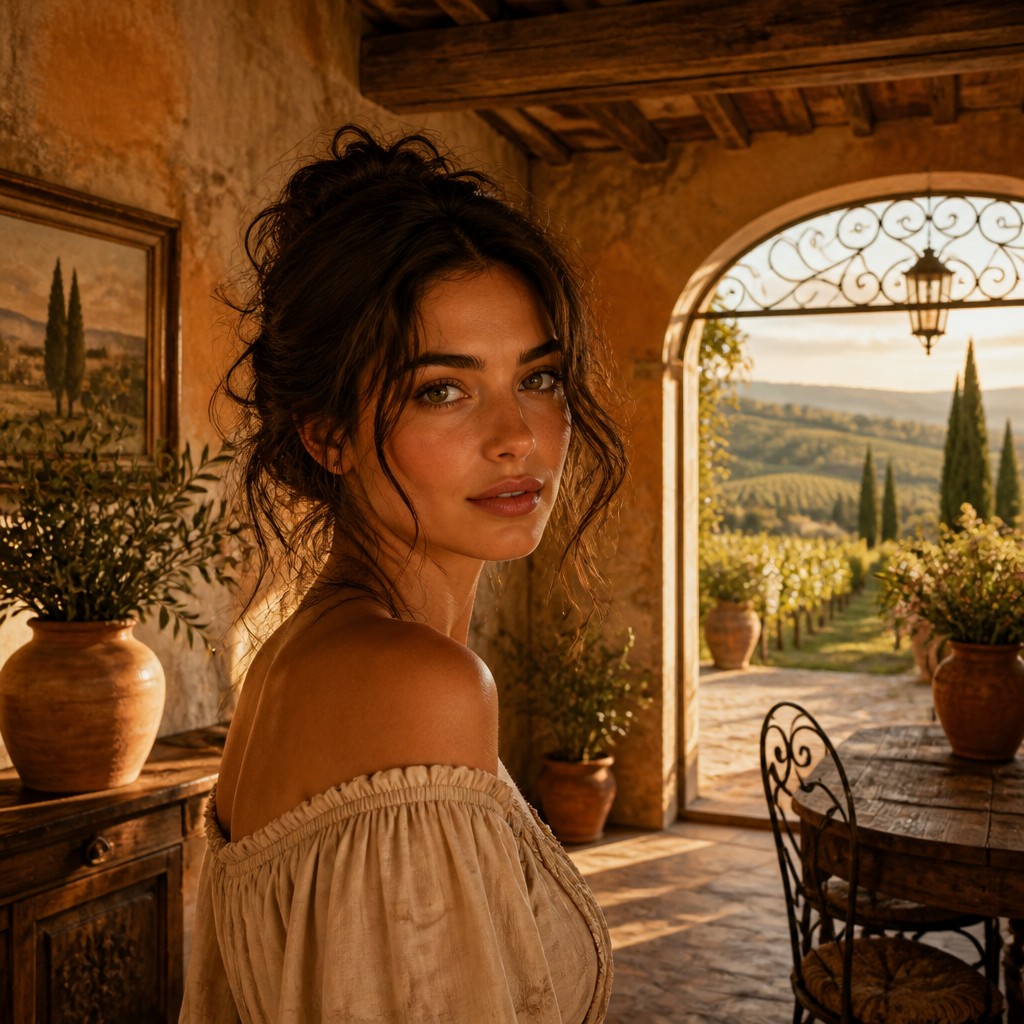
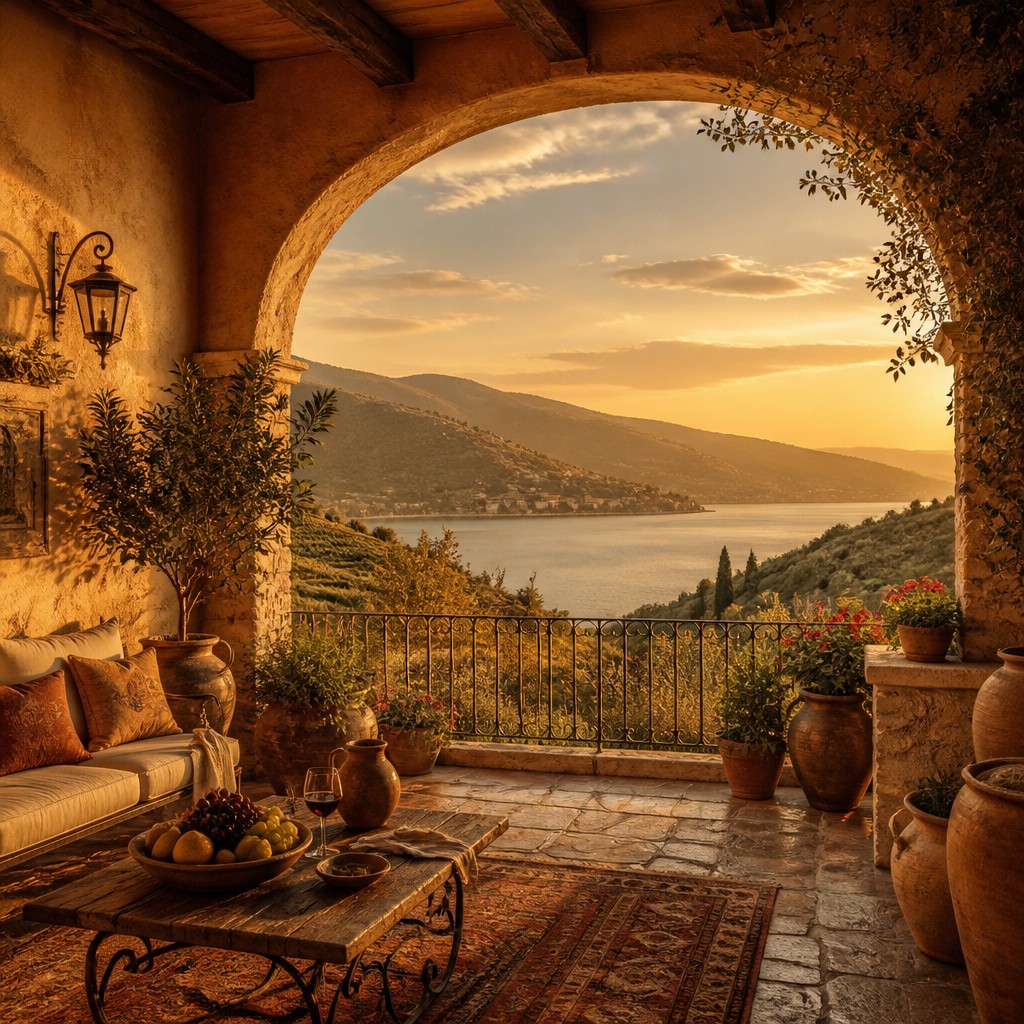
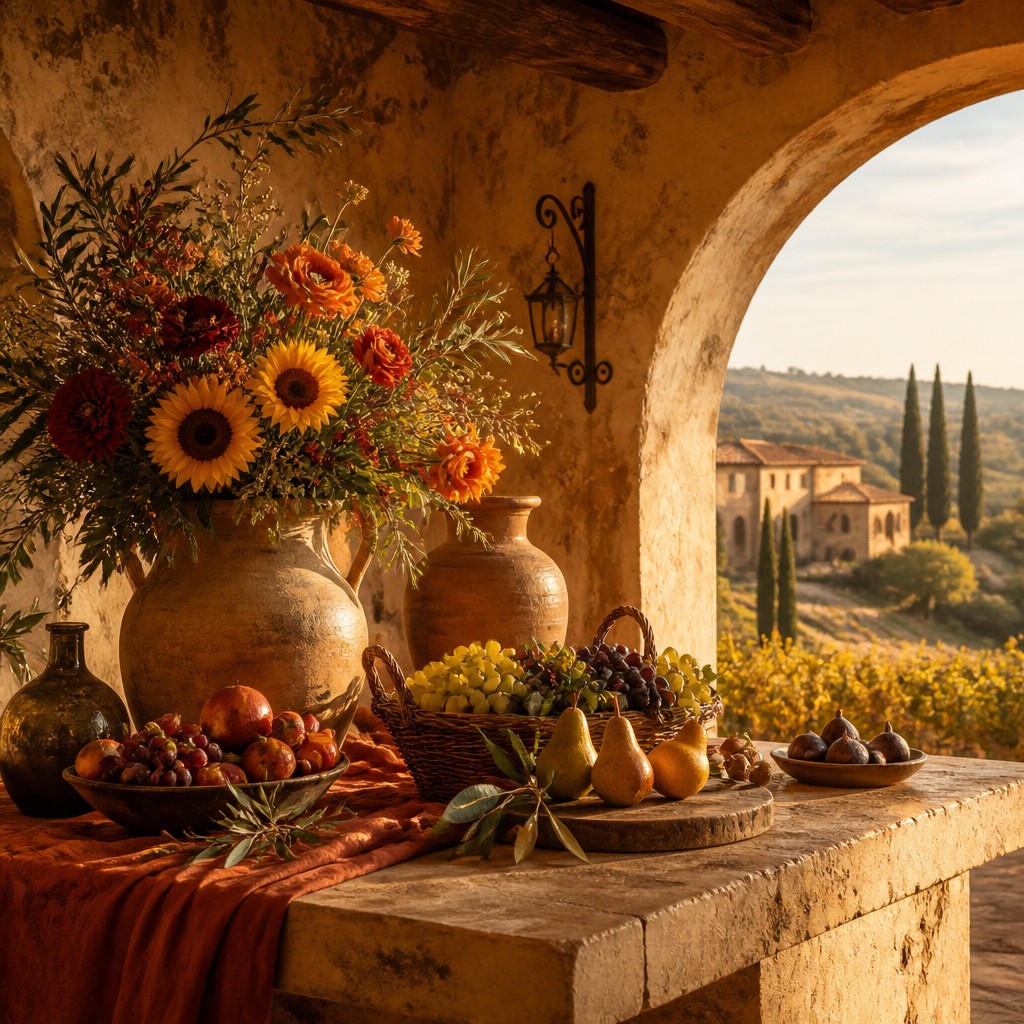
Tuscan Interior Design Gallery
Tap any artwork to explore it
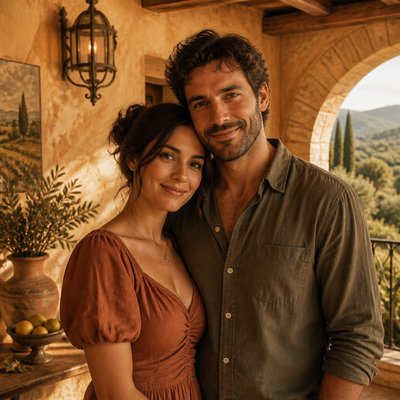
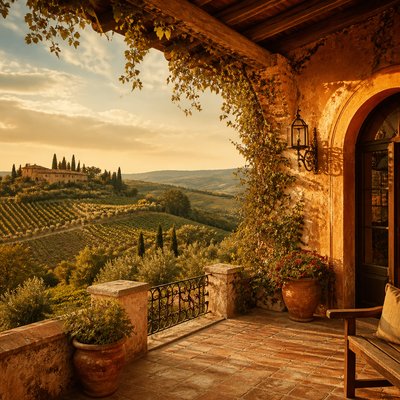
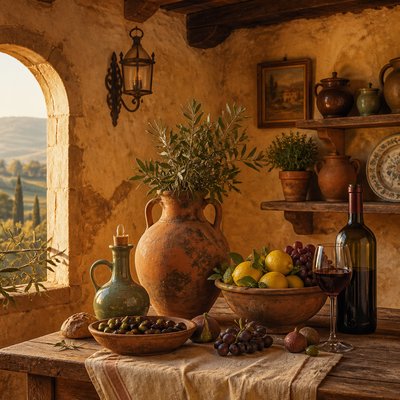
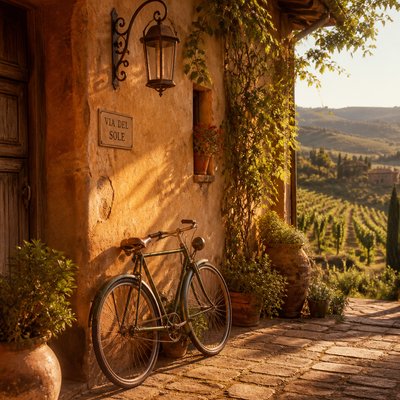
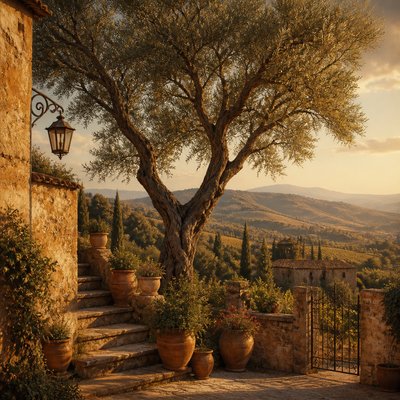
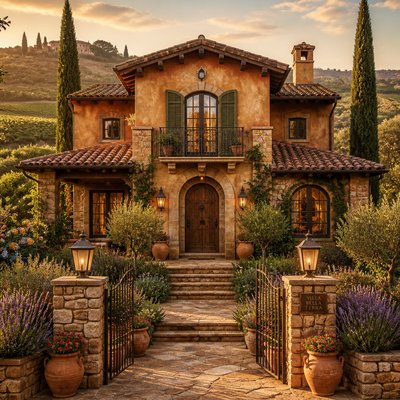
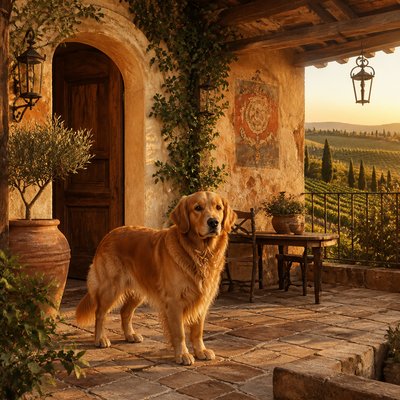
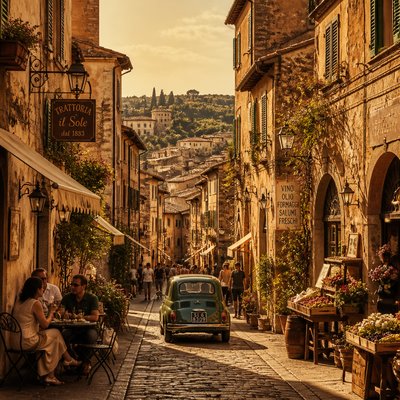
What is Tuscan Interior Design?
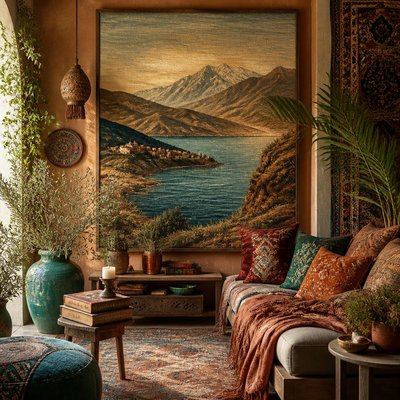
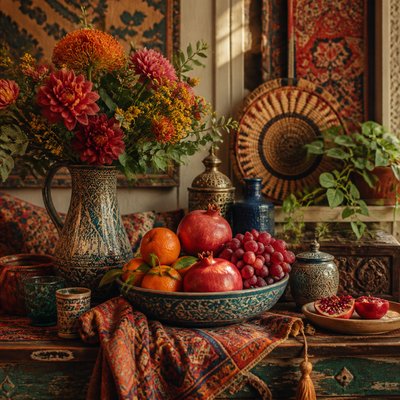
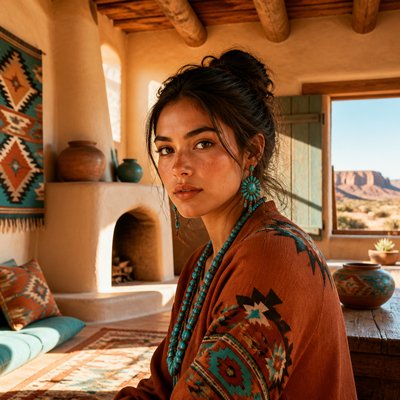
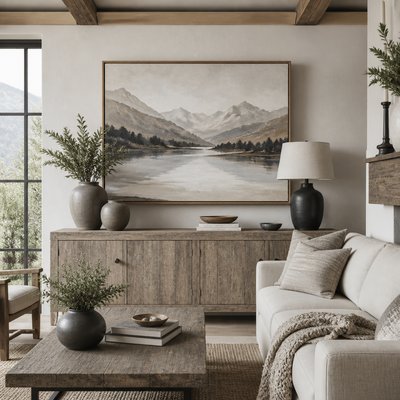
Tuscan Interior Design evokes the domestic architecture of central Italy, especially the countryside villas, farmhouses, and converted estates associated with Tuscany. Its visual identity is built from sun-baked earth tones, textured plaster, stone floors, exposed timber beams, wrought iron, and furnishings that feel timeworn rather than polished. The effect is not ornate luxury in the formal sense; it is warmth, permanence, and a sense of rooms shaped by climate, local materials, and centuries of use.
The style looks the way it does because it is rooted in vernacular building traditions adapted to a Mediterranean landscape. Thick masonry walls hold in coolness, terracotta tiles and stone absorb and release heat, and small openings or shaded loggias soften the intense light. Interiors are typically lit by a mellow golden glow, with long shadows and subdued reflections that emphasize texture over shine. As an aesthetic, it celebrates rustic abundance: aged wood, handmade surfaces, olive-green accents, and the feeling of a house integrated with the vineyard, hillside, or village around it.
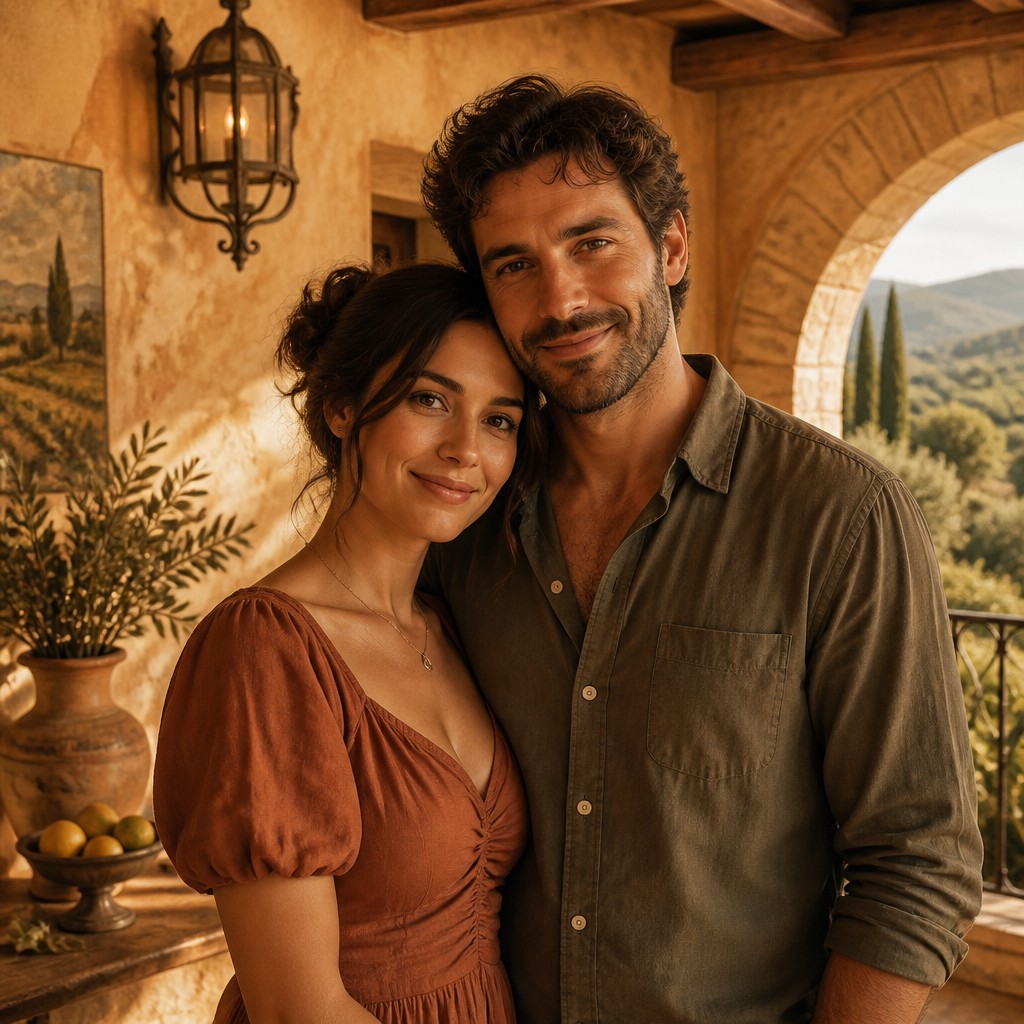
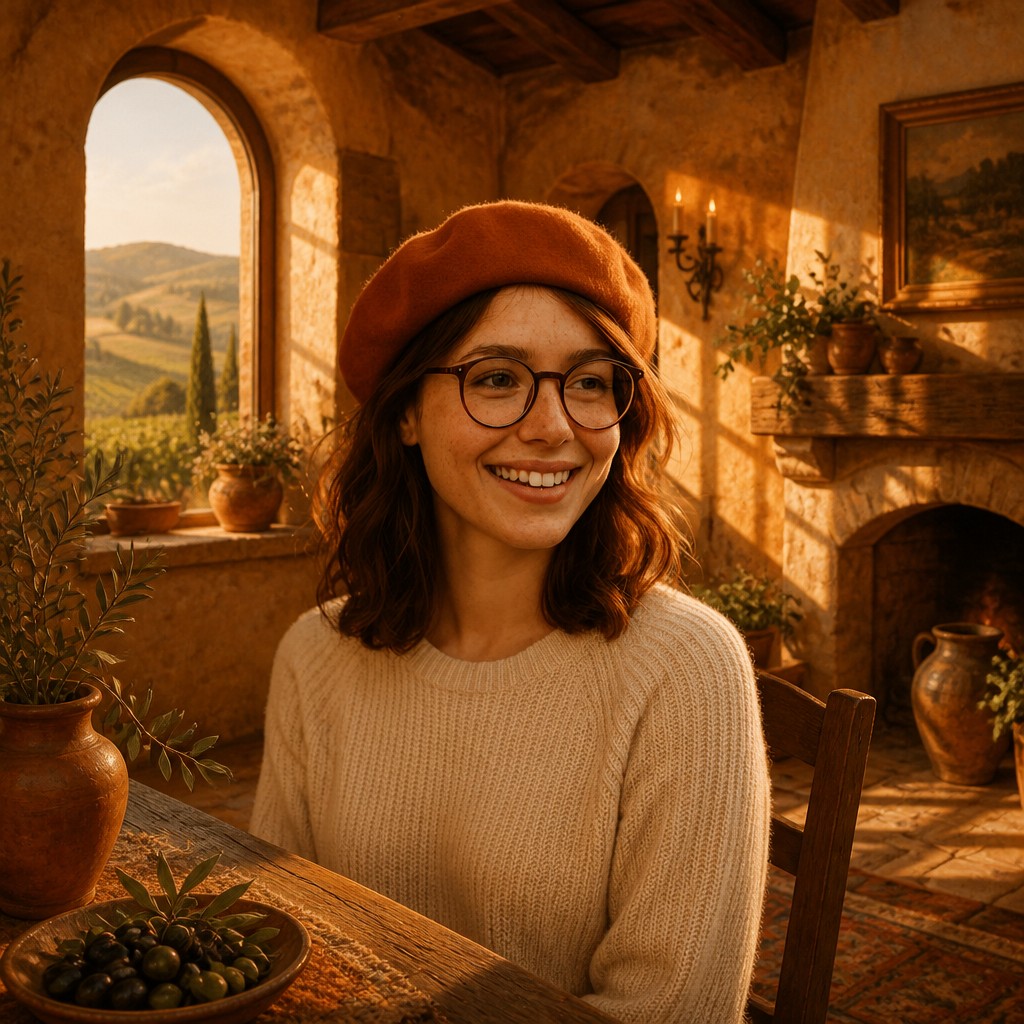
Try It On Your Photos
Upload any photo and convert it into Tuscan Interior Design — drag the sliders to compare before and after.

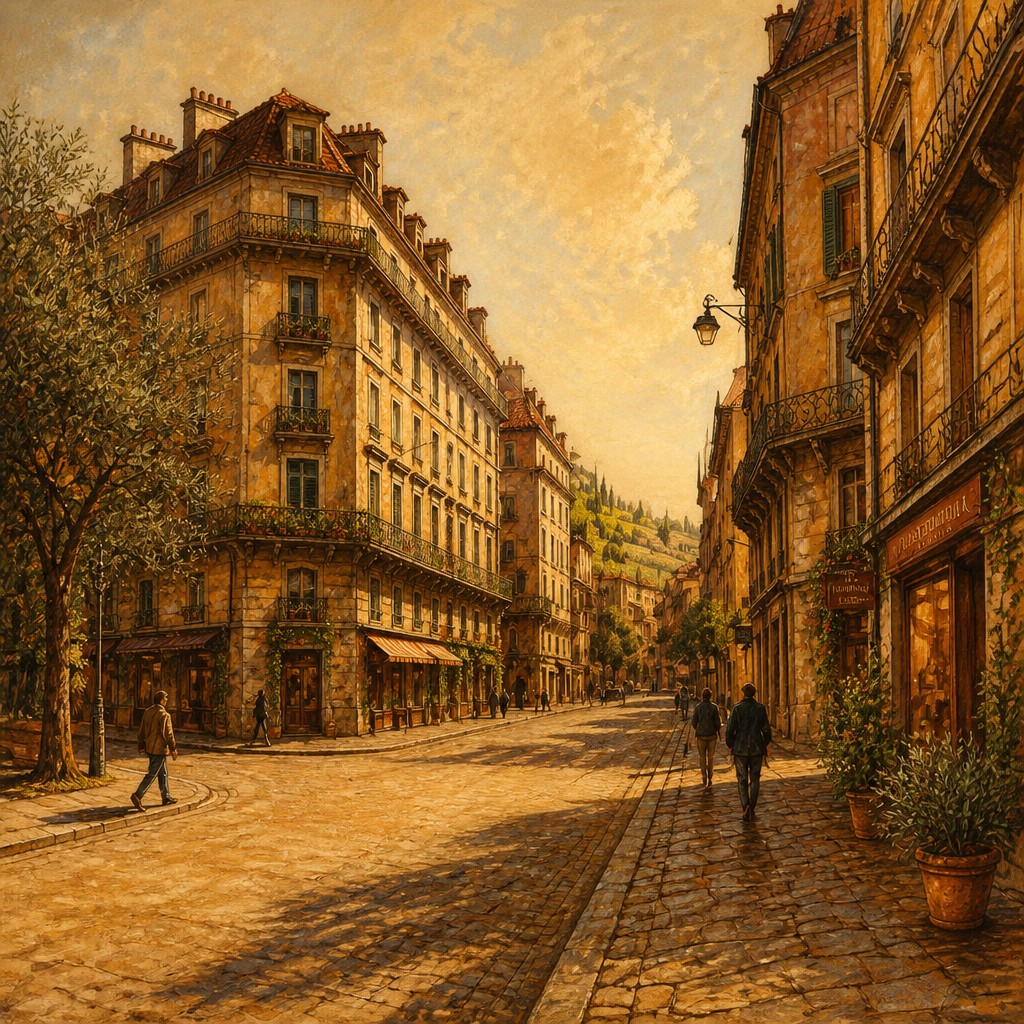

What Defines Tuscan Interior Design
The signature details, up close
Earth-toned palette
The dominant colors are terracotta, ochre, sienna, olive green, sand, and muted cream. These hues create a warm, sun-dried atmosphere with little cool contrast.
Textured wall surfaces
Stucco, limewash, aged plaster, and slightly uneven finishes are central to the look. Imperfection is part of the appeal, since it suggests age, handwork, and mineral-rich surfaces.
Exposed timber structure
Heavy ceiling beams, rafters, and lintels often remain visible. Wood is usually dark, weathered, or hand-finished rather than glossy, which anchors the room visually.
Stone and terracotta materials
Tumbled stone floors, arched masonry details, and terracotta tile are common. These materials reinforce the sense of permanence and regional craft.
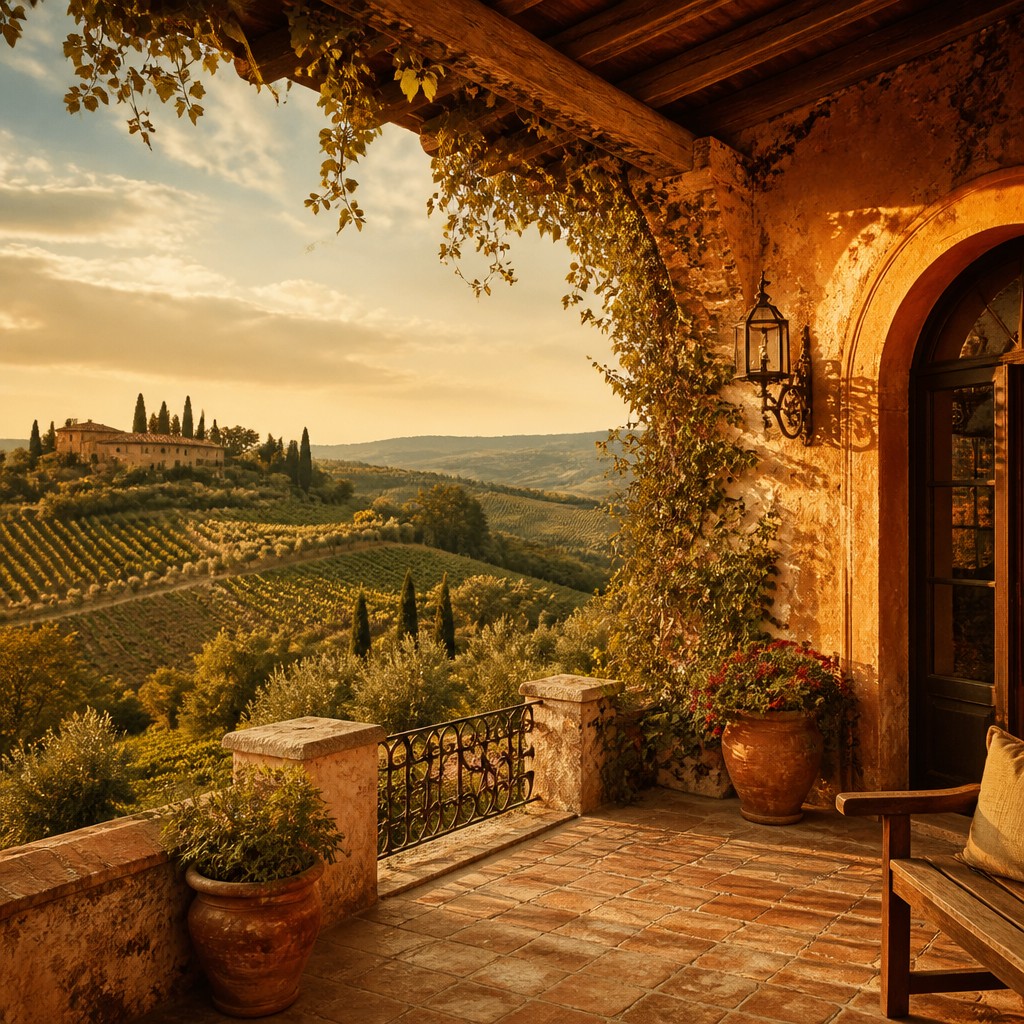
Wrought iron accents
Iron light fixtures, railings, hardware, and furniture details provide structure and contrast. Their dark lines punctuate the warm palette without making it feel cold.
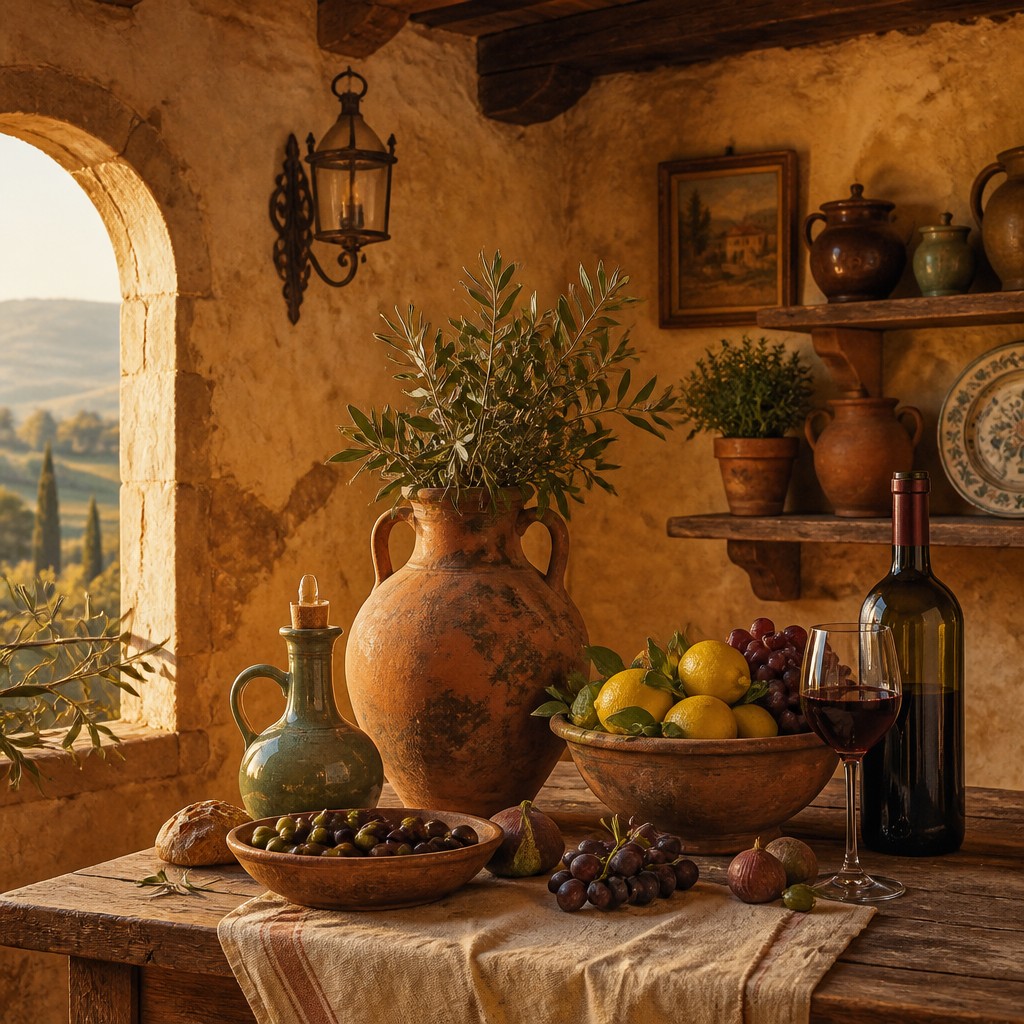
Golden Mediterranean light
Lighting tends to be soft, warm, and directional, with long shadows and a late-afternoon feel. Sunlight is treated as an atmospheric material that reveals texture.
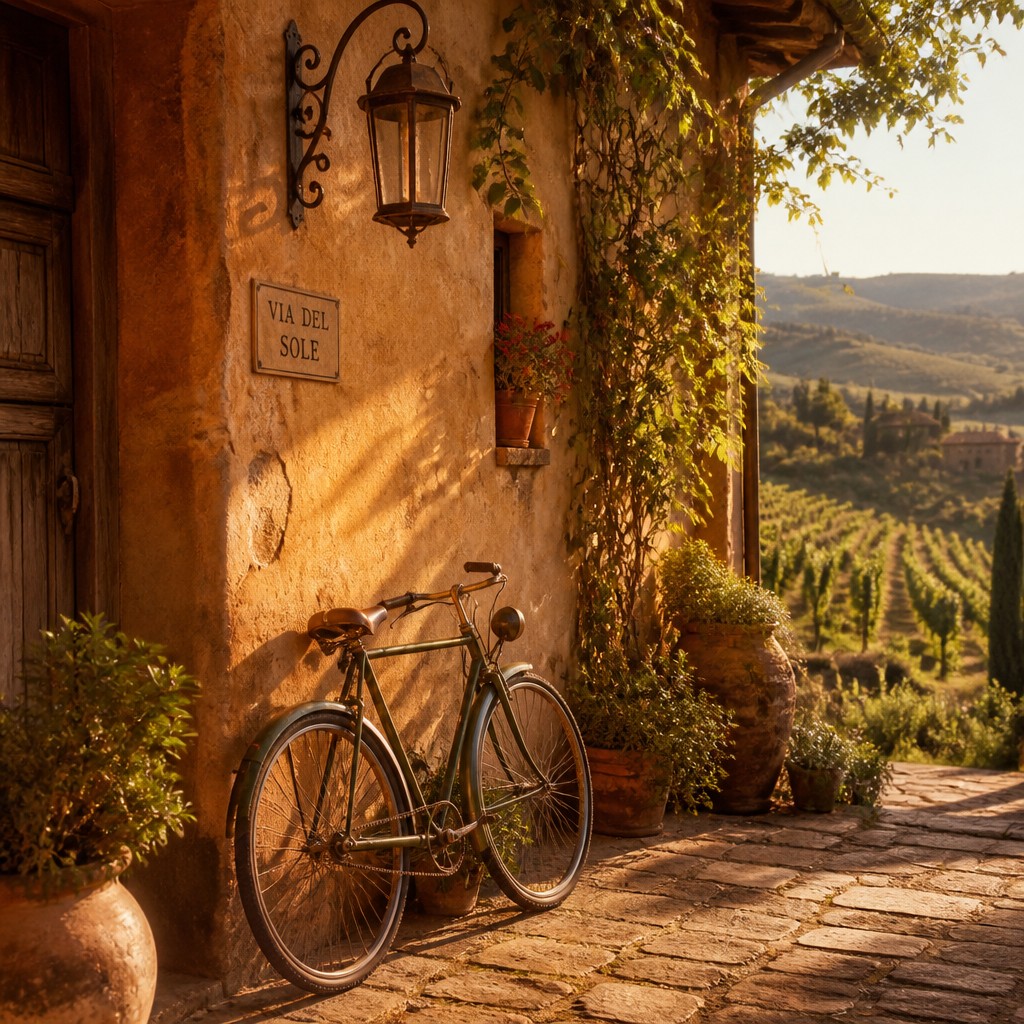
Rustic, lived-in furnishing
Furniture often appears substantial and timeworn, with carved wood, linen upholstery, pottery, and simple textiles. The room should feel inhabited, practical, and tied to daily life.
Try It
Create Videos in Tuscan Interior Design
Styles aren't just for stills — describe a scene or animate an image and get a short video rendered in Tuscan Interior Design. Press play to see this pond come to life.
Make a VideoTuscan Interior Design Prompt Ideas
Start from an idea — each one opens the generator with the style ready to go. See all 40 Tuscan Interior Design prompts →
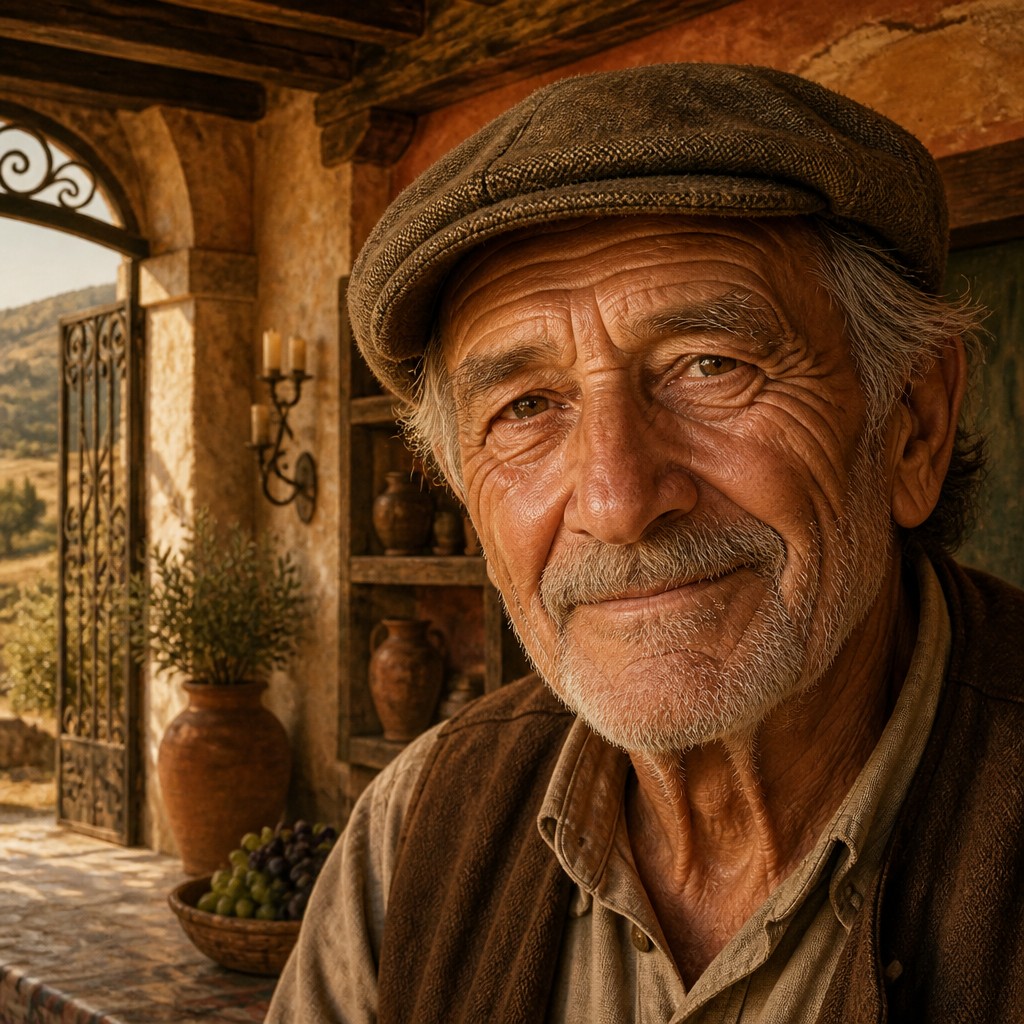
“close-up portrait of an elderly person with expressive weathered features”
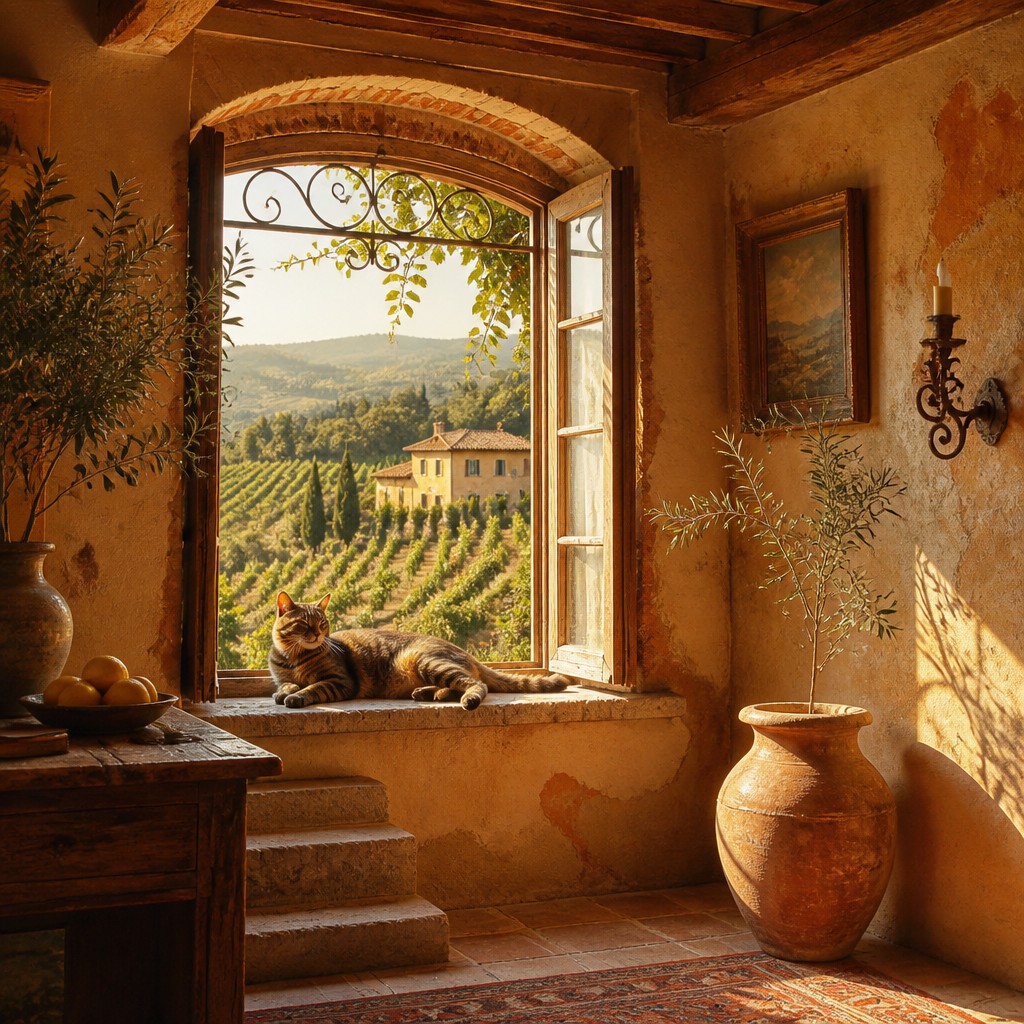
“a cat lounging in a sunlit window”
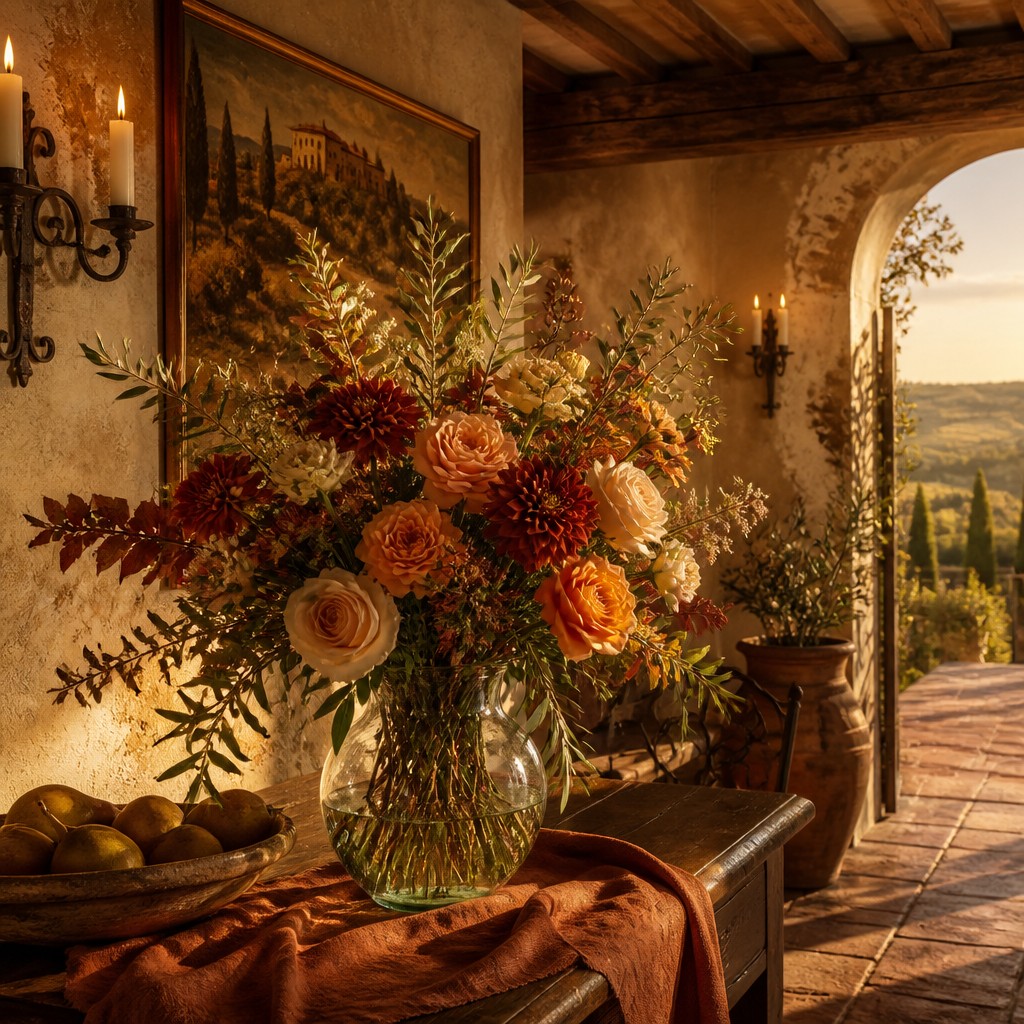
“bouquet of flowers in a glass vase”
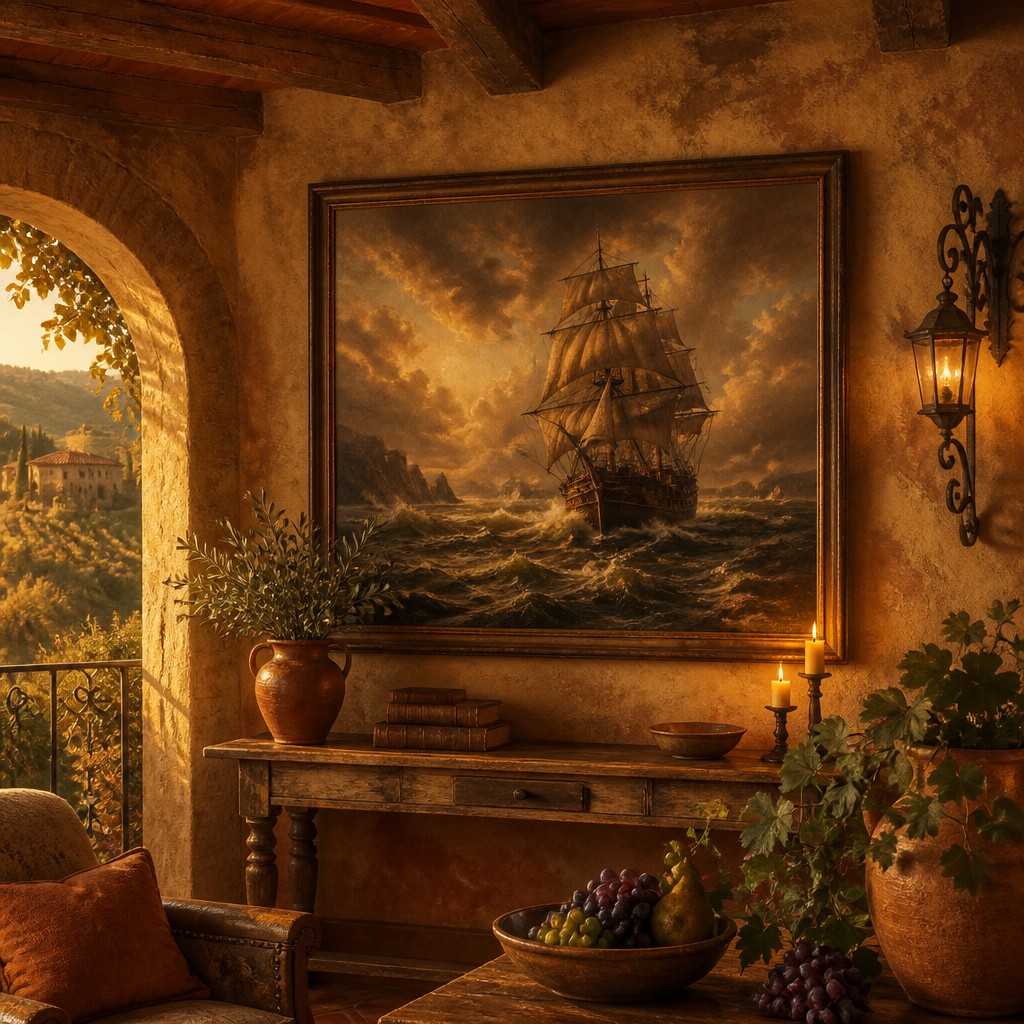
“sailing ship on a stormy sea”
How to Create Tuscan Interior Design Art
Master the craft step by step — or skip straight to creating. Read the full guide →
- 1
Start with a warm material hierarchy
Build the room around stone, plaster, wood, and terracotta before adding decoration. If you are drawing or painting, establish the large surface masses first so the texture and color family feel coherent.
- 2
Keep the palette sun-baked and restrained
Use terracotta, ochre, olive, sienna, and cream as the main colors, then add dark iron and muted wood tones for contrast. Avoid bright whites and highly saturated accents unless they appear in small, weathered details.
- 3
Emphasize surface texture over polish
In traditional media, use dry-brush, glazing, stippling, or layered pigment to suggest plaster and worn wood. In digital work, apply subtle grain, rough edges, and tonal variation so walls and floors do not look flat or synthetic.
- 4
Shape the light like late afternoon
Place a warm directional light source high or off to the side so shadows stretch across floors and walls. This helps the architecture read as sculptural and creates the signature vineyard glow.
- 5
Prompt for regional materials and mood
When generating an image, specify the setting, materials, and lighting together rather than relying on the style alone. Phrases such as 'terracotta floor, stucco walls, exposed beams, wrought iron chandelier, golden sunlight' produce more consistent results.
- 6
Balance rusticity with order
The style is not cluttered farmhouse realism; it is composed, architectural, and calm. Keep objects purposeful and grouped, with generous space for walls, arches, or beams to remain visible.
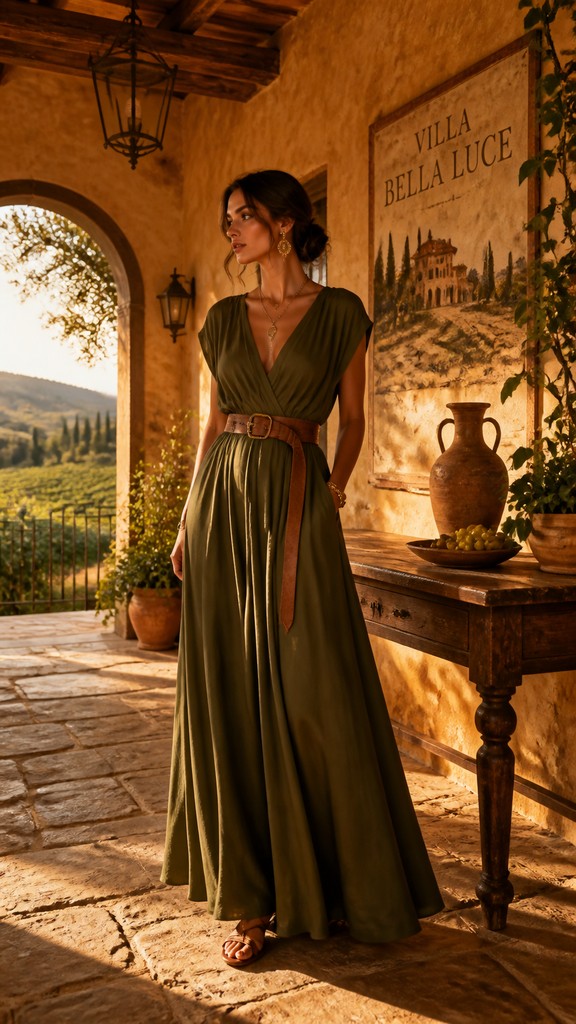
The Story
History & Origins of Tuscan Interior Design
Tuscan Interior Design is not a single named historical movement but a modern decorative style derived from the long vernacular traditions of Tuscany and nearby central Italian regions. Its sources include rural farmhouses, Renaissance-era stone and plaster construction, and the practical interiors of villas and estates that evolved under Mediterranean climate conditions. Over time, these elements became associated with an idealized image of Italian country living: durable materials, restrained ornament, and an indoor-outdoor relationship shaped by agriculture and landscape.
In contemporary interior design, the Tuscan look became widely recognizable through late-20th- and early-21st-century interpretations of Italian rusticity in homes, hospitality spaces, and lifestyle imagery. It overlaps with broader Mediterranean revival design, but the Tuscan version is usually warmer, more earth-toned, and more explicitly tied to terracotta, aged plaster, timber beams, and vineyard imagery. Rather than quoting one exact period, it synthesizes historic regional building habits into a coherent domestic mood.
Influences: Tuscan Interior Design draws from the vernacular architecture of central Italy and from the broader Mediterranean revival tradition, sharing material values with rustic Italian country houses, farm estates, and Renaissance-era masonry interiors. It is closely related to Mediterranean and Italian farmhouse aesthetics, but it is more specific in its use of terracotta, warm plaster, exposed timber, and vineyard-colored light. Its atmosphere also echoes the painterly warmth associated with Italian landscape art, though the style itself is primarily architectural and decorative rather than pictorial; the result is an interior language shaped by place, climate, and craft.
Frequently Asked Questions
What defines Tuscan Interior Design?
It is defined by warm earth tones, textured plaster or stucco walls, exposed wooden beams, stone or terracotta floors, and wrought iron details. The overall feeling is rustic, sun-baked, and rooted in central Italian building traditions.
Is Tuscan Interior Design the same as Mediterranean style?
They overlap, but Tuscan style is usually warmer, earthier, and more specific in its materials and palette. Mediterranean design can include coastal blues, whitewashed surfaces, and a broader regional mix, while Tuscan interiors lean toward terracotta, ochre, and aged plaster.
What colors are most common in this style?
Terracotta, sienna, ochre, olive green, warm cream, sand, and muted brown are the core colors. Accents tend to be subdued and natural rather than bright or glossy.
What materials should I use to create the look?
Use plaster, stucco, stone, terracotta, dark wood, linen, and wrought iron. The key is not just the material list, but the appearance of age, texture, and hand-finished construction.
How do I make a room feel Tuscan without making it look themed?
Focus on structural elements first: walls, floors, beams, and lighting. Then add a limited number of rustic furnishings and natural objects so the space feels authentic and restrained rather than decorated with clichés.
Where is this style commonly used?
It appears in residential interiors, vacation homes, hospitality spaces, restaurants, and lifestyle imagery that aims for a warm Italian country mood. It is especially effective in rooms with arches, fireplaces, beams, or strong natural light.
Create your first Tuscan Interior Design artwork
Describe anything — or upload a photo — and see it in Tuscan Interior Design in seconds.
Related Styles
Discover similar art styles