English Cottage Interior Design
Cozy English cottage interiors with chintz florals, timber beams, hearth glow, layered textiles, and storybook domestic clutter.
Instantly rendered in English Cottage Interior Design — or transform a photo
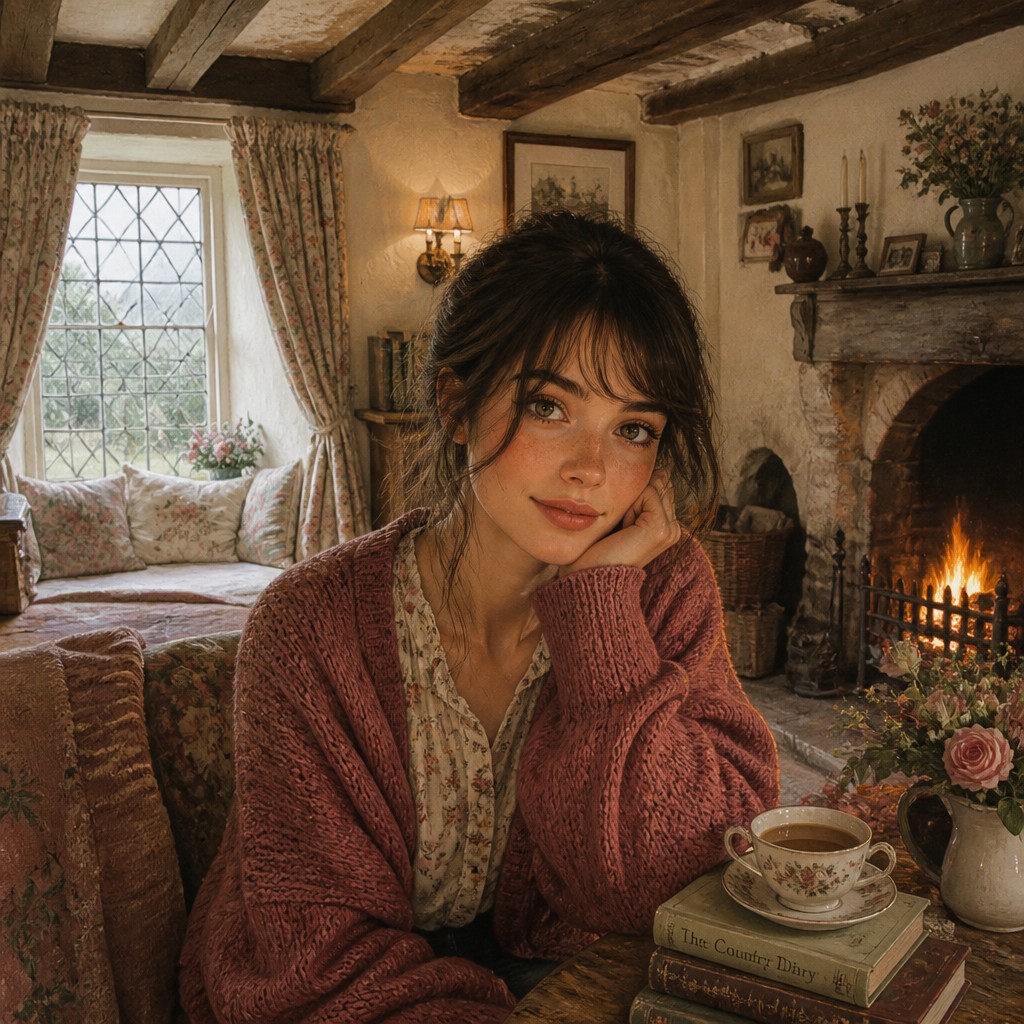
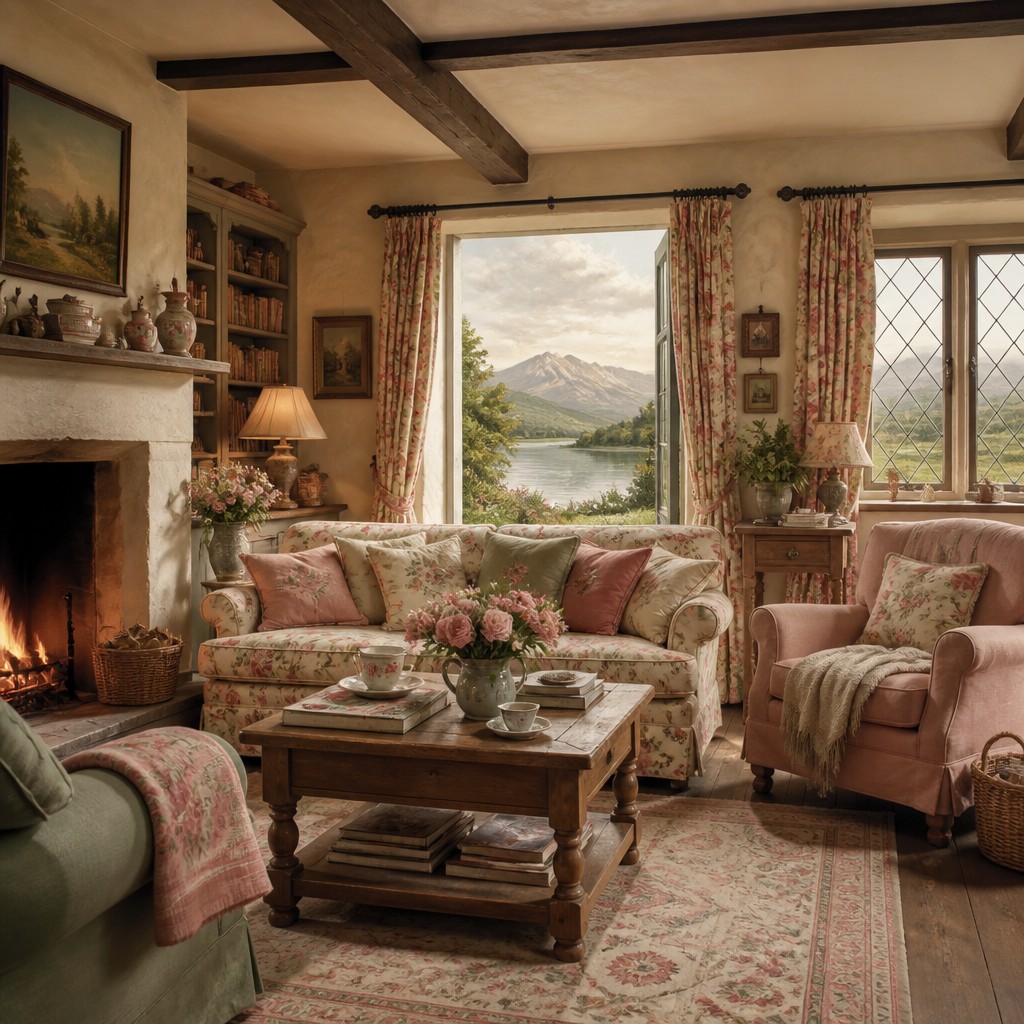
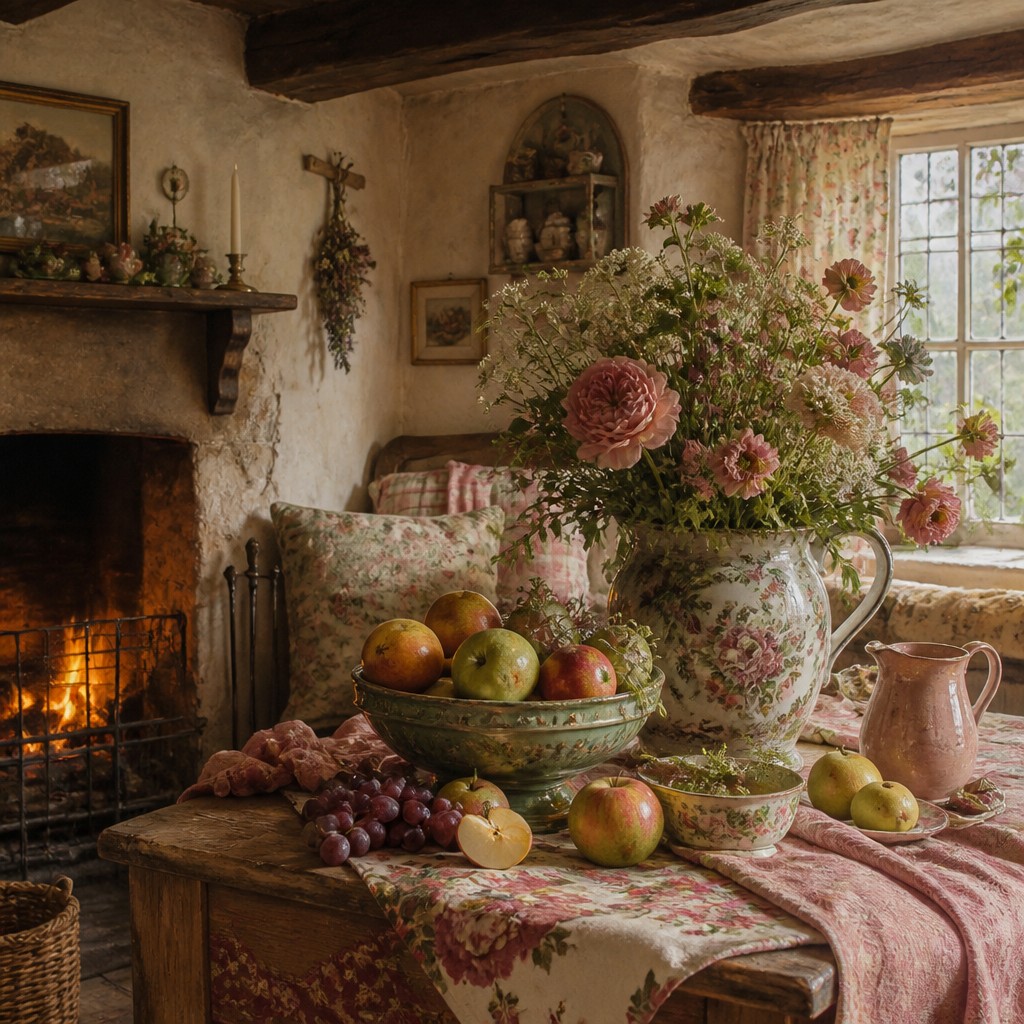
English Cottage Interior Design Gallery
Tap any artwork to explore it
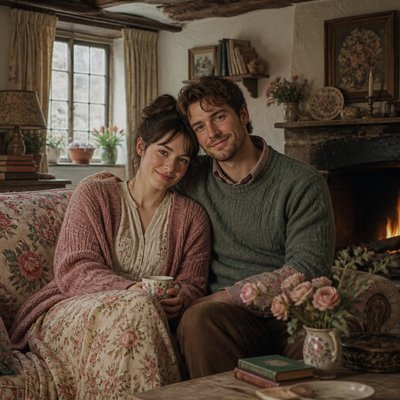
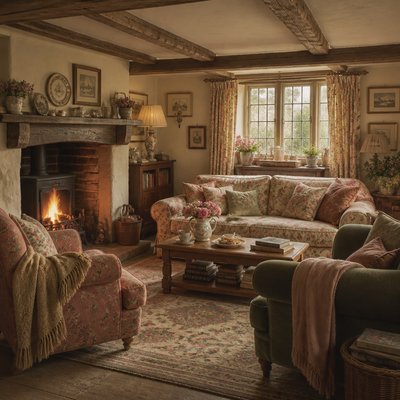
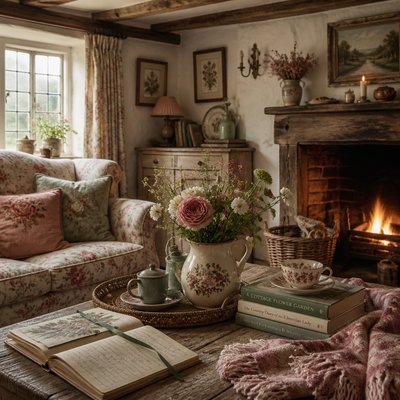
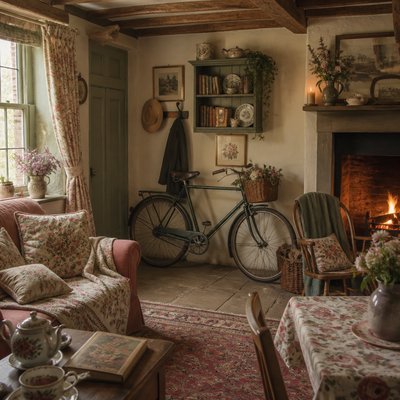
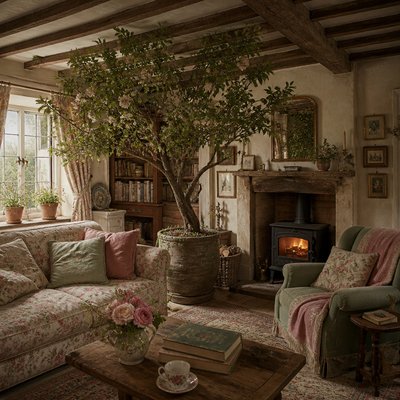
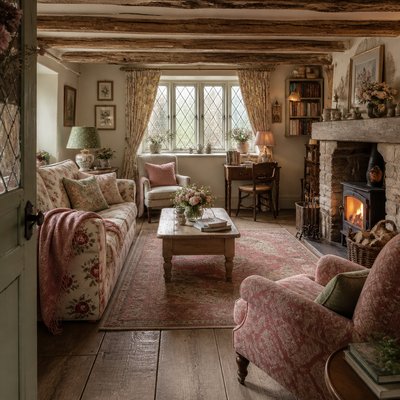
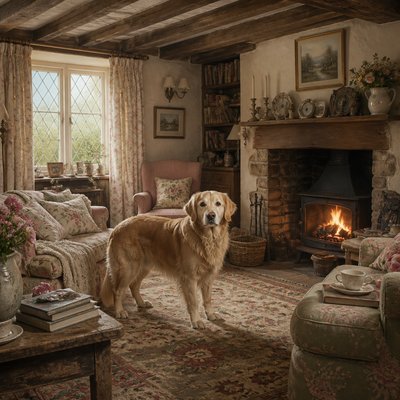
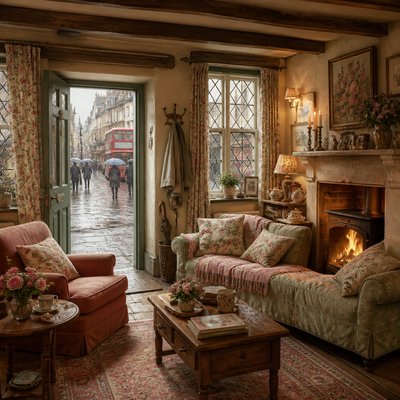
What is English Cottage Interior Design?
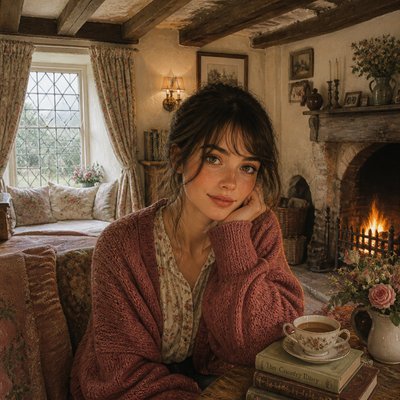
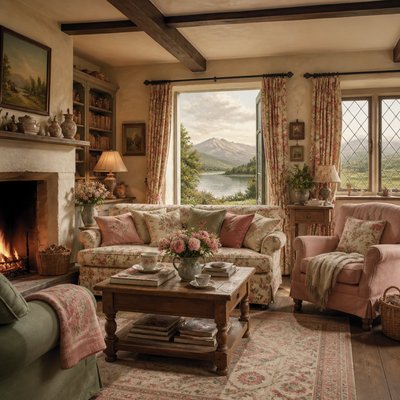
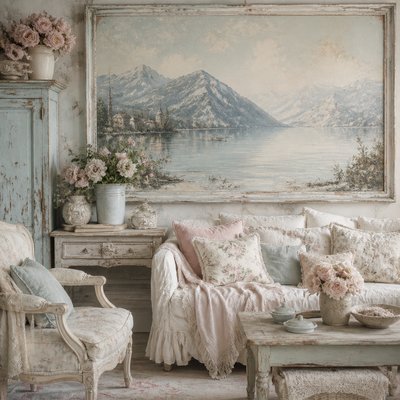
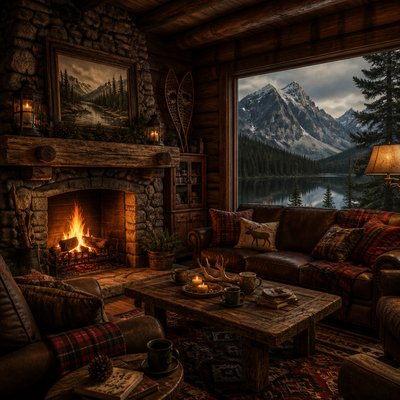
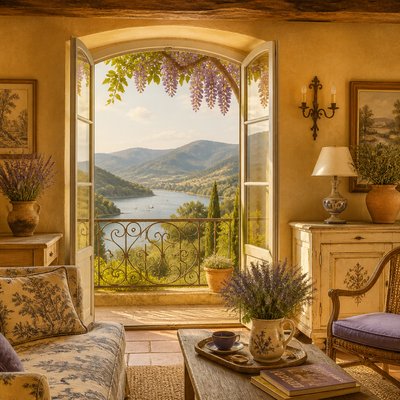
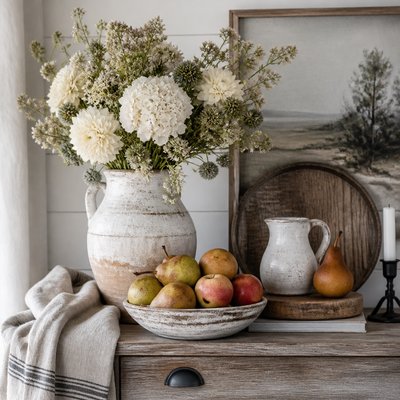
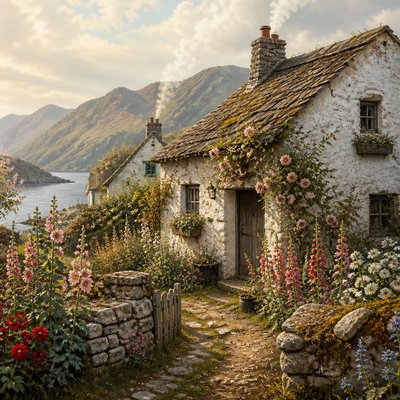
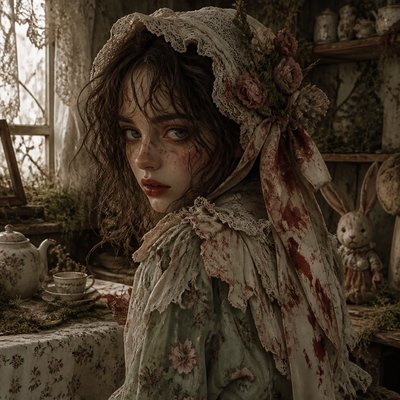
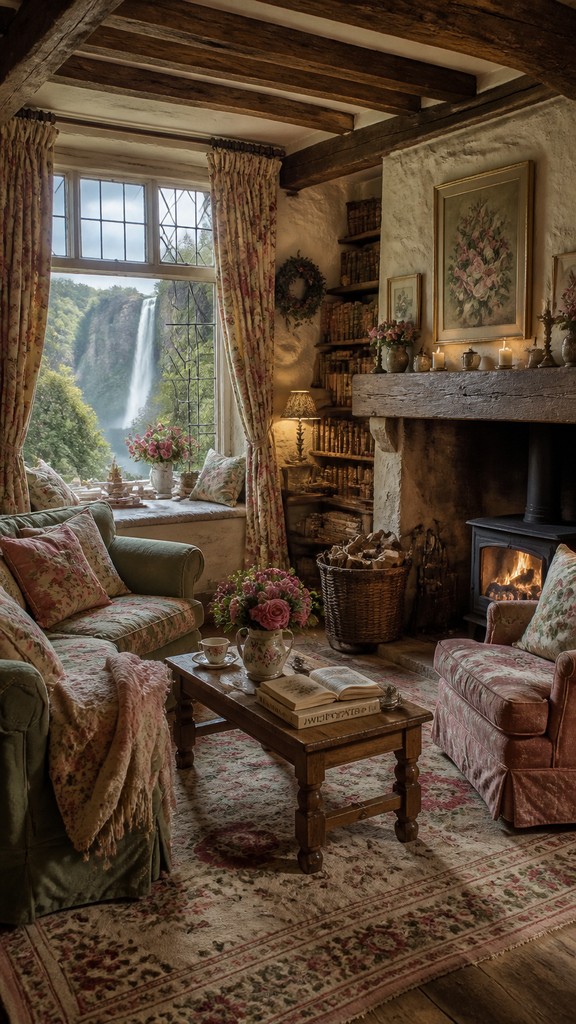
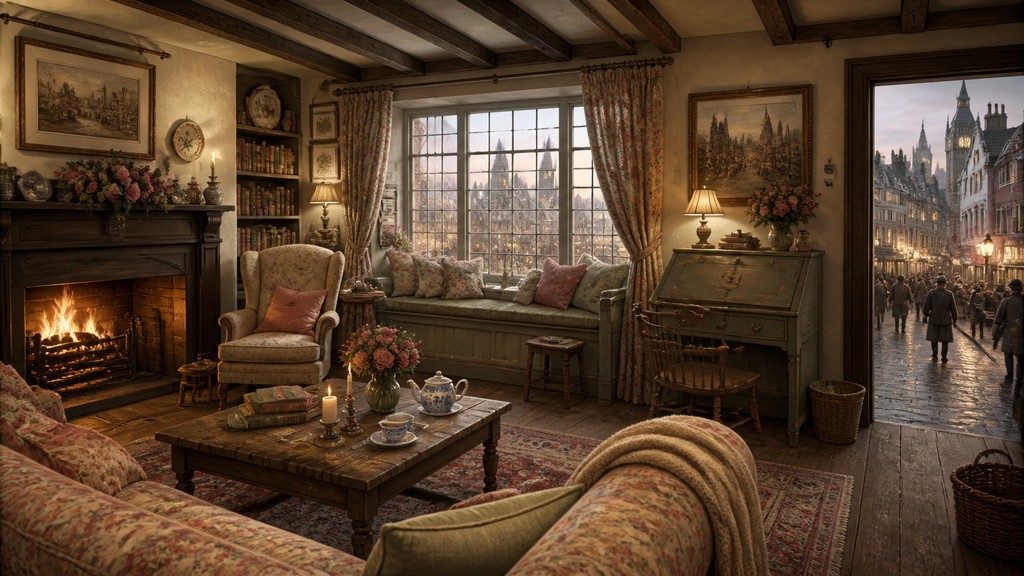
English Cottage Interior Design is a domestic aesthetic centered on warmth, intimacy, and layered visual comfort. It evokes older rural homes in England: rooms with low timber beams, lime-plastered or whitewashed walls, worn oak furniture, floral chintz fabrics, cluttered shelves, and the practical unevenness of spaces shaped by age rather than perfection.
Its appeal comes from accumulated texture and a lived-in feeling. The style often combines muted natural light, firelight, and a palette of rose, sage, cream, and weathered wood tones, creating an atmosphere that feels both humble and carefully cherished. The result is not minimal or formal; it is snug, patterned, and deliberately domestic, with an emphasis on softness, memory, and everyday use.
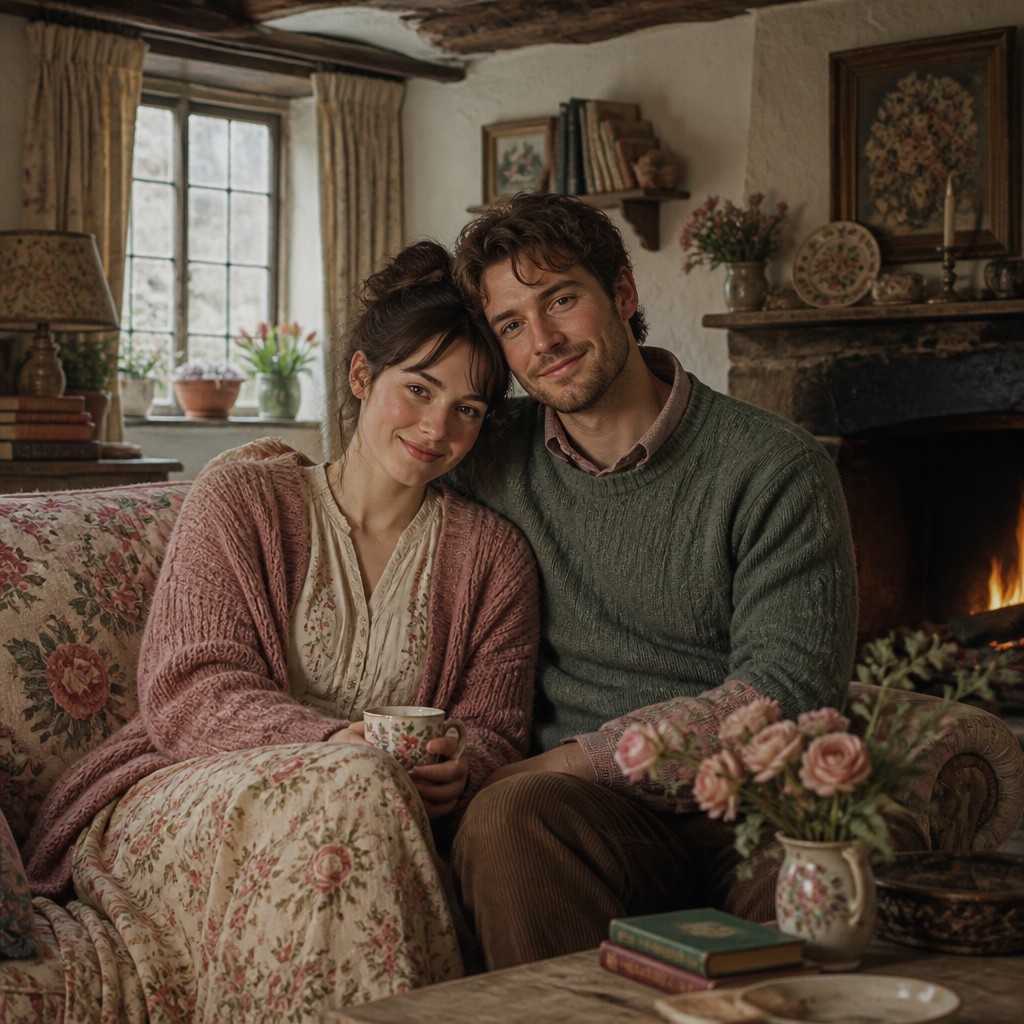
Try It On Your Photos
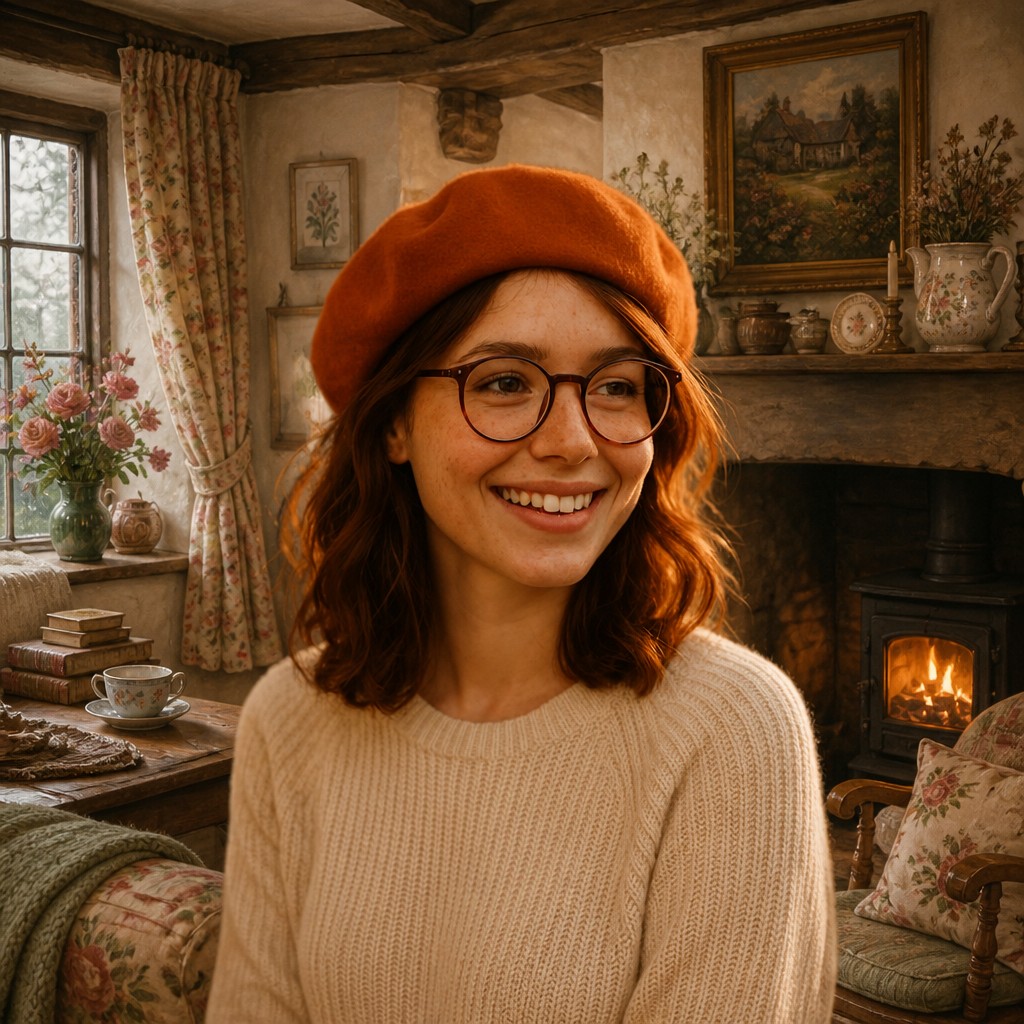
Upload any photo and convert it into English Cottage Interior Design — drag the sliders to compare before and after.


What Defines English Cottage Interior Design
The signature details, up close
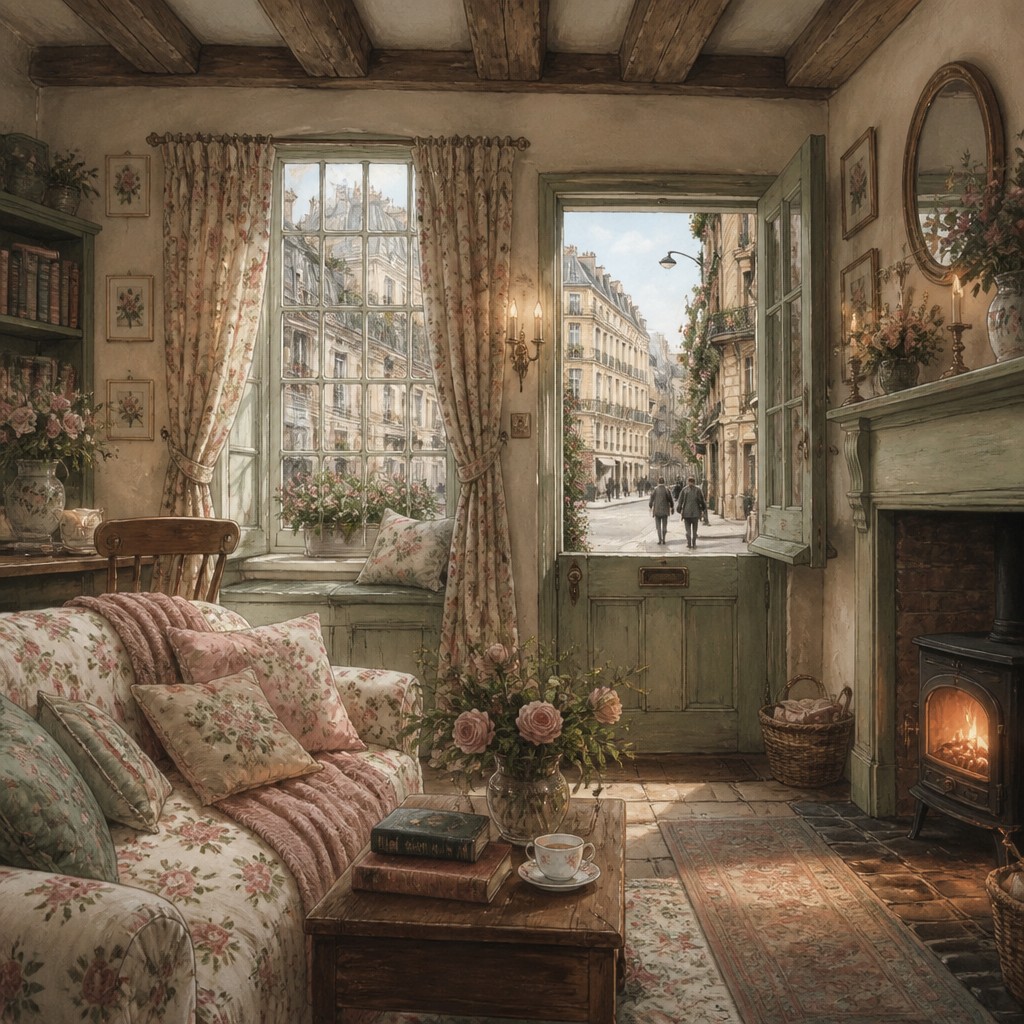
Chintz florals and patterned layering
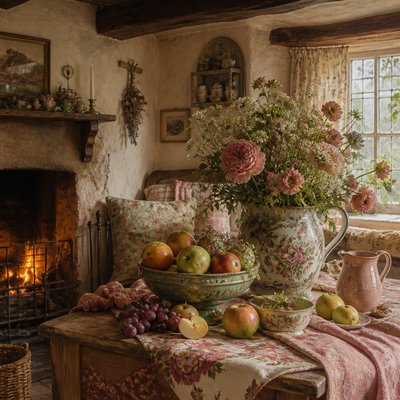
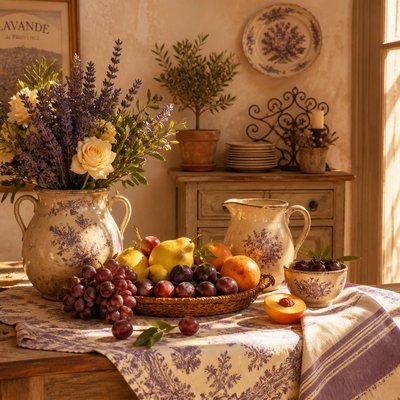
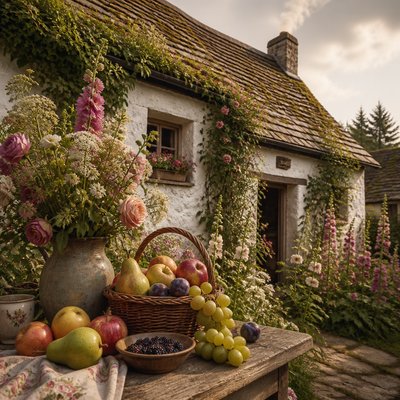
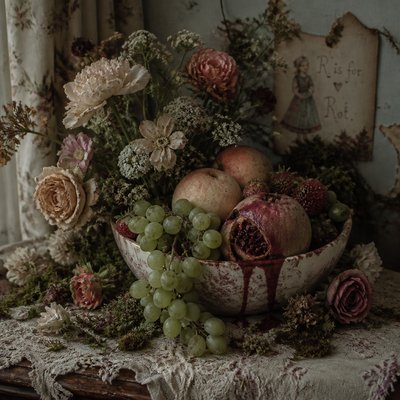
Floral prints, small-scale repeats, and mixed textiles are central to the look. Patterns often overlap across curtains, cushions, upholstery, and bedding to create a dense, enveloping domestic texture.
Timber, plaster, and age-marked surfaces
Low beams, oak furniture, lime-plastered walls, and worn painted wood establish the room’s structure. Surfaces are rarely pristine; scuffs, patina, and softened edges help signal age and use.
Warm, muted color palette
Rose, sage, cream, butter yellow, and faded blue are common, usually tempered by wood tones and fireplace warmth. Colors are soft and weathered rather than bright or high contrast.
Hearth-centered atmosphere
A fireplace or stove often anchors the room compositionally and emotionally. Its glow contributes to the style’s characteristic balance of soft daylight and warm interior light.
Cluttered comfort
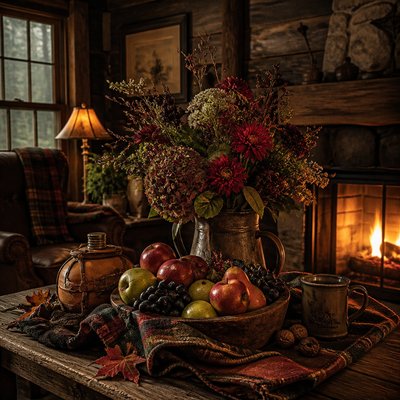
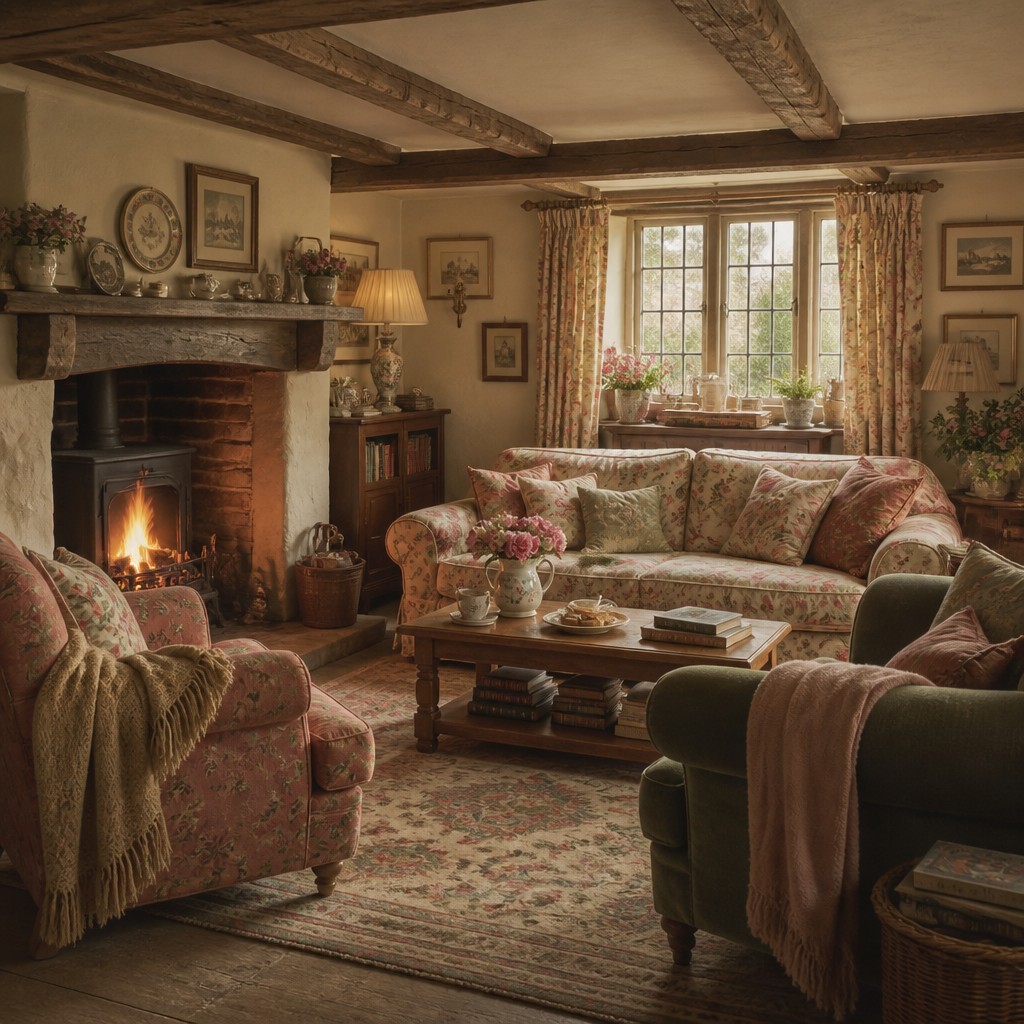
Objects are arranged to feel accumulated rather than curated: books, lamps, crockery, baskets, framed prints, and handwork materials. The visual density suggests a room meant for living in, not for display alone.
Leaded windows and gentle daylight
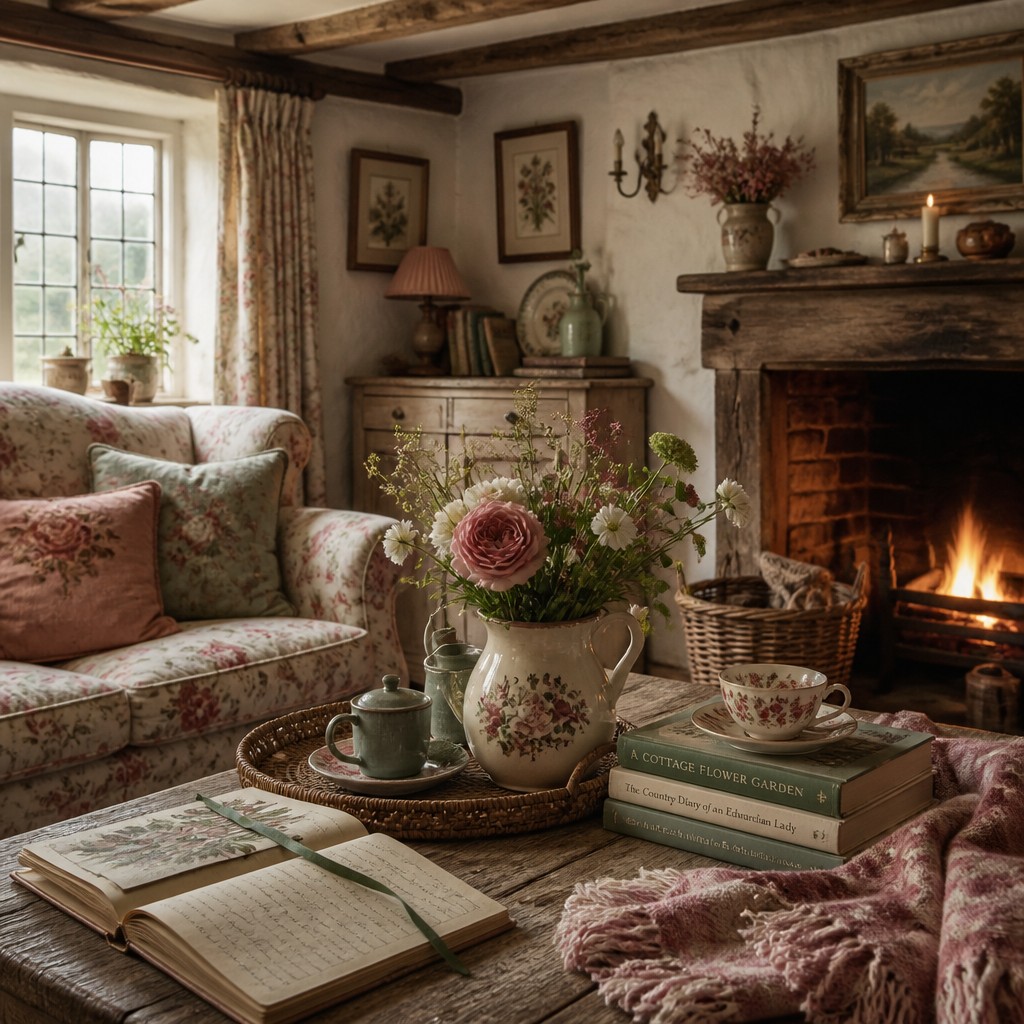
Small-paned or leaded windows, sheer curtains, and low grey daylight are common. The light is diffused, which reinforces the style’s subdued, sheltered mood.
Try It
Create Videos in English Cottage Interior Design
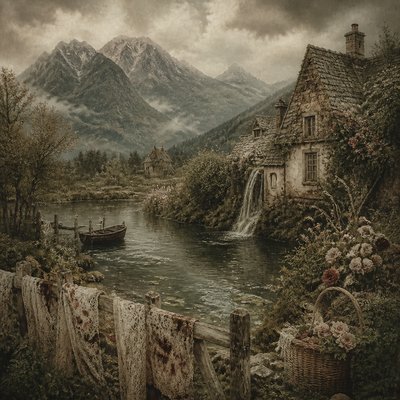
Styles aren't just for stills — describe a scene or animate an image and get a short video rendered in English Cottage Interior Design. Press play to see this pond come to life.
Make a VideoEnglish Cottage Interior Design Prompt Ideas
Start from an idea — each one opens the generator with the style ready to go. See all 40 English Cottage Interior Design prompts →
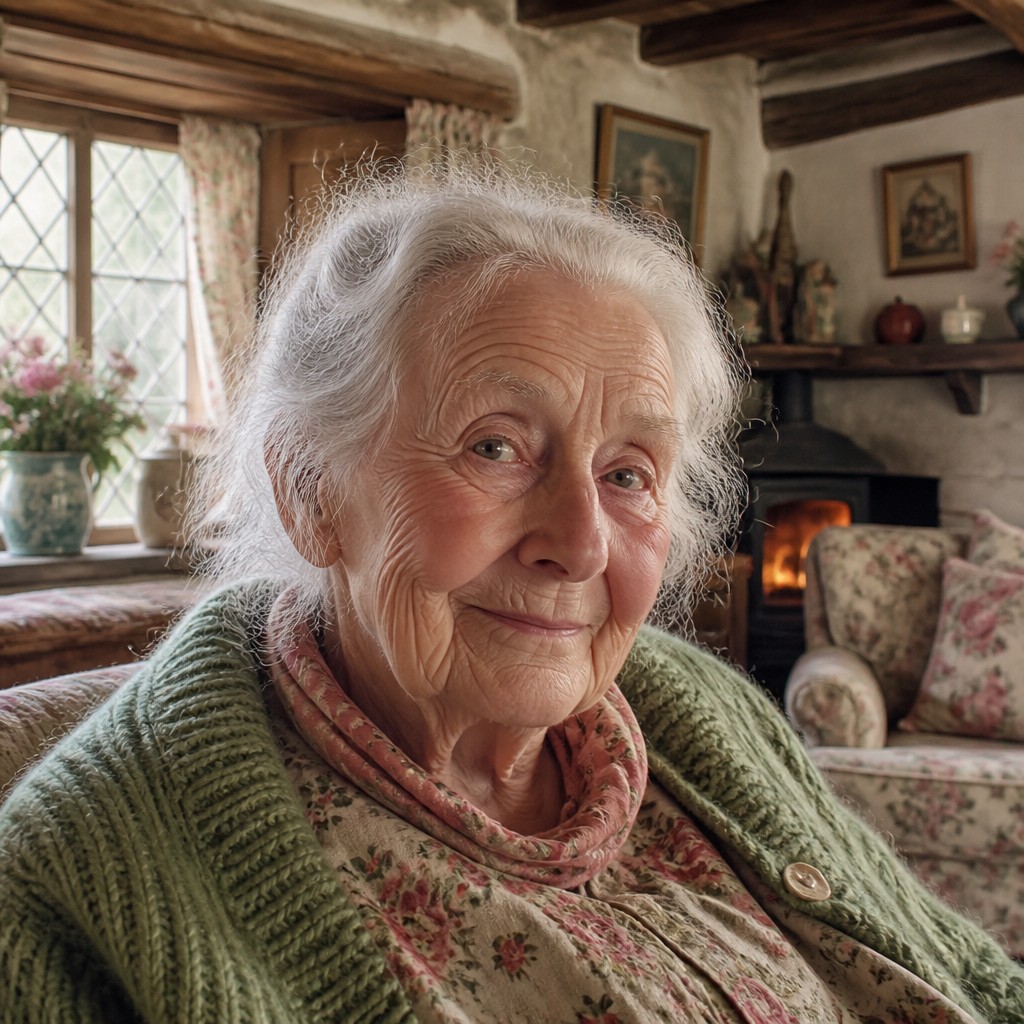
“close-up portrait of an elderly person with expressive weathered features”
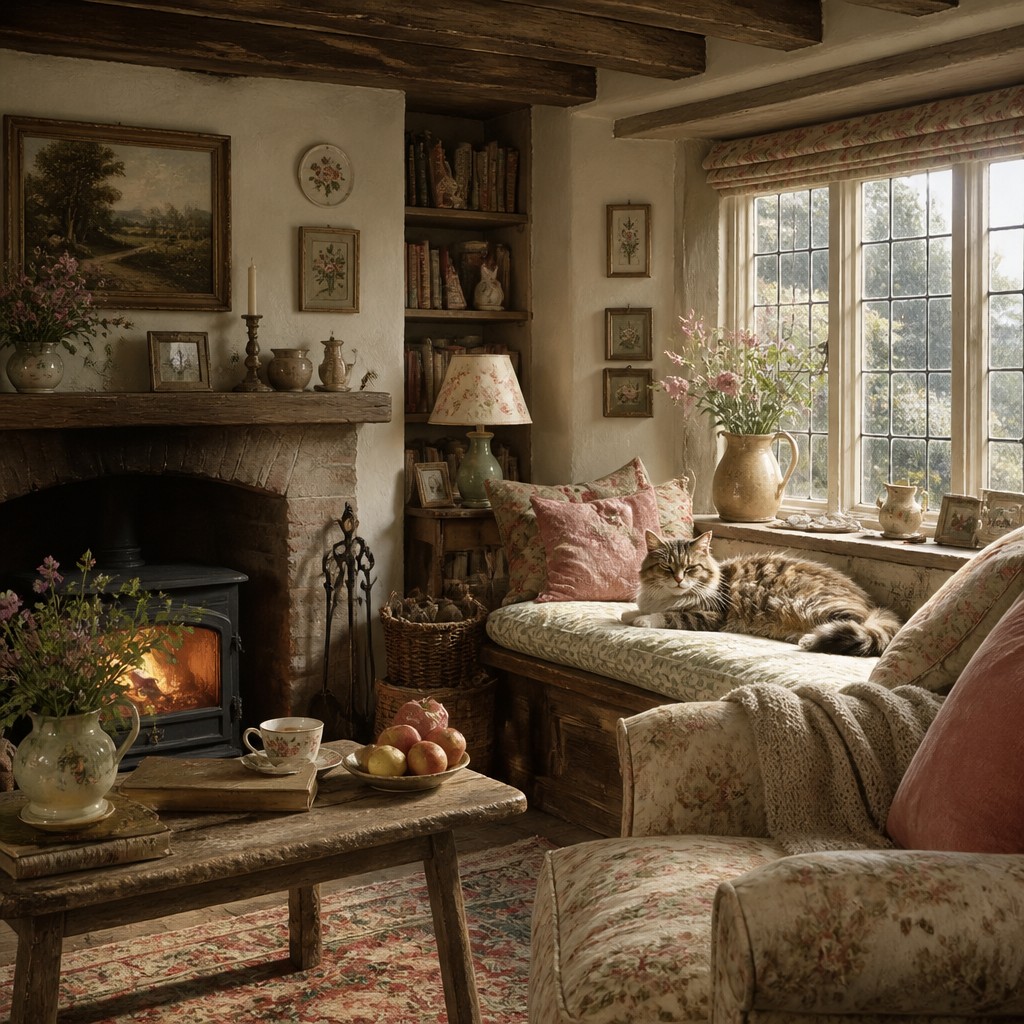
“a cat lounging in a sunlit window”
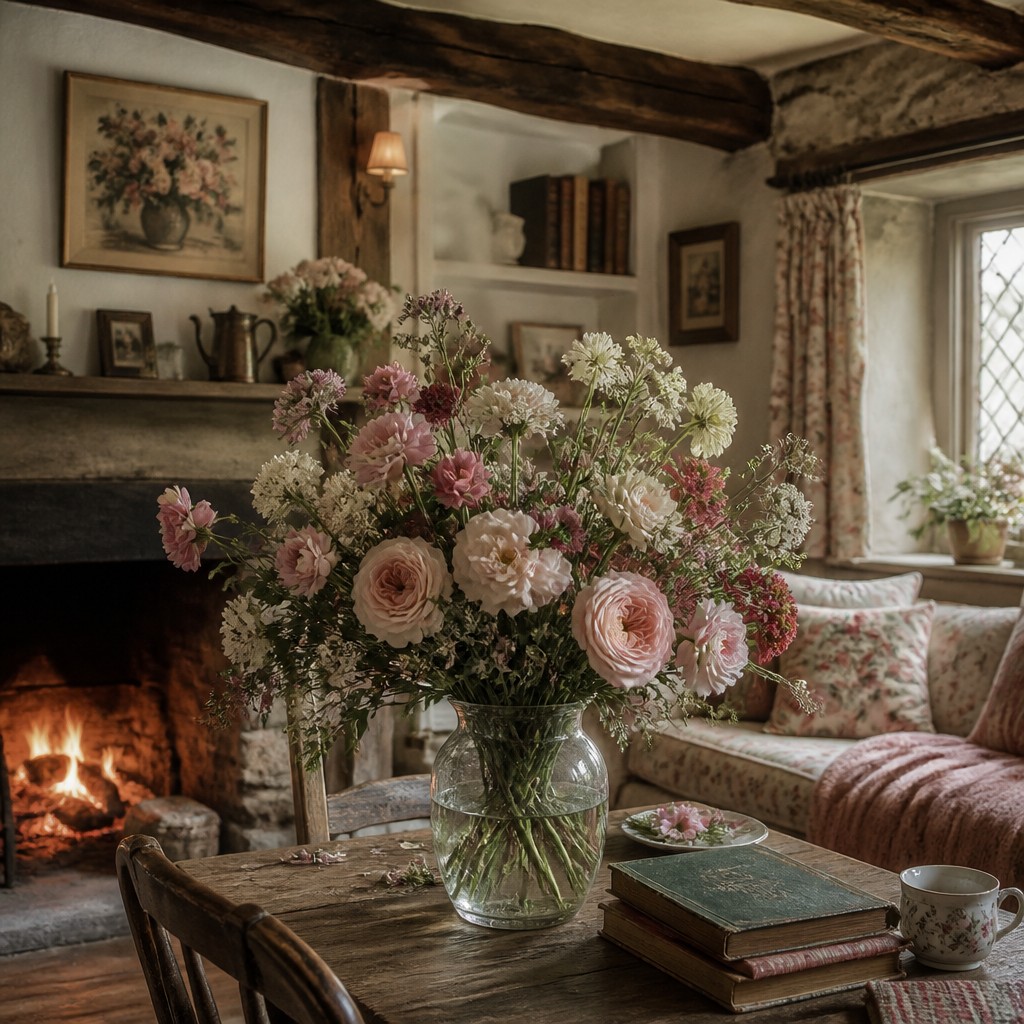
“bouquet of flowers in a glass vase”
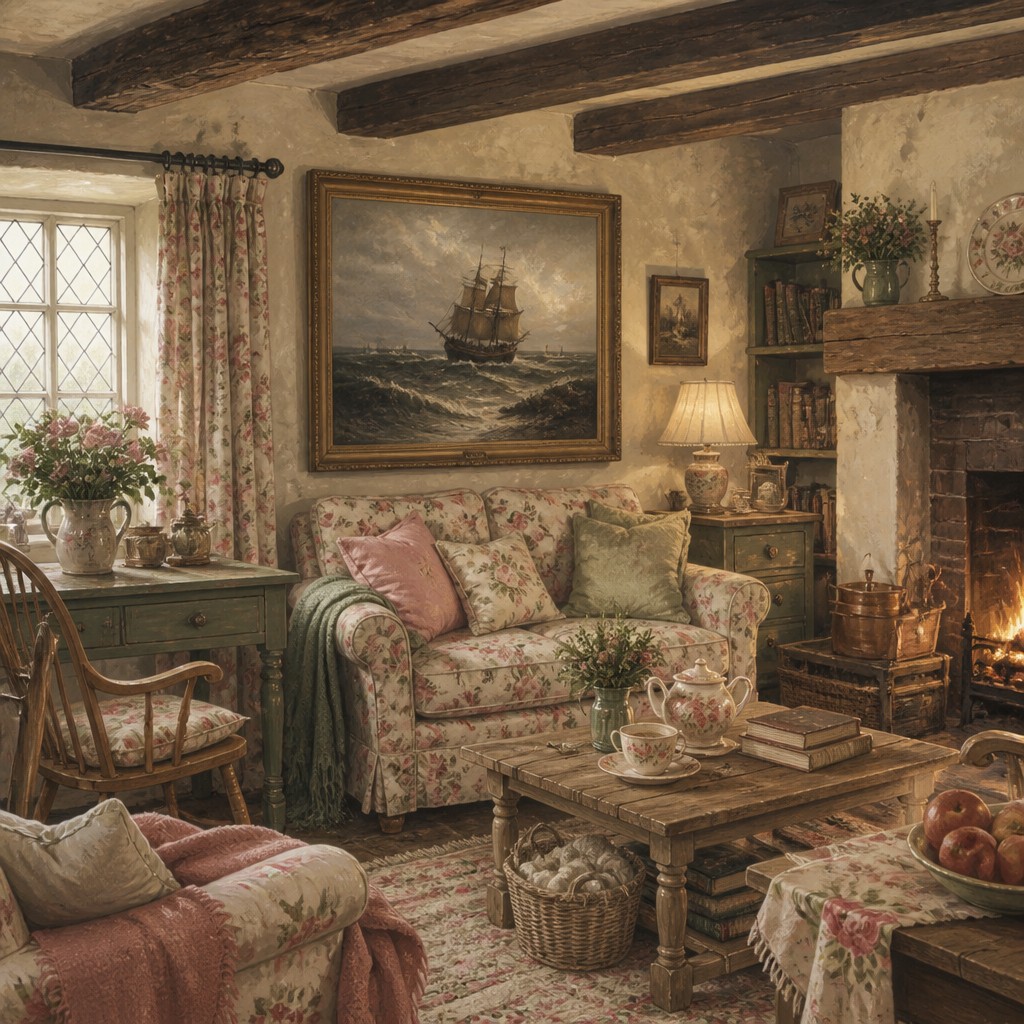
“sailing ship on a stormy sea”
How to Create English Cottage Interior Design Art
Master the craft step by step — or skip straight to creating. Read the full guide →
- 1
Build the room around old materials
Start with structural elements such as exposed beams, plaster walls, uneven floorboards, and a hearth or stove. In traditional rendering, use visible brush texture and softened edges; in digital work, add patina, grain, and subtle wear to keep the space from looking sterile.
- 2
Layer textiles without over-ordering them
Use curtains, cushions, rugs, and upholstery in mixed florals, checks, and stripes, but keep the colors related. When prompting, specify layered patterned textiles, faded chintz, and cozy domestic clutter so the composition reads as lived-in rather than chaotic.
- 3
Control the palette
Limit the scene to muted rose, sage, cream, and warm wood tones, then add a small amount of hearth orange or grey daylight. This restrained palette is what keeps the abundance of pattern feeling calm.
- 4
Use soft, atmospheric lighting
Combine cool window light with a warm interior glow to produce the style’s characteristic contrast. In image-making prompts, phrases like gentle daylight, soft hearth glow, and painterly warmth help establish the mood.
- 5
Include practical domestic objects
Populate the room with books, teacups, baskets, stacked linens, ceramic lamps, and simple handmade accessories. These items should feel functional and personal, not decorative in a formal or minimalist sense.
- 6
Prompt for age, warmth, and enclosure
For digital or AI-assisted creation, specify storybook domestic charm, snug comfort, worn oak textures, and an unhurried atmosphere. Avoid modern showroom language; the style depends on softness, imperfection, and a sense of accumulated home life.

The Story
History & Origins of English Cottage Interior Design
As a historical interior tradition, English cottage design grew out of vernacular rural housing in England, where building materials, room proportions, and furnishings were determined by local craft, climate, and economy. Timber framing, lime plaster, exposed beams, hearth-centered planning, and handmade textiles all belong to long-standing building practices rather than a single formal movement.
The decorative version of the style became especially recognizable through 19th- and early 20th-century romantic ideas about country life, later reinforced by preserved historic houses, period dramas, and home-making traditions such as chintz layering, floral curtains, and collected antiques. Its modern visual identity draws from vernacular architecture, Victorian domestic interiors, and the broader British cottagecore sensibility that values comfort, thrift, and visual abundance.
Influences: This style draws from English vernacular architecture, Victorian domestic interiors, and the long tradition of country-house decorating, especially the use of chintz textiles and collected furnishings. It also overlaps with the broader cottagecore aesthetic and with Romantic-era idealizations of rural domestic life, though its look is grounded more in interior texture than in picturesque landscape. In the visual arts, its mood aligns with painterly domestic scenes and carefully observed interiors rather than with a single named school.
Frequently Asked Questions
What defines English Cottage Interior Design?
It is defined by warmth, pattern, age, and domestic abundance. Key markers include floral textiles, timber beams, plaster walls, hearth light, and a layered, comfortable room filled with practical objects.
How is it different from farmhouse style?
Farmhouse style is usually simpler, cleaner, and more utilitarian in its modern form. English cottage interiors are typically more patterned, more intimate, and more visually layered, with stronger emphasis on chintz, clutter, and old-world coziness.
How is it different from shabby chic?
Shabby chic often emphasizes pale, distressed elegance and a deliberately curated vintage look. English cottage interiors are less polished and more rooted in vernacular warmth, with heavier use of warm woods, hearths, and dense fabric patterning.
What colors work best in this style?
Muted rose, sage, cream, butter yellow, dusty blue, and warm brown are especially effective. The goal is a softened, timeworn palette rather than saturated color or sharp contrast.
Can this style be used in modern homes?
Yes, but it usually works best when translated through texture and lighting rather than exact historical replication. A modern room can adopt cottage cues such as layered textiles, warm wood, floral prints, and softer lighting while keeping the floor plan contemporary.
What should I include when creating art in this style?
Include visible age, cozy clutter, patterned fabrics, timber or wood furniture, and a clear sense of enclosure. Whether painting, photographing, or generating an image, the room should feel collected over time rather than staged for display.
Create your first English Cottage Interior Design artwork
Describe anything — or upload a photo — and see it in English Cottage Interior Design in seconds.
Related Styles
Discover similar art styles